Minkyoo Choi (b. 1987) works across the boundaries of installation and new media, exploring the points at which the material and the immaterial, the familiar and the unfamiliar intersect.
 
Drawing from the anxiety and sense of dislocation that emerged as he adapted to a new environment after moving to the Middle East with his father during childhood, the artist reassembles unfamiliar visual images of the places he encountered and lived in, along with his personal experiences, into his own form of architectural sculpture that transcends time, space, and culture.


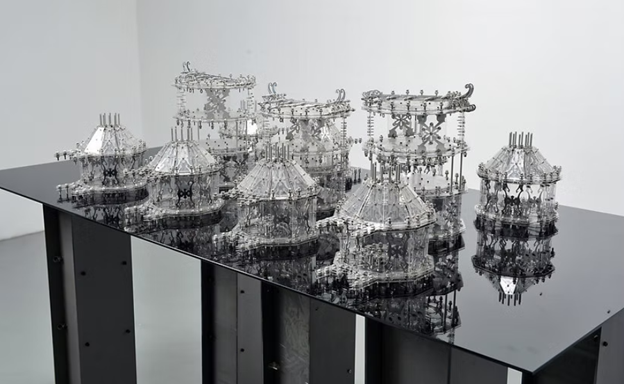
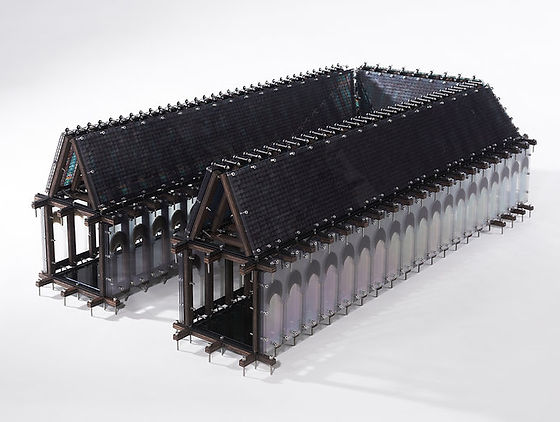
Minkyoo Choi, Permeate module 1, 2015, Polycarbonate, steel, wood, bolt, nut, 30x30x30cm © Minkyoo Choi

Rooted in autobiographical experiences from his childhood, Minkyoo Choi’s work presents a new sculptural perspective through the discovery of distinctive objects, exploring familiarity and unfamiliarity, as well as processes of connection and disassembly, through architectural elements.
 
He regards architecture as “the outcome of the thoughts and ideologies of each era,” as well as “a visual medium capable of captivating others,” while at the same time maintaining that it is “most intimately connected to human life and society.”


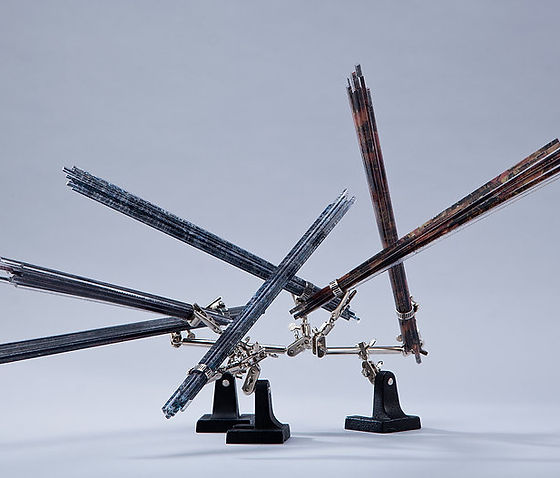
Minkyoo Choi, Blank Hide and seek-assemble 90 degrees, 2018, Print on acrylic, steel, bolt, nut, 30x30x20cm © Minkyoo Choi

Just as the ideologies of human society have been reflected in architecture, the artist translates the unstable emotions he experienced in a new environment into precisely designed structures; over time, these internalized feelings are transformed into reconfigured images and expressed as newly constructed “spatial structures.”
 
Each component, initially designed on a two-dimensional plane, is assembled into a three-dimensional form through processes of planning and construction. This process reflects how the subject—the “self”—absorbs and assimilates environment and culture.


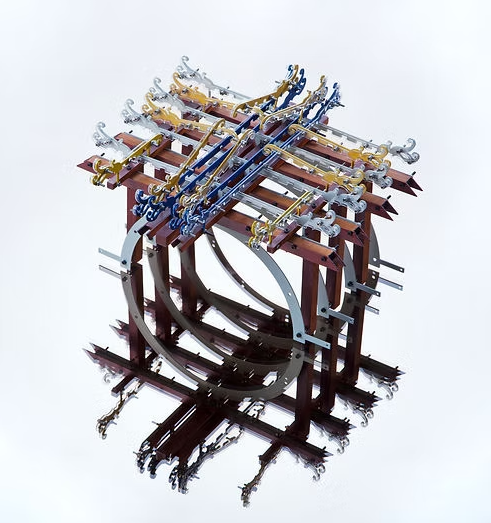
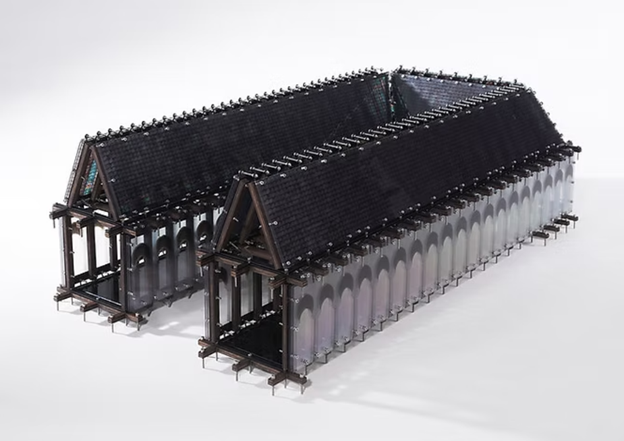
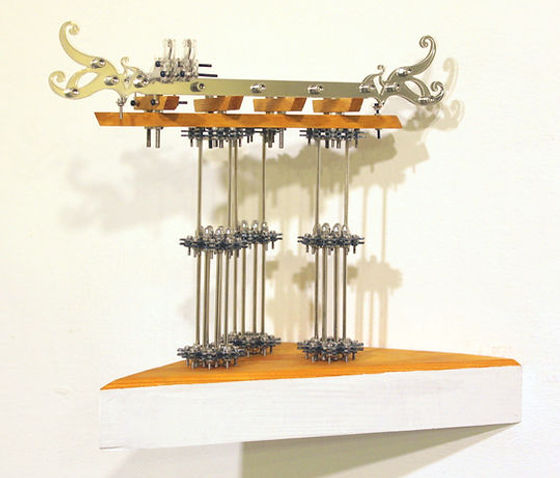
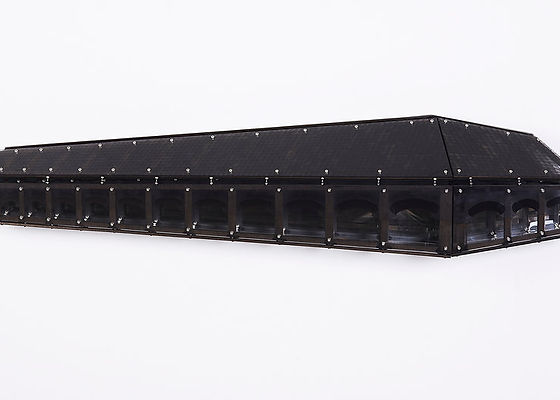
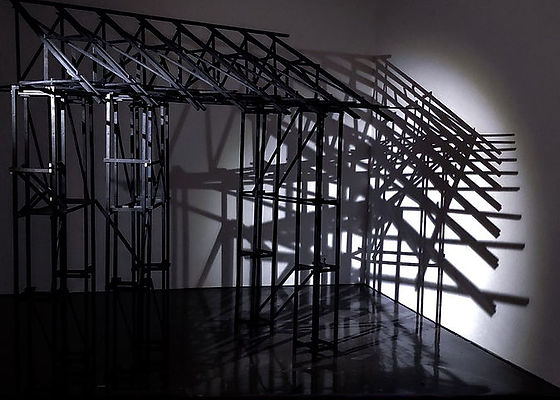
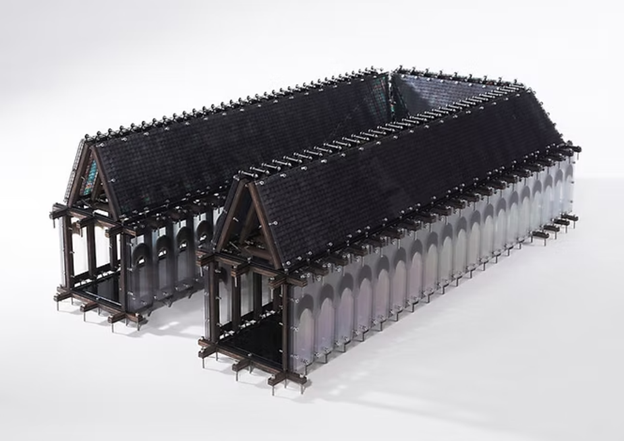
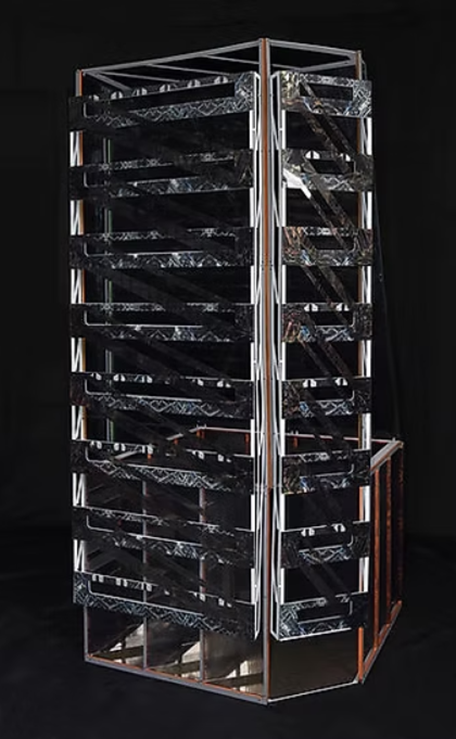
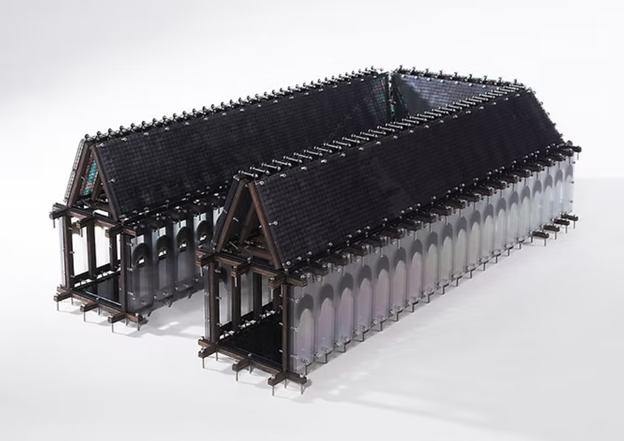
Minkyoo Choi, Permeate structure Ⅰ, 2015, Polycarbonate, steel, wood, black mirror, bolt, nut, 100x50x25cm © Minkyoo Choi

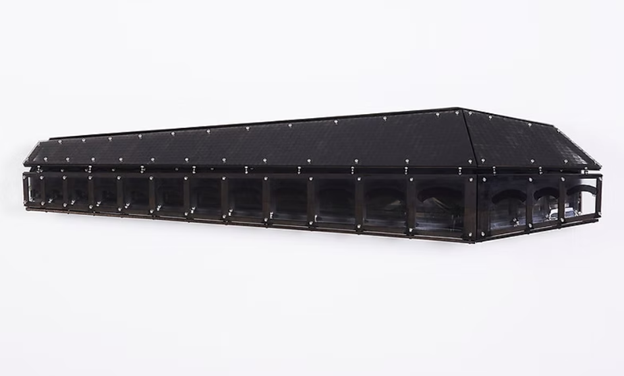
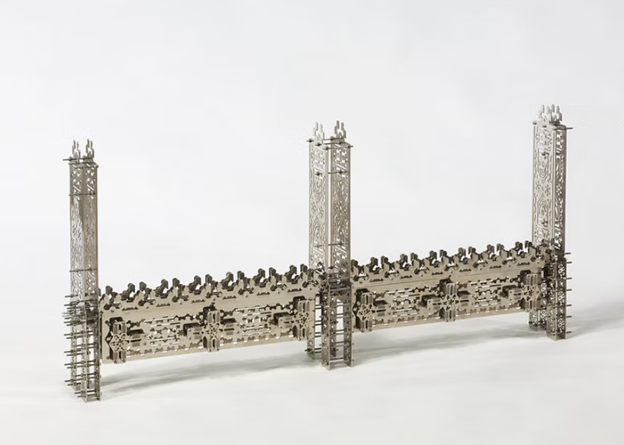
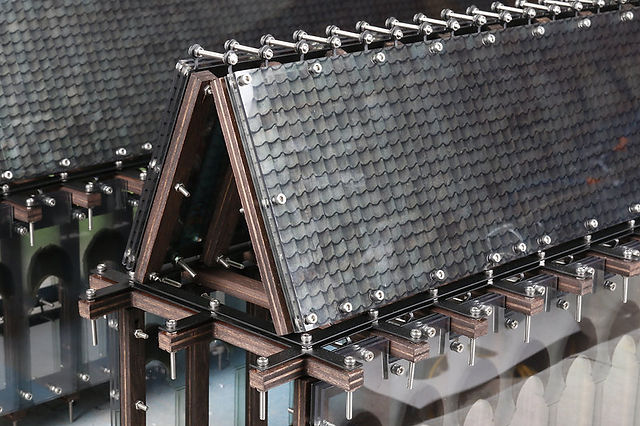
For instance, his abstract architectural work Permeate Structure (2015) condenses Minkyoo Choi’s inner psychology and sensibility, shaped through adaptation and growth within an unfamiliar environment. The work combines architectural motifs from mosques with the tiled roof patterns of traditional Korean hanok, revealing a heterogeneous formal language in which the unfamiliar and the familiar coexist.
 
Professor Kwang-Suk Lee of Seoul National University of Science and Technology described the work as “infusing the artist’s own technological sensibility, ‘permeated’ by unfamiliar environments and cultures.” In other words, it can be understood as a projection of the artist’s experience as an outsider onto a spatial structure.


Minkyoo Choi, Permeate structure Ⅰ (detail), 2015, Polycarbonate, steel, wood, black mirror, bolt, nut, 100x50x25cm © Minkyoo Choi

Looking at his working process, the artist first sketches the architectural sculpture, then reconstructs it as a Photoshop image before developing a model through a 3D program to test its form and identify potential structural flaws in the final production. After reviewing and addressing these issues, he uses CAD to quantify the design, ultimately determining the precise dimensions, number of components, and points of assembly.


Minkyoo Choi, Permeate structure Ⅱ, 2015, Polycarbonate, steel, wood, black mirror, bolt, nut, 120x30x15cm © Minkyoo Choi

Through this meticulous preparatory process, each component is carefully assembled by the artist’s hand, ultimately taking form as an architectural sculpture.
 
This method of modular, assembled construction also reconnects with the artist’s childhood experiences. His early passion for building with LEGO blocks had a profound influence, later becoming a vital source of artistic nourishment. By exploring his deeply ingrained inclination toward assembly, he transforms it into a self-defining artistic practice in the present.


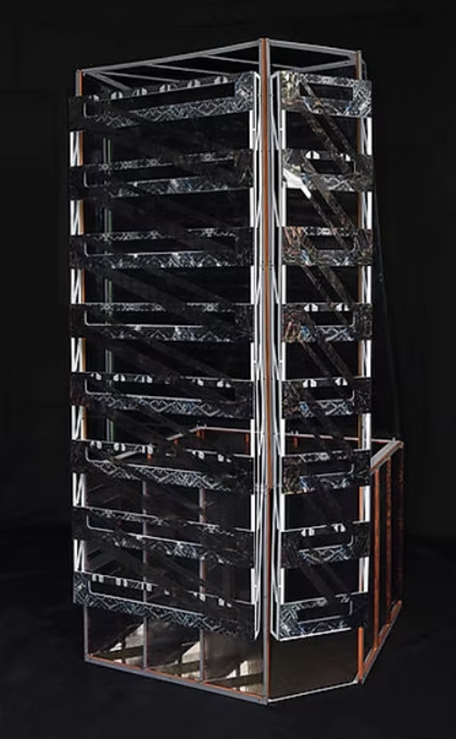
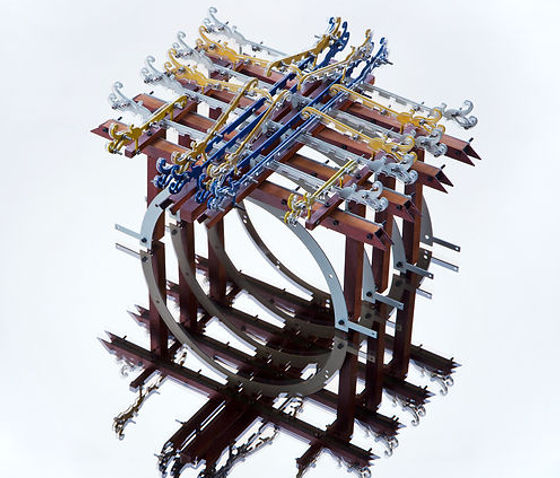
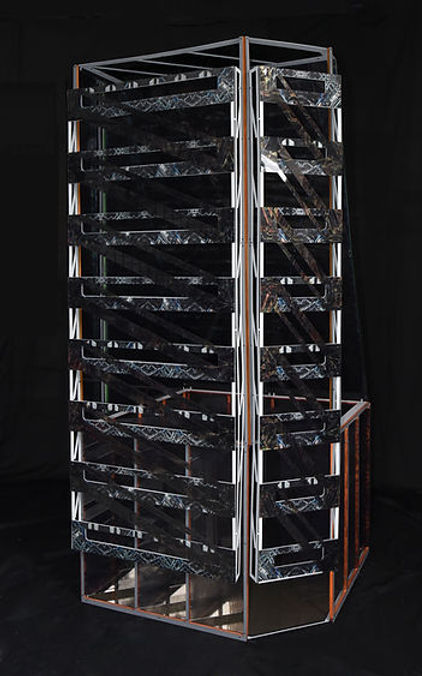
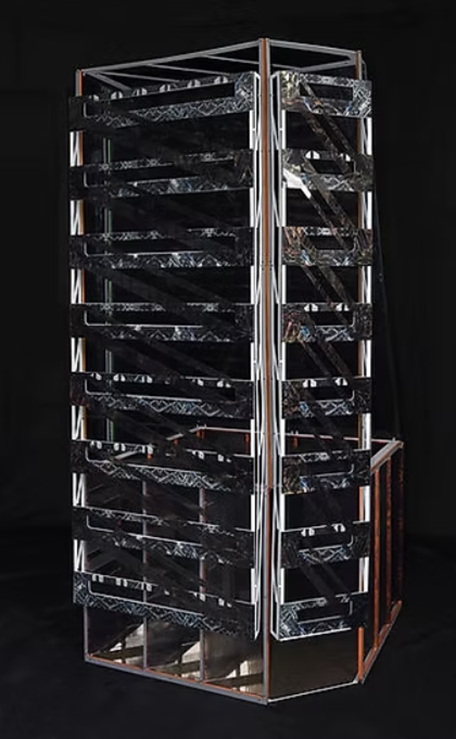
Minkyoo Choi, Drift grid-scene 867, 2017, Polycarbonate, steel, wood, mirror, bolt, nut, 80x80x180cm © Minkyoo Choi

Meanwhile, his 2017 solo exhibition 《Drift Grid》, held at Shinhan Gallery, moves beyond past experiences to explore the process of recognizing the self based on the ground upon which the artist currently stands.
 
The series ‘Drift Grid’ presented in the exhibition consists of relief works and three-dimensional drawings that precede full architectural realization. In the case of Drift Grid – scene 867, one may infer the identity of the structure—whether commercial, residential, or mixed-use—but upon closer inspection, it reveals a mixture of conflicting structures, materials, and architectural characteristics, each asserting a different identity.
 
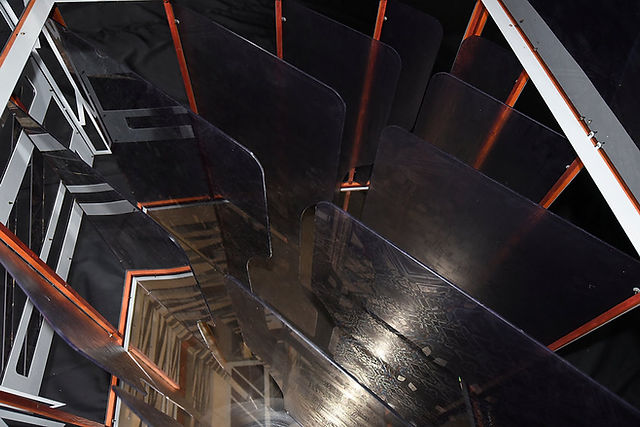
Furthermore, the interior space is reflected through mirrors, causing overlapping structures that disorient the viewer’s gaze and set it adrift.


Minkyoo Choi, Drift grid-scene 867 (detail), 2017, Polycarbonate, steel, wood, mirror, bolt, nut, 80x80x180cm © Minkyoo Choi

Regarding the ‘Drift Grid’ series, Minkyoo Choi explains that it “represents the sense of unfamiliarity I felt in each element of the architecture I encountered when beginning a new life in a new environment, as well as the process of absorbing those elements and seeking transformation.”
 
The two-dimensional planar grid reflects the artist’s “site”—his perspective on a seemingly perfect structure built upon accumulated instability—while the completed structure represents another “self,” reconstituted from the emotions that have newly permeated him.


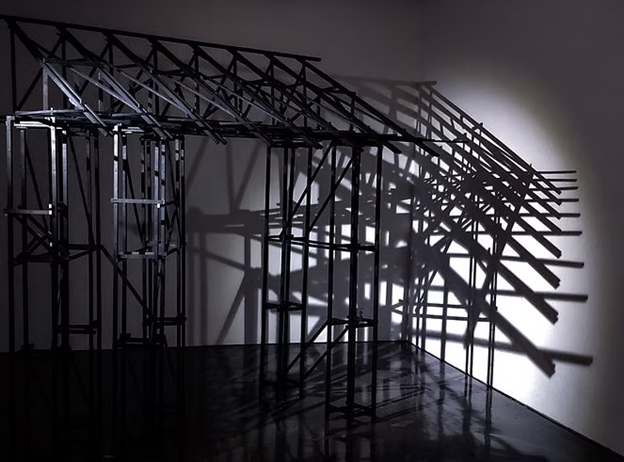
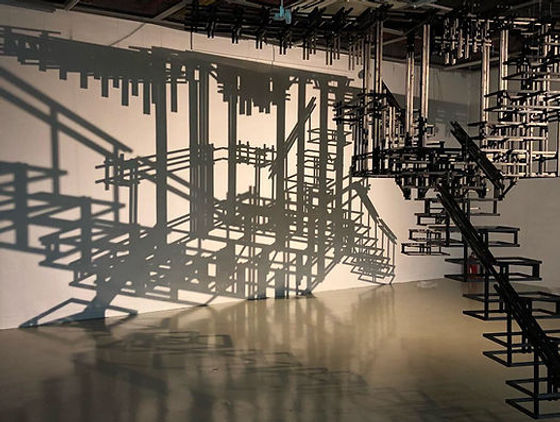
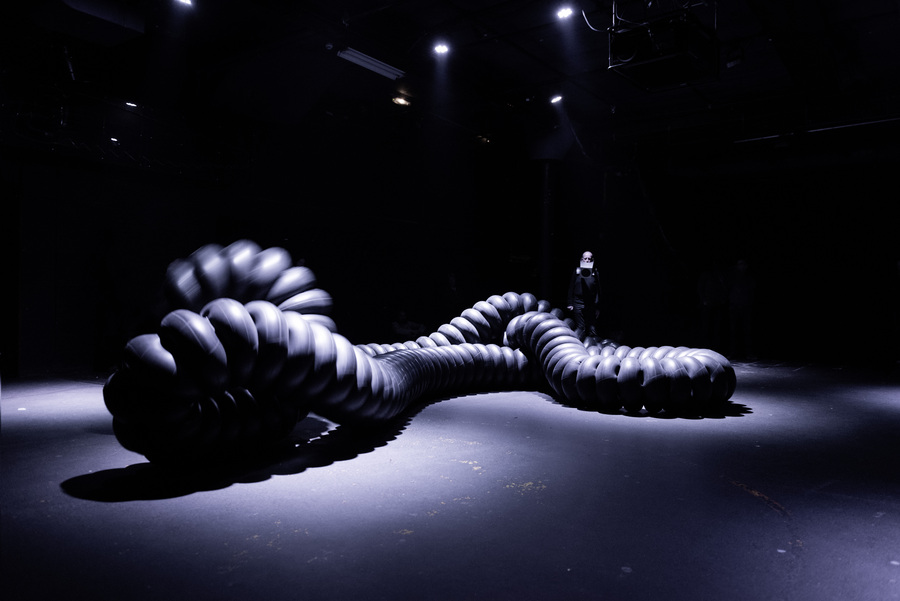
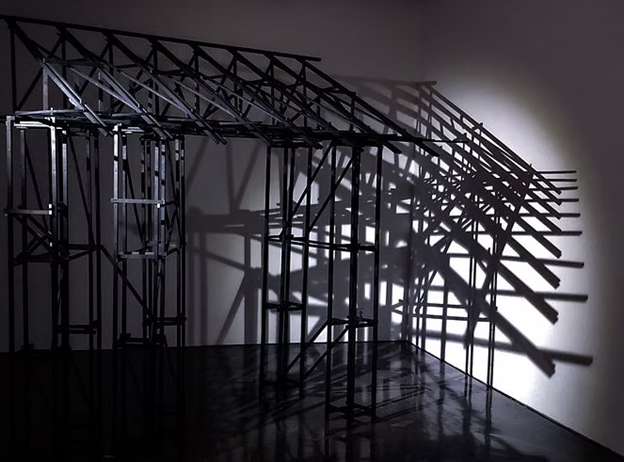
Minkyoo Choi, Blank Hide and seek-Unusual point, 2018, Wood, indian ink, 550x500x340cm © Minkyoo Choi

Meanwhile, in his 2018 solo exhibition 《Blank–Hide and Seek》 at Gallery Chosun, Minkyoo Choi did not present fully completed works; instead, he encouraged viewers to actively assemble images themselves.
 
The exhibition begins with a black structural framework. Reduced to a bare skeleton, this structure lacks any of the elements typically associated with architecture—such as doors, windows, surfaces, or ornamentation—making it impossible to determine its meaning or intended function.


Minkyoo Choi, Blank Hide and seek-Hide to, 2018, Wood, bolt, nut, 140x100x160cm © Minkyoo Choi

The artist refers to this structure as “Blank.” Surrounding it are fragments constructed from collected narratives. Each fragment possesses its own distinct form, content, and imagery, and the act of producing and installing these fragments is termed “Hide.”
 
Scattered throughout the space, these fragments function as clues, suggesting how they might relate to the Blank structure—its possible form, spatial arrangement, scale, background, and purpose. The act of inferring from these given fragments is called “Seek,” through which viewers begin to imagine and reconstruct the Blank—situated between reality and virtual space—based on their own experiences and imagination.


Minkyoo Choi, Blank Hide and seek-assemble 360 degrees, 2018, Print on acrylic, steel, bolt, nut, 30x30x20cm © Minkyoo Choi

In other words, there is no single correct answer to the Blank. Rather, it is continuously reconstructed as a space shaped by individual imagination through the repeated acts of Hide and Seek, using the collected fragments.
 
Within this structure, his work constantly transforms into a variety of spatial configurations, emerging anew through the interplay of given clues and empty space.


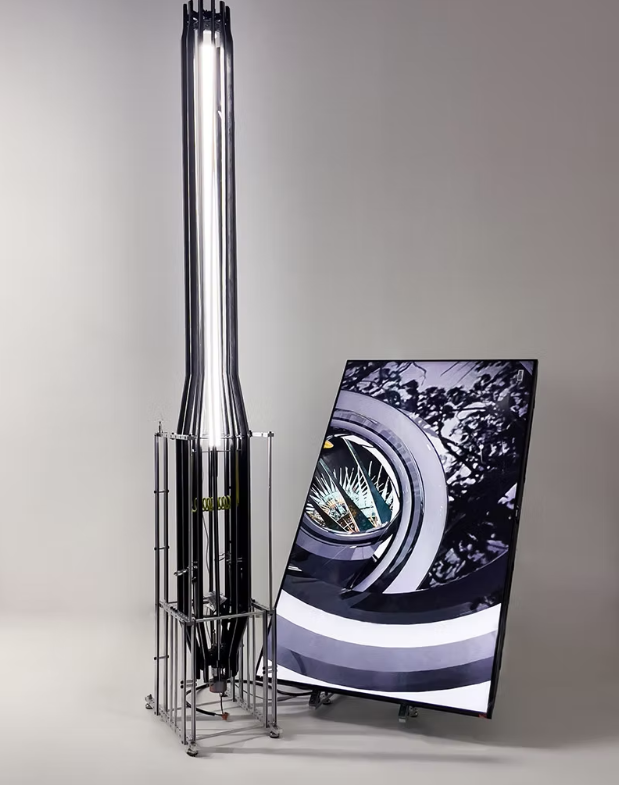
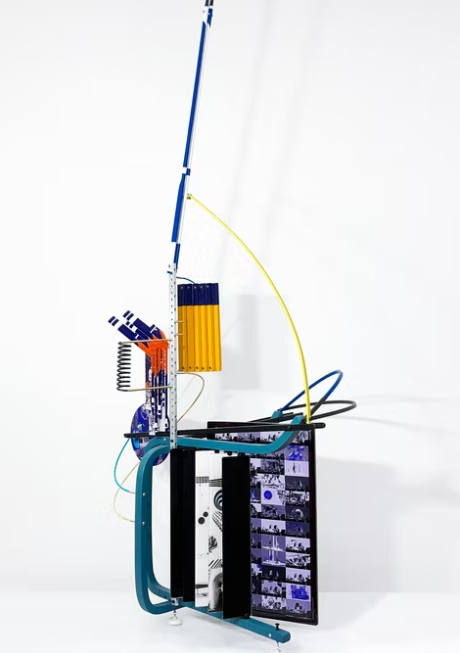
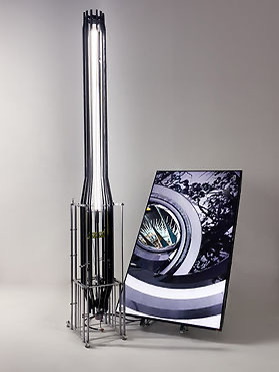
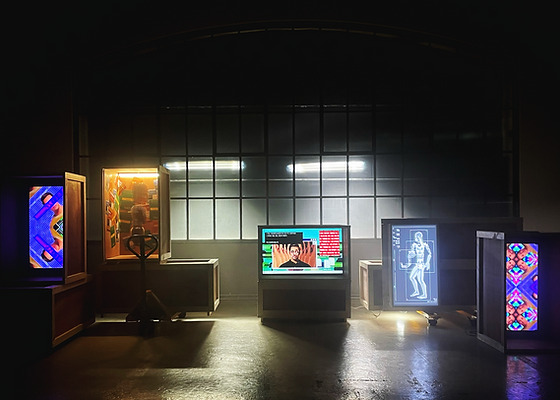
Minkyoo Choi, 59초를 위한 동력기 (An Engine for 59 Seconds), 2024, Motor, aluminum, wood, 3D print, LED light, 55-inch TV, 2D animation (0:59), video collage, Dimensions variable © Minkyoo Choi

In his recent works, Minkyoo Choi constructs a field where individual perception intersects with the contemporary media environment, mediated through spatial form and digital media, while continuing his exploration of translating technology into an aesthetic language.
 
This shift can be understood as an expansion of his earlier sensory journey—once mediated through materiality in unfamiliar environments—now extending into immaterial space and technology.


Minkyoo Choi, 당신이 믿는 어떤 것들 (Things You Believe In), 2020, Video, installation, 3min 8sec. © Minkyoo Choi

In this regard, Professor Kwang-Suk Lee suggests that Choi’s practice can be understood as “an expansion of the qualitative properties of creative media, as well as of medium and perception,” noting that it has reached a process of “articulation,” in which “the sculptural (material) and the new media (immaterial) are appropriately blended and interconnected as needed.”
 
For example, his video installation 당신이 믿는 어떤 것들 (Things You Believe In) (2021), presented as he began to engage with the boundary between material and immaterial realms, addresses the shift in perception and the sense of confusion that emerged as a new order of data—generated through the encounter between virtual and real spaces—entered his work.


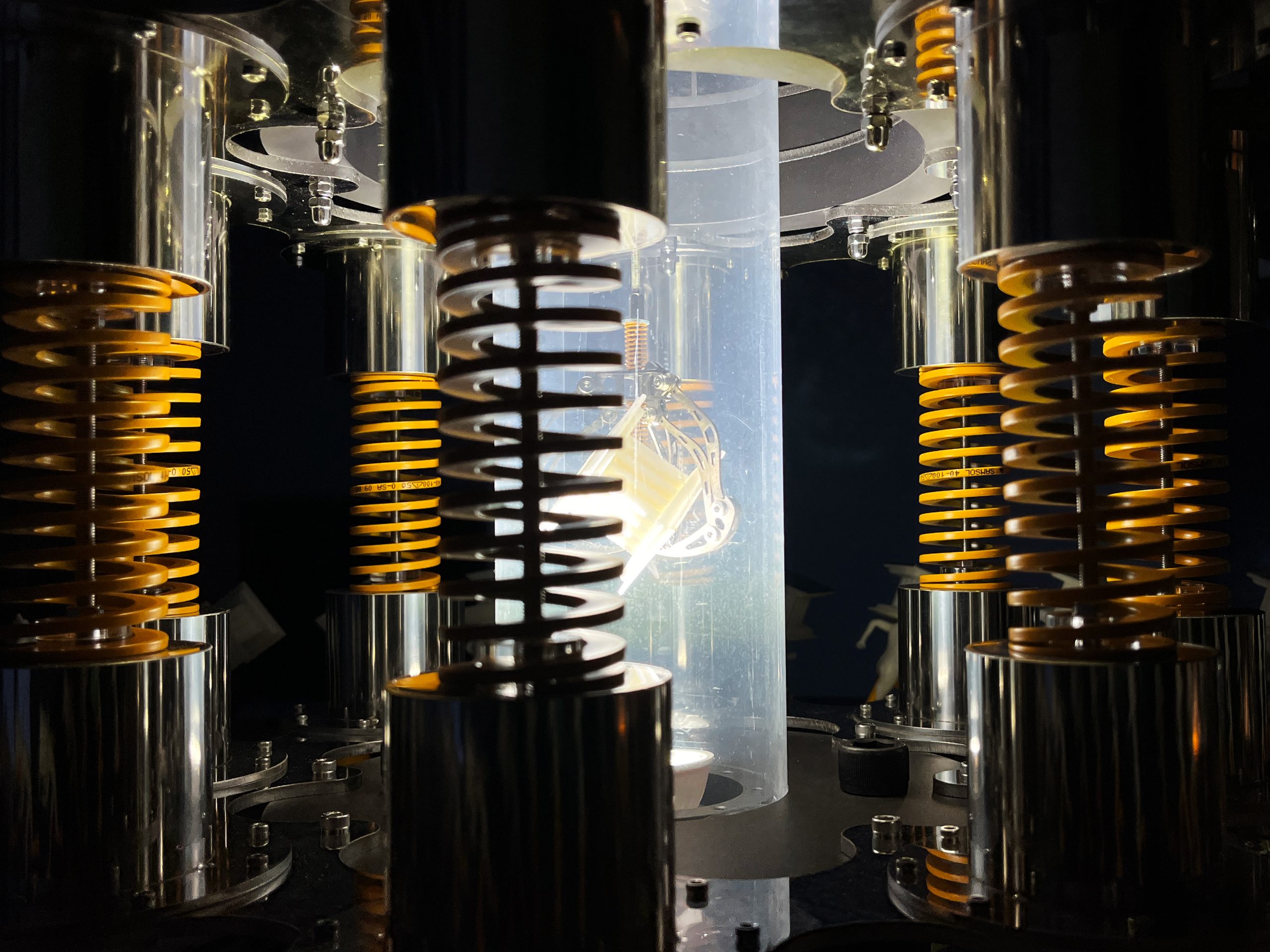
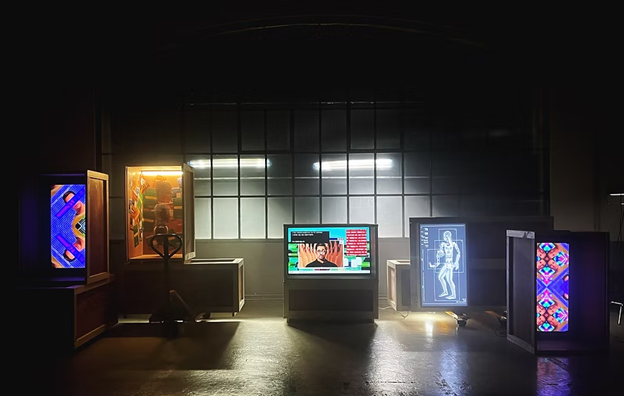
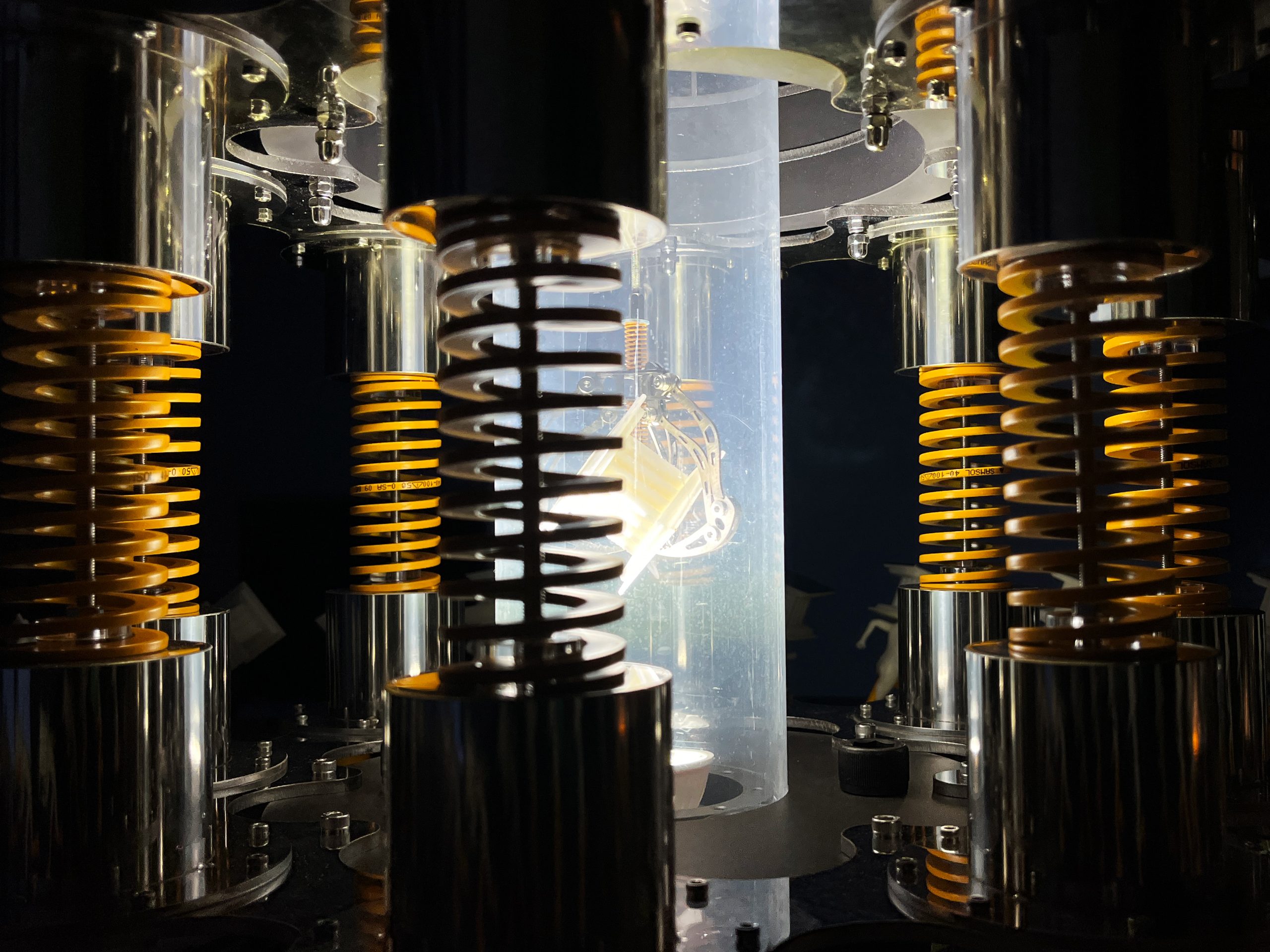
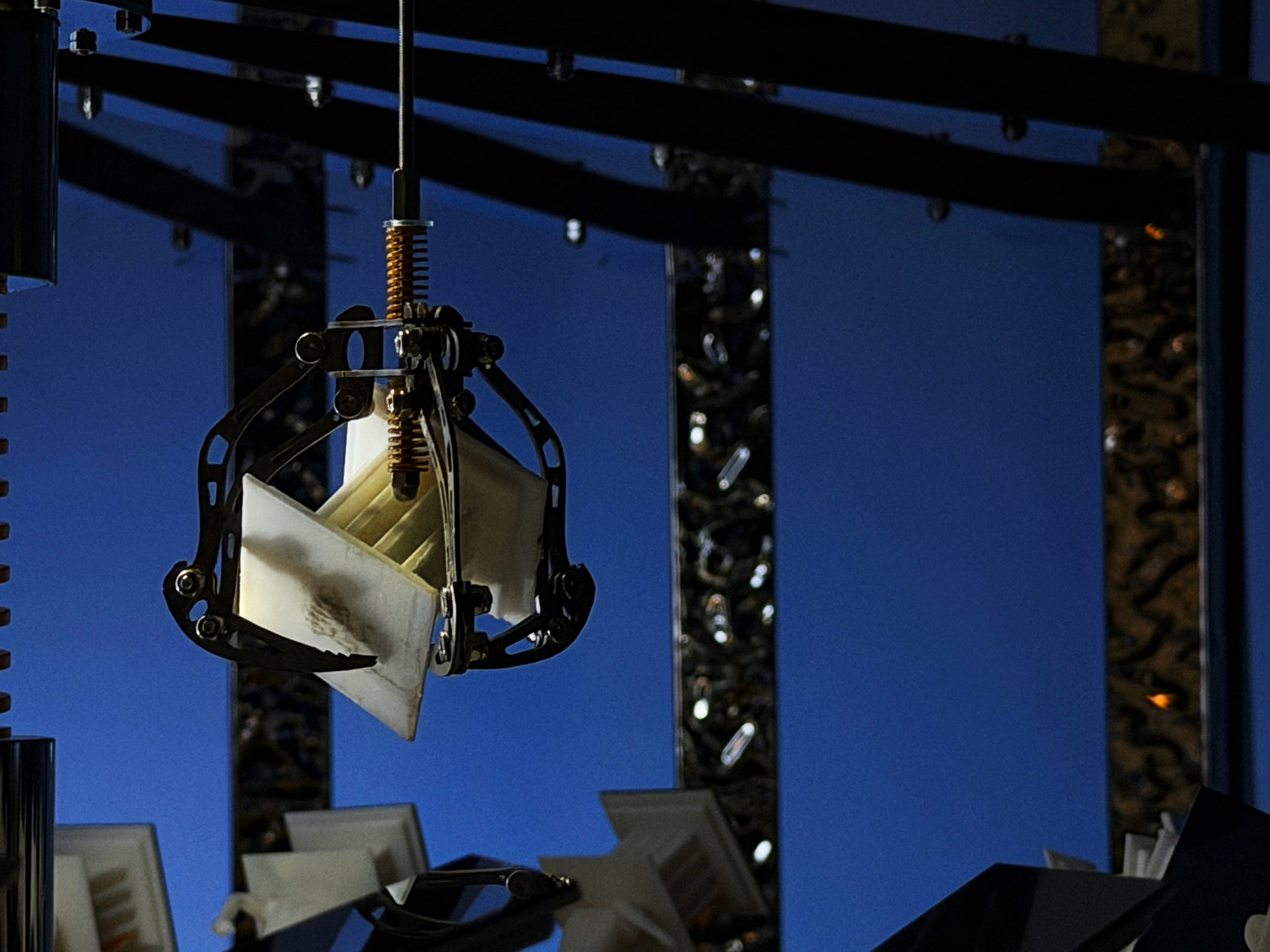
Minkyoo Choi, Infinite room and someone’s track, 2025, Installation, video, stainless steel, 3D-printed components, steel plate, LED panel, motor, 205x230x230cm © Unfold X

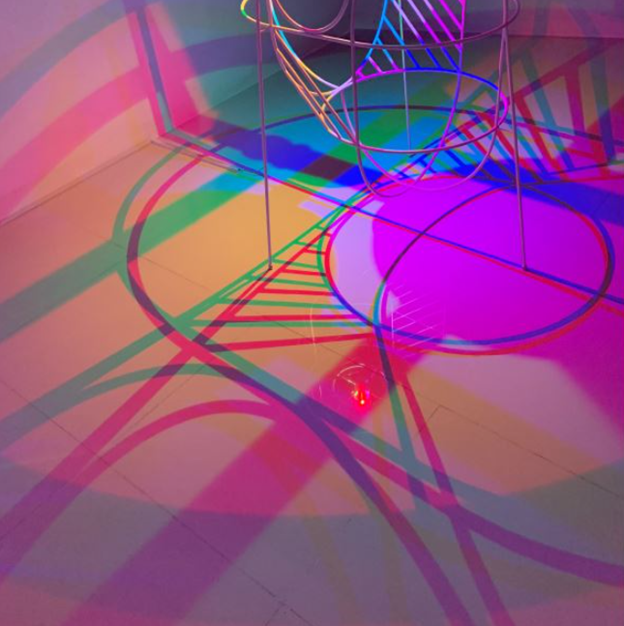
And in 2025, presented at Unfold X, his work Infinite room and someone’s track (2025) visualizes the incessant reproduction and circulation of information through a mechanical structure that rotates once per minute.
 
Its velocity not only represents the accelerated dynamics of contemporary information environments but also operates as a symbolic engine of production. Each minute, a new image appears, forming a mechanical-yet-organic circulatory structure.
 
It visually embodies the endless generation and expansion of information produced by everyday choices and consumption. The temporal rhythm created by the synchronized one-minute rotations and videos becomes a metaphor for the cyclical process in which information is generated and forgotten.


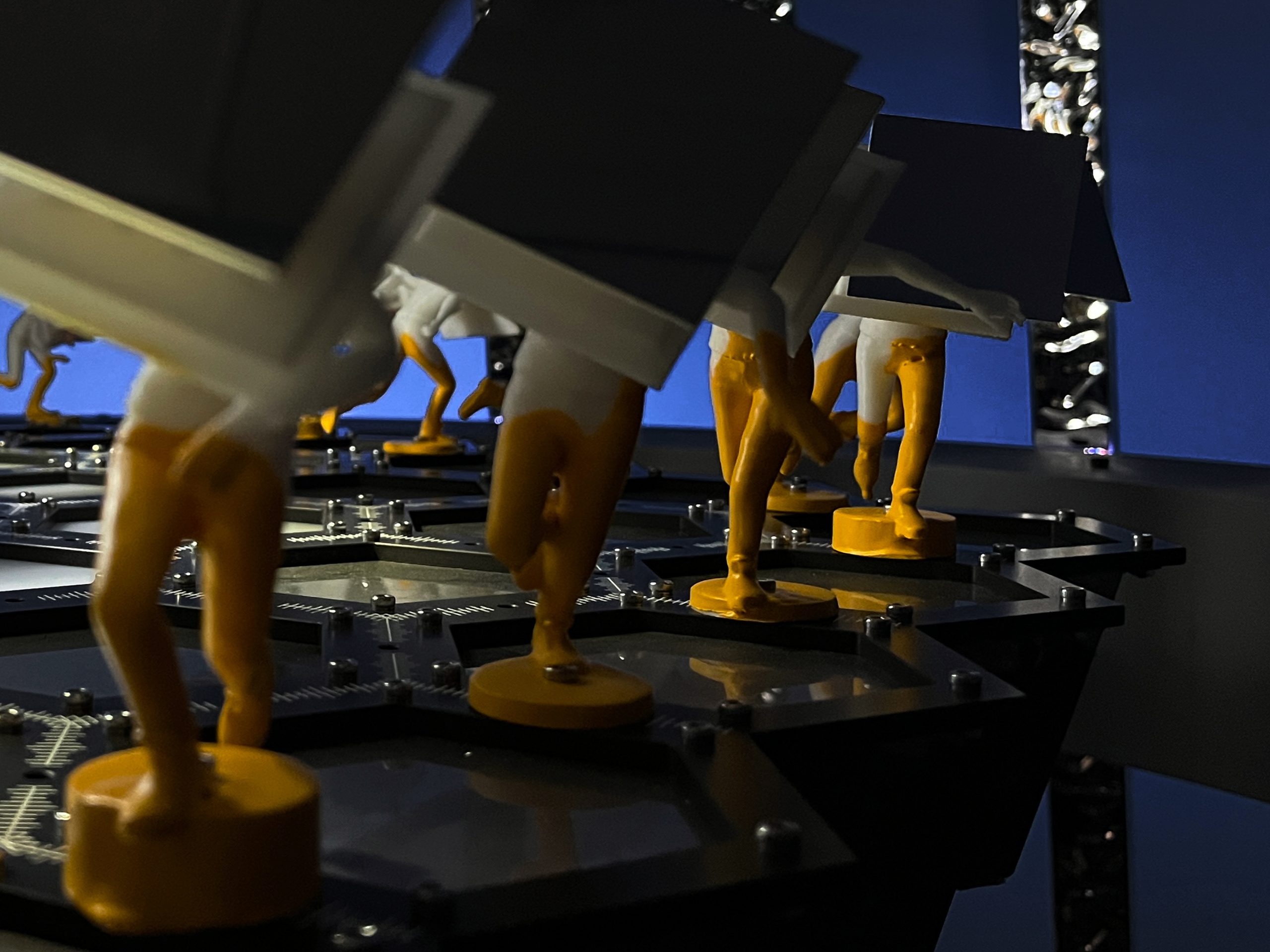
Minkyoo Choi, Infinite room and someone’s track, 2025, Installation, video, stainless steel, 3D-printed components, steel plate, LED panel, motor, 205x230x230cm © Unfold X

The work reflects on the impact of technological and capitalist acceleration on both individuals and society through its repetitive visual rhythm. The pervasive influence of social media and digital platforms extends beyond the personal sphere to shape social relations and cultural structures.
 
The production and consumption of information have become essential factors of constituting existence and social connectivity, while speed-oriented content engenders fragmented and distorted cognitive patterns.
 
Through a unidirectional kinetic structure, the artist materializes the density of incessantly reproduced information, transforming motion into a metaphor for the instability and ephemerality inherent in digital circulation. The speed articulates the transience of information as a temporal phenomenon, while the one-minute videos visualize the compression and reduction of lived experience into data-driven fragments.

Minkyoo Choi, Infinite room and someone’s track, 2025, Installation, video, stainless steel, 3D-printed components, steel plate, LED panel, motor, 205x230x230cm © Unfold X

In this way, Minkyoo Choi has moved beyond projecting the sensory, psychological, and perceptual shifts he experienced while adapting to new environments into architectural sculptures. More recently, he explores changes in individual perception and cognition within the rapidly evolving information environment, working at the intersection of installation and new media.
 
His practice reconstructs the relationship between sensation and perception within an invisible yet vast data environment, proposing a new space for visual thinking where material experience and digital sensibility coexist.

“To permeate into a newly given environment and way of life can occur either directly or indirectly, and it brings about changes in an individual’s psychology and visual thinking as they adapt to their surroundings.” (Minkyoo Choi, Artist’s Note)


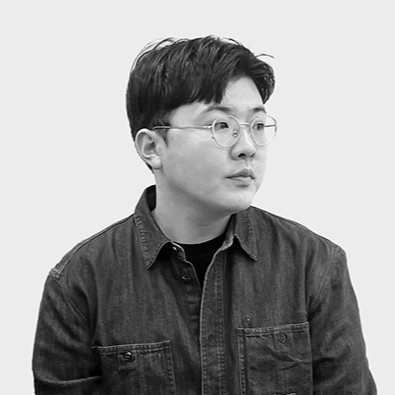
Artist Minkyoo Choi © Seoul Foundation for Arts and Culture

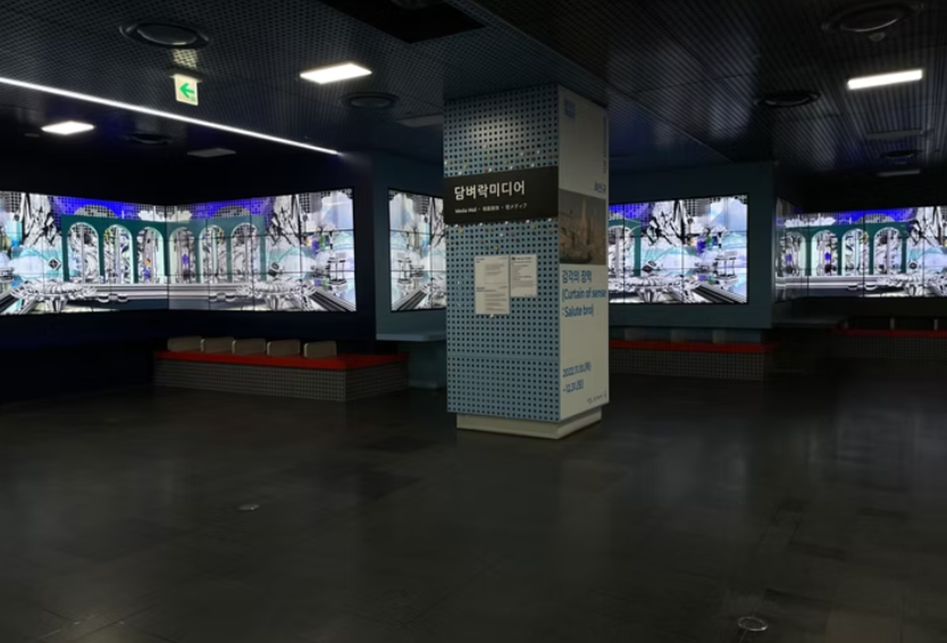
Minkyoo Choi received his BFA in Sculpture from Hongik University and his MFA from the same institution. His solo exhibitions include 《Salute Bro》 (Seoul Citizens Hall, Seoul, 2022), 《Blank–Hide and Seek》 (Gallery Chosun, Seoul, 2018), and 《Drift Grid》 (Shinhan Gallery, Seoul, 2017).
 
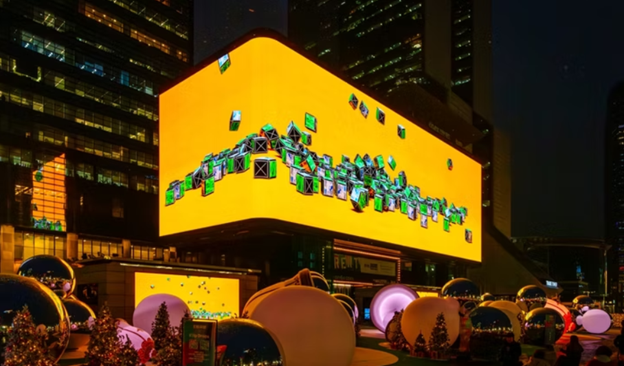
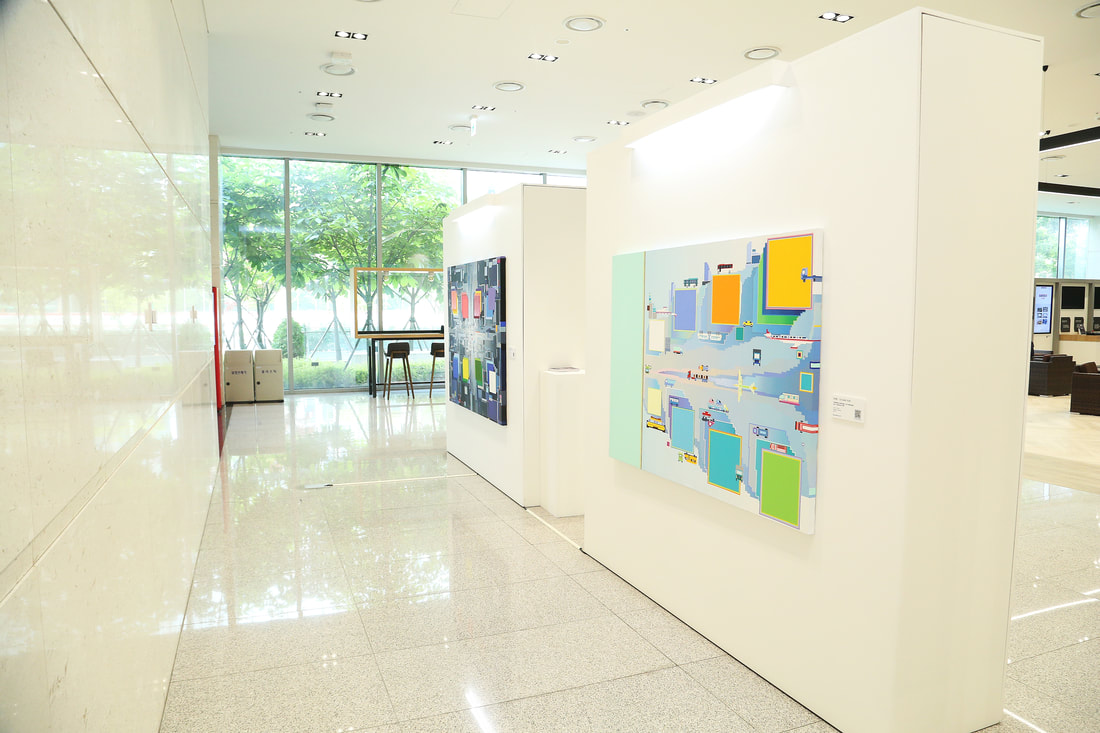
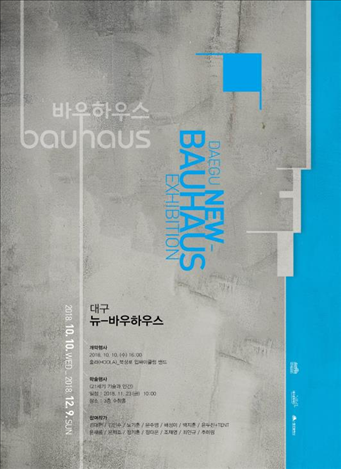
He has also participated in numerous group exhibitions, including Unfold X 2025 《Let Things Go: Relations of Relations》 (Culture Station Seoul 284, Seoul, 2025), 《Public Art New Hero》 (K&L Museum, Gwacheon, 2024), Seoul Media Art Week 2023 (around Samseong Station, Seoul, 2023), 《Collecting Cities》 (LG U+ Gallery C, Seoul, 2020), 《Love of Light》 (My Art Museum, Seoul, 2019), and 《New Bauhaus》 (Daegu Art Factory, Daegu, 2018), among others.
 
In 2024, Choi was selected as a “New Hero” artist by the monthly magazine Public Art.

References