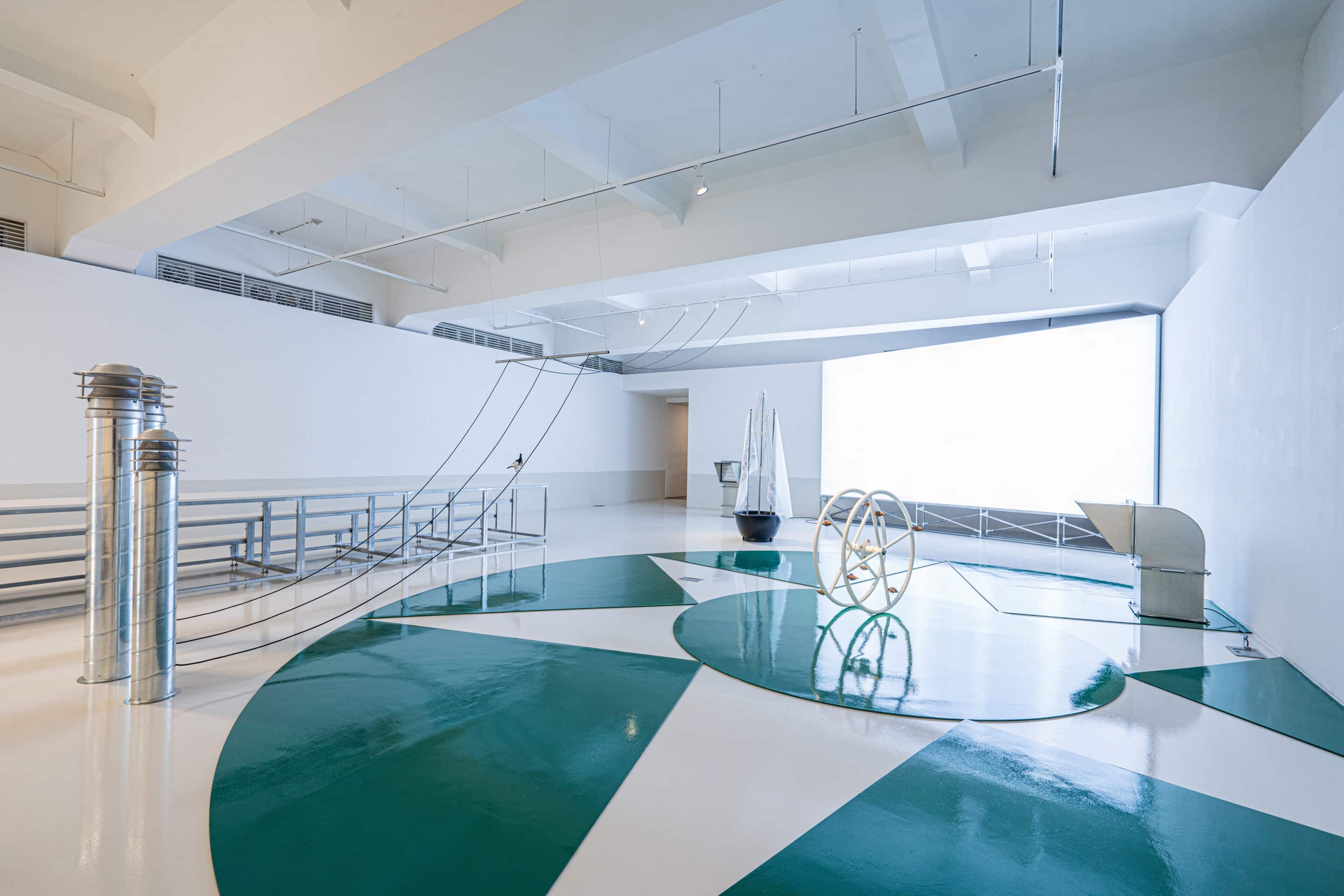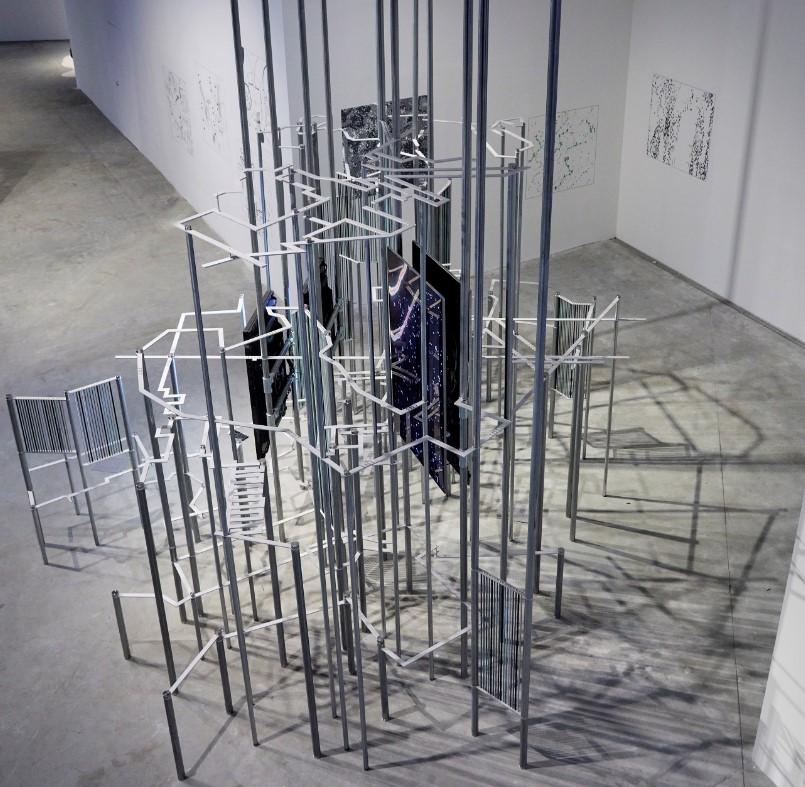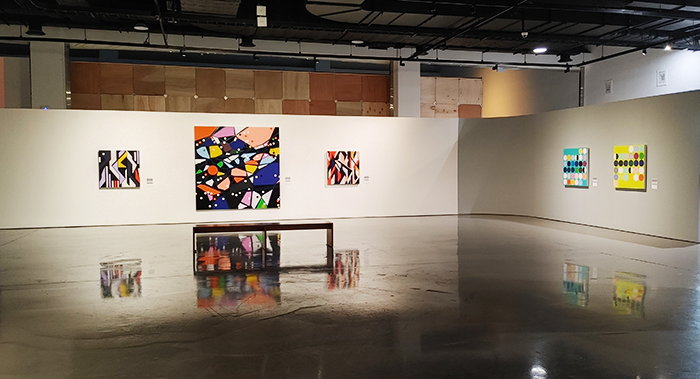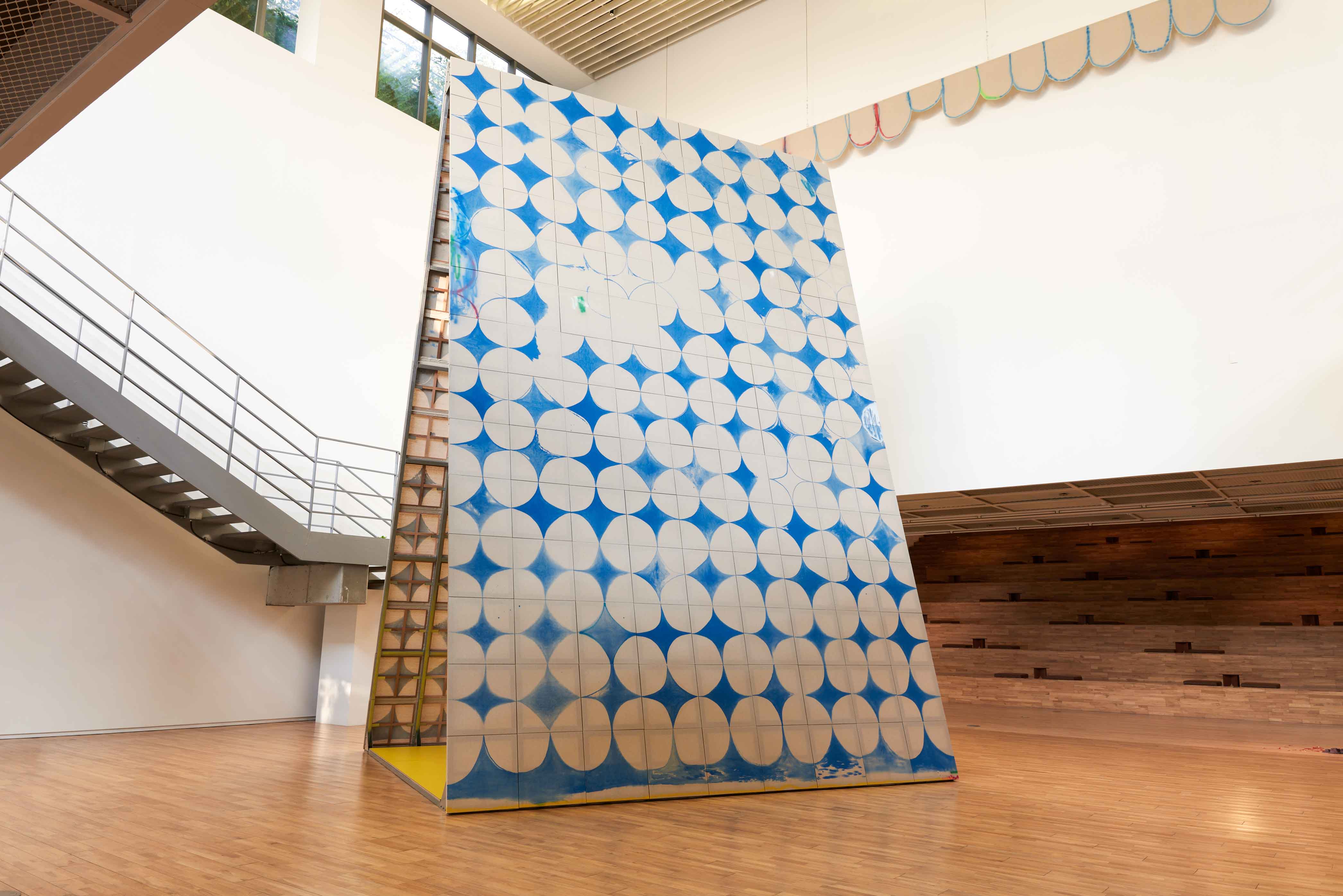

Solo Exhibitions (Brief)
Bek
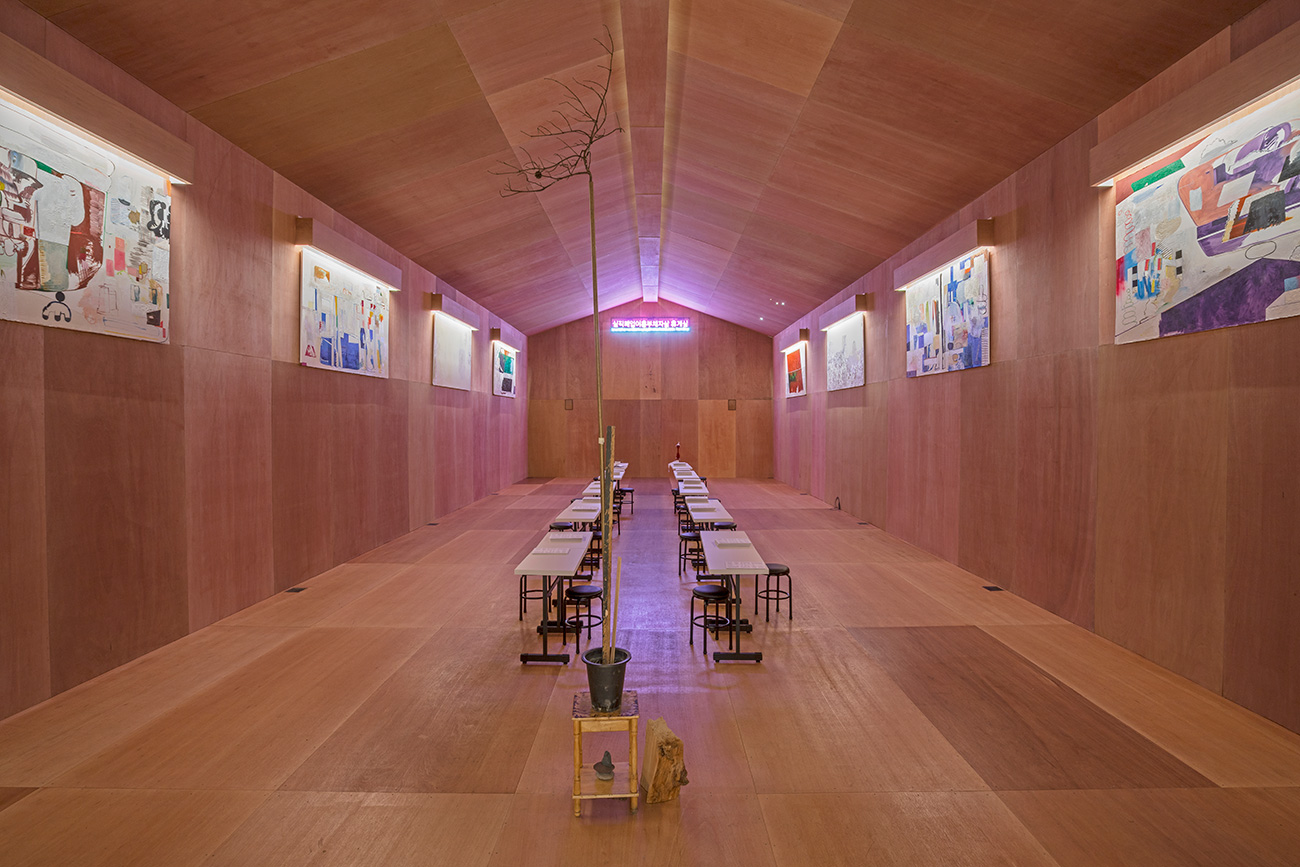
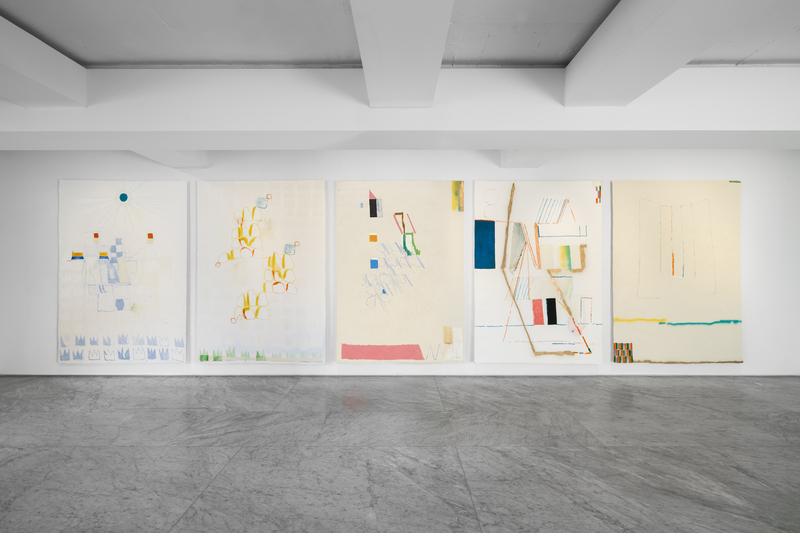
Hyunjin has held major solo exhibitions including 《Seoul Syntax》(2026, PKM Gallery, Seoul, Korea), 《Seoul
Syntax》(2025, Tanya Bonakdar Gallery, Los Angeles,
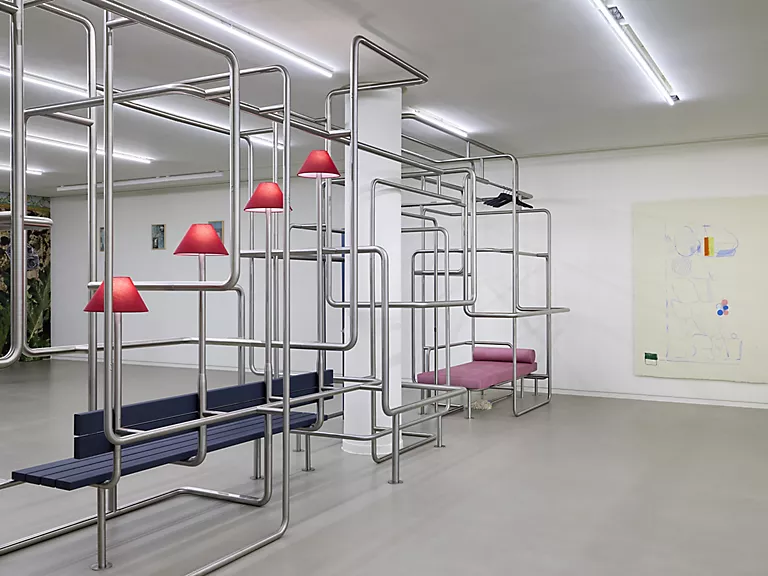
USA), 《Composeduncomposed Lounge》(2024, Ilmin Museum of Art, Seoul, Korea), 《Videos
from Seoul》(2023, Kuandu Museum of Fine Arts, Taipei,
Taiwan), 《P-Ray》(2020, P21,
Seoul, Korea), 《Work Song: Soil, Mattress and Waves》(2019, PKM Gallery, Seoul, Korea), 《In the
Neighborhood》(2017, Perigee Gallery, Seoul, Korea), 《Thirteen Pieces + bonus》(2011, Doosan
Gallery, Seoul, Korea), and 《Vagrant N’ Substance》(2008, Arario Gallery, Seoul, Korea).
Group Exhibitions (Brief)
In
addition, Bek Hyunjin has participated in numerous group exhibitions including 《Encountering
Modern Masters and Contemporary Artists》(2026, MMCA Art
Bank, Gwanak Cultural Foundation, Seoul, Korea), 《The
2nd Life》(2025, Atelier Hermès, Seoul, Korea), 《Chronicles of the Future Superheroes, Second edition》(2023, MNAC – National Museum of Contemporary Art of Romania, Palace
of Parliament, Bucharest, Romania), 《Cloud Walker》(2022, Leeum Museum of Art, Seoul, Korea), 《An
Exhibition with Little Information》(2022, Museum of
Contemporary Art Busan, Busan, Korea), 《Art of Love》(2020, Total Museum, Seoul, Korea), 《The
38th Parallel - Hyunjin Bek & Kelvin Kyungkun Park》(2017,
Choi & Lager Gallery, Cologne, Germany), 《City and
the People》(2017, Buk Seoul Museum of Art, Seoul,
Korea), 《Korea Artist Prize 2017》(2017, National Museum of Modern and Contemporary Art, Seoul,
Korea), 《Tracing Shadows》(2015,
Plateau, Samsung Museum of Art, Seoul, Korea), 《Elastic
Taboos》(2007, Kunsthalle Wien (Museums Quartier),
Vienna, Austria), 《Reality Bites》(2002, Alternative Space Loop, Seoul, Korea), and 《Active Wire》(2001, Art Sonje Center, Seoul,
Korea).
Awards
(Selected)
Bek was selected as a finalist for the Korea
Artist Prize 2017 at the National Museum of Modern and Contemporary Art. He was
also awarded Best Rock Album at the 6th Korean Music Awards in 2009 for his
album “Time of Reflection.”
Residencies
(Selected)
Bek participated
in the MMCA Residency Changdong at the National Museum of Modern and
Contemporary Art in 2016.
Collections
(Selected)
Bek’s works are held in the collections of
the National Museum of Modern and Contemporary Art and the Seoul Museum of Art,
among others.