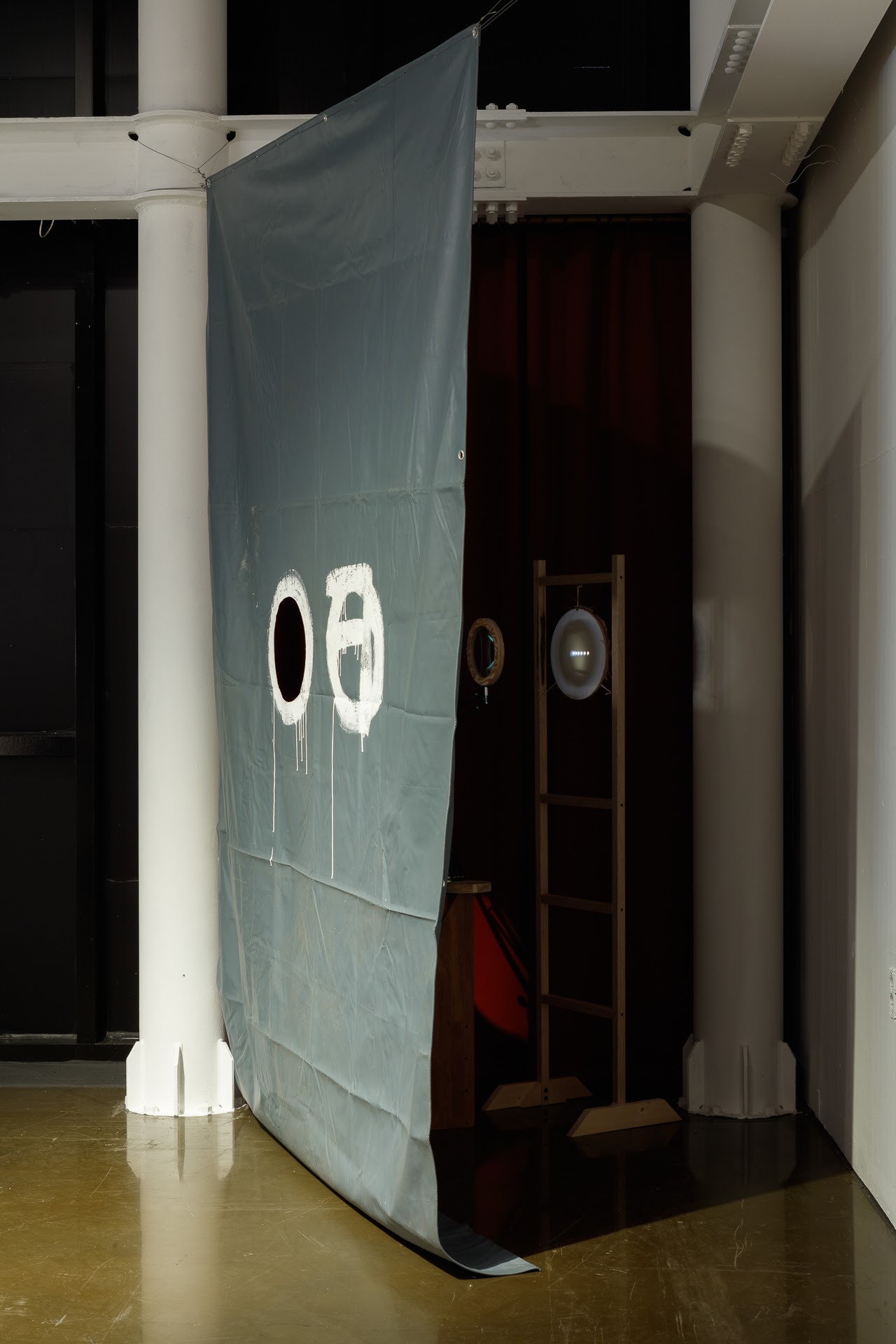
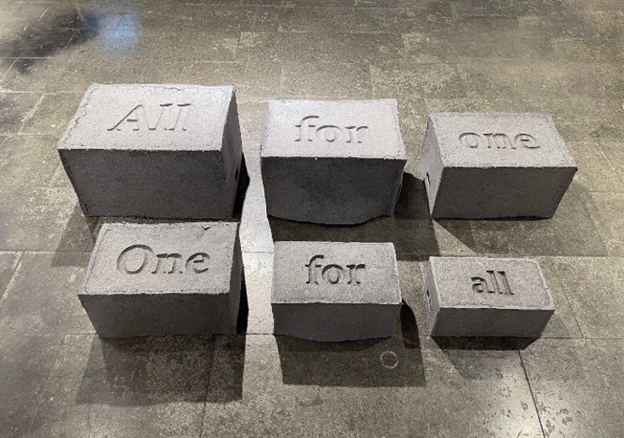
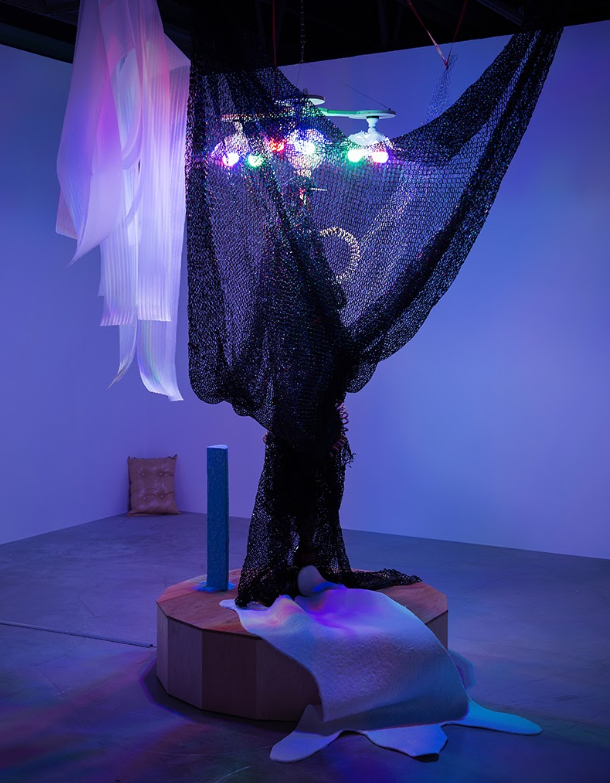
*“A Moderately Close Relationship Between You Who Care and Me Who Know”: The title is composed of the titles of works presented in 《Son’s Time》
Rapport
I once received a book titled “The Art of Adult Conversation” (2022) as a gift. It was a book that explained methods and case studies on how to improve relationships through peaceful dialogue when problems arise. The key point that this book emphasized throughout every chapter was listening, and the process of building intimacy and easing defensiveness in this way is called rapport in psychology. Forming rapport with the other person before bringing up a potentially controversial conversation is the main argument these kinds of books propose. However, as I read, I kept wondering what one should do if one’s attempt at rapport does not work on the other person, or if the other person has no intention or willingness to form rapport with me.
It is never easy for each person’s consideration and kindness to align in the same direction. Of course, persuading the other person in the end and achieving one’s desired outcome is the direction of success pursued by modern individuals, and perhaps that is why such books are consumed. Nevertheless, there are times when it is difficult to encounter images and texts that emphasize taking the upper hand or securing an advantage in relationships as an expected task and achievement of a member of society.
Perhaps I started reading this book because I wanted that as well, but in the end, choosing not to (or being unable to) finish it may have been a defensive choice, a kind of resignation acquired through my own life experiences. Perhaps because of this, I am drawn to the sense of distance that Jihye Park’s works establish with the audience. Some works can feel overwhelming when they seem to have too much to say, but her works always appeared to first suggest, “Wouldn’t this be just enough?”
What interested me was not that it felt dismissive, but that it seemed to be an extremely rare and cautious mode of articulation. Relationships formed within the world we belong to are like navigating a complex and subtle labyrinth that cannot be resolved by rapport alone, and it felt as though the artist was trying to observe the language and perspective of the cracks encountered within that labyrinth.
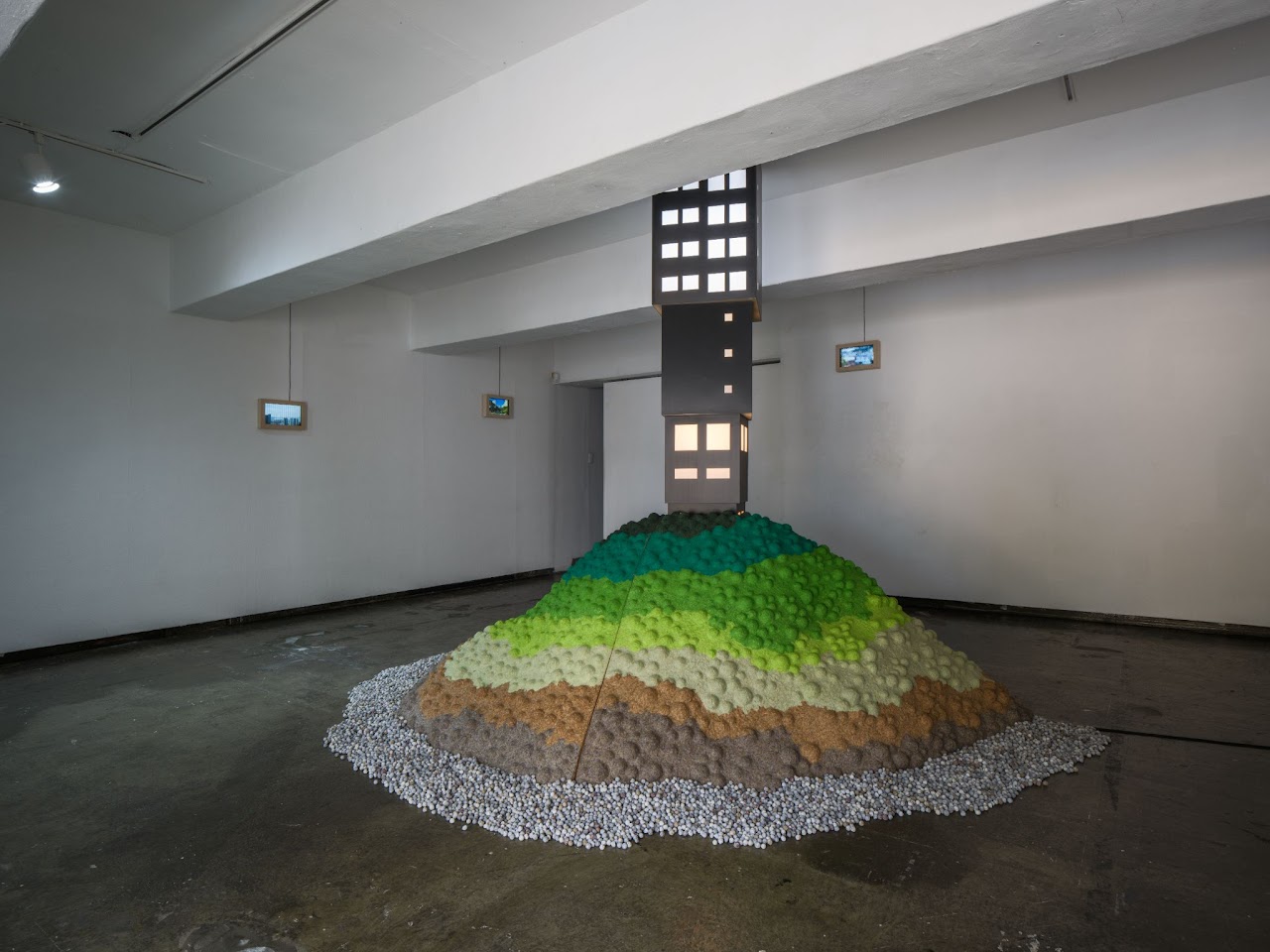
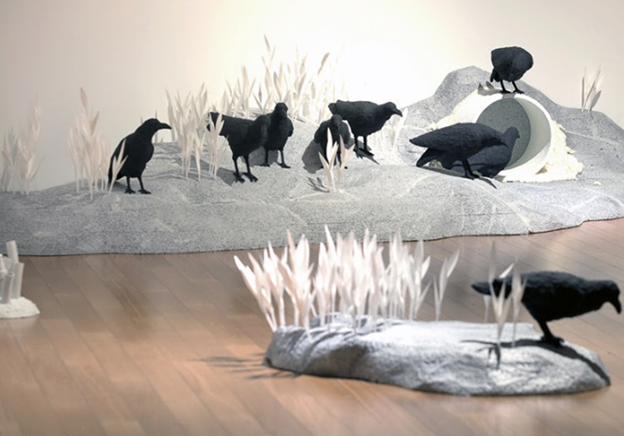
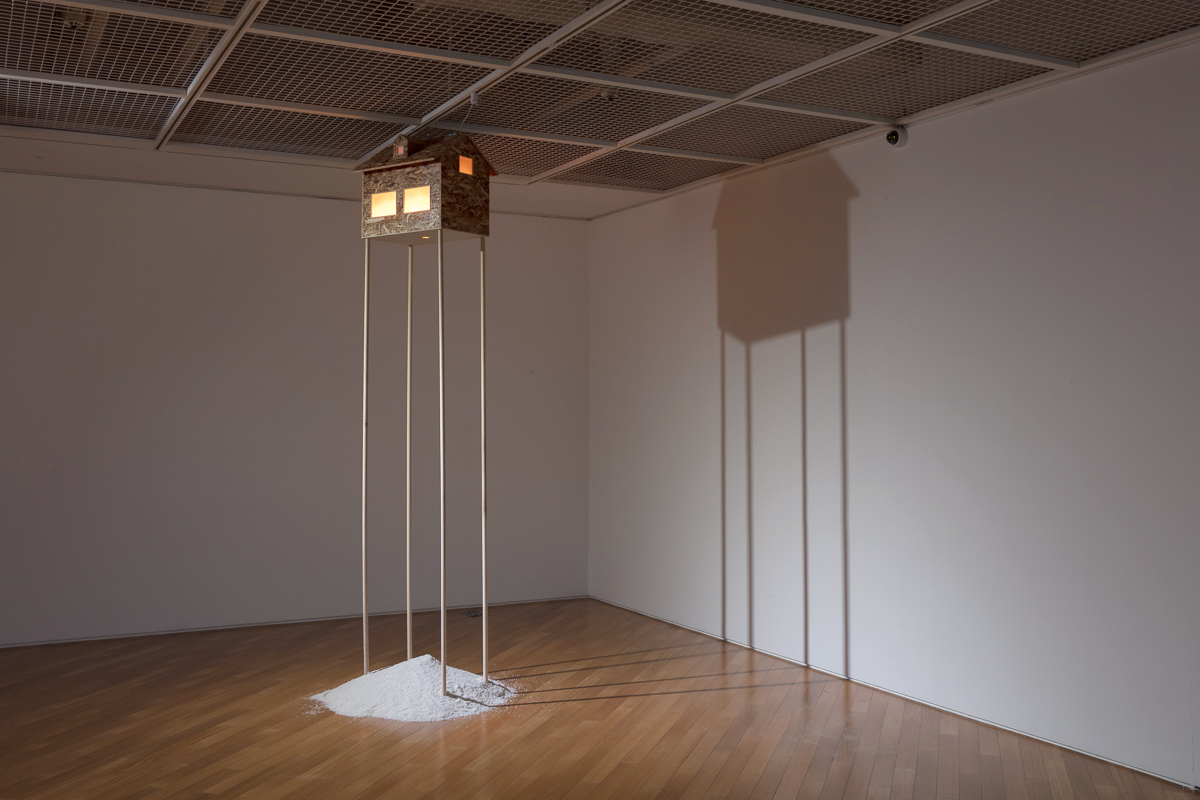
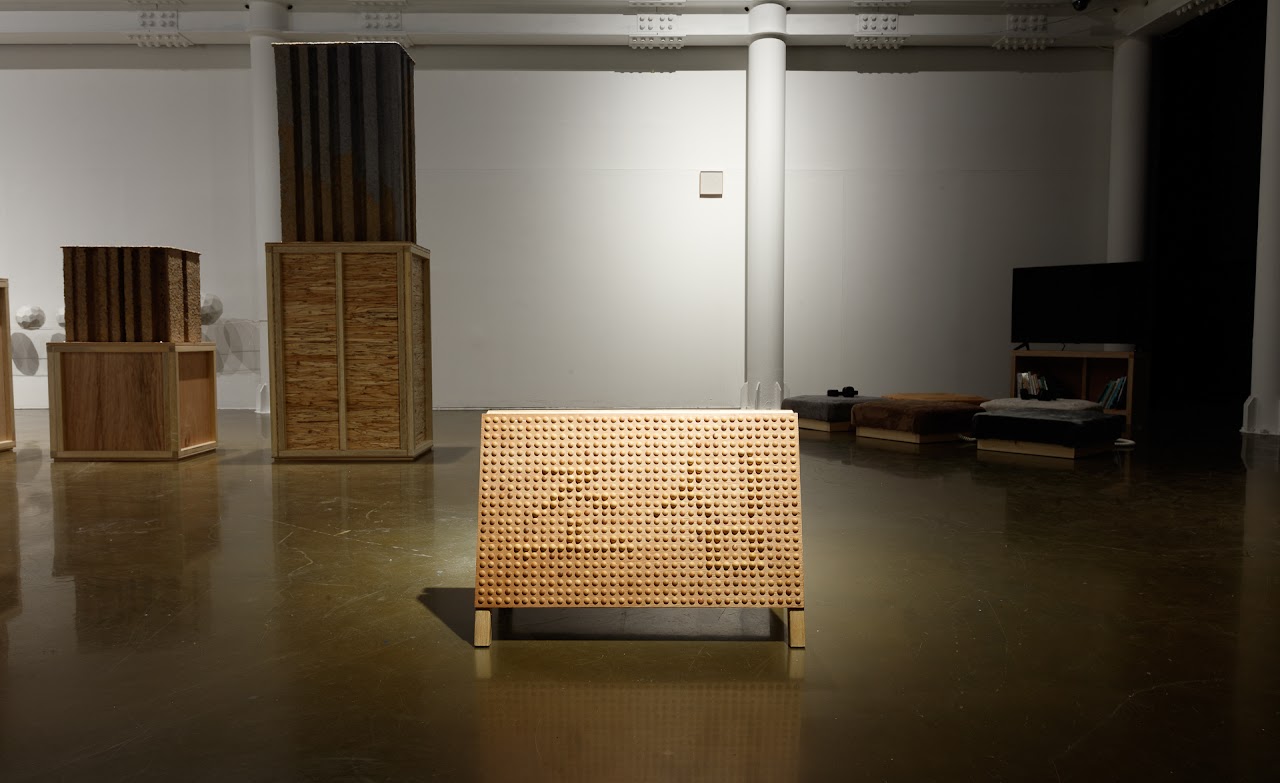
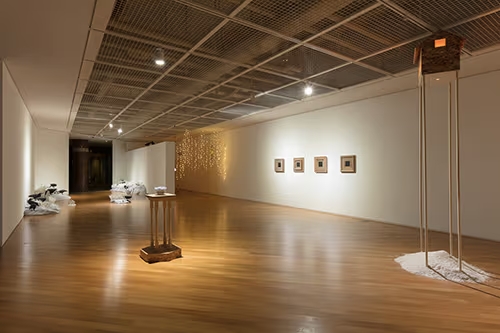
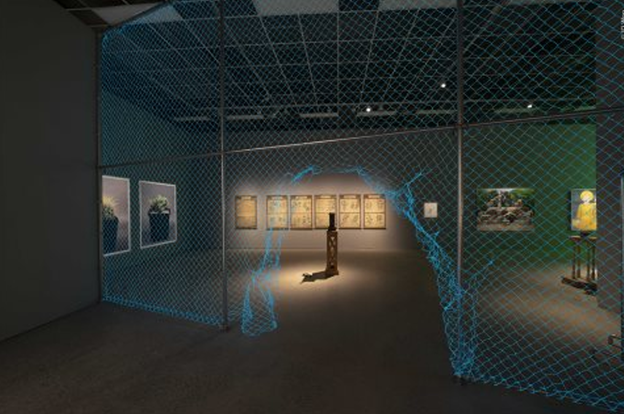
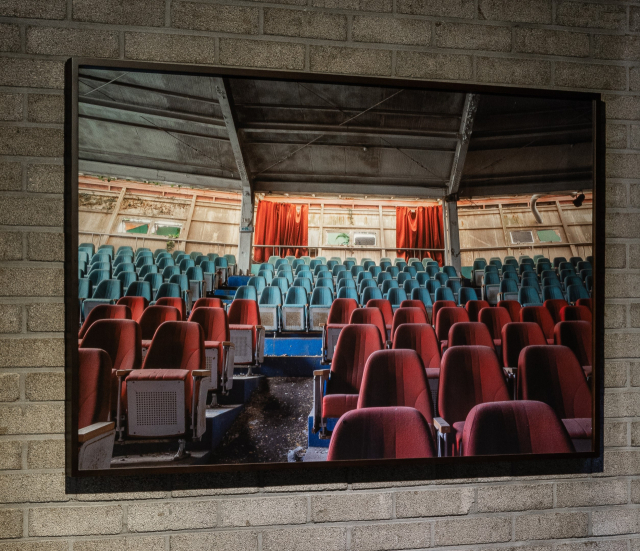
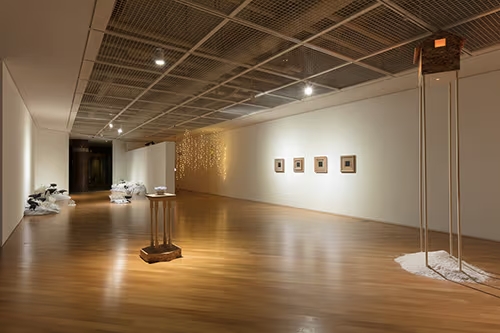
The solo exhibition 《Son’s Time》 held at the Museum of Korean Modern Literature also seems to exist as an extension of the language the artist has been using. Although 《Son’s Time》 begins with research on the region of Incheon, it is in fact difficult to find the typical forms and contents of research-based exhibitions. I have often seen programs organized under the name of locality either mythologize regional narratives or unintentionally create a division between center and periphery.
However, 《Son’s Time》 contains neither a definition nor a judgment about the region, nor even data-driven results such as interviews with residents. Instead of romanticizing the generosity of rural life or discussing the seriousness of regional extinction, each work simply reflects the fragmented experiences and emotional collisions perceived by the artist while visiting places and spaces different from where she had lived. For this reason, a subtle tension flows between the works.
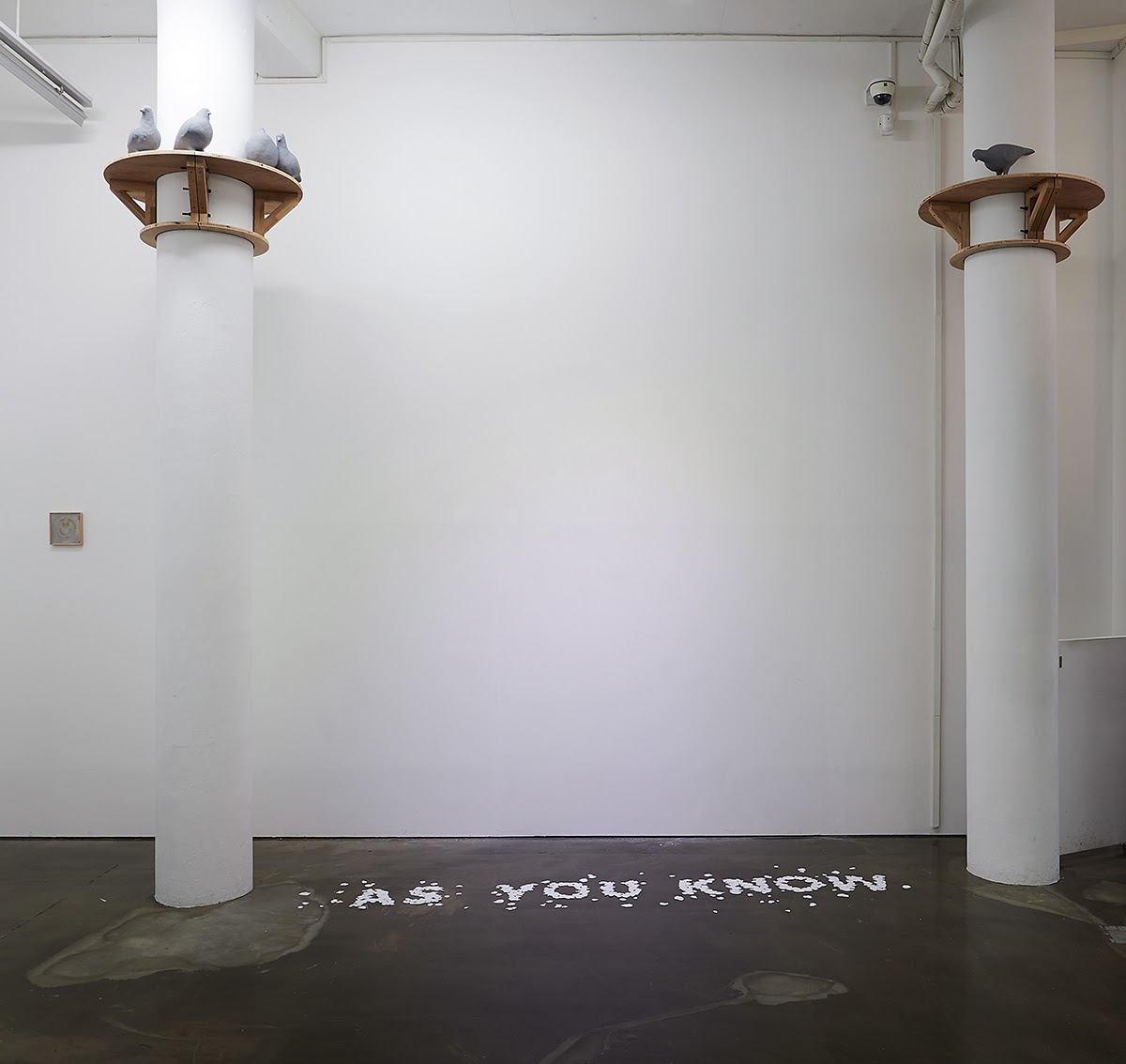
The forms of life that unfold differently from one’s choices, the awkward greetings exchanged between separated parents and children or generations who worry about and care for each other, and the taut yet loose shape of what we call a community are embedded within the sculptures. Ah, it is alright even if you have not seen them yet. You will inevitably encounter them and come to know them.
Small Considerations
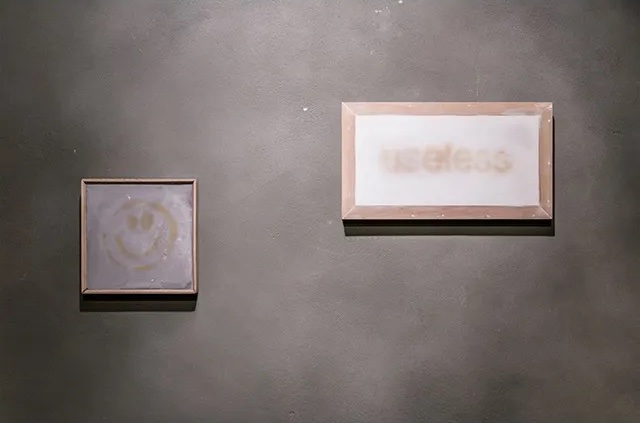
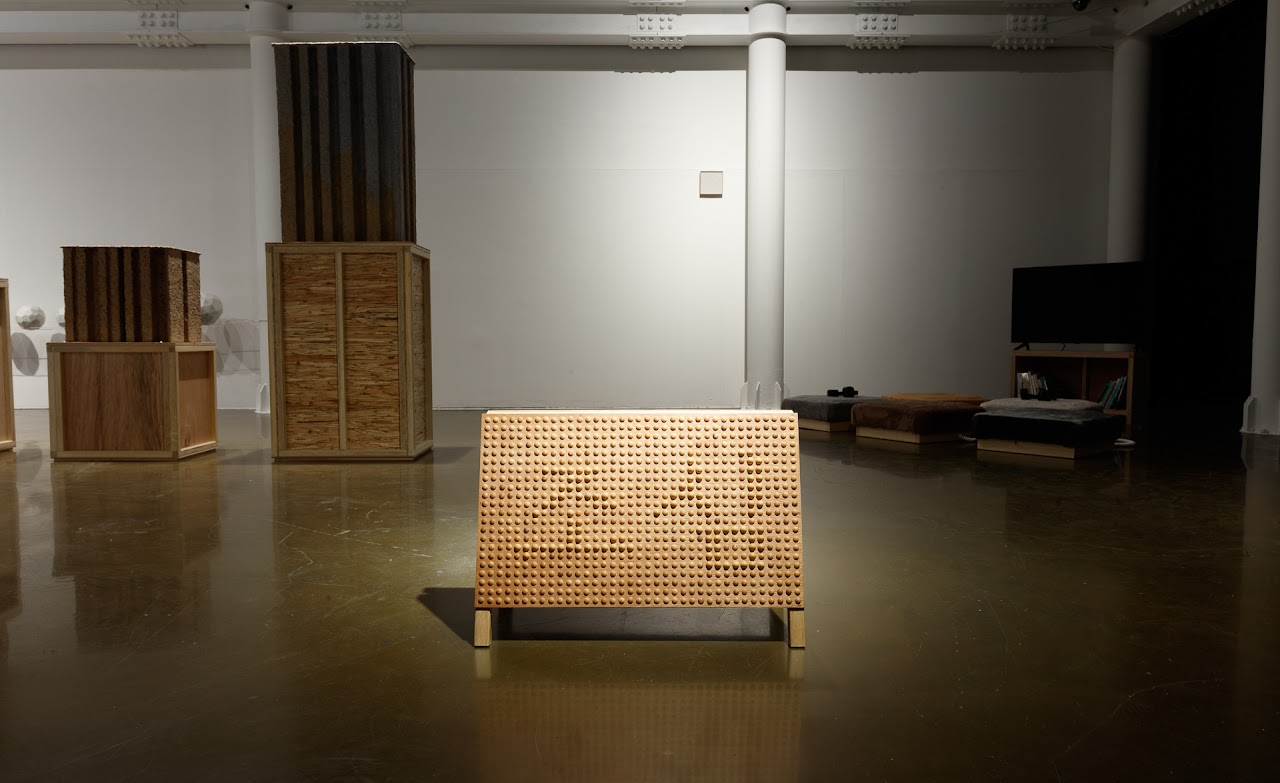
The works in this exhibition, which begins by betraying various expectations, appear somewhat fragmented rather than organically connected. Moreover, signs that read “Caution” and traffic cones made of papier-mâché repeatedly block the way in the exhibition space. Therefore, just as the title suggests, one cannot help but become concerned (I Am Concerned). In that sense, titles such as A Moderate Relationship, Mary, Mary and Mary’s Mary, and Mary, and A Known Stone seem to assert from the beginning that the works will not be tied together under a single keyword for the exhibition.
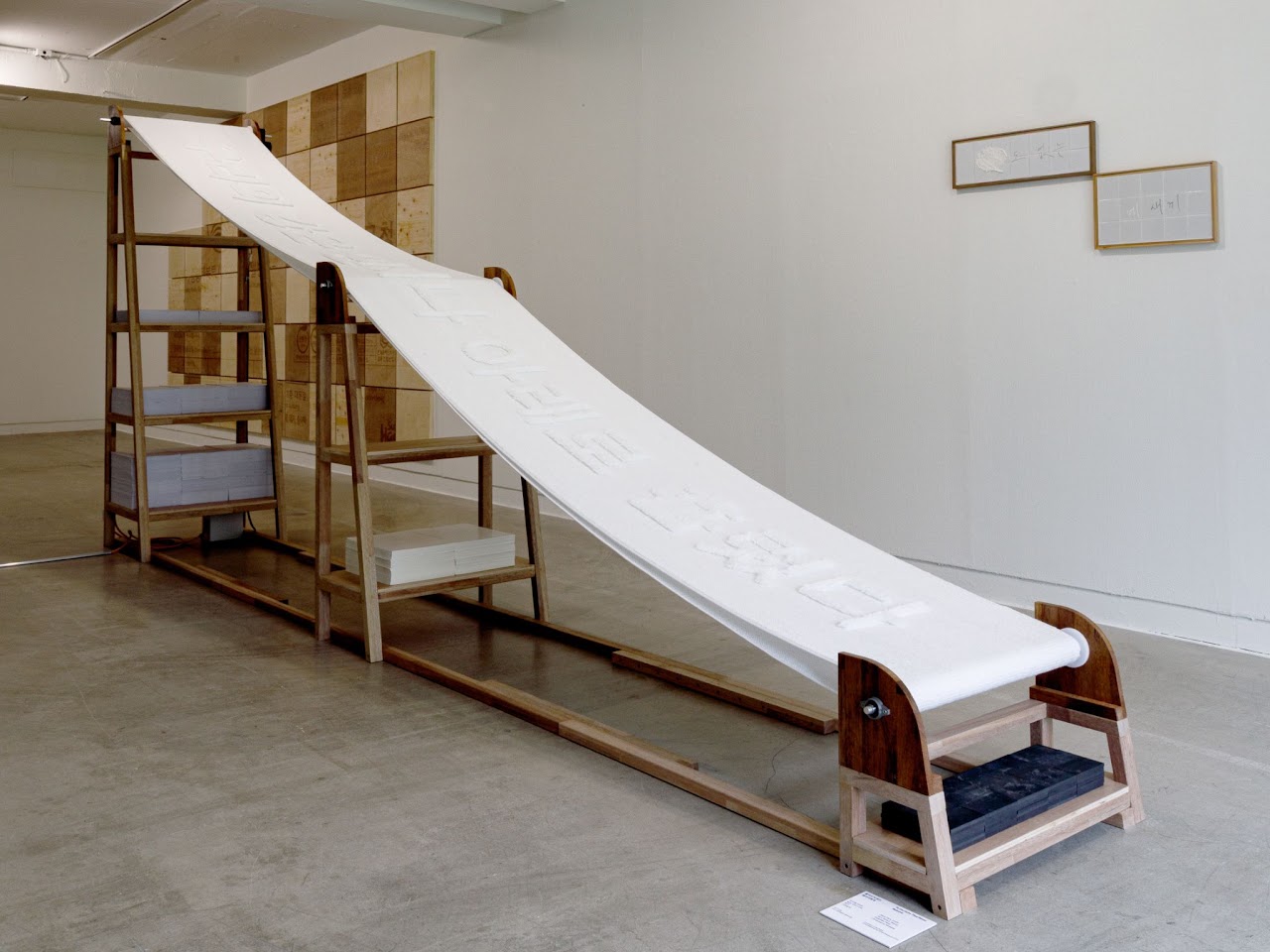
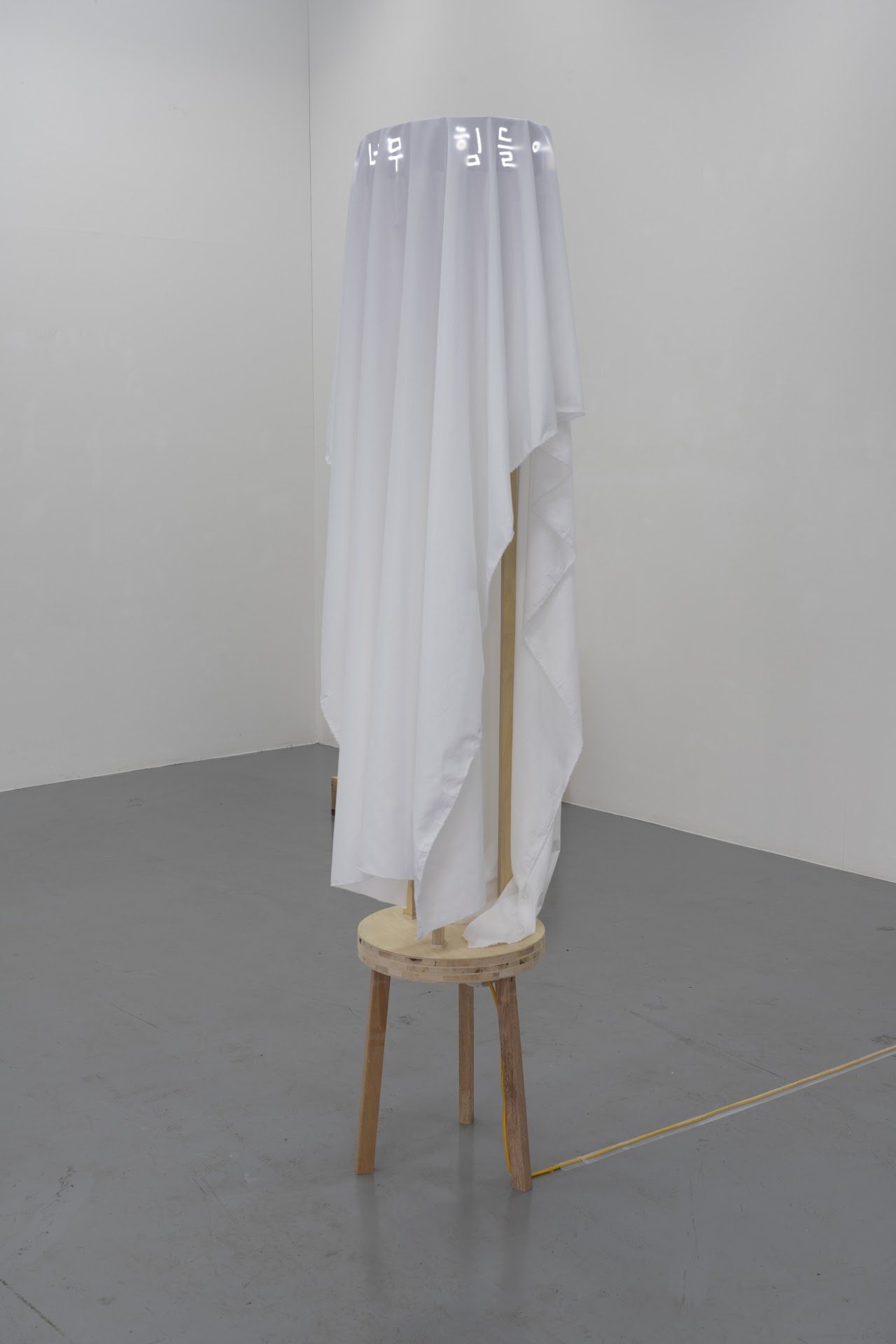
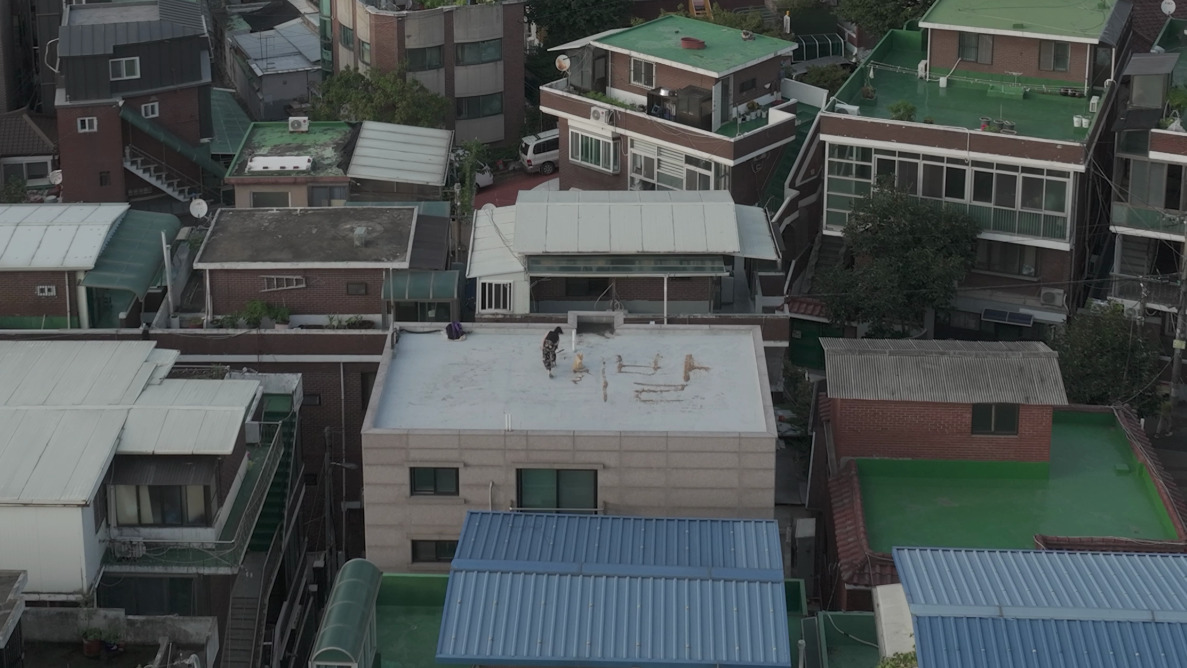
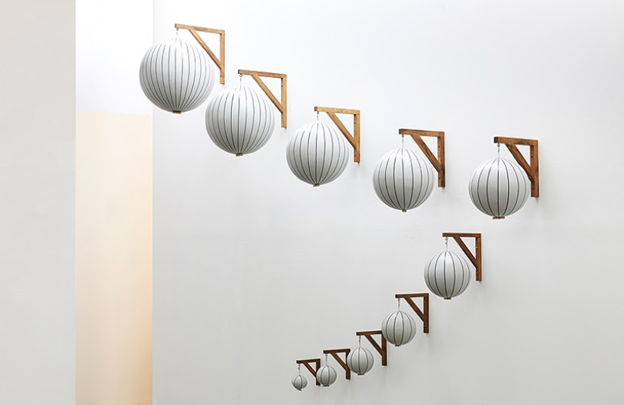
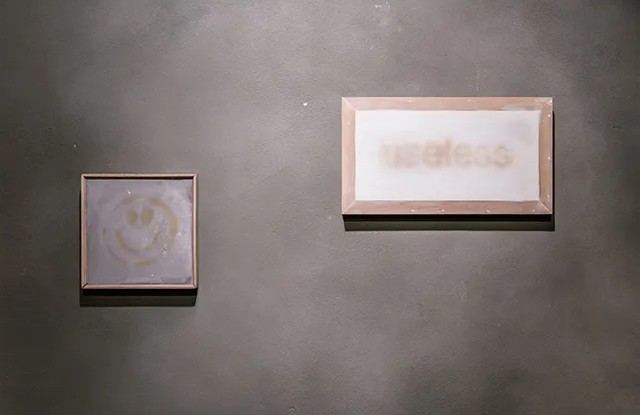
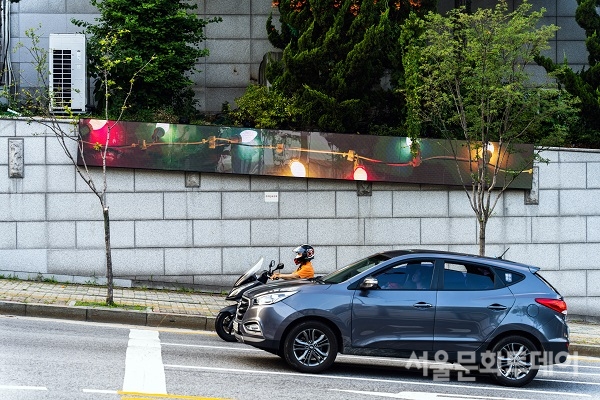
Nevertheless, works such as Time Difference, which visualizes silence during conversation and generational gaps through ellipses and the color of light, and ㅇㅇ, which seems like a casual reply to a cautious or hesitant message asking after one’s well-being, remind us again of what kind of world the artist is observing. Because of this, works that initially seemed to be saying different things begin to feel as though they are racing toward a conclusion they truly wish to convey, like the structure of a half-read novel.
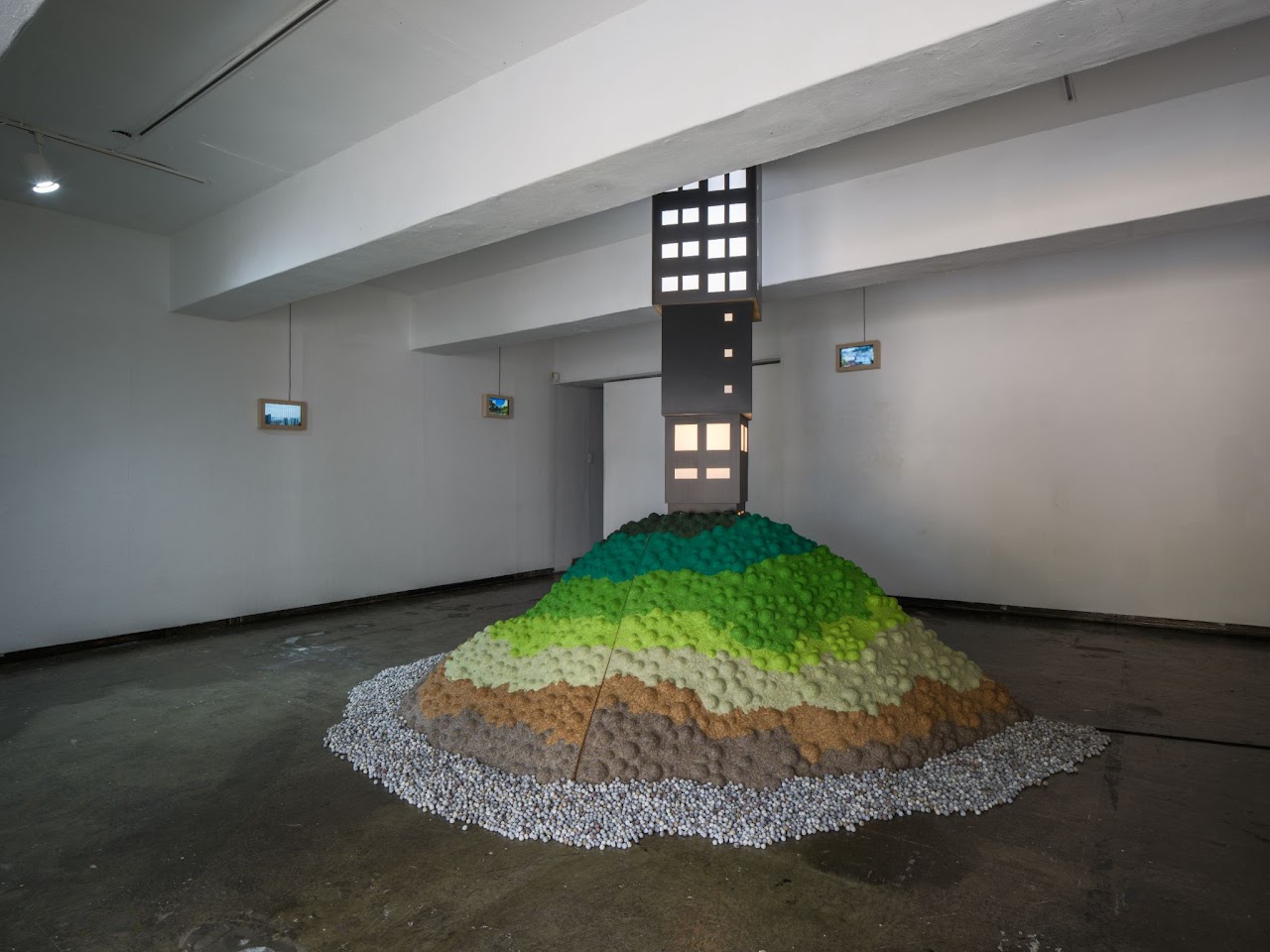
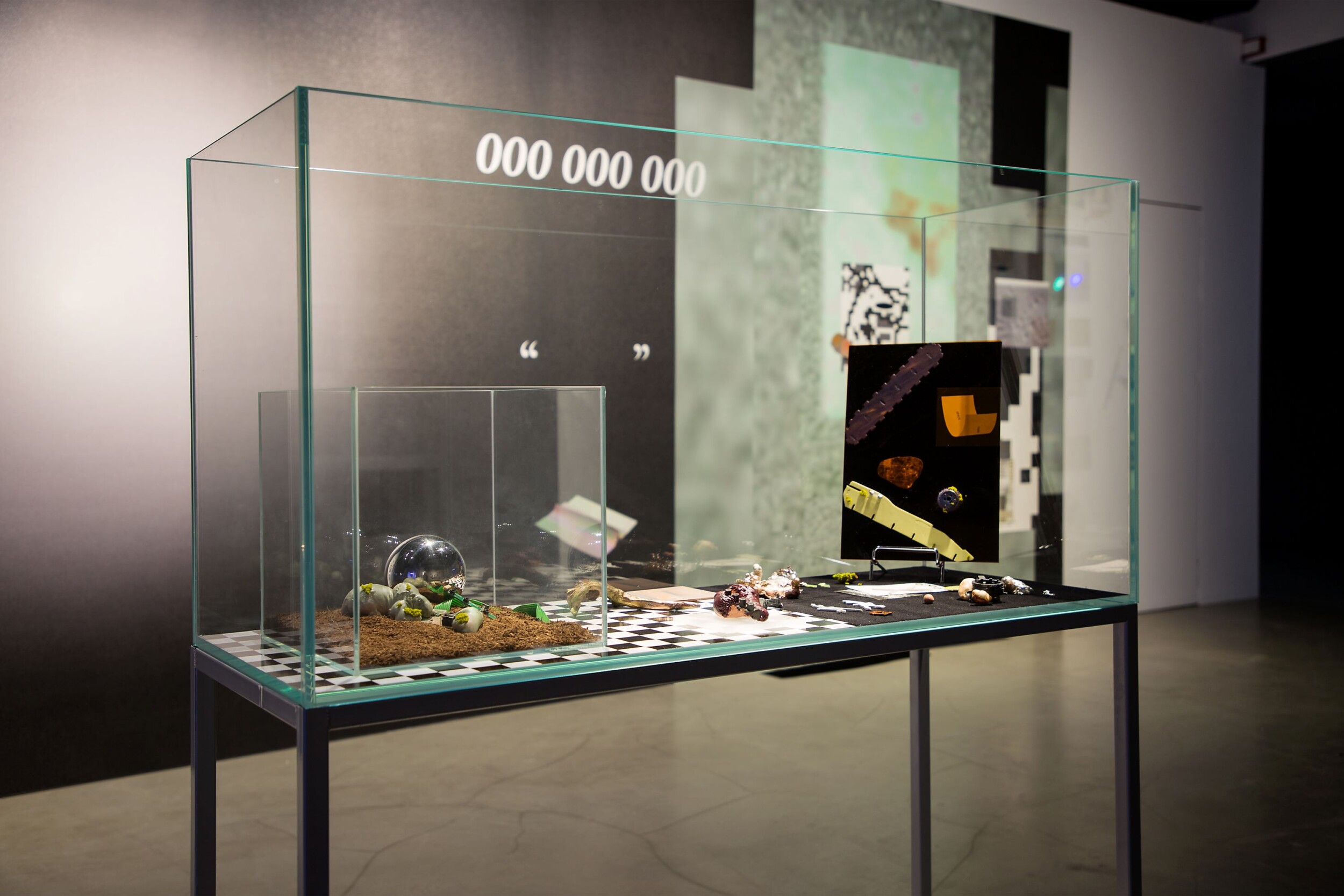
Perhaps for this reason, whenever I look at the artist’s sculptures, I think of them as actors standing on a stage where the artist’s written scenario forms the background. They are actors fully prepared to formally perform the language assigned to them by the artist. The artist’s way of using language is not like the wordplay or satire of Marcel Broodthaers or Stéphane Mallarmé, but rather closer to attaching the subtle sensations perceived from everyday language and sentences directly onto objects, observing the moments when the two collide or overturn one another. Sometimes, as in Time Difference, the selected language and form correspond one-to-one, but at other times, they arrive at a key scene.
For example, in My Island, a small castle made of blue tape faces Your Castle. Although it appears solid, the tape-bound shell seems as though it would collapse if peeled away, while in a space where only the skeletal frame of a dining table remains without a tabletop, a small ceramic castle sits alone, creating a striking contrast. The artist overlays phrases such as “You don’t have to go that far,” “I’m doing fine,” “A meal probably prepared alone,” and “Isolation,” prompting the viewer to imagine a scene.
You may then recall your relationship with your parents or with someone corresponding to them, and the boundary-defining conversations between you. Within that association, the fragile island made of tape and the insignificant castle on the black dining table find a place where they can be connected, while recognizing both the gratitude and the difficulty, as well as the discomfort, of caring.
Ah, over there, a crumpled traffic cone labeled “Caution” lies fallen. Before you go up the stairs. But should you simply be careful and pass by, or should you pick it up and smooth it out as an act of kindness for the next person? Would that be considered consideration for them? And would such an action be unrelated to the order of this exhibition space?
Our Time
A few years ago, I saw a work composed of robot vacuum cleaners at one of the artist’s exhibitions. Watching them bump into things with eyeballs attached as they cleaned, I remember feeling strangely sad. That bittersweet smile remains both then and in 《Son’s Time》. Standing on the stairs and looking down at A Moderate Relationship for a long time, I felt the same again. The different supports holding up ribbon bows shaped like roses. At some point, I think I stopped responding to situations and beings that make my will and actions burdensome.
Even as we smile and twist ribbons together to create something beautiful, even if the result is good, each person’s position will inevitably differ. Therefore, the language surrounding 《Son’s Time》 and its “actors” reflect the time we have experienced, like a mirror. It may be difficult to face and empathize with those tangled languages. Nevertheless, I find my attention drawn not to those who loudly conceal themselves while declaring that they will continue forward, but to small, reluctant movements that persist despite saying there is no choice.
Perhaps the artist will once again bring forth the cracks discovered there, presenting them before us through her own language. What kind of life, and what weight carried under the name of survival, will it take next? The cold winter wind of Incheon somehow resonates with the exhibition.