JOO SLA (b. 1988) has long been interested in subcultural forms such as comics and animation, as well as in fictional world-building grounded in aspects of reality. Working across diverse media—including animation, 3D sculpture, and two-dimensional works—she explores points where boundaries between the virtual and the real, the material and the immaterial, become entangled and collide, through processes of dimensional transition, fragmentation, and recomposition.


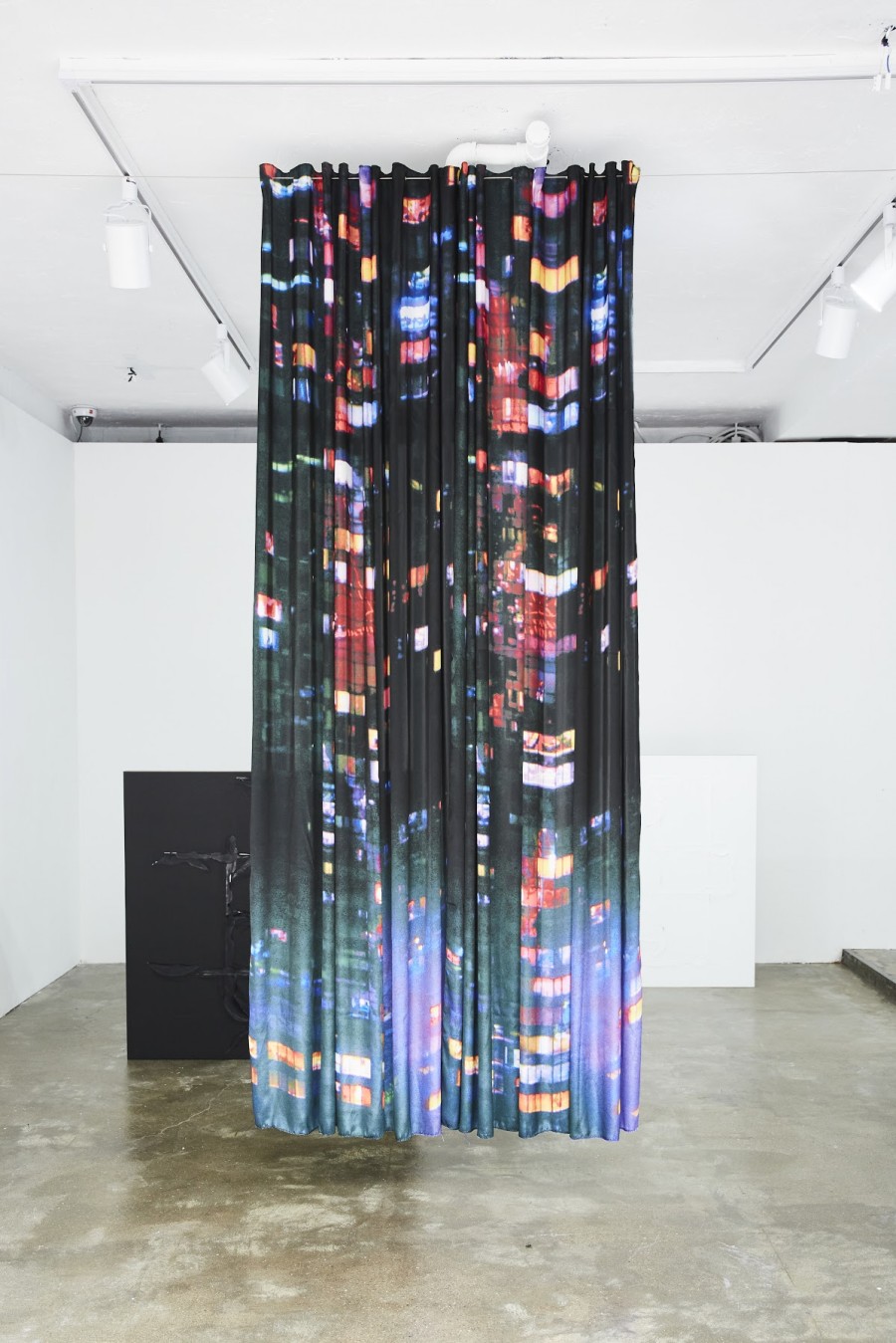
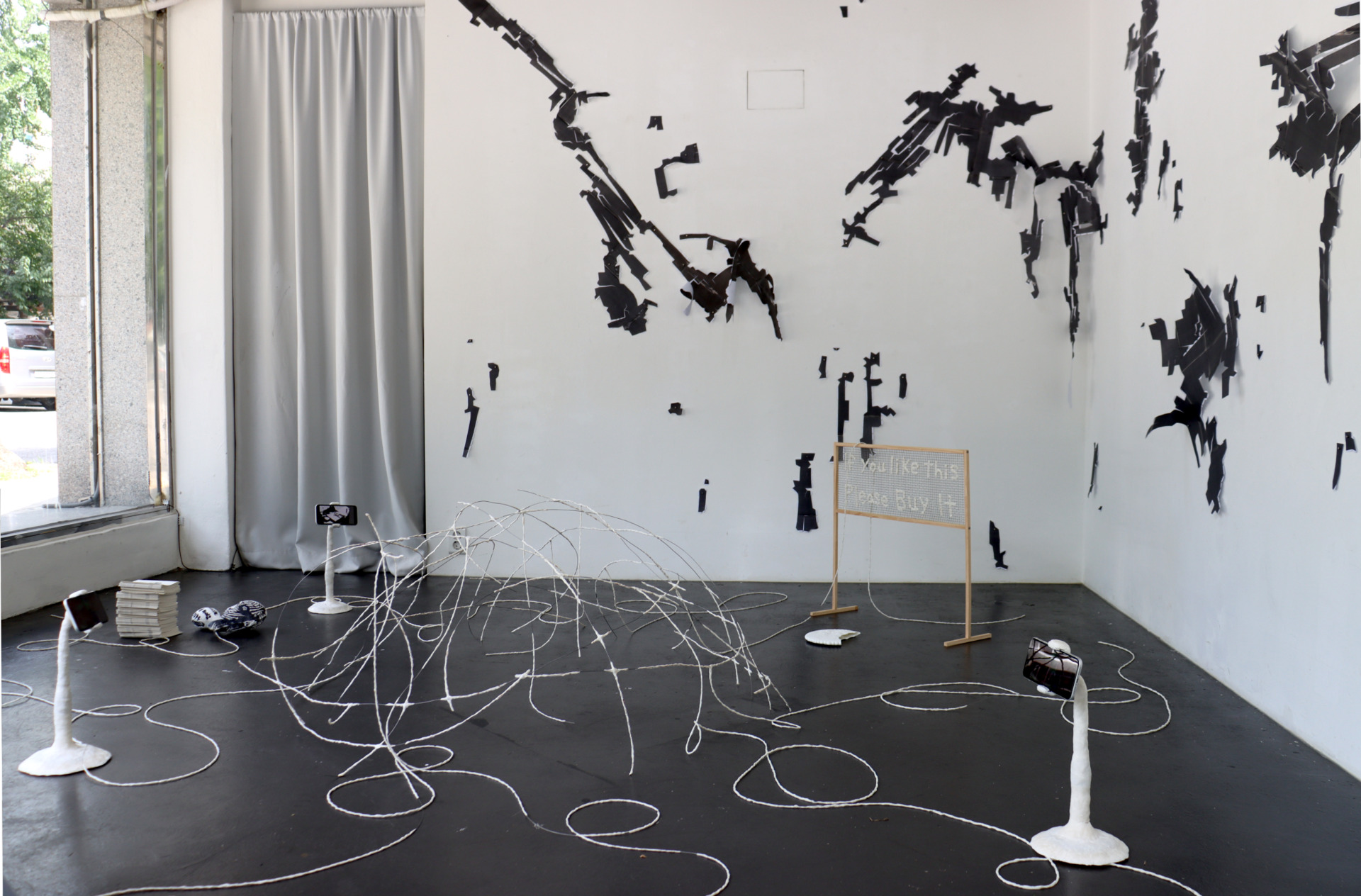
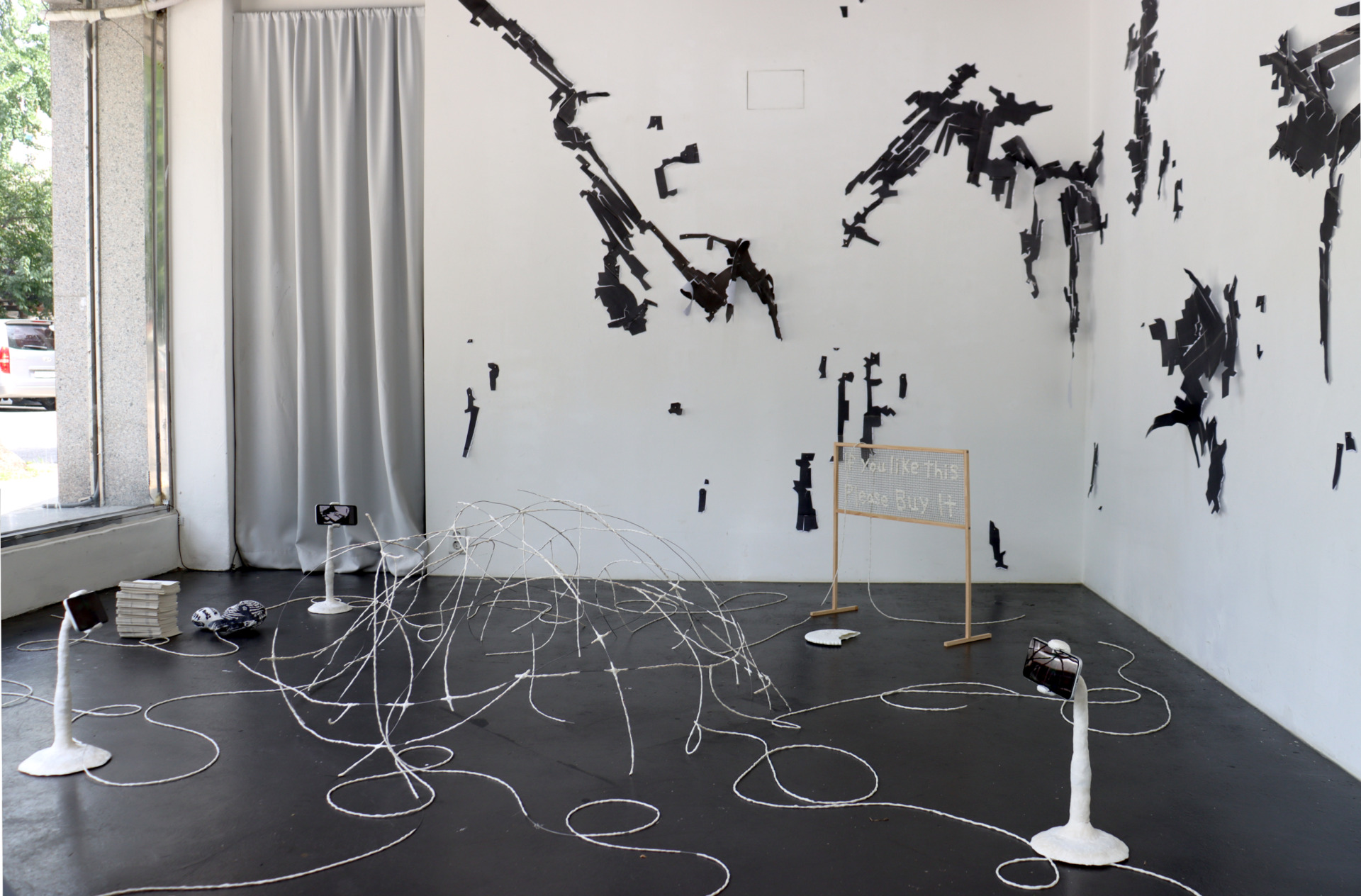
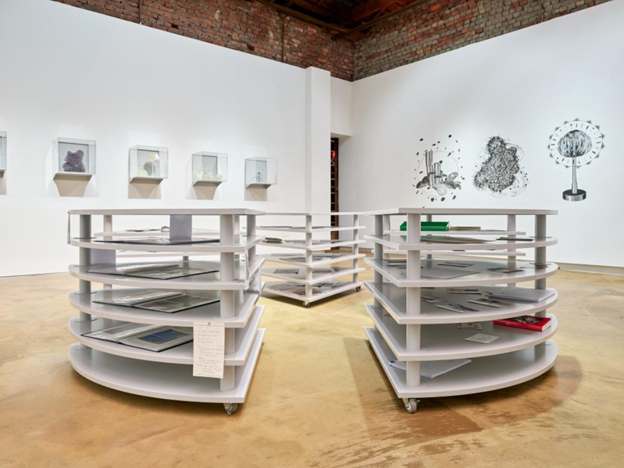
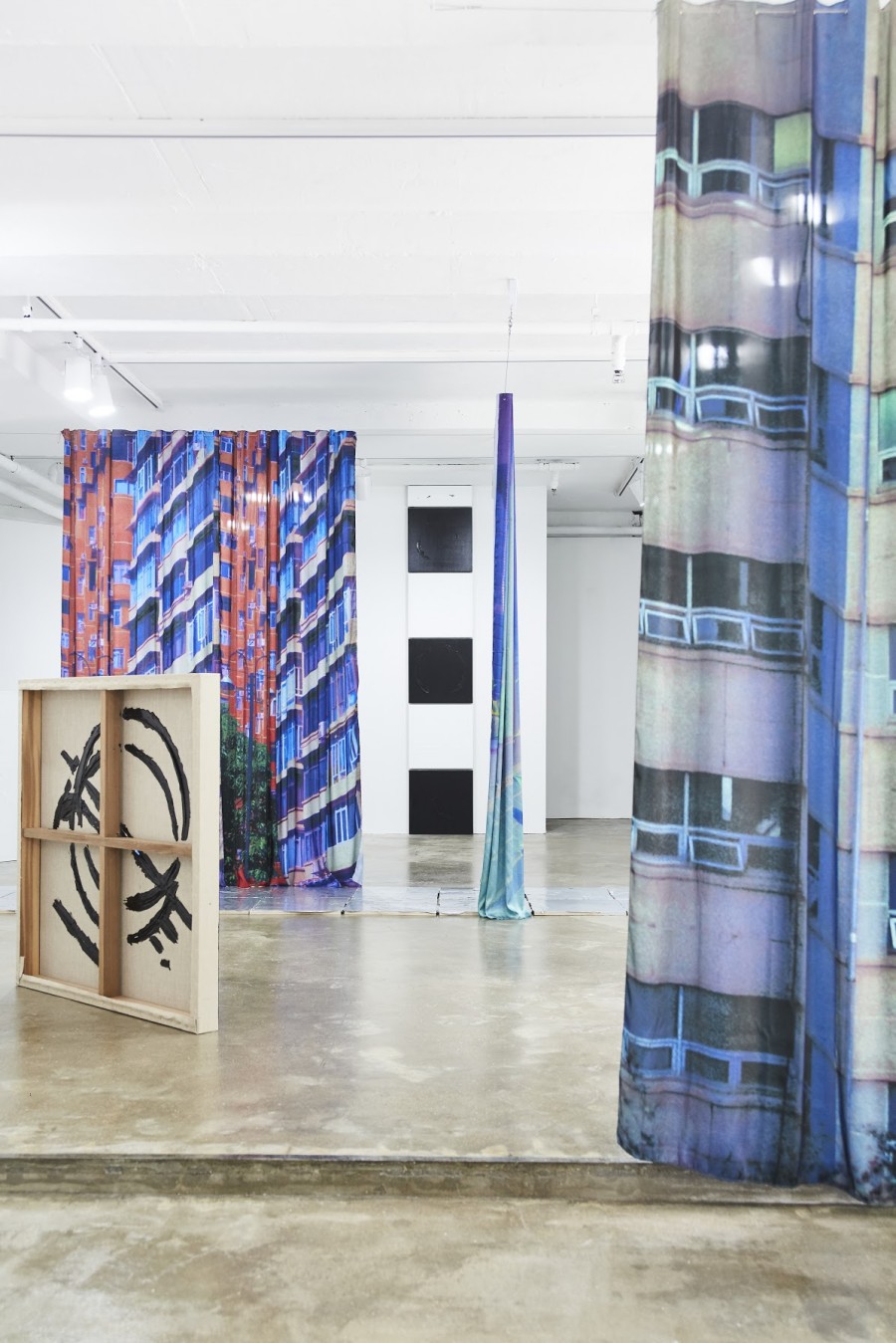
Installation view of 《REVERSE EDGE》 (Space illi, 2019) © Space illi

JOO SLA’s work often begins by identifying affinities between her personal experiences or situations and elements drawn from animation, comics, and games, which she adopts as a kind of alibi. Based on these personal experiences, she traces objects and constructs narratives, unfolding in the process the multiple layers surrounding them in uncanny and unexpected ways.
 
For instance, her 2019 solo exhibition 《REVERSE EDGE》, held at Space illi, takes its point of departure from Kyoko Okazaki’s manga RIVER’S EDGE (1993). This work, which serves as a conceptual trigger for the exhibition, tells the story of disorienting events experienced by beings pushed to the margins of, or living along, various boundaries.


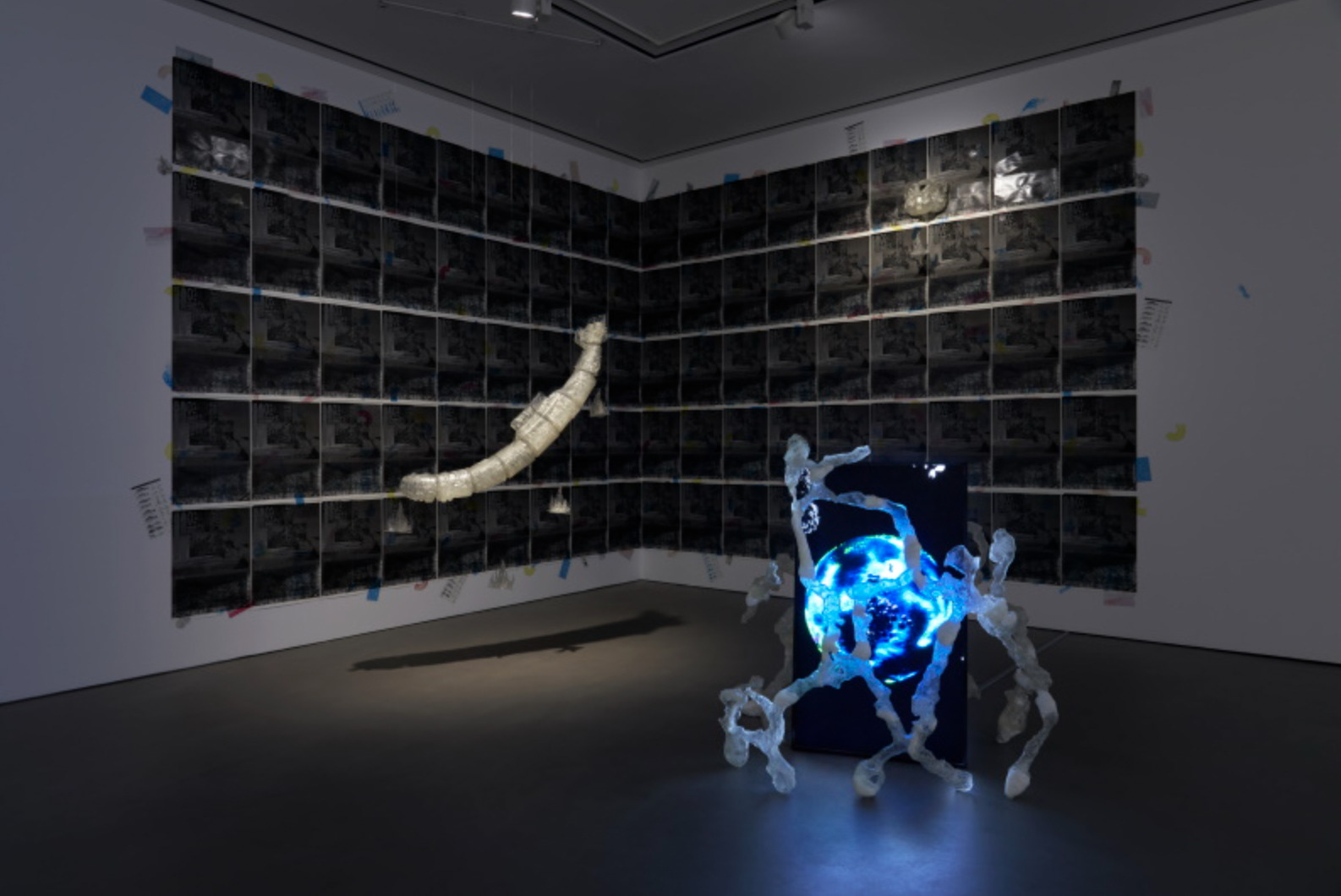
Installation view of 《REVERSE EDGE》 (Space illi, 2019) © Space illi

The exhibition title 《REVERSE EDGE》 originated from a misreading of the manga RIVER’S EDGE as “REVERSE EDGE.” Just as the characters in the manga experience confusion outside established boundaries, the images in her exhibition existed as expanded forms in space, moving beyond the flatness of painting and the physical constraints of the rectangular frame.
 
JOO SLA’s images, which depart from conventional frameworks, may at first appear like neatly organized sets of data; however, the gaps and glitches that emerge within them evoke a condition in which their meaning cannot be definitively determined.


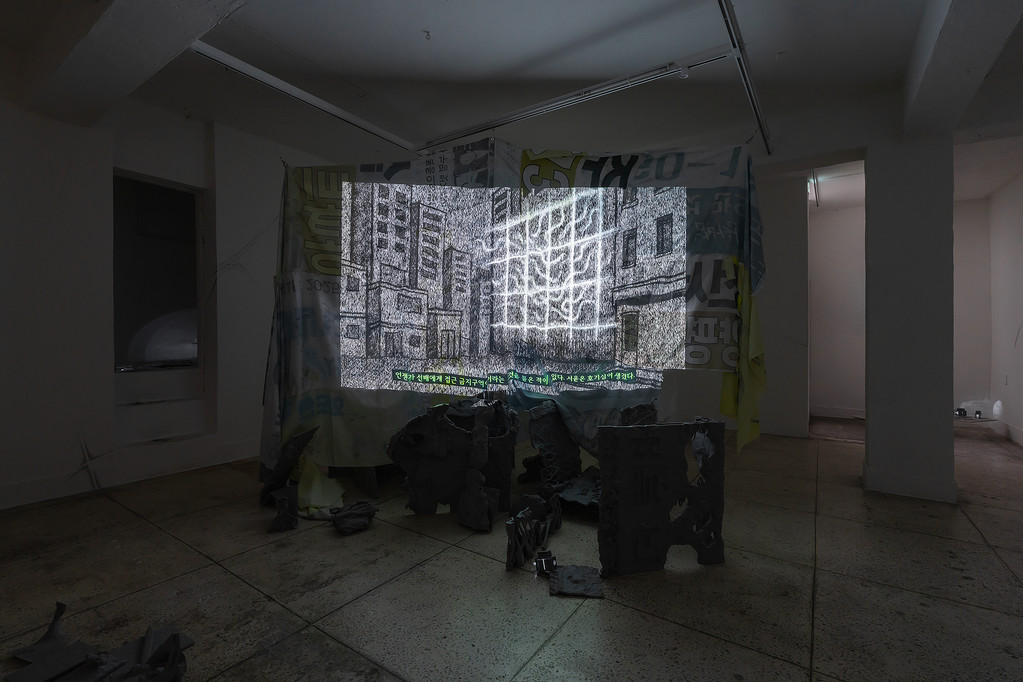
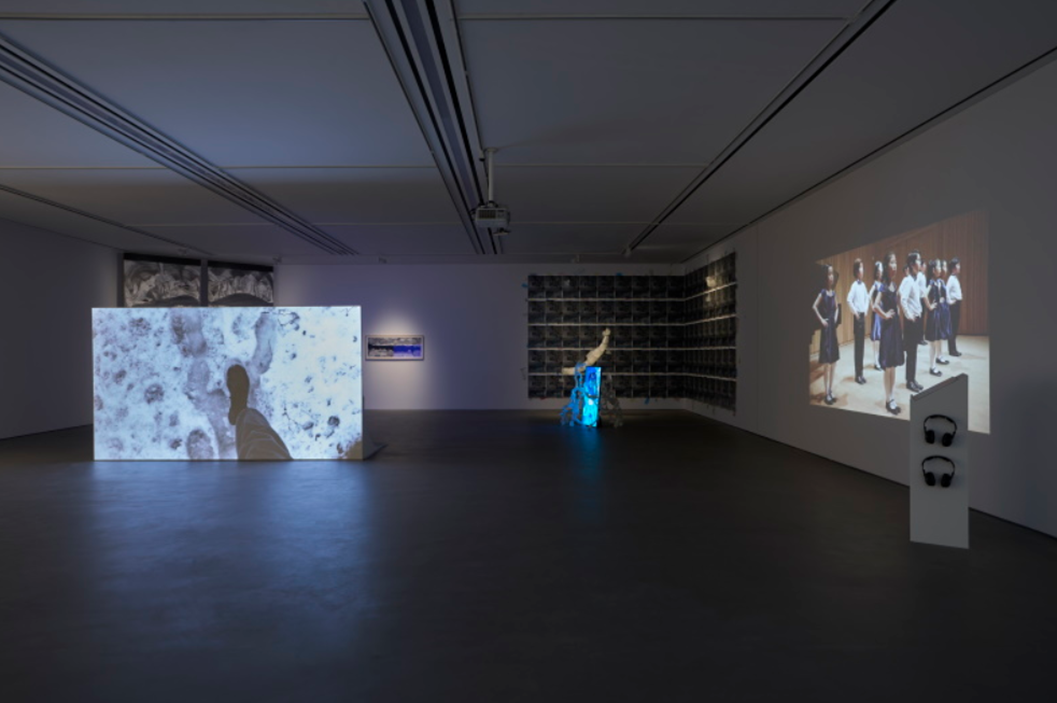
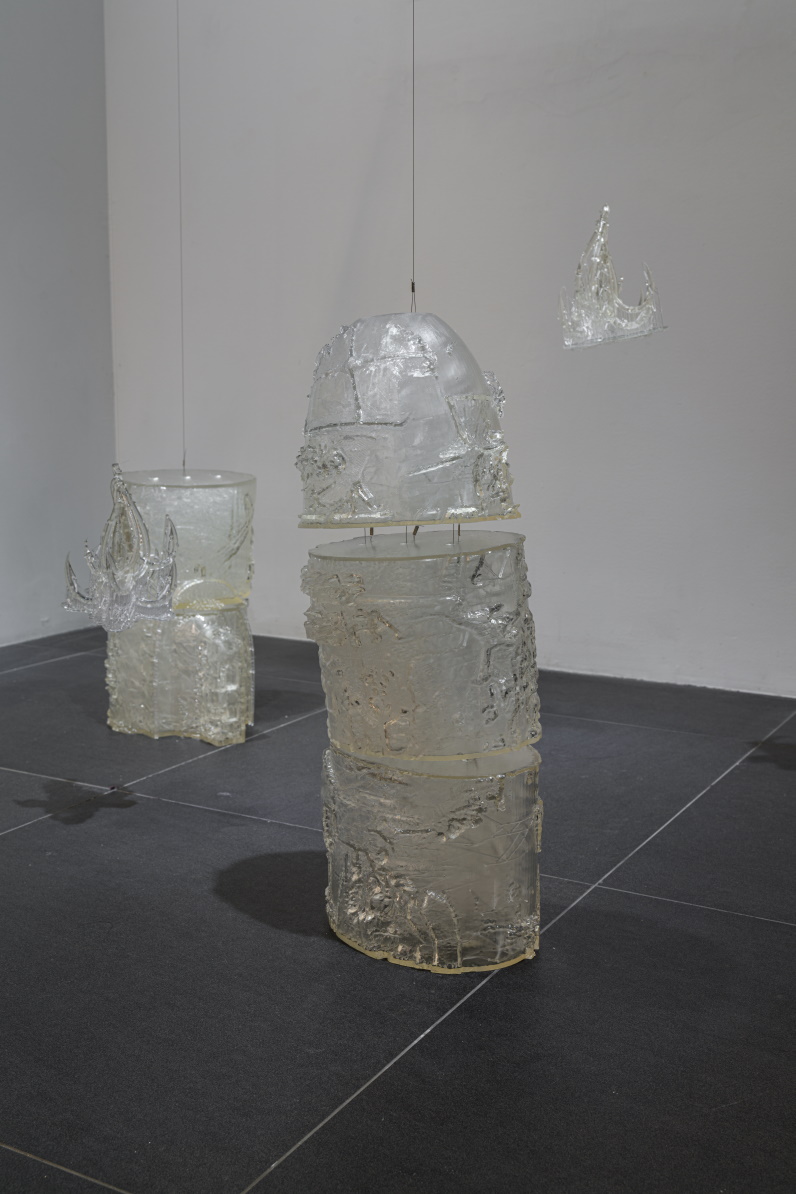
JOO SLA, Installation view of 《DOSAN Art Lab Exhibition 2022》 (DOOSAN Gallery, 2022) © DOOSAN Art Center

Subsequently, in a series of works presented at the 《DOOSAN Art Lab Exhibition 2022》, she continued to focus on narratives drawn from animation and comics. Works such as Lure (2021), Soul Fishing (2021), and Three Hollow Devil Heads (2021), for instance, were inspired by female hero narratives found in comics.
 
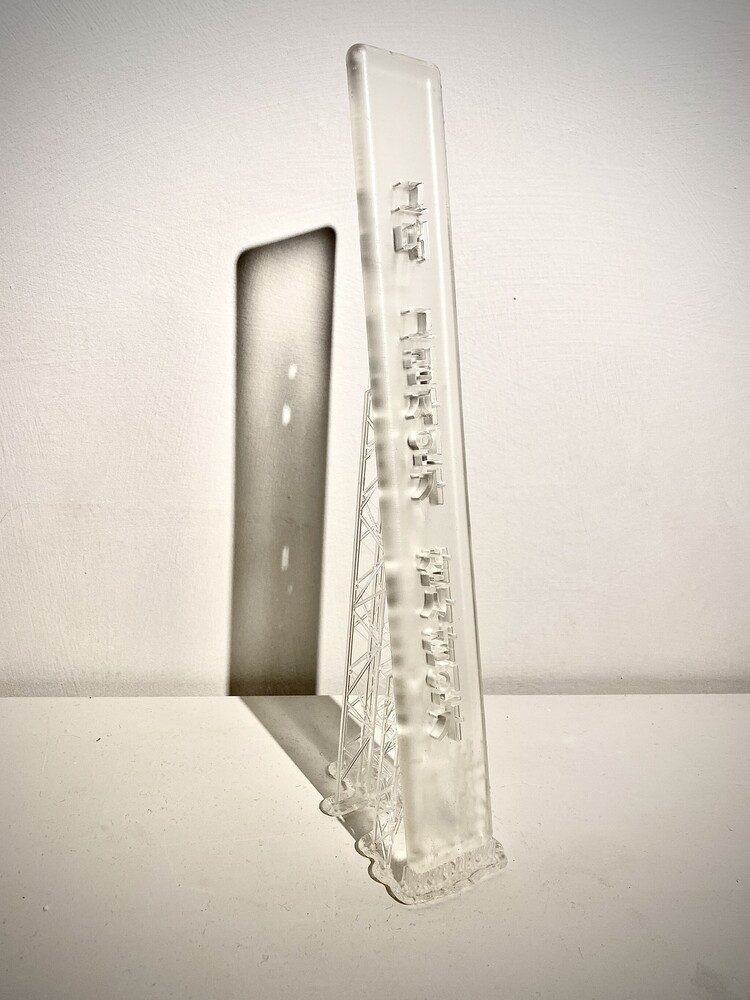
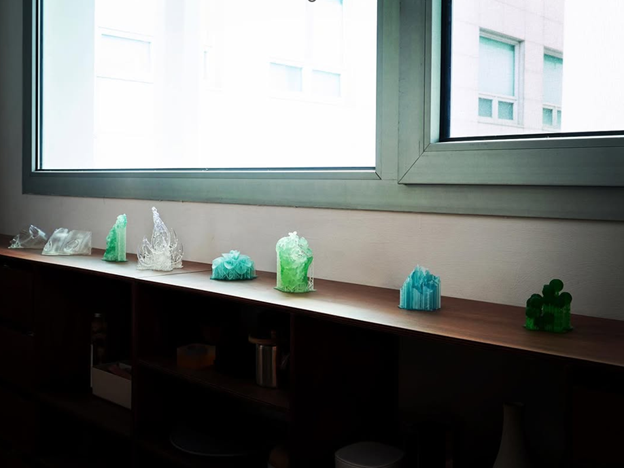
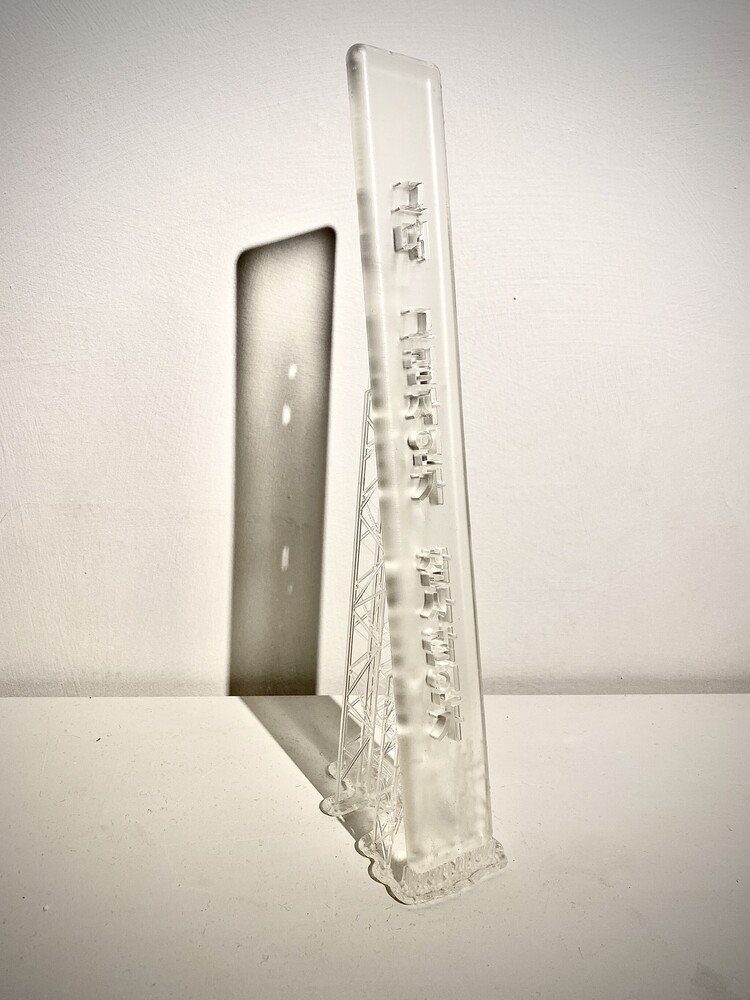
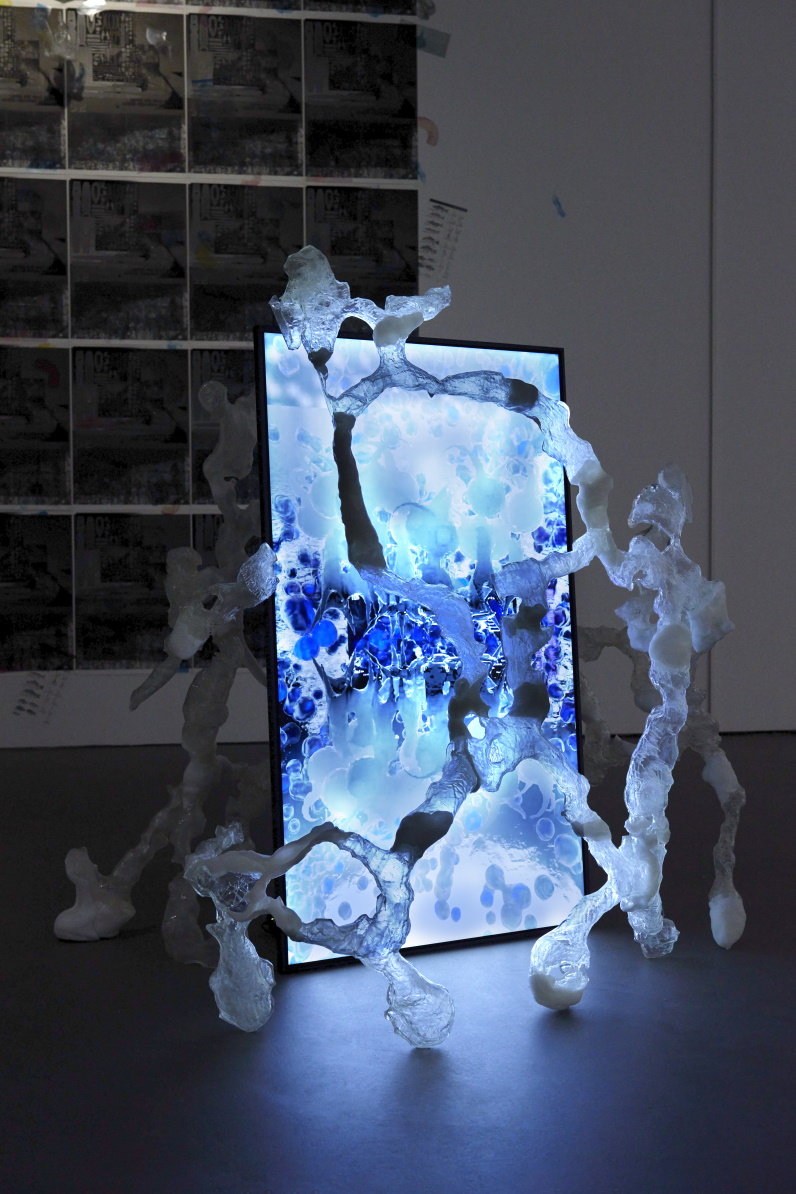
JOO SLA materializes and “outputs” into reality elements such as the freely transforming bodies of comic protagonists and their transparent, immaterial tools, using techniques like 3D printing and silkscreen.


JOO SLA, Text Panel of Welcome Soul Jem (type2), 2022, 3D Printed resin, 5x9x30cm. © The Great Collection

In her subsequent solo exhibition 《Put My Finger in the Portal》 (The Great Collection, 2022), JOO SLA once again weaves together diverse media and genres—including animation, 3D sculpture, and silkscreen—into a single trajectory, focusing on the “moment of transformation” in which characters in female hero narratives morph their bodies and traverse dimensions.
 
In the exhibition title 《Put My Finger in the Portal》, the “portal” refers to a magical or technological gateway connecting two different locations. The artist adopts this as a metaphor, viewing the portal as an entry point into virtual worlds, and drawing attention to the shifts in dimension we experience as we insert our fingers into the digital realm.
 
Accordingly, the exhibition presents a complex spectrum of emotions—ranging from perception and transition to confusion—that arise in the fleeting moment when dimensions shift.


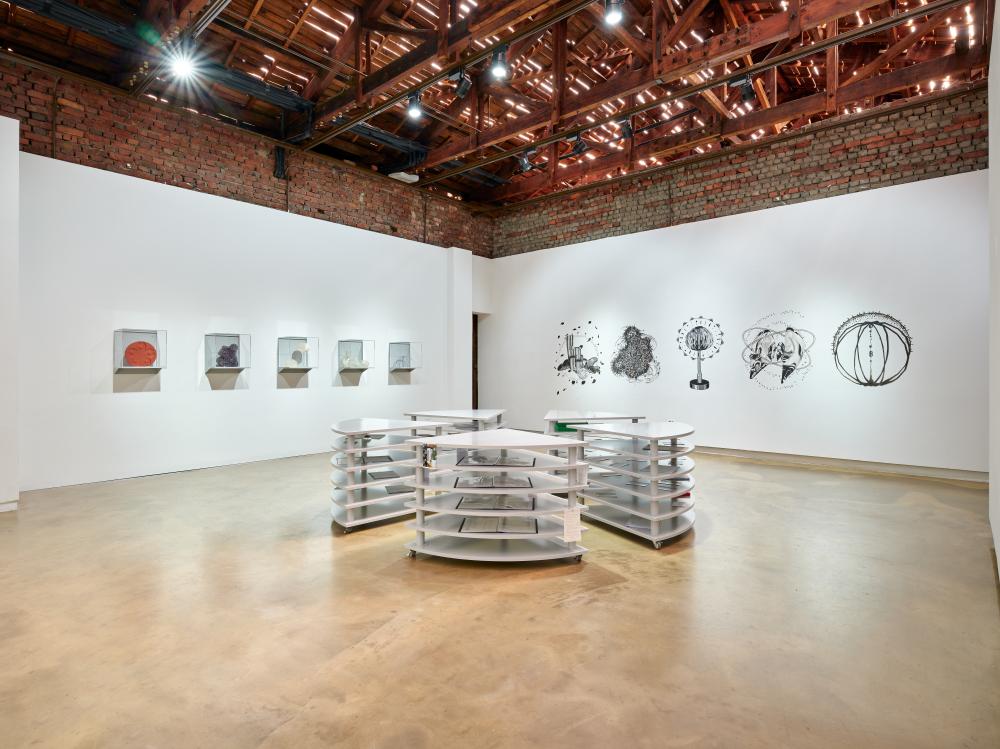
Installation view of 《Put My Finger in the Portal》 (The Great Collection, 2022) © The Great Collection

In particular, JOO SLA encourages viewers to move beyond a single-dimensional mode of viewing, prompting them to imagine multiple dimensions by revealing the processes through which various artistic forms transform. Images reminiscent of nostalgic paper comics are rendered as prints, then translated into an imagined dimension as 3D sculptures, and further evolve into animated videos—generating a chain of sensory experiences across media.
 
The media that activate this exhibition—silkscreen, 3D animation, and 3D printing—share key characteristics: each allows for the transfer and reproduction of an original, and in the process of moving between media, hybrid states can emerge in which the properties of A and B become combined.


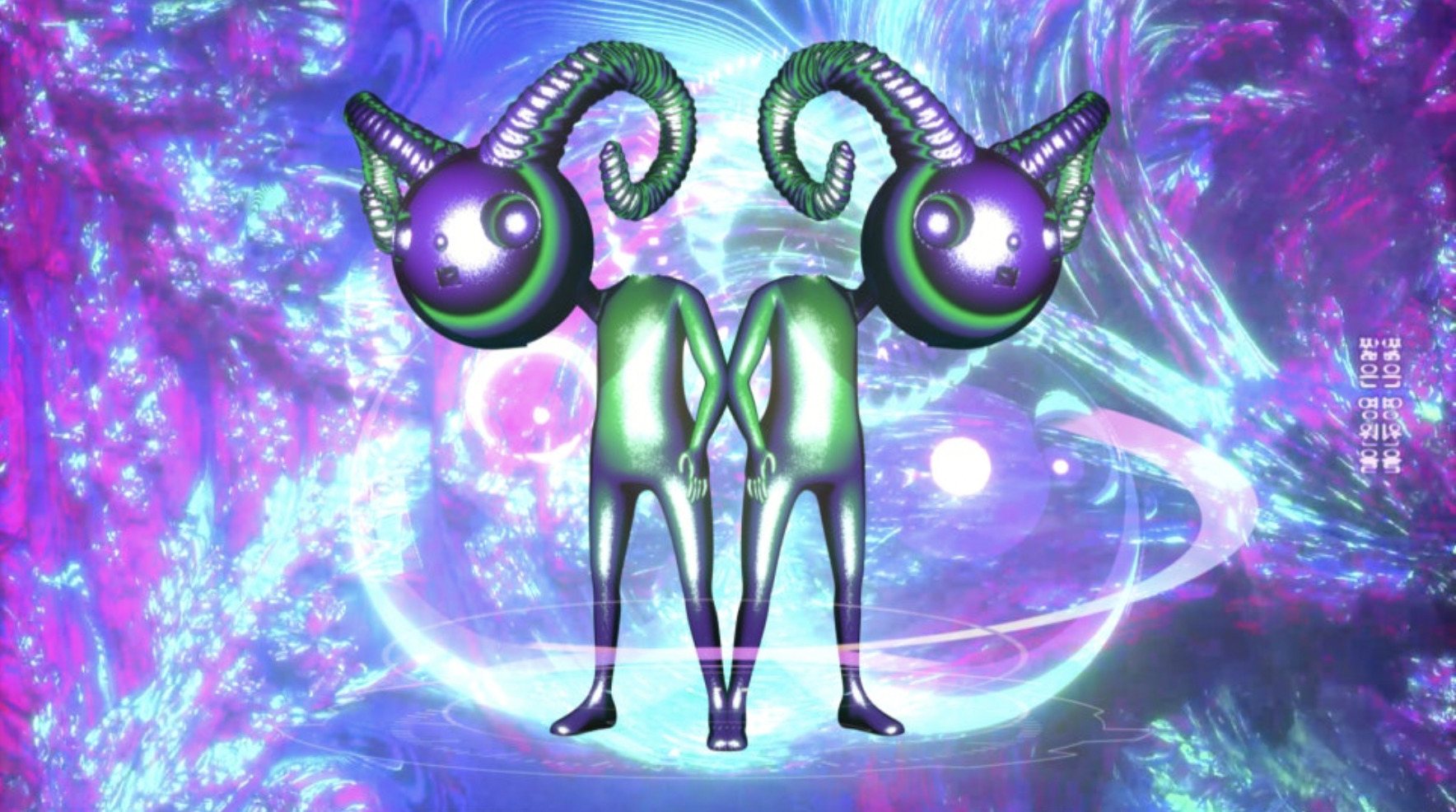
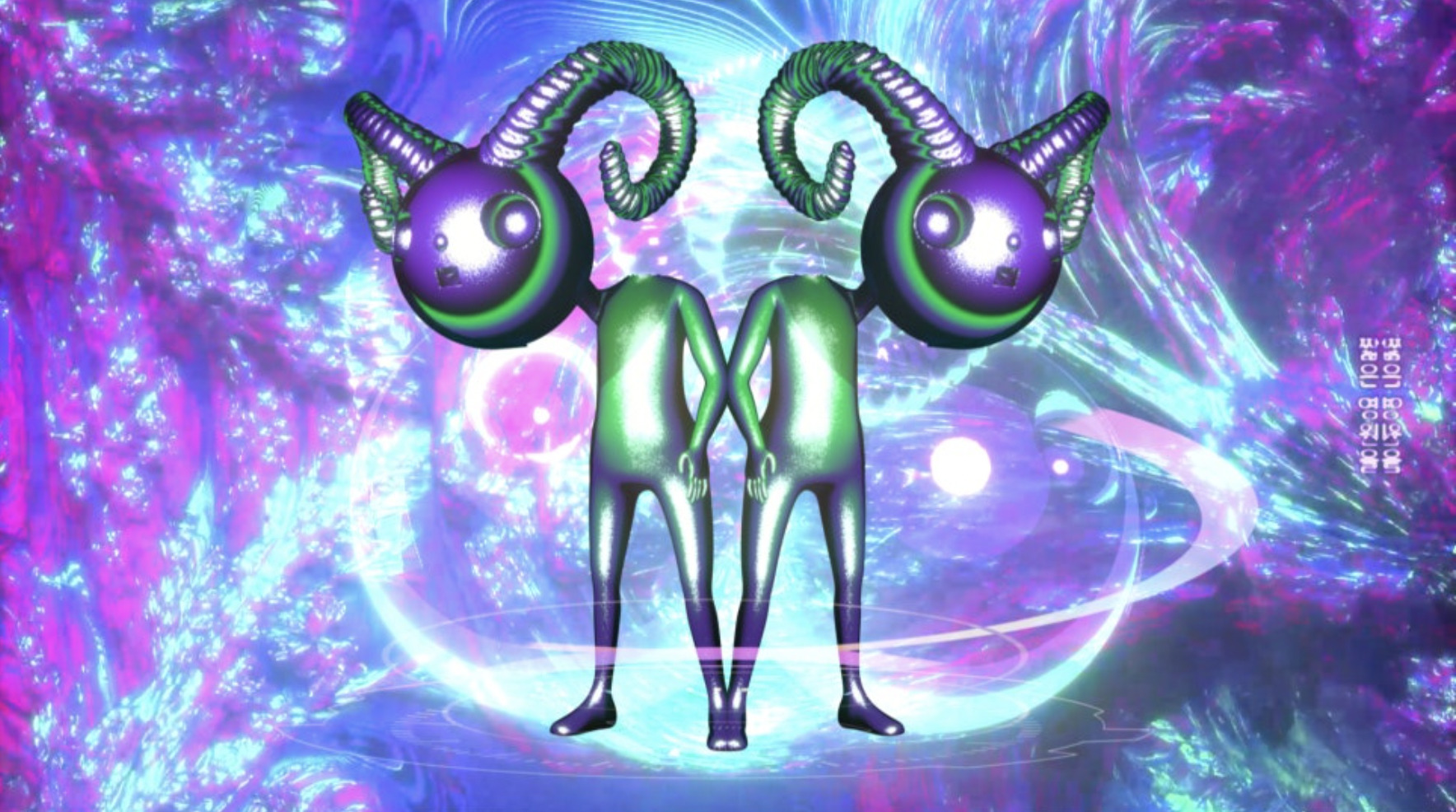
JOO SLA, PUT MY FINGER IN THE PORTAL, 2022, Single-channel video, 3min 53sec. © JOO SLA

JOO SLA focuses on these material properties to give form to the unfamiliar sensory moments that arise from shifts between dimensions.
 
Her video work PUT MY FINGER IN THE PORTAL (2022), which portrays the instant of transition between dimensions as a site of fear, features a being that “lives on the boundary between dimensions.” Addressing the viewer, it speaks about what it is, what kind of place it inhabits, and what might lie beyond, ultimately inviting the viewer to cross into the unknown beyond the threshold.


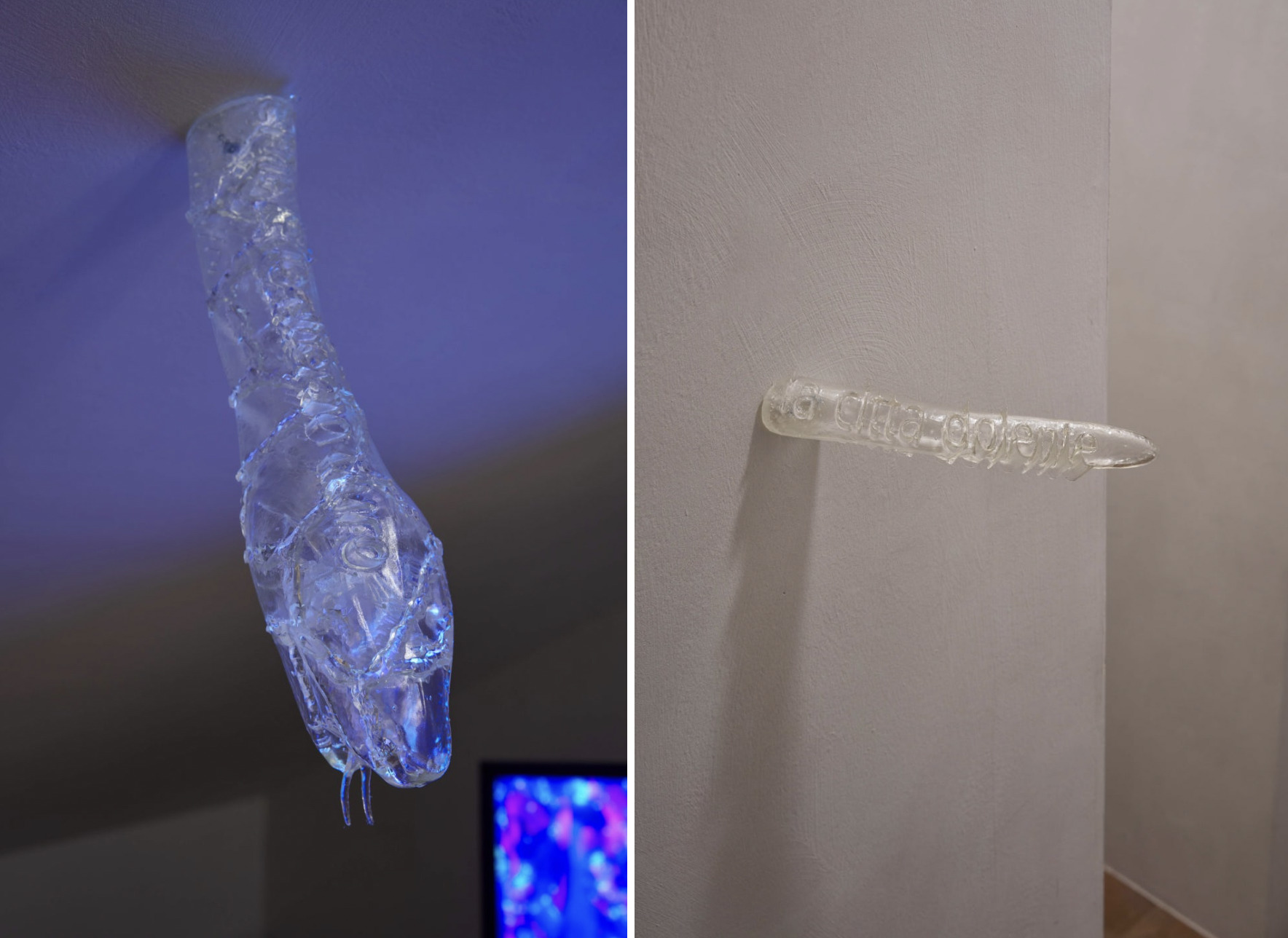
JOO SLA, Messenger, 2022, 3D printed resin, Dimensions variable © JOO SLA

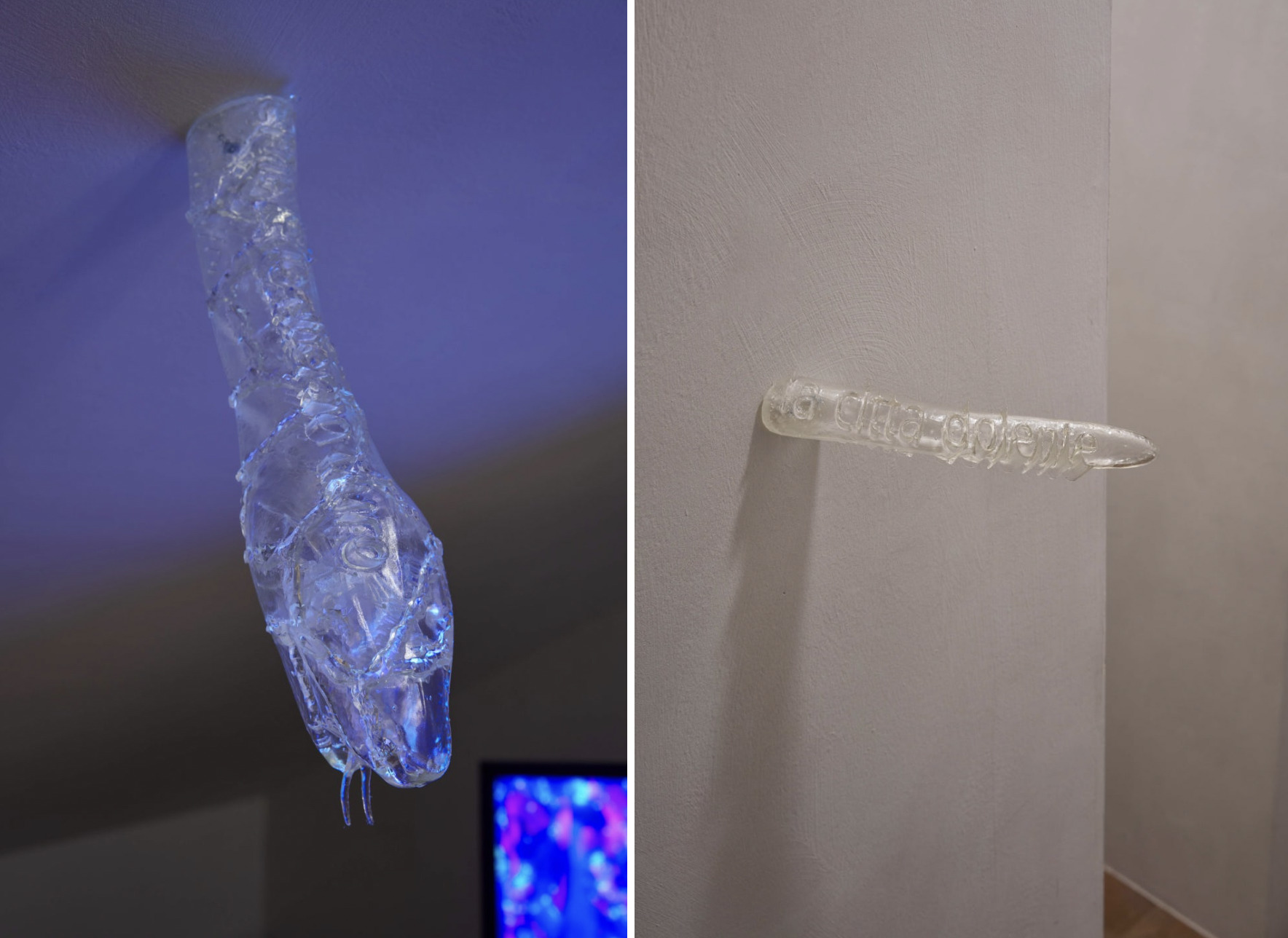
Meanwhile, the three-dimensional works produced through 3D printing take the form of a snake that appears in the video, winding its way through and piercing the walls of the exhibition space. The snake can also signify a chain of continuity, evoking things that follow one another in an unending sequence. In the exhibition, it appears to traverse dimensions, penetrating walls and ceilings as if breaking through the boundaries between spaces, revealing its segmented body across different areas.
 
As viewers encounter this ambiguous form, they are initially left with a sense of uncertainty; however, upon eventually coming face to face with the snake’s head in the attic-like space, they are able to infer the identity of the form.


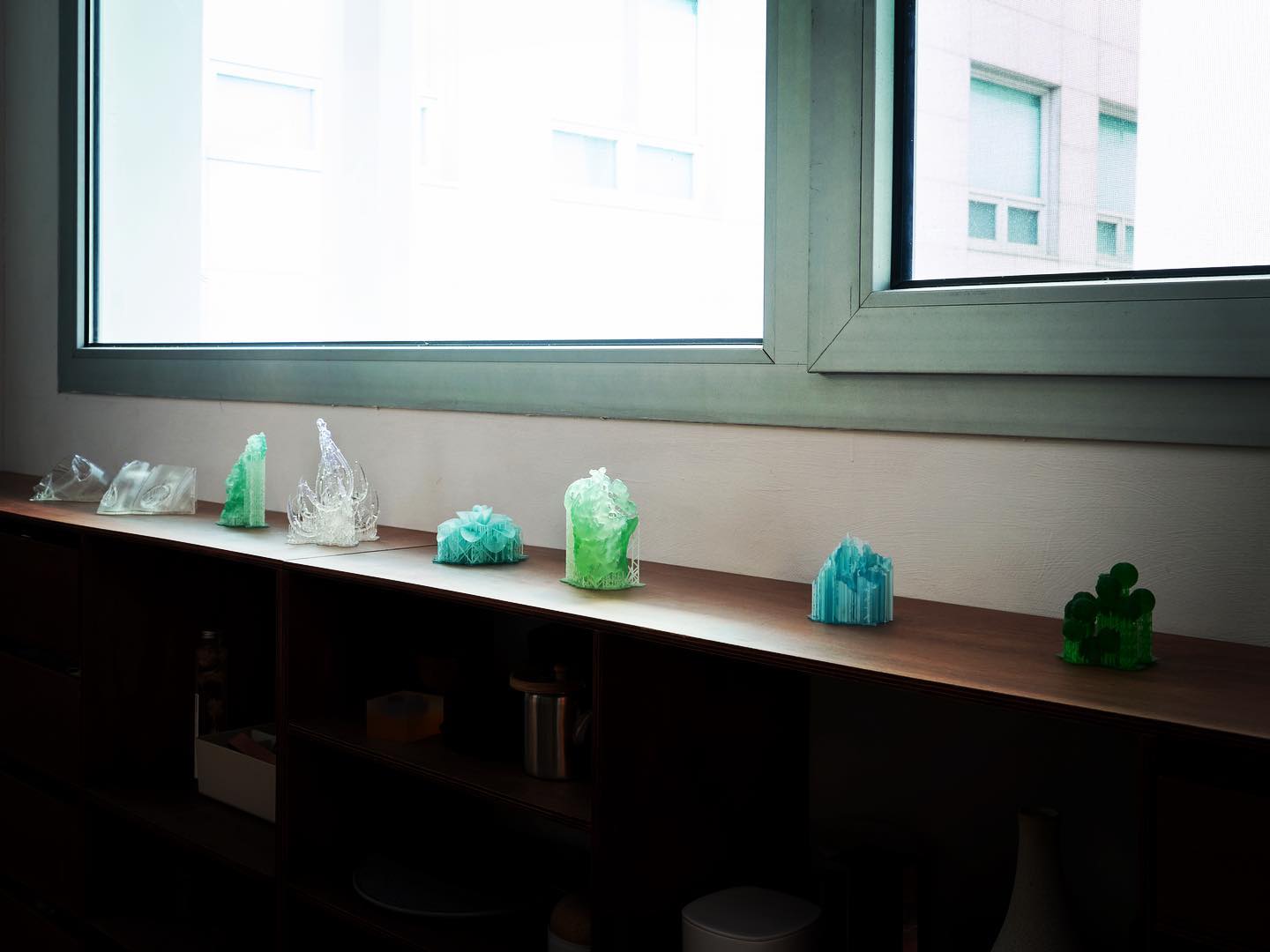
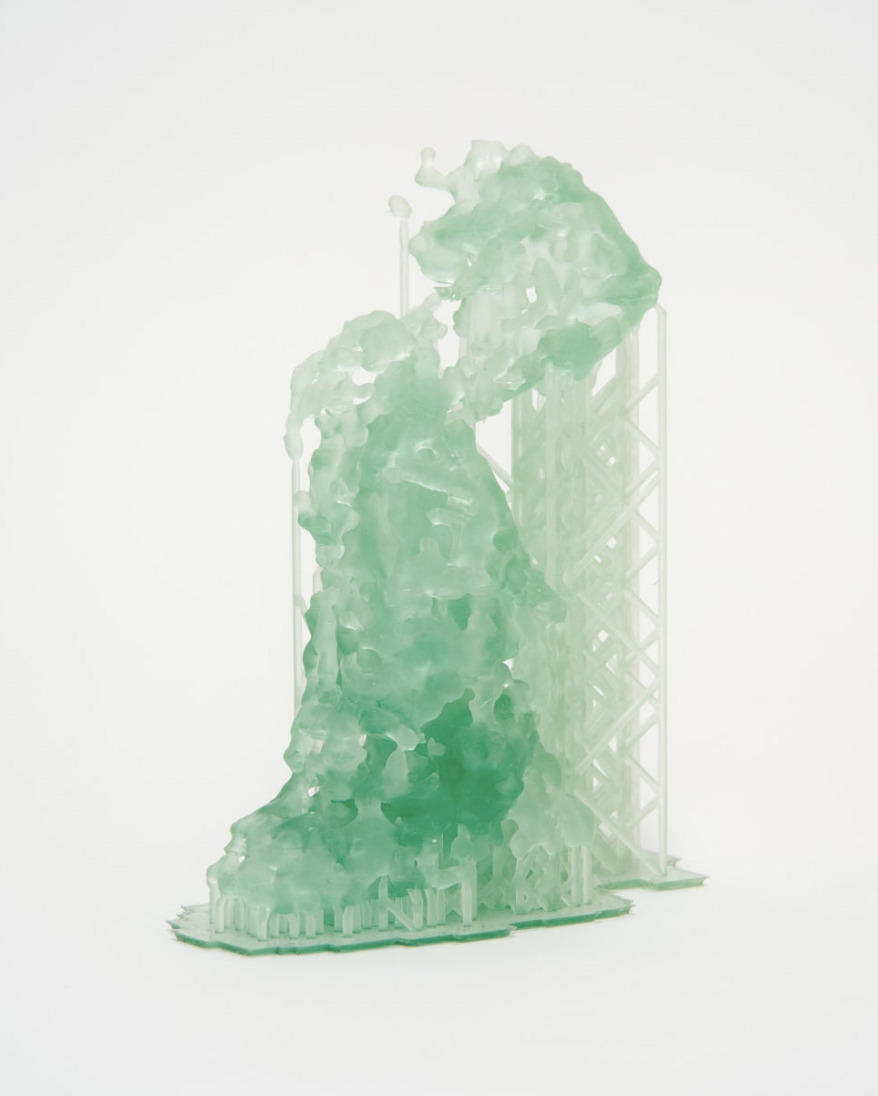
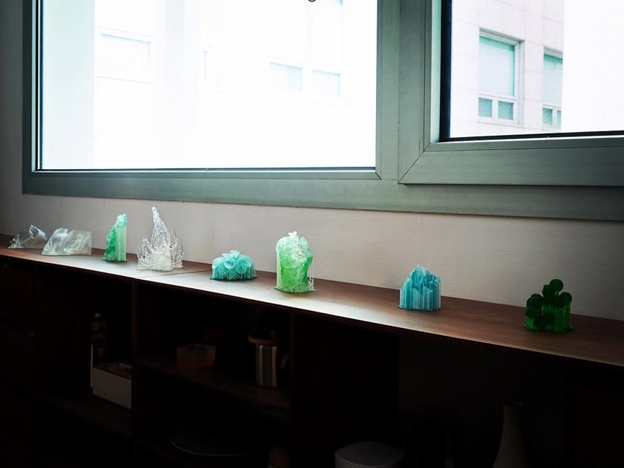
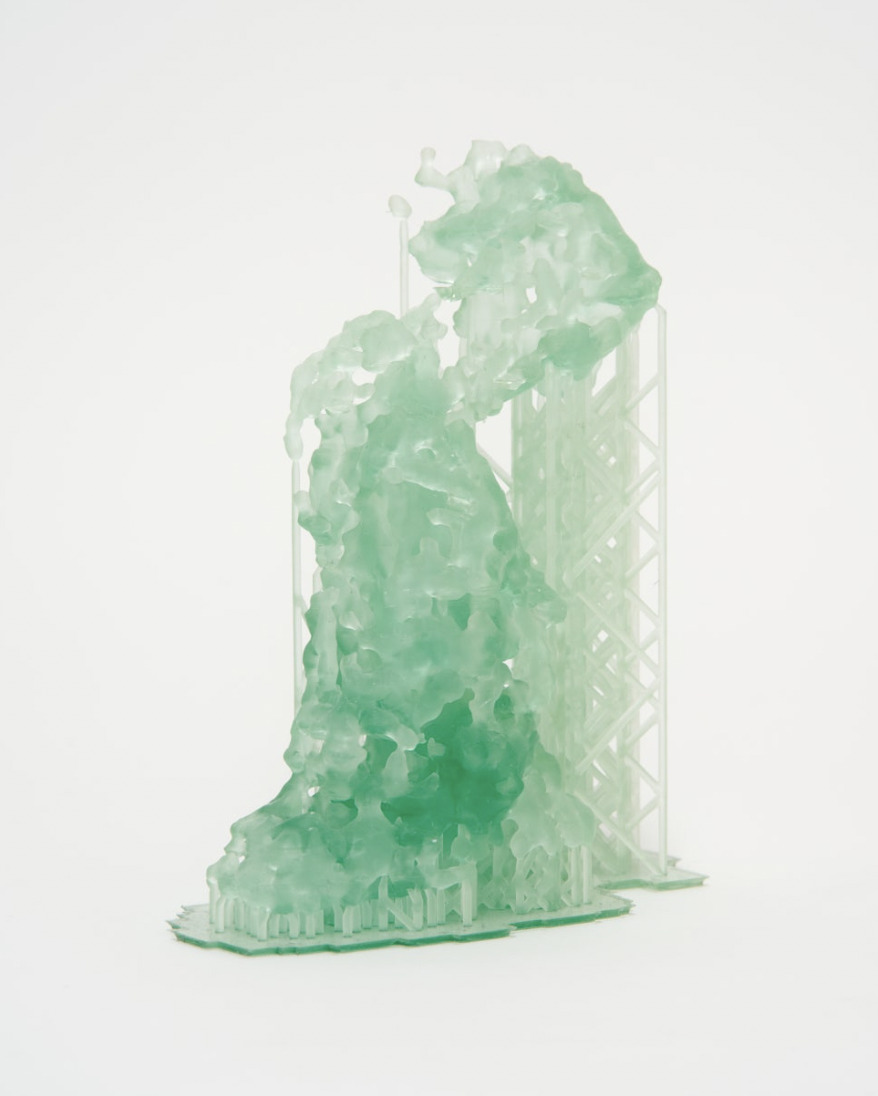
JOO SLA, Thermoplastic Bodyies, 2021, 3D printed resin, 8x8x8cm © The Great Collection

JOO SLA describes her 3D-printed works as “giving a body to something that does not exist in reality.” She has long been interested in the “difference” that emerges as the properties of digital space are transferred (or transition) into other media. She understands this difference as something that simultaneously contains the characteristics of both the digital environment and physical space.


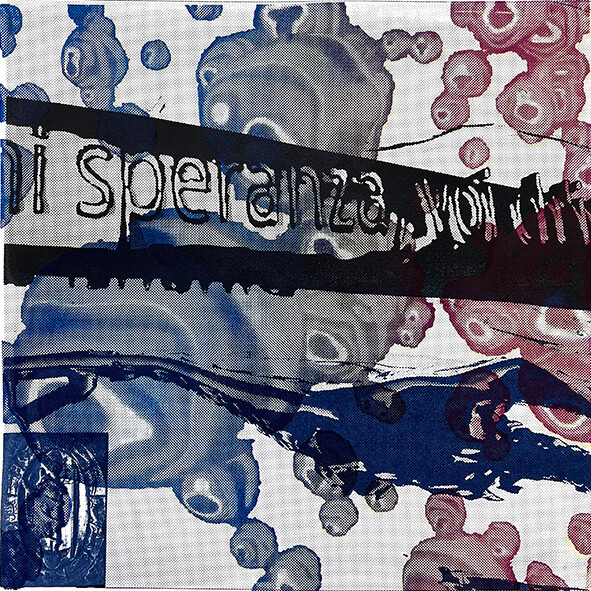
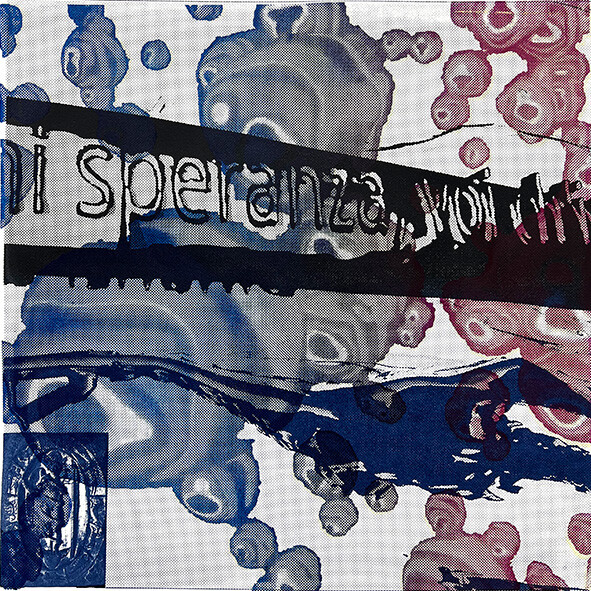
JOO SLA, Image Layering (9), 2022, Silkscreen on paper, 40x40cm © The Great Collection

Meanwhile, the silkscreen works are the result of arranging and recombining scenes drawn from the videos PUT MY FINGER IN THE PORTAL and Soul Fishing. Originating from her video practice, these works apply to a two-dimensional surface the method she used to connect one cut to another within the moving image.
 
In her video works, JOO SLA typically creates intersections between successive cuts to produce seamless transitions. In the silkscreen works, by contrast, she layers multiple images to consolidate those relationships within a single frame.


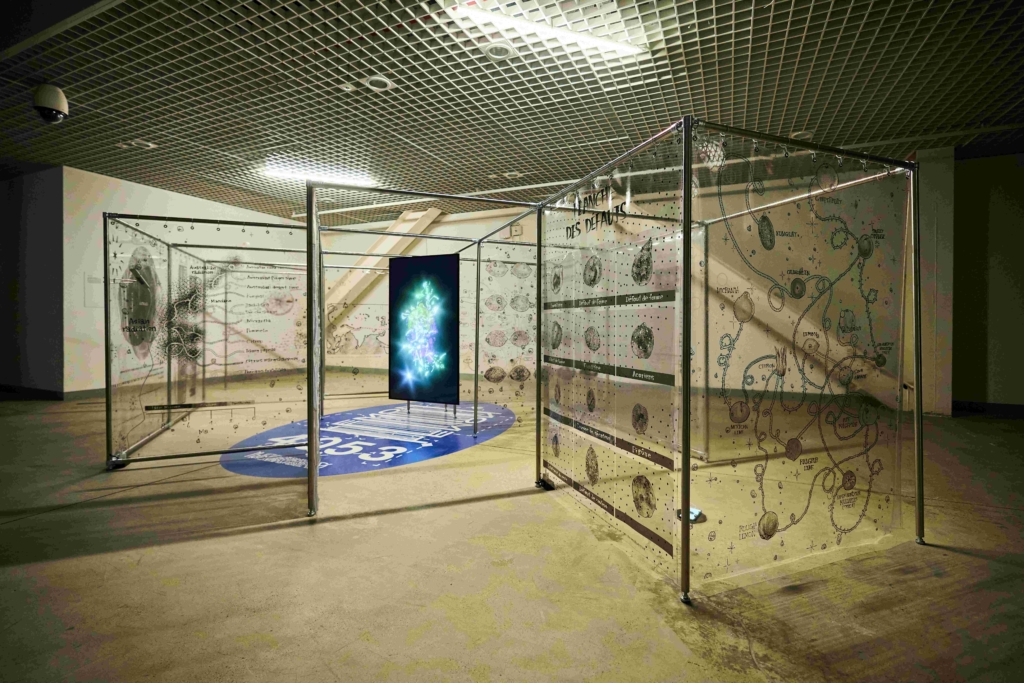
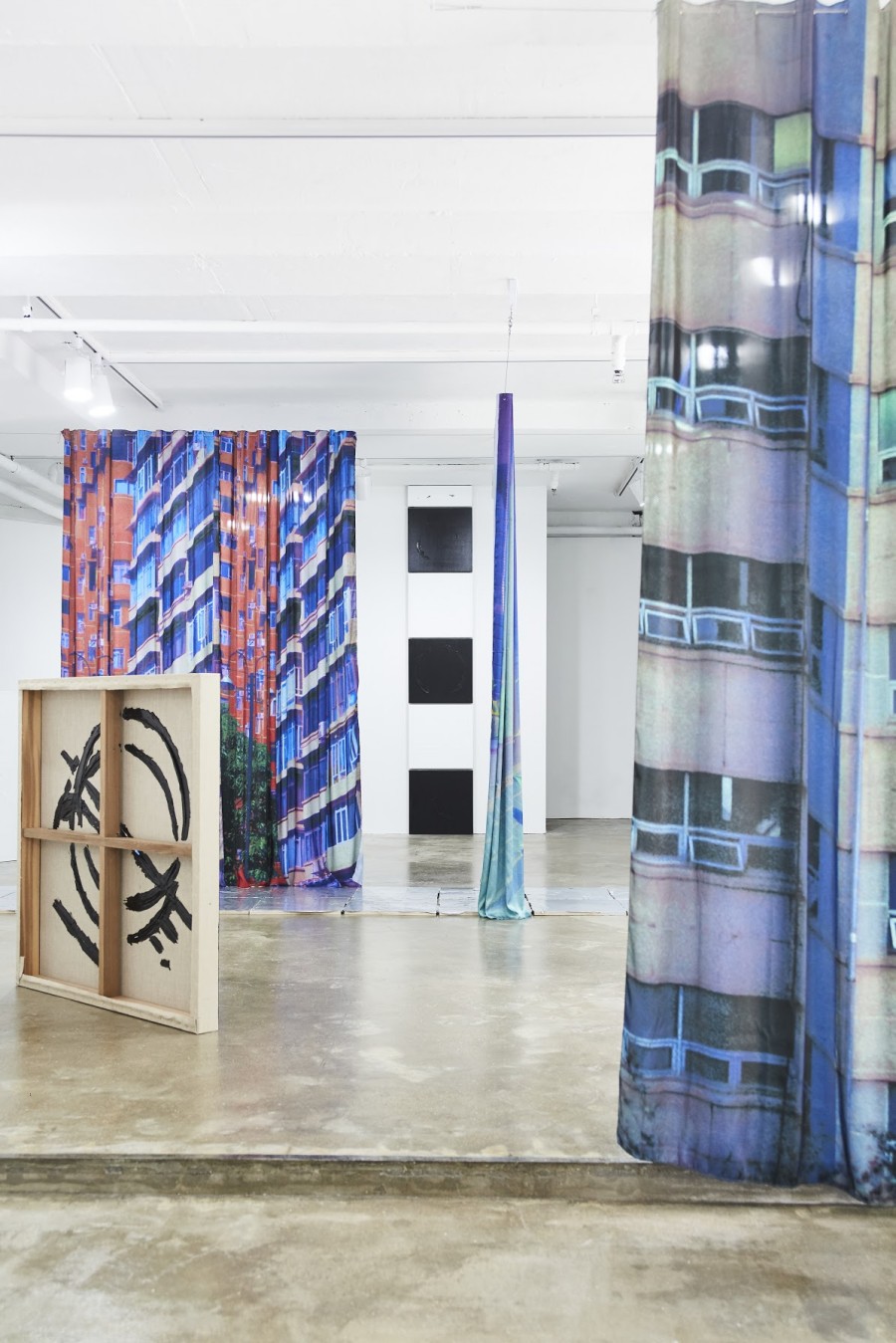
JOO SLA, One day, the lemon yellow disappeared, 2022, Mixed media © Seoul Museum of Art

In this way, her work interweaves the characteristics of different media and traverses dimensions, guiding viewers to experience—through their own bodies—the sensory shifts and changing modes of perception that arise beyond the boundaries separating A from B.
 
In her 2023 solo exhibition 《Nomel’s Tracking Log》, held at SeMA Storage, JOO SLA unfolded a fictional narrative centered on the object of a “lemon,” tracing its transformations as it moves across multiple dimensions. The exhibition begins with a lemon that suddenly disappears from the artist’s home, and follows the process of tracking its whereabouts through drawings, animation, essays, and 3D sculptures.
 
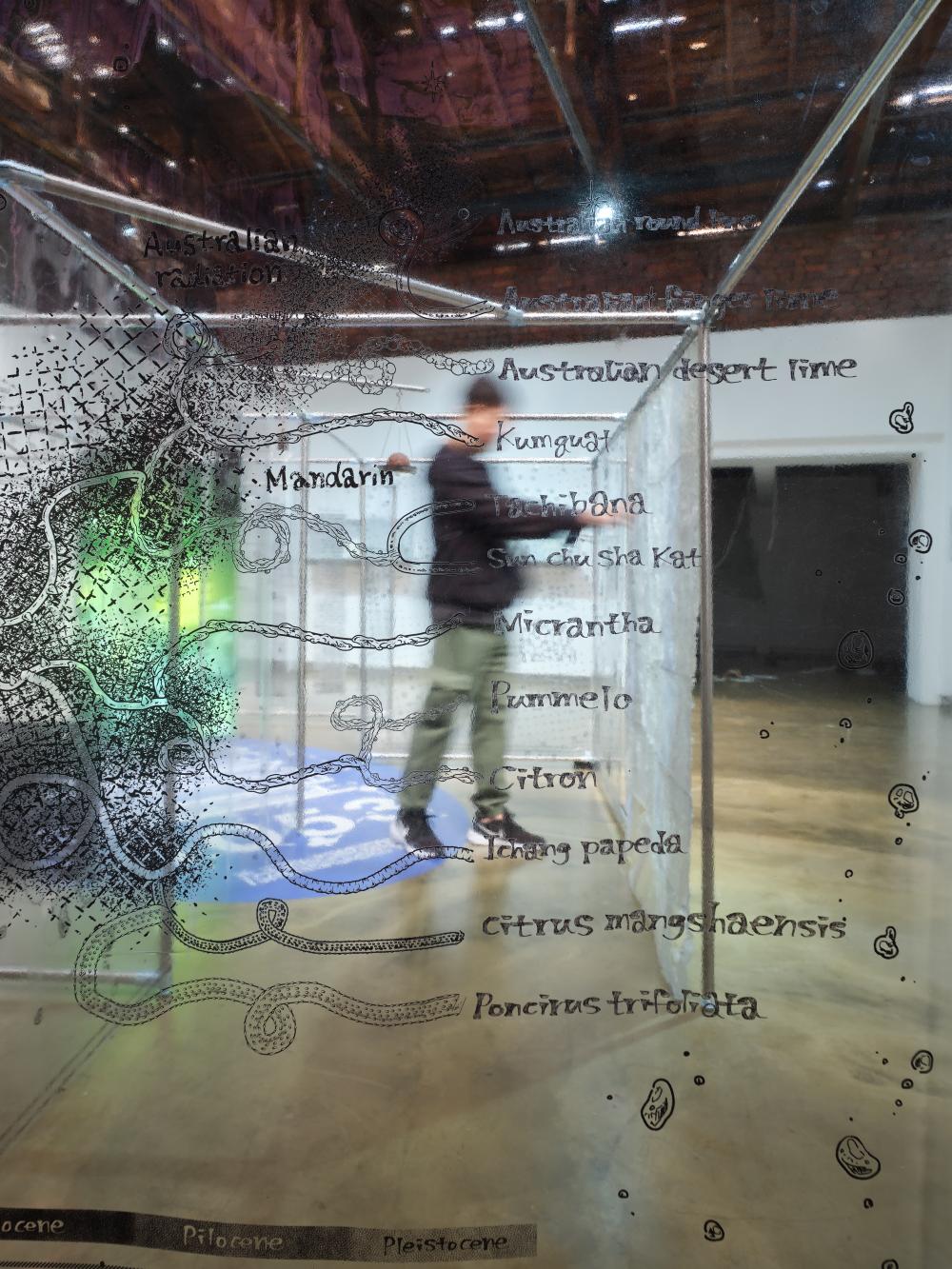
Throughout this process of pursuit, the lemon continuously changes, gradually becoming something other than what it was originally known to be. This process of shifting perception is embodied in the installation One day, the lemon yellow disappeared (2022), where viewers could follow the trail of the lemon through a maze-like structure within the exhibition space.


Installation view of 《Nomel’s Tracking Log》 (SeMA Storage, 2023) © Seoul Museum of Art

The lemon label—an important clue in the process of tracking—contains encoded information such as its origin and distribution route, resembling the coordinates through which human identities are defined by social relations such as race, gender, and environment. The act of digitizing this label can be likened to the uploading of a dematerialized consciousness into a digital device, evoking the notion of the posthuman.


Installation view of 《Nomel’s Tracking Log》 (SeMA Storage, 2023) © Seoul Museum of Art

Depending on the context and perspective of the discourse, this can be read as a critique of the figure of the posthuman—one that is appropriated and represented in multiple ways—and, more specifically, of attempts to expand the definition of the body from an ontological standpoint, treating the human not as a fixed entity but as something mutable.
 
At the same time, in the process of digitizing the lemon label, the artist maintains a critical perspective on capitalism, particularly as it is revealed through mediating structures of social action such as mass cultivation and large-scale distribution systems.
 
She also raises a range of questions about ways of extending human existence within a posthuman media environment grounded in digital technology, including the dissolution of digital boundaries and the pursuit of digital immortality.


Installation view of 《Nomel’s Tracking Log》 (SeMA Storage, 2023) © Seoul Museum of Art

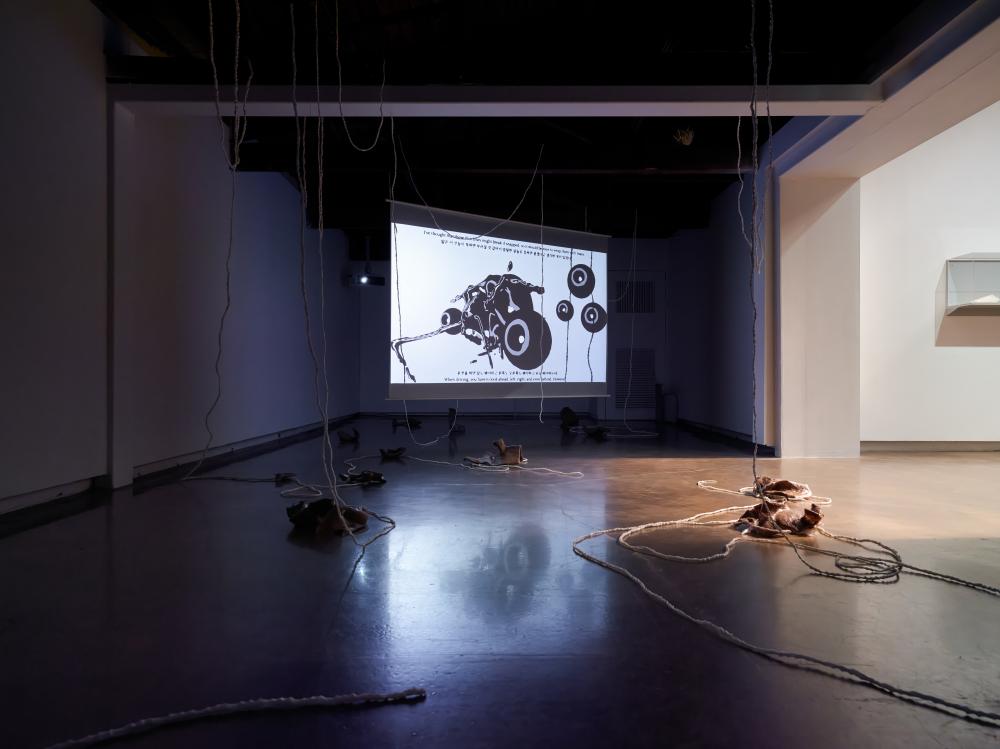
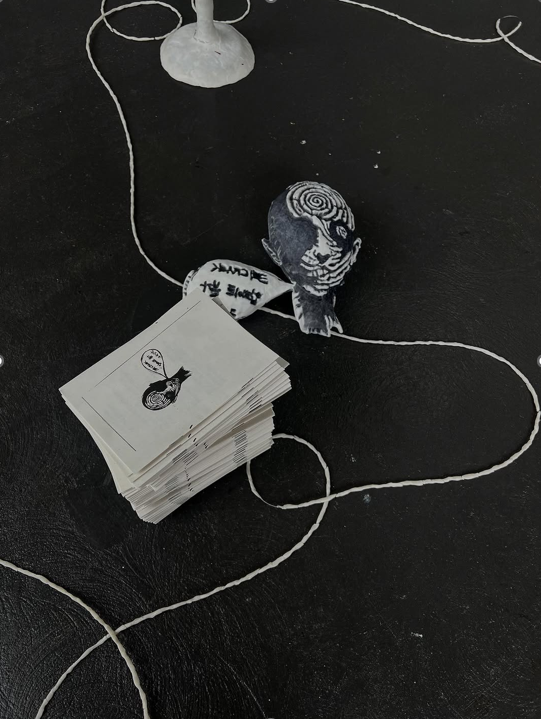
The interest in the transformability of objects extends beyond lemons to the human body. In the video work GUMMY (2023), an uncanny sensation of the body is expressed, stemming from the experience of accidentally swallowing a spider. Sculptures near the video, woven with white thread, recall the fragmented and disparate body.


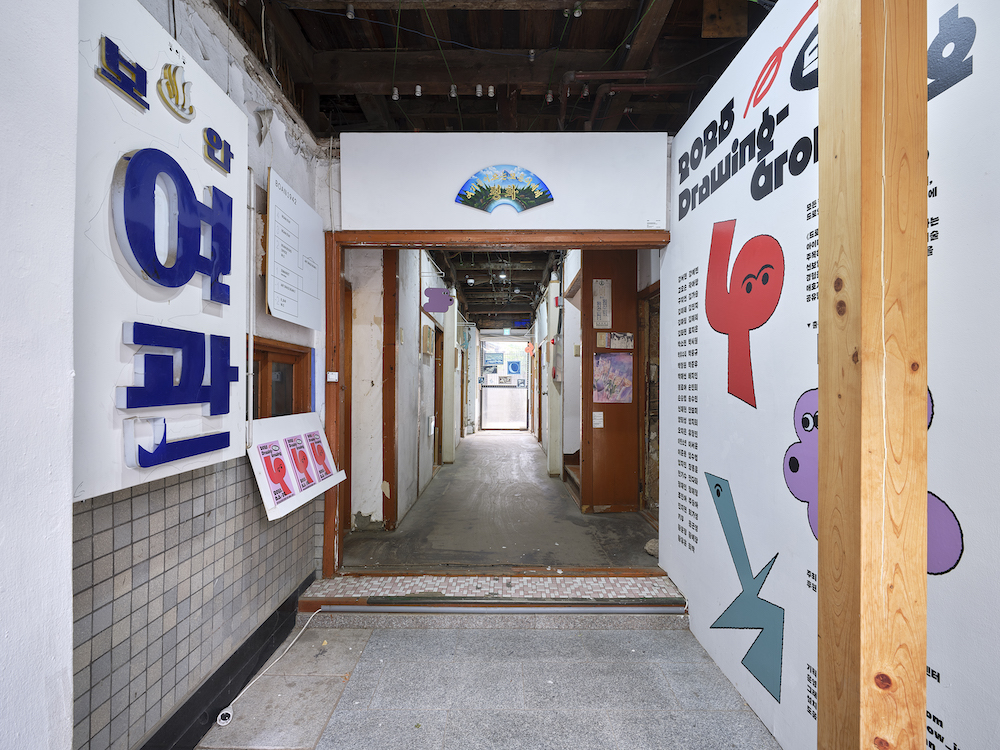
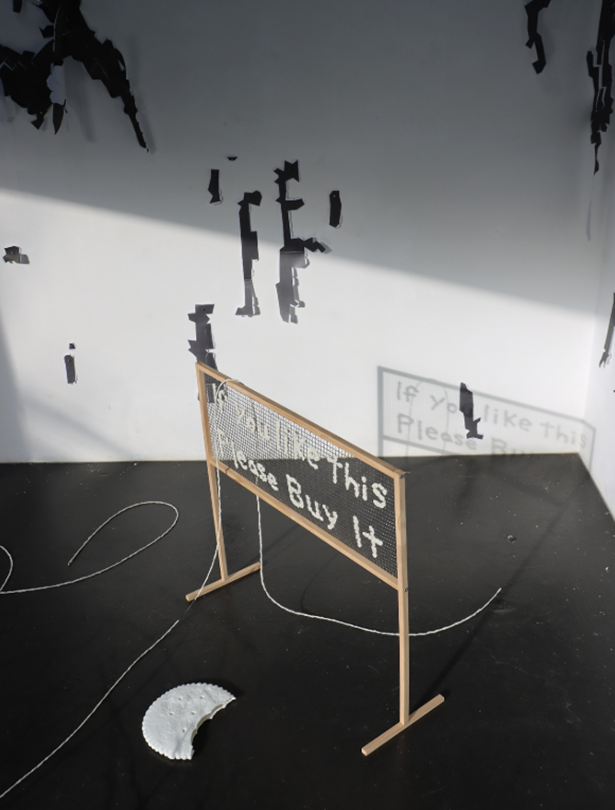
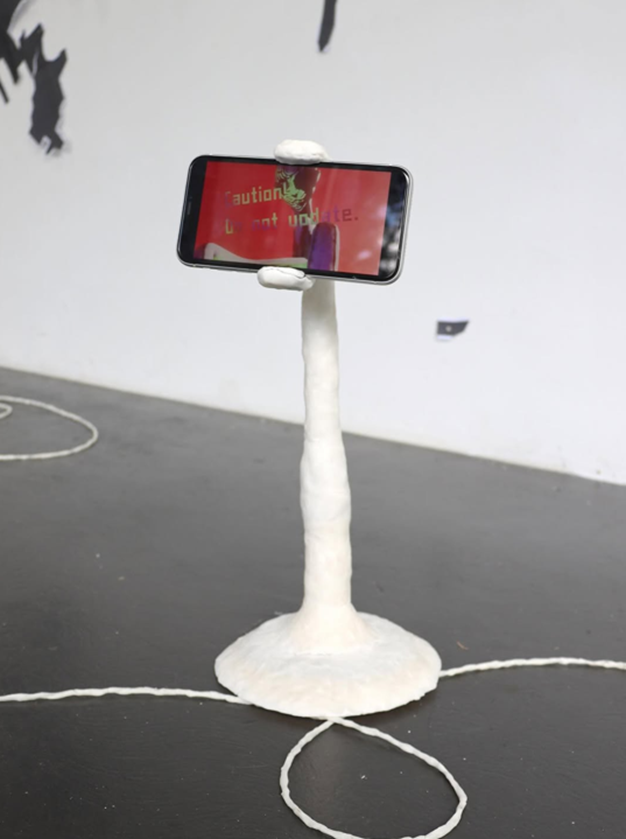
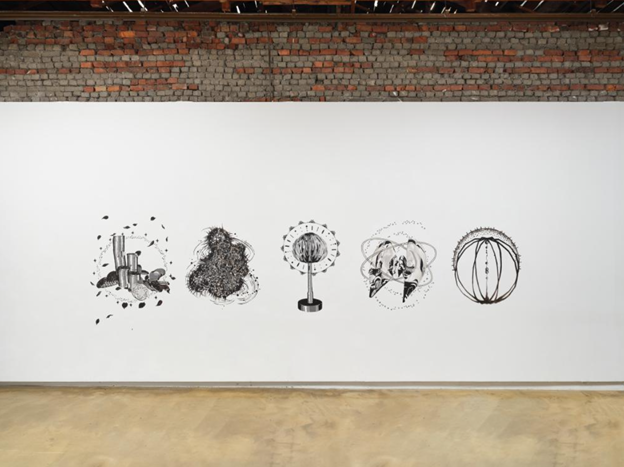
Installation view of 《Crack》 (Mihakgwan, 2025) © Mihakgwan

In this way, JOO SLA has continuously explored and combined the properties of diverse media and genres beyond fixed frameworks, experimenting with fleeting sensory moments that arise at the intersections between two- and three-dimensionality, the material and the immaterial.
 
Her work invites viewers to reconsider the potential for transformation and mutual permeability inherent in the environments and objects that surround us, drawing them into a kind of portal through which multiple layers of the world can be newly perceived and sensed.

“Since childhood, I have been fascinated by narratives of female heroes who possess the ability to freely transform their bodies. Reflecting on the delicate process of that observation, the monitor looked at me, and I looked at the monitor—the distance between us did not matter.
 
At the moment my eyes finally fixed their focus on the character within the screen, it felt as though the physical sensations of my body disappeared. Then, the light emitted from the monitor seeped into my retina, and my point of view penetrated the surface of the screen. Just as the narrative I became immersed in seemed to pass through my body, I hope that viewers, too, can experience that indescribable sensation together.” (JOO SLA, Artist’s Note)


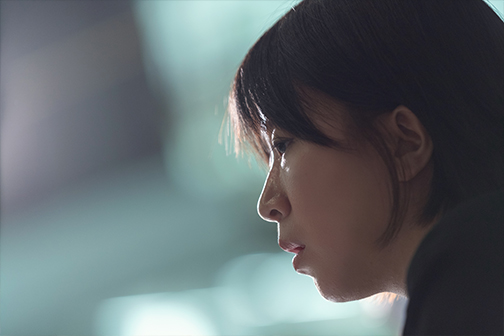
Artist JOO SLA ©ACC

JOO SLA earned her B.F.A. in Western Painting from Chung-Ang University and M.F.A. from Seoul National University of Science and Technology. Her solo exhibitions include 《Crack》 (Mihakgwan, Seoul, 2025), 《Nomel’s Tracking Log》 (SeMA Storage, Seoul, 2023), 《Put My Finger in the Portal》 (The Great Collection, Seoul, 2022), and 《REVERSE EDGE》 (Space illi, Seoul, 2019).
 
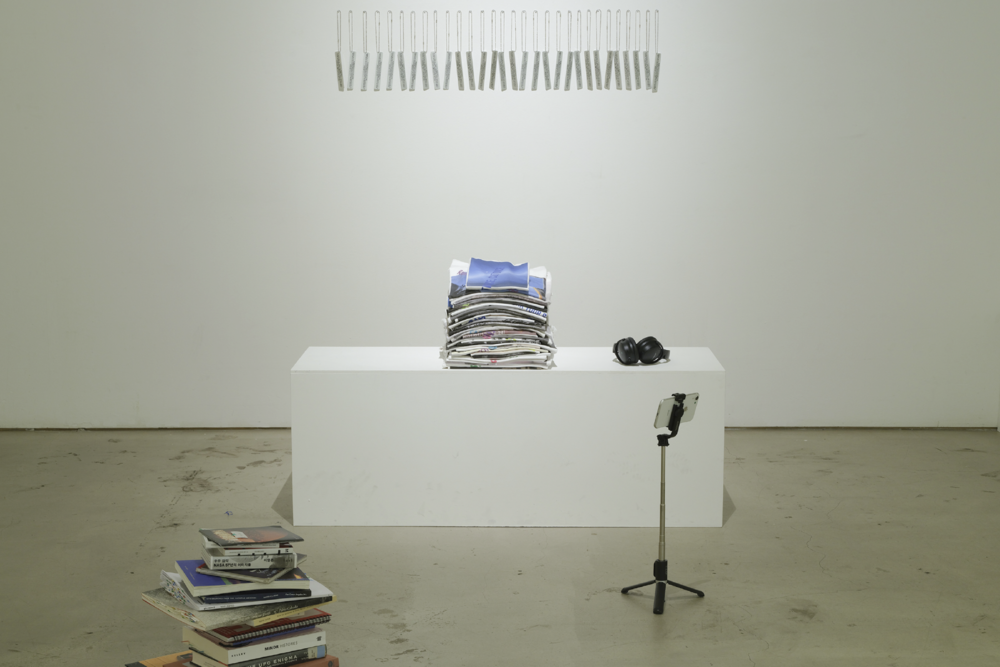
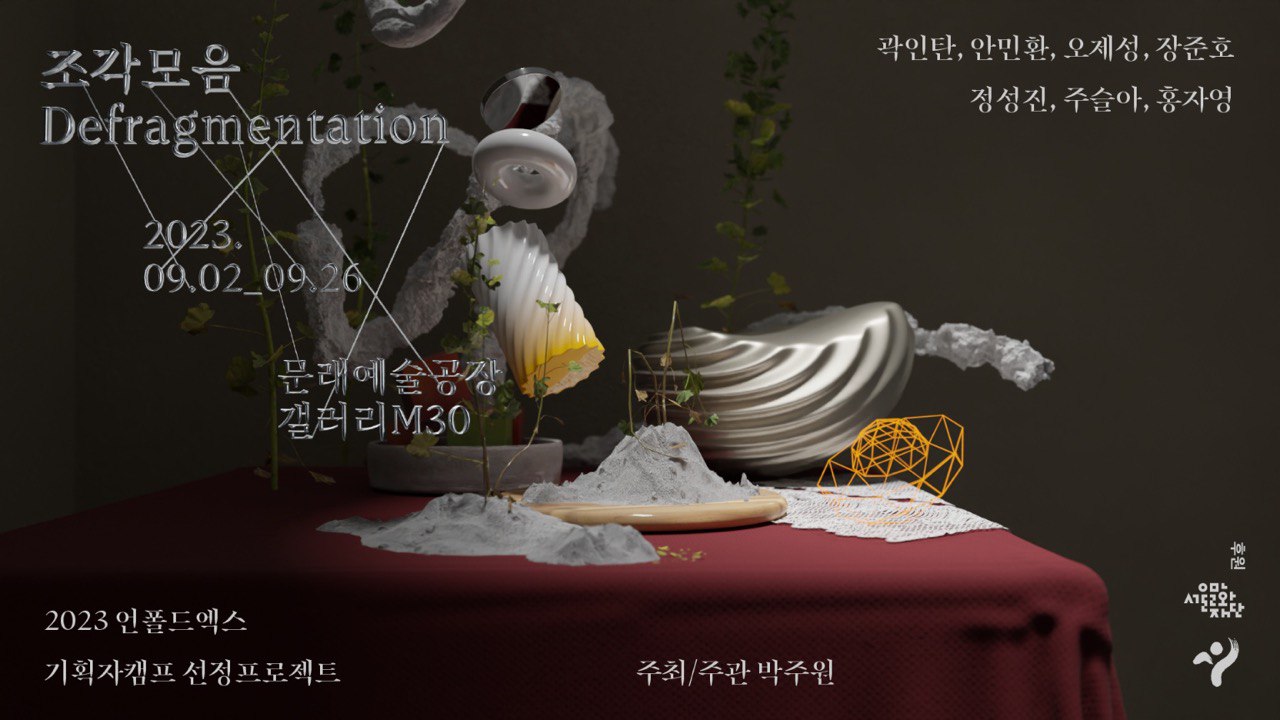
She has also participated in numerous group exhibitions, including 《Drawing Growing》 (Art Space Boan, Seoul, 2025), 《Point of Utterance》 (The Reference, Seoul, 2024), 《Defragmentation》 (Mullae Art Factory Gallery M30, Seoul, 2023), 《Hackerspace》 (TINC, Seoul, 2023), 《2022 Posthuman: Story Telling for Earthly Survival》 (National Asian Culture Center, Gwangju, 2022), and 《DOOSAN Art Lab Exhibition 2022》 (DOOSAN Gallery, Seoul, 2022).
 
JOO SLA was selected for the Seoul Museum of Art’s Emerging Artist program (2023) and DOOSAN Art Lab (2022), and in 2022 she was an artist-in-residence at the ACC Residency of the National Asian Culture Center.
References