Born in Germany—a country often associated with toys and machinery—Sla Cha (b. 1989) grew up fascinated by playing with toys derived from cartoons, films, and games. Drawing from this background, she has developed her practice as a sculptor by exploring the logic of games, as well as the scale and operational mechanisms of real-world objects.


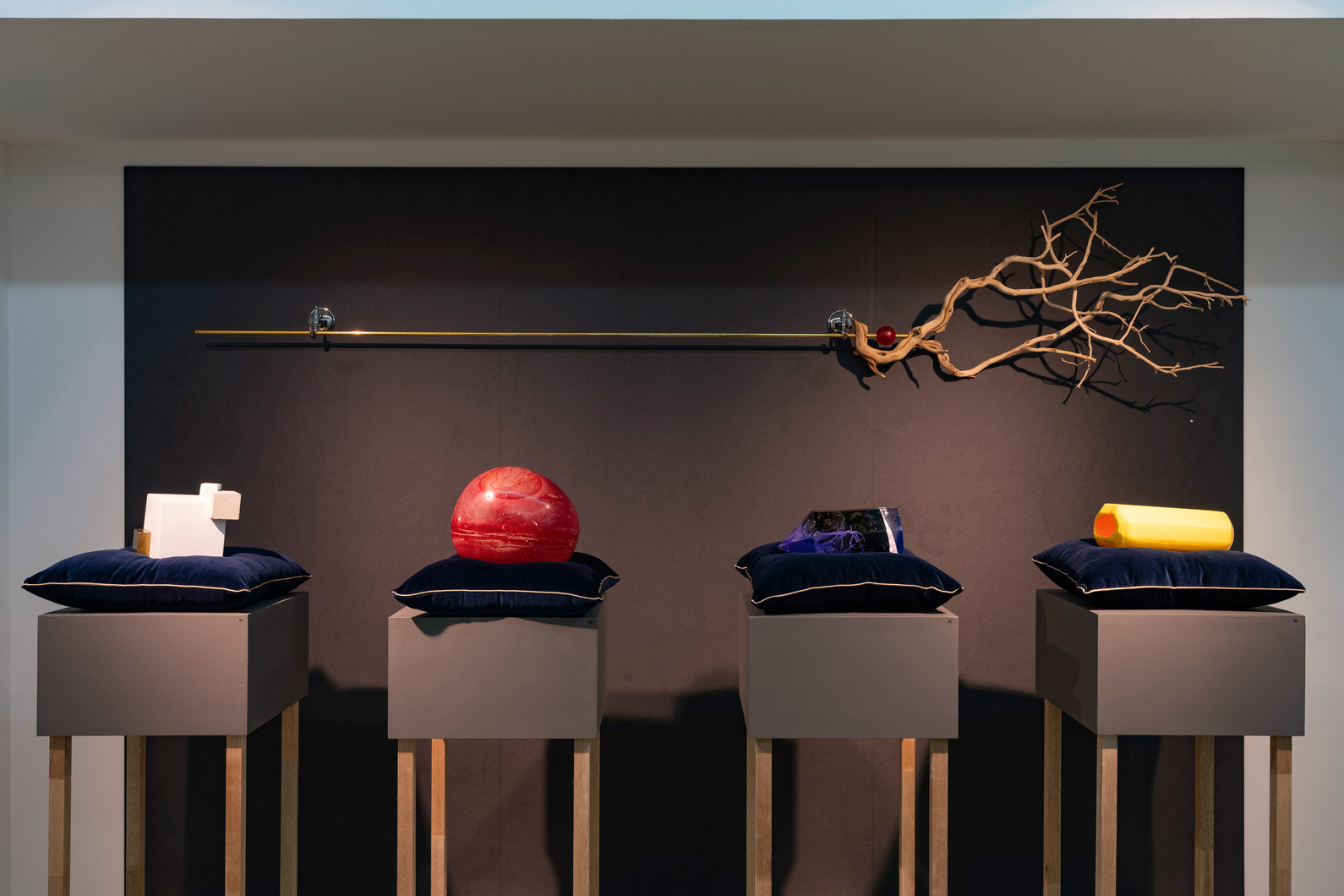
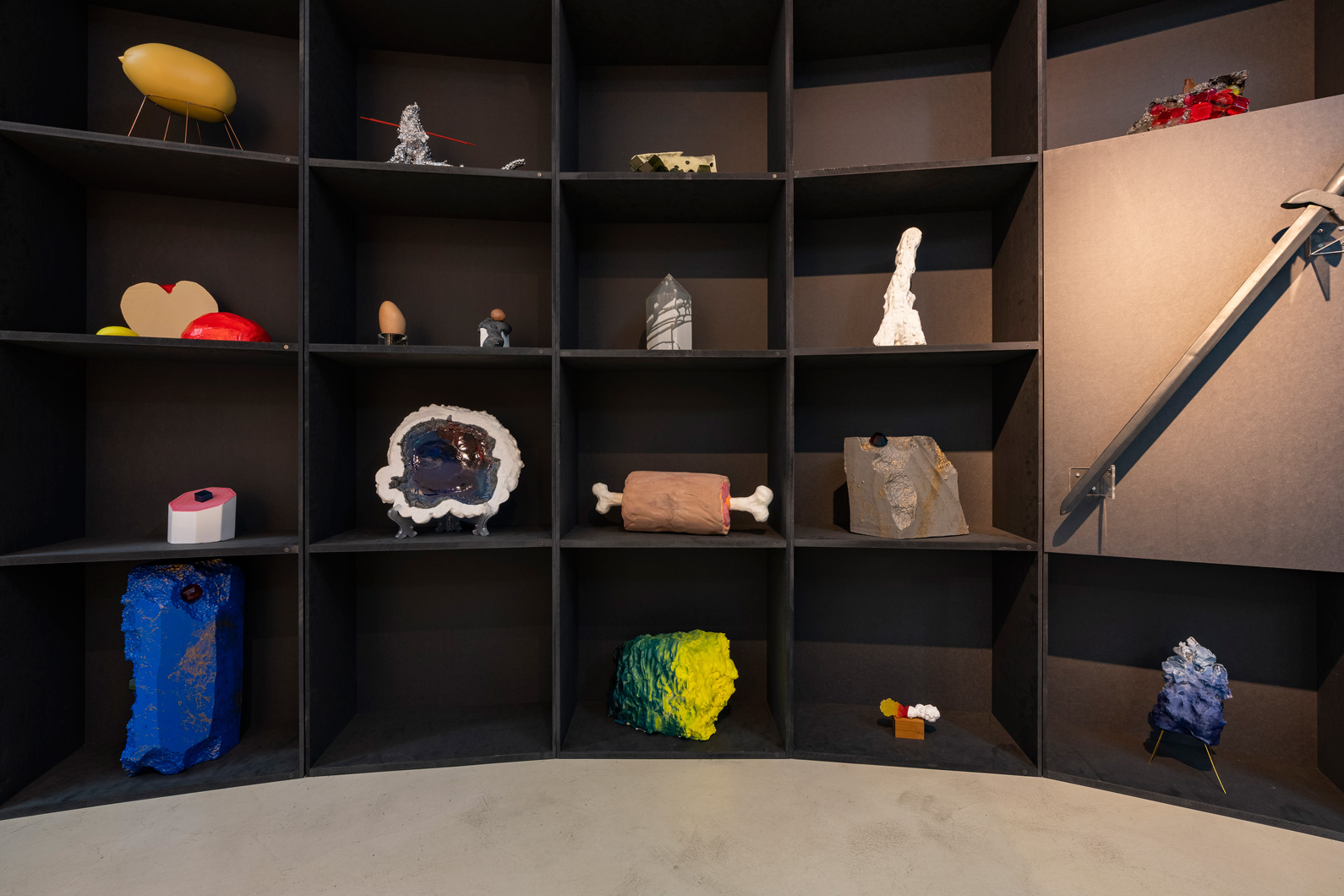
Installation view of 《Ancient Soul++》 (Taste House, 2018). ©Taste House

Sla Cha’s practice begins with observing the systems and images that operate within the virtual space of games. Elements such as the appearance of items, the way they are stored in inventories, companion pet characters, devices powered by magical energy, and the structure of maps all serve as key motifs in her work.
 
The artist carefully observes these elements and captures them through screenshots, archiving them as images. Based on these references, she sketches the forms that emerge, then conducts material experiments to realize them—ultimately transforming virtual imagery into the physical form of sculpture.


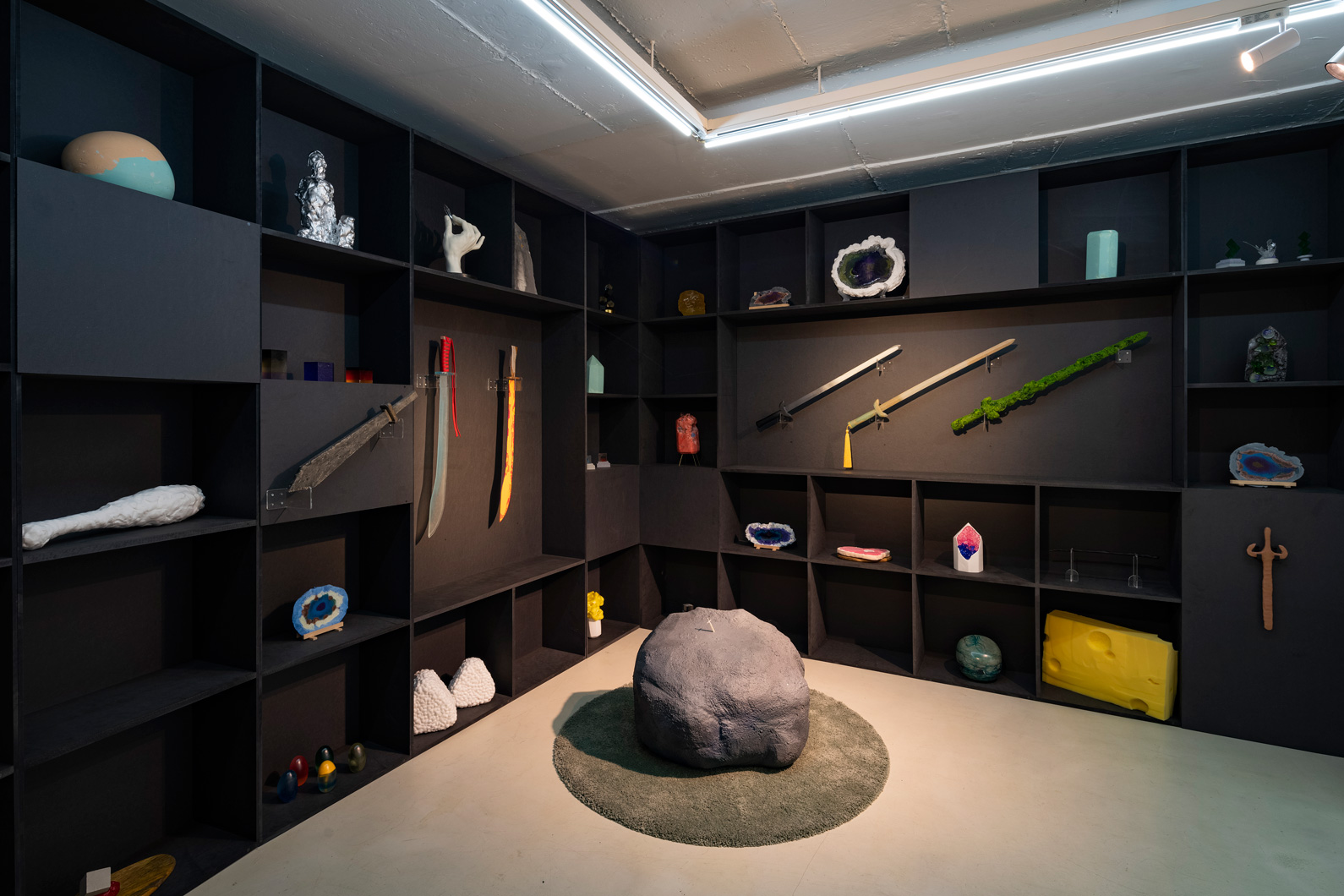
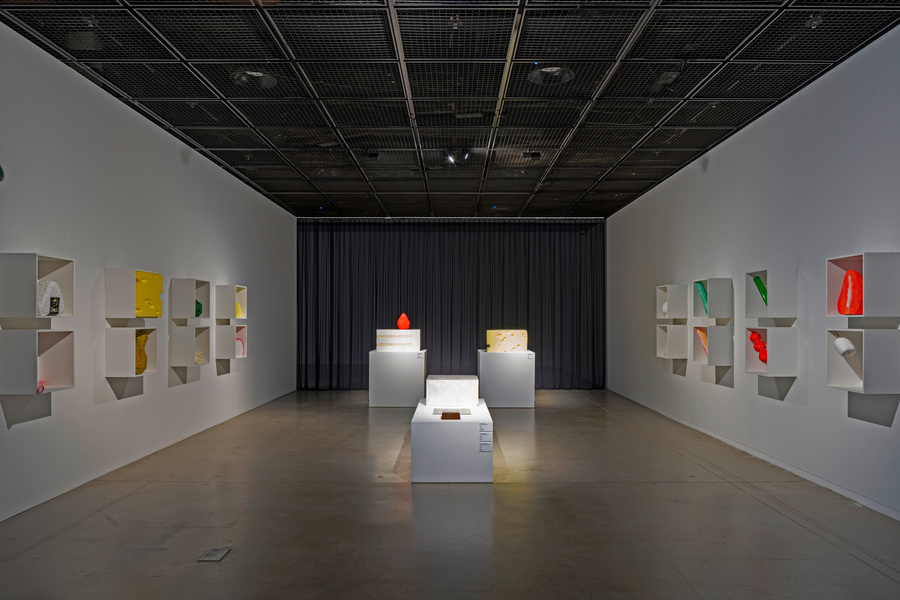
Installation view of 《Ancient Soul++》 (Taste House, 2018). ©Taste House

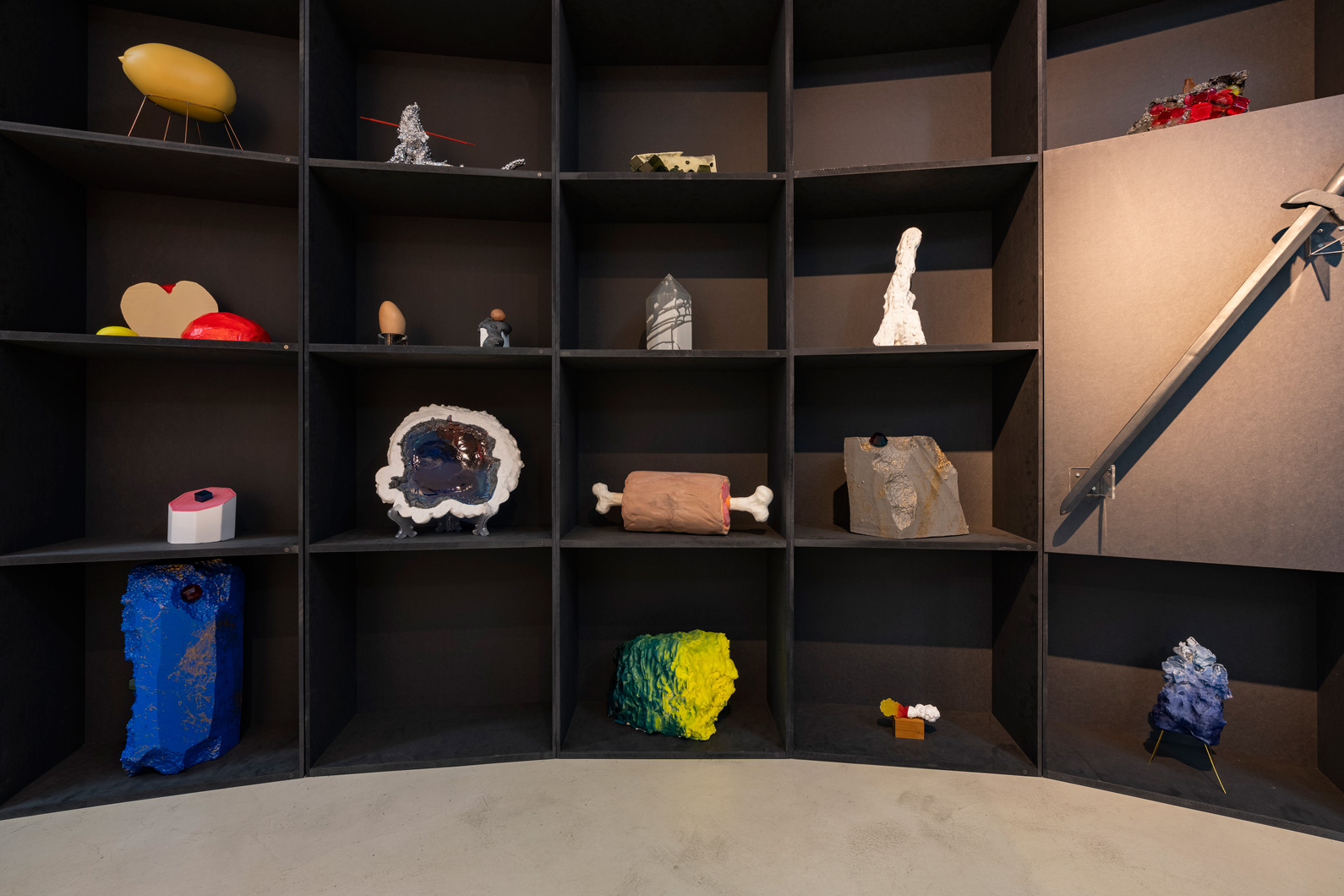
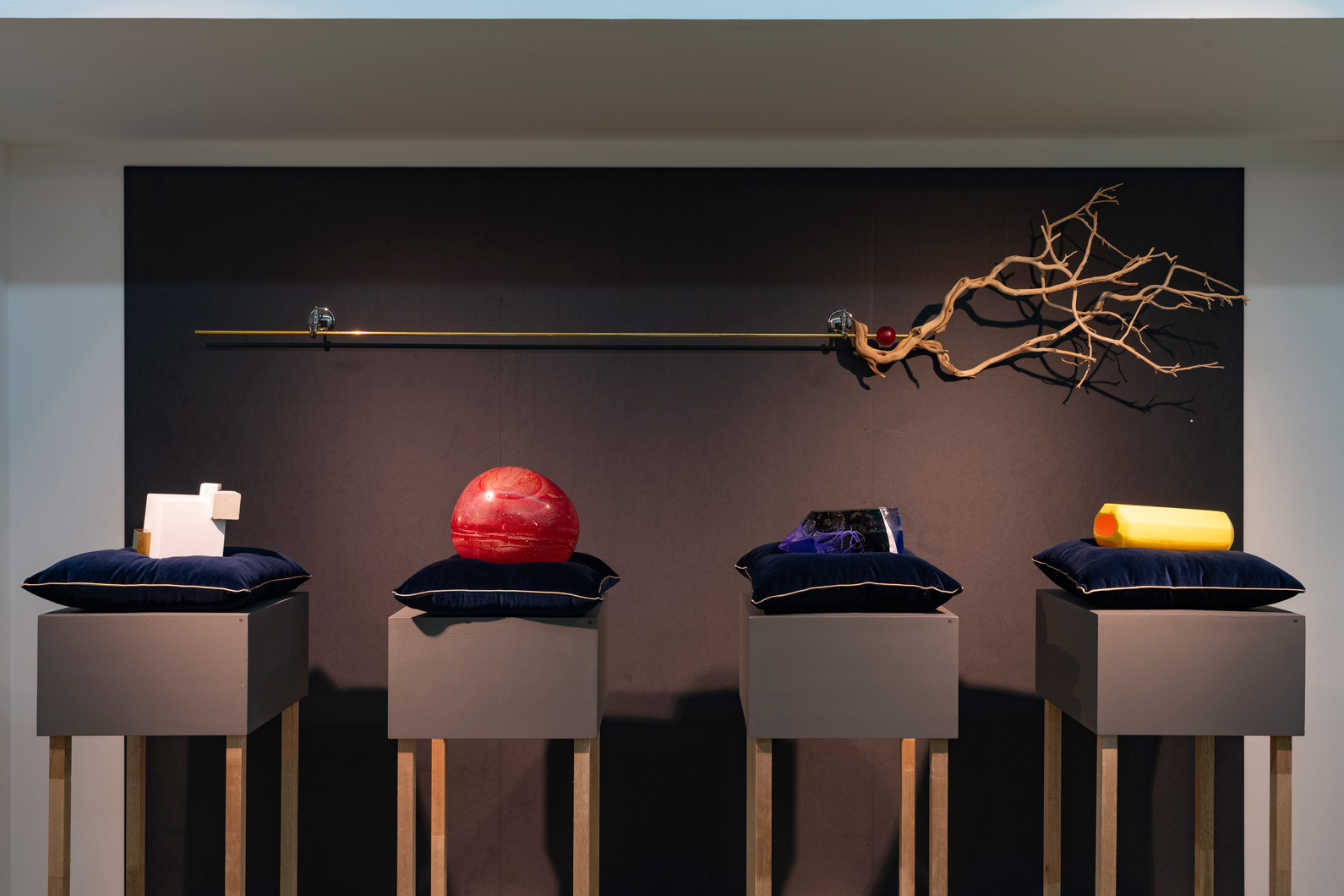
For instance, Sla Cha’s first solo exhibition, 《Ancient Soul++》, held at Taste House in 2018, adopted the structure of an in-game inventory window, presenting 84 object-based sculptures arranged within a display case. The artist constructed a cabinet with compartments tailored to the size of each work and aligned the sculptures based on a frontal viewing position.


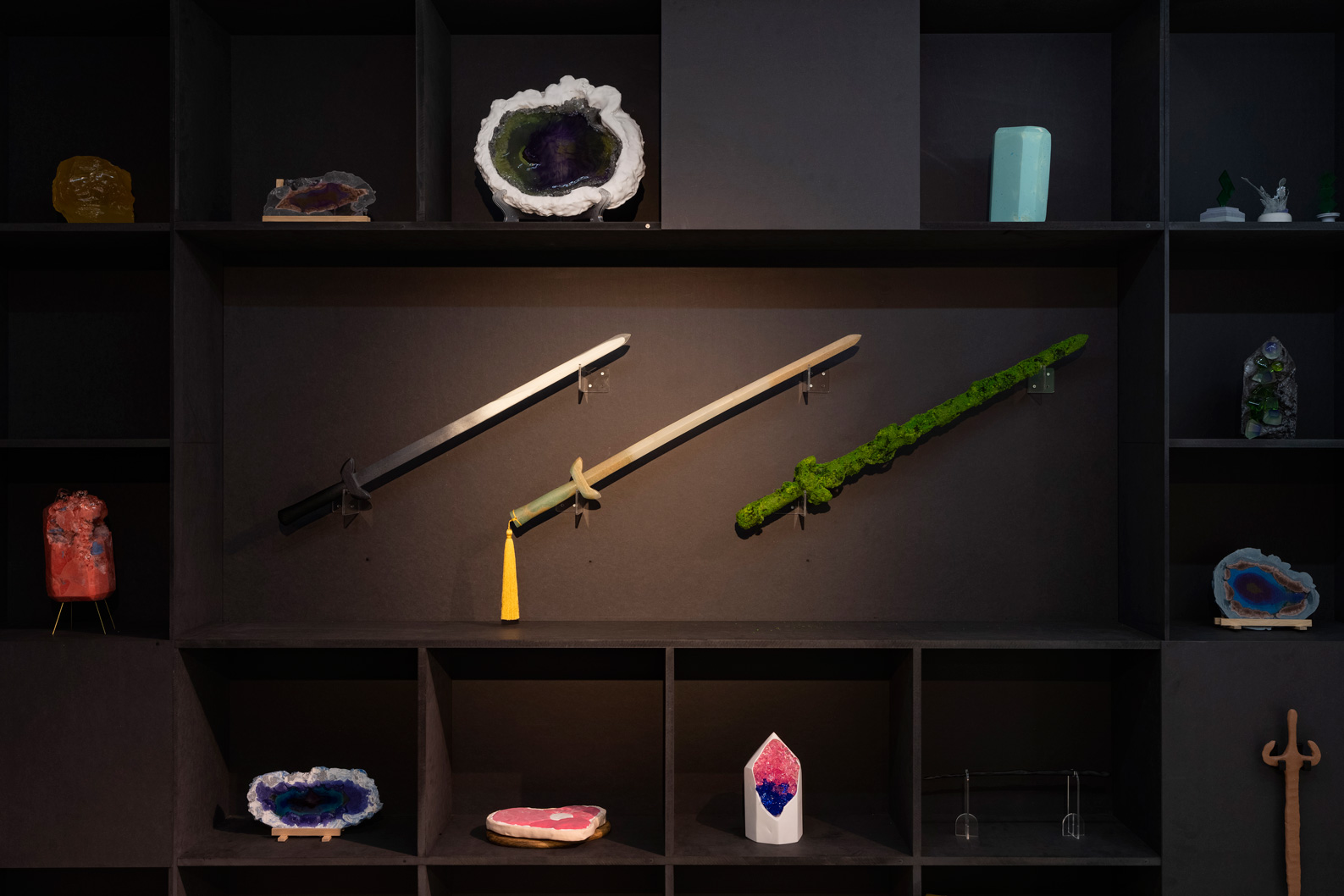
Installation view of 《Ancient Soul++》 (Taste House, 2018). ©Taste House

The sculptures placed within the display case were not arranged randomly, but organized according to specific categories—such as animal hides, eggs, stones, gemstones, knives, and foods like cheese.
 
Through this mode of presentation, Cha’s work does not resolve as individual, self-contained objects; rather, it positions installation as a primary medium, one that orchestrates the viewer’s experience of both the sculptures and the space as an integrated system.


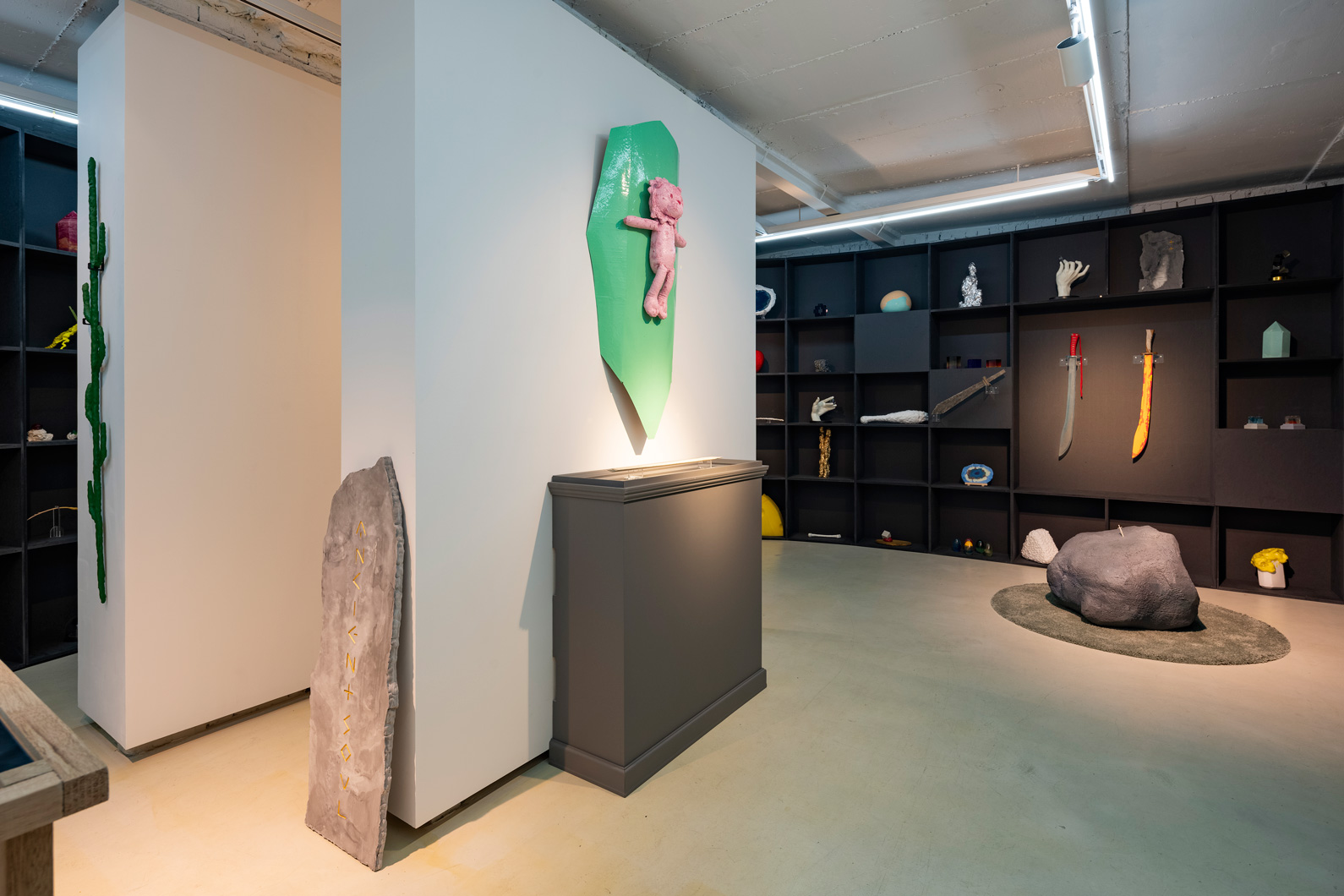
Installation view of 《Ancient Soul++》 (Taste House, 2018). ©Taste House

At the same time, Sla Cha incorporates her exhibition system into the handcrafted object-sculptures themselves. She devotes considerable time and effort to model-making and material research, developing a playful practice that responds closely to the intrinsic properties of materials.
 
Originating from game items, Cha’s object-sculptures engage both visual and tactile senses. In games, items function as concrete entities that elevate the player and sustain or revive narrative progression, while in real life they operate as tools designed to fulfill specific purposes.
 
However, through Cha’s practice, these items—once materialized—are transformed into sensory objects that no longer serve the overarching narrative. Instead, they acquire a renewed status as autonomous sculptures.


Installation view of 《Ancient Soul++》 (Taste House, 2018). ©Taste House

Sla Cha encourages viewers to directly touch the object-sculptures she has shaped by hand. According to the artist, because volume and materiality are essential to three-dimensional work, the range of experience expands far beyond mere viewing when the pieces are touched with the fingertips or held with both hands.


Installation view of 《New ways of living for □》 (Suwon Museum of Art, 2021) ©Sla Cha

For instance, the artist often recreates large-scale objects from games using lightweight materials to reduce their weight as much as possible—an effect that can only be fully perceived when viewers physically lift the work themselves. In doing so, she enables viewers to grasp the performative logic of game characters.
 
Accordingly, the meaning of her work operates not only through visual perception, but also through direct tactile experience.


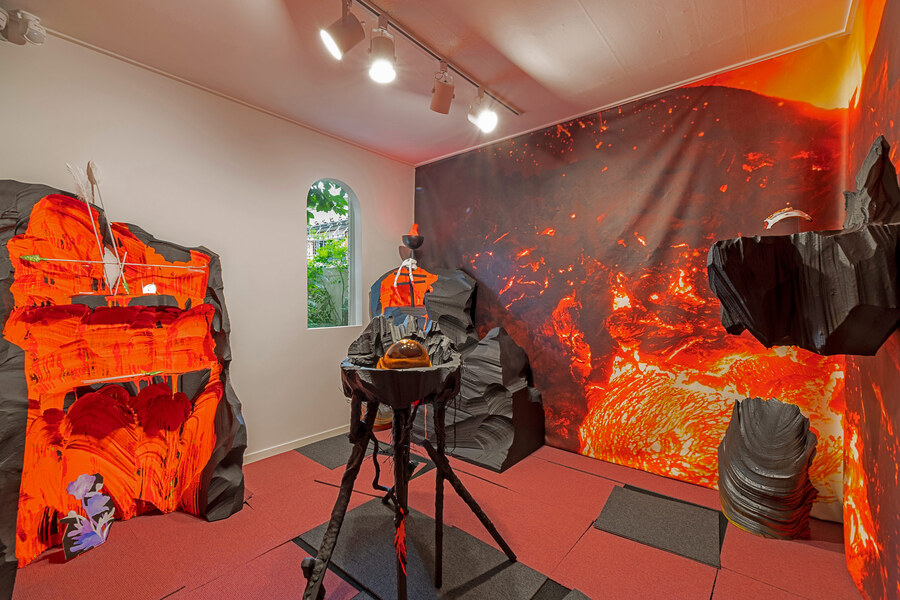
Installation view of 《The Floor is Lava》 (SOSHO, 2019) ©Sla Cha

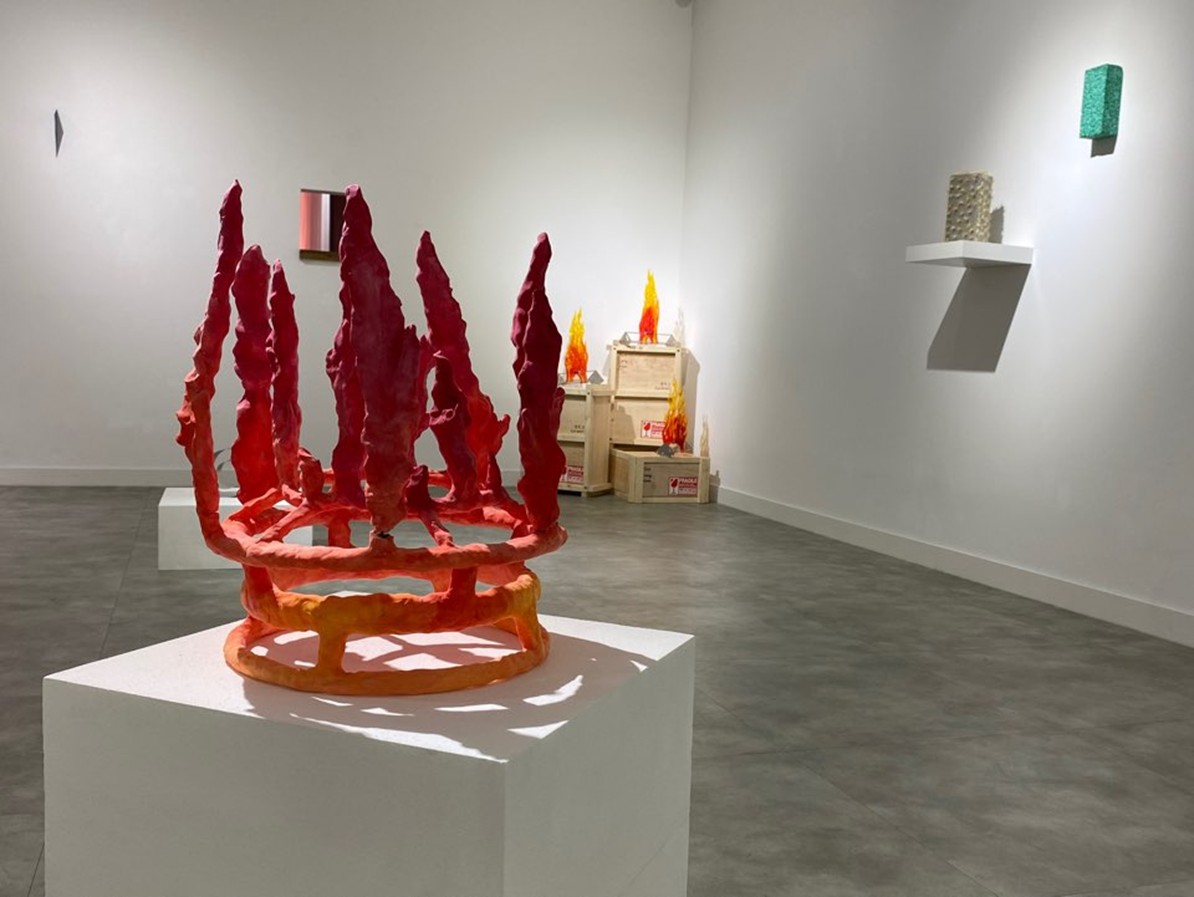
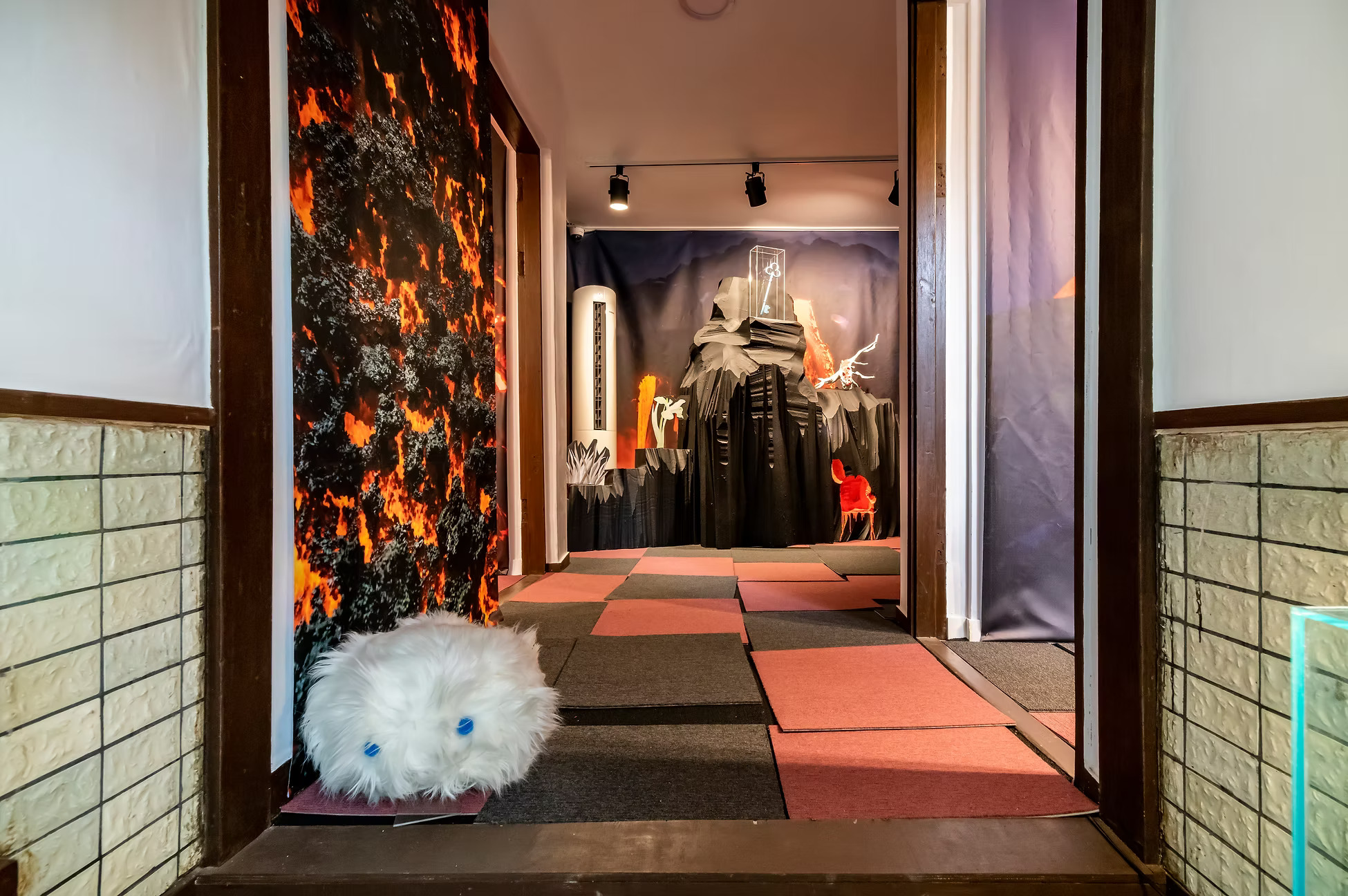
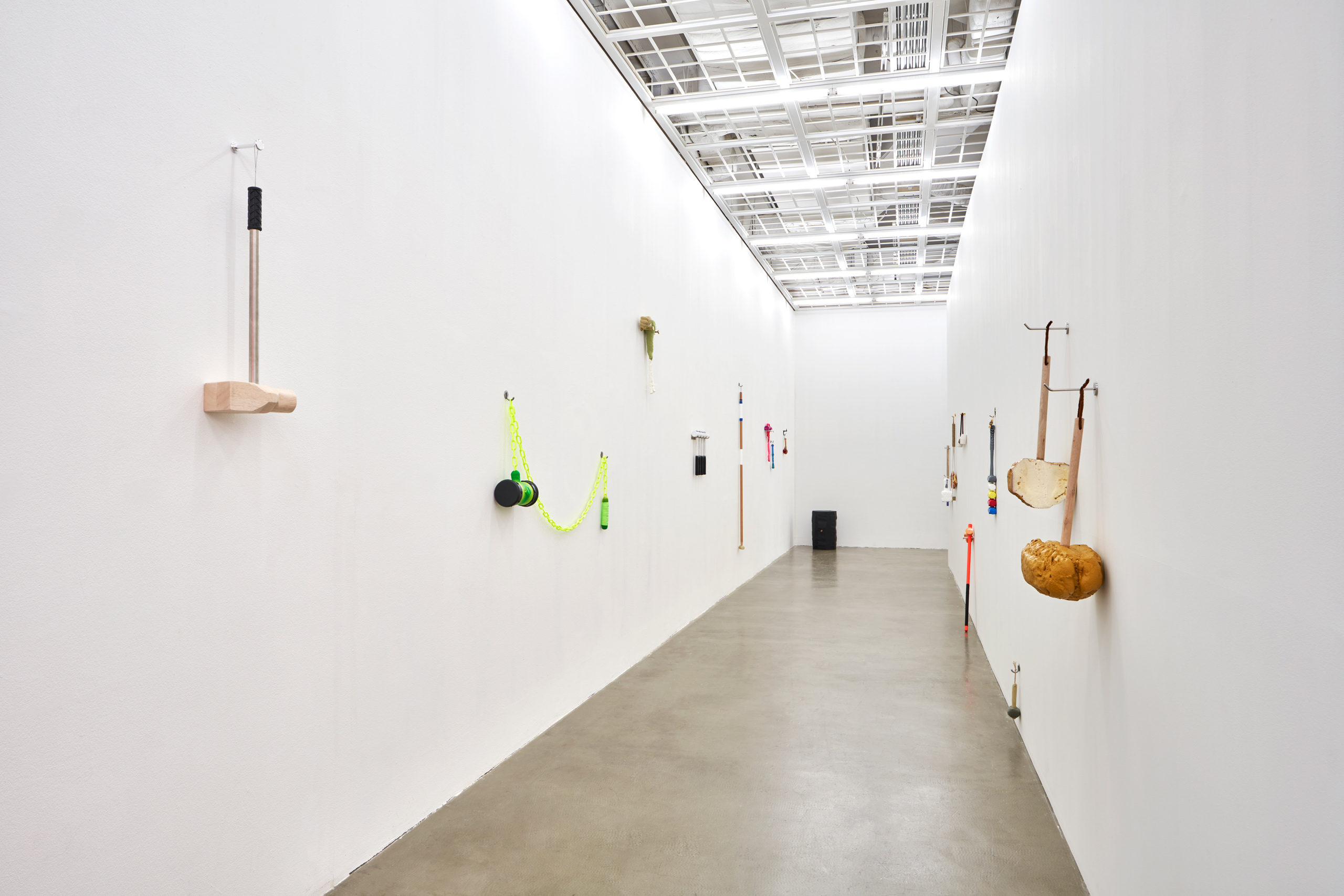
Furthermore, in her 2019 solo exhibition 《The Floor is Lava》 at SOSHO, Sla Cha translated the virtual volcanoes and lava zones found in game maps into the language of sculpture and installation within the exhibition space.
 
By laying carpets in different colors across the floor, she distinguished between areas that could and could not be stepped on, guiding viewers into the logic of a game world.
 
Just as a character in a game can only move within designated areas, the exhibition also guides the viewer’s path by differentiating the colors of the floor—limiting where one can step, even within a large space, in order to view the works.


Installation view of 《The Floor is Lava》 (SOSHO, 2019) ©Sla Cha

Just as game designers strategically place devices within a map that allow players to obtain equipment or tools—subtly guiding them to follow a predetermined path—conventional exhibitions likewise direct movement by explicitly providing maps that outline the viewing sequence at the entrance.
 
Sla Cha’s exhibition invited viewers to physically experience the parallel between the map of a game and the map of an exhibition space in everyday life.


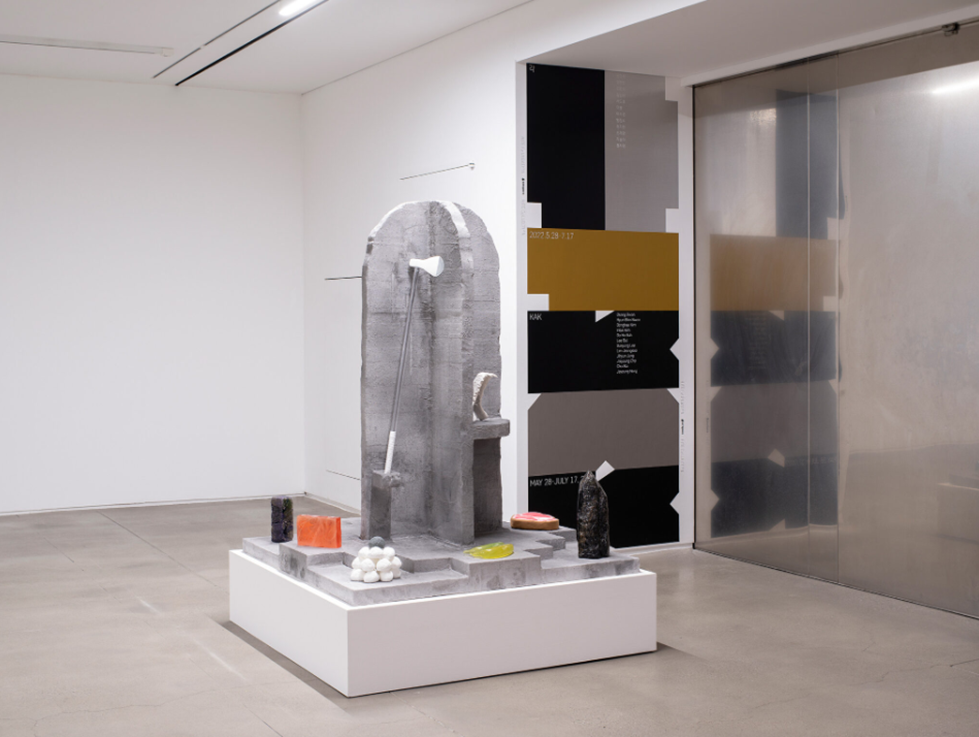
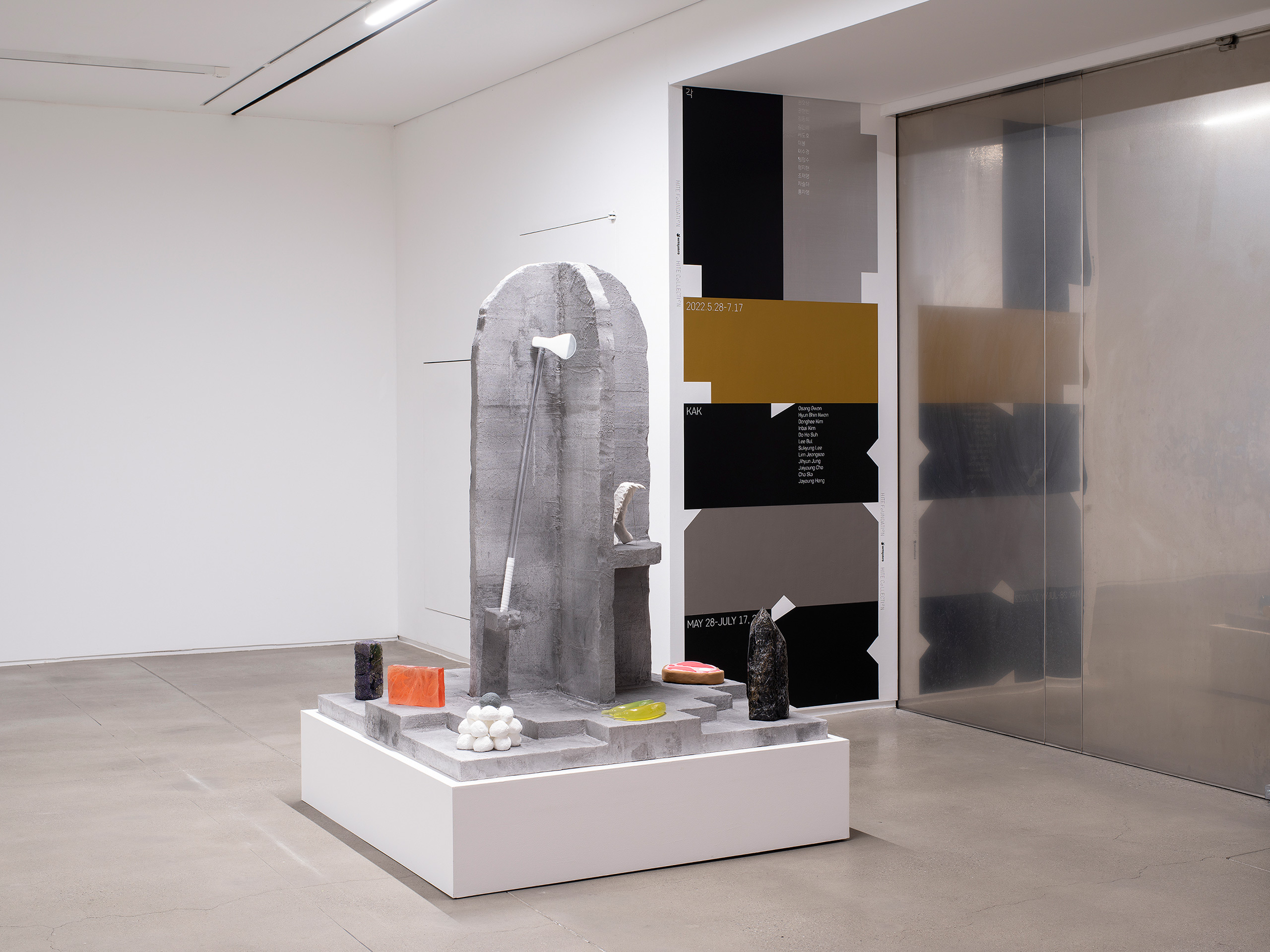
Sla Cha, QUAD ALTAR, 2022, Plaster, urethane, acrylic, clay, Styrofoam (Isopink), paper, and wood, 120x120x147cm. Installation view of 《Kak》 (HITE Collection, 2022) ©Sla Cha

Meanwhile, in the group exhibition 《Kak》 held at HITE Collection in 2022, Sla Cha presented QUAD ALTAR (2022), an altar-like work that pays tribute to her existing game item series.
 
Drawing on the Western theory of the four elements, the artist determined twelve offerings: four stones symbolizing sacred objects that seal elemental powers, four foods representing sacrificial offerings, and four objects functioning as ritual implements.


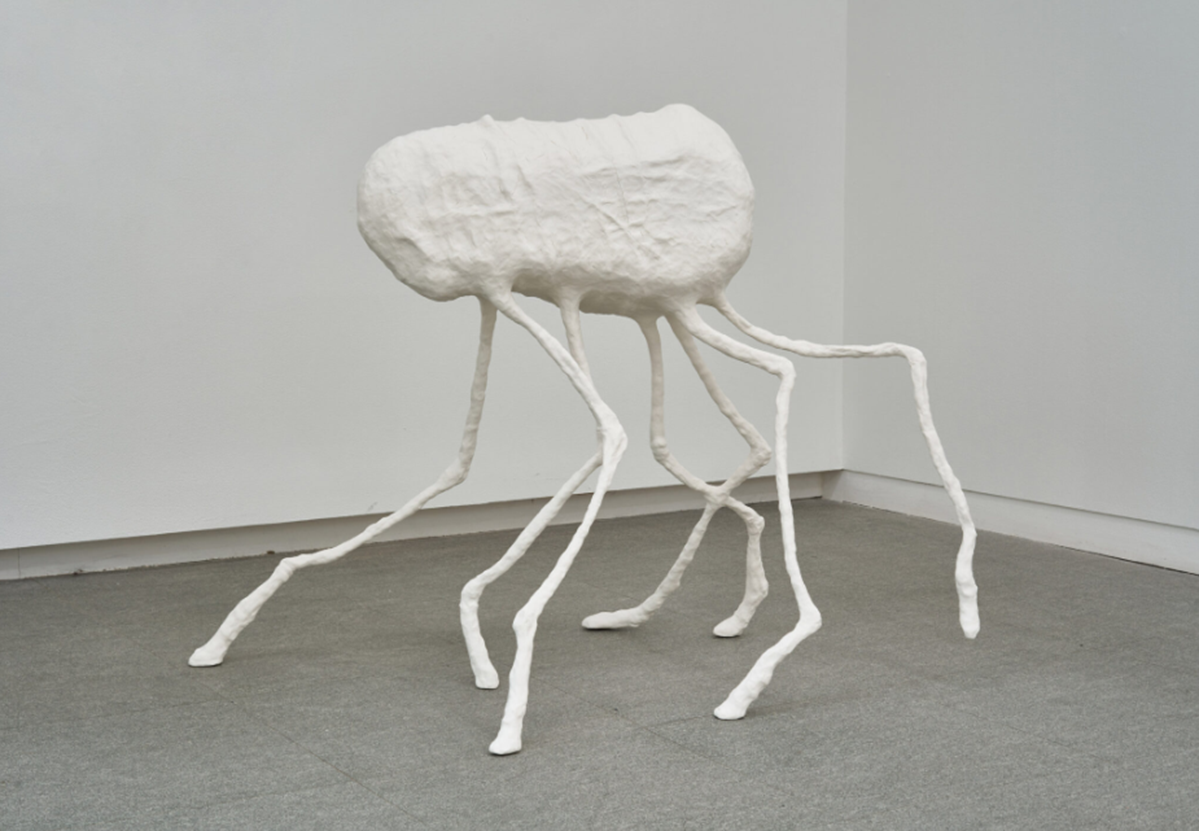
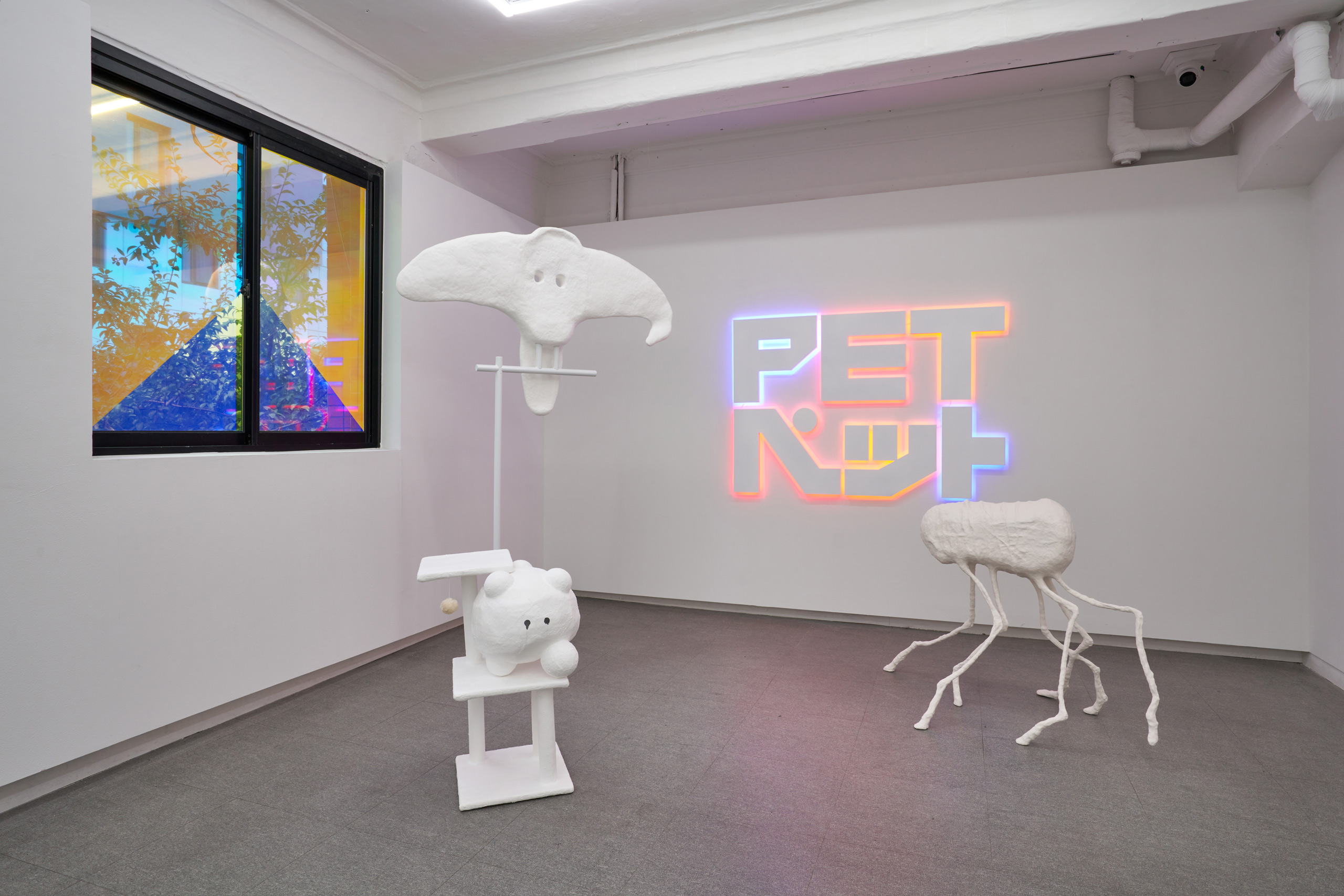
Installation view of 《PET》 (Space Cadalogs, 2022) ©Sla Cha

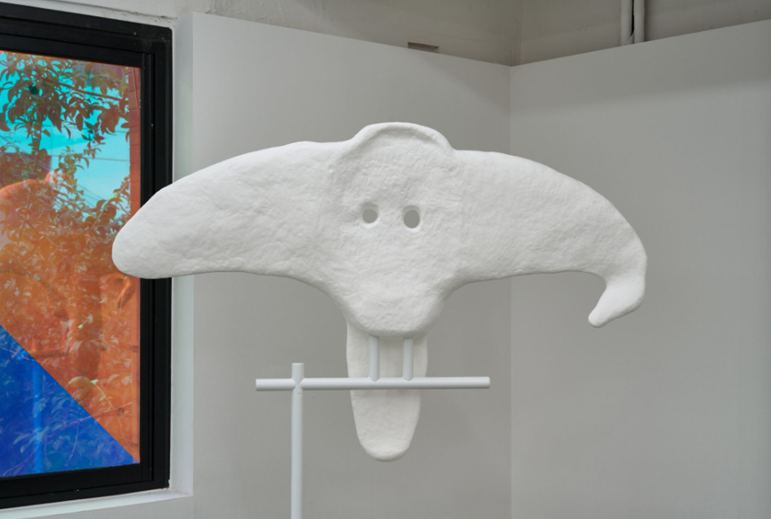
In her solo exhibition 《PET》, held the same year, Sla Cha experimented with connecting the functions and evolutionary concepts of companion “pets” in games to sculpture. Emerging from this line of thought, the works took the form of what she calls “companion sculptures,” welcoming viewers into an intimate encounter.
 
By encouraging viewers to touch and engage with her companion sculptures, Sla Cha explores the possibility that sculpture can approach the viewer’s inner sensibility in a more intuitive way—much like the subtle, hard-to-articulate emotional exchange that arises when one gently strokes the leaves of a companion plant or the body of a companion animal.


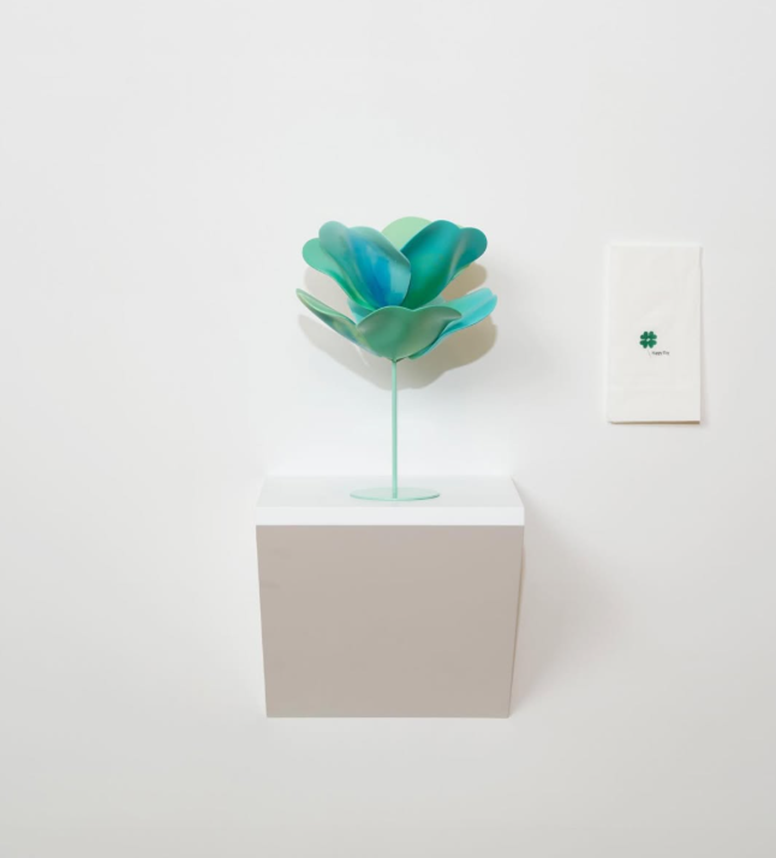
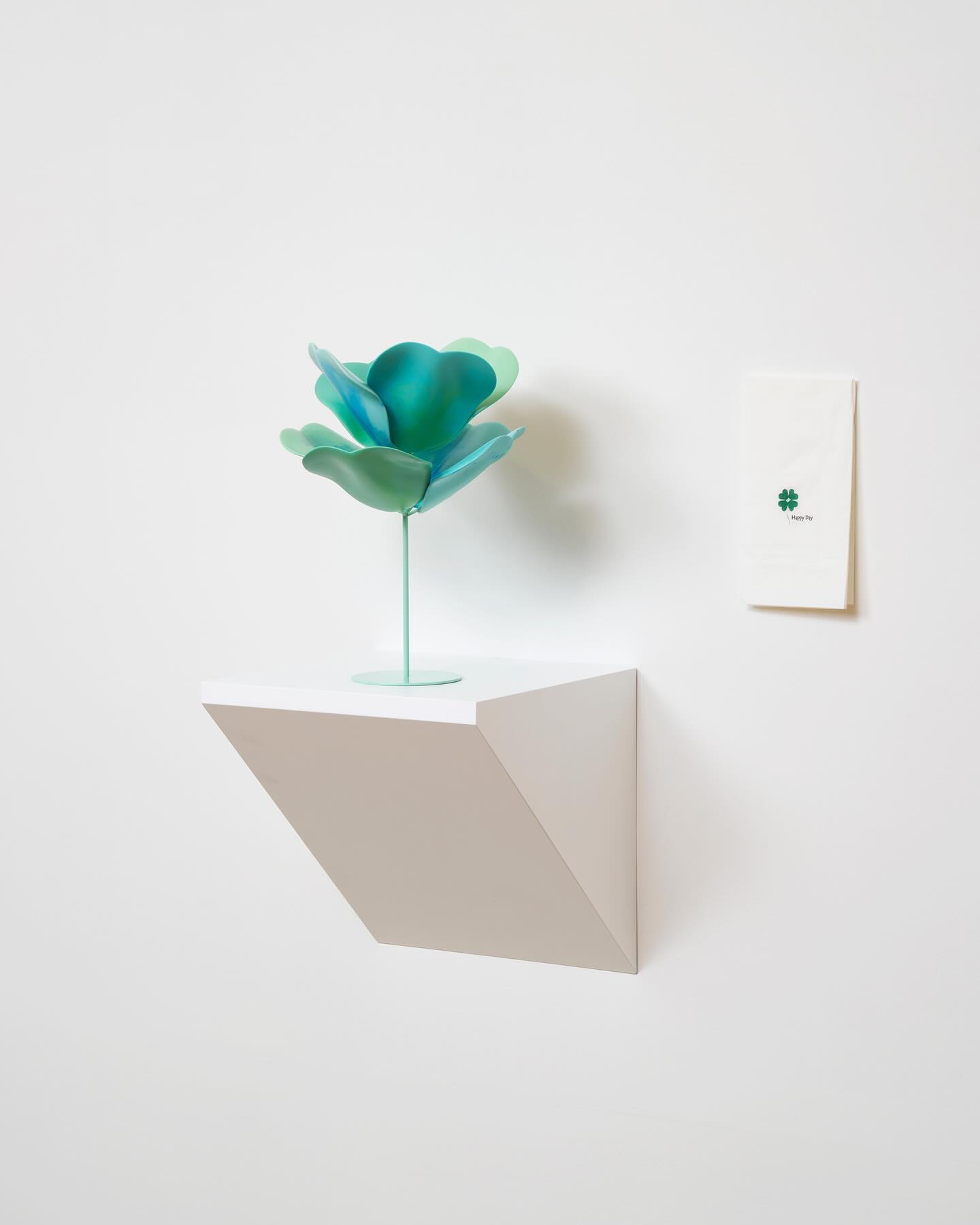
Sla Cha, Double Luck, 2024. Installation view of 《UNBOXING PROJECT 3: Maquette》 (New Spring Project, 2024) © UNBOXING PROJECT

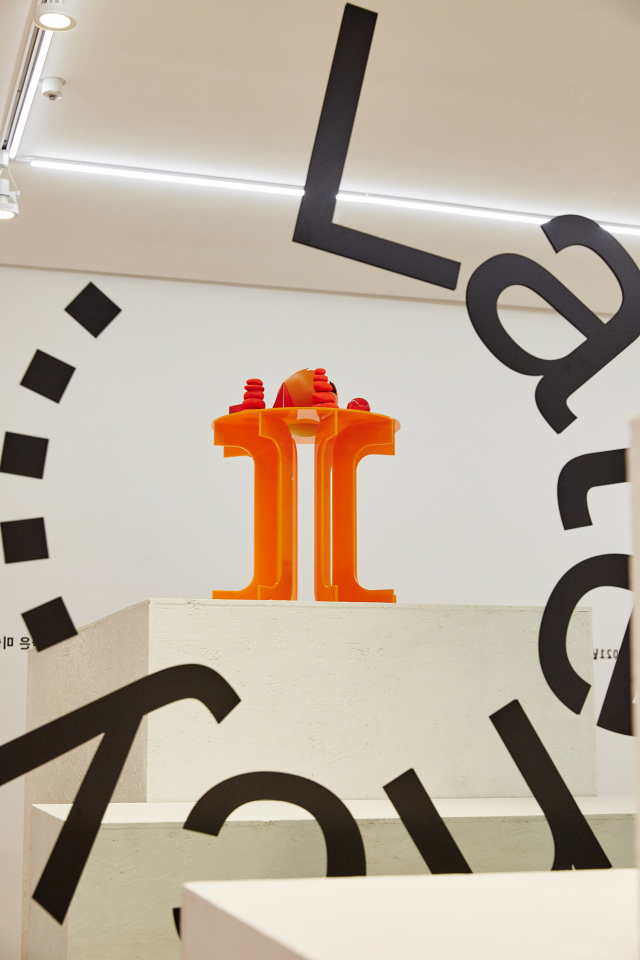
Meanwhile, Sla Cha has recently turned her attention to the idea that repetitive acts of recording and collecting function as a kind of “superstition” that contributes to the fulfillment of wishes, developing works that materialize hope and prayer into sculptural form.
 
For example, in the group exhibition 《UNBOXING PROJECT 3: Maquette》 held at New Spring Project in 2024, Cha presented Double Luck (2024), a work that gathers objects—such as those placed on shelves, used as bookmarks, worn on the wrist, or tucked into a corner of a room—that offer psychological comfort simply by being present, forming a sculptural gesture that invokes good fortune.


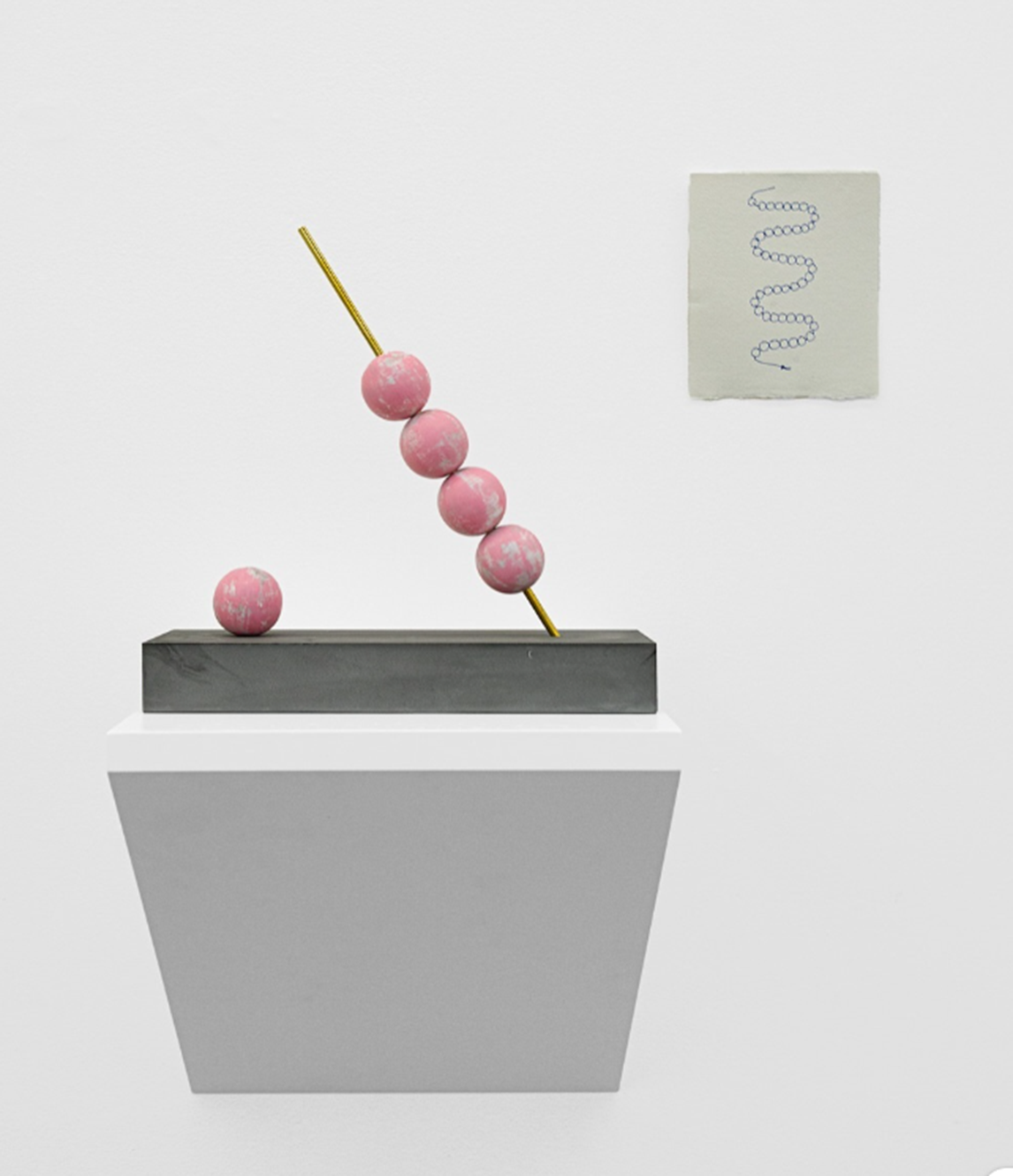
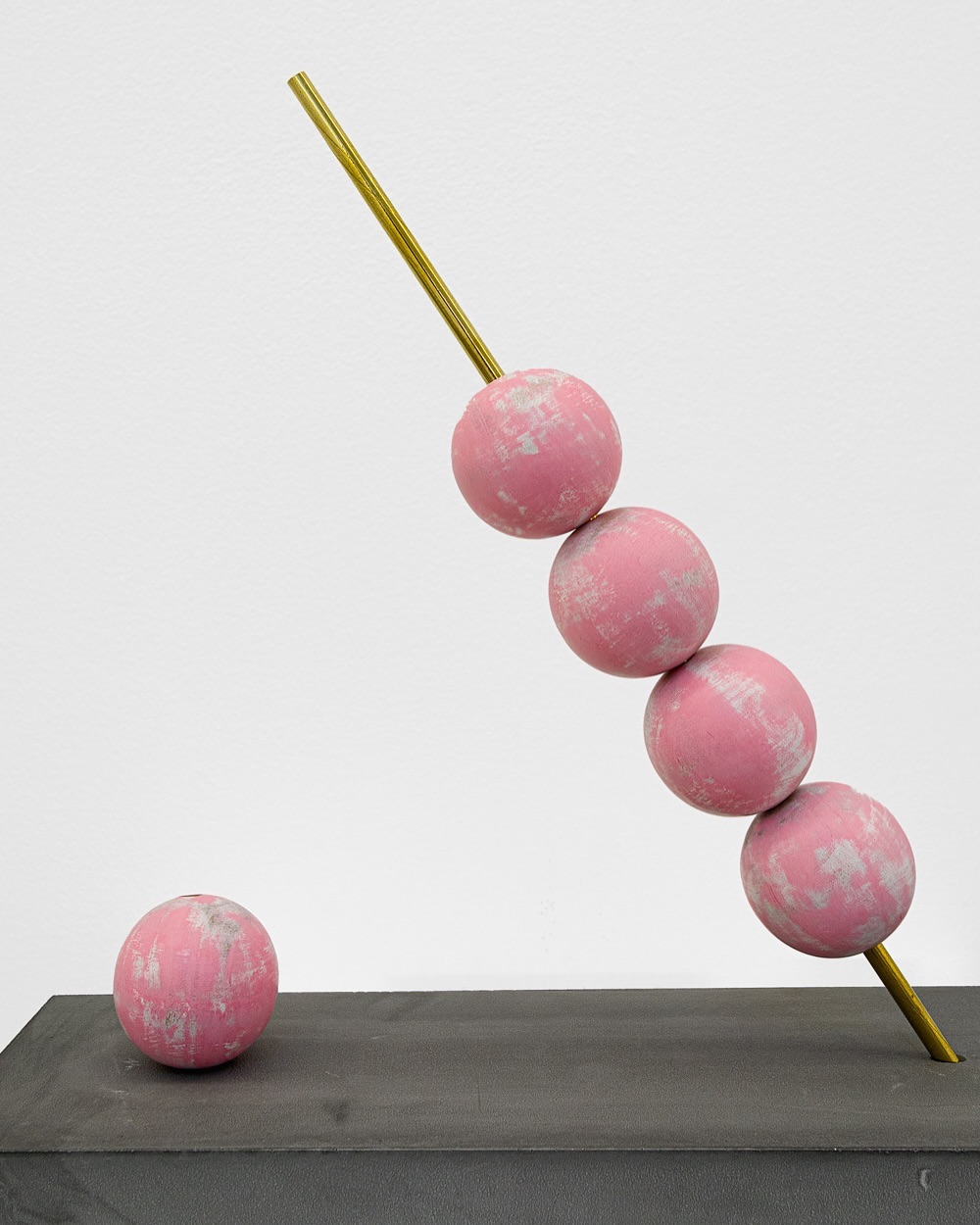
Sla Cha, Threading Beads 珠 [zhū]- Pink, 2024, 2 of 2 UBP Editions (variable ed.) + AP, Colored pigment on wood, brass, and improved stone, 28 × 28 × 10 cm.  Installation view of 《UNBOXING PROJECT 3.2: Maquette》 (Various Small Fires, 2024) © UNBOXING PROJECT
Later that same year, in 《UNBOXING PROJECT 3.2: Maquette》 at Various Small Fires in Los Angeles, Sla Cha also presented Threading Beads 珠 [zhū] – Pink (2024), a work modeled after the form of prayer beads.
 
The Chinese character 珠 (zhū), which combines the meaning of “bead” with the sound of the word “red,” serves as a symbolic anchor for the piece. The work features faded red beads that have been repeatedly touched—an action reminiscent of the meditative handling of prayer beads.
 
For the artist, this repetition evokes the urgent desires and unspoken hopes embedded within the sculpture. By embodying the concept of “wishes,” the work functions as a vessel, inviting viewers to reflect on their own aspirations and the shared human pursuit of fulfillment.


Installation view of 《Minimalism-Maximalism-Mechanissmmm Act 3–Act 4》 (Art Sonje Center, 2022) ©Sla Cha

In this way, Sla Cha has continued to explore the boundary between the virtual and the real by bringing the environments of games—as well as the items and objects within them—into the physical space of the exhibition.
 
Furthermore, by allowing viewers to directly experience her works through touch, she encourages them to perceive their scale and weight, making the dissonance between reality and the virtual more tangible.
 
In an era in which materiality is increasingly being replaced by immateriality, her practice engages the medium of sculpture—one that still retains a sense of physical presence—to explore the potential for emotional connection through tactile experience.

“I like things that can be seen, touched, and heard. And I trust such things. Encountering in reality what I had imagined is always disappointing. Narrowing that gap is my personal mission.” (Sla Cha, Study in Decision-Making and Context Building, MFA thesis, Seoul National University, 2016)


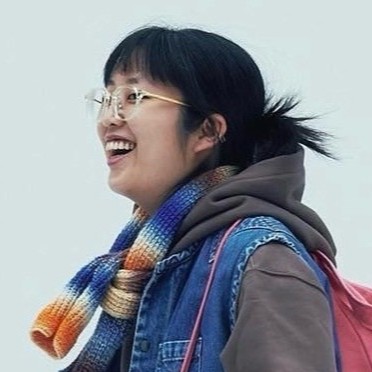
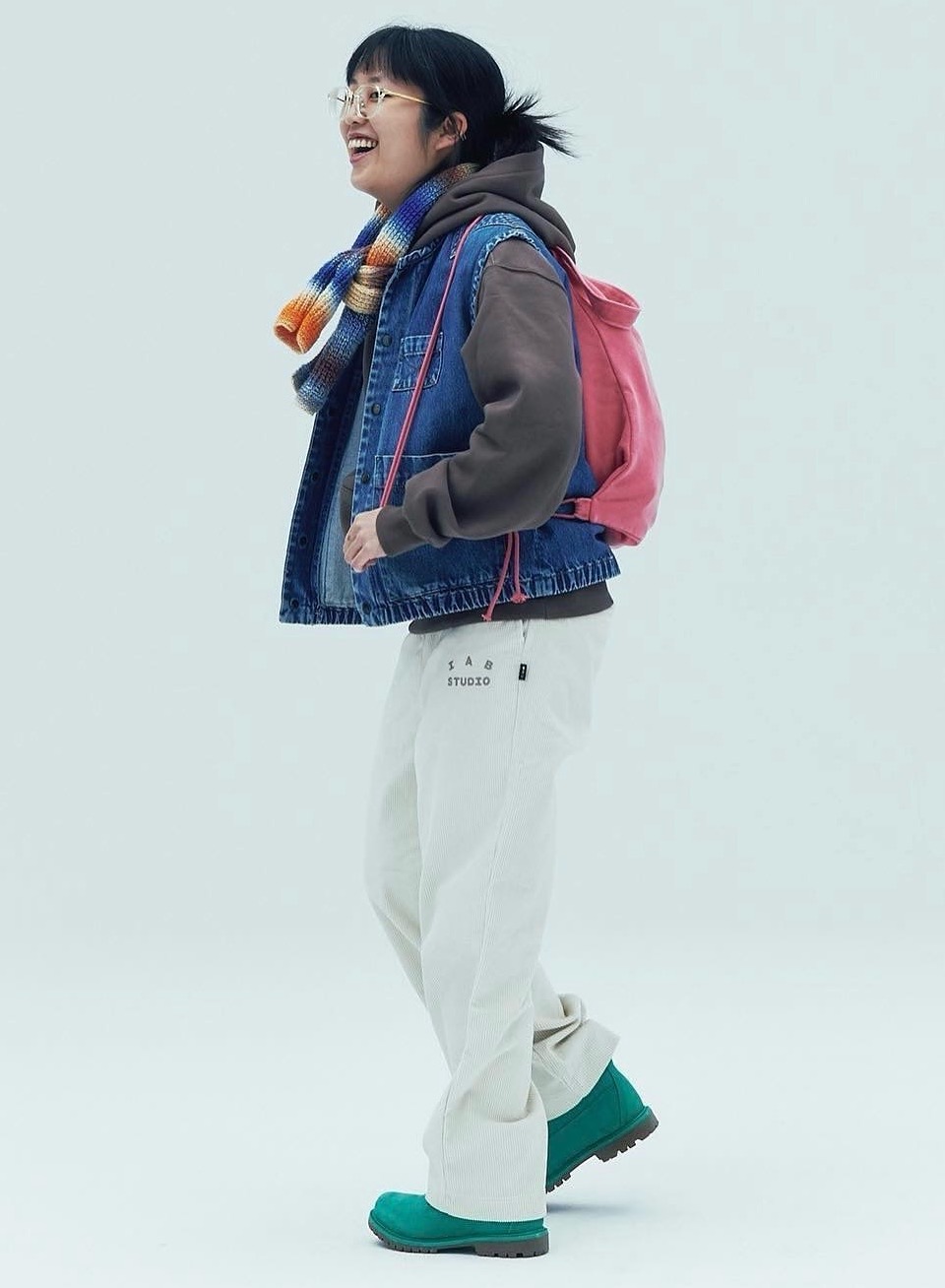
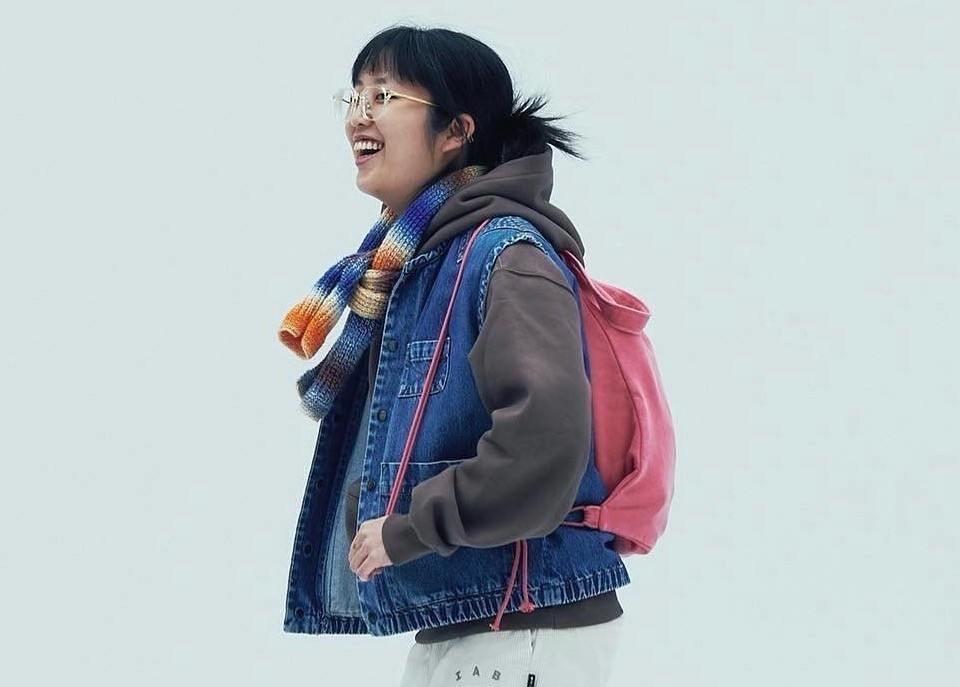
Artist Sla Cha ©IAB STUDIO

Sla Cha received her BFA in Sculpture and Interdisciplinary Studies (Video) from Seoul National University, and later earned her MFA in Sculpture from the same institution. Her solo exhibitions include 《PET》 (Space Cadalogs, Seoul, 2022), 《The Floor is Lava》 (SOSHO, Seoul, 2019), and 《Ancient Soul++》 (Taste House, Seoul, 2018).
 
She has also participated in numerous group exhibitions, including 《UNBOXING PROJECT 3.2: Maquette》 (Various Small Fires, Los Angeles, 2024), 《UNBOXING PROJECT 3: Maquette》 (New Spring Project, Seoul, 2024), 《Perigee Winter Show》 (Perigee Gallery, Seoul, 2022), 《Kak》 (HITE Collection, Seoul, 2022), 《Minimalism-Maximalism-Mechanissmmm Act 3 – Act 4》 (Art Sonje Center, Seoul, 2022), and 《Latency: Streamlined Times》 (Platform-L Contemporary Art Center, Seoul, 2019).

References