Exhibitions
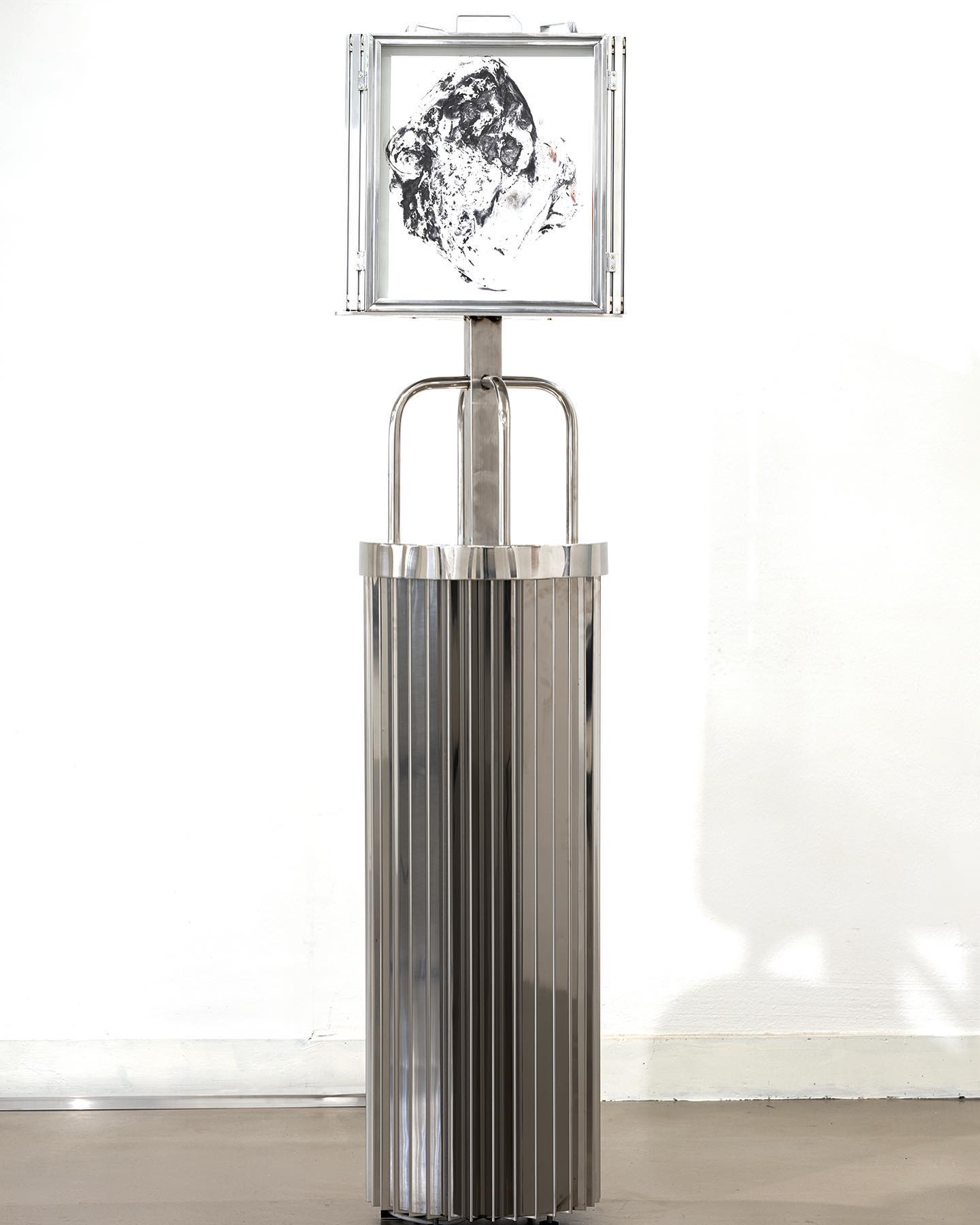
《Debugging》, 2022.10.22 – 2022.11.13, Mirrored Sphere Gallery
October 18, 2022
Mirrored Sphere Gallery
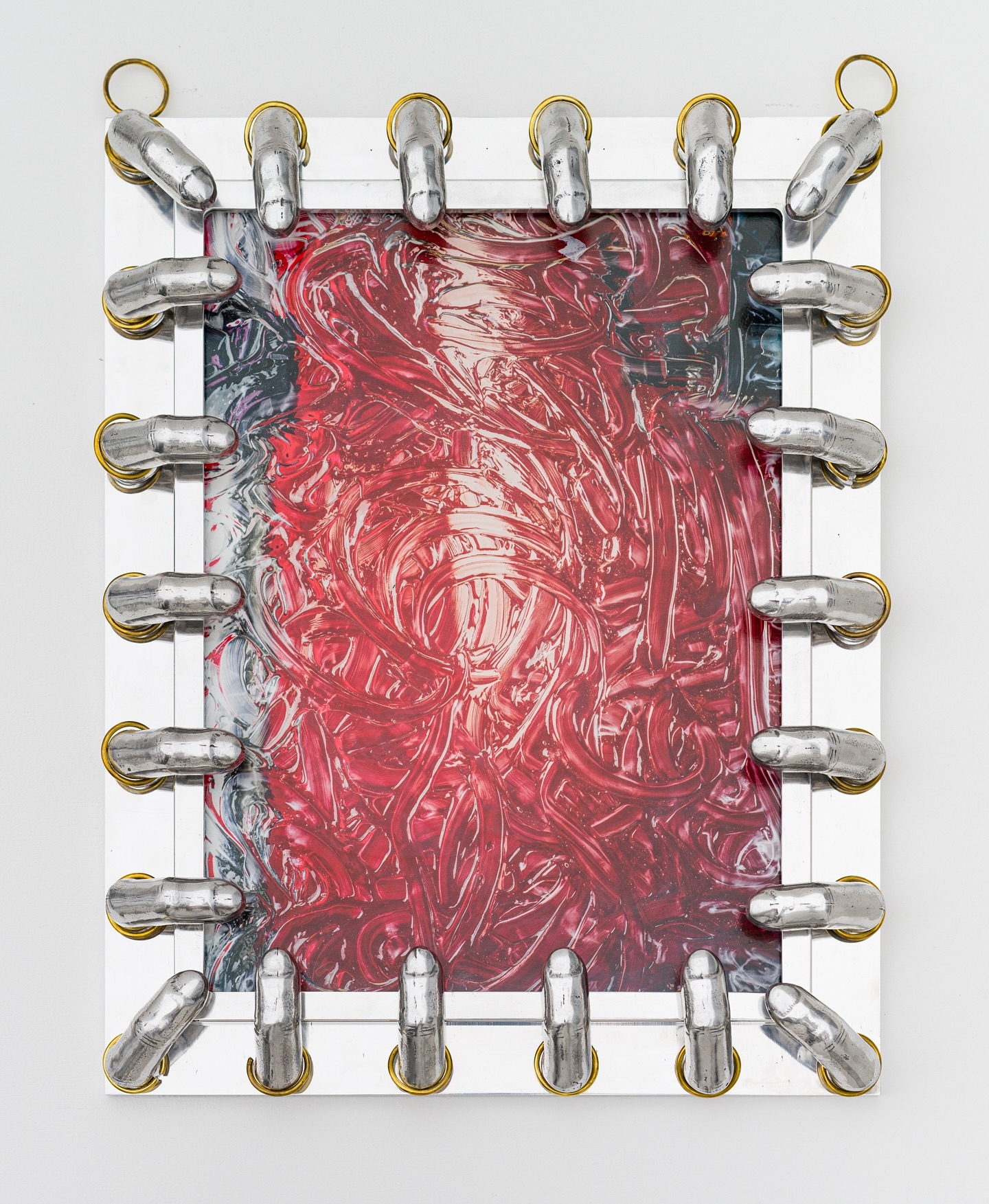
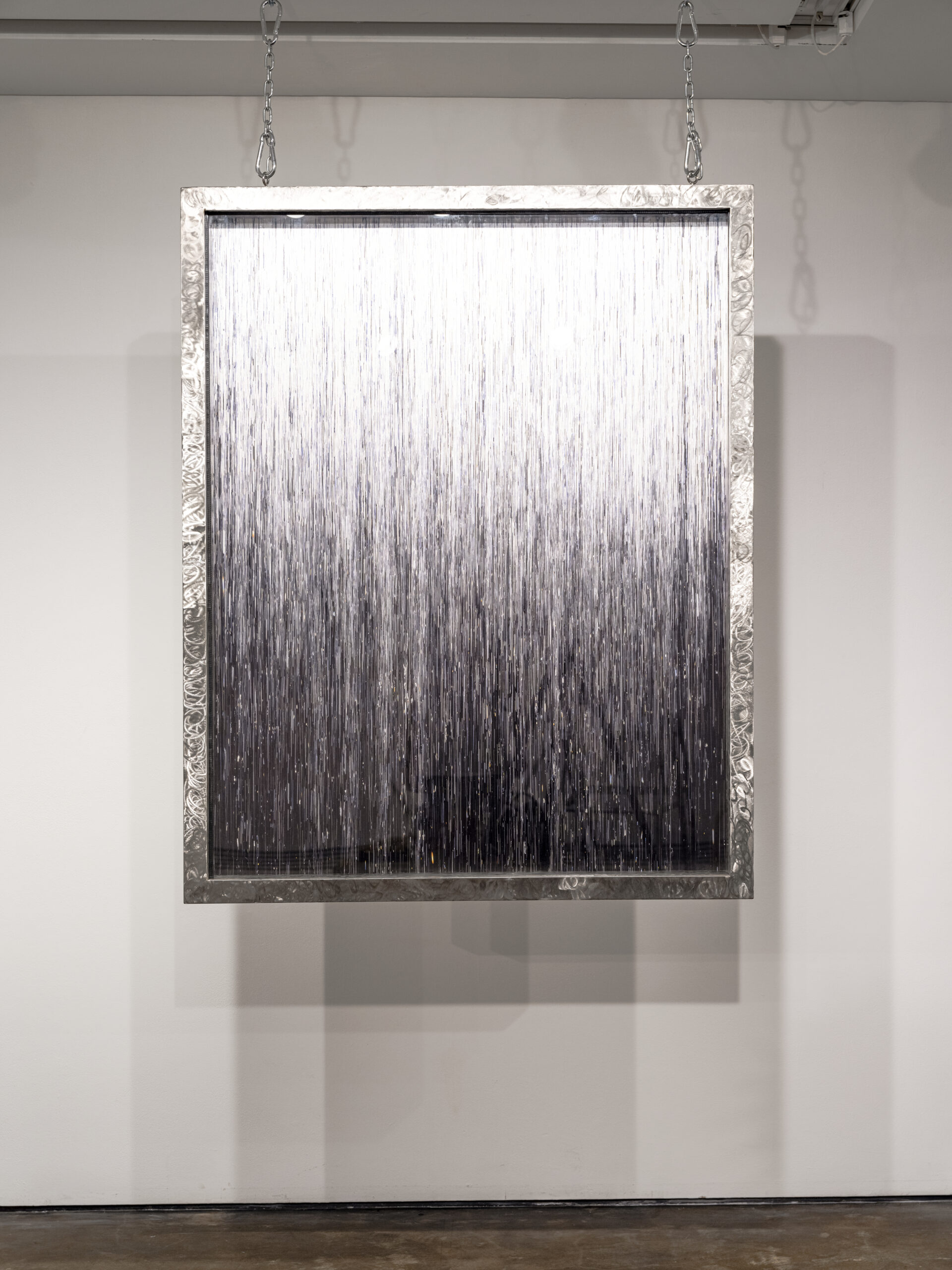
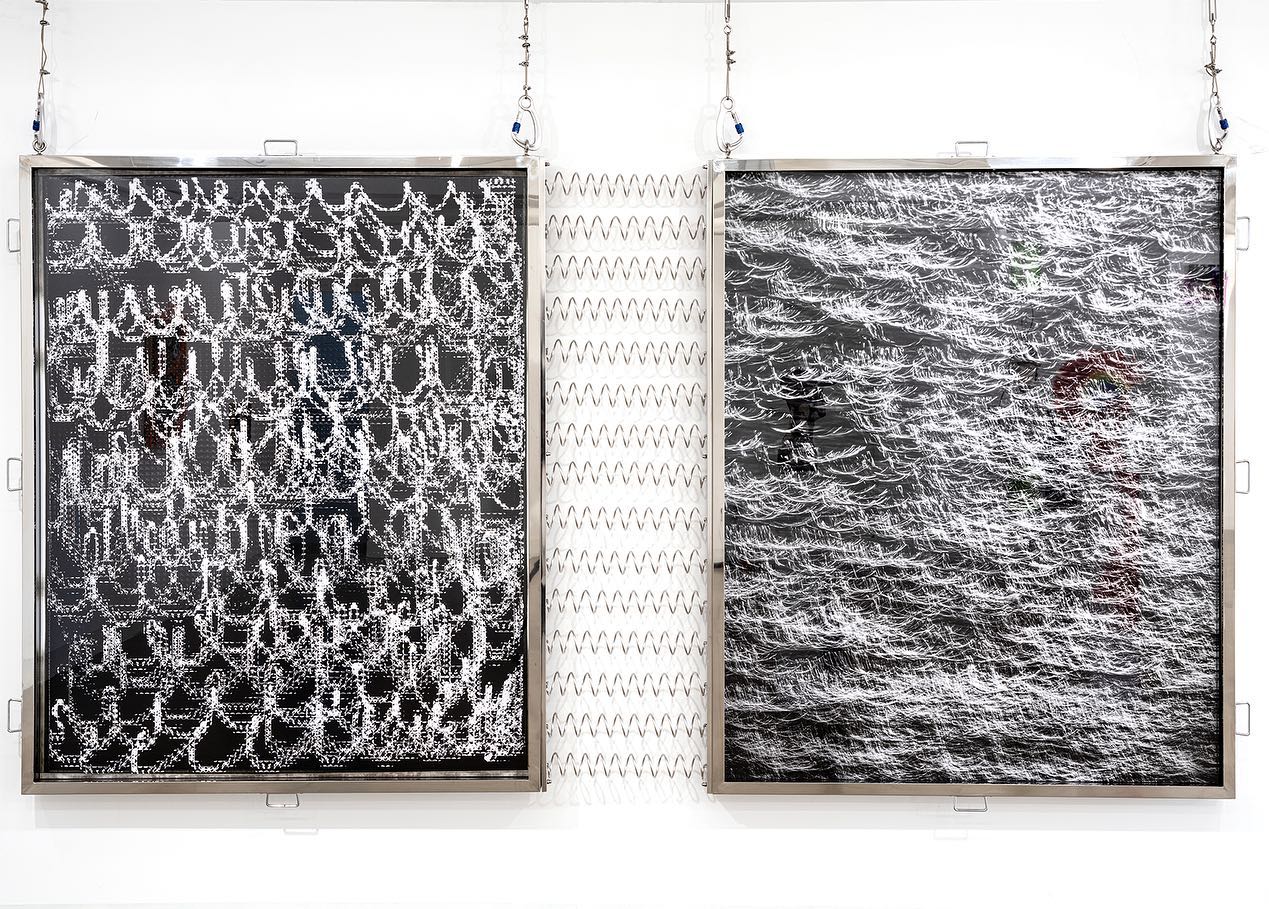
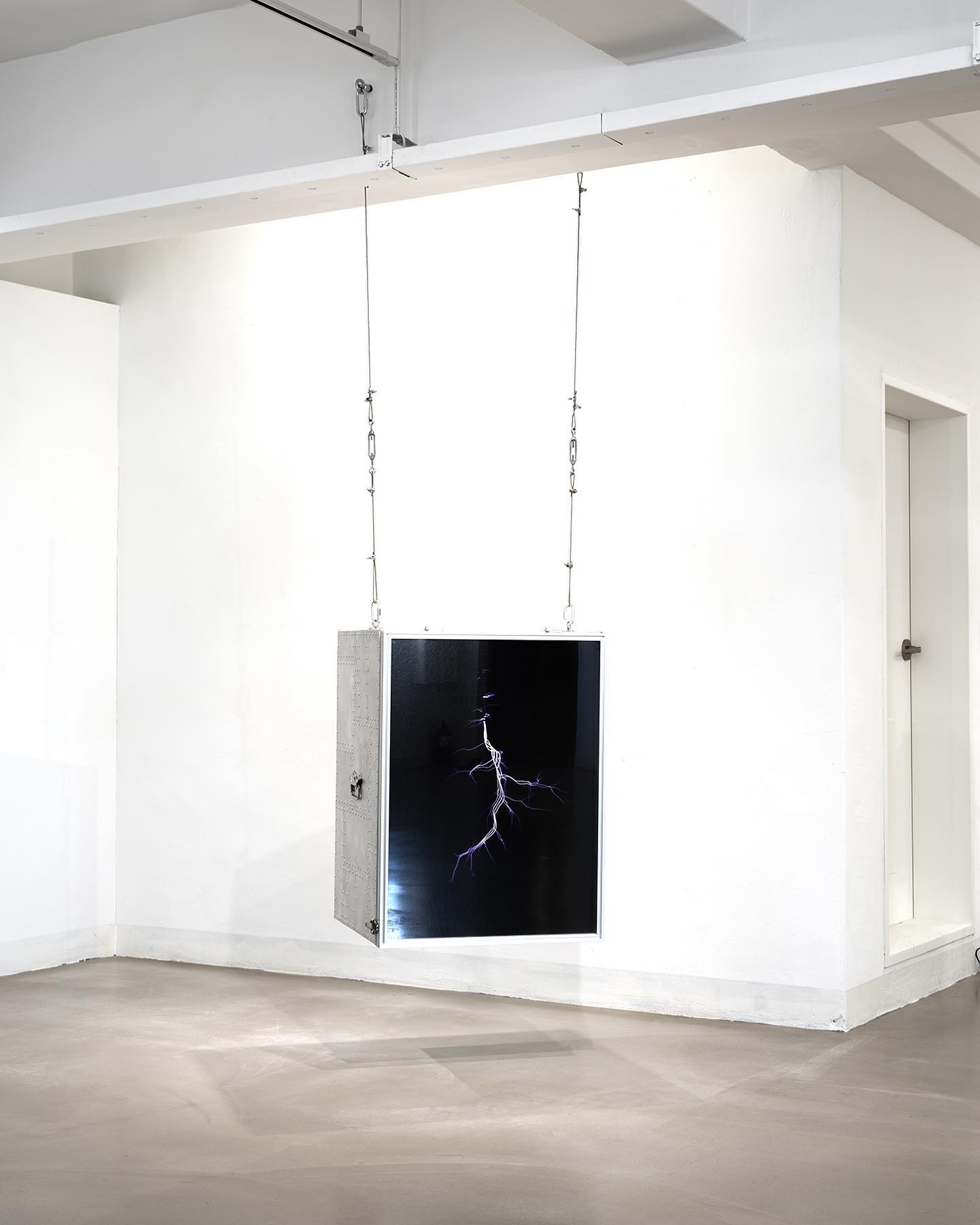
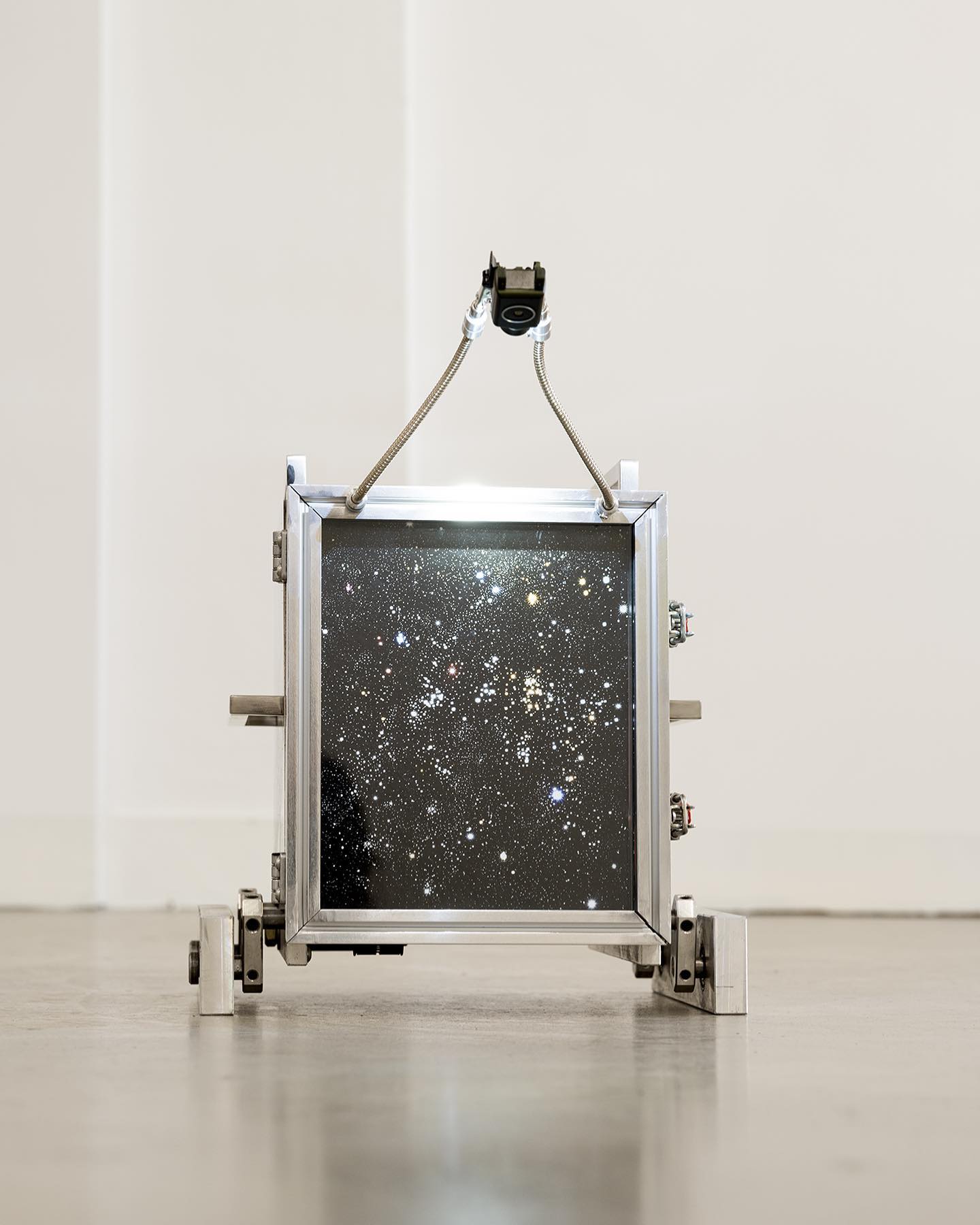
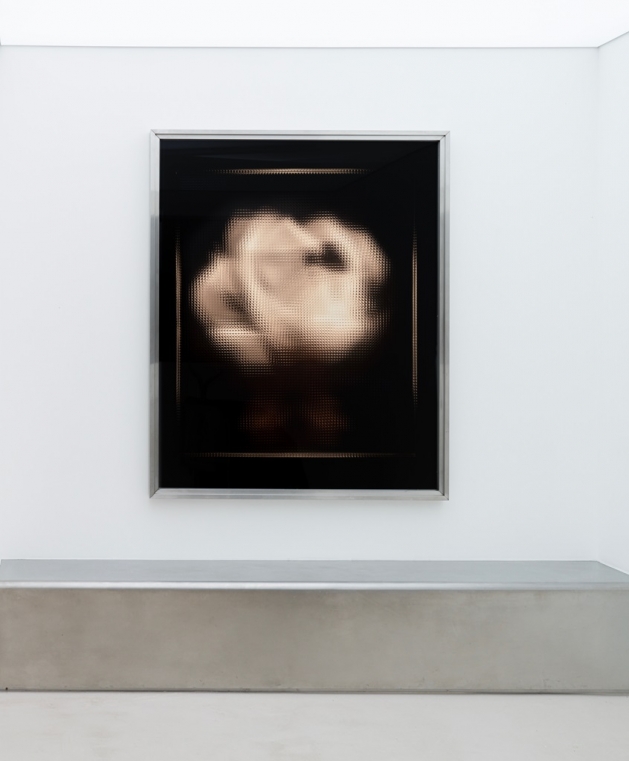
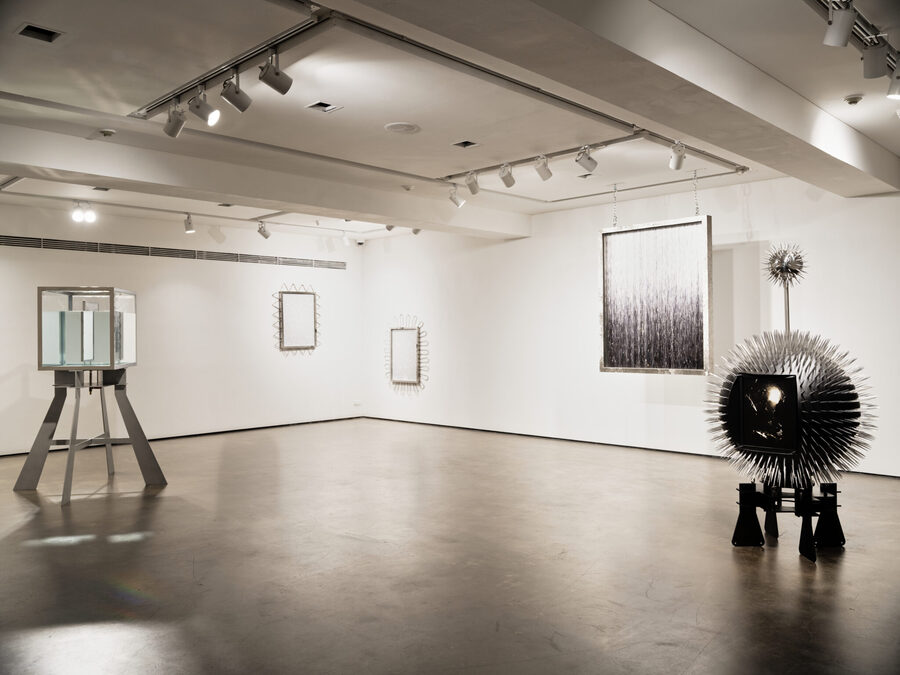
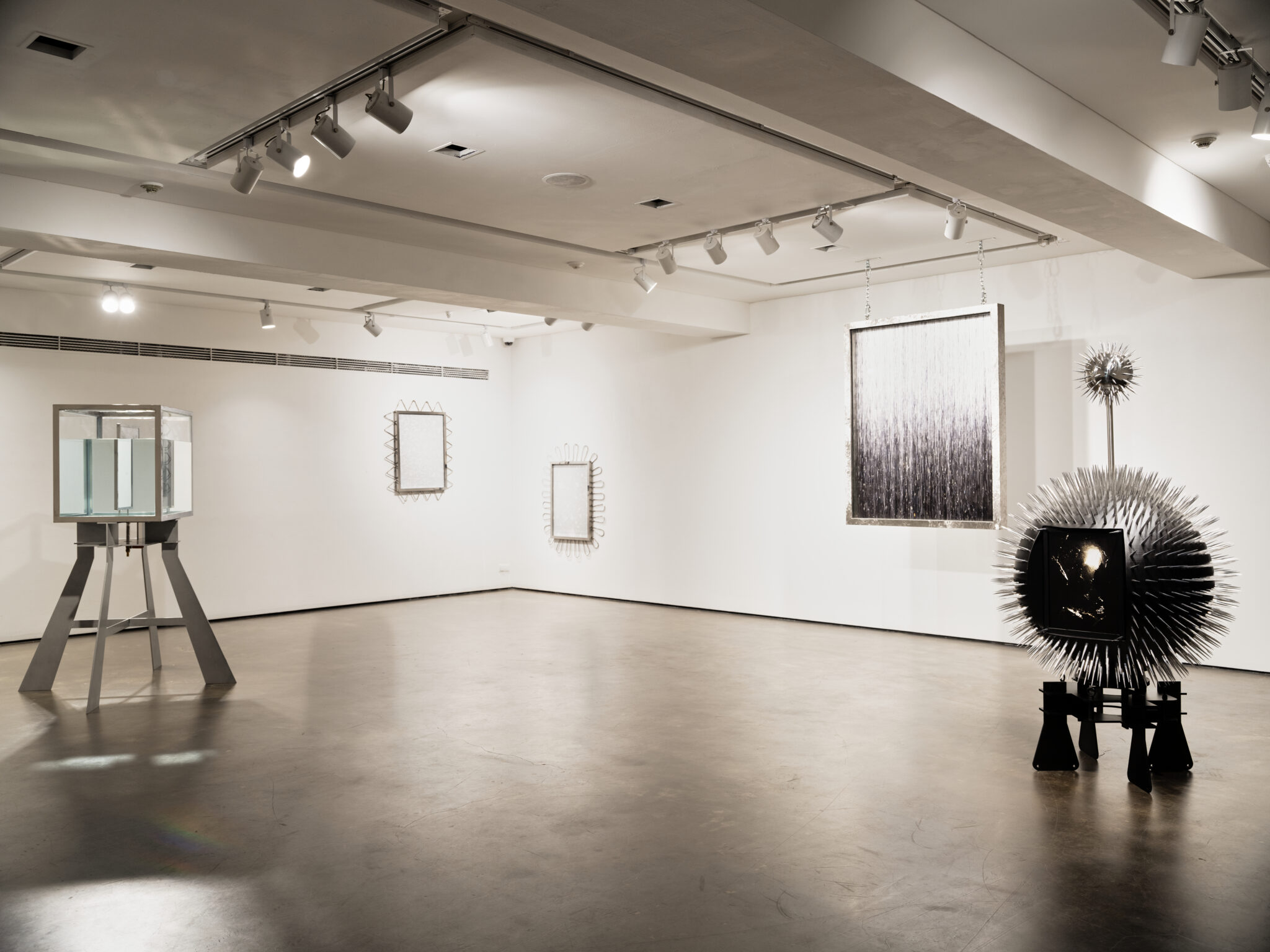
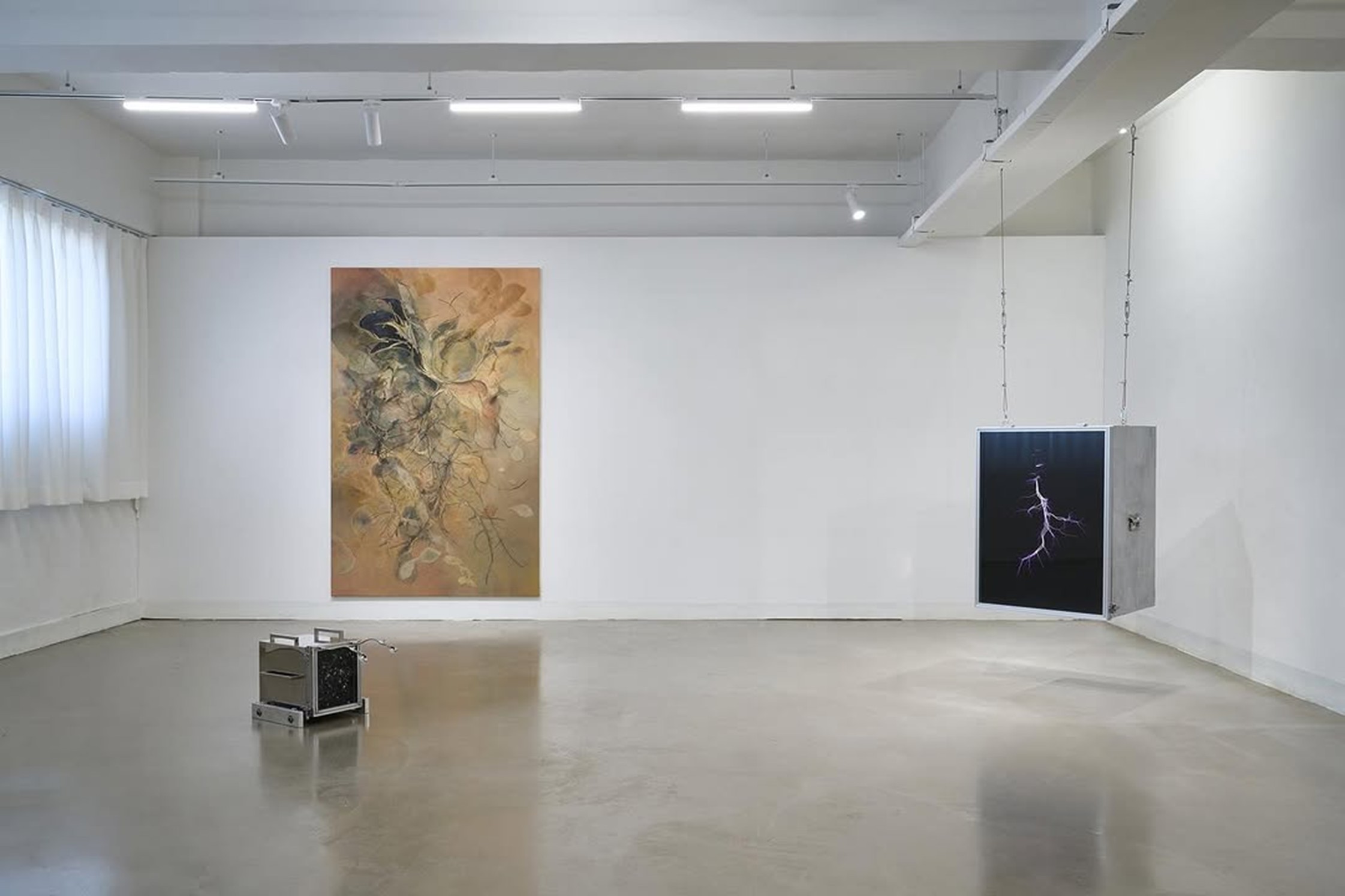 Installation view of 《Debugging》 © Mirrored Sphere Gallery
“There is no program without bugs.”
This is a phrase that circulates among programmers like a proverb. Originally, a “bug” refers to an unexpected error occurring in software, and it also implies events or phenomena that are triggered despite not being part of the intended design. Since no software can operate without bugs, they are regarded as something inevitable, almost like an unavoidable principle. Therefore, the phrase “There is no program without bugs” implies not only that no program can be designed without errors, but also that such errors are inevitable, thereby detaching the negative connotation attached to the term.
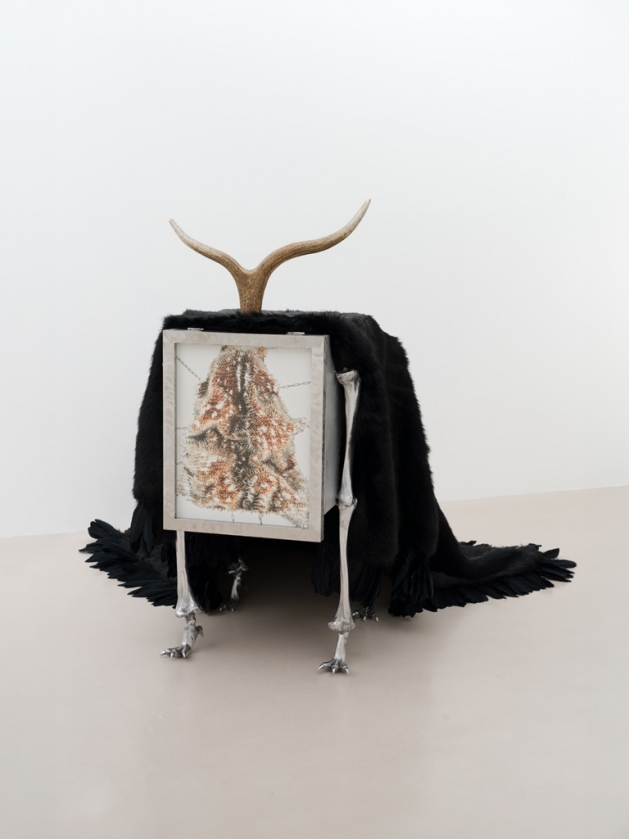
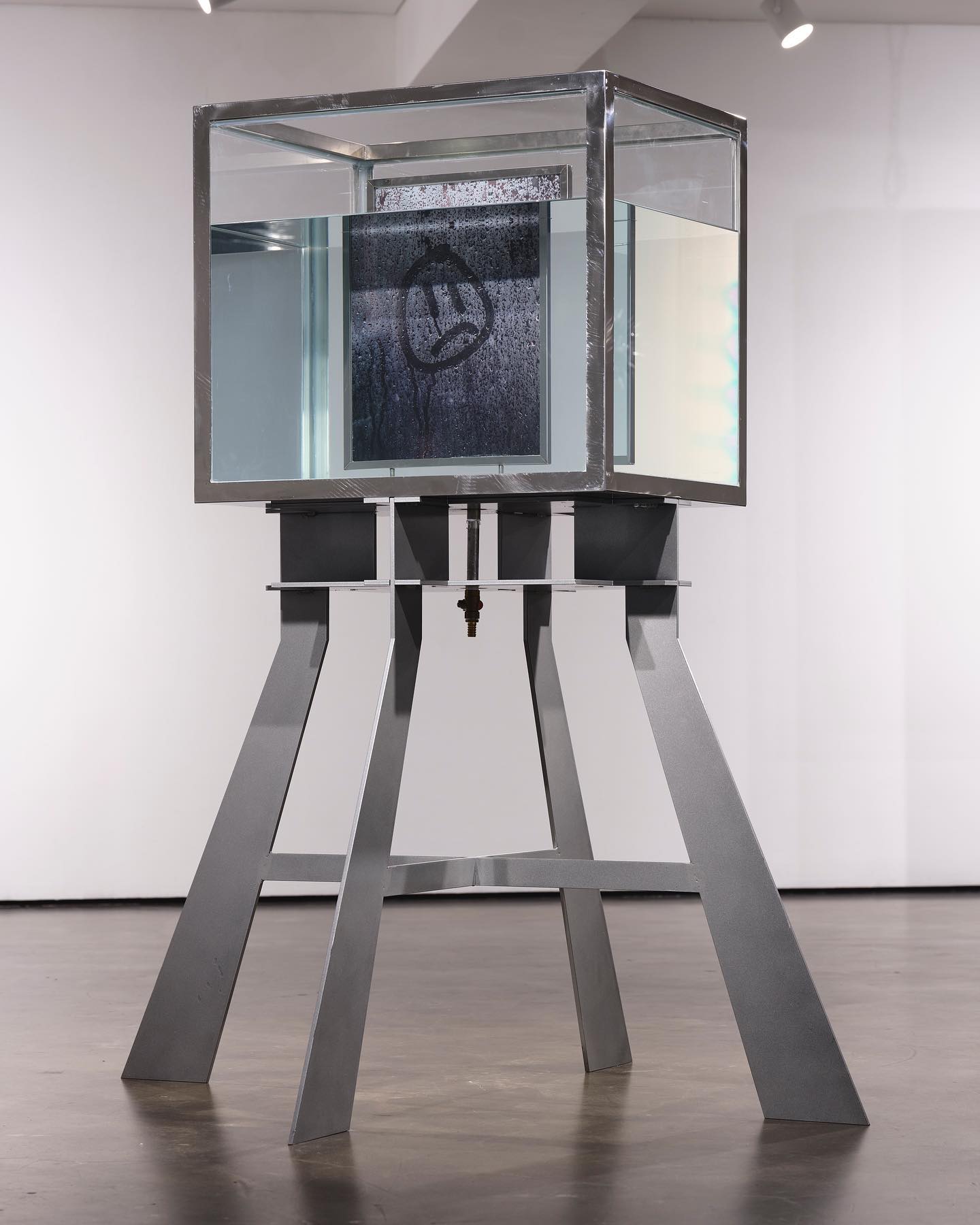
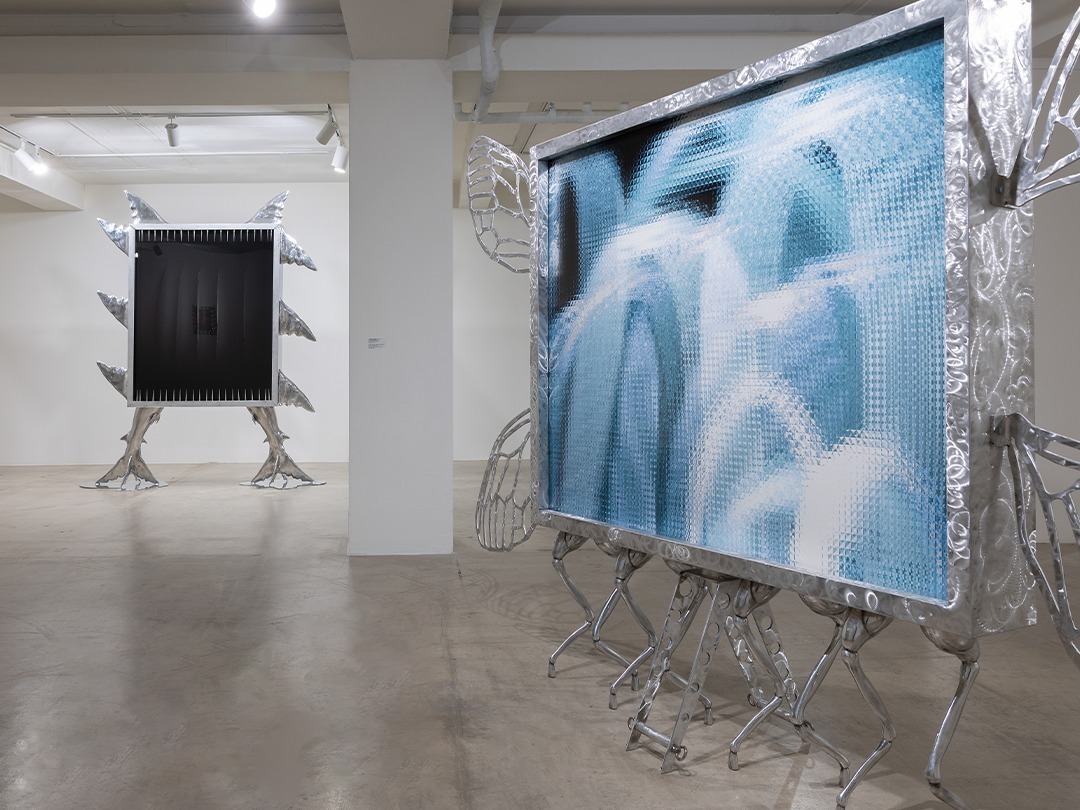
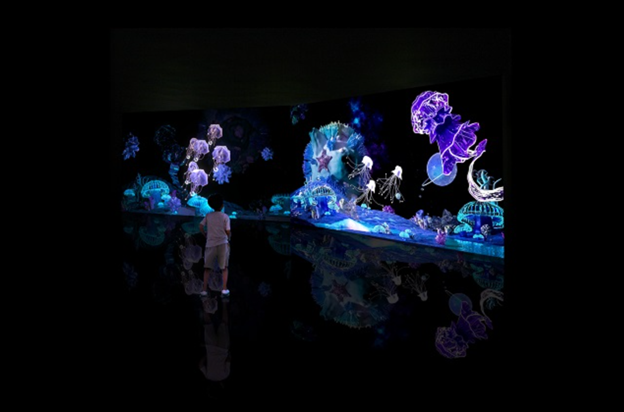
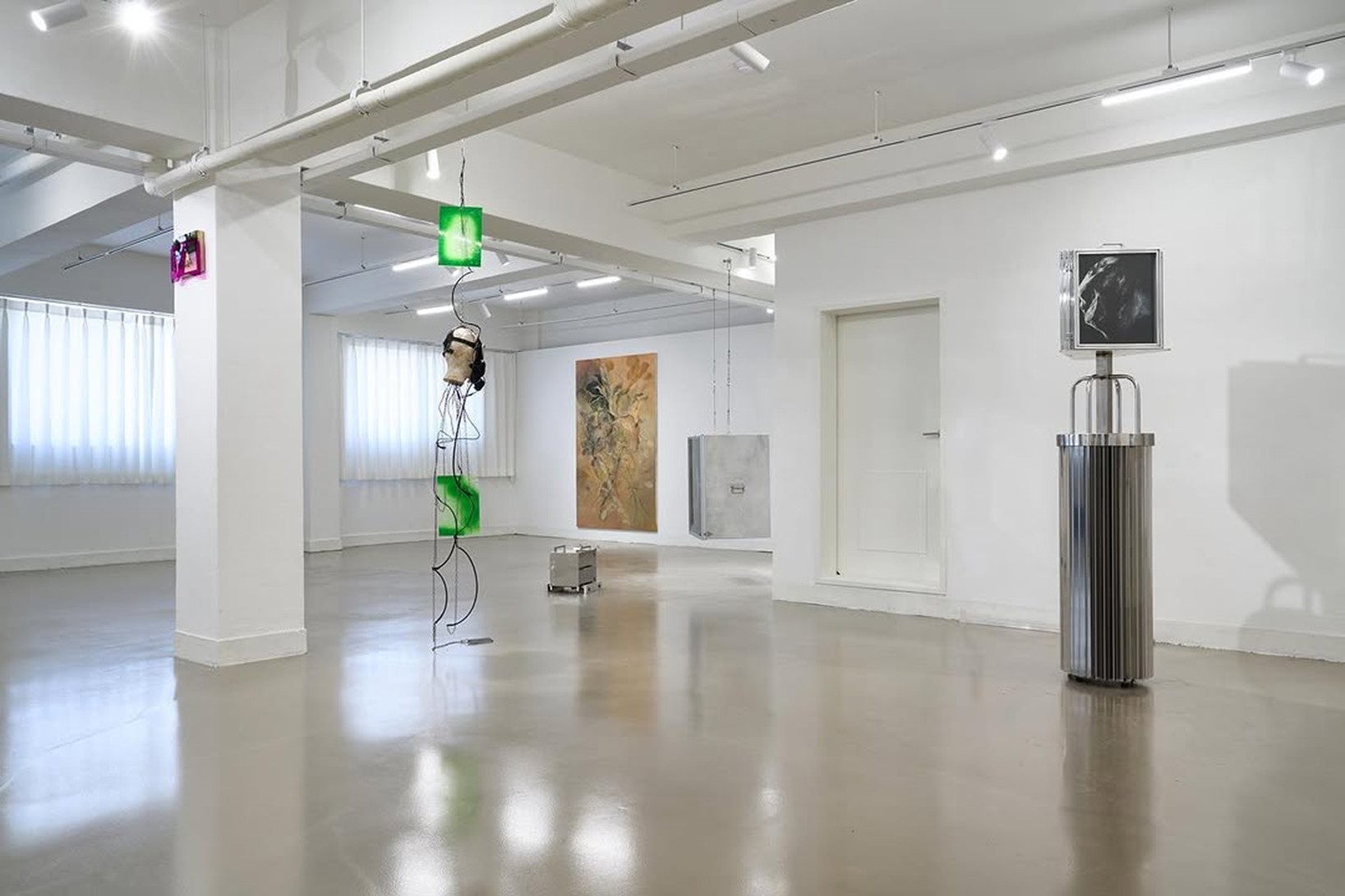 Installation view of 《Debugging》 © Mirrored Sphere Gallery
De-bug*, its origin comes from a moth that infiltrated a computer and caused a malfunction. In that case, is the “moth” merely a trivial accident that causes an error—or does it suggest a potential event that awakens unexpected affect?
A bug appears to an individual like a fateful event. This event represents numerous fragments that have not yet been verbalized and await resolution. The incident of the moth’s intrusion places the individual in a constant state of slipping (glitschen), demanding a response to this mixed situation.
Within the gap between the occurrence of the event and its resolution, the individual “debugs” an unknown domain beneath consciousness or beyond emotion. Thus, the individual’s “debugging” leads to adopting what is believed to be the most optimal—and most correct—method to reconstruct the system from the beginning.
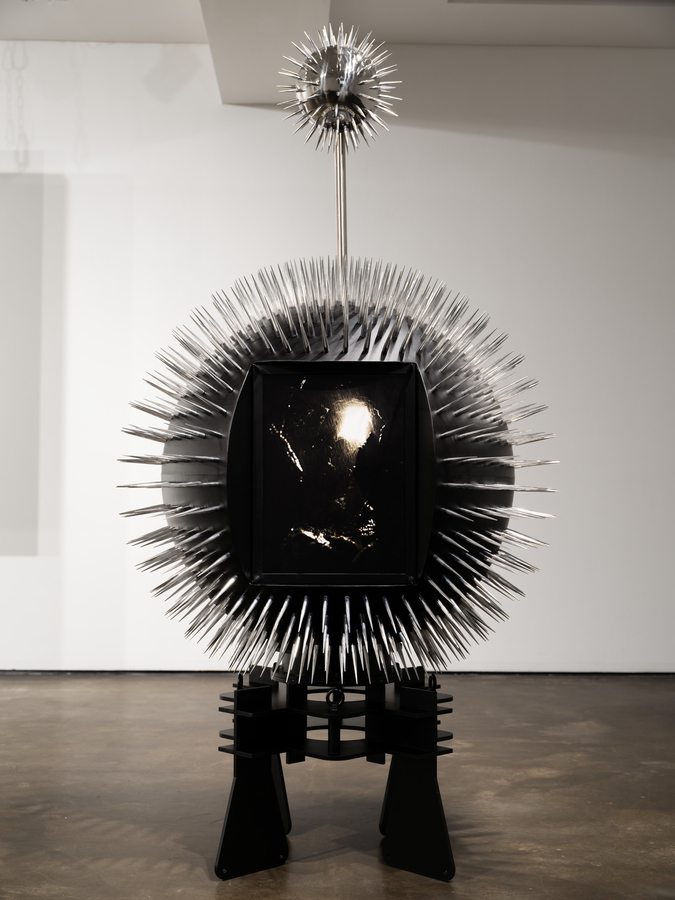
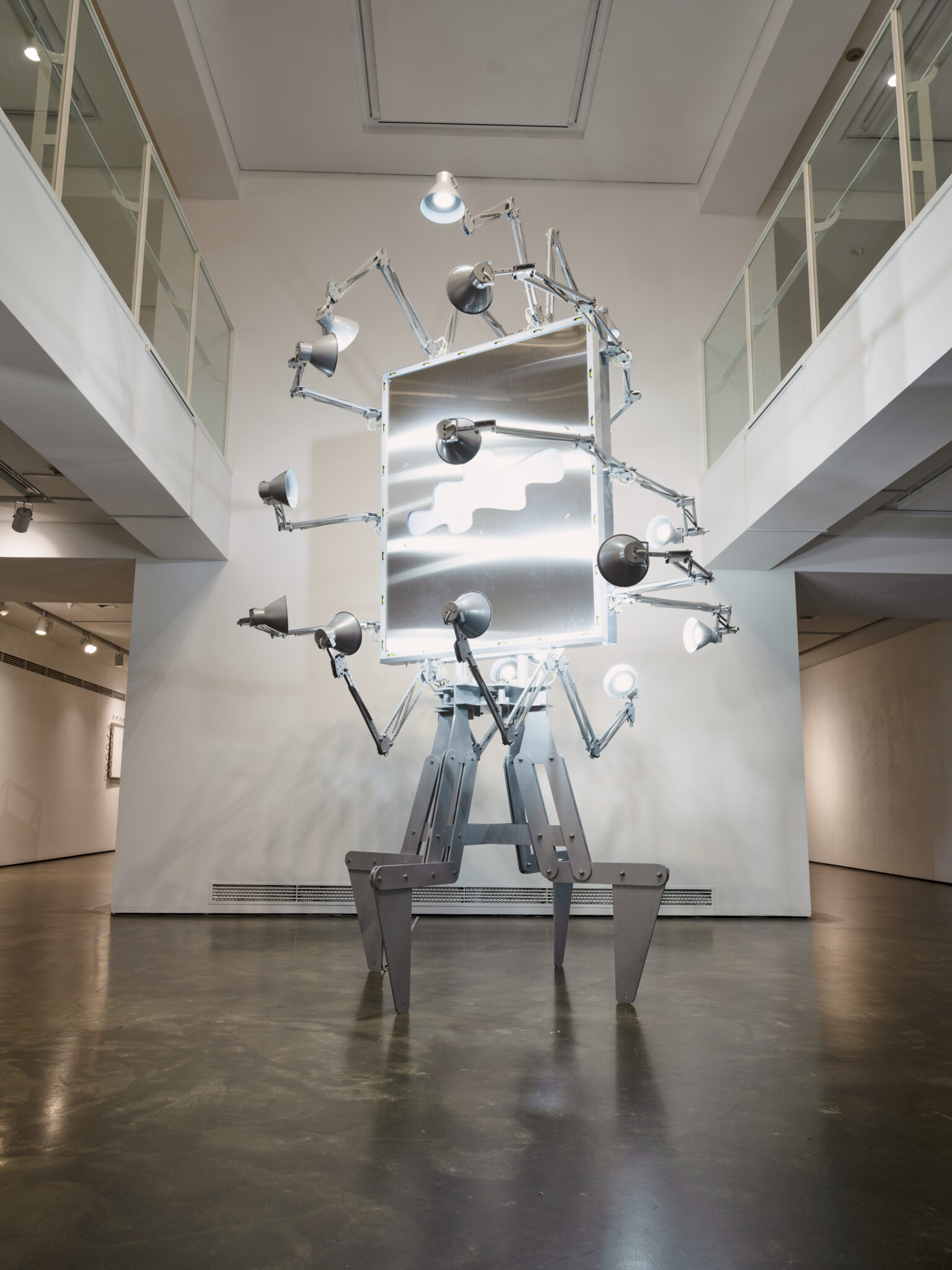
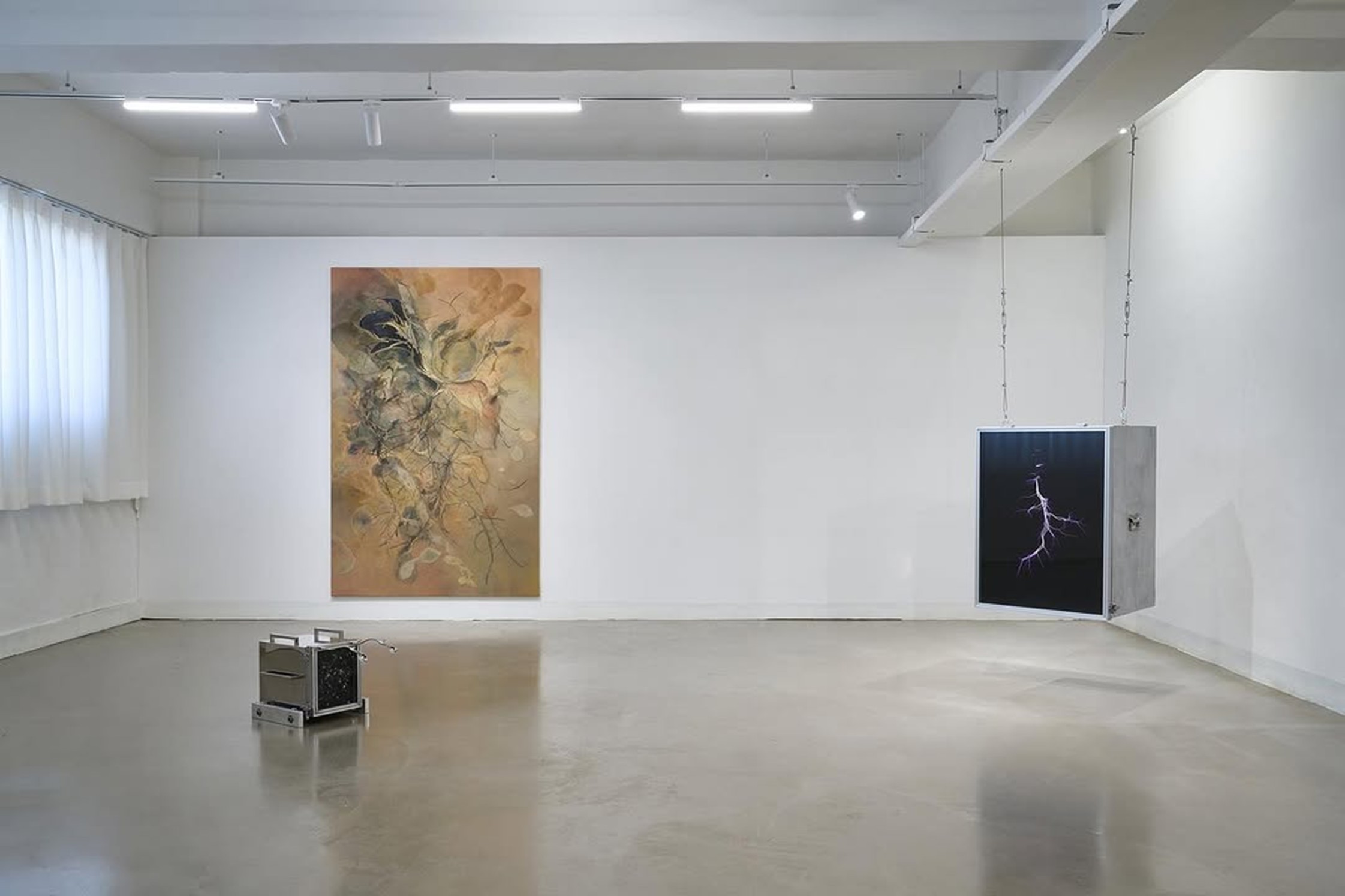
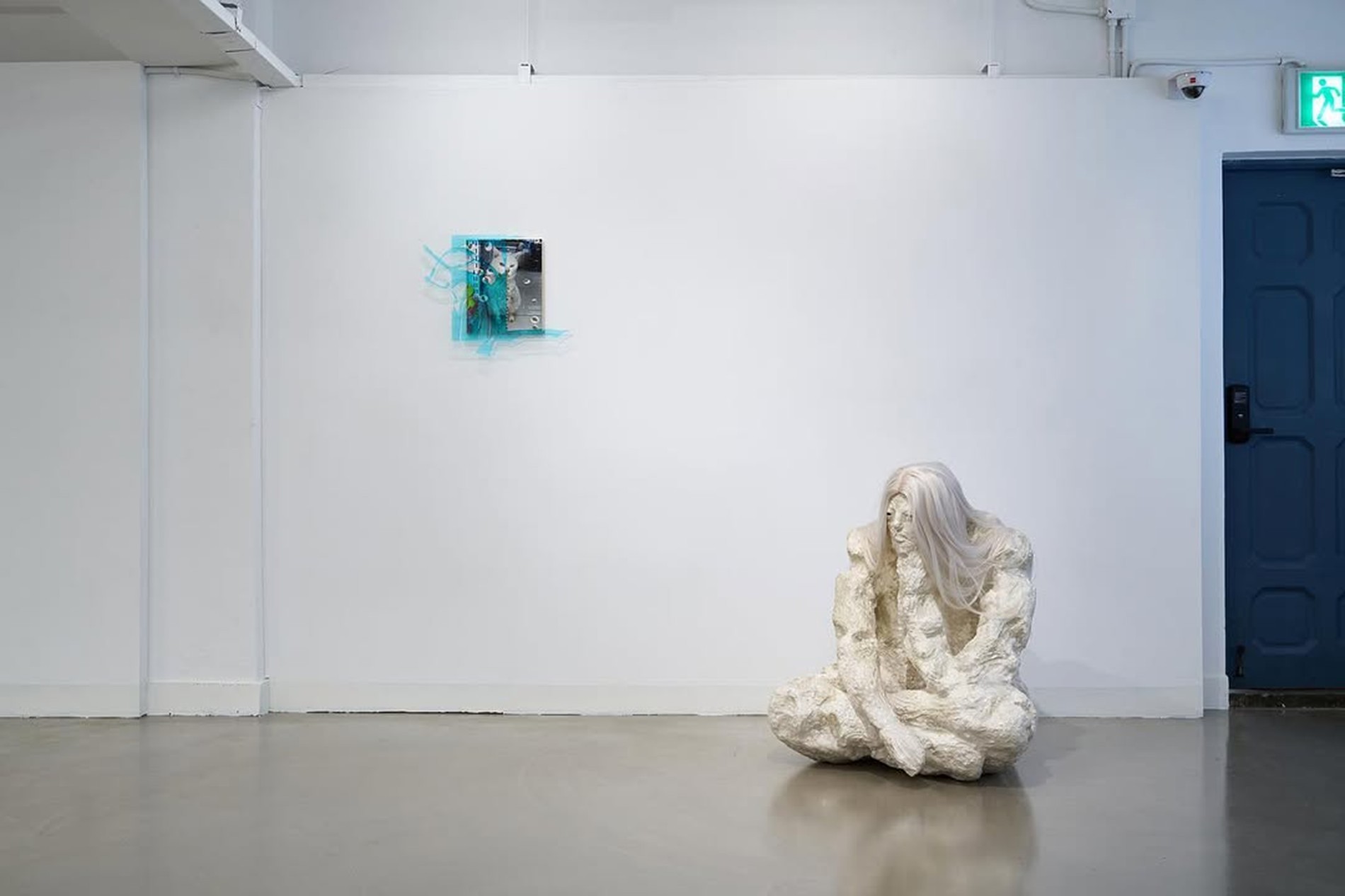 Installation view of 《Debugging》 © Mirrored Sphere Gallery
An event that occurs like an error becomes verbalized through processes of interpretation, execution, and decoding. The individual encountering a bug identifies undiscovered codes or signals within a mixed situation and uses them as clues for debugging. The act of distinguishing certain elements from a mixture is also an act of critical “differentiation,” and through weaving together scattered fragments, it demonstrates “deviation,” forming the next system.