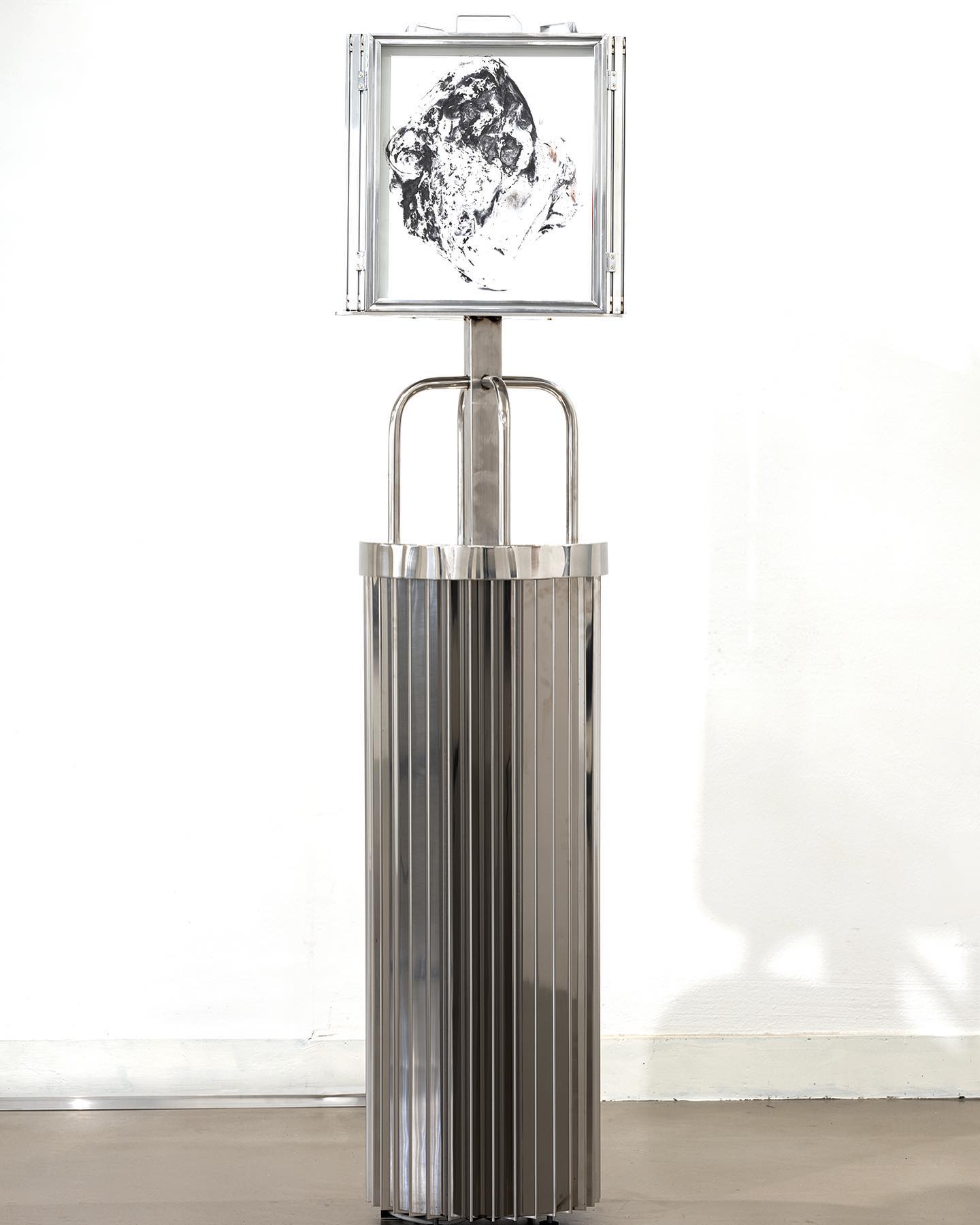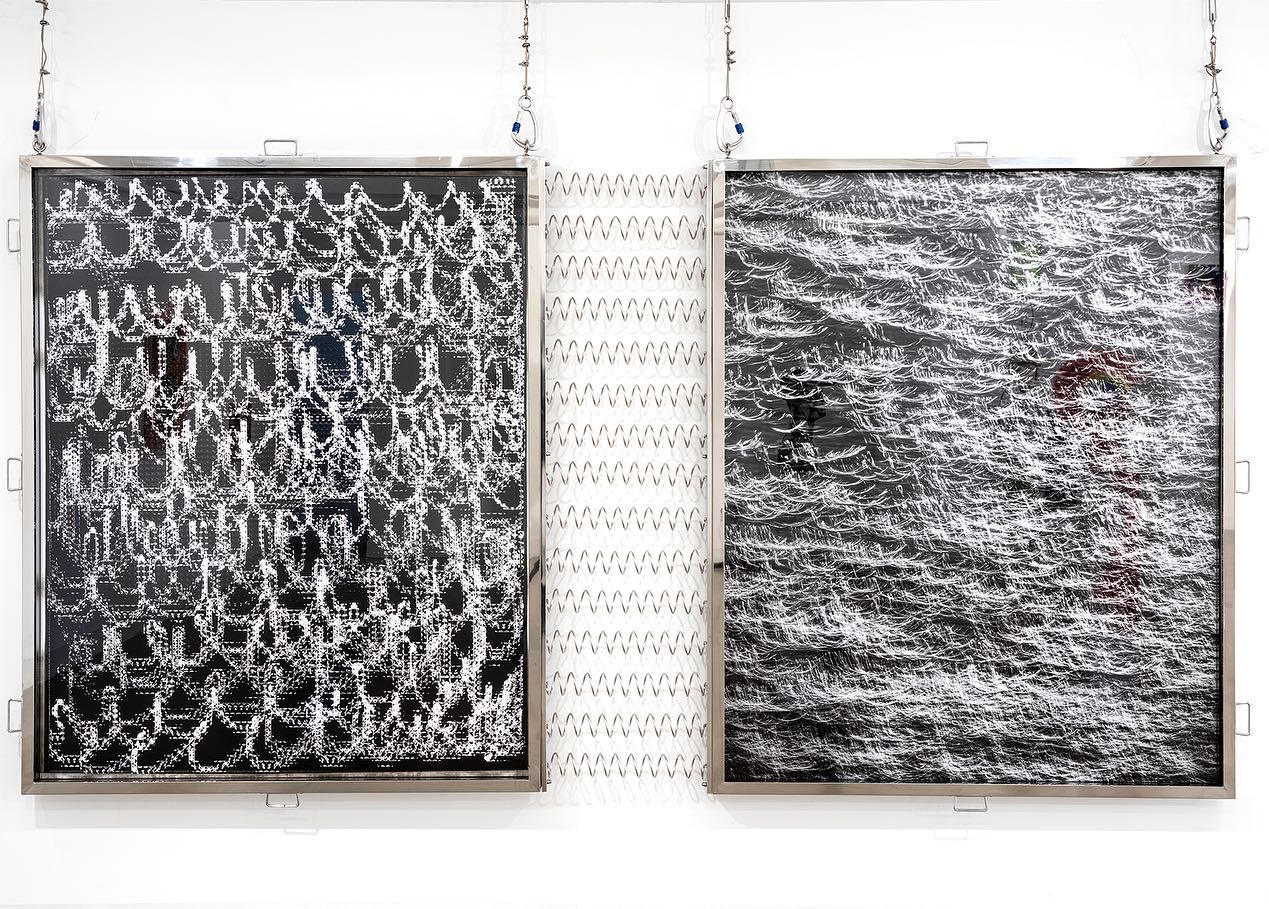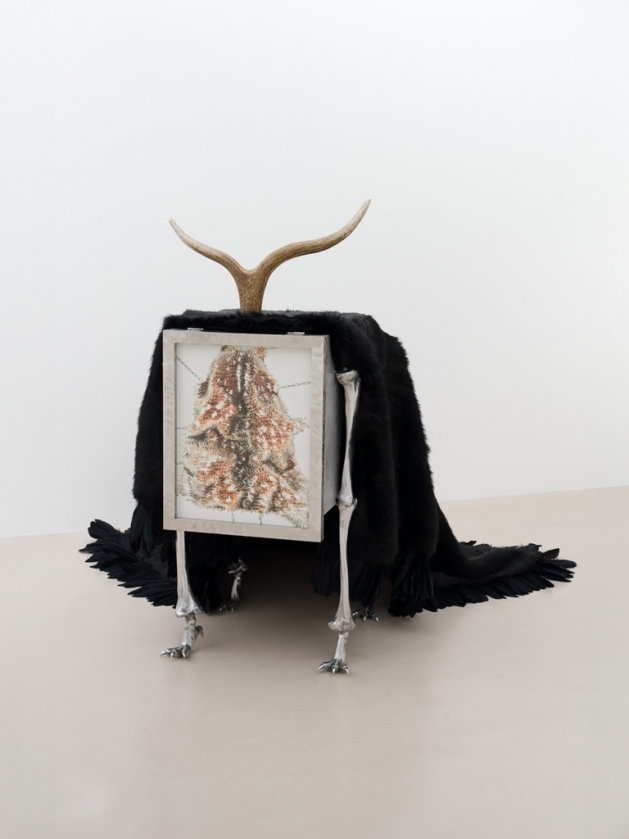

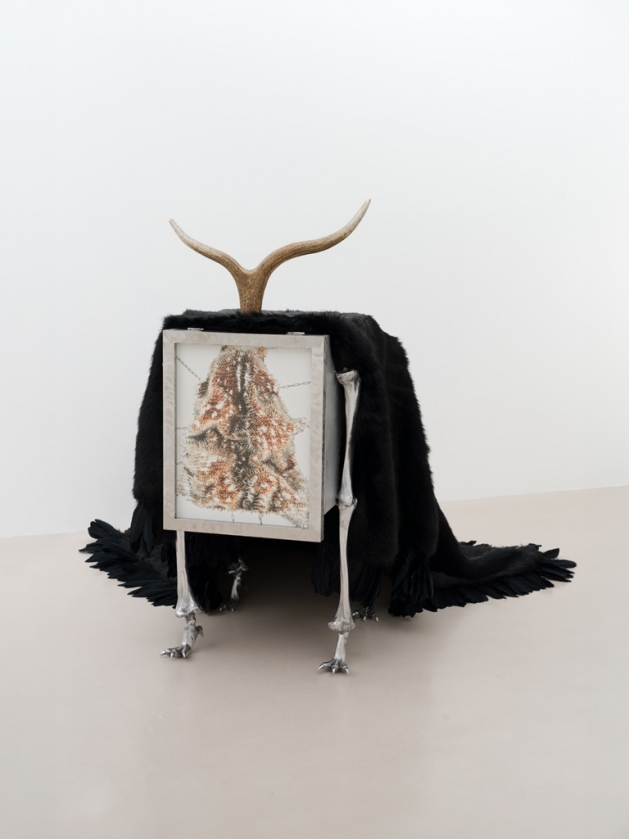
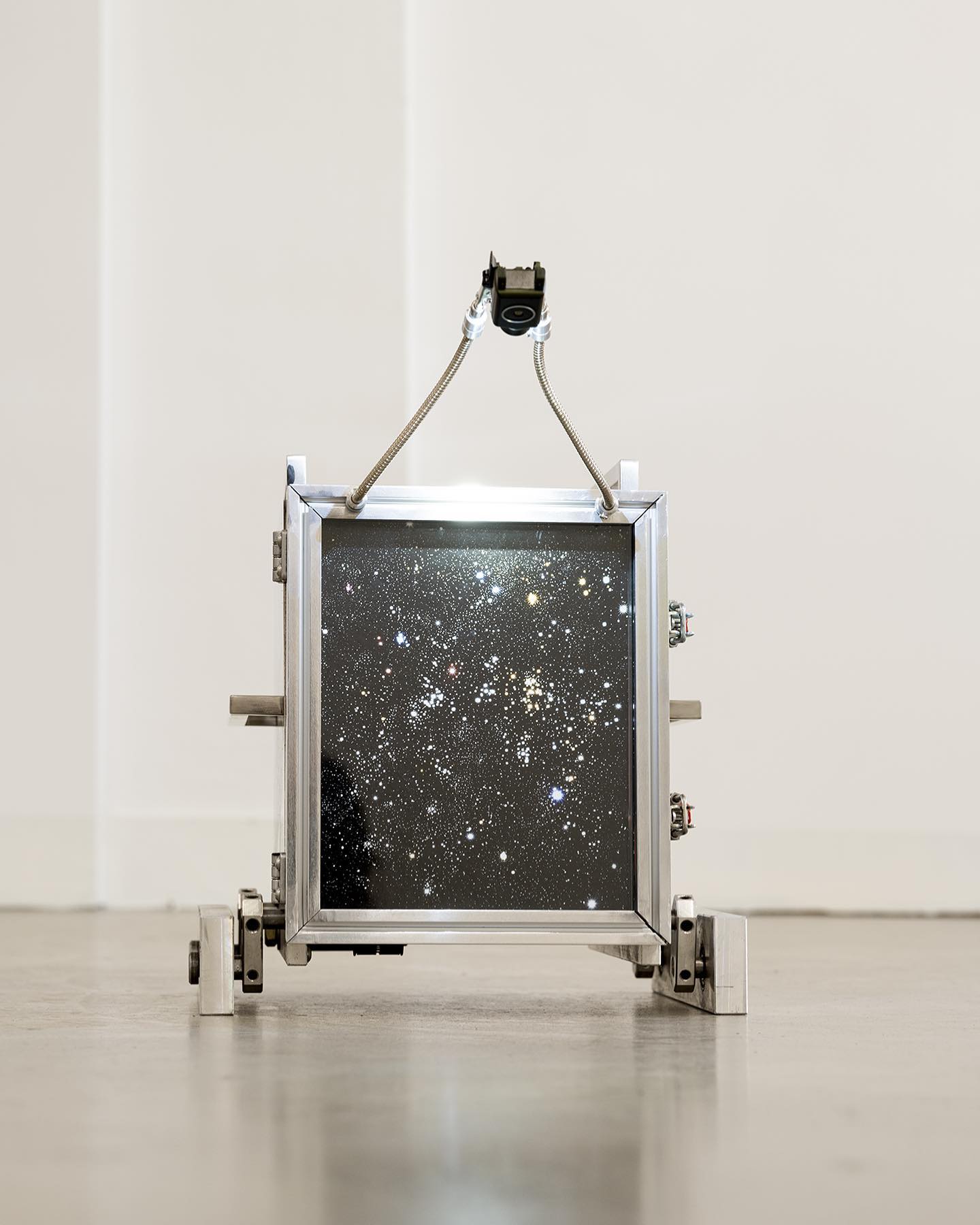
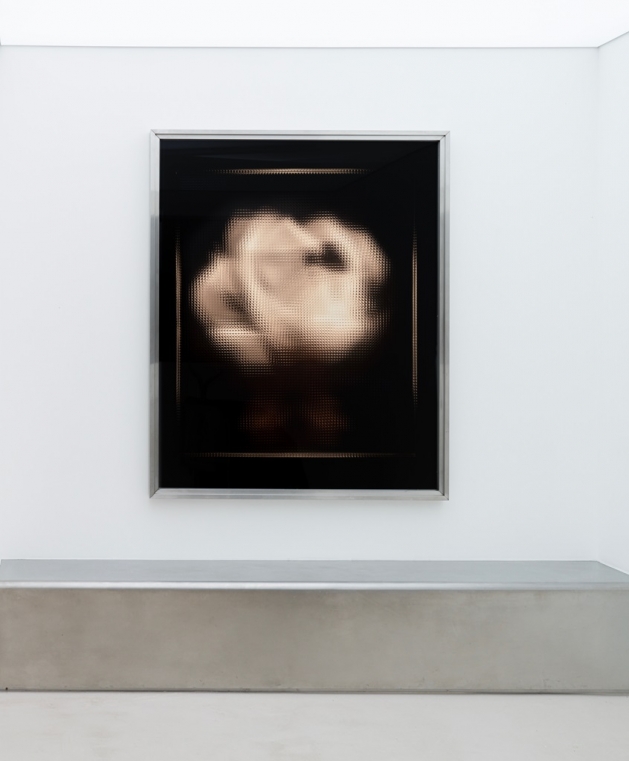
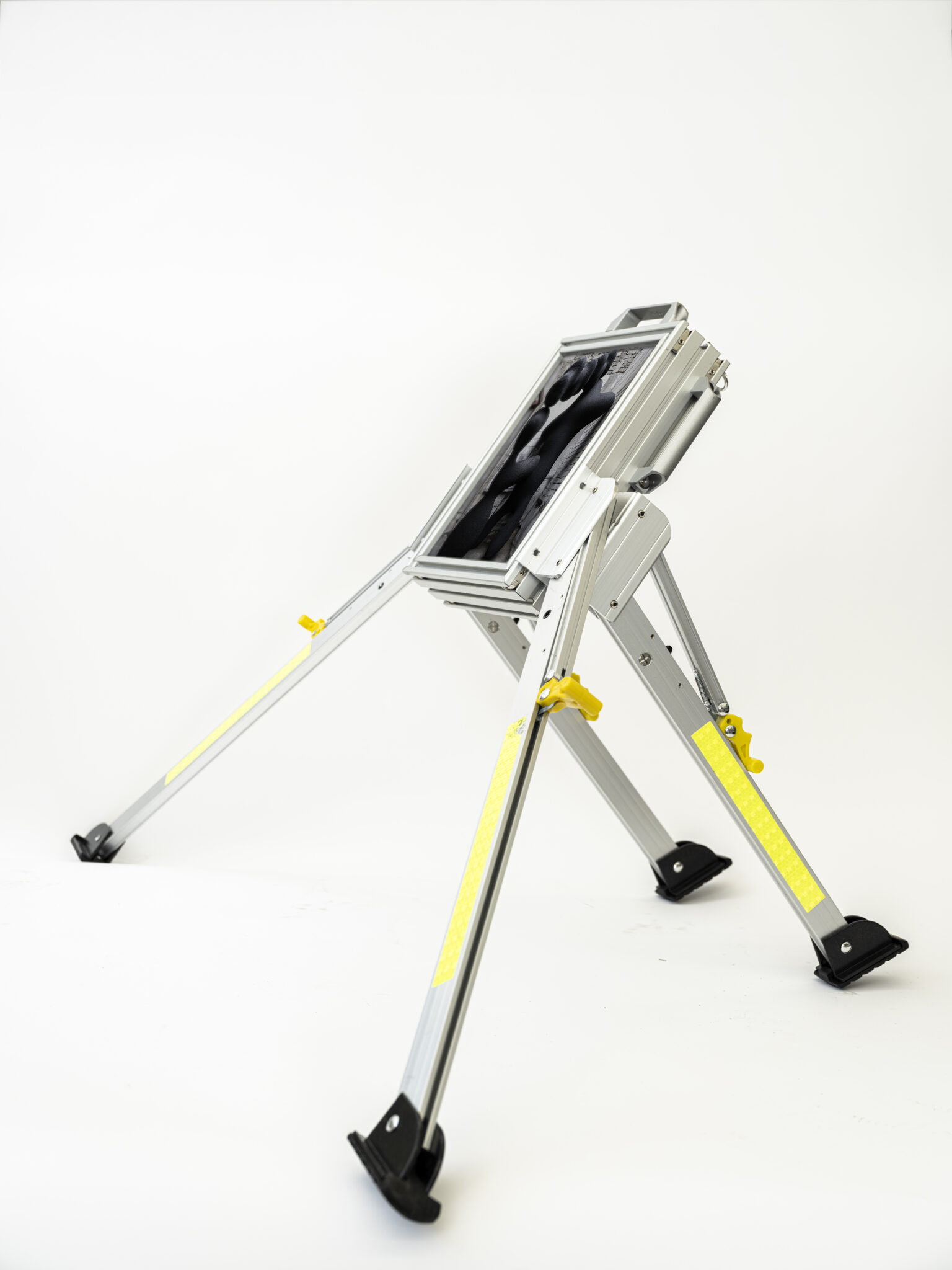
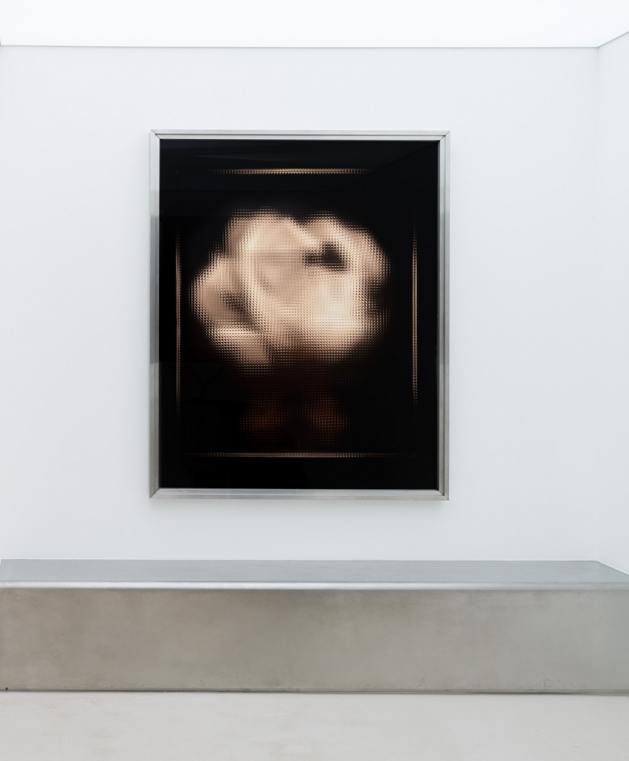
Jeongkeun Lee (b. 1989) examines the relationship between form and image through the combination of photographic images and the frames that contain them. In his work, the frame functions both as a protective device for the photograph and as a storyboard, forming an exaggerated exterior that allows the photograph to be interpreted in new ways. In doing so, the content of the photograph becomes connected to the frame, representing a series of events experienced by the artist.


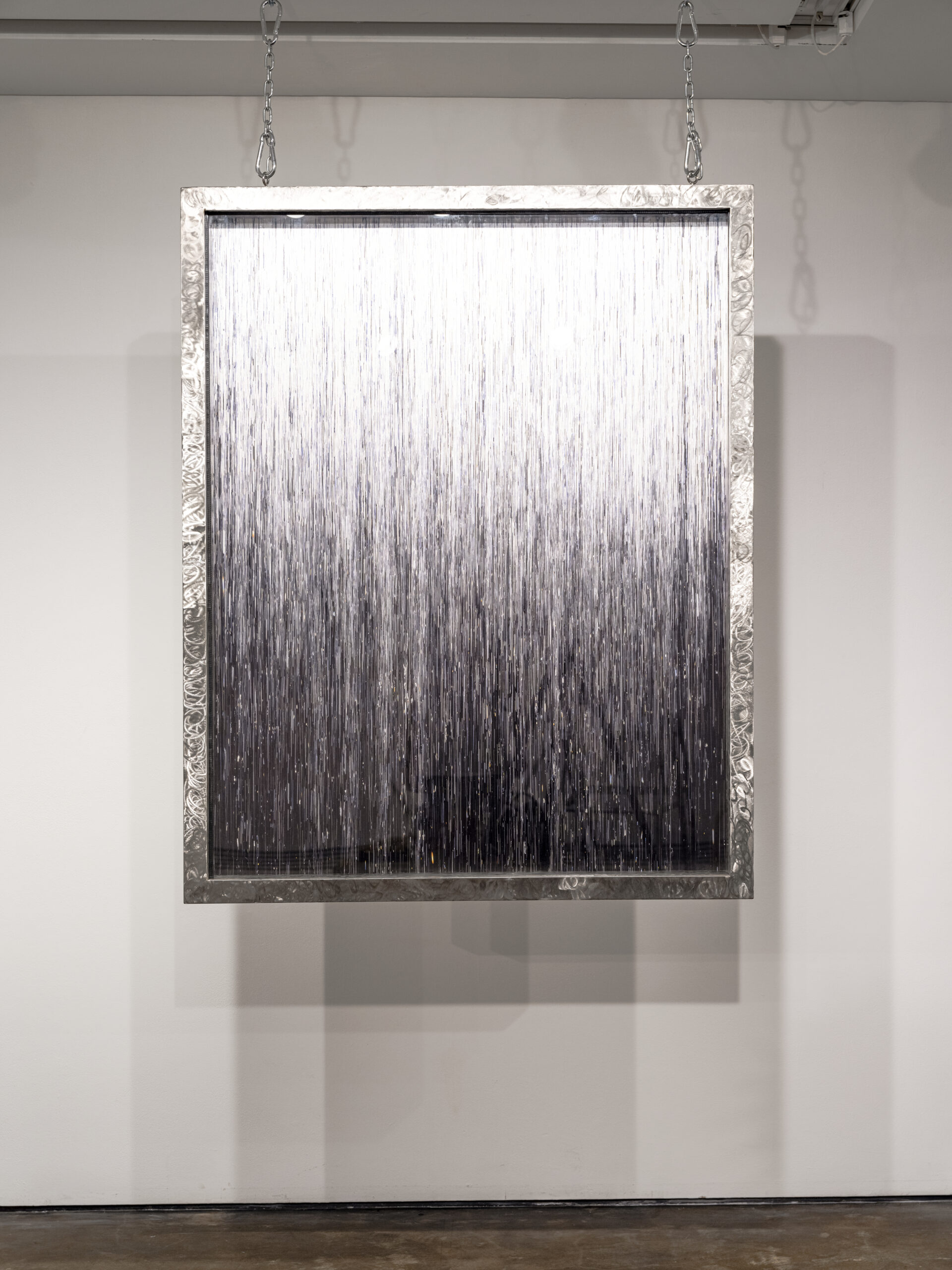
Jeongkeun Lee, Navidance, 2021, Mixed media, 150x120x10cm ©Jeongkeun Lee

Jeongkeun Lee’s practice began after his studio was flooded. Experiencing the destruction of the frames—originally intended to protect the images—which were damaged by water and ultimately had to be discarded led him to reflect on the fragility of flat images.


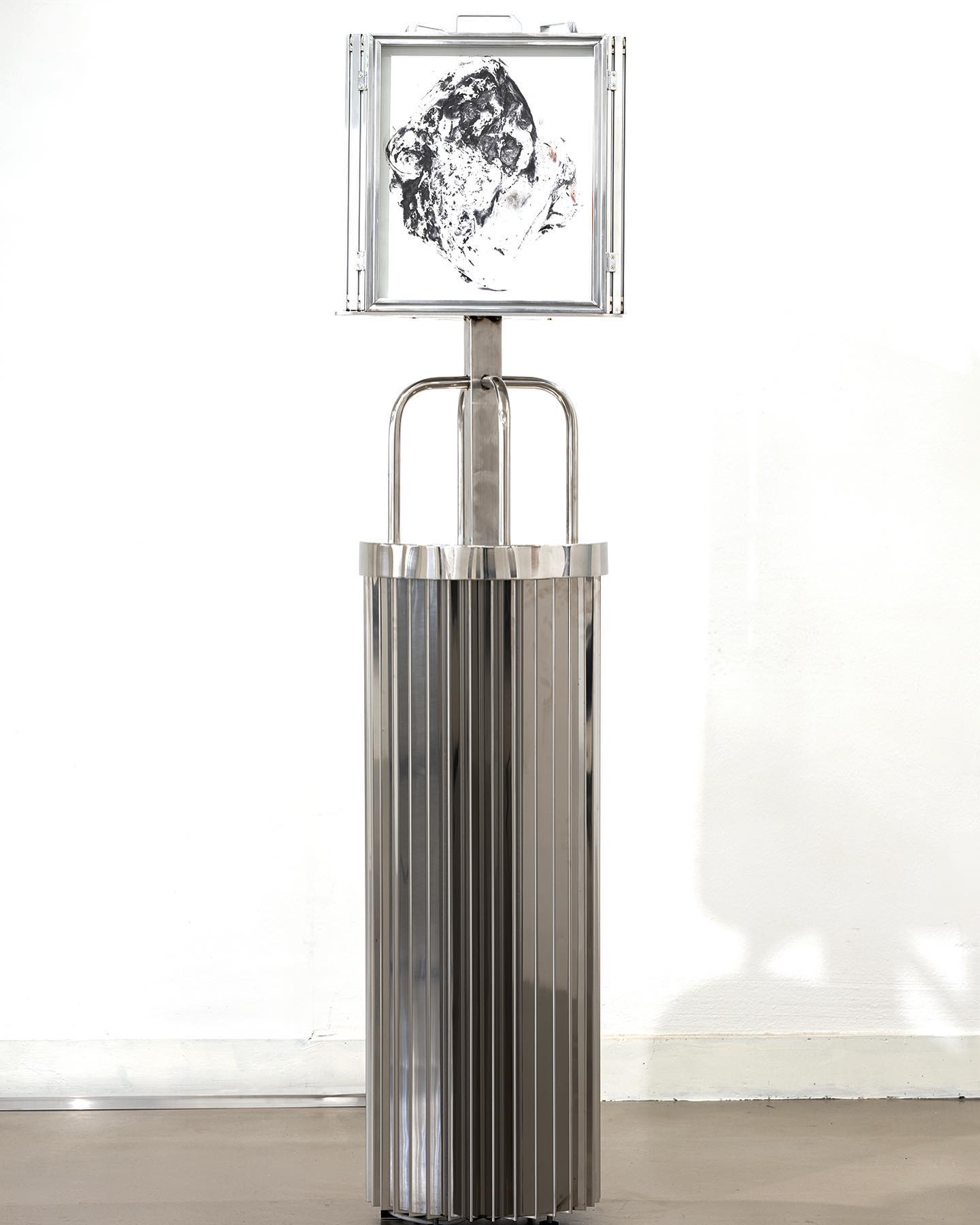
Jeongkeun Lee, PPI + MeandmE, 2022, Mixed media ©Jeongkeun Lee

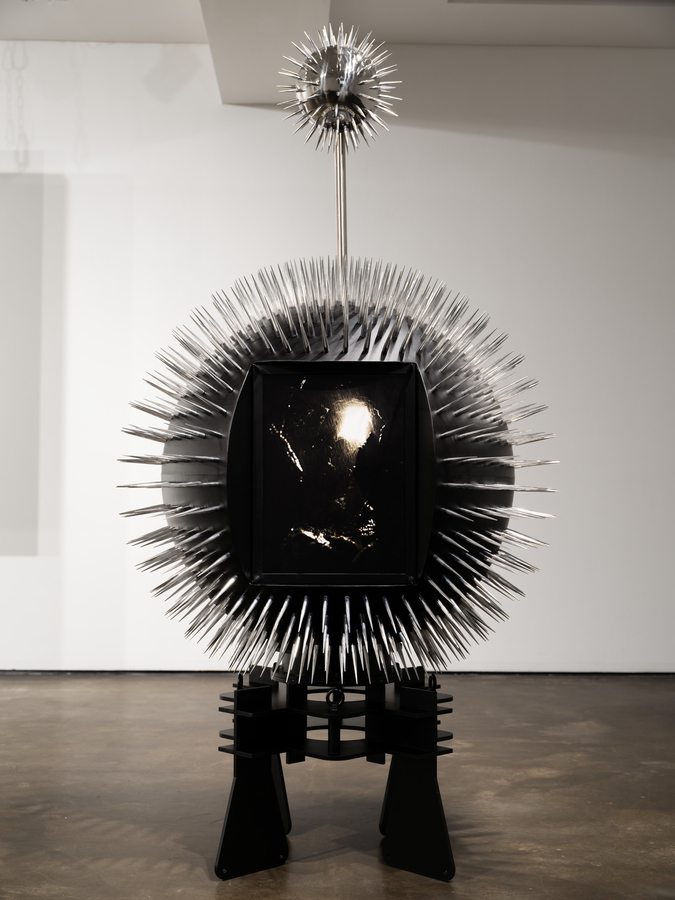
In the wake of this series of events, the artist developed an obsession with creating a solid protective device and began to focus on the outer shell surrounding the image. As a result, his photographs came to be housed not in ordinary wooden frames but within obsessively enlarged and swollen frames—sculptural forms in which spikes protrude or thick steel encases the image.
 
This ultimately brings the frame to a point where it functions as a work in itself. Viewers may first find their attention captured by the frame’s striking sculptural presence rather than the photographic image; paradoxically, however, this very distraction can lead them to become more deeply absorbed in the image.


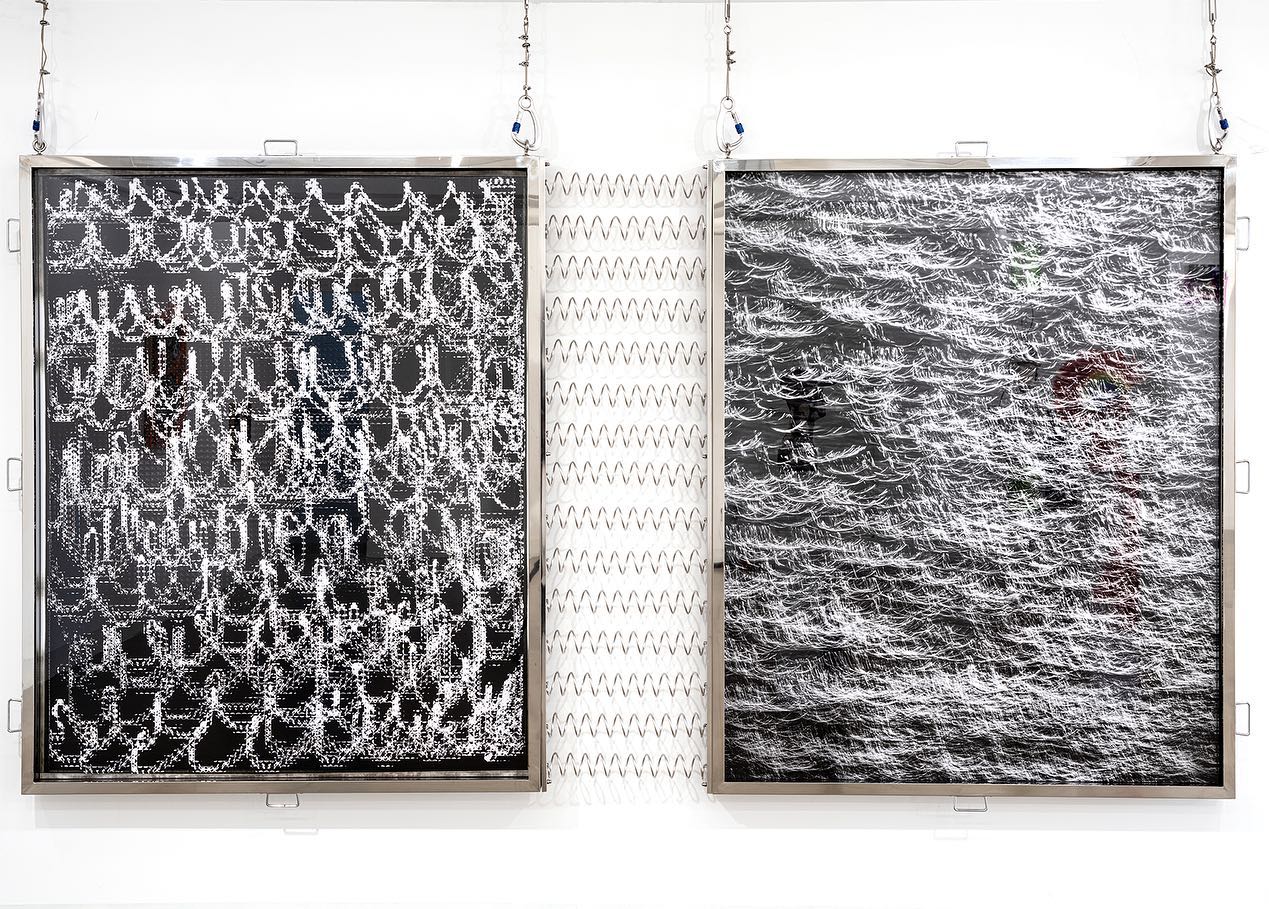
Jeongkeun Lee, Ni-Alloy+My giraffe drawing, 2022, Mixed media ©Jeongkeun Lee

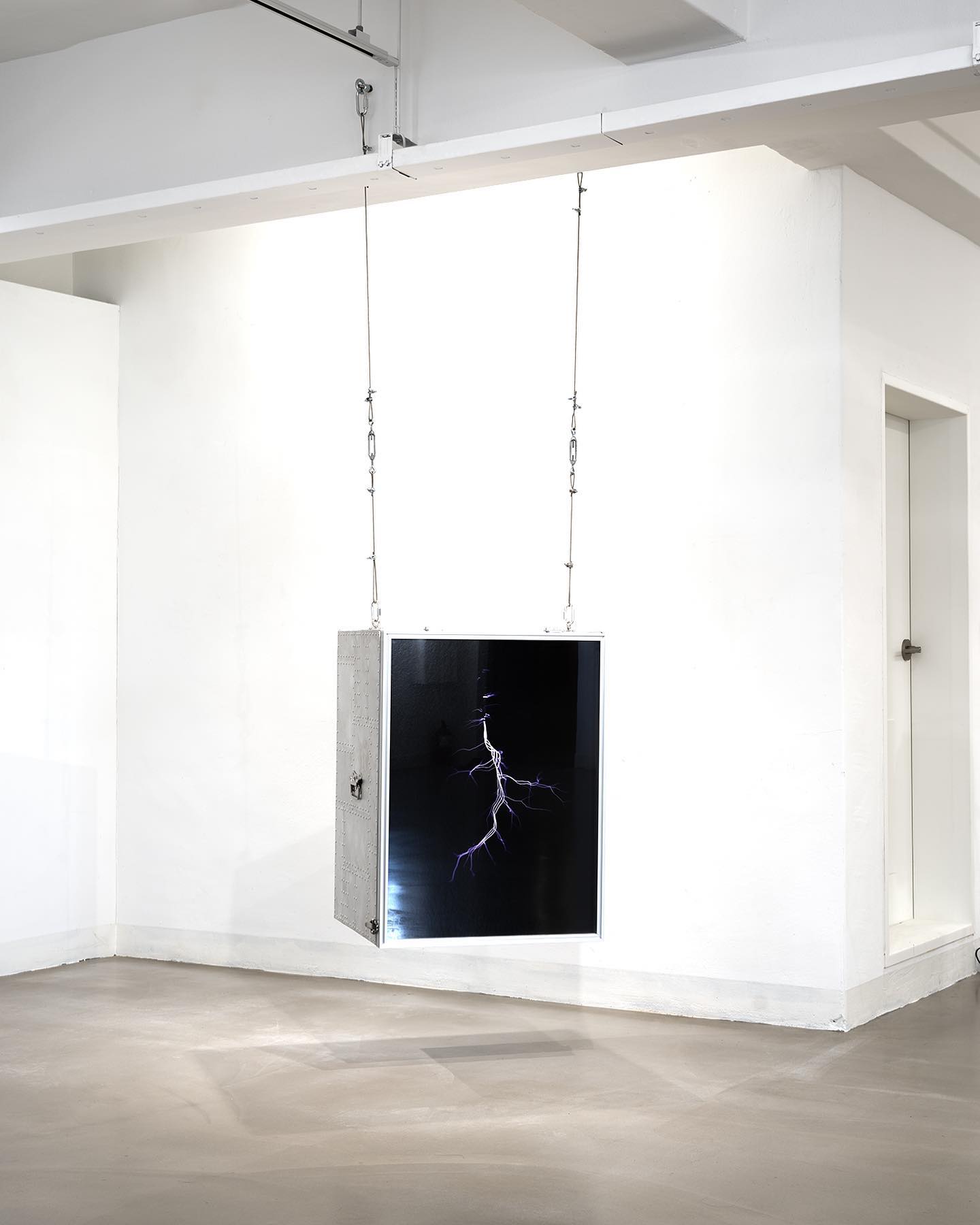
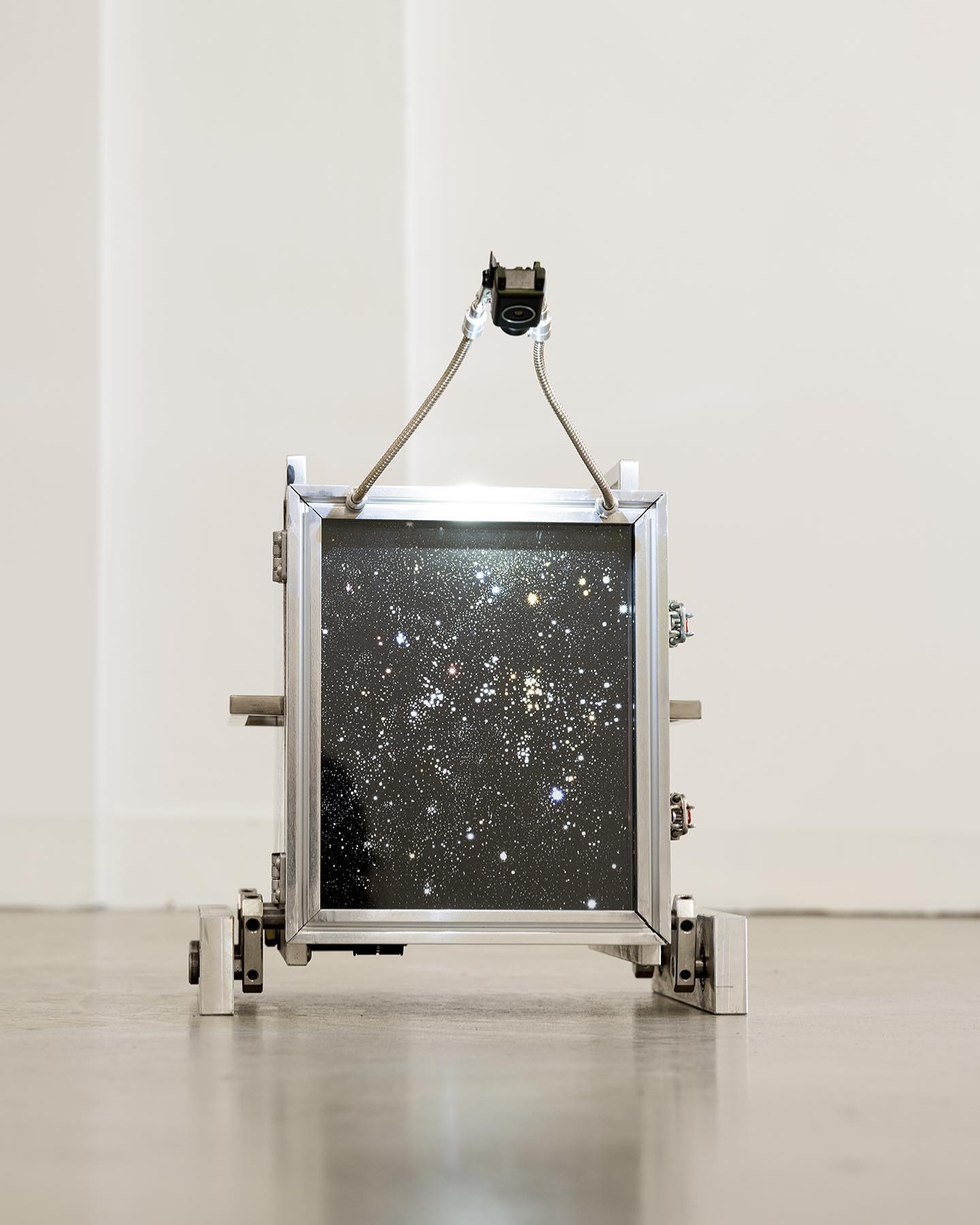
This transformed approach—one that establishes a connection between image and frame—is also evident in the titles of Lee’s works, which merge the name of the frame with the title of the image. For instance, images depicting stars, lightning, waves, and stones are titled by combining the name of the frame with that of the image, resulting in titles such as Rover413 + Almagest (2022), Mig01 + Thunderbolt (2022), Ni-Alloy + My Giraffe Drawing (2022), and PPI + MeandmE (2022).

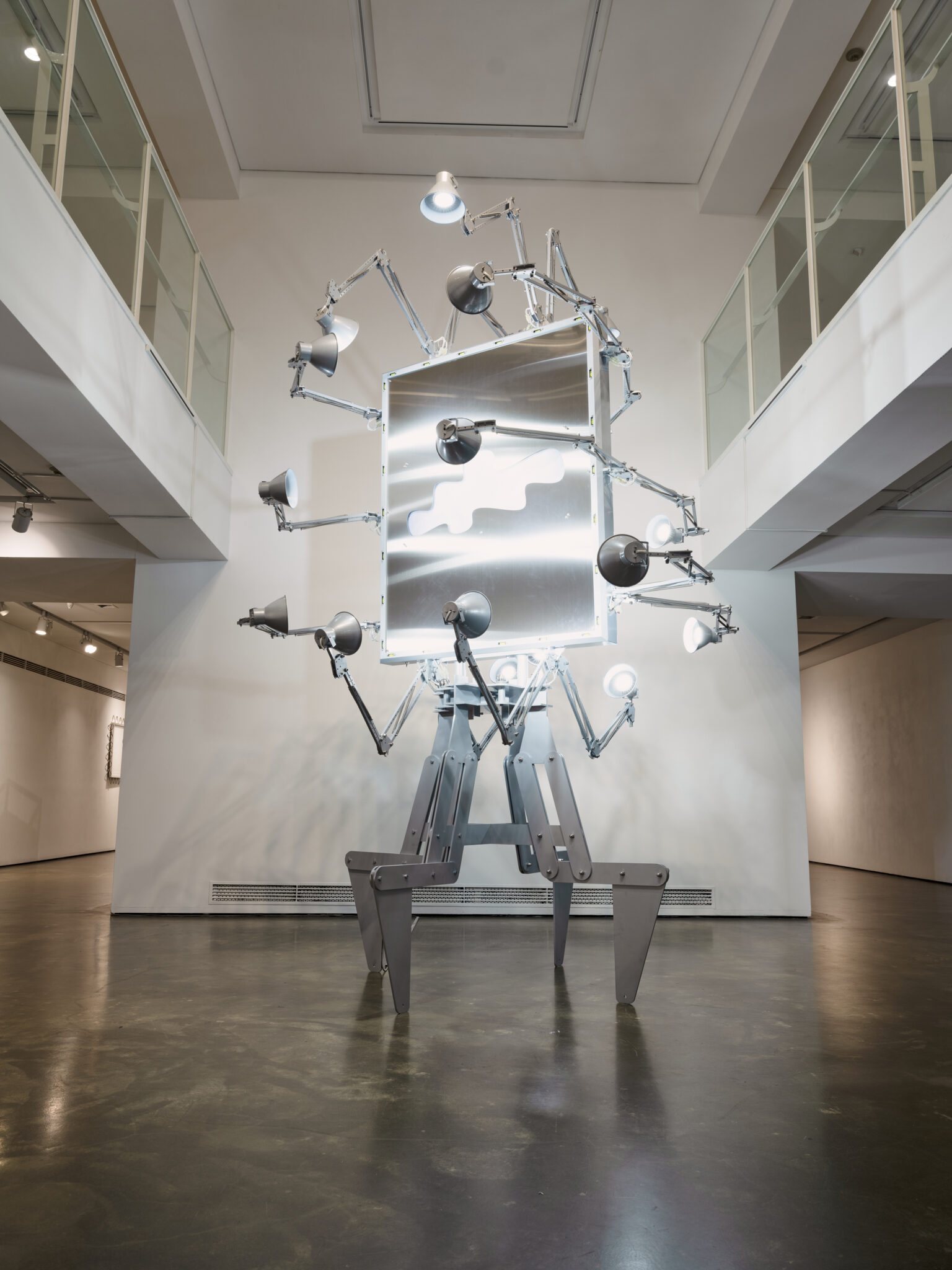
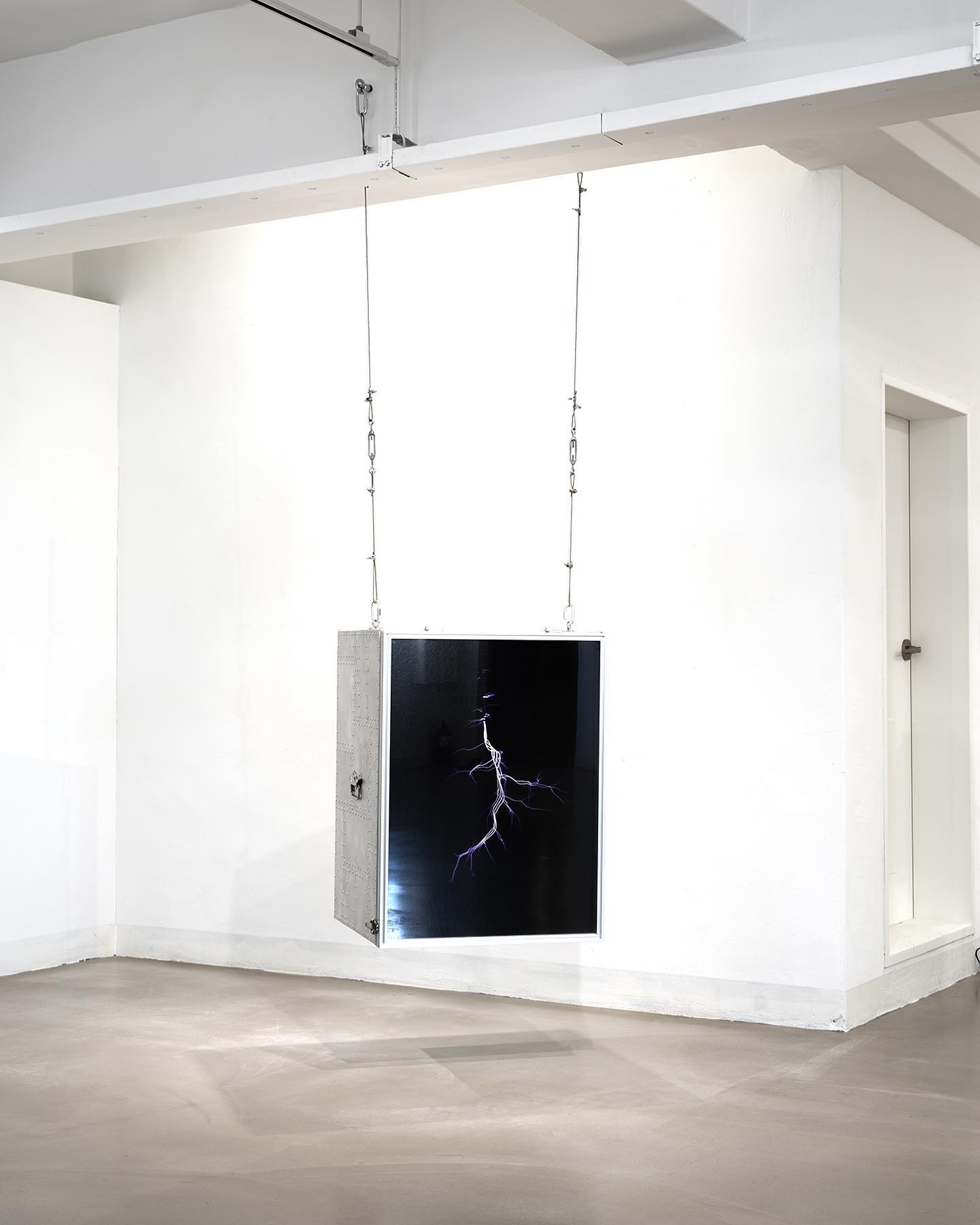
Jeongkeun Lee, Mig01+Thunderbolt, 2022, Mixed media ©Jeongkeun Lee

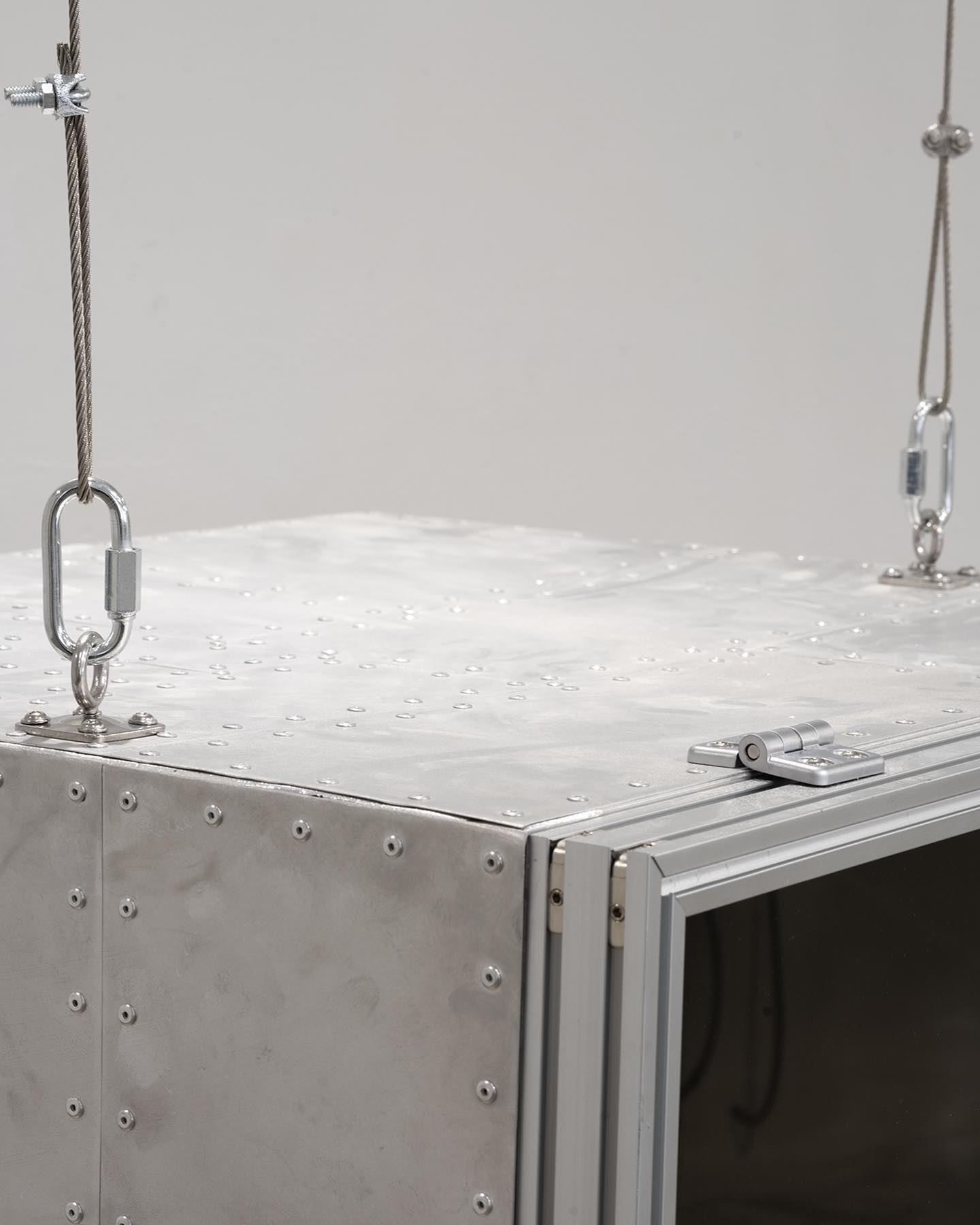
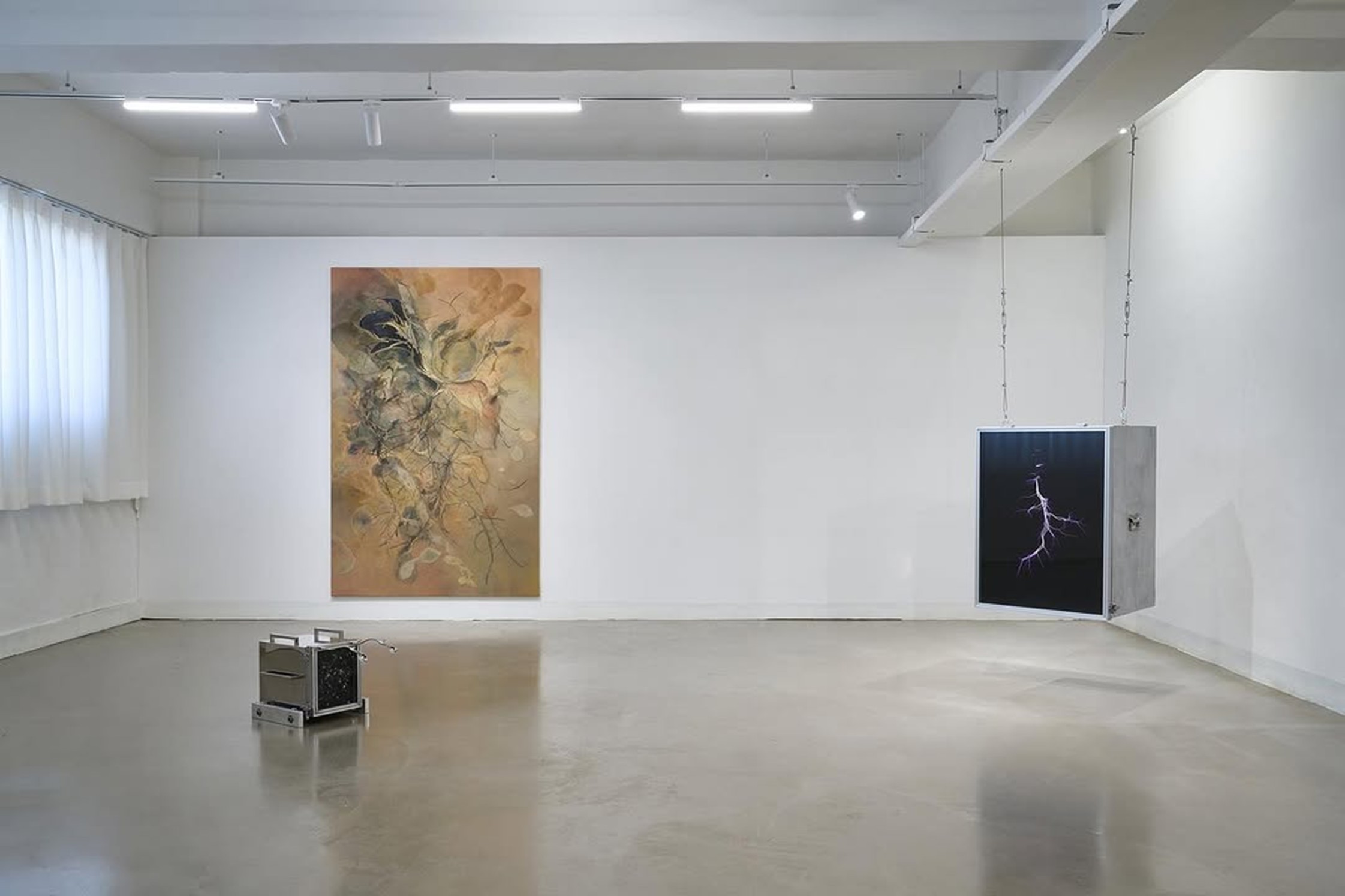
Lee also employs techniques such as the manipulation of temperature and humidity, as well as light painting, to connect the photographic image with the natural phenomena it depicts. For example, in Mig01 + Thunderbolt, a work based on the motif of lightning, the frame moves up and down as if in flight, echoing the image of lightning it contains. The frame, which takes the form of a large cube, is also constructed in a manner reminiscent of the surface structures and assembly methods of early aircraft.


Jeongkeun Lee, Mig01+Thunderbolt (detail),  2022, Mixed media ©Jeongkeun Lee

Although these kinetic frames appear to form an important axis of the work’s narrative dimension, they ultimately lead viewers to question their role. Lee describes this seemingly meaningless movement as a “MacGuffin” trick.
 
Like a MacGuffin—a device that disguises itself as something important while having no real impact on the essential narrative of a story—such elements in Lee’s work function as a kind of trick. Although they do not influence the narrative of the photographic work itself, they operate as a form of deception, or bait, that motivates viewers to engage with the work and stimulates their curiosity.


Jeongkeun Lee, Rover413+Almagest, 2022, Mixed media ©Jeongkeun Lee

The artist explains that through such bait he hopes “something without substance can appear as if it exists.” The lightning, stars, stones, and waves that he addresses in his work are phenomena that constantly change, existing in states that can never be repeated or replicated.
 
In this sense, Lee materializes ideas that wish for something absent to come into being: lightning generated through high-voltage electricity that cannot be encountered in reality, stones that are endlessly reproduced from an original specimen, or waves captured through movements performed like a dance. Through these gestures, the artist gives form to imagined occurrences—things that do not exist, yet are desired to appear.


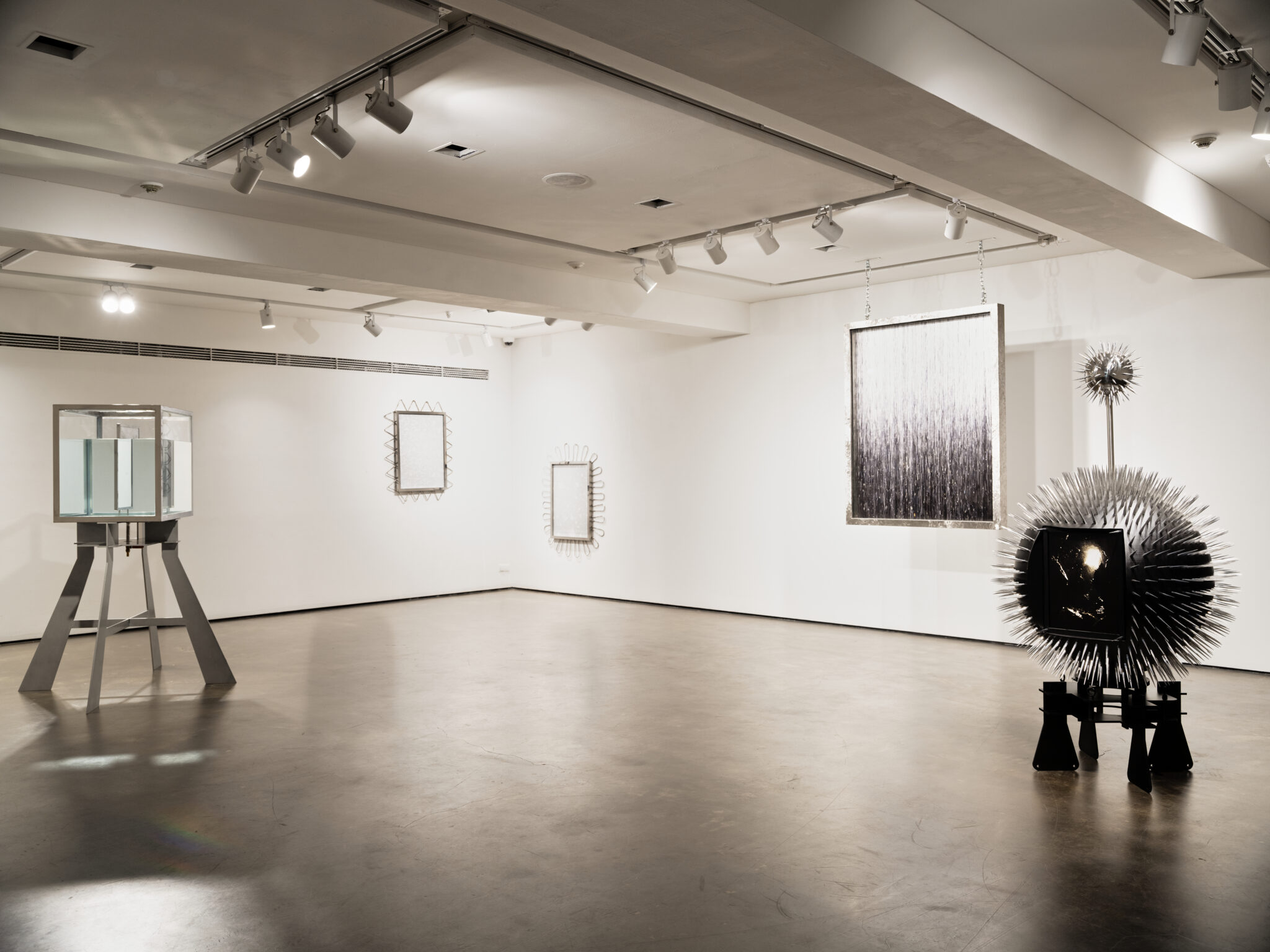
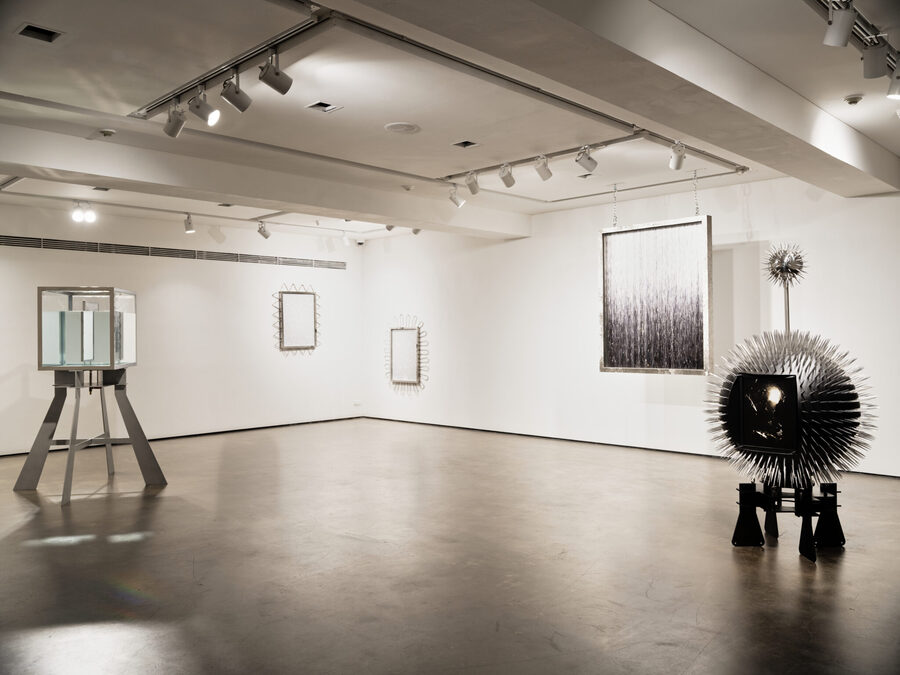
Installation view of 《SUPERNATURAL》 (OCI Museum of Art, 2023) ©OCI Museum of Art

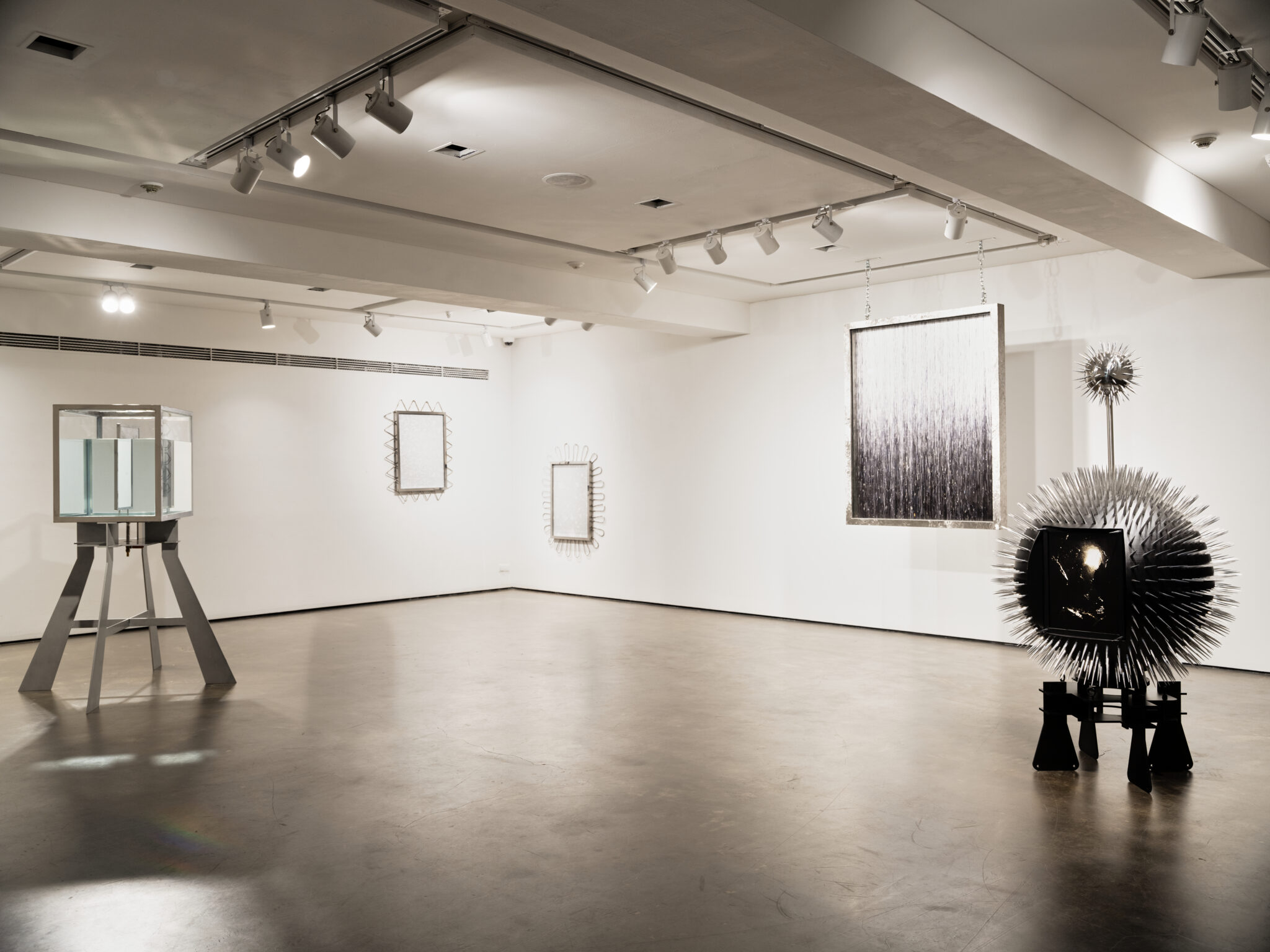
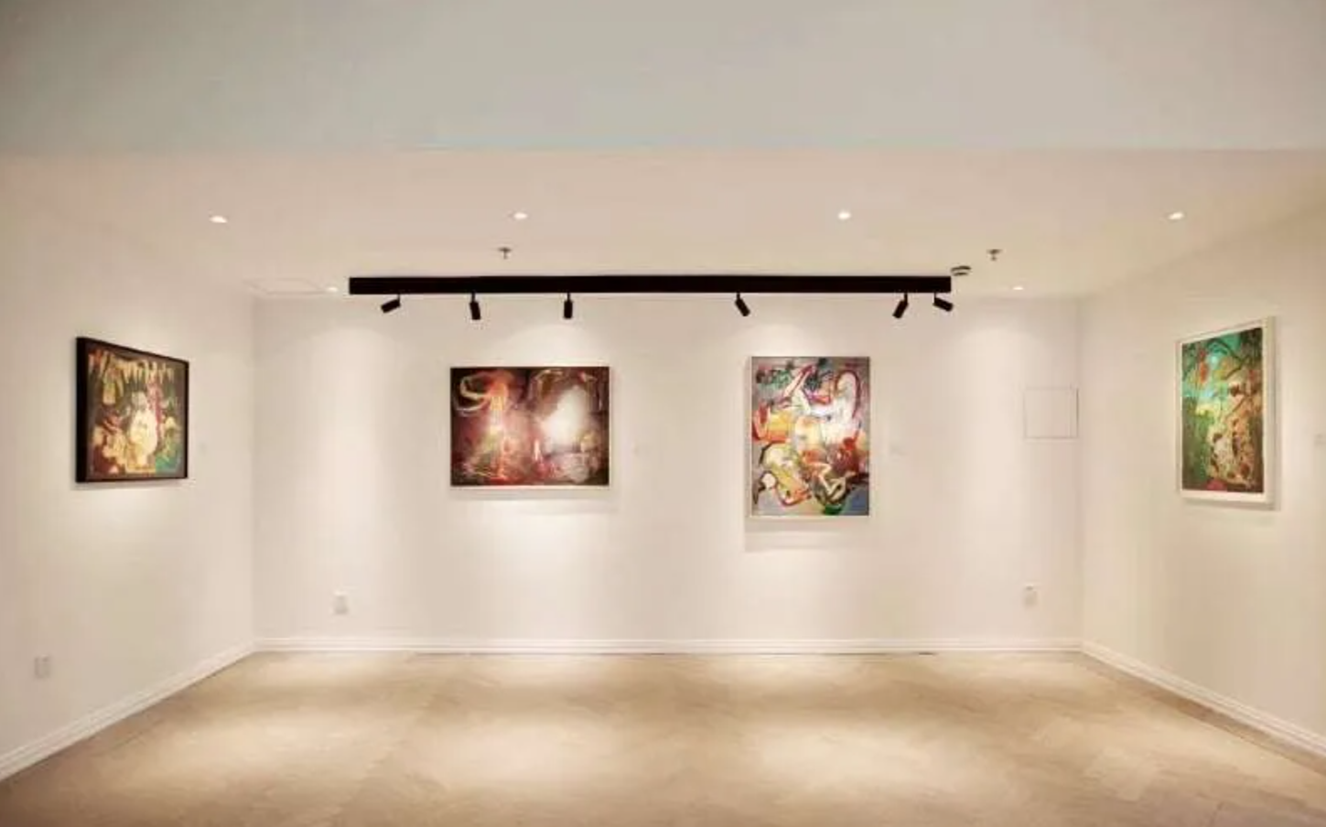
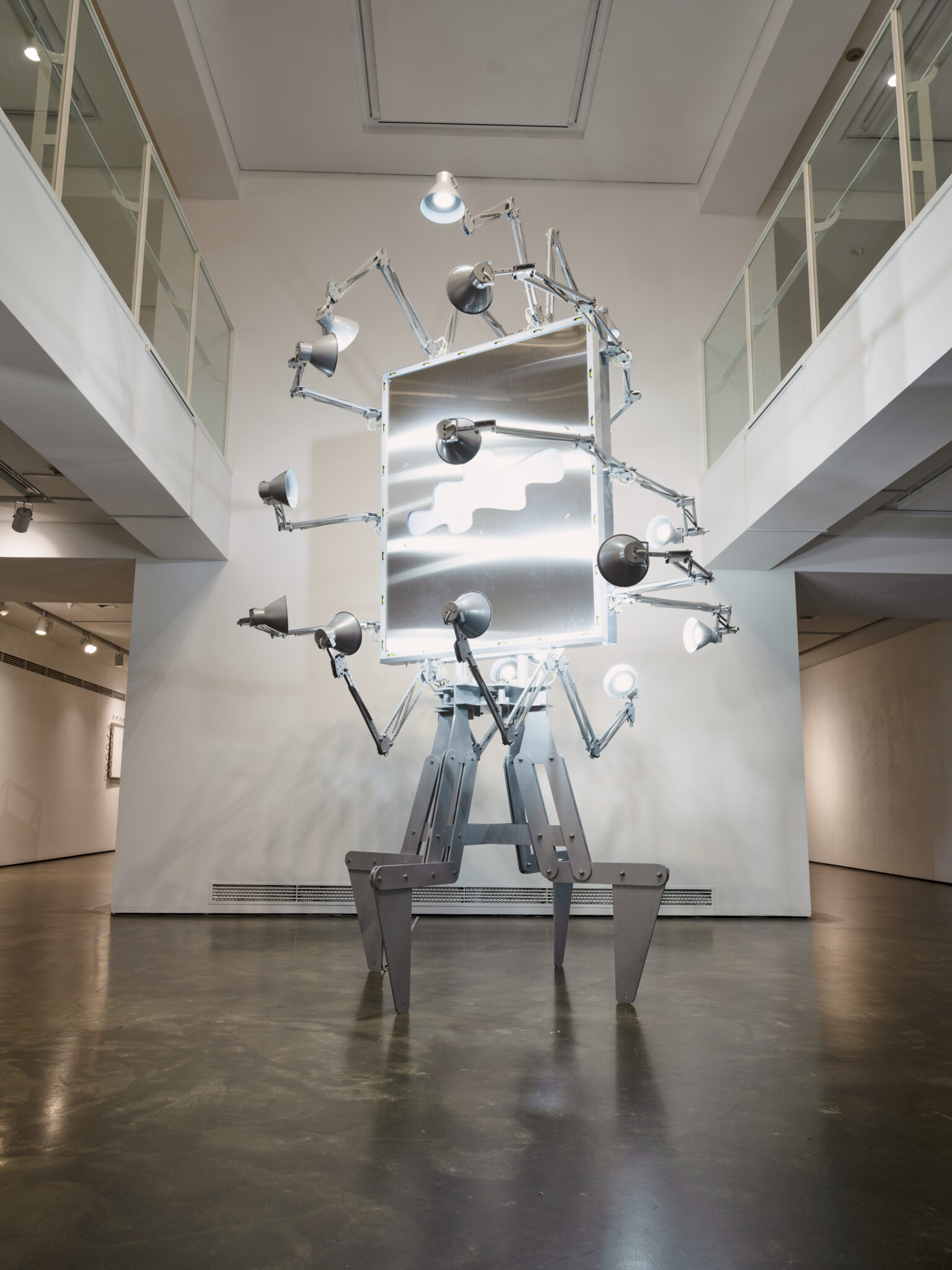
The solo exhibition 《SUPERNATURAL》, held at the OCI Museum of Art in 2023, focuses on Lee’s frame-sculptures that operate both as “armor” and “bait.”
 
The works’ flamboyant appearances—such as spherical steel forms studded with sharp metal cones like thorns—naturally captivate the viewer’s gaze. Here, the artist draws on the theory of the “supernormal stimulus,” which describes the tendency to be more easily attracted to exaggerated versions of something than to the real thing. Lee translates this idea into frames that are more conspicuous than their contents—an ornate shell that stands out more than the photographic image itself.
 
The photographs themselves depict staged natural phenomena. Artificial snow and rain, and clouds produced with a smog machine—these simulated forms of nature are presented together with disguised situations, all encased in dazzling armor.


Jeongkeun Lee, Temptation trap, 2023, Mixed media, 145x160x320cm ©OCI Museum of Art

In the tradition of visual art, the frame has served not only to protect the work but also to provide decorative qualities and facilitate mobility. However, this very mobility of the frame has paradoxically resulted in separating the artwork from the spatial contexts—such as the wall or architecture of the site—whose narratives were once inseparable from the work’s original location.
 
Rather than emphasizing such site-specific contexts, Lee focuses on the functional aesthetics and decorative characteristics of the autonomous frame, as well as on the ambiguous relationship between the exterior and the interior.


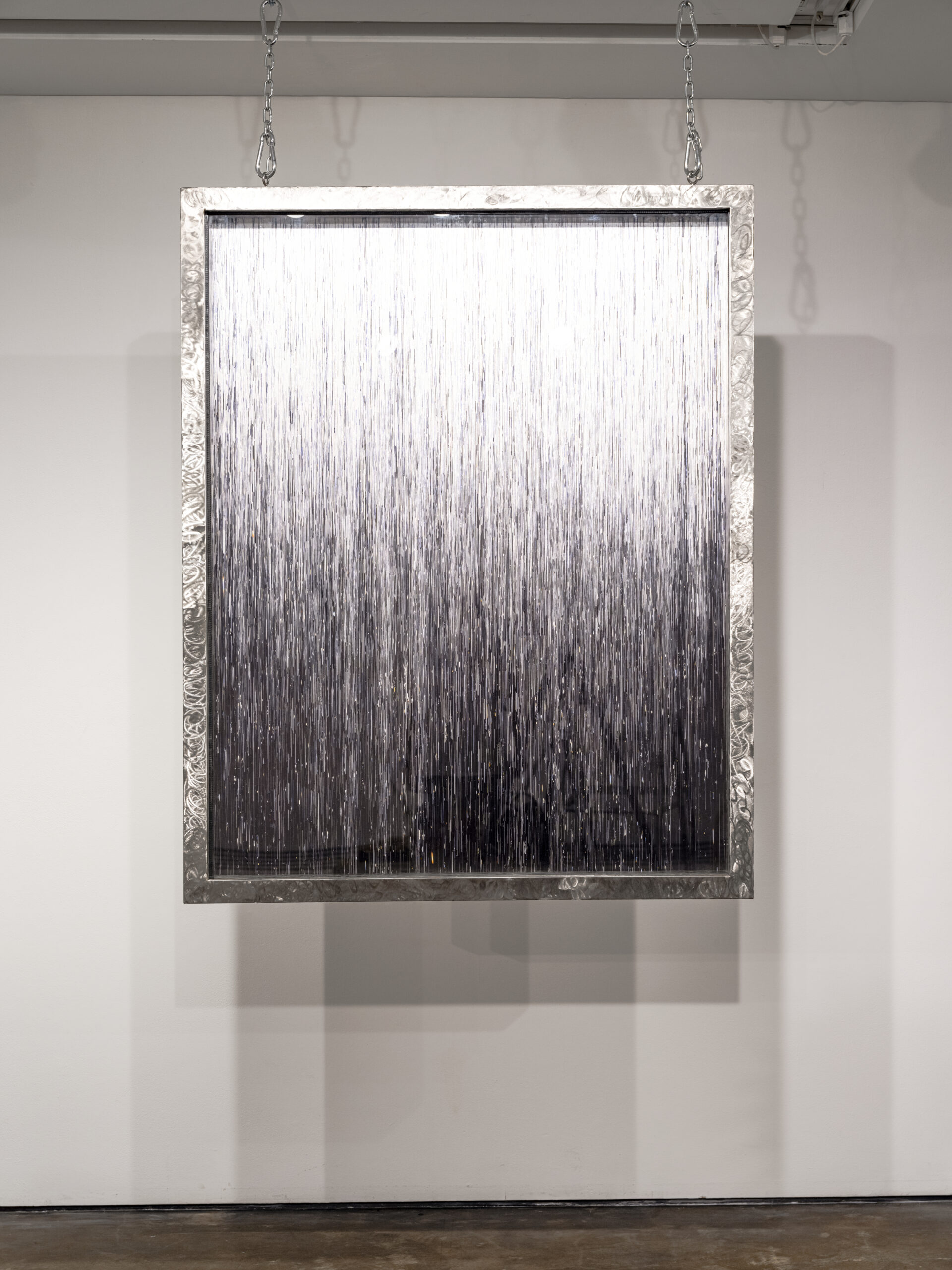
Jeongkeun Lee, Cleaning under rain, 2023, Mixed media, 150x120x10cm ©OCI Museum of Art

For example, Cleaning under Rain (2023) presents a scene of rainfall visualized through thin vertical lines inside a square steel frame, where the sense of movement is conveyed through slender strokes along the vertical axis. While the flat image reveals texture through these vertical strokes, the surrounding steel frame creates a visual contrast with spiral scratches produced by the rotation of a grinder.


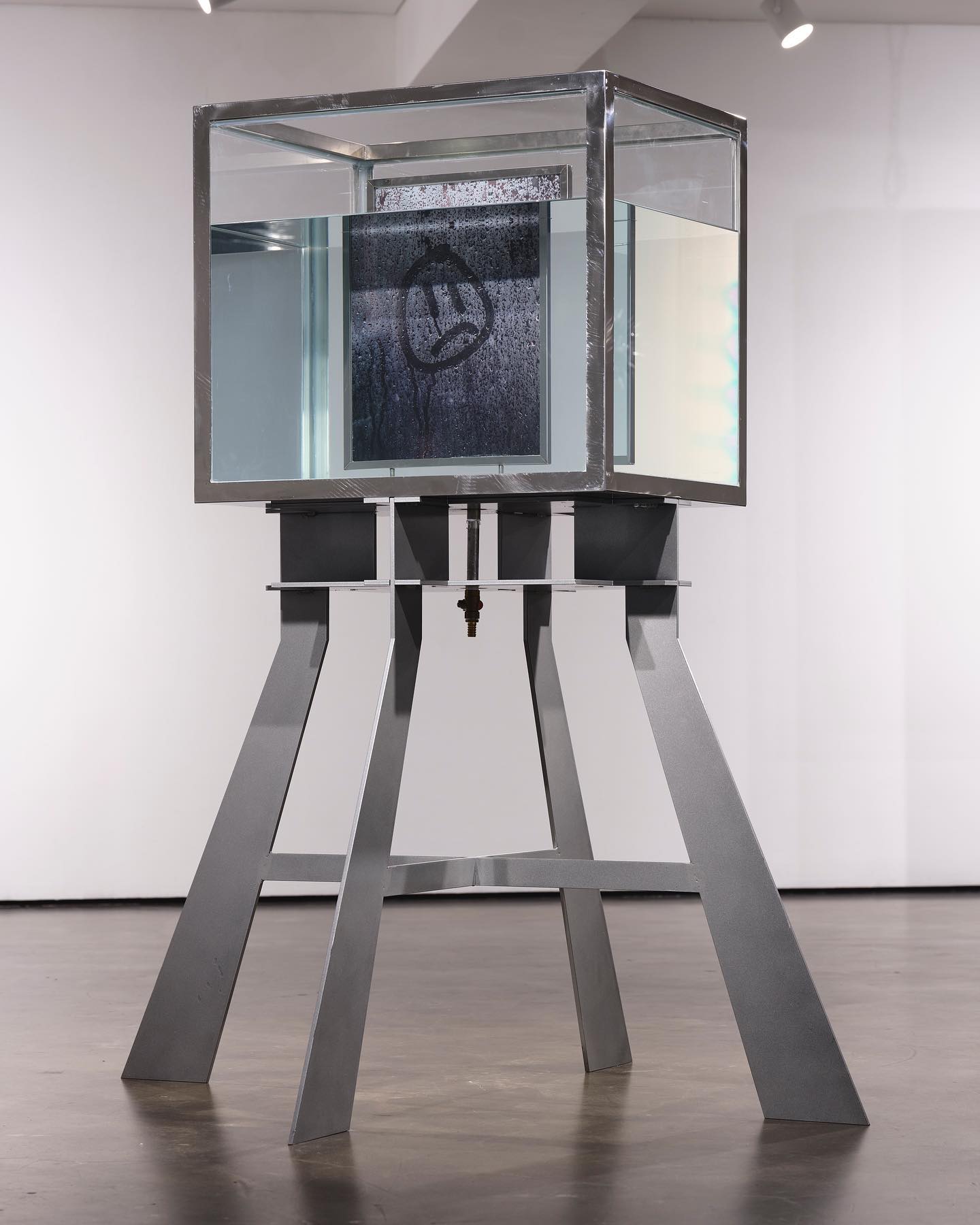
Jeongkeun Lee, Water world, 2023, Mixed media, 146x177x145cm ©Jeongkeun Lee

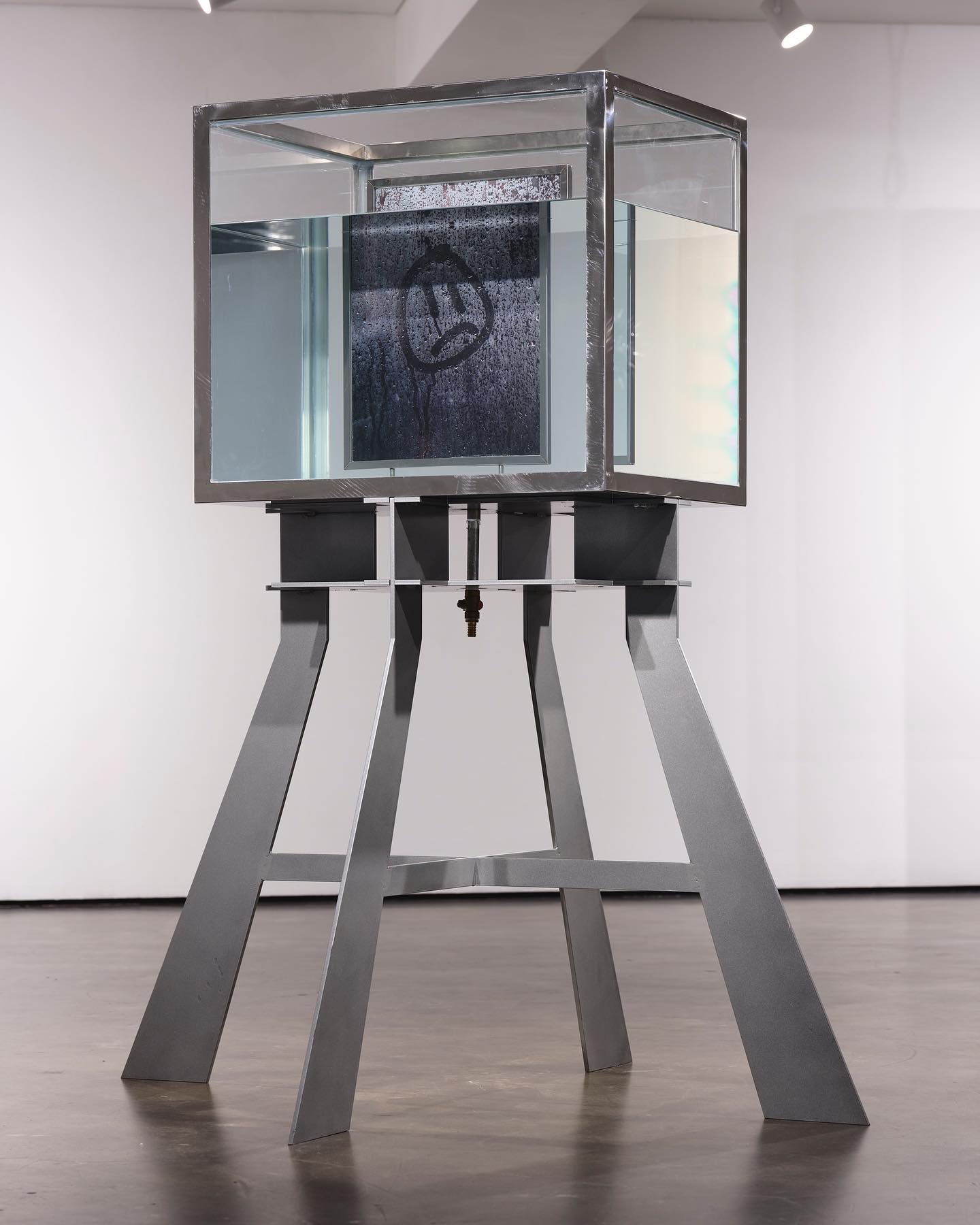
In other works, Lee photographs situations in which three sculptural elements lean against one another to maintain balance, placing the resulting image within a frame equipped with four steel legs so that it can lean against either a wall or the floor. In another instance, an image of a doodle drawn with a finger on water droplets gathered on a glass window is placed inside an aquarium-like frame.
 
Through such varied frames, photographs of subjects and situations—staged in deliberately ambiguous ways—establish relationships with their frames while simultaneously displacing one another’s meanings.
 
Ironically, while the works gain a strong presence through their materiality and forms that exceed their functional purpose, viewers must also make a conscious effort not to be overwhelmed by these stimuli in order to properly see the images contained within the frames.


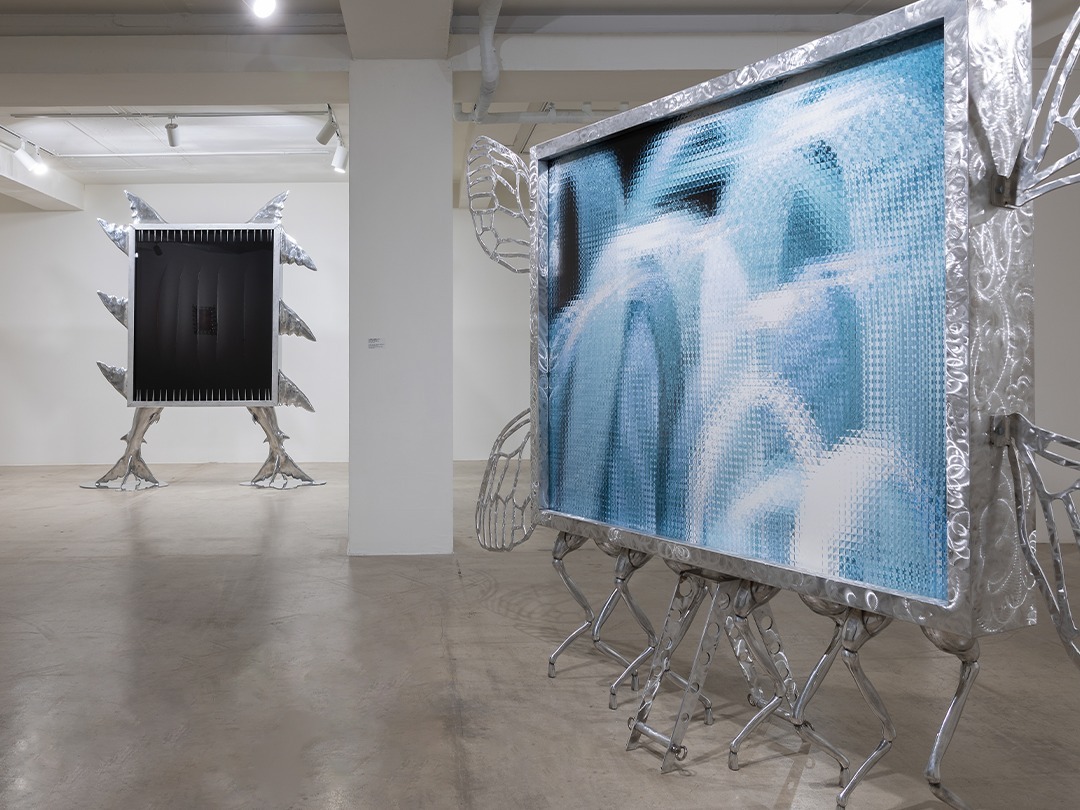
Installation view of 《Awaken Gills》 (Sungkok Art Museum, 2024) ©Sungkok Art Museum

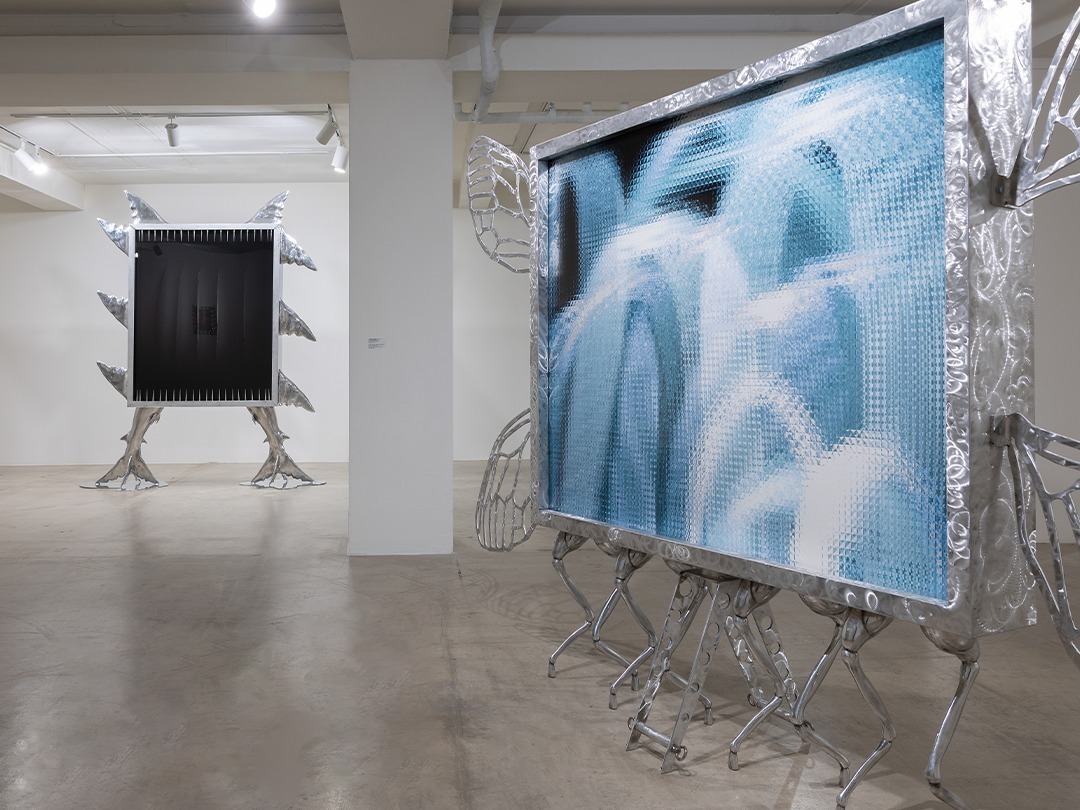
Furthermore, the works presented in the solo exhibition 《Awaken Gills》, held at Sungkok Art Museum in 2024, attempt a form of tactile photography by imitating the animal body and emphasizing its texture.
 
The formal strategy—and survival strategy—that Lee has adopted since the flooding of his studio appears in this exhibition as a form of mimicry. Here, the photograph and the frame lose their hierarchical relationship of primary and secondary elements and instead become closely intertwined, together imitating the form of a particular living organism.


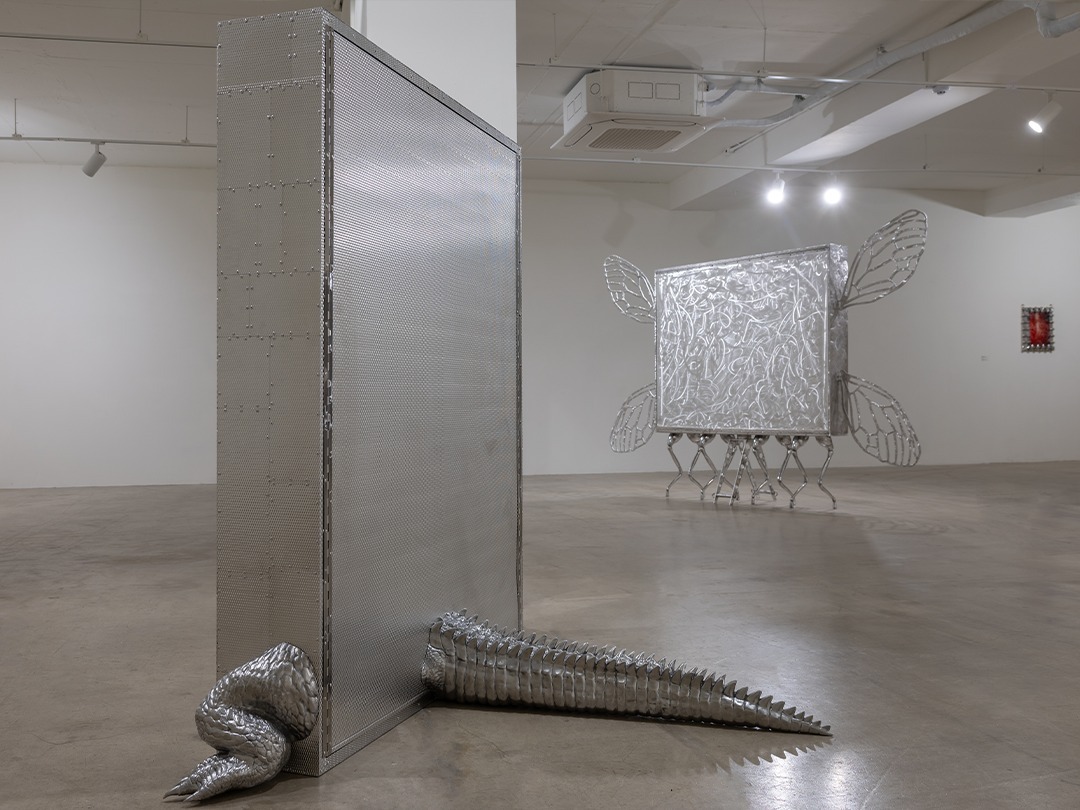
Installation view of 《Awaken Gills》 (Sungkok Art Museum, 2024) ©Sungkok Art Museum

In this exhibition, Lee’s works take on bodily form through aluminum frames modeled after the features of animals. Here, the frame goes beyond its role of protecting the photograph and instead enables the image to transform into another entity. For instance, a photograph of a canvas whose back has been slashed with a knife merges with a frame fitted with fins, allowing it to be perceived as the gills of a shark.
 
Meanwhile, a photograph capturing curved trails of light through long exposure overlaps with aluminum wings, evoking the glow of a firefly. In another work, a photograph that captures rippling smoke and the light beyond it is paired with a long tail, making it appear like an underwater scene seen from the perspective of a crocodile.


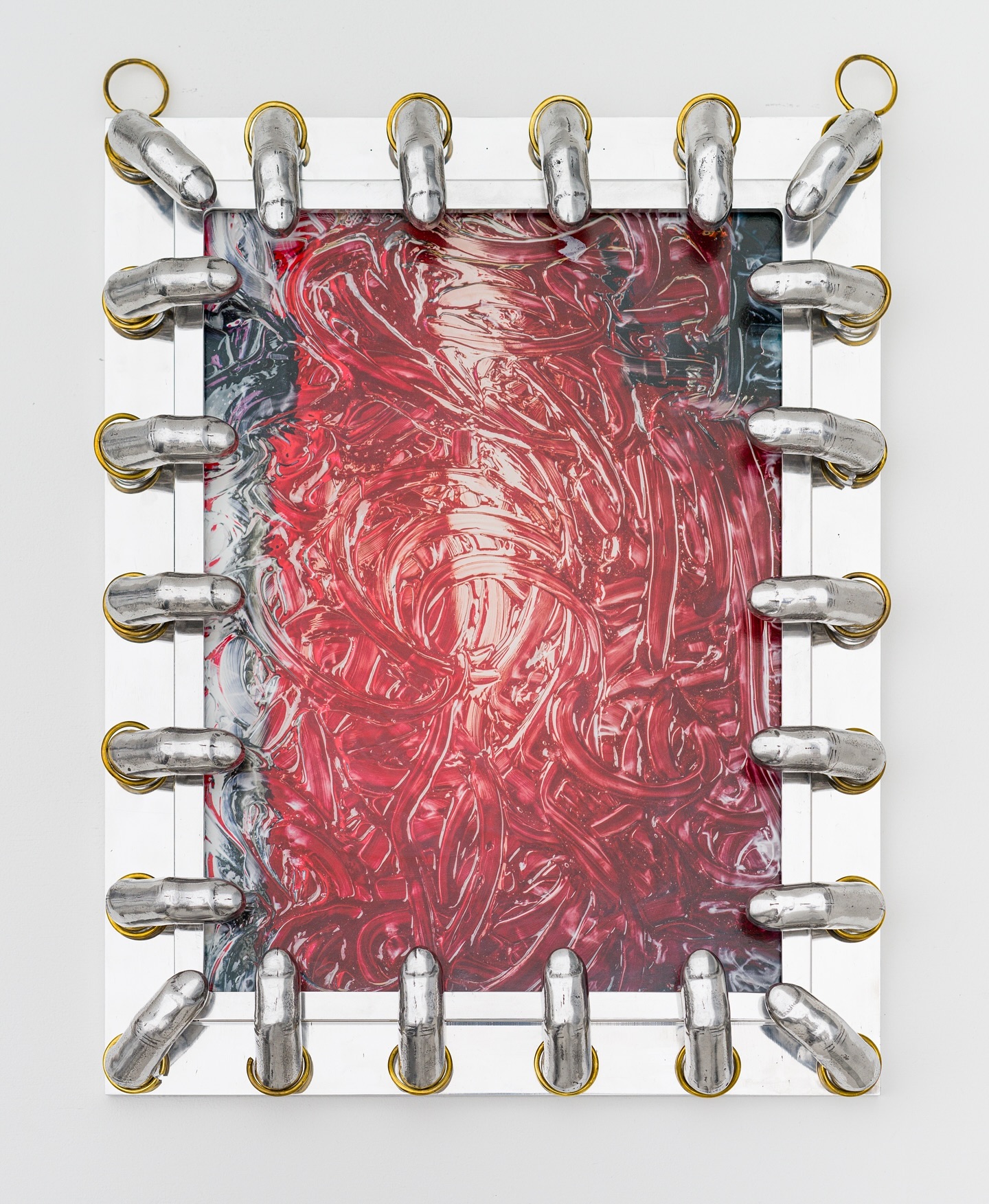
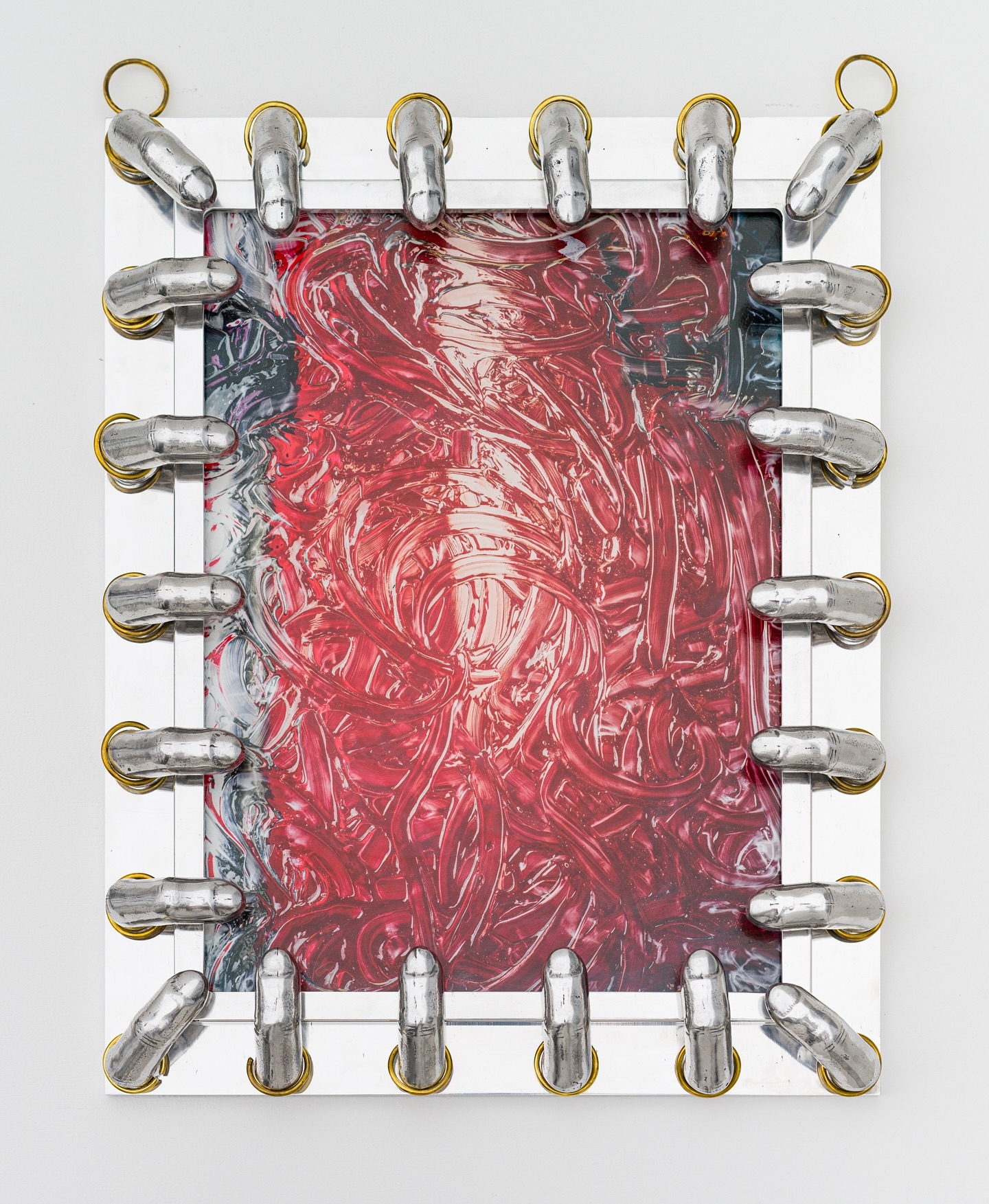
Jeongkeun Lee, Drip Drop, 2024, Mixed media, 50x36x7cm ©Jeongkeun Lee

The works installed on the wall imitate the human body while emphasizing texture, thereby evoking a tactile sensation. A photograph capturing a surface of red paint scratched away with fingertips is enclosed by a frame shaped like fingers, further intensifying the expression of grip and movement. Meanwhile, a photograph depicting a curved black surface is overlaid with a rib-shaped frame, causing it to appear like the flow of muscles.
 
Through this process of mimicry, these photographs come to reveal their textures more vividly and acquire a sense of corporeality. In this moment, the photographic “bodies” are characterized by the exaggeration of specific parts, where both sensation and appearance are heightened. This strategy also connects to the artist’s earlier works, in which strong stimuli were employed to capture the viewer’s attention.


Jeongkeun Lee, Fore primitive, 2024, Mixed media, 40x120x90cm ©Jeongkeun Lee

In this way, Jeongkeun Lee’s works—swollen and amplified in bodily form—originate from the survival strategy of a young artist working with the fragile, paper-based medium of photography. More recently, however, they have evolved like a single organism, inviting viewers into a sensory experience.
 
Lee’s frames thus move beyond their conventional function of protection. Through their organic integration with the images they contain, they propose new possibilities for interpreting photography while prompting reflection on the relationship between sculptural form and image.

“Looking back at the trajectory of my work, it feels much like the evolution of a living organism—becoming more flamboyant as a strategy for survival. Just as, in evolutionary history, elaborate tails or patterns can provide an advantage in survival, I am experimenting with ways of attracting attention through the flamboyance of outward appearance.” (Jeongkeun Lee, interview with Seongnam Cultural Foundation)


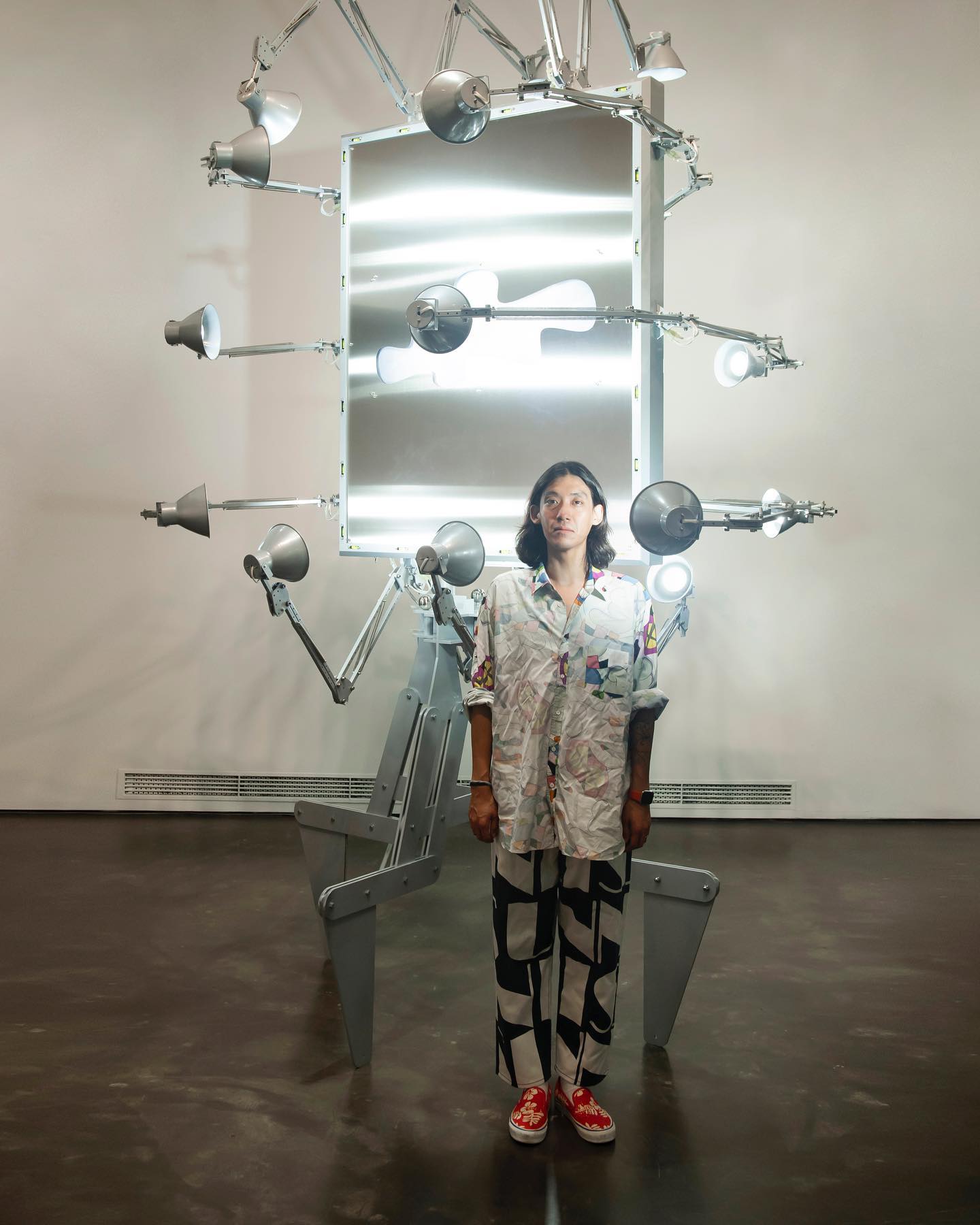
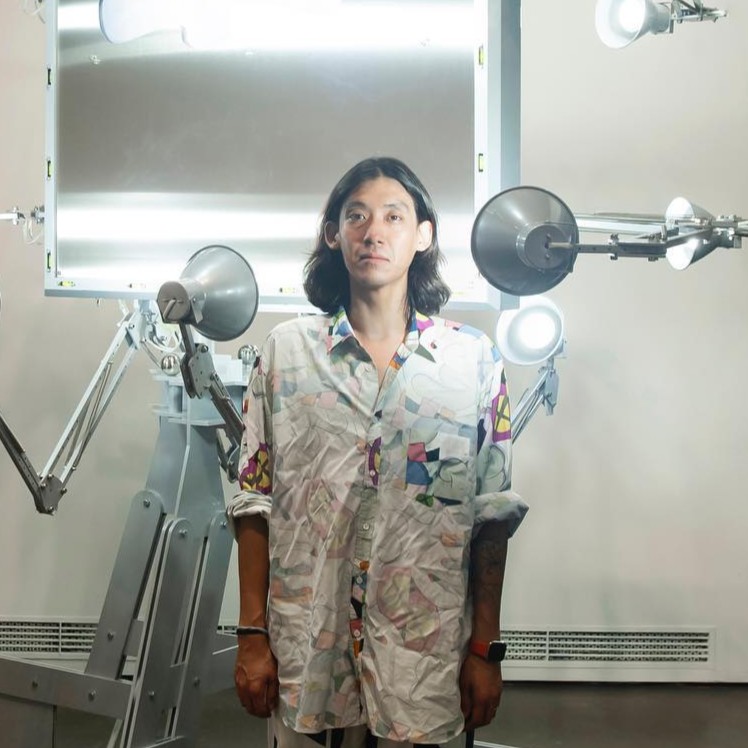
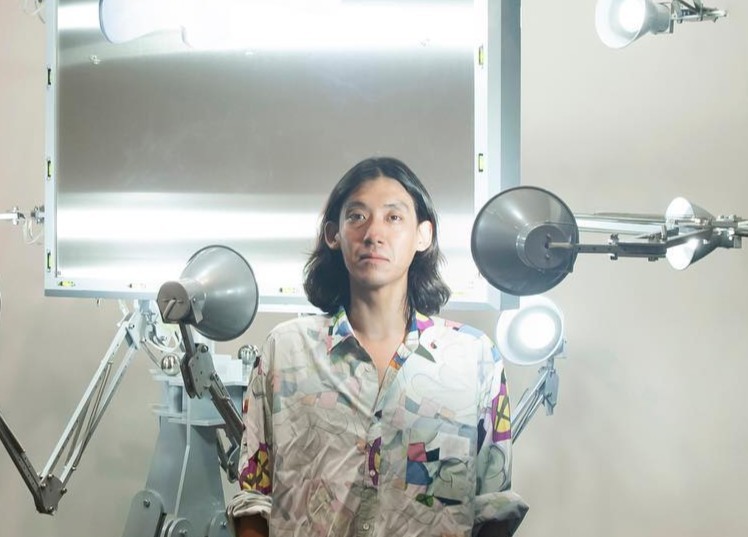
Artist Jeongkeun Lee ©Jeongkeun Lee

Jeongkeun Lee graduated from the Department of Photography at Seoul Institute of the Arts and received an MA in Photography from the Royal College of Art in the United Kingdom. His solo exhibitions include 《Awaken Gills》 (Sungkok Art Museum, Seoul, 2024), 《SUPERNATURAL》 (OCI Museum of Art, Seoul, 2023), and 《Water Filled Plastic Glove》 (Dohjidai Gallery, Kyoto, Japan, 2020).
 
He has also participated in numerous group exhibitions, including 《The Vanishing Horizon: Episode.02》 (WWNN, Seoul, 2024), 《Artience Park》 (Seongnam Arts Center, Seongnam, 2023), 《Debugging》 (Mirrored Sphere Gallery, Seoul, 2022), 《XxX (Two Times)》 (Rund Gallery, Seoul, 2021), and 《Shanghai Photo Fair 2019》 (Shanghai Exhibition Centre, Shanghai, China, 2019).
 
Lee was selected for the ‘SAM 2024 Open Call’ organized by Sungkok Art Museum, ‘OCI Young Creatives 2023’ at OCI Museum of Art, and ‘Offprint London 2018’ at Tate Modern.
References