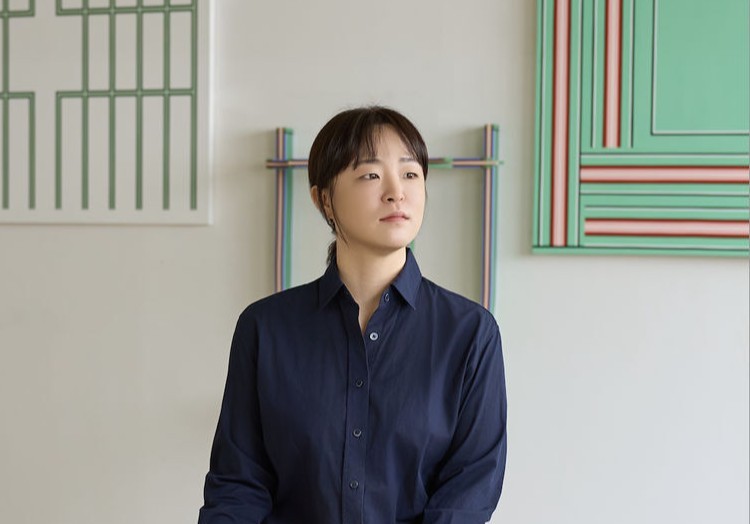
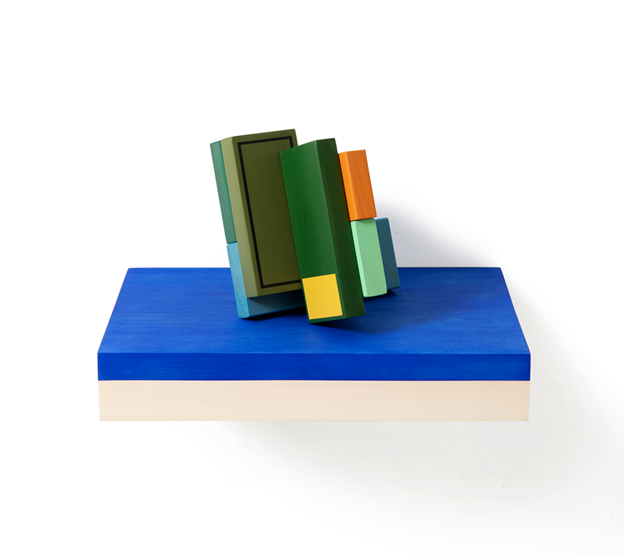
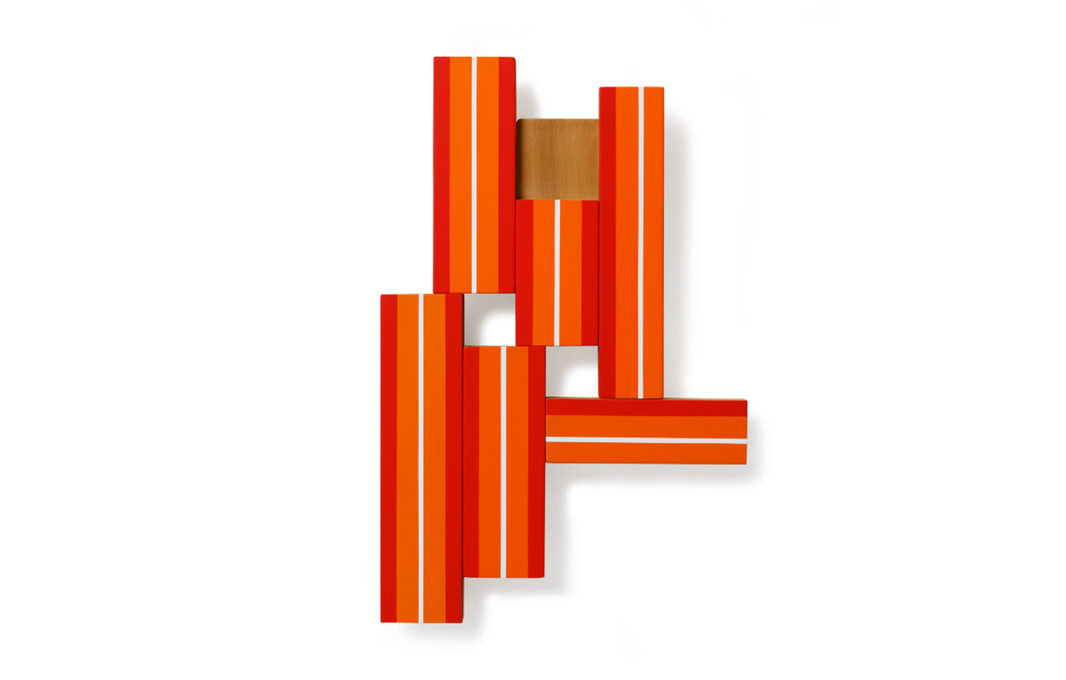
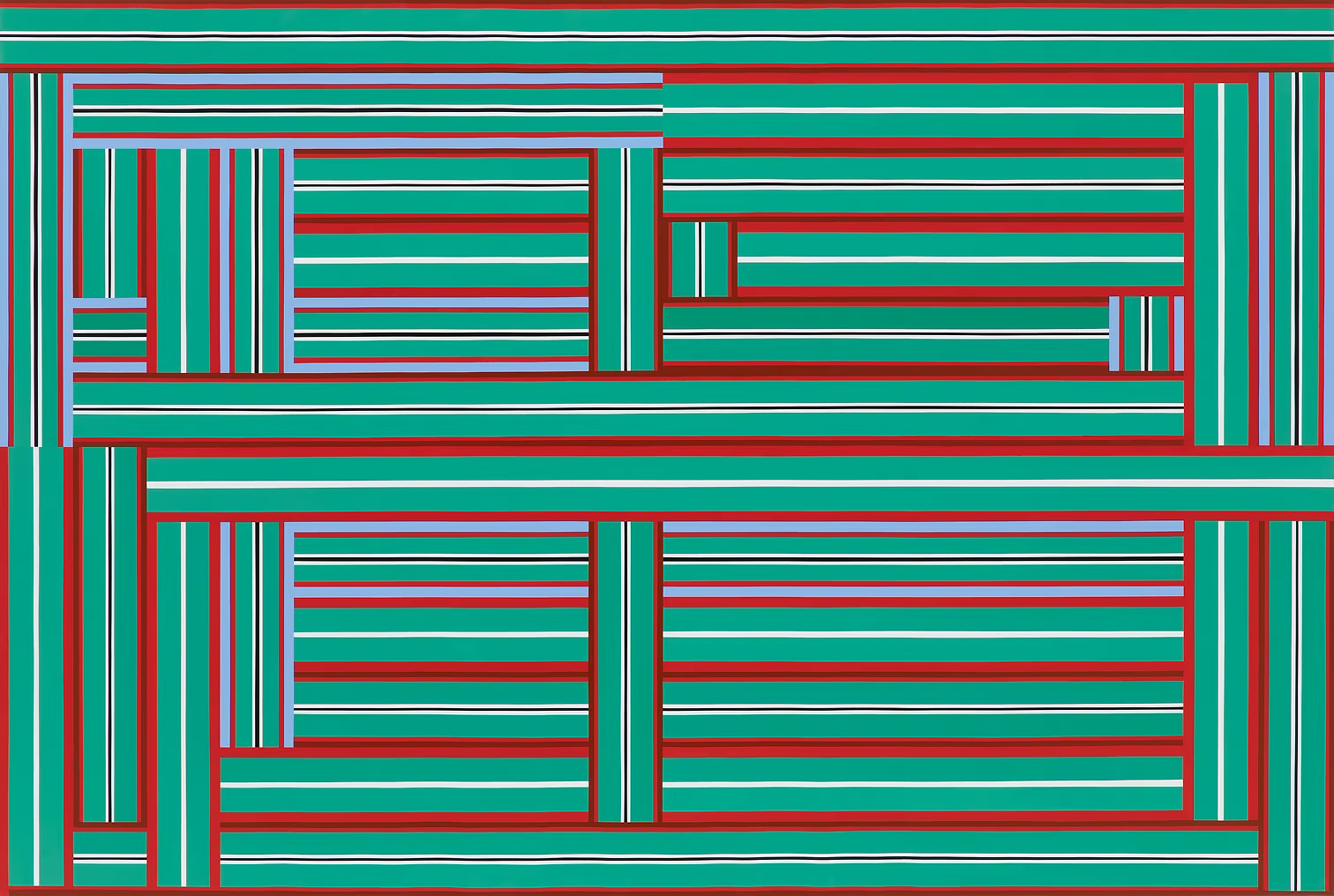
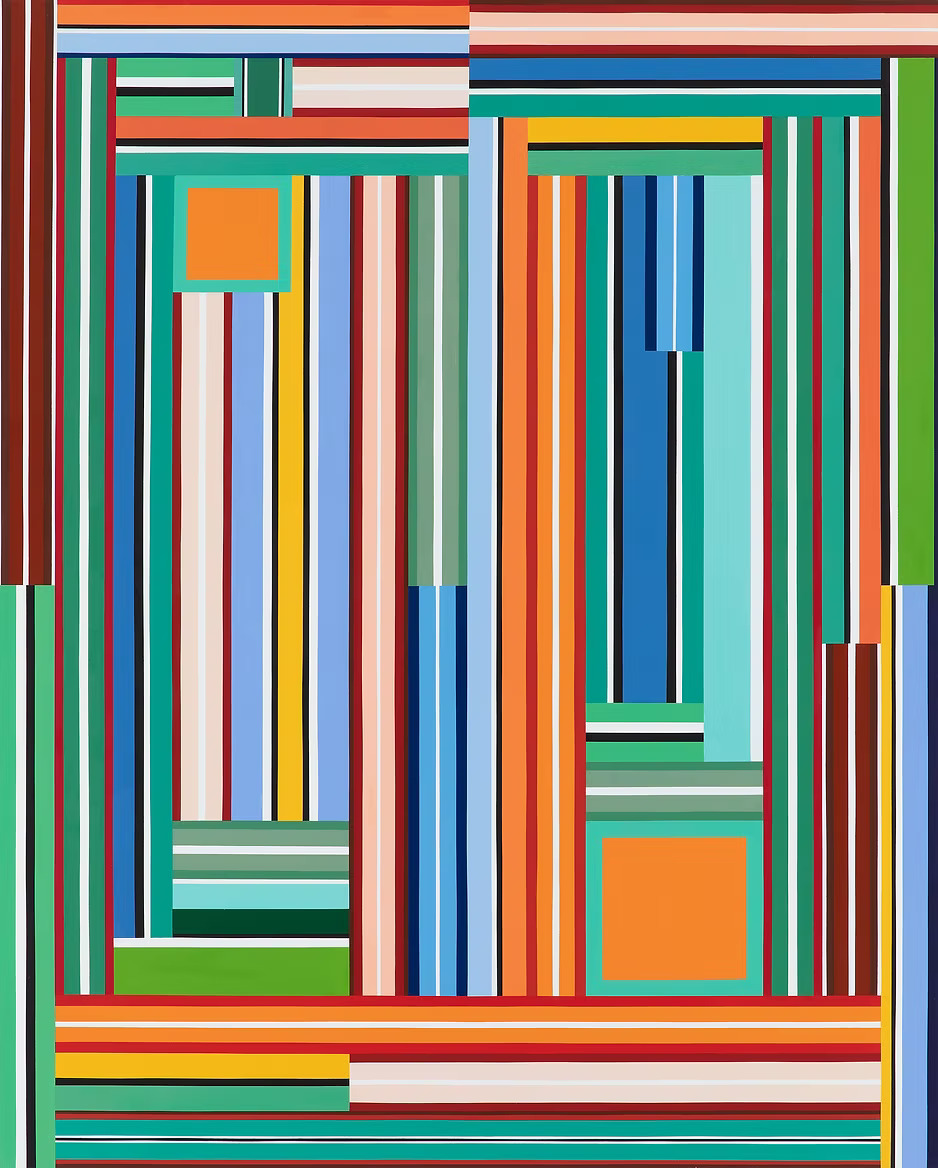
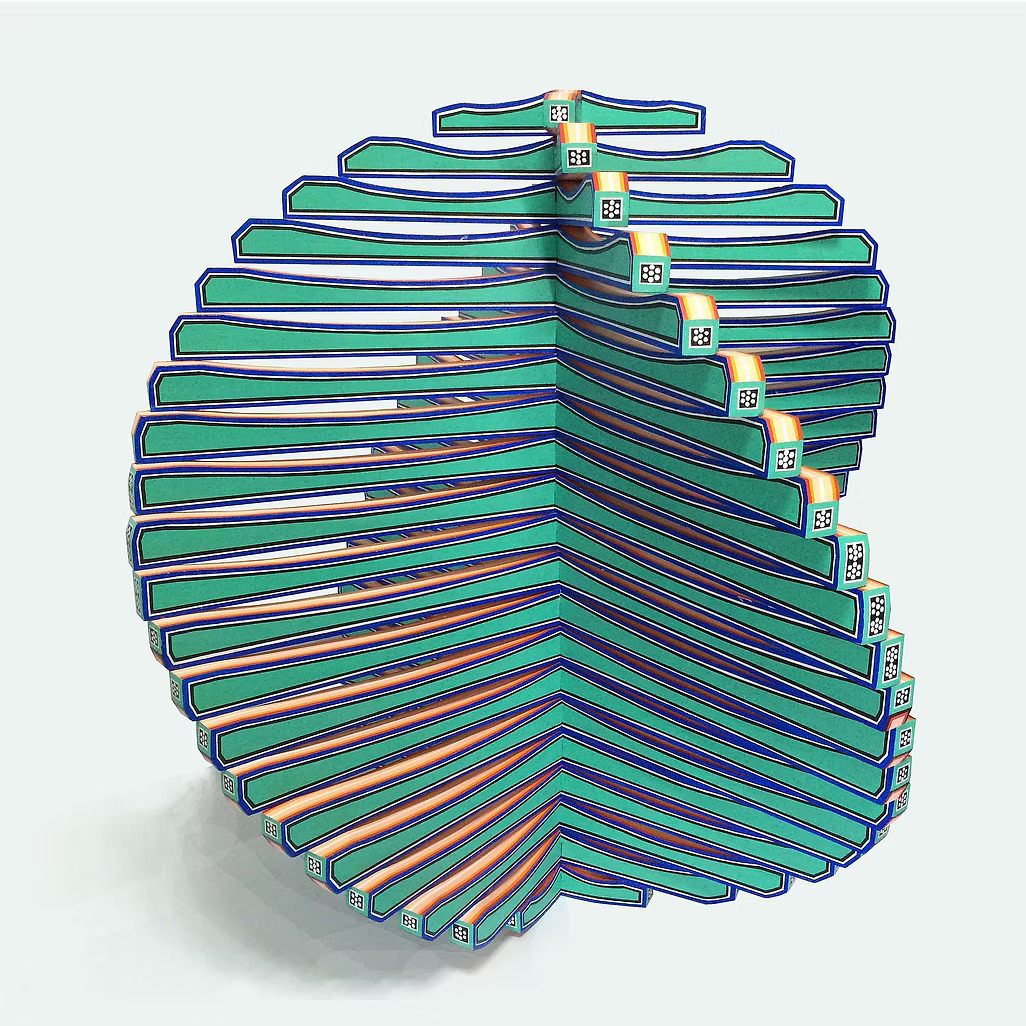
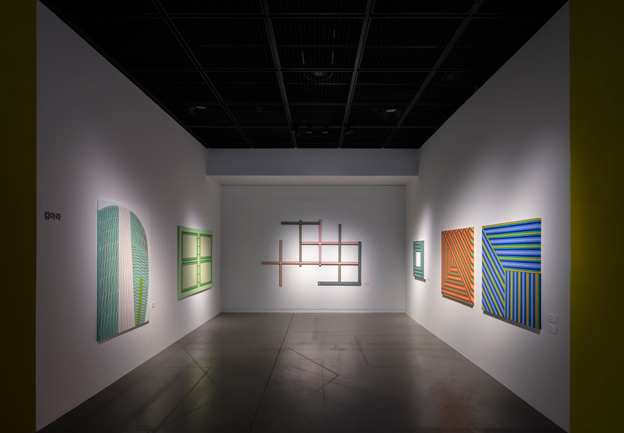
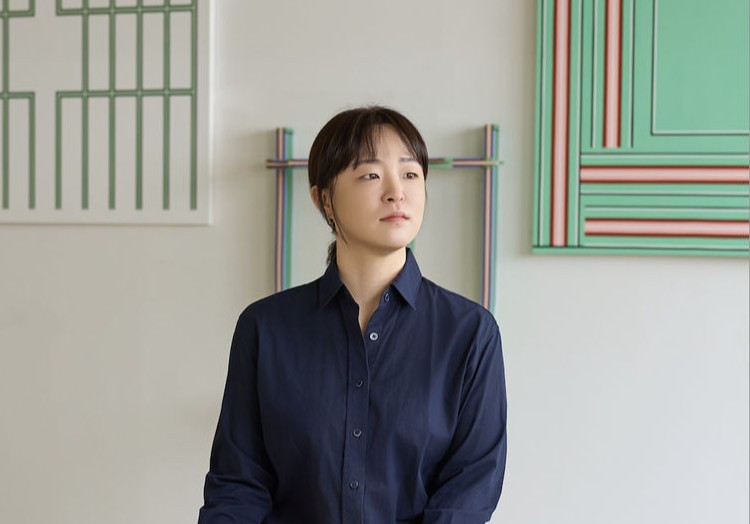
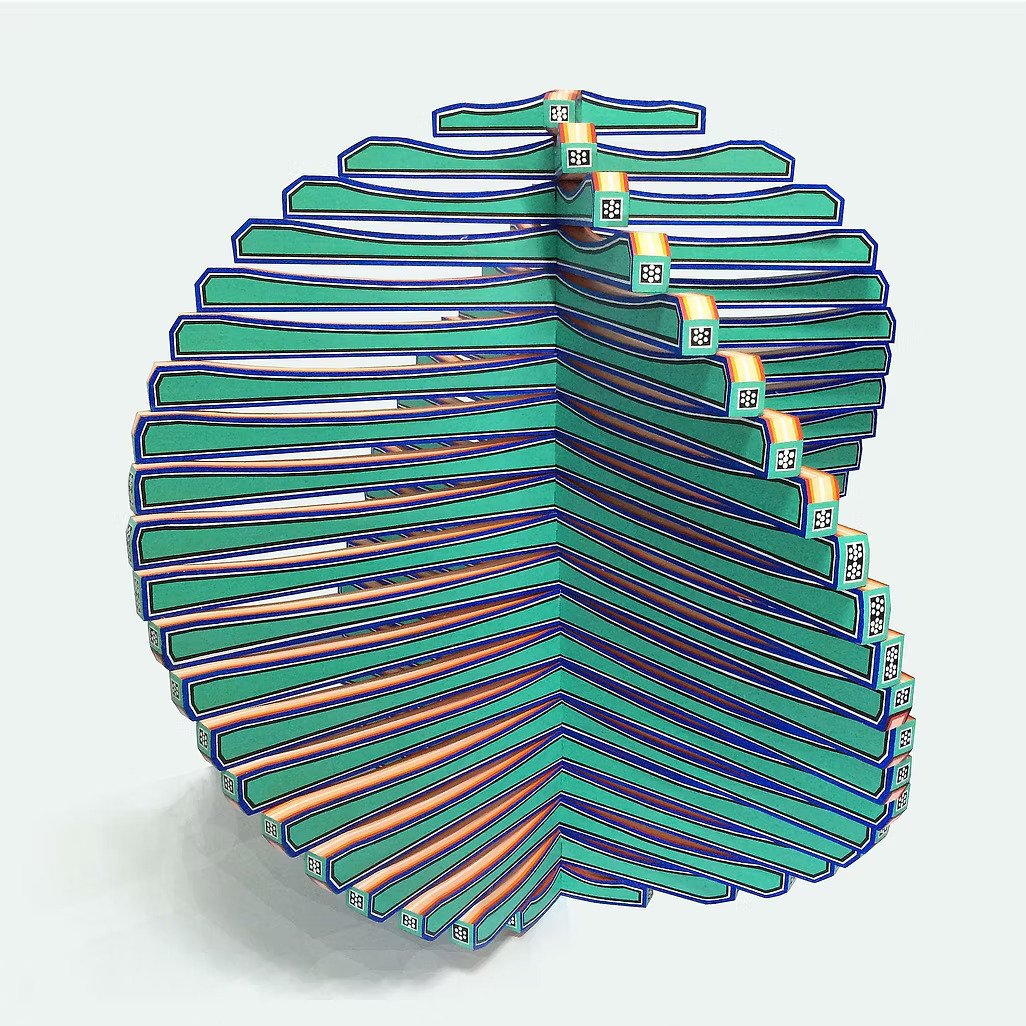
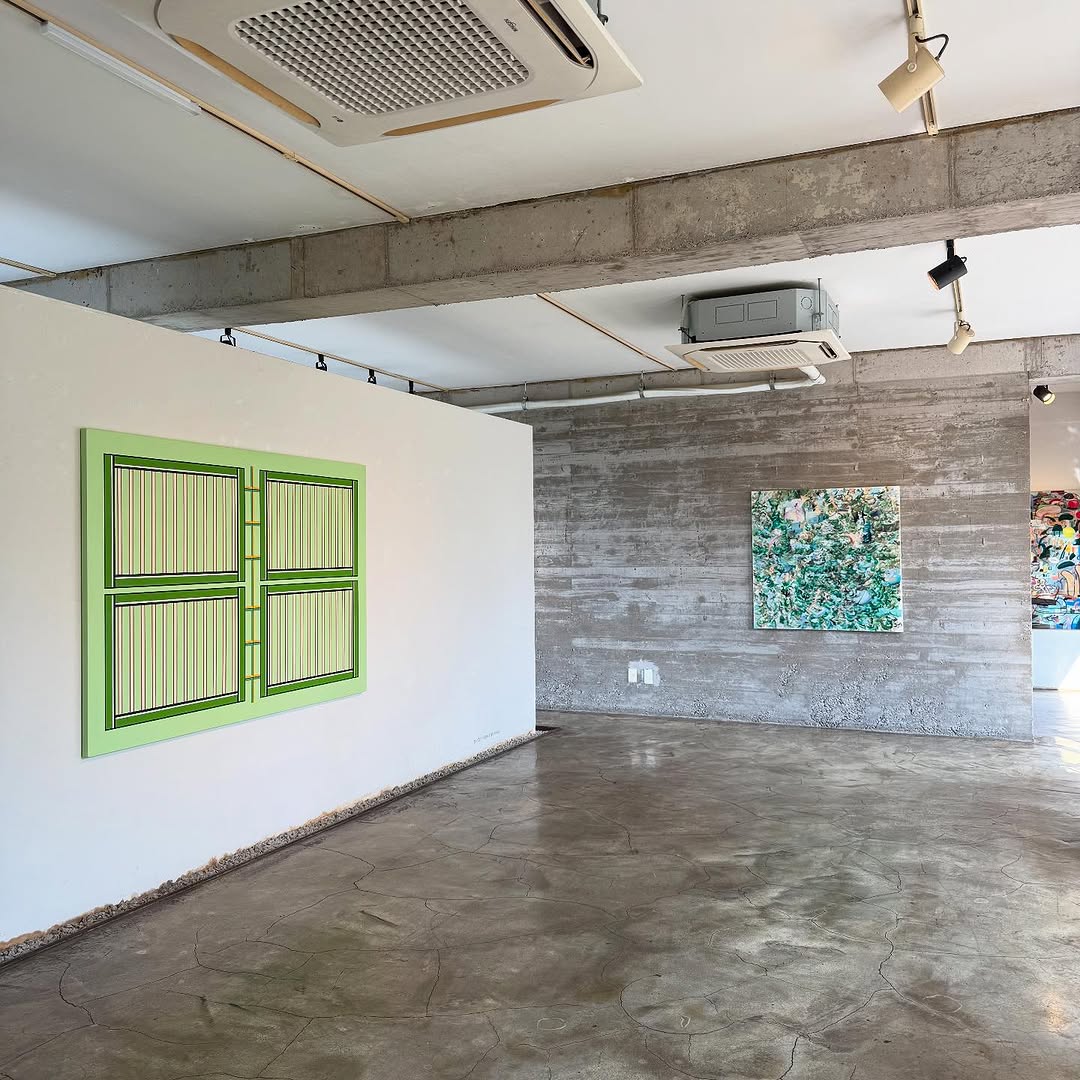
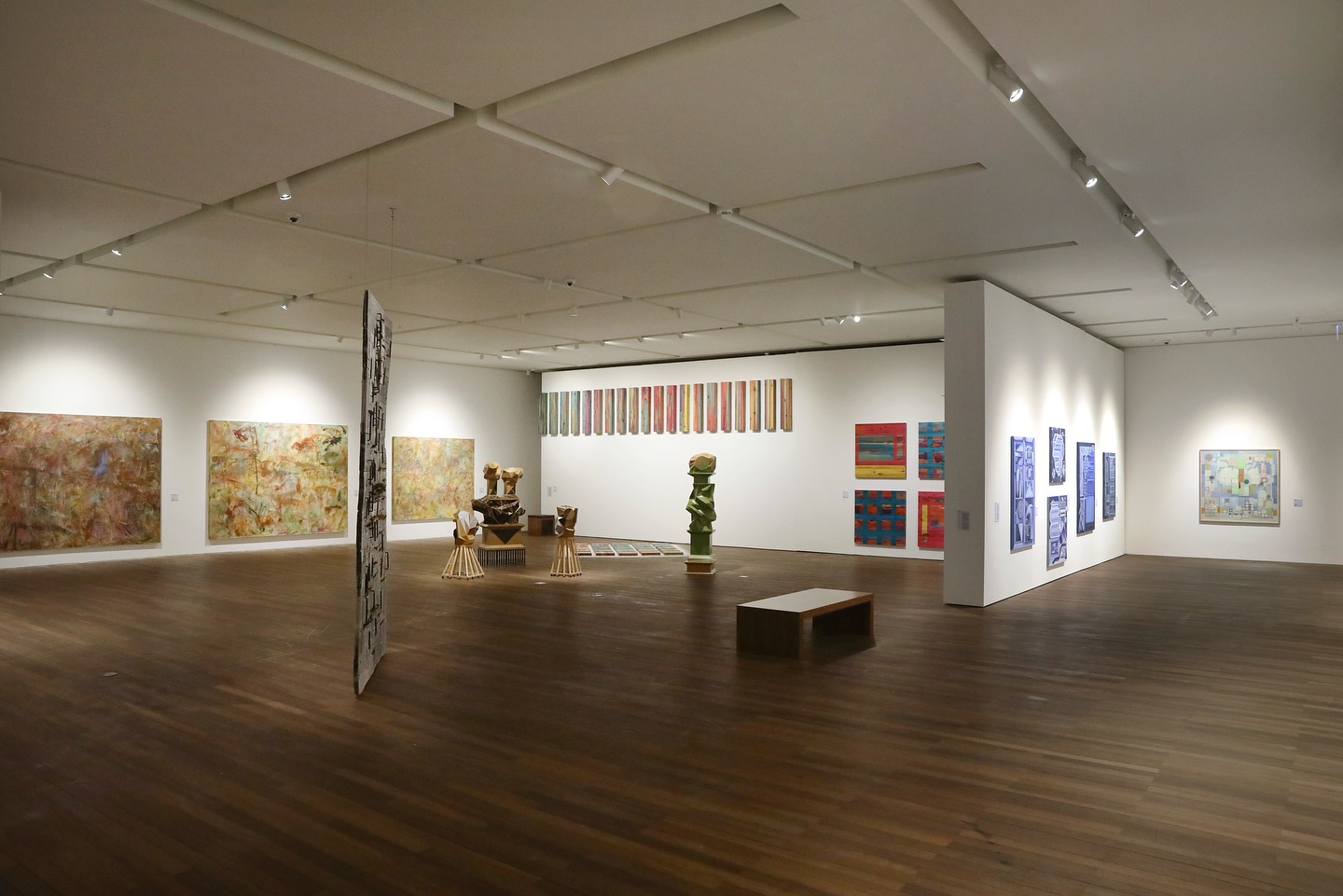
Since 2015, Ahra Kim has started to work on a new form of post-formalist painting experiment, using Set #1 as a three-dimensional painting work that adds color to the wooden model of an architectural structure. Having completed her bachelor’s and master’s degrees in environmental sculpture at Kyonggi University, she already has an unprecedented identity in terms of experimenting with painting through the eyes of sculptural architecture, and also understanding the structure of traditional architecture painted by dancheong(traditional mulicolored paintwork on wooden buildings) as a sculpture and understanding it as experimental abstract painting.
(Ahra Kim wanted to be a potter when she was in her third year of high school, but since she prepared for an art college entrance exam rather late, she ended up in the sculpture department instead of the pottery department. The title of her thesis for the Master’s degree in 2016 was “A study on the selection of materials for modern sculpture”. It was a sculptor’s thesis that suggested the direction of art shortly by classifying, considering, and describing the changes in the use of materials in sculpture art by age, and then classifying them according to materials.)
Ahra Kim, who used to visit Gyeongbokgung whenever she was upset or needed a break, realized that she was also a tourist who felt psychological stability while seeing the buildings of the old palace among tourists. In the process of using psychological sightseeing repetitively as a way to escape from the complex reality of the city, the fantasy of covering the exterior of countless apartments with simple patterns was started and eventually the idea of coexisting of new and old patterns has been formed.
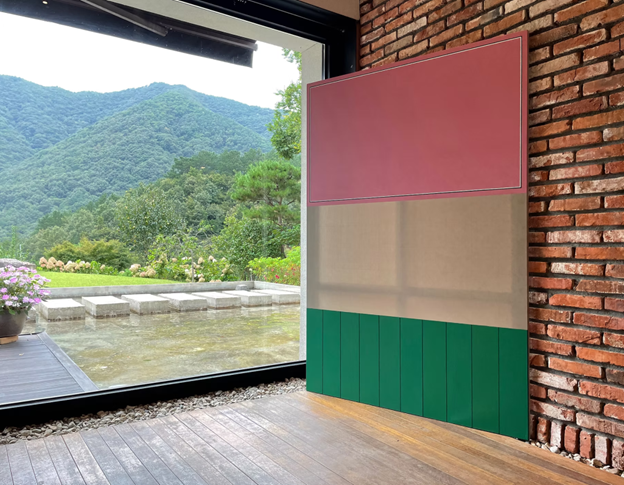
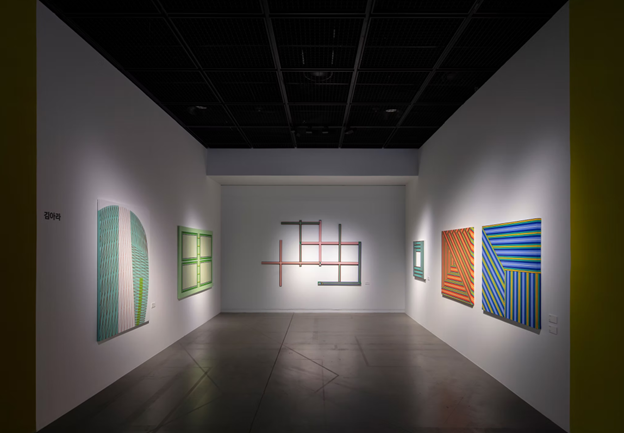
In the ‘Set’ series, which began in 2015, the artist tried to find the formative homogeneity through the process of re-selecting and remodeling the proprietary objects by selecting the patterns of Dancheong. (Only the first work was a wooden work, and afterward, she worked only on the canvas for a while.) The series of ‘Shakes’, ‘Balance’, ‘Square Pattern’ continued from the 'Set’ series could be regarded as a step in dismantling and reconstructing the set structure.
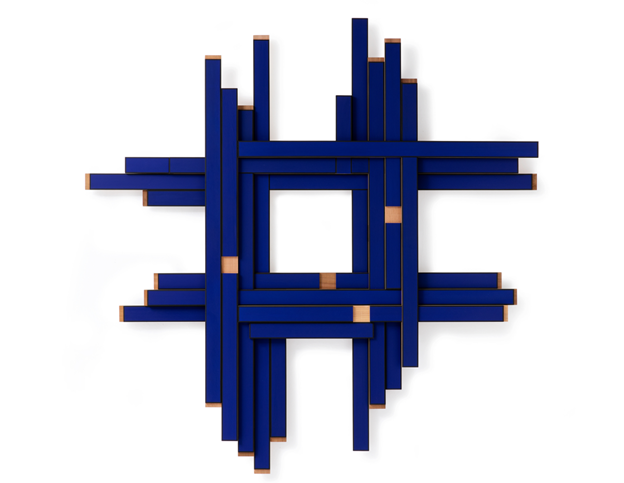
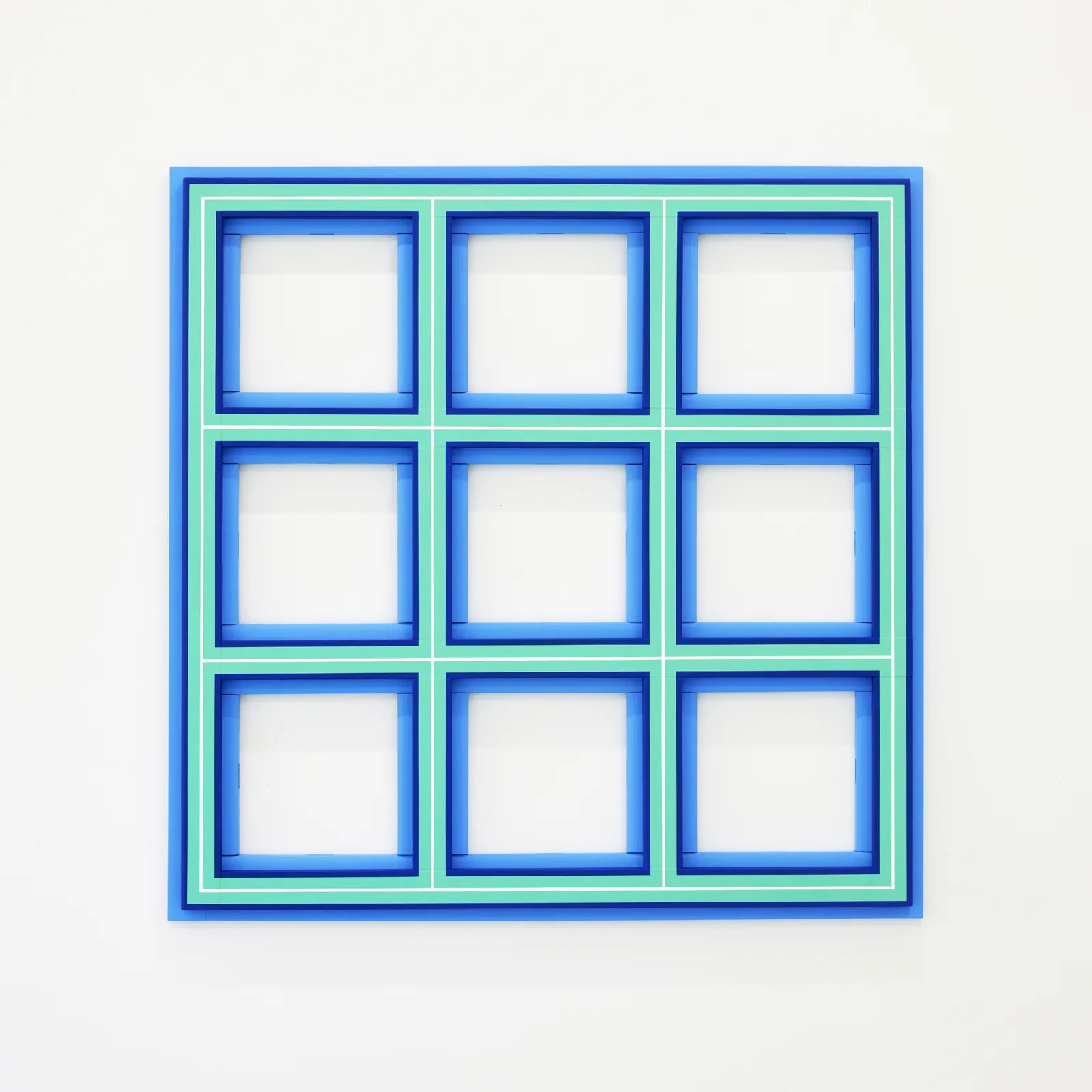
Until 2018, ‘Shake’ and ‘Balance’ series, she worked with acrylic paint on canvas, but from the ‘Square Pattern’ series in 2019, she started to use acrylic and Dancheong pigment together. The 2019 ‘Coexisting Image’ series, derived from the ‘Square Pattern’ seried, embodies the re-creation of the Dancheong pattern over the architectural time and space through the artisi’s eyes and hand. It was a kind of blueprint and prototype.
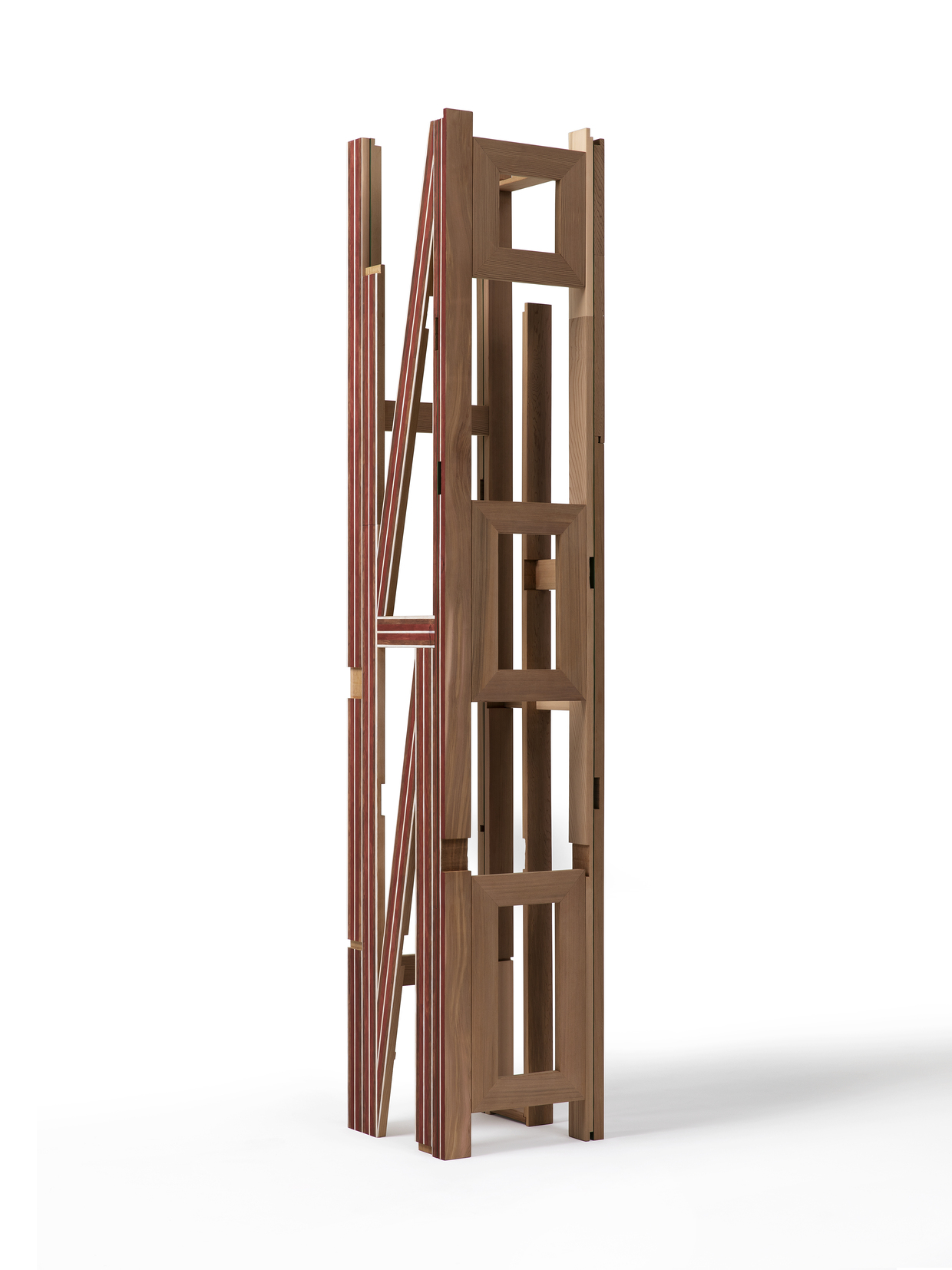
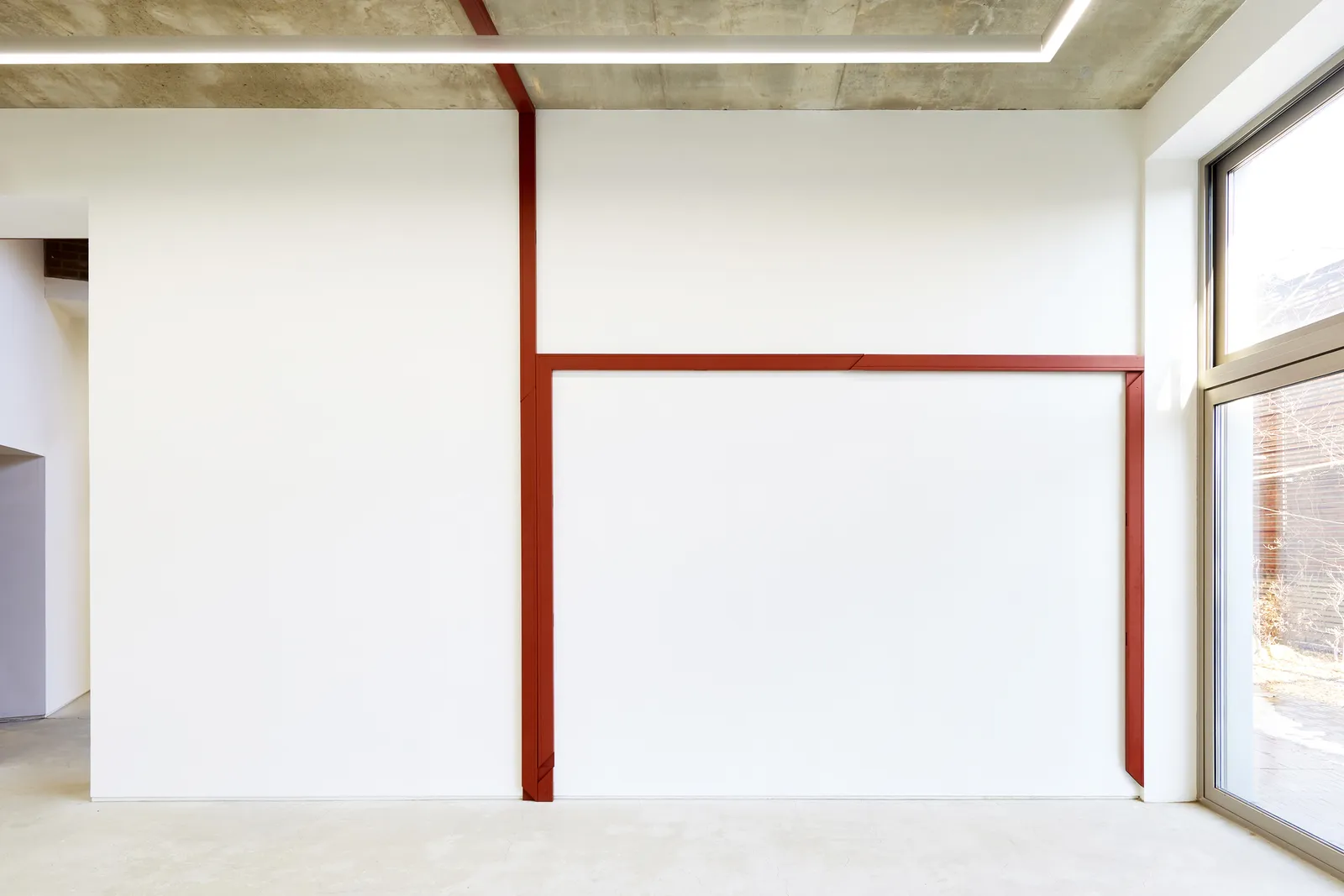
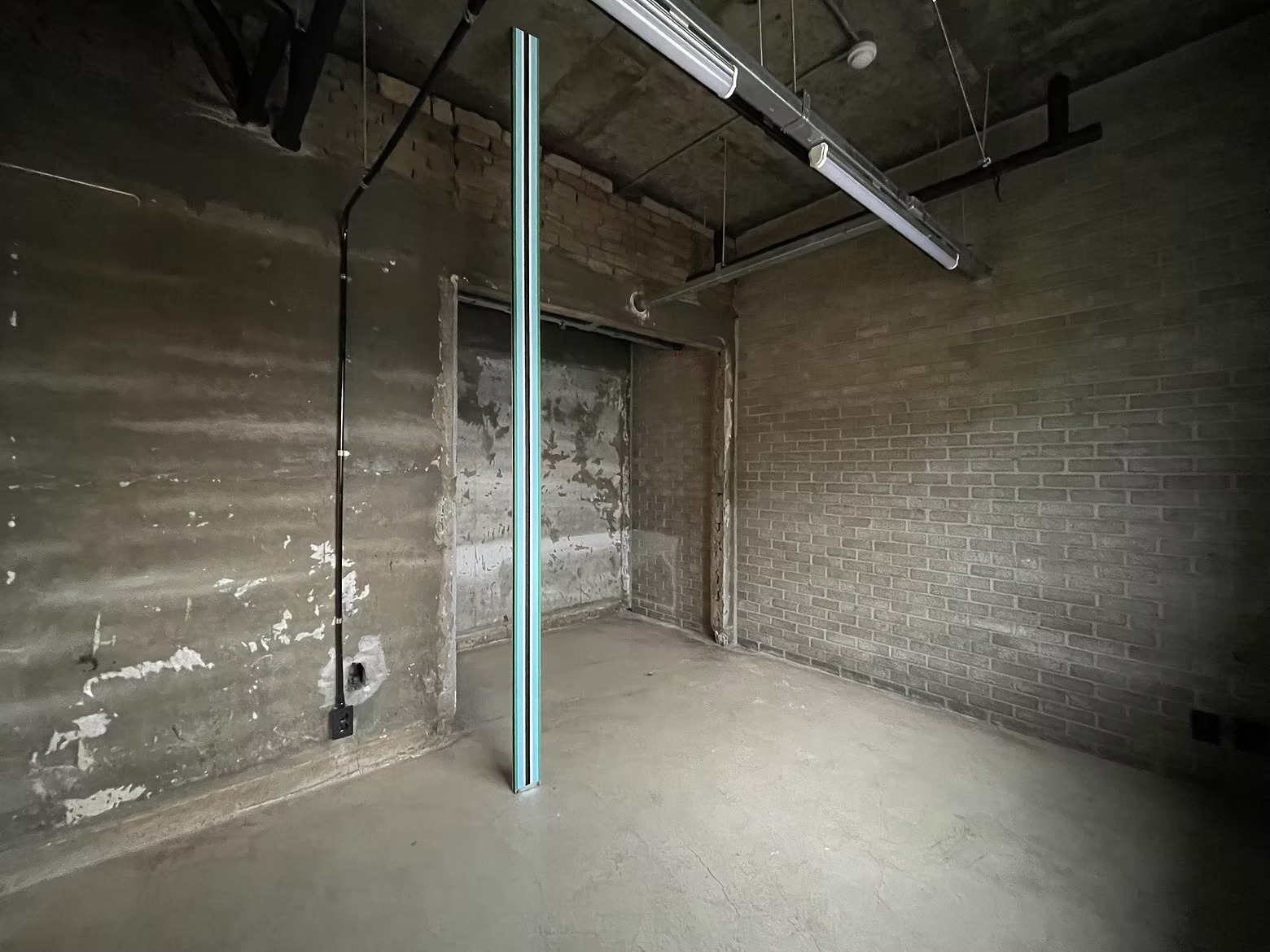
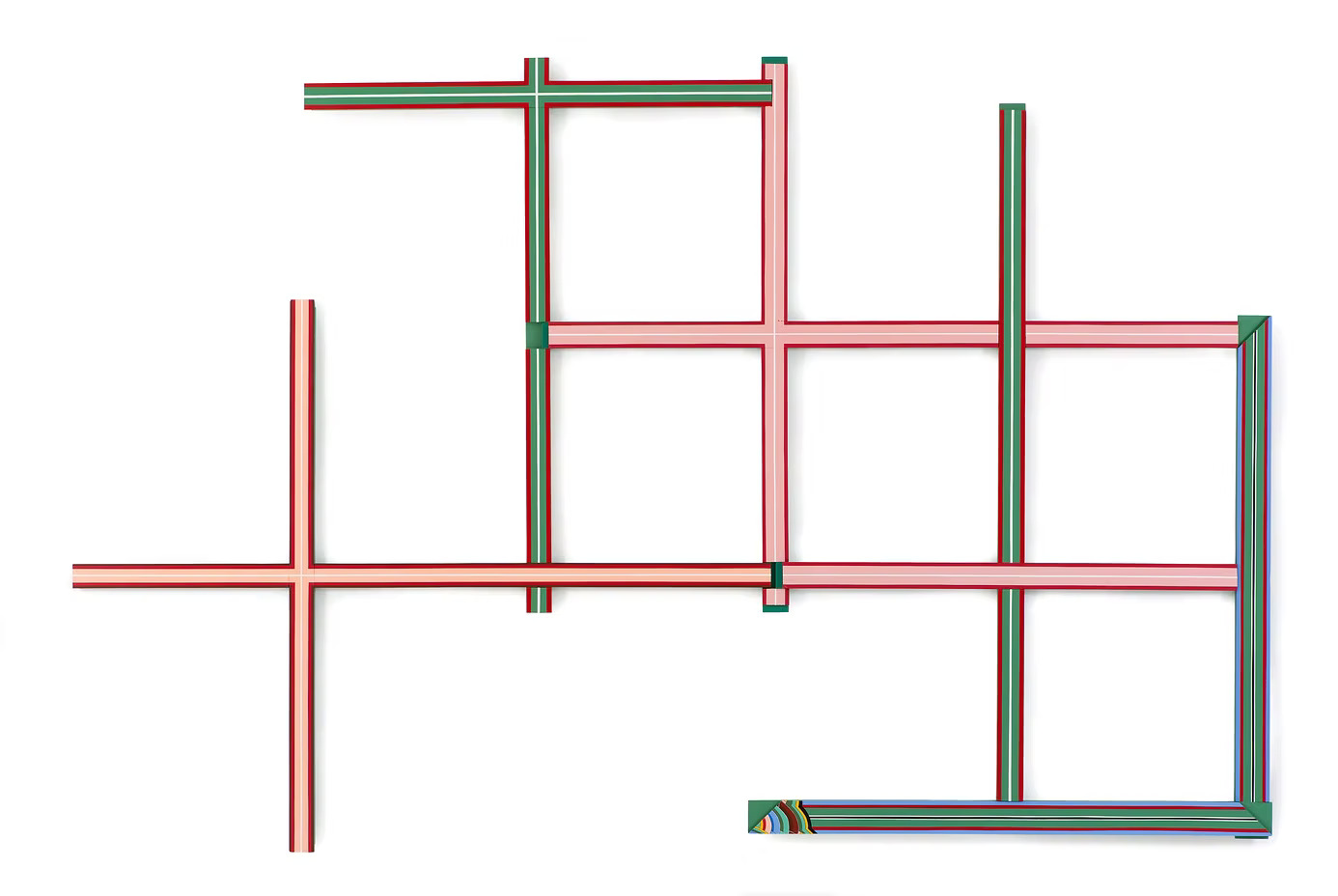
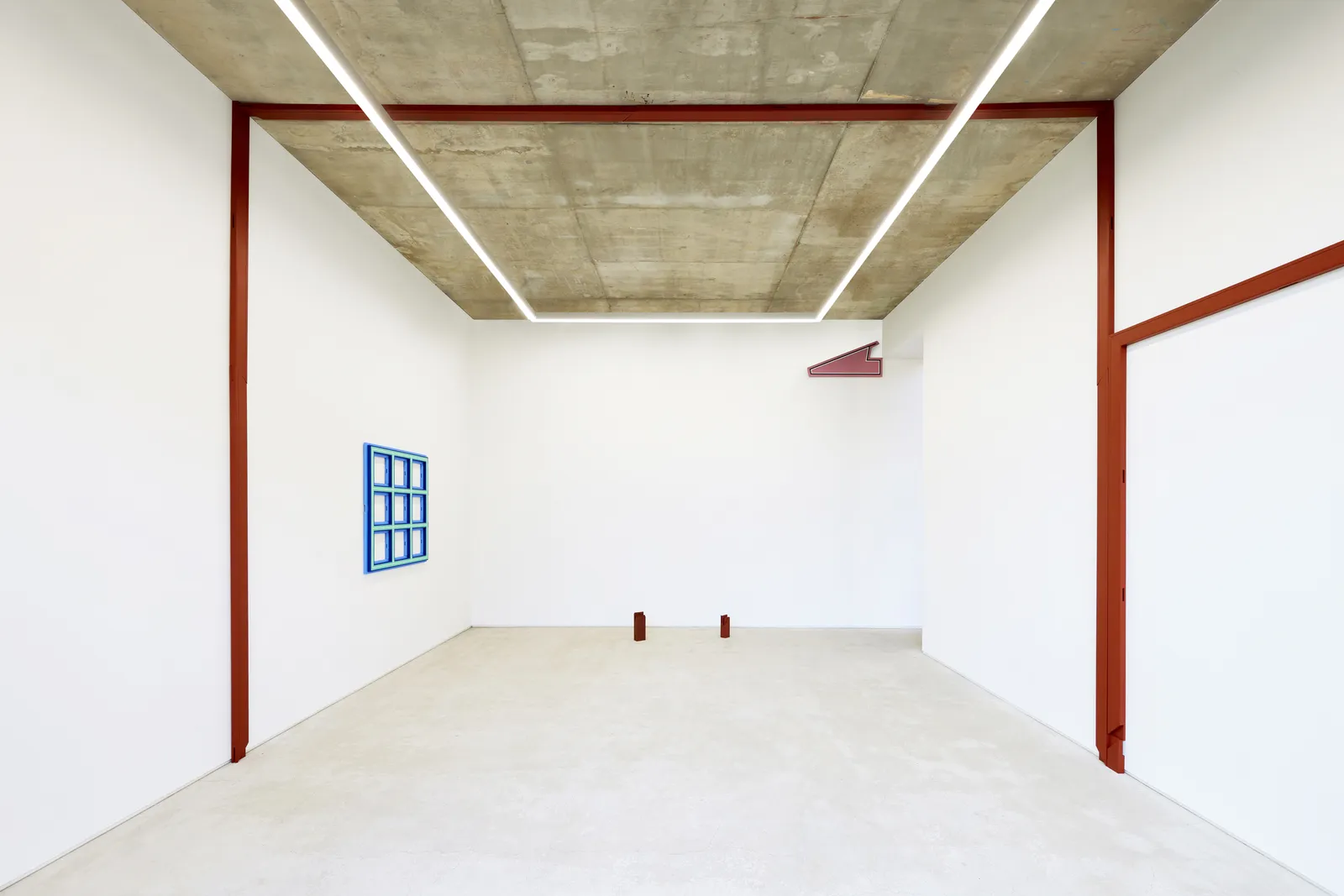
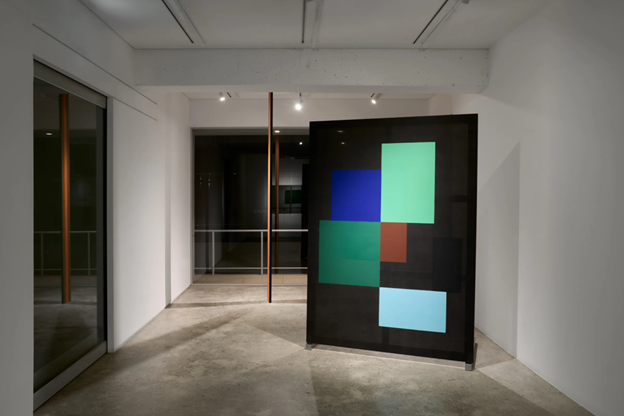
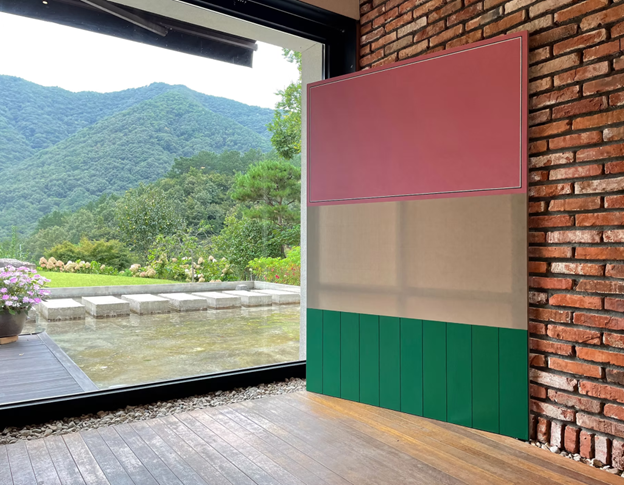
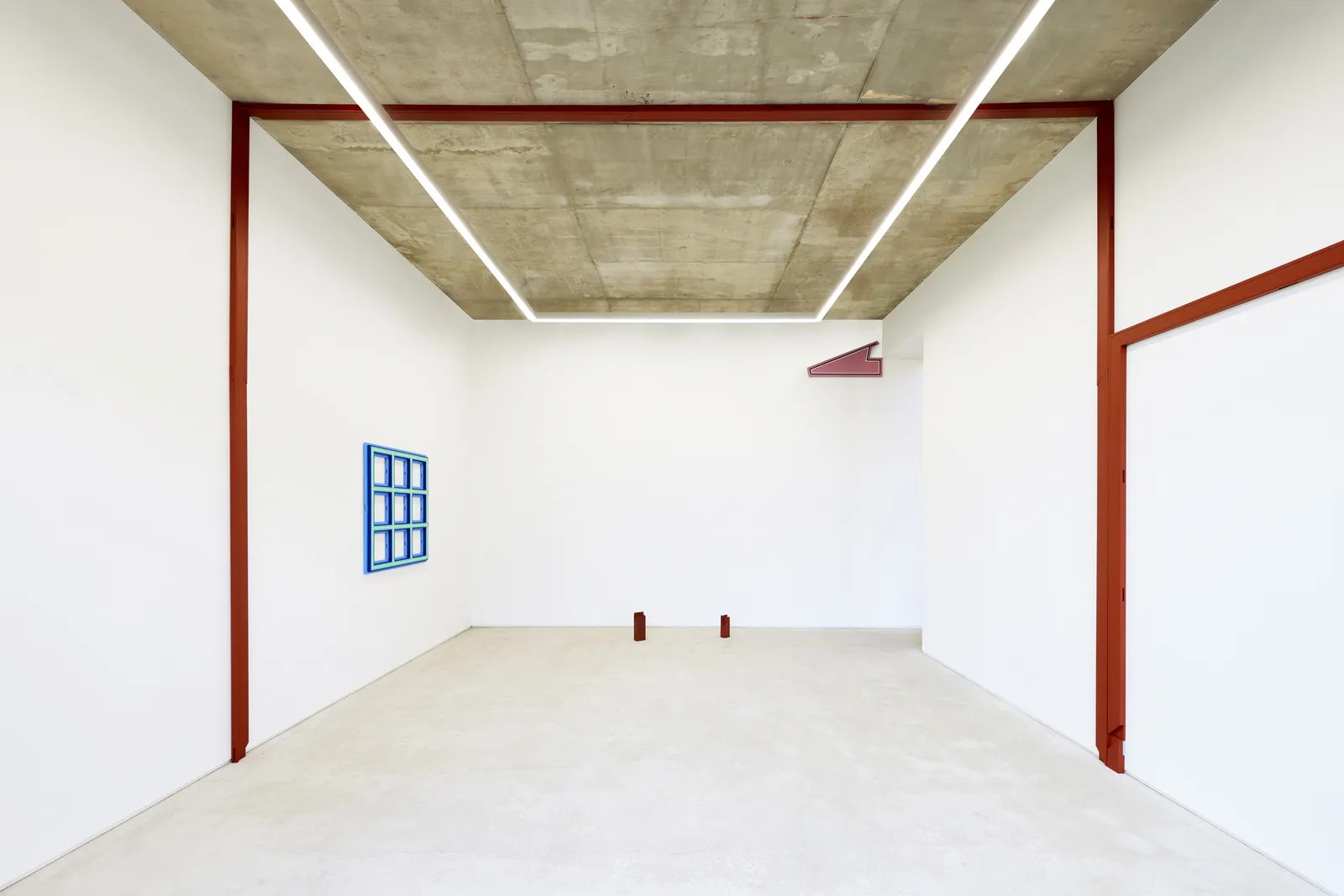
Looking back on her works so far during her participation in the Artist support program “in the Suwon Museum SIMA FARM” in 2019, she began to think of the structure itself as an architectural construct and work on a “shaped canvas” that combines with Dancheong paintigs. In the history of formalist art, the modified canvas work features to support that fits into the picture (The key is to reject the old-fashioned notion of drawing illusions on a purely flat surface, a screen perceived as a window.). However, in the history of post-war modernism in Korea, such a combination of anti-spiritual obsession and support did not occur, and an artist who achieved no success in the “Shaped Canvas” work.
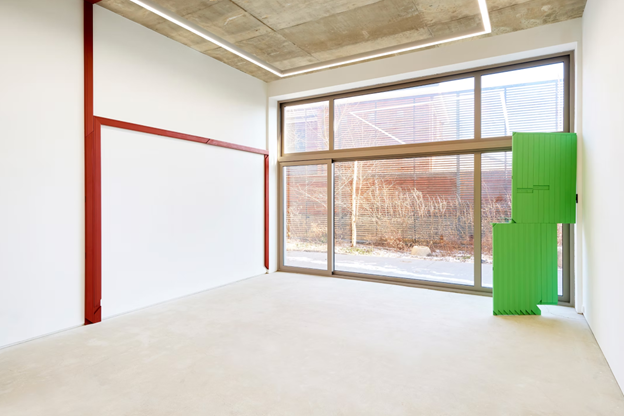
Surprisingly, Ahra Kim synthesized her existing works at a new level by overlapping and thinking of the traditional architectural structure of the canvas and at the same time, experimenting with the formalism painting. By reviving, it opened a wide path. Her best work, first presented at the Suwon Museum of Art in November 2019, it titled Untitled Connection. It is like the skeleton of a canvas with a Dancheong shape, or as a materialized version of a painting that aims to become an architectural order. However, only one head of the wooden structure is embodied in a traditional patterm, as cited in the Dancheong of Naksansa Temple. (If you pay attention to this part, it is like a screenshot of the Snake Bited game.)
Through the process of transforming the basic structure of Dancheong, gradation, repetition, and symmetry, it has pioneered the post of minimalist Korean style in Suwon / Korea / Asia / World in the 2020s. The tasks of automatic variation and expansion will be endless. (You may deviate from the level of Korean post-minimalism and move on to the architectural abstraction.)
Foe the time being, it seems to be necessary to continue the work with a simple drawing based on color drawing, but if the work is accumulated someday, the structure of Moro Dancheong, Eol Geum Dancheong, and Geum Dancheong will naturally be possible to experiment with disassembly-reorganization or mashup. (Remarks: The 2016 〈Set #7〉 is an exception.) Looking an Dancheong such as China, Japan, Mongolia, Tibat, Thailand, etc., she also looks forward to the work of appropriating regional specific colors and patterns.
The artist who was born and raised in Suwon, changes her mood, organize her thoughts, and collects images through walking.