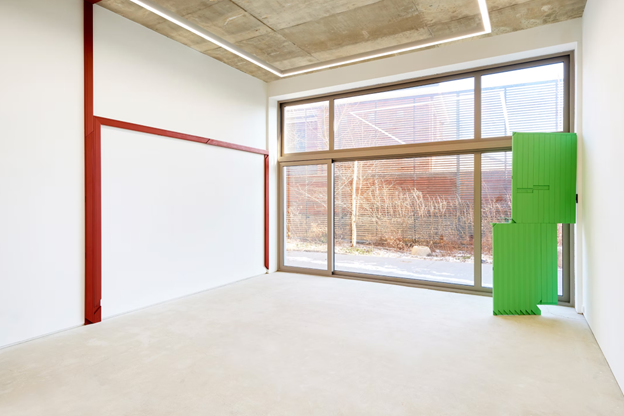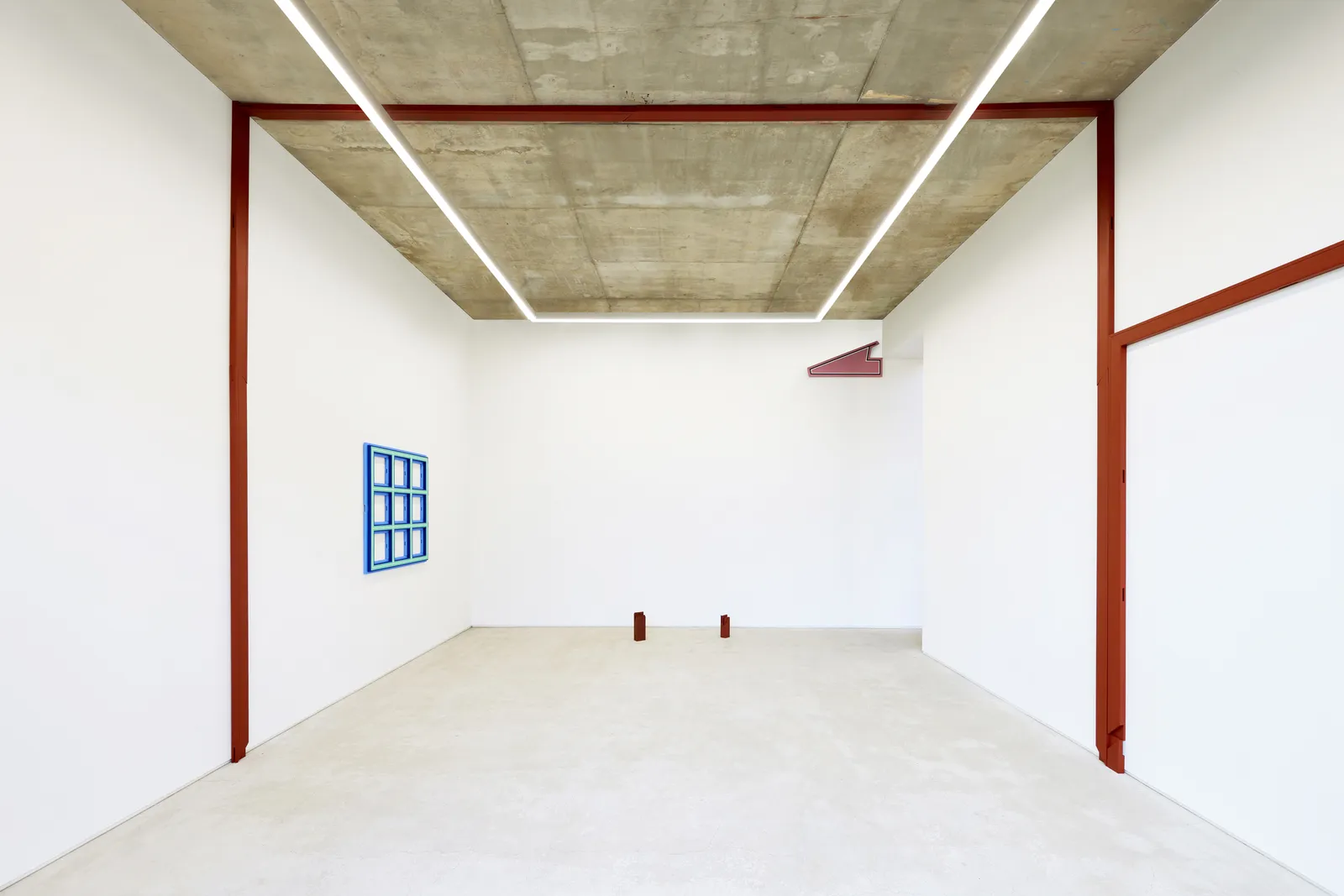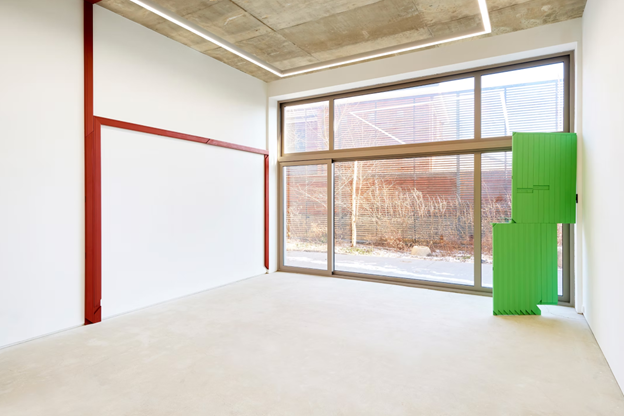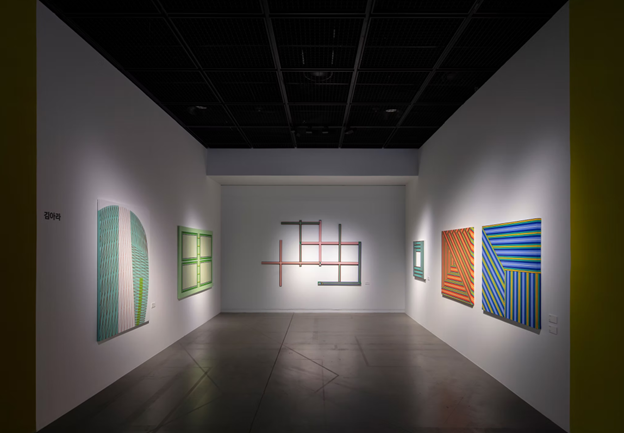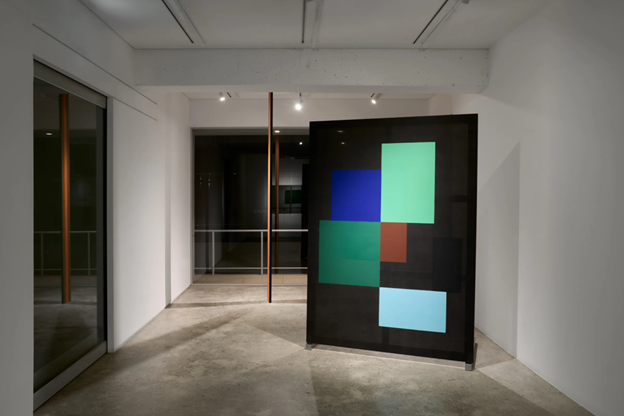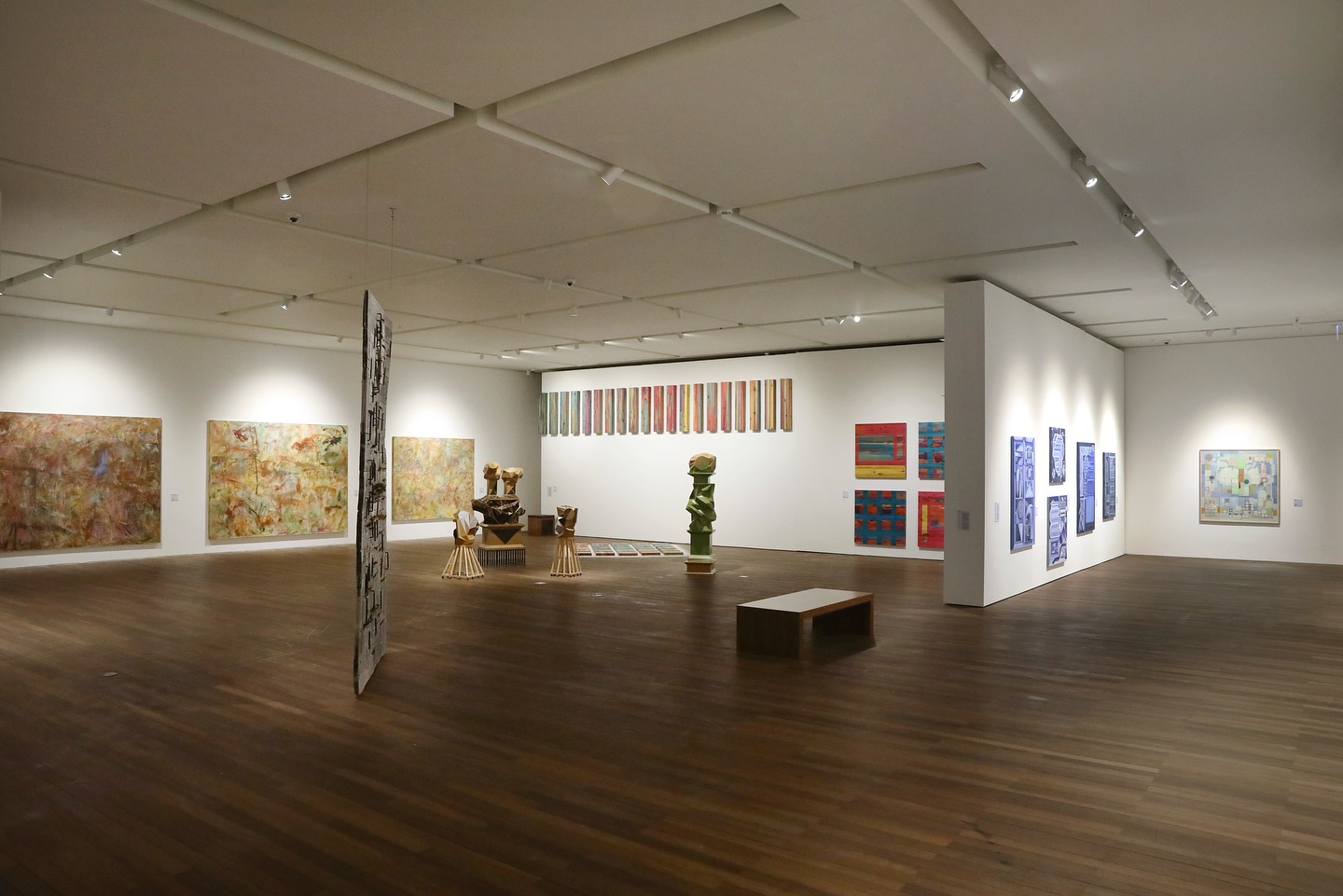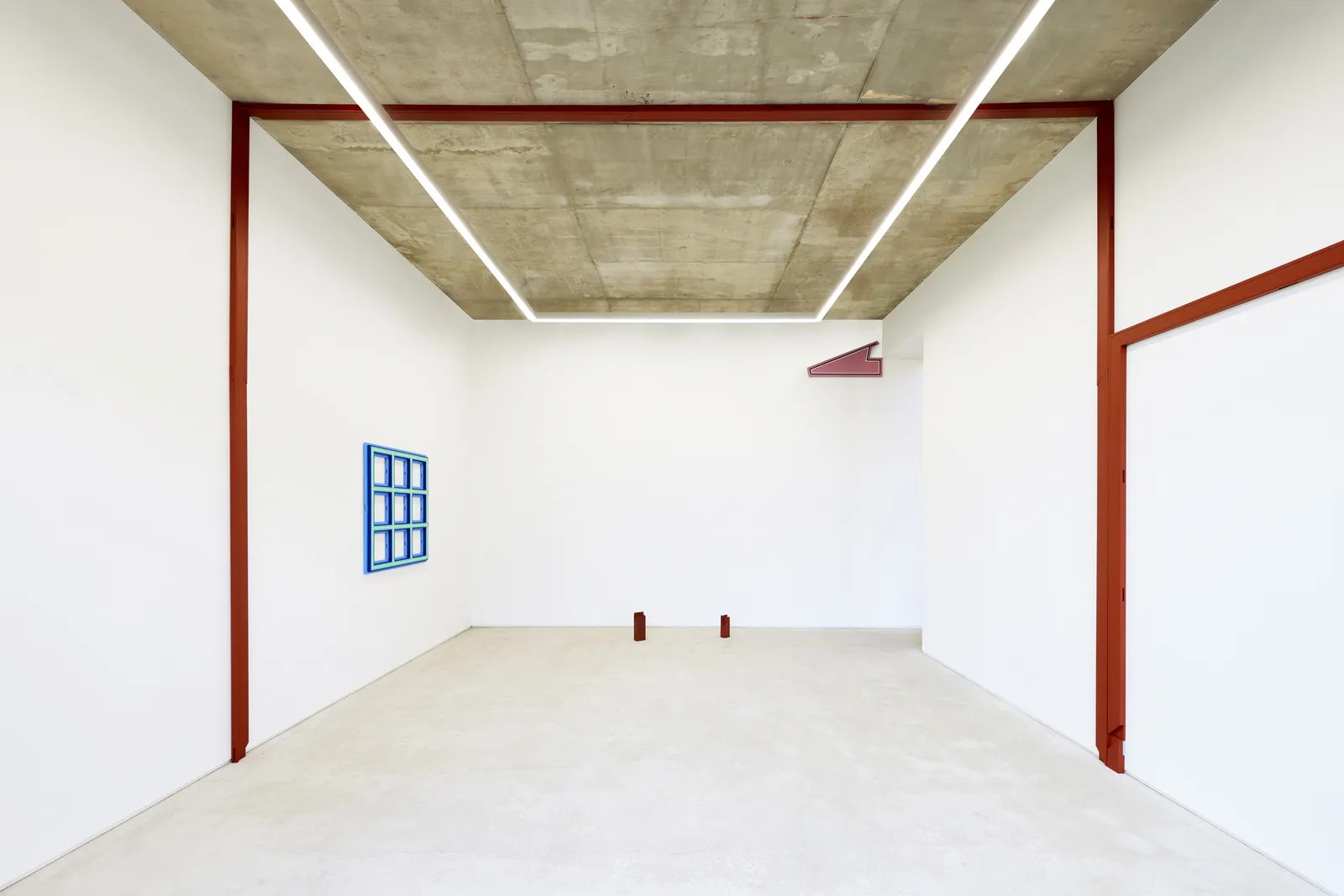


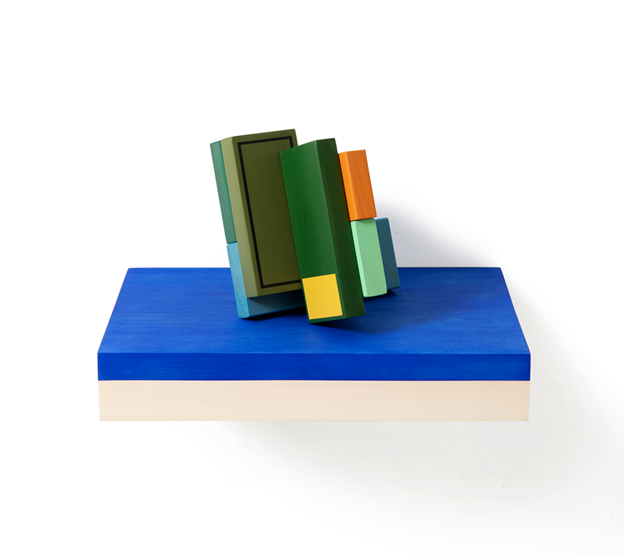
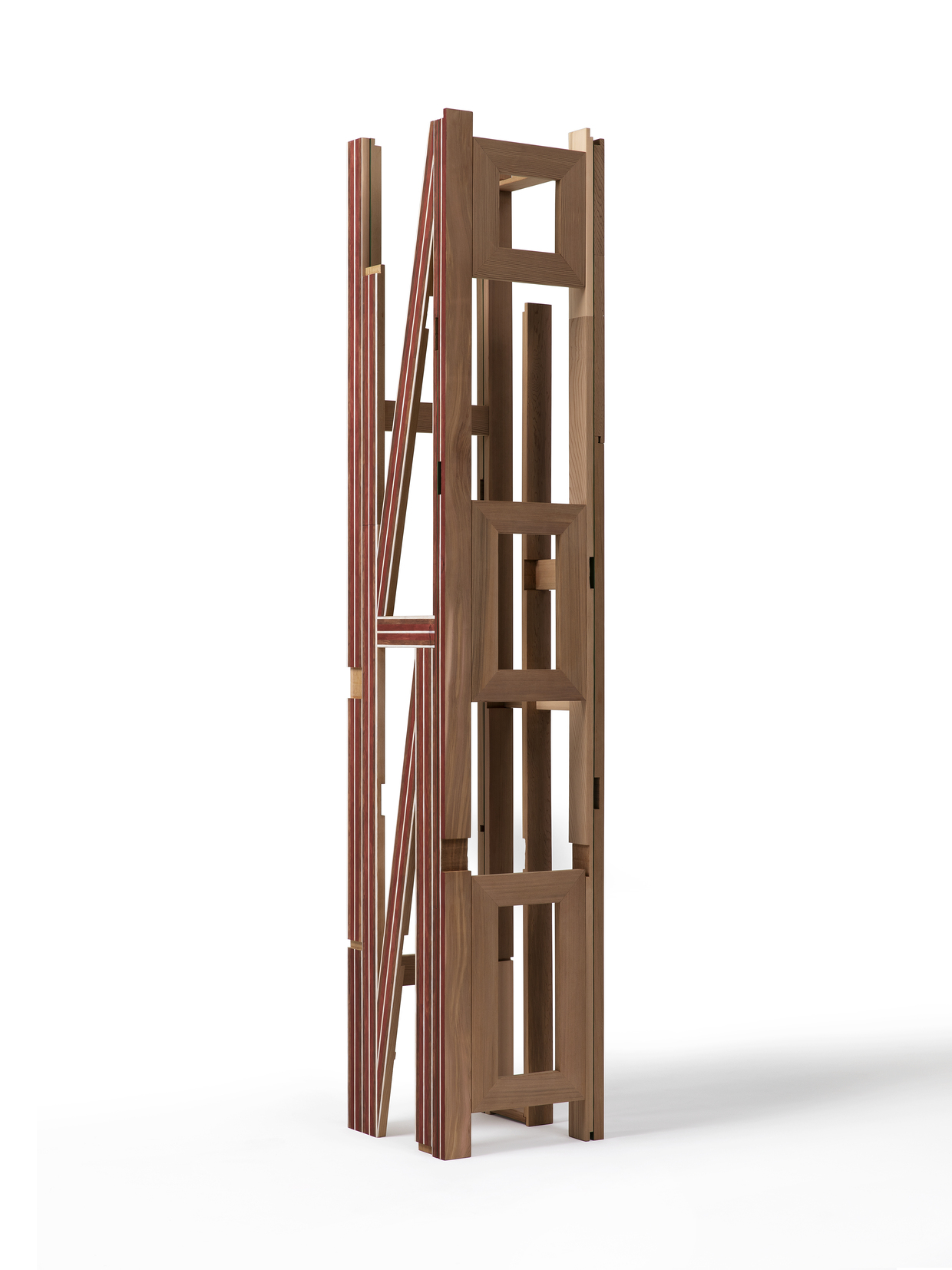
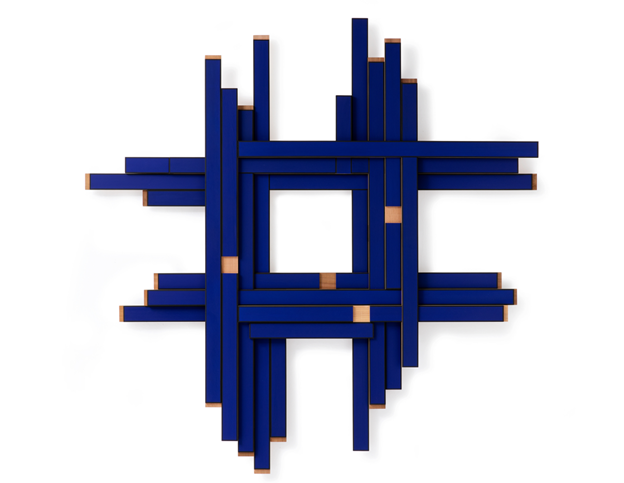
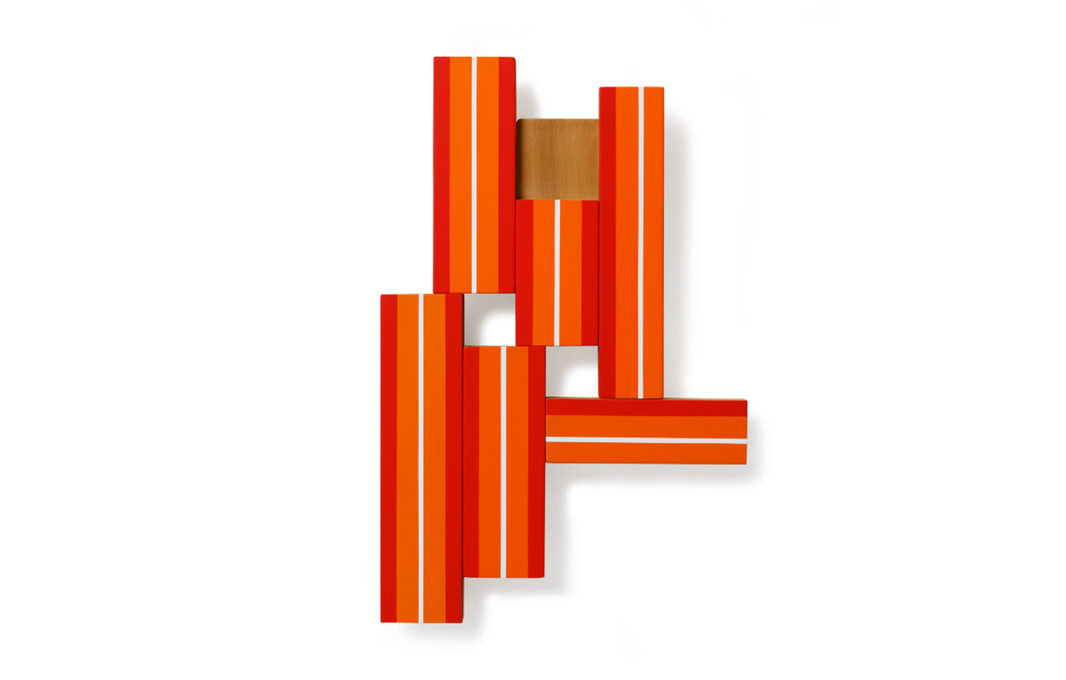
Installation view of 《Overpass》 (Gallery2, 2022) ©Gallery2

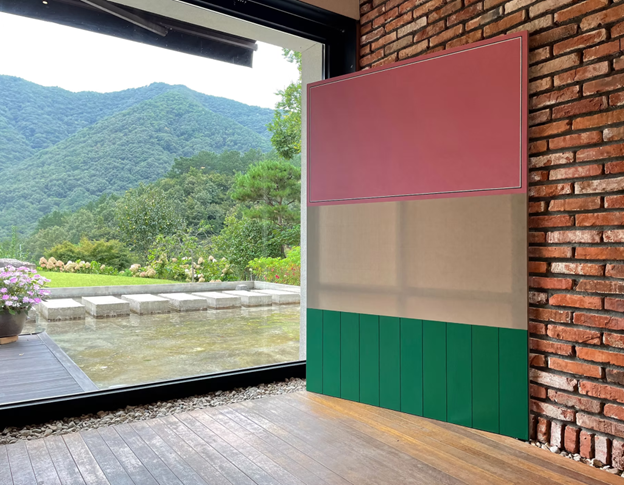
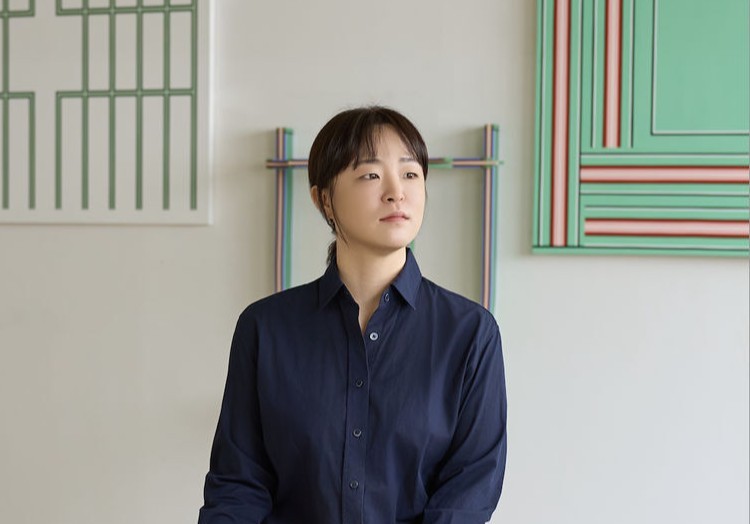
Ahra Kim’s works of space and structure echo with the aesthetics of dancheong1). The traditional architecture and the distinct tones and patterns in Kim’s painted works reinterpret the visual language of Korean architecture and design into that of sculptural vernacular uttered in the vertical and horizontal. Grazing upon the experimental and geometric abstract realms, her works have interlocked much like the joinery informing her serialized corpus.
 
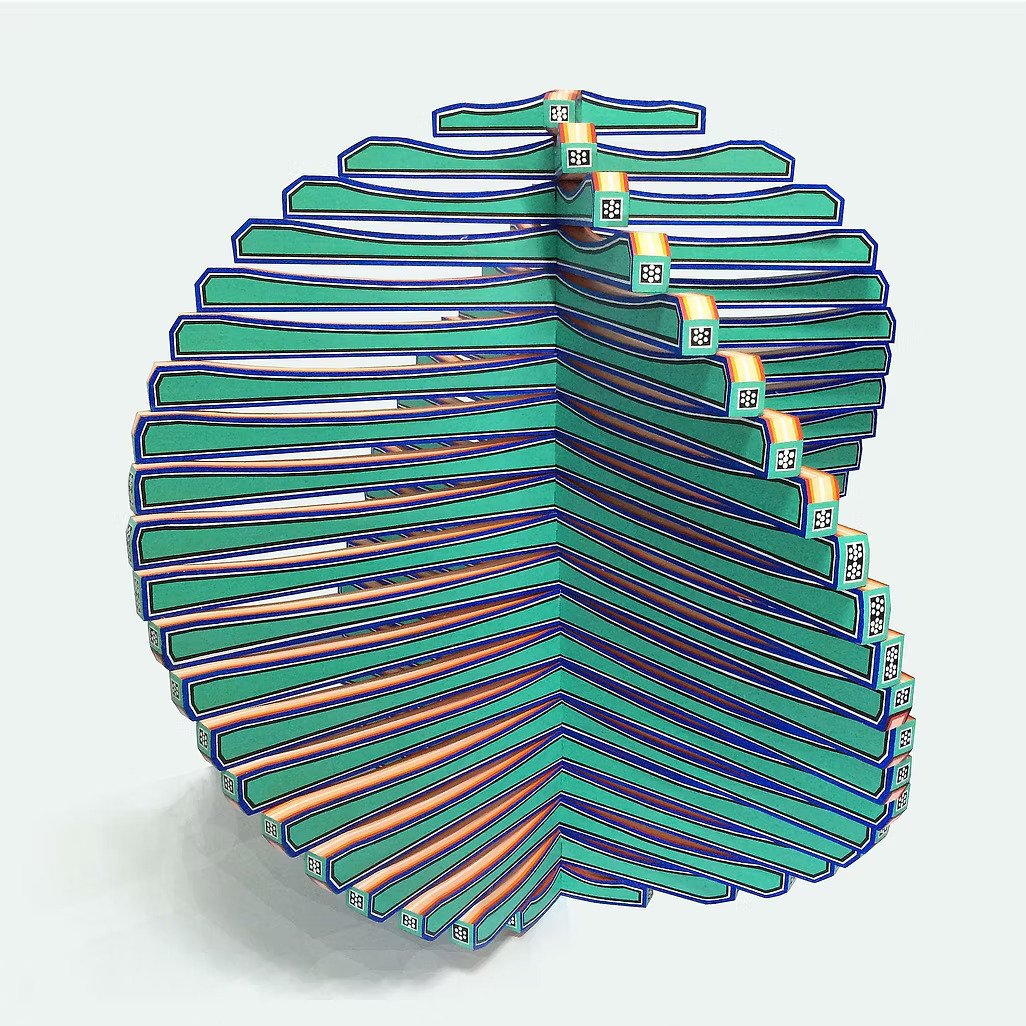
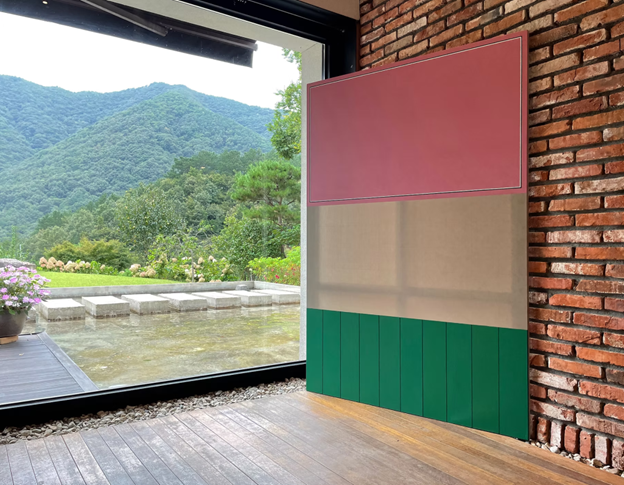
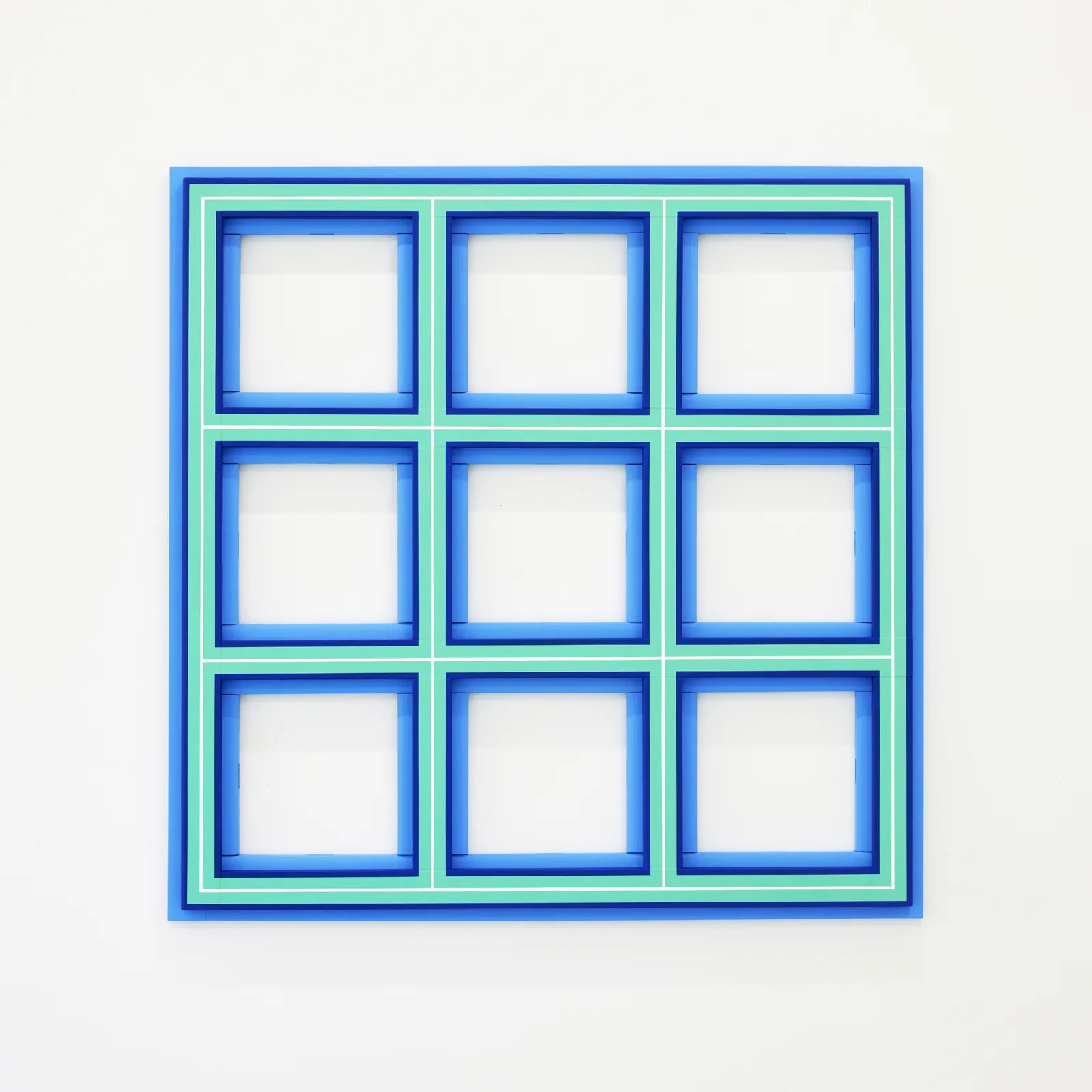
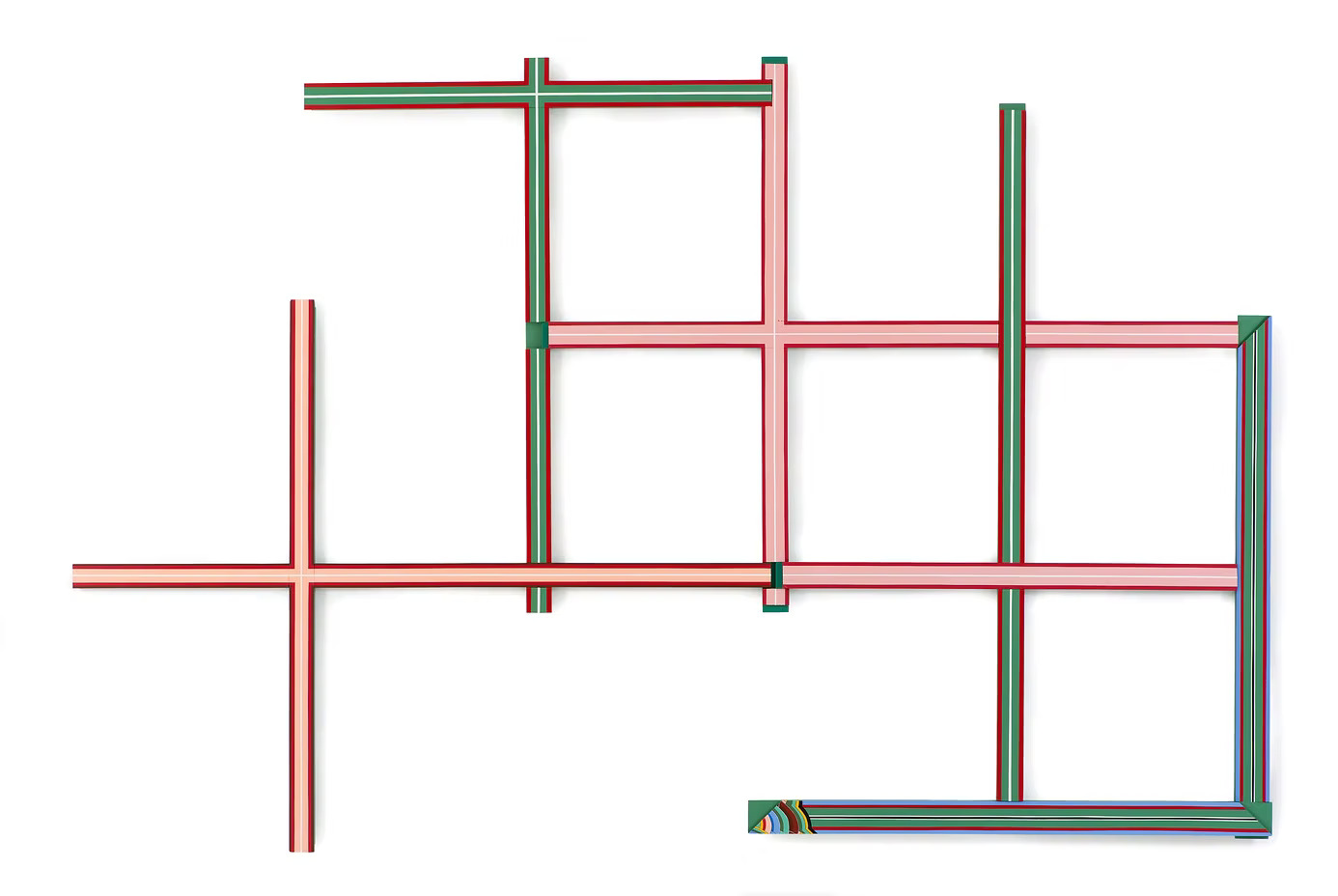
Her space-installations are originally conceptualized in the second dimension but expanded and realized into their original inspired form—the third dimension. Her ‘Untitled-Connection’  series are such an example where she was inspired and informed by similarities between the structural forms of the canvas frame to traditional Korean architecture. The resonance of lines and colors between flat surfaces and volumetric architectural spaces are often a function of the artist’s personal surroundings.

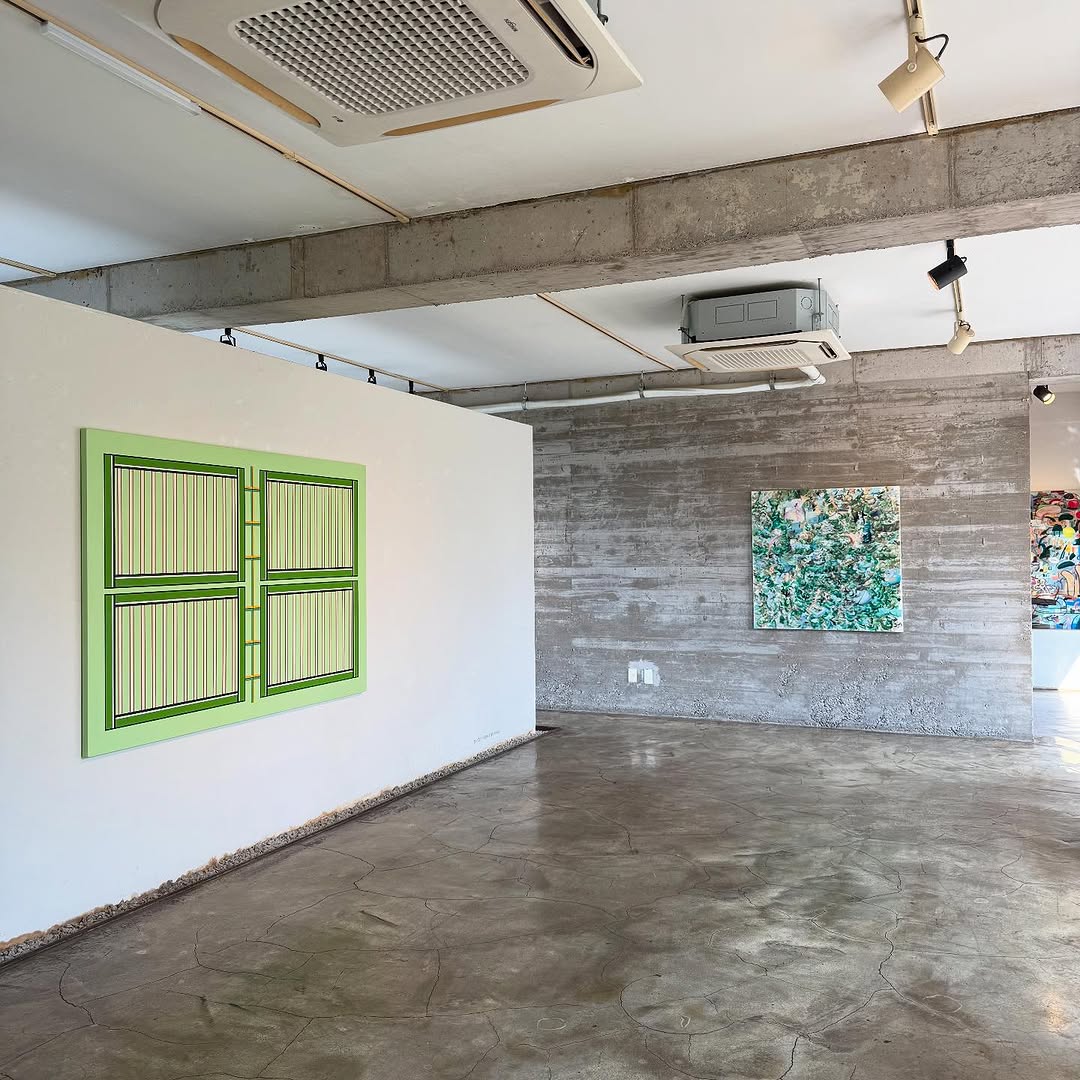
While she was based in Jeonju, Kim presented the ‘Window’ series of paintings that exercised the form of window frames in buildings in her area, built long ago. While her works add a distinct sense of dancheong upon objets of her locality. Her most recent works have done this with objets and structures of contemporary buildings.

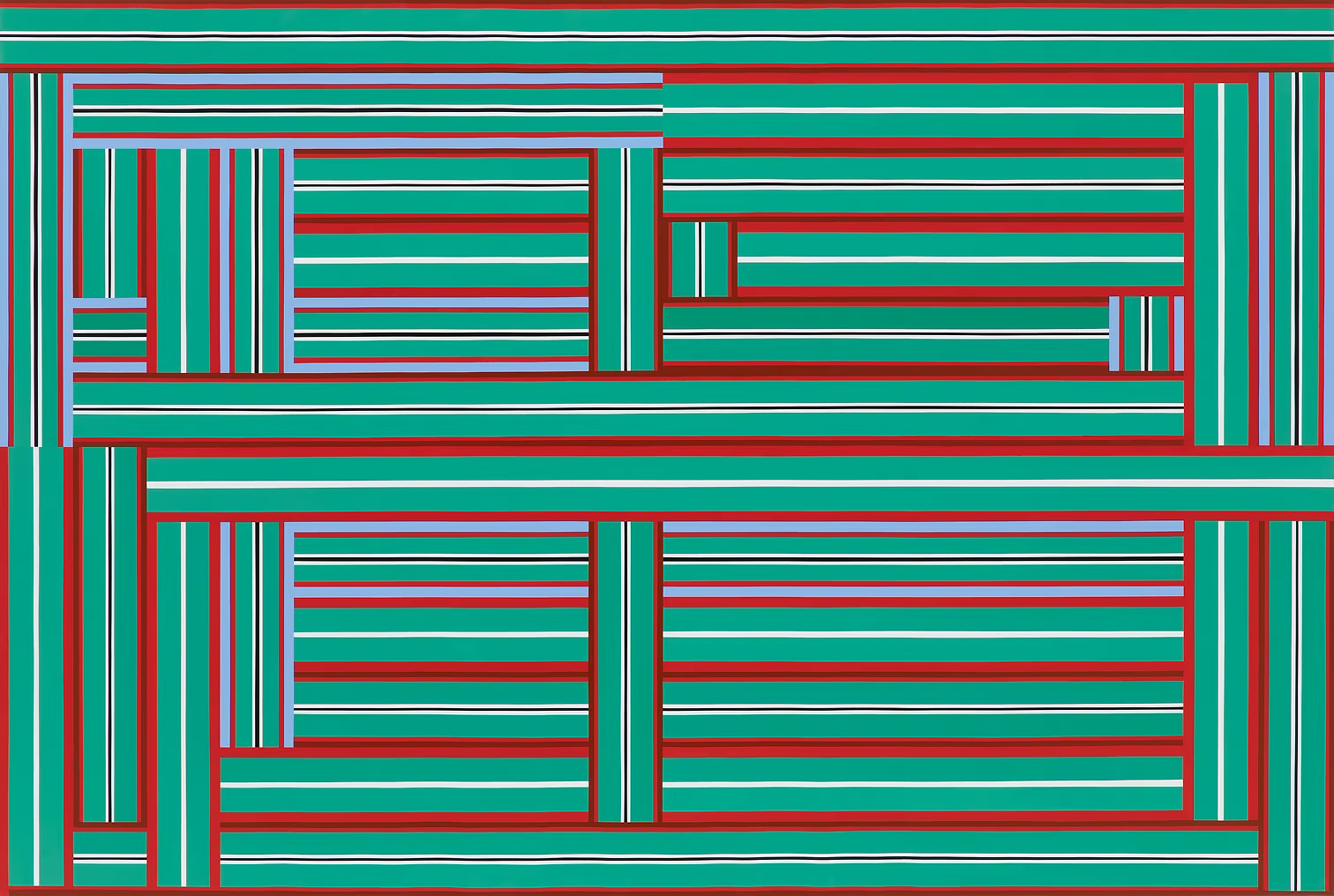
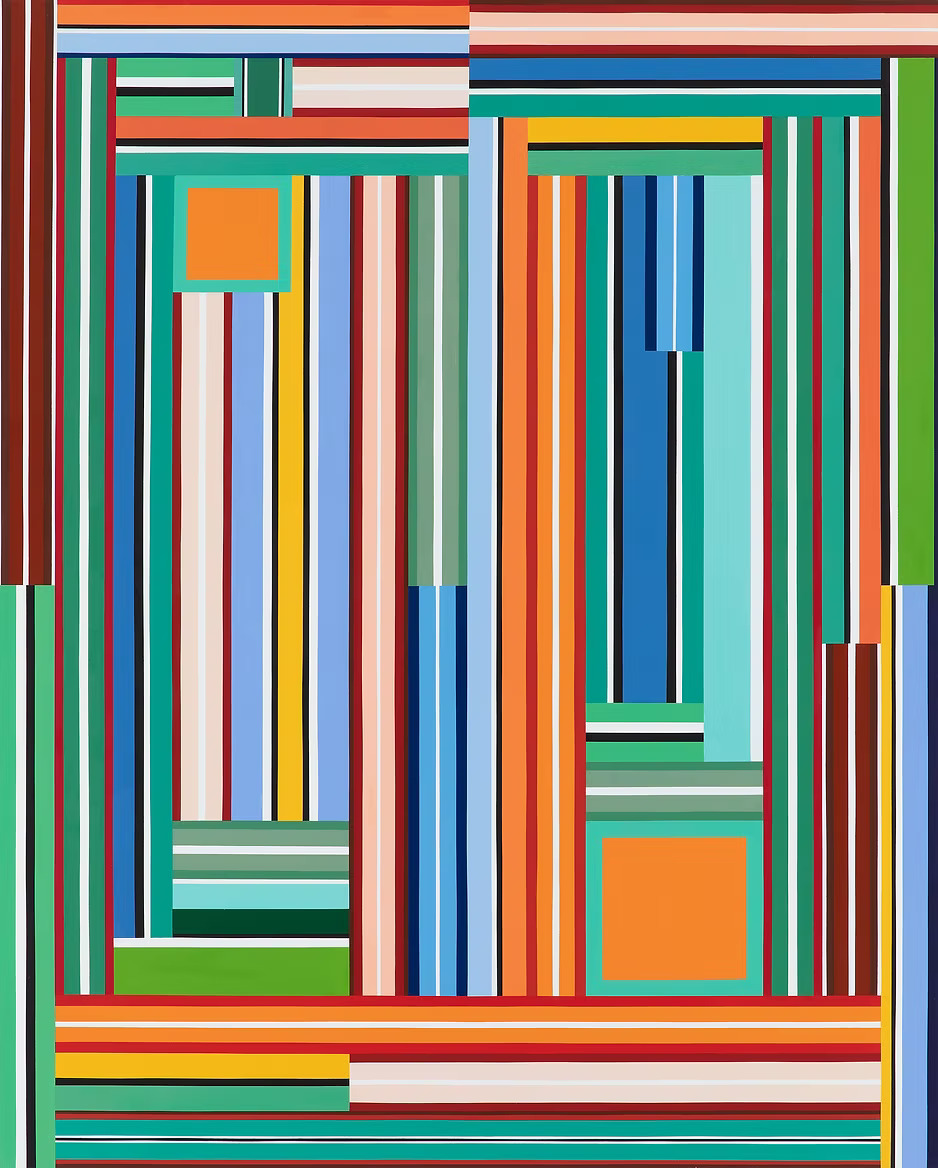
Her latest 2021 presentation Untitled is a canvas painting representative of her artistic practice. The painting has the traditional colors and grammatical lines of dancheong but speaks the vernacular of modern sculptural balance. The right intersections and edges of vertical and horizontal scaffoldings complement the contrast and balance of colors. Between those lines, we can read the artist’s deep attachment to the colors and patterns of traditional Korean dancheong.
 
Ahra Kim’s latest exhibition has been transformational in practice. While her previous works had found motif from the colors and structures of traditional architecture–her tribute to the order and value of history–this exhibition looks to contemporary buildings. They are present and possibly even mundane. Kim previously surveyed this possible contemporaneity in her Shaped Canvas work where she combined the canvas frame with the architectural structures and colors of traditional dancheong. This latest exhibition marks an earnest crossing over into that surveyed realm.
 
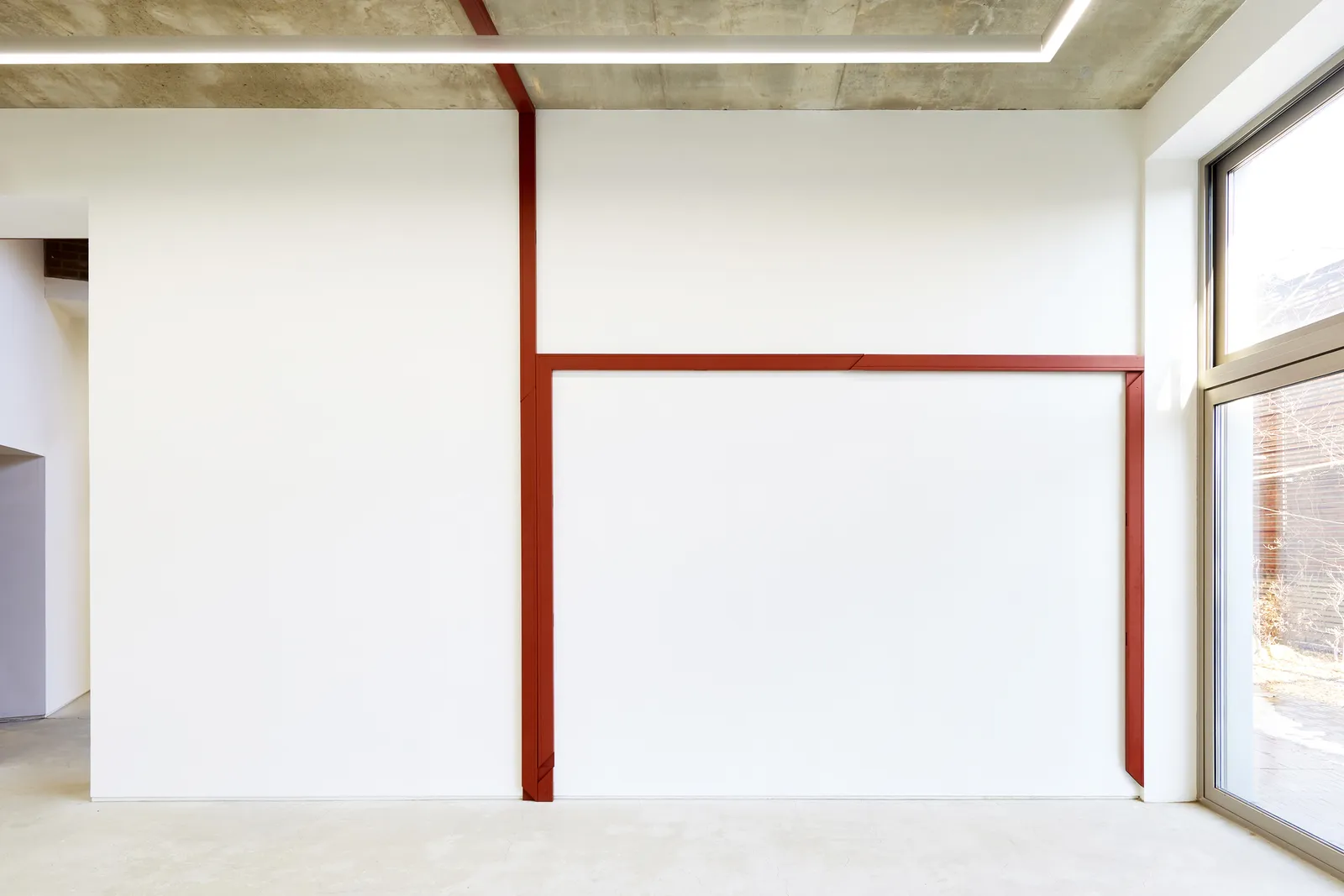
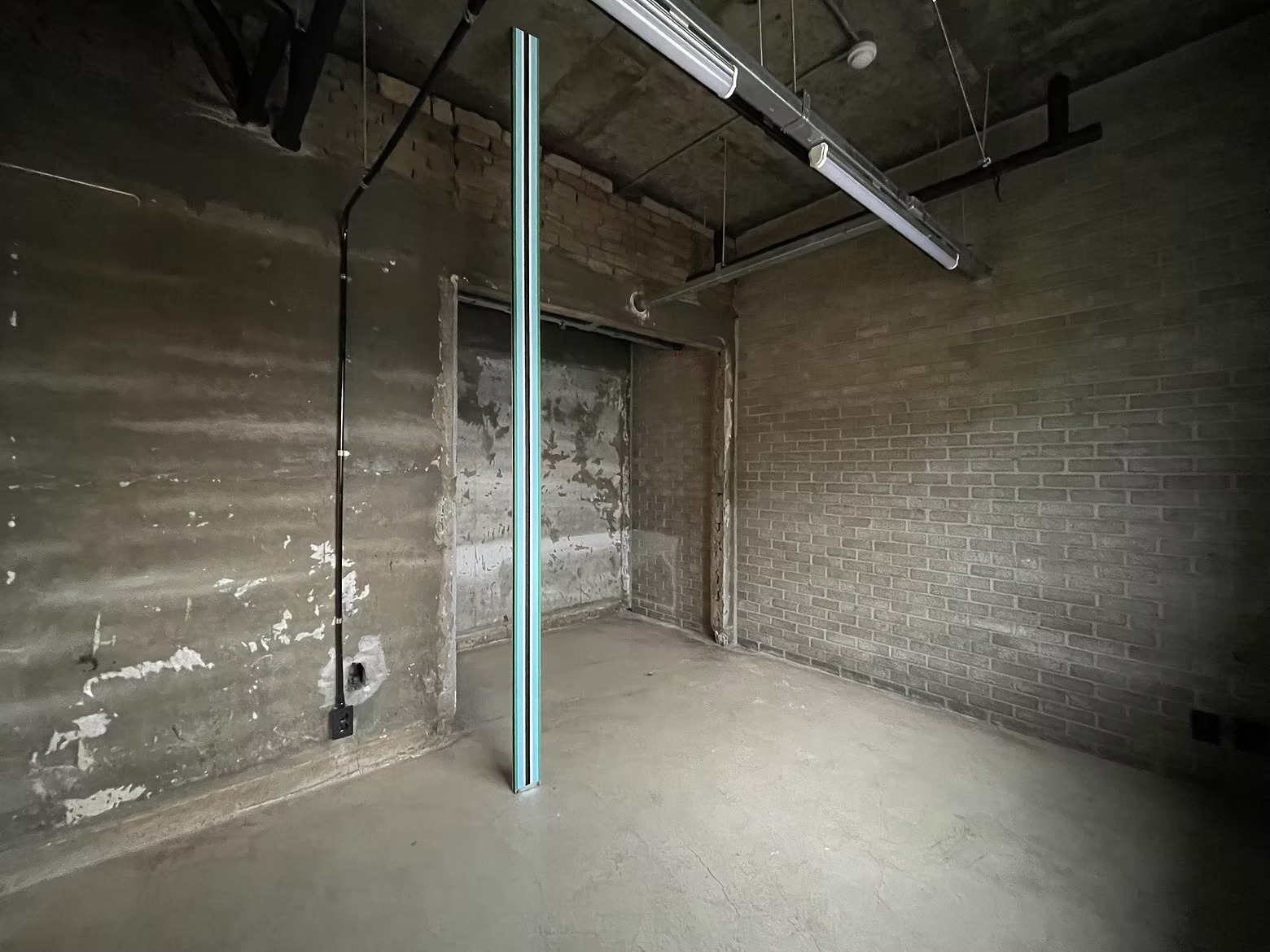
Vertical Line, one of her most recent works, is a shutter door frame in the distinct shape and color of dancheong, transforming the exhibition space into something else; something new. Kim encountered the metallic shutter objet in an area near her studio, where there are streets and back-alley shops dense with 1) 丹靑 - lit. decorative coloring of wooden architectural elements, usually cinnabar and blue-green. In a broader definition, it includes at least five basic colors; blue, white, red, black, and yellow. tinker tools, hardware, and equipment.

The spaces of labored metal and grease, sawdust and adhesives seem distant to the finer traditional values and structures, but it was there that the artist encountered the shutter frame and its potential for transformation. Introduced into the exhibition hall, the metallic dancheong shutter frame touches both the floor and the ceiling while nonchalantly restructuring the space in-between. Kim introduced an object of sheer function from the industrial streets of Seoul, reinterpreted in the tradition of dancheong. In that transformation, the objet became a catalyst to the reordering of its own installed space.

Only steps away from the frame lies Flat Pieces, a floor installation of arranged tiles. The mass-produced objets of commercial production and construction, tiles add another layer to the placeness of the concrete venue. Throughout history and even now, dancheong and most surviving traditional architecture are appreciated in a context inseparable of social hierarchy and authority. Yet here, the patterns and colors of power are not gazed upon with upward reverence but with downcast curiosity and appreciation.
 
Ahra Kim continues to explore structures and surroundings with new connections to her growing body of work. Changes in form and dimension are inevitable when she continues to expand her domain and explore frames as portals into the past and–depending on her present perspective–the future.

References