From an art historical
perspective, museum exhibition spaces after modernism have evolved from the
traditional “White Cube” to the “Black Box,” and further into the “Graybox”—a
hybrid of the two preceding forms (also referred to as the “Gray-zone” or “Studio”).
This transformation is closely related to technological advancement and the
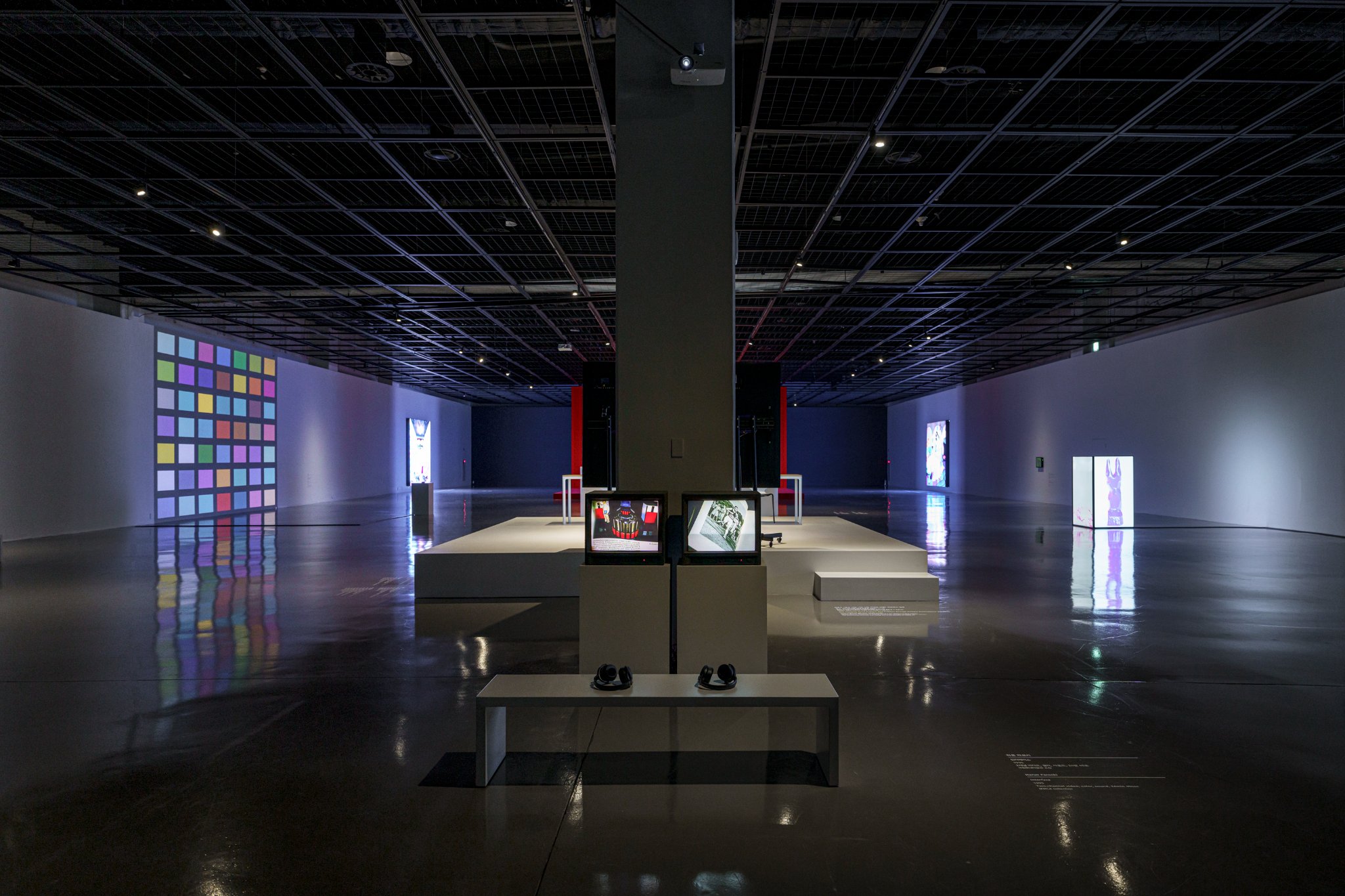
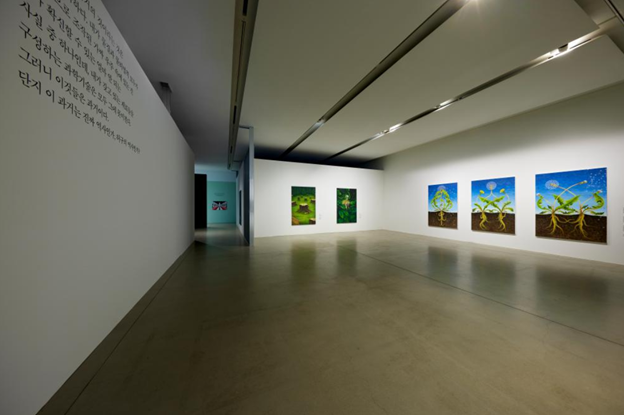
expansion of media. Unlike the White Cube, which was designed for traditional
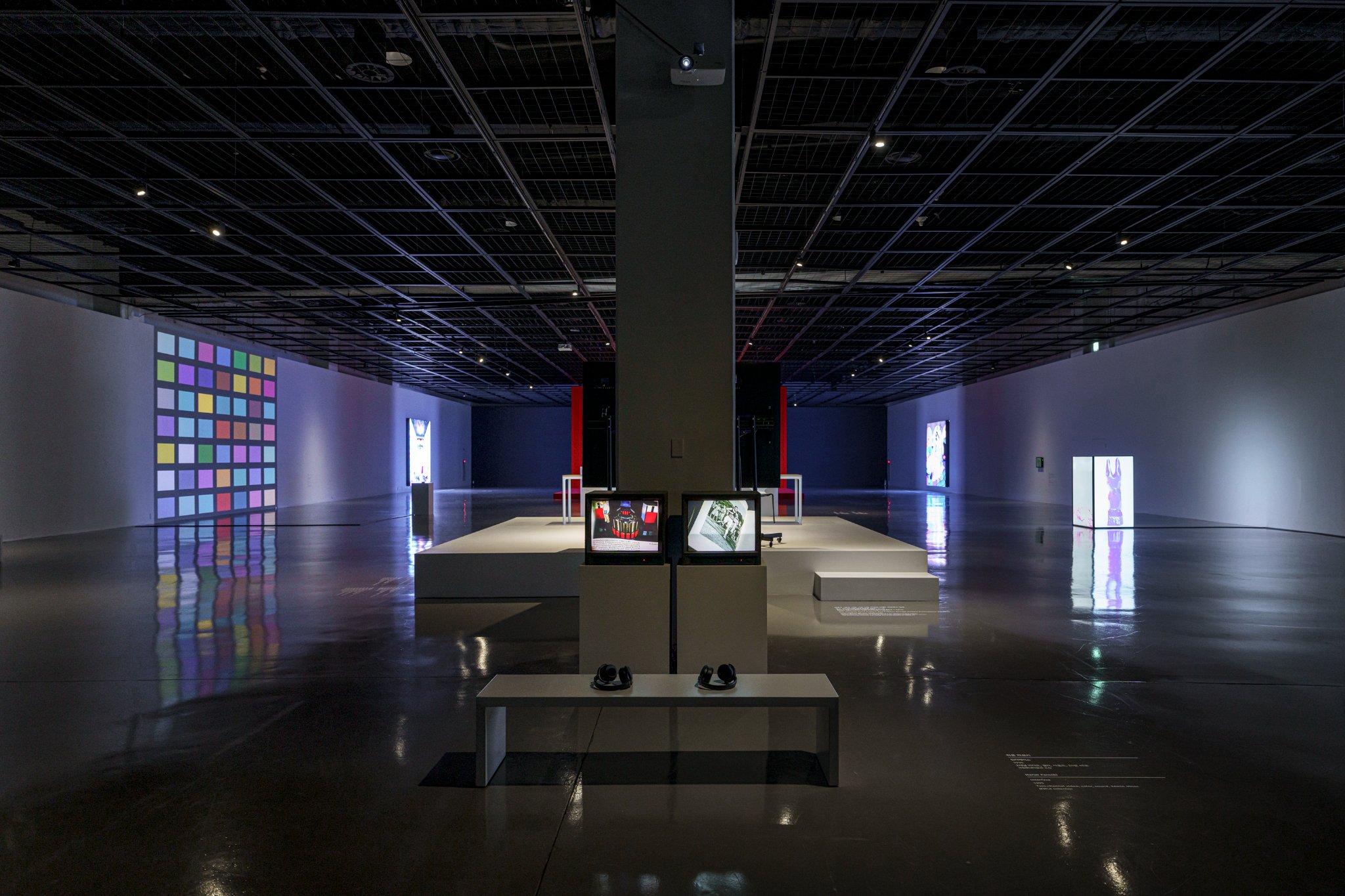
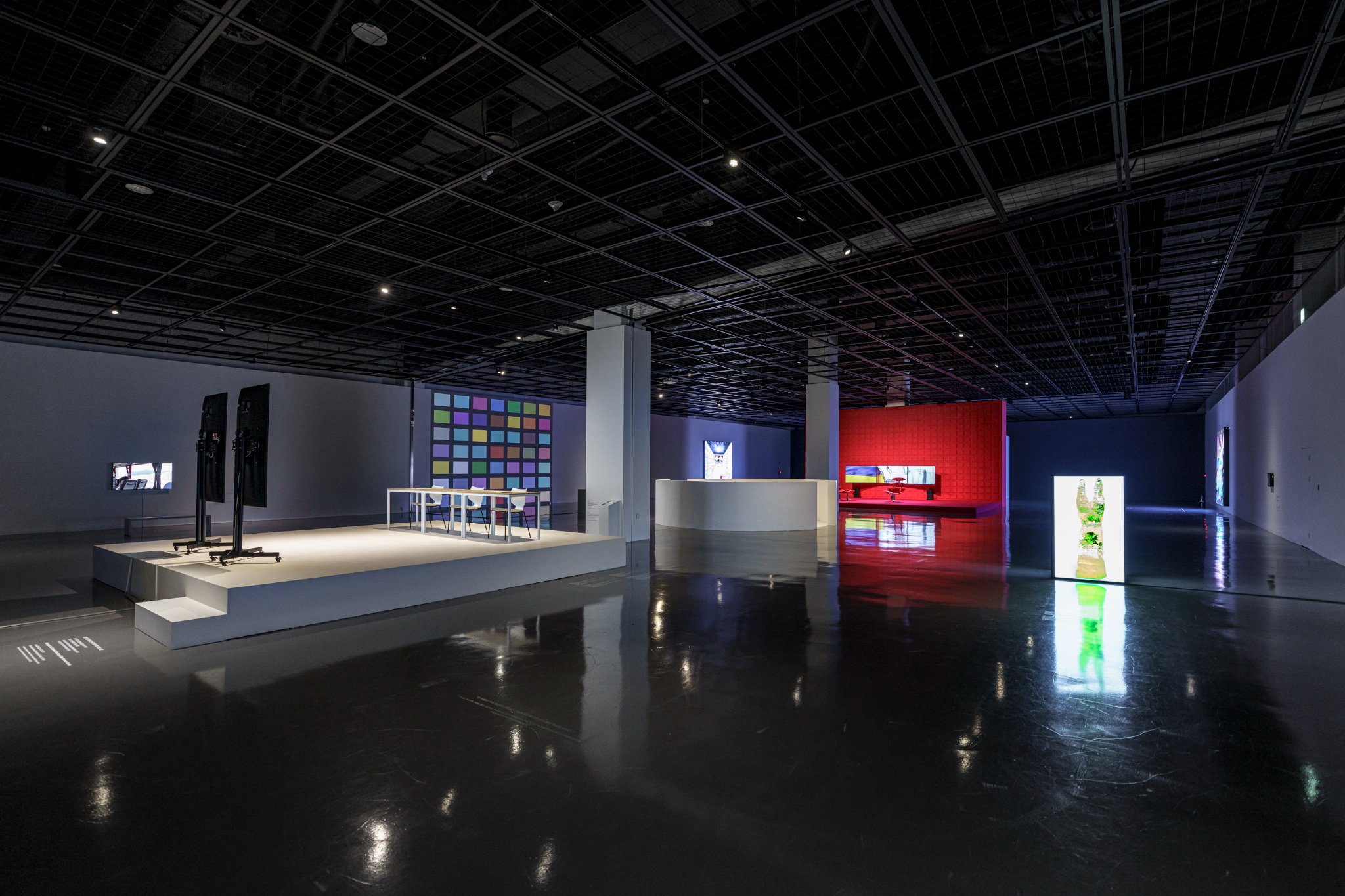
painting and sculpture, the Black Box is a dark, enclosed space created for
film and video projection.
It emerged as experimental moving-image works—pushed
out of the commercial film industry driven by large-scale capital—began to
enter museum contexts. The Graybox, although not yet clearly defined and still
in a state of becoming, arose from the need generated in the 1990s as
performance genres such as dance and theater entered museum spaces. Thus, while
it refers to a space where the White Cube and Black Box overlap, it is also
considered a typical environment for performance. Interestingly, Claire Bishop
(b. 1971) emphasizes that these transformations coincide with the emergence of
network technologies and smartphones, which opened up new modes of
spectatorship based on immediate interaction between audiences and artworks.
In
this way, the historical evolution of exhibition spaces is deeply intertwined
with the technological conditions of each era that expand the scope of visual
art media: just as the Black Box was shaped by the emergence of time-based,
technology-driven media situated between art and the film industry, and the
Graybox expanded through an increased focus on performance—where the temporality
of moving images is maximized—so too are these spaces closely connected to the
technological conditions of their time.
As works of art inevitably
reflect the conditions of their time, the current trajectory of museums appears
to be unfolding in a new direction in tandem with the full-scale expansion of
digital technology. This is evident in the increasing number of exhibitions in
recent years that focus on the wide-ranging transformations of artistic genres
centered on the attribute of the digital—from single-channel and multi-channel
video that transitioned into digital formats following the emergence of early
moving-image media such as television, video, and film; to web (net) art that
appeared in the early stages of the digital world; to video (installation)
media utilizing advanced digital technologies and software such as games, VR
(virtual reality), AR (augmented reality), and MR (mixed reality); and further
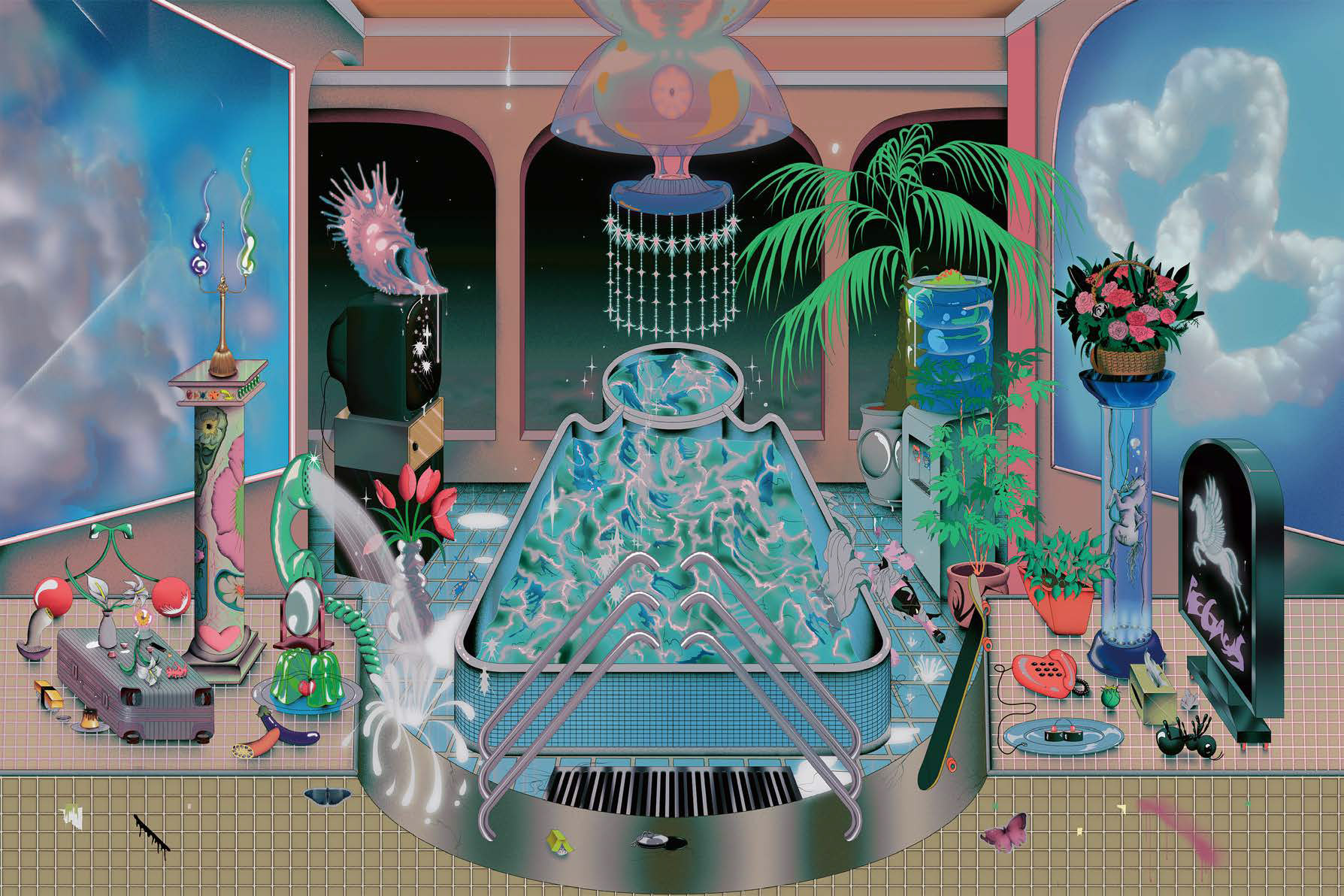
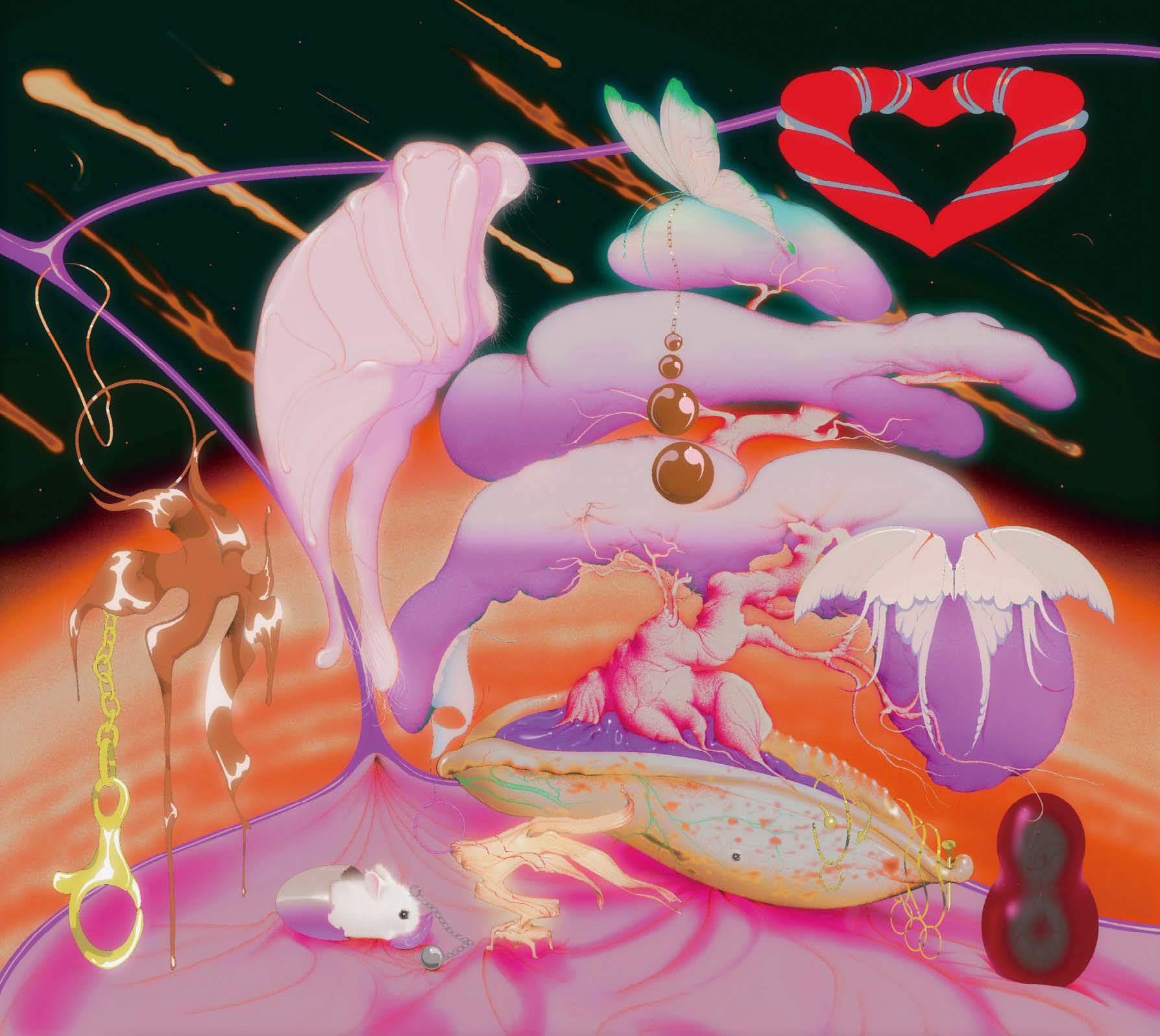
to digital painting, digital sculpture, performance, and interdisciplinary,
convergent art forms that break down boundaries between genres.
The emergence
of new digital technology-based art media not only transforms the fundamental
mode of existence of artworks, but also proposes new viewing environments and
modes of spectatorship that extend beyond the three aforementioned exhibition
space types. Even if these developments prove to be temporary, contemporary art
museums function as sites where diverse artistic experiments are conducted
across the boundaries of the real and the virtual, the material and the
immaterial, and the offline and the online, while navigating this transitional
moment in which everything converges toward the digital.
Through this, museums
attempt to anticipate what new worlds visual art may open up. However, such
endeavors are not limited to the spectacular visual effects enabled by
technological devices, nor do they subordinate art to technological media.
Rather, they are grounded in a critical perspective on the characteristics of a
machine- and technology-centered world—from analog to digital—and on the
restructuring of human life under the influence of such conditions.