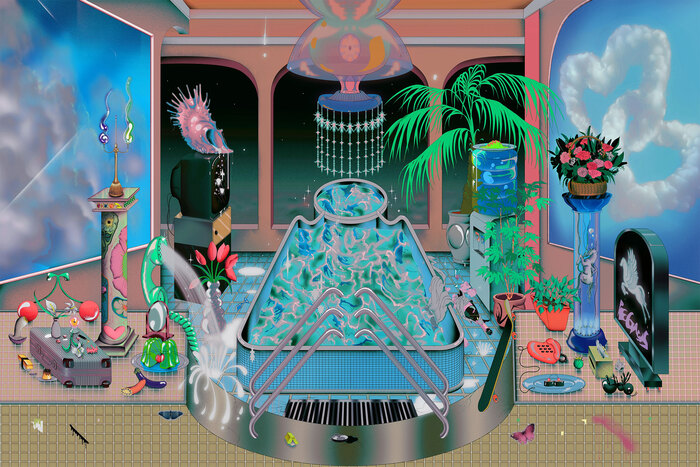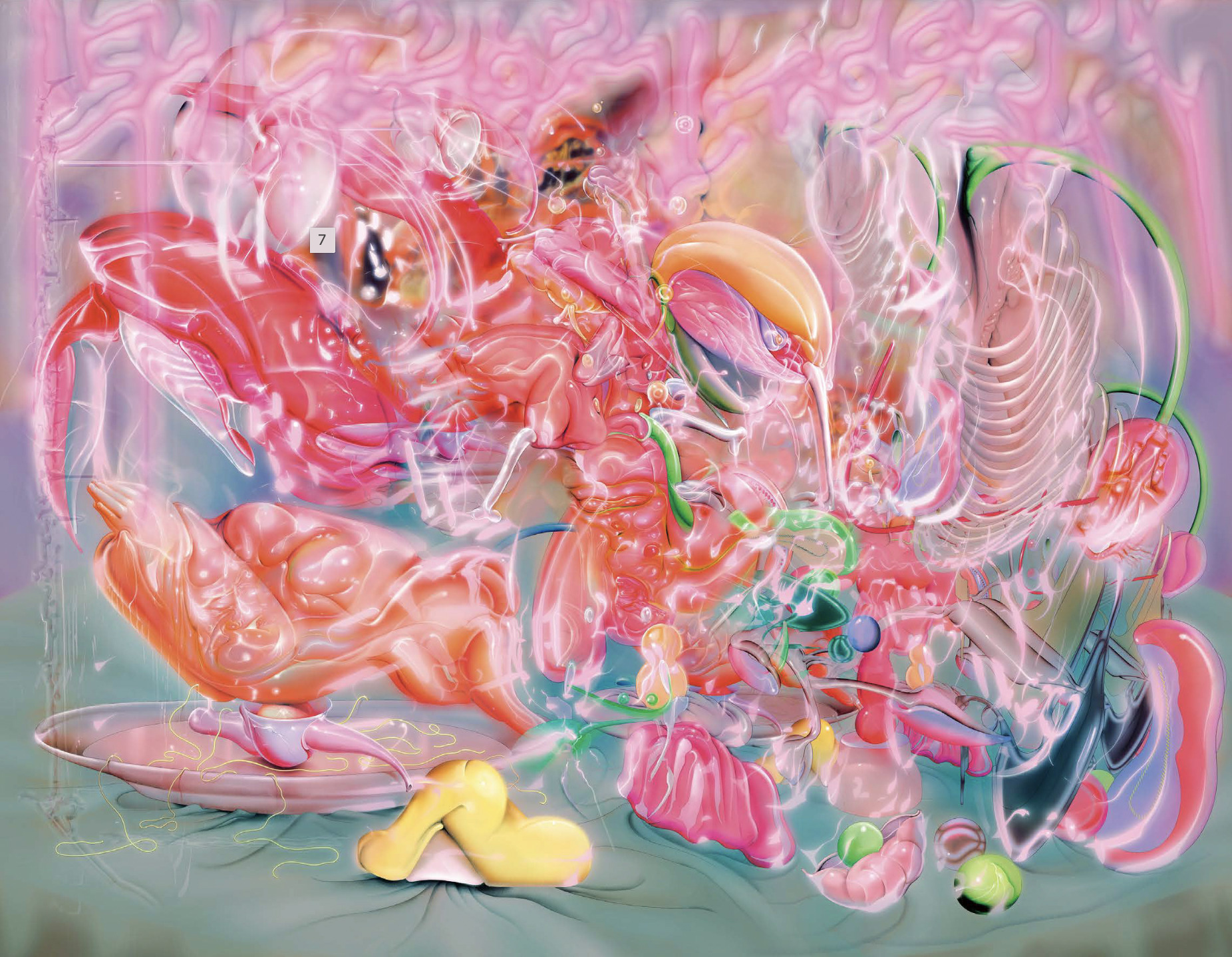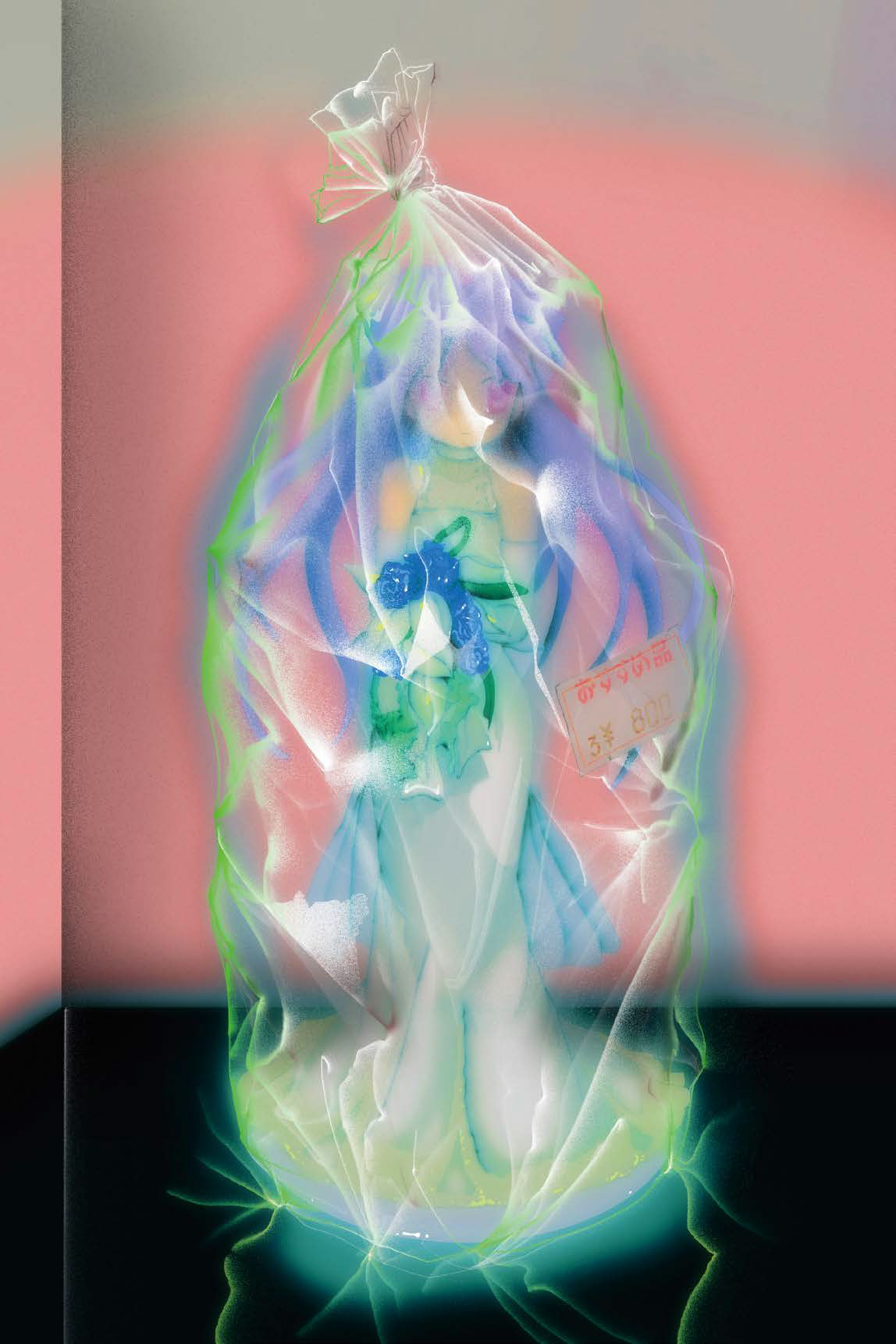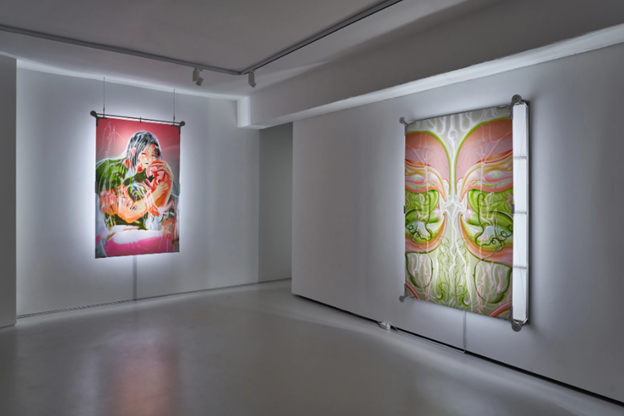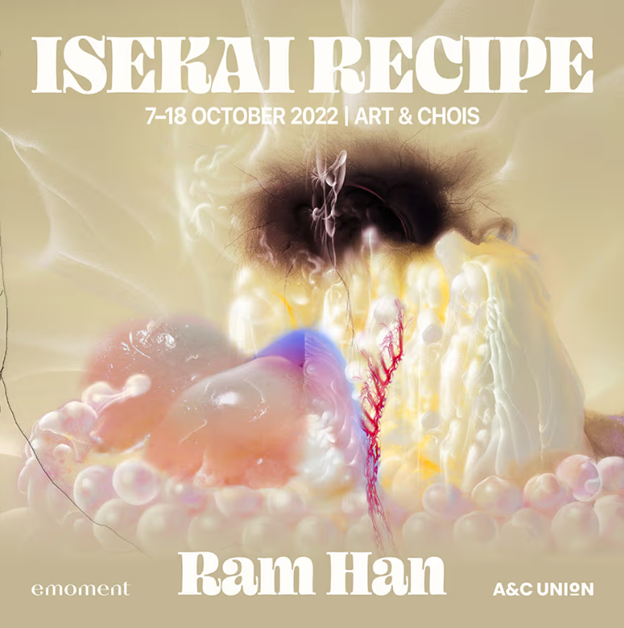


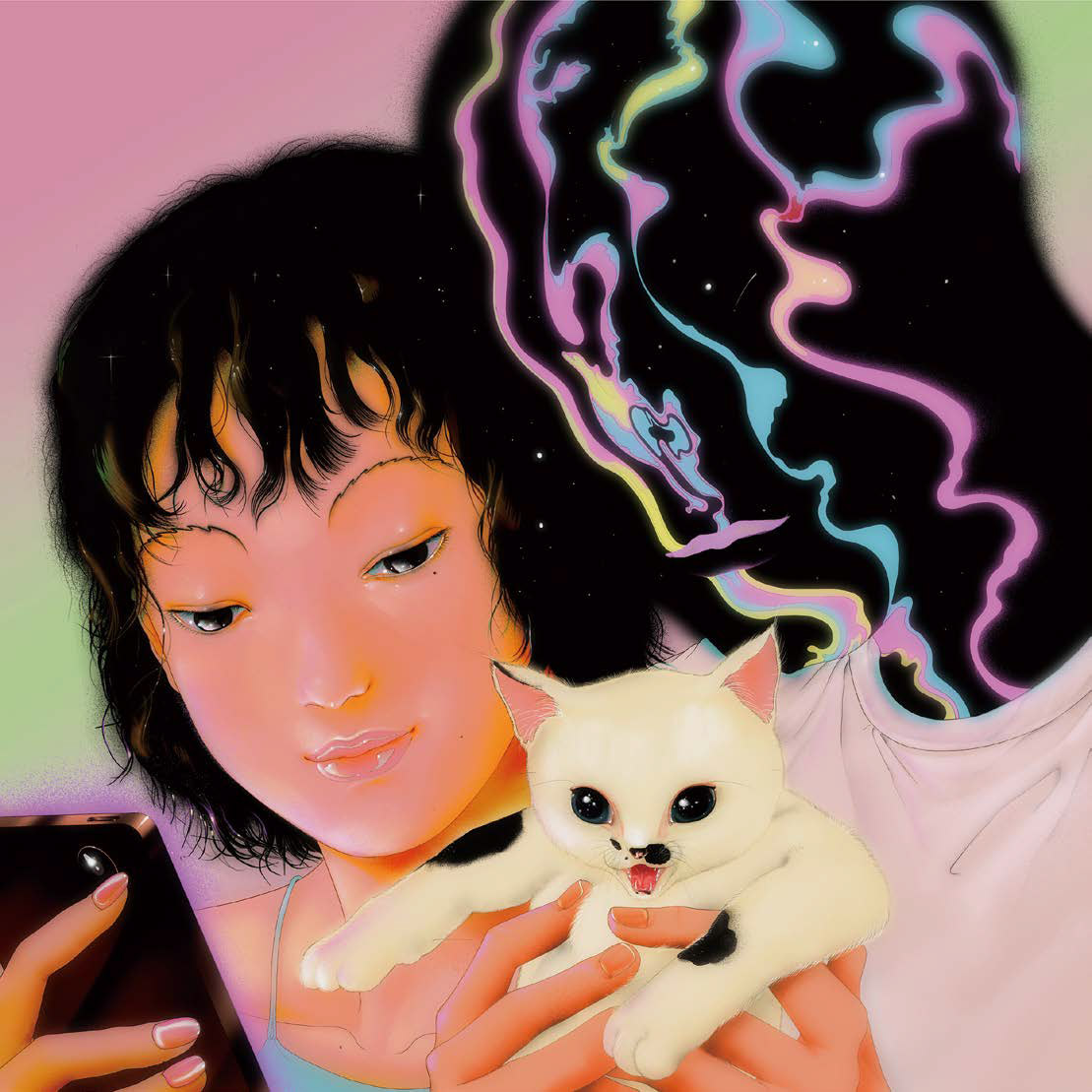
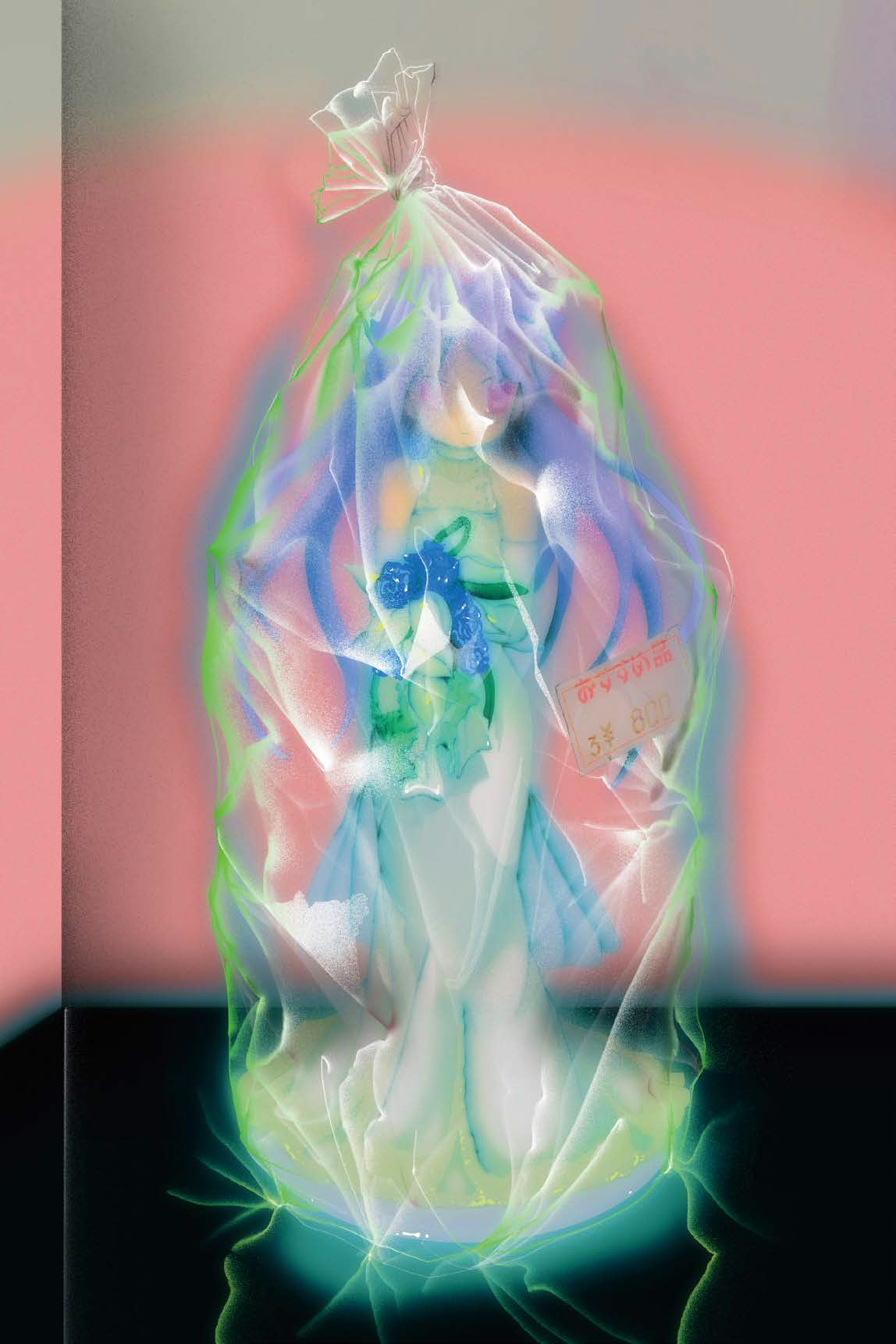
Ram Han (b. 1989) has primarily worked with digital painting as her main medium, exploring the ambiguous boundaries between memory and fantasy, as well as the virtual and the real. In particular, her practice is grounded in an interest in contemporary and past pop and subcultures, along with forms of digital nostalgia experienced through media.
 
By cutting and recombining reproduced and degraded images from mass media—images whose authenticity has become uncertain—Han summons distorted third scenes composed of quasi-memories, ultimately translating them into experiences for the viewer.


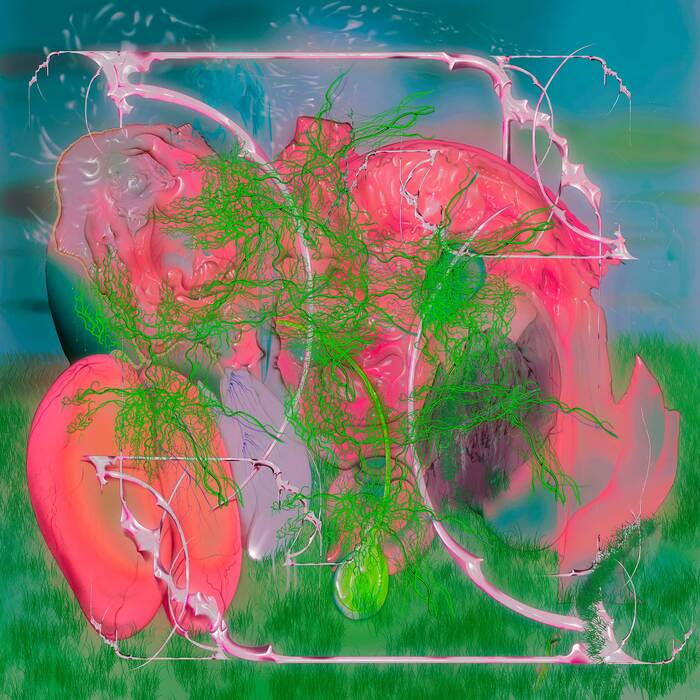
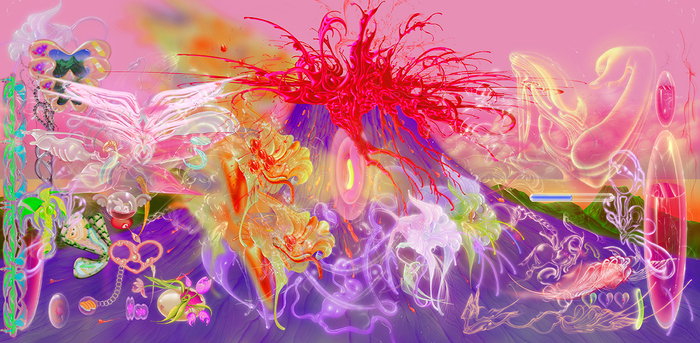
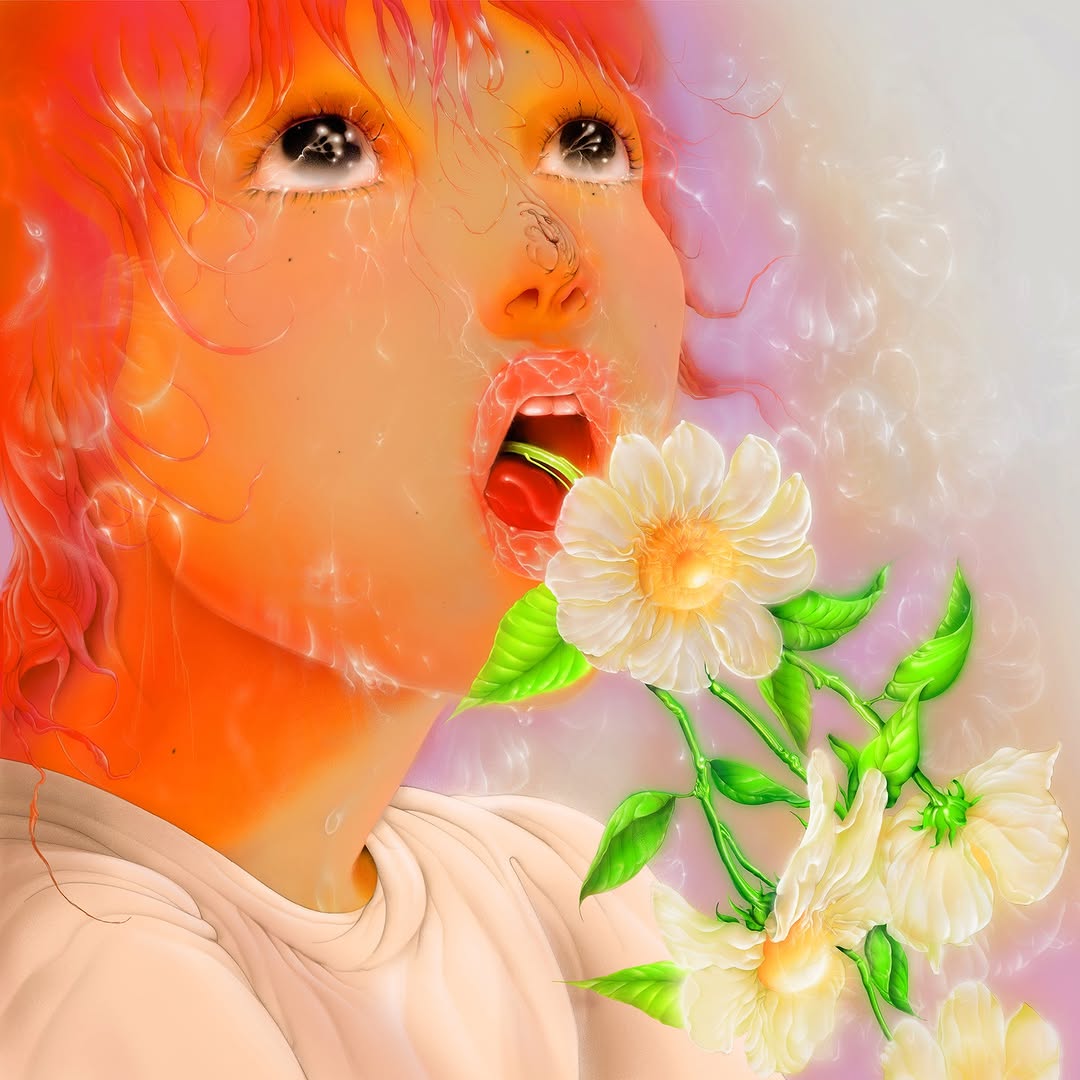
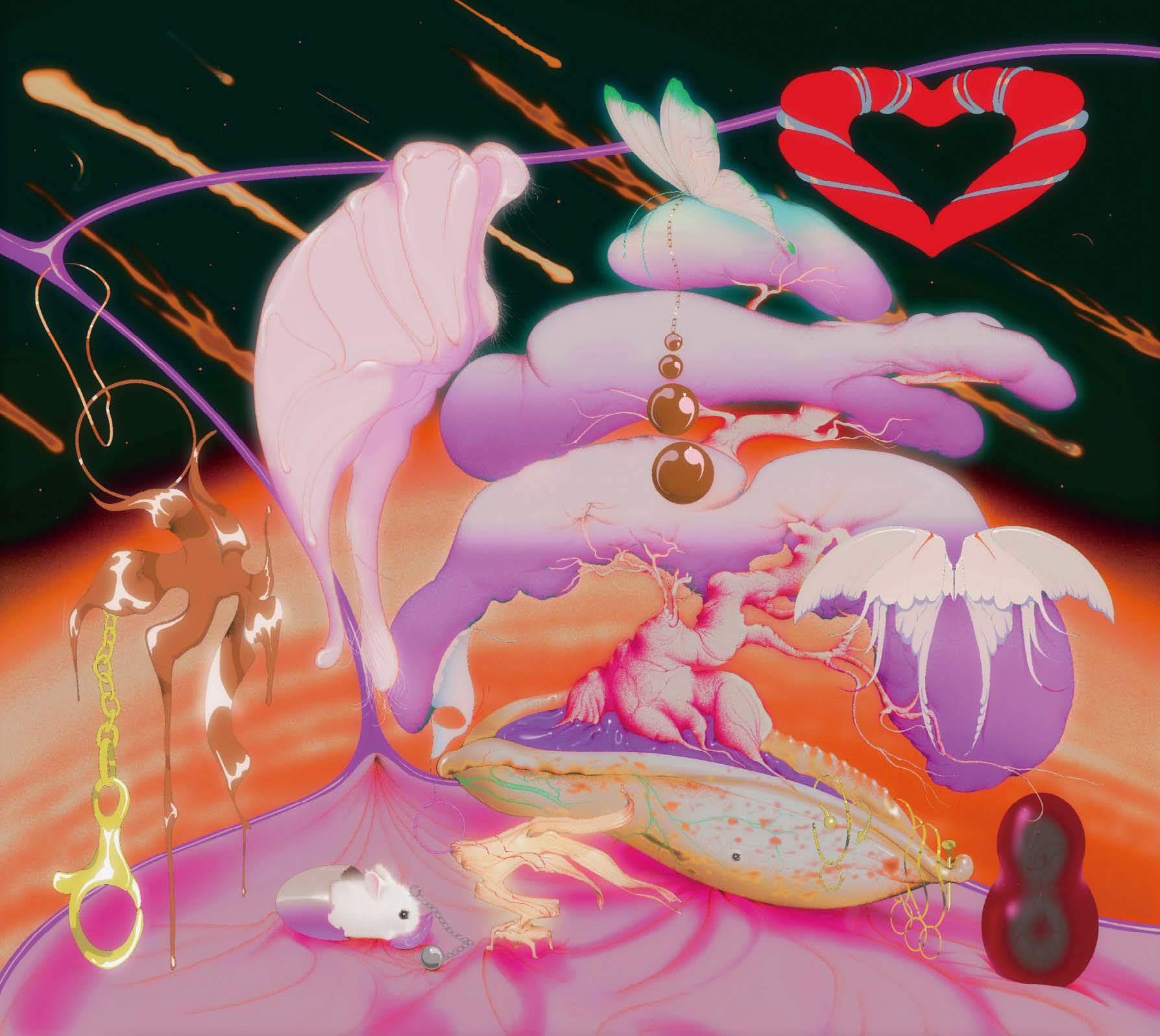
Ram Han, Cracked, 2017 ©Ram Han

Ram Han has experimented with digital painting, working differently from conventional painting practices that involve applying paint onto the traditional surface of canvas. Instead, she draws on a tablet and completes the work through post-production in Photoshop. Unlike traditional painting, the imaginative worlds created by Han originate as immaterial digital files, which can then be output across various devices—freely moving between material and immaterial states while expanding without fixed limits.
 
Belonging to a digital-native generation, Han grew up within the social media environment shaped by the rapid development of the internet. As a result, much of her work naturally becomes visible online, revealing a fluid exchange between lived experience and the virtual world.


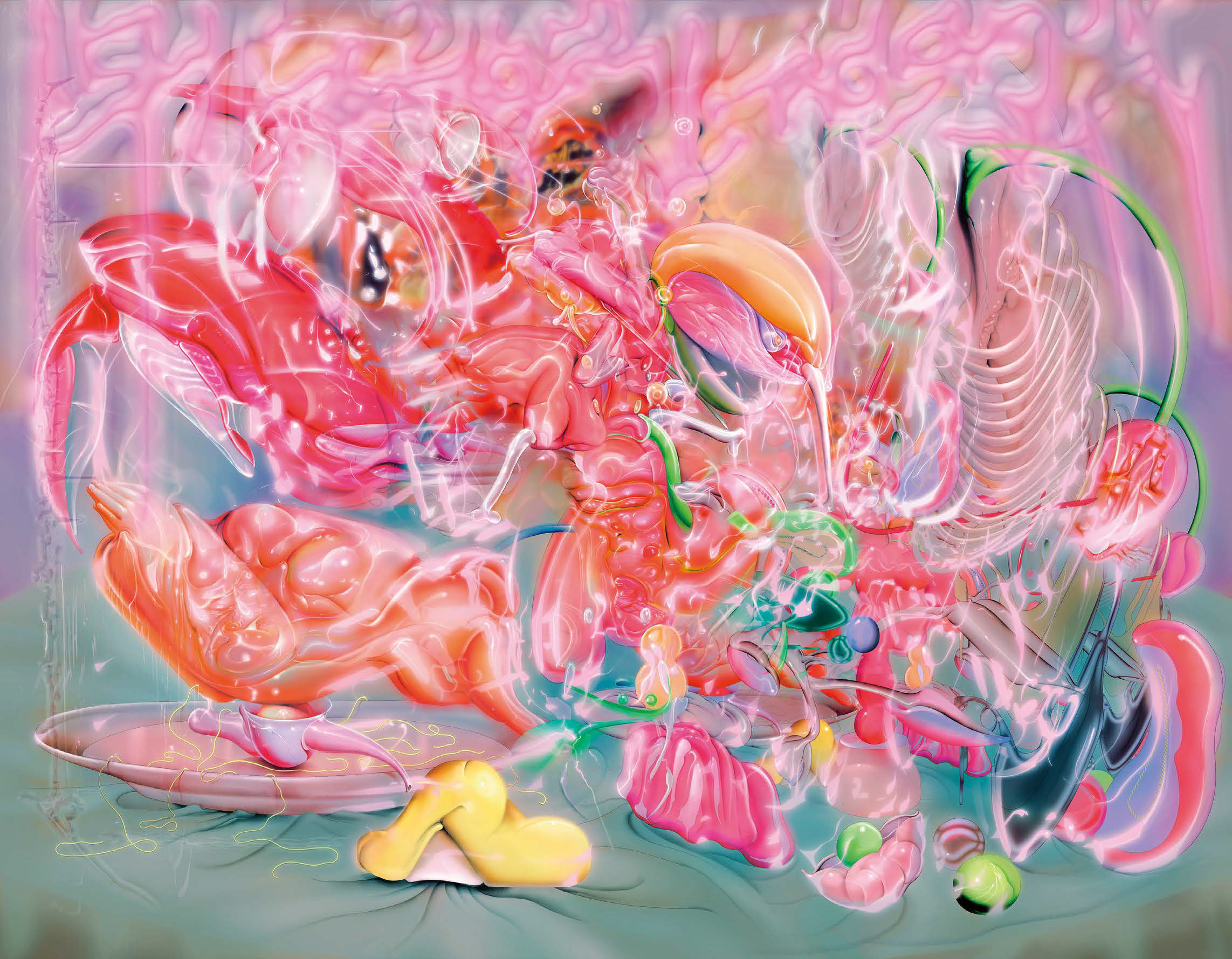
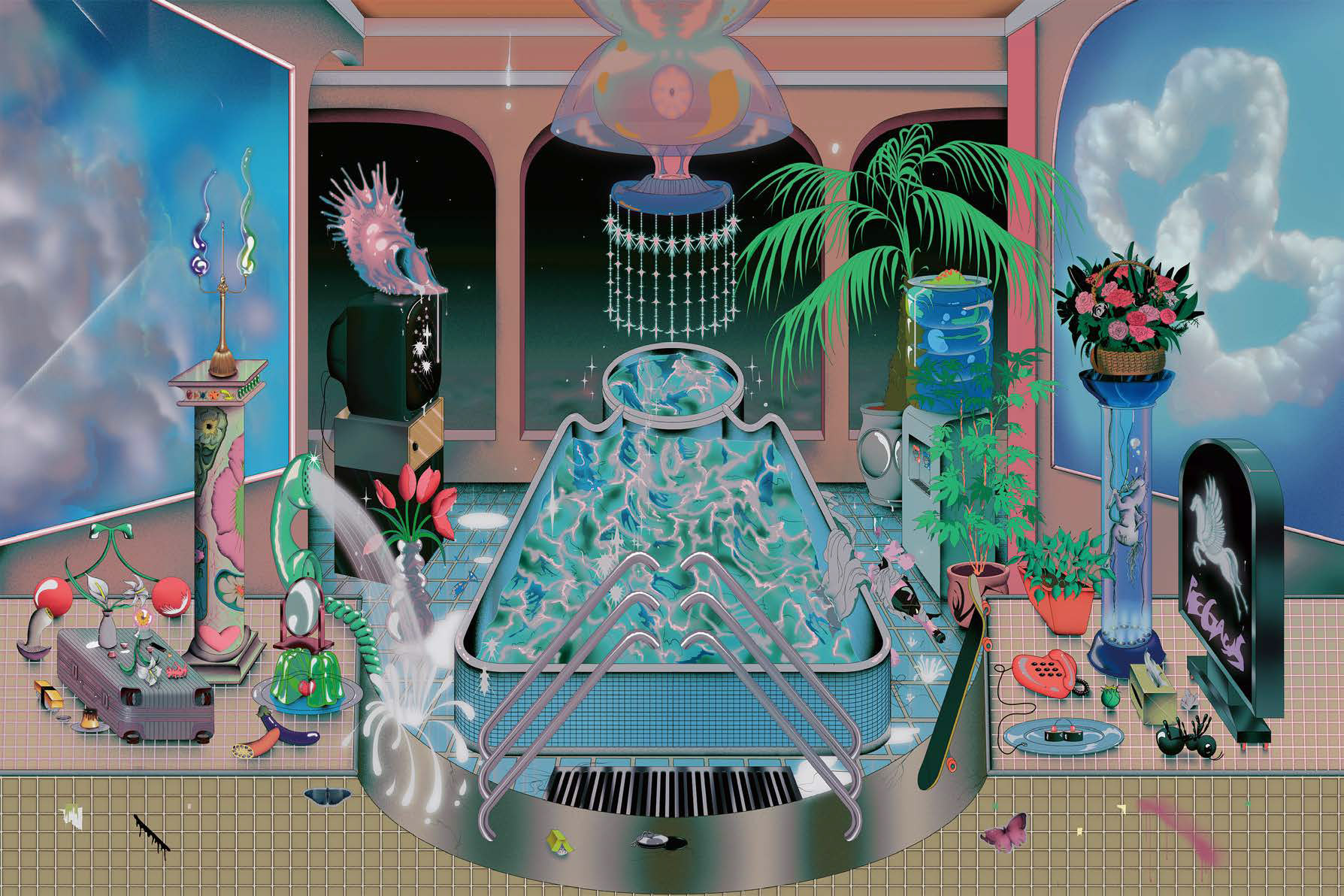
Ram Han, Roomtype_03, 2019, Digital print, archival print on paper, framed, 101.6x152.4cm ©Ram Han

Images that inspire Ram Han are often discovered on social media. The artist transforms these images into digital paintings and presents them in square light boxes, evoking the visual format of Instagram and other social media platforms.
 
After the works are exhibited in galleries and museums, Han cuts the pieces into fragments and releases them on social media. Through this process, she creates a cycle of images that recirculate experiences drawn from both reality and the virtual realm.


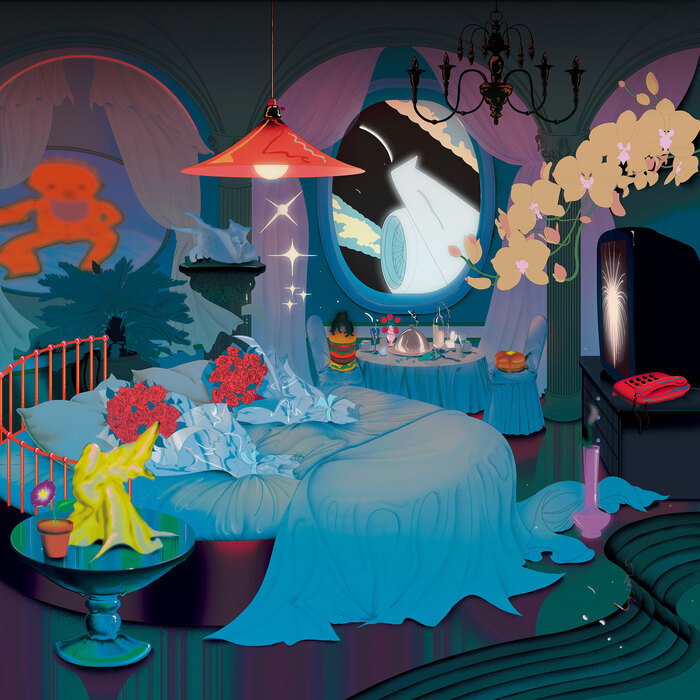
Ram Han, Roomtype_02, 2018, Digital print on light panel, 300x300cm ©Ram Han

Within Ram Han’s working process—closely intertwined with the digital environment—the images that emerge contain backgrounds and atmospheres whose exact references are difficult to identify. The images she constructs rearrange scenes indirectly imprinted in memory through media alongside objects from newly imagined worlds, layering multiple realities into fragmented visual compositions.
 
As a result, the scenes Ram Han depicts appear familiar as if they were real, yet ultimately unfold as unfamiliar virtual spaces where different times and places are intermingled.


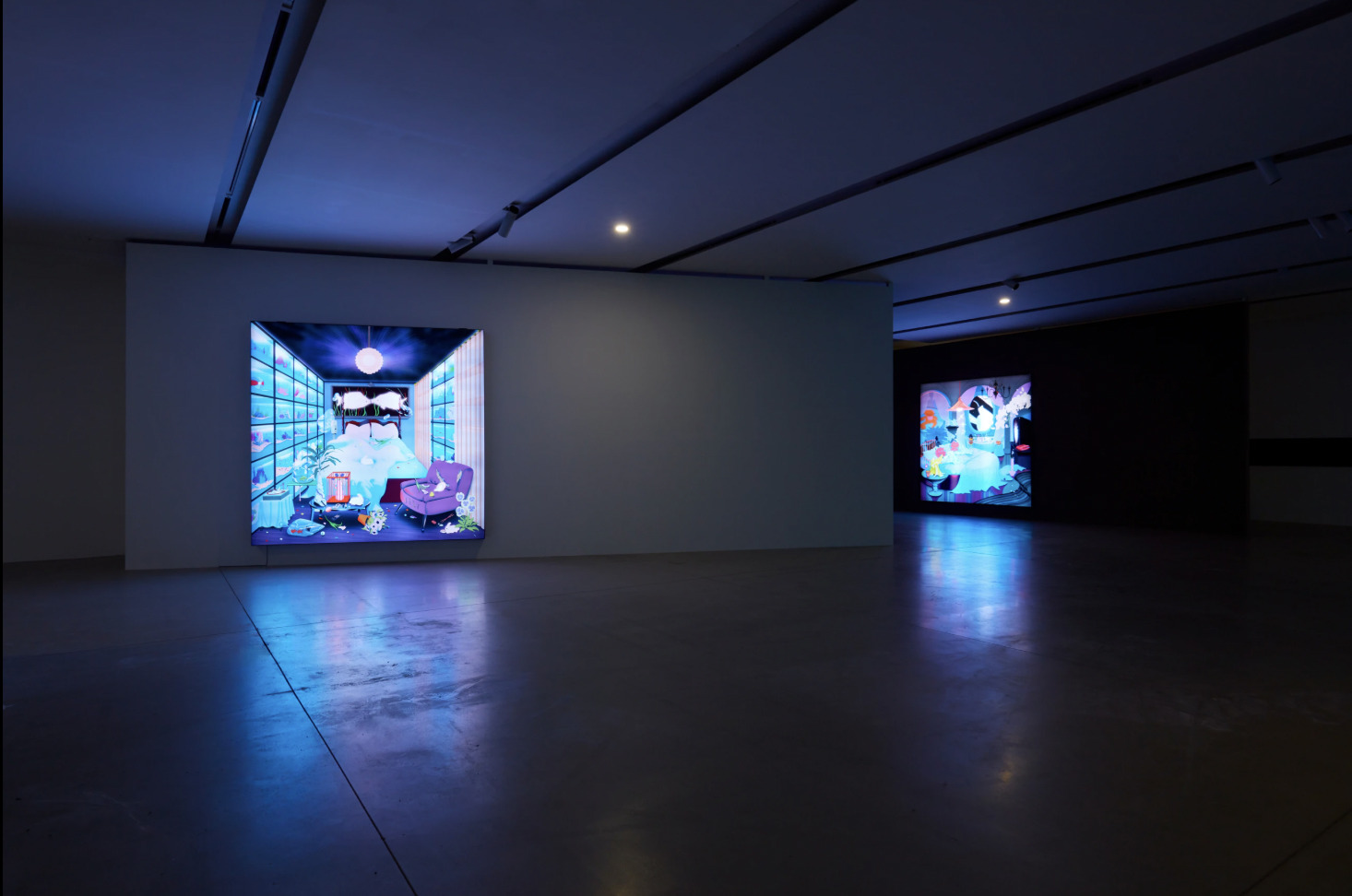
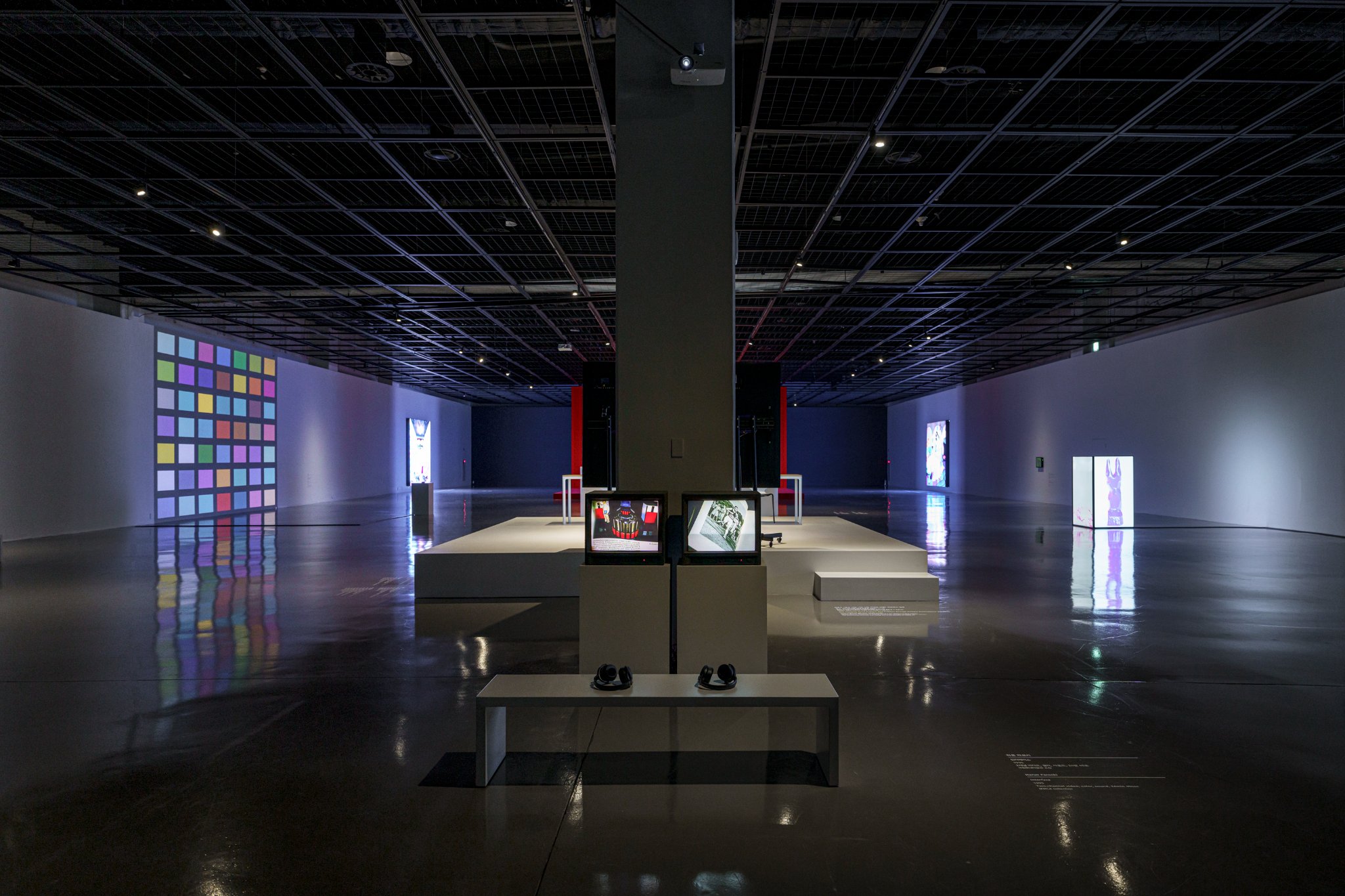
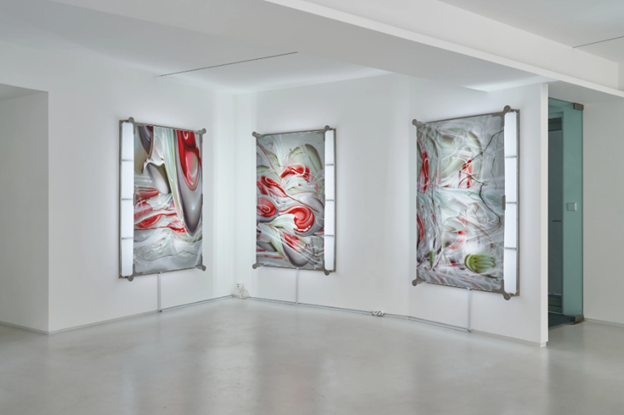
Ram Han, ‘Roomtype’ series, Installation view of 《Phantom Arm》 (Buk-Seoul Museum of Art, 2018) ©Whistle

Ram Han’s work began to receive notable attention in the art world with the group exhibition 《Phantom Arm》 (2018) at Buk-Seoul Museum of Art. The exhibition highlighted artists born in the 1980s who do not draw a strict dichotomy between analog and digital, addressing the web space that has become an integral part of everyday life.
 
In this exhibition, Ram Han introduced ‘Roomtype,’ her first major series, marking both the debut of this body of work and the emergence of a new direction in her practice. ‘Roomtype’ was the artist’s first large-scale installation project, establishing an independent narrative beyond her earlier modes of presentation, which primarily involved digital prints, risography, and monitors.


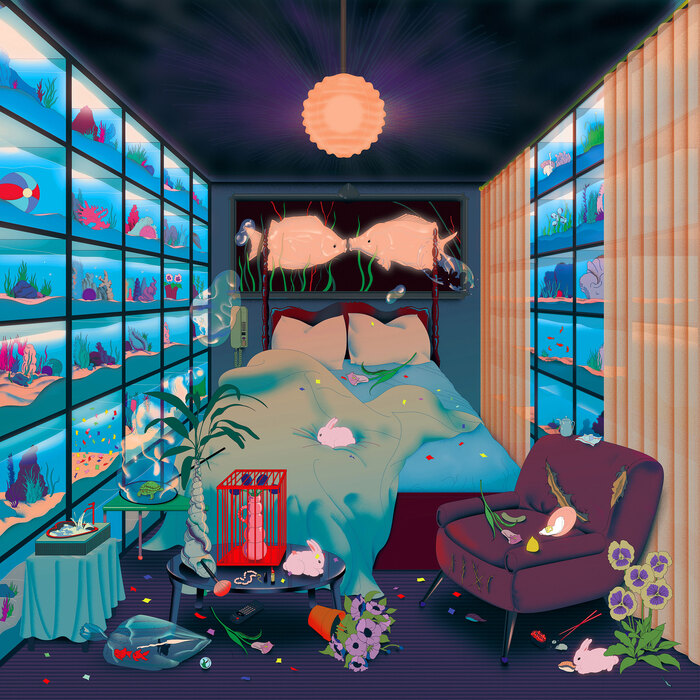
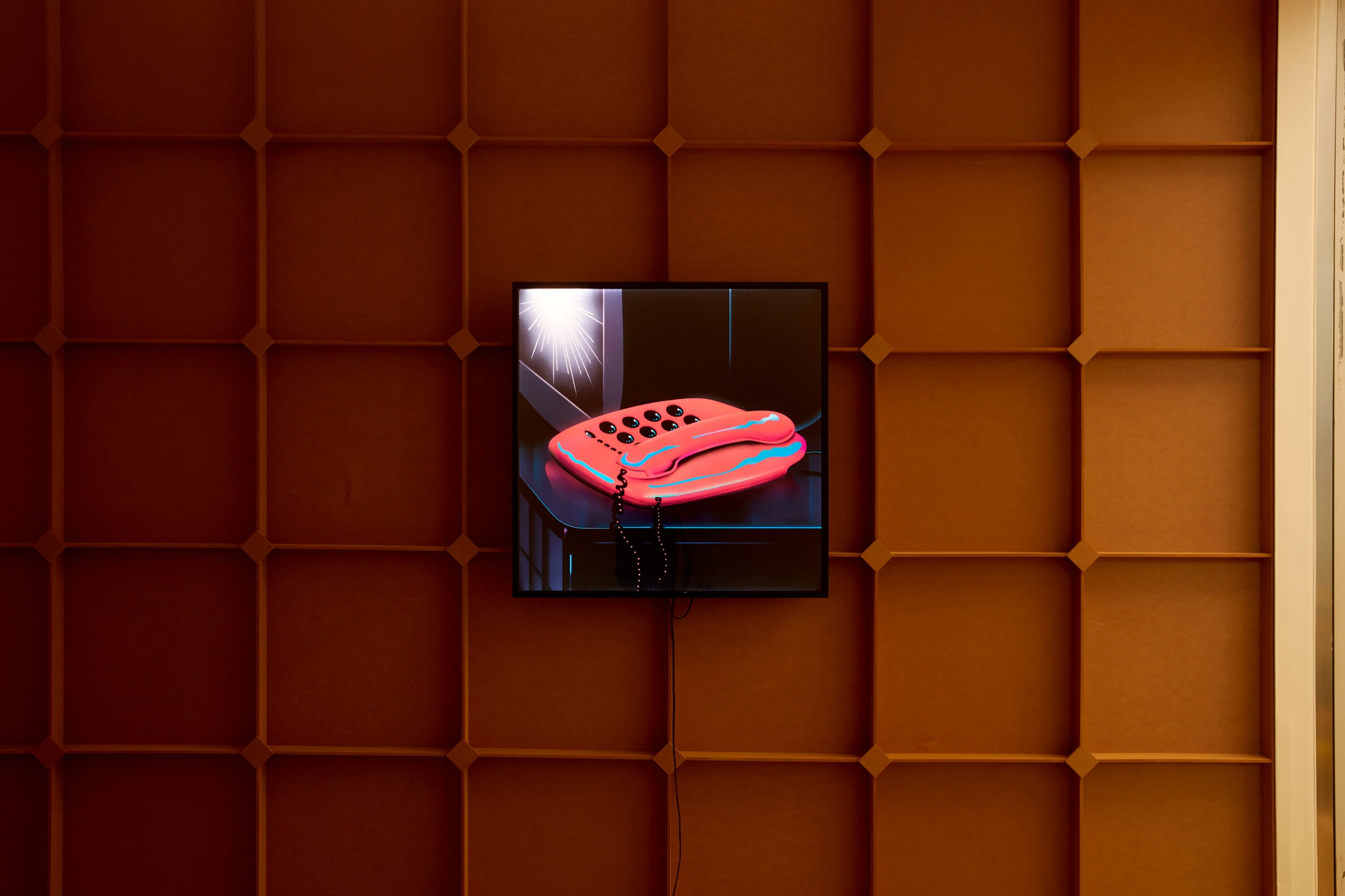
Ram Han, Roomtype_01, 2018, Digital print on light panel, 300x300cm ©Ram Han

The series presents fantastical images of hotel rooms, reconstructing scenes based on the artist’s personal and intimate memories and reflections on such spaces. While hotel rooms are designed for rest and comfort, Ram Han became interested in the paradox that within these spaces one cannot actually change or control anything. From this realization, she began to gather objects to which she felt personal attachment or that lingered in the corners of her memory.
 
The resulting imagined space becomes a private archive containing the artist’s intimate narratives. Yet when installed at a monumental scale within the exhibition space, it encounters the public—where it is shared, experienced, and ultimately consumed by viewers.


Ram Han, ‘Object’ series, Installation view of 《Phantom Arm》 (Buk-Seoul Museum of Art, 2018) ©Whistle

Another series presented alongside this work, ‘Object,’ consists of images created by cropping out small objects that went unnoticed within the large-scale ‘Roomtype’ paintings. In this series, Ram Han turns her attention to these overlooked items and endows them with their own narratives. By isolating and enlarging them into works measuring 90 × 90 cm, she encourages emotional and sensory immersion in the subject—much like the close-up panels in comics that draw focus to a particular moment or object.
 
This approach also reflects the artist’s online archive and exhibition method, in which she has frequently cropped fragments of her works and uploaded them to Instagram. Here, that digital practice is translated into a new experiment within the physical realm of exhibition.


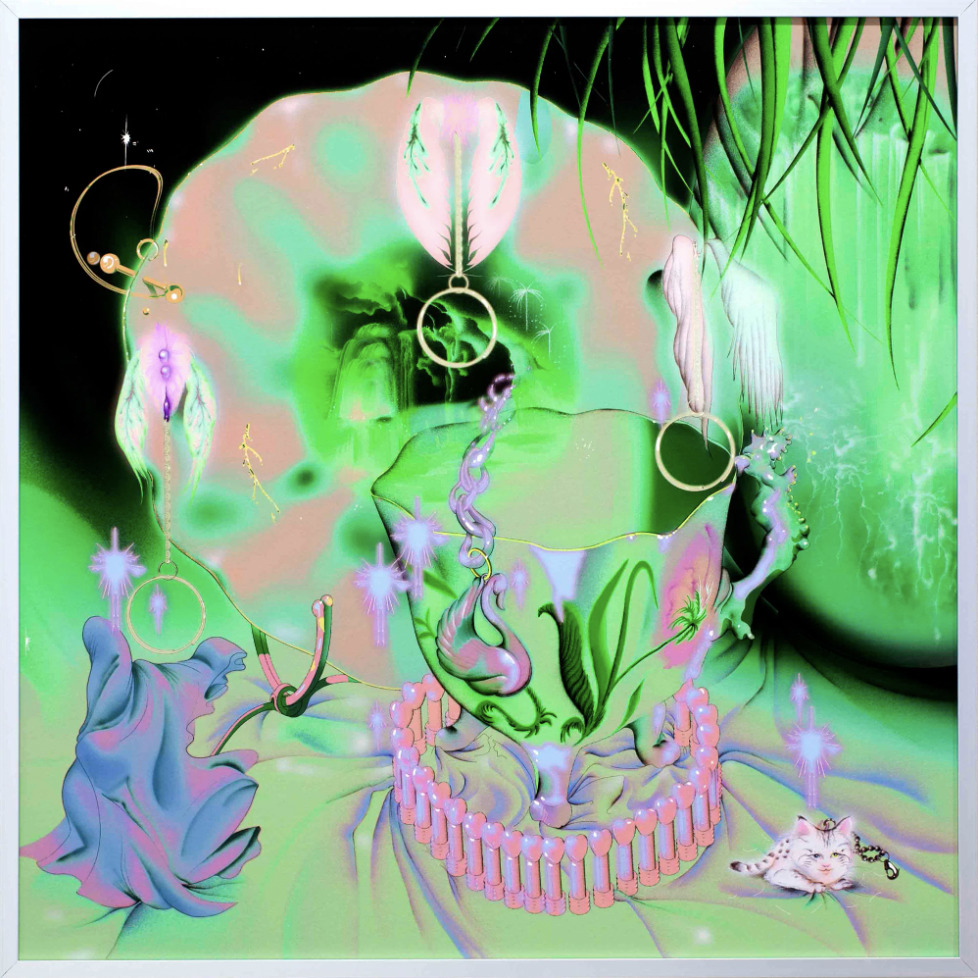
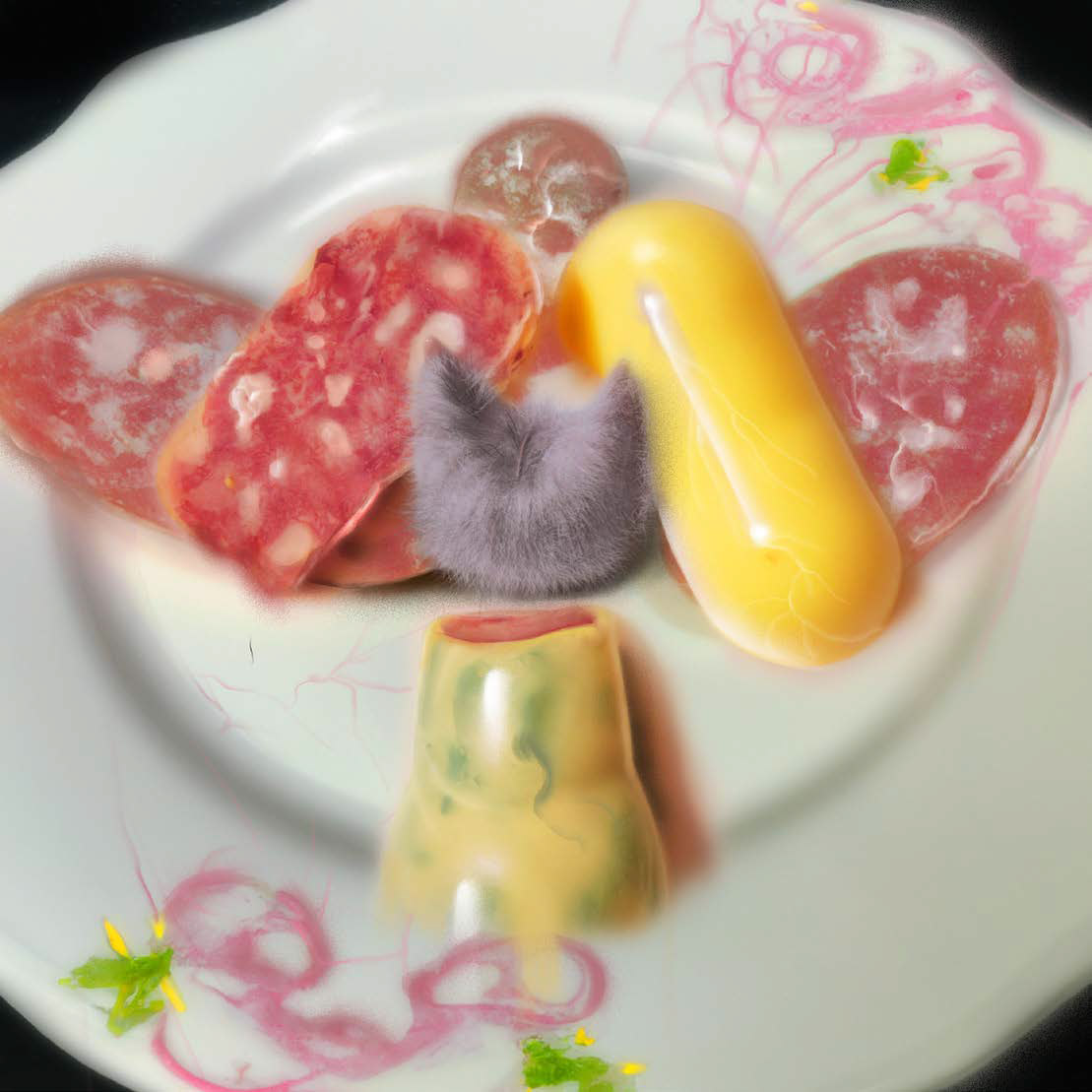
Ram Han, Souvenir01_06_F, 2019, Inkjet print on paper, 33x33cm ©Whistle

Another series that emerged as an extension of these two bodies of work, ‘Souvenir,’ unfolds fantasies, false memories, and distorted imaginings associated with travel in the form of objects such as plates and teacups. These images contain a sense of emptiness and futility often felt in ordinary souvenirs—objects commonly found at travel destinations and perhaps not particularly special—while simultaneously revealing the contradictory desire to possess them.
 
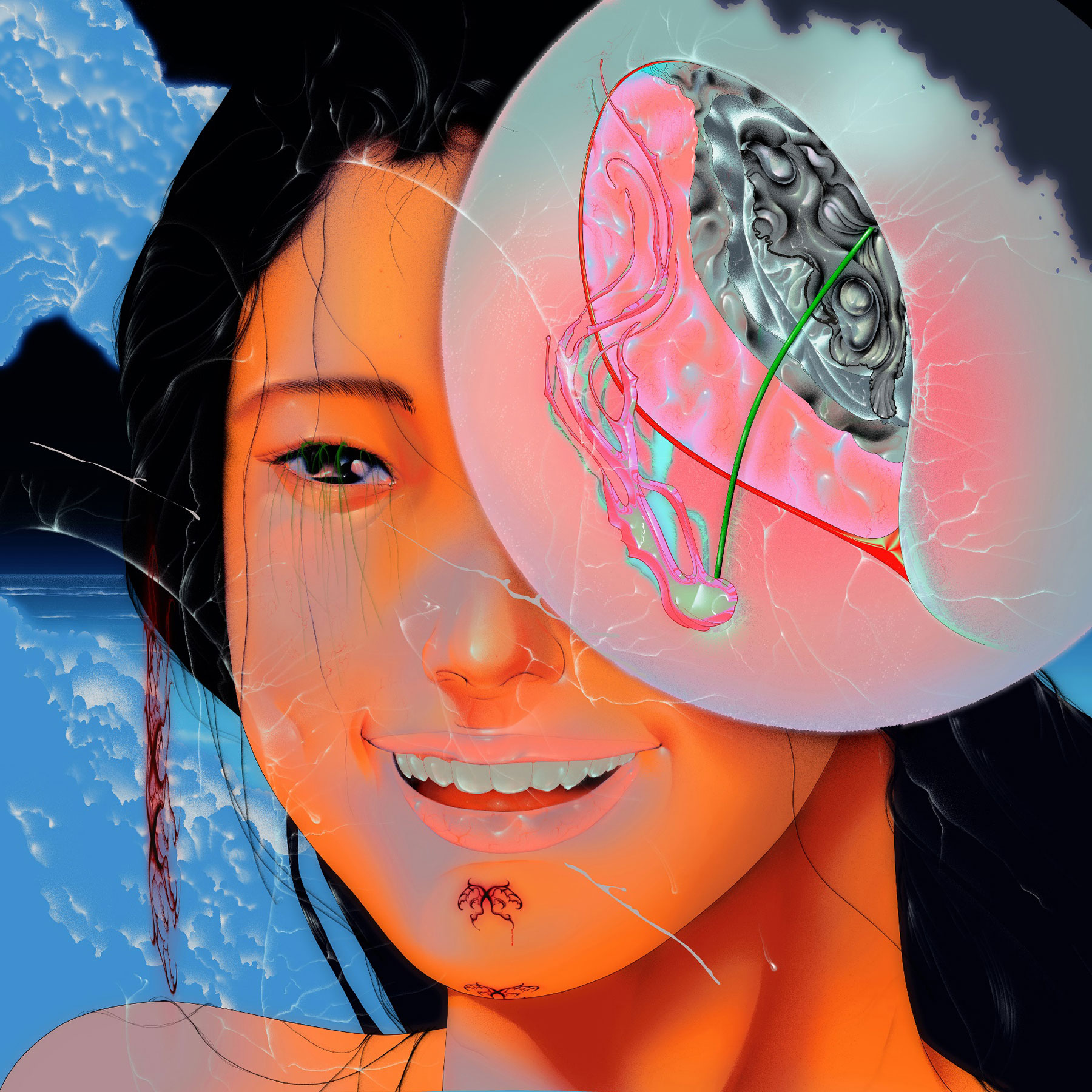
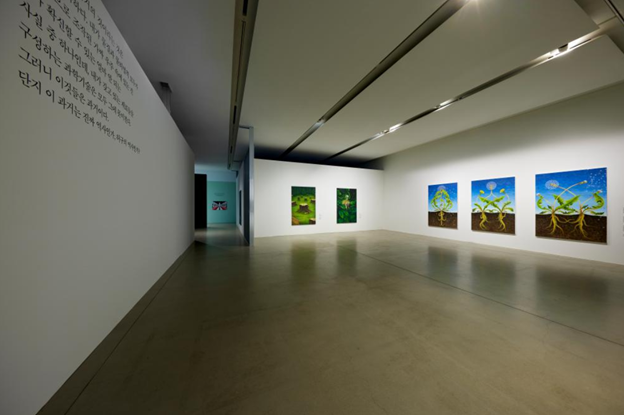
Meanwhile, the series ‘Case,’ produced for the Busan Biennale in 2020, presents hybrid forms in which humans, animals, and plants merge to form new composite bodies. The smooth surface texture, soft gradations, and glossy finish of the images heighten the sense of fantasy, as if these interspecies combinations are occurring in a state of fluid transformation.


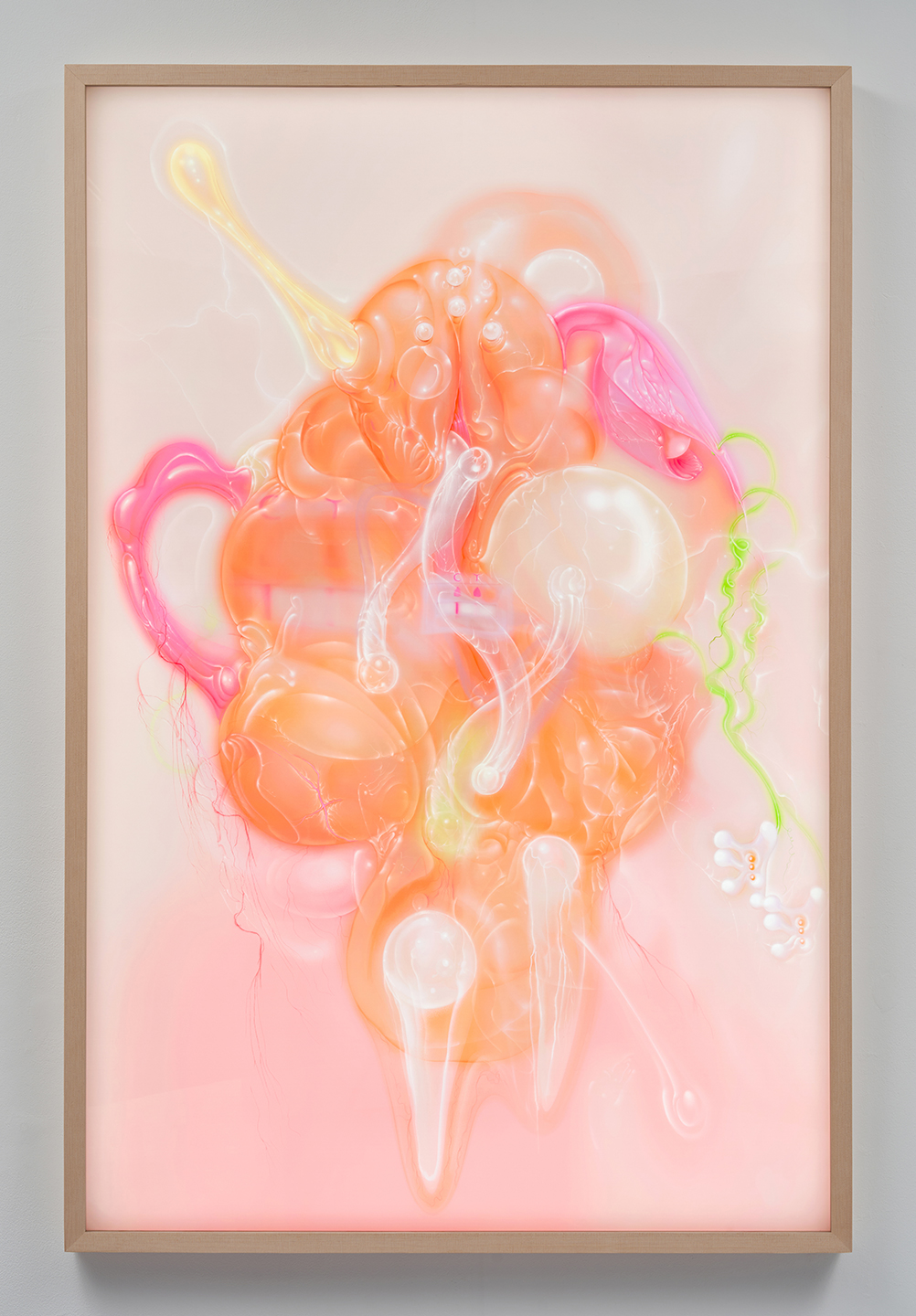
Ram Han, Case_01_01(toxin), 2020, Digital painting, light panel, 100x100cm ©Busan Biennale

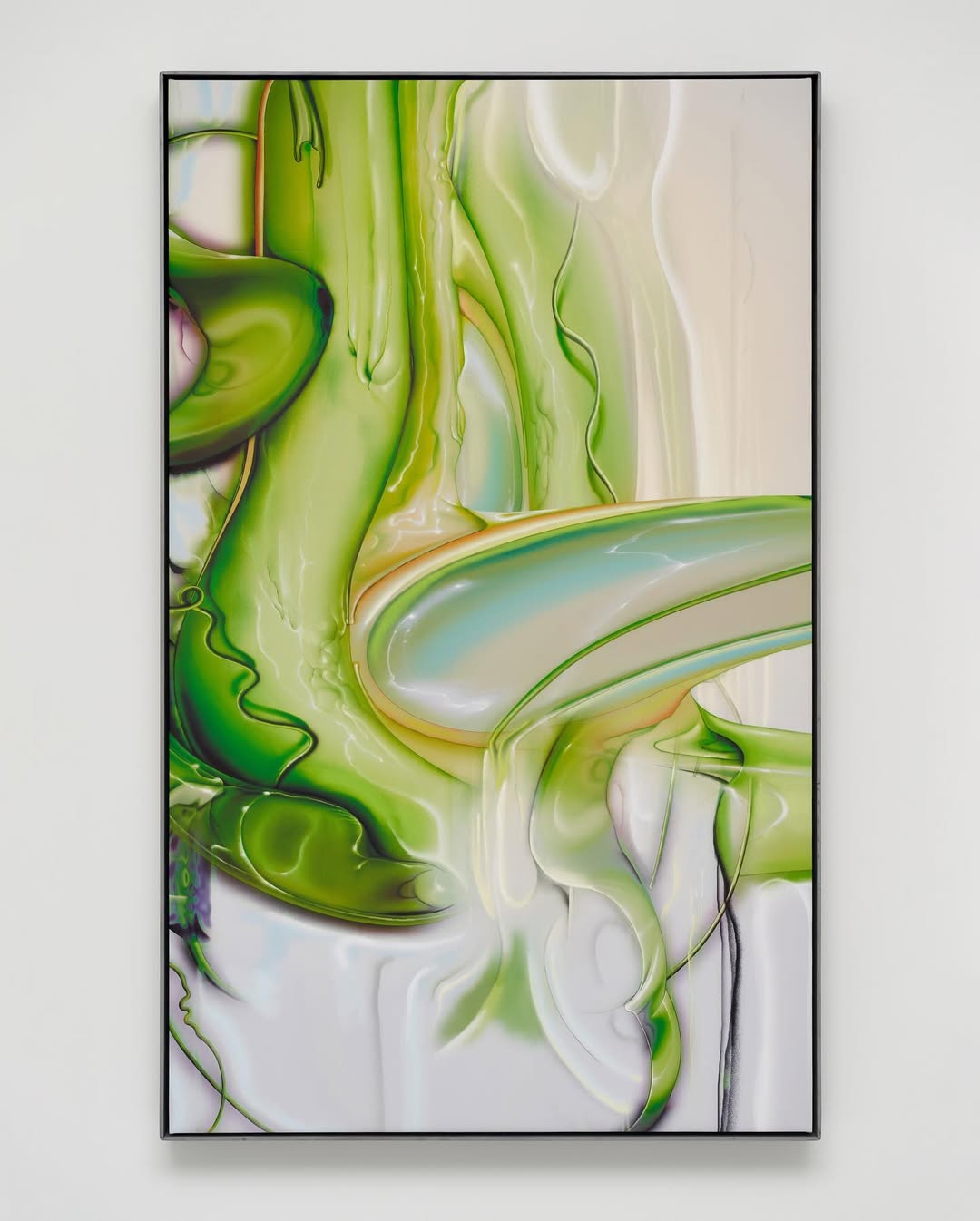
As suggested in the ‘Case’ series, Ram Han’s digital painting has increasingly emphasized a heightened sense of visual tactility. She has considered how to evoke the viewer’s empathy through sensation alone, without relying on a specific narrative. This inquiry has led her to explore modes of expression that condense various devices and strategies of visual stimulation within a single frame.
 
For instance, when depicting texture, Ram Han first applies gray highlights and then overlays small white dots on top, creating the optical illusion of forms protruding from an otherwise flat layer. At other times, rather than rendering the entire image with equal detail, she meticulously intensifies the detail in certain areas while leaving the rest blurred, thereby heightening the viewer’s focus and perceptual engagement.


Ram Han, Case_01_02, 2020, Digital painting, light panel, 100x100cm ©Busan Biennale

Ram Han refers to this method of gathering expressive effects to maximize sensory impact as “visual ASMR.” Just as ASMR goes beyond sound to evoke the imagined texture of an object—often creating the illusion of physically sensing it—she believes that a similar point of pleasure can exist within visual imagery as well.


Ram Han, Souvenir study (hatchery), 2022, Archival pigment print, 103x210cm © Whistle

Through her 2022 solo exhibition 《Spawning Scenery》 at Whistle, Ram Han sought to share with the public the experiential dimension of sensation that she pursues in her work. The exhibition title refers to images and landscapes that appear randomly and in parallel within a virtual space. Here, the word “spawning” evokes the way entities burst into existence within computer programs.
 
Ram Han remarks, “When we think of a landscape that feels familiar, isn’t it possible that what comes to mind is not a real place, but rather a constructed image we have encountered through films or games?” With this idea, she visualizes today’s spawning landscapes of images in a manner that is both visual and tactile.


Ram Han, I am relieved, 2022, Archival pigment print, light panel, 130x85cm © Whistle

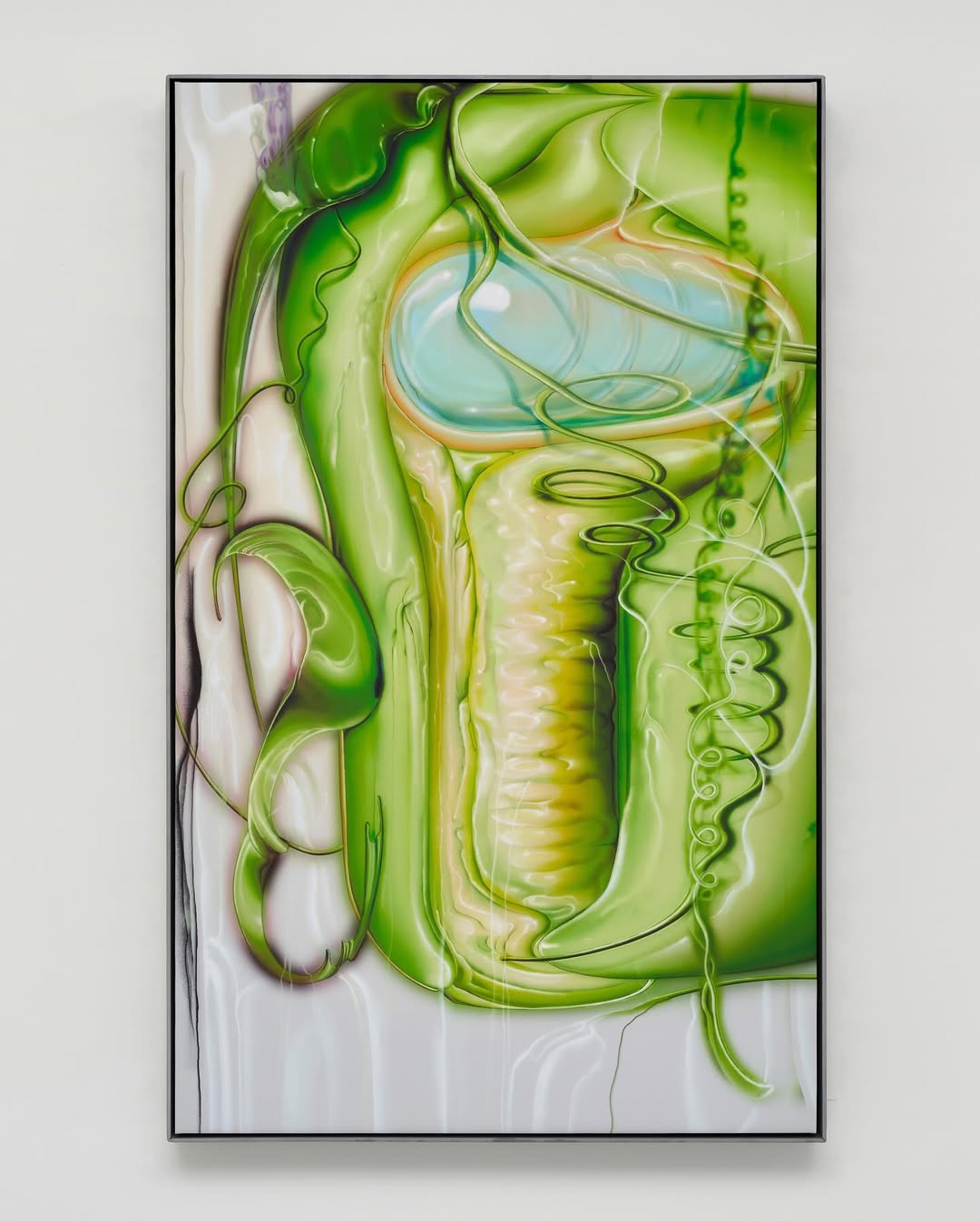
Cute and beautiful animals, plants, and human figures appear in her works. Rendered in vivid, vibrant colors, these subjects twist and intertwine within an unidentified sticky, shimmering substance. One example is I am relieved, a work presented in the exhibition, which features subjects with an even more viscous texture than in her previous works.
 
At the time, the artist found herself repeatedly checking the condition of her mucous membranes each day after the pandemic, constantly questioning the state of her body, while media outlets continuously discussed bodily responses and symptoms. This led her to a strange experience of imagining the internal tissues of the body—something that cannot be seen or touched. I am relieved is a visual expression of that experience.


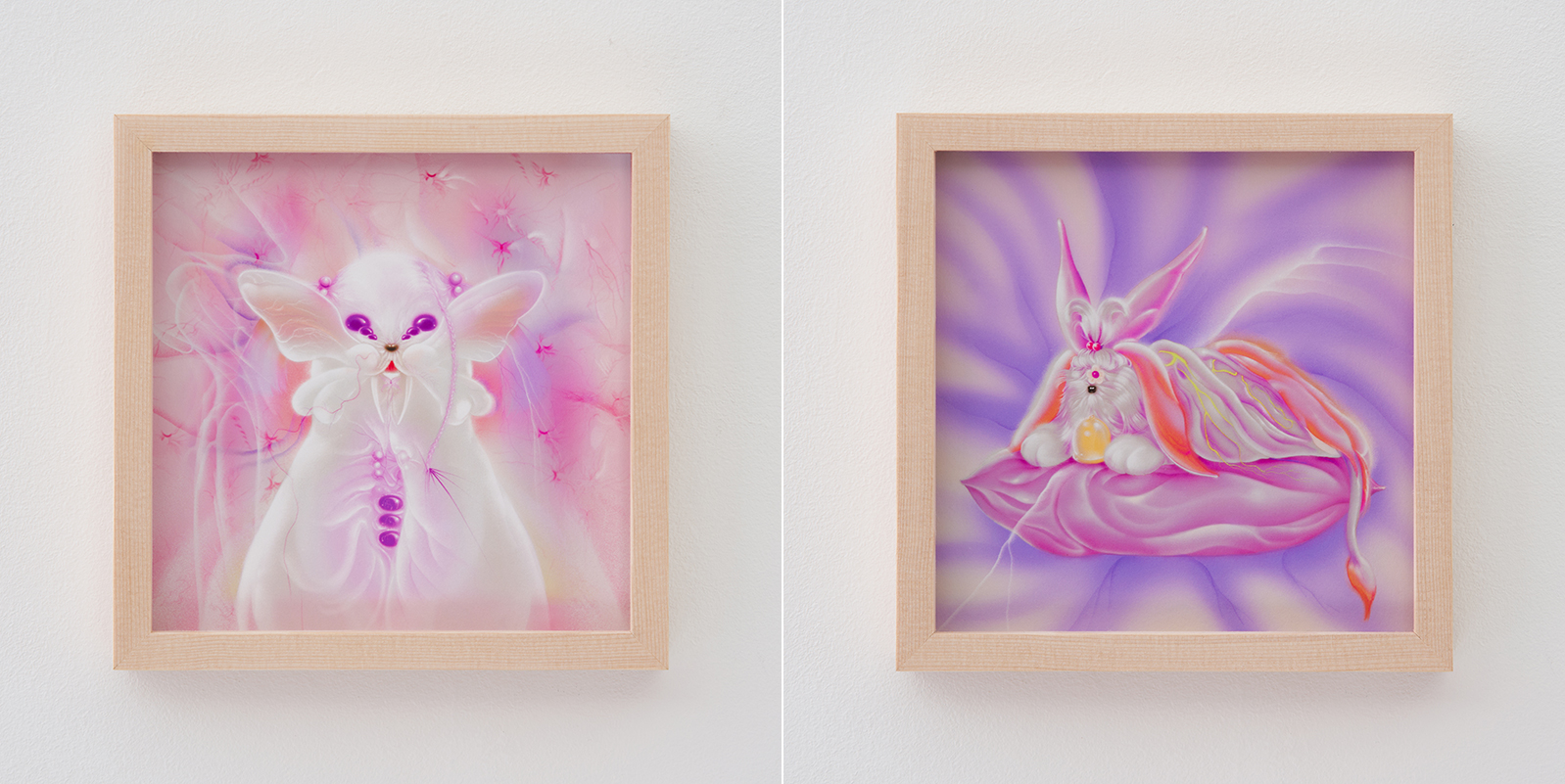
(left) Ram Han, Save our souls_02(seal), 2022, Archival pigment print, 15x15cm / (right) Ram Han, Save our souls_03(yorkshire terrier), 2022, Archival pigment print, 15x15cm ©Whistle

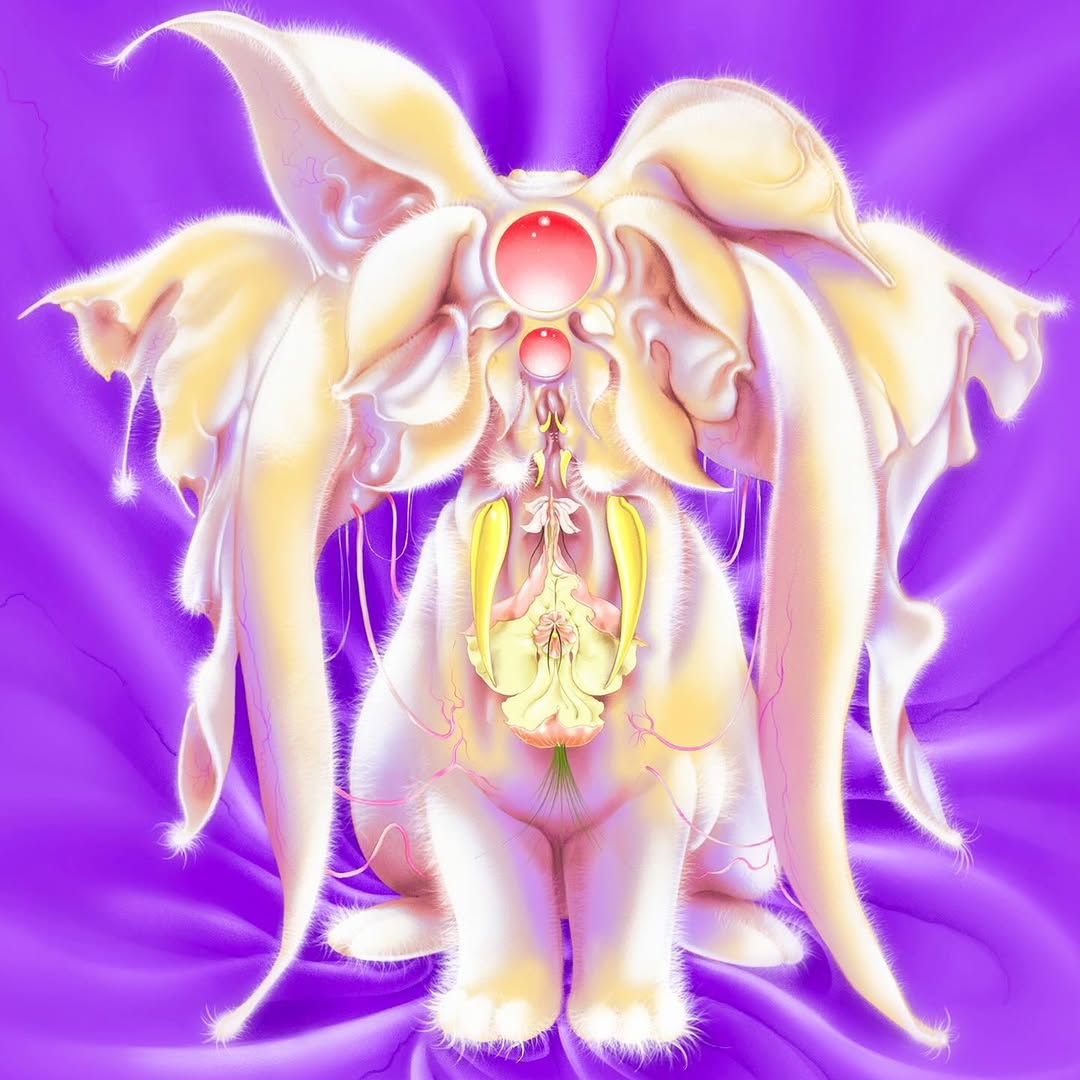
In addition, the creatures that appear in her works possess fragile qualities. Most resemble small animals with soft fur, such as rabbits or cats. These creatures, which appear throughout her works, function as both protagonists and guides that lead the narrative of the piece.
 
One of the works in the exhibition, the series ‘Save Our Souls,’ was created as a way for the artist to encounter the animals she has continuously introduced in her practice. Although small and seemingly vulnerable in appearance, these creatures—resembling tiny monsters—appear to possess a surprisingly strong fighting spirit, and are placed throughout the exhibition space.
 
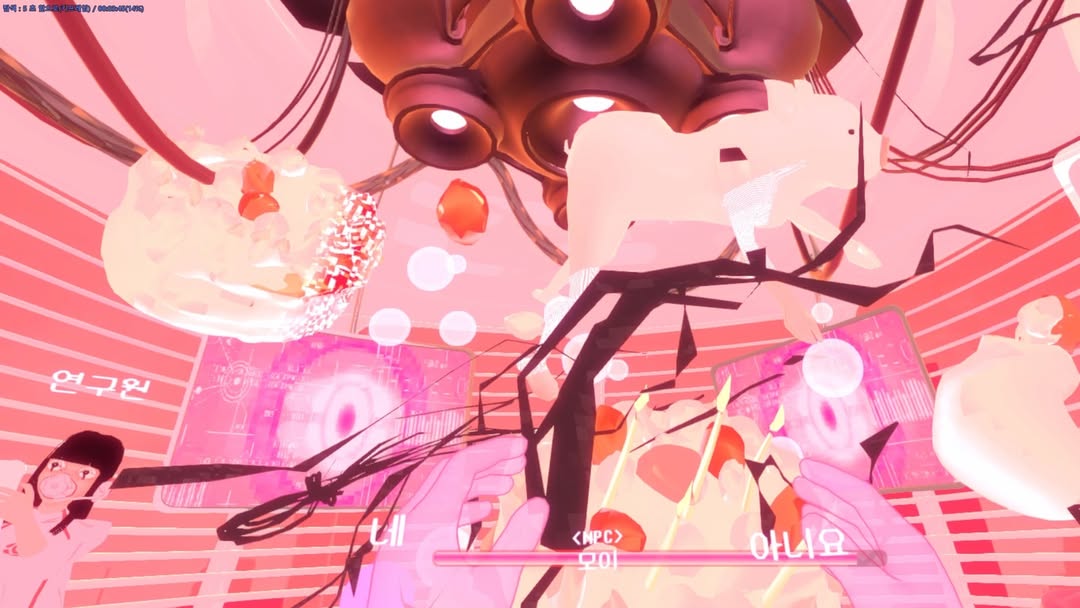
In this exhibition, the artist also expressed her long-standing interest in virtual worlds and fantasy more concretely through VR and 3D sculpture. In particular, the VR work Uninvited–Tamagotchi transports viewers into a digital environment, inviting them to feel their way around the creatures she has created, thereby loosening the boundaries between vision and touch, and between the virtual and the real.


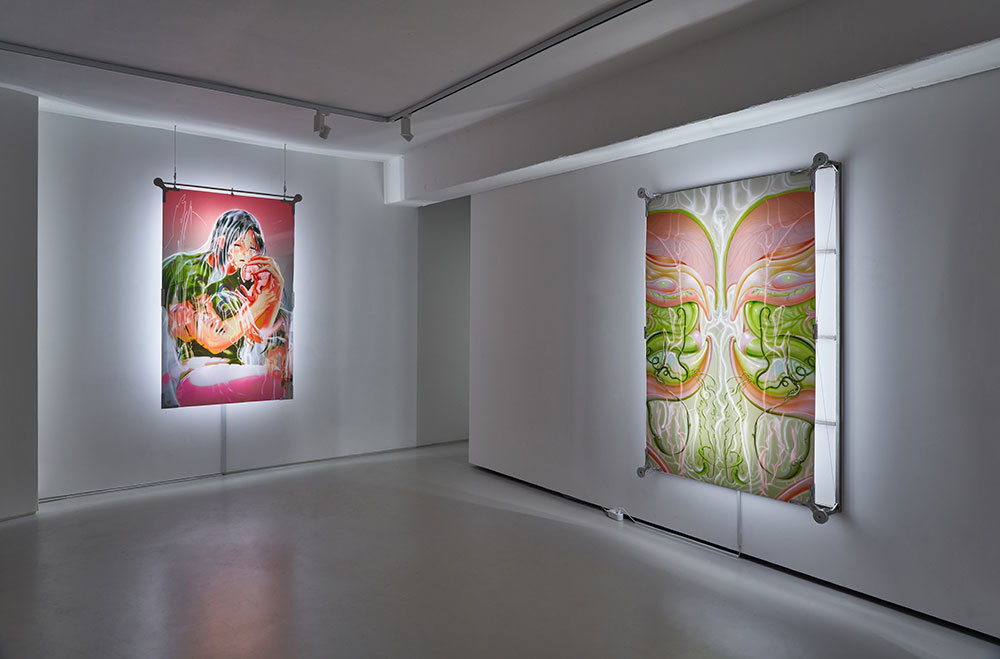
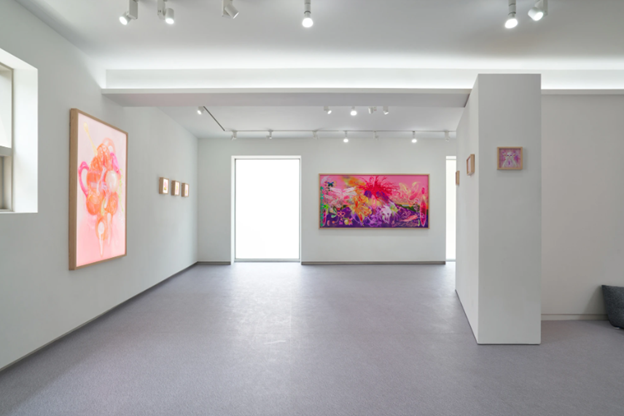
Installation view of 《Inaudible Garden》 (Whistle, 2024-2025) ©Whistle

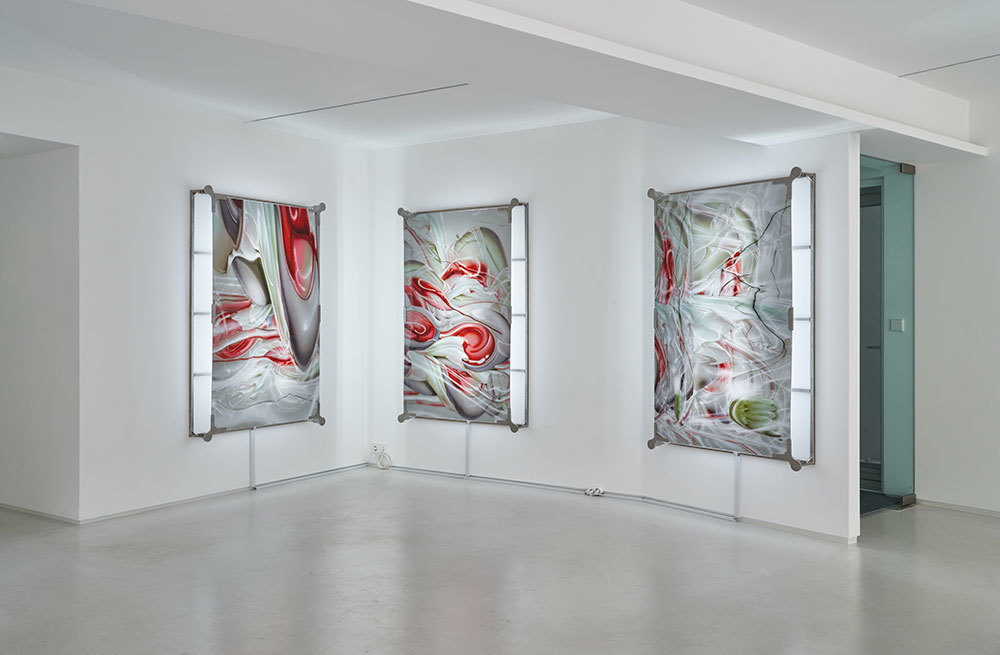
Her most recent solo exhibition, 《Inaudible Garden》 (Whistle, 2024–2025), presented Ram Han’s ongoing concerns as a painter and foregrounded the painterly qualities of her practice. While the artist has long explored the ambiguous boundary between memory, dreams, and digital nostalgia—beginning with the ‘Roomtype’ series—《Inaudible Garden》 more actively introduced painterly techniques within a digital medium.
 
In this exhibition, Han borrowed techniques from traditional painting and attempted to move beyond the concrete forms that had characterized much of her earlier work, revealing her ongoing inquiry into a distinctive pictorial language. The title 《Inaudible Garden》, in particular, reflects Han’s long-standing, almost unconscious tendency to depict plants and female figures, while expressing her unique sensibility toward the vitality and essence of nature—elements that cannot be fully realized within the digital virtual world.


Installation view of 《Inaudible Garden》 (Whistle, 2024-2025) ©Whistle

In addition, Ram Han emphasizes particular subjects by zooming in and framing her images, rendering them as abstract forms and patterns. As a result, viewers cannot easily determine whether the image is a fragment of something larger or a small subject magnified to an enlarged scale, approaching the work as an open image with blurred boundaries between beginning and end.
 
While earlier modernist abstract painters focused on distilling the essence of their subjects and often engaged with concepts of permanence and time, Ram Han’s digital abstraction instead conveys the complex sensations of things encountered between the digital world and reality.


Ram Han, Bye Bye Meat, 2023, Archival pigment print, light panel, scratch drawing, 150x200x9cm ©Ram Han

In this way, Ram Han has presented dreamlike scenes that are familiar yet strange, beautiful yet uncanny, drawing on themes such as time that has already passed, worlds that do not exist, indefinable beings, and ambiguous nostalgia. By appropriating the characteristics of digital media and environments within her practice, she interweaves experiences of reality and the virtual, leaving viewers with lingering afterimages and fragments of sensation.

“When a specific emotion or scene is expressed through fantasy, it stimulates the viewer’s imagination and can evoke a more concrete sense of empathy.” (Ram Han, from an interview with Emoment)


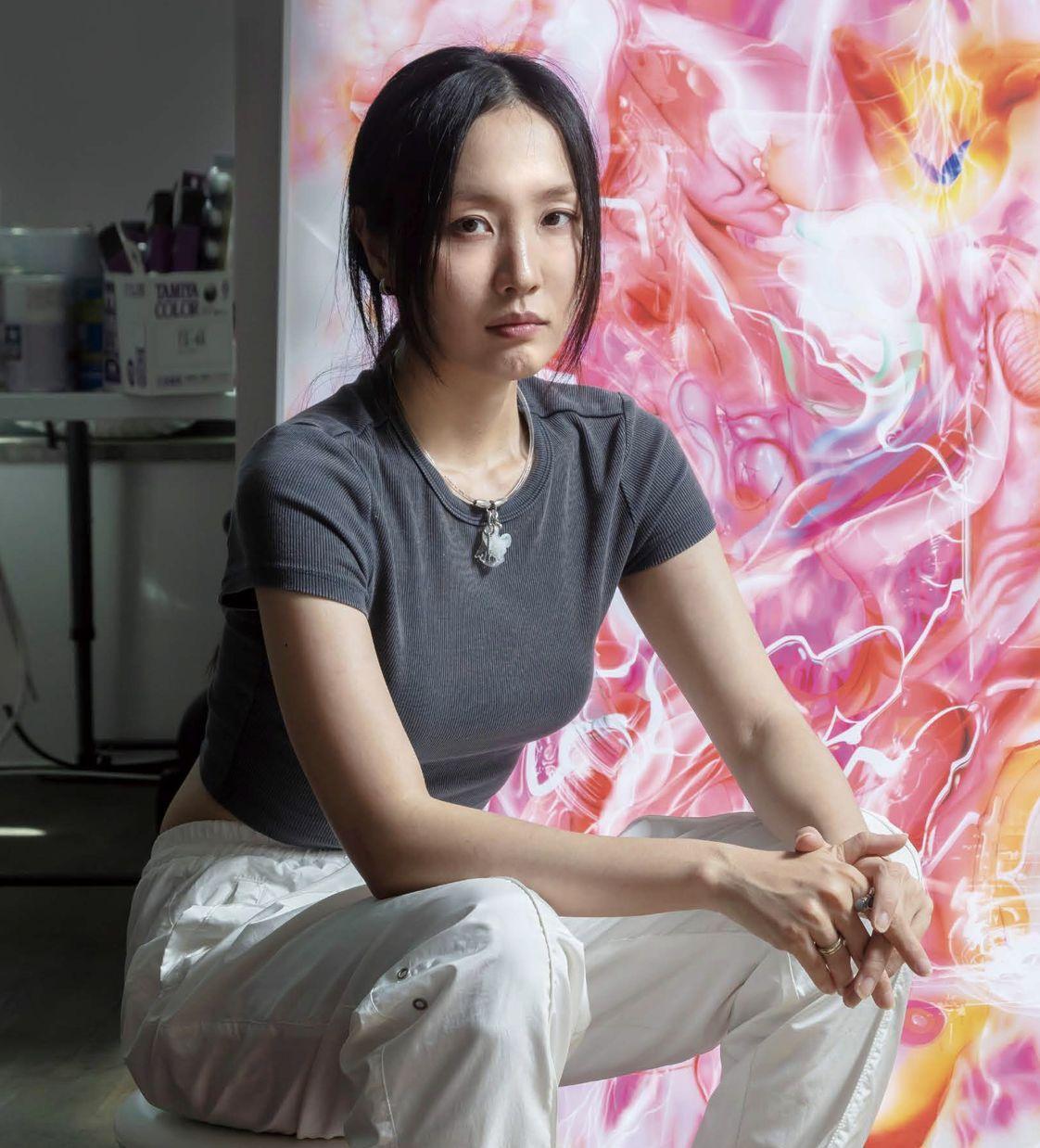
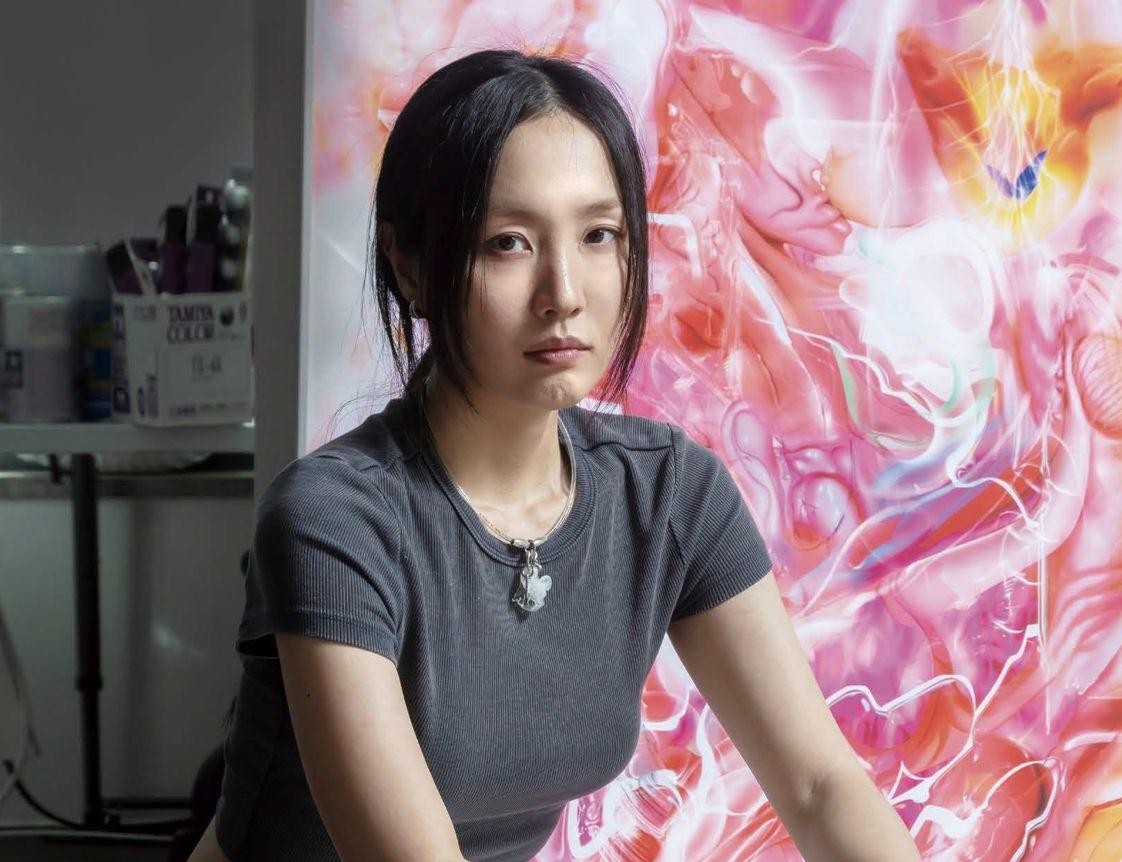
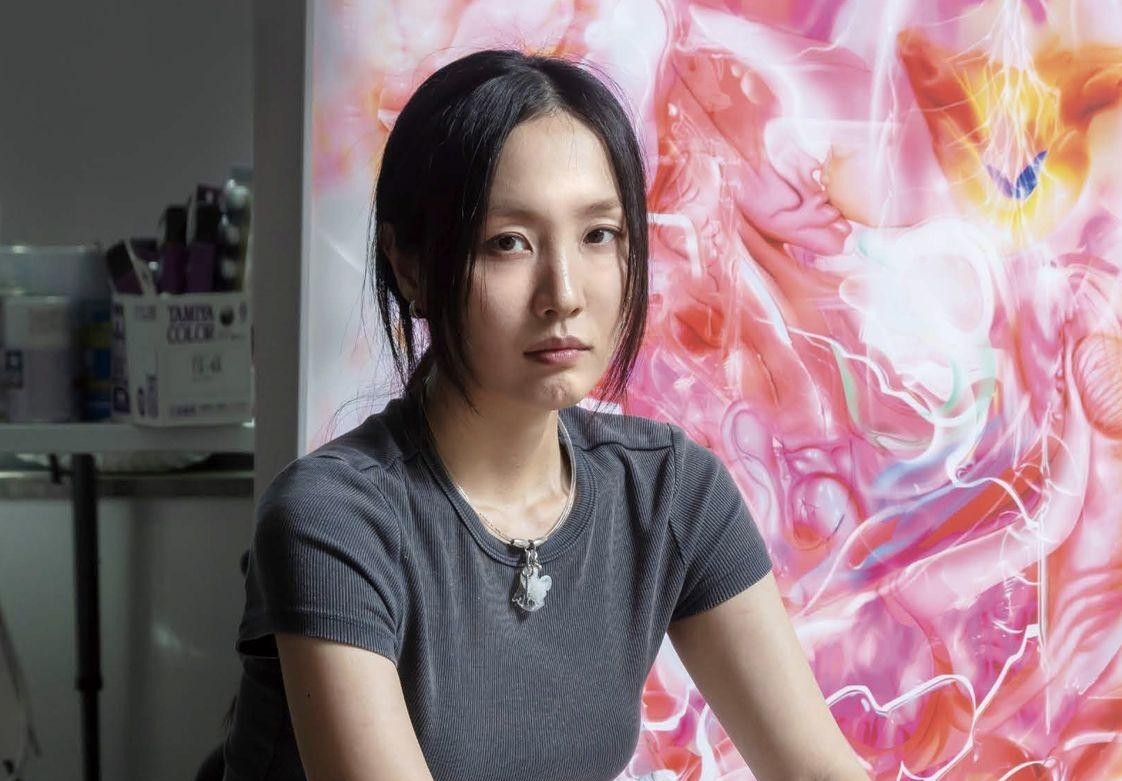
Artist Ram Han ©Monthly Art

Ram Han majored in Animation at the Korea National University of Arts. Her solo exhibitions include 《Inaudible Garden》 (Whistle, Seoul, 2024-2025), 《Spawning Scenery》 (Whistle, Seoul, 2022), and 《Nightcap》 (YOUR MANA, Seoul, 2017).
 
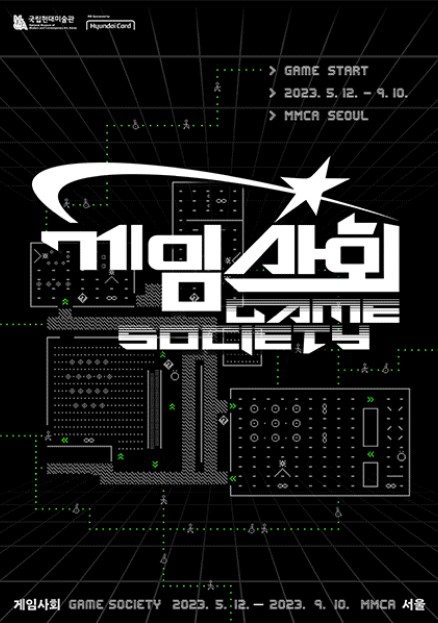
She has also participated in numerous group exhibitions, including 《CUTE》 (Somerset House, Kunsthal Rotterdam, Netherlands, 2025), 《Game Society》 (MMCA, Seoul, 2023), 《After Graybox: From Collection to Exhibition》 (Busan Museum of Contemporary Art, Busan, 2022), 《SF 2021: A Fantasy Odyssey》 (Buk-Seoul Museum of Art, Seoul, 2021), 2020 Busan Biennale 《Words at an Exhibition — an exhibition in ten chapters and five poems》 (Busan Museum of Contemporary Art, Busan, 2020), 《Fantasia》 (Steve Turner Gallery, LA, USA, 2019), and 《Phantom Arm》 (Buk-Seoul Museum of Art, Seoul, 2018).
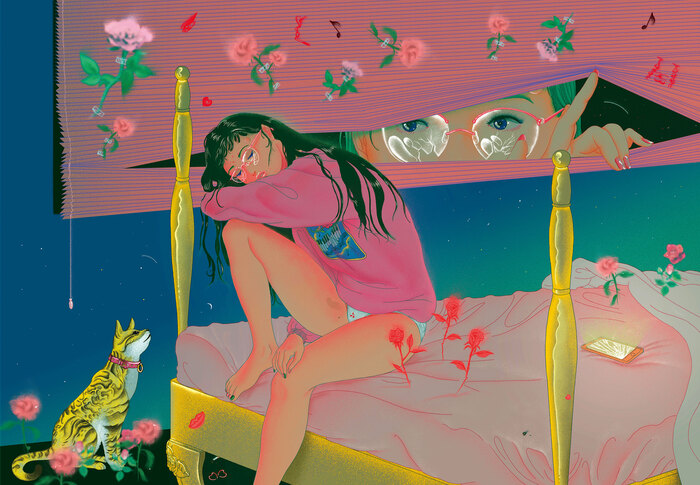
 
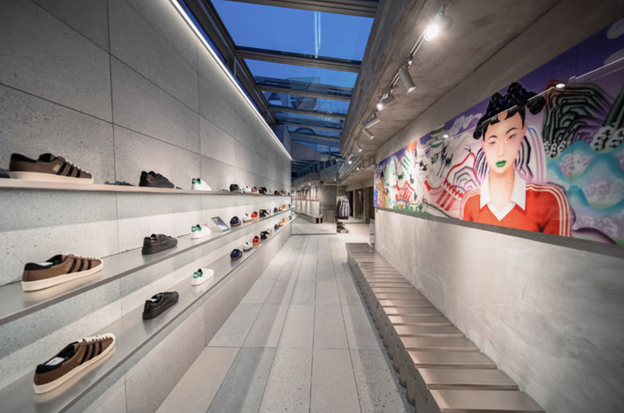
In addition, Ram Han has actively collaborated with a wide range of brands and artists across fields such as fashion, K-pop, consumer electronics, and publishing.

References