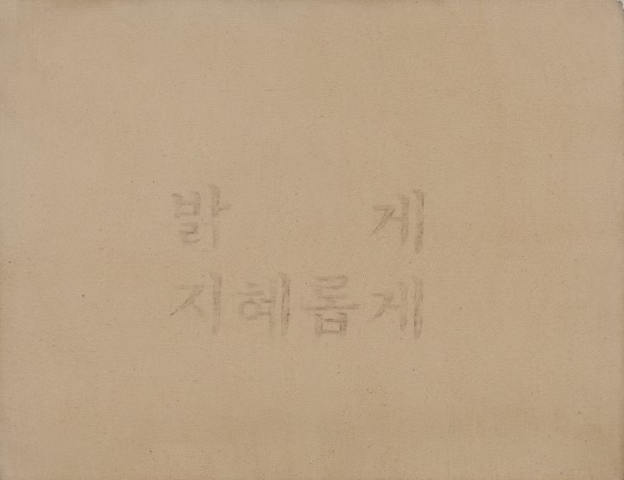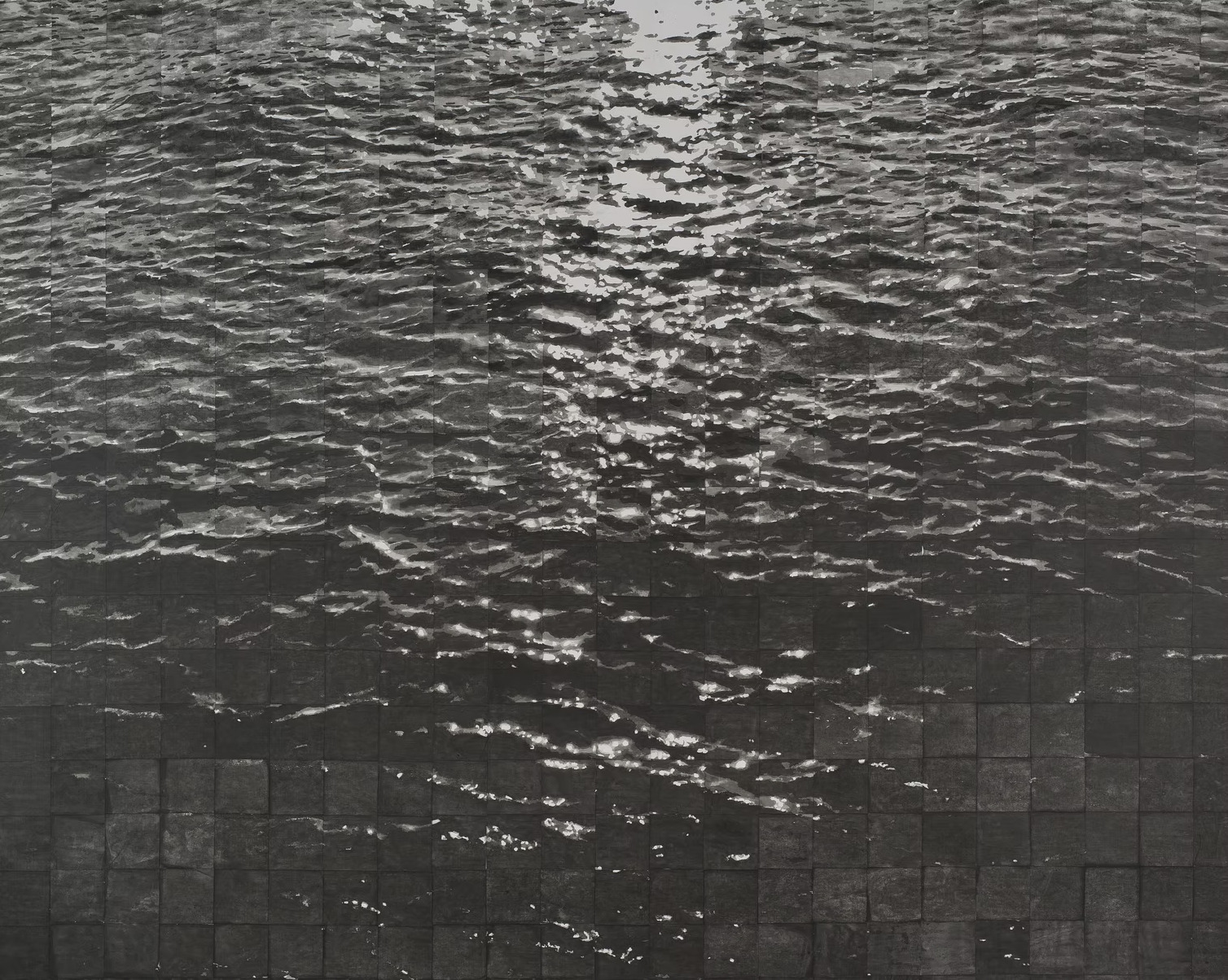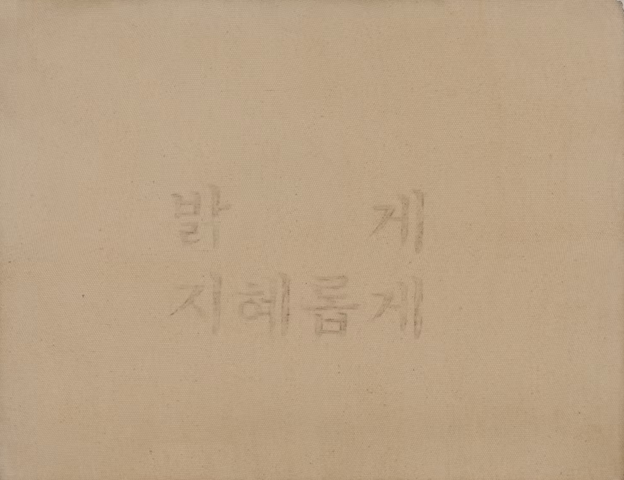


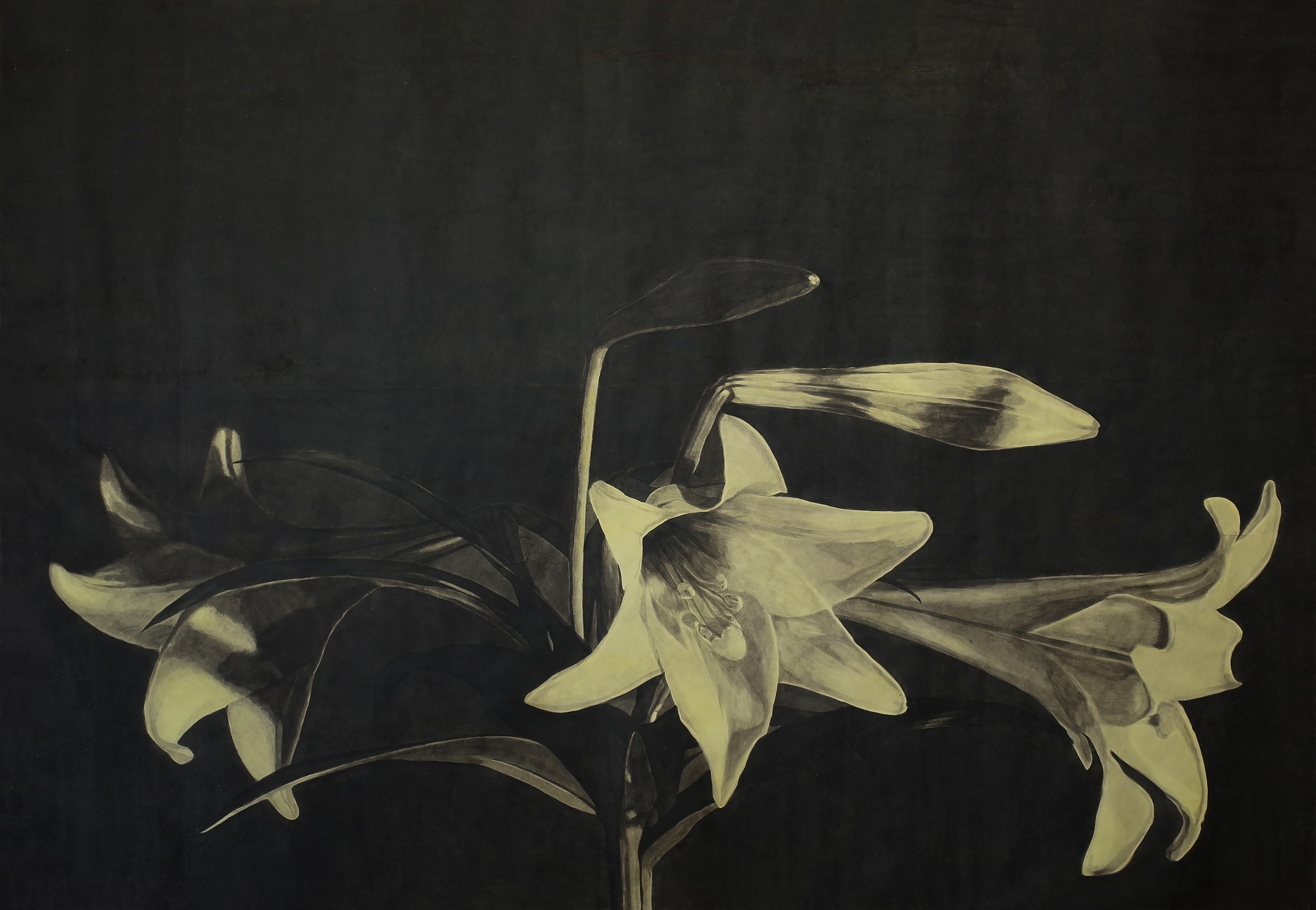
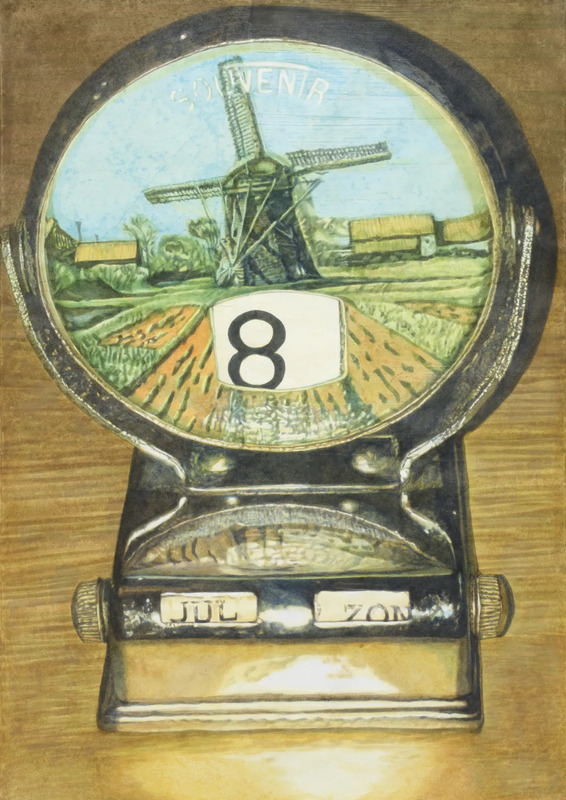
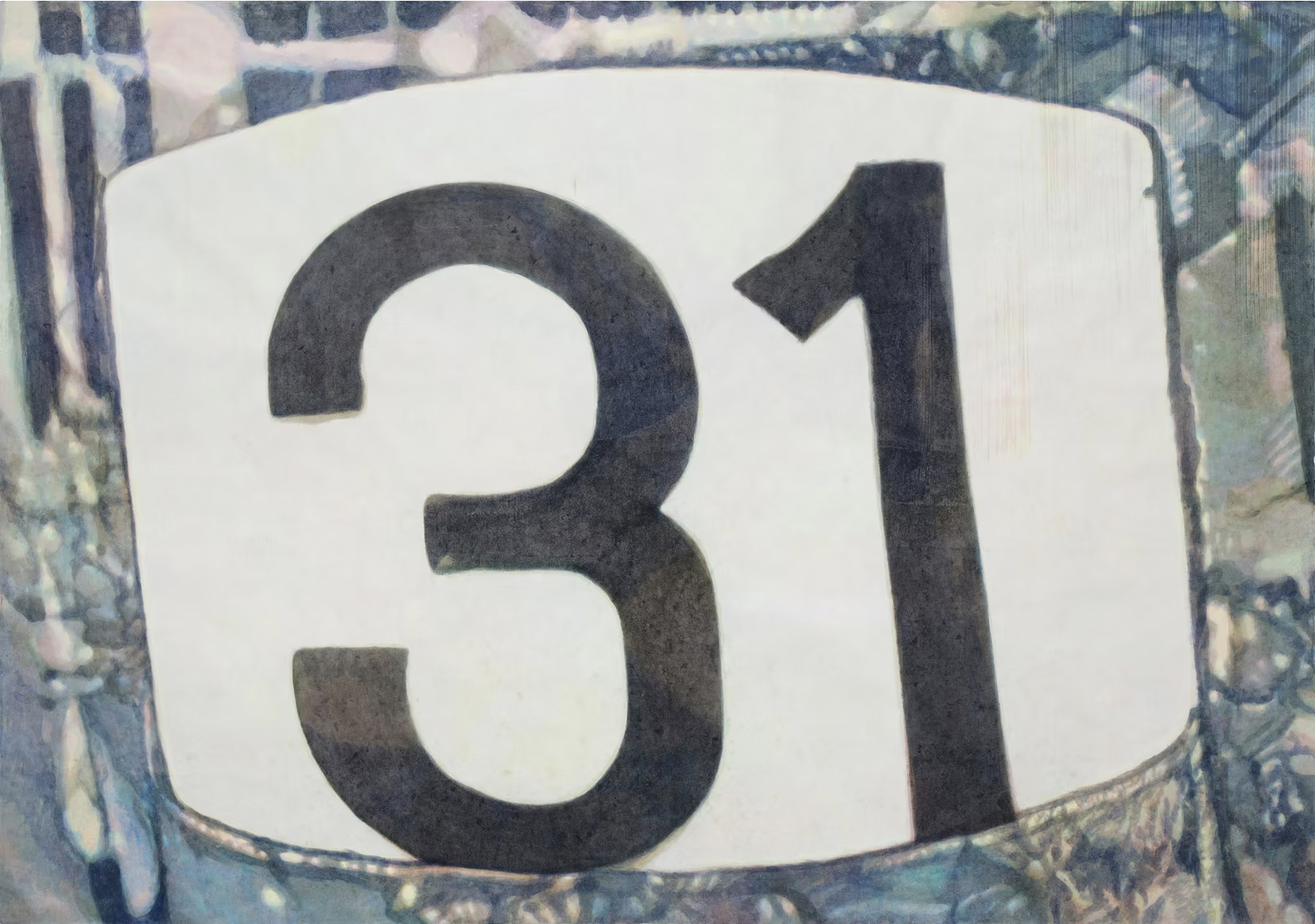
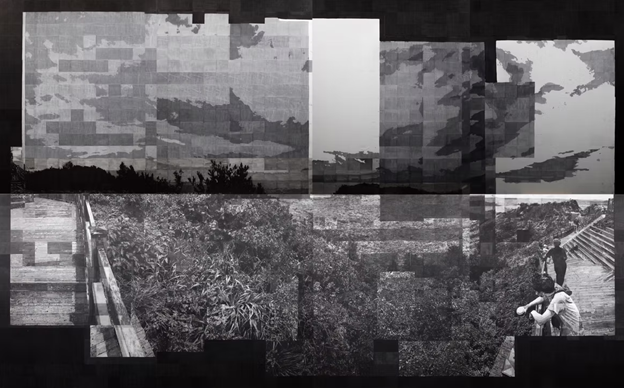
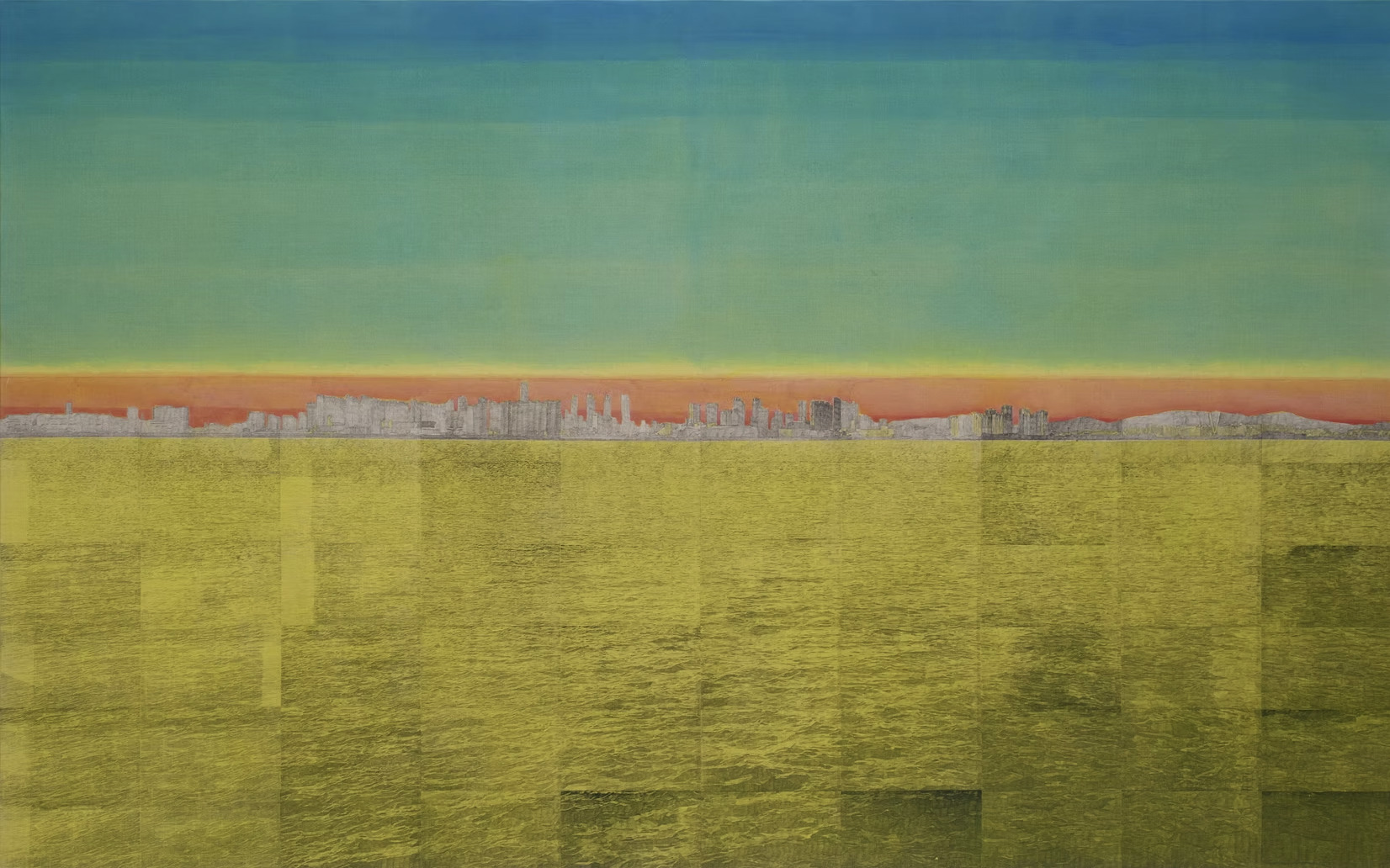
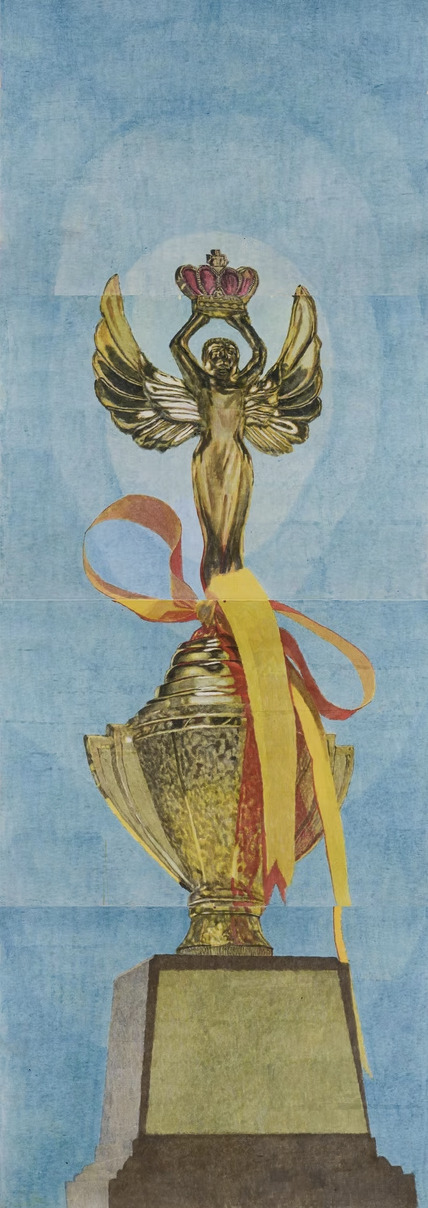
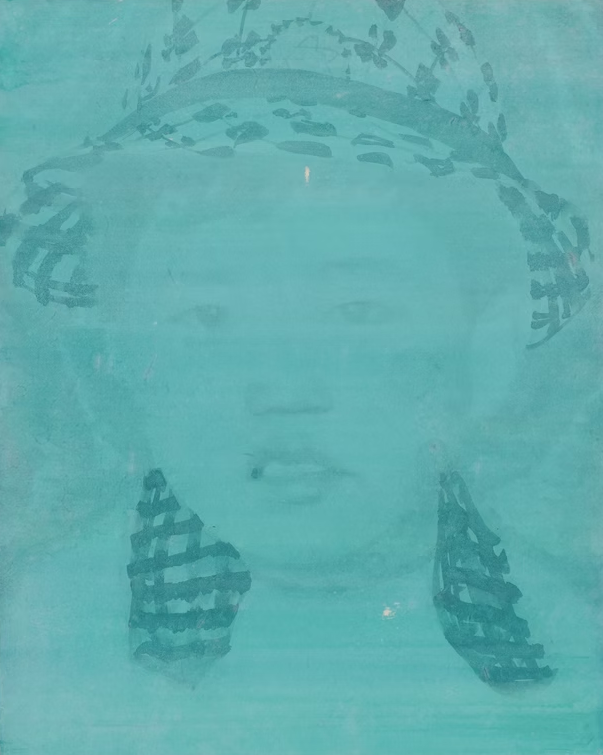
Sejin Kwon, a class motto, 2014, carbon paper on linen, 31.8 x 40.9 cm ©Sejin Kwon

Everyone has a memory of an institution or group that each has once belonged to. This is a memory of a certain incident, but it could also be a memory of a vague and odd “atmosphere” that could not be clearly described or defined. For instance, though we would have went to different schools and the periods won’t exactly coincide, for those born in the 1980s that experienced childhood around the time the elementary school changed its official name, the certain event called the “sports day” for which we had to spend days of “practice” under the scorching sun would not be remembered as a very fond memory.

Moreover, such “sports day” has now become a vestige of the past that is hard to witness in today’s schools. With the upper generation for whom such events were such a natural norm, those born in the 80s stand at the boundary, feeling a certain unique sentiment. As such, there definitely exist certain memories and sentiments that are neither private nor universal, but shared by certain members and within certain groups.
 
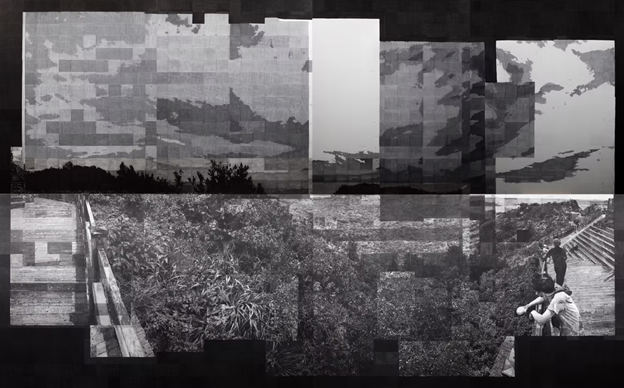
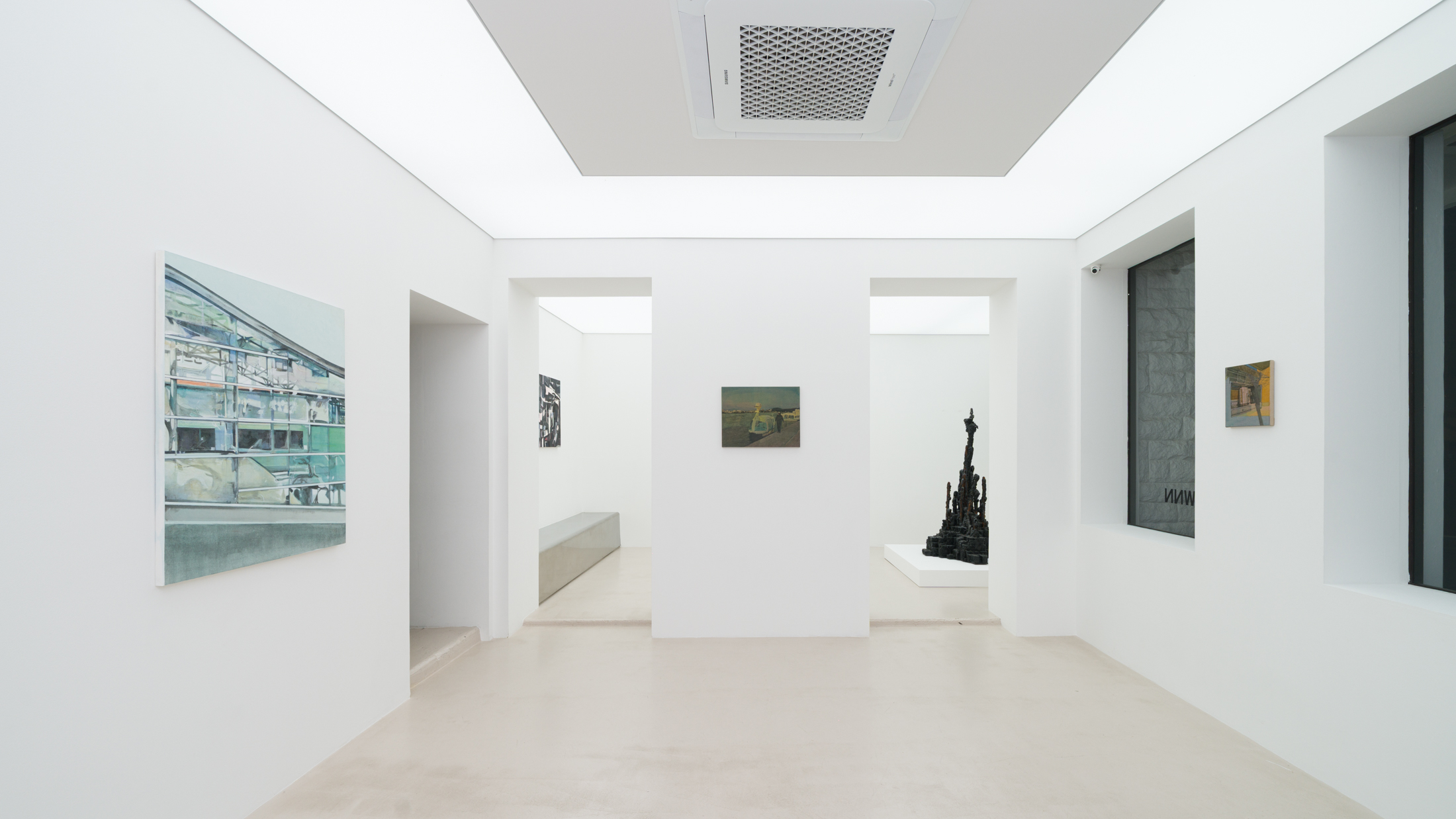
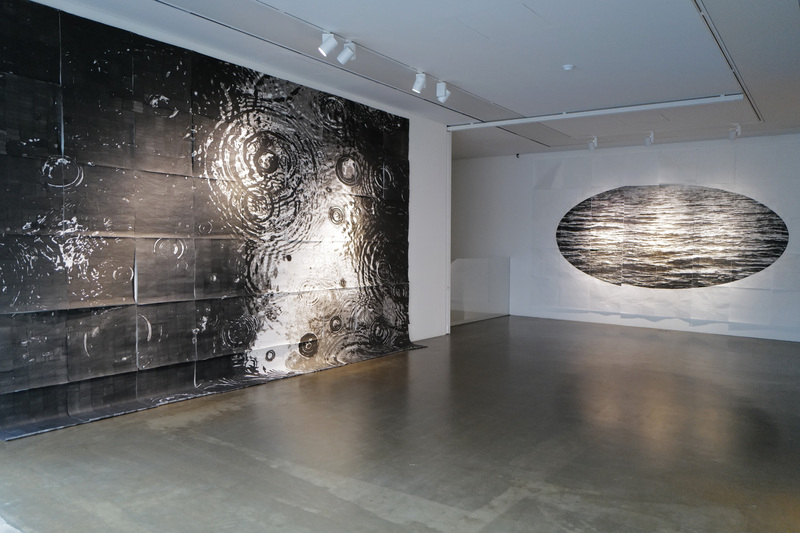
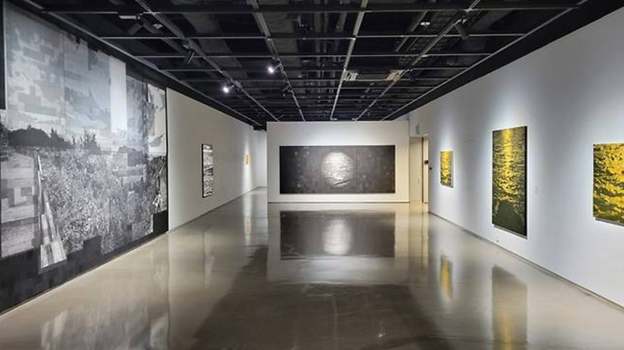
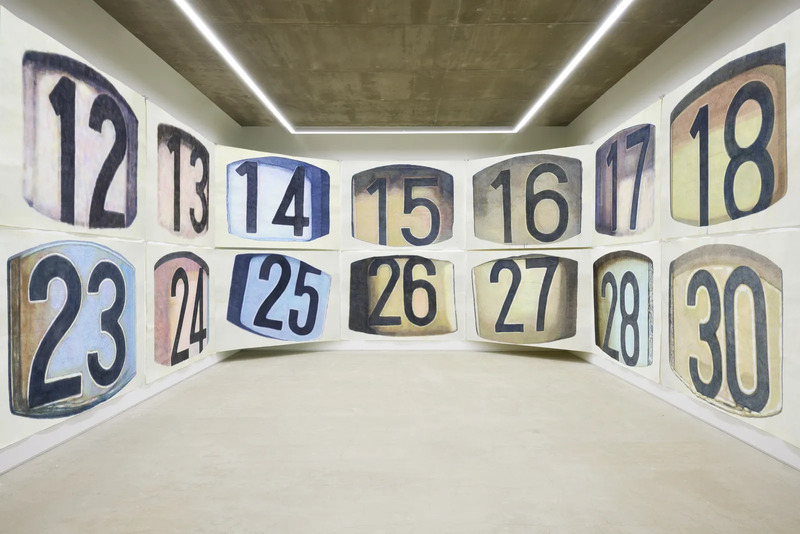
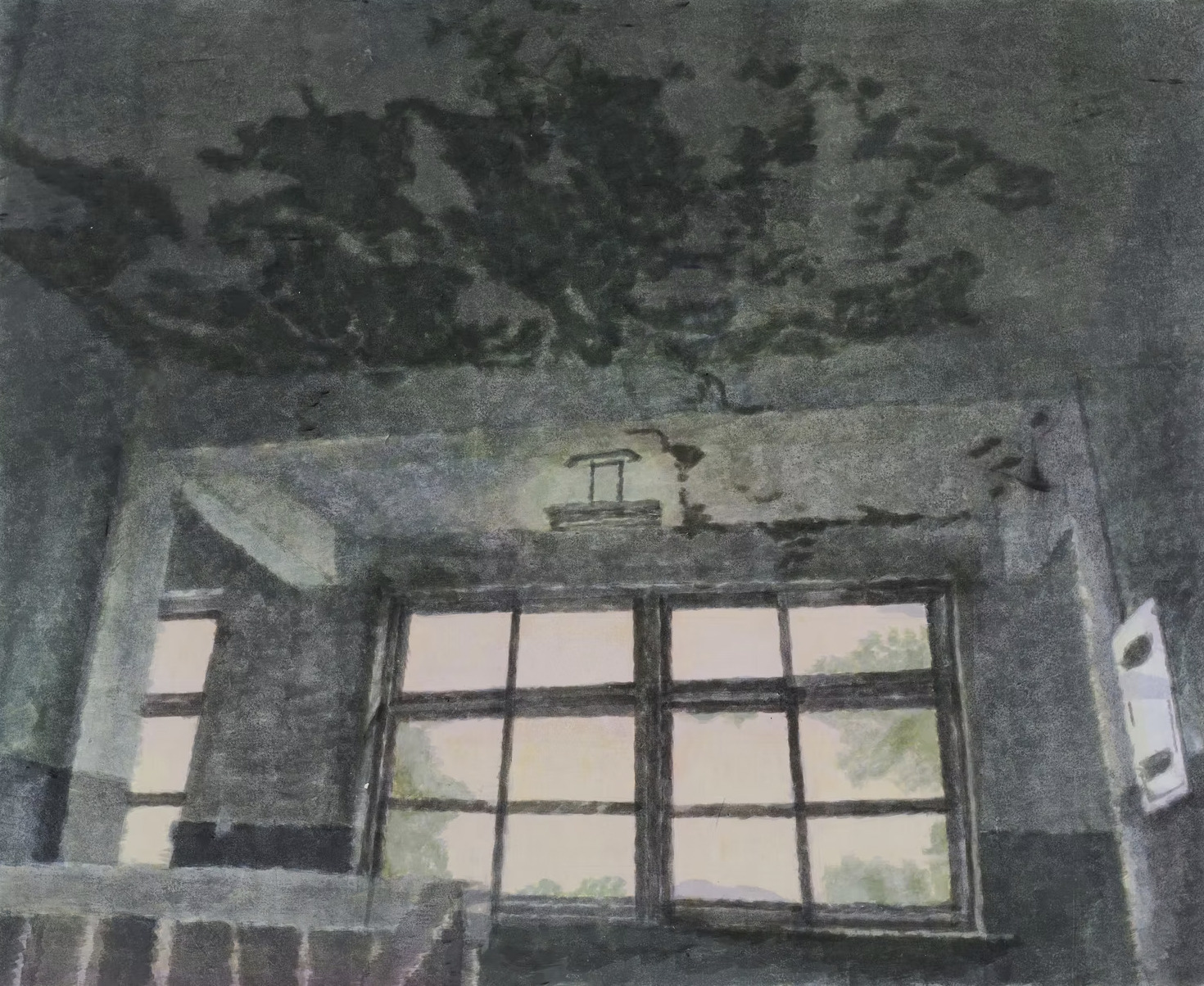
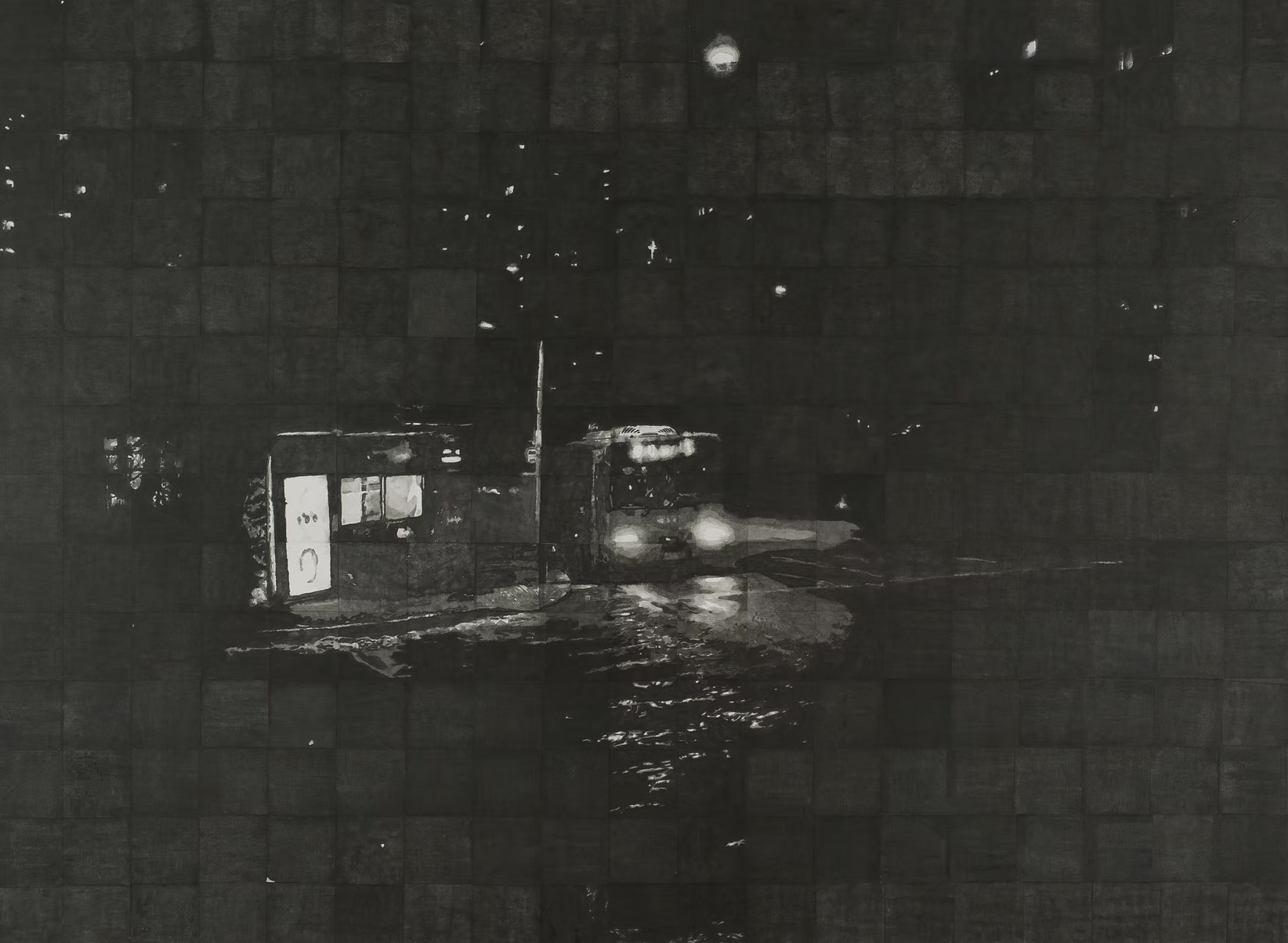
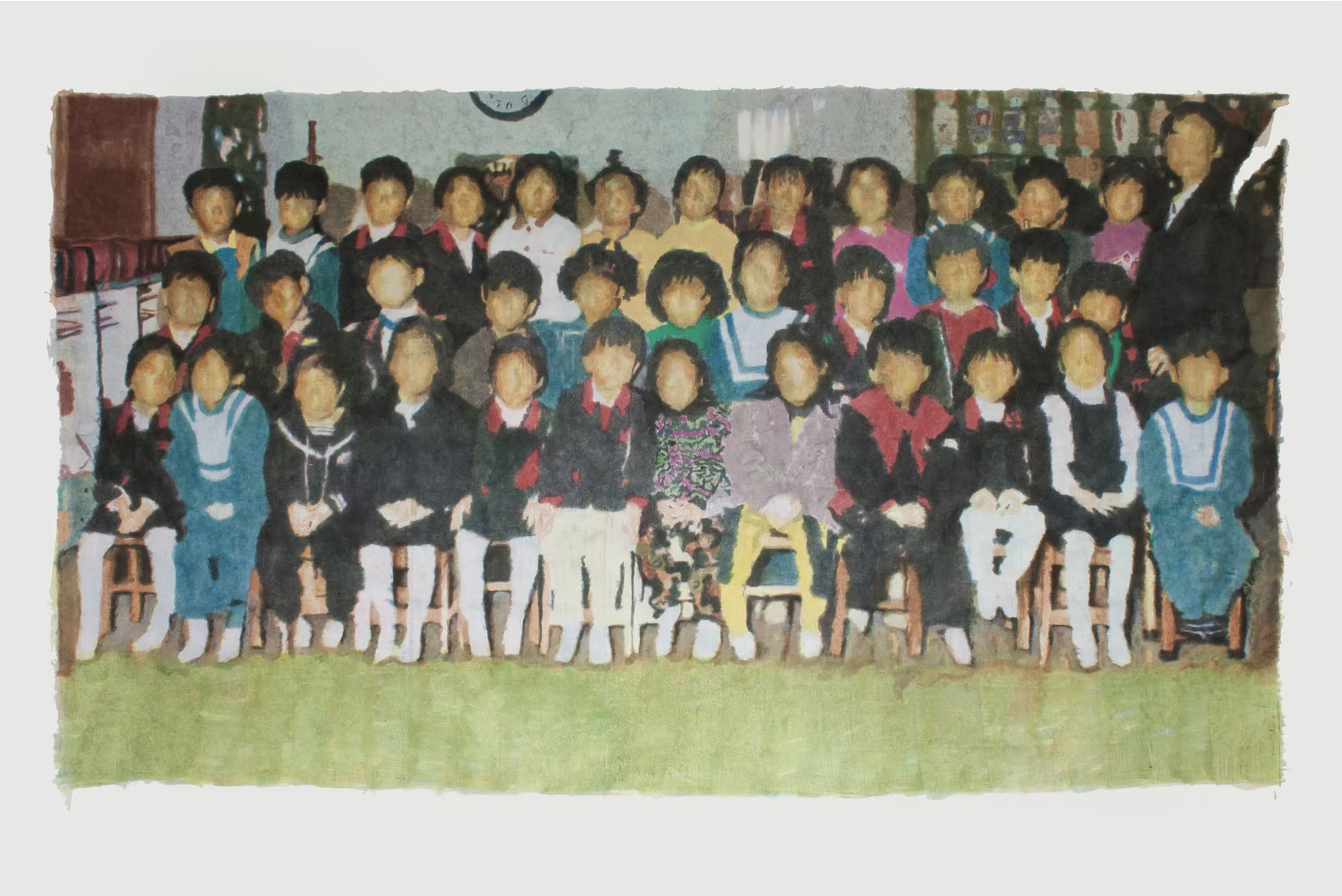
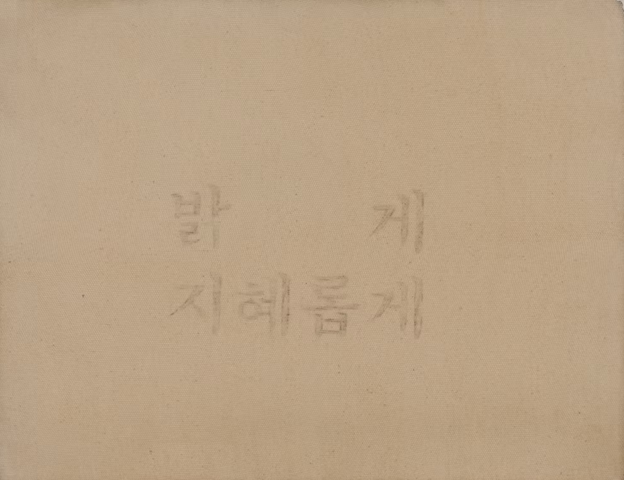
At 《AUTOSAVE: When It Looks Like It Is Over》, Sejin Kwon’s Brightly Wisely in COMMON CENTER’s Room405 lies on the extended context of the artist’s previous Blurred Landscape that addresses the memory of a shut down elementary school, and transfers the memory and atmostphere of the system of his childhood school, based on the photos of a yearbook. Here, the artist does not talk of his personal memories or traumas. Kwon stays perfectly behind the work and unravels the peculiar mood and vague sentiments of the system that he had experienced.
 
The scenes inside the yearbook photos that found the artist’s Brightly Wisely represent the school system of the 90s when democracy had not fully rooted and the vestiges of military dictatorship still remained everywhere. The sports day that had practically been a “show” that the children put on for the adults, or the group photos that we had to pose for without knowing why, or the Pledge of Allegiance that had to be memorized before even comprehending the concepts of “nation” or “allegiance” are not just fragments of the artist’s history, but scenes representing the “mood” of childhood that anyone in their 20s or 30s that had spent their childhood in Korea would easily remember.
 
Kwon’s works are based on the yearbook photos, but address a point a bit different from what each photo indicates or what a photo-based painting talks of. Old photographs transfer a certain scene from the past and recall a certain memory of the person that has taken the photo, while also leading the audience to interpret and embrace them based on their own personal memories. This is because one photograph has too much information, or there is not much to be deduced from it, and the photo seems as if it is not speaking anything.

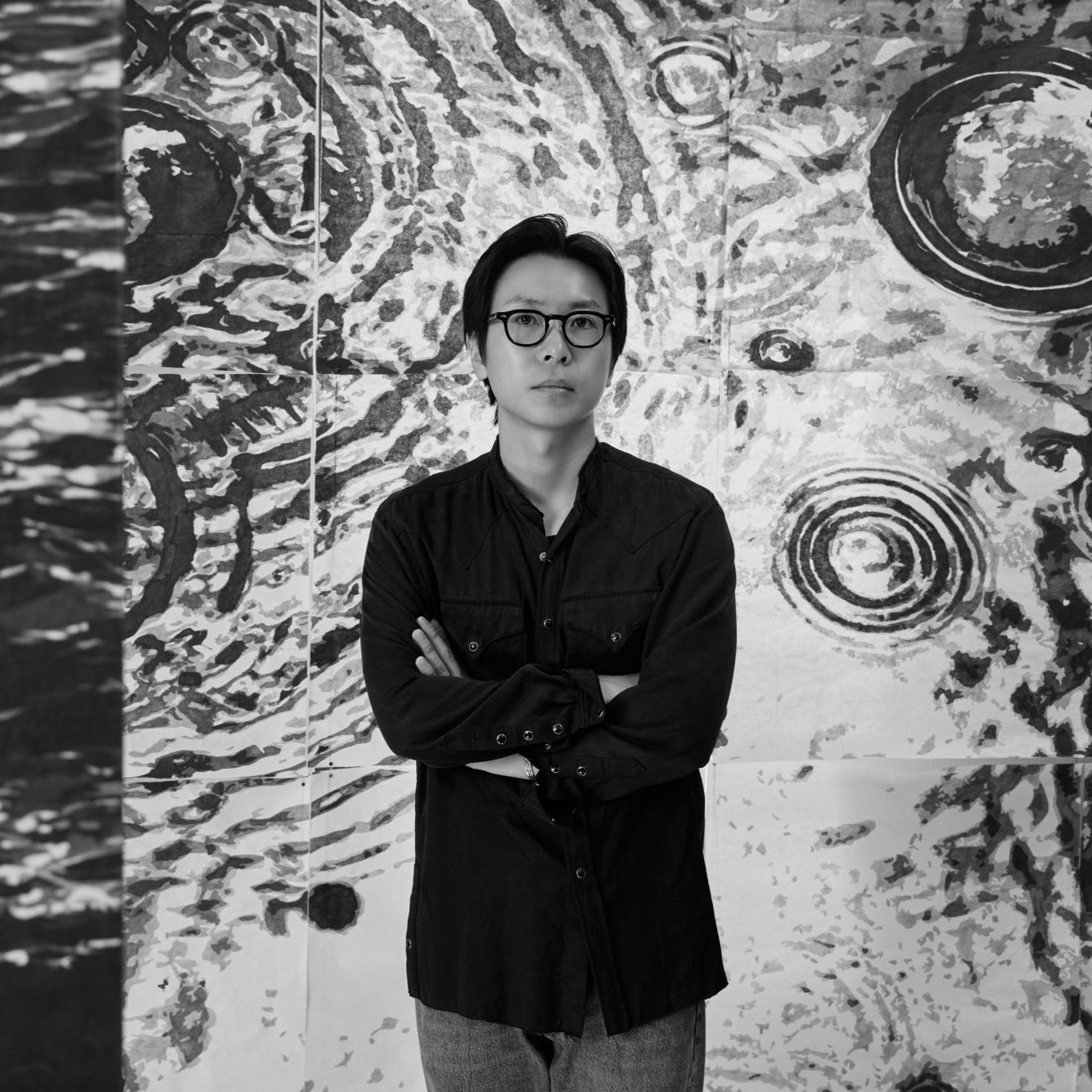
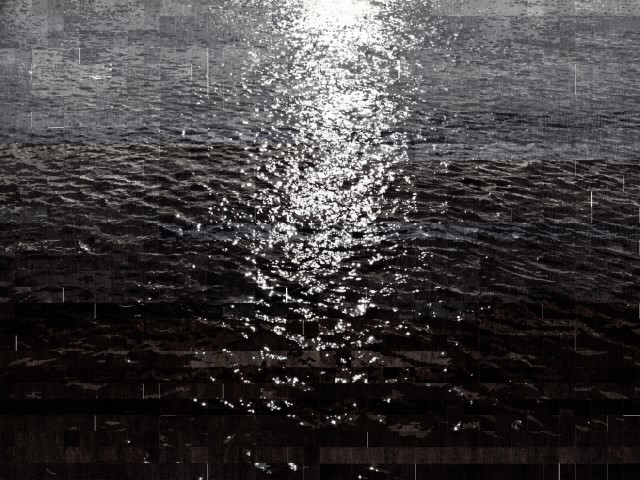
After all, in the process of a photo being recomposed as a painting, the artist inevitably selects certain information or memory that he wishes to stress and accentuate from the photo. The selected element in Brightly Wisely is the aforementioned “certain mood that cannot be defined”. In that this has been formed not just by the memory of a certain moment, but a layering and intervention of numerous memories and sentiments, it could also be linked to the artist’s unique way of coloring (soaking each layer of paper screen with watery acrylic).
 
The four pieces that have been later added during the exhibition period more delicately point out the “odd mood” that the artist talks of. Unlike the initial piece, the four paintings transplant more deeply trimmed frames of the material photographs onto the paper screen. The works reveal only the hand gestures from scenes of hospital play or receiving lunch. Such are vague scenes in which the actions can barely be discerned, but they make us concentrate on the atmosphere of the school system and the memory itself, rather than any specific incident.

In the meanwhile, gold powder has also been added during the exhibition along with the above four paintings. Painting the inner gaps of the exhibition space with gold powder may seem rather out of the blue, in comparison with the painting works that constitute Brightly Wisely. However, the artist does not see Room405 as an empty space for him to fill out, but instead designates it as an empty canvas that bears the traces of numerous people that have passed through, even before the room became COMMON CENTER. And he leaves another layer on the space in the most familiar way for himself, as if coloring a paper screen. This presents the impression that something is hidden behind the old wallpaper and finishings, and at the same time is read as an act of “signing and sealing” the layered vestiges of Room405 as his own work.
 
With the elements that he has developed during the exhibition period, Kwon goes beyond merely presenting the formality of the artwork produced through this unique technique, but clearly conveys the vague inner intentions of the work, and seems to have overcome the initial weakness that the inevitably prominent color and form of his art overshadow any conveyance of meaning. Also, under the bigger context of the exhibition, Brightly Wisely operates as an independent solo exhibition rather than a part of a group exhibition, (quite paradoxically and) faithfully serving the intent of the exhibition’s curation.

References