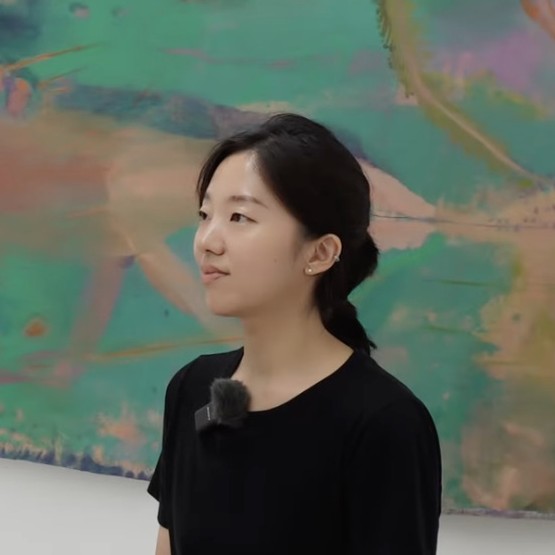
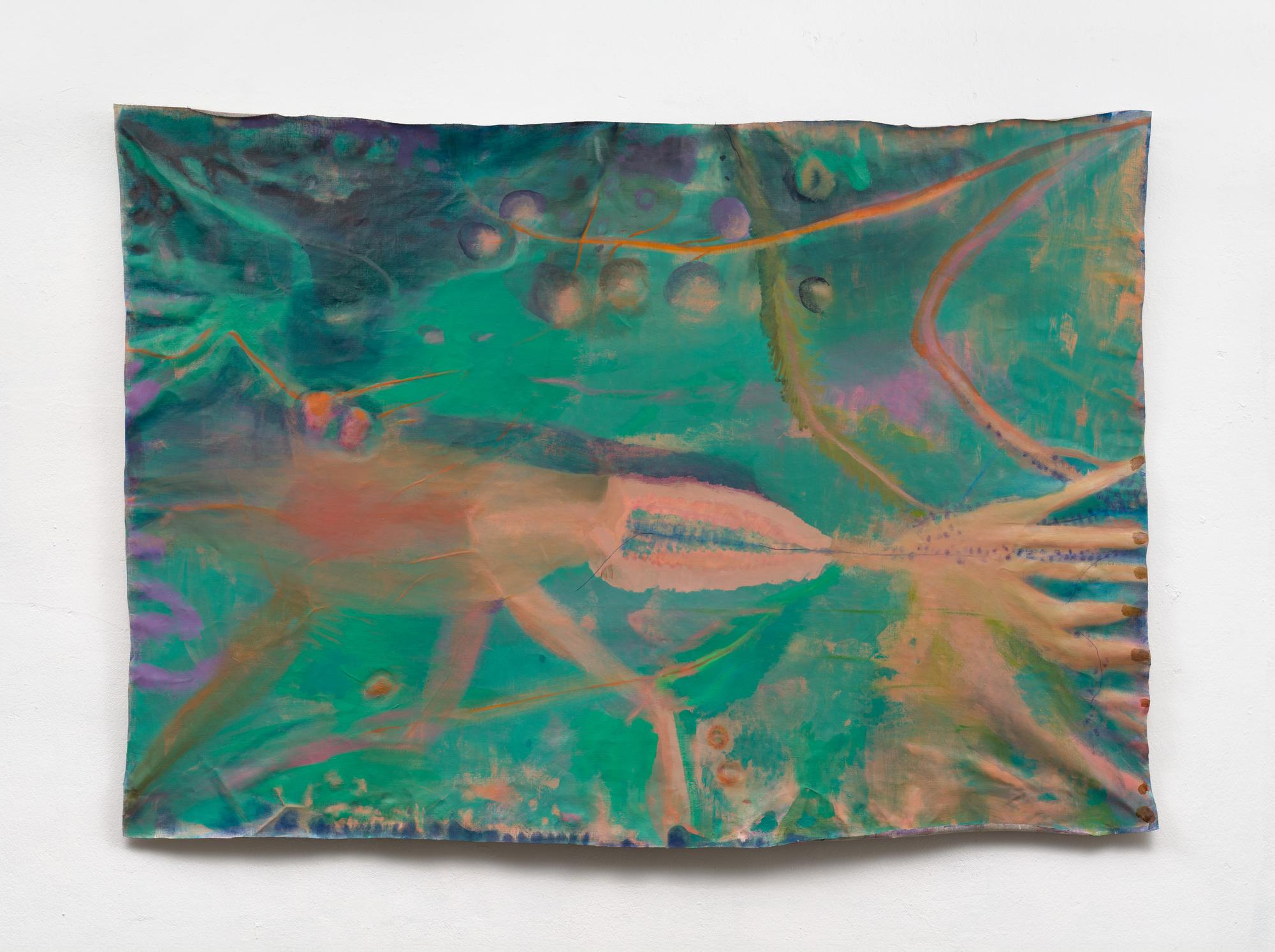
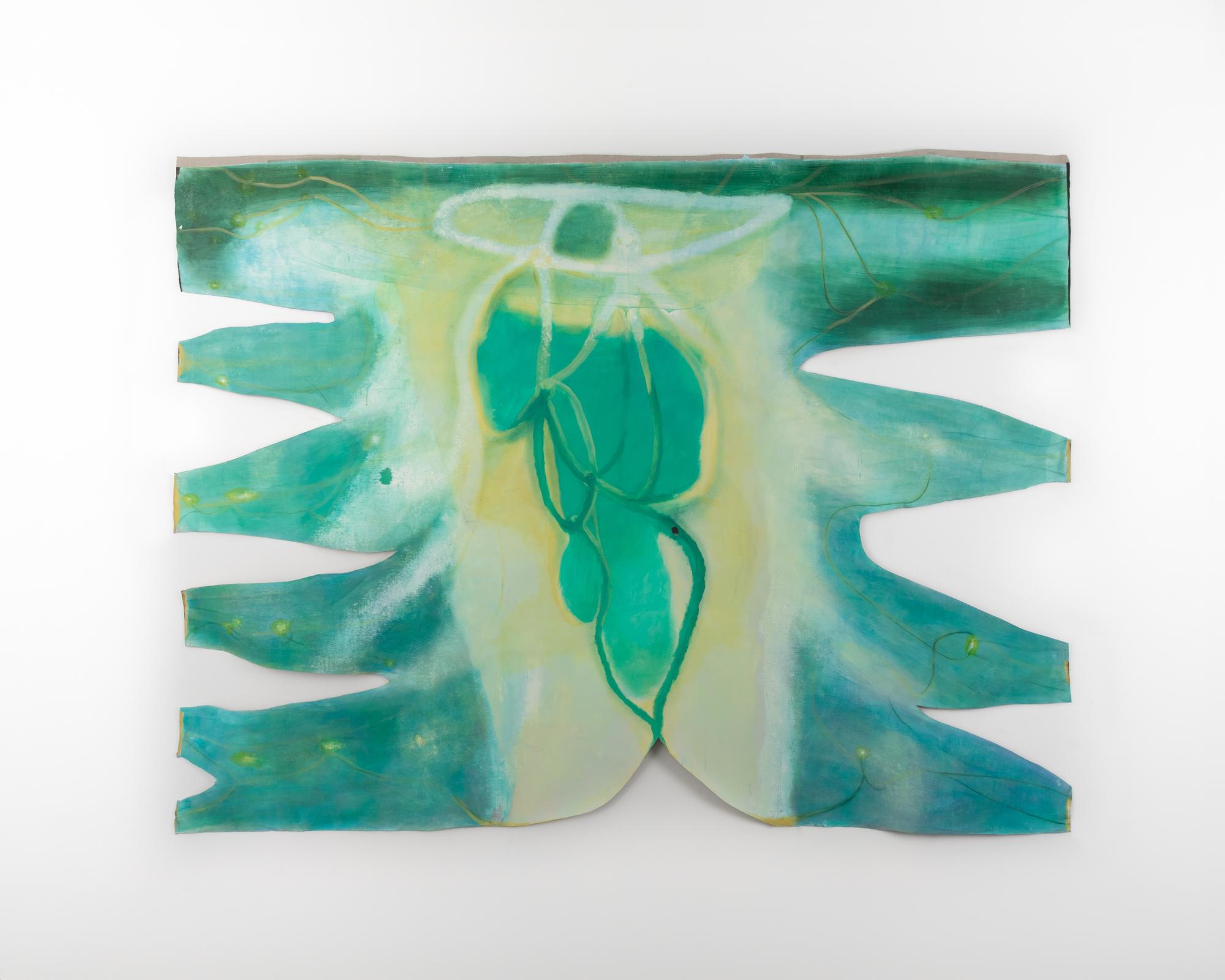
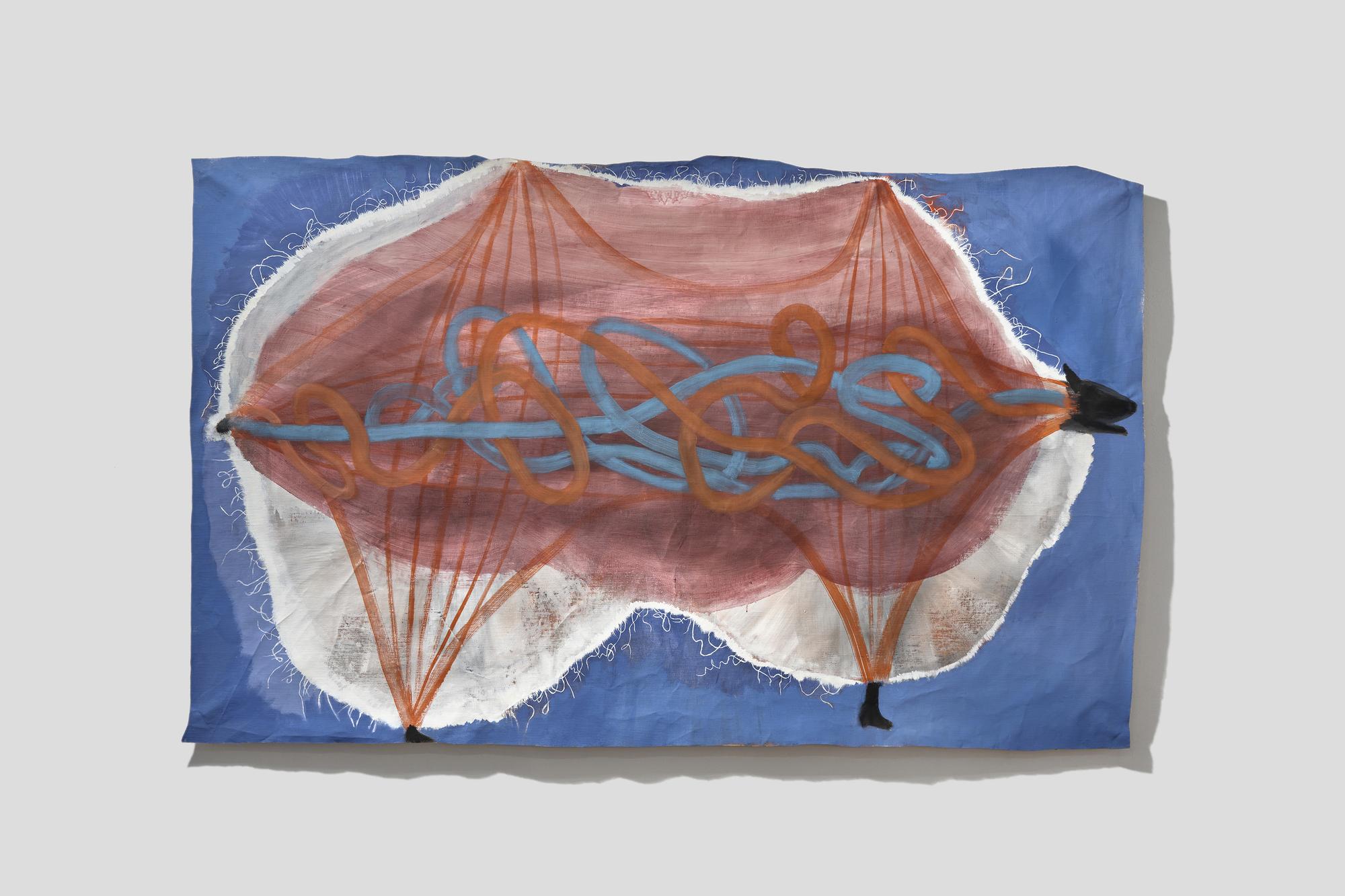
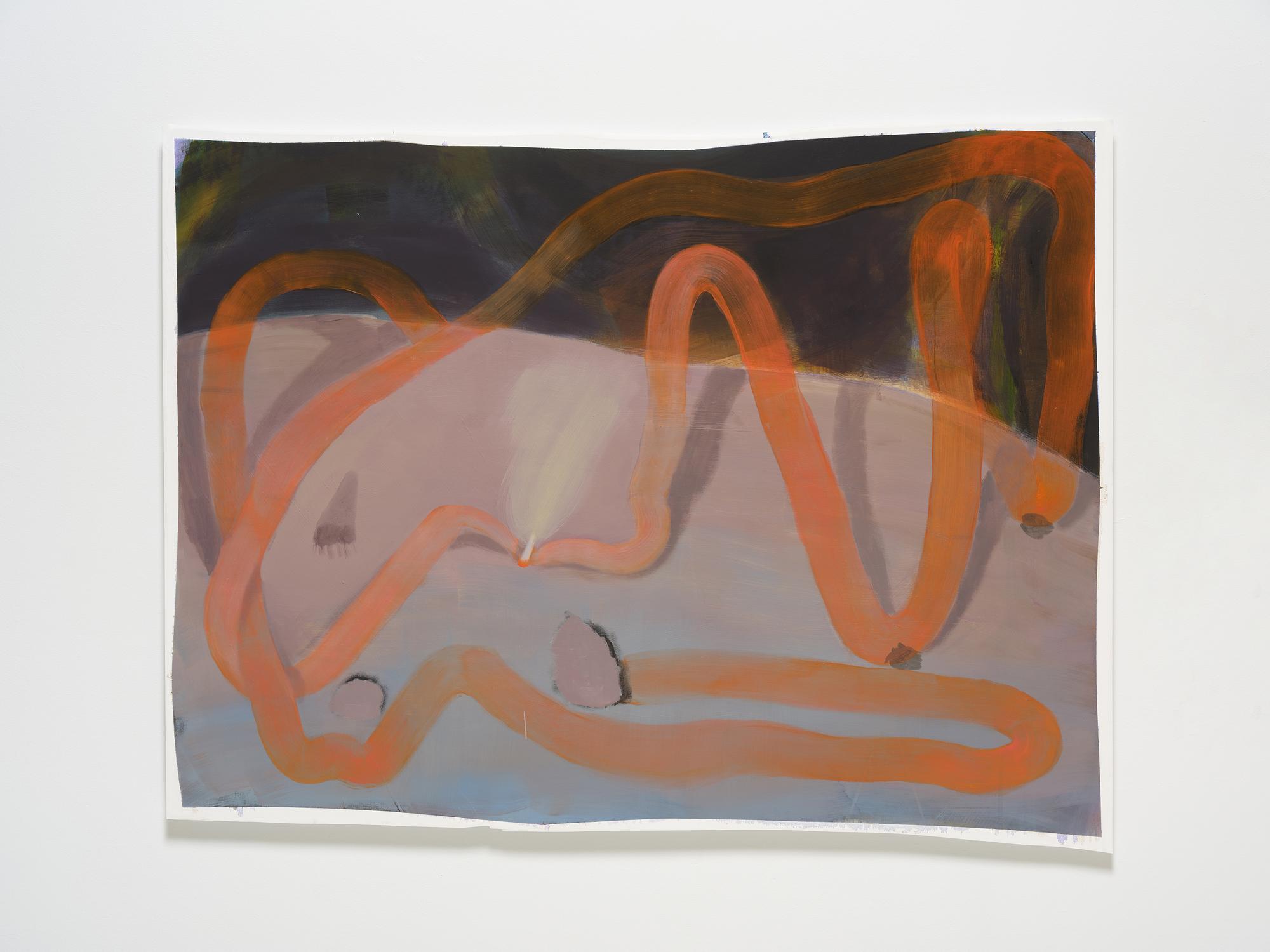
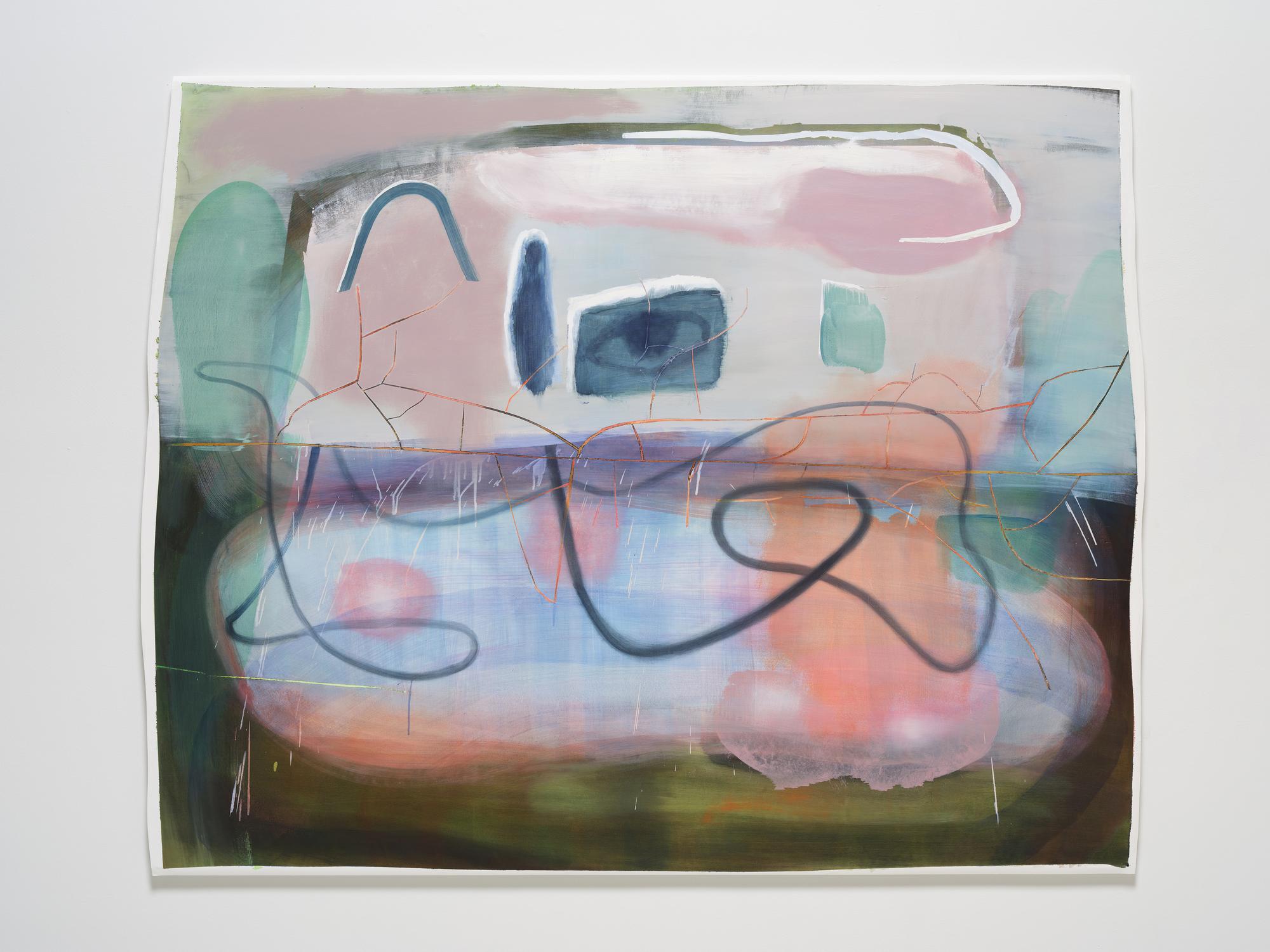
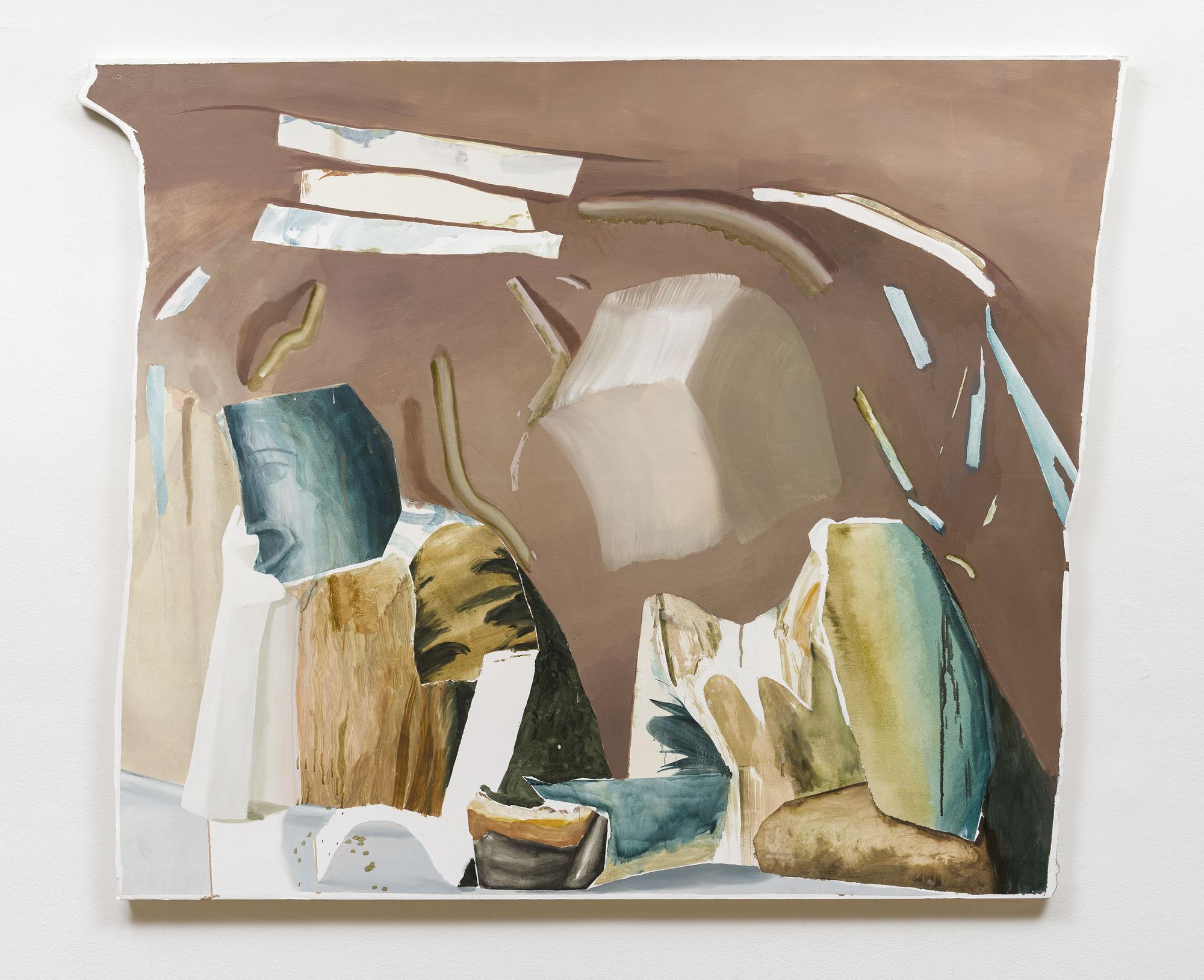
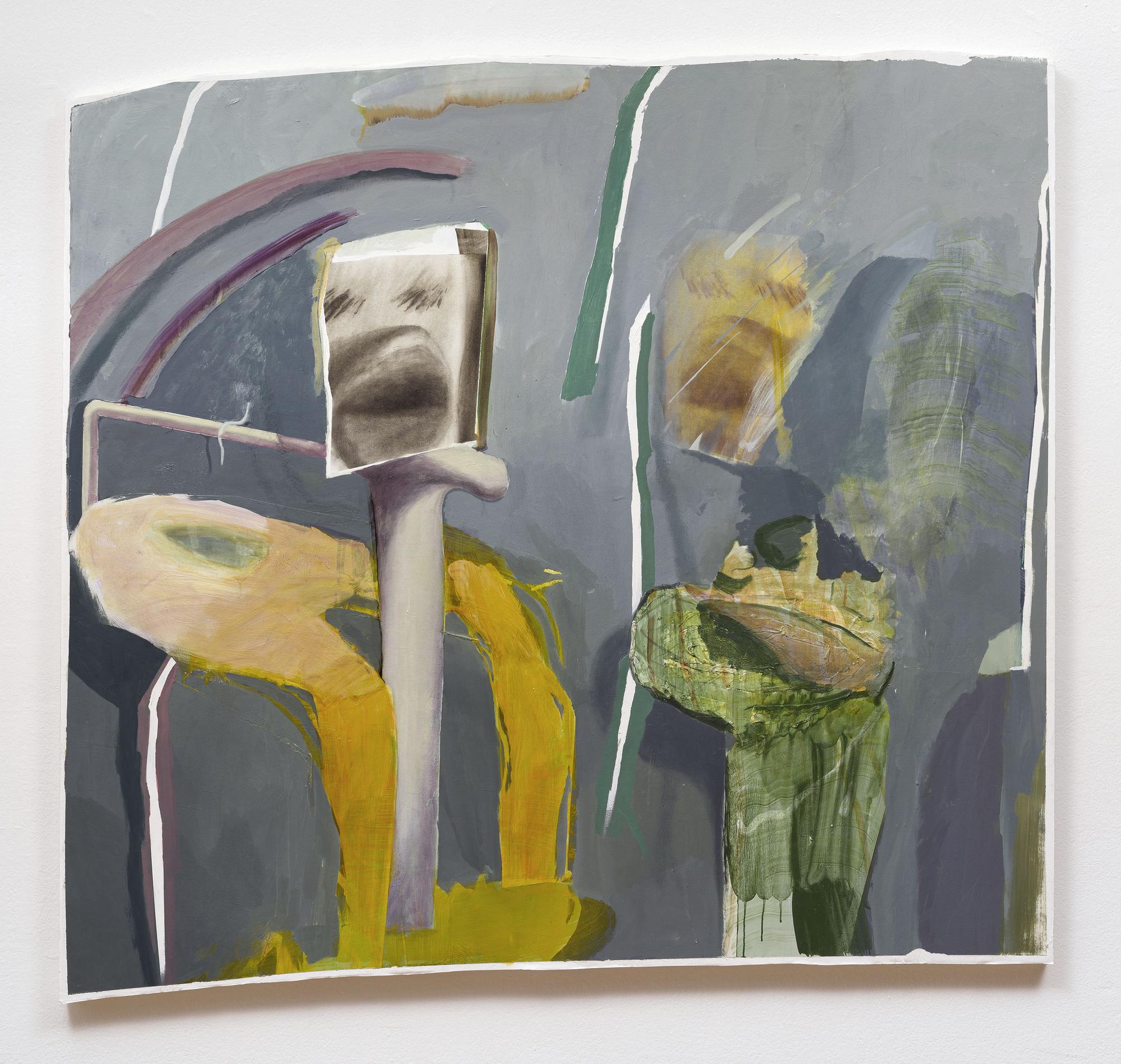
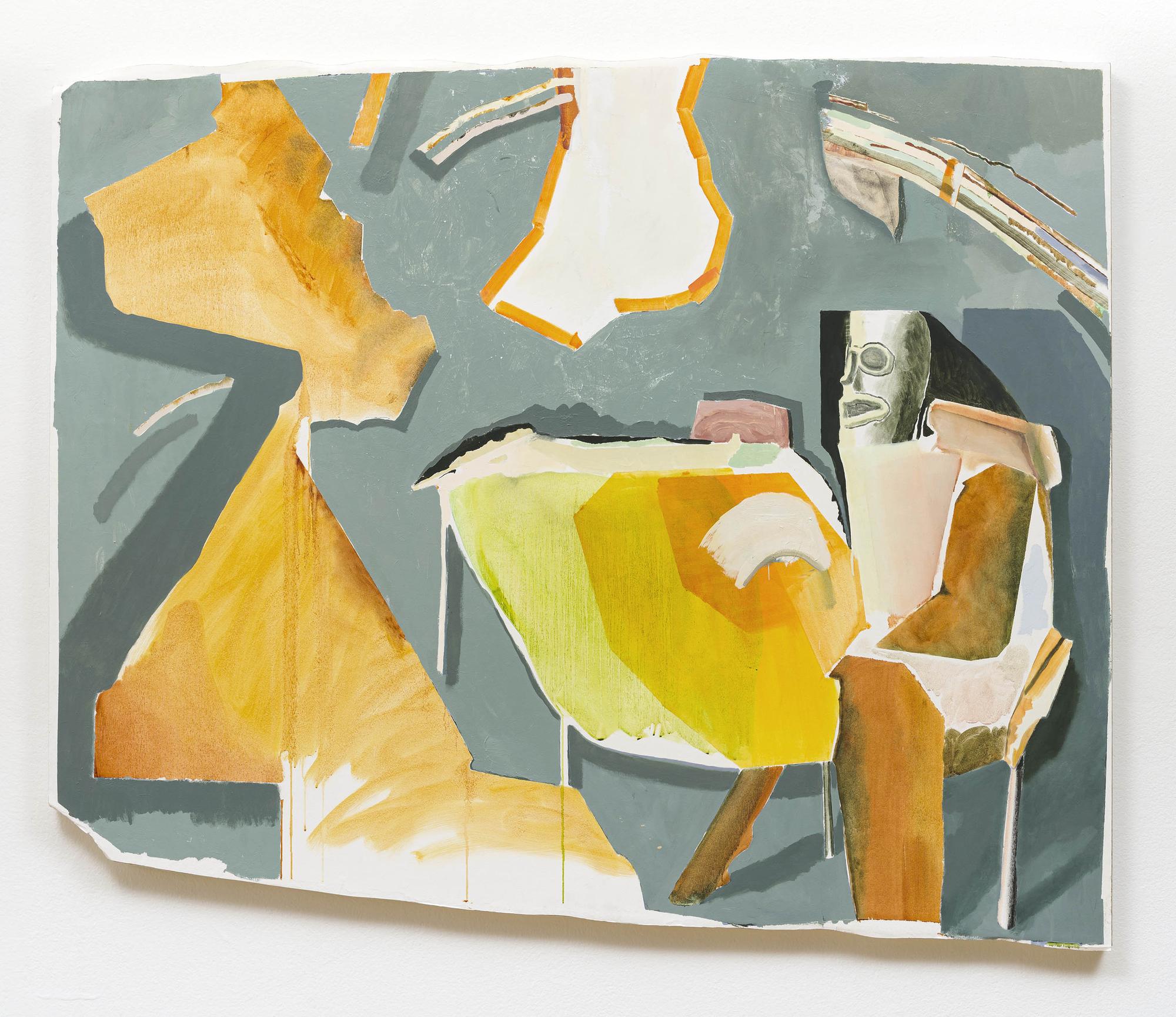
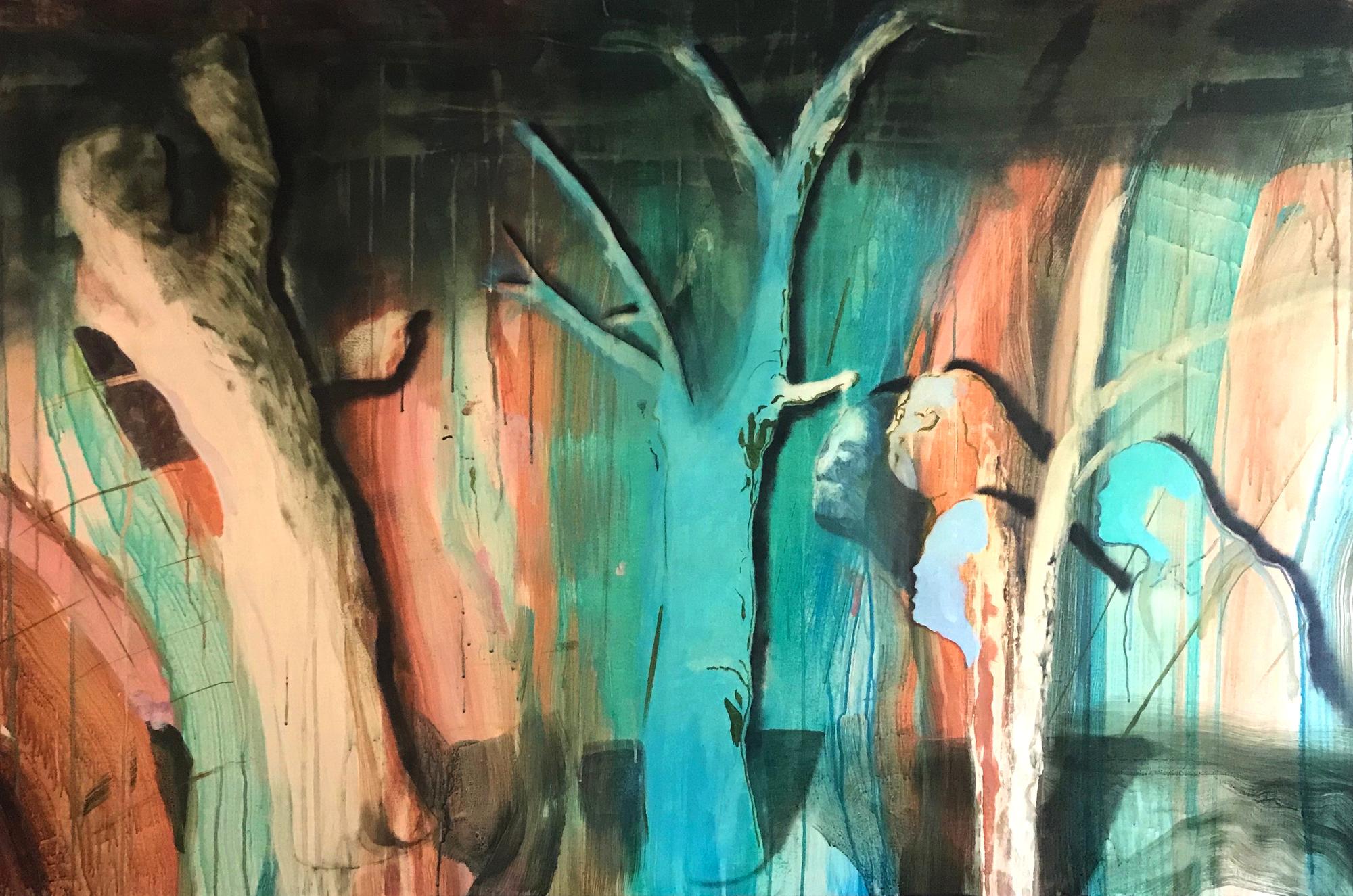
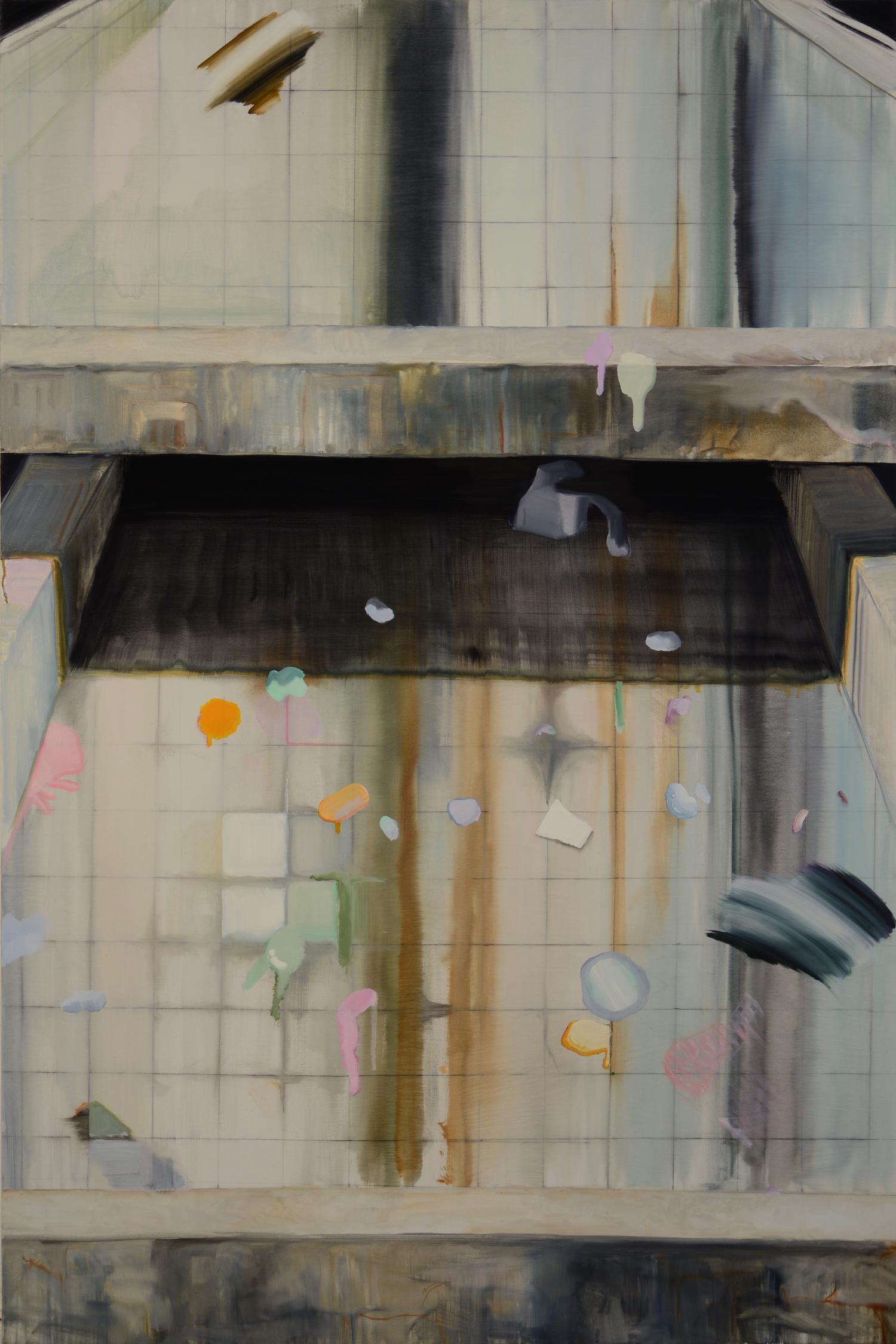
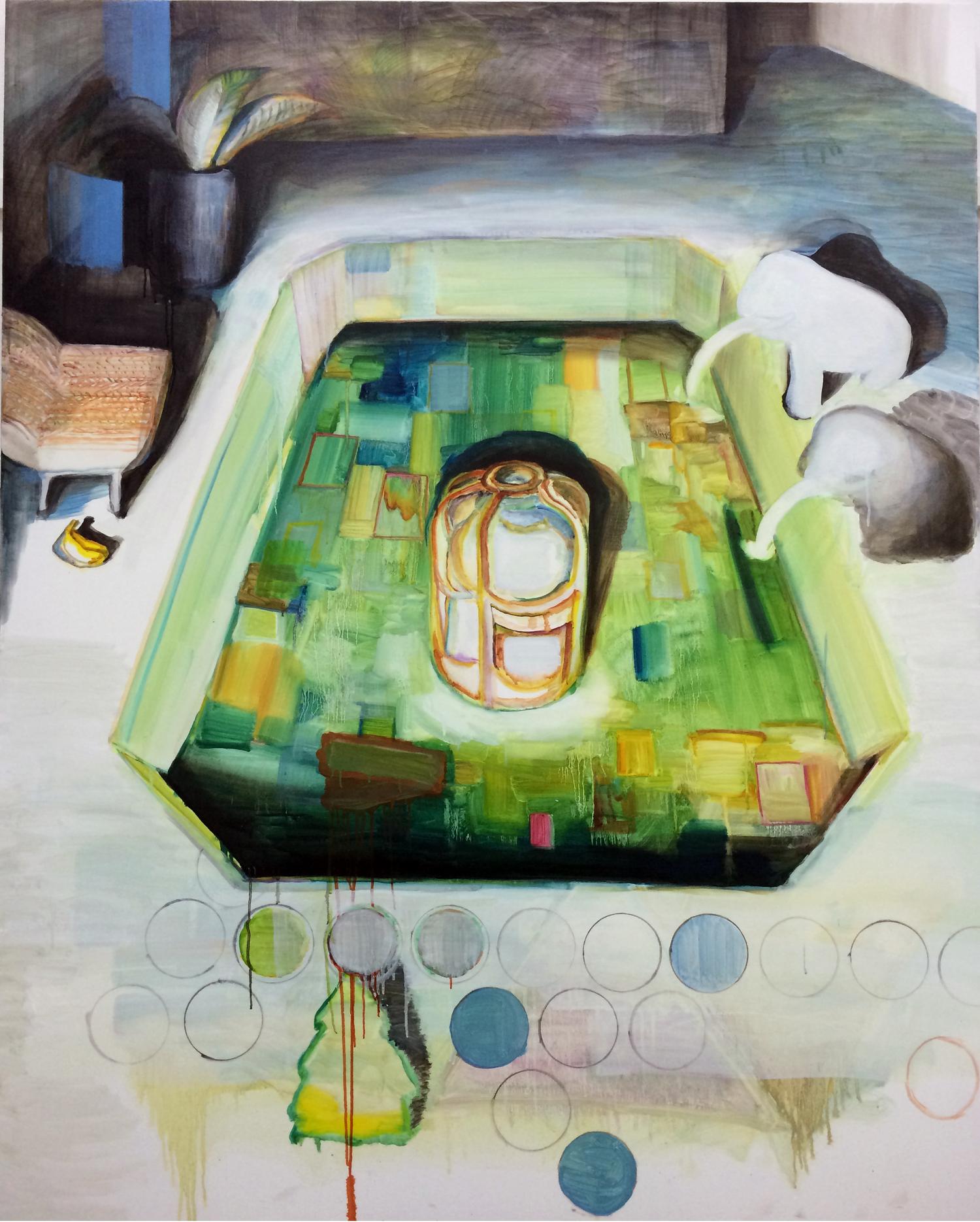
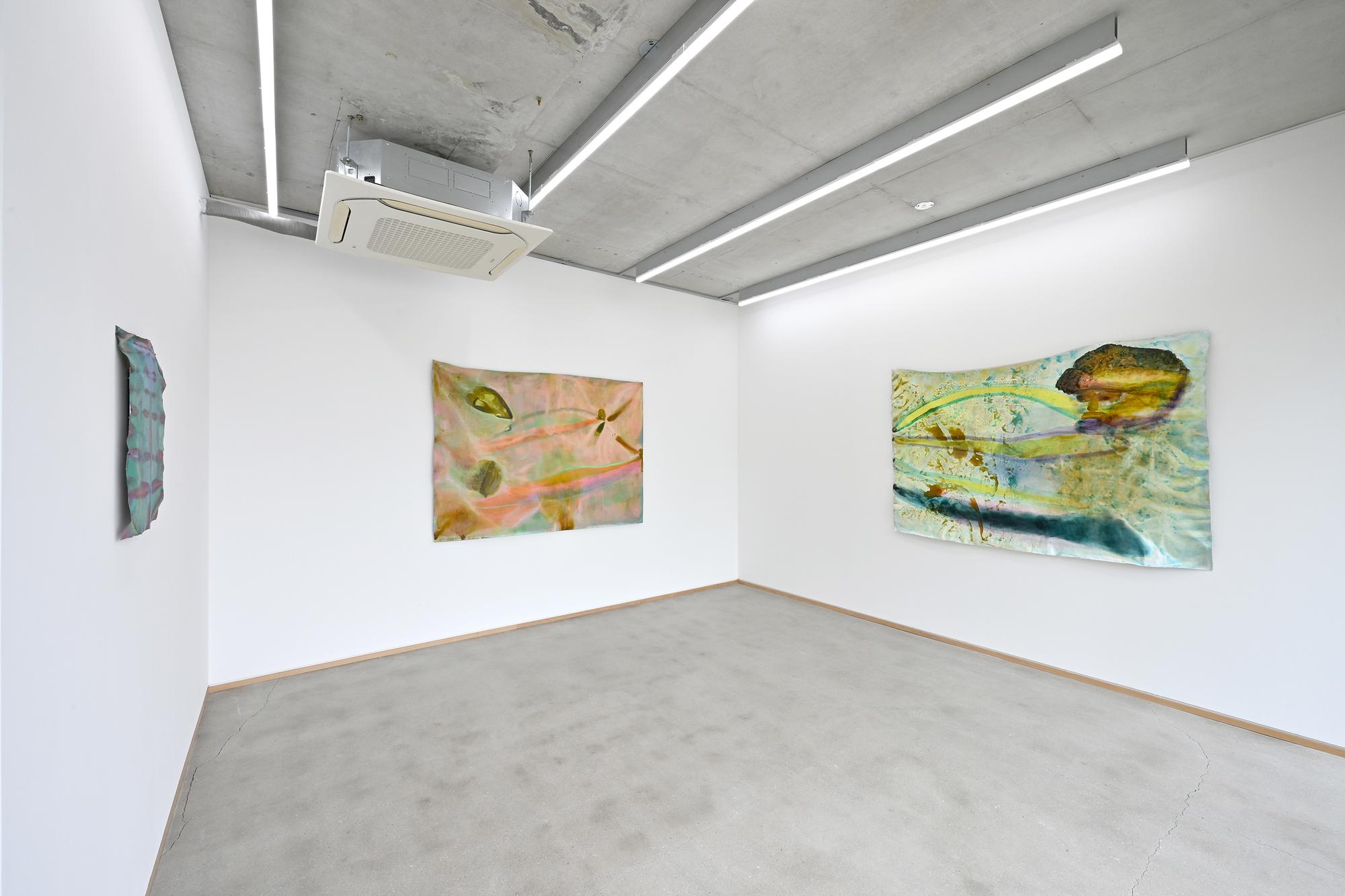
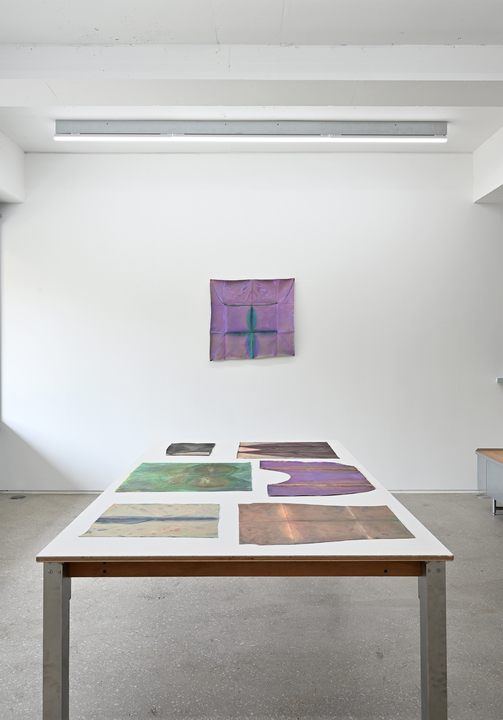
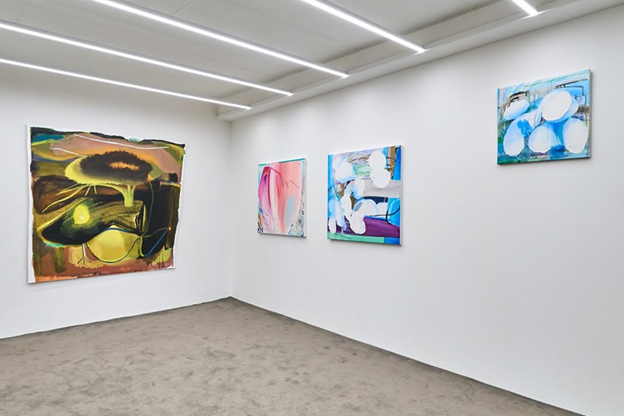
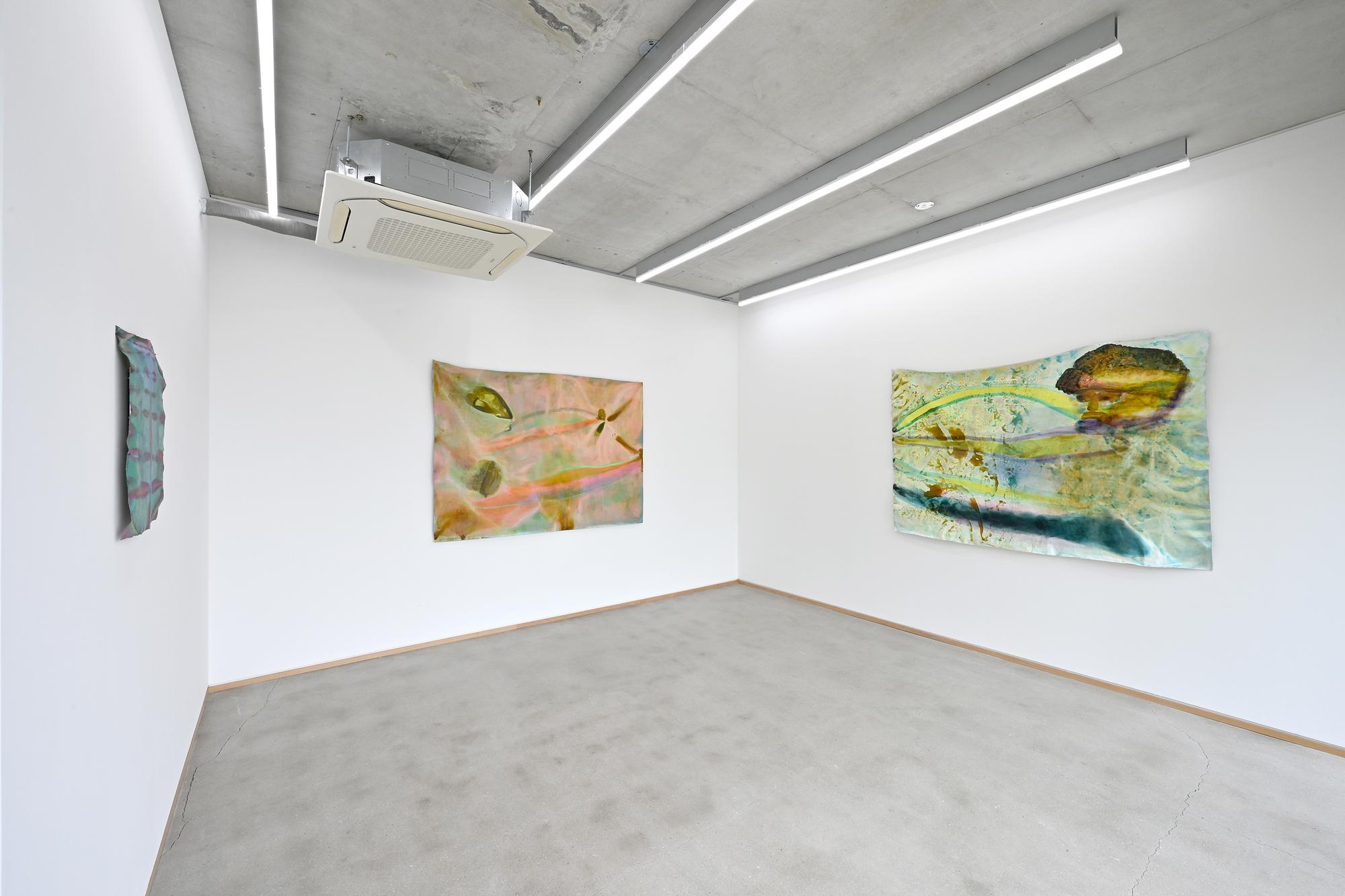
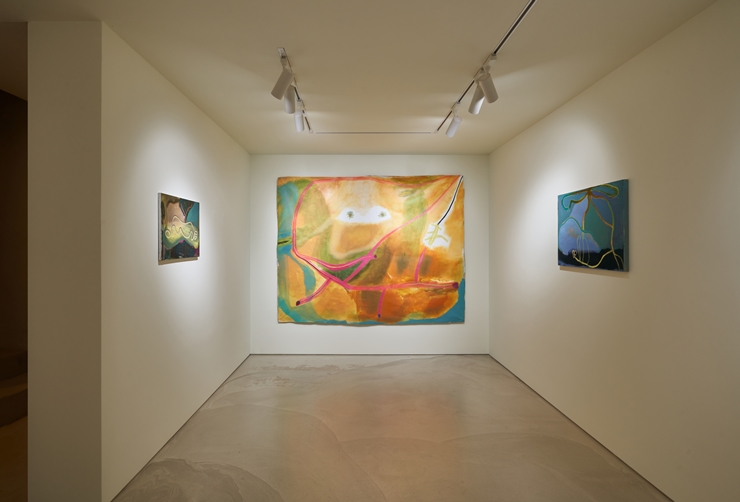
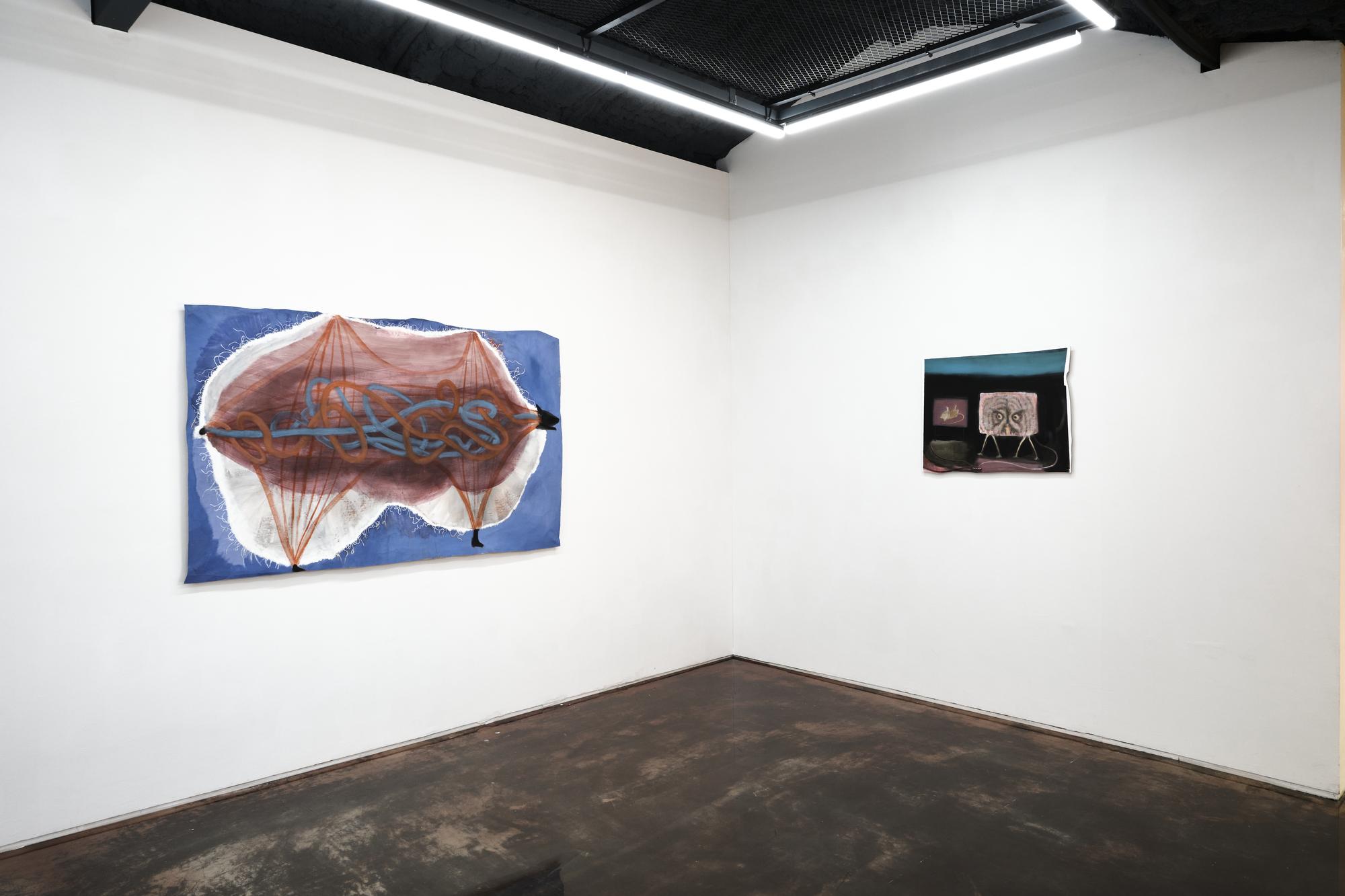
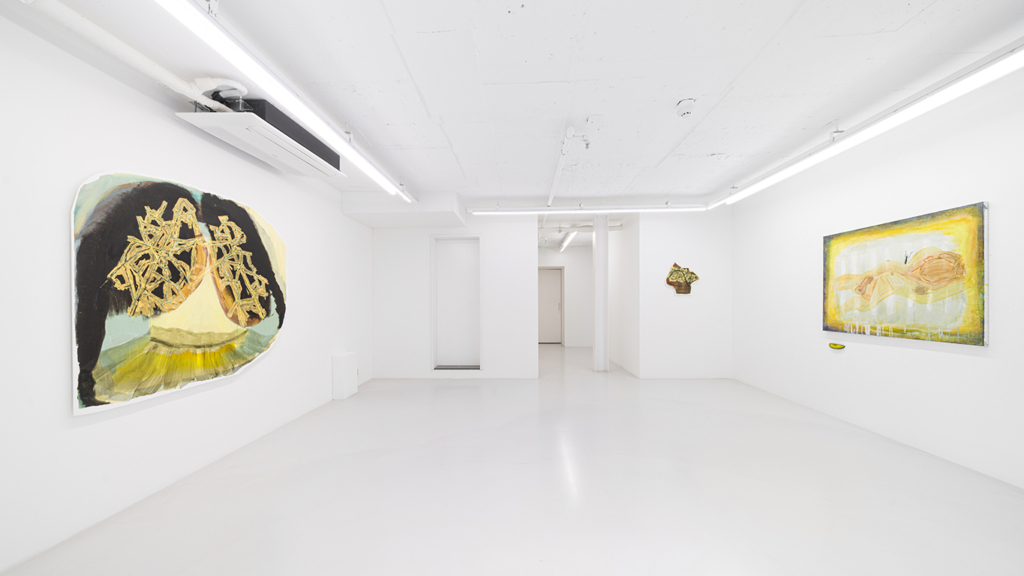
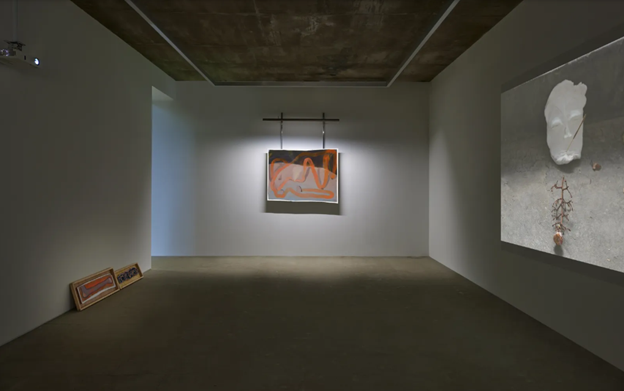
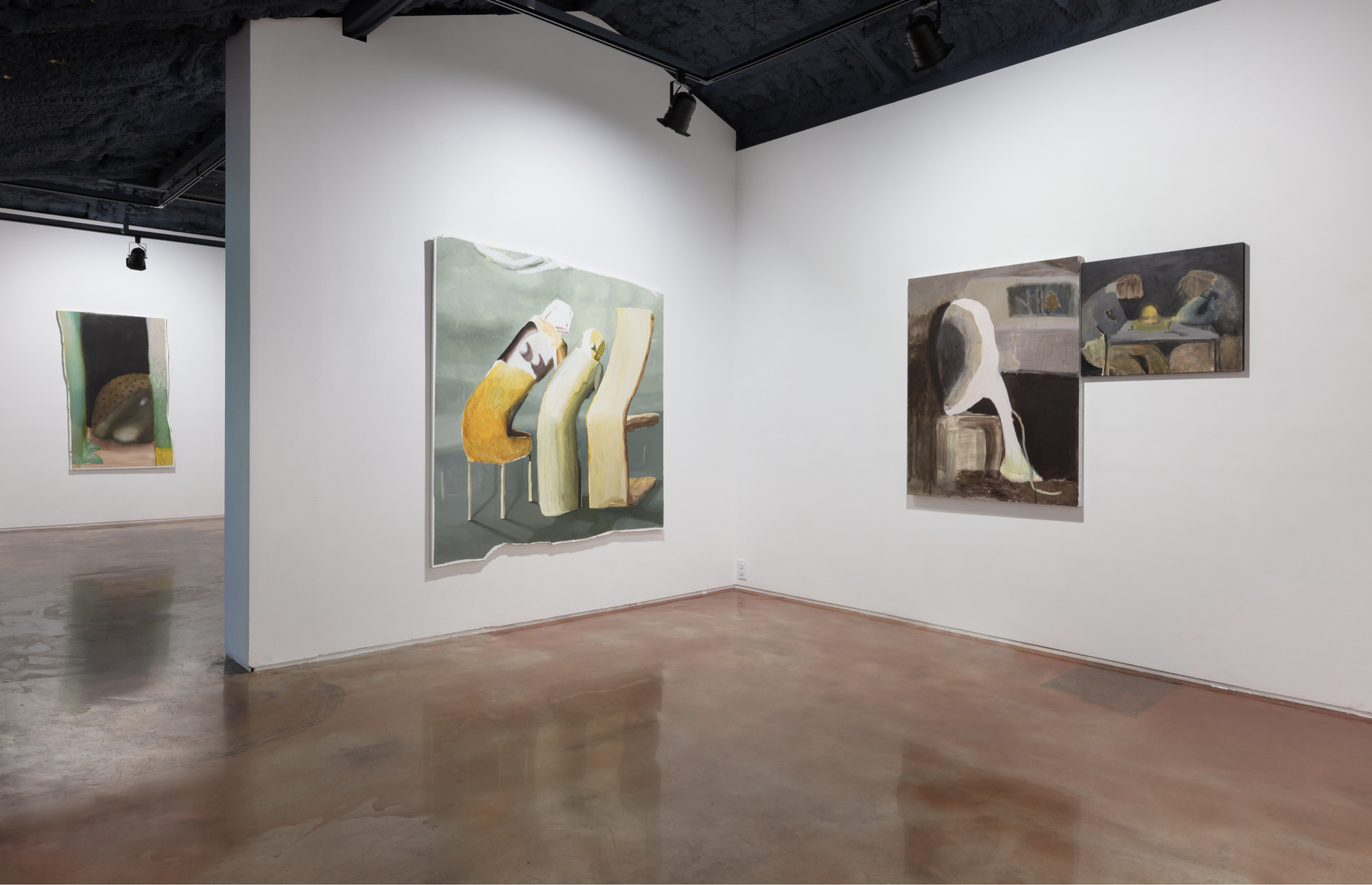
Installation view of 《Hanging Paintings》 (A-Lounge Contemporary, 2025) ©Dasom Park

Hanging Paintings, A Pictorial Event
 
Text by Bae Eunah (Independent Curator)
 
“Our mouths, unused for silence, were hanging open idly. Freed from speech, our jaws swayed like abandoned swings.” — from “Heat” by Olga Tokarczuk¹
 
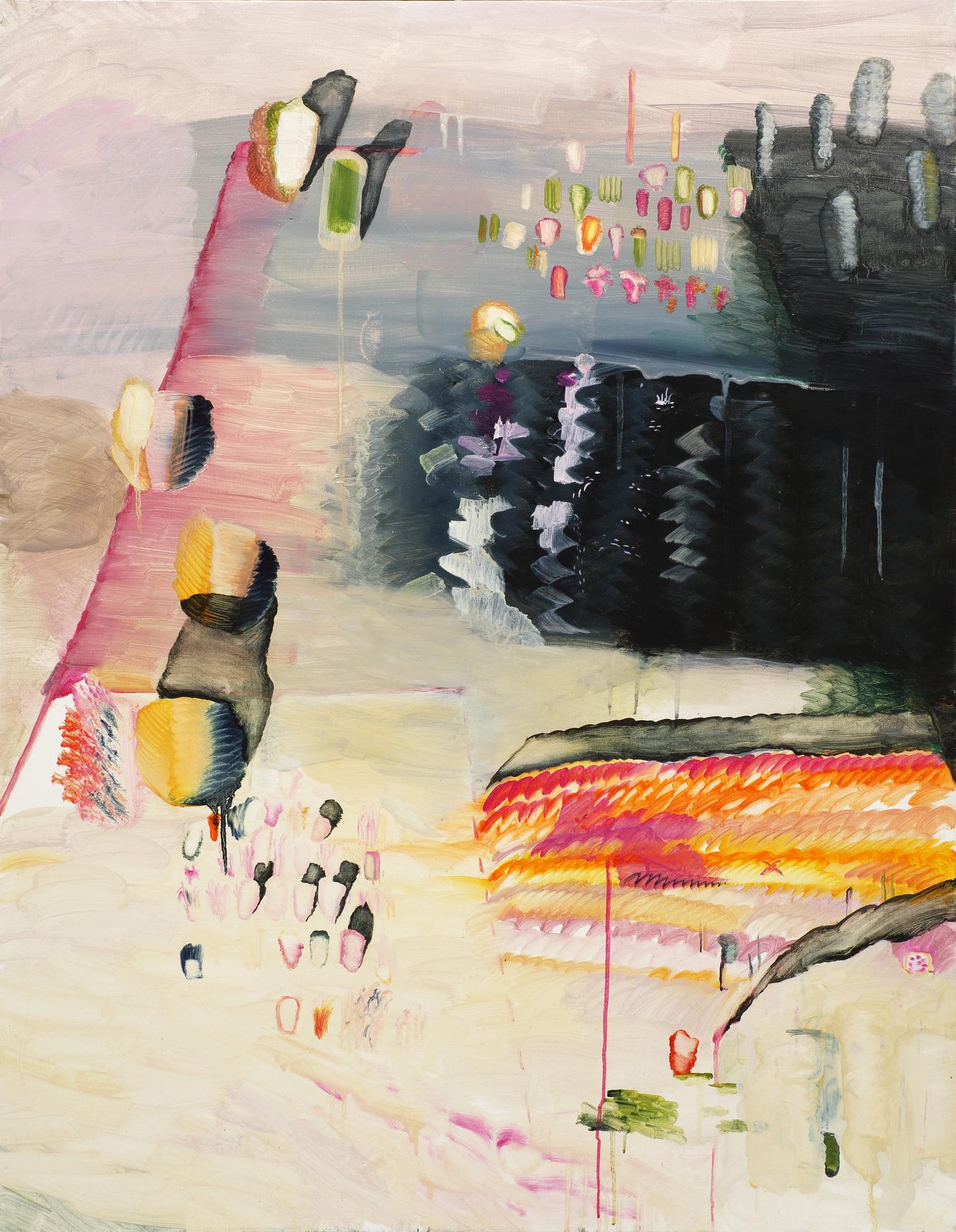
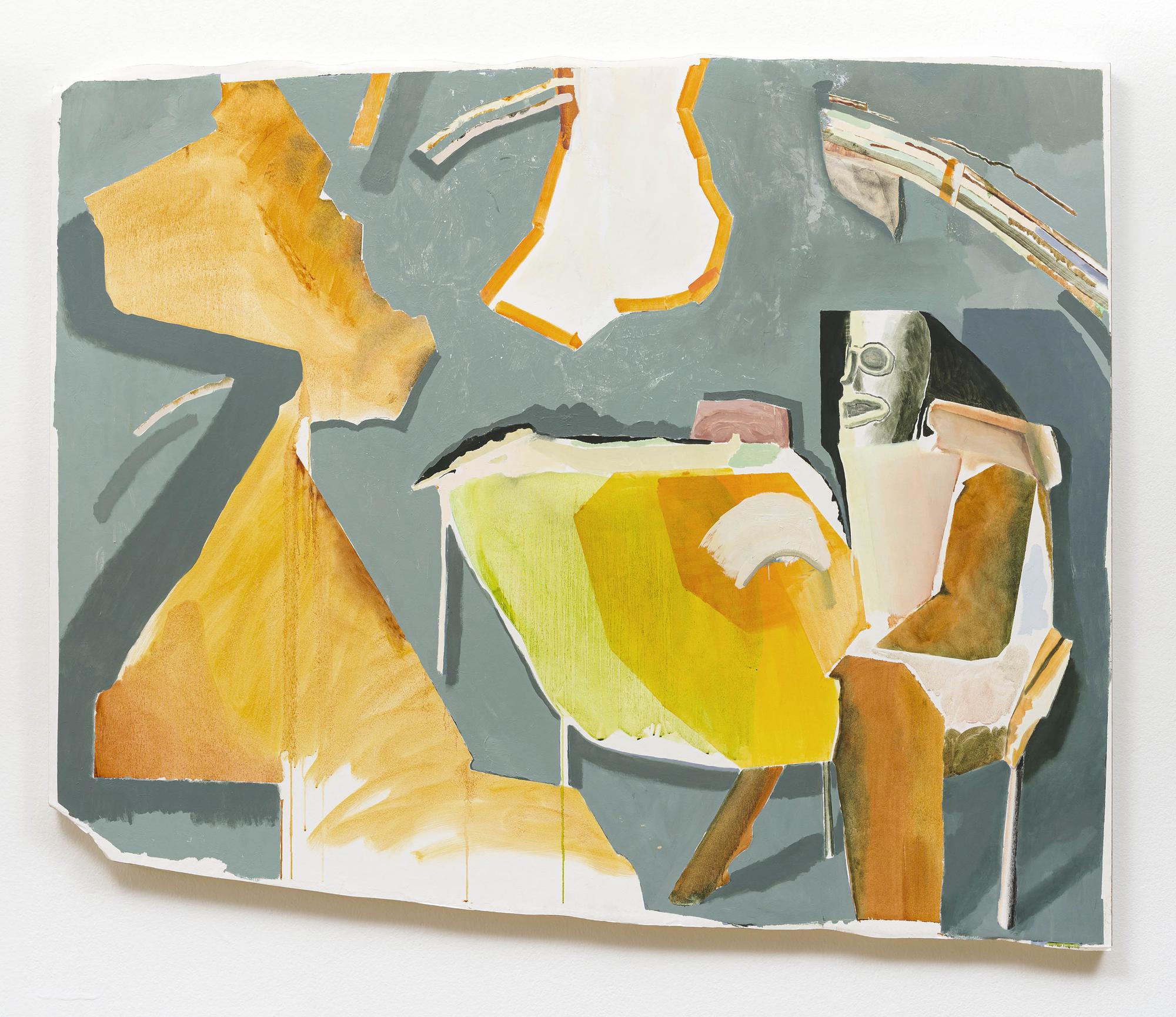
Dasom Park’s solo exhibition 《Hanging Paintings》, in which she has researched the corporeality of painting, overlays the surface of the canvas—conceived as a coalition of senses—with skin as the point of contact between body and painting. She layers it. She adds onto it. She peels it away. Instead of a firmly fixed frame, the corners of the canvas are pulled taut with steel wire; upon the sensitive surface created by that frame, the boundary between body and painting loosens.

Her paintings submit to weight and respond to environmental interference—gravity and friction, temperature—sometimes enduring, sometimes collapsing and surrendering, taking as a language of solidarity the remnants of the body that appear and disappear across the canvas surface. The curling of fabric, the detachment of tape, the movement sagging under weight— all of these events are part of painting and at the same time linked as part of the body.
 
Anyone who has lived in a house with a leaking roof will know. When the rainy season arrives, one’s heart sways between the worry of “again this time…” and the small hope of “perhaps this time…” Long ago, a plumber once said that to trace the path water has taken and stop a leak would require writing a whole novel. Every morning, Dasom Park checks whether the canvas she taped to the wall the night before has fallen. For an artist who begins her day moving between the regret of “it fell…” and the relief of “it’s still there…,” the canvas continues in whatever state it remains—fallen or attached—each with its own traces and forms.

Paint flows along the creases of a sheet crumpled on the ground, and lines grow along tightly stretched corners. Through the repetition of the act of painting and the traces that are painted, the canvas becomes a free, pure event, and the point of sensory contact remains as non-time.² Yesterday’s marks gradually spread, traces scatter in all directions, holes slowly fill, and through those layers the afterimages of the body begin to emerge.
 
Dasom Park embraces the everydayness and vulnerability of painting placed before physical forces that matter cannot resist—gravity pulling the canvas, humidity soaking the paint, or the atmosphere fading color—and unpredictable environmental changes. For her, the canvas is like clothing, bedding, or flooring, a new life that yields to the condition of material as one folds, crumples, or cuts a sheet. Bleeding is not the failure of depiction, and bending is not the retreat of a straight line. By taking the process of matter’s response as her methodology of vitality, Dasom Park’s painting recalls Jane Bennett’s “vibrant matter.”

For her, the surface of painting is alive; it is not merely a means of containing images but a device of contact like skin that conveys sensation. Furthermore, identifying the vulnerability of painting with that of herself (the human), she forms a tender solidarity through and with matter. By not simply hanging the canvas on the wall but suspending it in a way that remains as close as possible to its physical state at the time of painting, she shares that pain bodily. To unfold a body flattened and pressed down, to reach the sinews rising through spread skin and the full, living organs within, her paint carves deeper and sharper lines; it becomes the vibration of pain, disappearance, groan, the indeterminate and ambiguous itself.


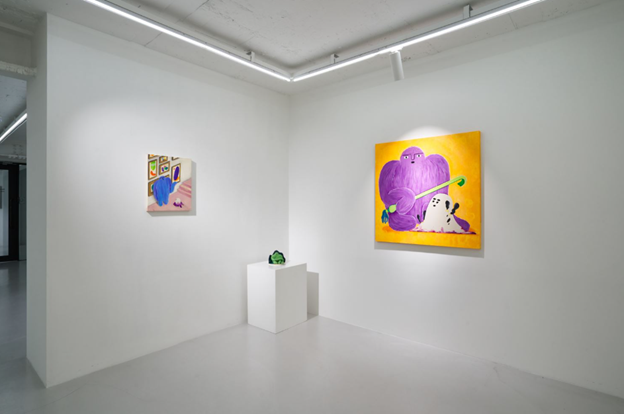
Installation view of 《Hanging Paintings》 (A-Lounge Contemporary, 2025) ©Dasom Park

Pain is not something directed “toward” something nor “about” something. Pain exists alone.³ Because pain has no specific object that can substitute for or explain it, it is not expressed in language. Rather, we see, feel, and accompany pain through the mouth that swallows it while groaning, through the trembling flicker of fingers, through protruding joints and dark bruises. Perhaps it is a misunderstanding to say that pain has no language. Pain “changes our language”⁴ or can be said to expand it.

In Kafka’s The Metamorphosis, the epidermis is not merely “sensation” but moves between the trace of the self and a new self, pushing pleasure, anxiety, and residual hidden selves to the surface. This property of the epidermis is rediscovered in Dasom Park’s painting, where she treats the canvas as “a human body.” Rather than self-sufficiently existing upon a firmly fixed frame like traditional painting, when she pushes herself onto a fragile and sensitive surface, the canvas becomes a boundary that connects exterior and interior, like the artist’s own skin.
 
Dasom Park paints in her “fifth-floor house” studio. In front of a window open toward the rooftop where heat haze rises in the sweltering weather, a quiet teacup, a wine glass, and white napkins are placed. In one corner hangs a small mobile given by a friend. The reason for ending this text with the seemingly ordinary “fifth-floor house” is a change in realizing that the essence of pain contained in her painting was not the social solidarity of pain I had casually imagined.

And because I came to understand that pain is not an object to be found in space but something like intensity, velocity, or the trembling of matter operating invisibly within space. Today, when even the possibility of new life under ever-hotter heat is doubtful, living here on this Earth, life may be experienced not as bliss (supreme happiness, 至福) but as fear, not as the fullness of potential but perhaps as a thoroughly meaningless void.⁵ Therefore, to be in solidarity with pain is less harmful and less violent than urging happiness. Pain, even within meaningless daily life, quietly breathes while holding the possibility of new generation and contact, and changes us.

 
1. House of Day, House of Night, by Olga Tokarczuk, translated by Lee Okjin, 2020, Minumsa, p. 278
2. In Vibrant Matter, Jane Bennett introduces Gilles Deleuze’s short essay “Immanence: A Life,” stating that a life is “a pure event free from the subjectivity and objectivity of what has happened,” and thus visible only momentarily. For her, life resides in a strange non-time existing between the various moments of biographical and formal time. Vibrant Matter, by Jane Bennett, translated by Moon Seongjae, 2020, Hyunsilmunhwa, p. 147
3. The Body in Pain, by Elaine Scarry, translated by May, 2018, May 18 Publishing, p. 262
4. The Undying, by Anne Boyer, translated by Yang Mirae, 2021, Playtime, Lisio Publishing, p. 235
5. Vibrant Matter, by Jane Bennett, translated by Moon Seongjae, 2020, Hyunsilmunhwa, p.148

References