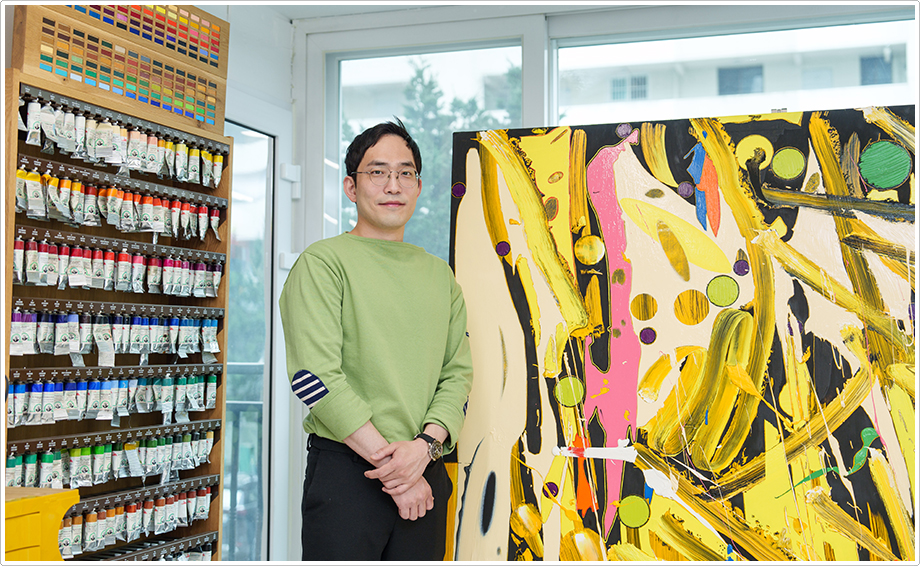
One hundred and sixty-eight tubes of paint, neatly arranged on
custom-made furniture; color chips personally produced to test pigmentation and
lightfastness; brushes and tools sorted into identical containers by material.
Seoul Kim’s studio felt like the space of an analytical perfectionist,
meticulously organized according to the artist’s own design. A space resembles
its owner. Kim says he admires the decisive prose of Kim Hoon and Ernest
Hemingway, and that he pursues the highest-quality works made with the finest
materials available on earth. Born in 1988, he was given the name “Seoul” by
his parents, who associated the city with hope in the era of the Olympics.
Embracing Seoul, he dreams of becoming an artist who, like Nam June Paik who
embraced the world, constantly seeks the new.
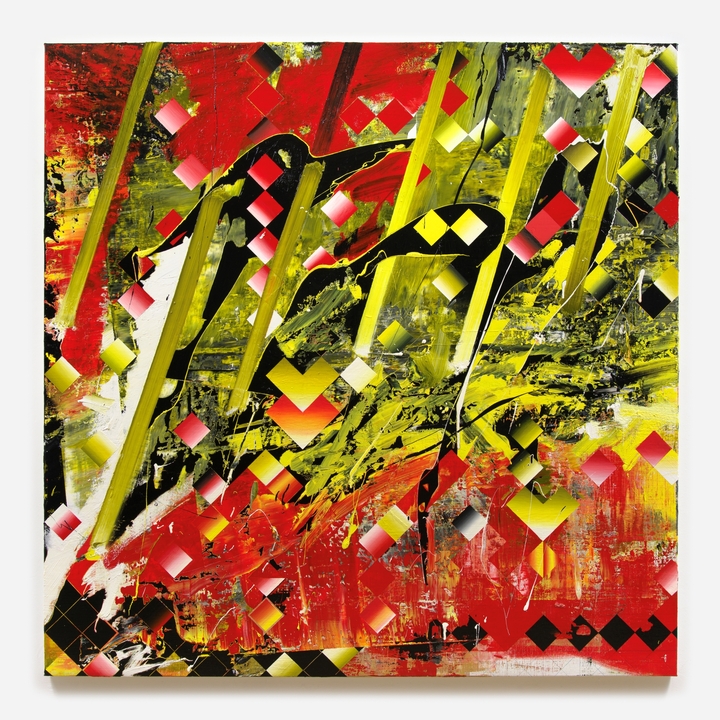
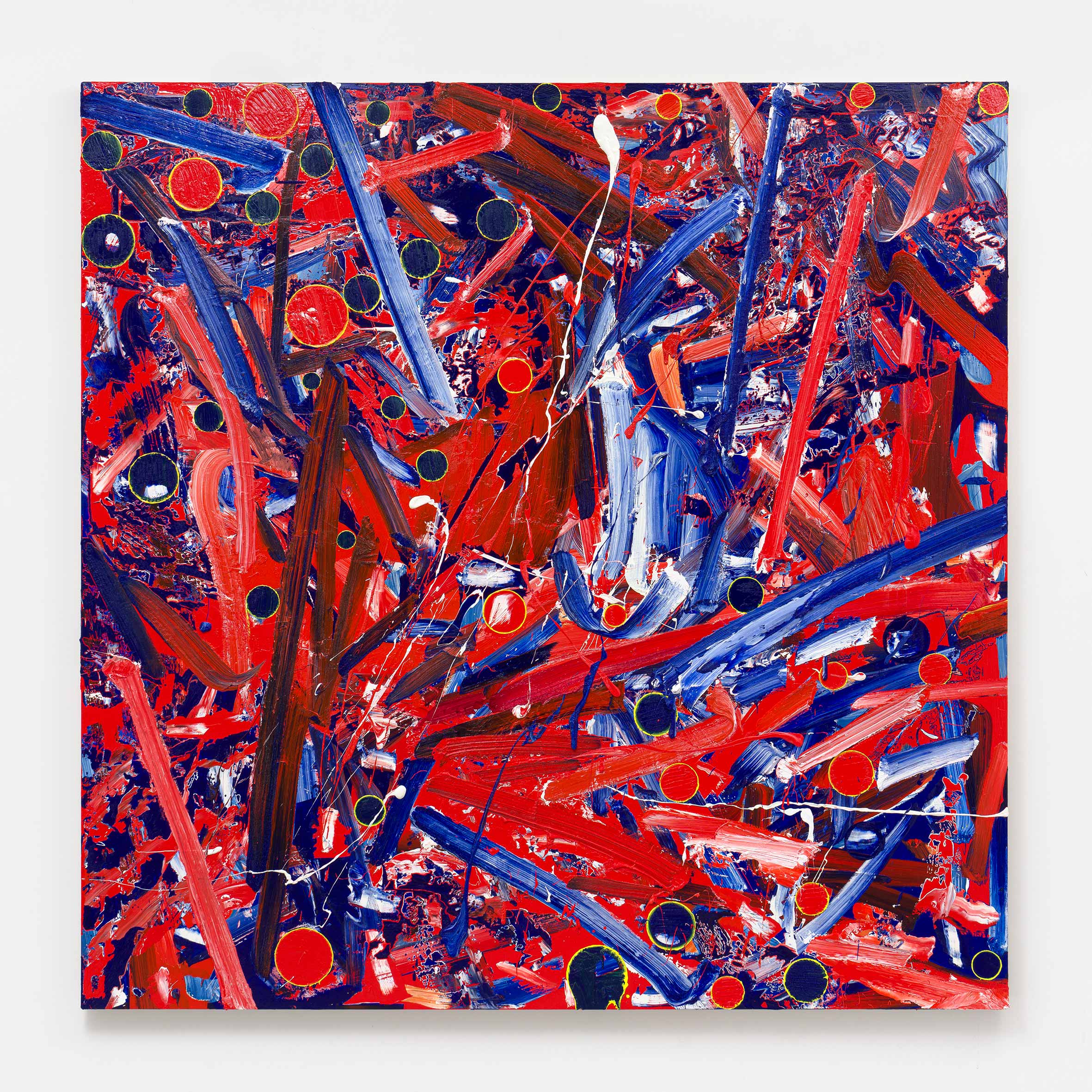
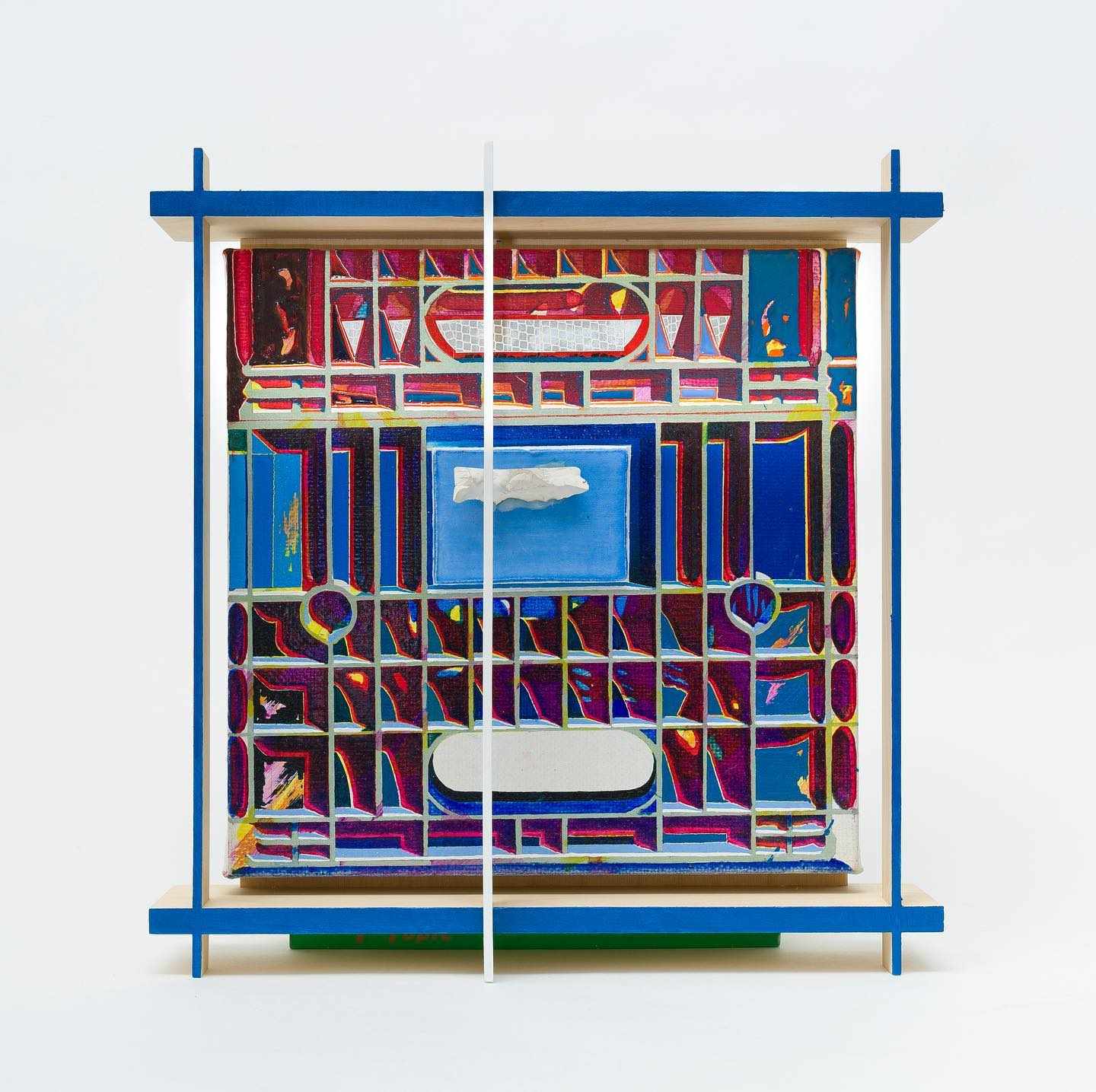
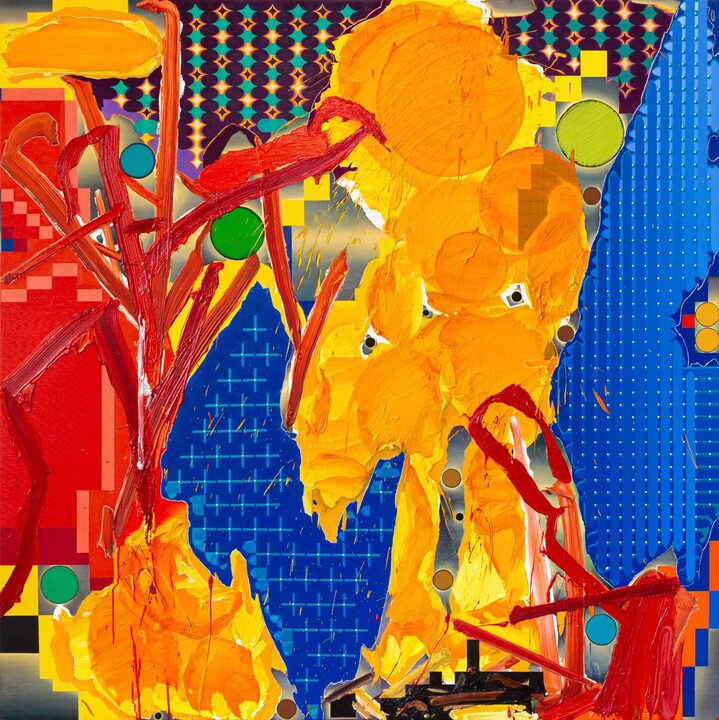
On Kim’s canvases, materials and tools—paint, brushes, canvas
fabric, and frames—are subjected to diverse experimentation. As a painter, he
believes research into paint and materials is essential. “What pigment makes up
this color, and where does it come from?” “Why is this brush round?” To
understand raw materials, manufacturing processes, and their differences, he
studied independently, investing significant funds and six years of time. He is
a rare artist today who concentrates on fundamentals. Through this process, he
assembled top-tier materials produced by paint companies in the Netherlands,
Belgium, Italy, the United States, and Spain, including Old Holland, Claessens,
Bella Arte, Fredrix, and Escoda. He sought to fully understand the materials
and tools he uses by directly observing and experiencing “the hue and texture
of each individual pigment particle” and “the feel and elasticity of each
single brush hair.”
Kim uses 168 commercially available colors without mixing them.
When asked why, after years of analyzing pigments, he continues to use the
provided colors as they are, he explains that it is to preserve each paint’s
inherent chromatic identity to the fullest. One hundred and sixty-eight is the
largest number of colors currently available on the market; according to
manufacturers, demand from consumers (artists) does not justify producing more.
Kim therefore decided to experiment, as a painter, with these 168 colors used
identically by artists around the world, seeking to imprint his own identity
upon them.
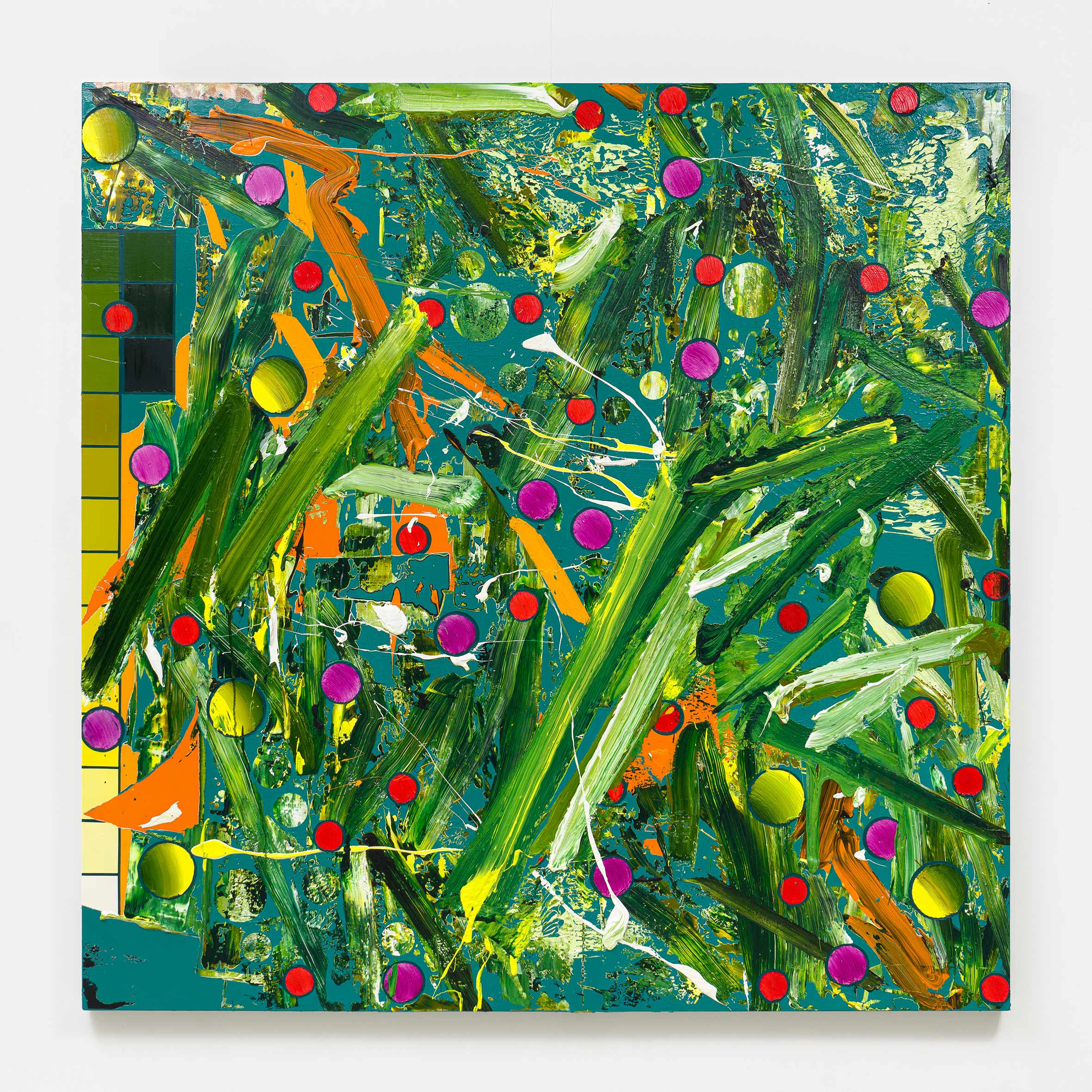
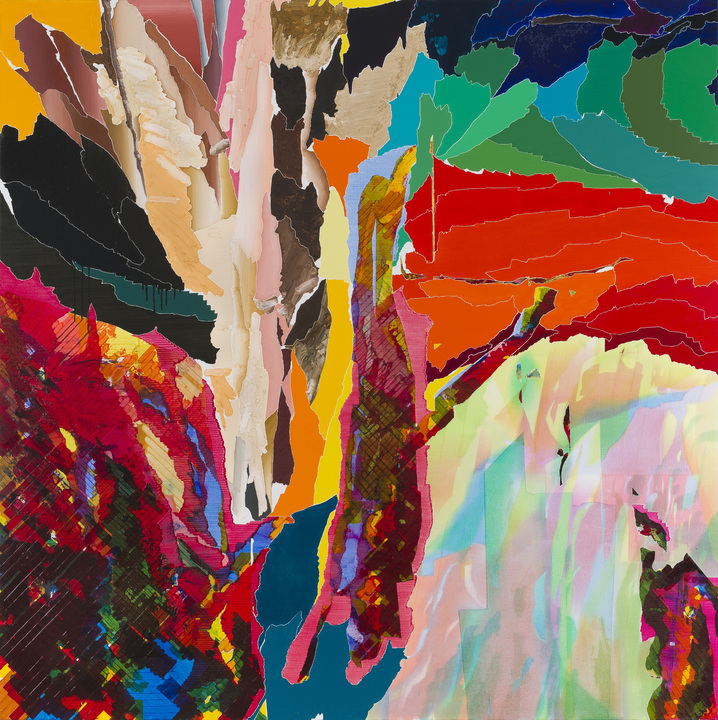
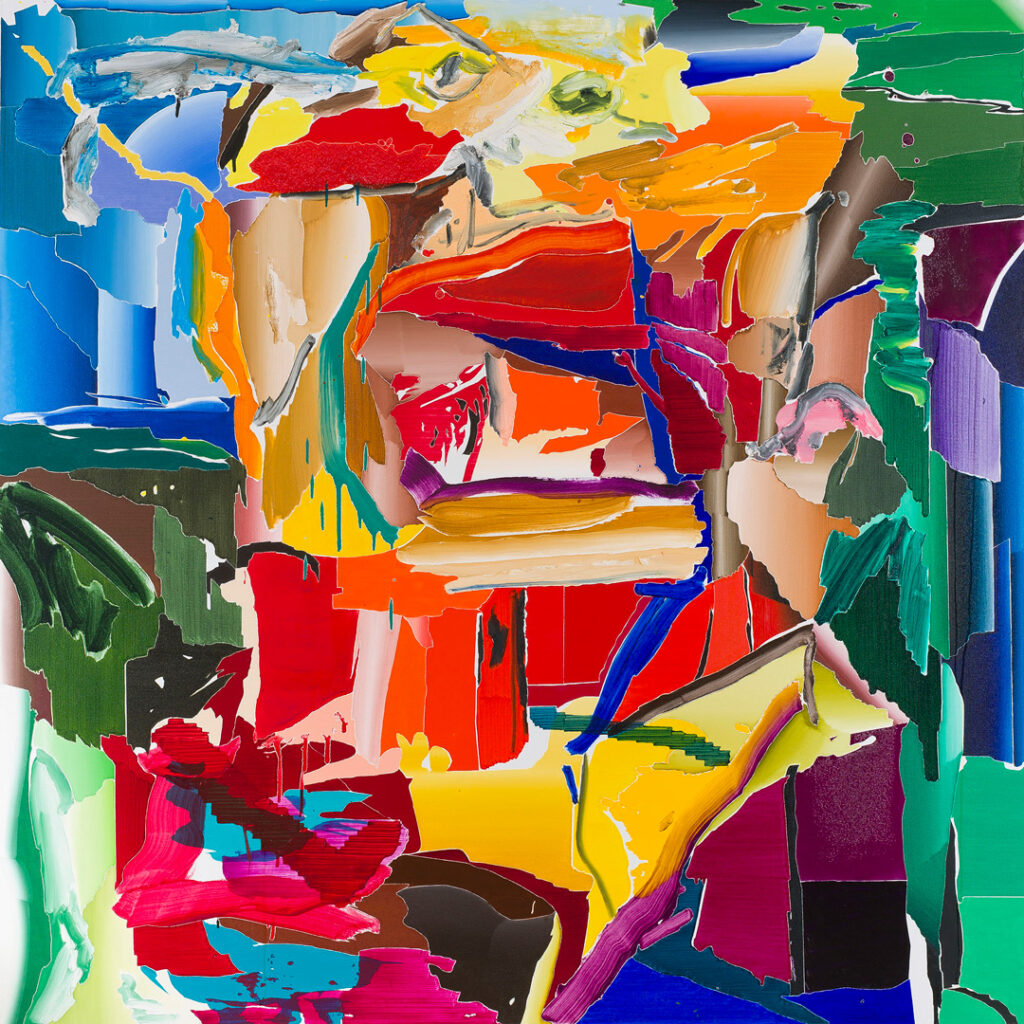
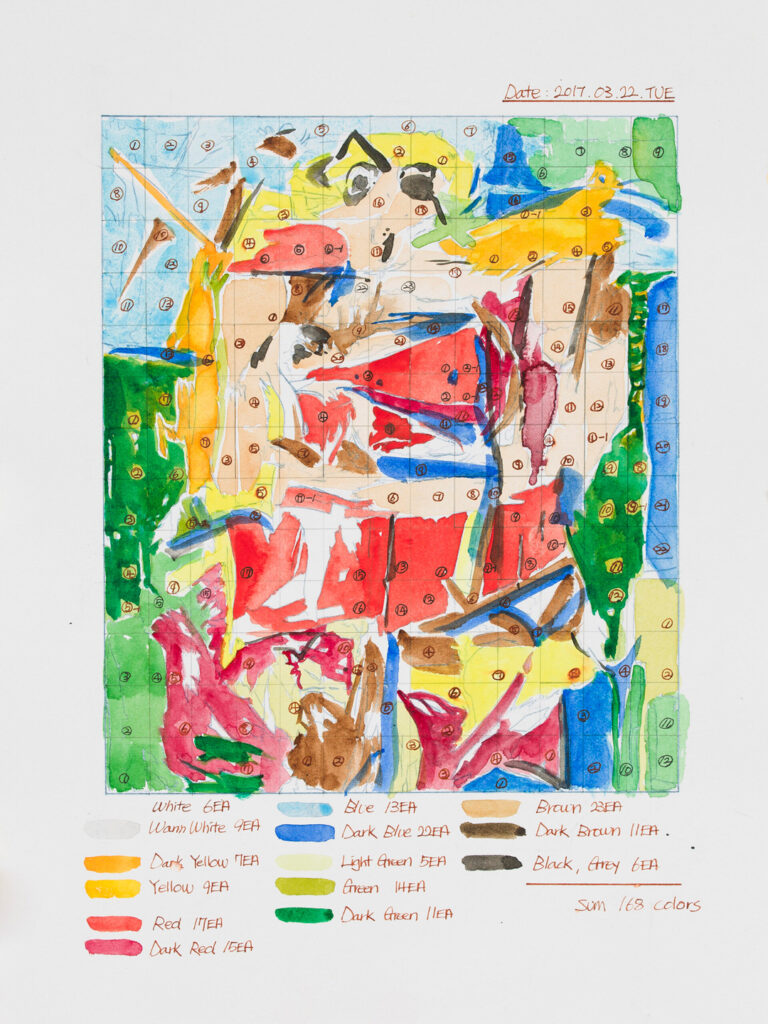
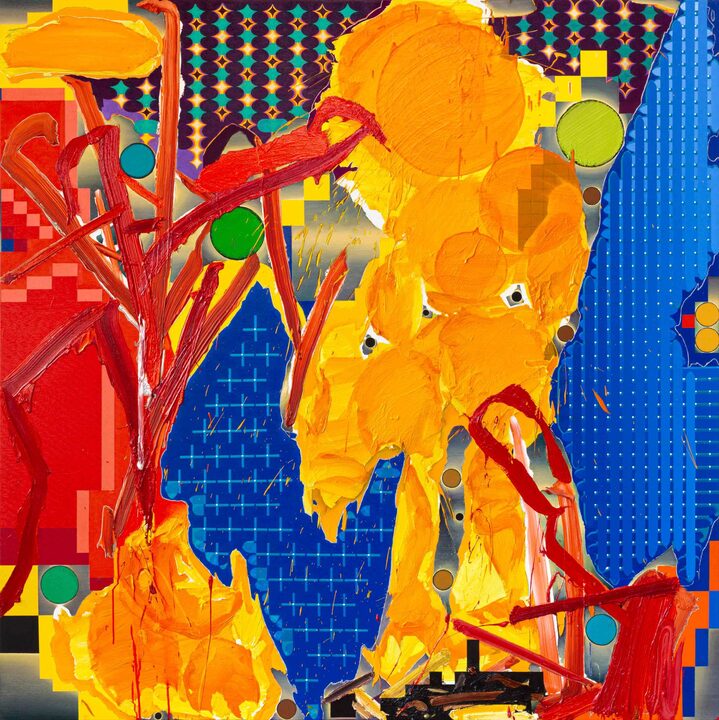
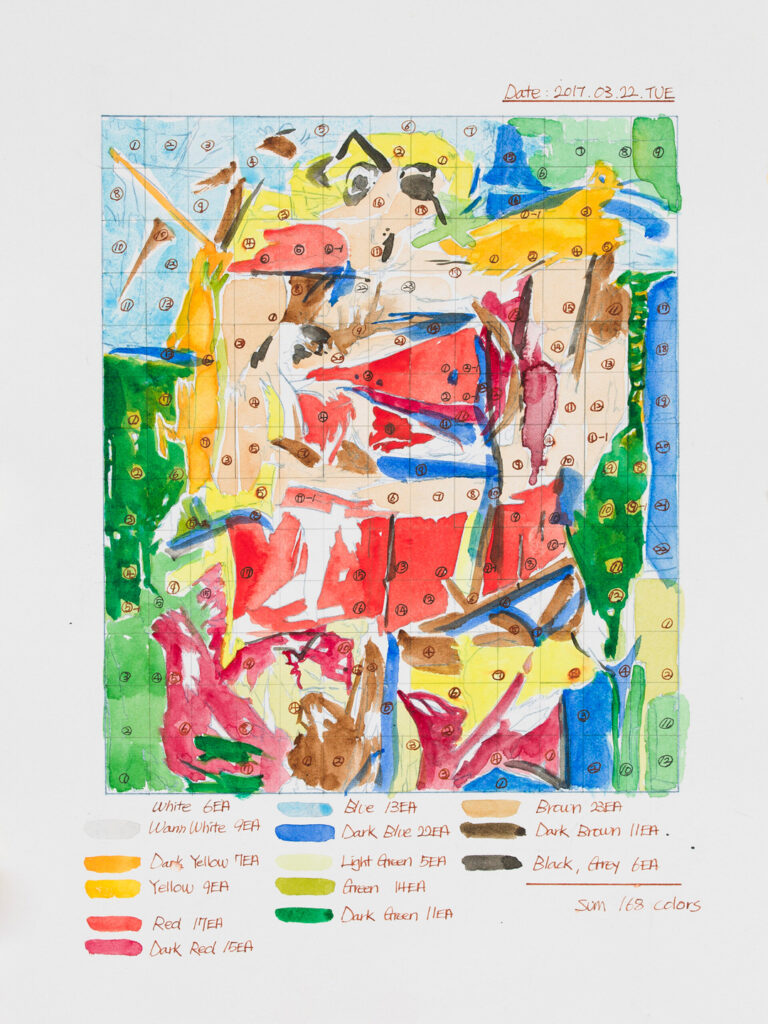
His exploration of paint and color began with his debut
series ‘After De Kooning’. He divided a square canvas into 168 equal
sections and placed each of the 168 colors in equal measure. This series was
preceded by blueprint-like works he called “color charts.” Designed to break
his habitual use and perception of color, these charts were based on continuous
consideration of where and how each individual color should exist on the canvas
to maximize the potential of the paint itself.
In this sense, ‘After De Kooning’ is
closer to placing paint onto the surface than to painting in a conventional
sense; paint and color are not applied according to expressive intention but
rather dock into their original positions. In this process, he experimented
with thirteen variations, adjusting brush texture and paint viscosity,
exploring clusters and dispersals of similar hues to discover methods that most
effectively reveal each color’s character. He describes the process as a
comprehensive study of all possible ways of applying paint with a brush.
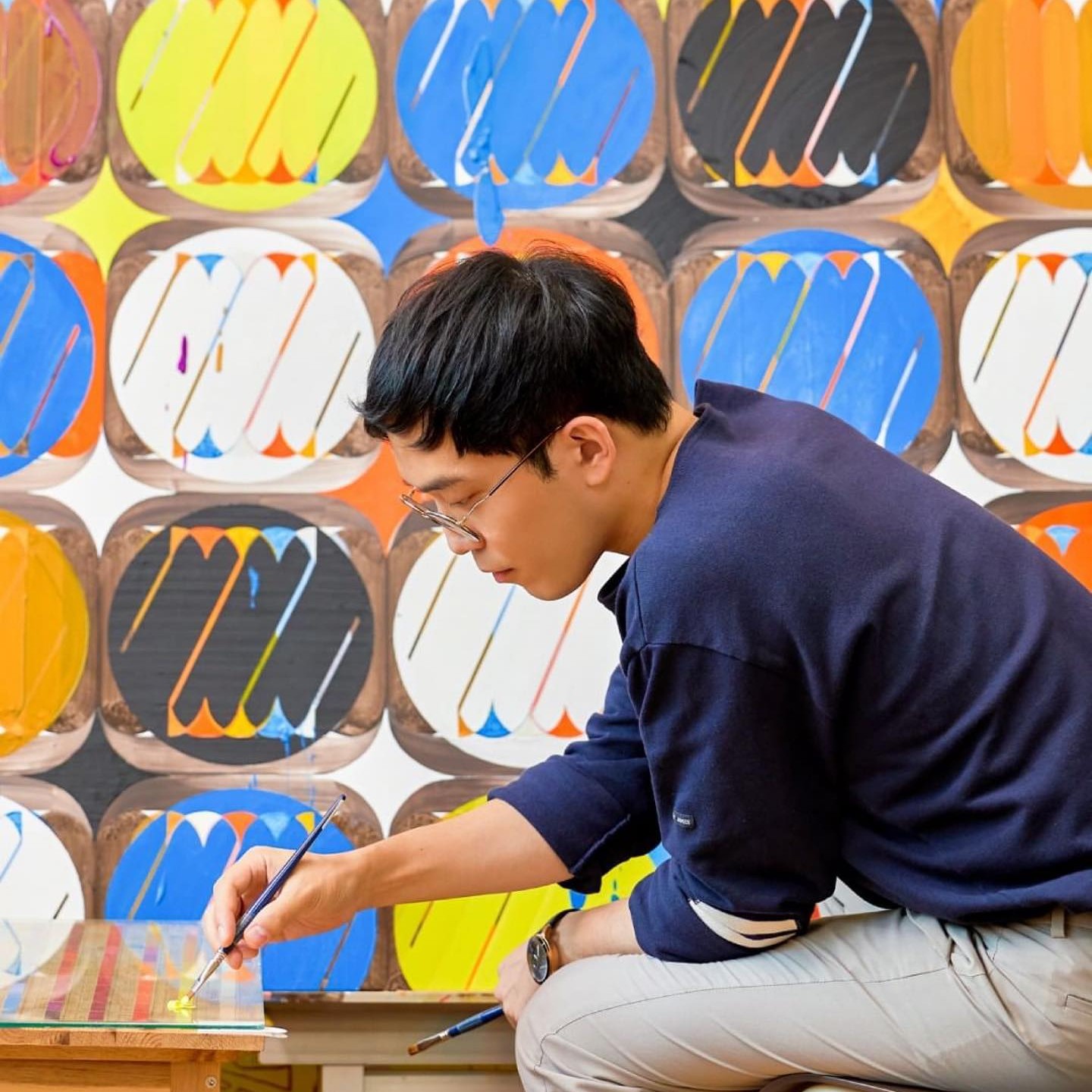
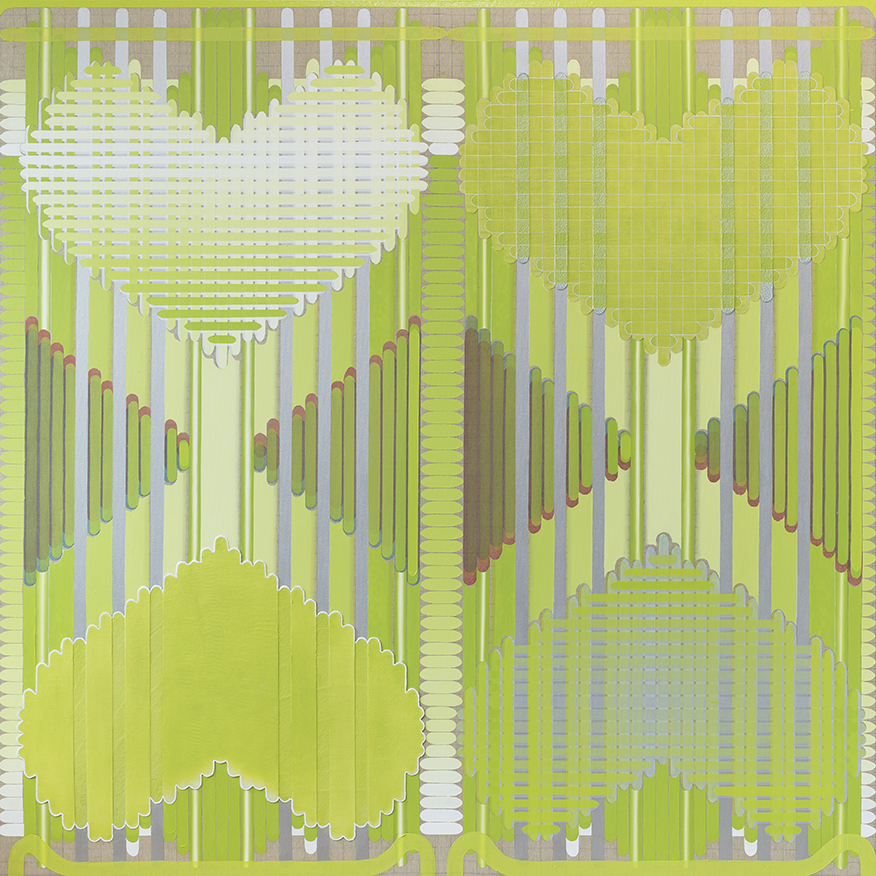
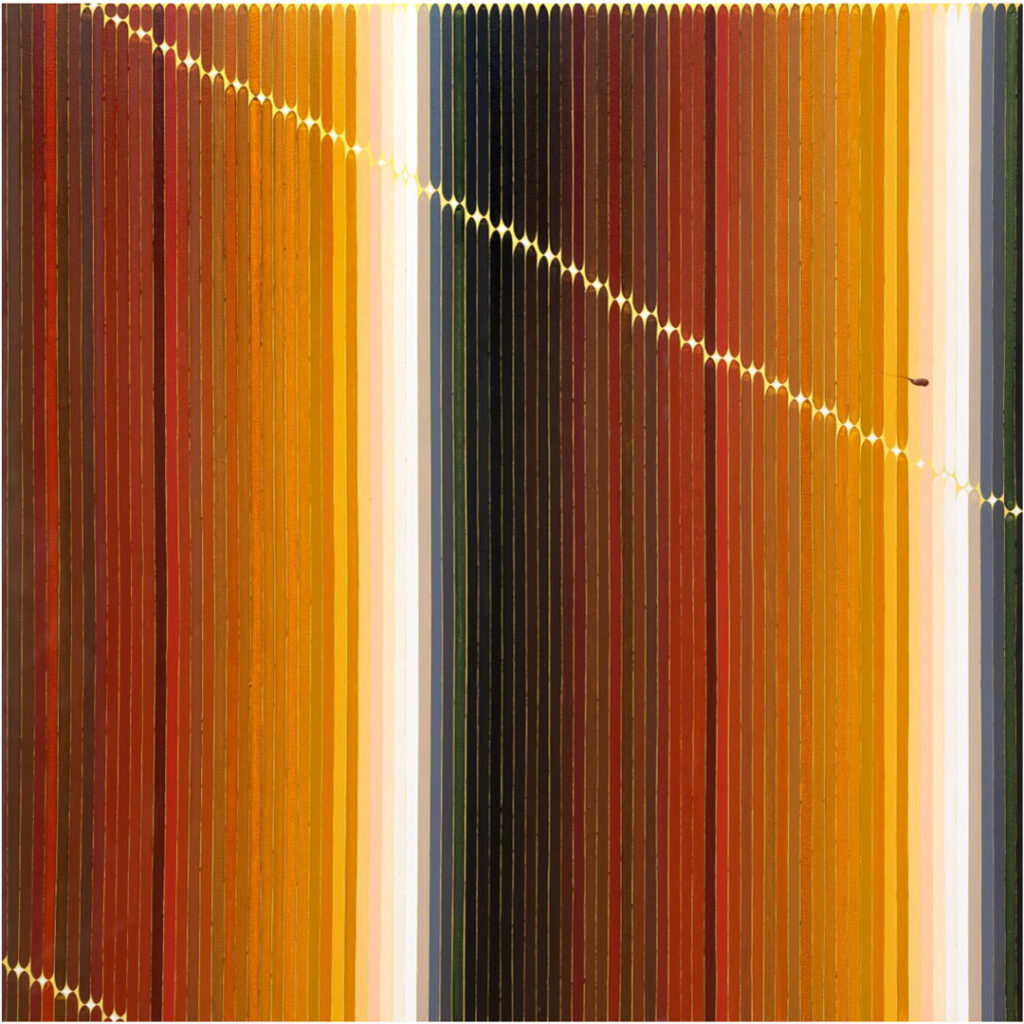
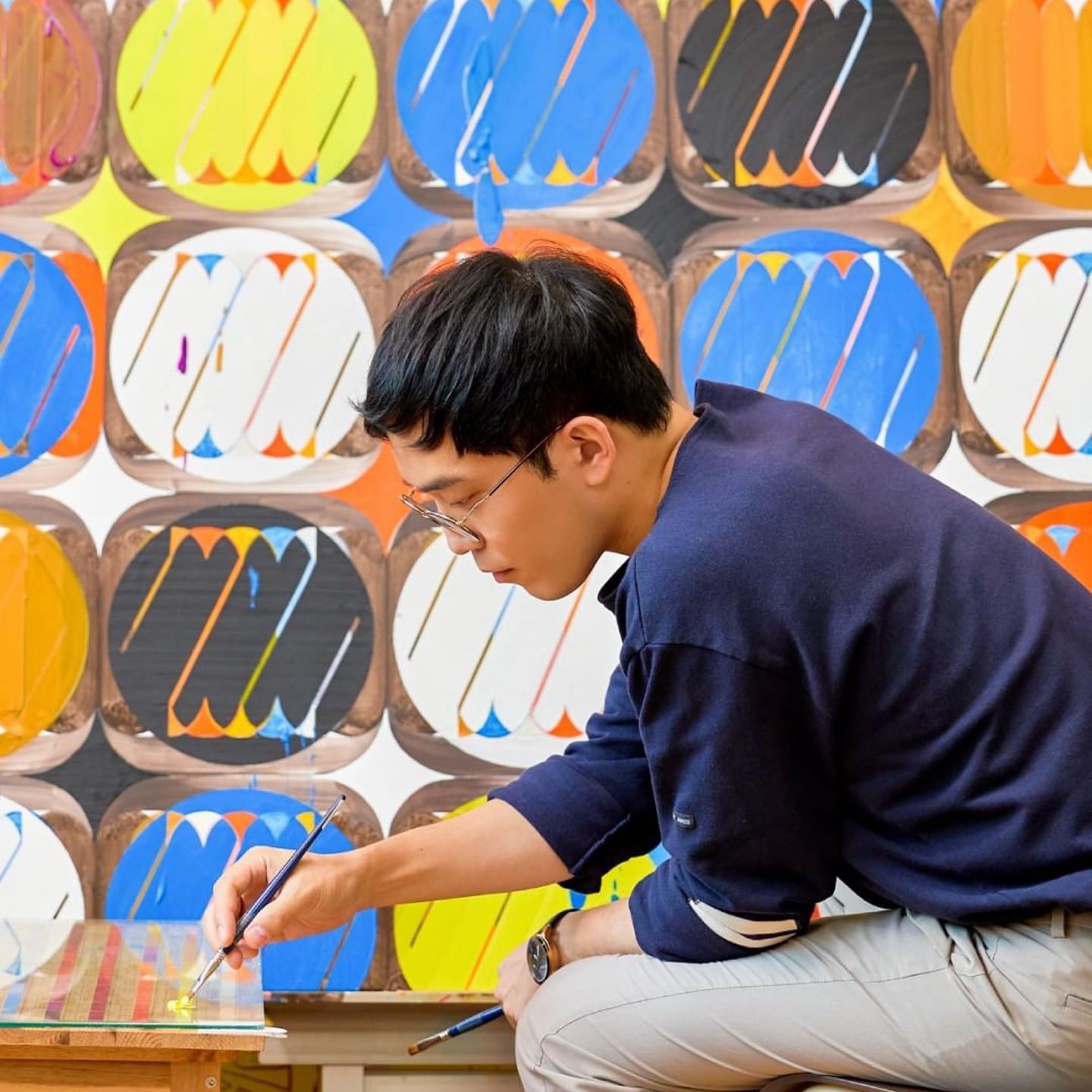
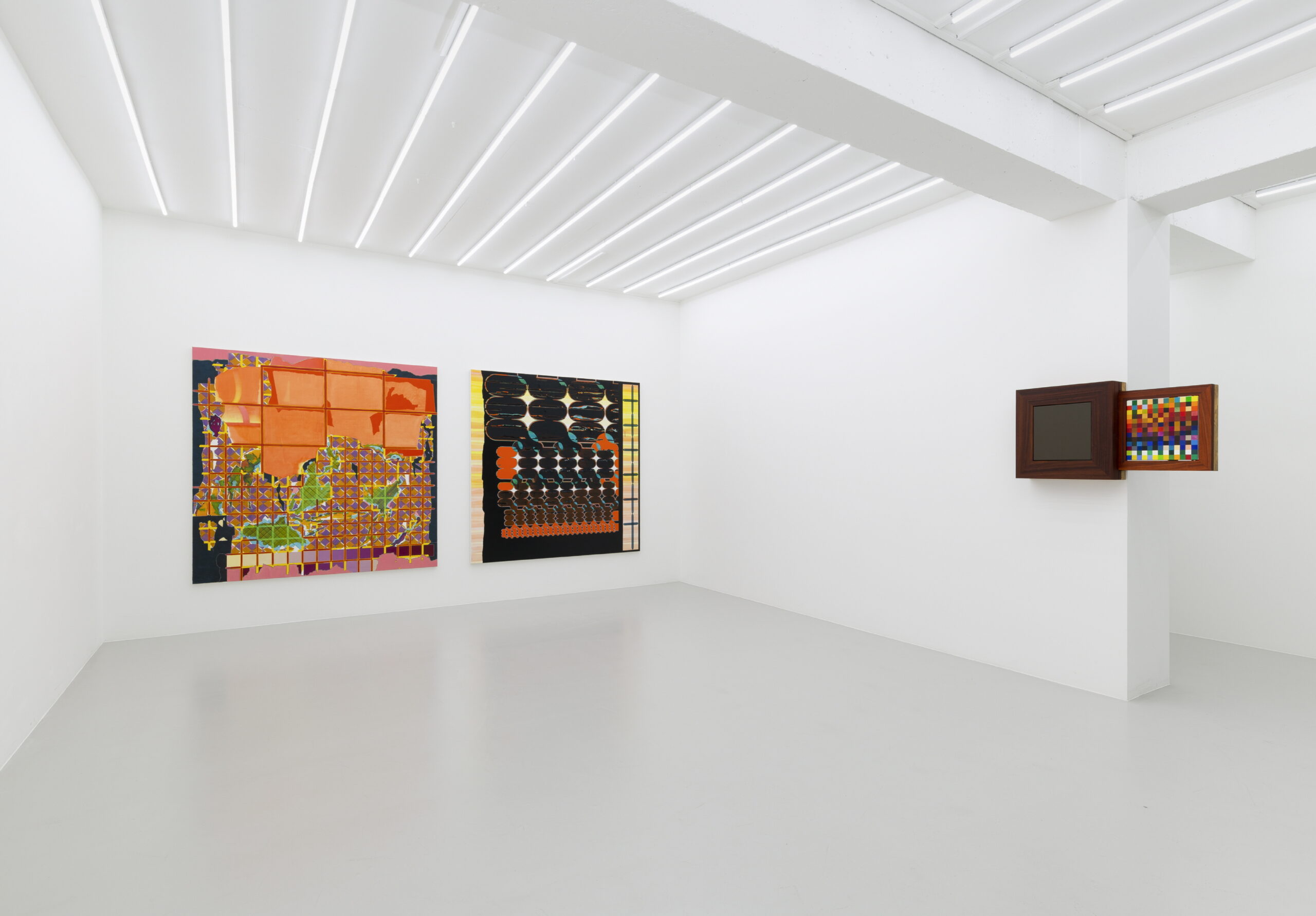
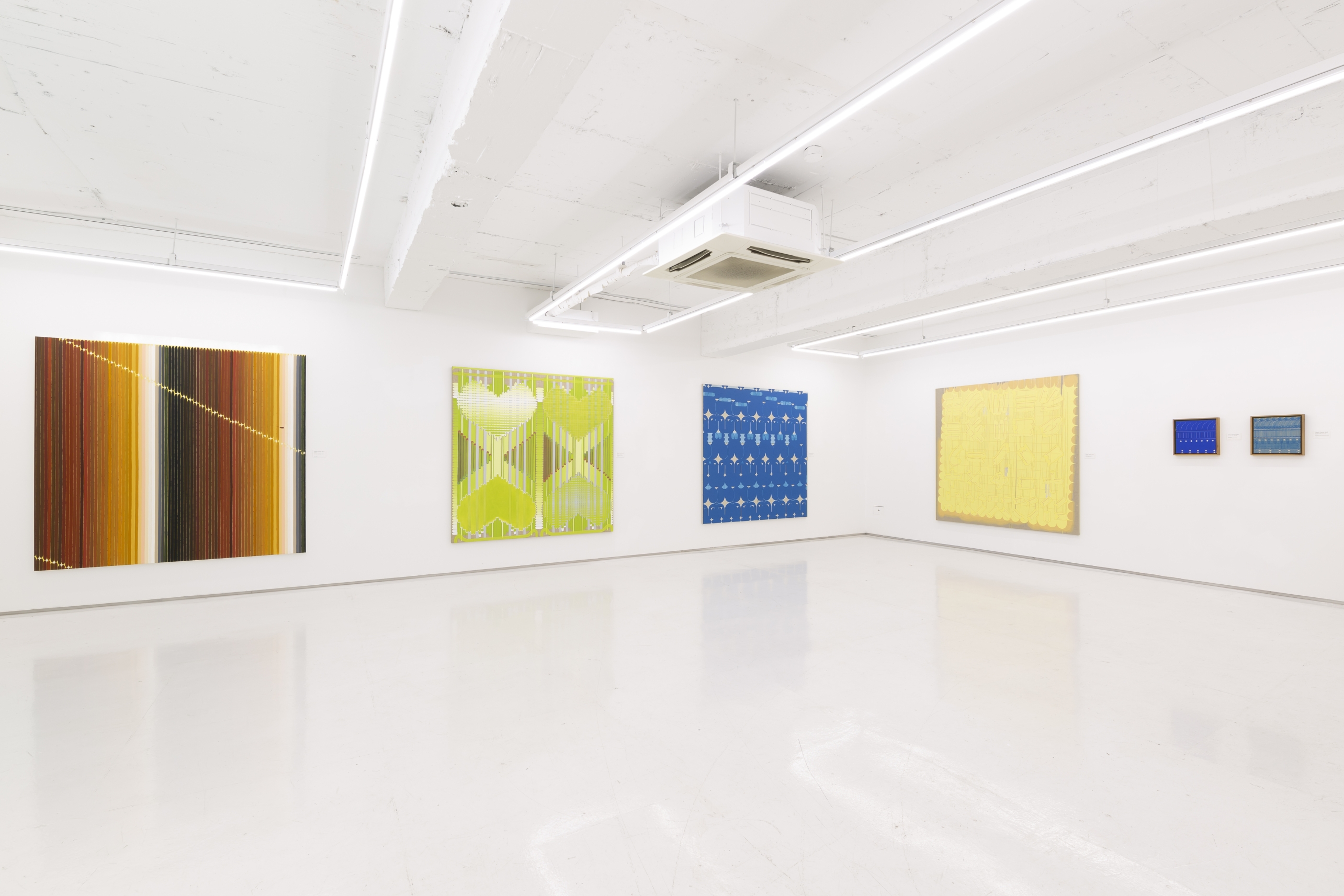
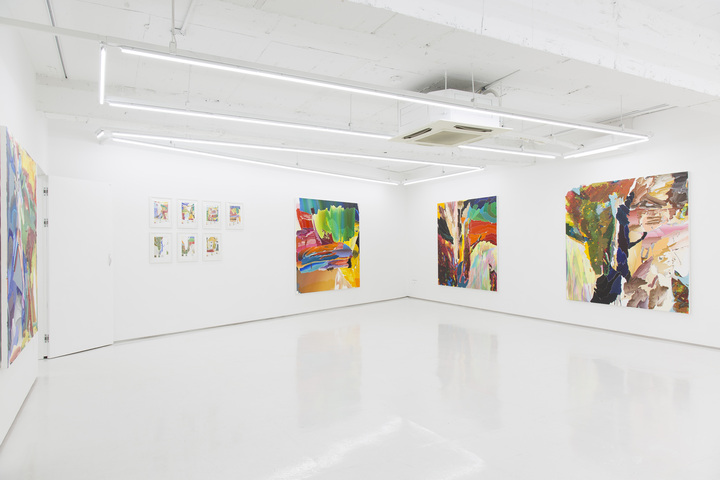
His inquiry into color extended to tools. The ‘Filbert Family’
series emerged from his interest in the most ordinary brush shape: the filbert.
“Filbert” is another word for hazelnut; the brush’s rounded body and convex
head resemble a hazelnut gathered upward into a central bulge. Using the
filbert brush as a medium, this series consists solely of forms painted with
its convex shape, enlarging, dismantling, or recombining it. The brush’s
inherent form becomes the basic unit for formal experimentation. In this
series, the previously intensive exploration of color recedes, giving way to
compositions constructed almost entirely from brushstrokes and marks. The
geometric surfaces formed by brush shapes transform and expand—at times
becoming decorative patterns, at times structural architectures, at times
landscapes like forests or skies.