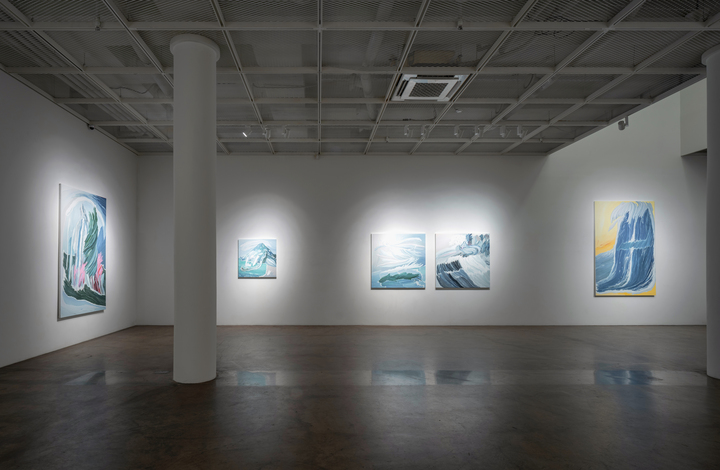
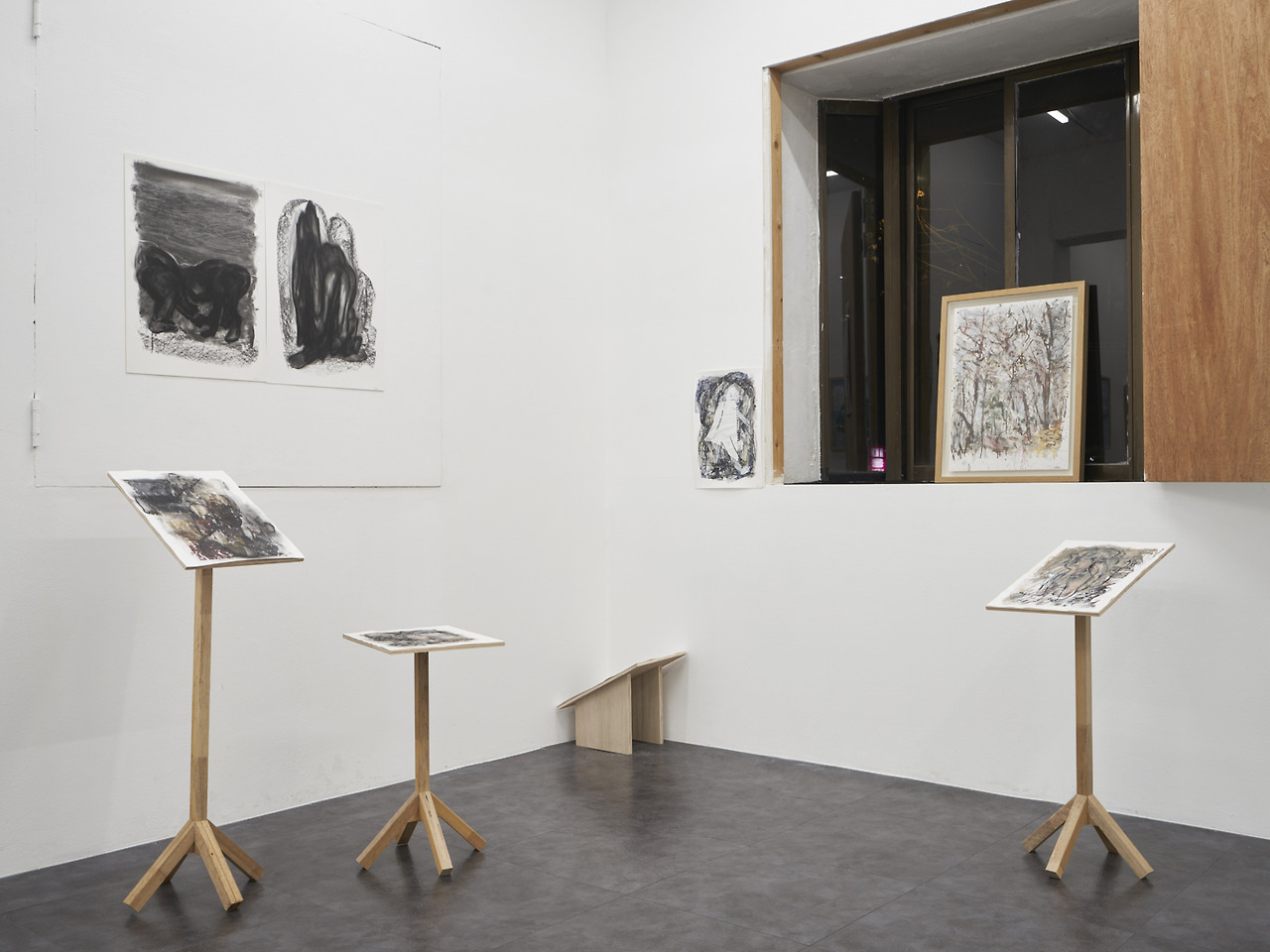
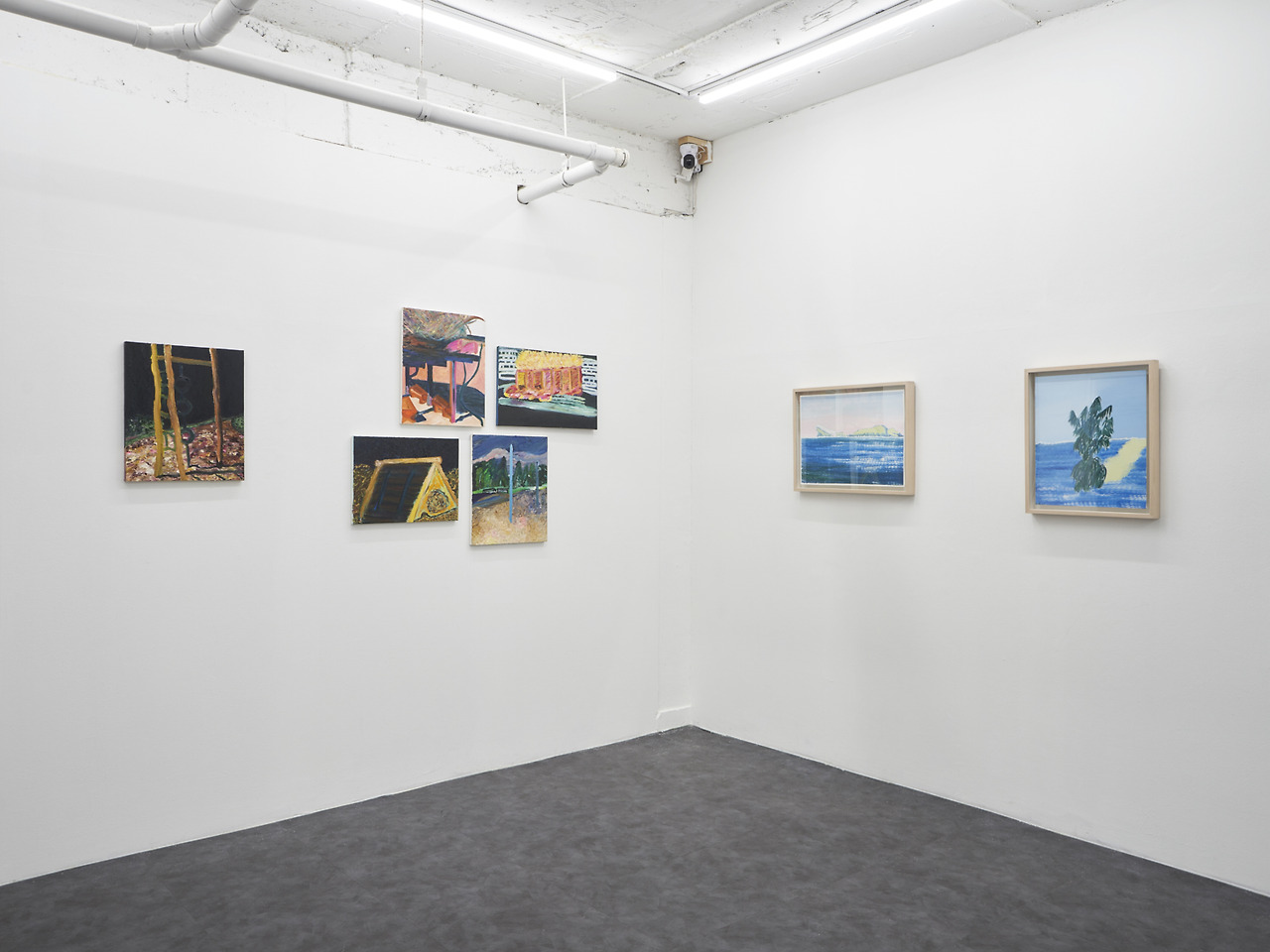
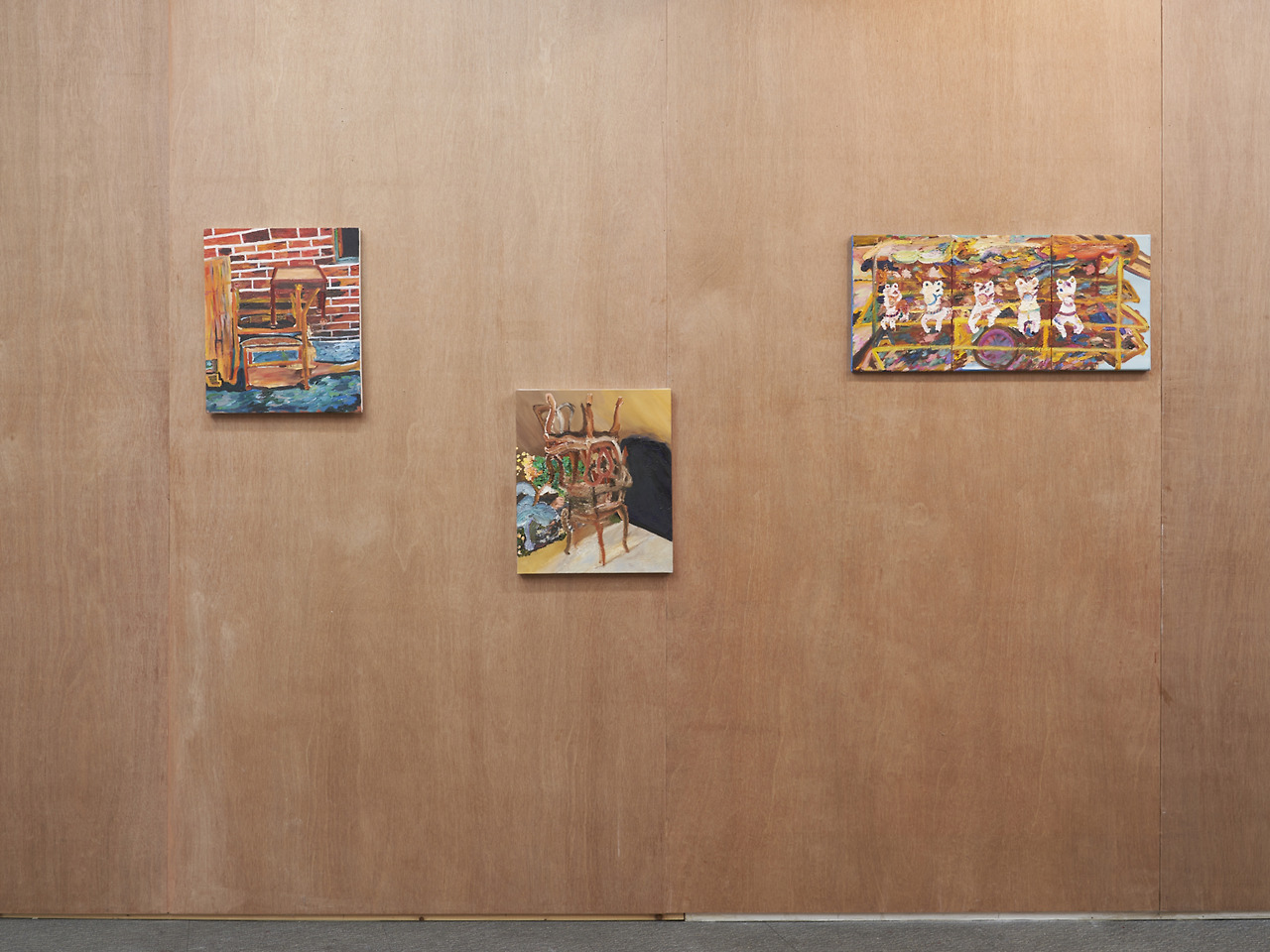
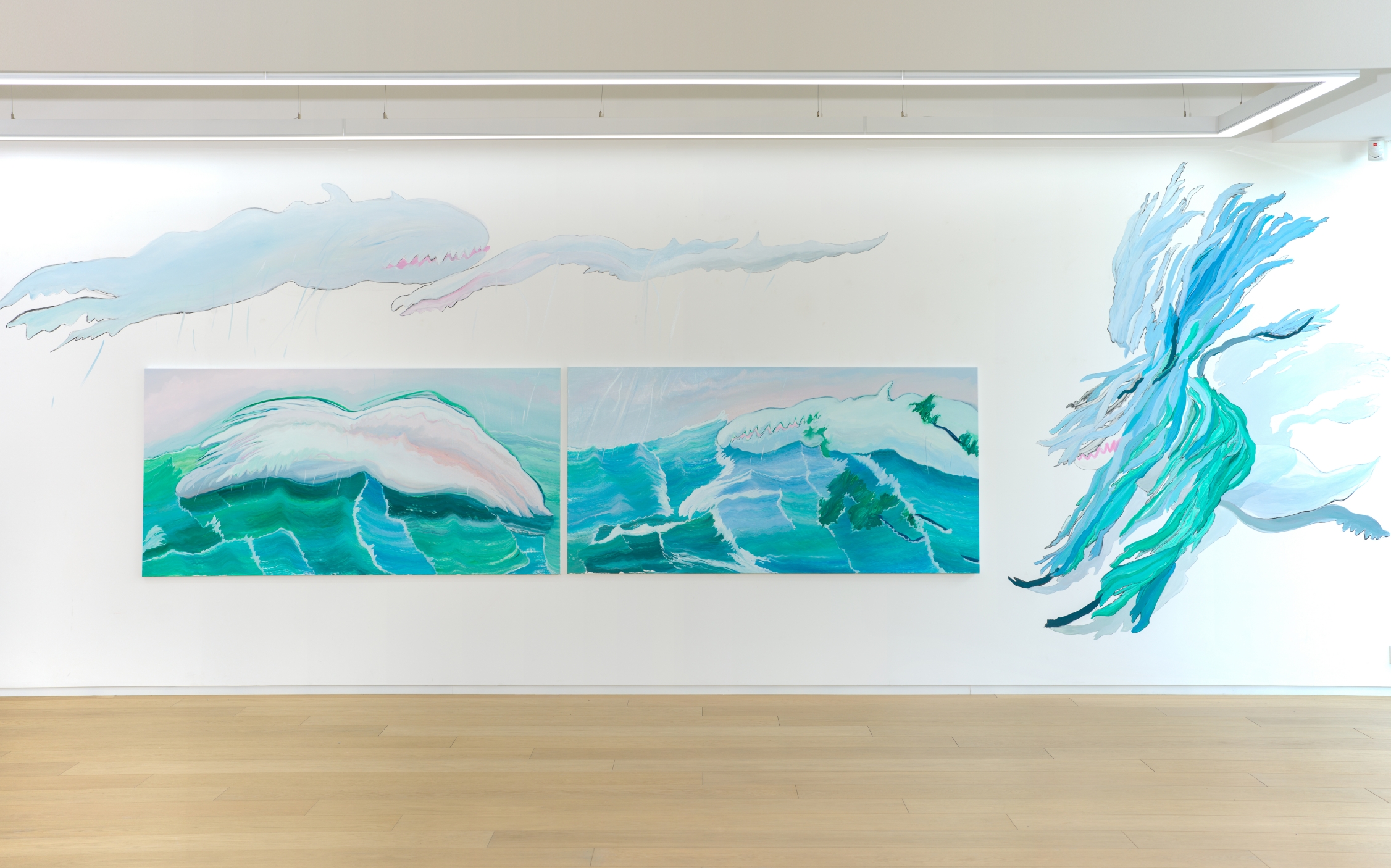
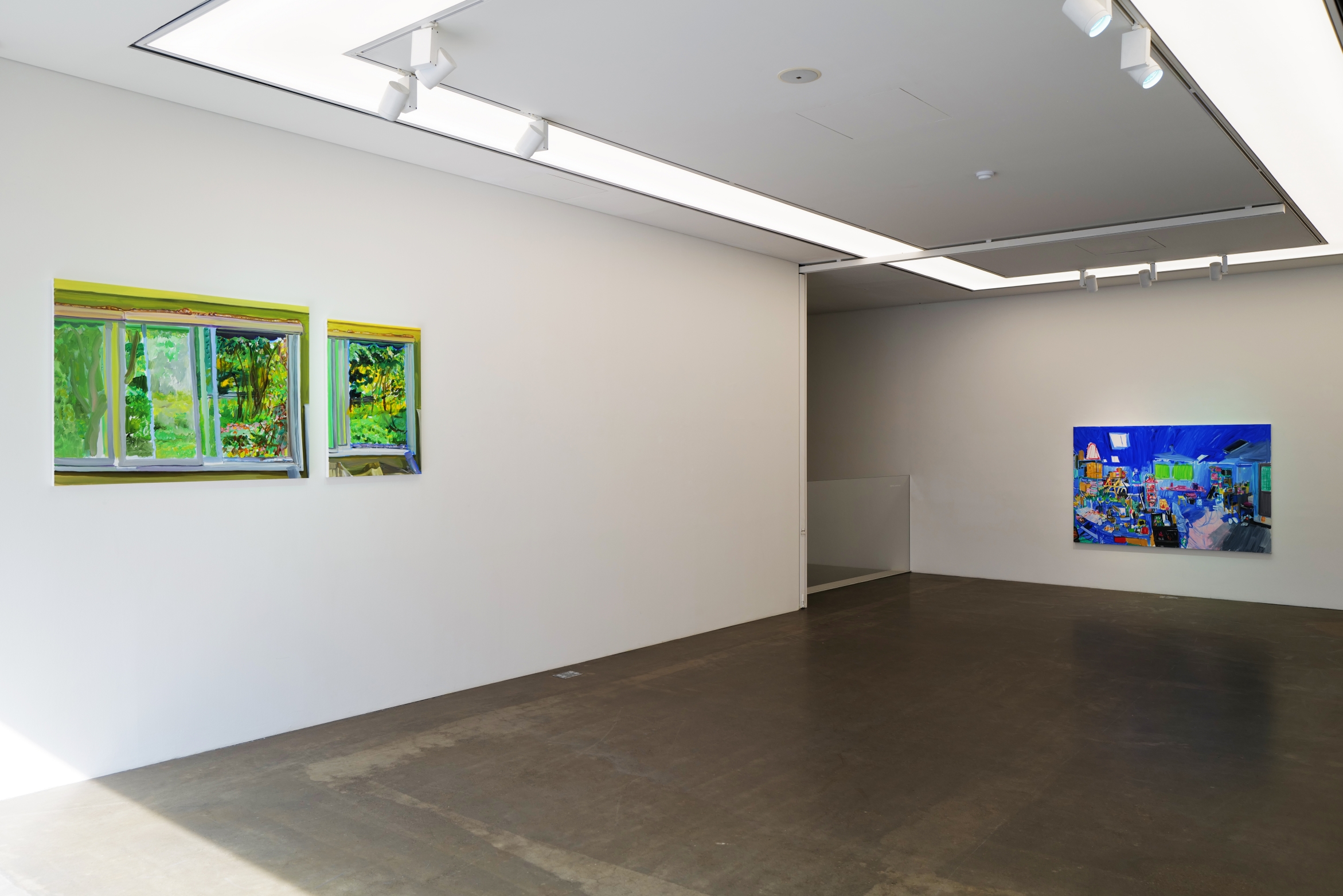
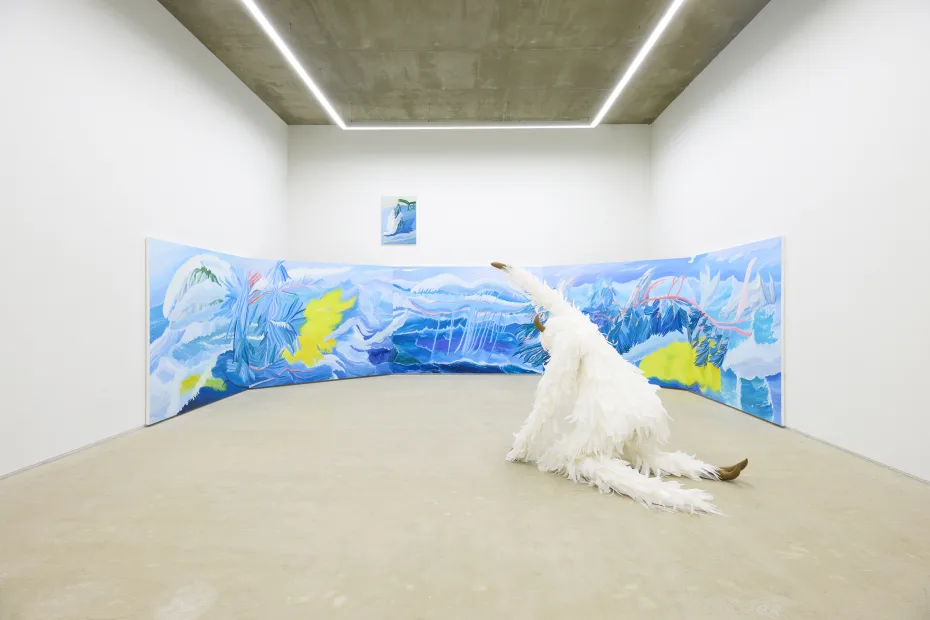
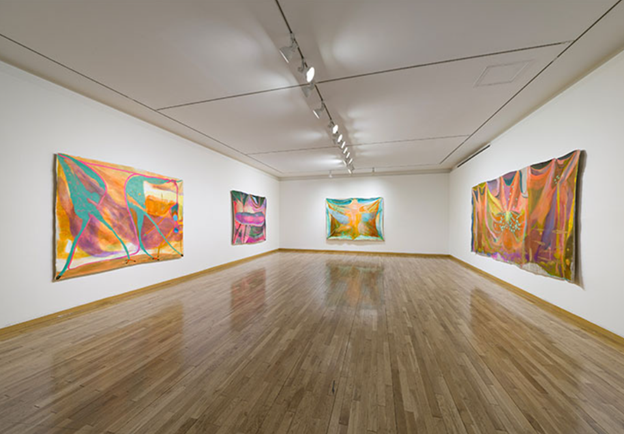
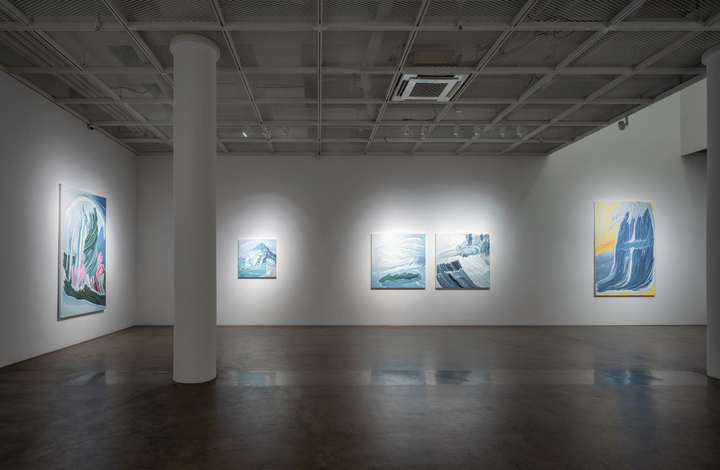
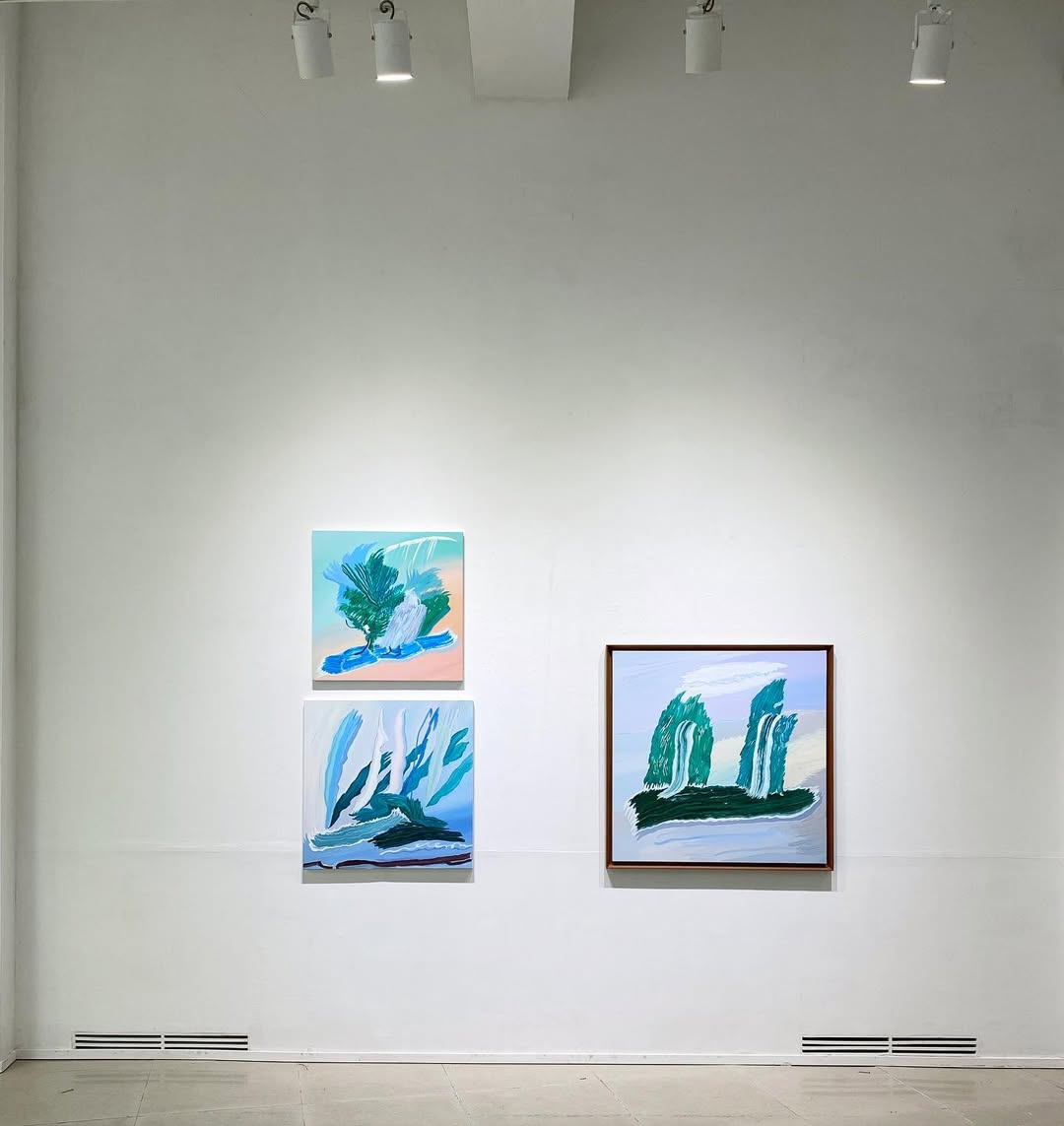
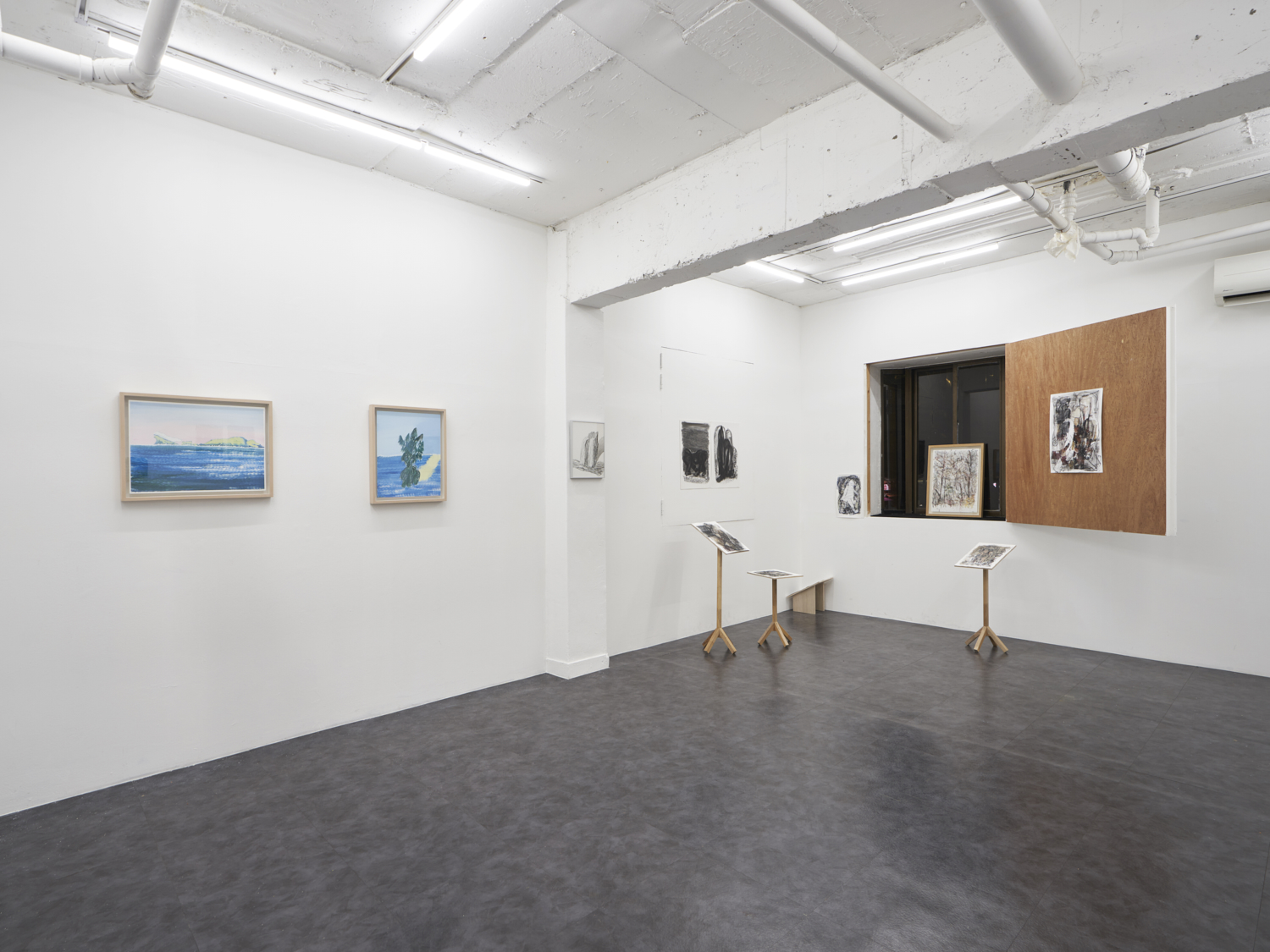
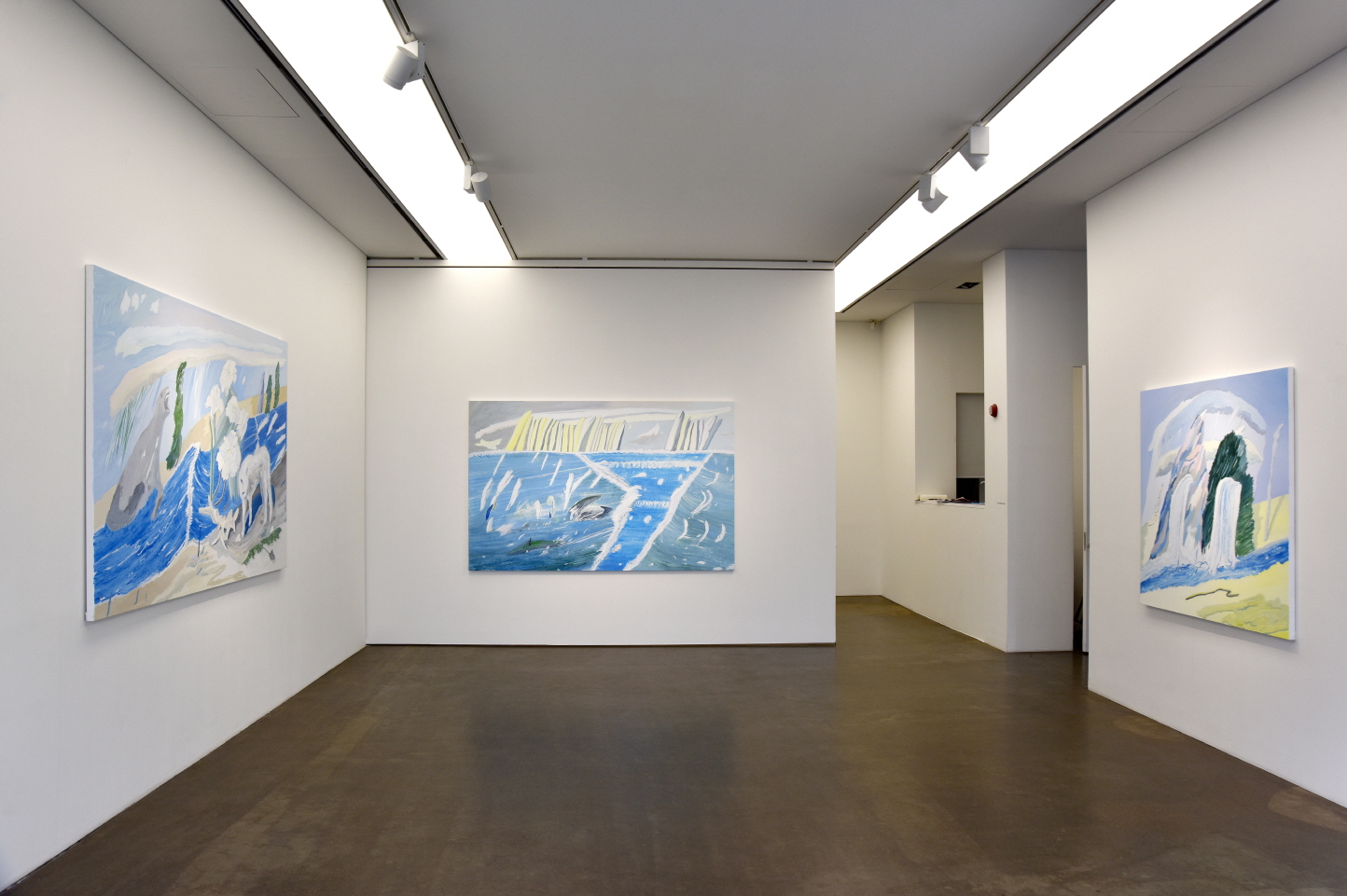
Installation view of 《Odysseia》 © Outhouse

At the Crossroads of a Voyage
 
Curated and written by: Mo Hee
 
“I want to express my life, my feelings which must surely be special. But whenever I sit before a blank page, I suddenly don’t know what to write. So I began to think it must be a technical problem. There must be some knowledge you have that I do not. You wrote such a beautiful book…”¹
 
The relationship between "Odyssey" and "Ulysses," as mentioned by Milan Kundera in "The Book of Laughter and Forgetting," runs through the entire theme of the book. According to him, the novel "Ulysses" reinterprets Homer’s epic "Odyssey," internalizing its external environments and conditions into an inner narrative. He understands the structure of the modern novel based on a classical motif as a kind of variation.

In the “absence of adventure,” external experiences transform into intimate inner events. Odysseus’s “islands, seas, the sirens who tempt us, the island of Ithaca that calls to us” are described solely through “the voices of our inner being.”³ The way contemporary painting narrates stories often adopts a similar mode of variation. Internalized landscapes, anthropomorphized objects, and figures that speak within painting resemble the novelistic method.

Installation view of 《Odysseia》 © Outhouse

Meanwhile, Kundera intervenes in his characters’ lives by invoking the incantation “I imagine.” By suddenly inserting himself as narrator into a story unfolding from an omniscient perspective, he interferes with its flow. This repeatedly employed narrative device distances the reader from the story while simultaneously making the author’s presence perceptible. I imagine this exhibition to be like Odysseus’s voyage toward Ithaca.

Kim Jiyong, Anbu, and Choi Suin set out on a long journey, seeking a breakthrough that departs from or advances beyond their previous works. They lose their way and hesitate on paper and canvas, yet ultimately reach their respective destinations. The forms through which they row forward in the face of inevitable hardship differ from one another. The Ithaca each imagines must also differ. 《Odysseia》 encompasses both the difficulties and the achievements encountered along this passage.

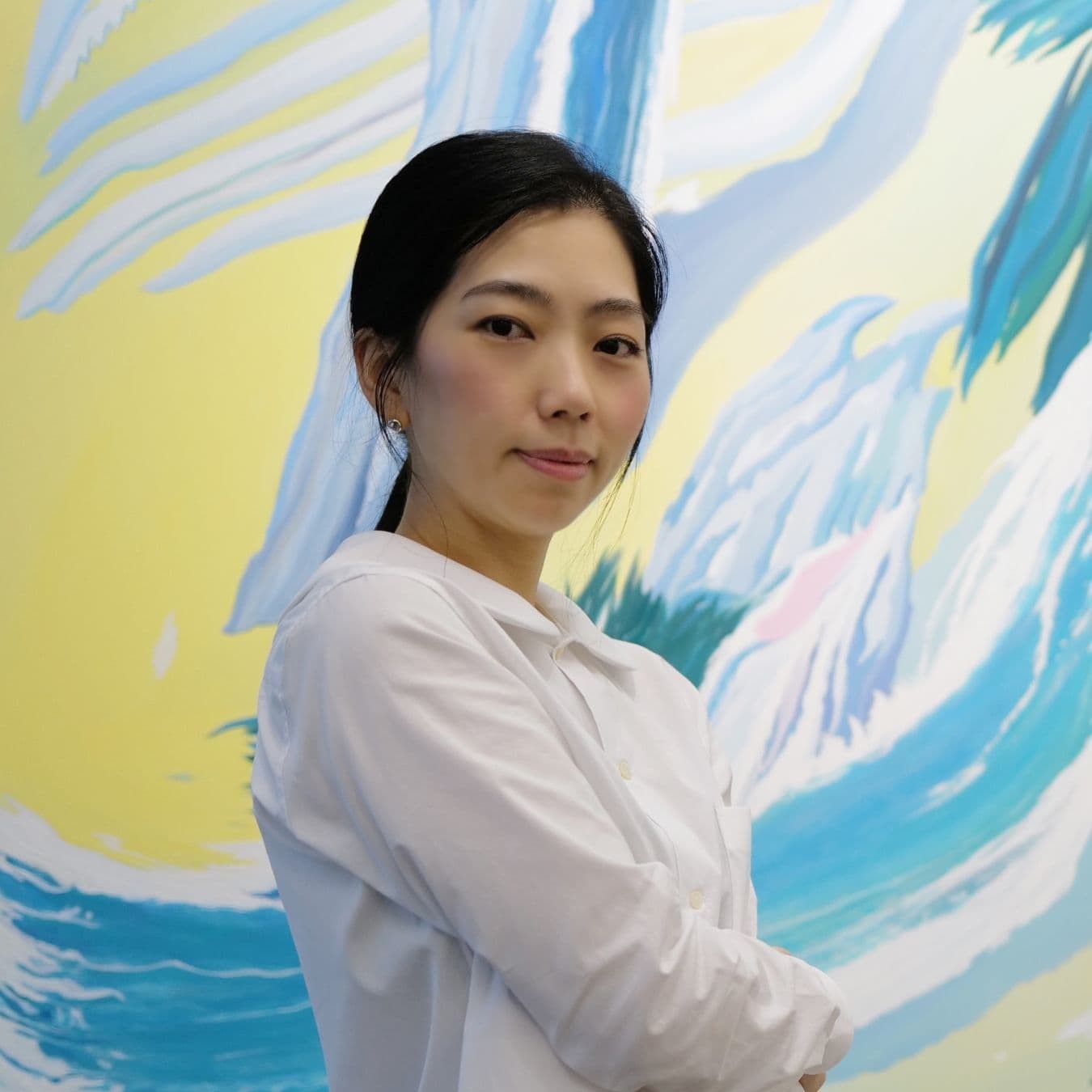
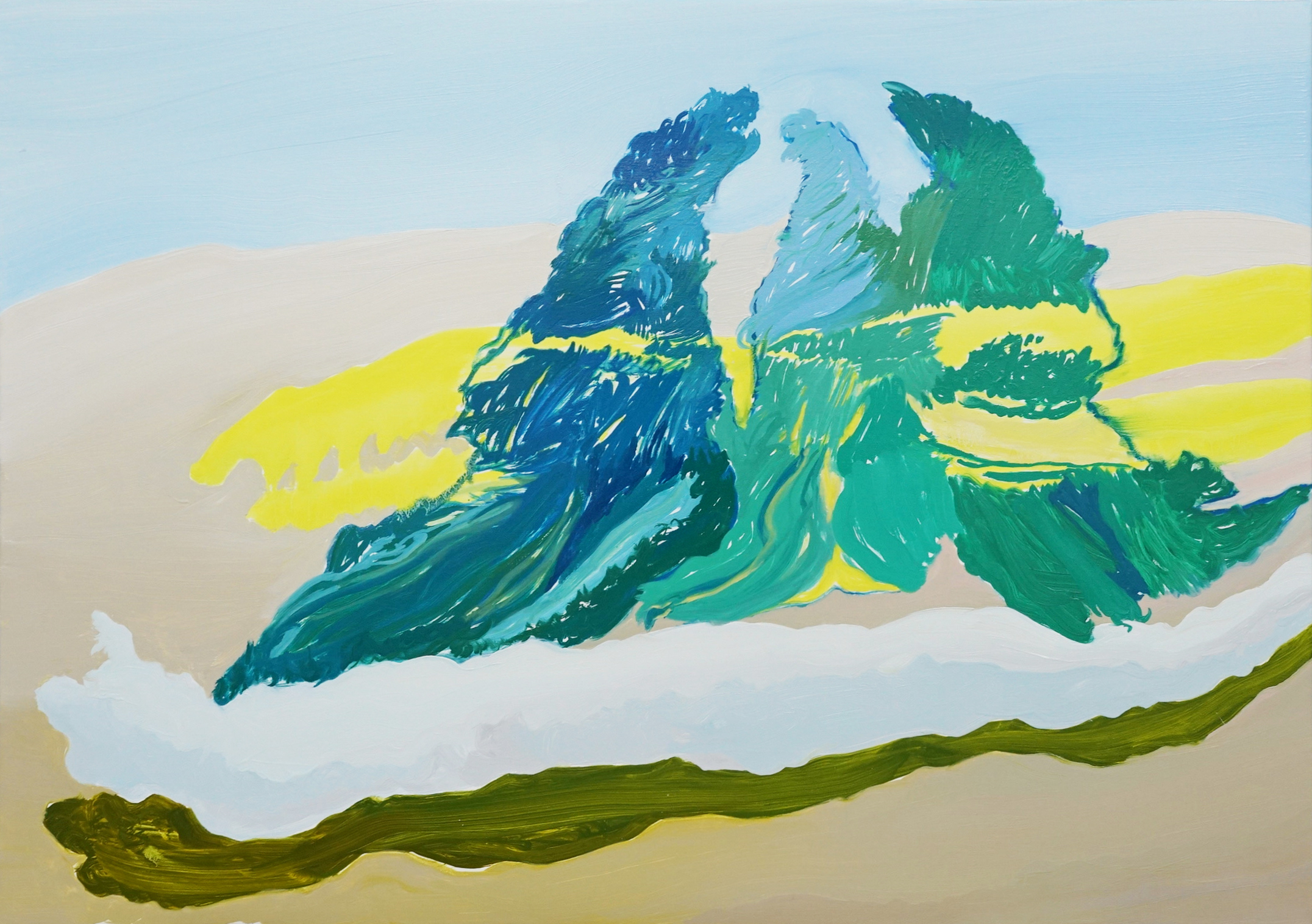
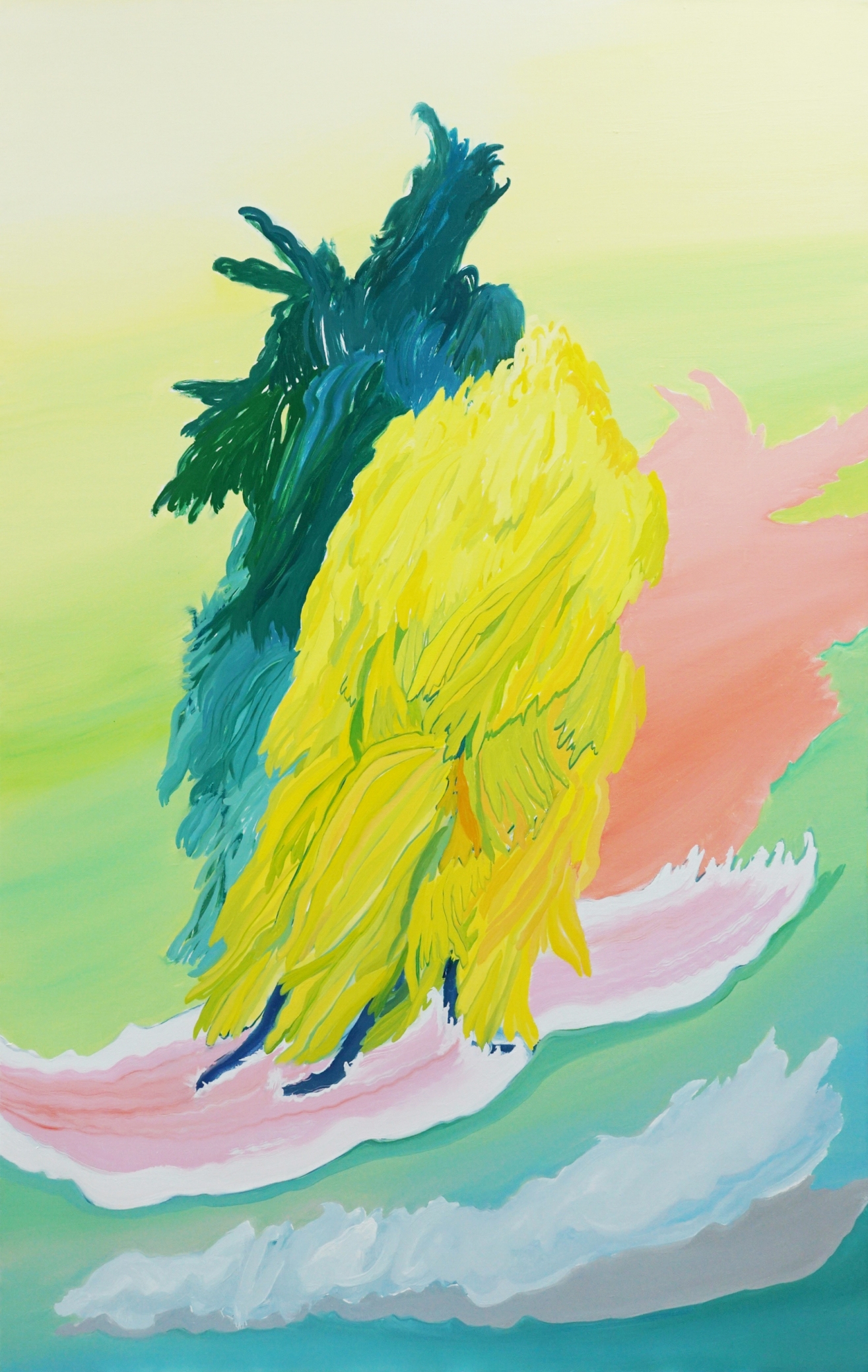
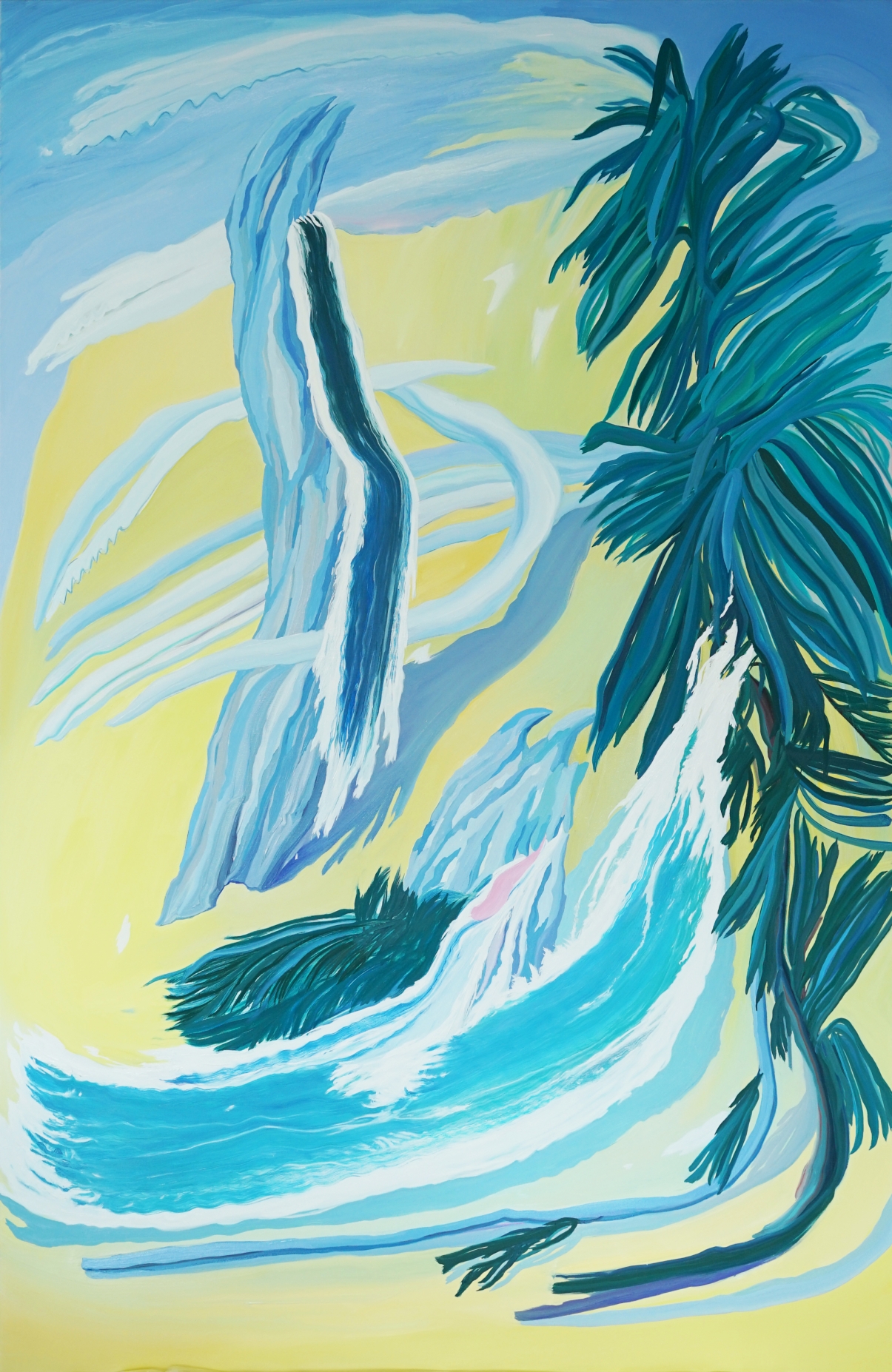
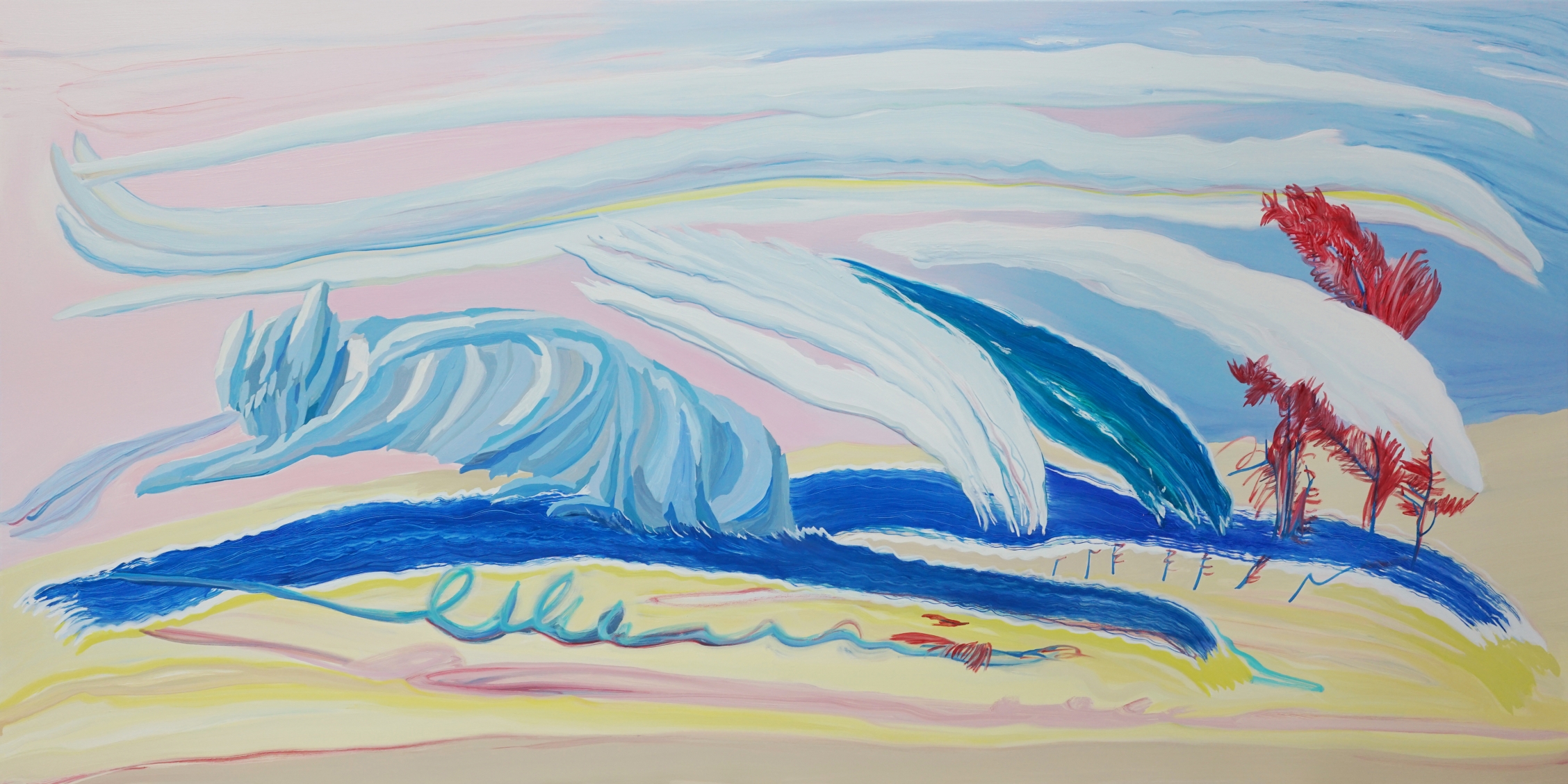
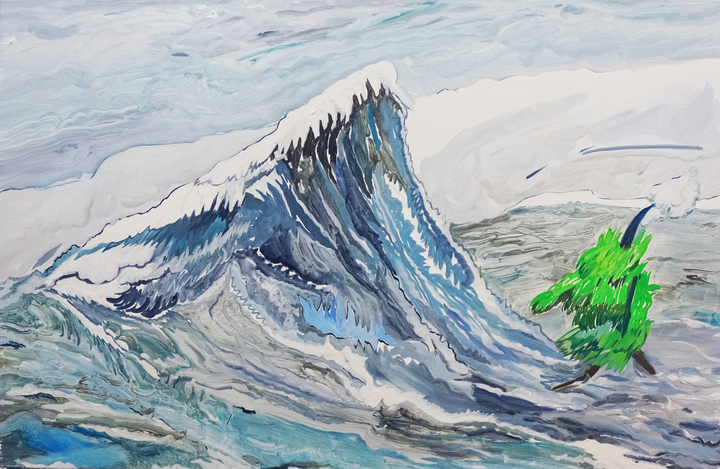
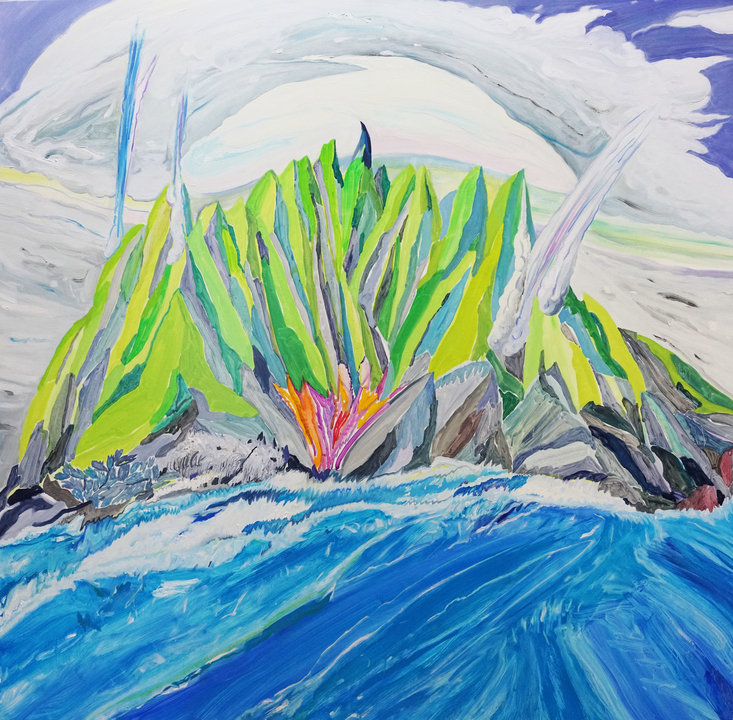
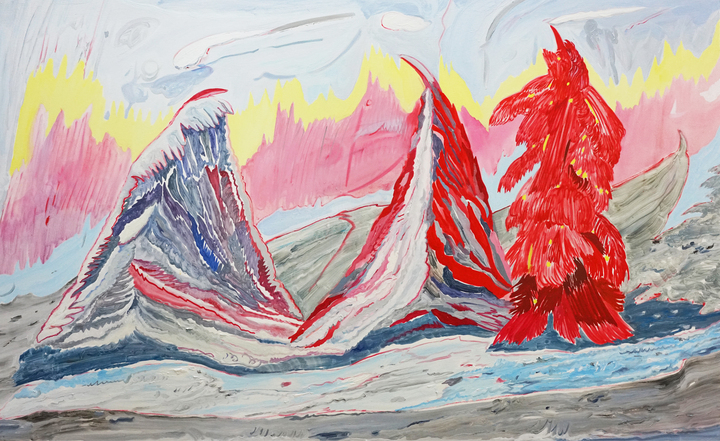
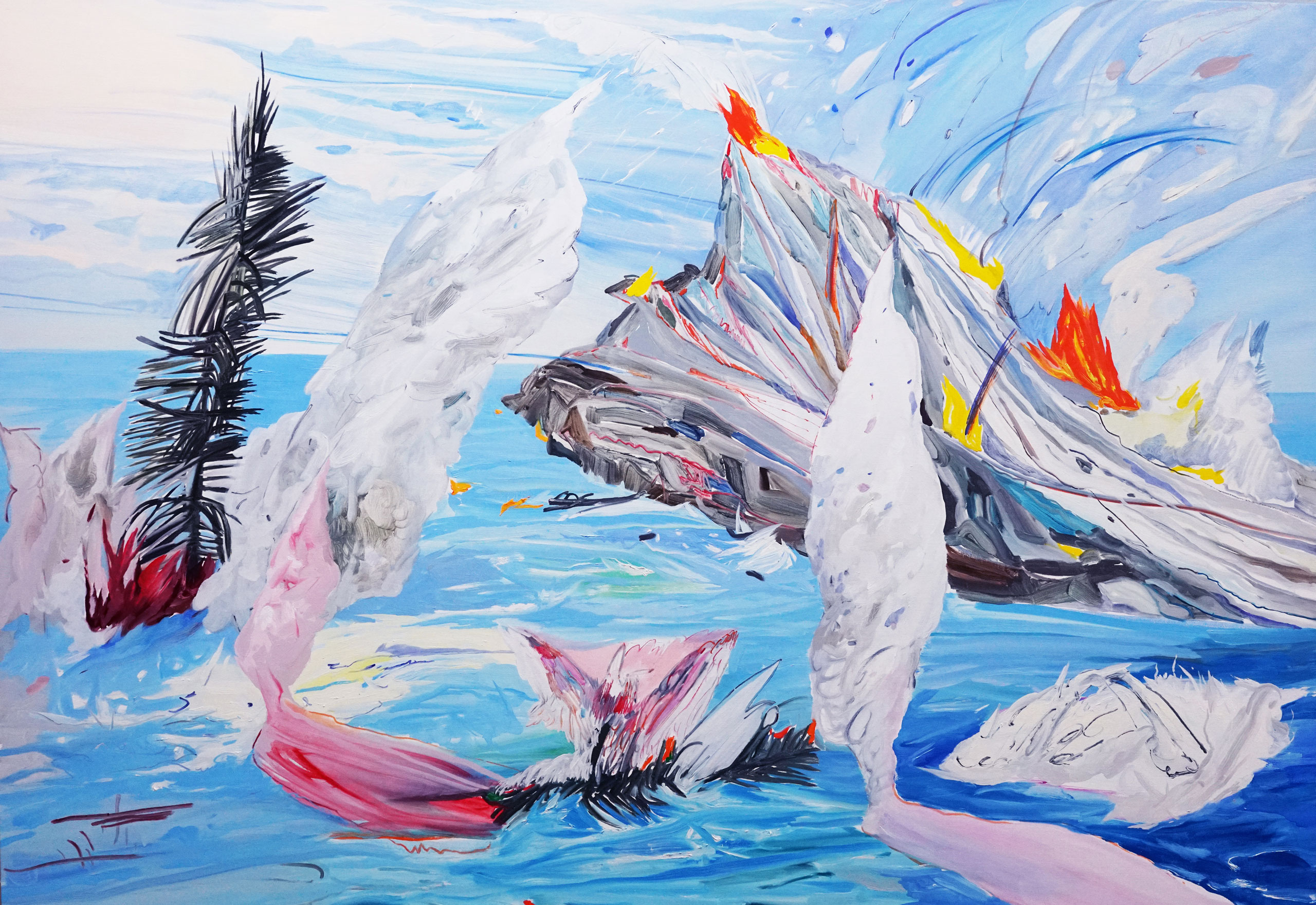
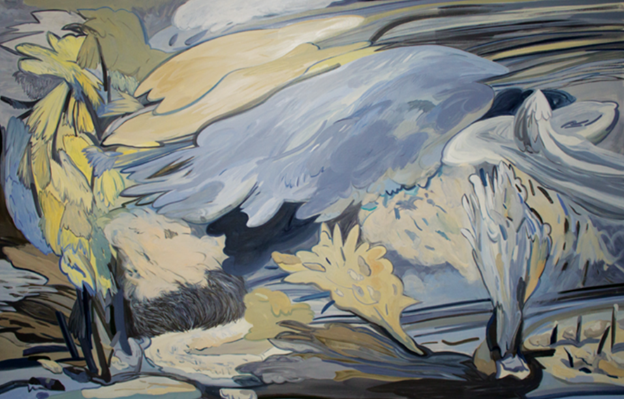
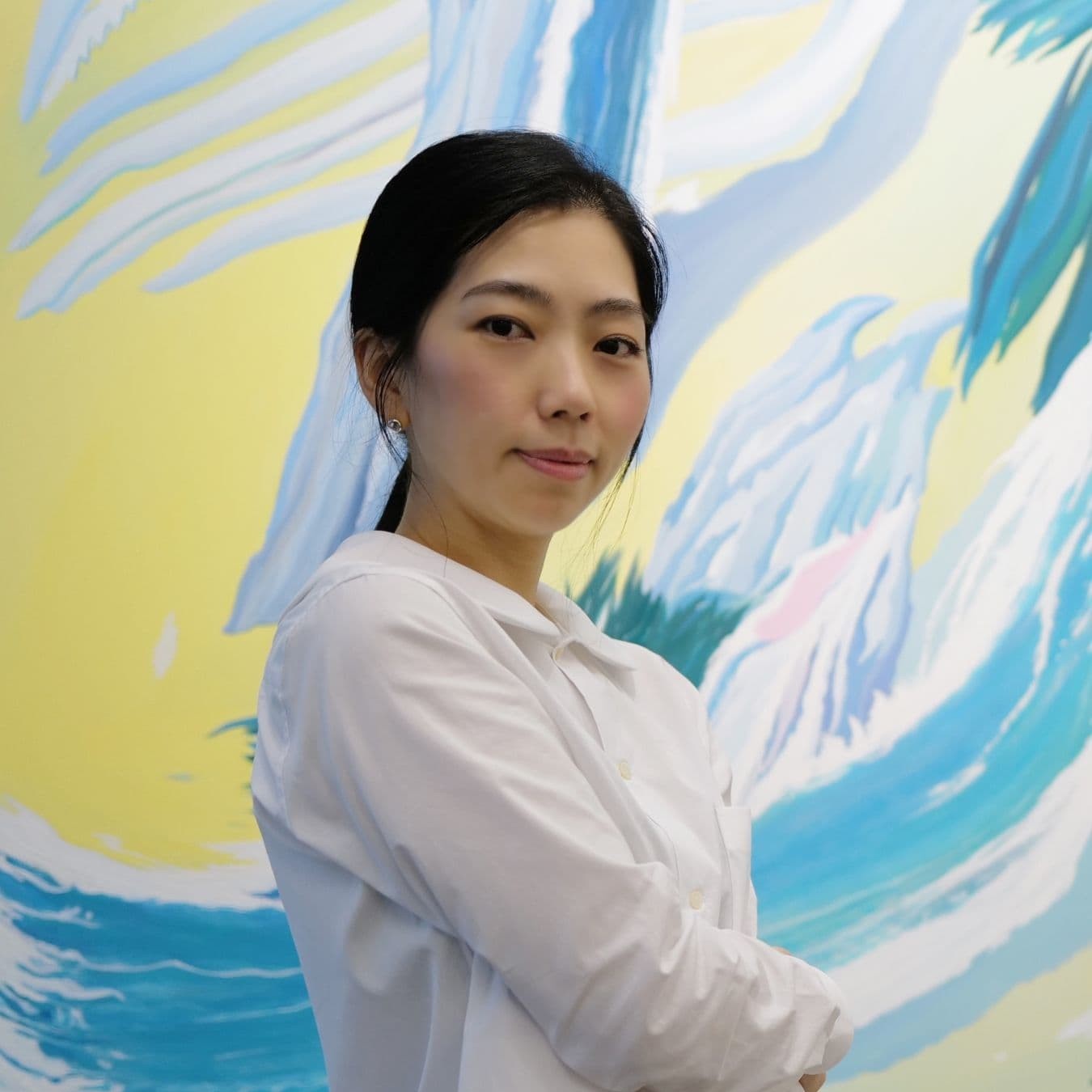
Choi Suin captures restrained attitudes and revealed emotions within landscapes she has never seen before. Emotion always arises from friction with others. Though her scenes may appear harmonious at first glance, the artificial landscapes contain contradictions, just as emotions do. Yellow skies and blue mountains, fragmented waves and shadows—all harbor elements that surface despite attempts to conceal them.

Known for working in oil painting, Choi presents drawing works using dry materials for the first time in this exhibition. Across surfaces that move between black-and-white and pastel tones, waves that refuse to dry continue to flow. Emotions rise like mountains and surge like waves within the landscape. Yet emotions, represented through natural forms, never remain there for long. Choi simply paints diligently in order to leave behind the afterimage of feelings given in a moment.

Installation view of 《Odysseia》 © Outhouse

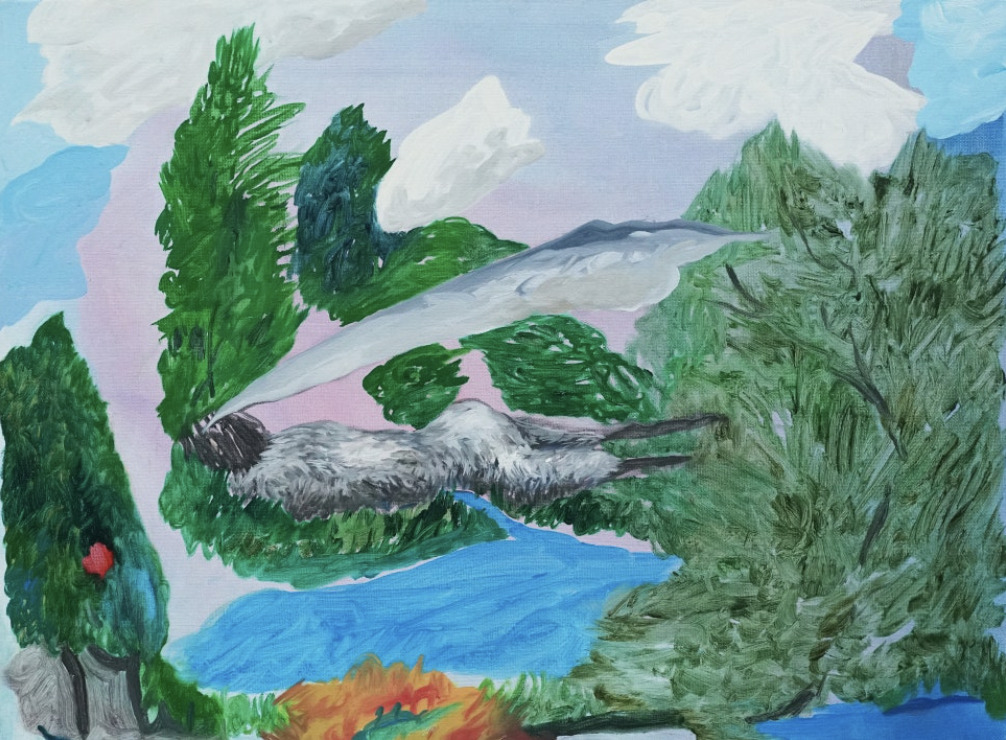
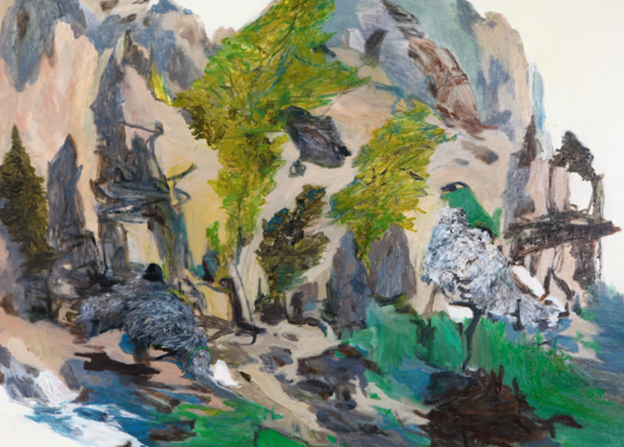
Anbu anthropomorphizes objects found in real landscapes. If Choi brings inner states outward into landscape painting, he draws external objects inward. In the landscapes he seeks, there is always an object without a resting place. Playgrounds in the Mokdong apartment complex, the Han River Park, and abandoned furniture appear in his scenes, which contain the arduous process of recovering a lost path.

When memories of the past overlap with today’s scenery, wandering objects finally find their place. Moving from photography to painting, from photographic paper to canvas, Anbu detours through mediums to rediscover strangeness within the familiar. That strangeness emerges as matière layered repeatedly by brushstrokes, becoming a new point of reference. Upon a dense raft-like surface, the face of an object with precarious thickness slowly drifts.

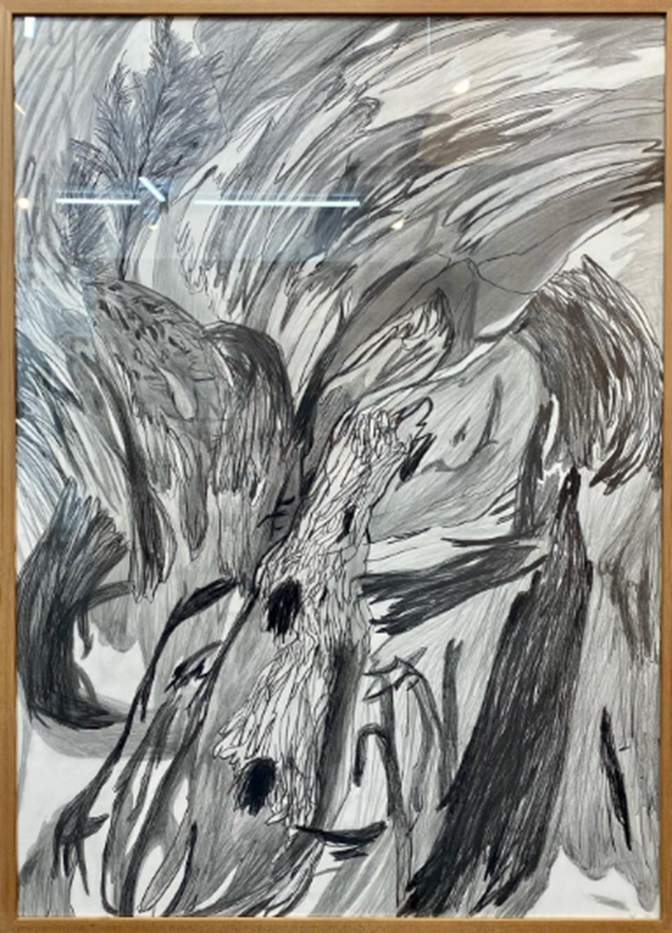
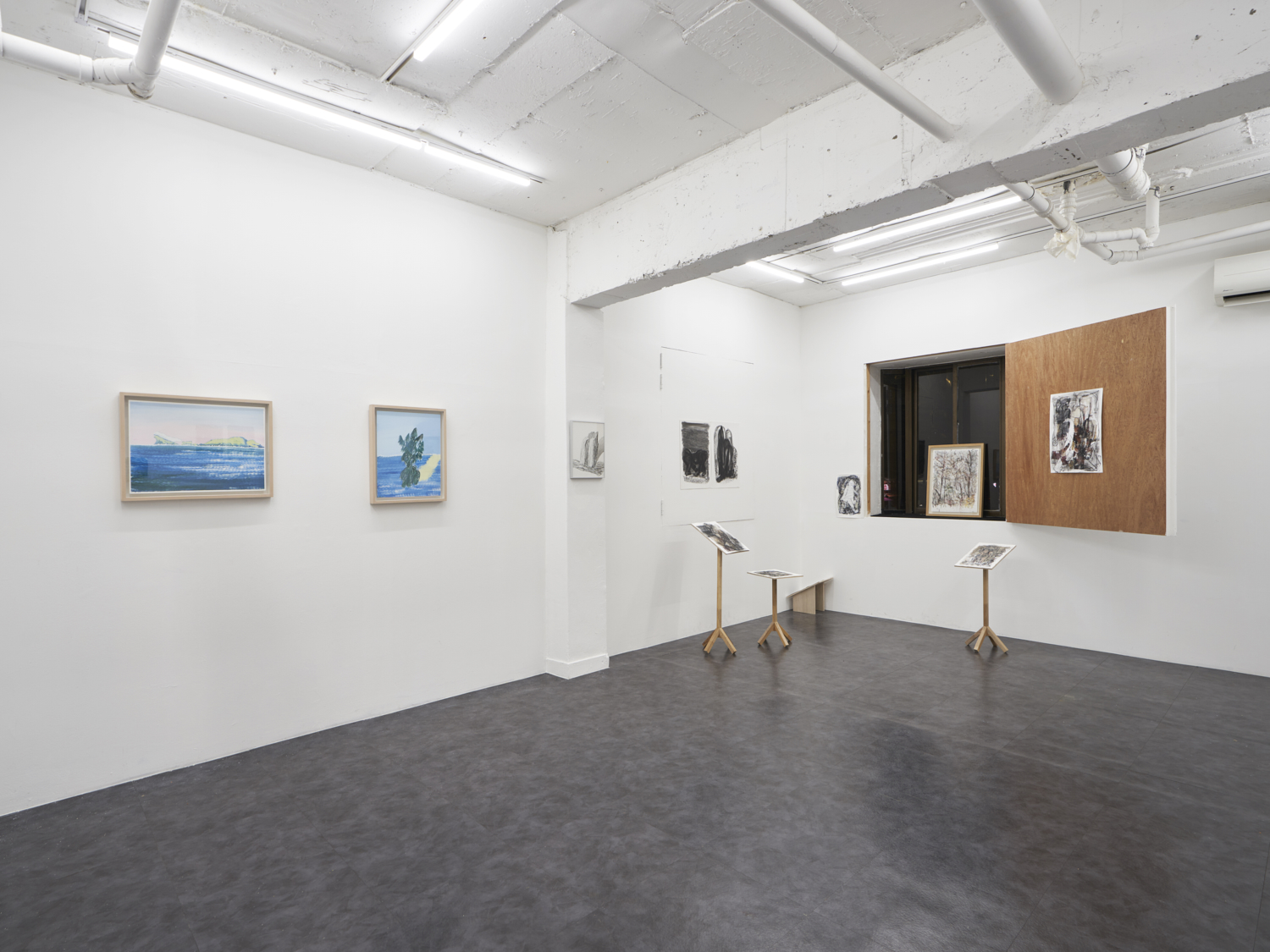
Landscapes that once traversed private emotions and universal objects merge and diverge into a single layer in Kim Jiyong’s drawings. He measures the distance between figure and background, unhesitatingly experimenting to stand at their boundary. His practice moves from photograph to painting, back to photographic collage, and again to drawing—never settling in one place but continuing along its path. The answer chosen at each crossroads blurs not only the distinction between figure and background but also between flatness and three-dimensionality.

Density accumulates wherever the gaze settles, gathering fragmented images and filling gaps. I imagine Kim Jiyong’s paintings continually shifting sideways. Even as he repeatedly looks at, draws, and cuts the same photograph, he varies it with a new eye each time, revealing a painterly attitude that persists in reaching toward the place it seeks, despite the temporal gap between where it stands and where it aims to arrive.

Installation view of 《Odysseia》 © Outhouse

Choi Suin, Anbu, and Kim Jiyong hold landscapes that risk losing meaning in one hand while looking elsewhere. Their voyage toward Ithaca, escaping the voices of the sirens, takes the form of endless variation. For this reason, the works presented in 《Odysseia》 are unlikely to represent a final form at the journey’s end. The memory of this voyage, sustained over a long breath, sings of the ground that awaits at its conclusion.
 

¹ Milan Kundera, trans. Sunhee Baek, "The Book of Laughter and Forgetting," Minumsa, 2011, p.174.
² Homer’s epic "Odyssey" recounts the homeward adventures of the Trojan War hero Odysseus, who endures numerous trials on his way back to Ithaca.
³ Ibid., p.173.

References