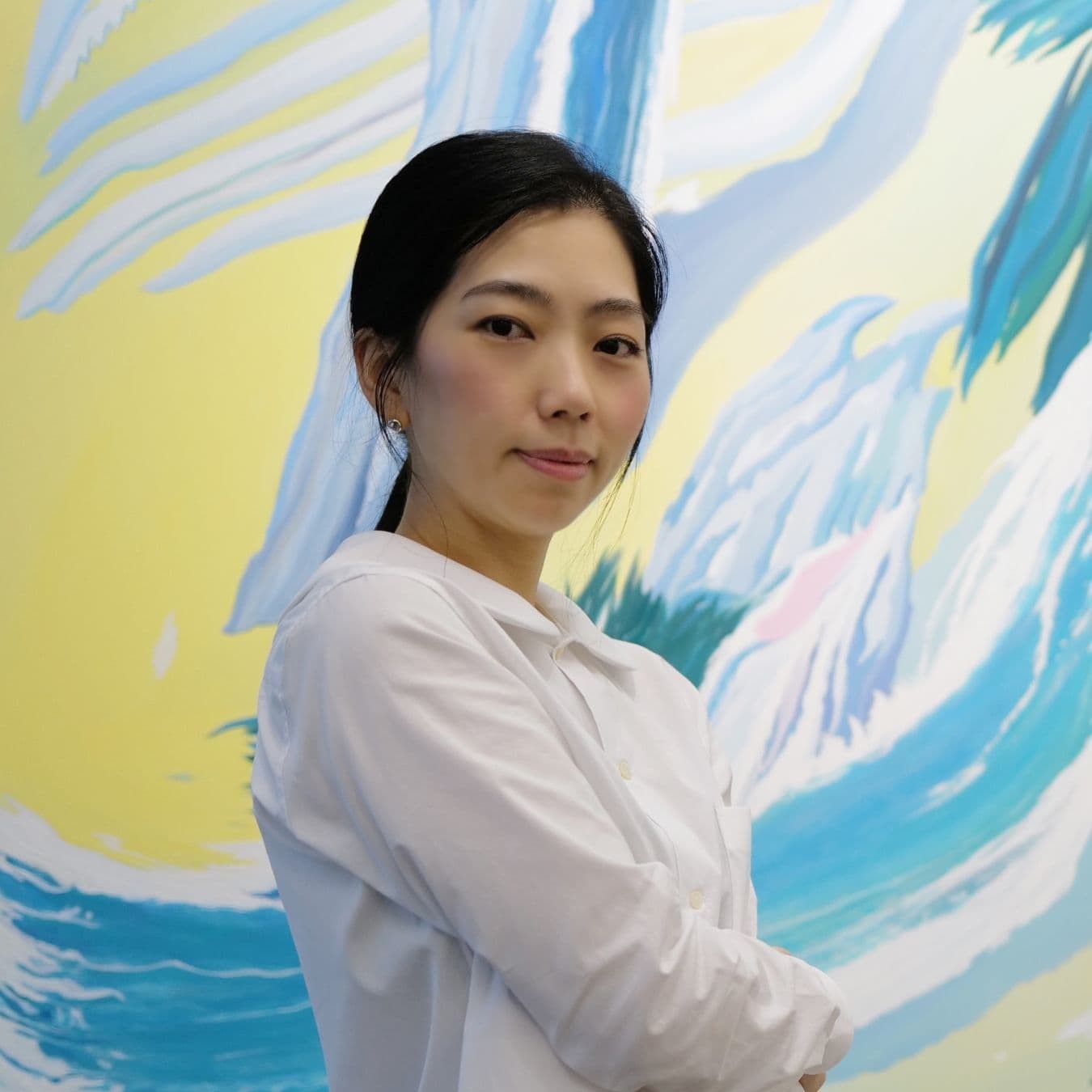
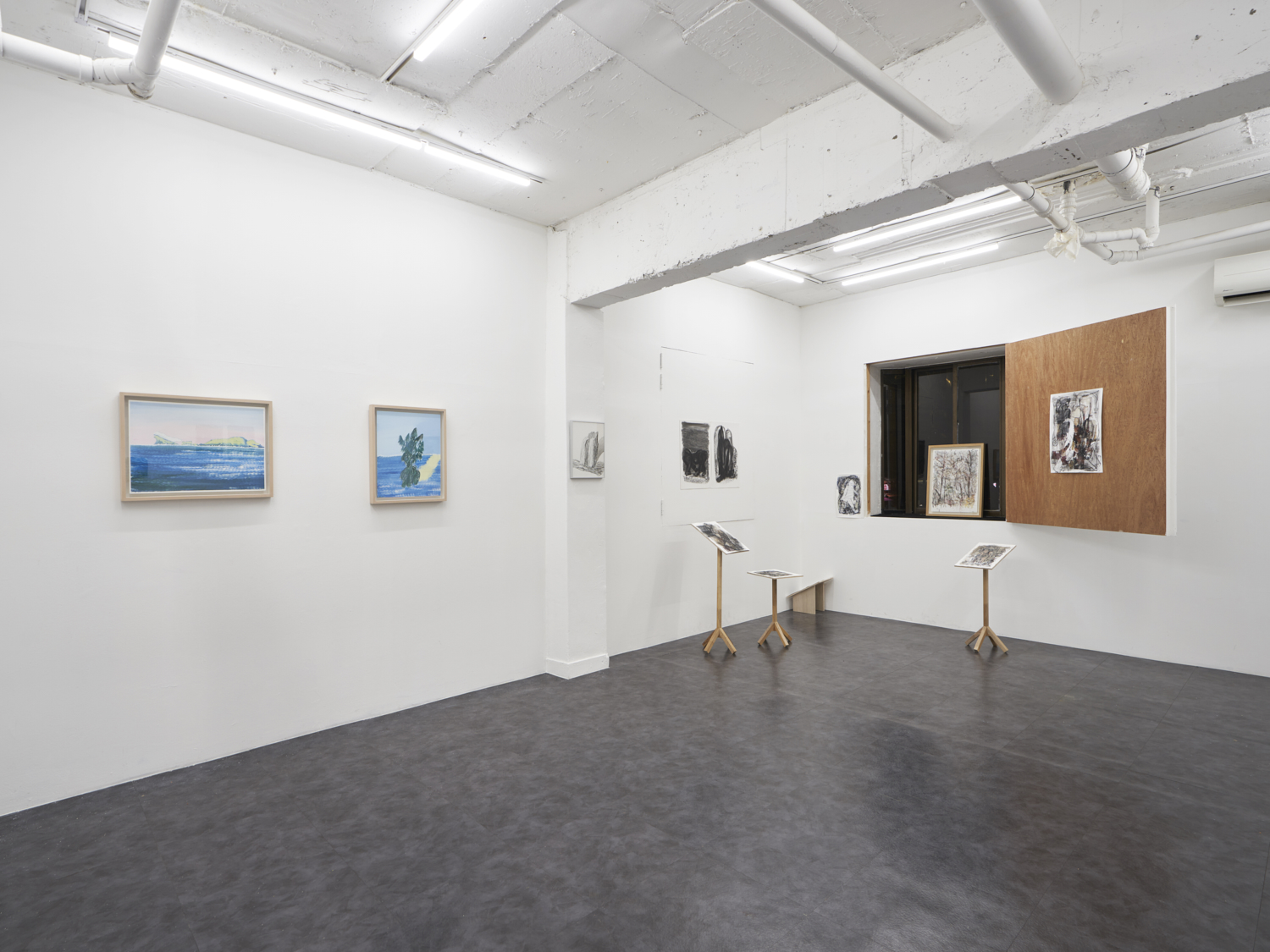
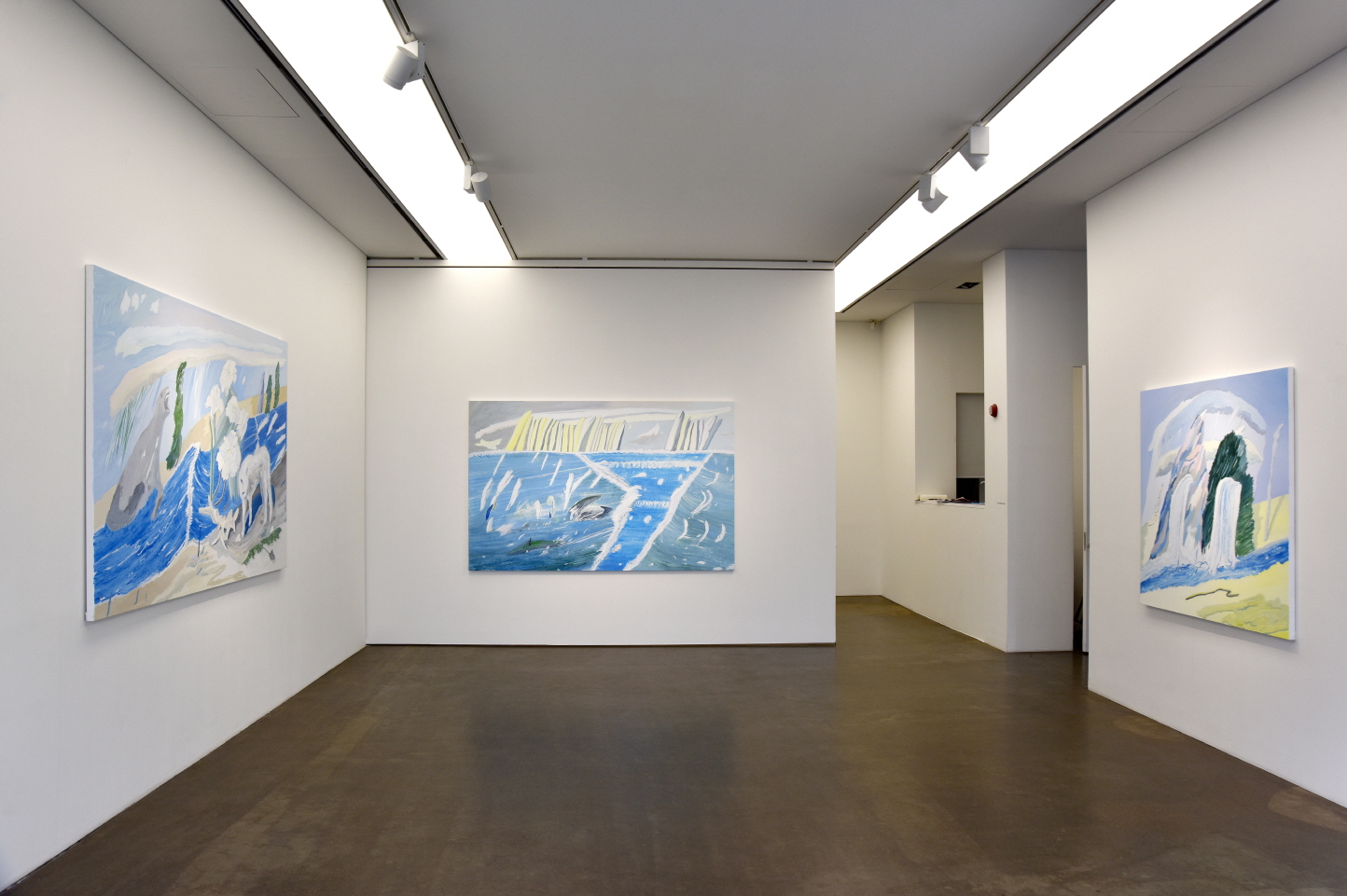
Choi Suin
captures the friction of emotions that arise within relationships—feelings that
cannot be fully articulated in words or are concealed because one does not wish
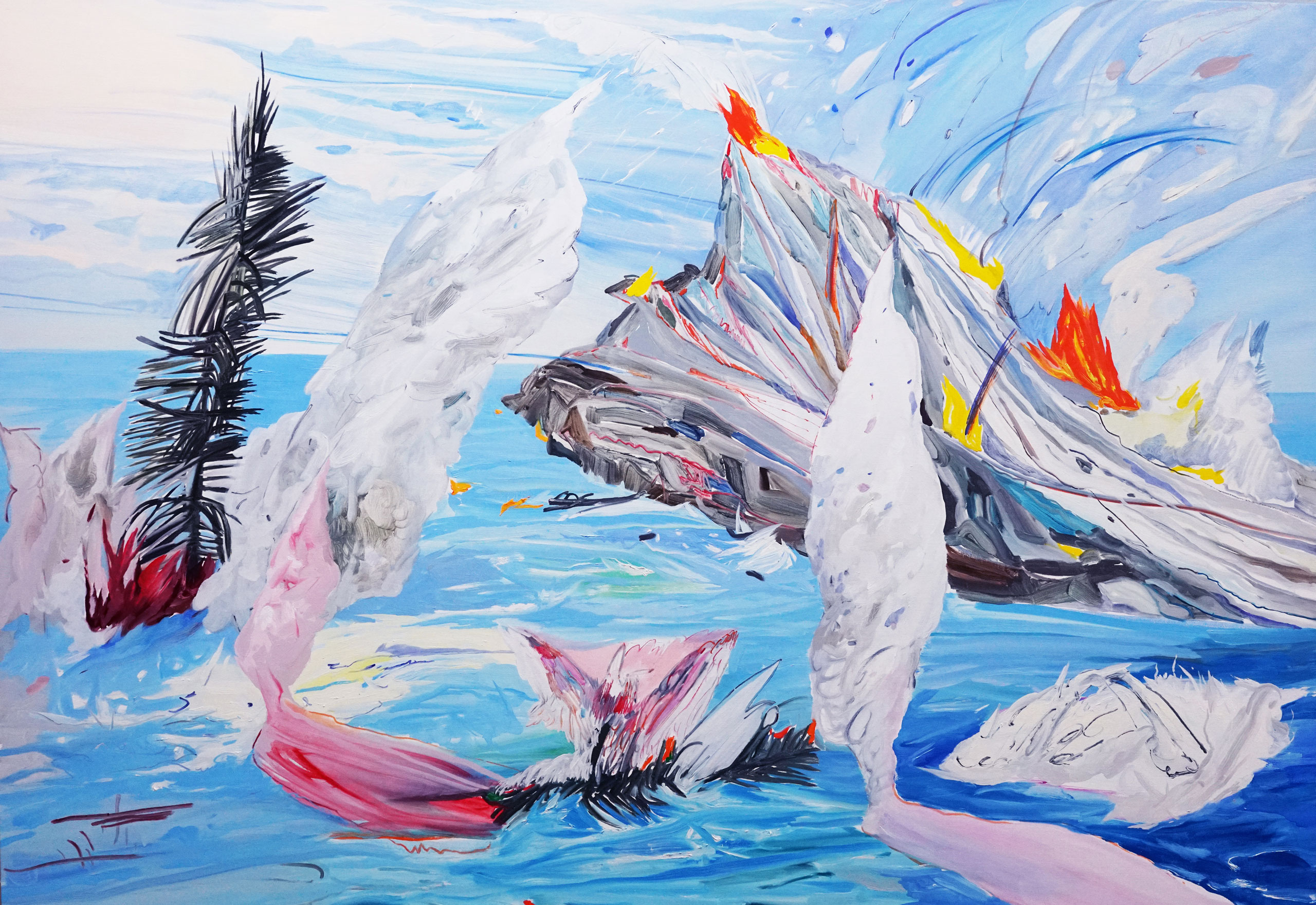
to reveal them—as “scenes” within painting. These emotions are often translated
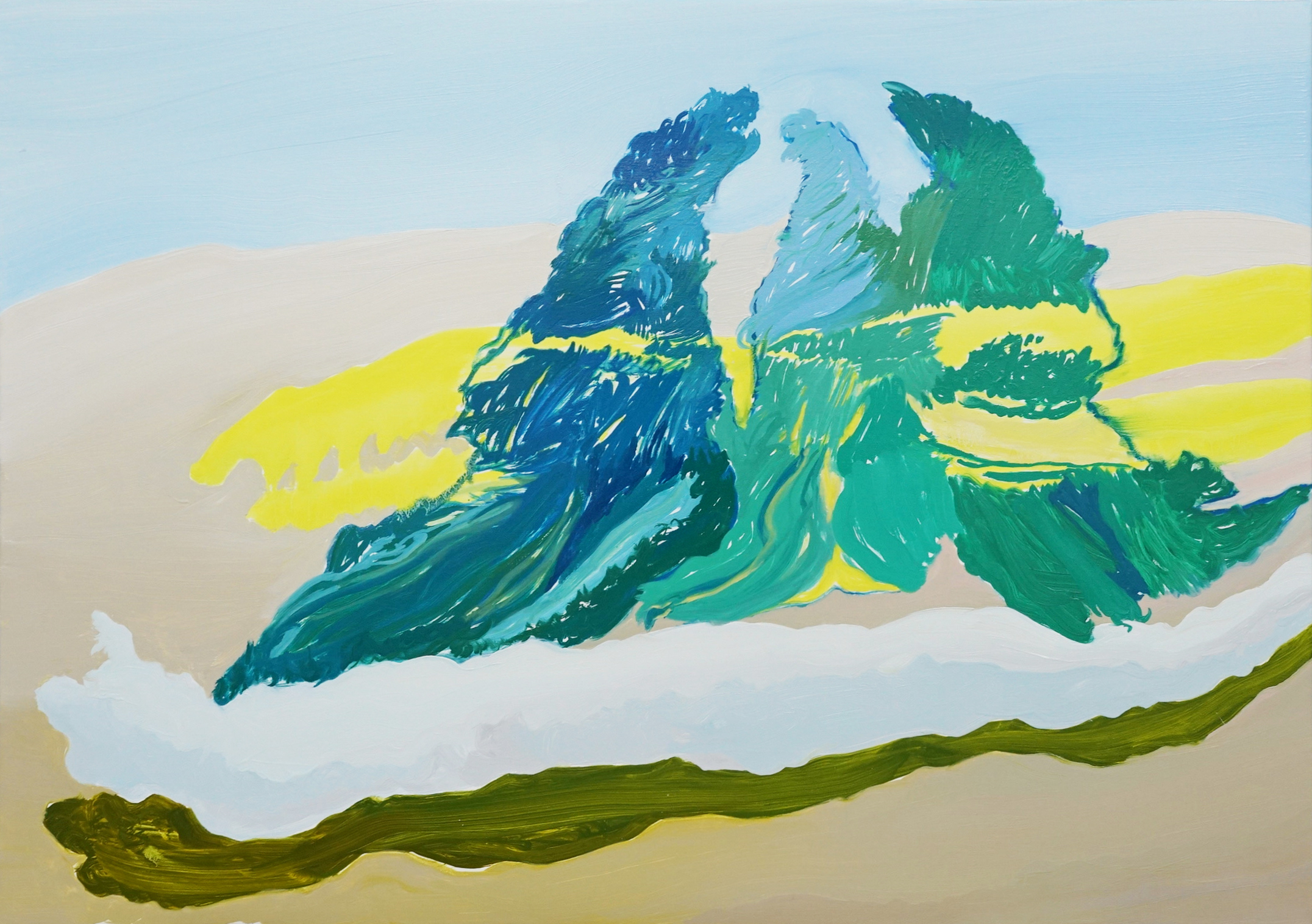
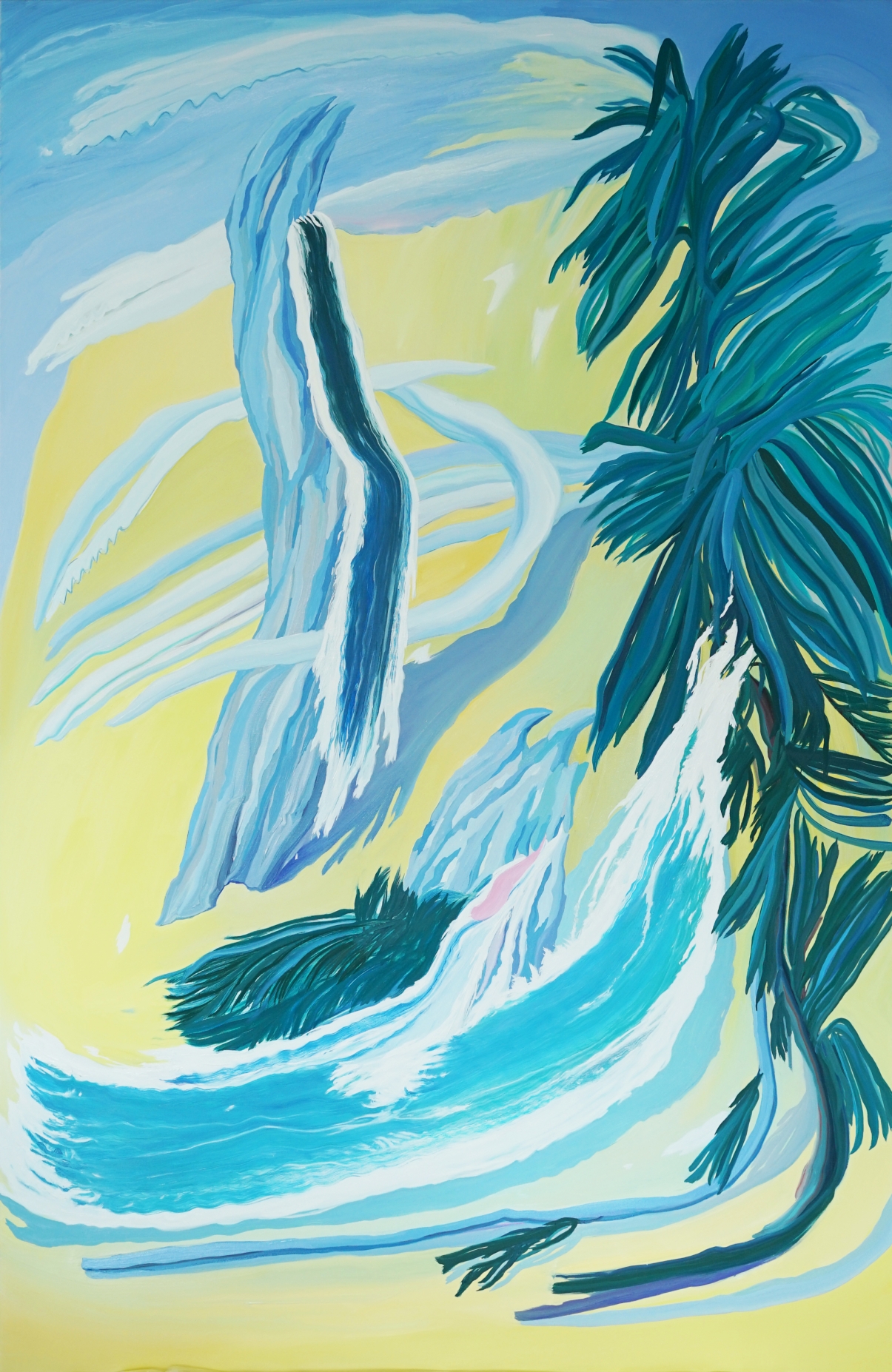
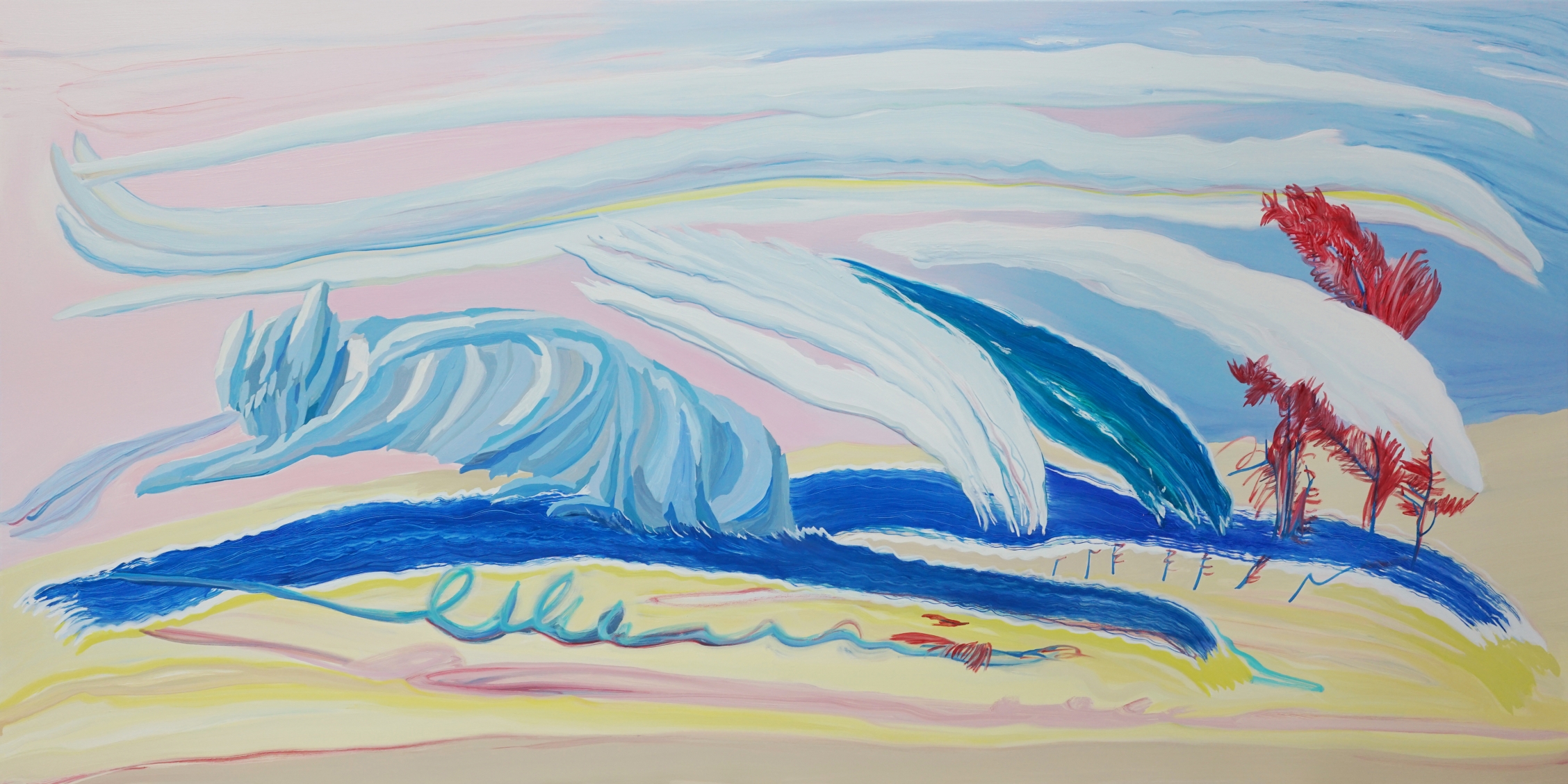
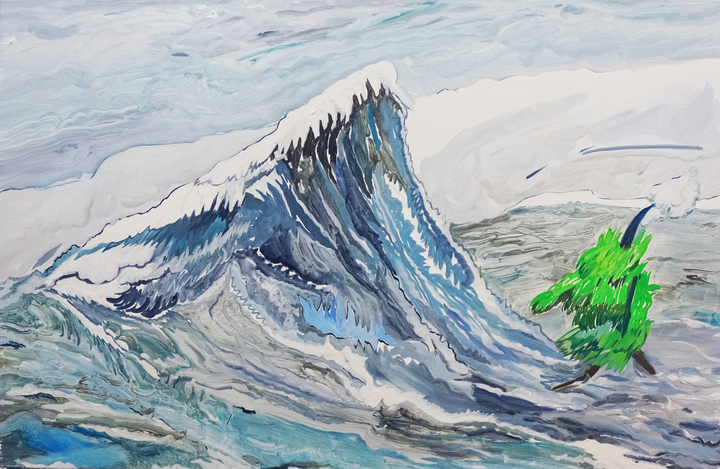
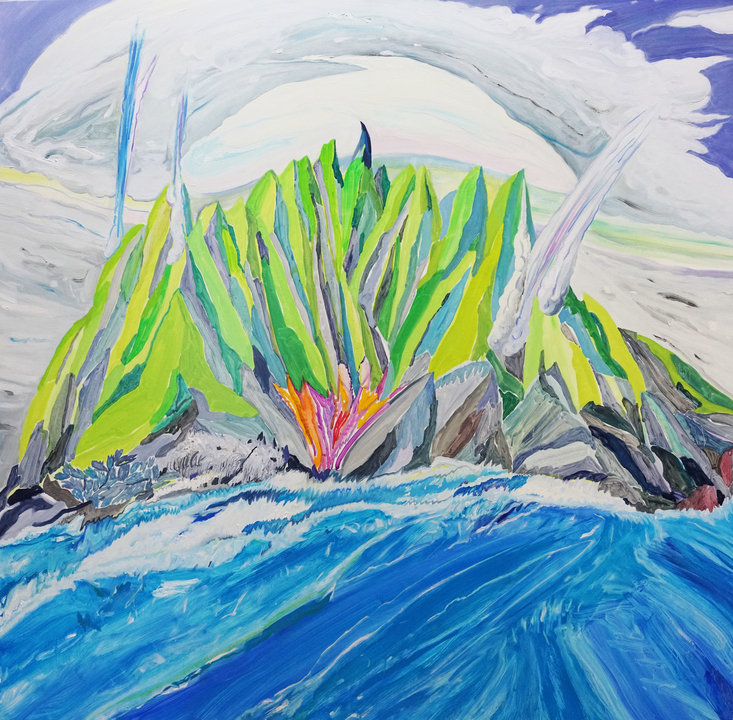
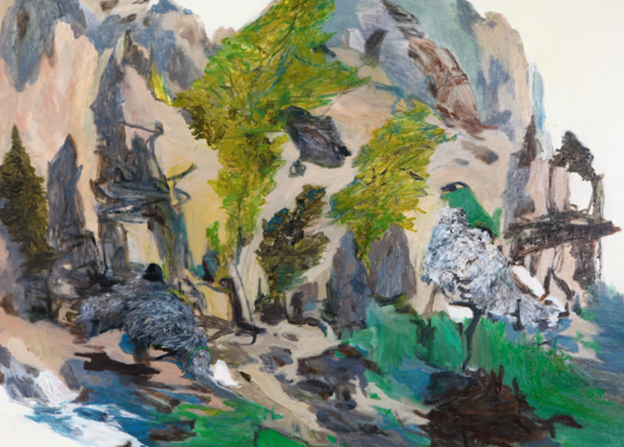
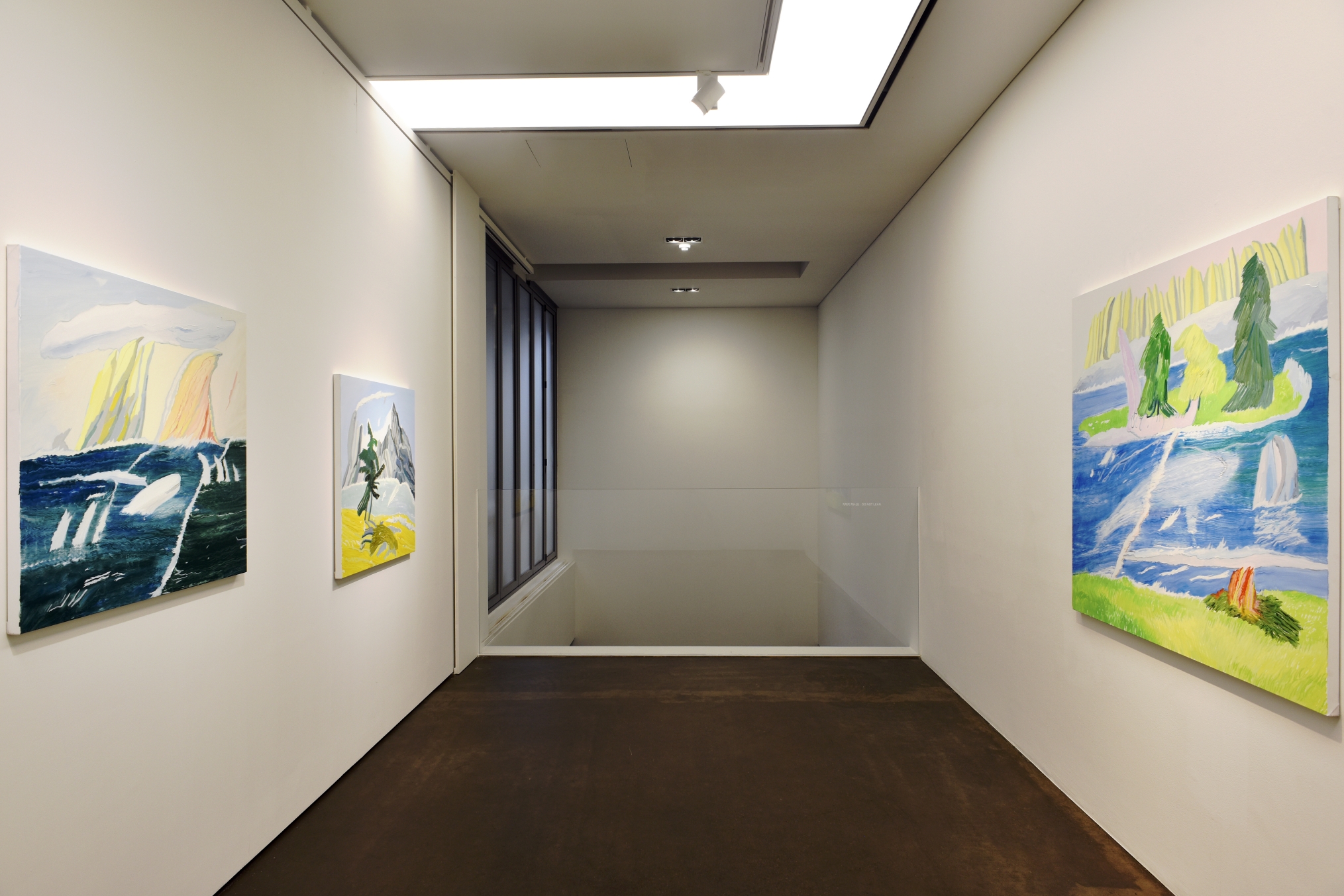
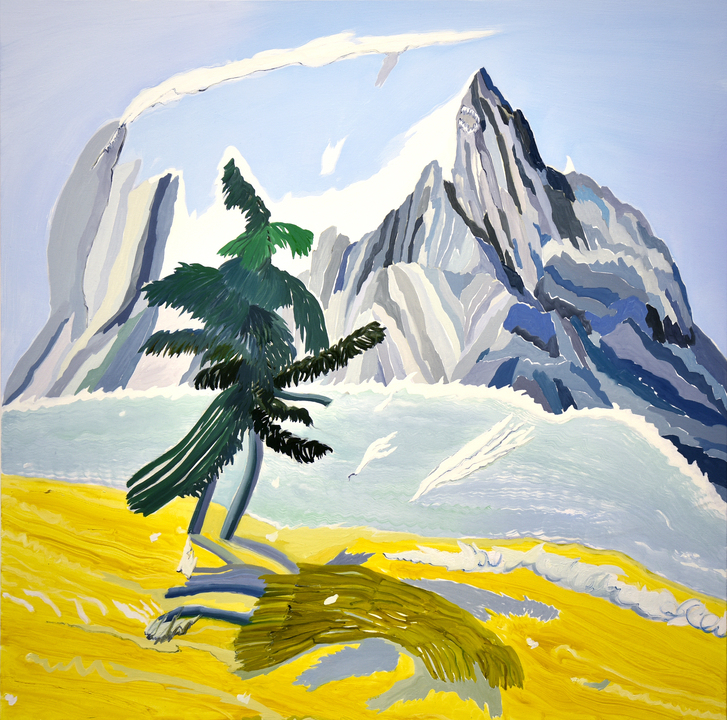
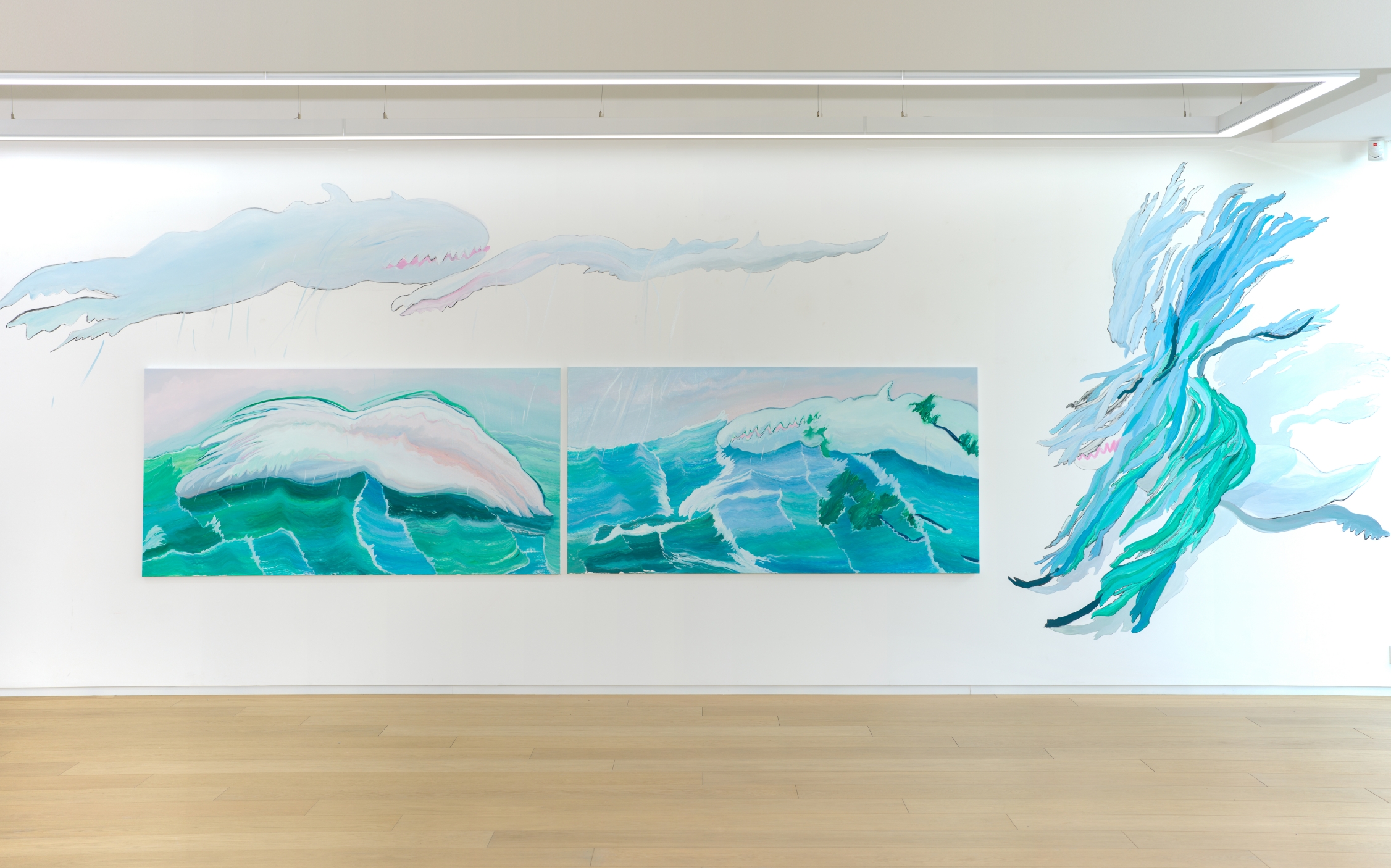
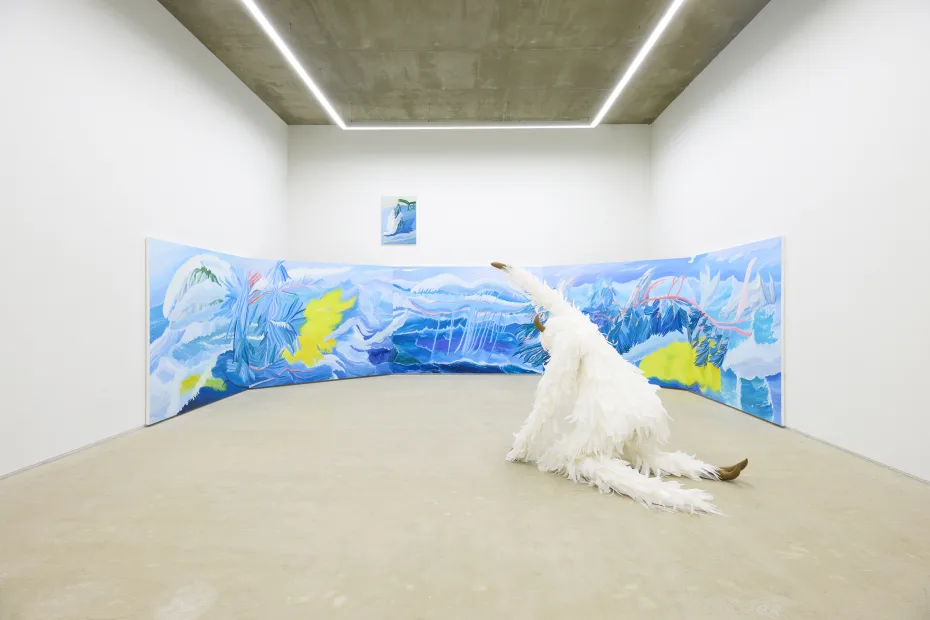
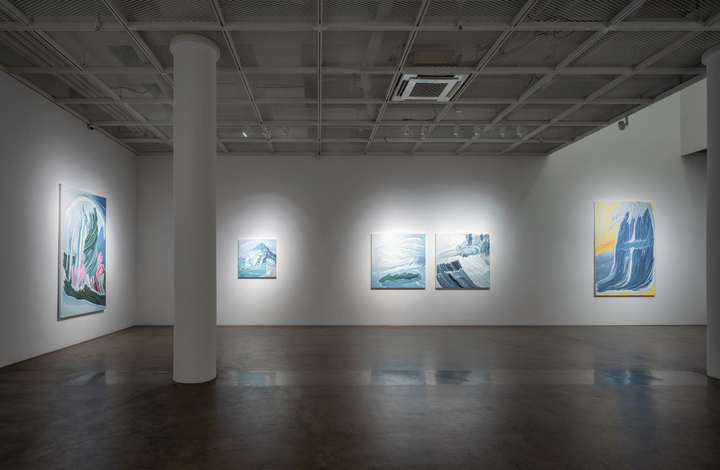
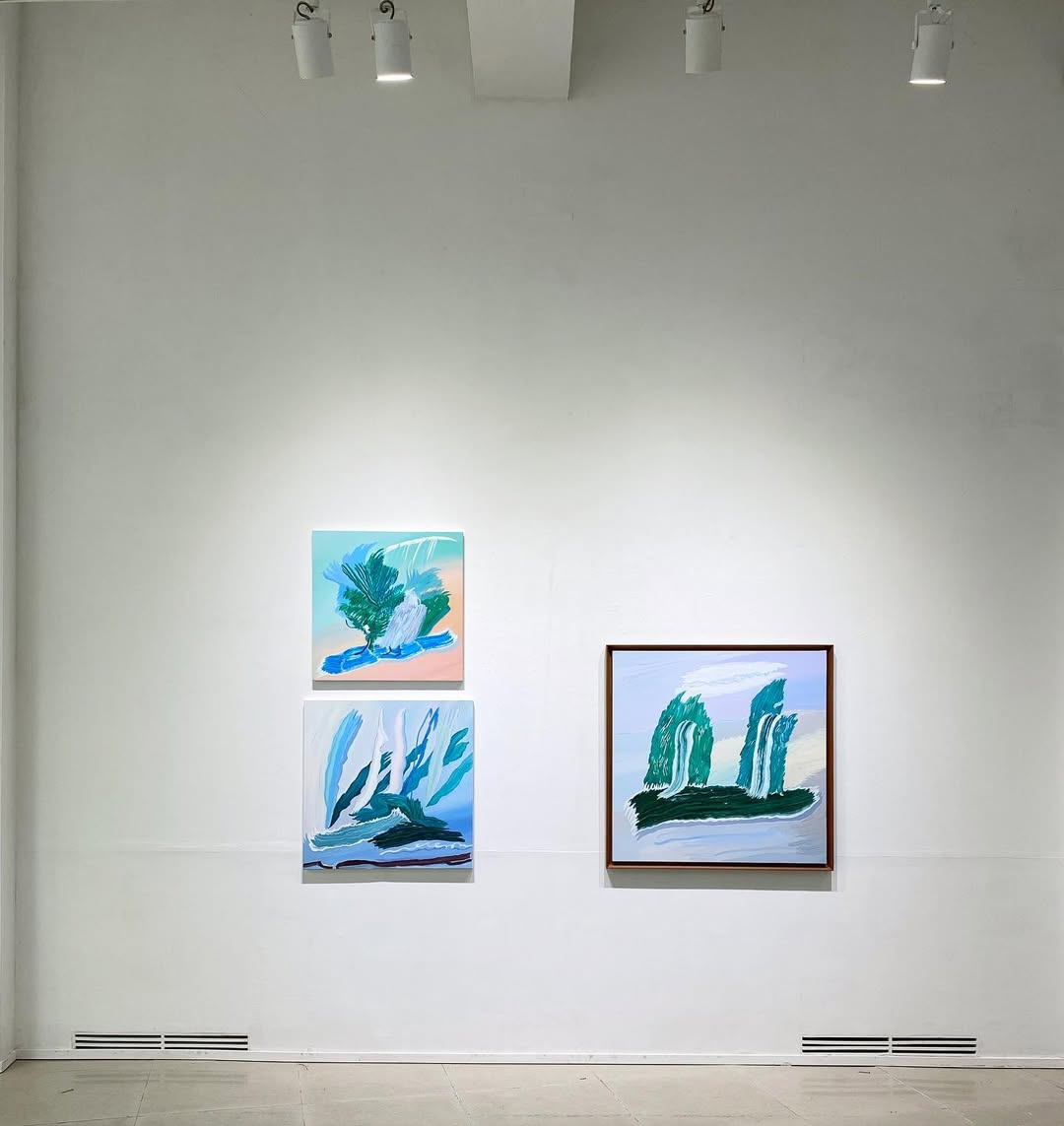
into forms that resemble elements of nature, such as waves, clouds, mountains,
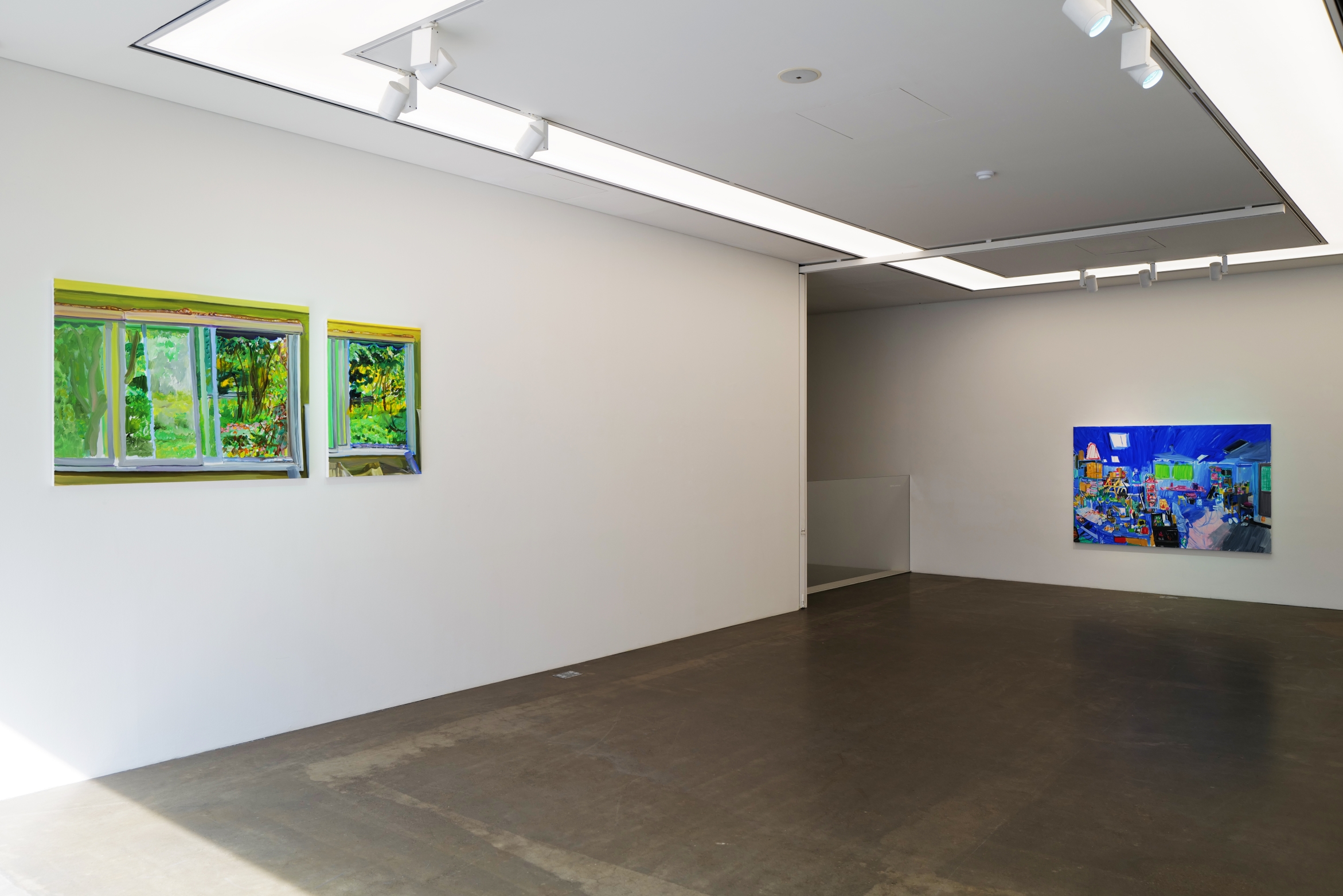
fire, and explosions. Although the images may appear to depict landscapes, the
canvas actually operates as a stage on which psychological situations shaped by
relationships are arranged.
In her
early solo exhibition 《It Won’t Be
Appeared – No Show》 (Kumho Museum of Art, 2015), she
expressed the desire to “escape” from the distortion of emotions through images
of combustion and eruption, as well as spaceship-like forms that suggest
mechanisms of departure. In Spaceship Beneath the Clouds(2015)
and Constructed Place 1(2015), scenes that she wishes
“would not appear” coexist with images of an ideal calm she longs to reach.
Even that ideal state remains artificial and ultimately unattainable within the
same pictorial language.
By the
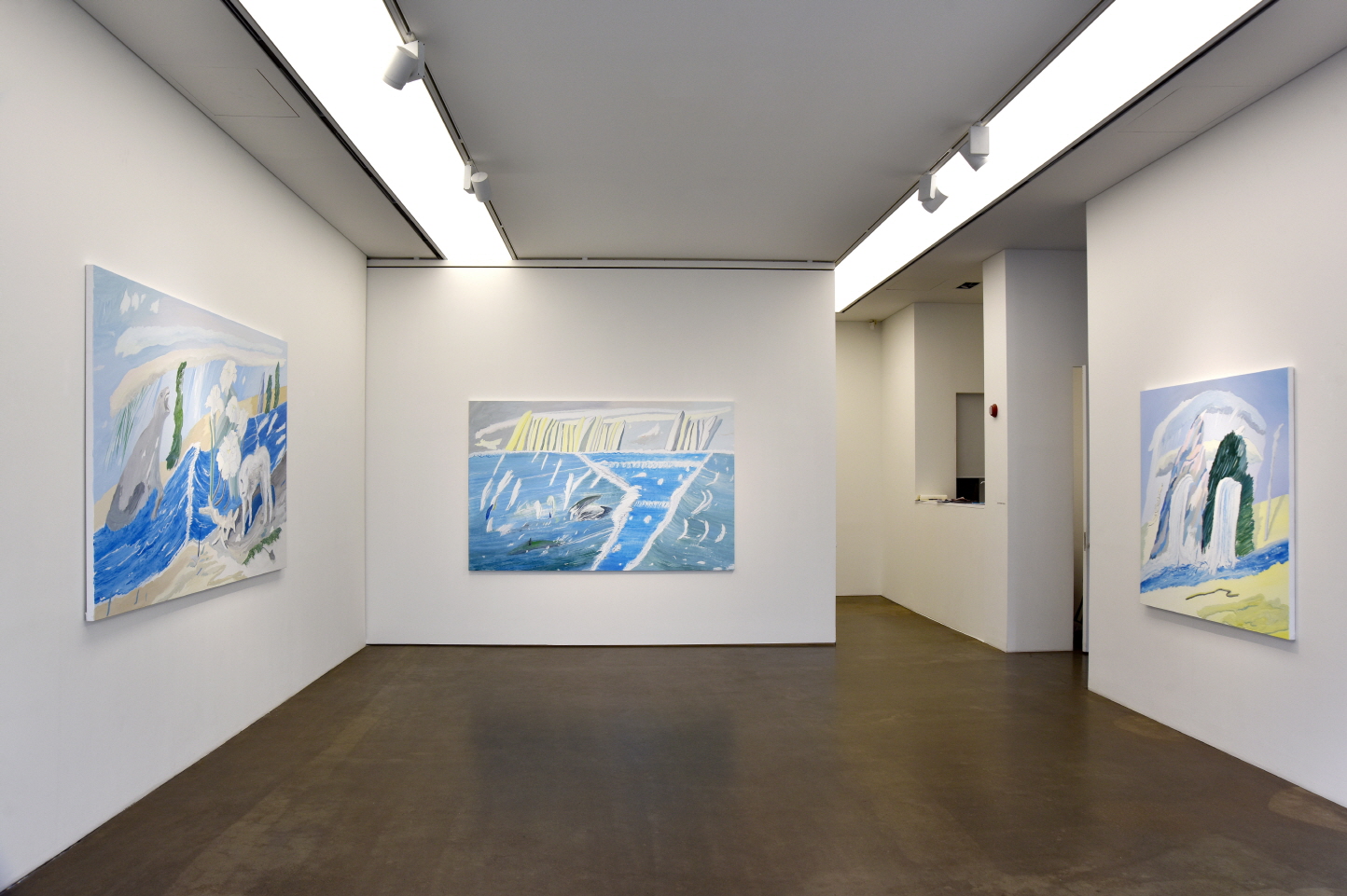
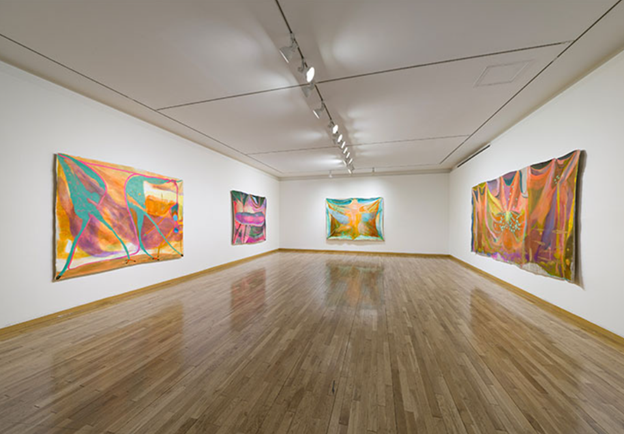
time of her solo exhibition 《Dance for Me》 (Gallery Chosun, 2019), the tension within relationships shifts
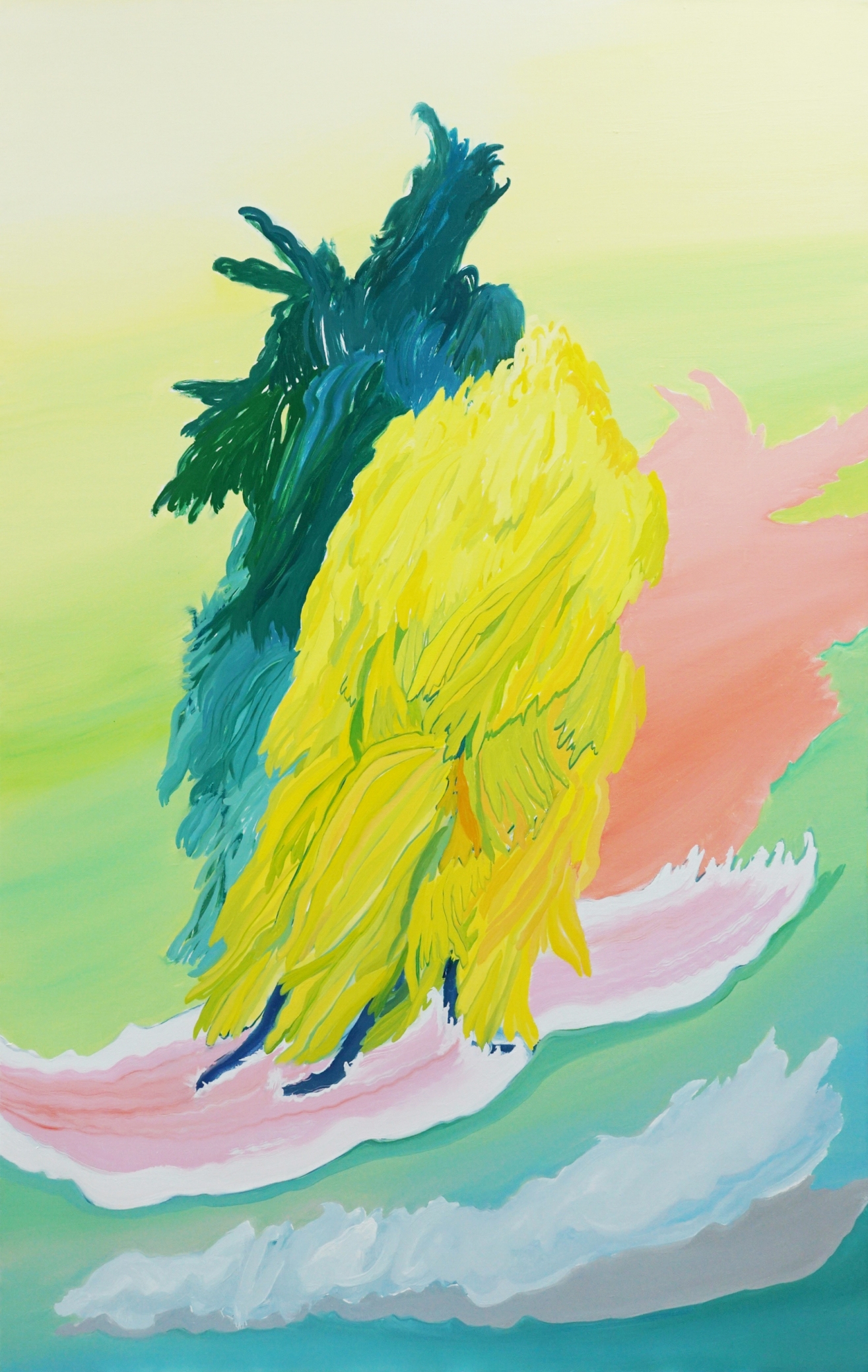
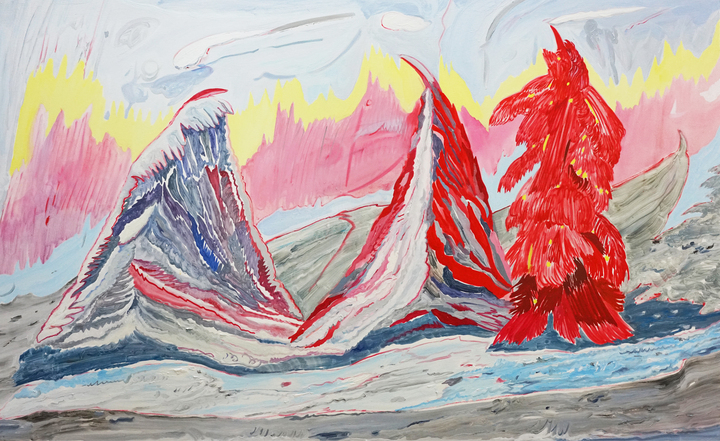
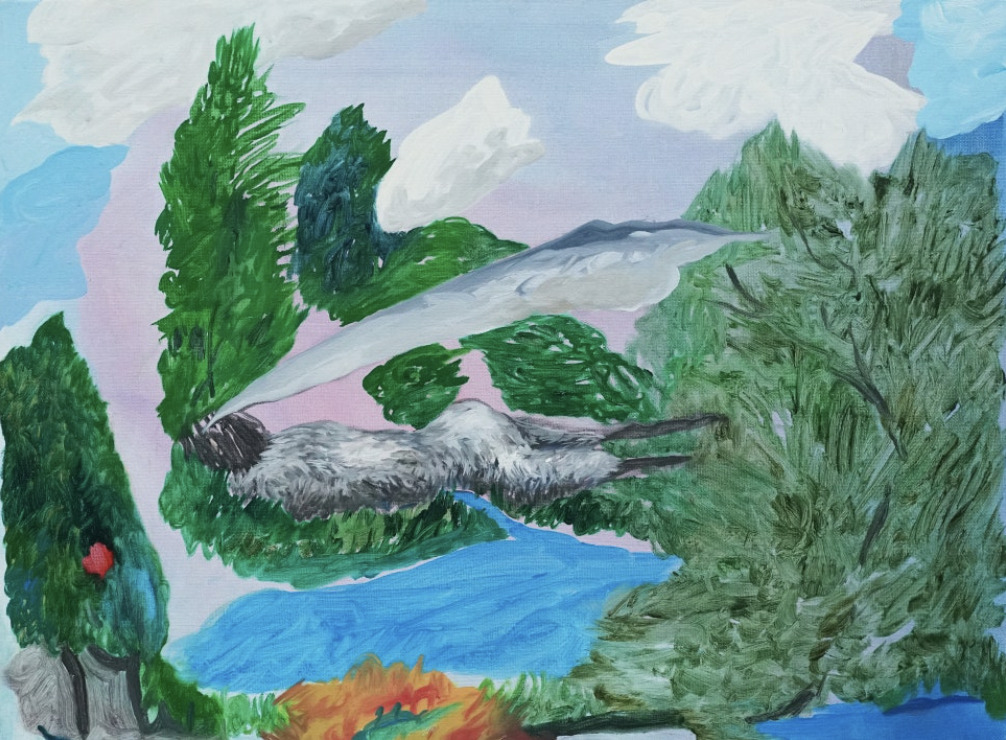
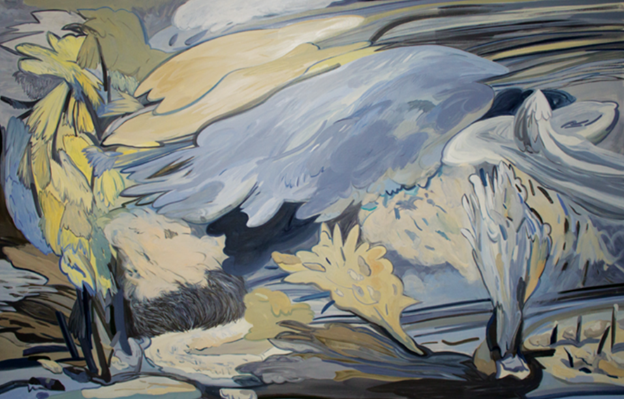
more directly toward the issue of “attitude.” Furry, creature-like beings,
exaggerated volcanoes and clouds, and fragmented natural environments symbolize
defensive postures, avoidance, and the tremor of unstable inner states that
emerge before others. Rather than presenting these as “landscapes,” she frames
them as “scenes” that capture moments of life rearranged without clear
causality, drawing viewers into the discomfort these scenes leave behind.
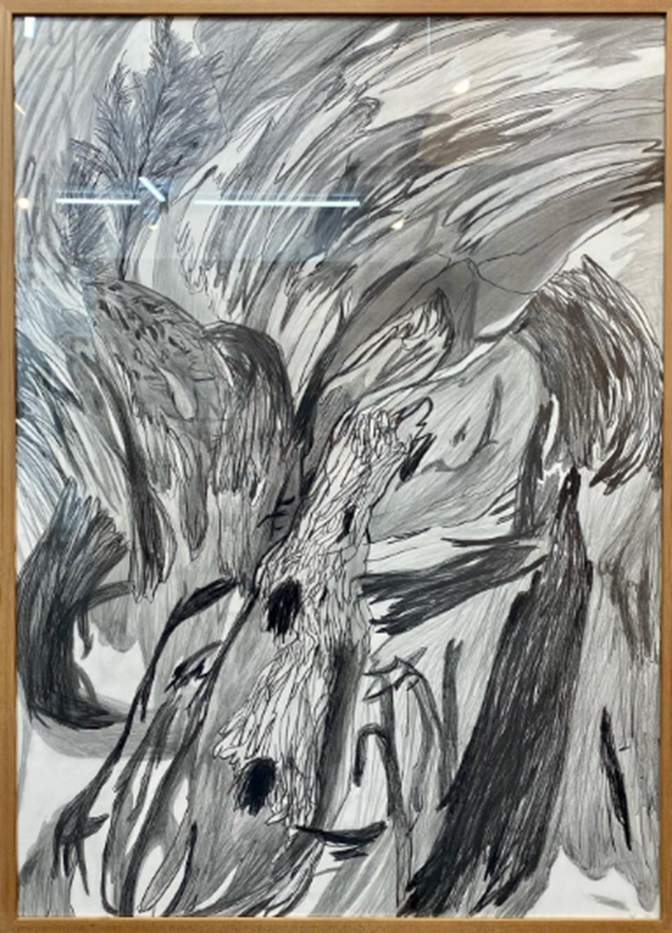
Since 《Fake Mood》 (Artside Gallery, 2020), the
focus has increasingly moved from the emotions of the “speaker” (subject) to
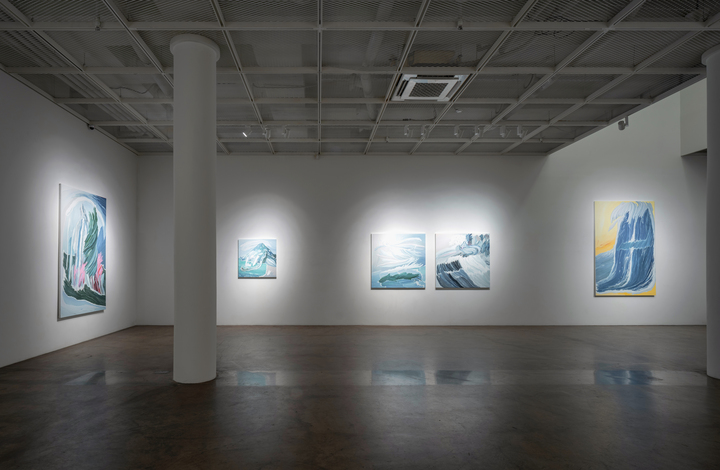
the pressures, surrounding gazes, and situations encircling that figure. In 《My Lovely Villain》 (Artside Gallery, 2021),
she reinforces the structure of revealing and concealing through monster-like,
mask-like figures. In 《He gives me butterflies. love》 (Artside Gallery, 2023), she further specifies the theme of
relationship as “love,” intensifying moments in which truth and exaggeration,
devotion and suspicion operate simultaneously.