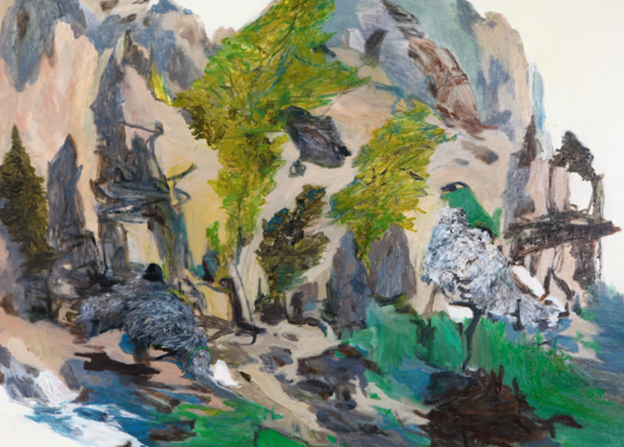
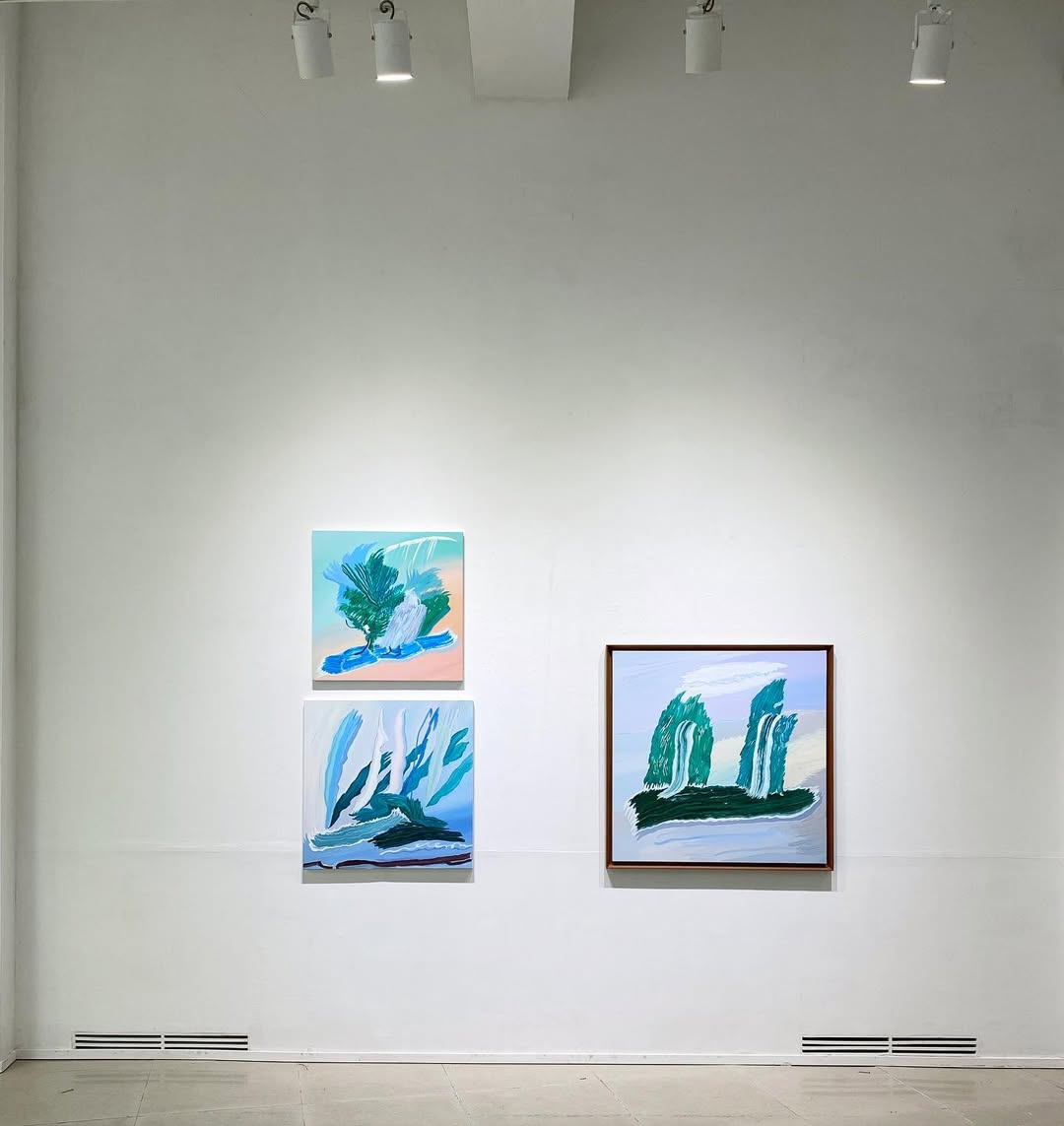
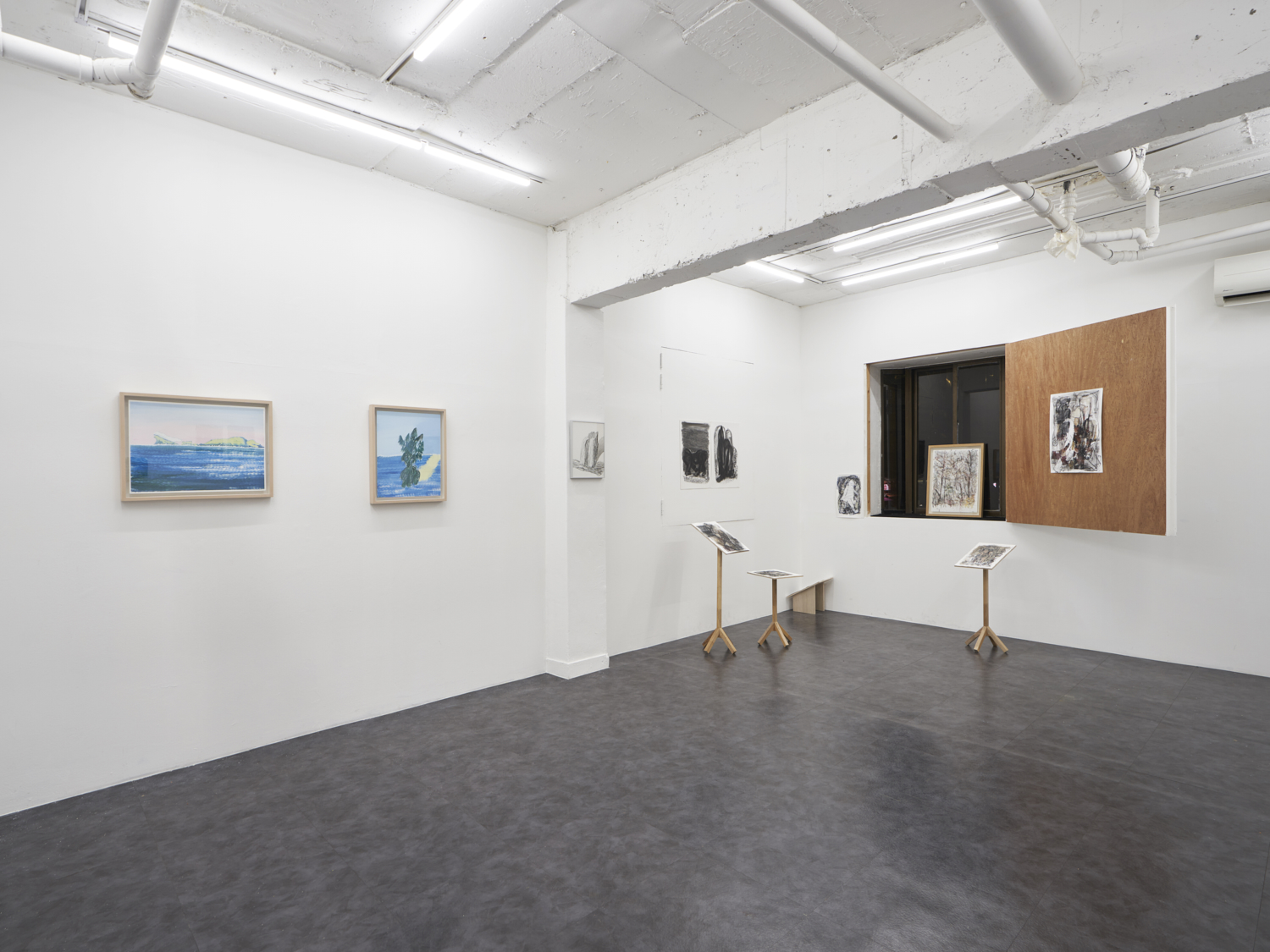
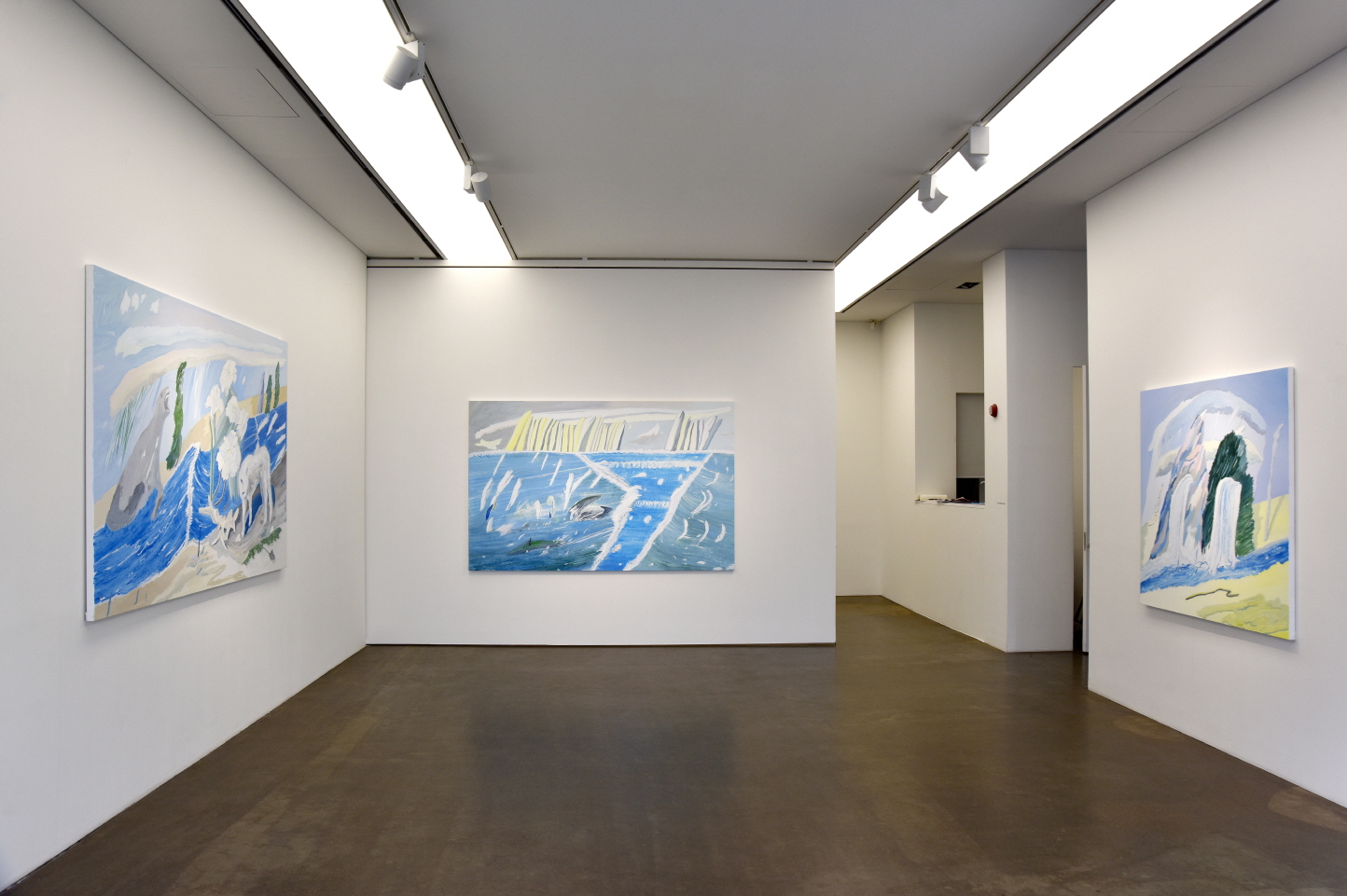
Choi Suin (b. 1987) reflects on relationships grounded in her own lived experiences, translating the emotions that arise from them into forms that may be perceived as elements of nature. Her paintings become spaces in which dormant and uncomfortable inner feelings are brought out and confronted. Emotions that could not be fully articulated in words are projected onto natural forms, unfolding as scenes that resemble theatrical tableaux.


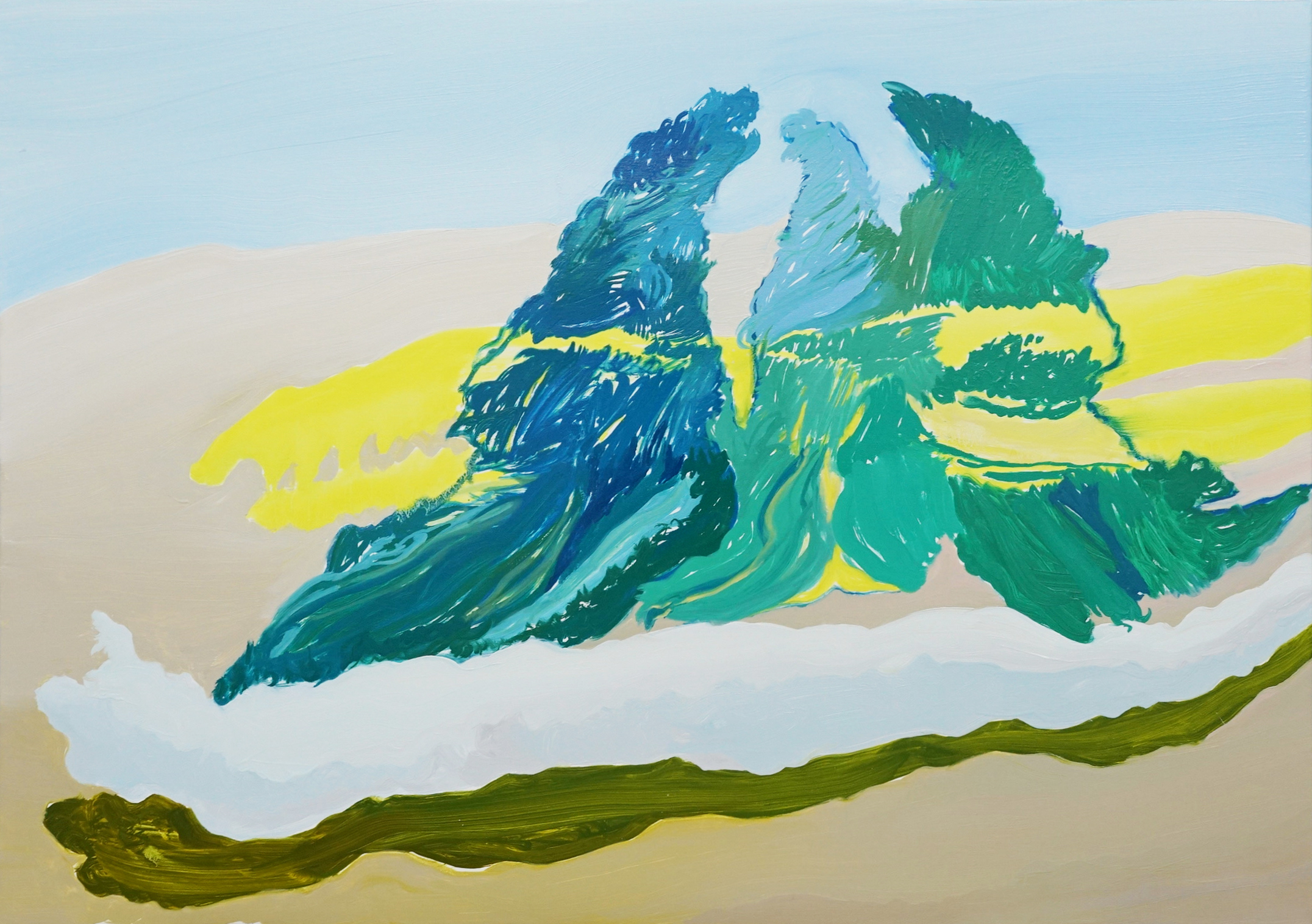
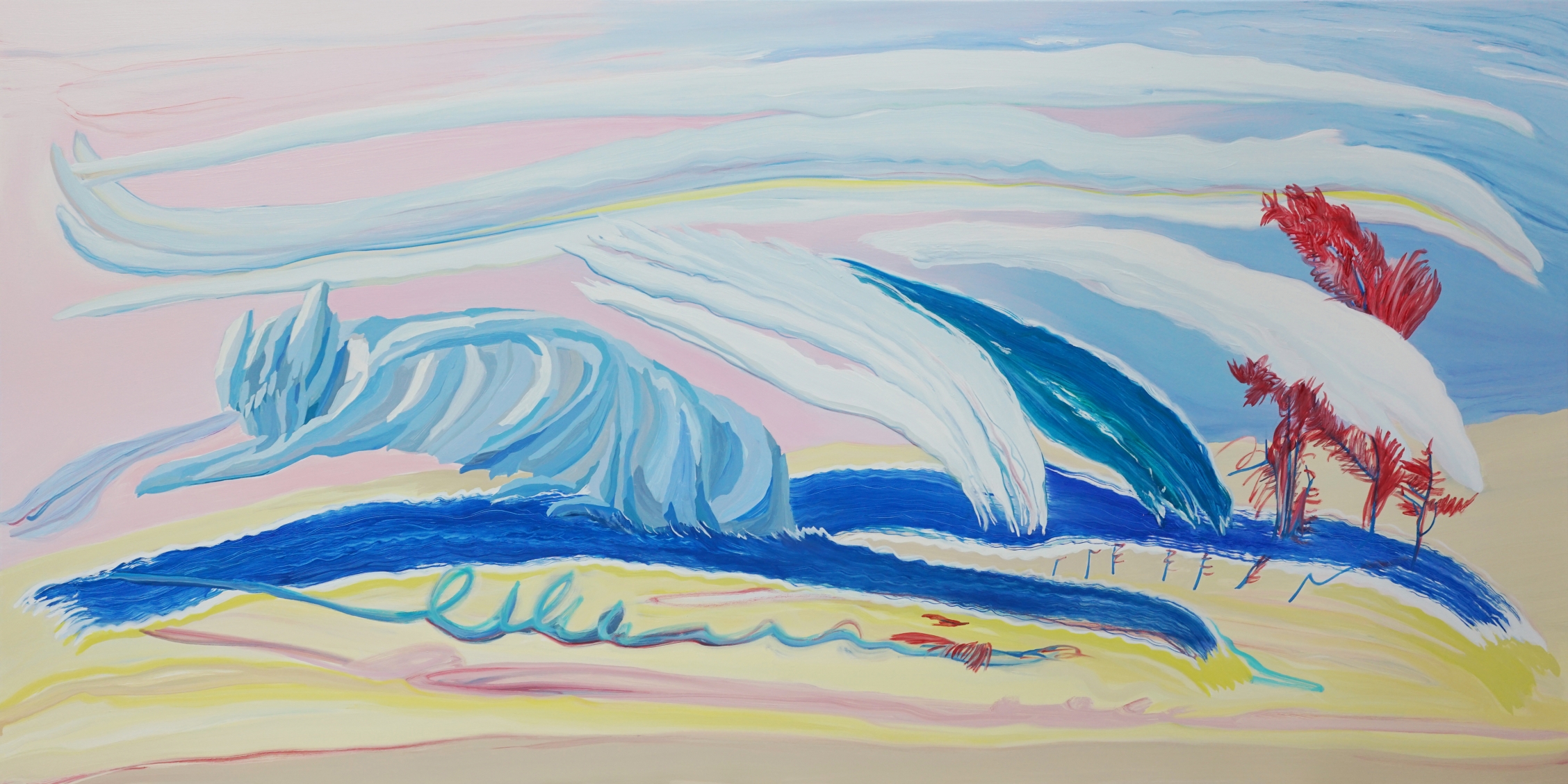
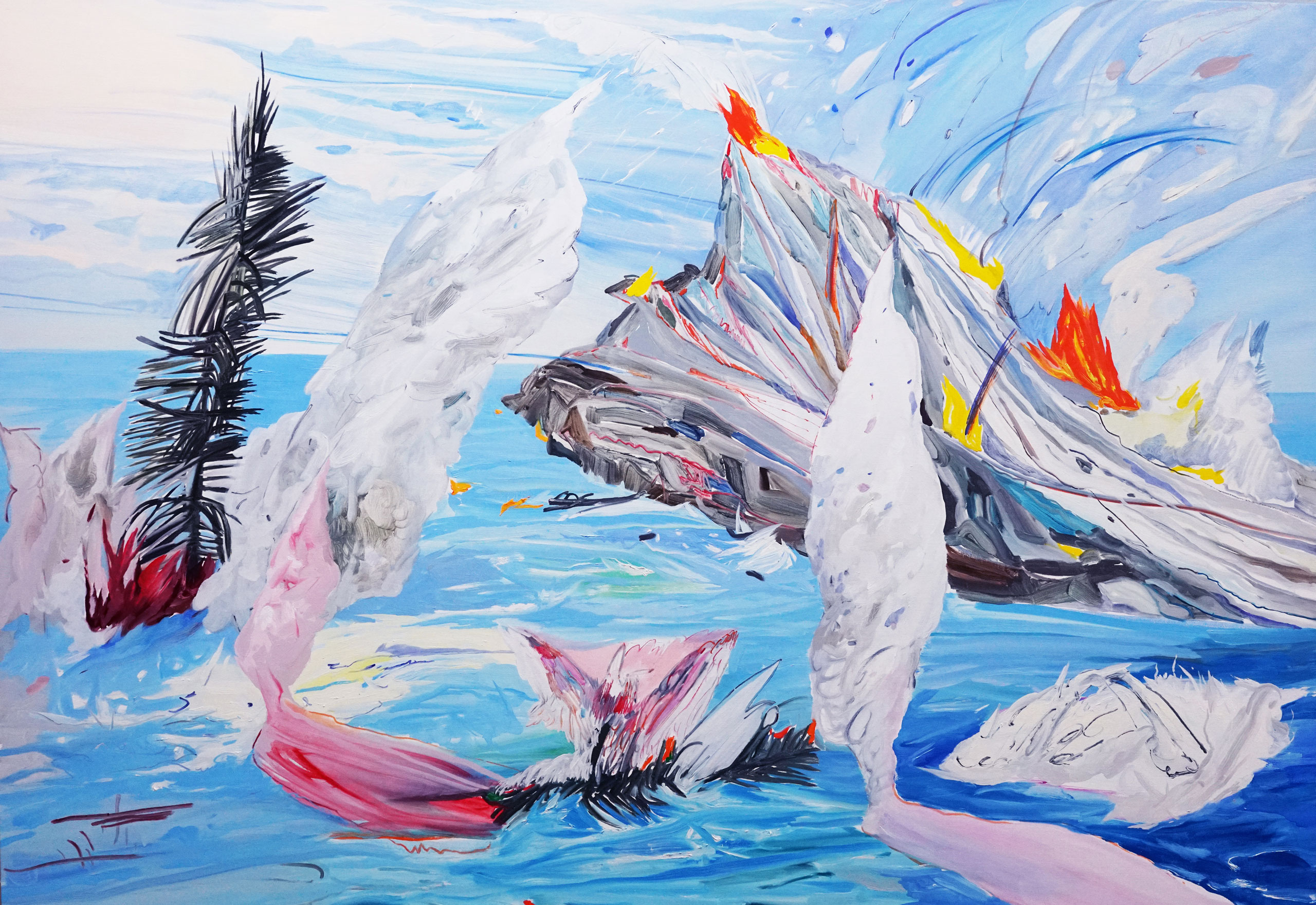
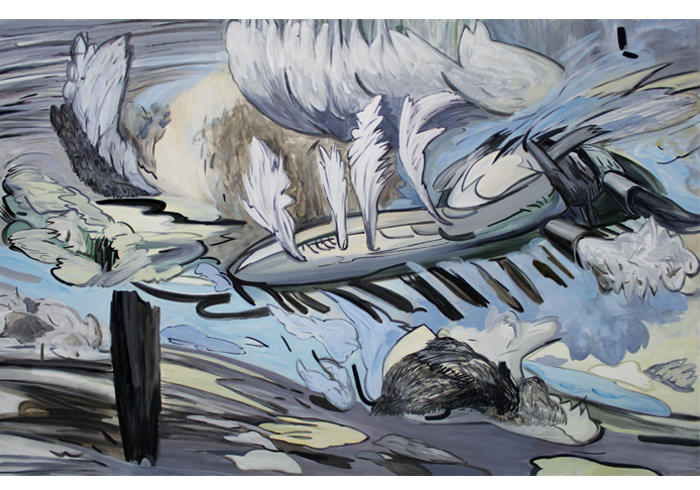
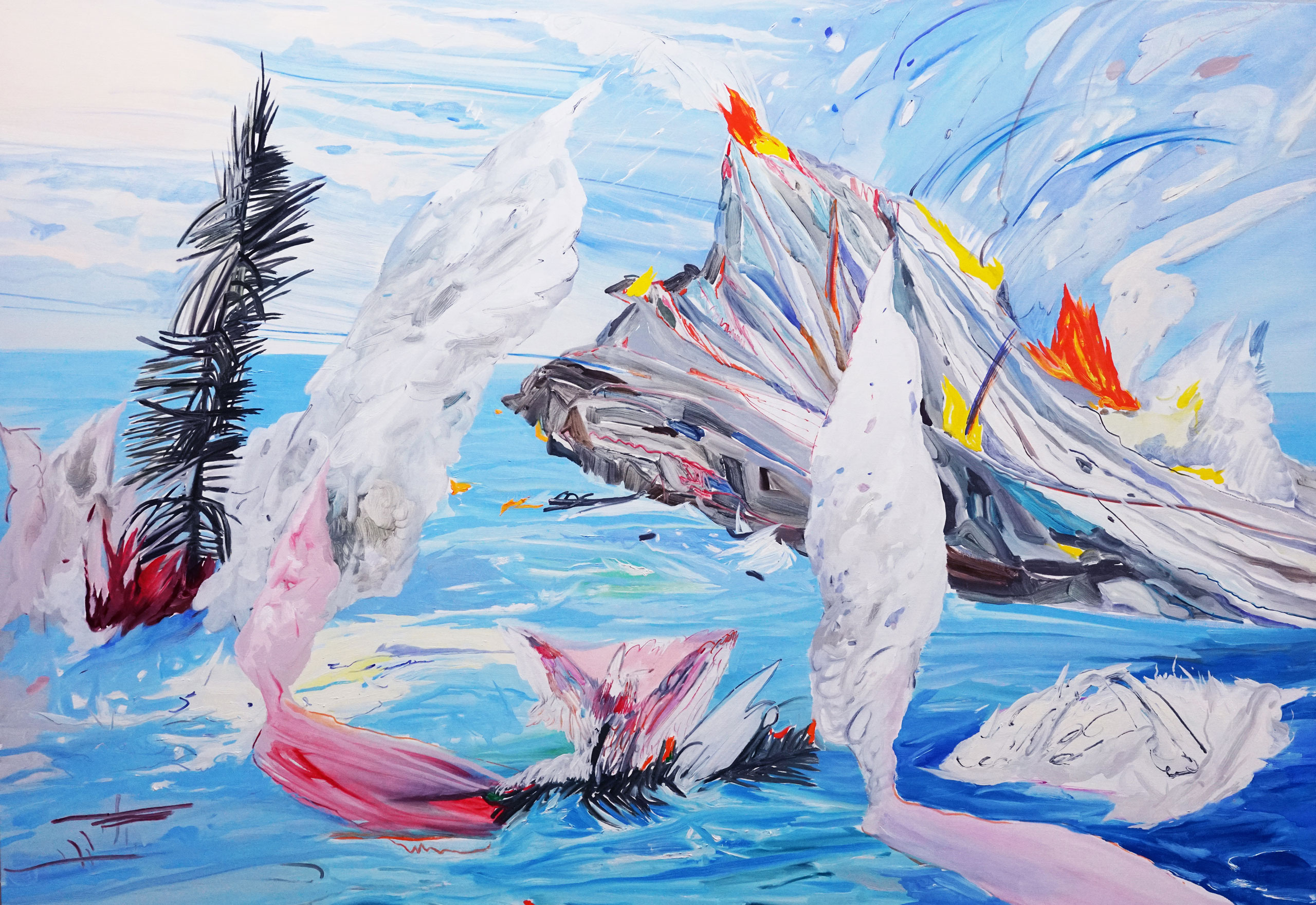
Choi Suin, Spaceship Beneath the Clouds, 2015, Oil on canvas, 145x227cm ©Choi Suin

For instance, in her 2015 solo exhibition 《It Won’t Be Appeared – No Show》 at the Kumho Museum of Art, Choi Suin translated into painting a psychological desire to flee from the distortion of emotions.
 
At first glance resembling landscapes, her scenes stage uncanny phenomena such as explosions and the emotional turbulence of figures caught in swirling unrest, all set against nature as a backdrop. The works presented in the exhibition depict entangled tableaux in which combustion and eruption—manifested through images of fire—intersect with gestures of escape, evasion, and defense mechanisms, symbolized by spaceship-like forms.


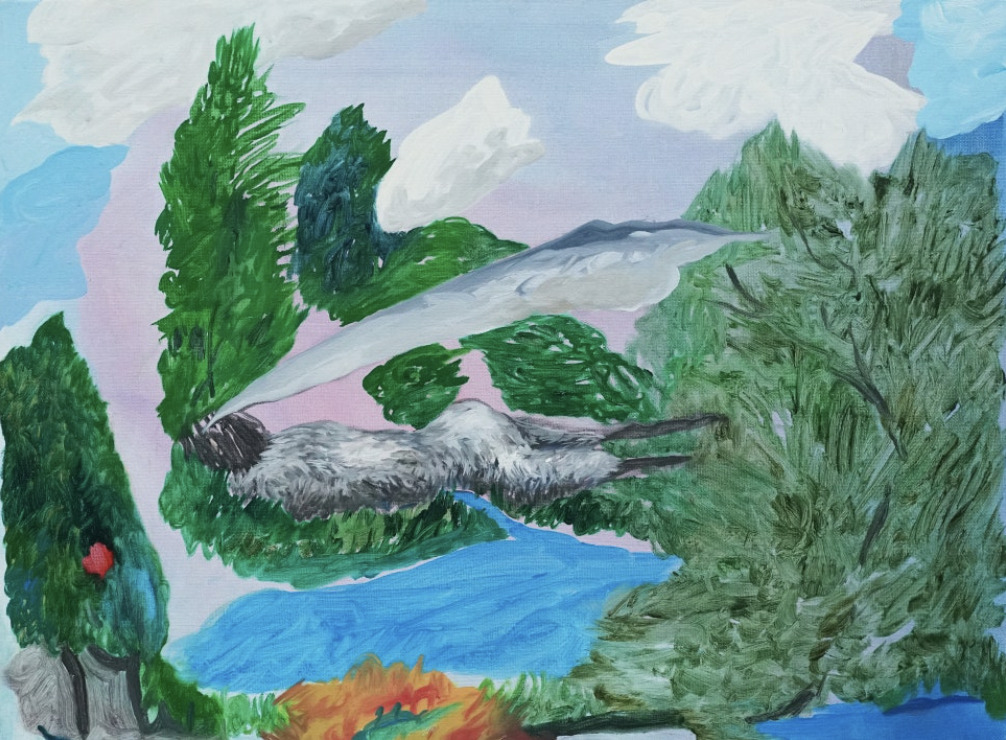
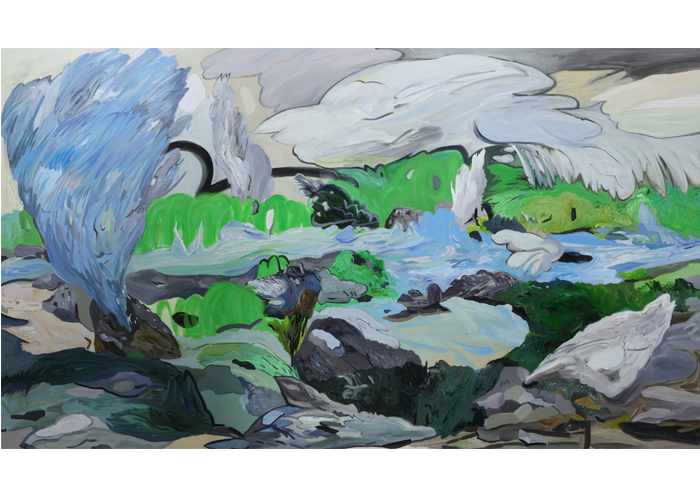
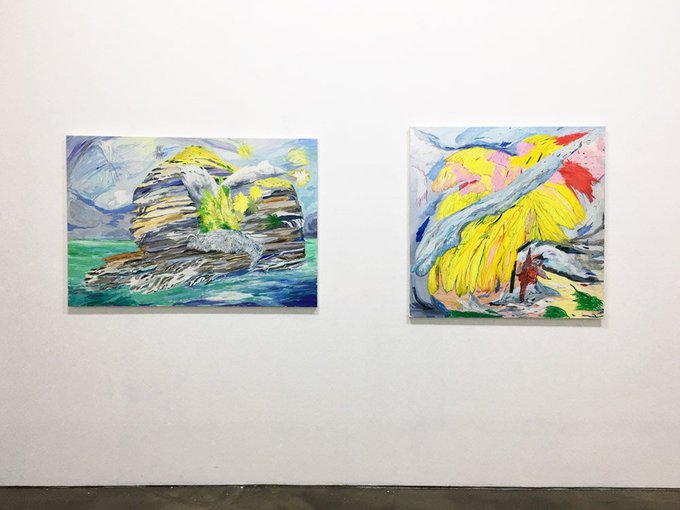
Choi Suin, Constructed Place 1, 2015, Oil on canvas, 112x194cm ©Choi Suin

These chaotic scenes reflect the artist’s own psychological state—her desire to escape the distortion of emotion—and, as the exhibition title suggests, they are scenes she wishes “won’t appear.”
 
By contrast, the work Constructed Place (만들어진 장소), which presents a psychological landscape in a state of calm, signifies both an ideal condition she longs to reach and an artificial, ultimately unattainable state.


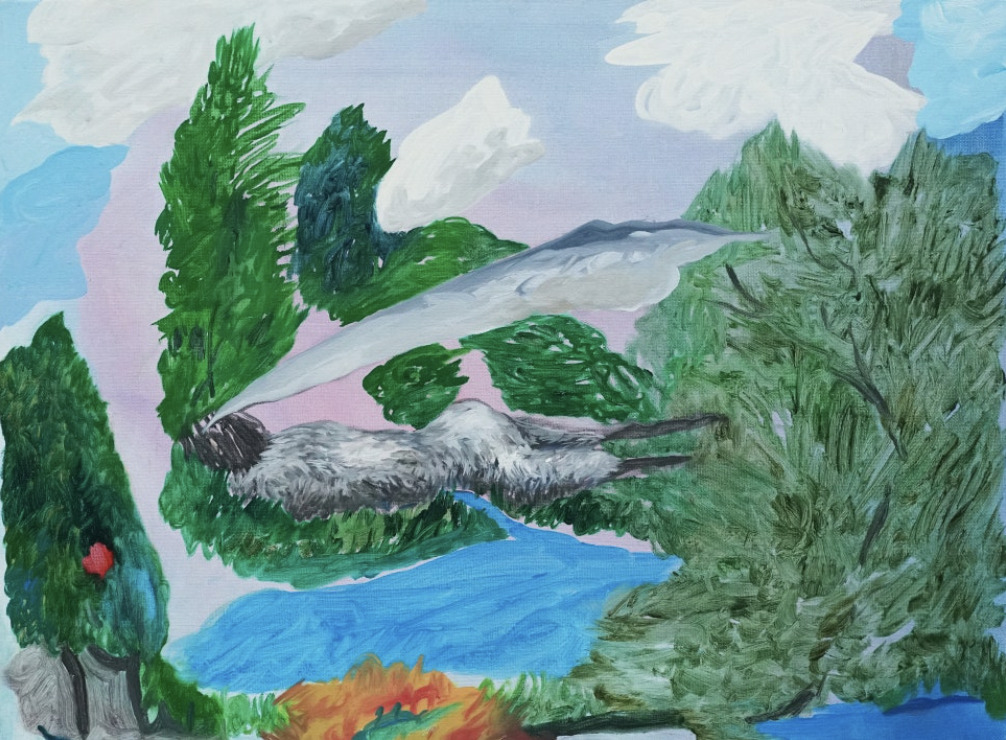
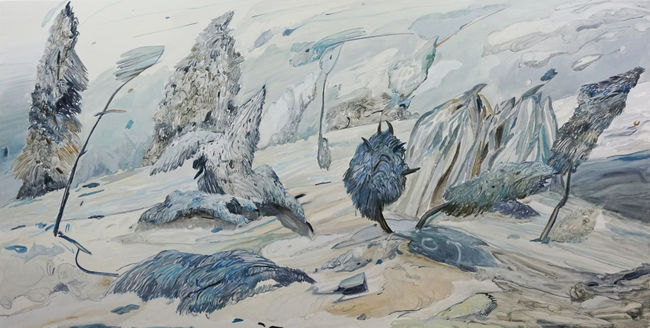
Choi Suin, The Thinking Person, 2016, Oil on canvas, 45x53cm ©Choi Suin

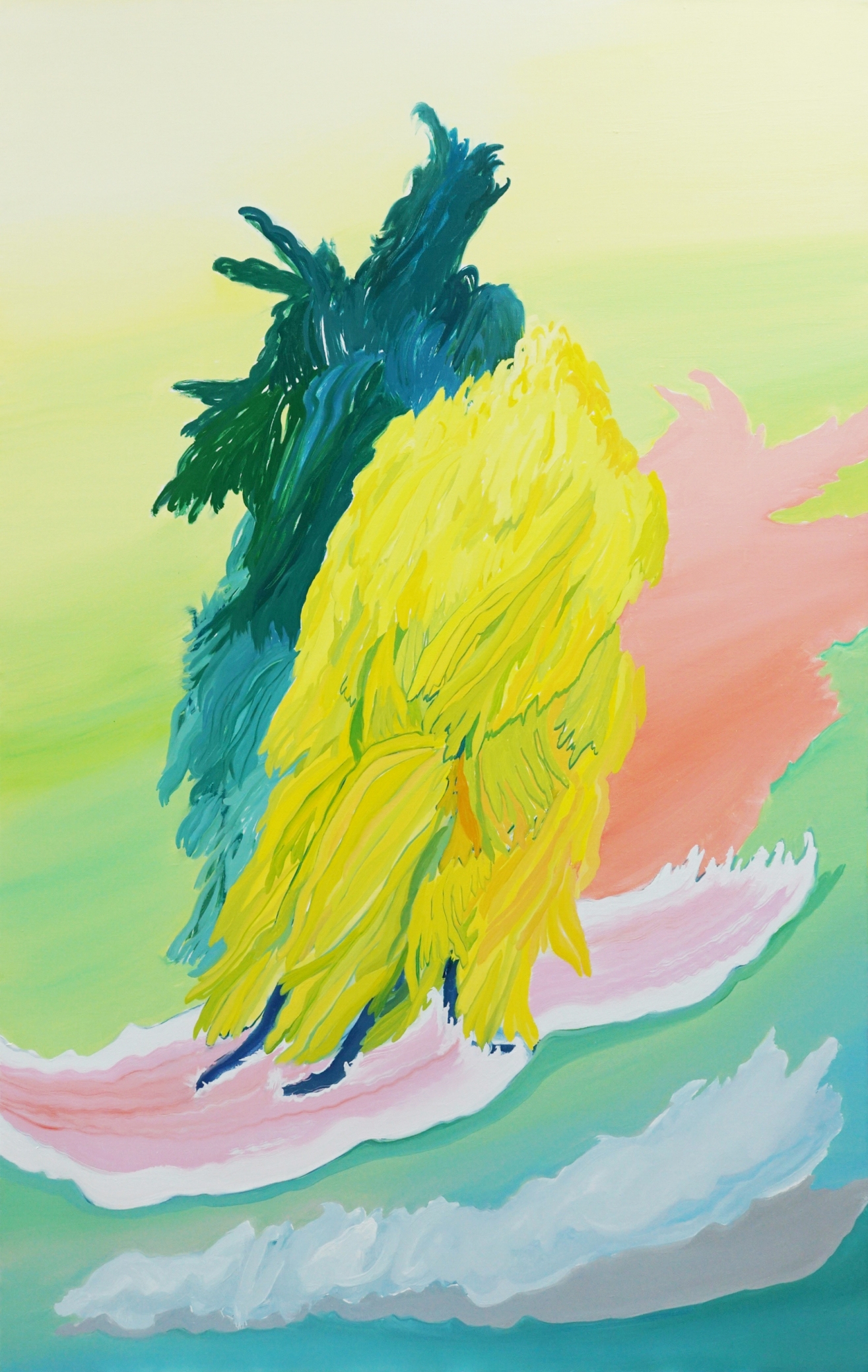
Keep Doubting the One Who Tries to Stop You (말리는 사람을 계속해서 의심할 것) and Kneel Down (무릎을 꿇어라) turn their focus to the observer and subject who imagines and beholds all these painted situations. Rendered as “hairy” figures reminiscent of animals in a fable, they embody a reflective presence within the narrative. Through the exaggerated act of kneeling, the works reveal a defensive stance against the distortion of emotion, exposing and indicting gestures that fall short of honesty.

Choi Suin, Looking that fire, 2019, Oil on canvas, 112x162.2cm ©Choi Suin

From the outset of her practice, Choi Suin has evoked the unspoken emotions and moments that arise within relationships by likening them to elements of nature. By translating personal experiences—where discomfort born of insincerity coexisted with genuine feeling—into painting, she invites viewers to sense the tension between what is revealed and what remains concealed within the image, guiding them to discover themselves through the anthropomorphized figures she creates.

 
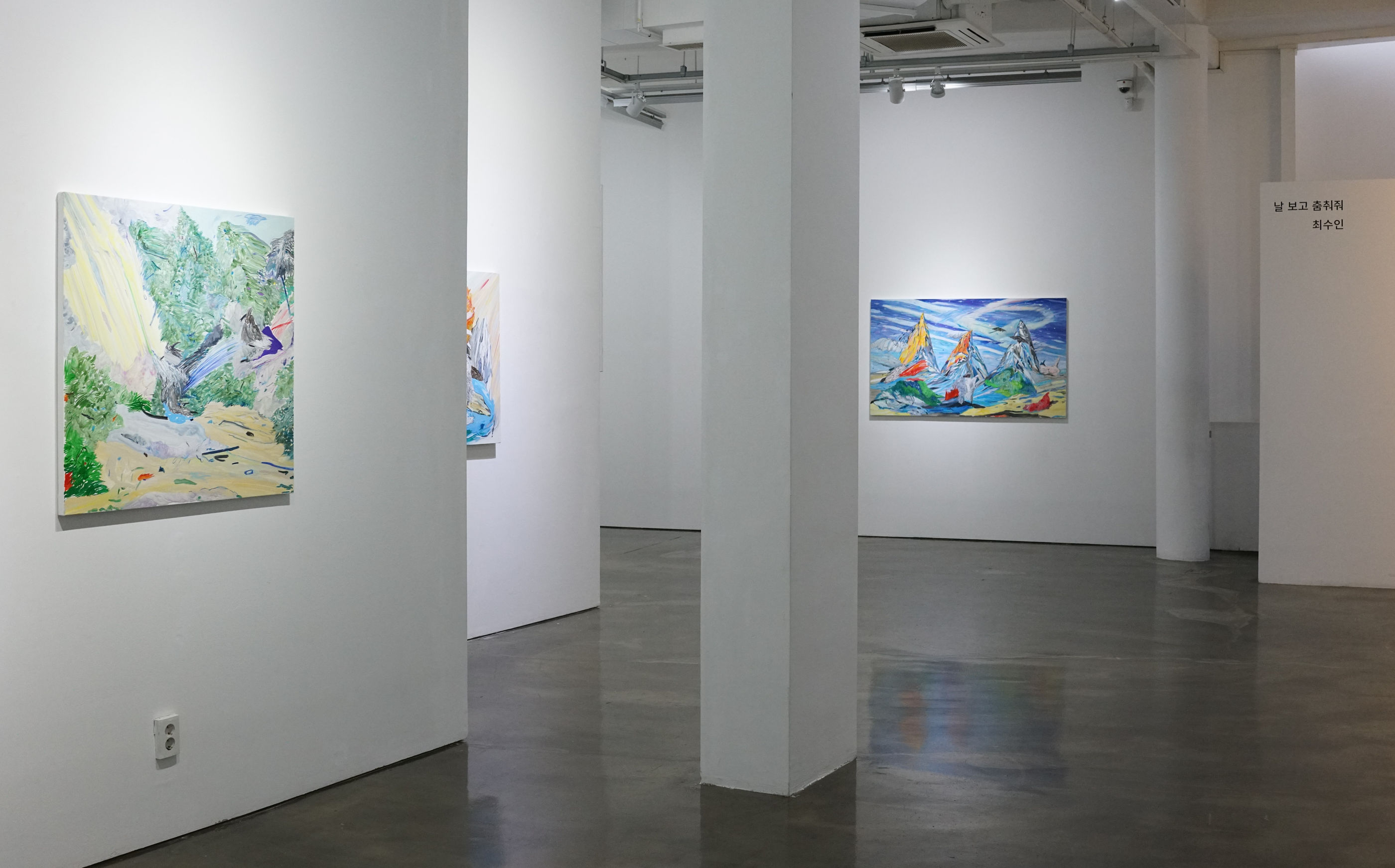
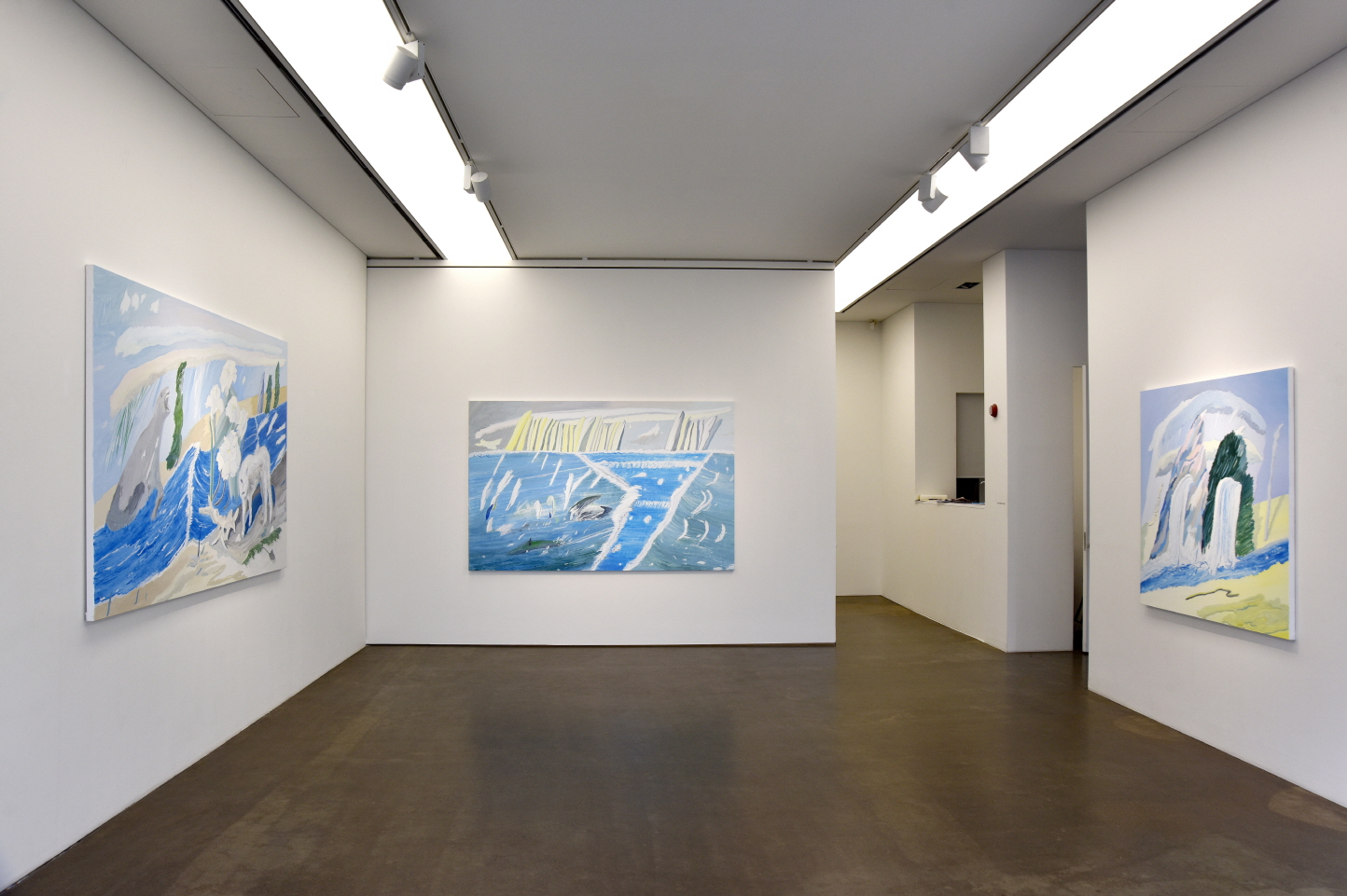
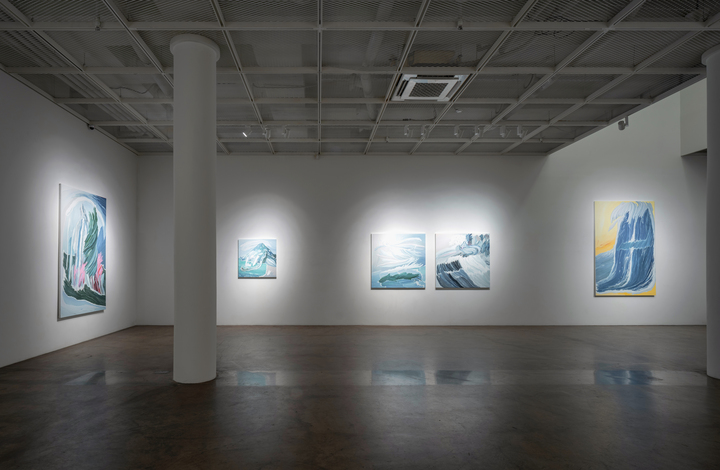
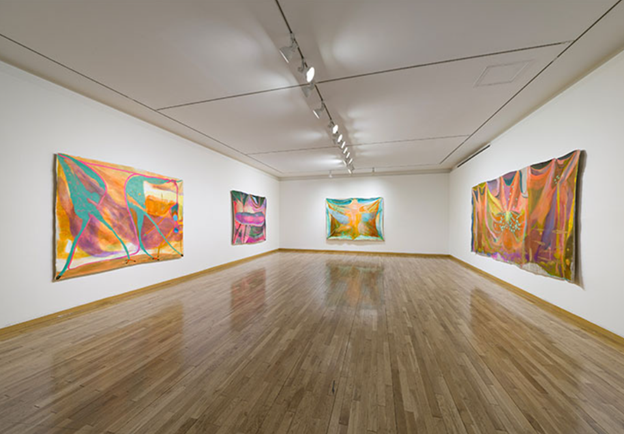
In subsequent exhibitions, Choi continued to foreground psychological friction as a central theme. In her 2019 solo exhibition 《Dance for Me》 at Gallery Chosun, she addressed human relationships and the unstable psychological states that emerge between people, employing landscapes and unfamiliar human-like forms as her primary visual language.


Installation view of 《Dance for Me》 (Gallery Chosun, 2019) ©Gallery Chosun

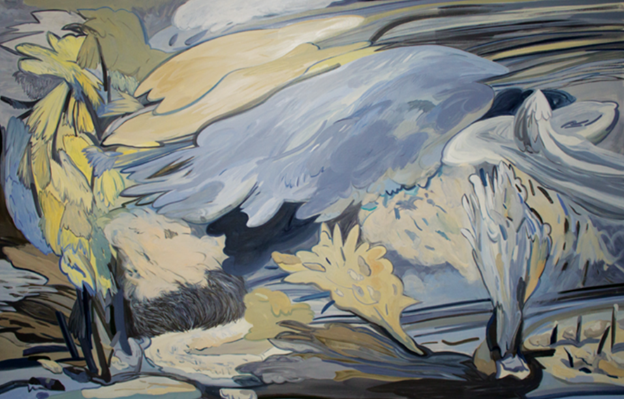
The furry creatures that appear within her paintings symbolize the defensive psychological attitudes that surface in relationships with others, while the exaggerated, unrealistically stretching volcanoes and clouds resonate with the artist’s own unstable emotional states. The natural environment surrounding the subject is not merely a depiction or representation of nature as landscape, but rather embodies a sense of place in its most instinctive and organic condition.
 
For the artist, existence itself—understood as an emotion and attitude organically connected to its object—is “like a prop.” Accordingly, the surrounding images, apart from the central subject, are positioned in a state of continual transformation: self-sustaining, fluid, and impulsive, perpetually in the process of becoming.


Installation view of 《Dance for Me》 (Gallery Chosun, 2019) ©Artbava

Thus, Choi Suin’s paintings, unfolding like theatrical stages, become not landscapes but “scenes.” She suggests that everything we experience in life is being artificially rearranged—by someone else, or by ourselves—without clear causality, and that even the standards by which we judge right and wrong are likewise in the process of being arranged. In this sense, she seeks to render as fabricated images those “scenes” that remain only as fleeting visual impressions.
 
Saying that “a fake exists in every moment,” Choi aims through her work to make these fabricated images visible, offering viewers a space to reflect—without immediate judgment or burden of responsibility—on the relationships they inhabit and the attitudes they assume within them.


Choi Suin, Dancing Eros, 2019, Oil on canvas, 97x194cm ©Gallery Chosun

Through the exhibition 《Dance for Me》, Choi Suin described “dance” as the most unadorned and pure of gestures. By portraying figures who let go of tension and affectation to move freely, her paintings invite viewers to confront moments of sincerity that emerge in the space between evasion and defense.


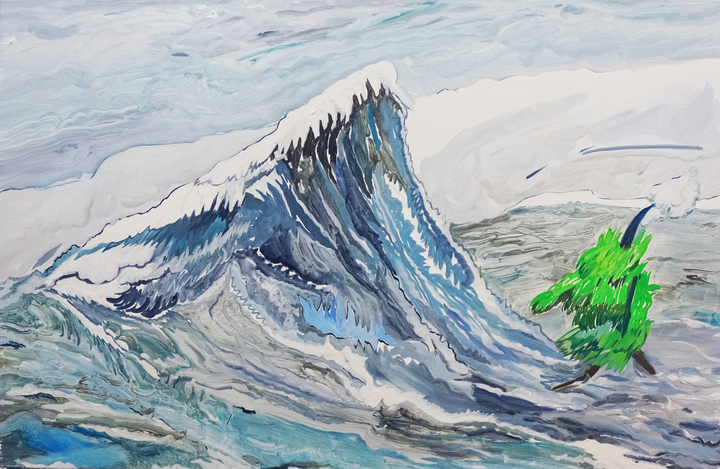
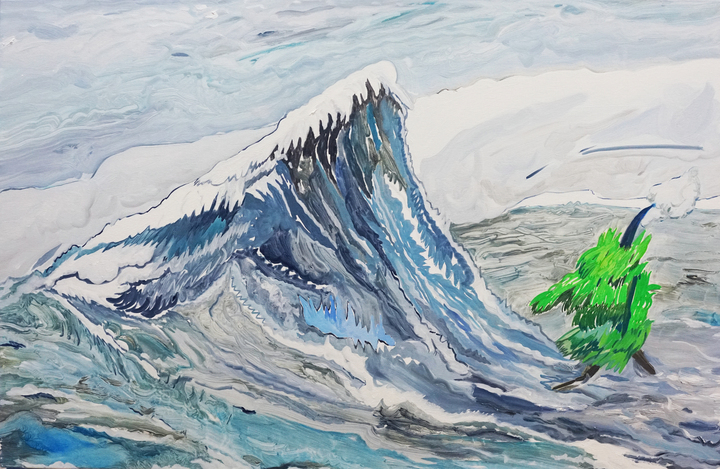
Choi Suin, A fake wave, 2020, Oil on canvas, 50x73cm ©Artside Gallery

The following year, in her solo exhibition 《Fake Mood》 at Artside Gallery, Choi Suin unfolded onto the canvas a range of emotions arising from relationships with others—and, more broadly, with society—staging them as if in a theatrical play. Regarding the exhibition, she explained that she sought to “express the image demanded of me and the pressure imposed by surrounding circumstances,” adding that she aimed to capture “the harsh situation in which those around me seem to conceal my emotions while simultaneously striving to expose them.”
 
In this exhibition, the artist also attempted to reduce the position and agency of the subject in order to “make visible the confusion of fake emotions that increasingly toy with the protagonist,” while revealing a heightened interest in color and formal composition.


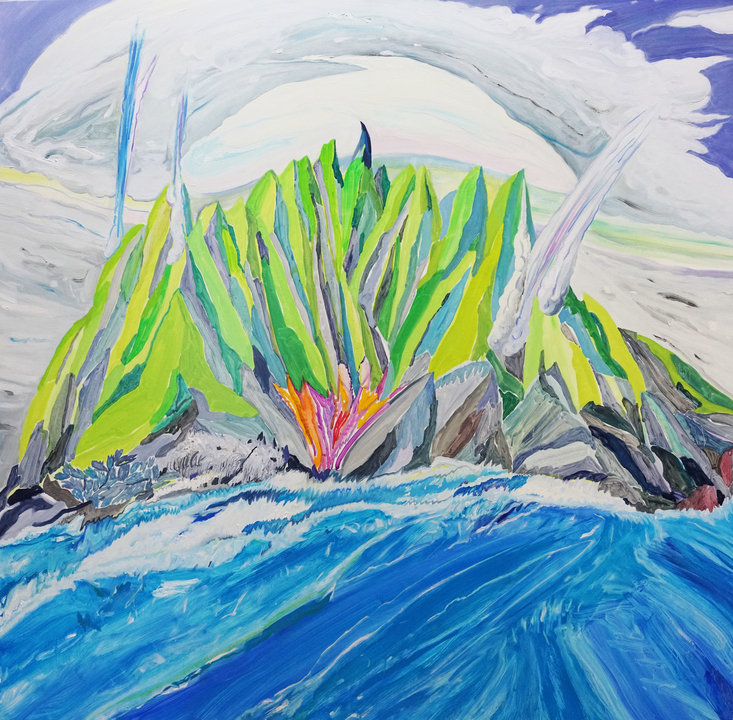
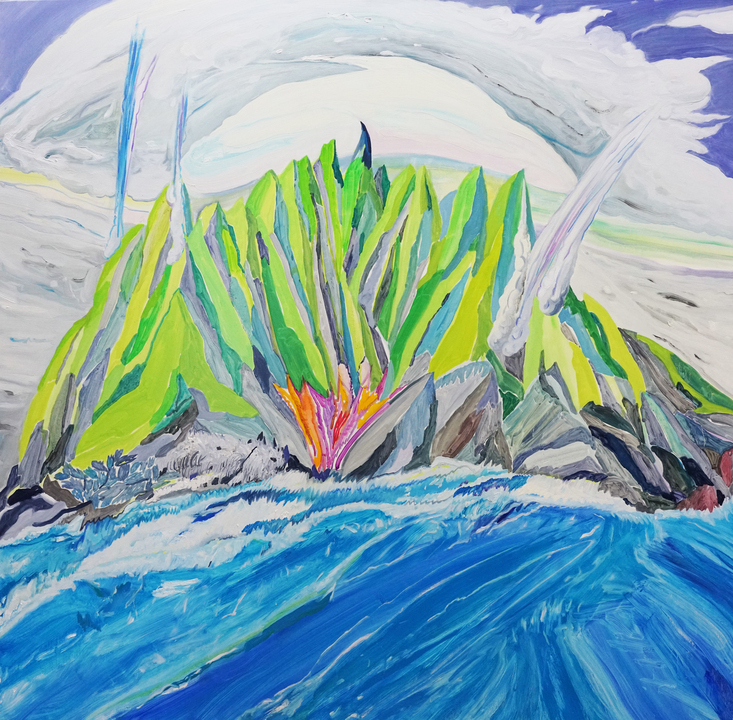
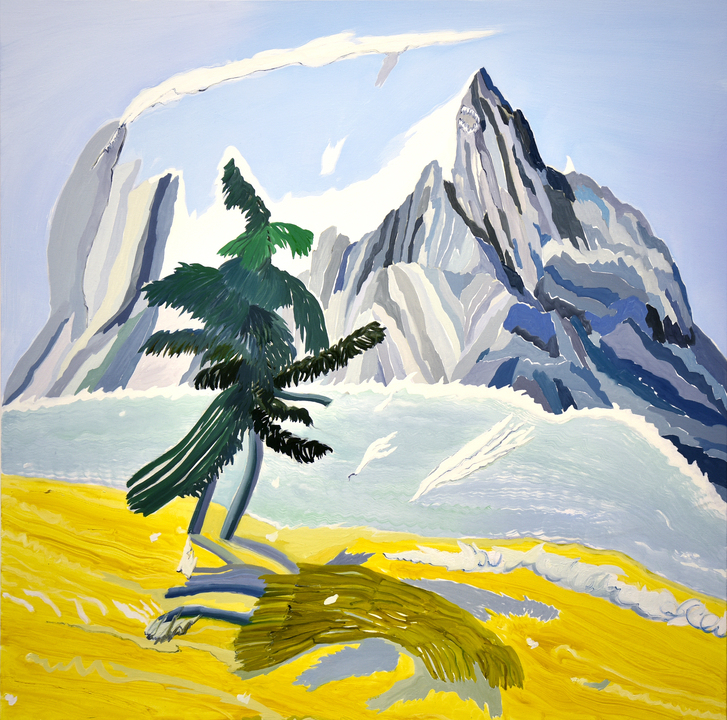
Choi Suin, An angry mountain, 2020, Oil on canvas, 130x130cm ©Artside Gallery

The artist has remarked, “At a certain point, the hells or states of confusion I painted in dark colors began to feel deeply hypocritical.” As a result, Yellow Mood appears bright, almost like a scene from a party, yet it is simultaneously “angry.” Likewise, An Angry Mountain, despite its lush vegetation reminiscent of a mountain flourishing in early spring, emerges as an enraged presence, sprouting hook-like horns from its form.


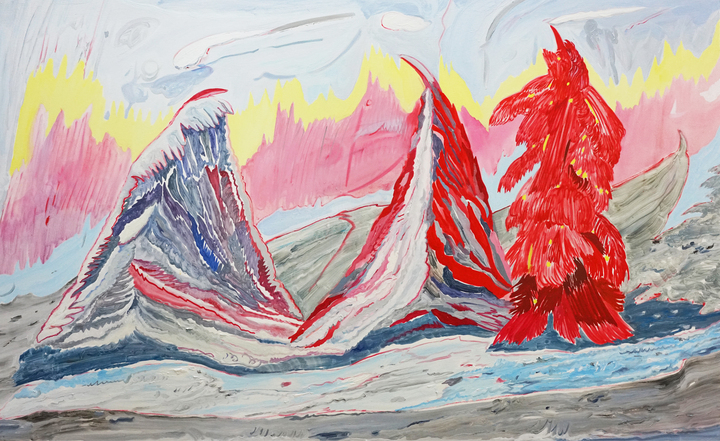
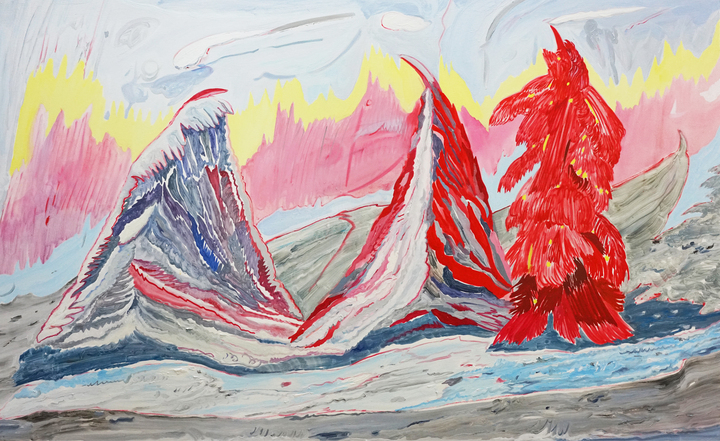
Choi Suin, Three observers, 2020, Oil on canvas, 85x145.5cm ©Artside Gallery

In her paintings, states regarded as confusion or discomfort are not rendered dark simply because they are considered negative. For this reason, the scenes viewers encounter may at times feel ambiguous or disorienting, resisting easy interpretation. Just as the mind itself is invisible—and not easily revealed or articulated—her works also conceal the situations they contain.
 
Yet, by following the signposts the artist has carefully embedded—beginning with the titles—one eventually arrives at a quietly unveiled page of her inner thoughts.


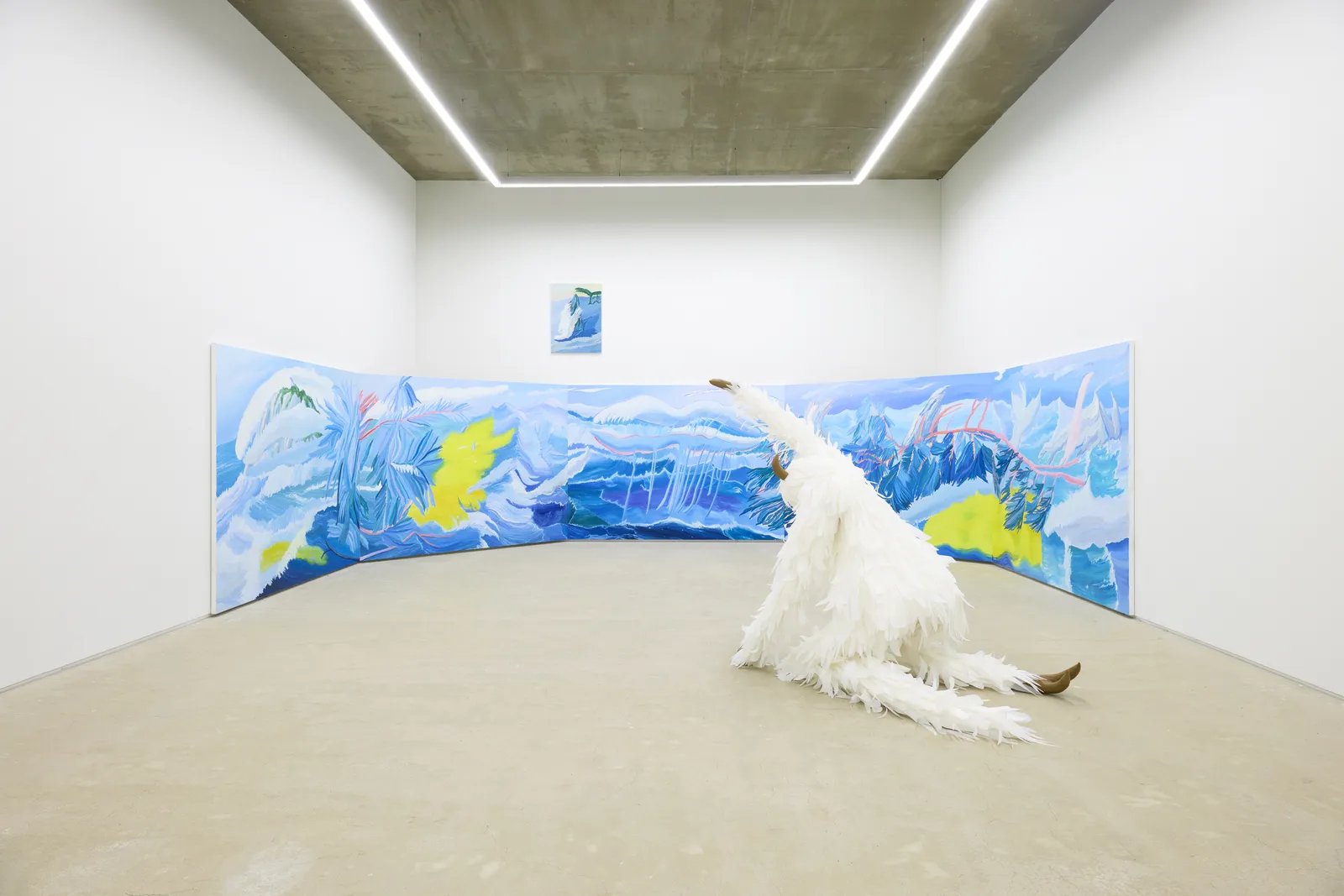
Installation view of 《My Lovely Villain》 (Artside Gallery, 2021) ©Artside Gallery

Beginning with the exhibition 《Fake Mood》, Choi Suin shifted her focus away from the speaker immersed in intense emotion and toward the surrounding figures and circumstances encircling that subject. In her subsequent solo exhibition 《My Lovely Villain》 (Artside Gallery, 2021), she introduced monster-like figures to reenact moments of dissonance arising from interactions with others.
 
These figures recall the masks of ancient Greek theater, which were paradoxically employed to emphasize hidden truths. Within the fictional world the artist constructs—where forms are given shape and narratives unfold—these mask-like beings draw attention, precisely through their artifice, to what the speaker has selectively chosen not to reveal.


Choi Suin, Two natures, 2021, Oil on canvas, 91x91cm ©Artside Gallery

Through this antagonistic structure of “revealing and concealing,” the staged scenes effectively erase the central speaker while amplifying a meta-perspective. Stripped of linear narrative and reborn as independent events, these “scenified” spaces concentrate wholly on the very moment in which an incident occurs, heightening both tension and immersion.
 
In this process, Choi Suin employs fiction that closely approximates truth, orchestrating a subtle dialectical rhetoric through which truth is articulated. The mask-like figures that complete this mode of address generate stage-like compositions reminiscent of theatrical settings, leaving viewers with an engaging sense of structural construction and layered meaning.


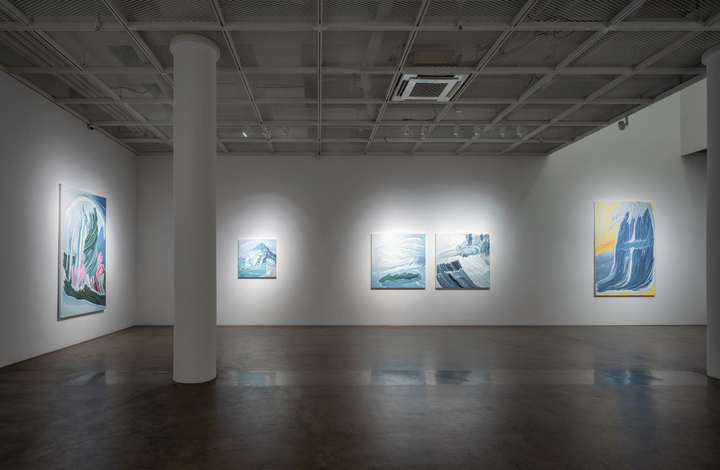
Installation view of 《He gives me butterflies. love》 (Artside Gallery, 2023) ©Artside Gallery

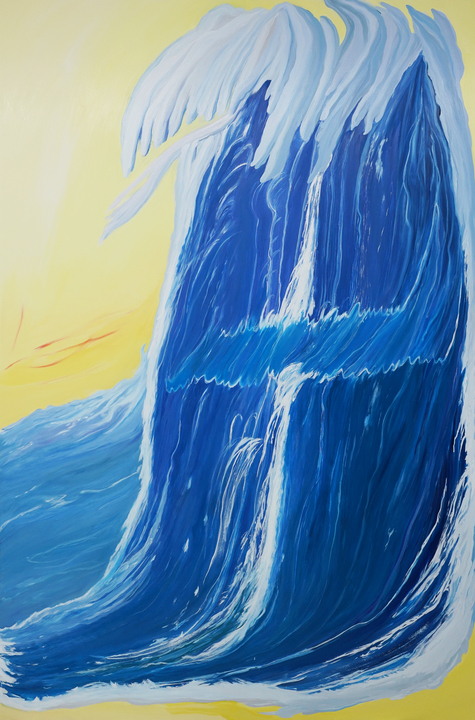
Meanwhile, in her 2023 solo exhibition 《He gives me butterflies. love》, Choi Suin sought to speak about relationships of even greater intimacy. As the title suggests, she portrays the subjects with an affectionate touch, shedding light on the falsehoods within loving relationships and revealing a sense of dissonance within them.
 
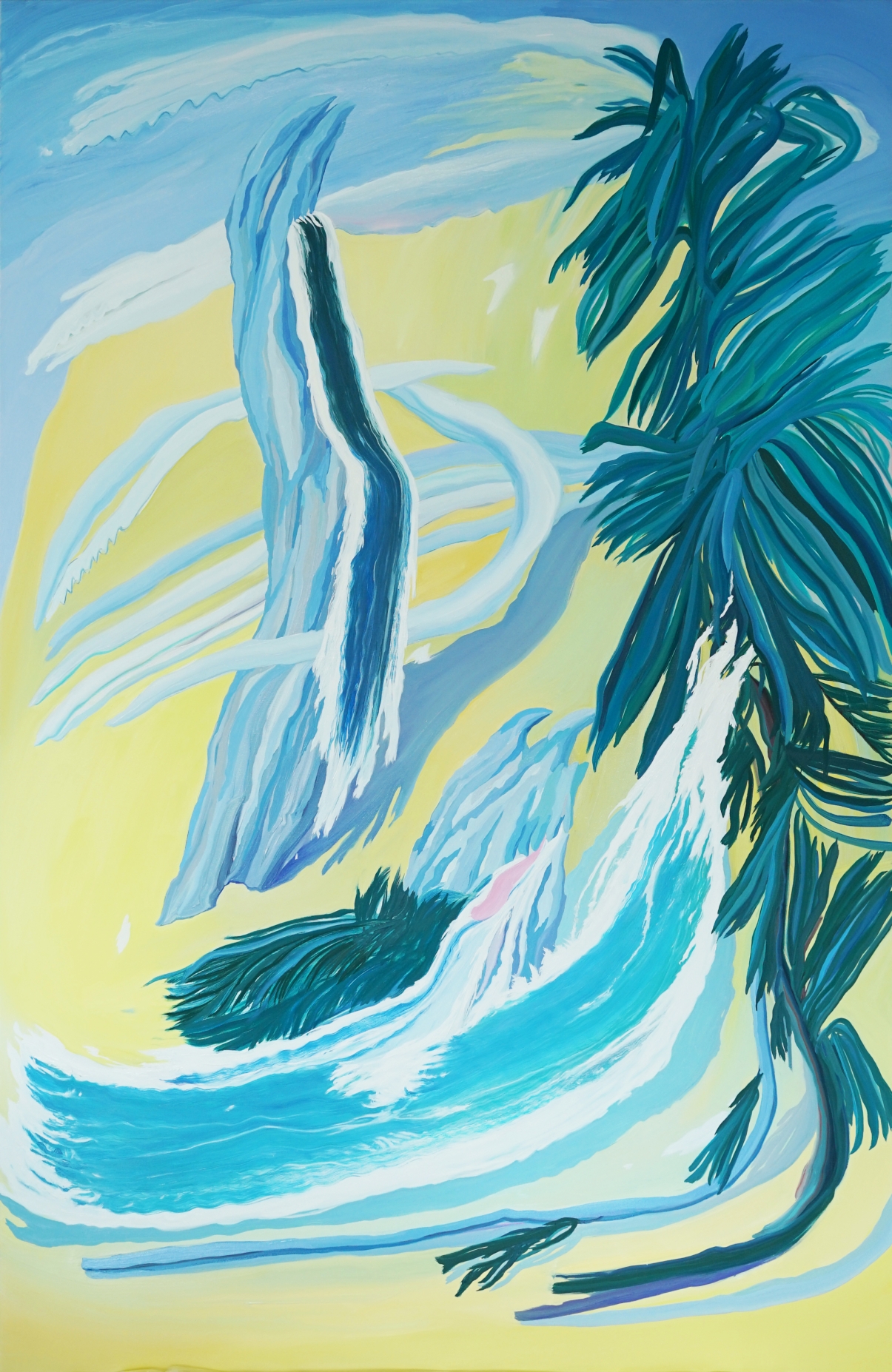
The waves depicted in the artwork He Gives Me Butterflies. love, which shares the same title as the exhibition, engage in an affectionate act of embracing each other. Amidst the center of the world, their relationship overflows with love, allowing us to infer their emotional distance. We confront both truth and exaggerated gestures, witnessing emotions being candidly exposed, as well as occasionally discovering movements veiled by falsehood.


Choi Suin, He gives me butterflies. love, 2023, Oil on canvas, 227.3x145.5cm ©Artside Gallery

Within this context, the contrast between the sensual atmosphere and the distinctive bright colors with lively brushstrokes intensifies a dualistic sensation. Regarding this exhibition, she said, “It is a record of frequent relationships. It revolves around my least desirable self(situations). At the same time, it pertains to experiences and memories I yearn for the most recognition for." With this, we can sense that her narratives about relationships, showcased thus far, have delved even deeper.


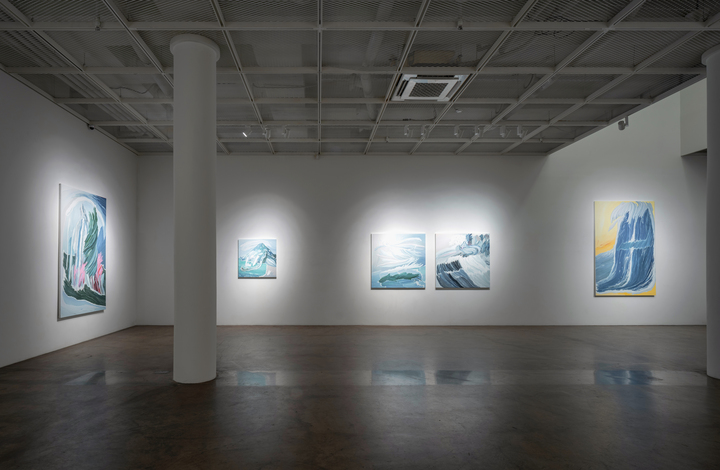
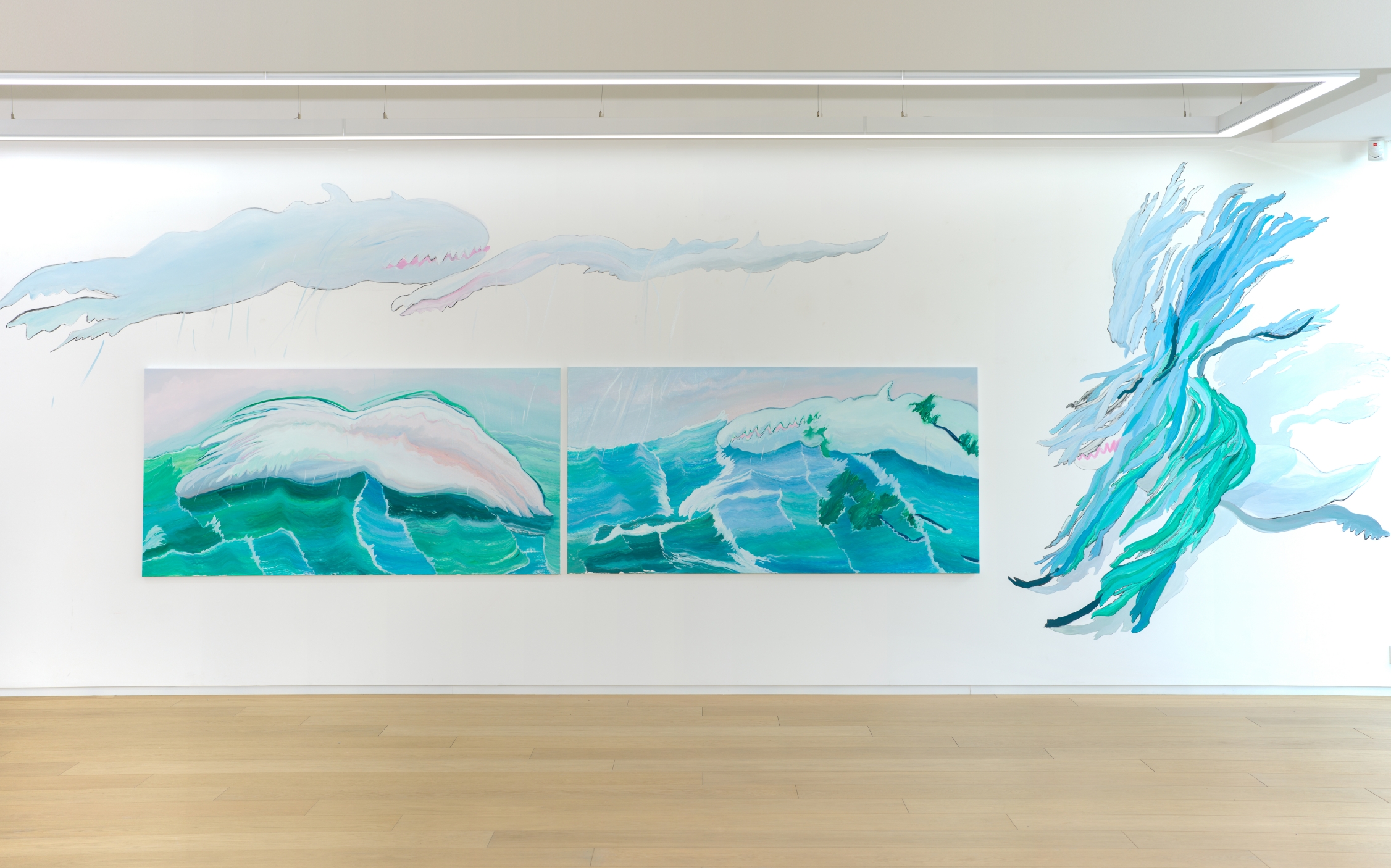
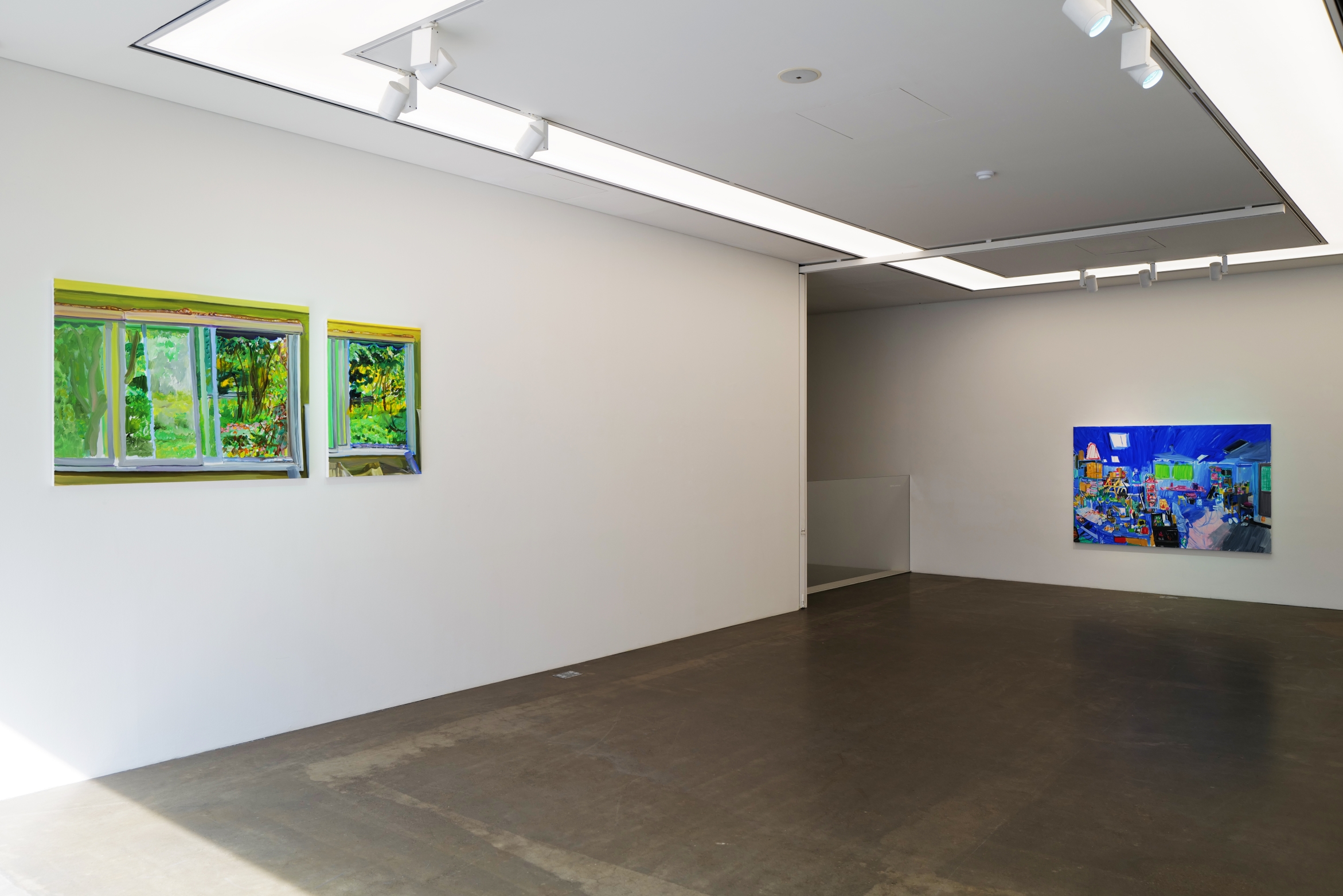
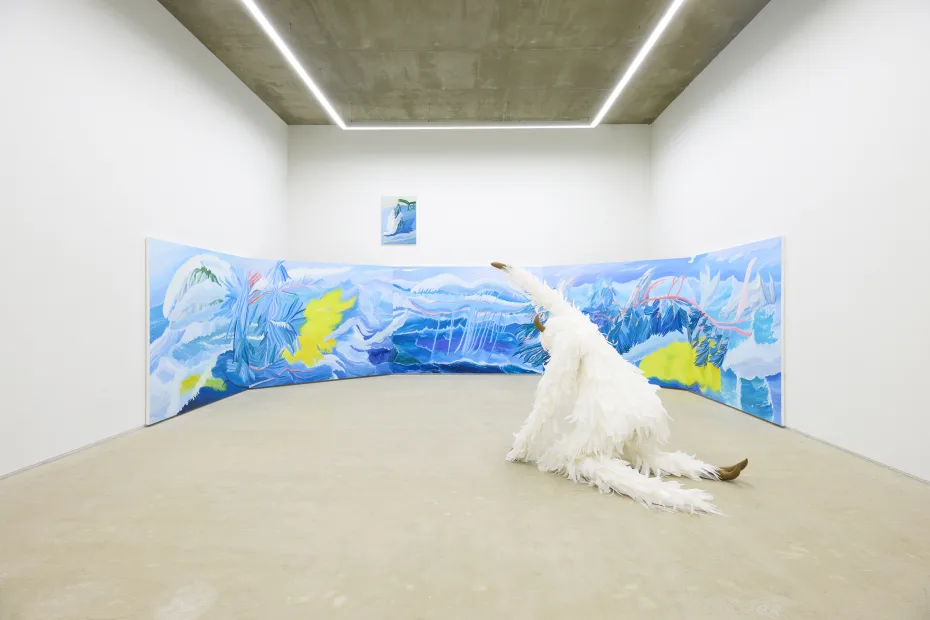
Installation view of 《The Busted》 (Gallery2, 2025) ©Gallery2

In this way, Choi Suin brings to the surface the uneasy emotions that once lay dormant within, rendering them as singular scenes. The canvases, imbued with her candid reflections, invite viewers to empathize with the situations depicted, to find comfort in them, and at times to gather the courage to confront their own feelings.

 “I see myself as making a physical record as an artist, and I hope that viewers, through the act of looking, might reflect on their own hearts—laid bare in the process of appreciation.”     (Choi Suin, from an interview with BE(ATTITUDE))


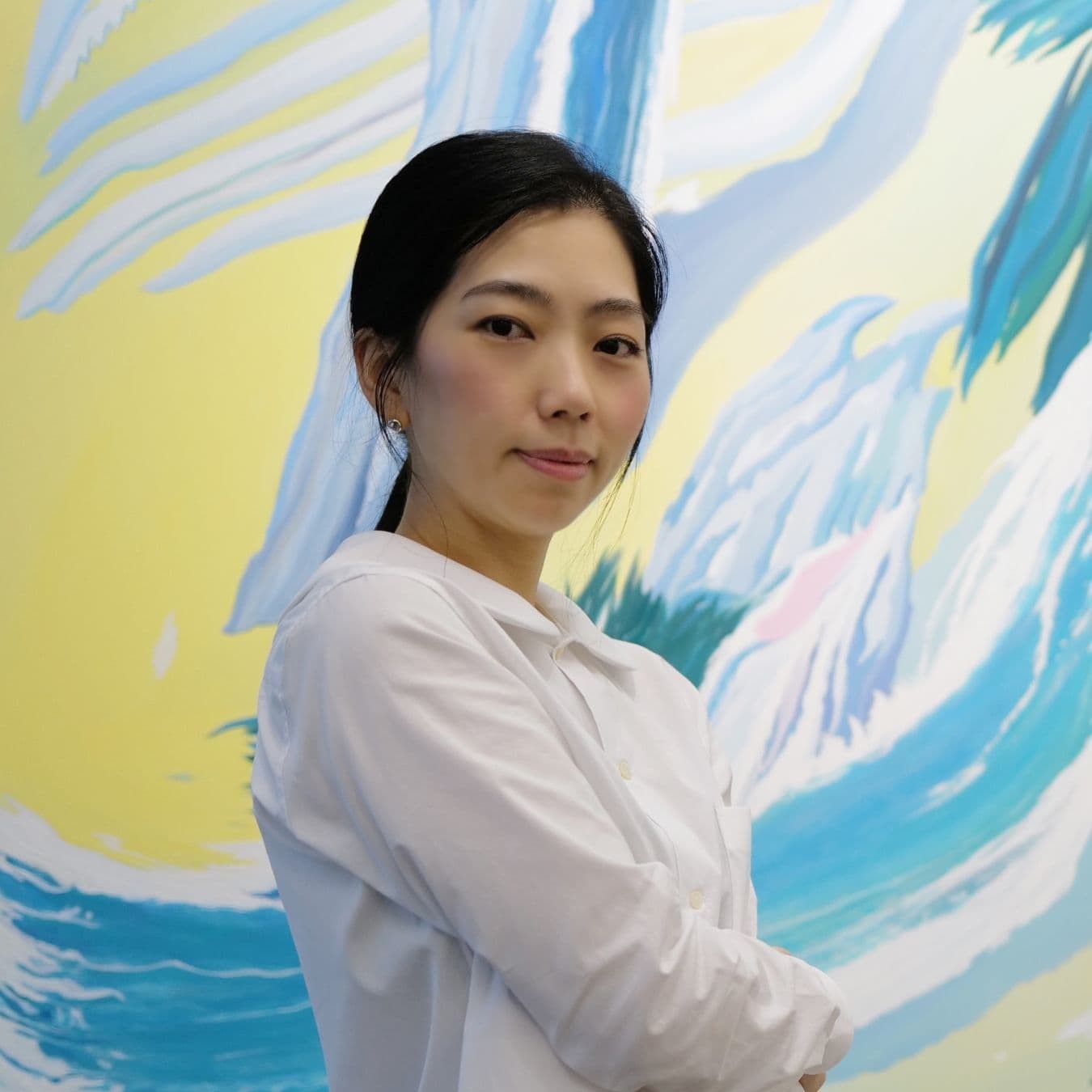
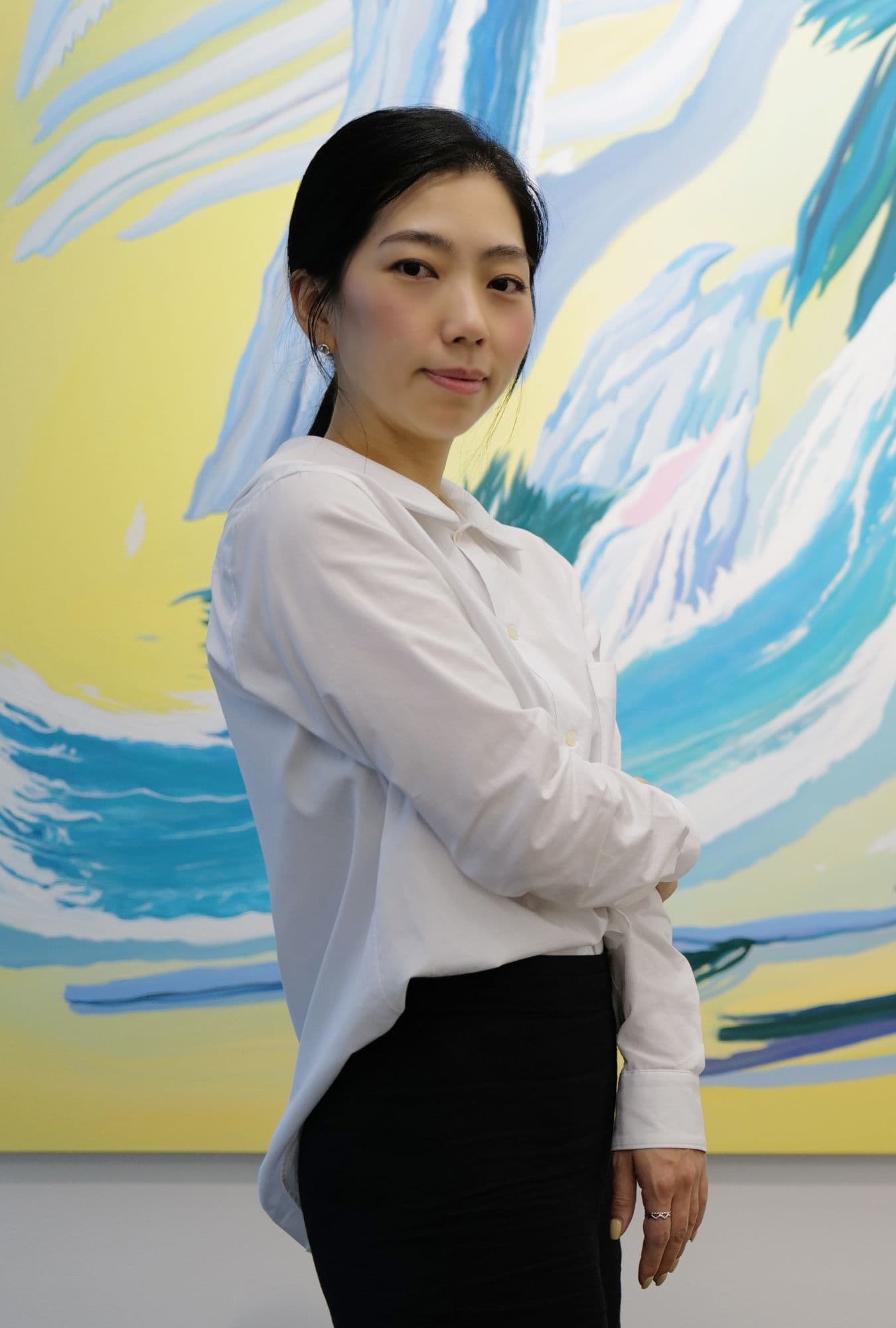
Artist Choi Suin ©Art in Culture

Choi Suin majored in Fine Arts at Korea National University of Arts and received her MFA from the same institution. Her solo exhibitions include 《The Busted》 (Gallery2, Seoul, 2025); 《He gives me butterflies. love》 (Artside Gallery, Seoul, 2023); 《My Lovely Villain》 (Artside Gallery, Seoul, 2021); 《Fake Mood》 (Artside Gallery, Seoul, 2020); and 《Dance for Me》 (Gallery Chosun, Seoul, 2019).
 
She has also participated in numerous group exhibitions, including 《Silent, you sway, Trembling faintly with a delicate shiver》 (Artside Gallery, Seoul, 2025); 《And Afterwards》 (Kumho Museum of Art, Seoul, 2024); 《Hybrid Ground》 (Zaha Museum, Seoul, 2023); 《16 Suns and 69 Eyes》 (Kumho Museum of Art, Seoul, 2019); and 《50x50》 (Art Sonje Center, Seoul, 2016).
 
Her works are held in major collections including Kumho Museum of Art, the National Museum of Modern and Contemporary Art, Korea (MMCA), and the Government Art Bank.

References