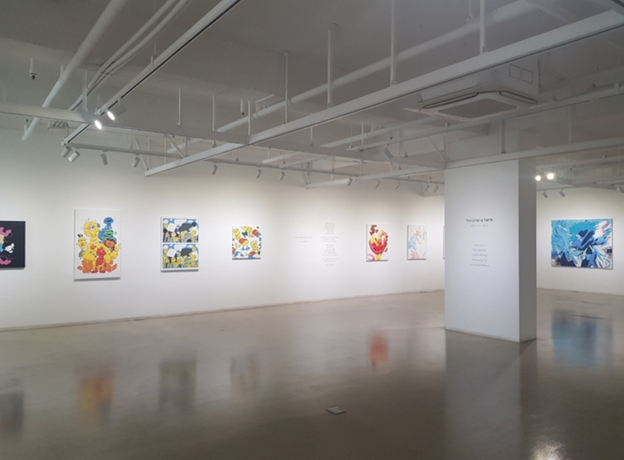
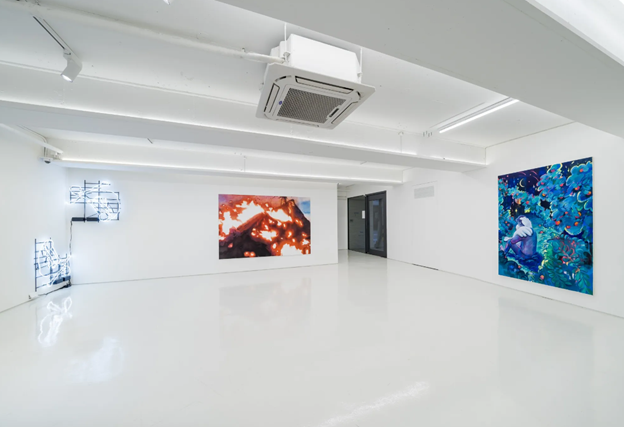
I had been dreaming about these things,
such as the transition of day into night, the way images might come at
different times of the day and the way moods form a vapour that attaches or
blurs the boundaries of objects.
Whenever we met, boundaries seem to
disappear, so therefore the relationship between art and life, or even life and
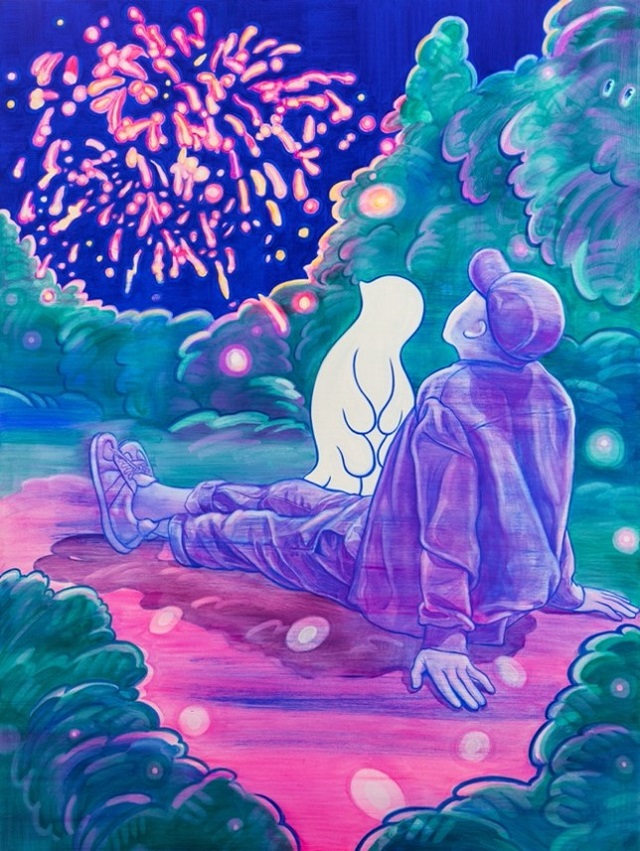
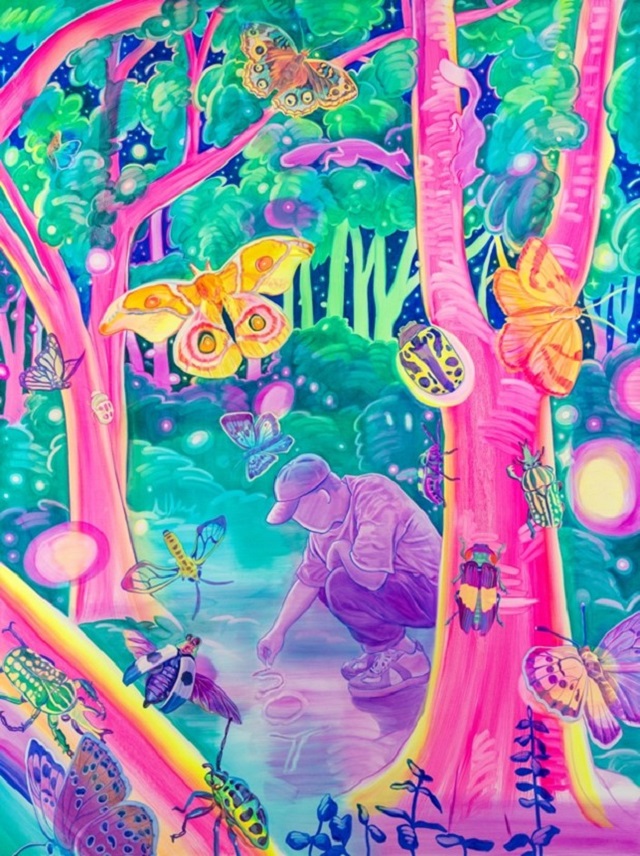
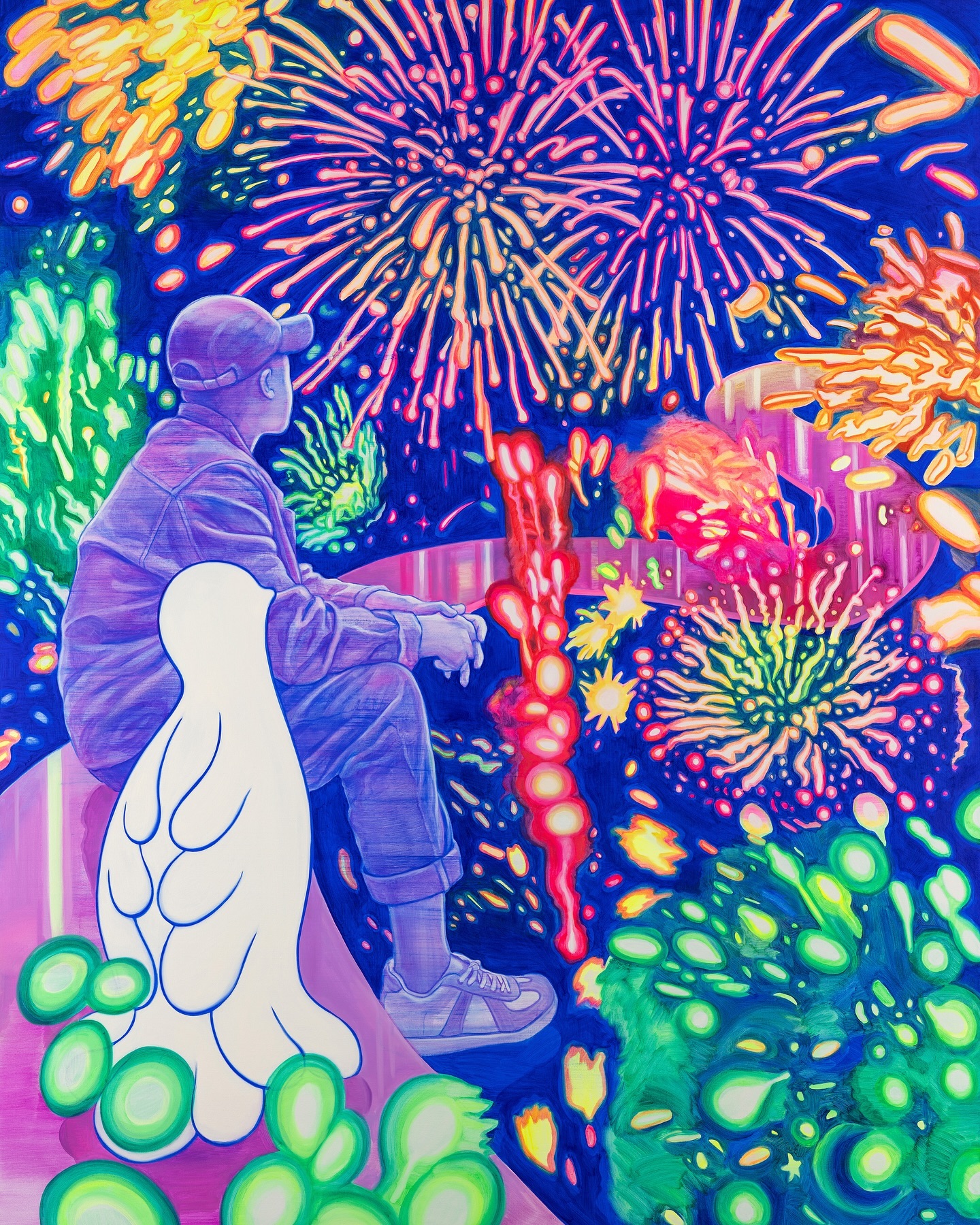
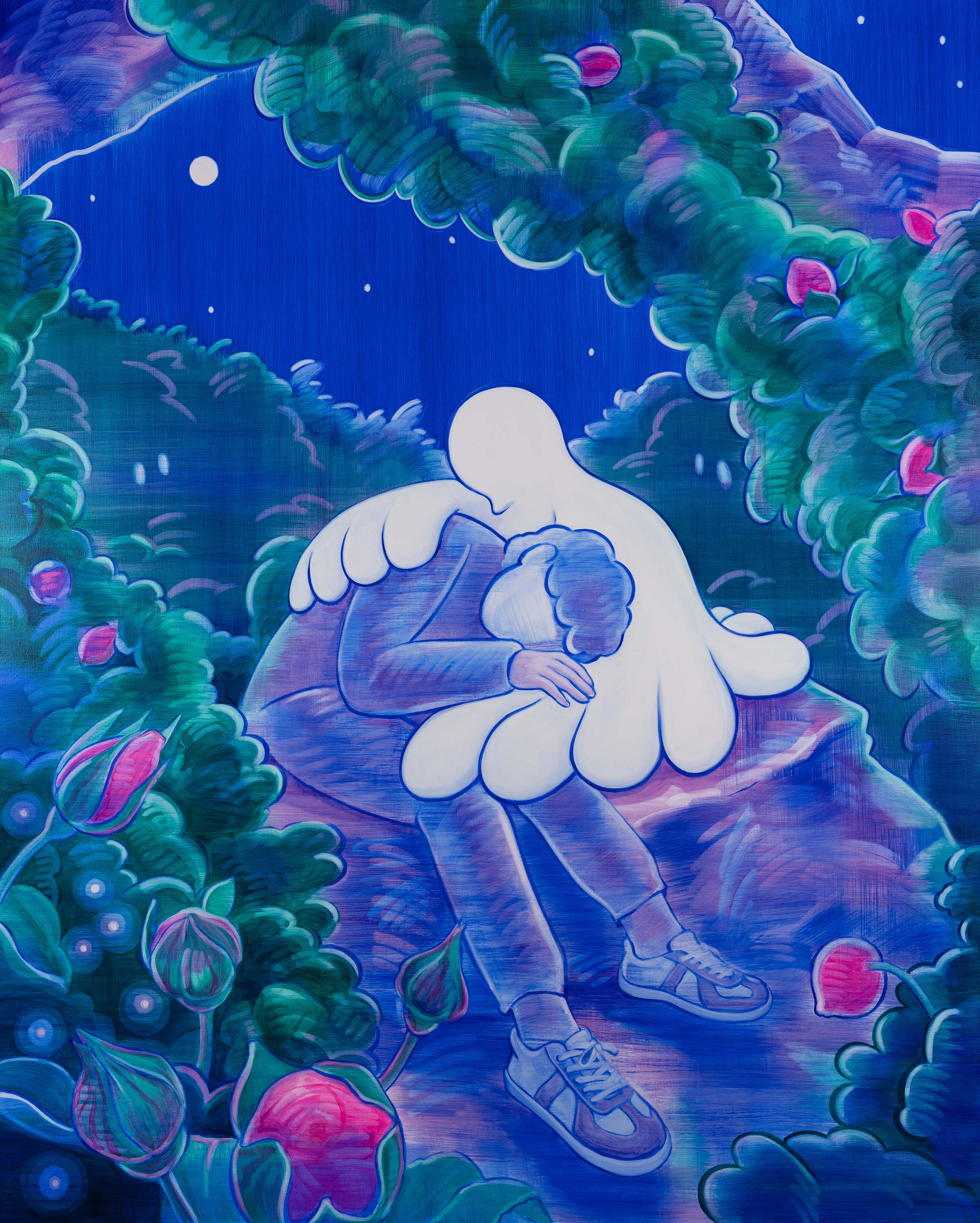
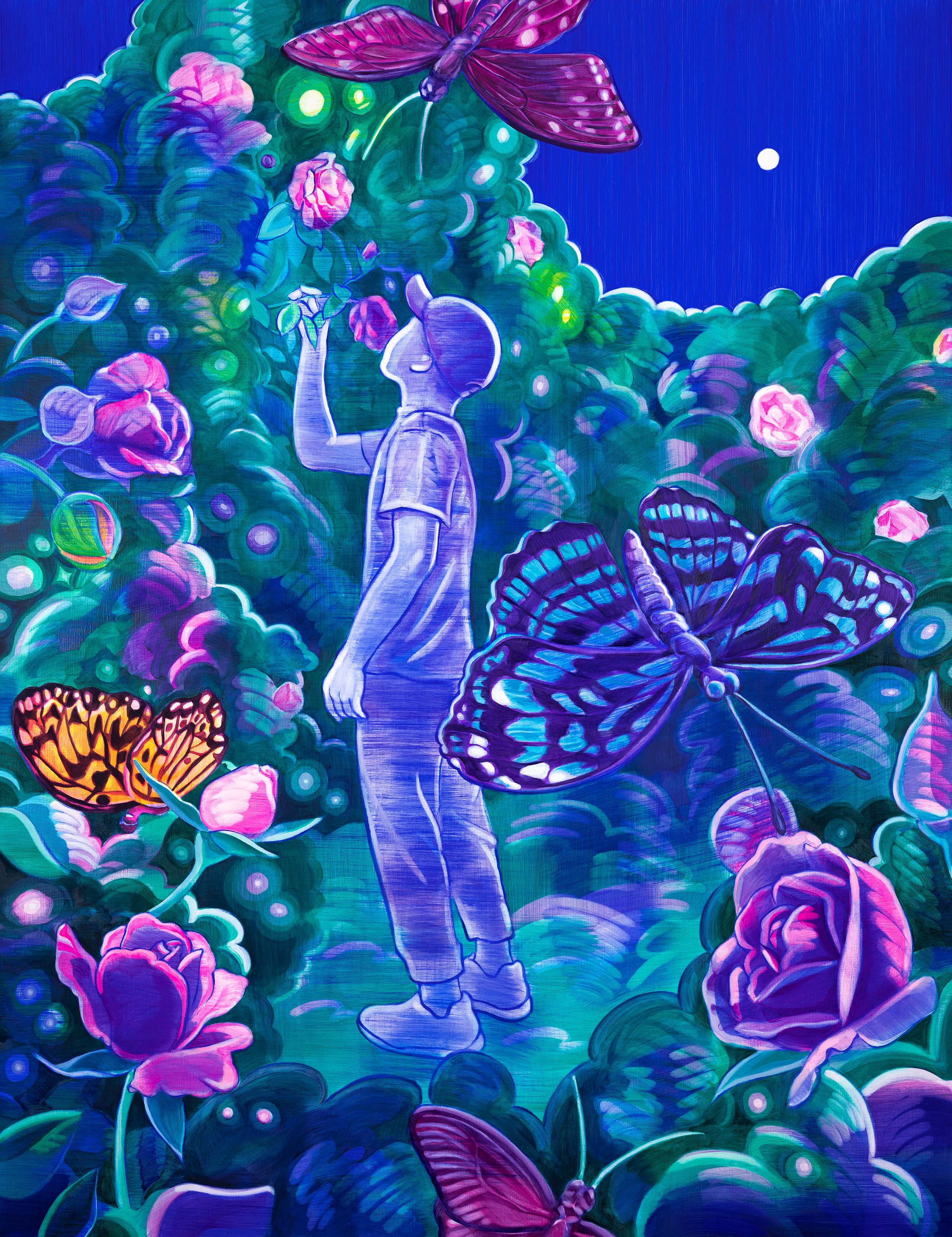
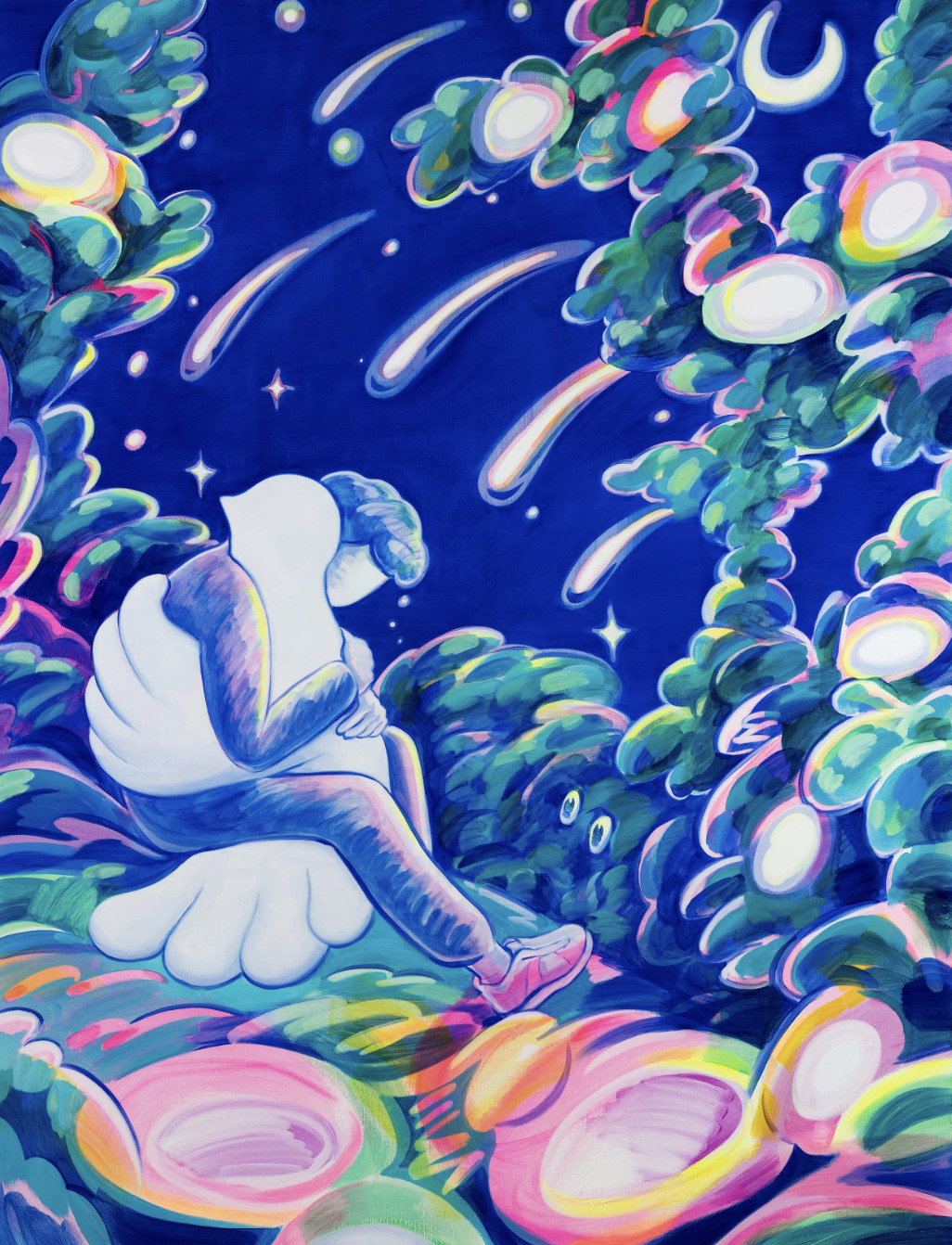
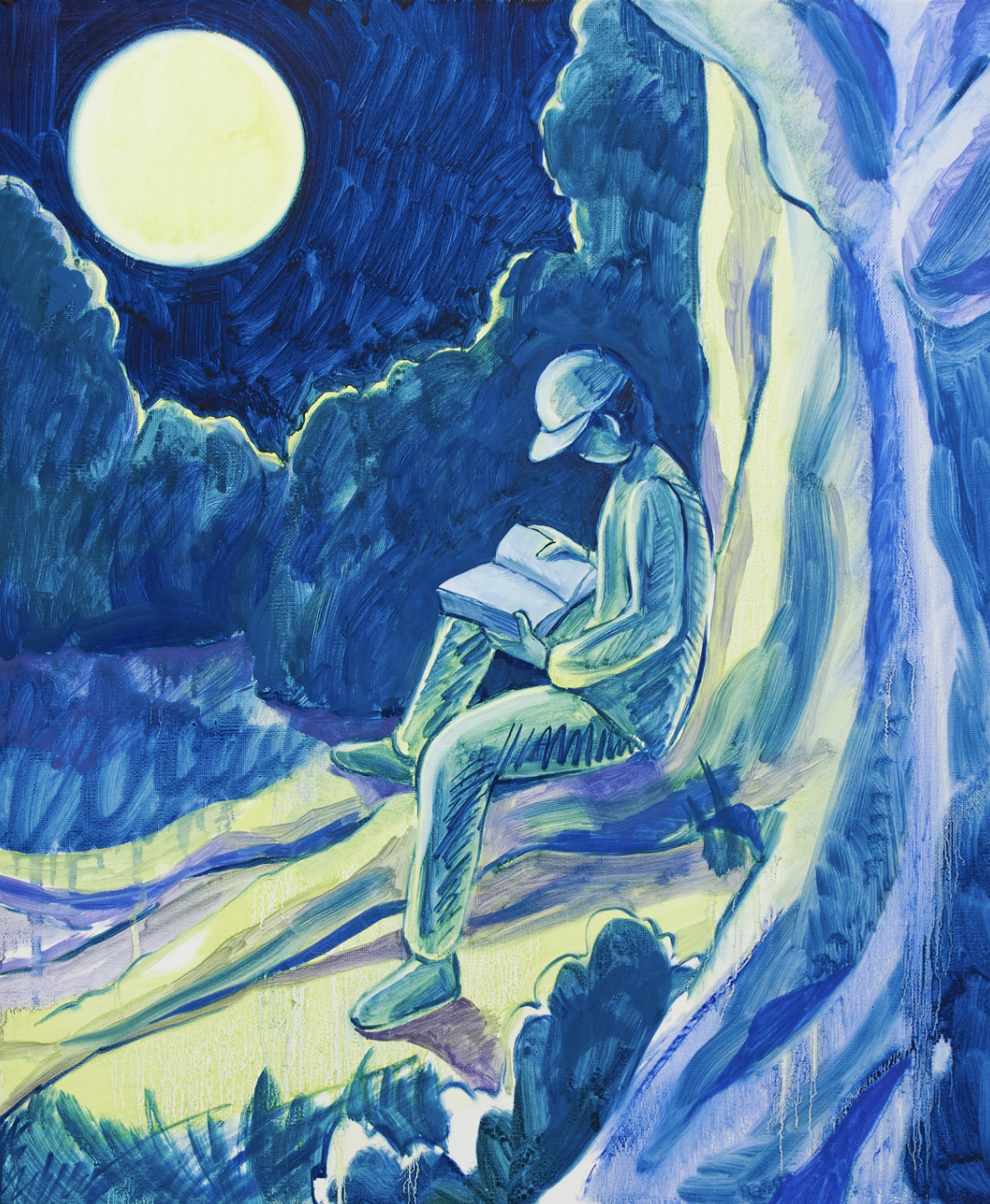
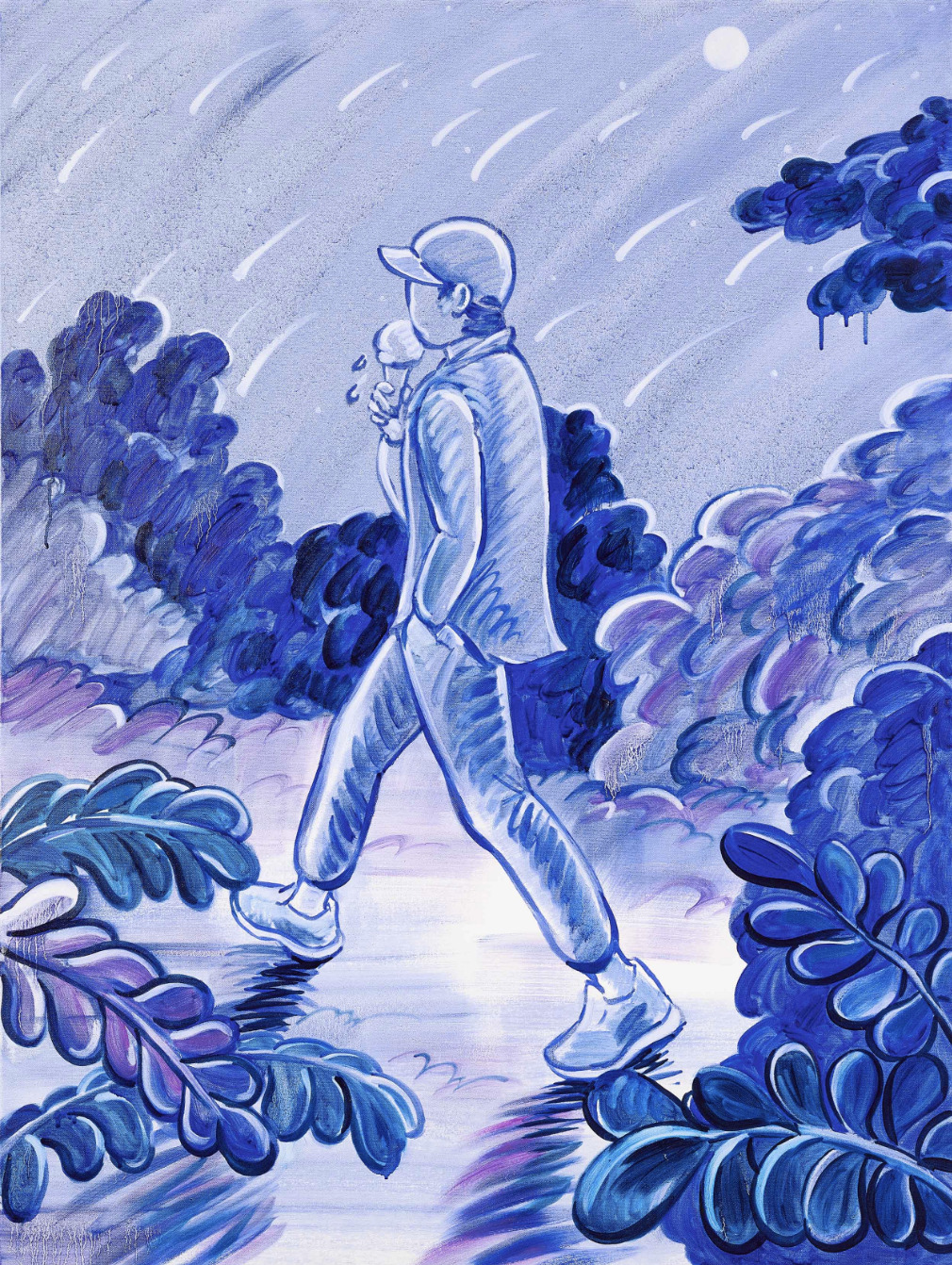
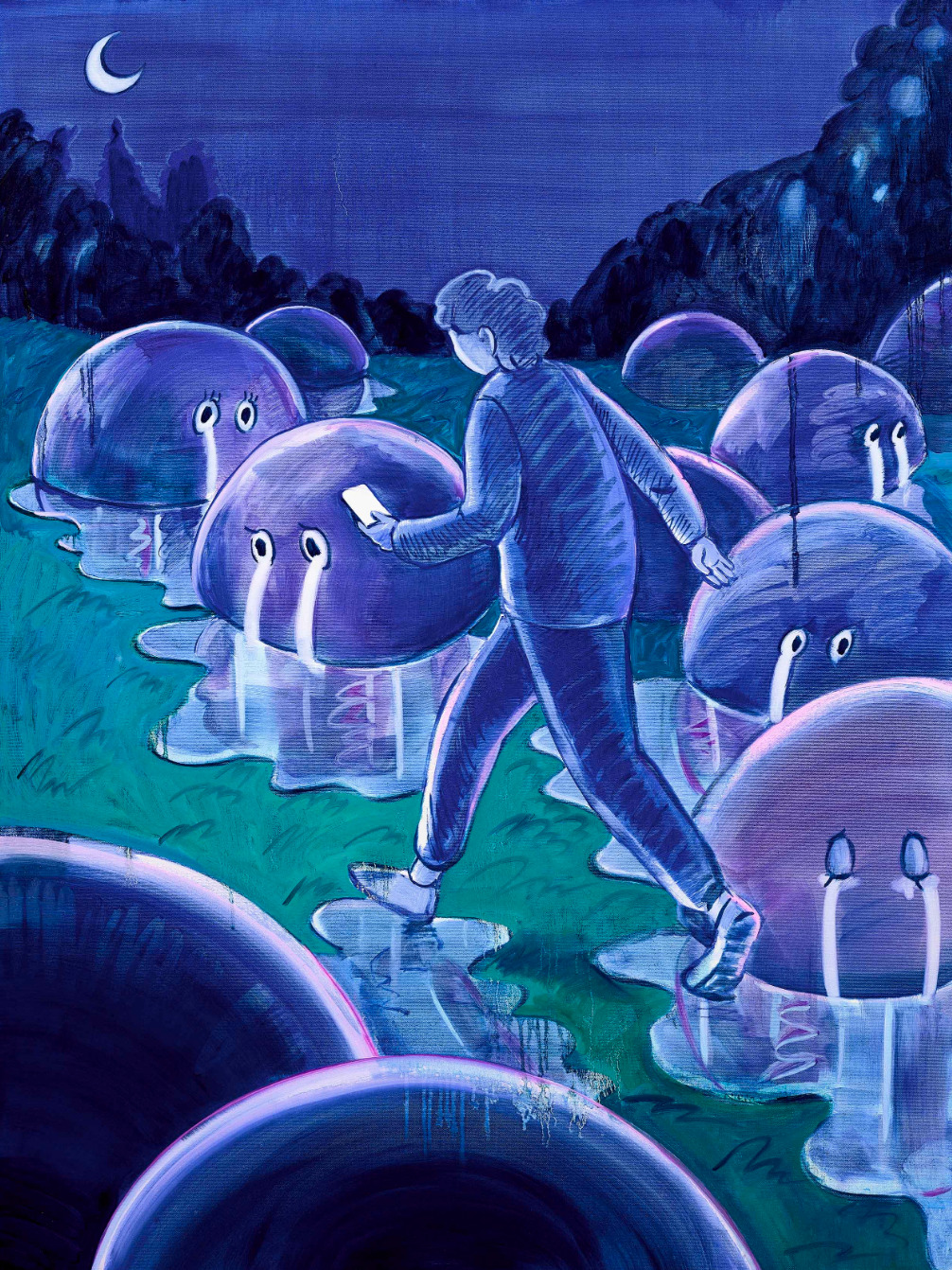
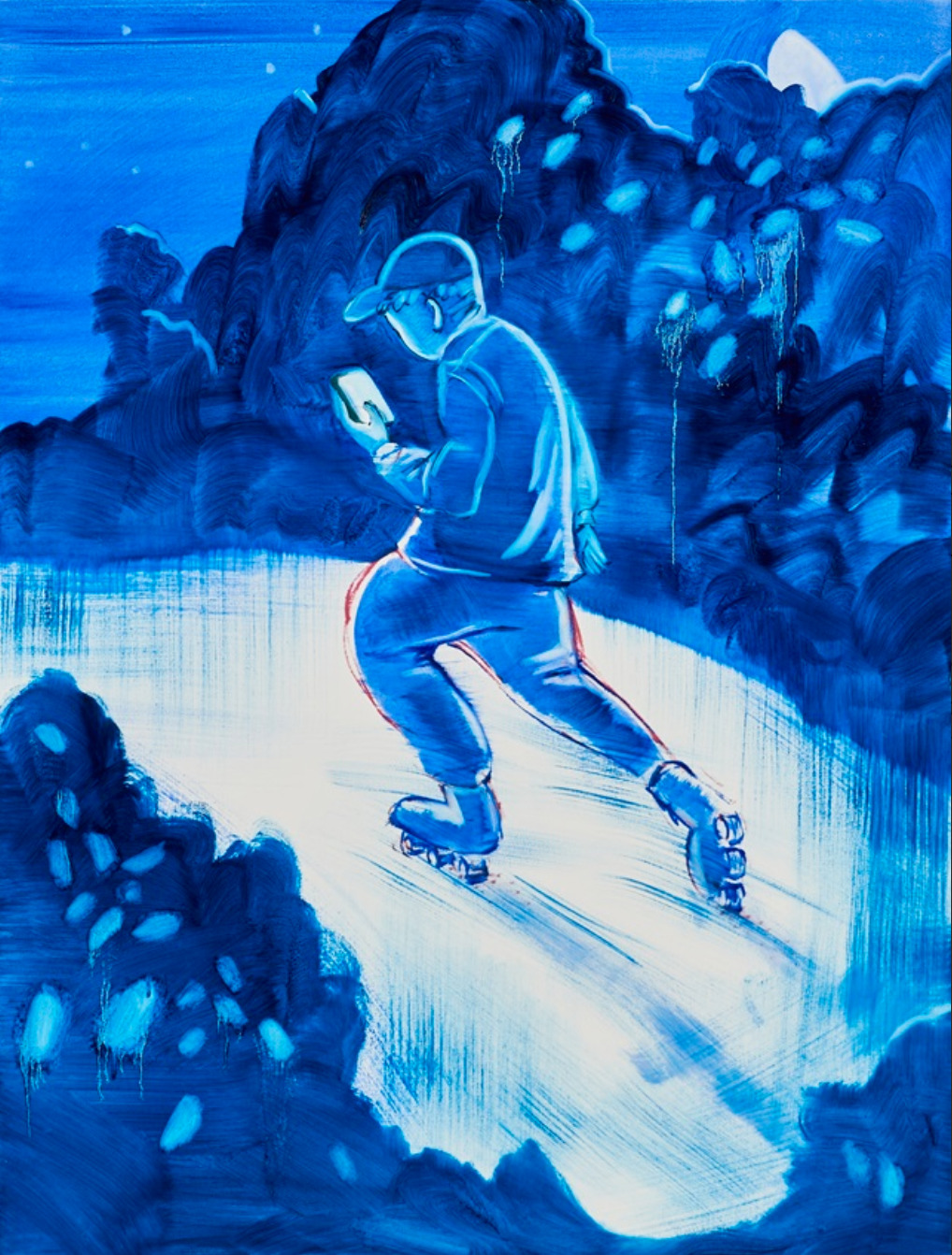
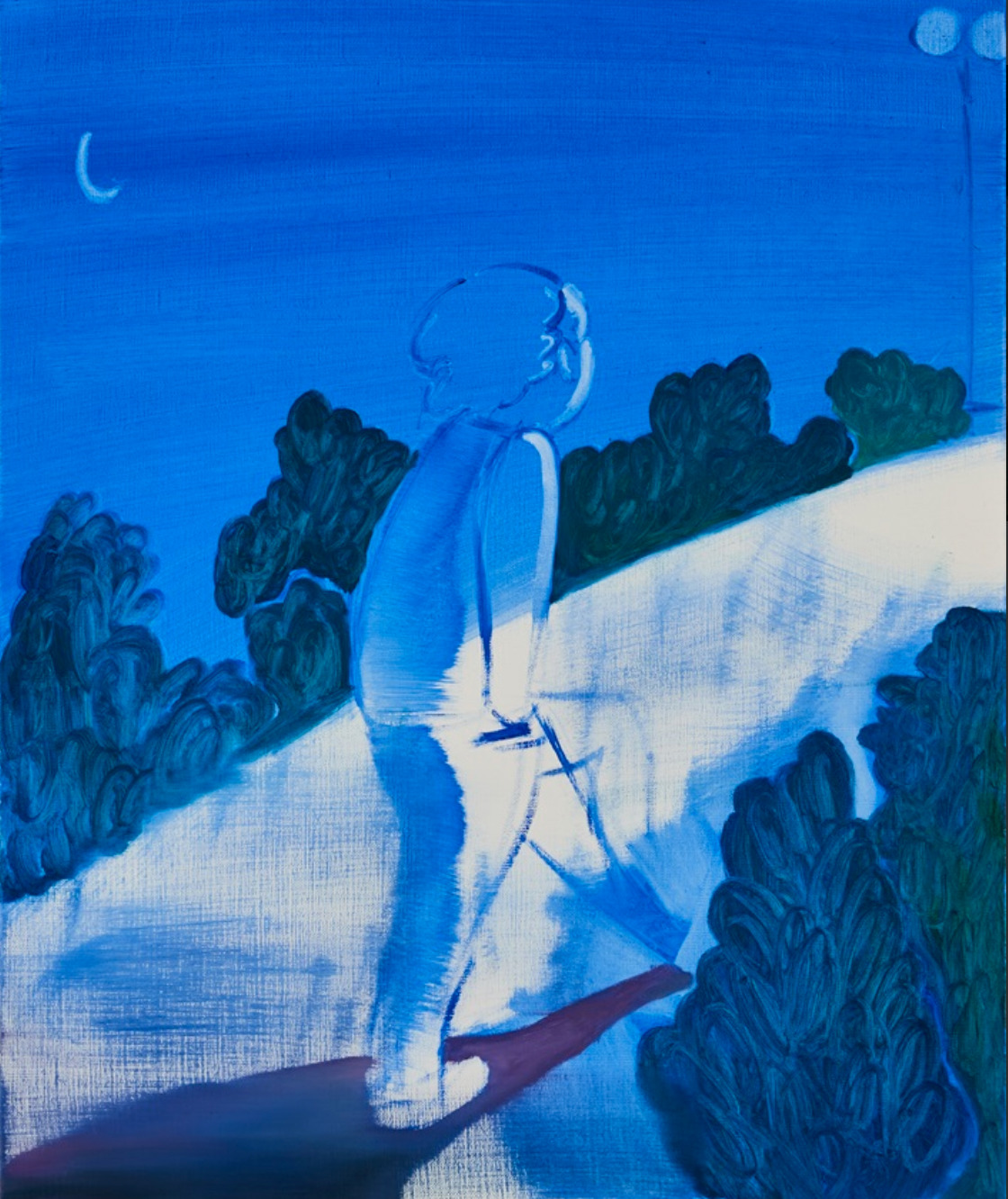
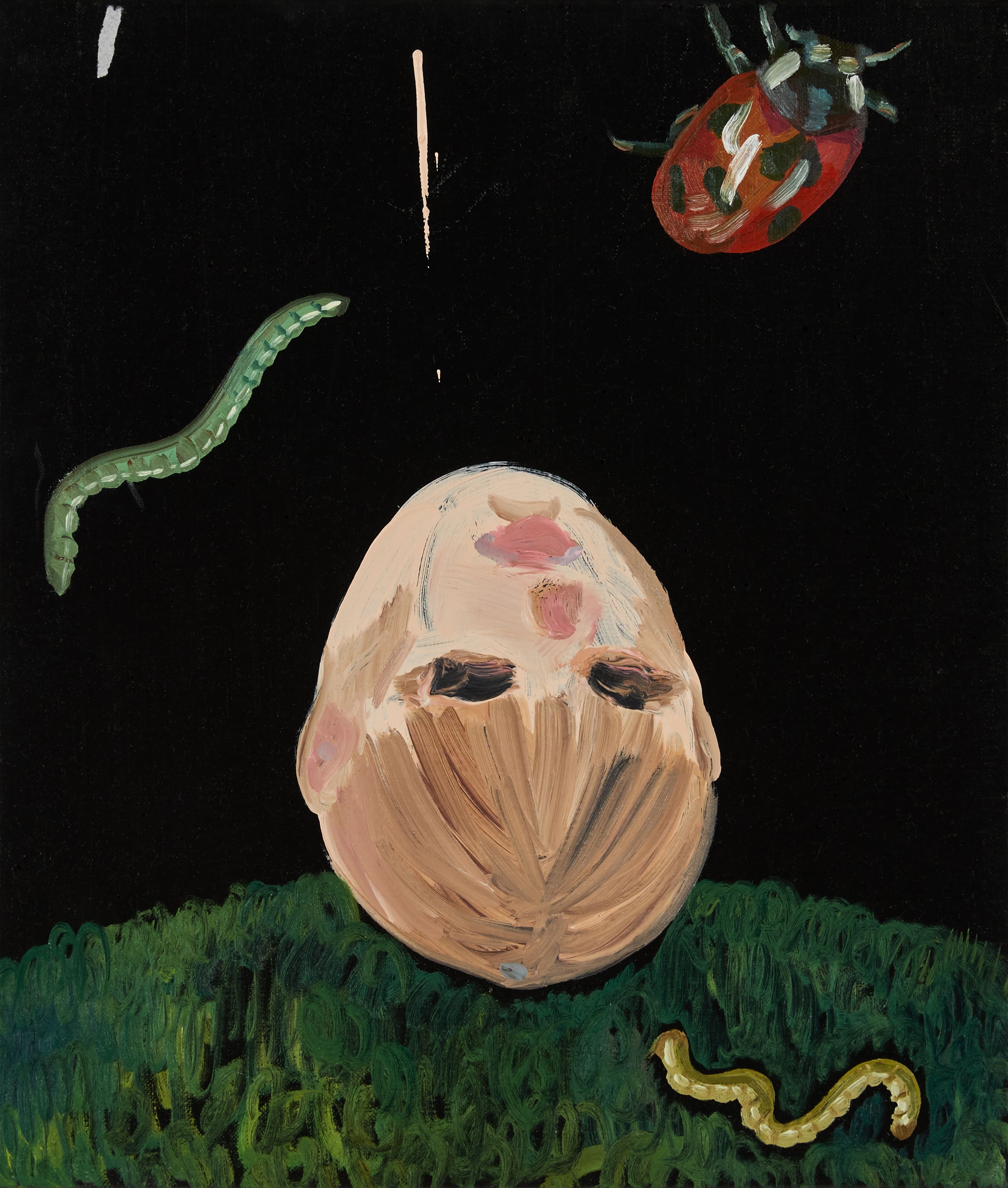
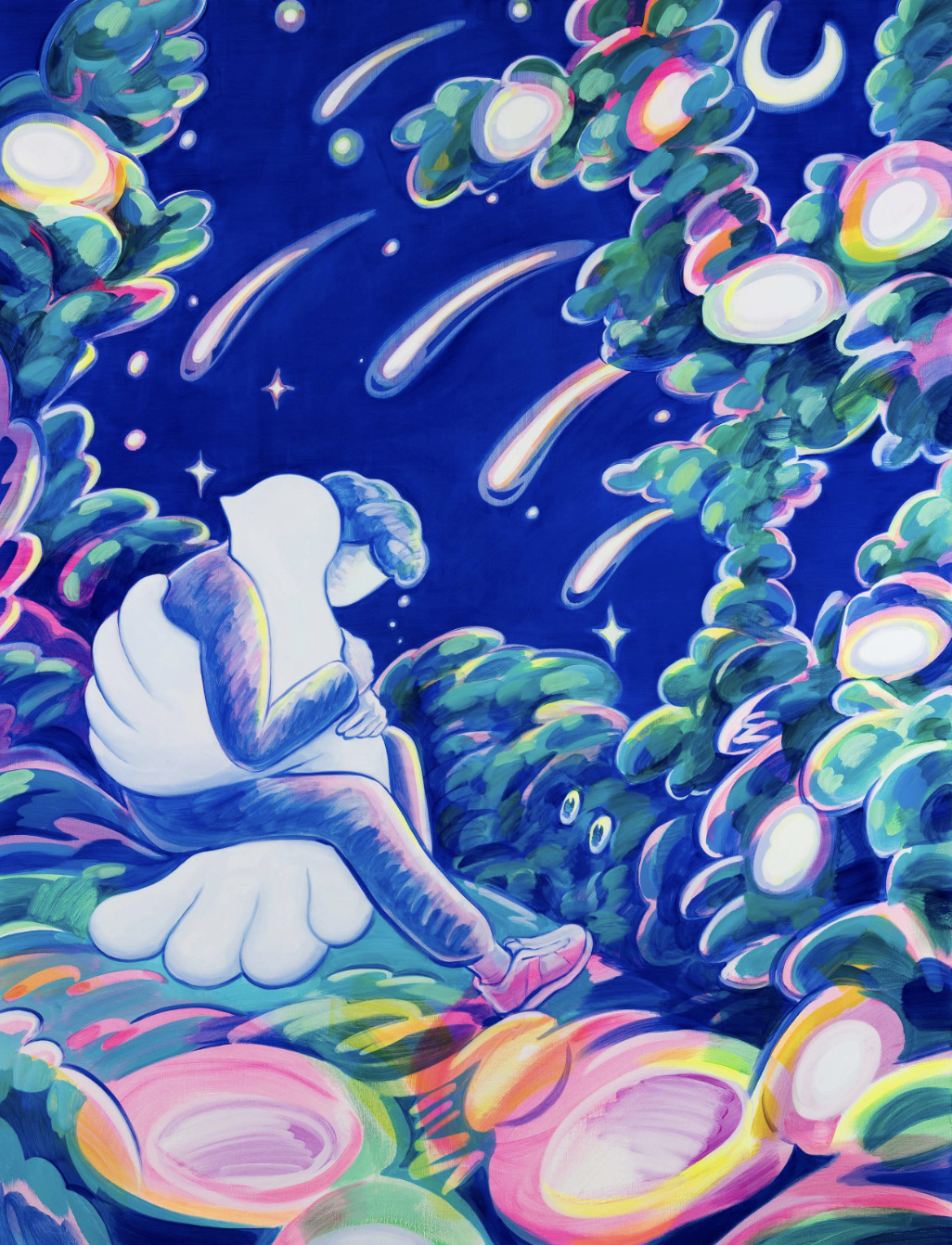
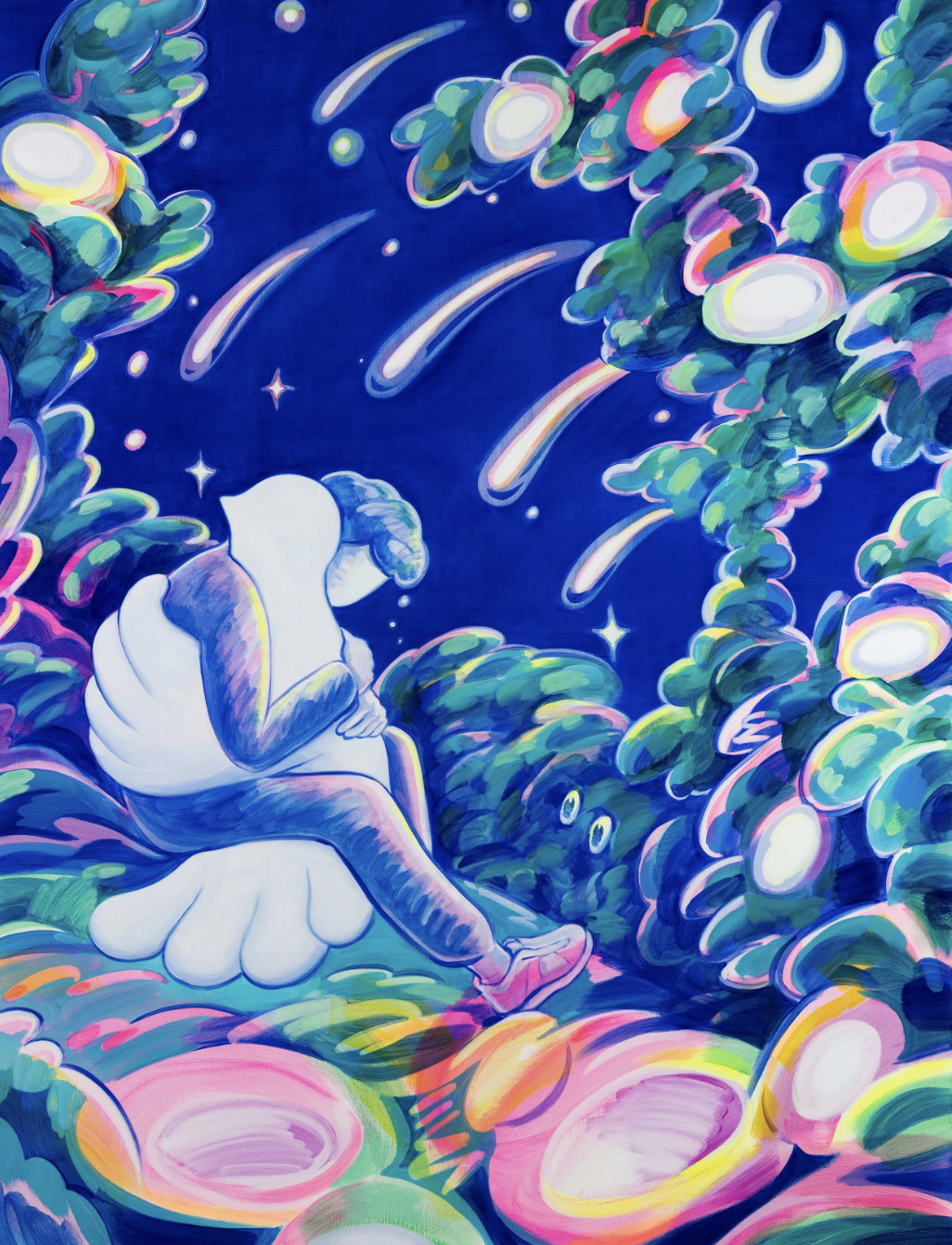
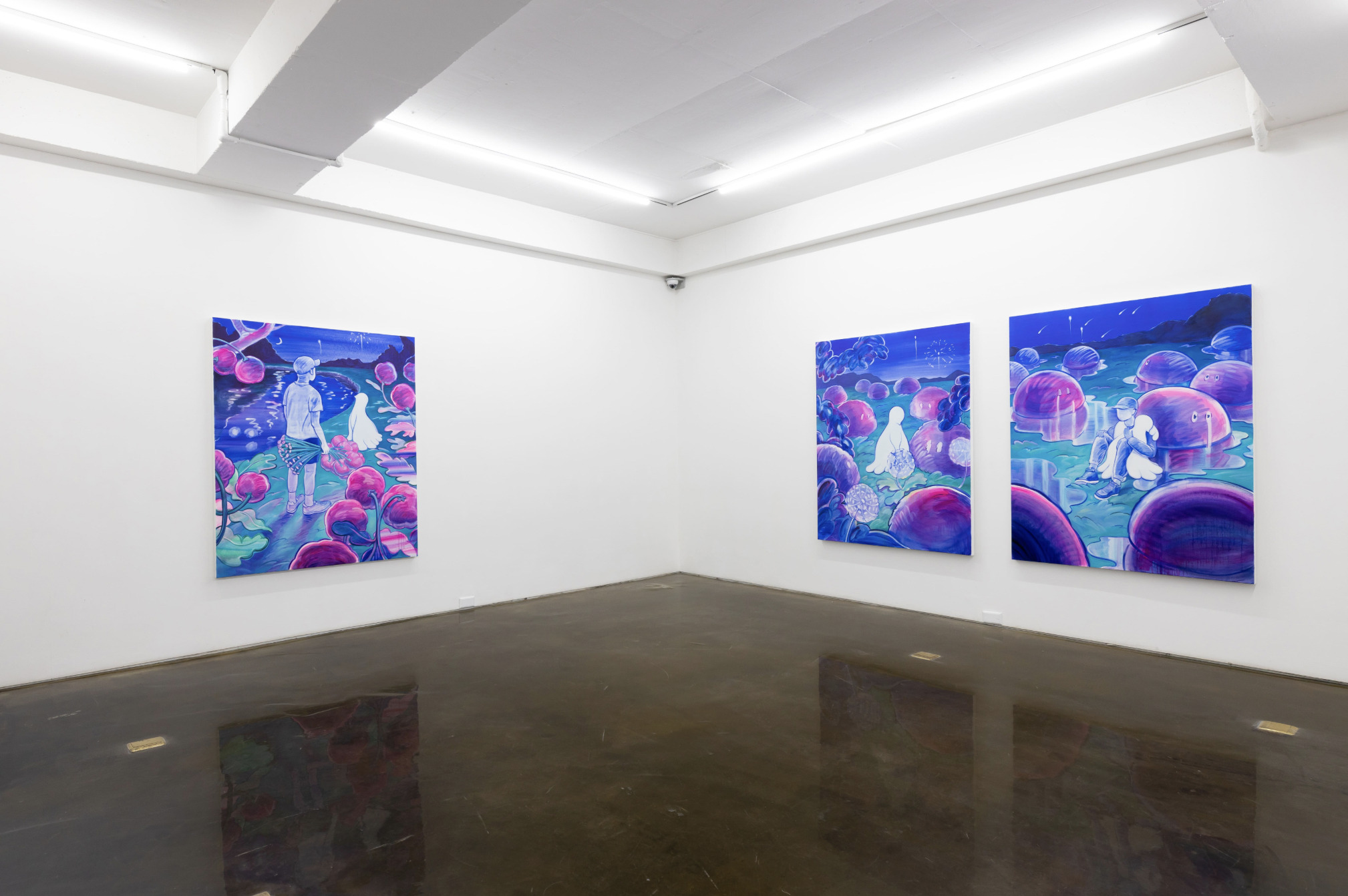
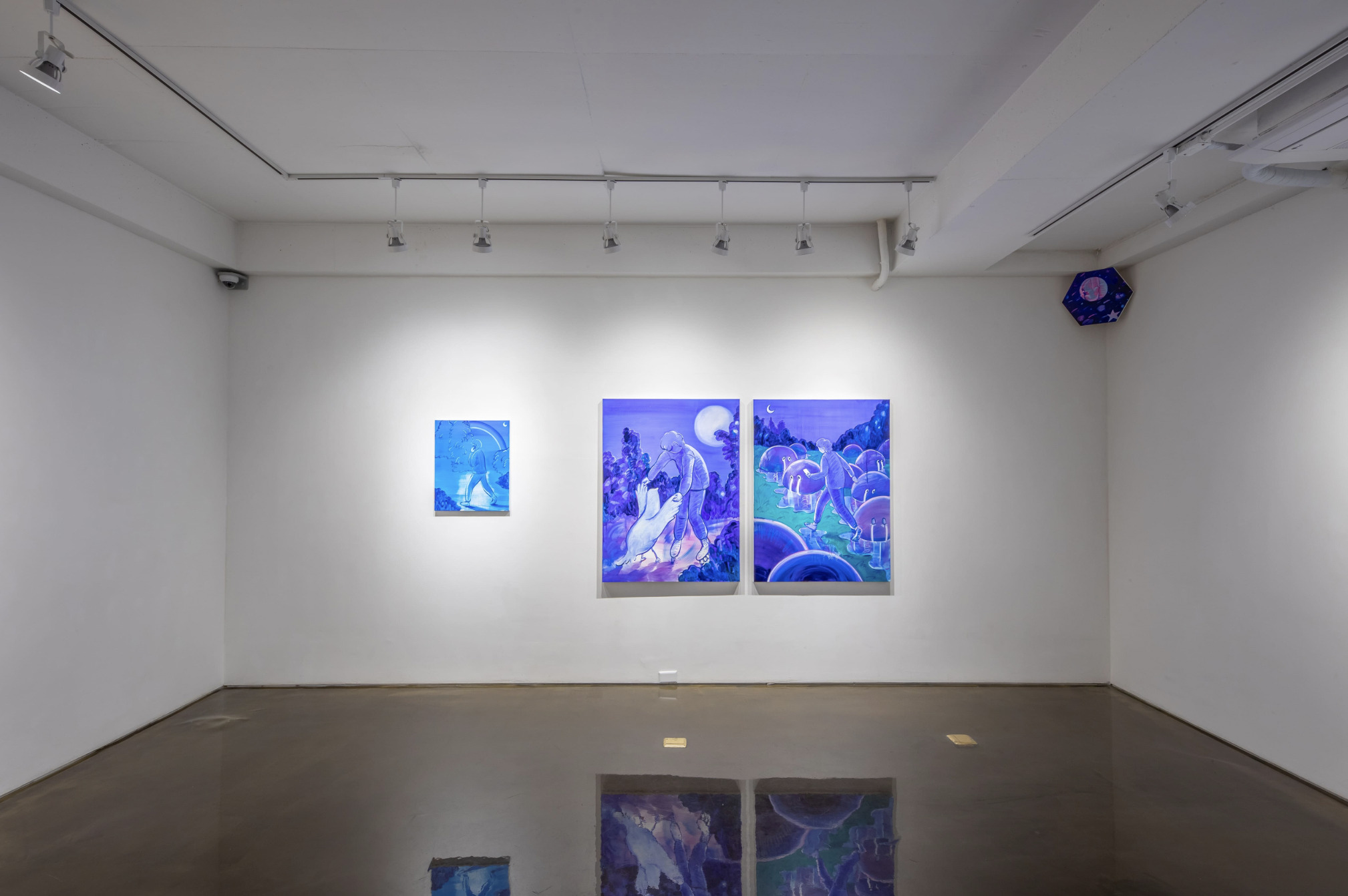
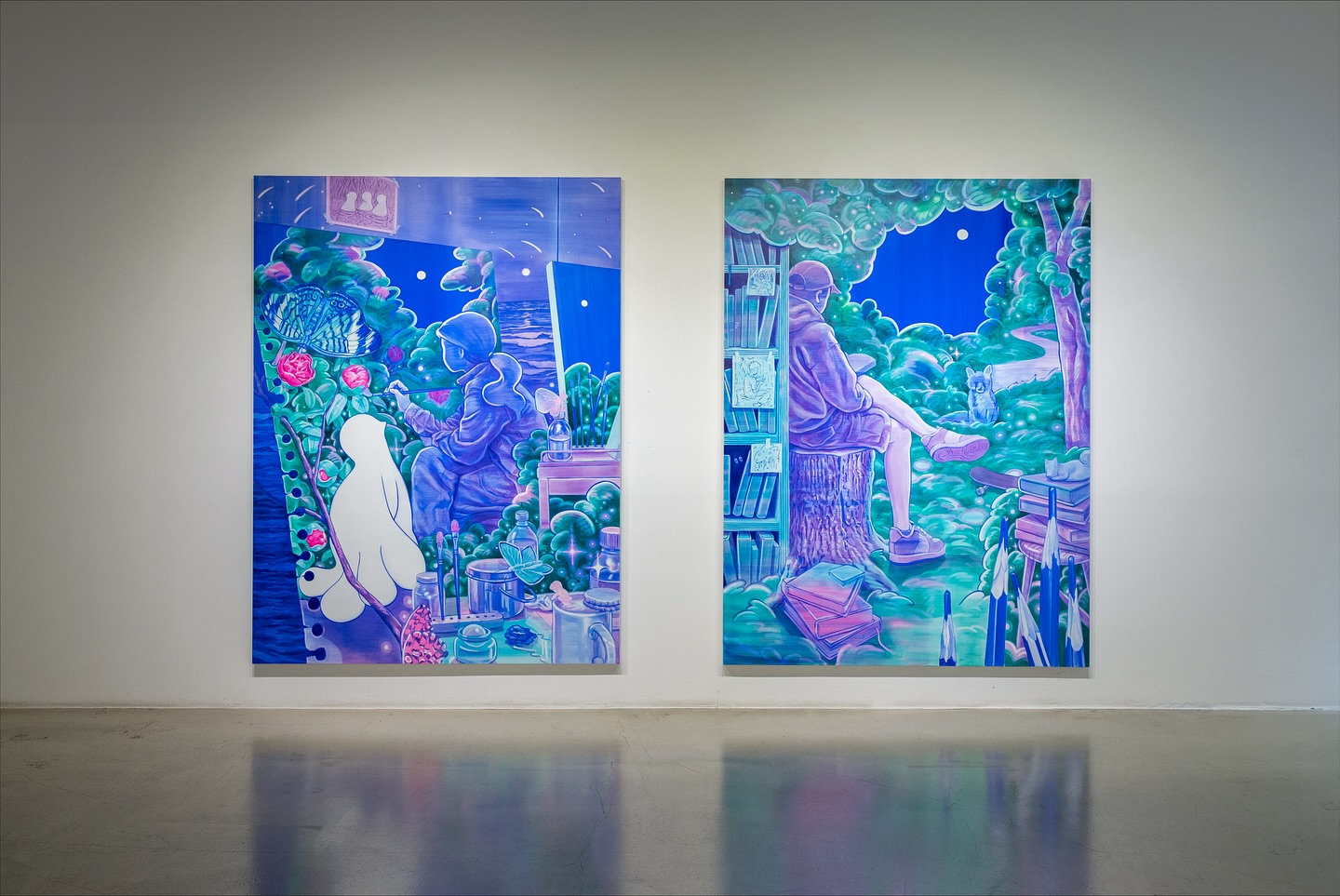
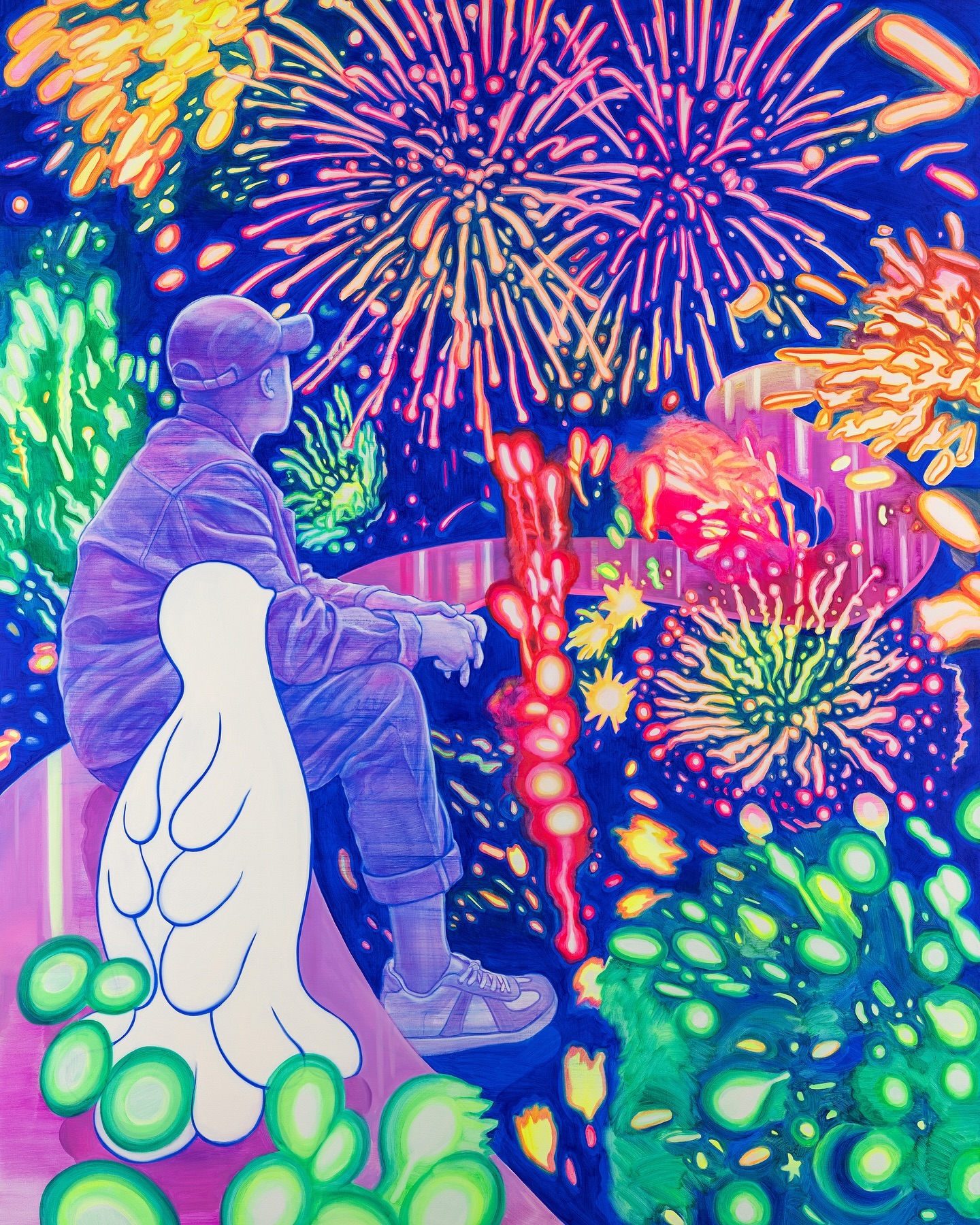
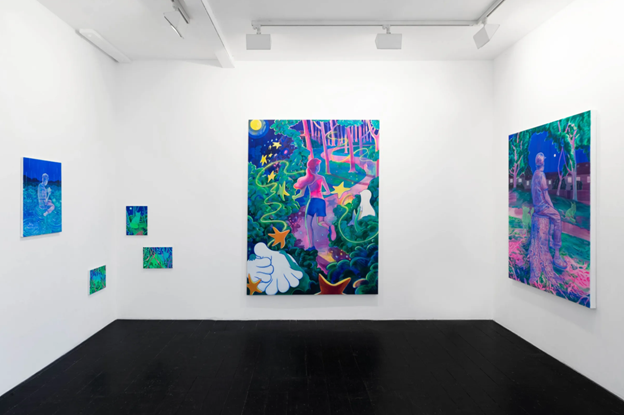
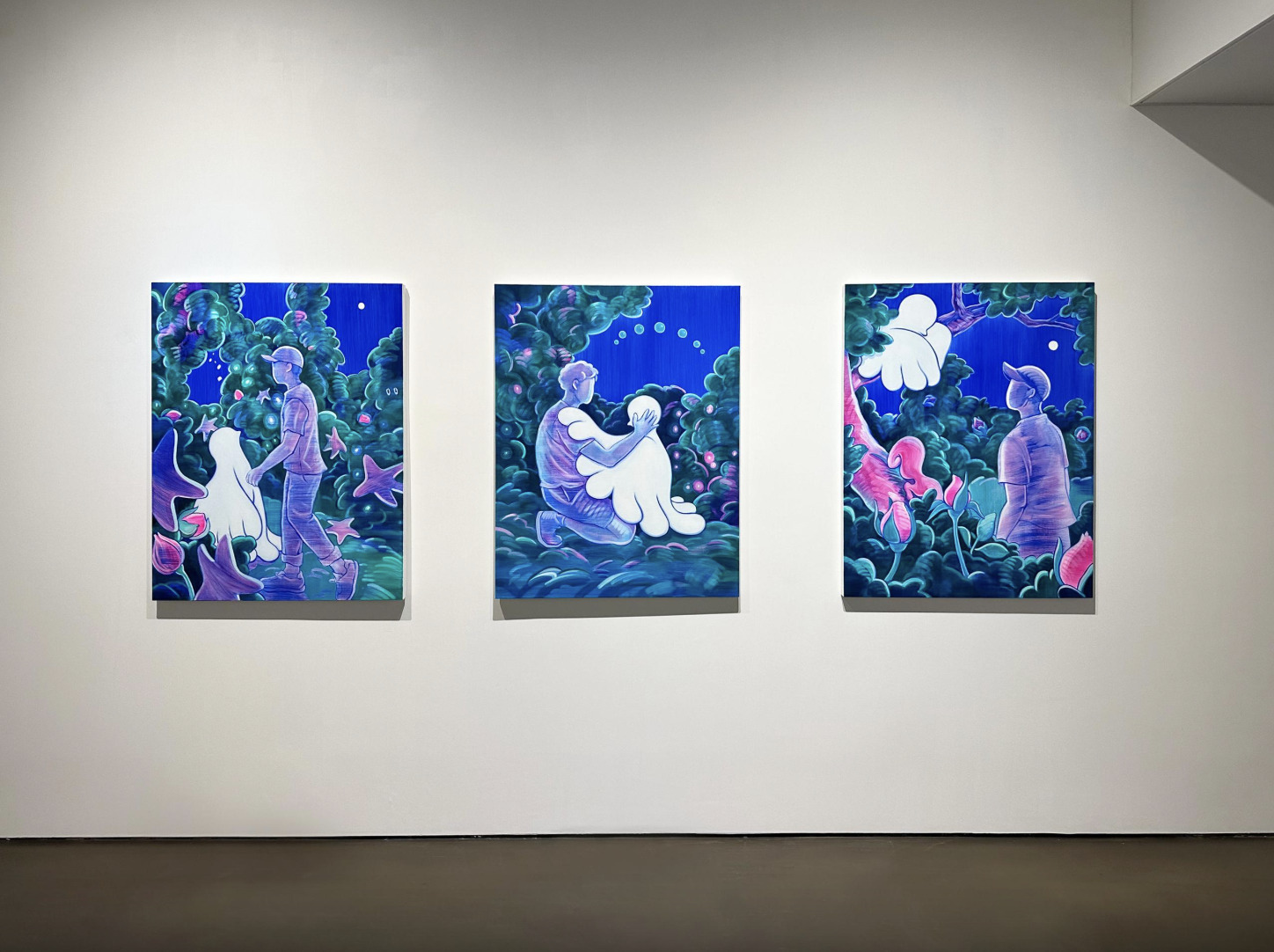
death, also became blurred. Her paintings are formed in a half-light and have a
delicacy that only such a light might secure. It is hard to know from which
place they arrive from, and which place they might also depart.
Perhaps they
are too light to secure such a landing place, but as images, they appear as
clouds that simply float by without ever touching the ground. We might imagine
that they are images untouched by gravity, but in thinking that, the opposite
might be the case. Somehow there is a mixing of temporalities here, childhood
reverie mixed with a scent that follows being into the non-pace of death. This
is a case of thinking one thing and being arrested within the lure of that
thing by something quite other.
Korean art is not only more earthly than
Chinese but touched by a spirit informed by the passage of worlds. Chinese art
often goes into pursuit of a perfection that issues from a clear sky whereas in
Korean art there is the sense of clouds of incense to pass through. The celadon
glazes of a Goryeo (Koryo) Dynasty vase announces a presence but at the same
time is born out of a memory of not-being and in this is between being here and
nowhere. This might be described as the poetics of tone.
Before an image emerges, there is a tonal
frequency that the image is born into, and in the case of these paintings, it
is a tone born out of an obscure half-light. If this was not the case, then
they would readily take their place within the space of children books. This is
also their disguise, gesturing one way and then at the last moment turning back
on the gesture that inaugurated them.
This text emerges without knowing what it
is, a letter perhaps, or a vague attempt at forming a relationship to works of
art. The works appear to draw their own lines and are in that way singular,
bereft of strategy and grounded sensibility. Yet they are not naïve because
they also possess a knowingness and absorption within the passage described as
Late Modern. I suspect that they are also repelled by such a passage because of
the aloof posture from such temporal fixity.
Afterall they simply appear to drift,
or to be drift works. It is understood that the weather is changing and there
is little point of thinking otherwise. Perhaps this is a letter about changing
weather, after all this is what letters commonly attend to. It is not so much a
matter of not talking about such things, such as the weather or dreams, but
going more deeply down1 into such things. After all that is
simply what the work of art attends to, going deeply down into the nature of
things because that is the only form of gravity that it might acquire, without
which, it simply is subject to fading or drifting out of view.
We had simply sat there, talking of things
past and the arrival of things yet to come. Paintings also sat in waiting, as
if silently stationed between us. Paintings are like that, waiting for their
time to come. They seem to possess a non-human dimension, which is like a form
of patience. Humans wait for buses, whereas paintings must wait for something
obscure, like a certain form of light.
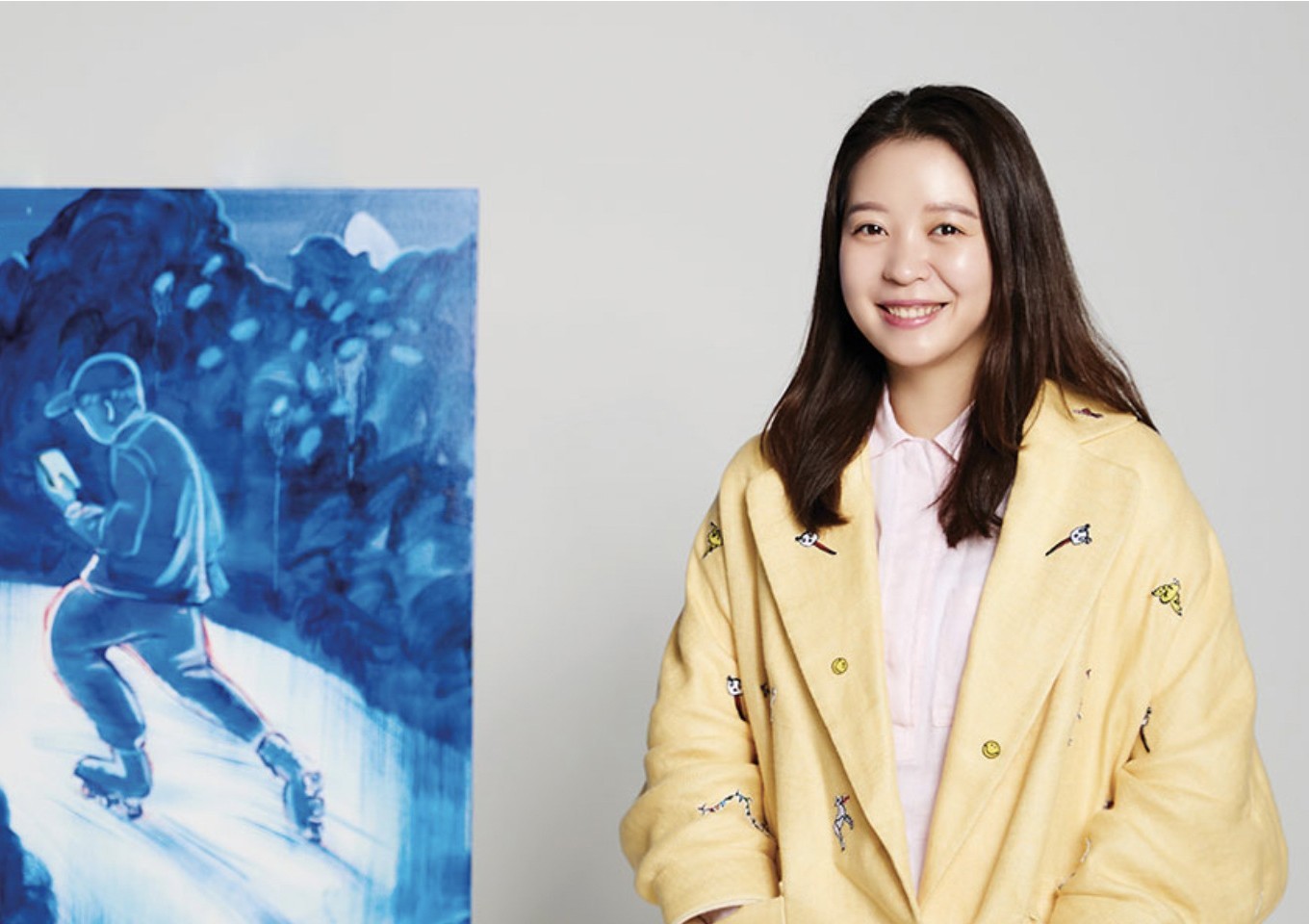
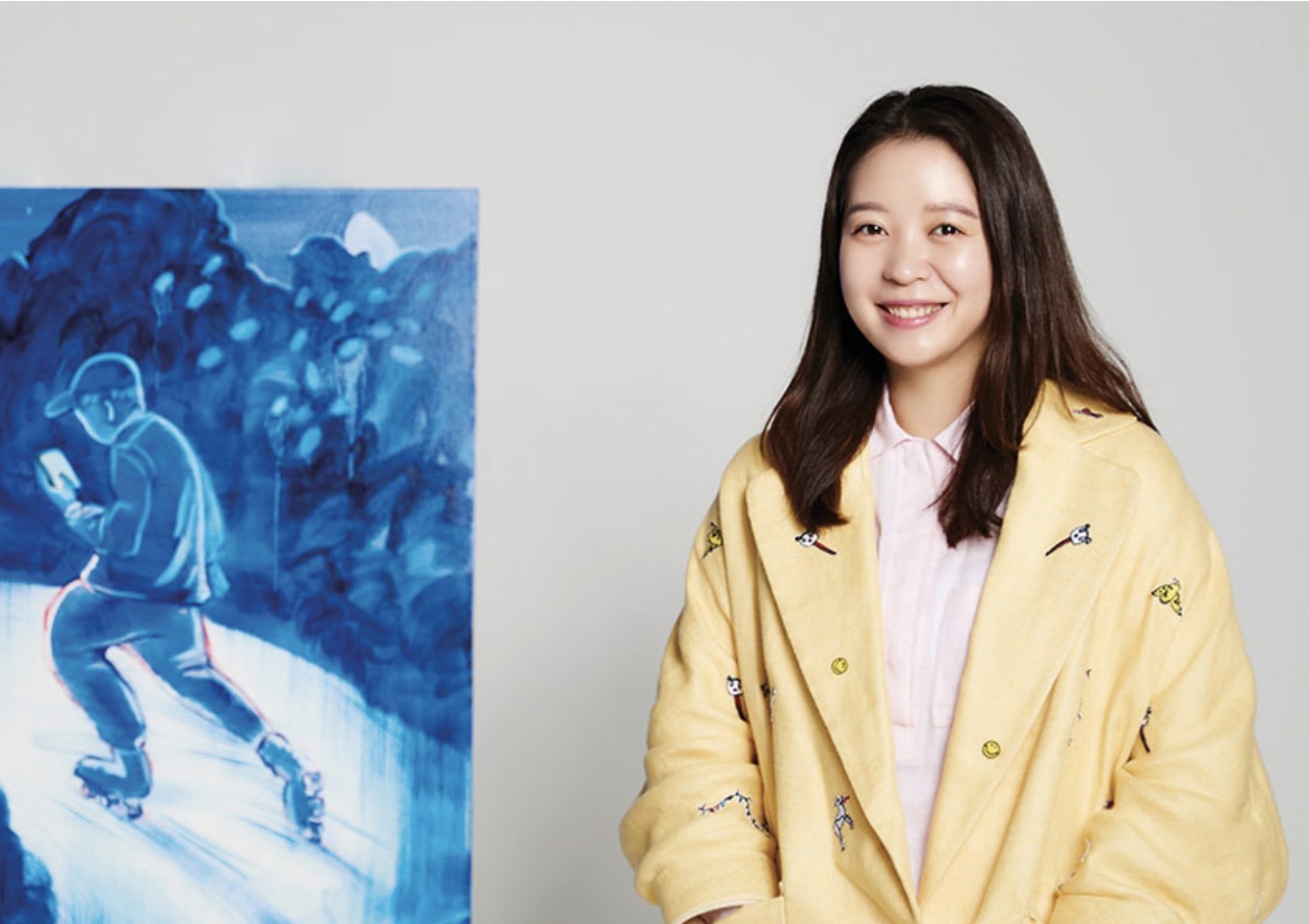
When I introduce such a notion, Jae
simply smiles as if both to acknowledge the possibility of this but also have in
mind that it is just a flight of fancy. What is it to her if her paintings are
born of this light, or any other light? Afterall they simply announce the
possibility of lights occurrence, like a trick of magic occasioning a not
there, now there, passage. And so, we sat there, alert one moment, dreamy the
next, waiting but also waited (weighted) upon.
1 Ludwig Wittgenstein employed this phrase
when he stated that we tend not to “put the question marks deep enough down.”
For some reason this phrase has stuck to me like an echo of something laying
half forgotten.