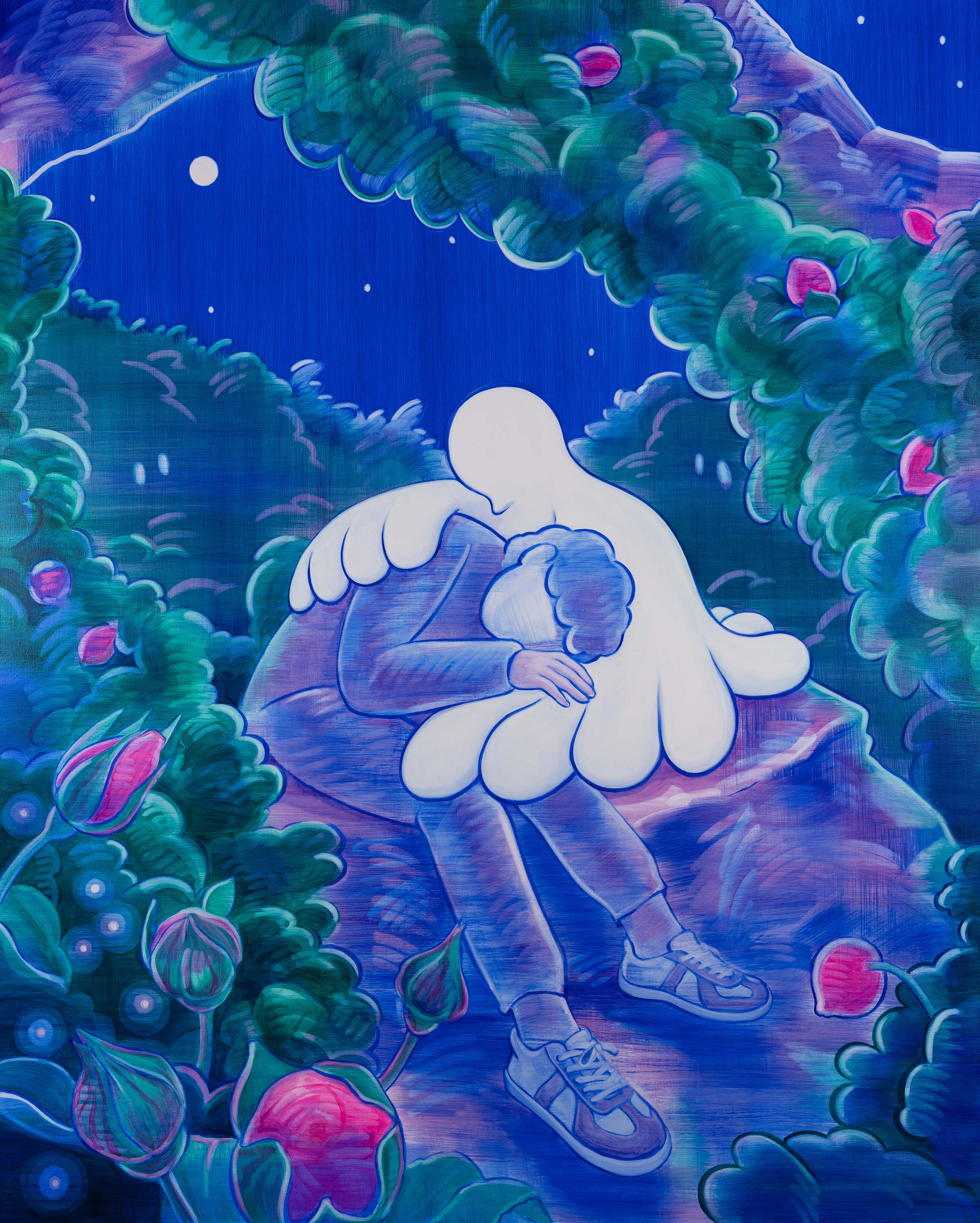
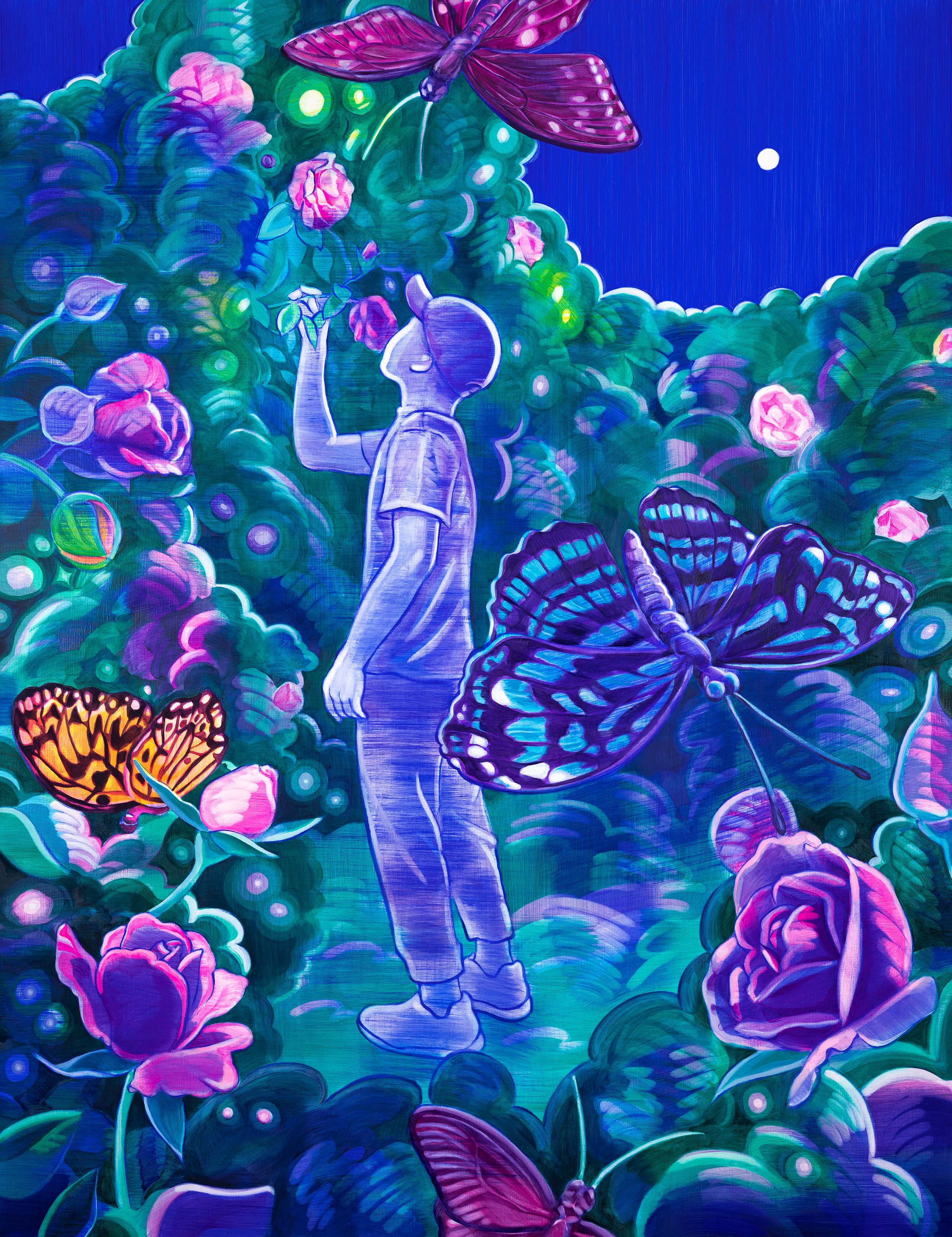
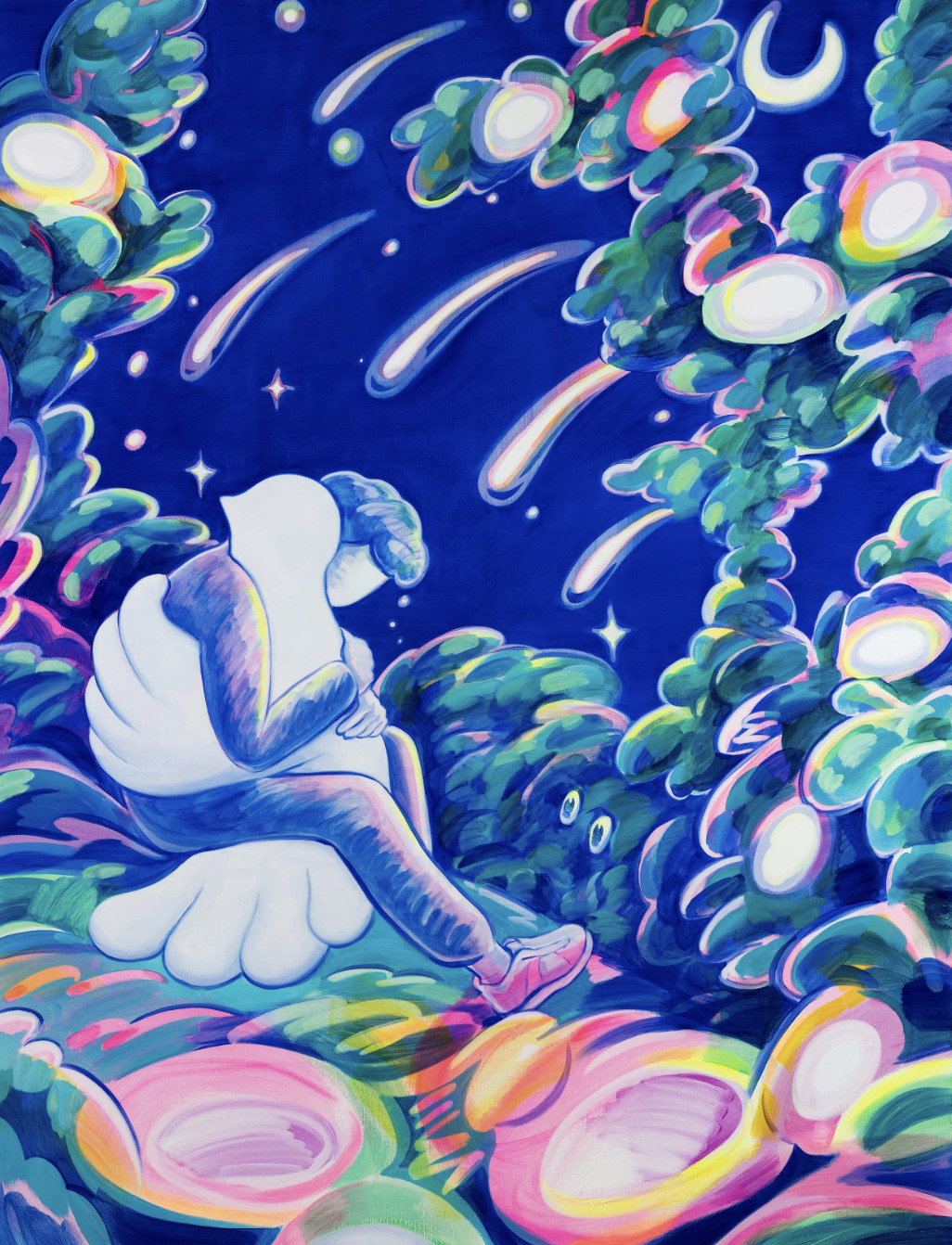
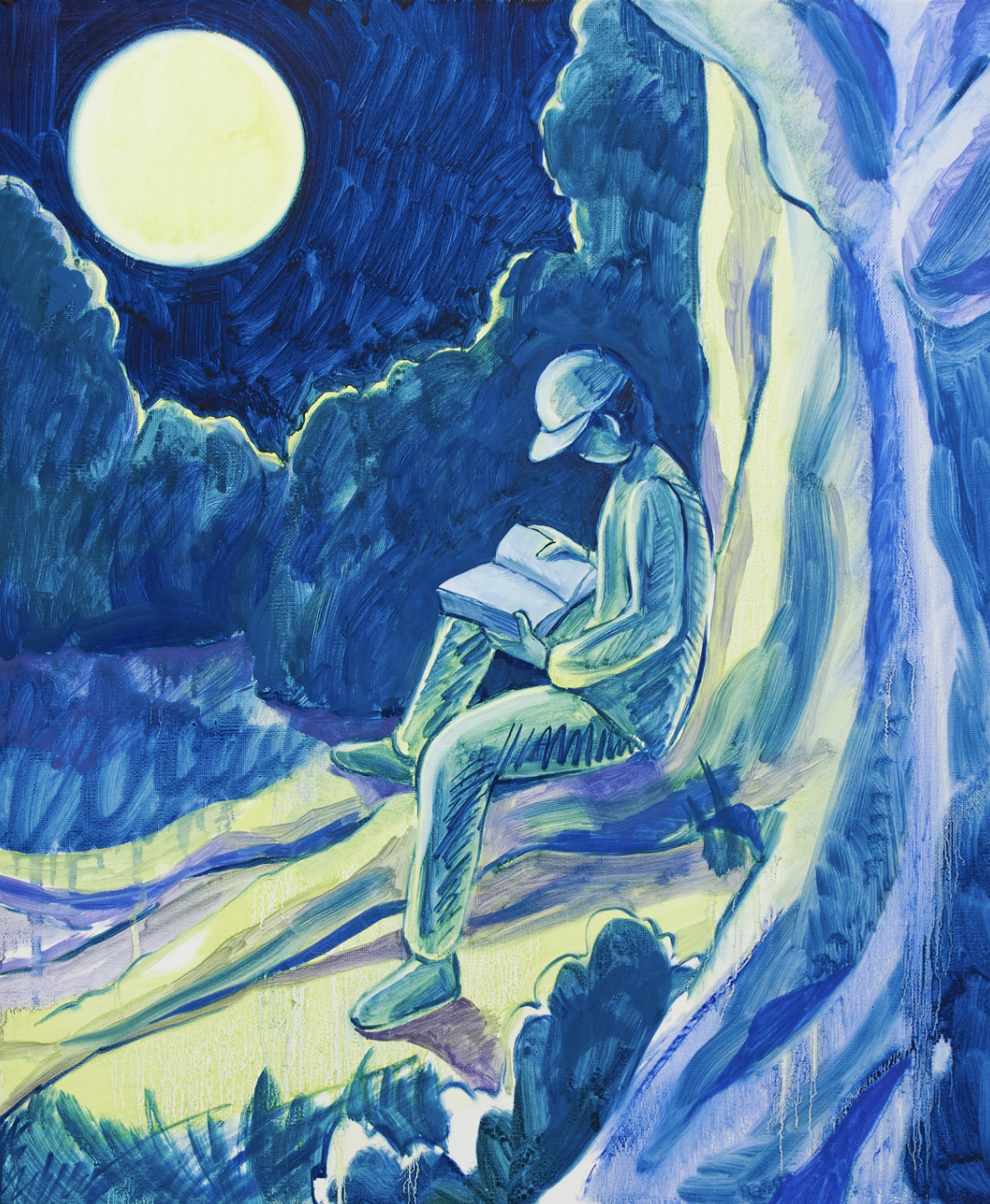
What does an image convey, and how does it convey it? From that
seemingly simple and lucid question, the history of painting must have been
written. More specifically, artists of each era have contemplated from
differing positions what should be represented through images, how it should be
represented, and what might be gained from those images. Generally, an image
functions as a “figure,” reflecting specific objects other than itself. Here,
the object can be regarded as a fixed constant selected from the position of
the speaker, while the icon becomes a variable that can be altered by that
constant.
In defining its scope, the constant called the object sets no
particular limits in terms of form or content; compared to the determination of
the variable that projects or represents it, it often appears irrelevant. In
other words, within the dimension of content that the expressive form of the
image can encompass, there are virtually no restrictions. Therefore, an object
may be singular or plural, still or moving, result or process, physical or
metaphysical, content or form, figurative or abstract—and the image, as a
changing value, likewise follows suit. To reiterate, the forms at these two
levels may coincide or may not. Even if they do not assume identical shapes,
the equivalence of their relationship is not thereby lost.
Let us confine this status of the image to the artistic domain of
painting. Certainly, it stands apart from the historical context of traditional
painting centered on one-dimensional representation, and instead foregrounds a
condition that accumulates, to a certain degree, the experience of metaphor and
symbol inherent in language as a communicative tool. Consequently, it has
become possible to exercise multilayered imagination in determining the range
of relationships between image and object, image and image, or even in
clarifying the existential meaning of the image alone. From this field onward,
the image gradually posited the function of transmission as its primary role,
ultimately standing as a discursive medium capable of substitution with
anything. Thus emerged systems such as the realization of narrative through
lyrical discourse, and the subtle construction of the speaker’s image along the
way.
Once the existence of the image as medium solidified within the
domain of art—particularly painting—the artist, as its creator, achieved a form
of aesthetic autonomy permitting the free establishment of self-identity
according solely to personal intention. Through this sanction, the artist could
project the self regardless of the status of the one who transmits or speaks.
Furthermore, the iconography they produced extended beyond surface
representation, recalling the time before and after the icon as well.
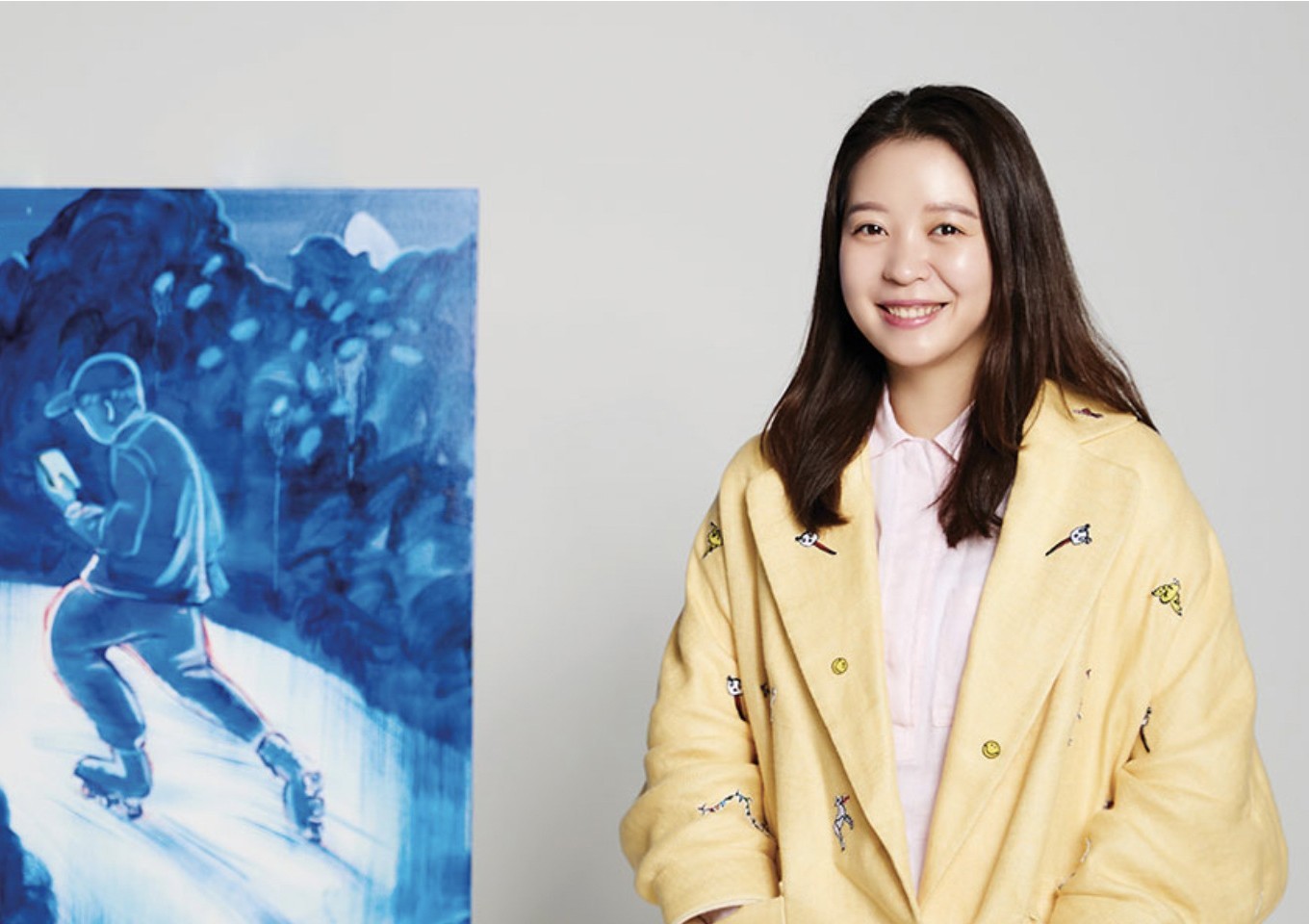
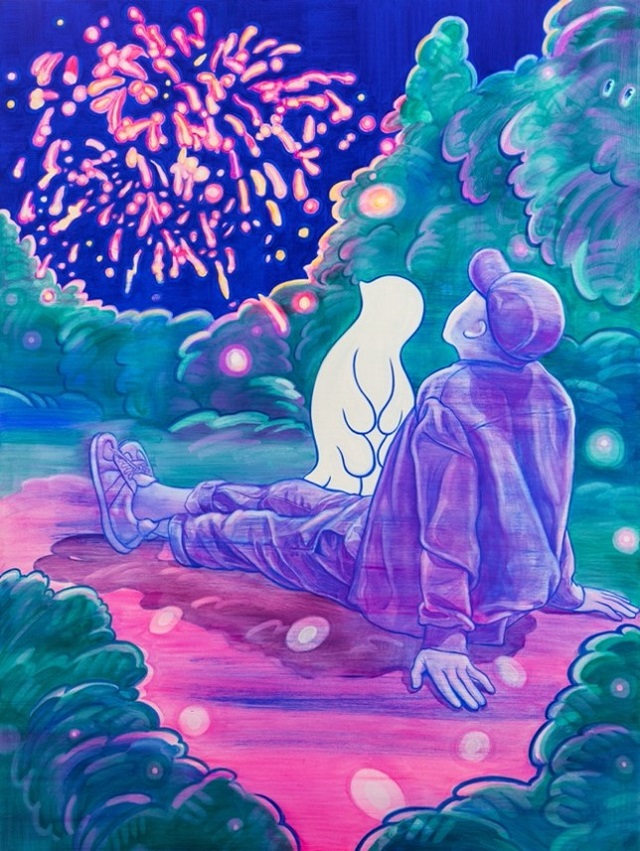
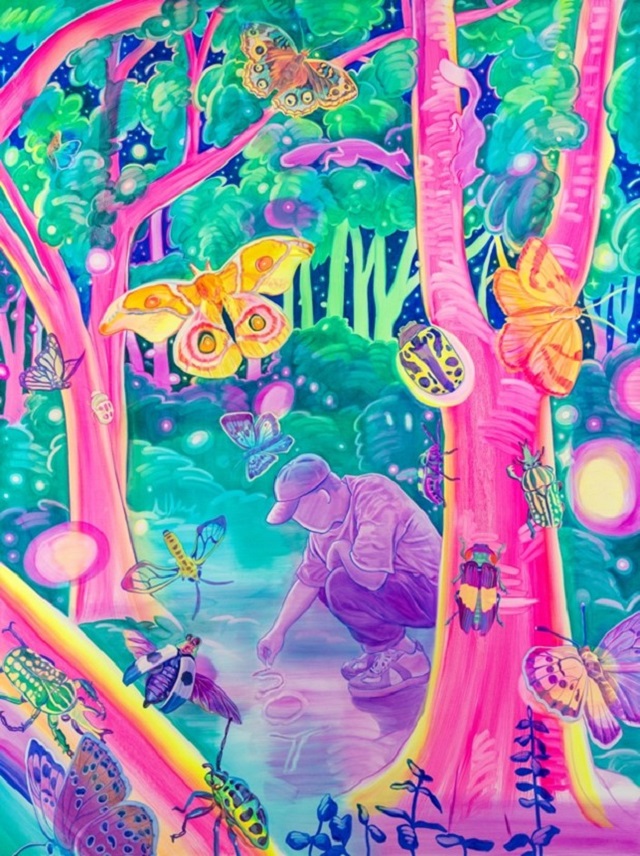
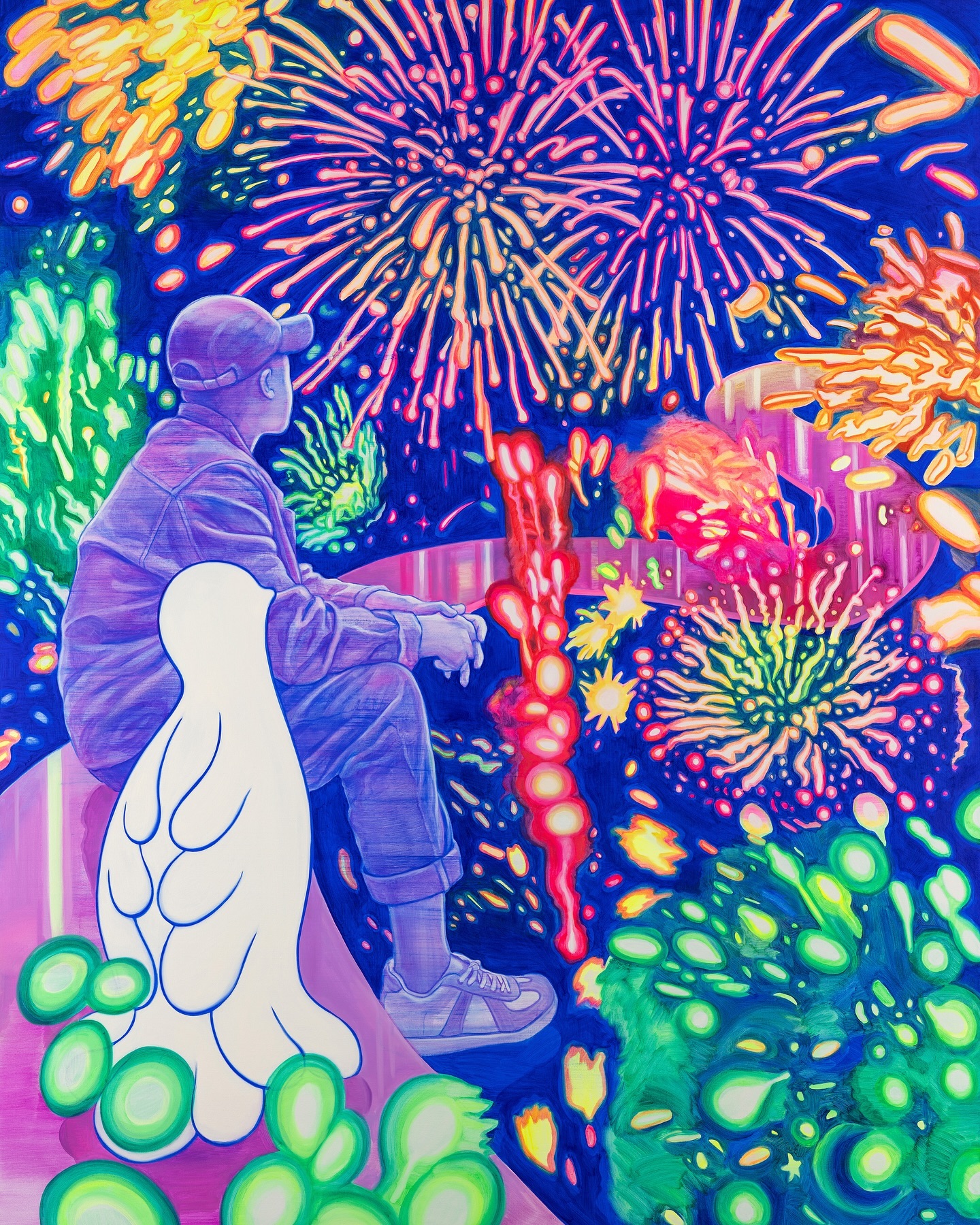
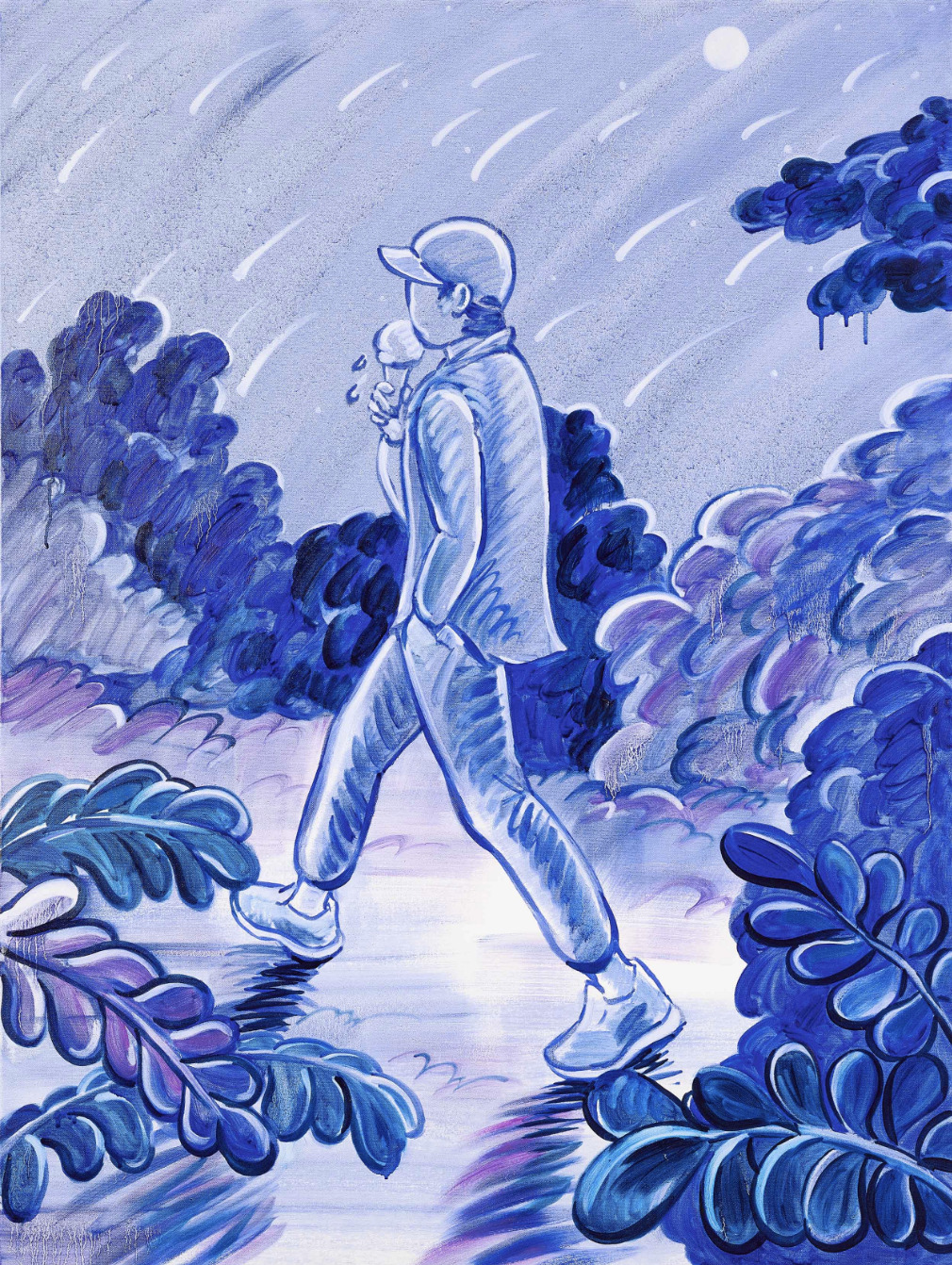
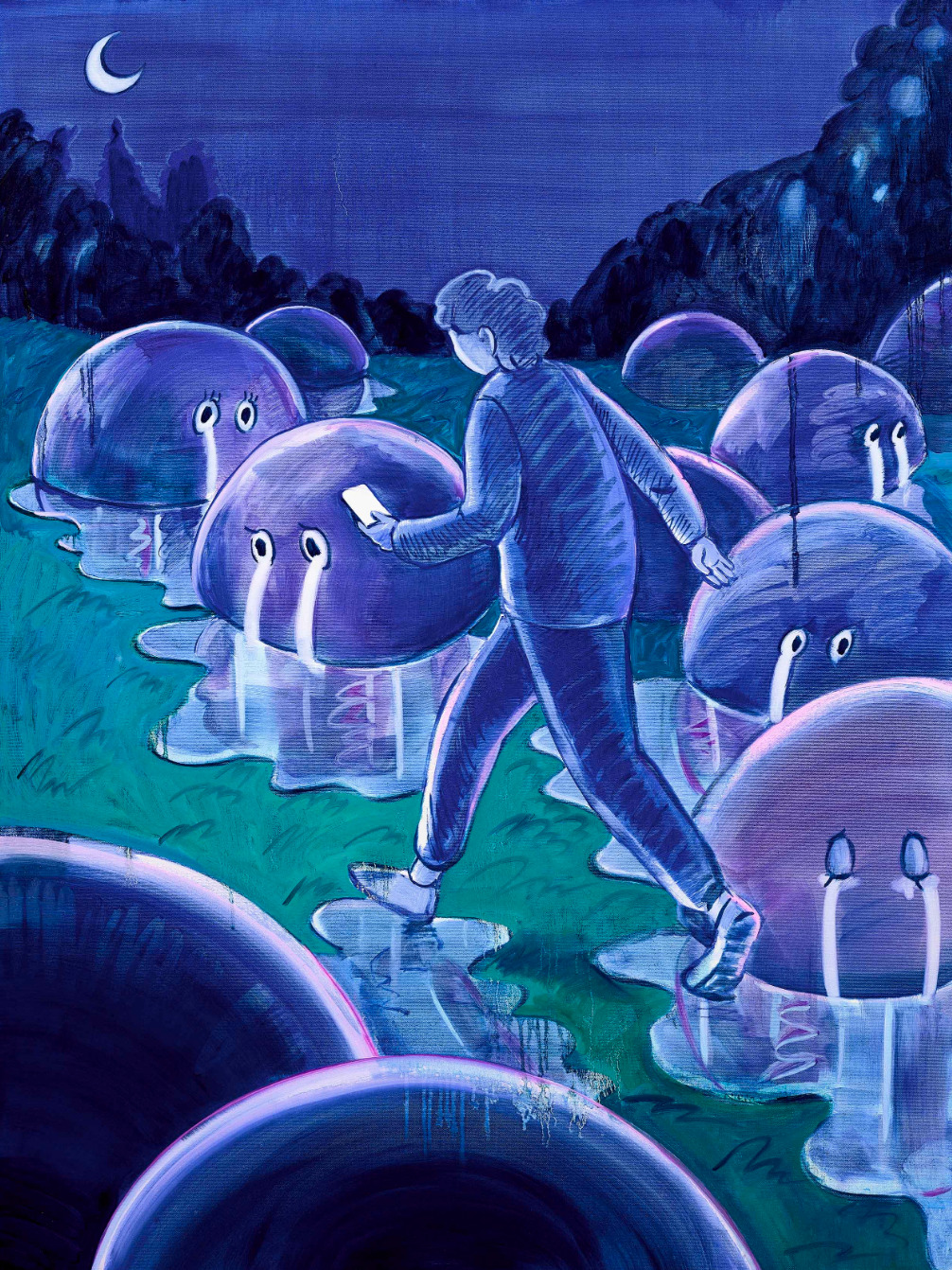
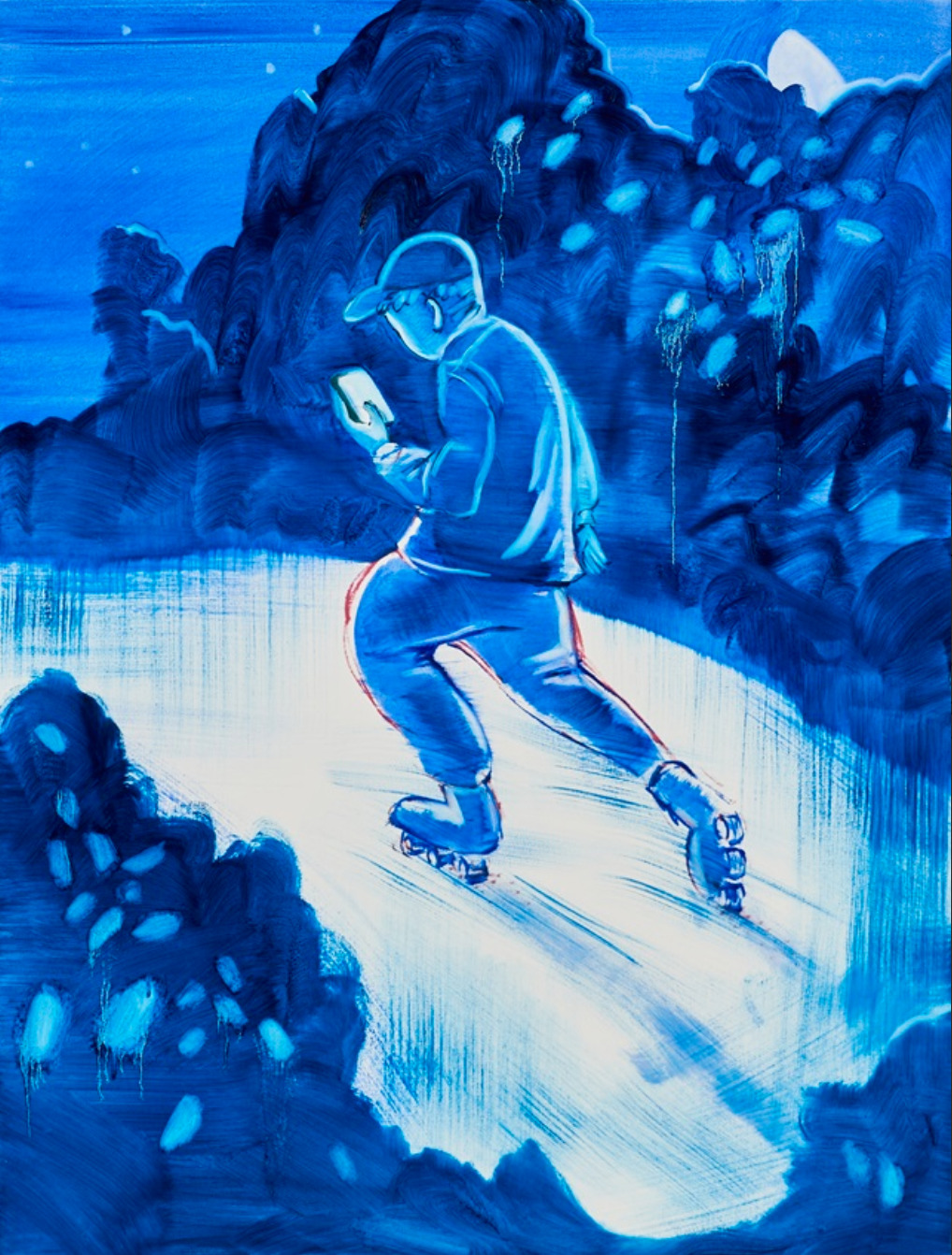
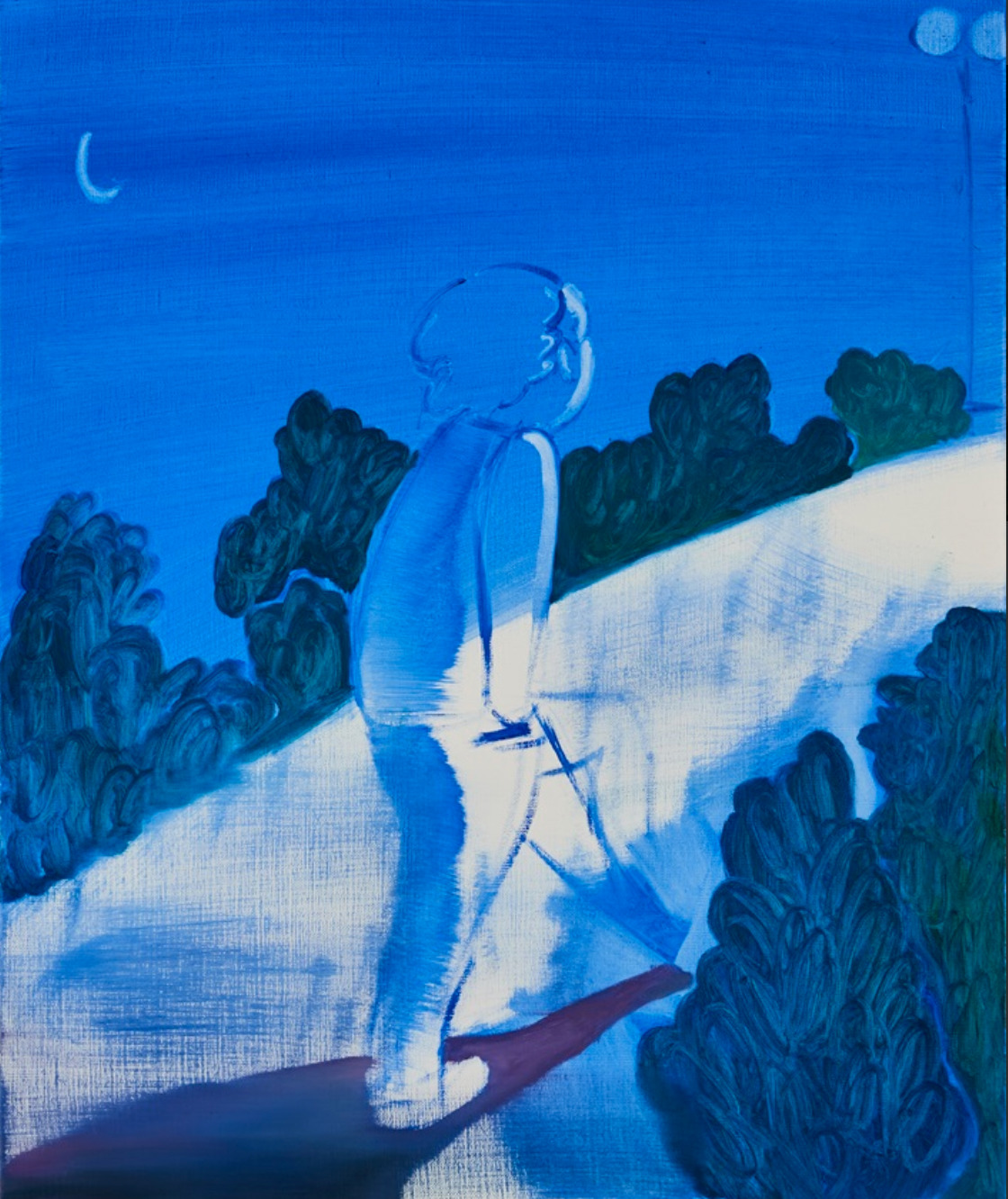
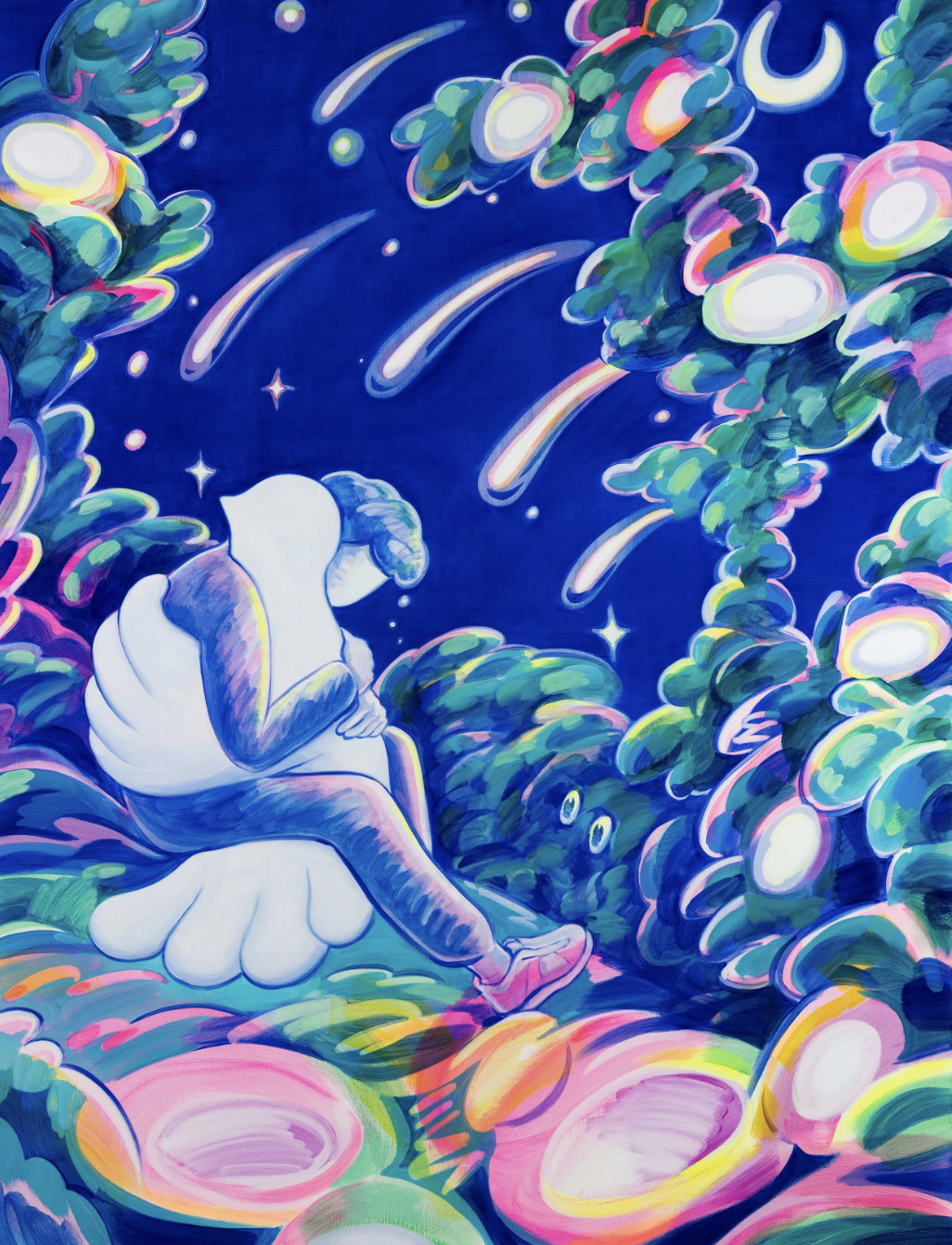
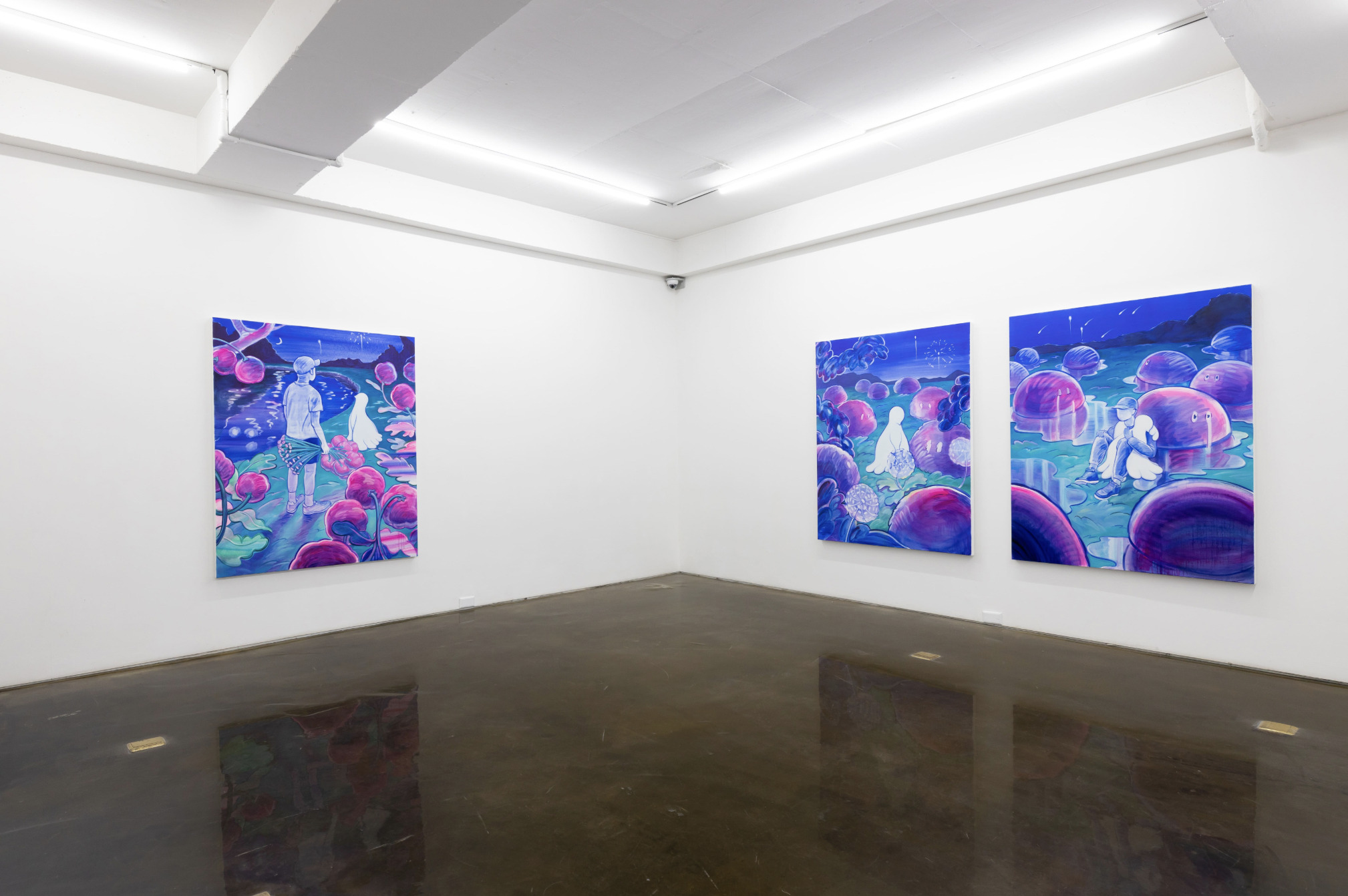
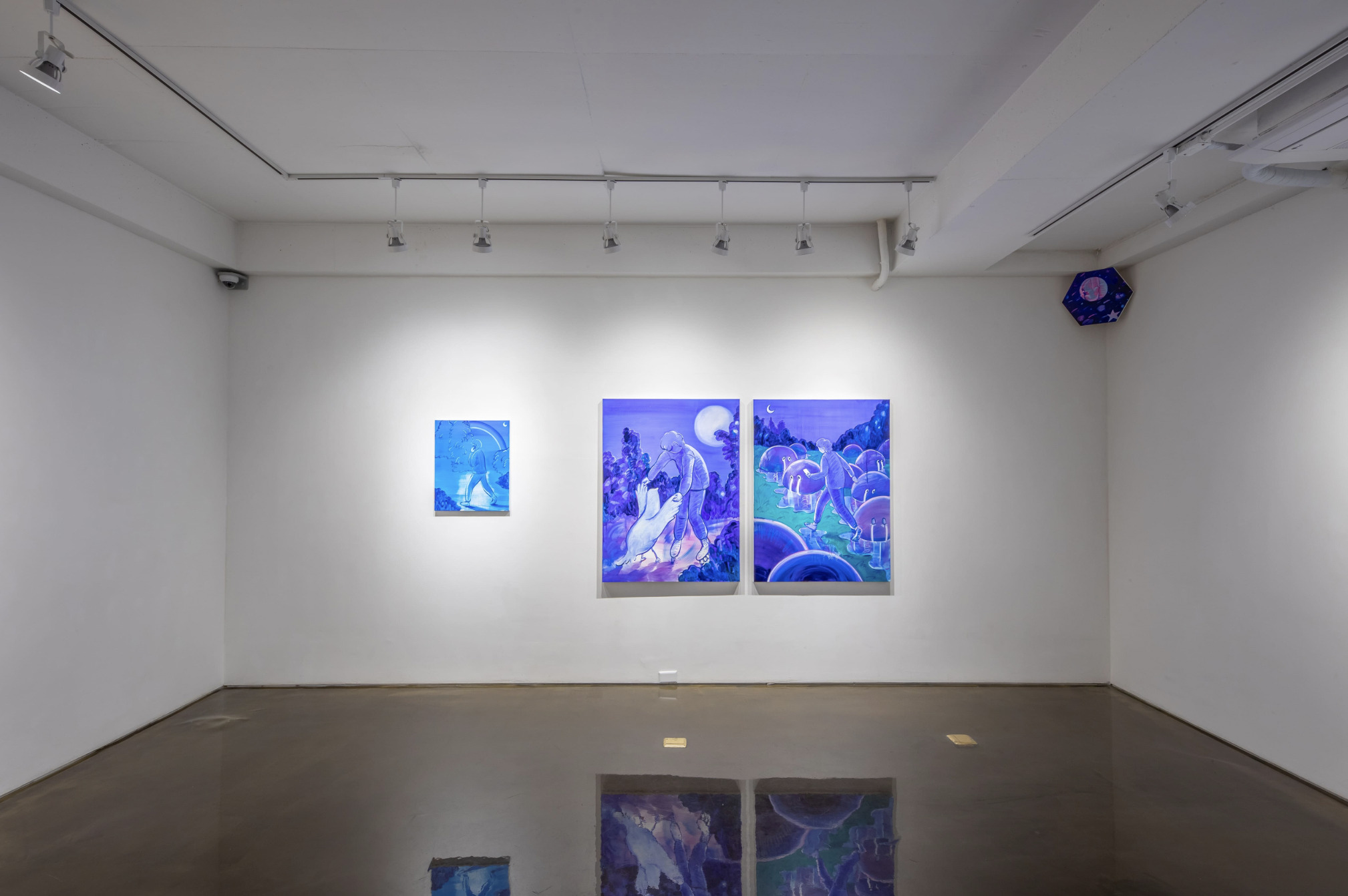
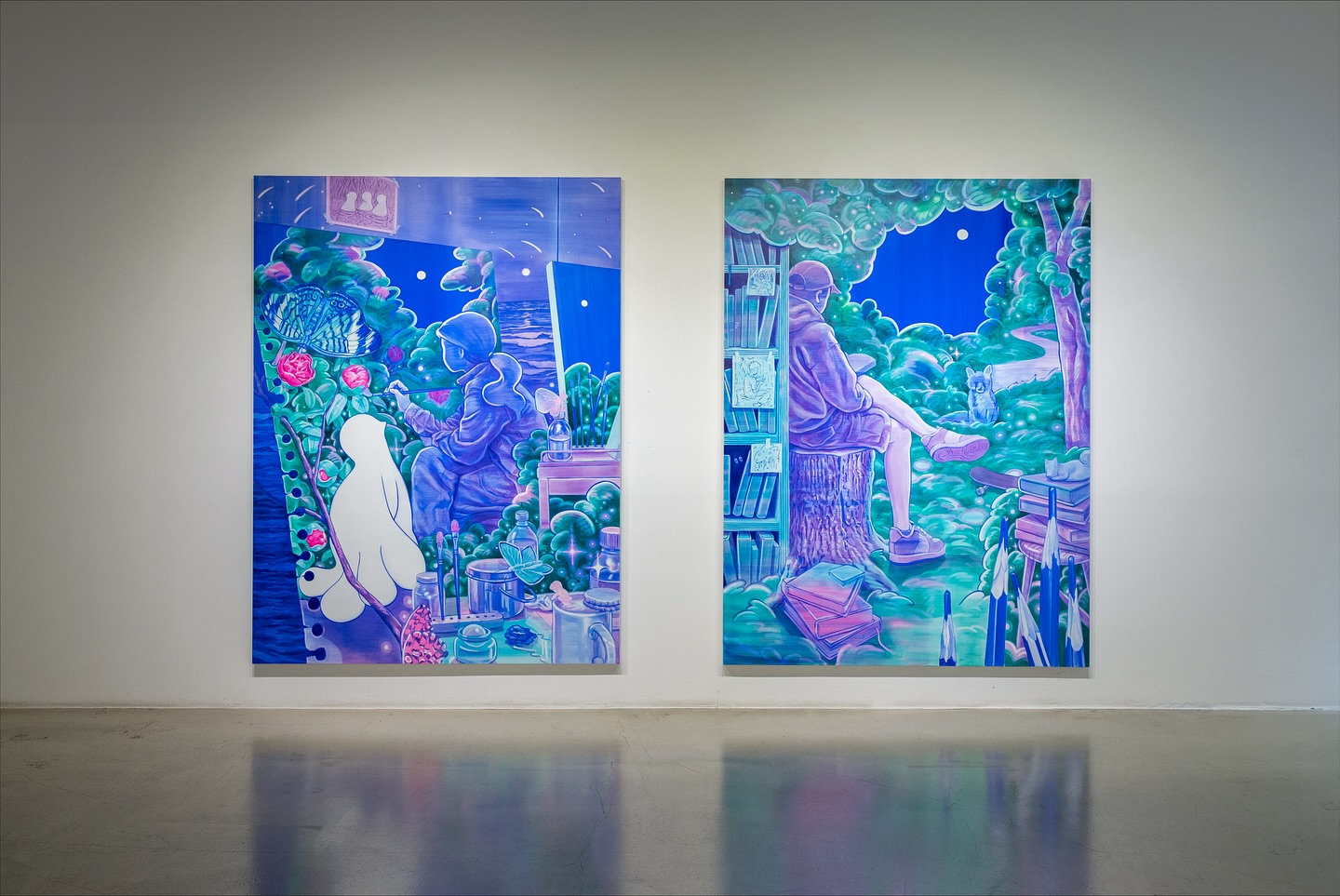
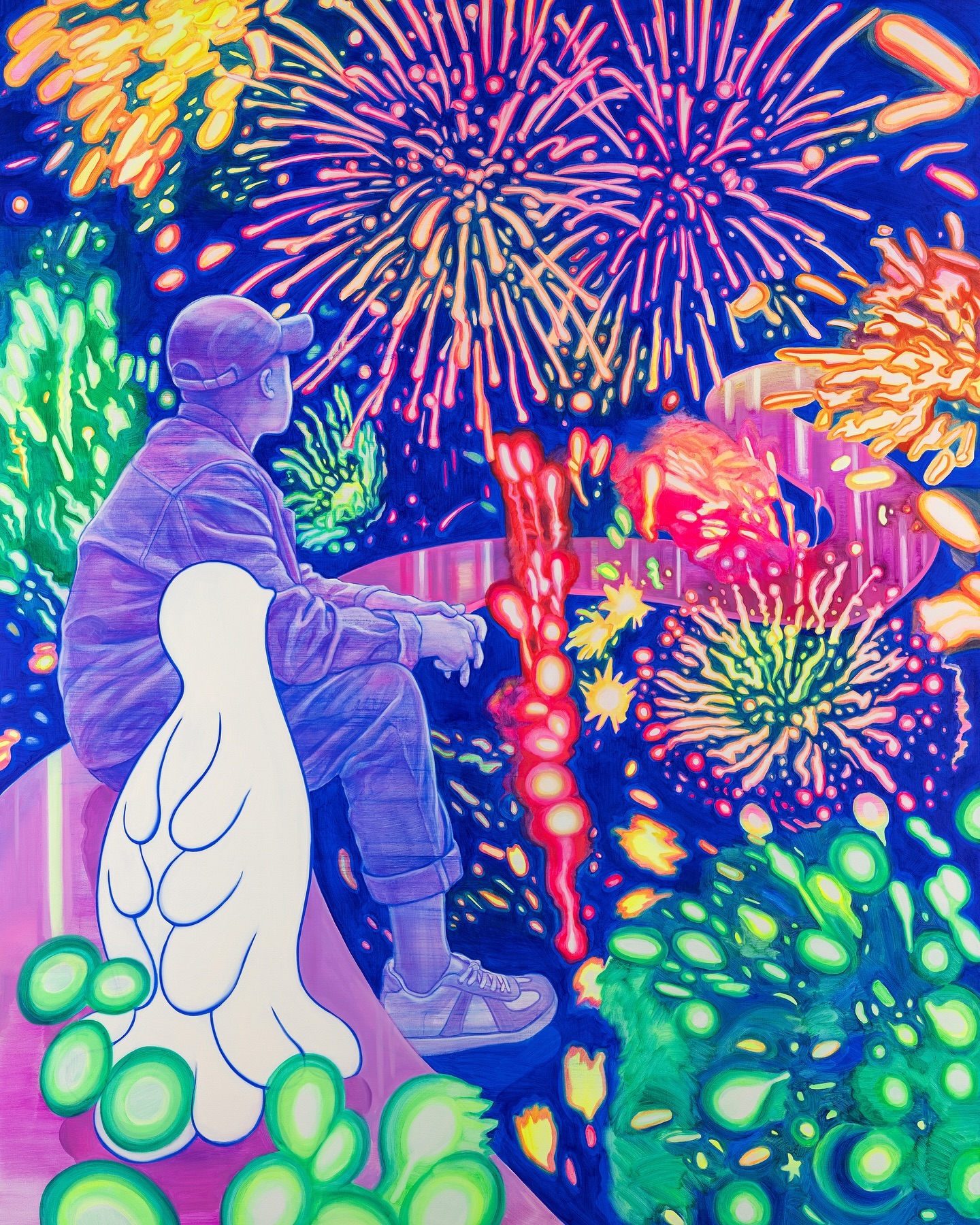
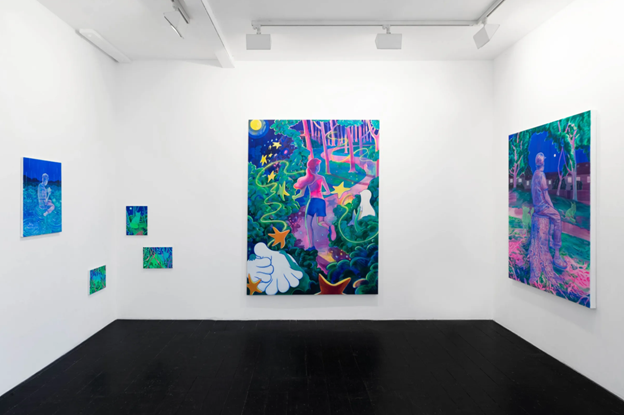
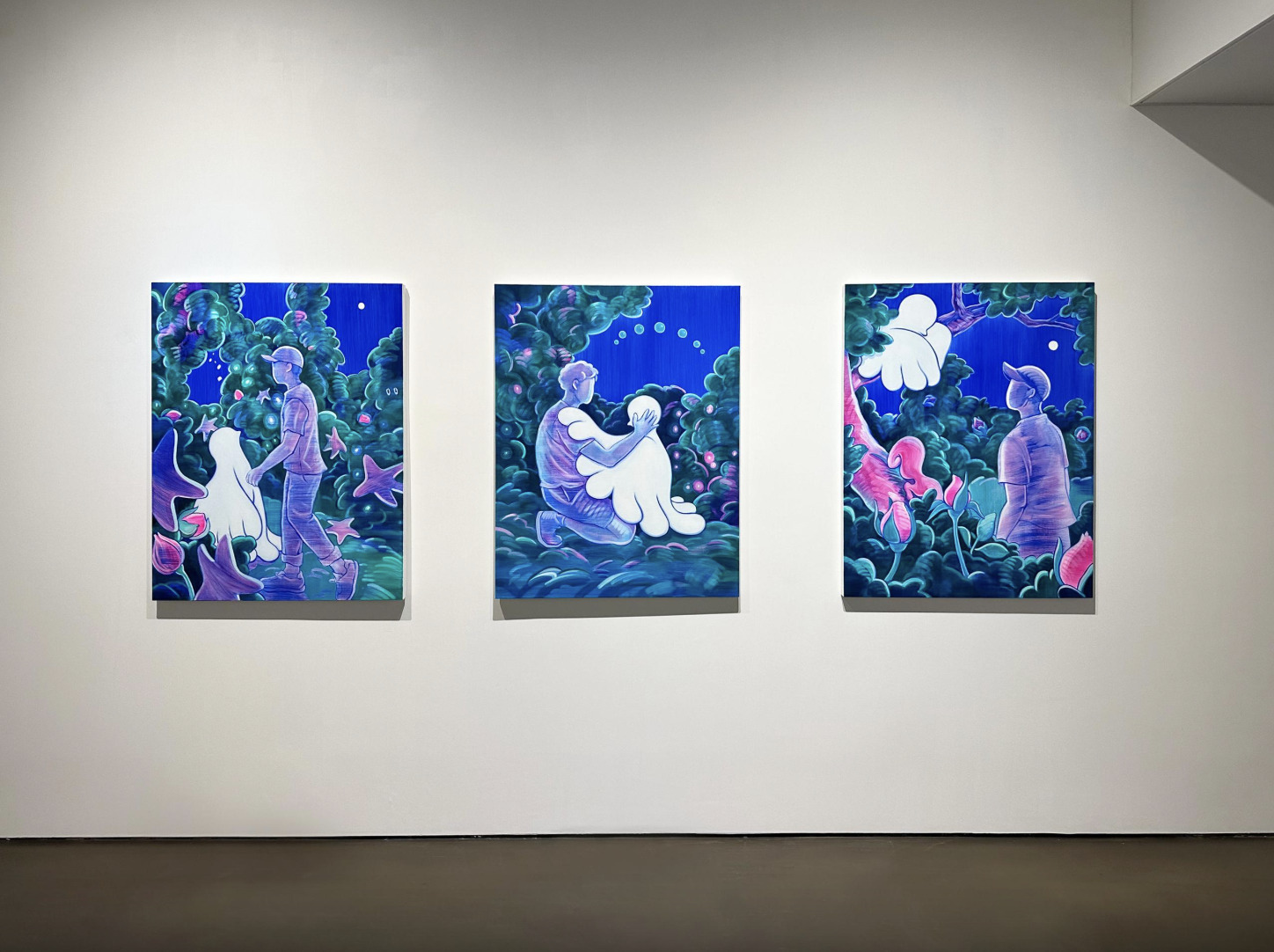
The blue iconography that Jaeyeon Yoo paints fully embraces these
developments in which the image places itself at the center. At first glance,
her imagery appears remarkably lucid; yet because of the distinctive height and
breadth of perceptual sensation it contains, it is not easy to depart from it.
For her practice, Yoo gathers multilayered experiences embedded in her life in
fragmented form, and processes them into intertwined strands of various
perceptual layers. These strands of images are then woven into certain
situations she envisions through specific triggers. The process of storing
fragments drawn from the broader flow of lived experience as images, and later
revisiting and recombining them, seems effective in that it guarantees the
artist ample time for reflective wandering.
Her methodology of recontextualization is intriguing in that it
requires a categorization distinct from the direct narrative transmission that
figurative painting historically occupied, linking object and icon. If one were
to examine it more closely, Yoo’s work, from a visual-perceptual standpoint,
resembles fantastic literature. In defining fantastic literature, what is
important is the surreal quality of its content, alongside the formal worldview
constructed through text. Tzvetan Todorov defined this as “the fantastic
grounded in reality.” Yoo’s iconography similarly contains an inverted
compositional structure in which fantastical objects or figures are
extrapolated against the negative mode of reality serving as background.
Ultimately, the core mechanism generating Yoo’s iconography lies in calibrating
the projection ratio of literary imagination that connects reality and fantasy
into a balanced equilibrium.
Such imagetelling compels viewers to determine, at the level of
reception, how much hesitation they will harbor in confronting the image. Yet
amid the pervasive whimsical characteristics in Yoo’s expression and
composition, it is not immediately easy to discern her theme—the gap between
the imaginary and the symbolic—while witnessing the blue nocturnal landscape.
Thus, the hesitation experienced when judging the boundary between fantasy and
reality opens a new entry point within her hybrid design.
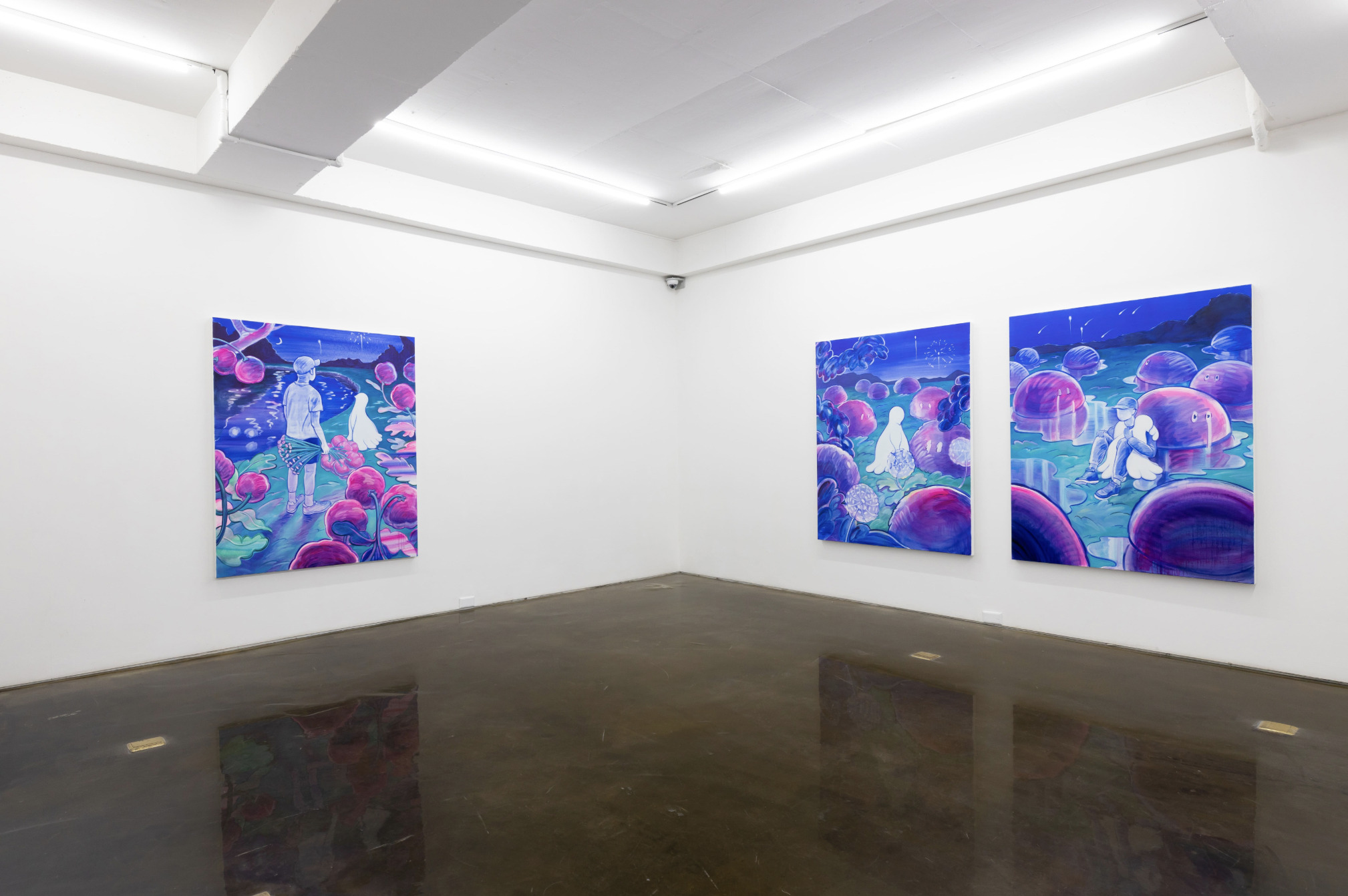
Given her long-standing interest in the disjunction between
segmented worlds, it may be natural that she would turn her attention to the
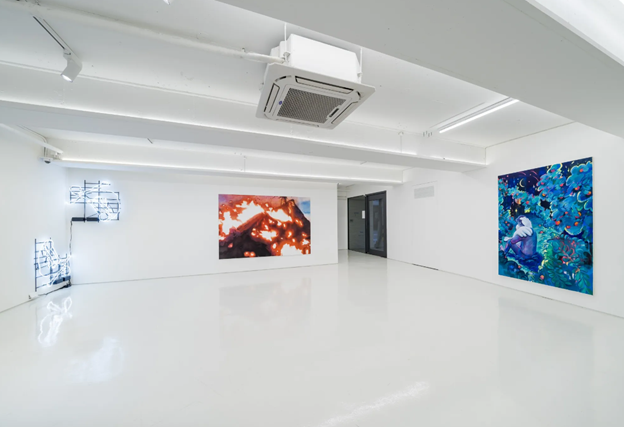
extreme lockdown imposed during the outbreak of COVID-19. The works presented
in her solo exhibition 《GREAT TO SEE
YOU》(Gallery Lux, 2021) continue her 〈Night Walker〉 painting and sculpture
“piece-painting” series, produced after lockdown was declared in London, where
she is based. In isolation, a world more starkly divided moved beyond duality
toward increasing multiplicity. The world arrangement—where reality, arduously
separated through the process of fantasy, stood opposed to the imaginary realm
sought as refuge—was interrupted by yet another scale of longing, that of
pandemic daily life. The artist thus grants a wholly different will to live to
each world. The dramatic manifestation of her longstanding pursuit of
reconciliation across disjunctions in this exhibition likely stems from this
abrupt transformation.
The orders and rules that once manifested the lives, identities,
and relationships of subject and others were overturned in Yoo’s imagination,
revived again, and fractured anew by unforeseen circumstances. Space-time grew
increasingly complex; disjunction intensified. We now inhabit a world in which
mutual understanding has grown ever more difficult.
The surreal world opened by Yoo’s imagination marks boundaries
that distinguish past and present, ideal and reality, here and elsewhere; it is
at once an unconscious fantasy manifesting as the substance of desire—a
principal concern of psychoanalysis—that resists symbolization while not being
mere imagination, and ultimately a refuge discovered within emptiness, leaving
behind what remains through the crossing and overlapping of all these times and
spaces. Jacques Lacan termed such fantasy the “Real,” unavoidable because the
subject’s desire can never be fulfilled. The background of Yoo’s fantastical
imagery closely resembles this Real. The protagonists appearing in her
paintings may be viewed as Freud’s “lost object of desire,” while also
functioning as Lacan’s “objet a,” a metaphor for the artist herself as an
unrealizable subject.
Nevertheless, Yoo does not plunge excessively into reality nor
drive herself toward the impulsive stage of entirely forgetting it. Instead,
she shares a moderated state of jouissance, accepting the fated sensibility of
an individual who can only contemplate an unreachable world. In this way, her
painting allows for the full enjoyment of a multifaceted narrative and spectrum
of images that oscillate between overcoming the gap and acknowledging it. Her
faintly luminous night invites us precisely into that landscape.