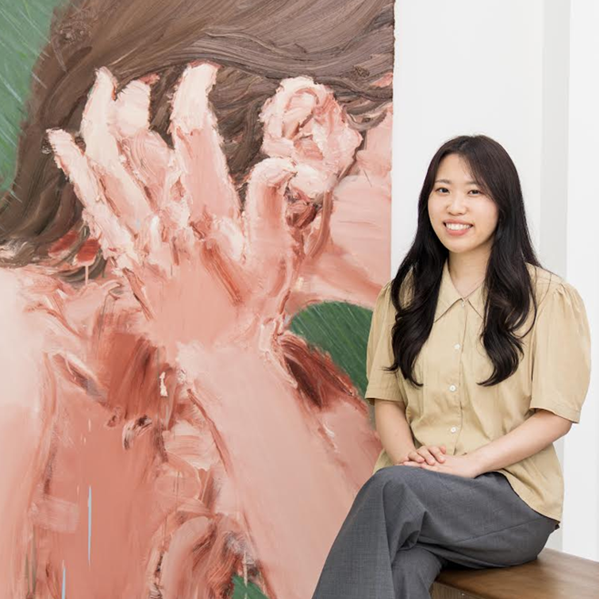
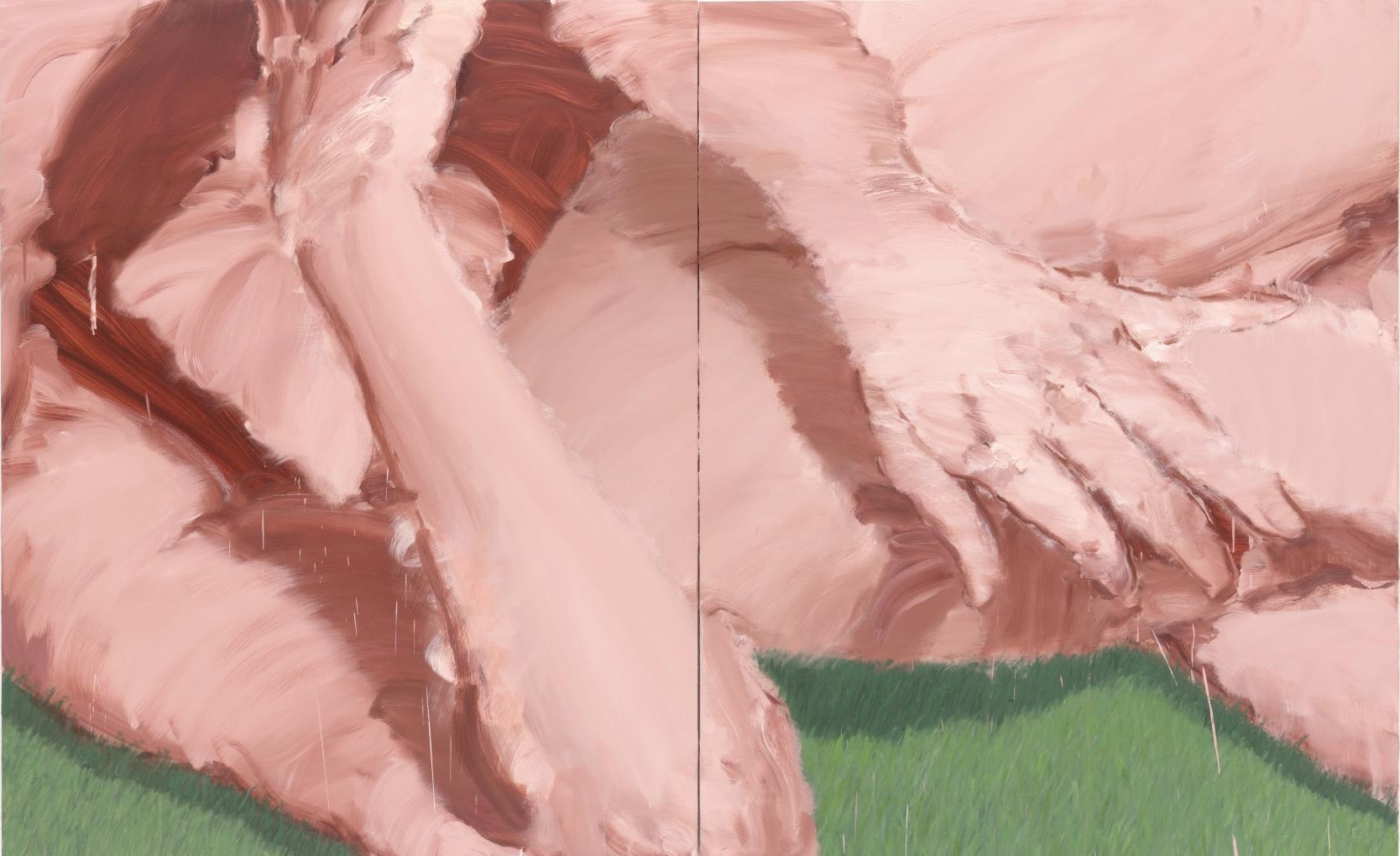
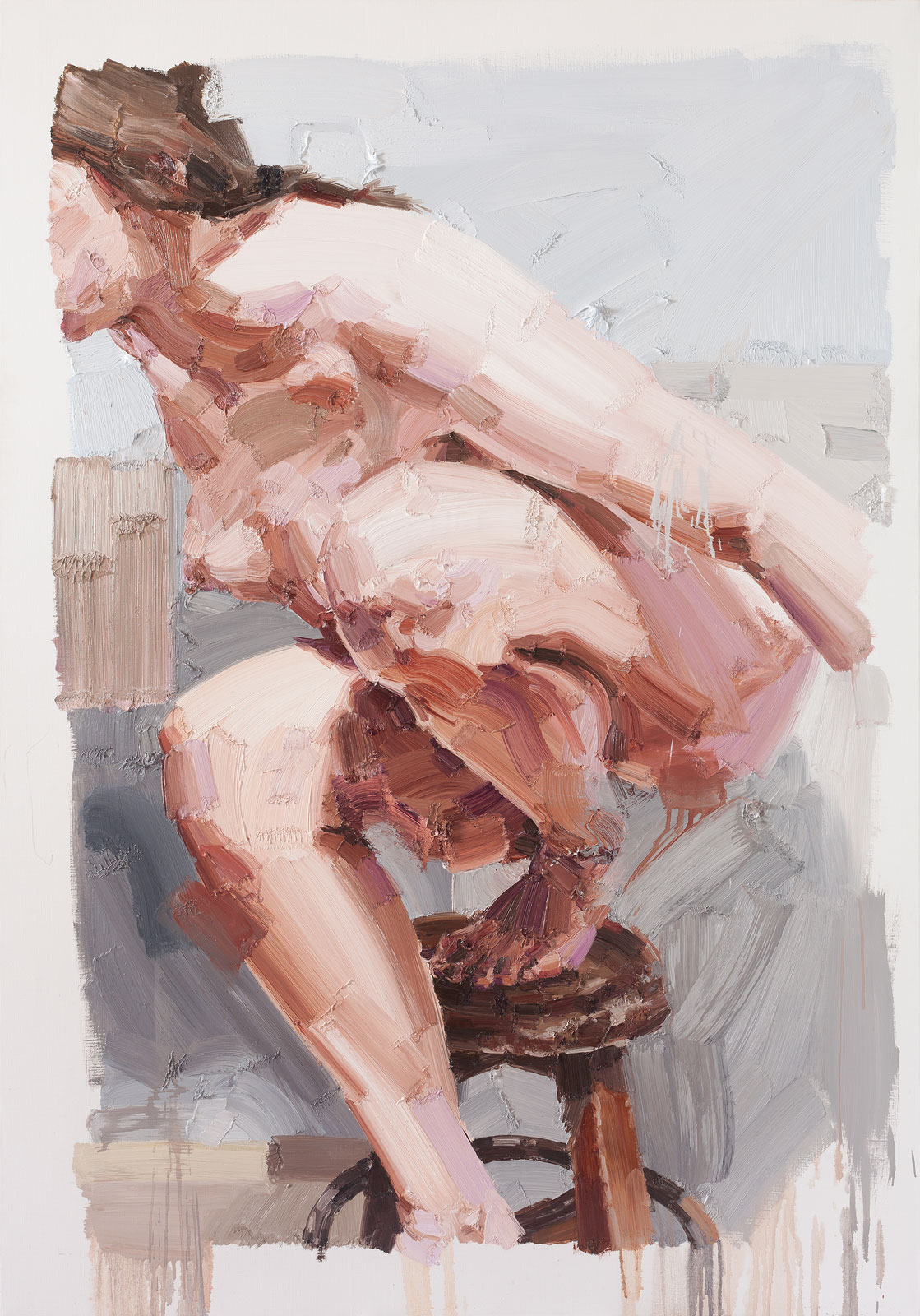
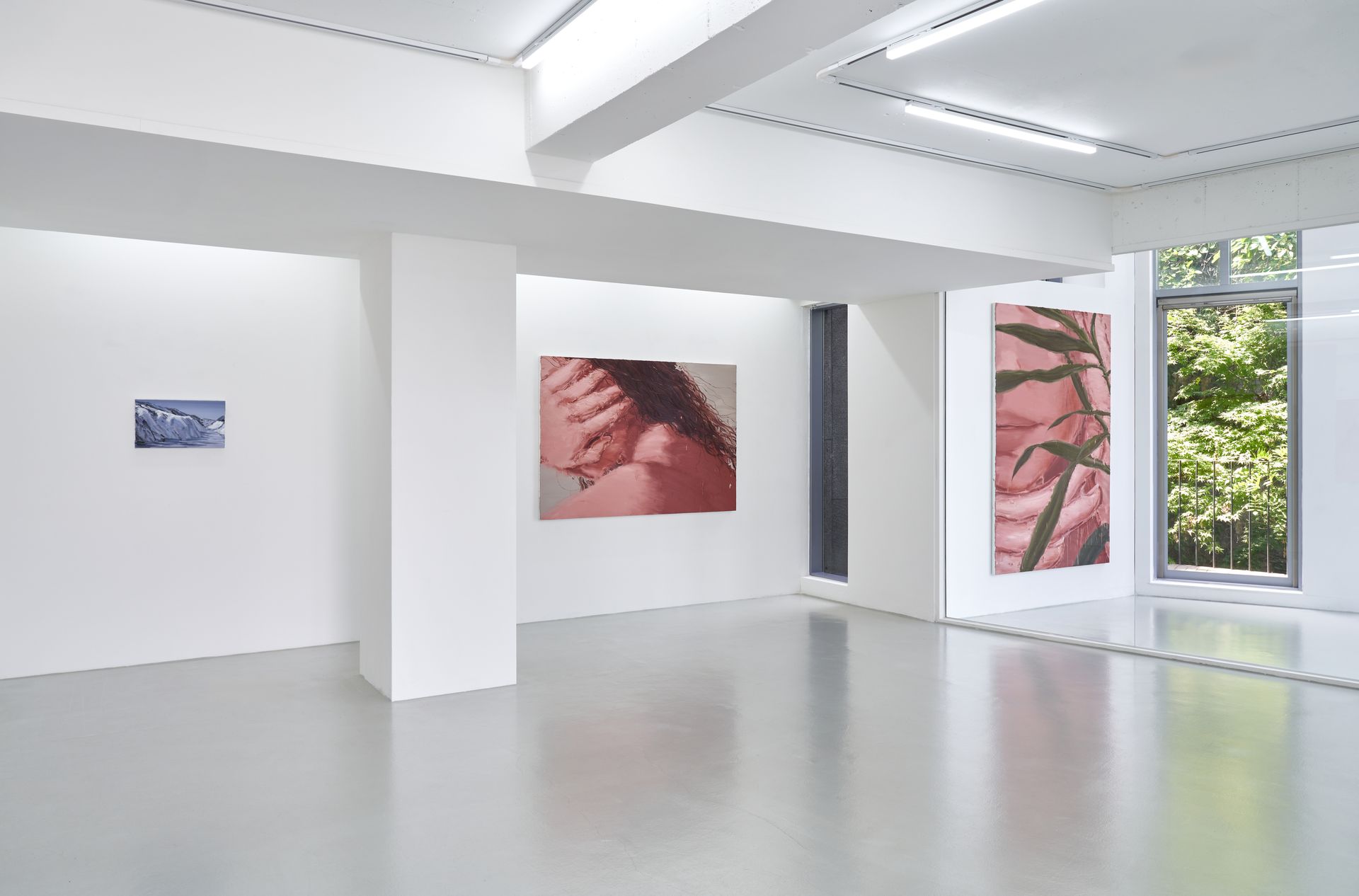
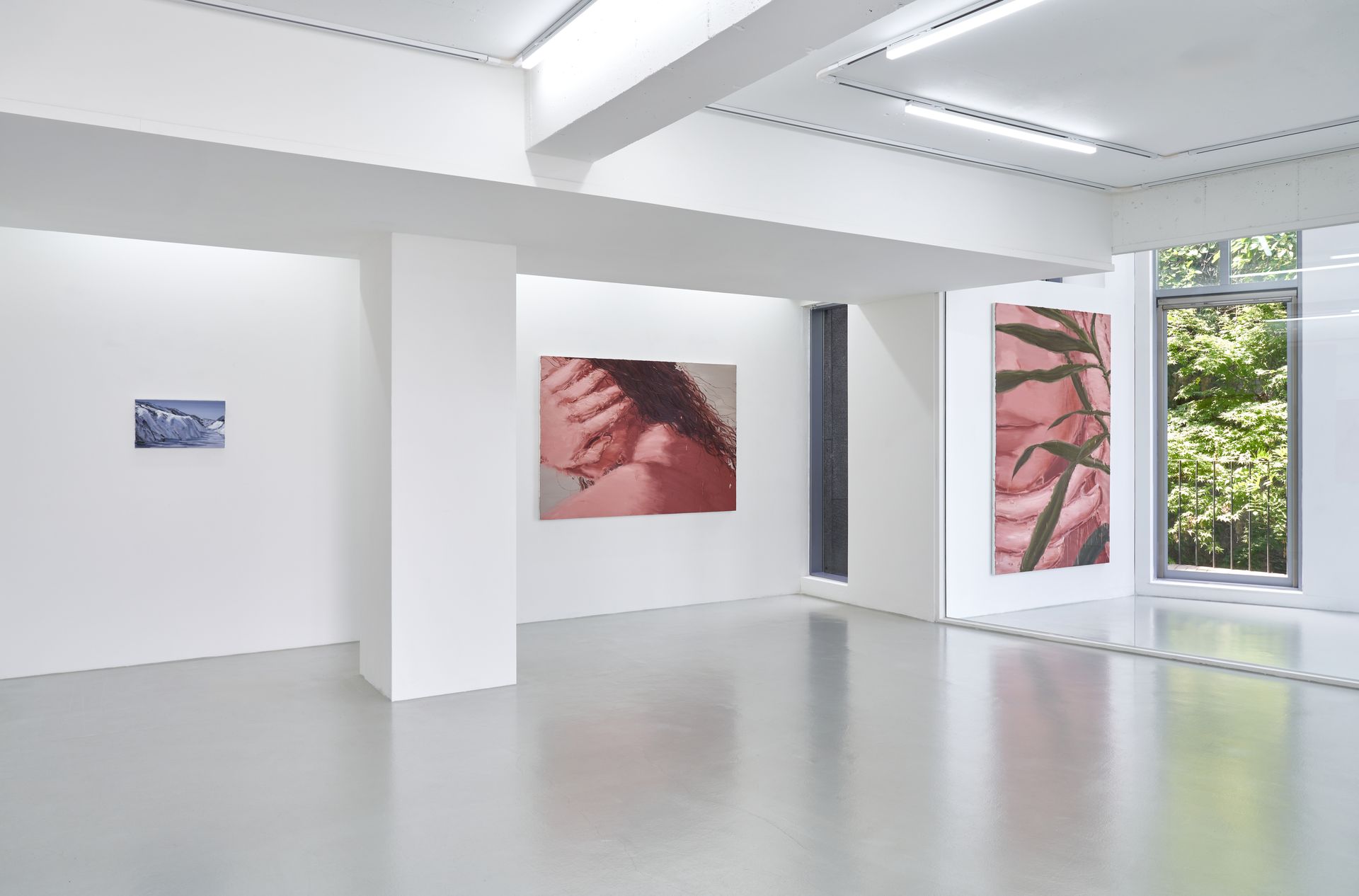
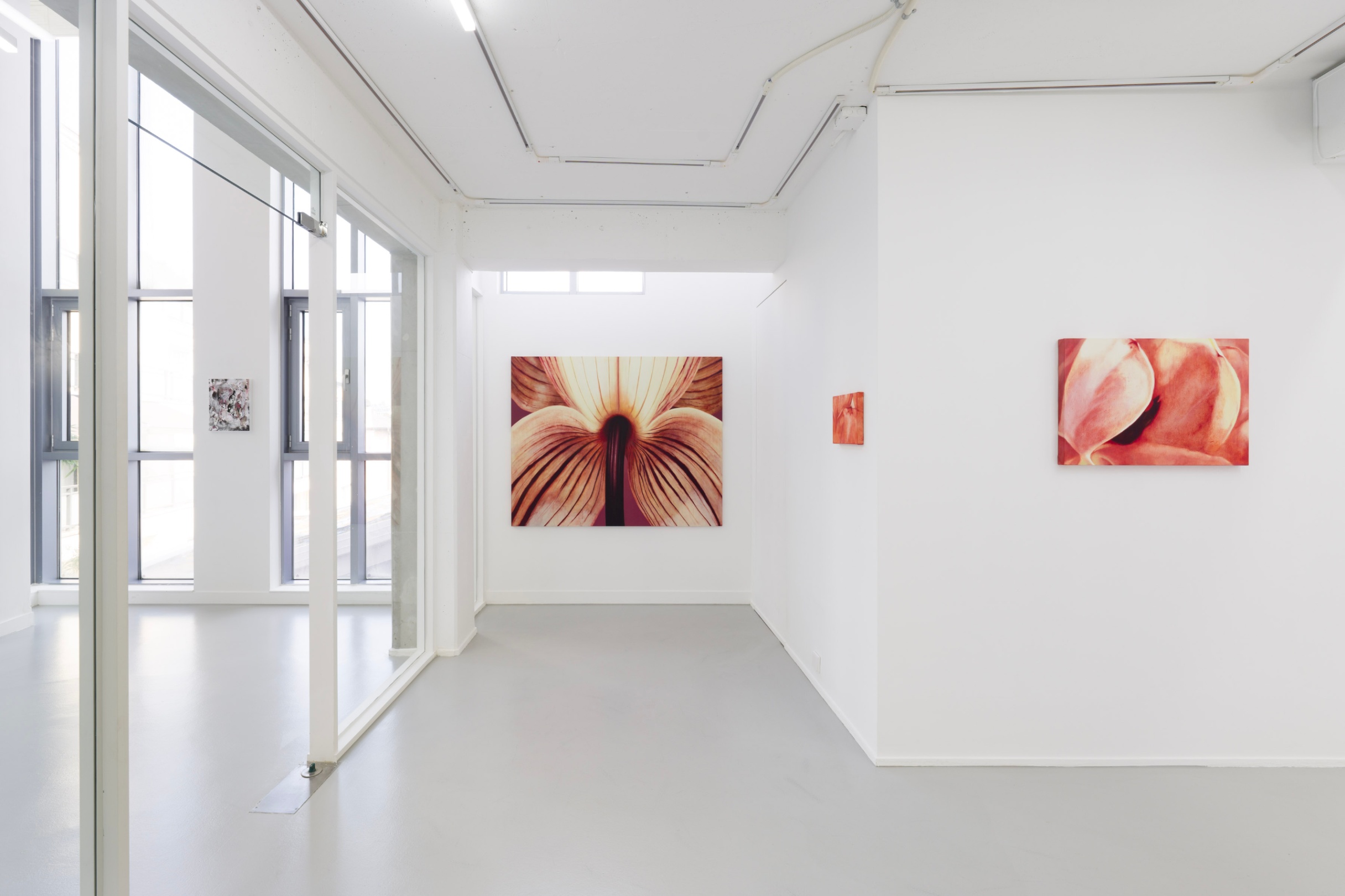
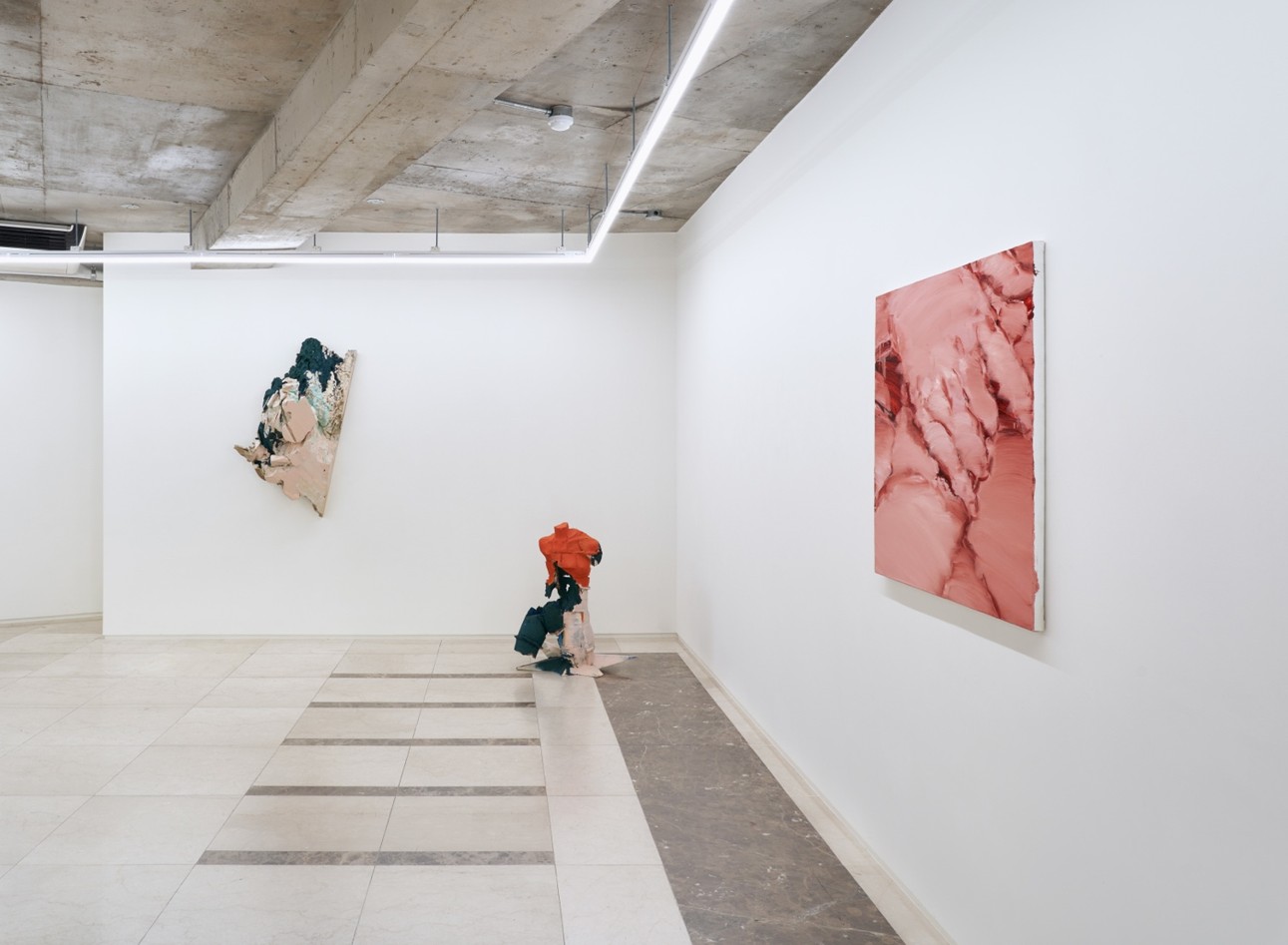
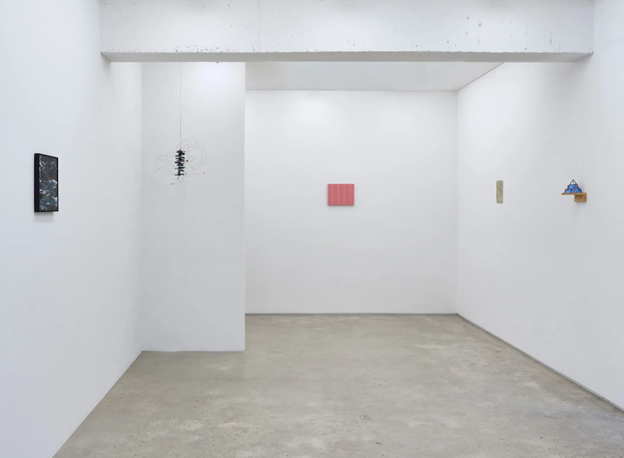
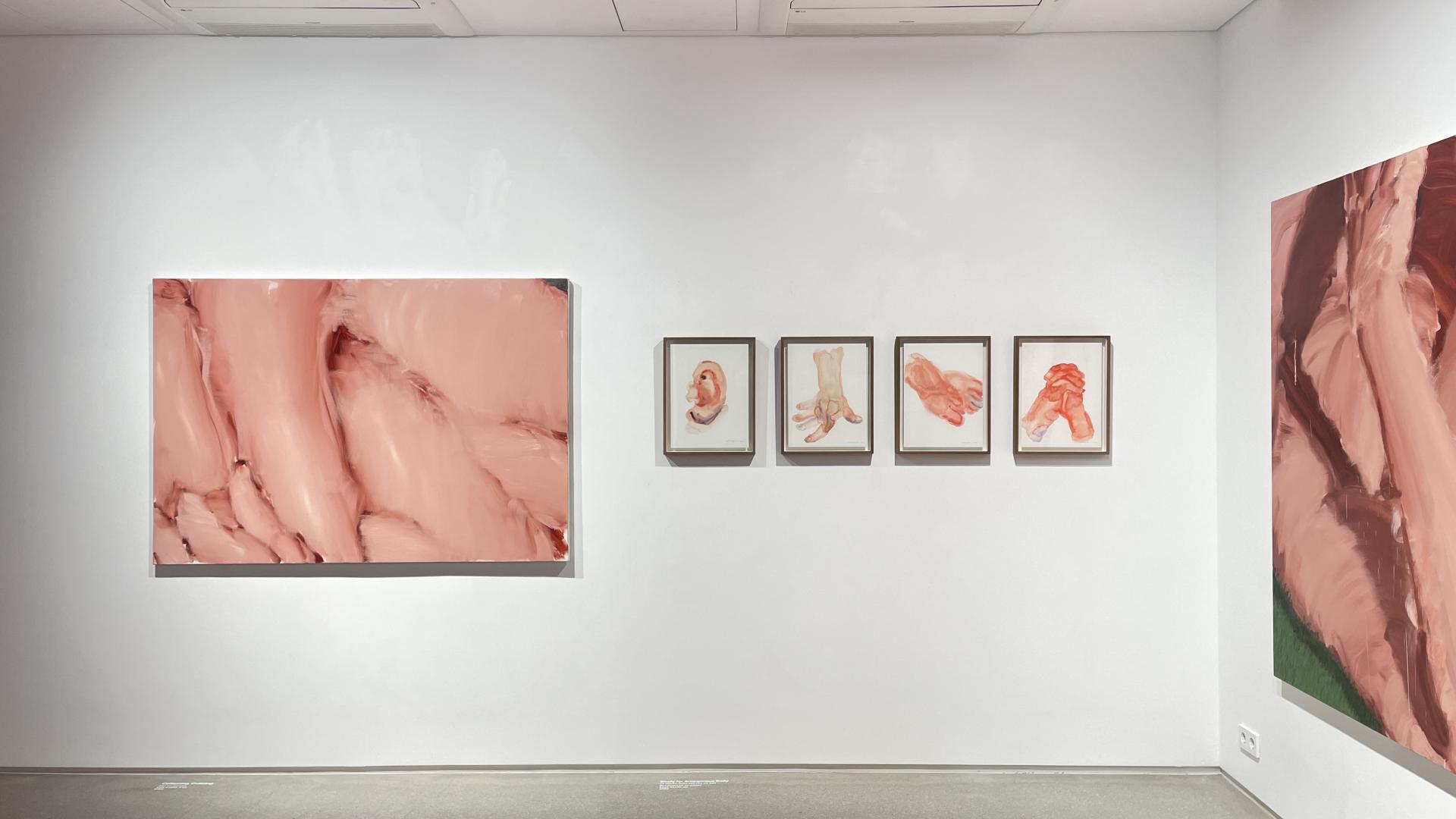
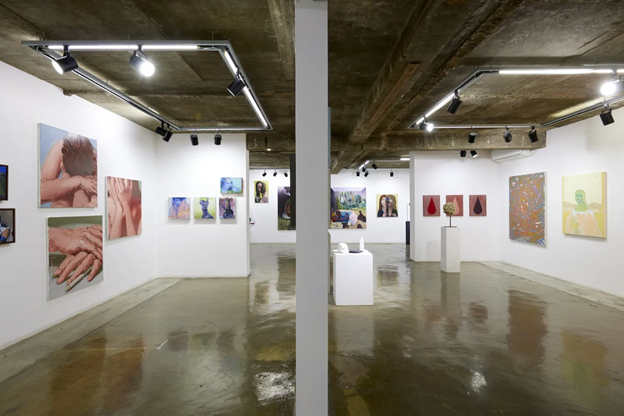
Upon entering the gallery, the viewer is confronted with surfaces
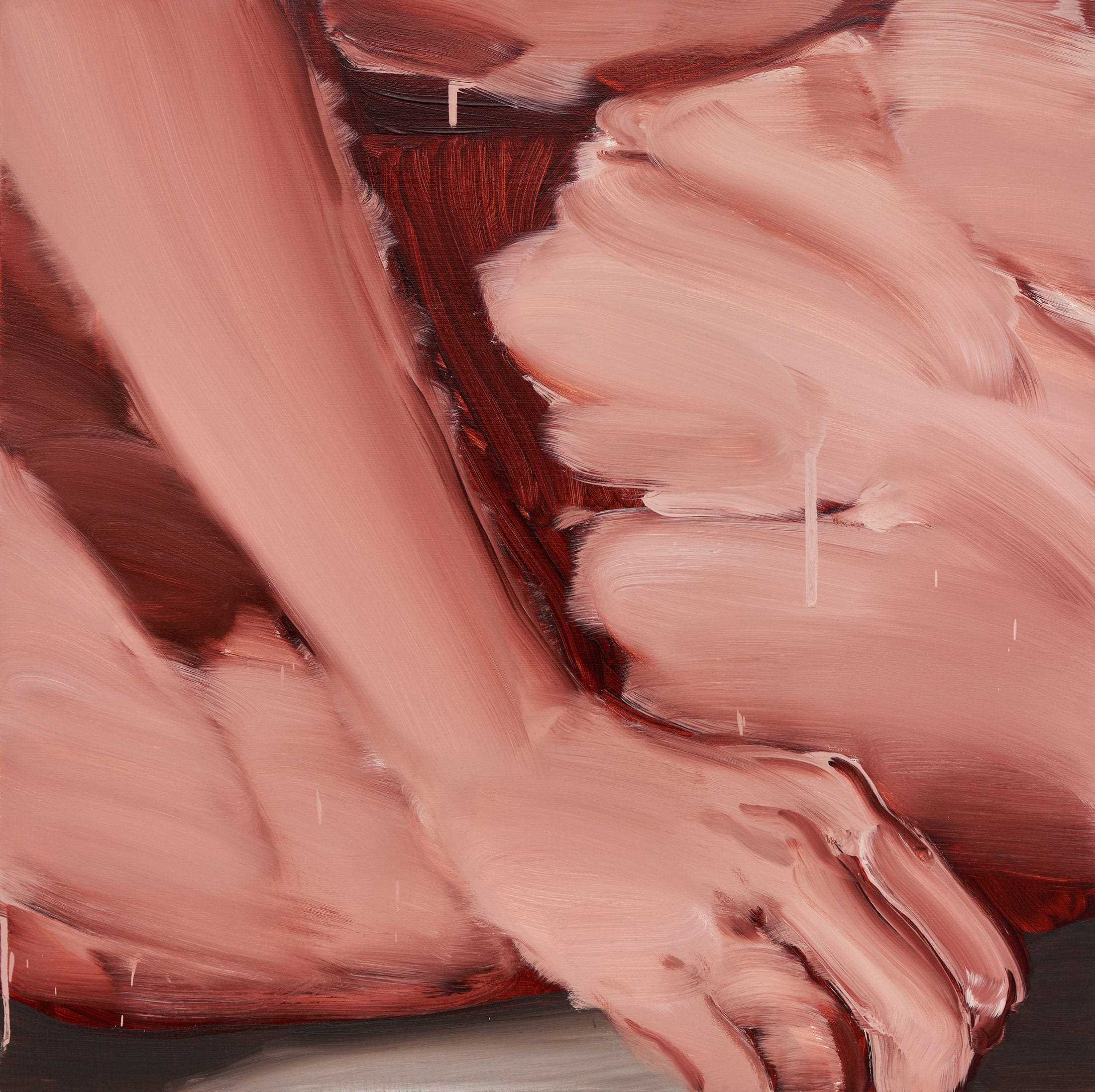
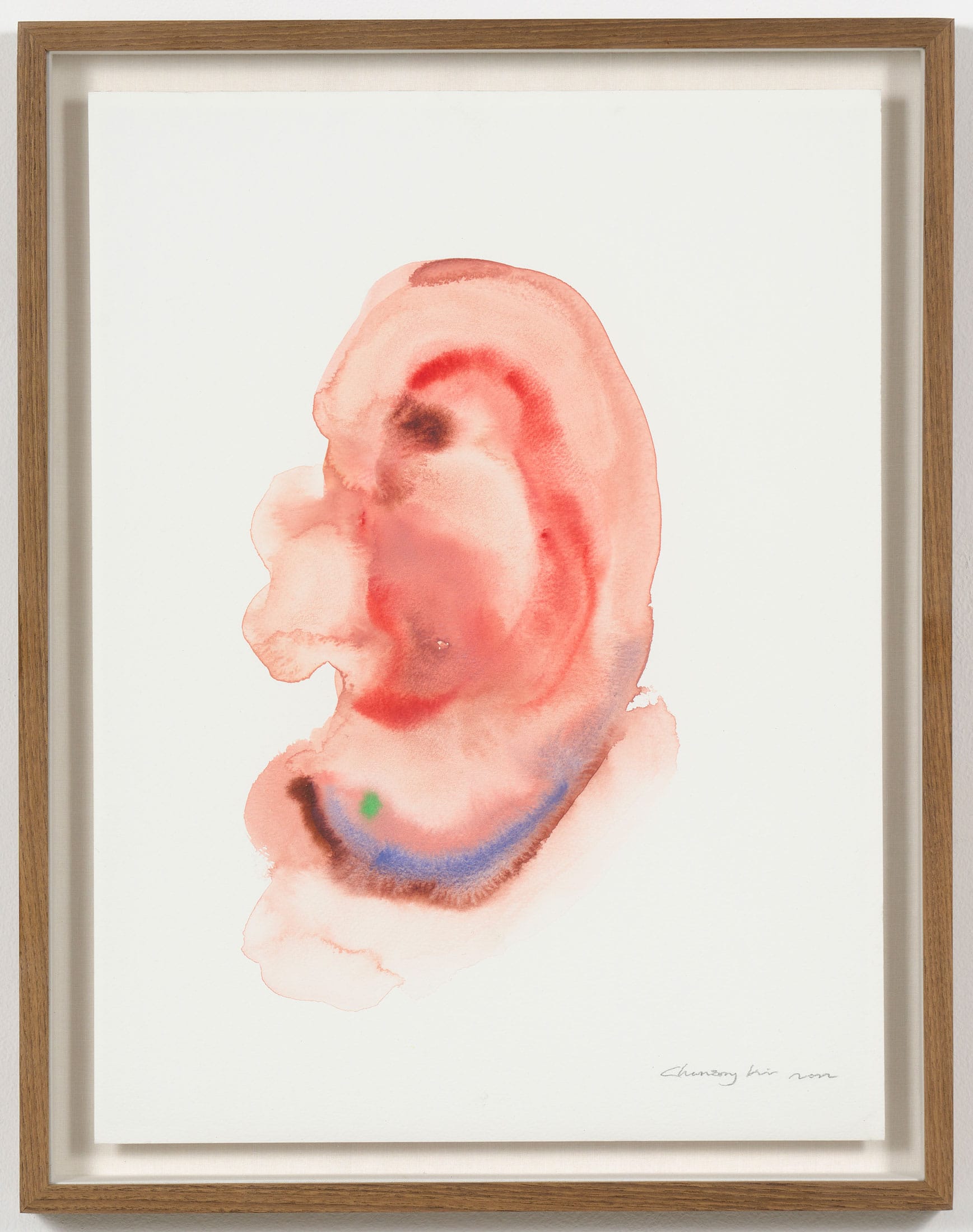
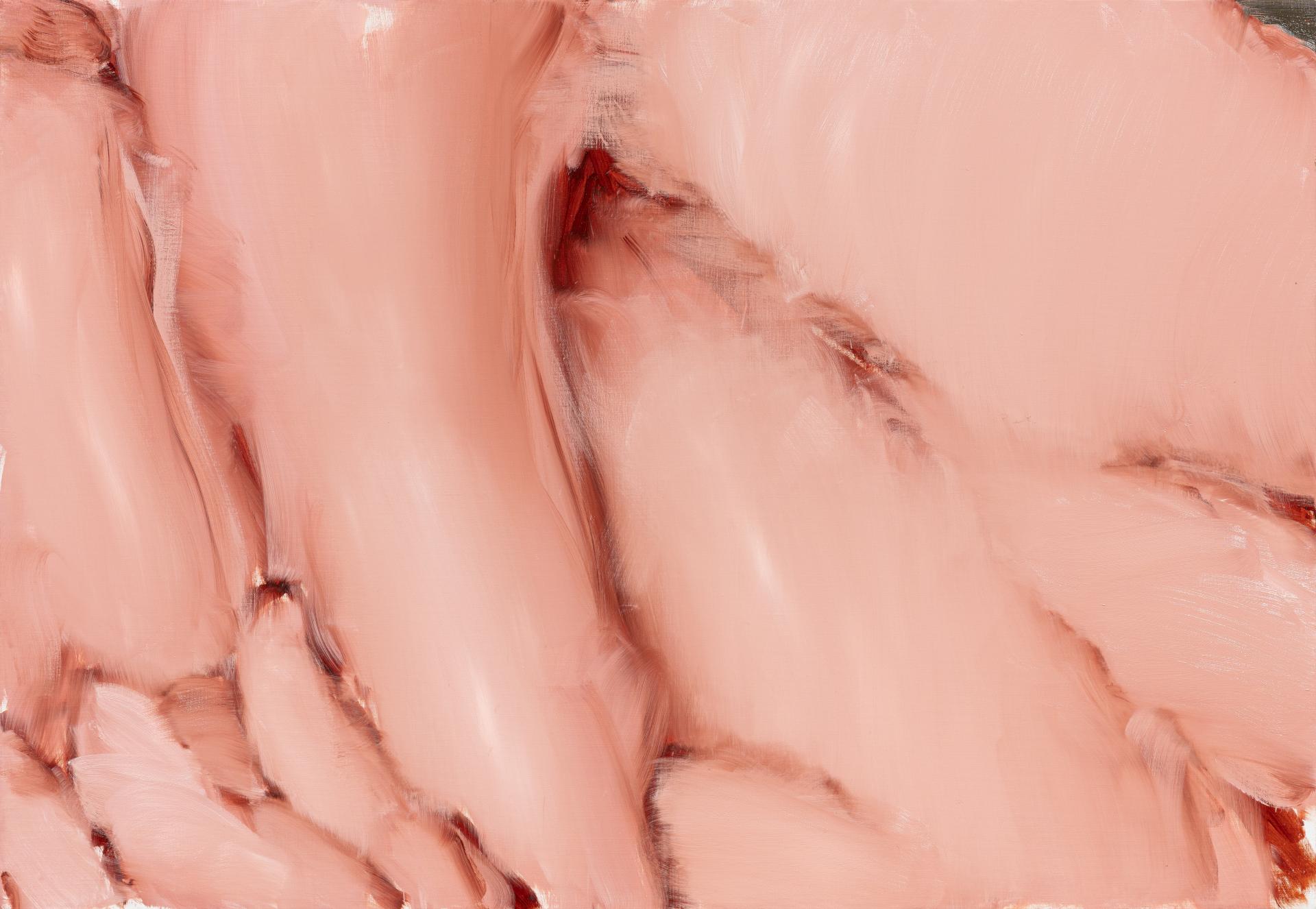
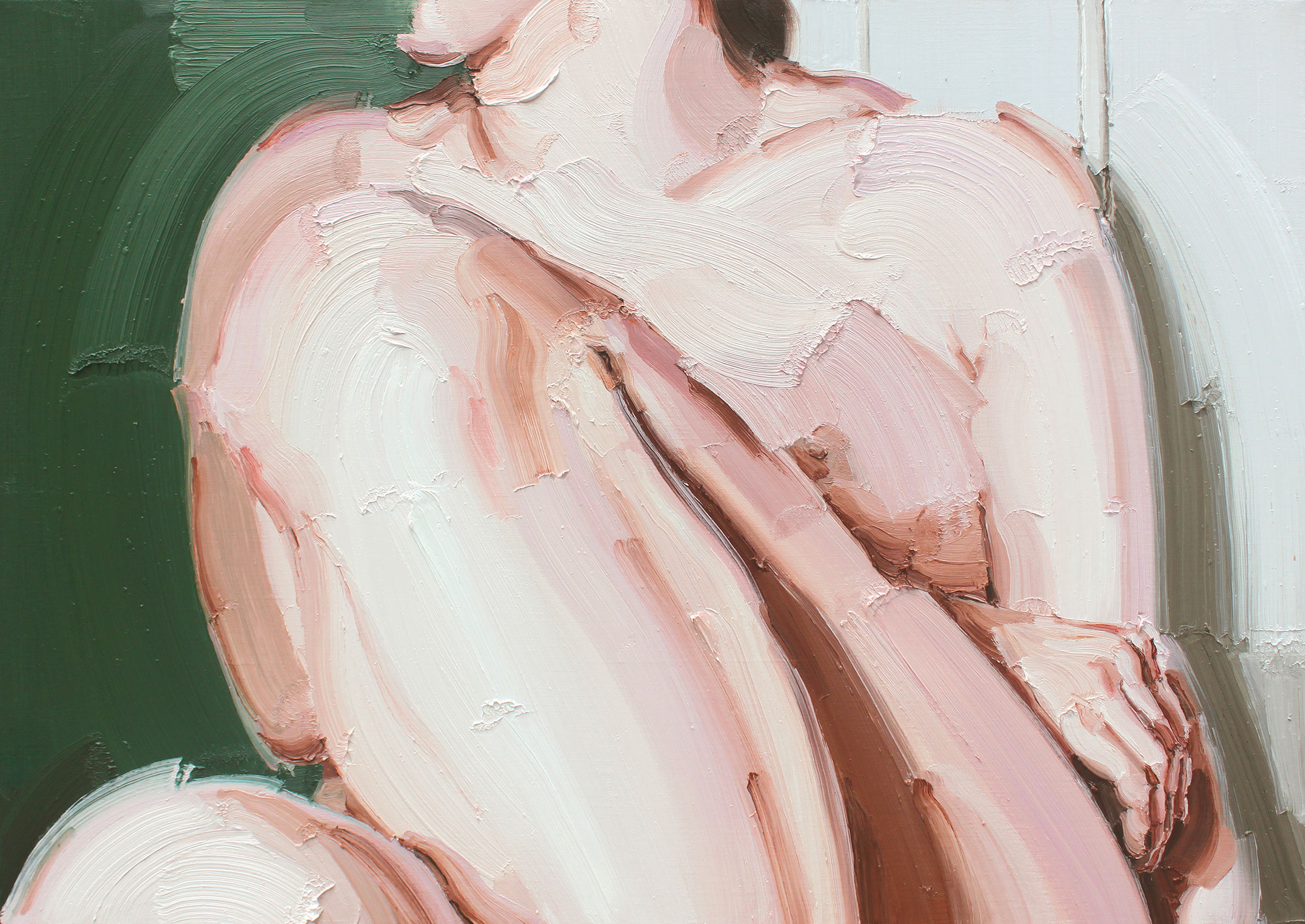
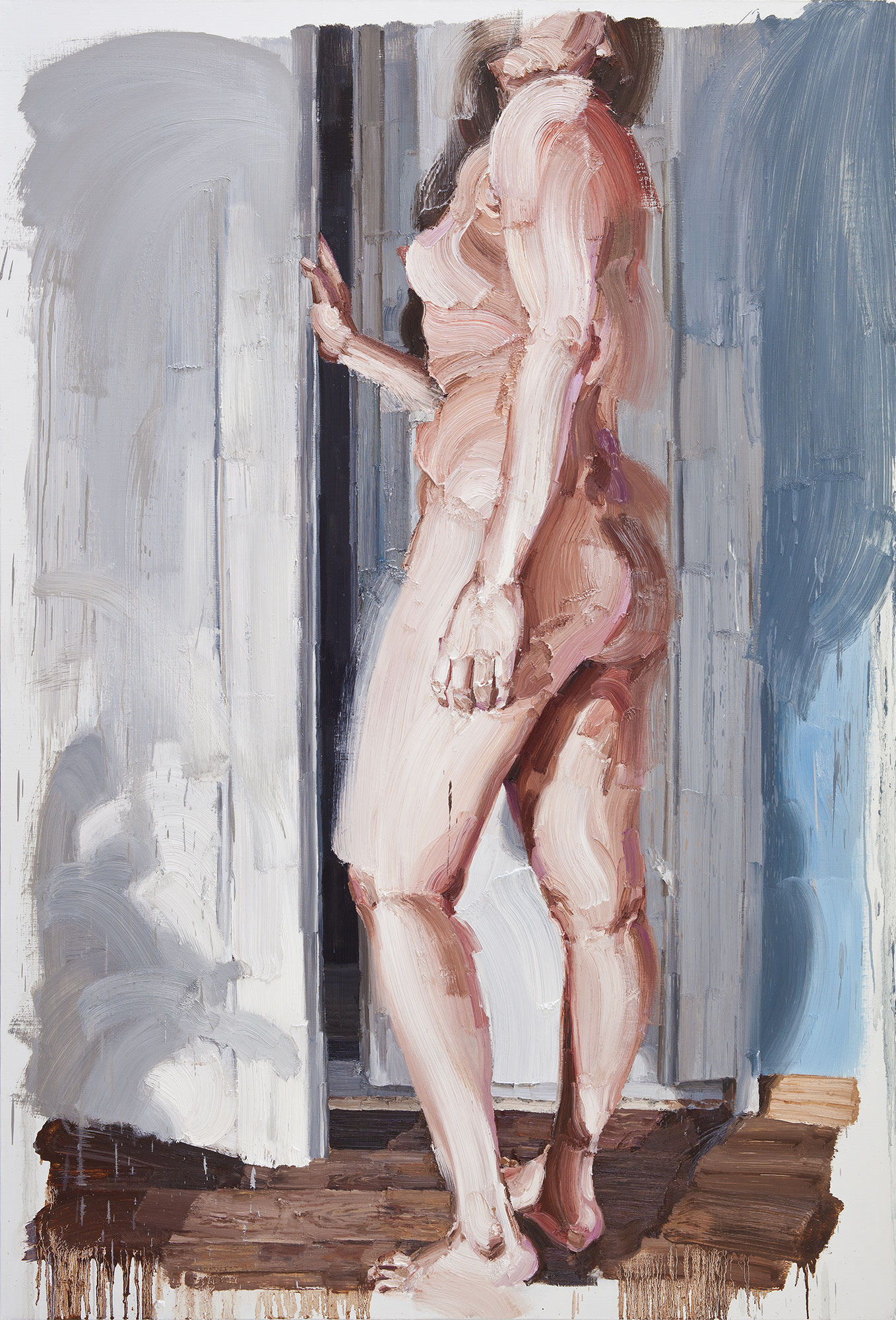
of skin that dominate the visual field. Enlarged fragments of the body,
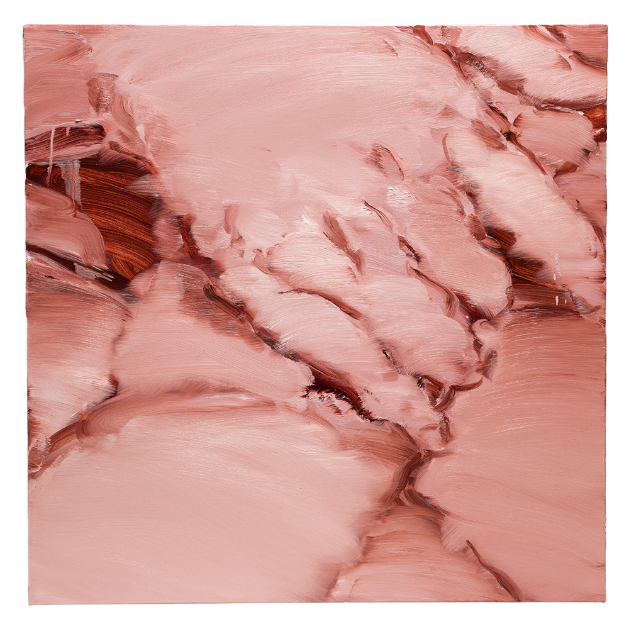
rendered across canvases of varying scale, are at times sharply articulated,
and at others blurred, twisted, and deformed—resembling amorphous masses of flesh stripped of clear anatomical
boundaries. What fills the exhibition space is the tactile sensation and warmth
of these fragmented bodily surfaces.
Titled ‘Vein and Fever’, Chansong
Kim's solo exhibition centers on the dynamics between interior flows and their
surface manifestations. The vein functions as a conduit for invisible energies
and emotions coursing beneath the skin, while fever signals their emergence—an embodied trace of circulation and affect made perceptible through
heat. The exhibition unfolds as a corporeal landscape, a spatial embodiment of
subtle circulatory rhythms and bodily warmth, as if the gallery itself were
transformed into a living organism pulsing just beneath its surface.
Chansong Kim has long engaged in a sustained inquiry into the body
as both subject and site of perception. Since beginning her practice in earnest
after graduating in 2011, she has repeatedly depicted anonymous, faceless
bodies and unfamiliar bodily masses—forms that resist identification and often appear alien or
materialized. she was particularly drawn to the moment when the familiar
sensation of one's own body shifts into an estranged, object-like experience.
This sense of estrangement became central to her painterly exploration, as she
sought to capture the threshold between embodiment and perception. A
significant turning point in this inquiry occurred with his 2021 solo
exhibition 《At a Moment's Touch》, presented at the TEMI Artist Residency,
Daejeon. Moving beyond the depiction of anonymous forms, Kim began to focus on
skin as a tactile surface—an interface where the inner
and outer converge. A decisive moment arose during the installation process,
when she unexpectedly noticed a bead of sweat forming on her forearm.1
This
involuntary physiological response—sweat, breath, and other phenomena beyond conscious control—revealed to her the skin not merely as an exterior boundary, but as
a living, responsive surface that continuously negotiates with the external
world. This encounter provoked a profound existential awareness and has since
become foundational to her practice. In Kim's more recent work, skin emerges
not as the outer contour of a figure, but as a sensate threshold—a site of permeability and exchange, mediating between the interior
and exterior, self and world.
《Vein and Fever》, Kim Chansong's latest exhibition, continues her longstanding
inquiry into the body, with a particular emphasis on the material and sensate
surface of the skin. For the artist, skin is not merely the outer boundary
of the human body, but a dynamic interface—an expandable surface where sensation converges and
experience is inscribed. In this exhibition, skin is explored as the most
responsive and mutable site of contact between self and world.
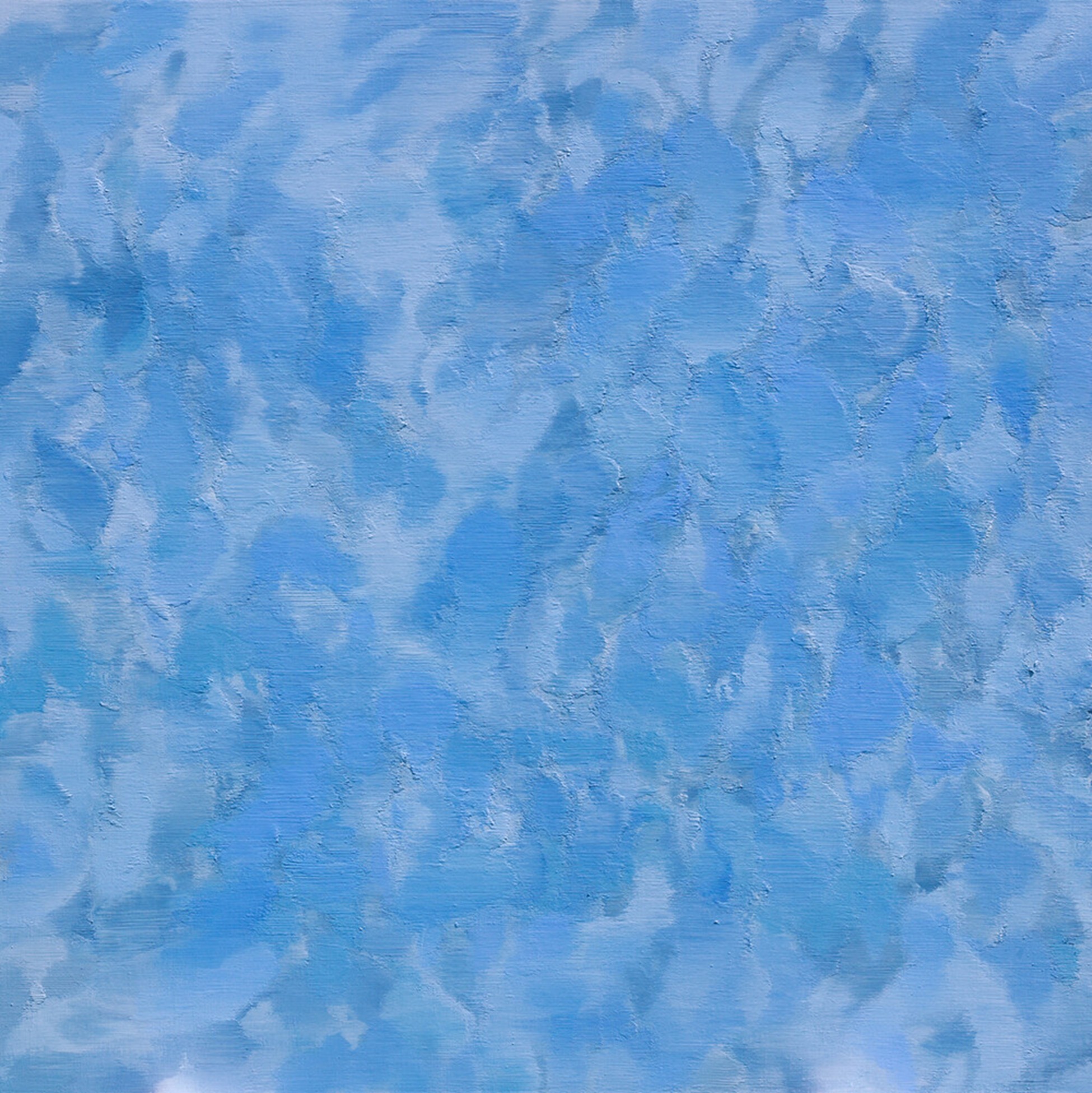
This approach is
further developed in the installation The Skin of Water (2025),
in which skin is reimagined through the medium of water, expanding the
notion of the body's surface into a broader register of circulation and
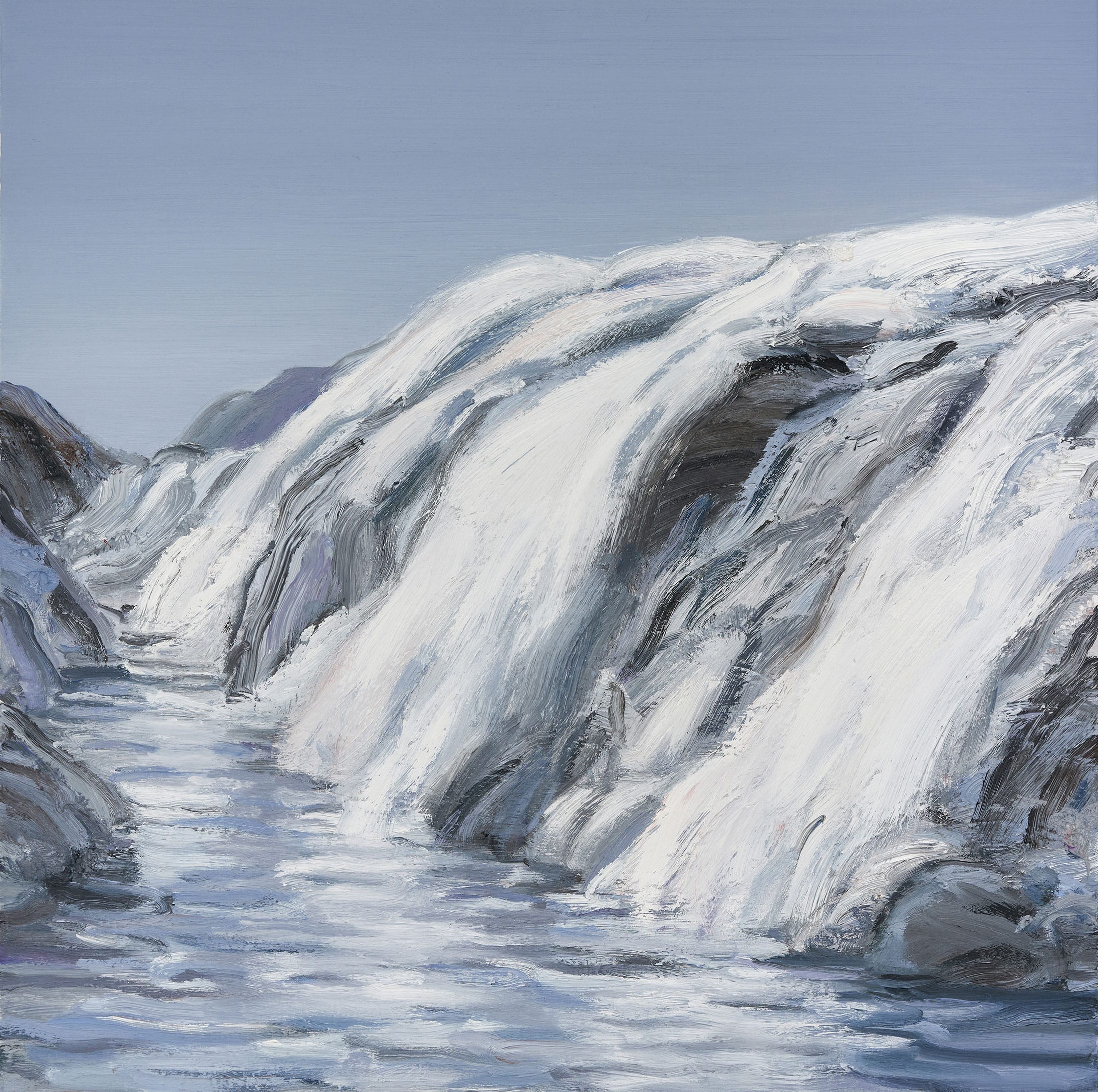
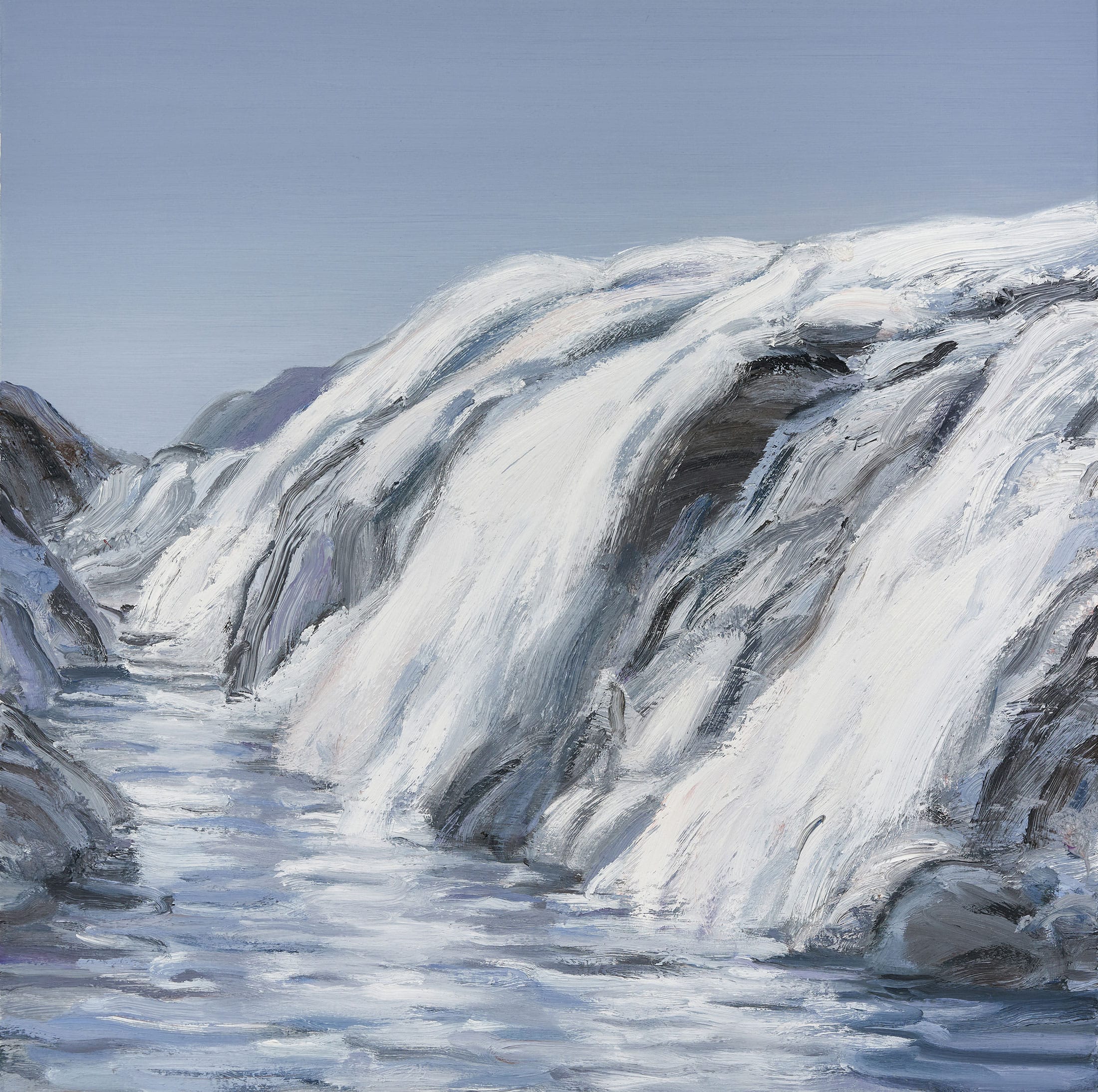
fluidity. Scattered among the paintings of flesh are scenes of winter
landscapes that capture water in states of transformation—ice, vapor, liquid—forming a visual metaphor
for the permeability and mutability of skin. Here, water becomes a medium
through which the artist contemplates the skin's capacity to respond, absorb,
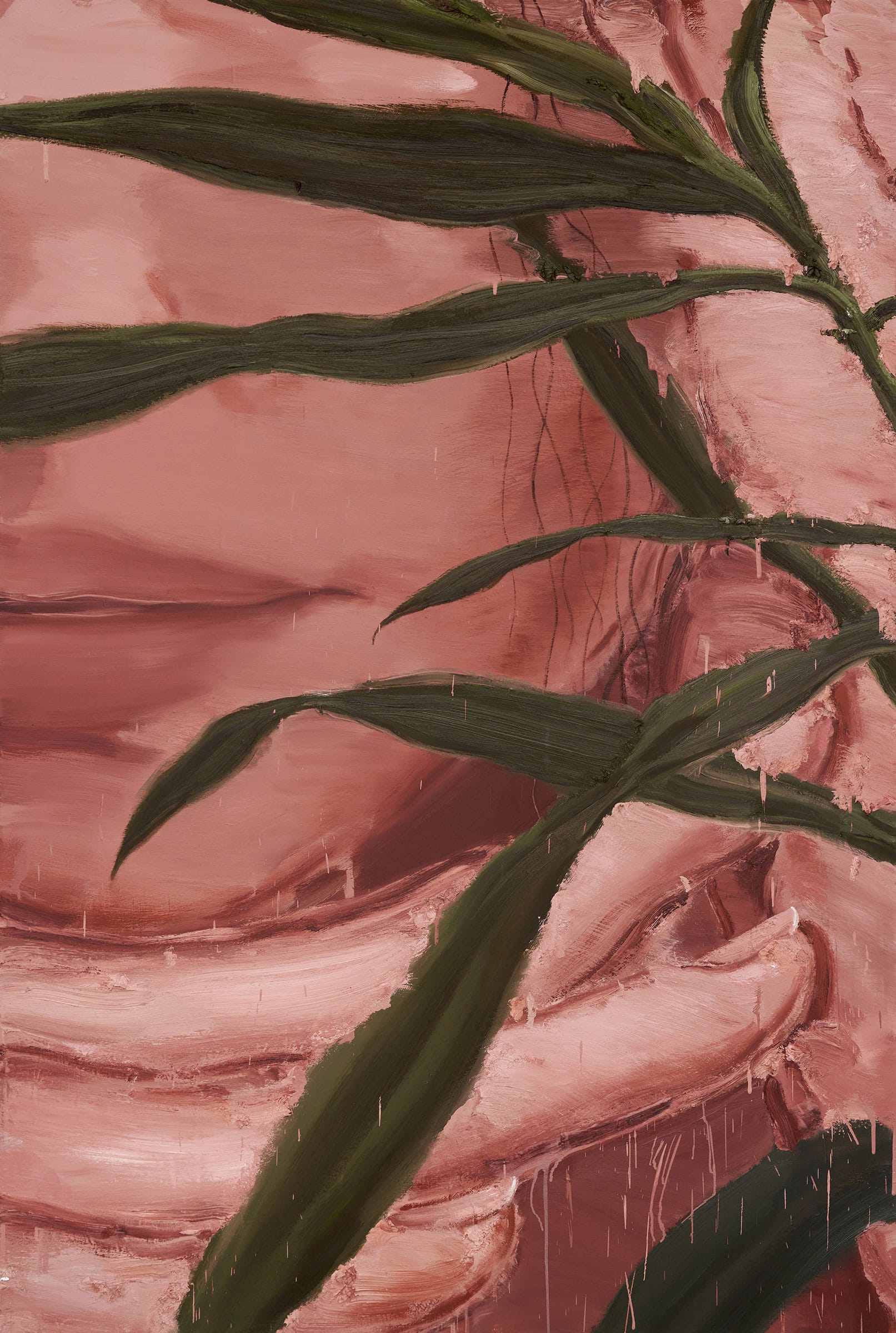
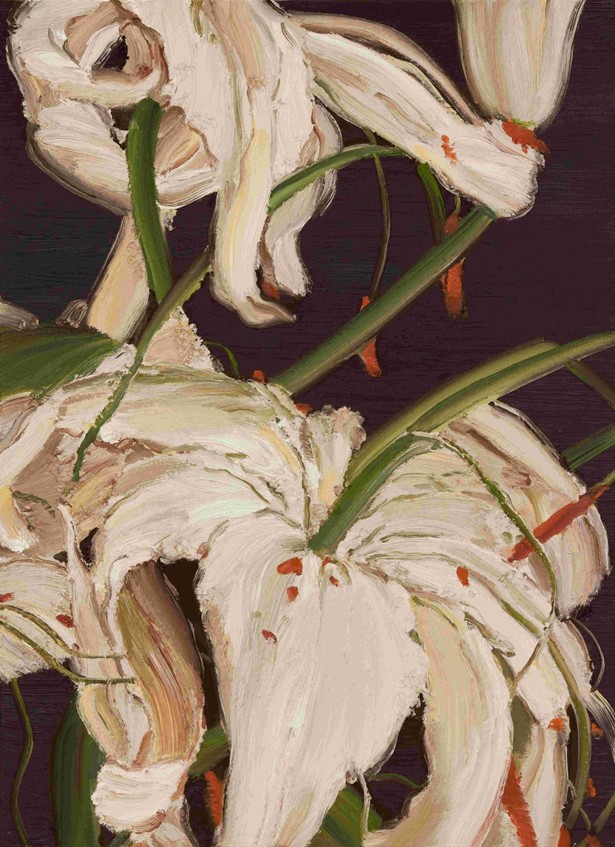
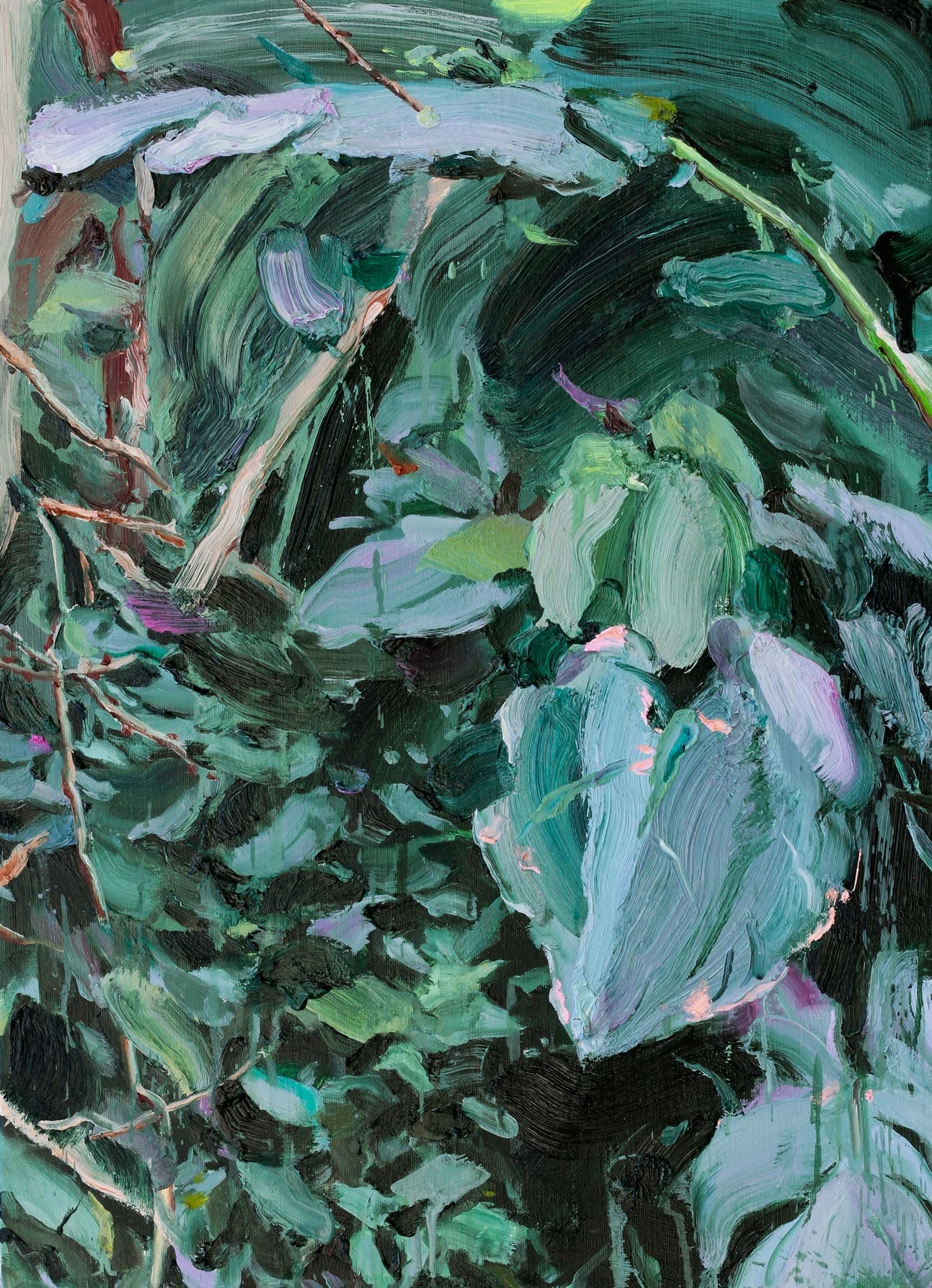
and relate. Another key motif in the exhibition is the lily, featured
in Faded, Yet Still (2025), a work that delicately
traces the blooming, withering, and falling of lily petals.
The process bears a
striking resemblance to the skin's shifting states. Tense petals before
blooming echo the flush of heat in living flesh, while the wilting, twisting
motions recall the subtle tremors of skin at the threshold of sensation. Across
the exhibition, disparate entities—bodies, water, and
plants—resonate with one another, ultimately forming a
unified landscape articulated through the language of skin. Kim reminds us that
skin is not a static boundary enclosing the self, but a vibrant and relational
threshold—a surface through which the body meets,
responds to, and is transformed by the world.