In contemporary Korea, exhibitions that focus on painting in its
classical form are rare. Abroad, however, large-scale retrospectives of
painters are consistently held, reaffirming painting’s core value. This is not merely due to its
historical significance, but because the medium continues to carry a sensory
power that remains evocative today.
Even in an age of rapid technological development and endlessly
reproduced images, the yearning for analog sensibilities persists. Images
shaped by the rhythm of the human hand, the texture of pigment, the pressure of
the brush, and the materiality of paper or canvas offer an irreducible
experience. The appreciation for the tremor and trace of a hand-drawn line goes
beyond nostalgia; it reflects a human desire for sensory ways of perceiving and
understanding the world.
Sungkok Art Museum dedicates its space to this abiding medium,
exploring how painting resonates anew in contemporary contexts. Through the
three solo exhibitions presented, the museum hope to offer an entry point for
examining painting’s relevance
today and its future possibilities.
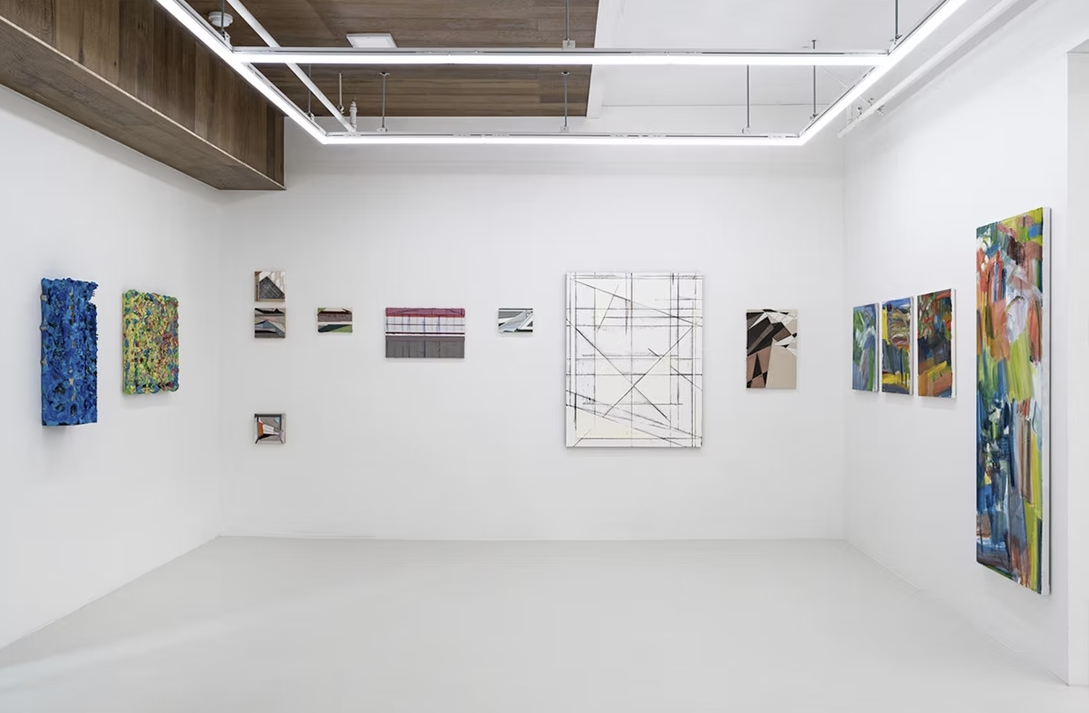
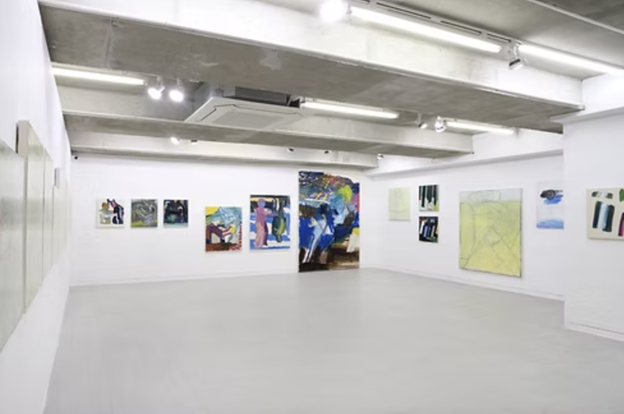
What form does painting take today? 《Sungkok Art Museum 2025 Open Call》 presents
three young Korean artists who use painting as their primary medium to explore
new possibilities.
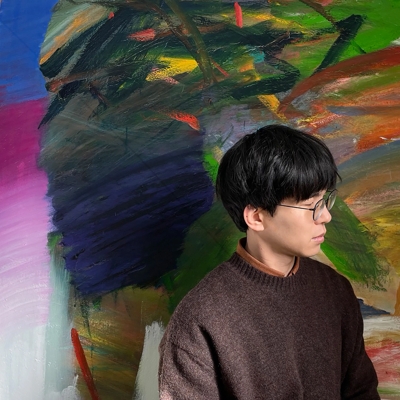
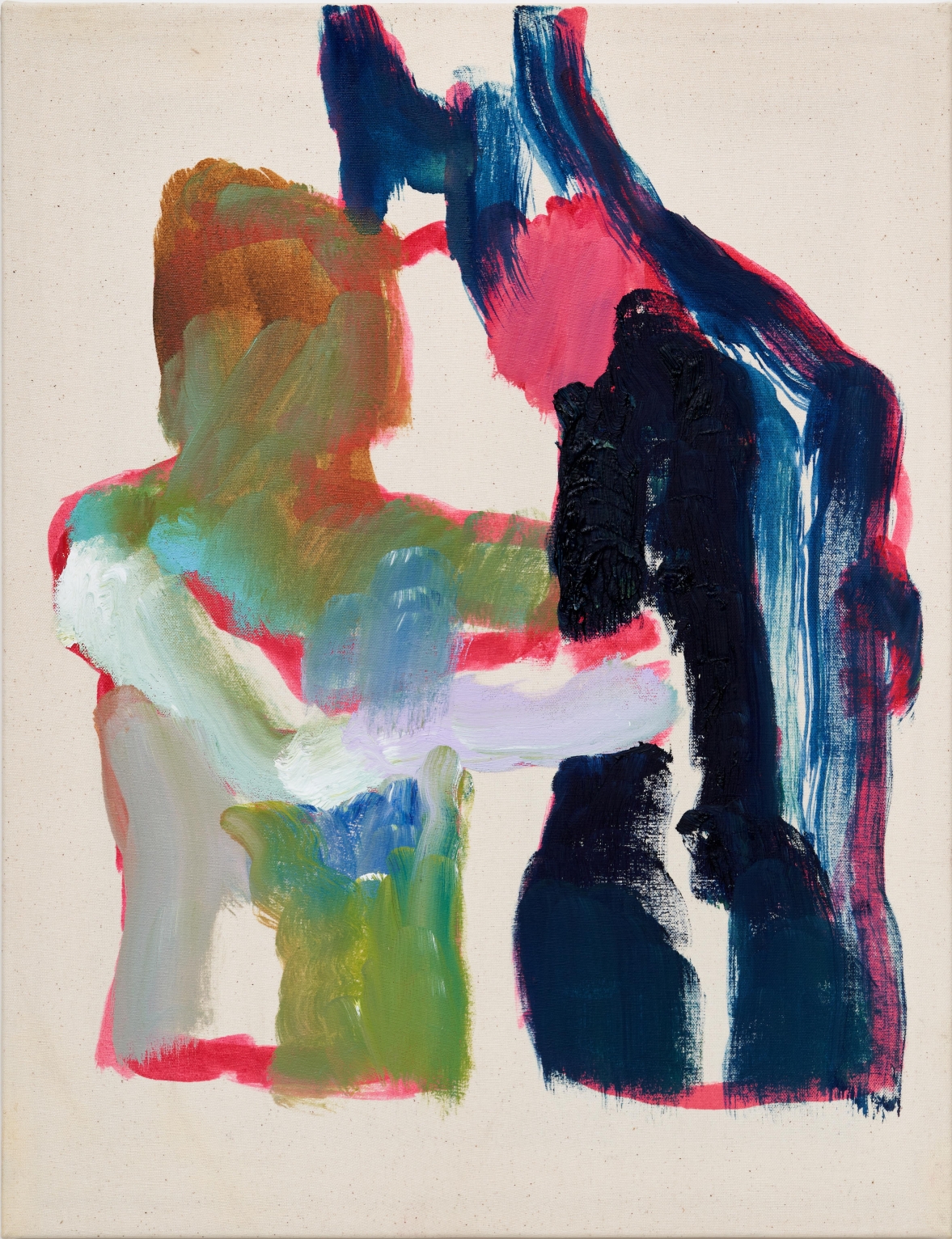
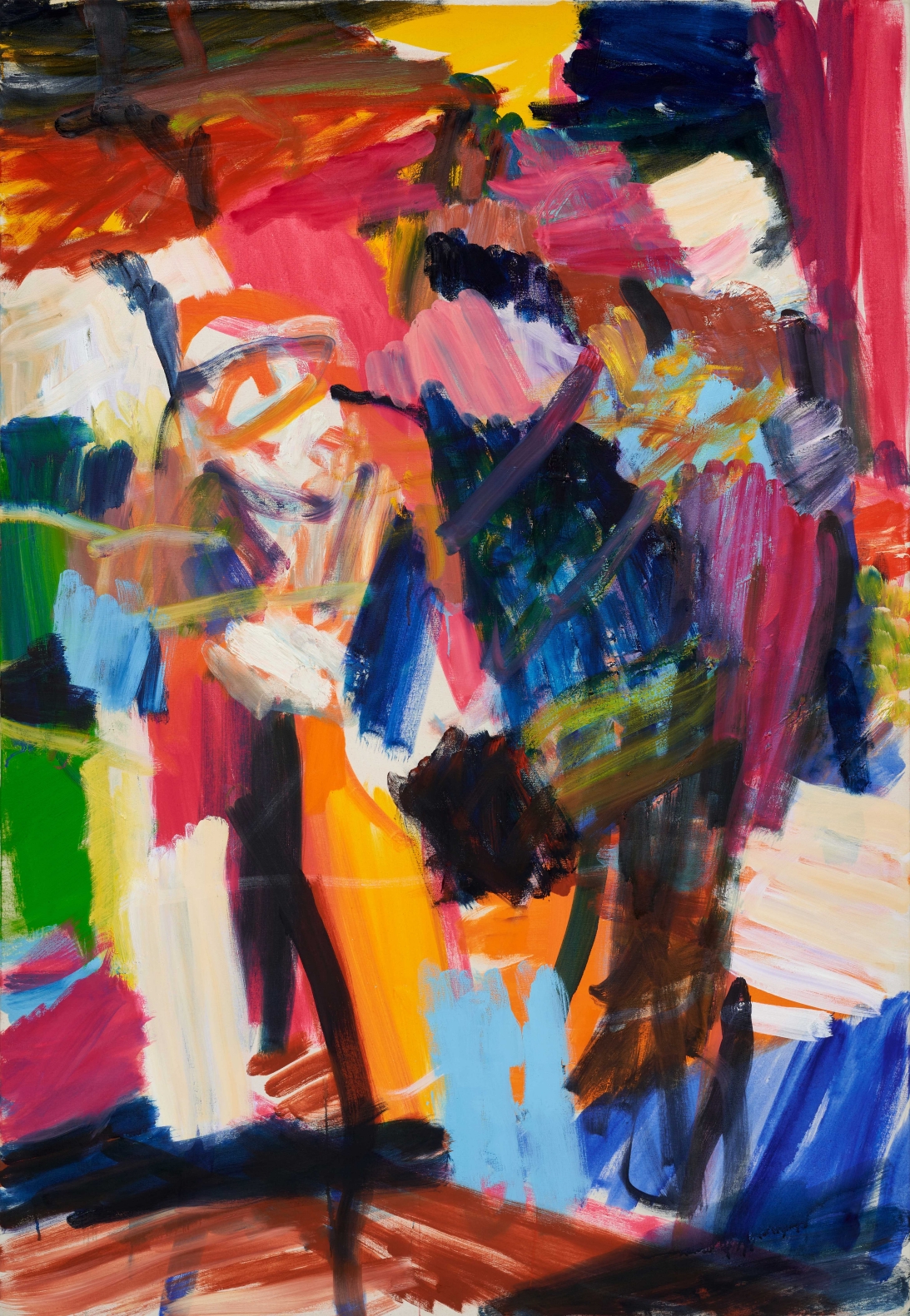
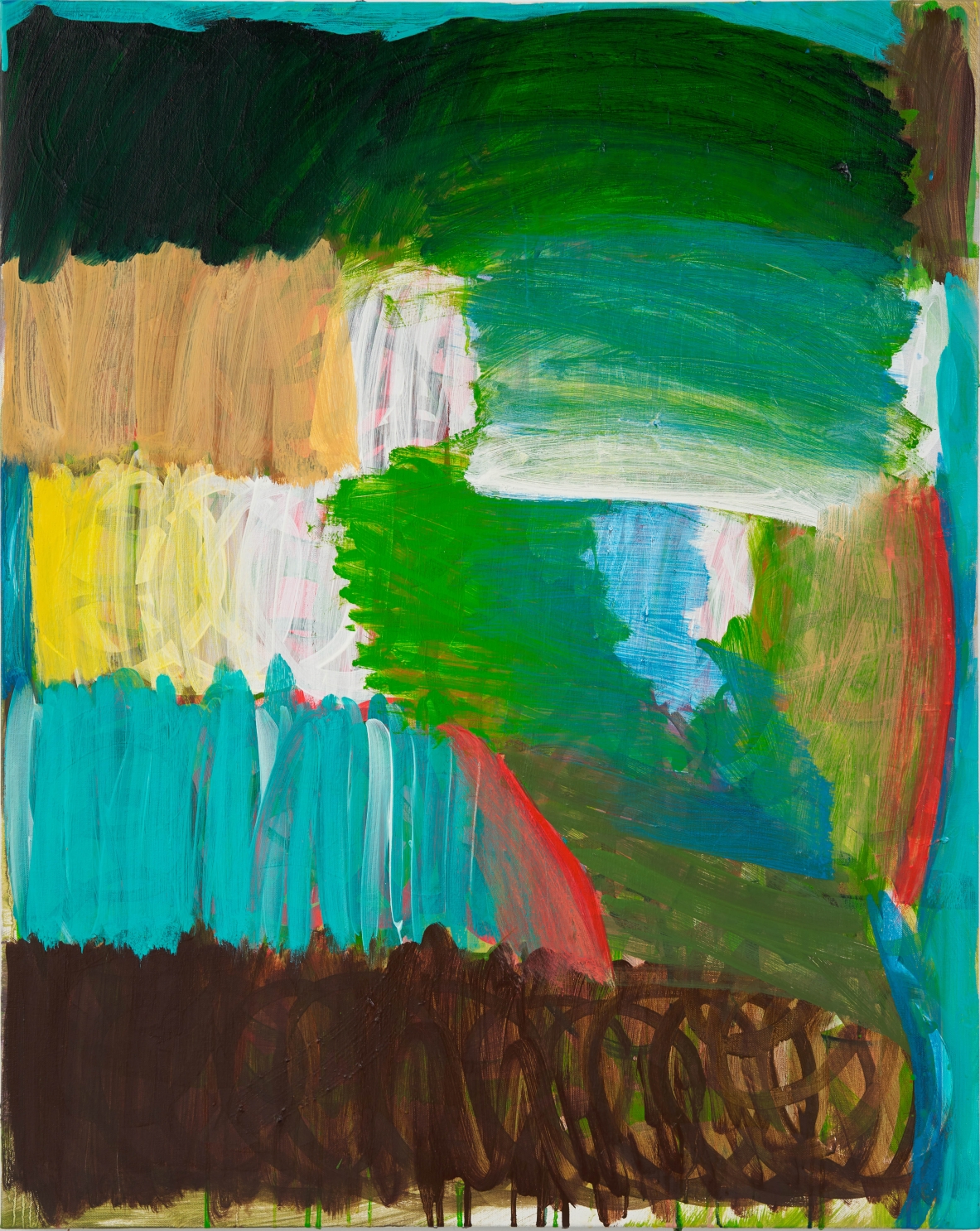
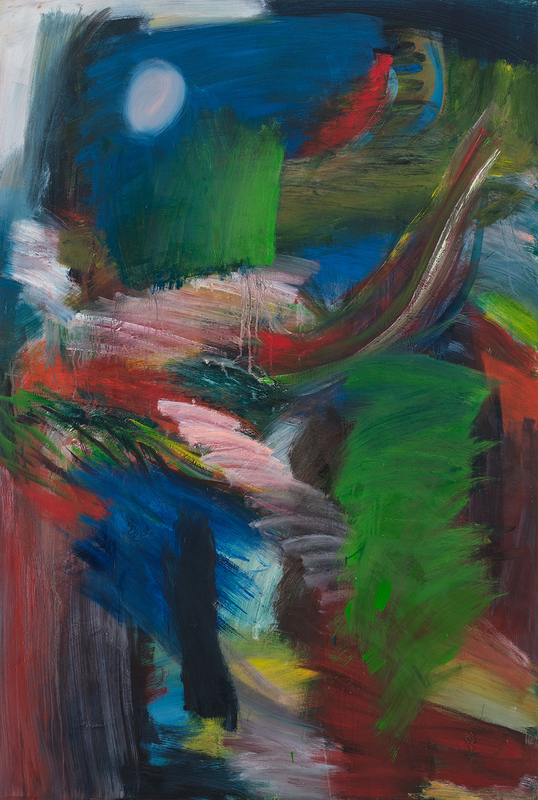
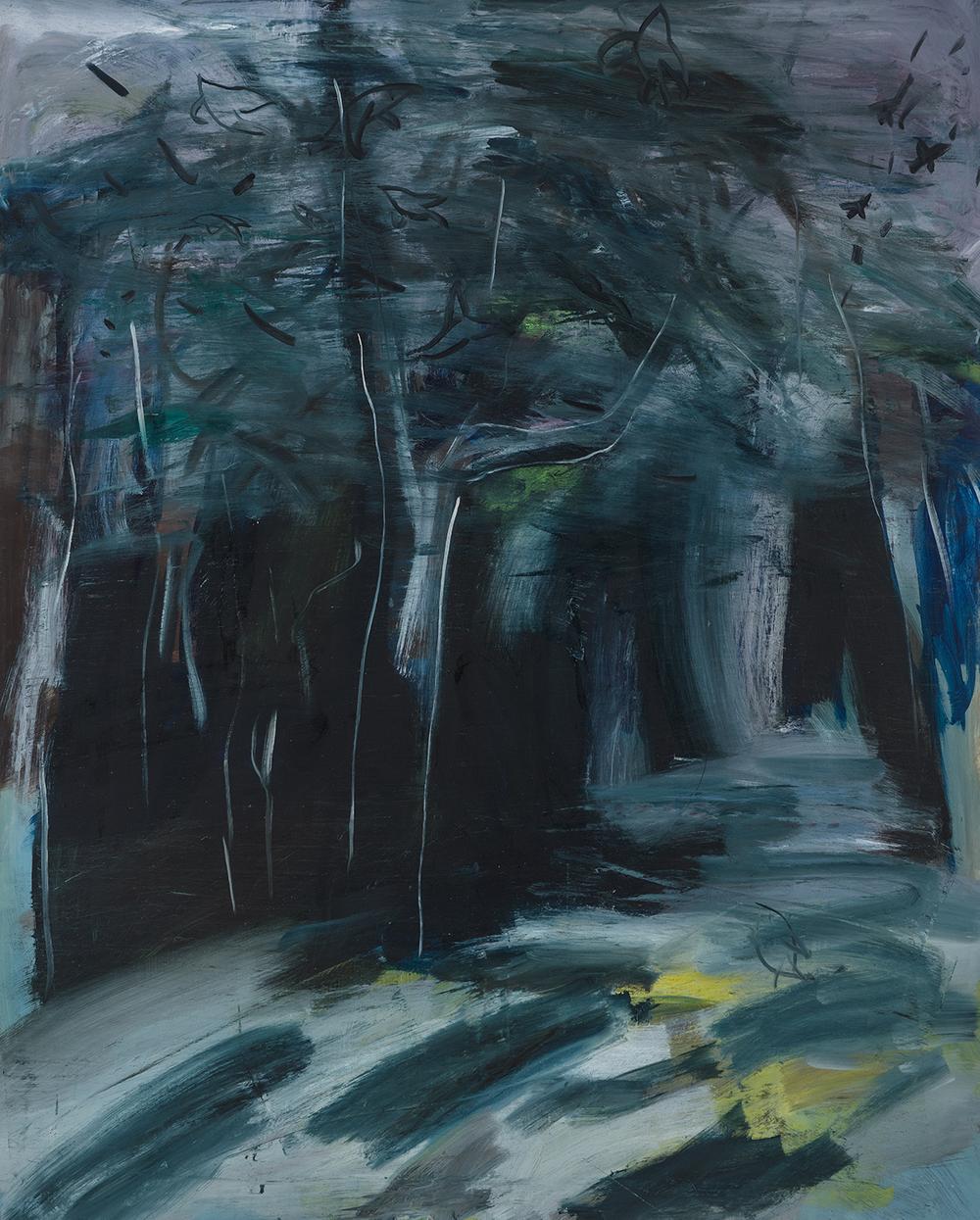
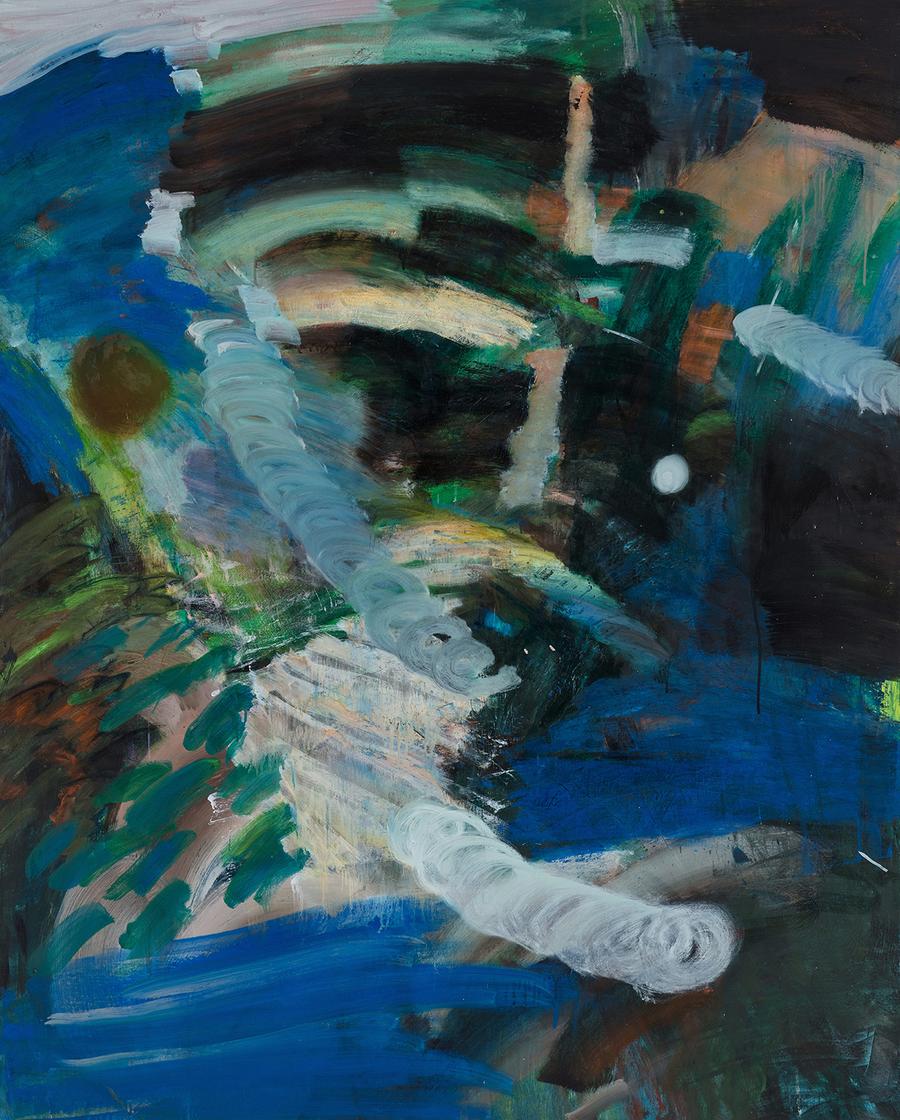
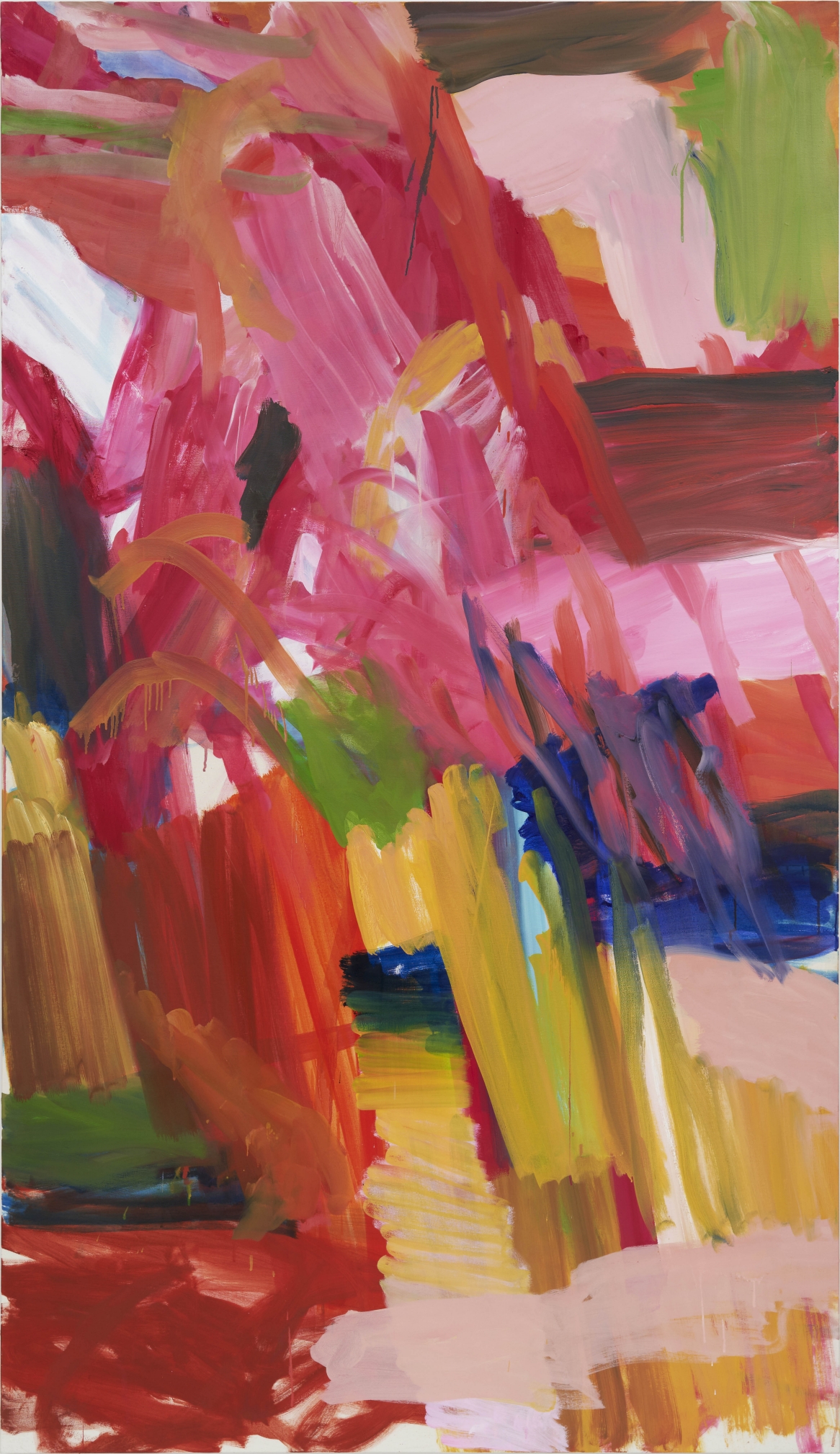
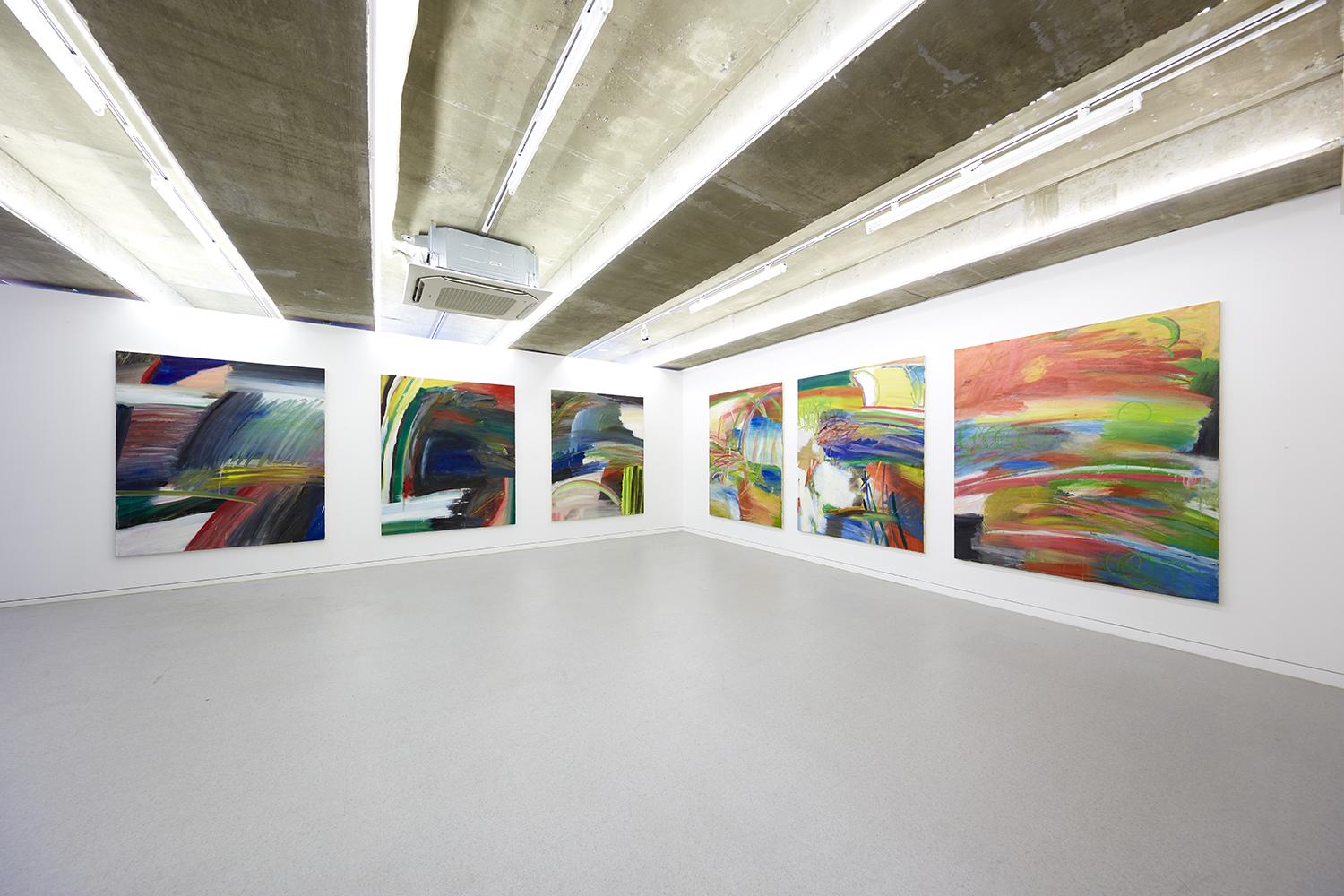
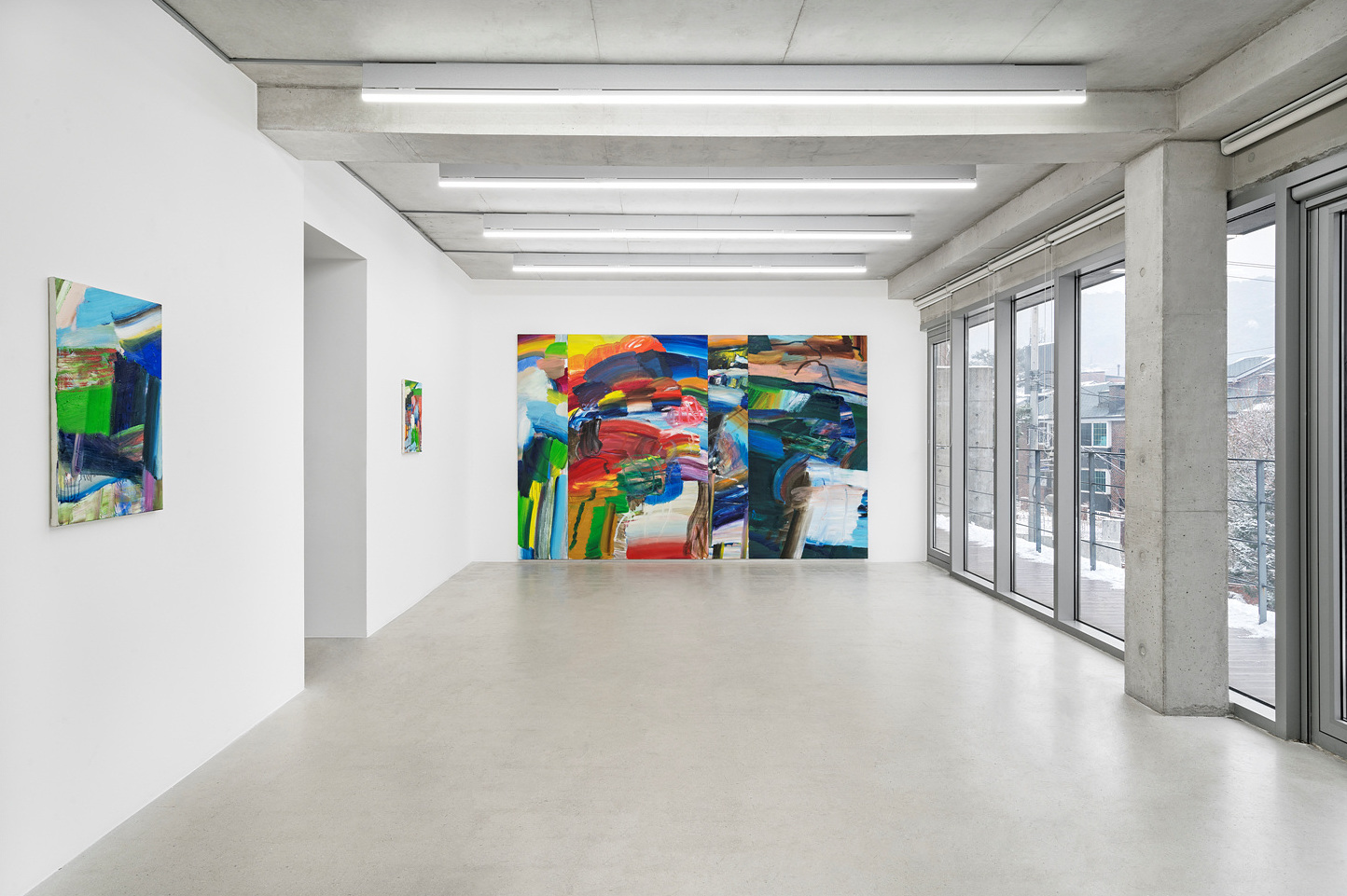
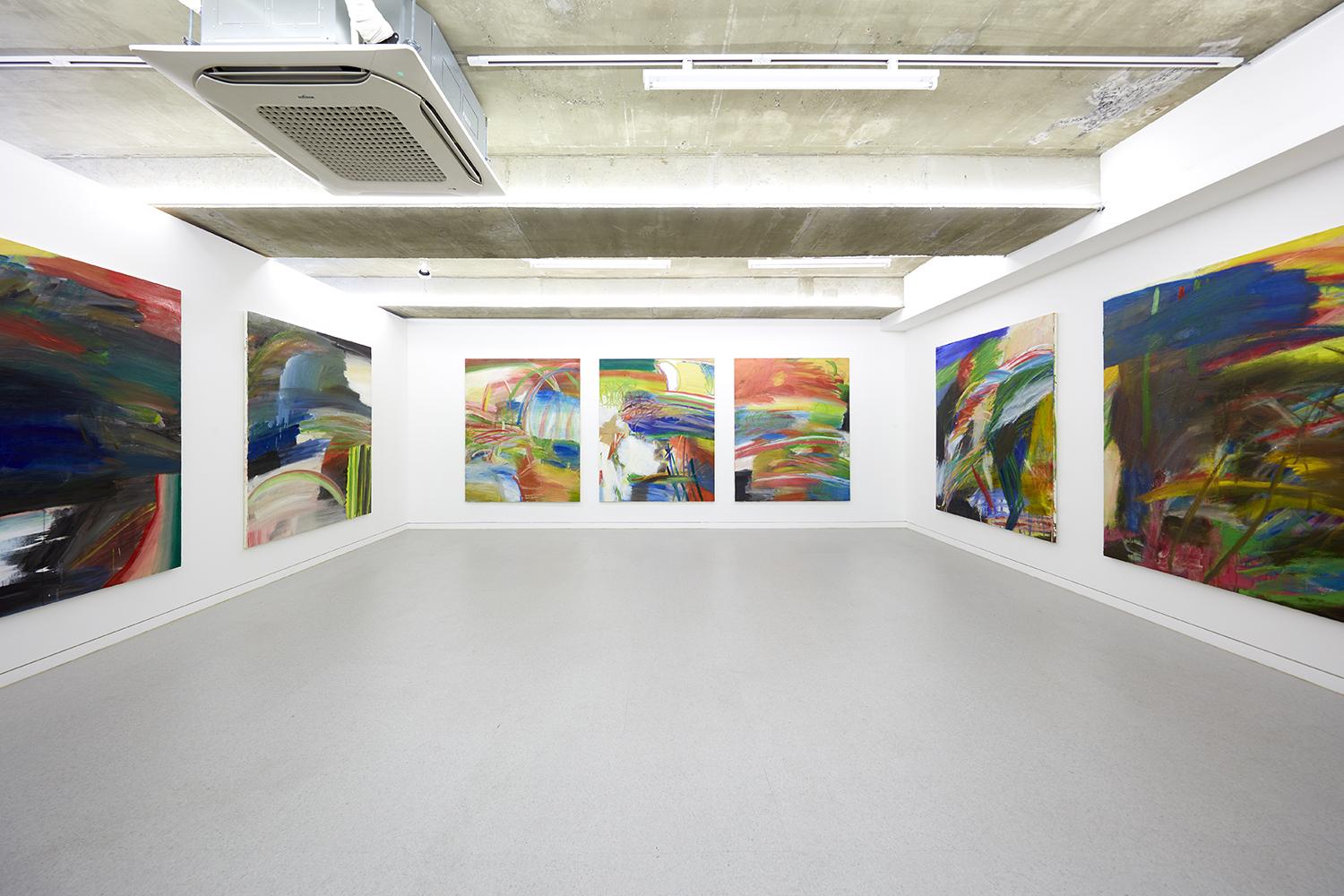
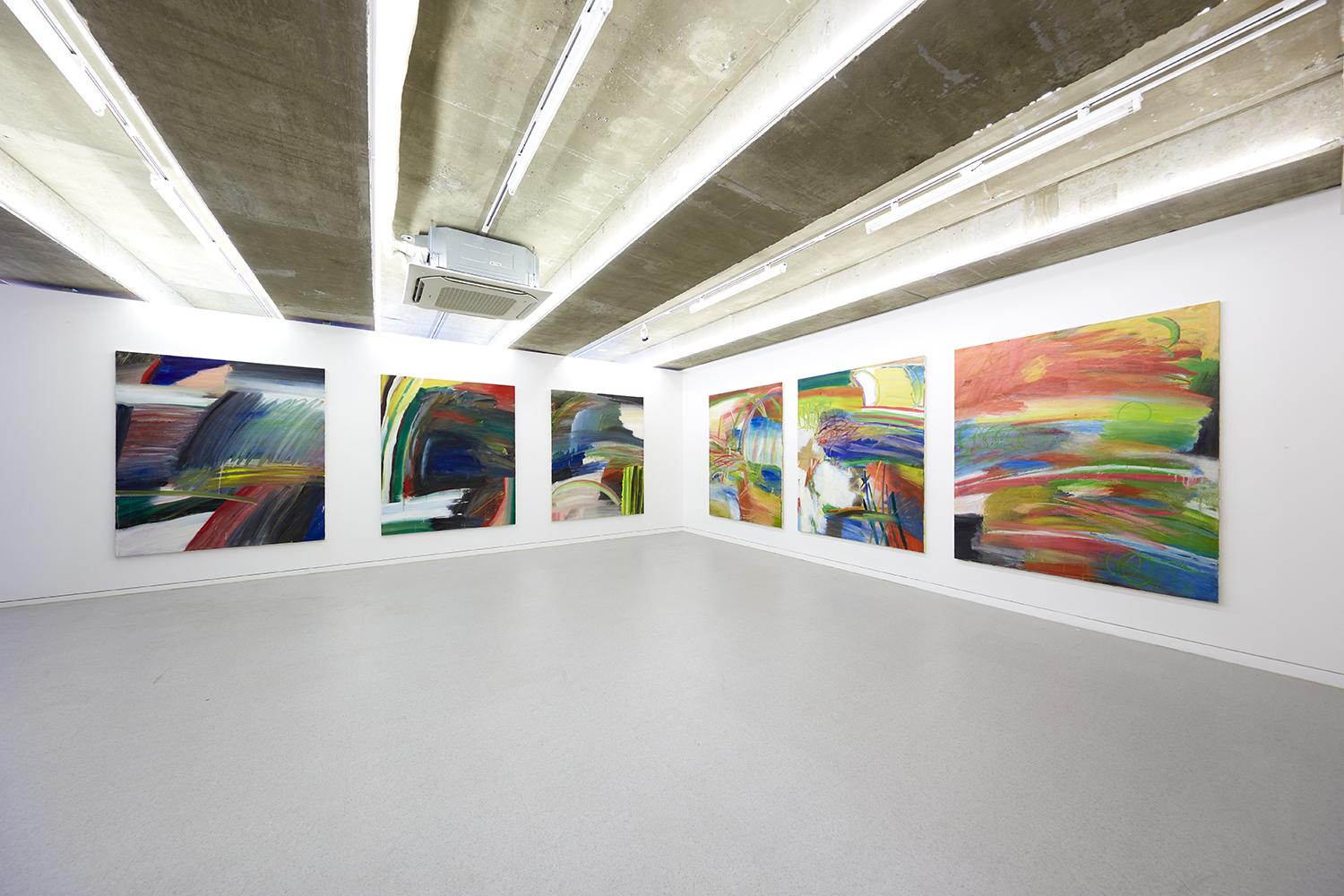
When Hyundoo Jung paints, he experiences not only visual
perception but a range of bodily sensations simultaneously. His work focuses
less on the finished result and more on capturing the shifts produced by
sensation, time, and bodily movement during the act of painting. Rather than
depicting a specific subject, he responds improvisationally to emerging,
formless images, recording physical sensations through brushstrokes and color
that follow the movements of his arms and body.
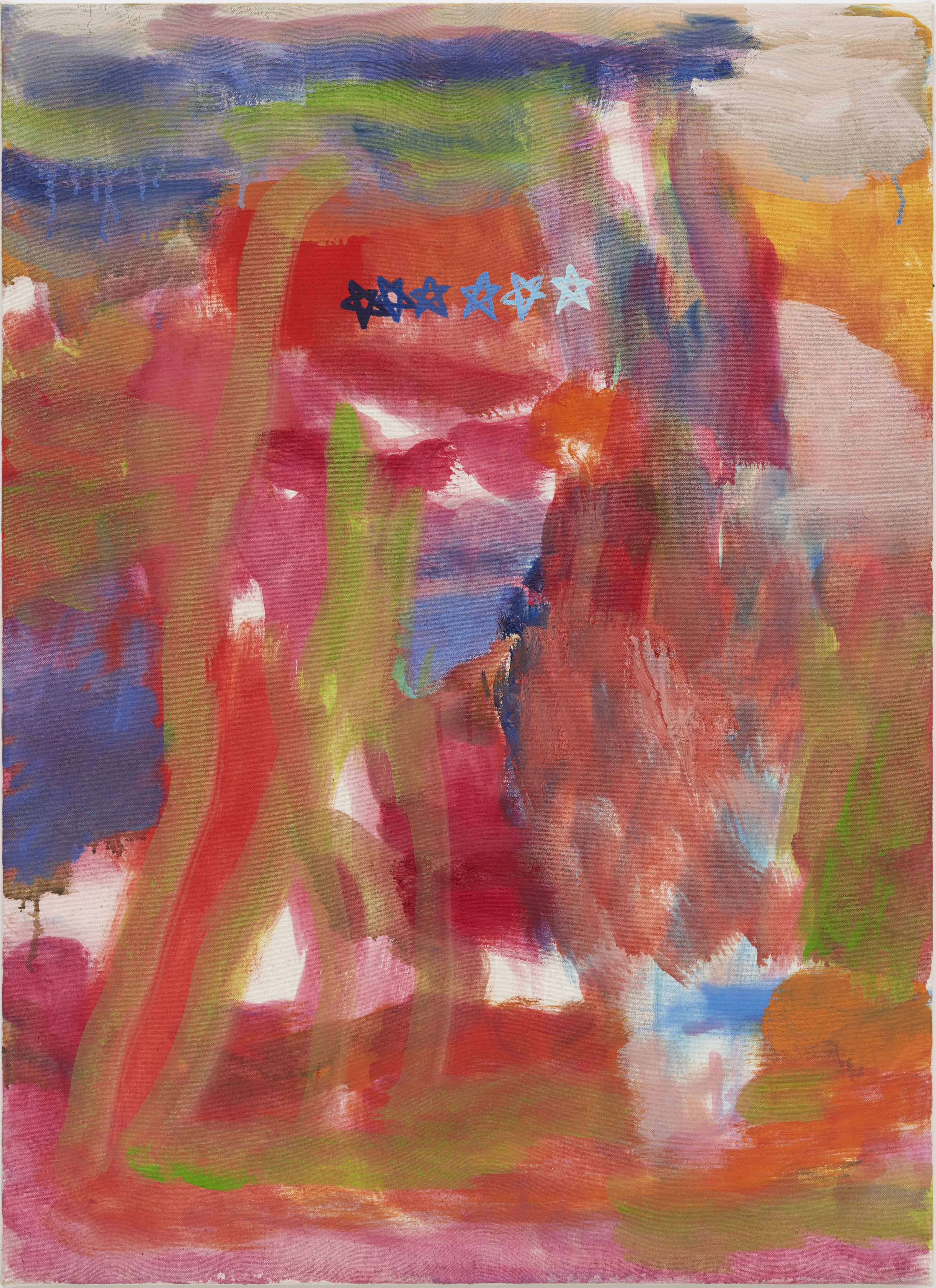
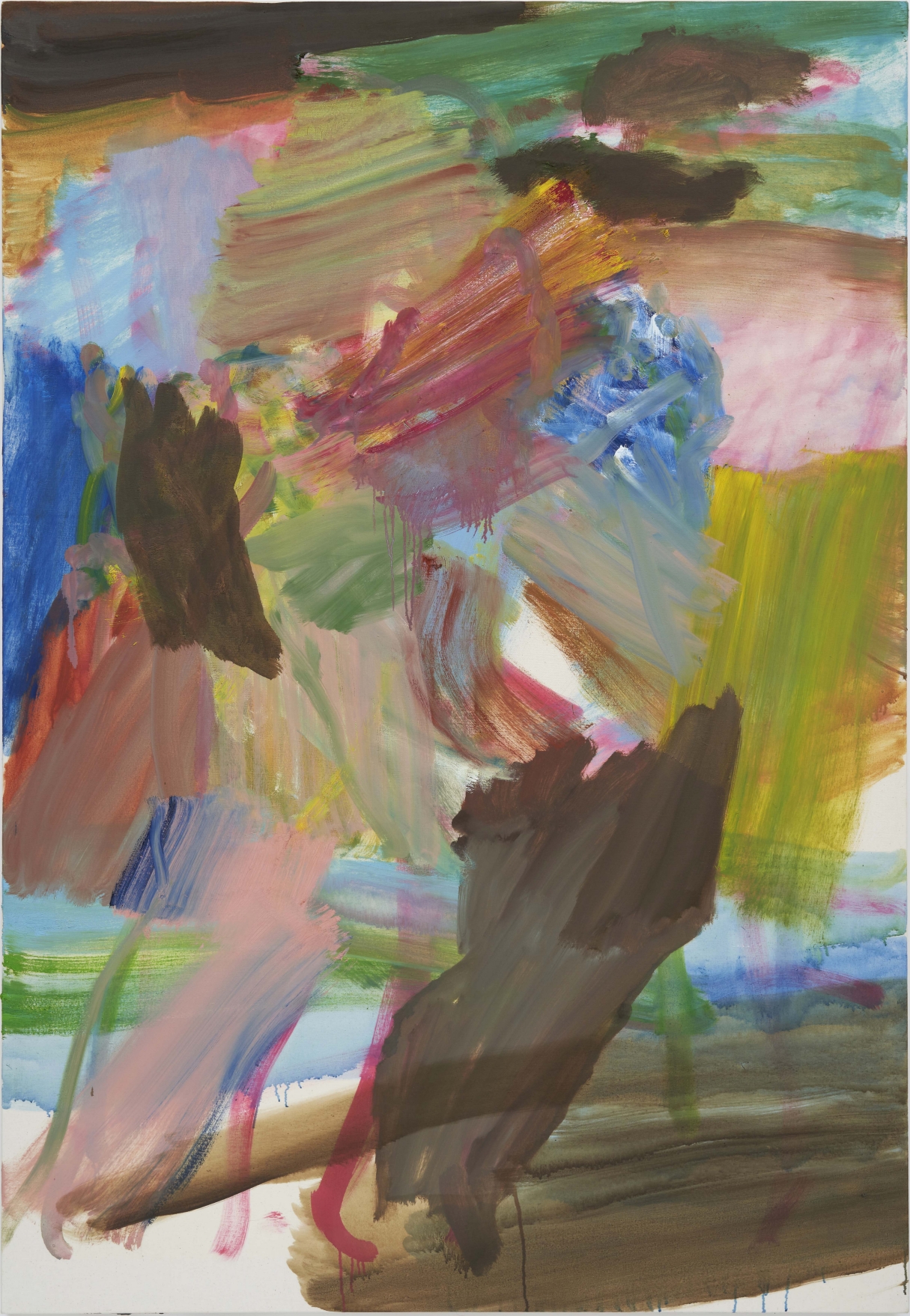
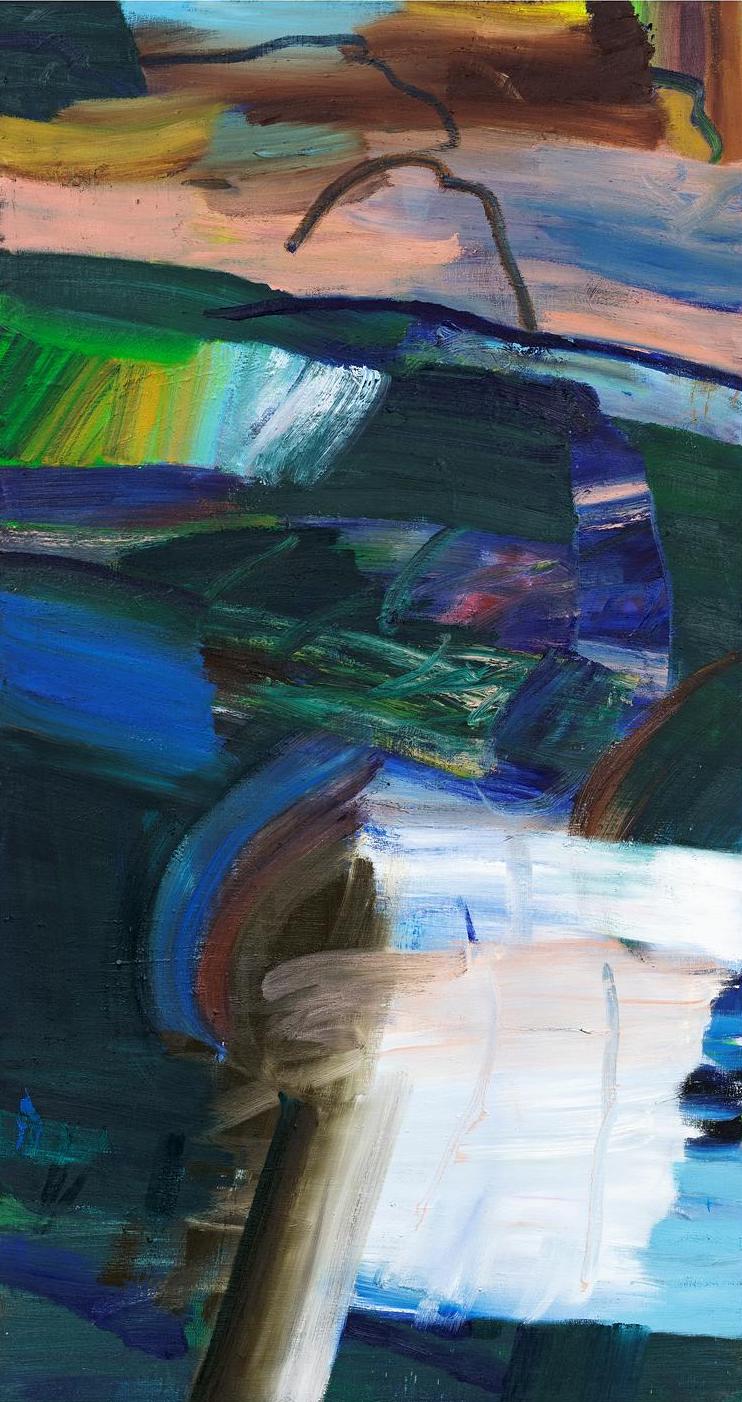
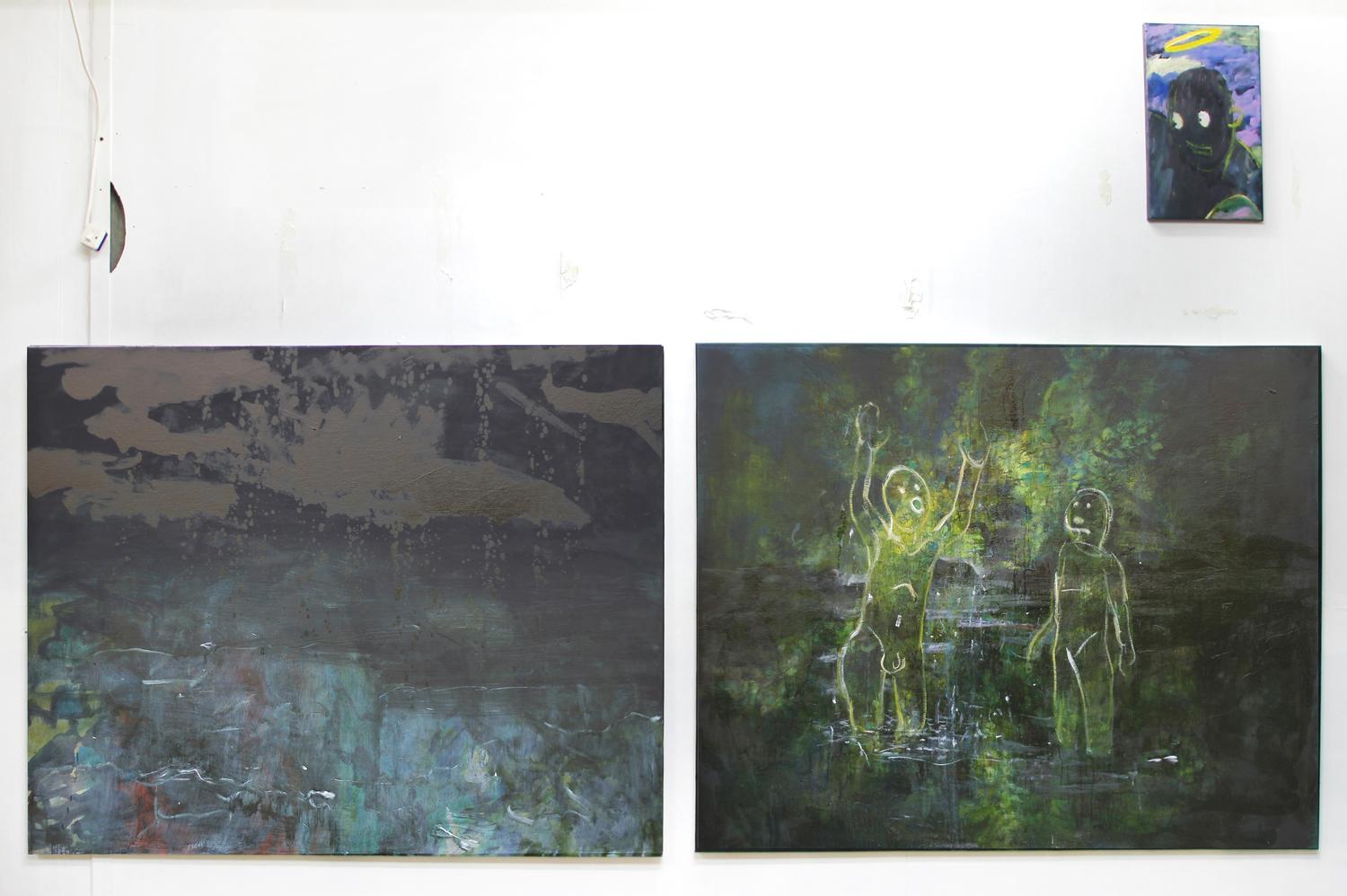
He often describes his paintings as resembling “mass-figures.” The
“figure” he refers to is not a specific person but a formless entity created
through the entanglement of sensation, time, and bodily response. Although the
traces left by brushstrokes are visible, their meaning is never fixed and
continues to shift.
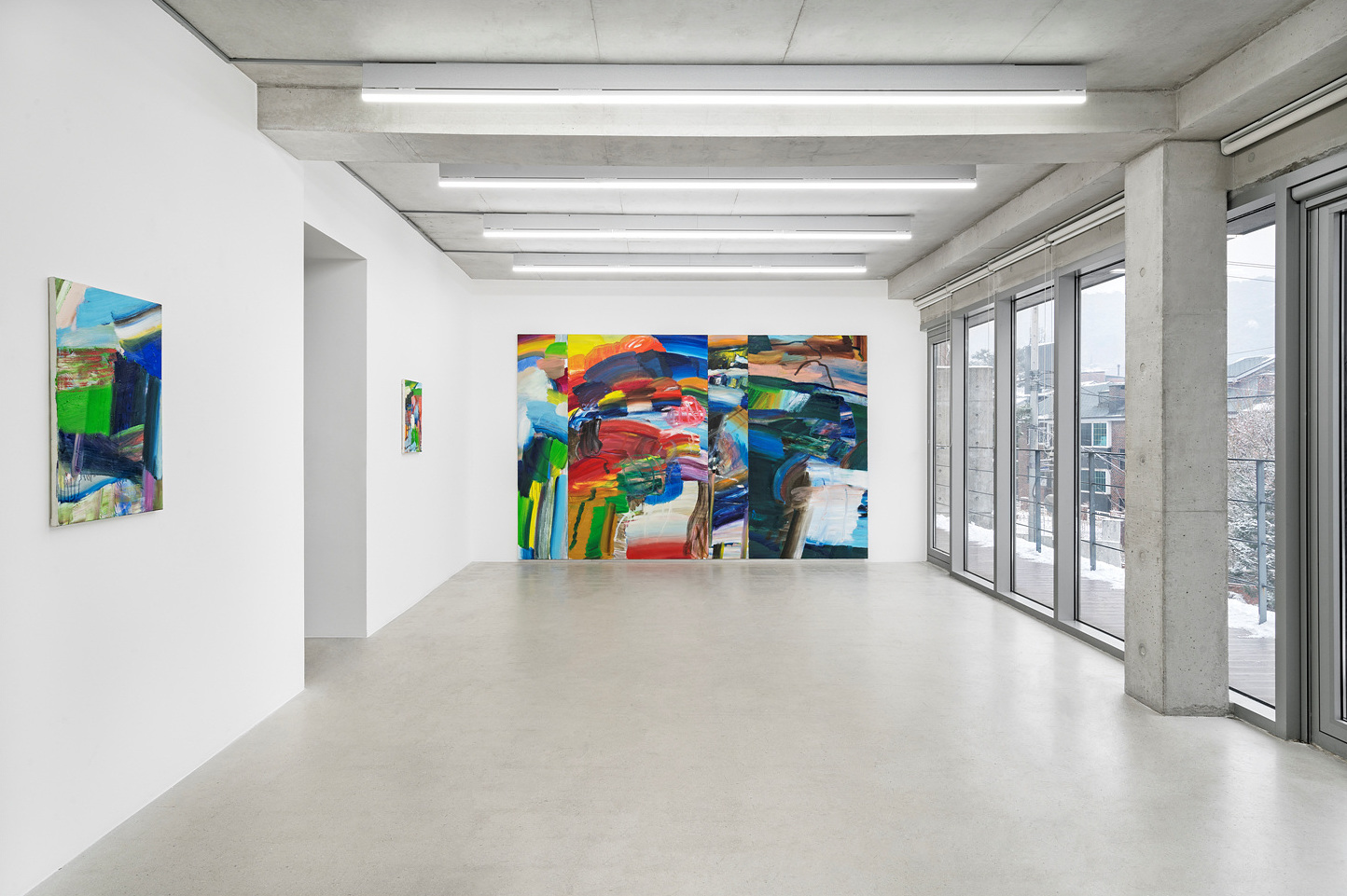
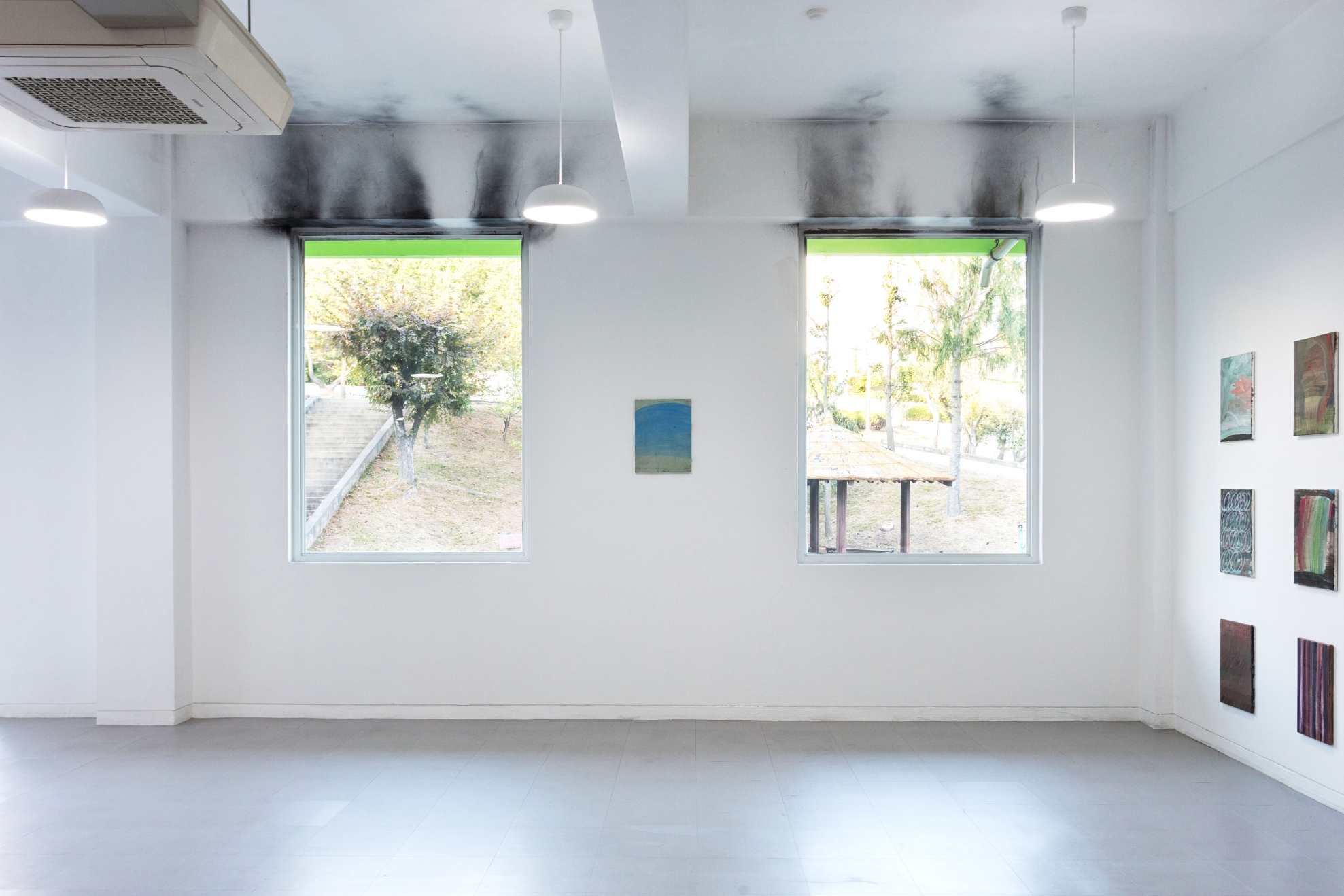
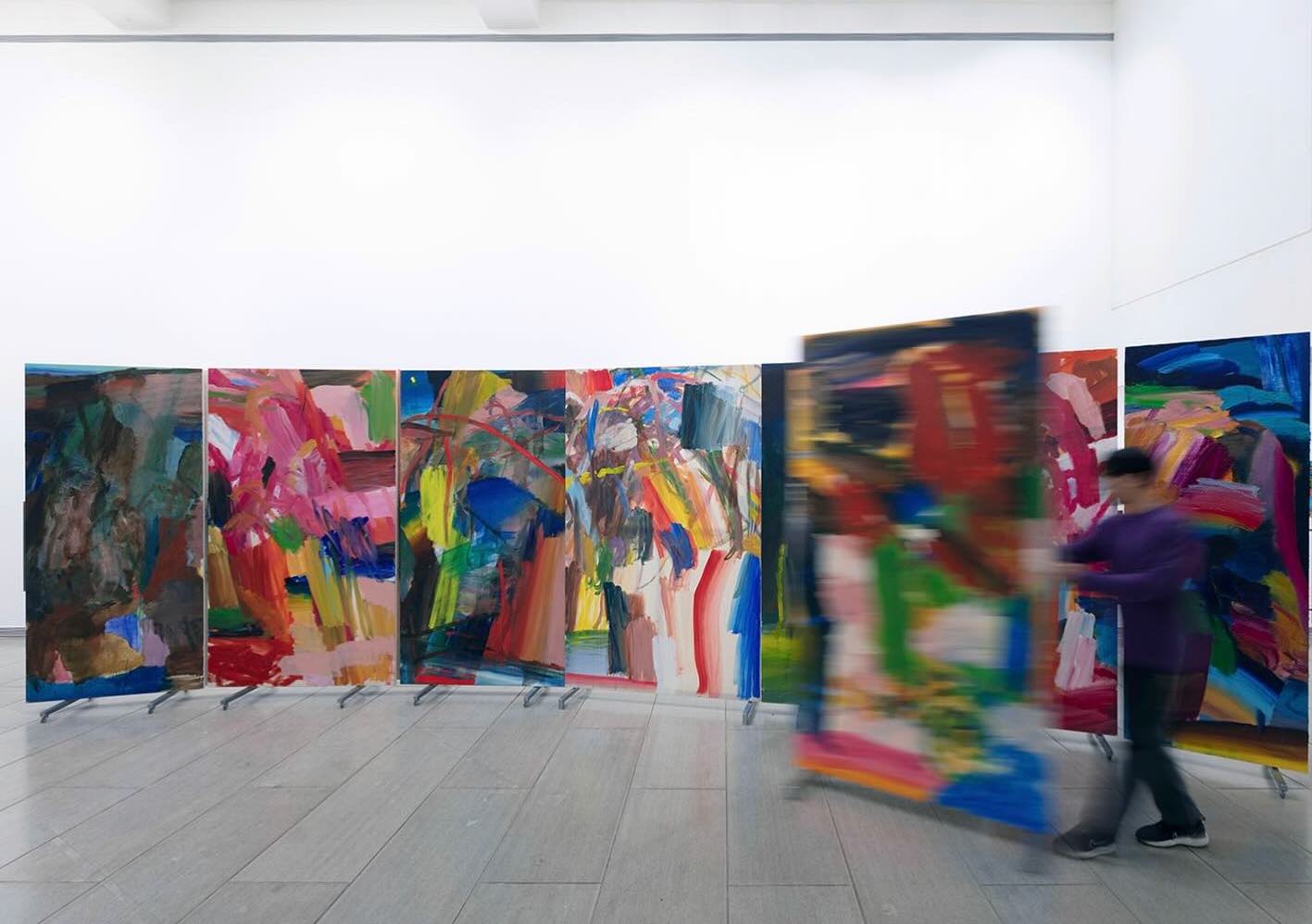
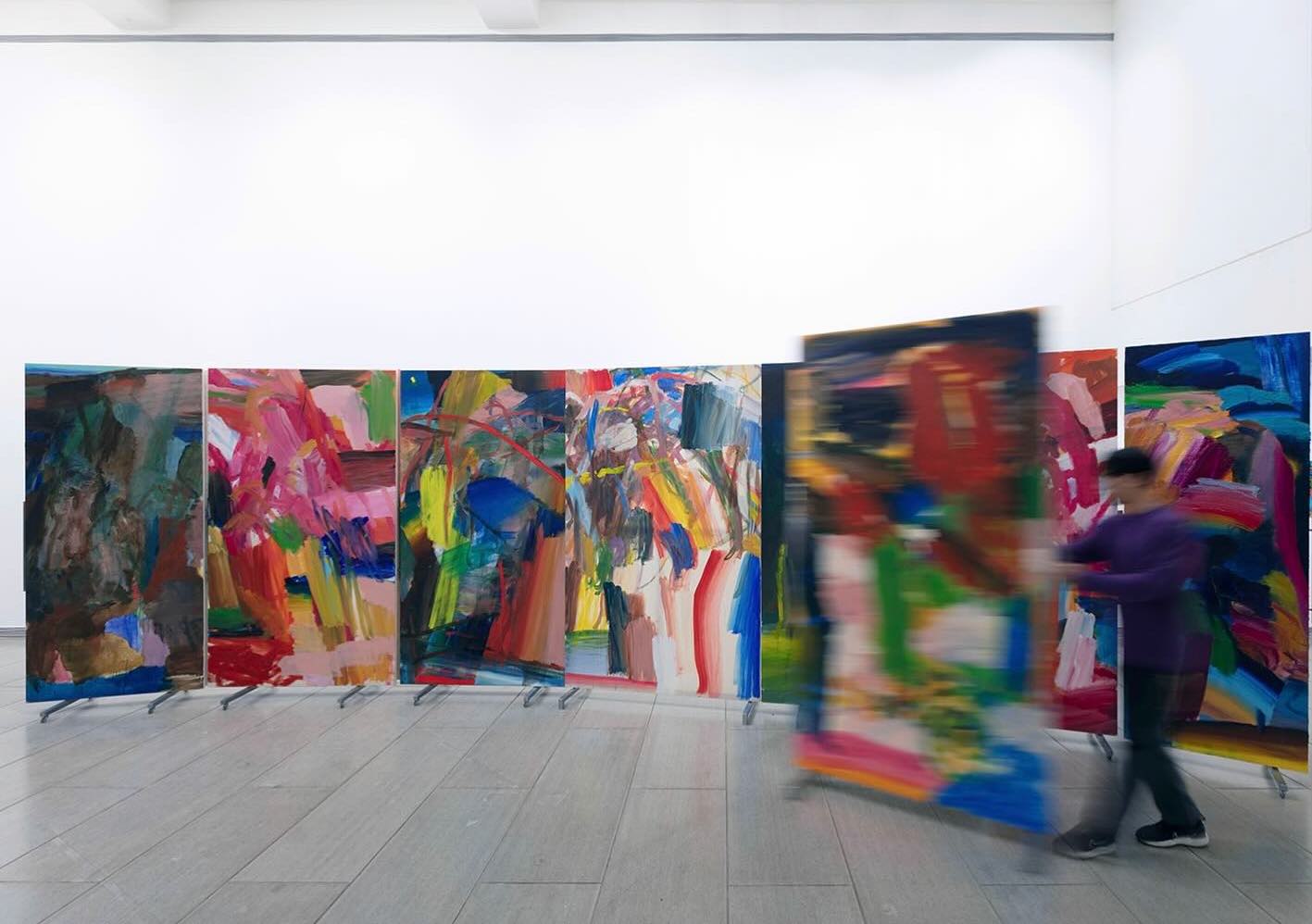
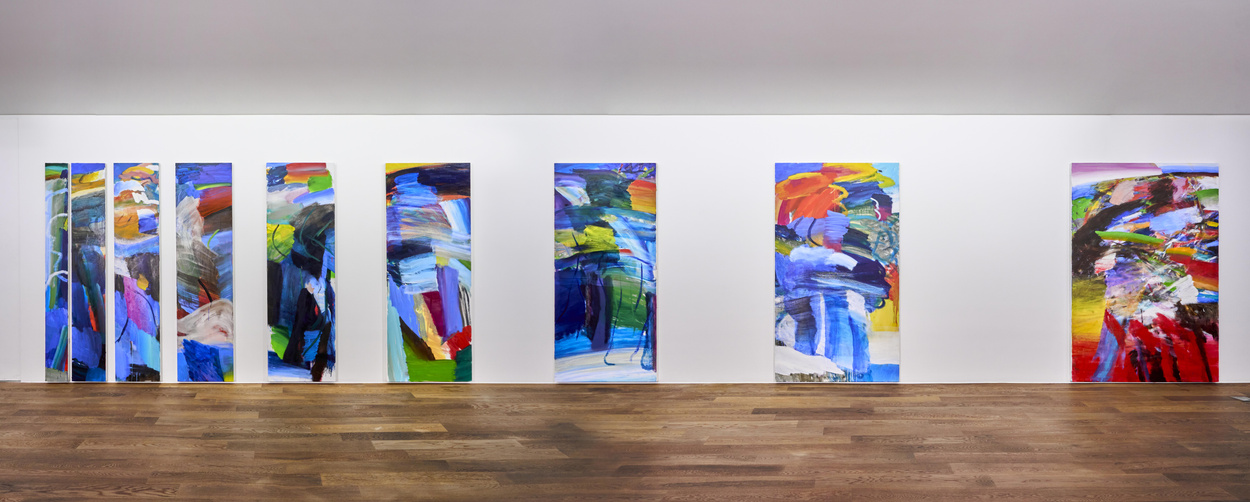
The paintings installed at the center of the gallery
temporarily form relationships within the exhibition space as “objects”
condensed with different temporal sensations, generating new interpretations
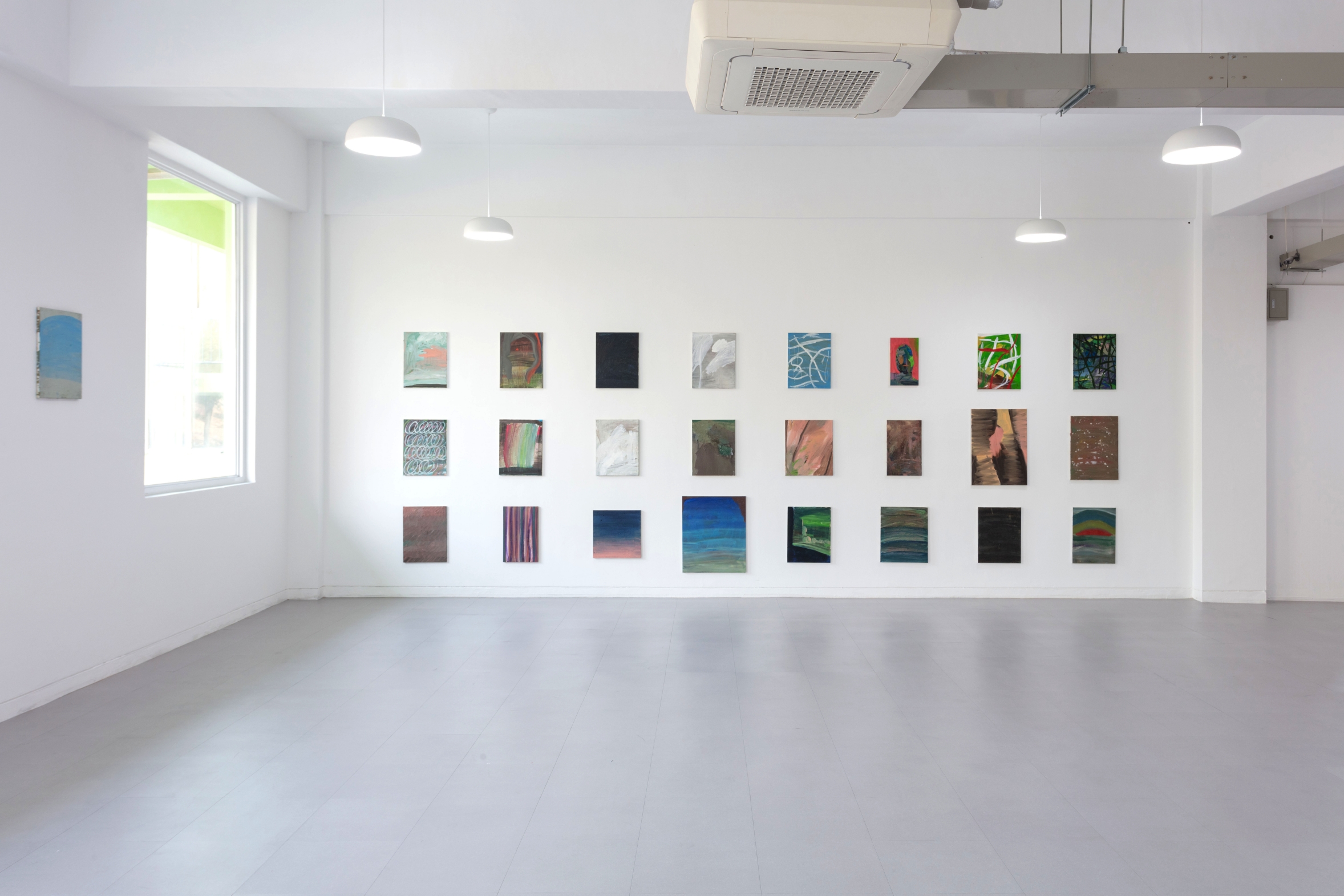
and imaginations. Meanwhile, the paintings hung on the walls are arranged
chronologically, allowing earlier and more recent works to encounter one
another. Through this configuration, the works intermingle, enabling viewers to
experience time not linearly but as circular and multilayered.
The title of this exhibition, 《Shuffle》, meaning “to mix randomly,”
symbolizes the strategic process of blending time, image, sensation, and bodily
traces within painting to create new relationships and meanings. In this way,
Hyundoo Jung’s practice attempts an open form of painting that moves beyond
fixed meanings, continually transforming and inviting renewed interpretation.