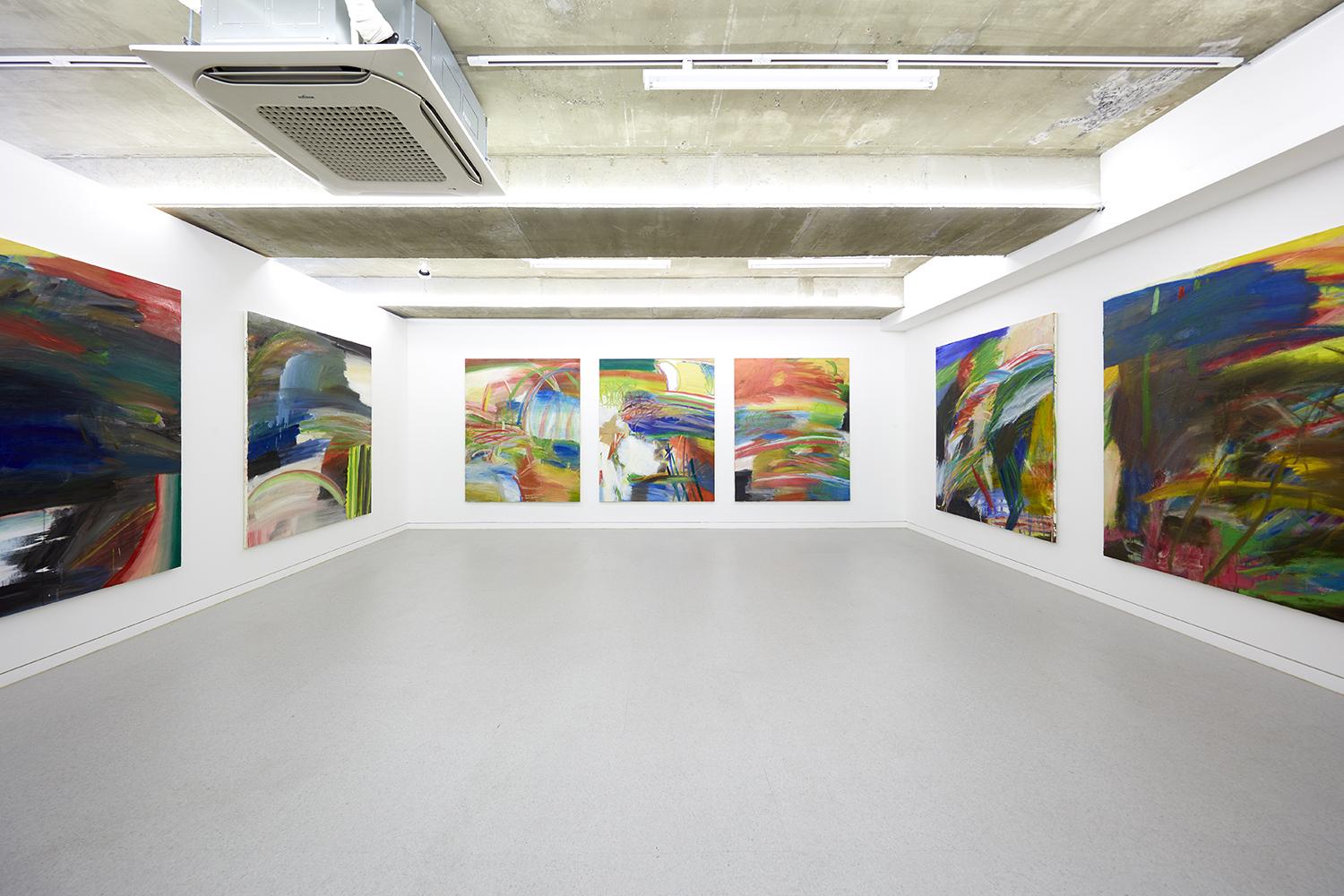
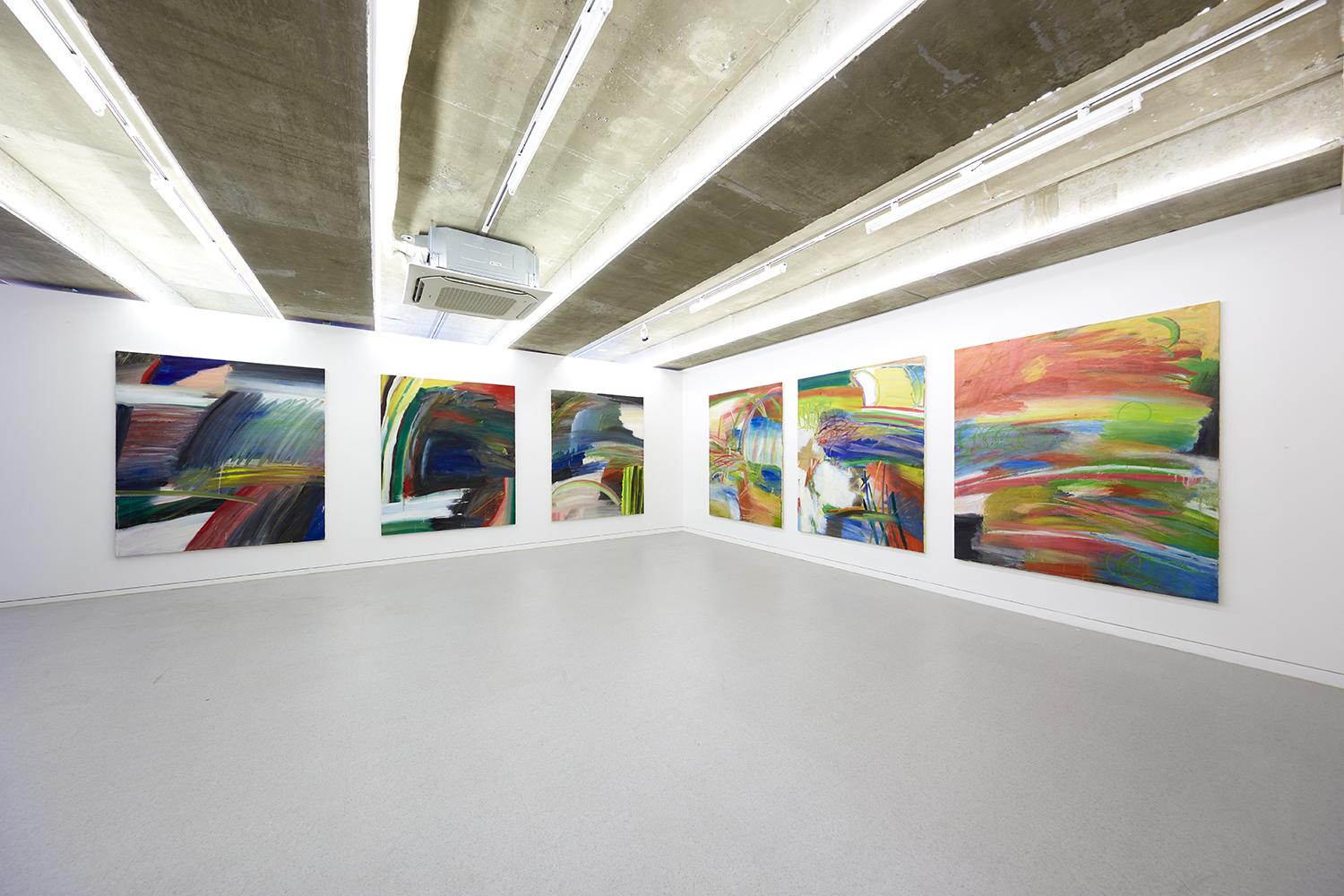
It may sound obvious, but for an artist, subjective criteria
operate at both the beginning and end of making a work. When actions for
painting are repeated according to such criteria, the resulting images
inevitably take on a certain tendency, whether intended or not. Images are also
linked to processes of accumulation, circulation, and consumption, thereby
delineating the world of a given artist’s practice. Yet for Hyundoo Jung, this
cyclical system is often called into question. While he recognizes that the
forms generated by tendencies are outcomes that visualize subjective
sensations, he remains wary that they may also become obstacles limiting
sensory freedom.
For him, the support that constitutes painting is both the
fundamental driving force that immerses him in the plane and a prejudice to be
overcome at every moment. When he senses that events caused by
conscious/unconscious judgments in painting are excessively repeated or no
longer produce meaningful narratives, he seems to feel an urge to escape from
them. Thus, immersion into form and gestures prior to the determination of
meaning that deviate from it—these encounters and collisions are repeated, and
painterly experiments continue.
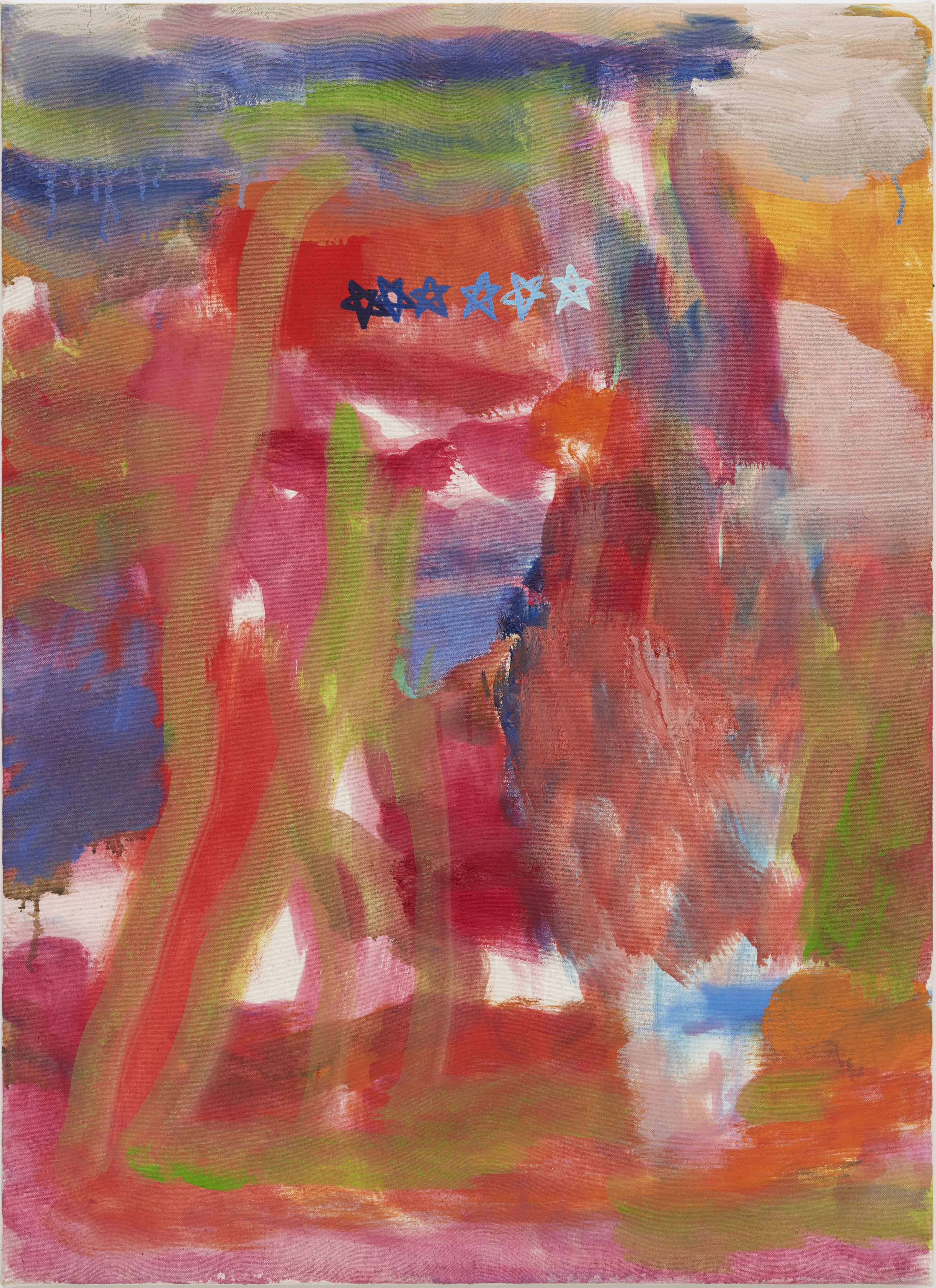
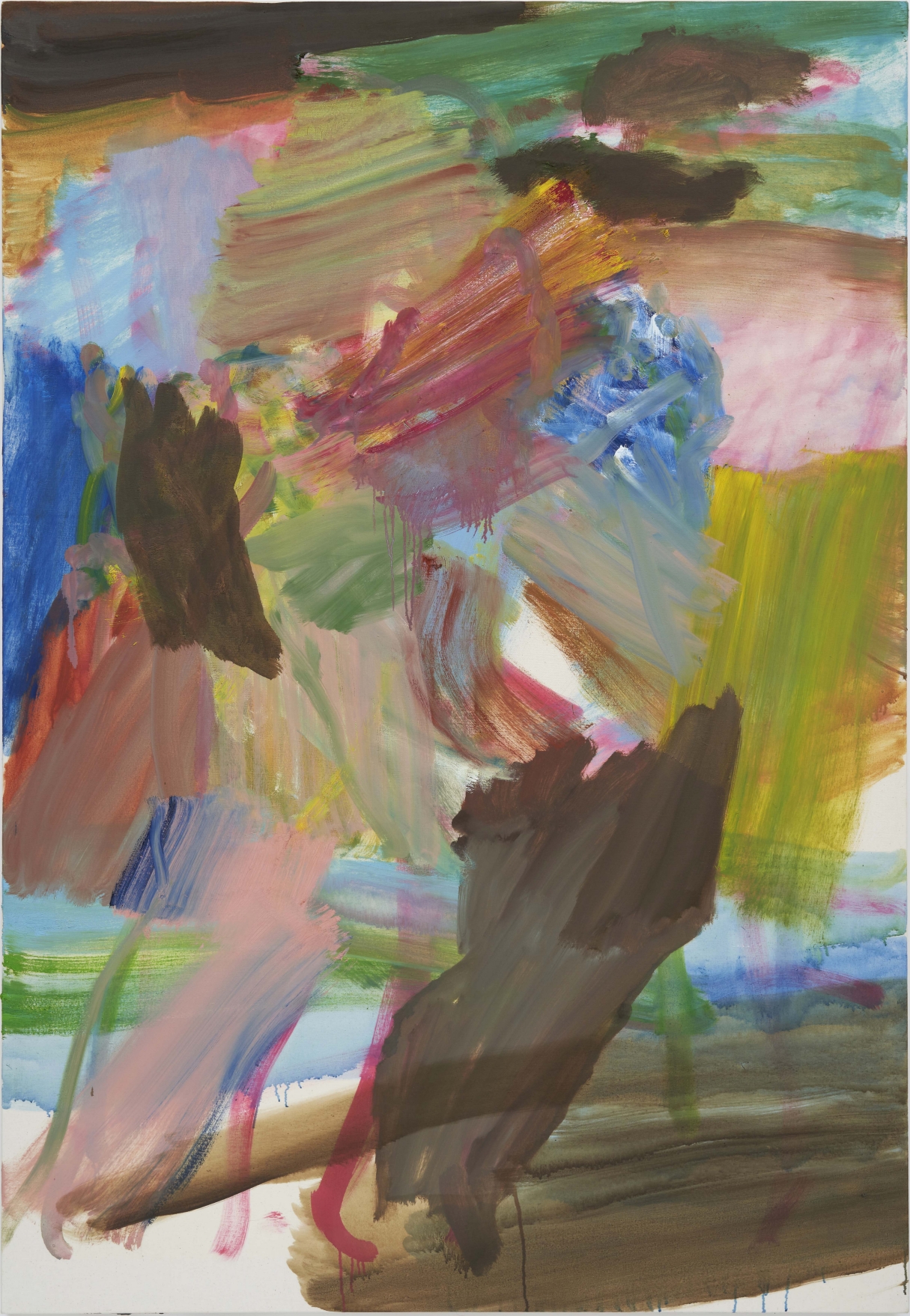
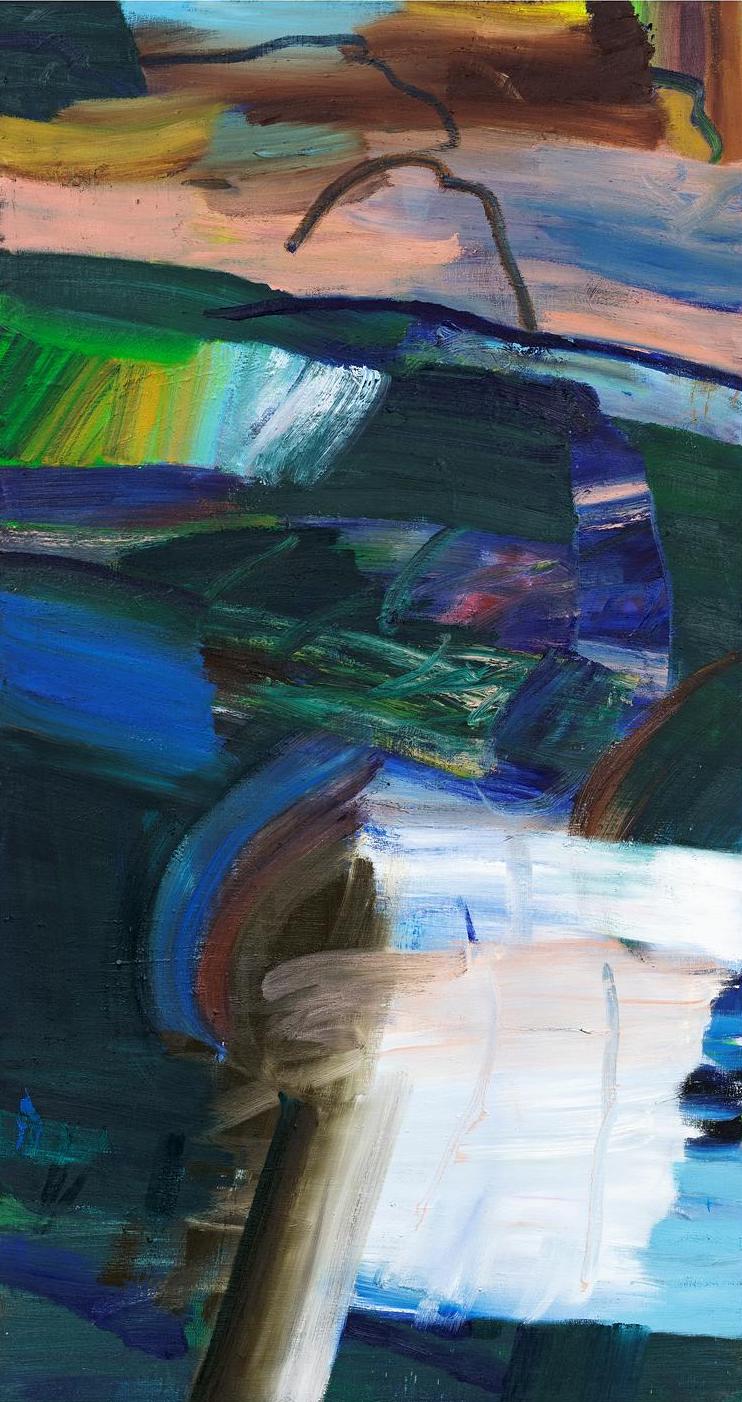
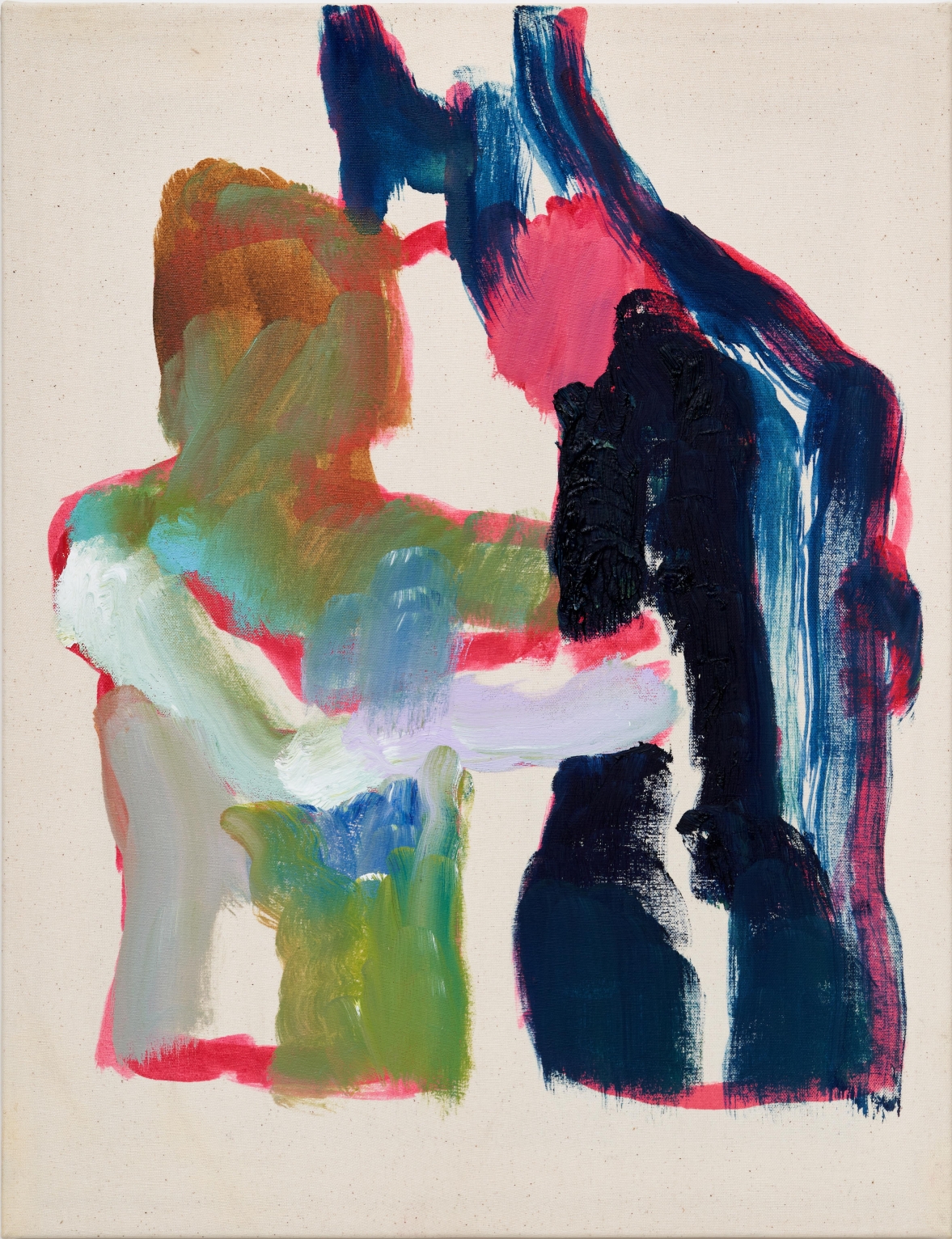
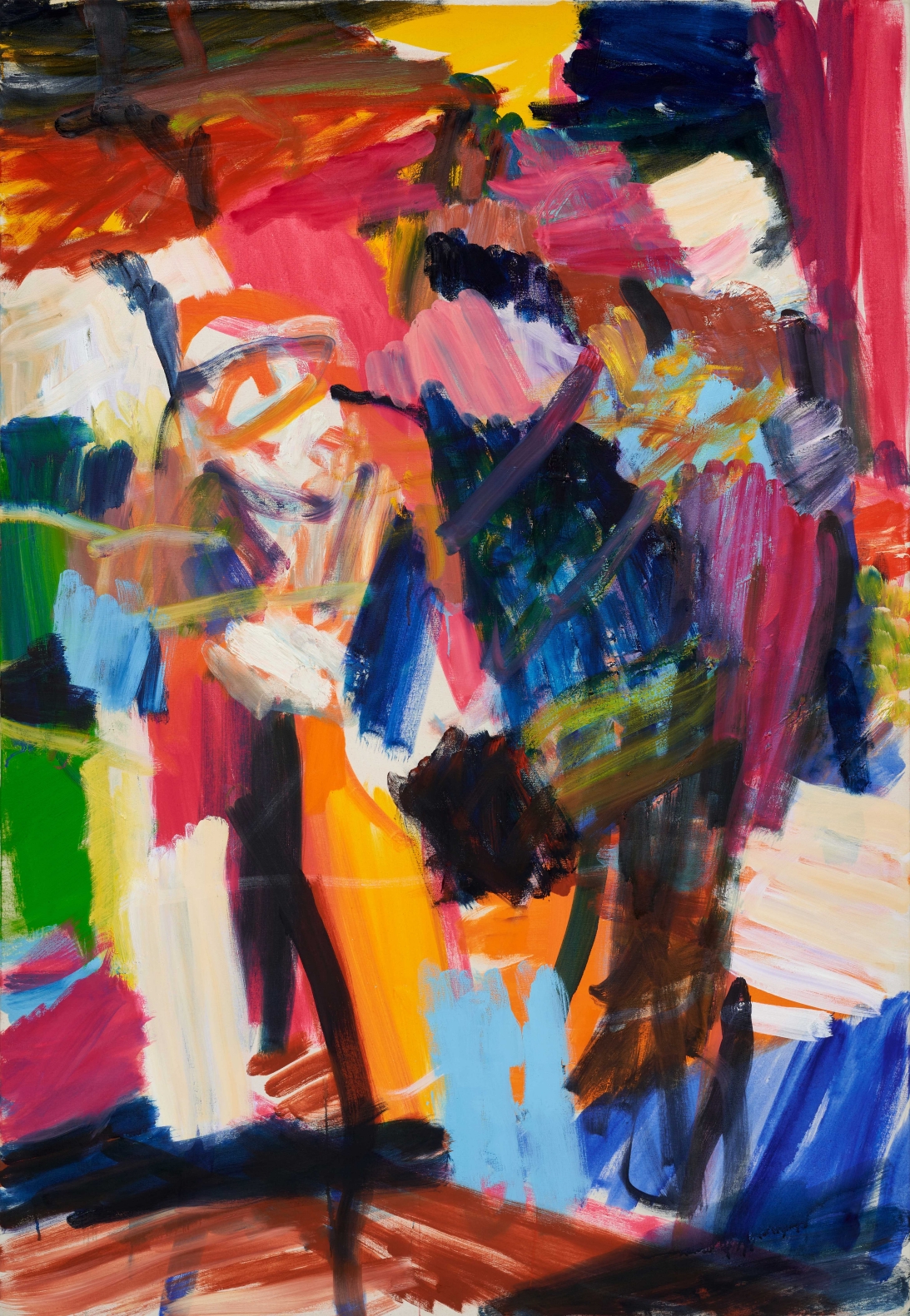
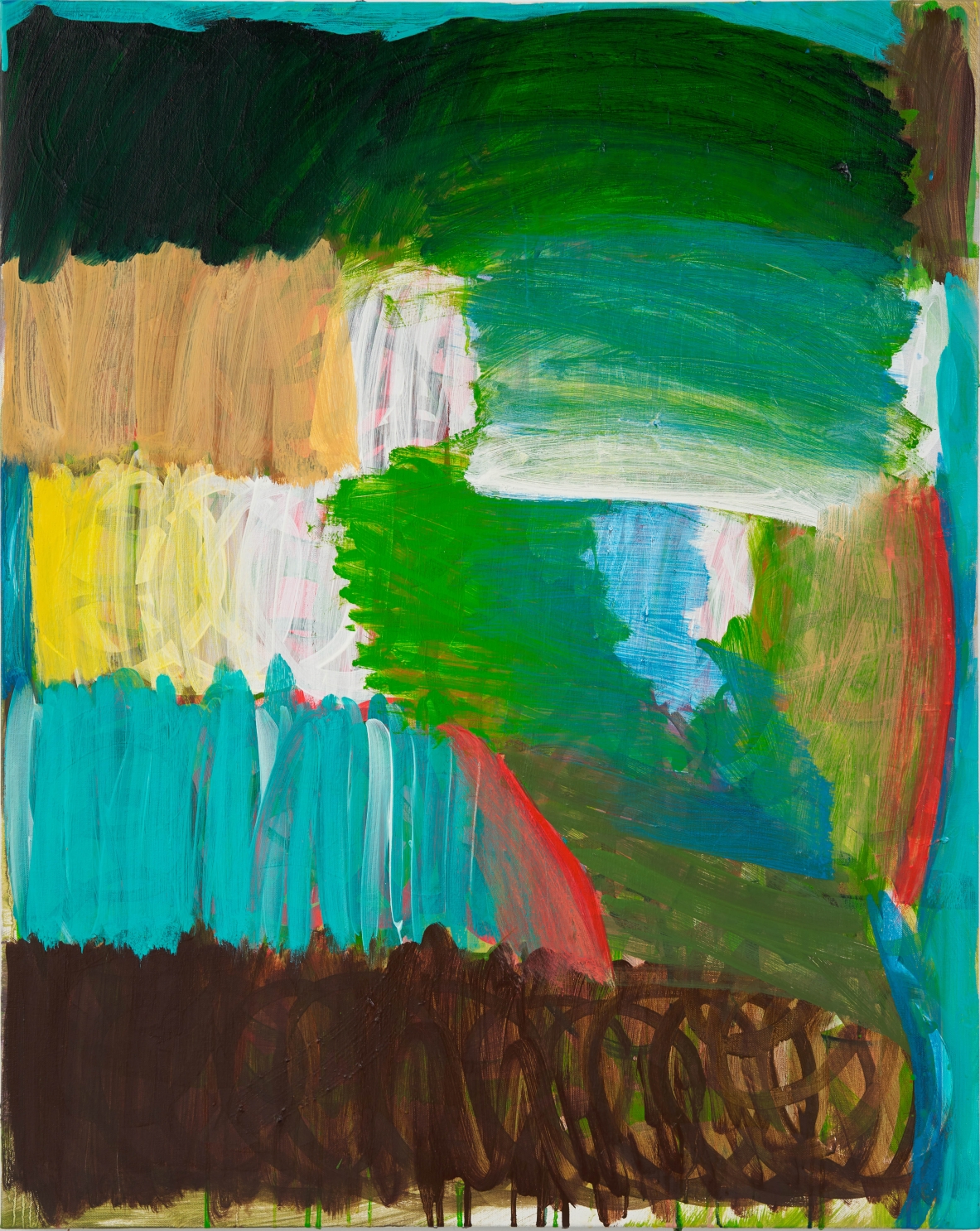
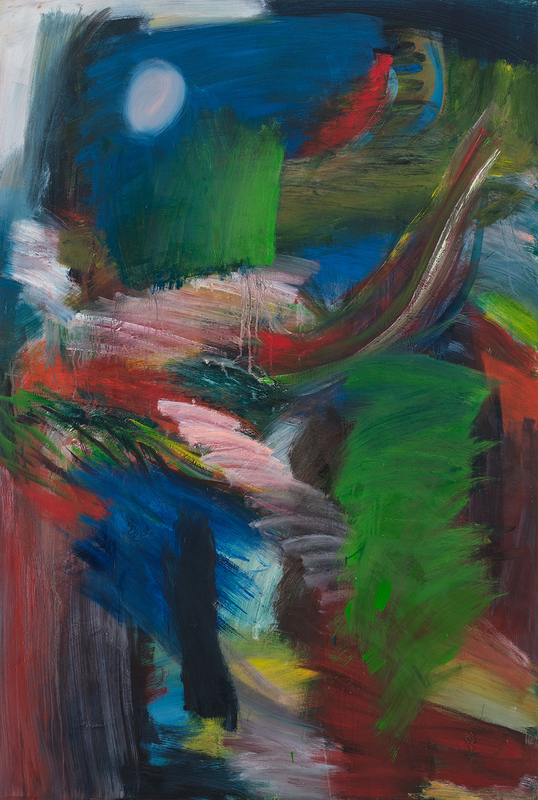
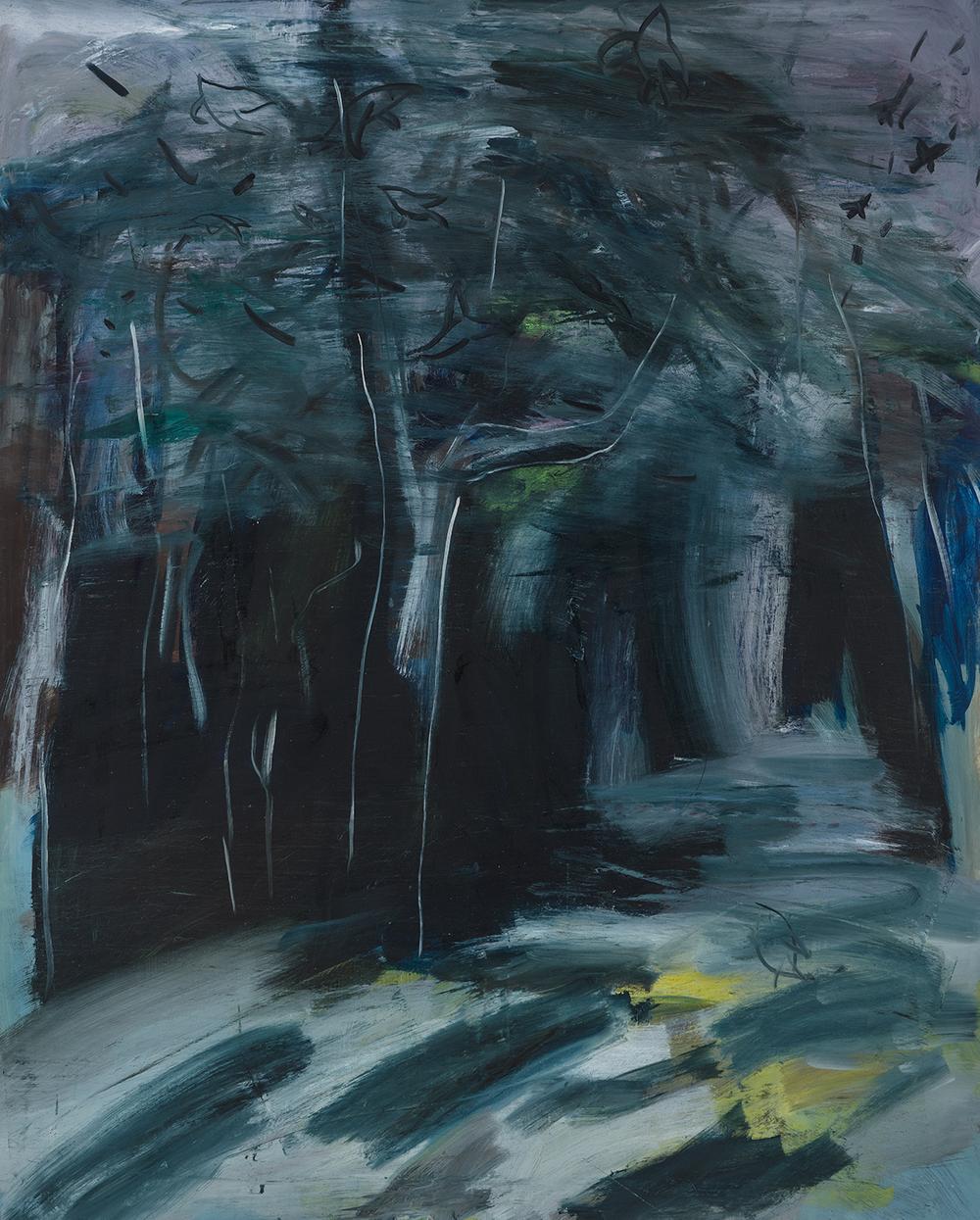
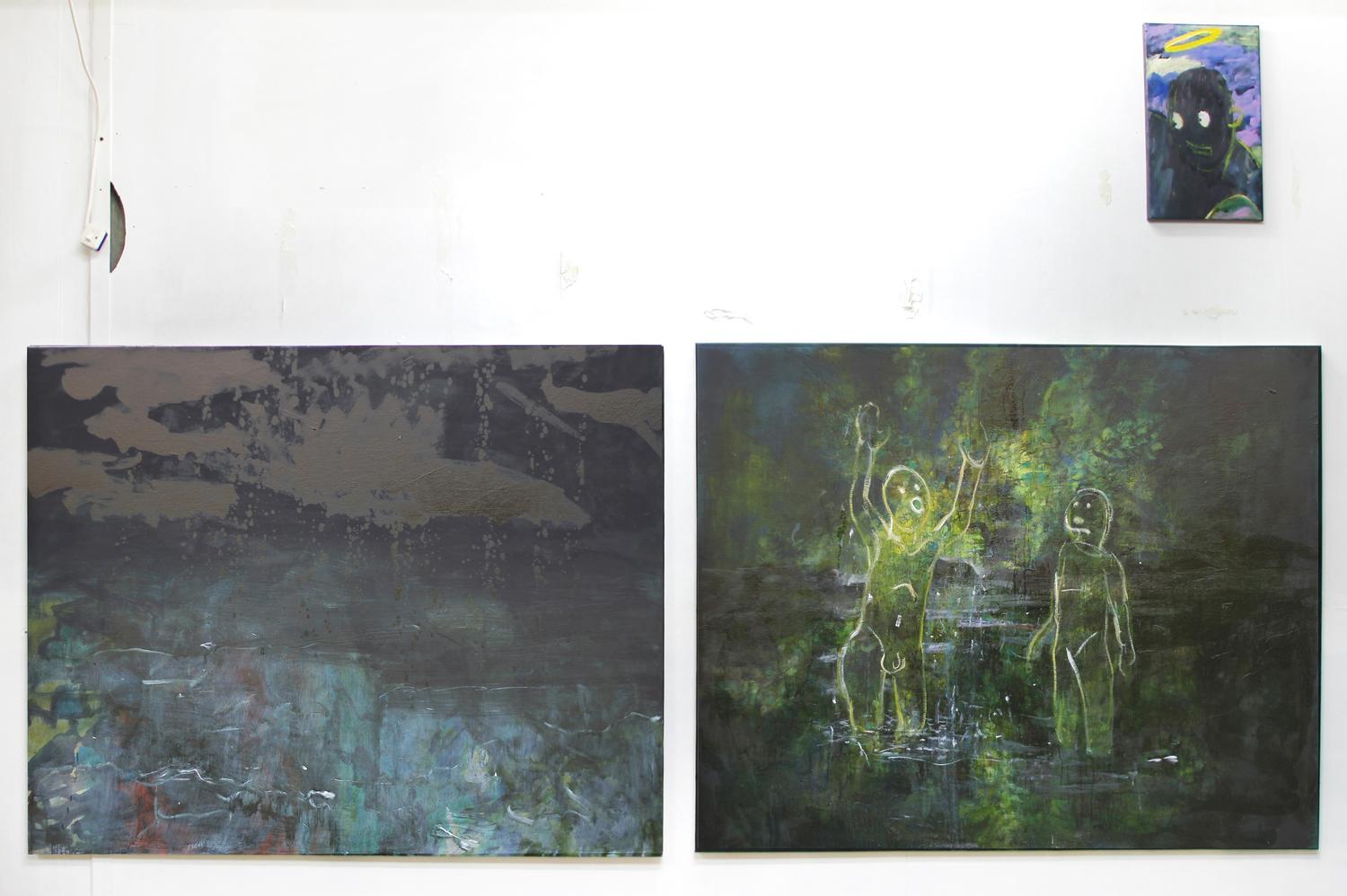
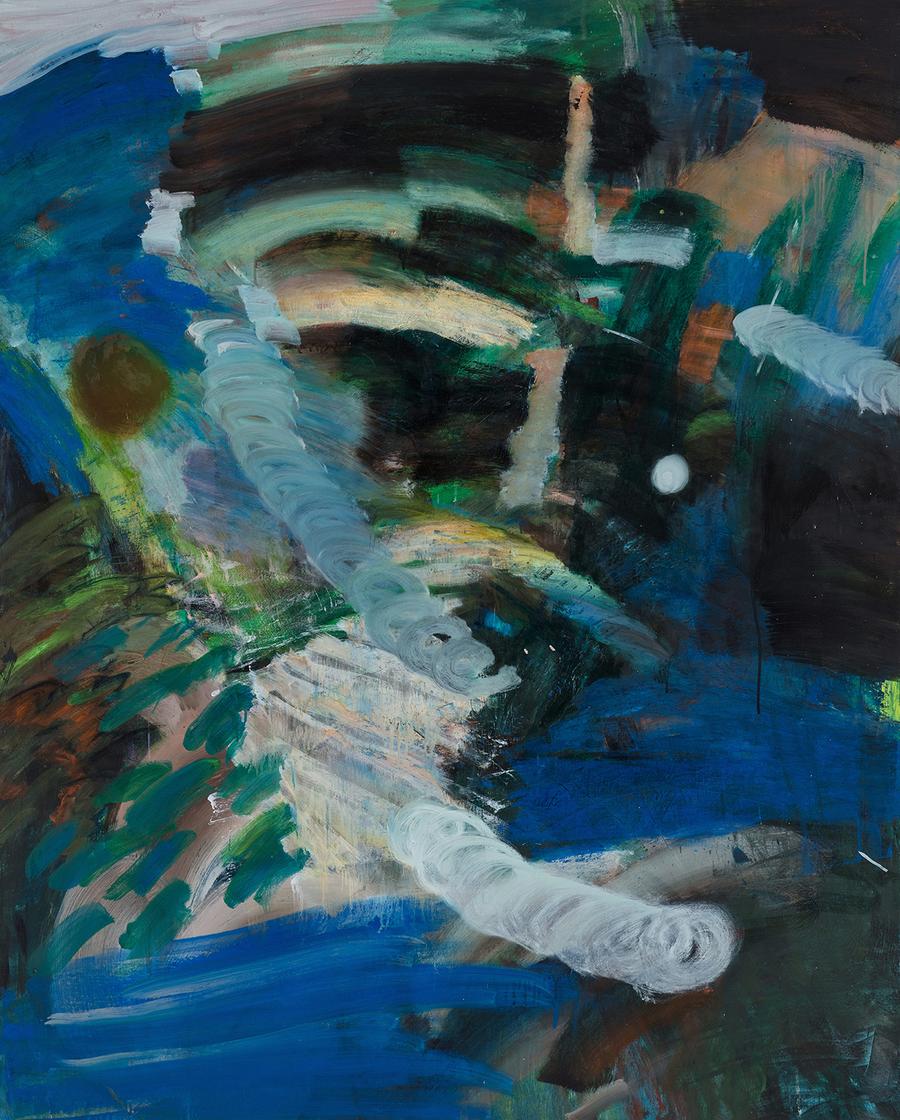
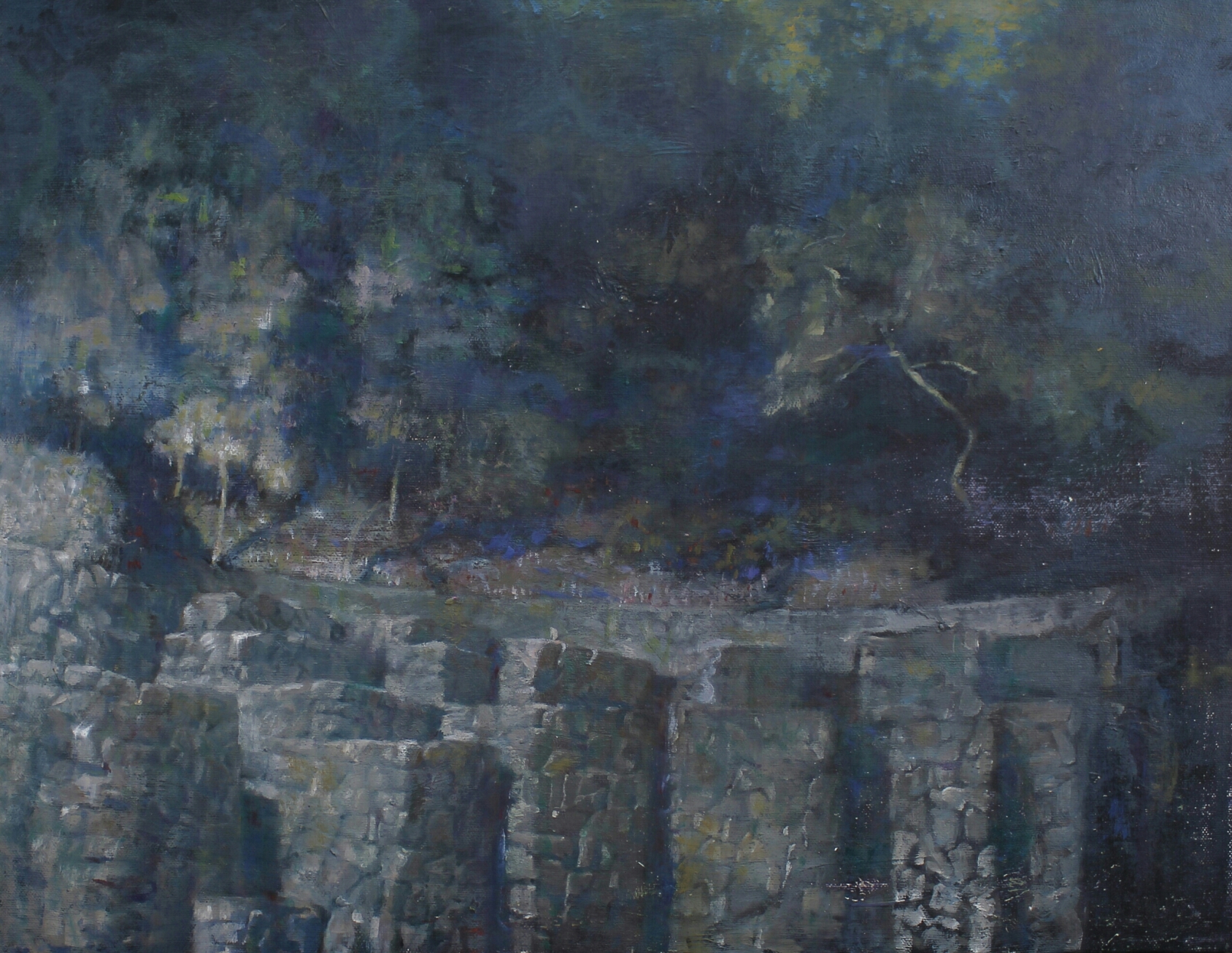
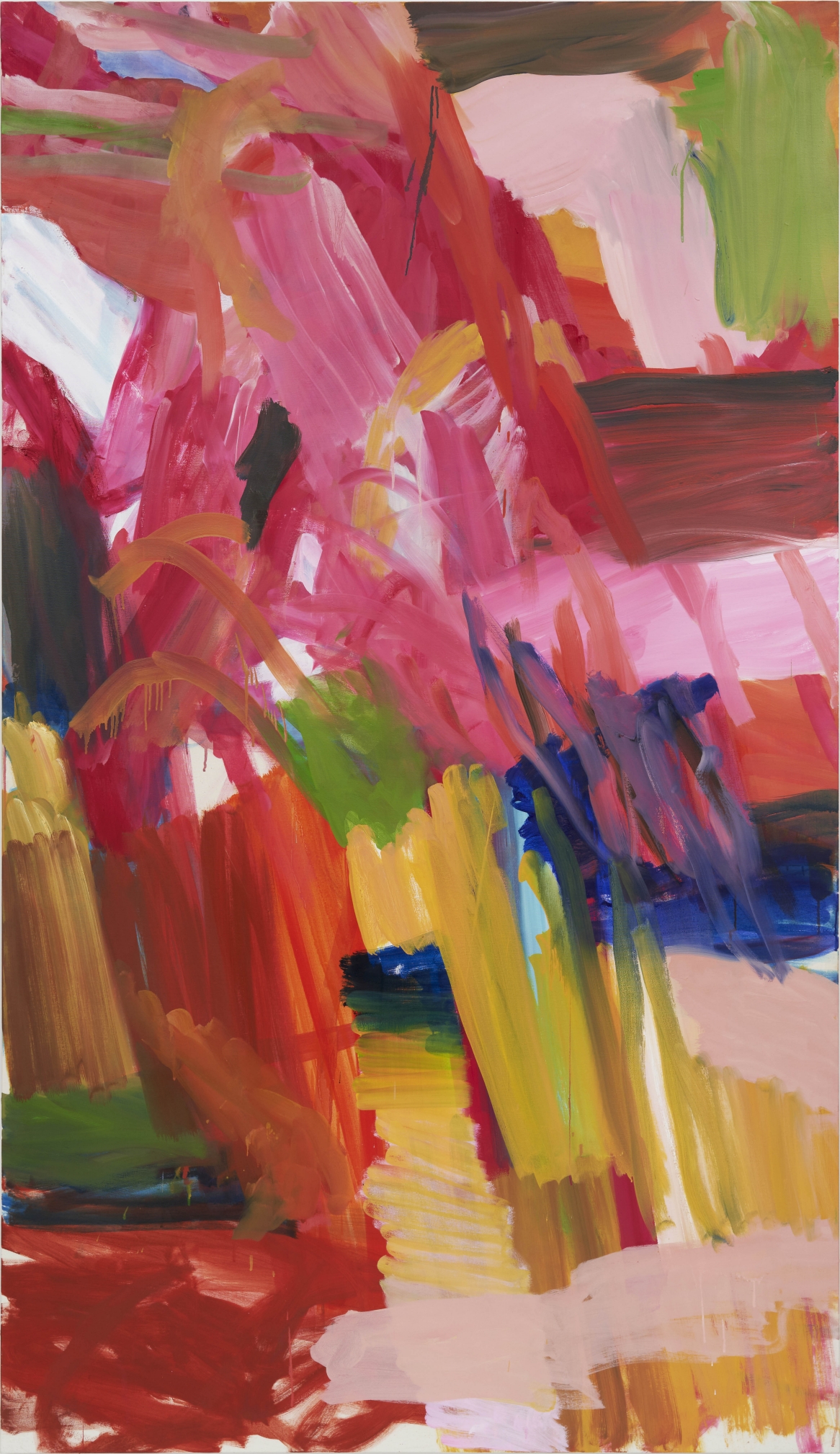
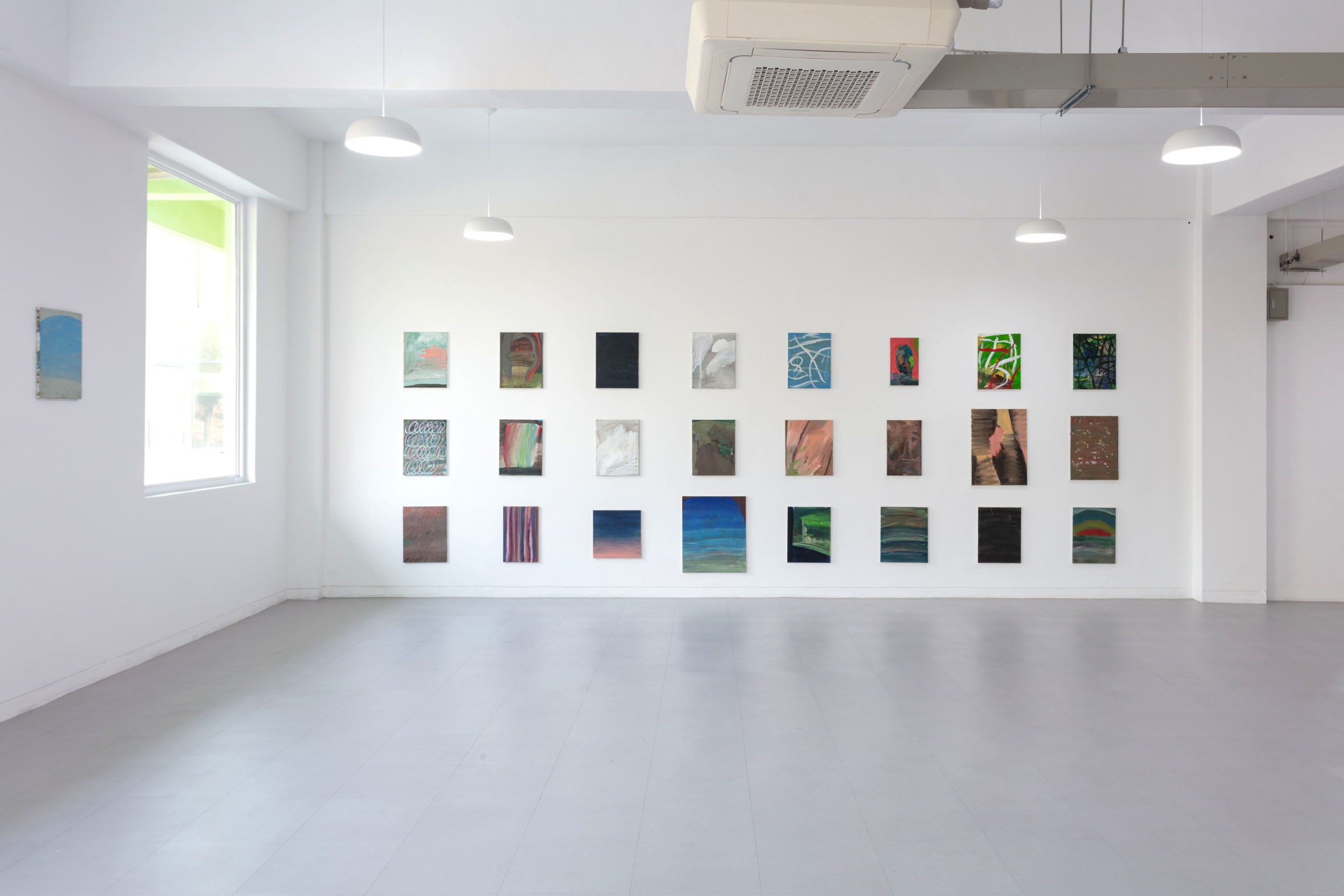
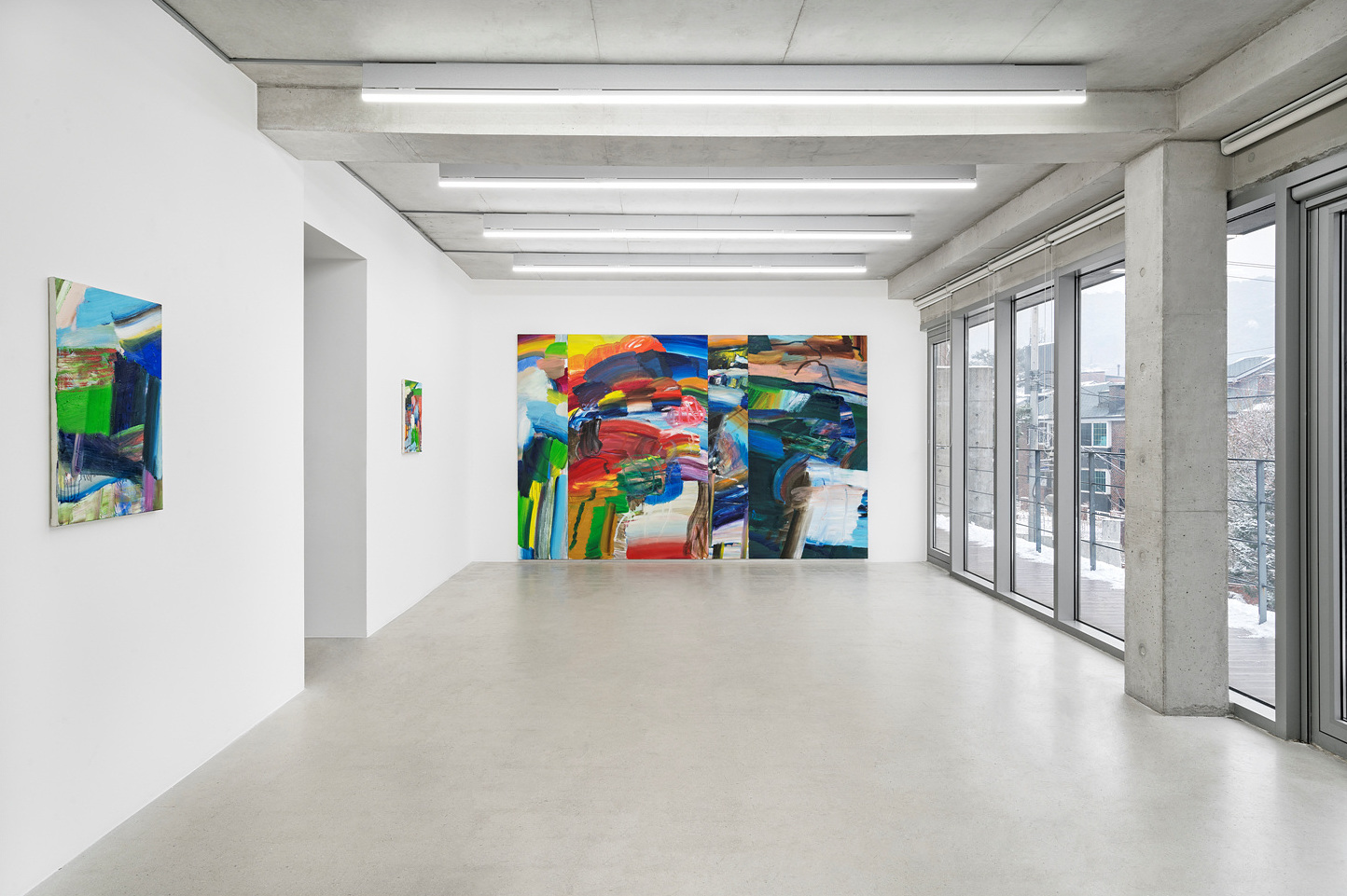
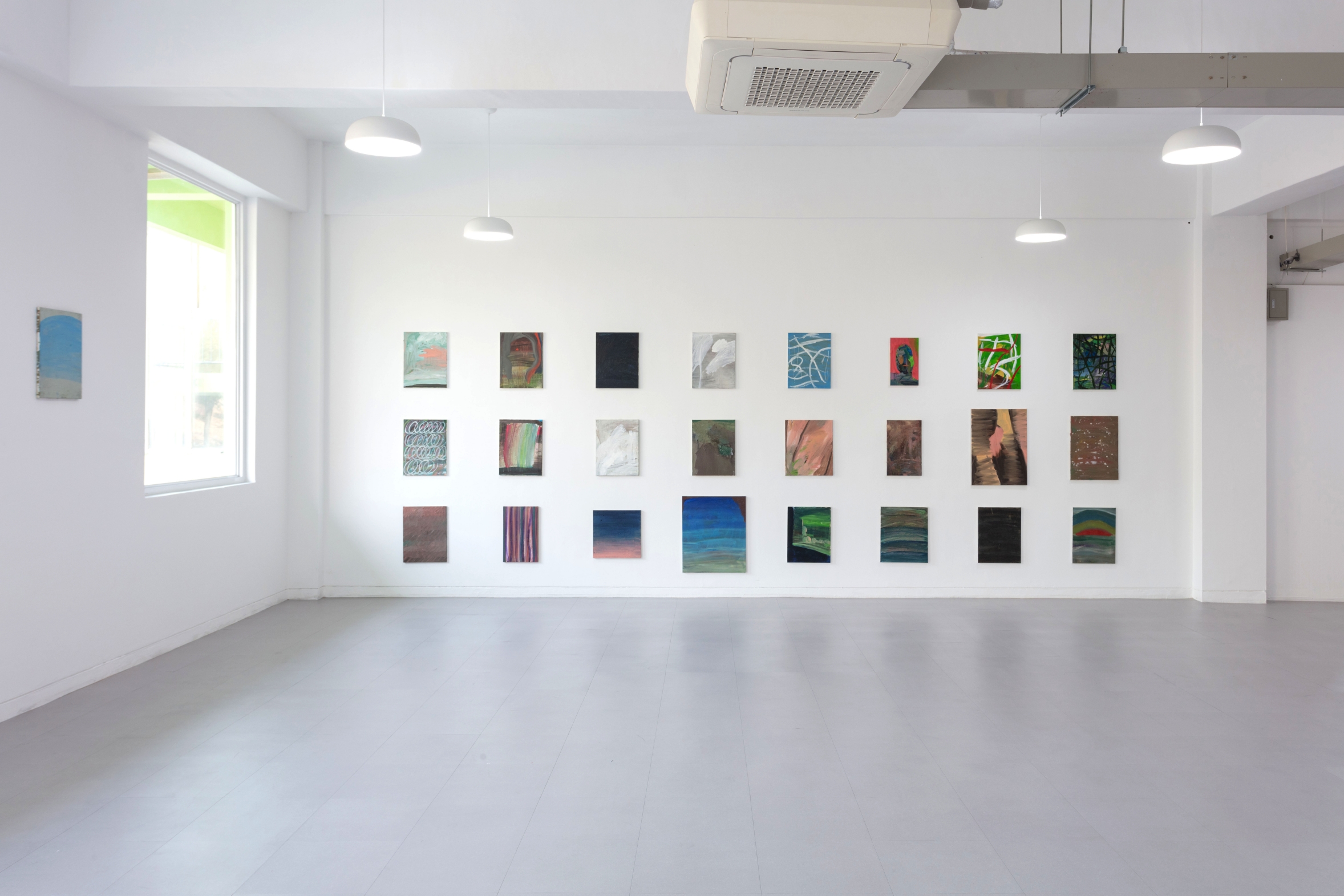
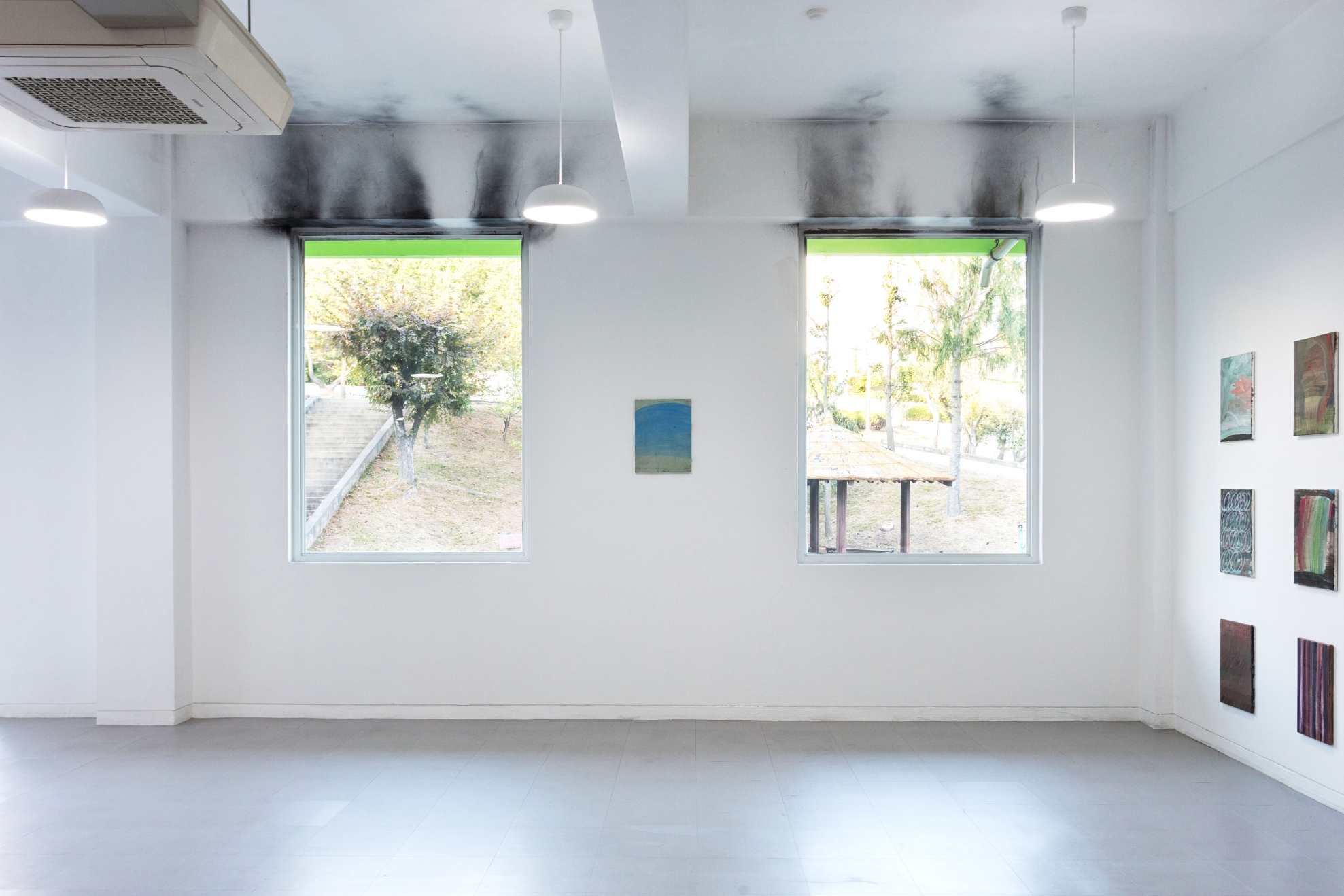
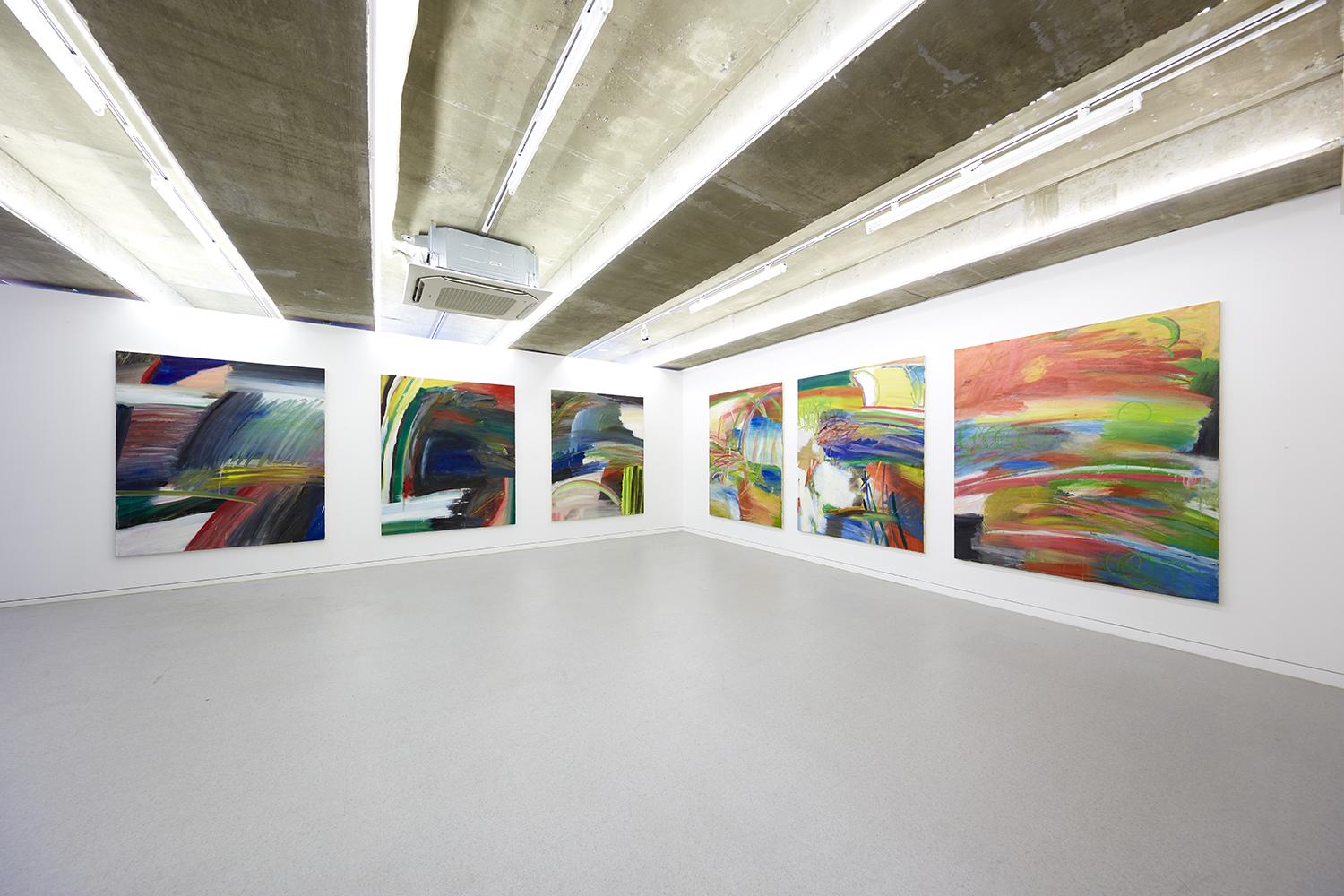
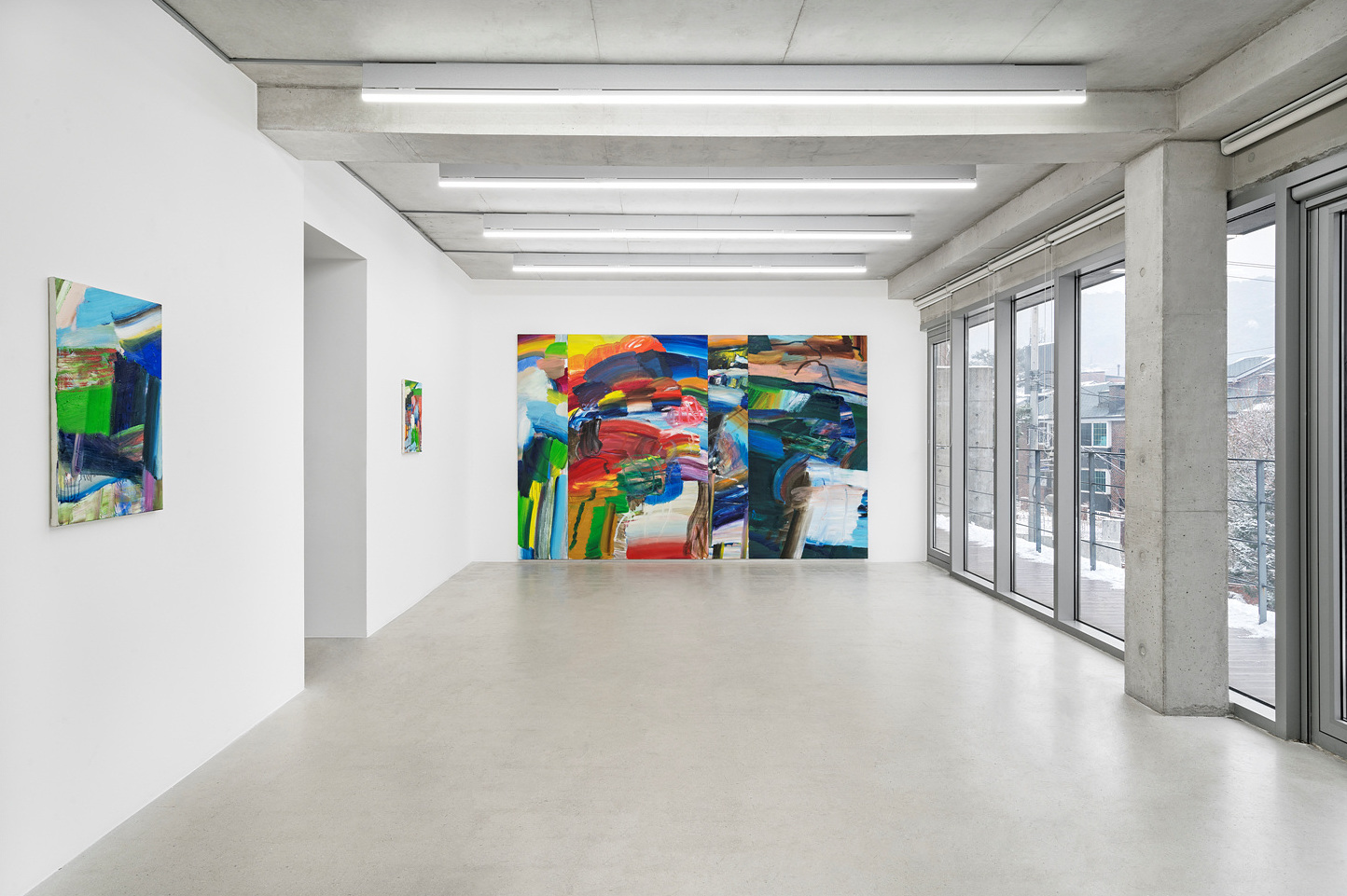
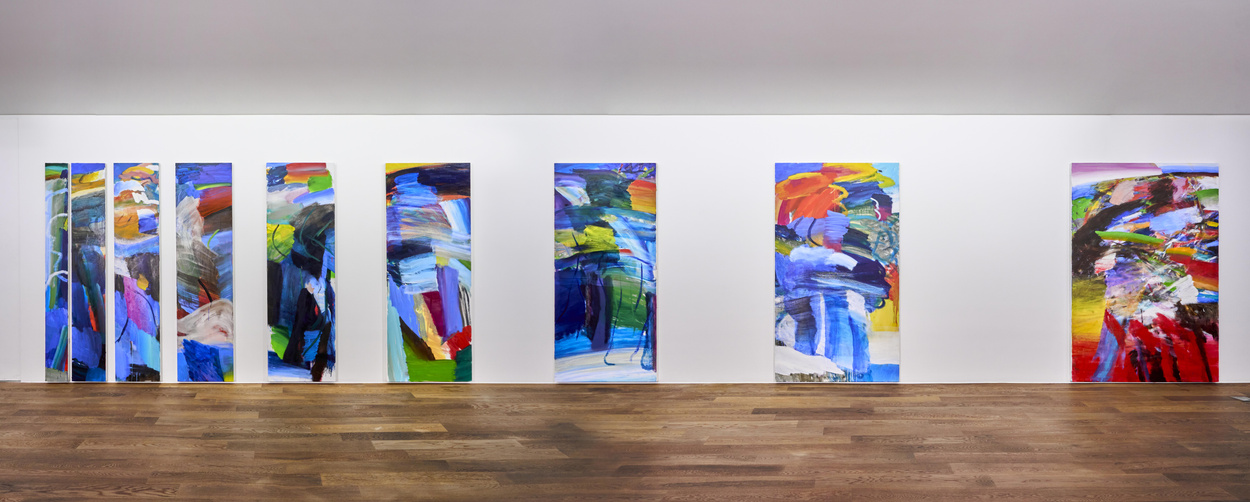
In this context, his recent works reveal attempts to expand the
range of possibilities for deriving images that fall within categories he can
accept. An uncertain and hazy time is repeated, as he gauges whether structures
of sensation and memory acquired in daily life can gain plausibility on the
plane in ways different from before. Large and small vibrations that likely
influenced him are transferred into raw colors and brushstrokes, leaving
amorphous traces.
Yet rather than remaining within the territory of formal
experimentation alone, the layered results of these actions give the impression
that he actively calibrates his relationship with painting, exploring the
sustainability between the two poles (artist–painting) and broadening the scope
of their dialogue. In other words, the question is less about achieving better
formal outcomes and more about establishing an attitude and position for
acquiring a flexible painterly language. In conversations I had with him, I
recall that his interest had already somewhat moved away from what to
represent.
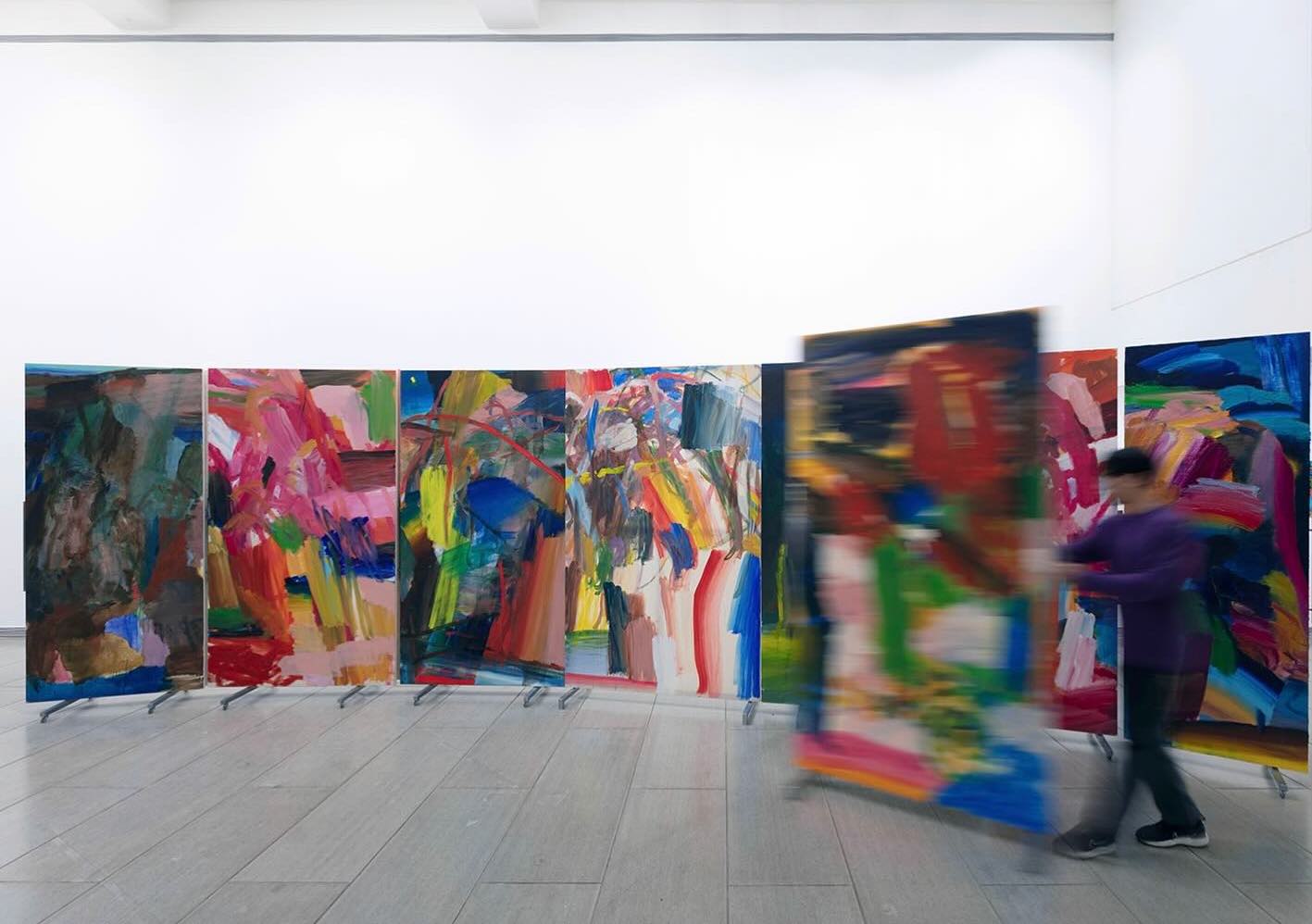
For Hyundoo Jung, painting is not a fully controllable object nor
a separate Other detached from himself; rather, it is a force that, from a
similar position, proposes frameworks of thought and directions of movement.
His desire that the work affect him and his surroundings not only during the
time of making it but also when he is away from the canvas connects to his
attitude of treating painting as a coexisting organism.
The perspective he
maintains leads us to think of painting not as a temporary object but as a kind
of current that transfers phenomenological experience into present sensation.
Each plane sustaining a single form, as something alive in reality, endlessly
adjusts its directionality and contour, generating spaces of meaning on its
own. It is precisely this viewpoint that enables painting to function as an
autonomous signaling system without collapsing into rigid physical limitations.
Thus, the reading that should precede standing before his recent
works must concern the modes and distances of relationships he has formed with
multiple planes, and the tangible and intangible energies generated between
them. Is he sufficiently close to his painting now? Or does he maintain
sufficient distance? Does his painting continue its own narrative beyond the
arbitrary form bestowed upon it by its producer? Outside the domain of
represented images, what sensations does the painting convey? What field of
experience might another painting, now facing the artist, create in reality?
When accompanied by such questions, Hyundoo Jung’s painting may exist not as a
dry enumeration of nouns but in the active voice of verbs, perhaps holding more
of the shimmering moments of everyday life.