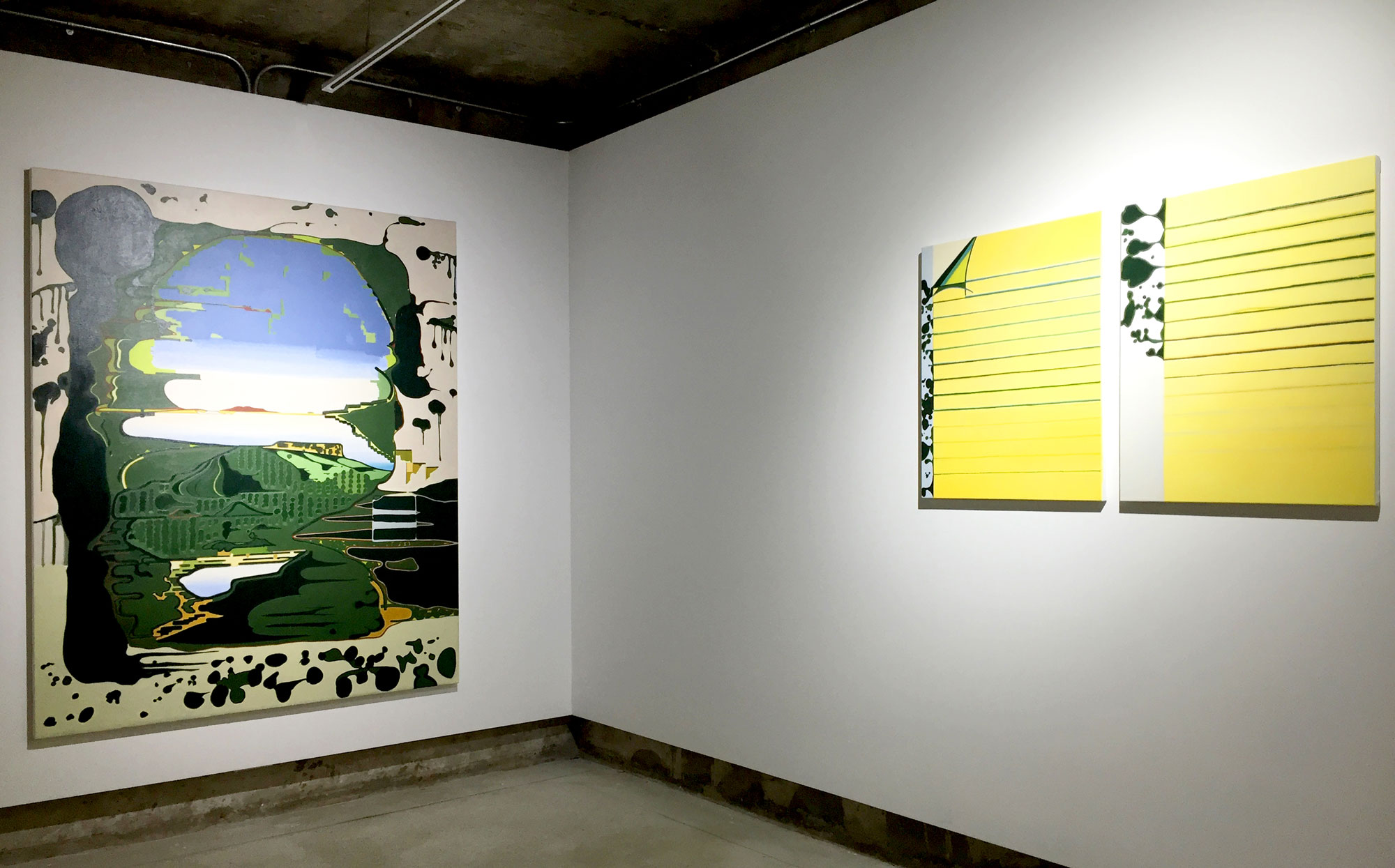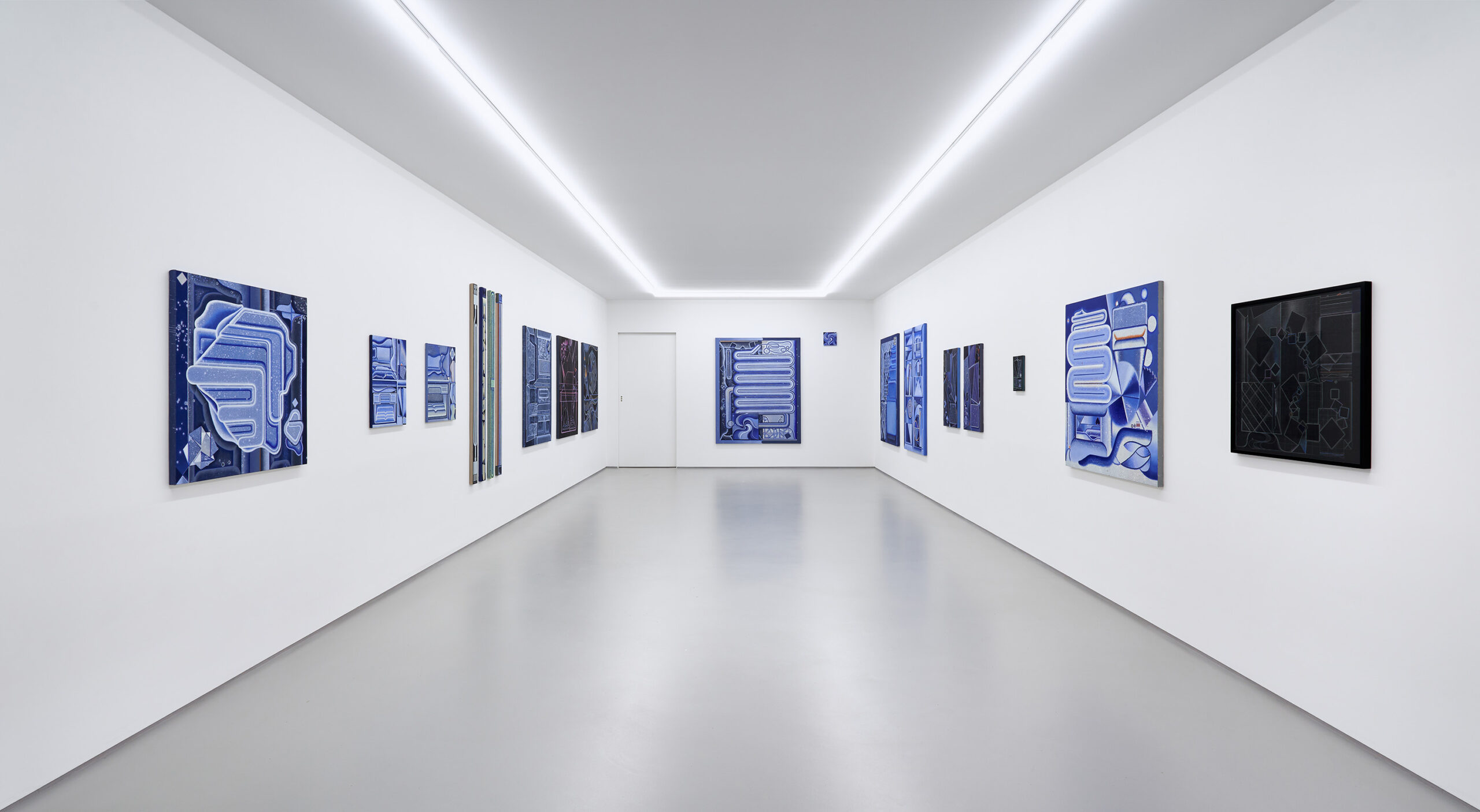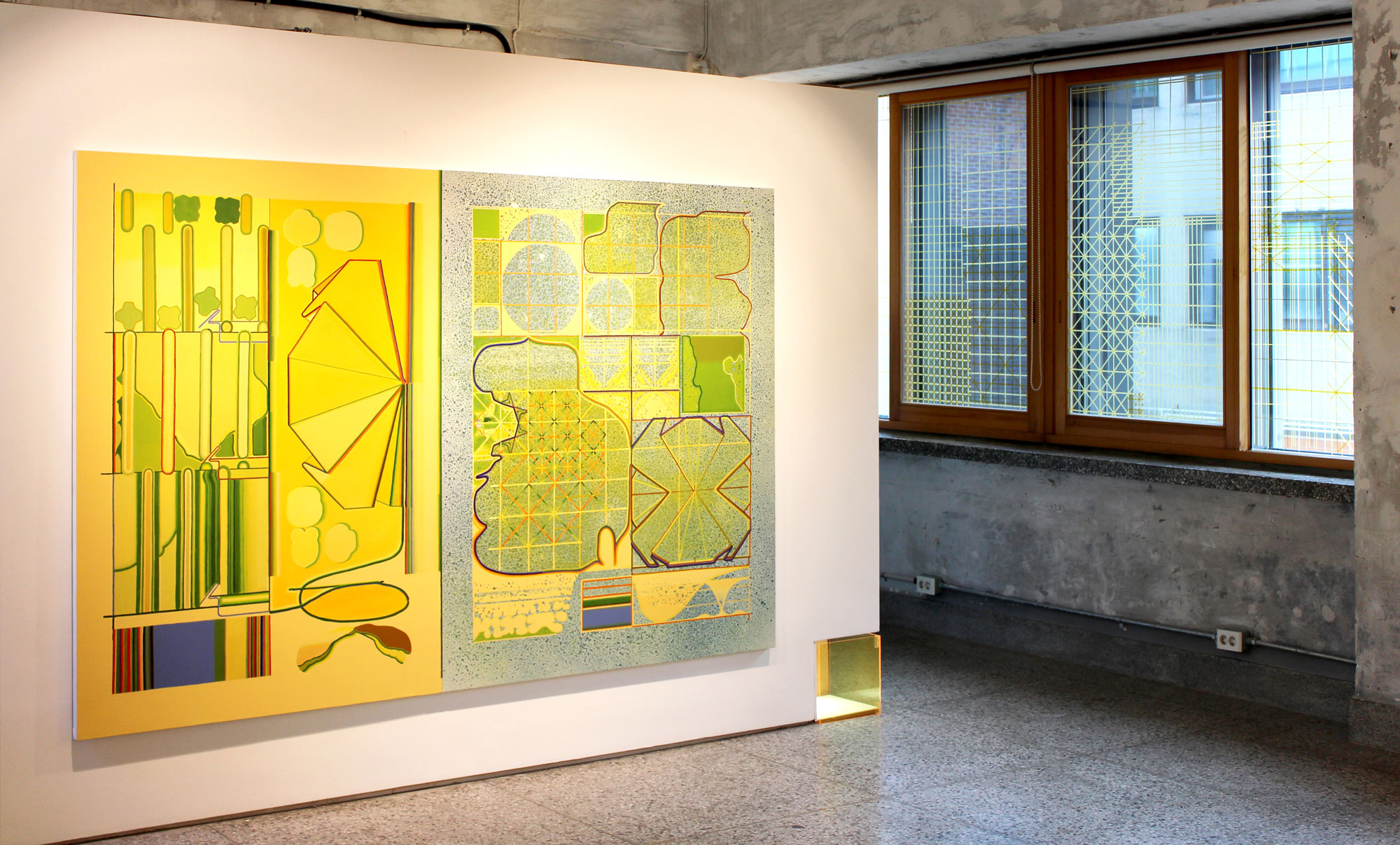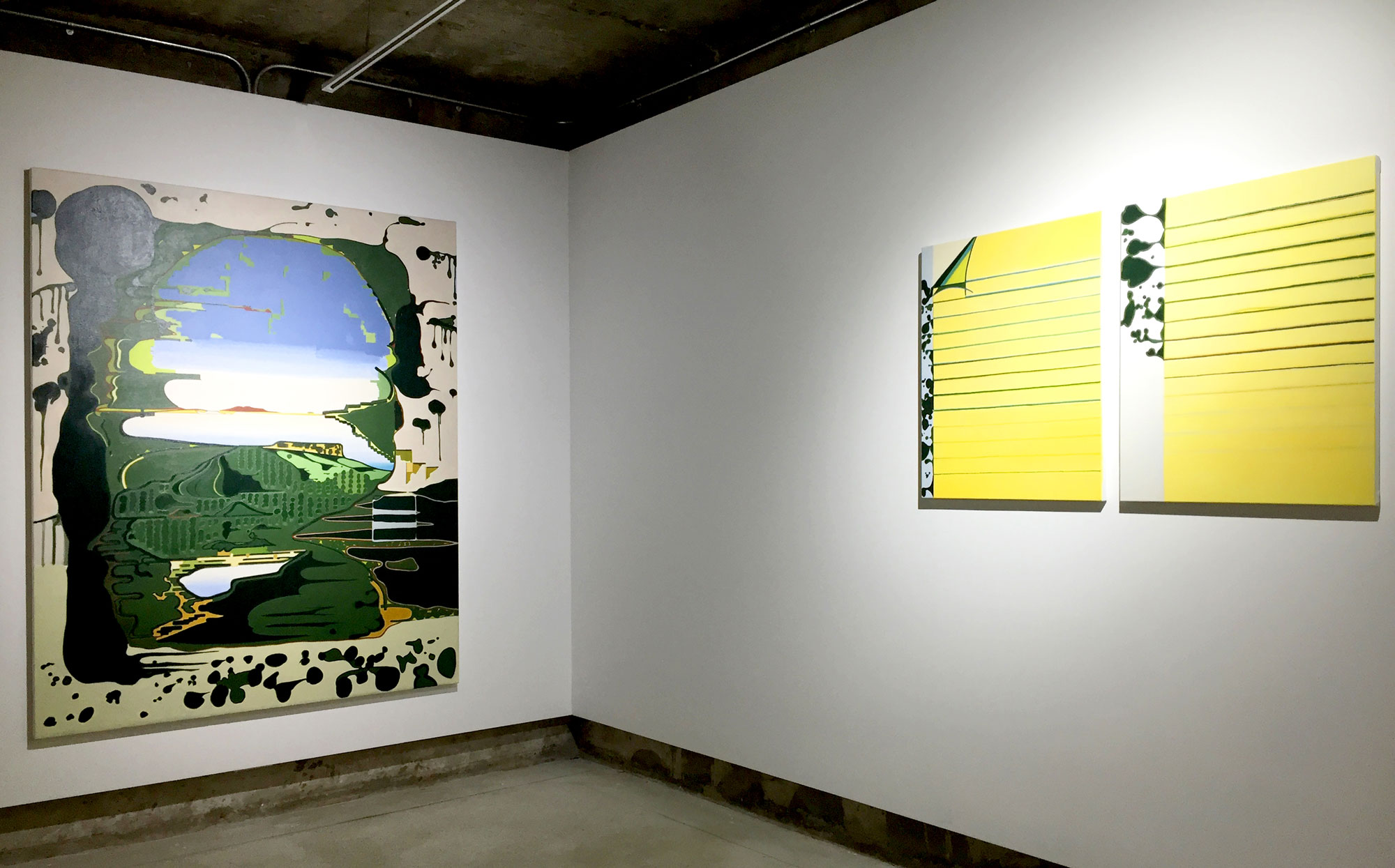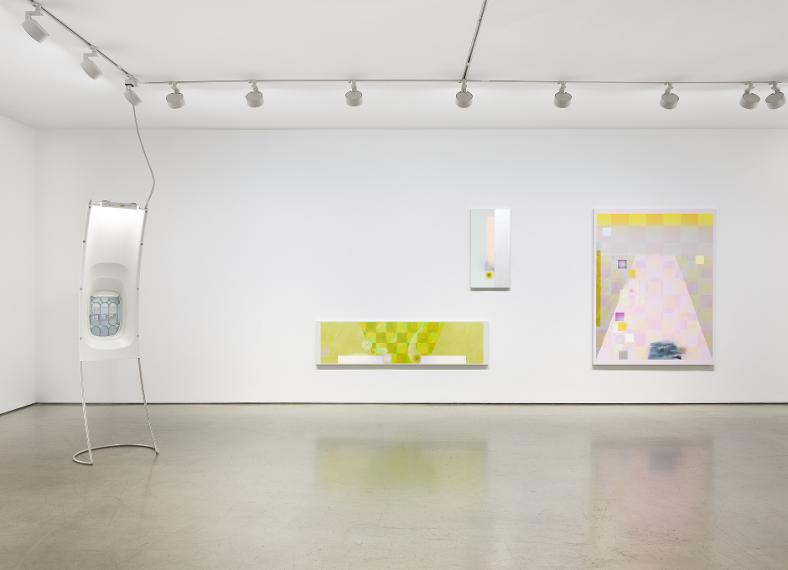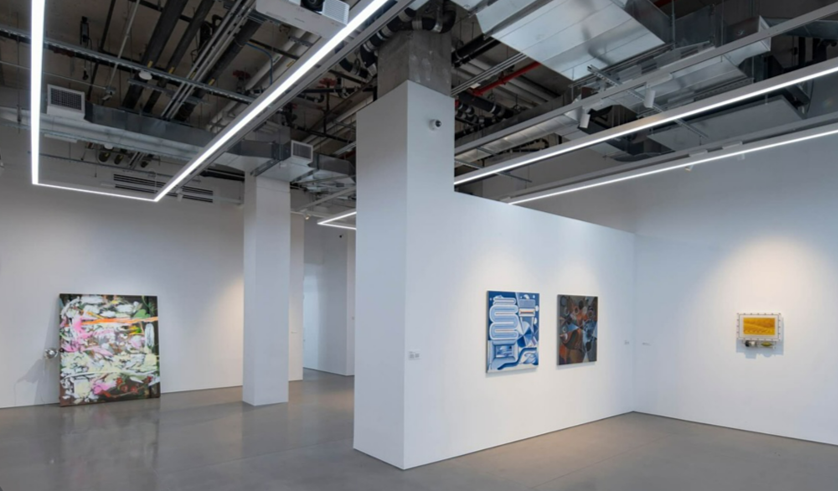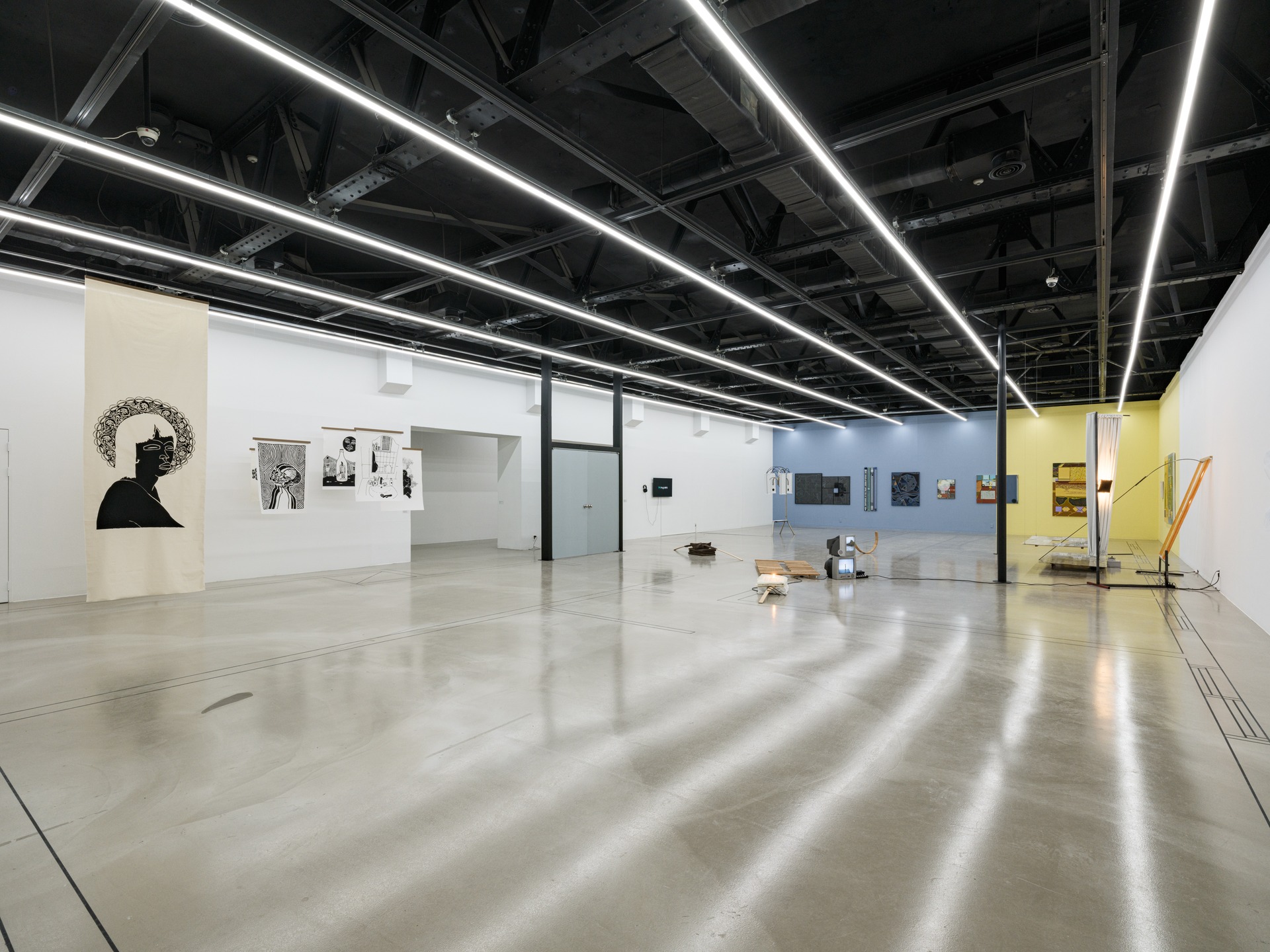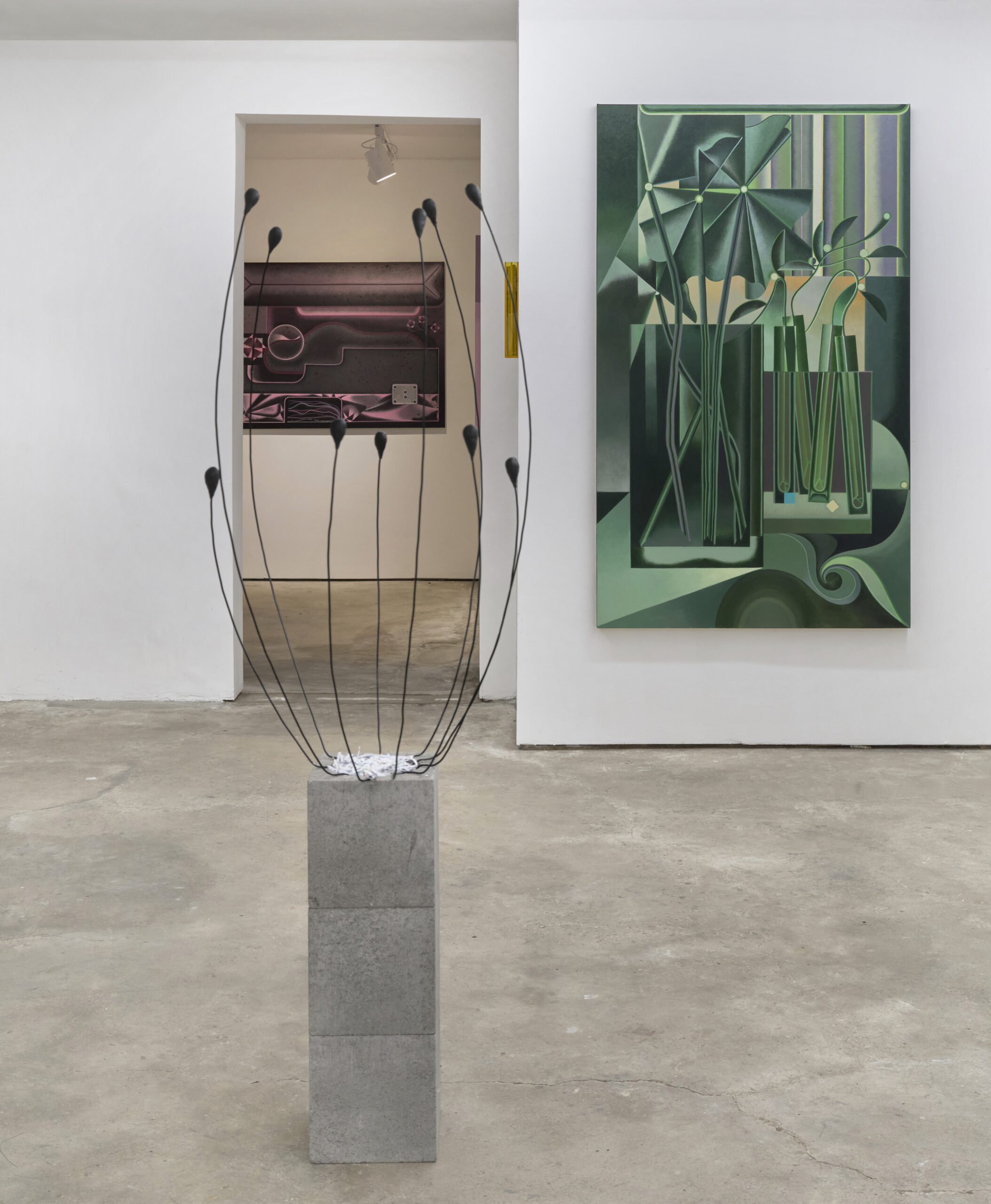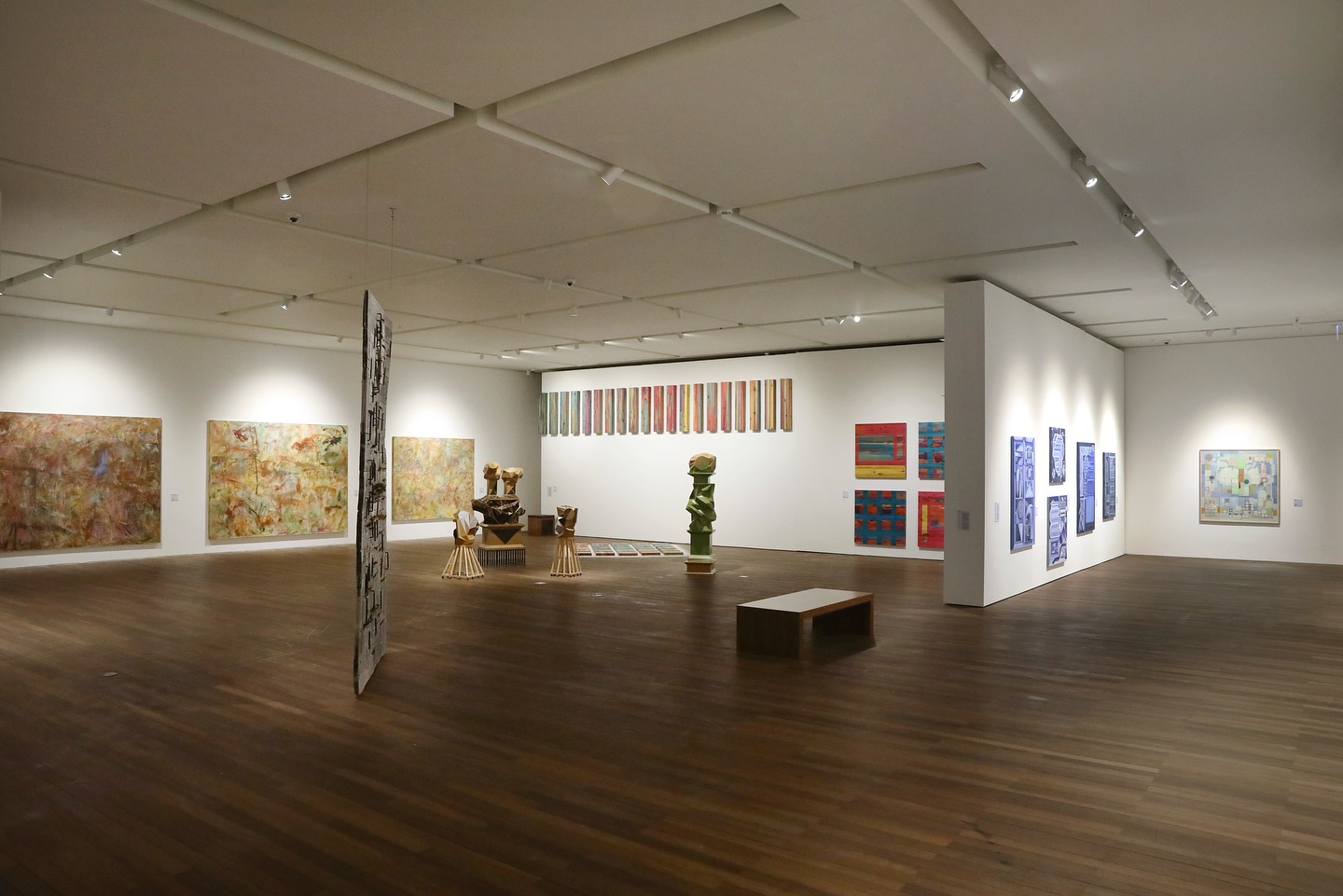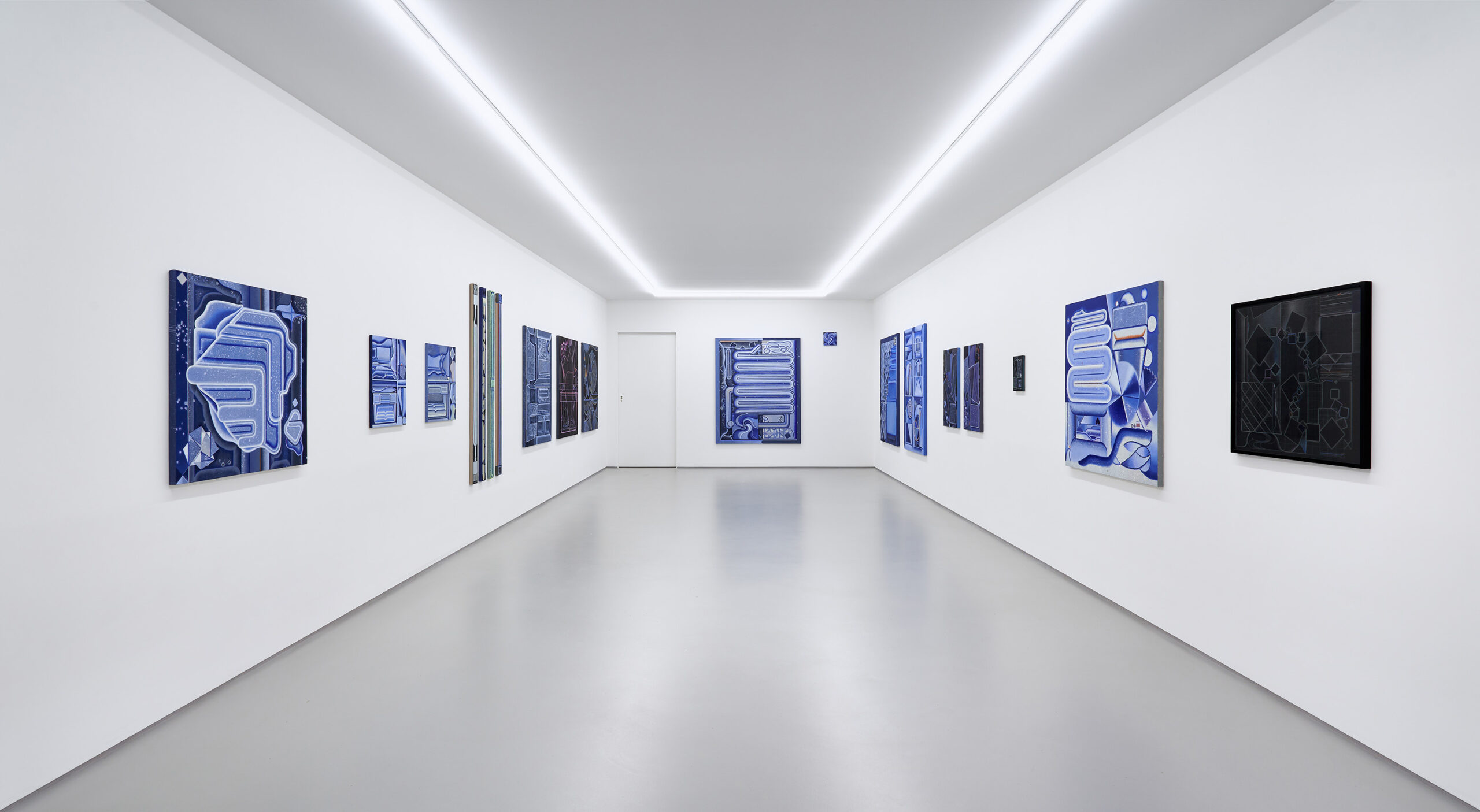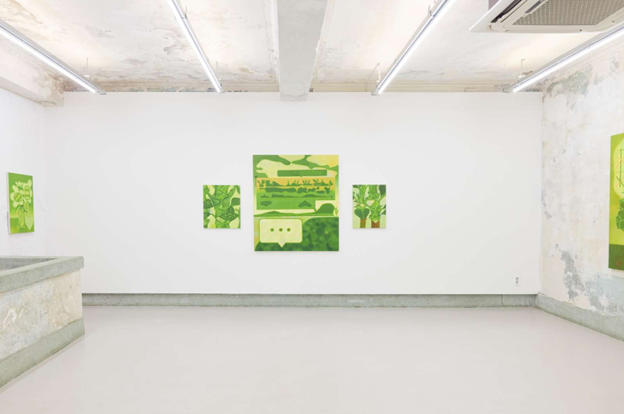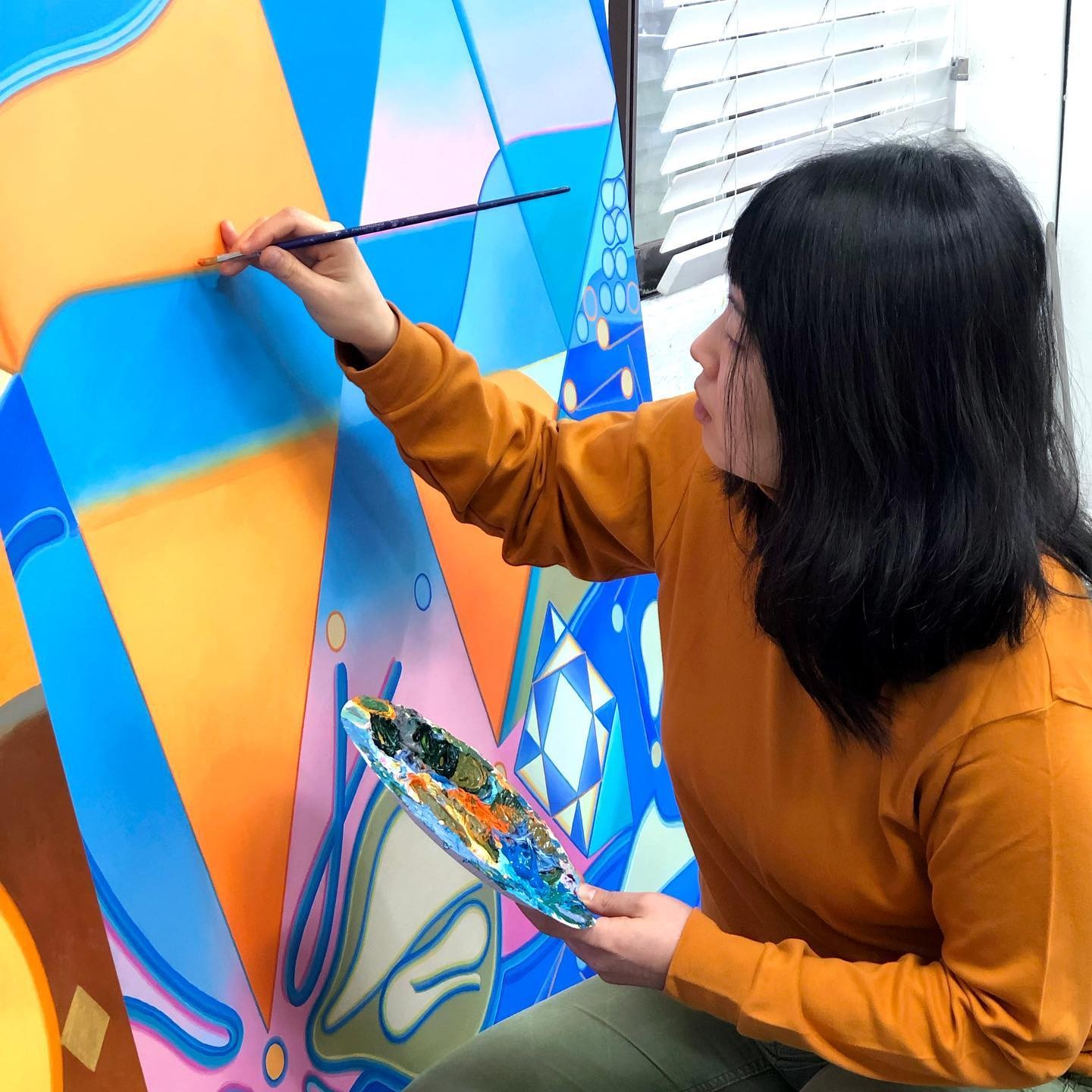


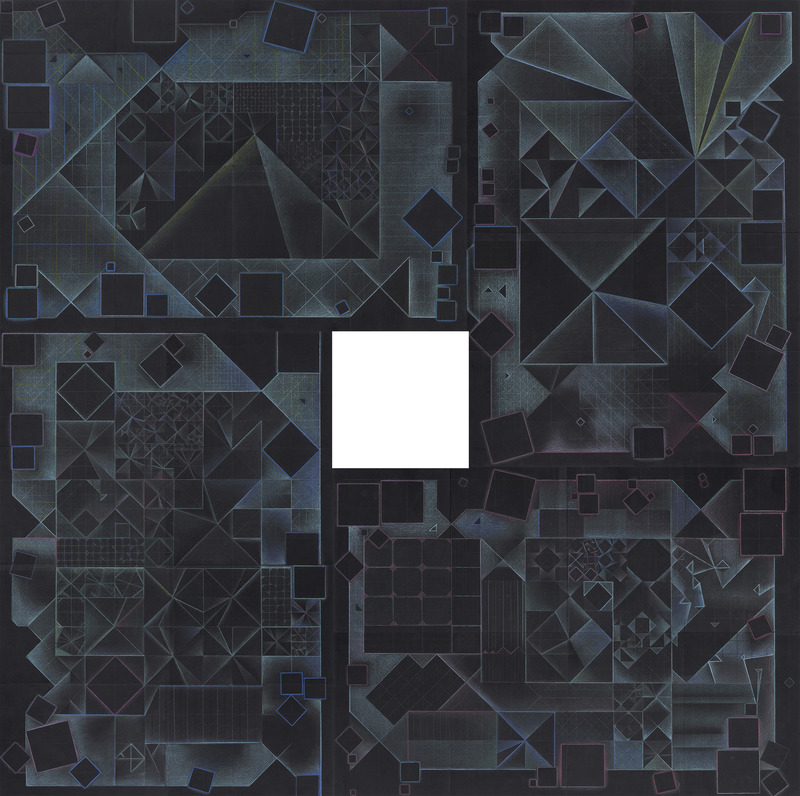
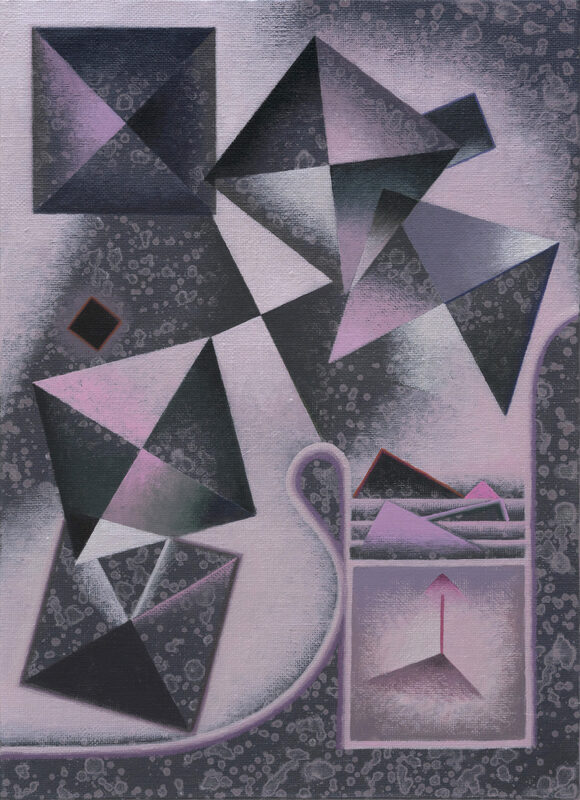
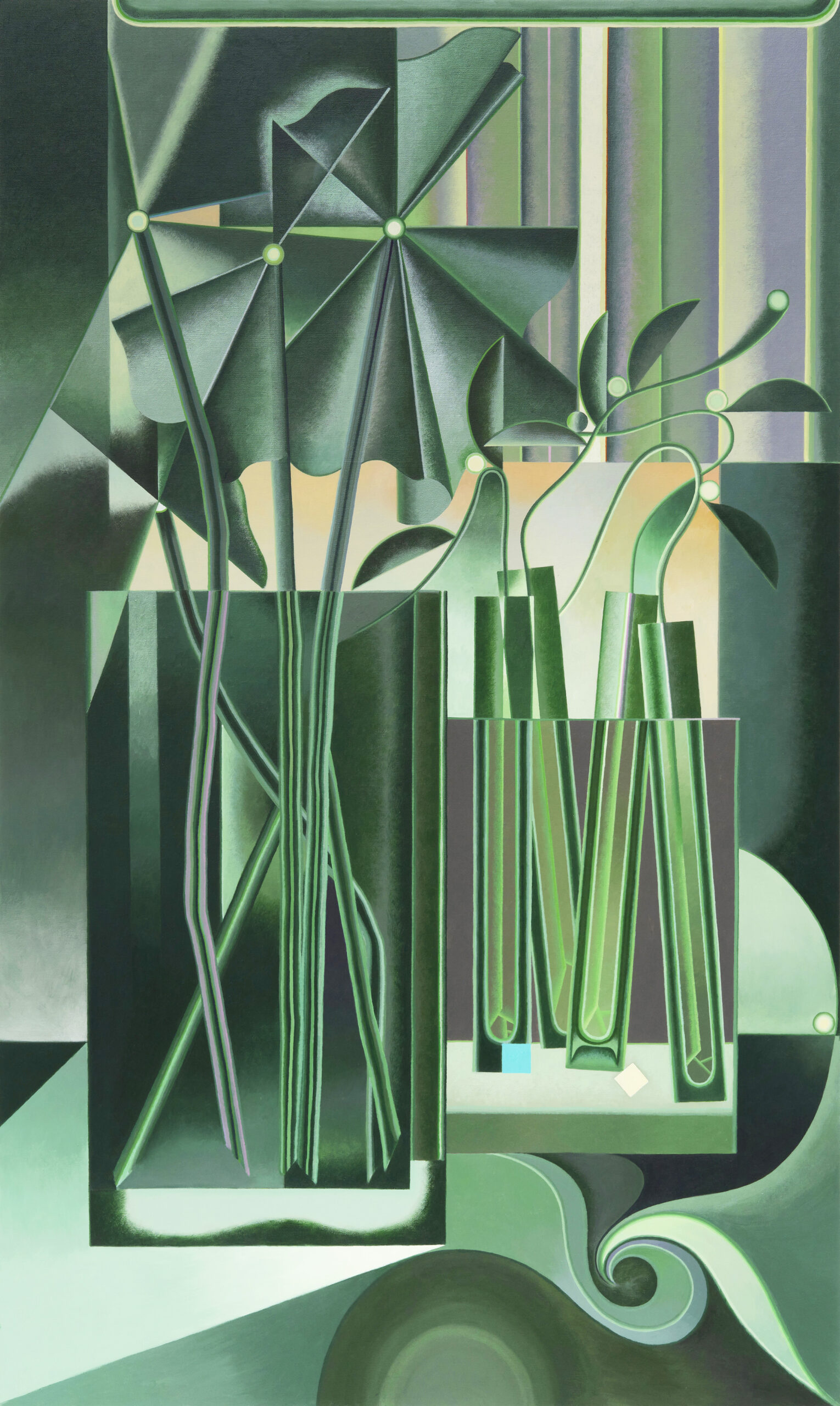
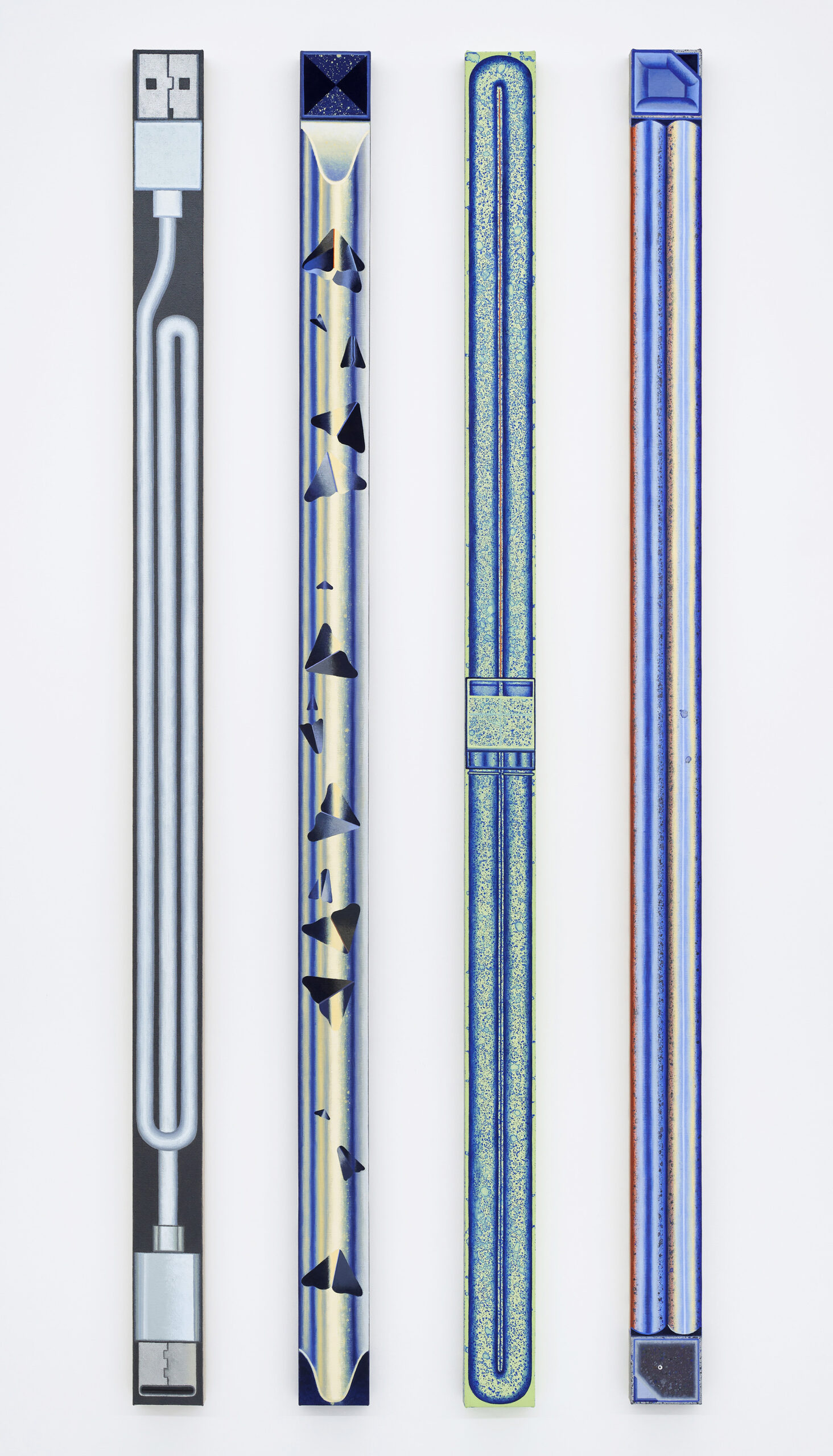
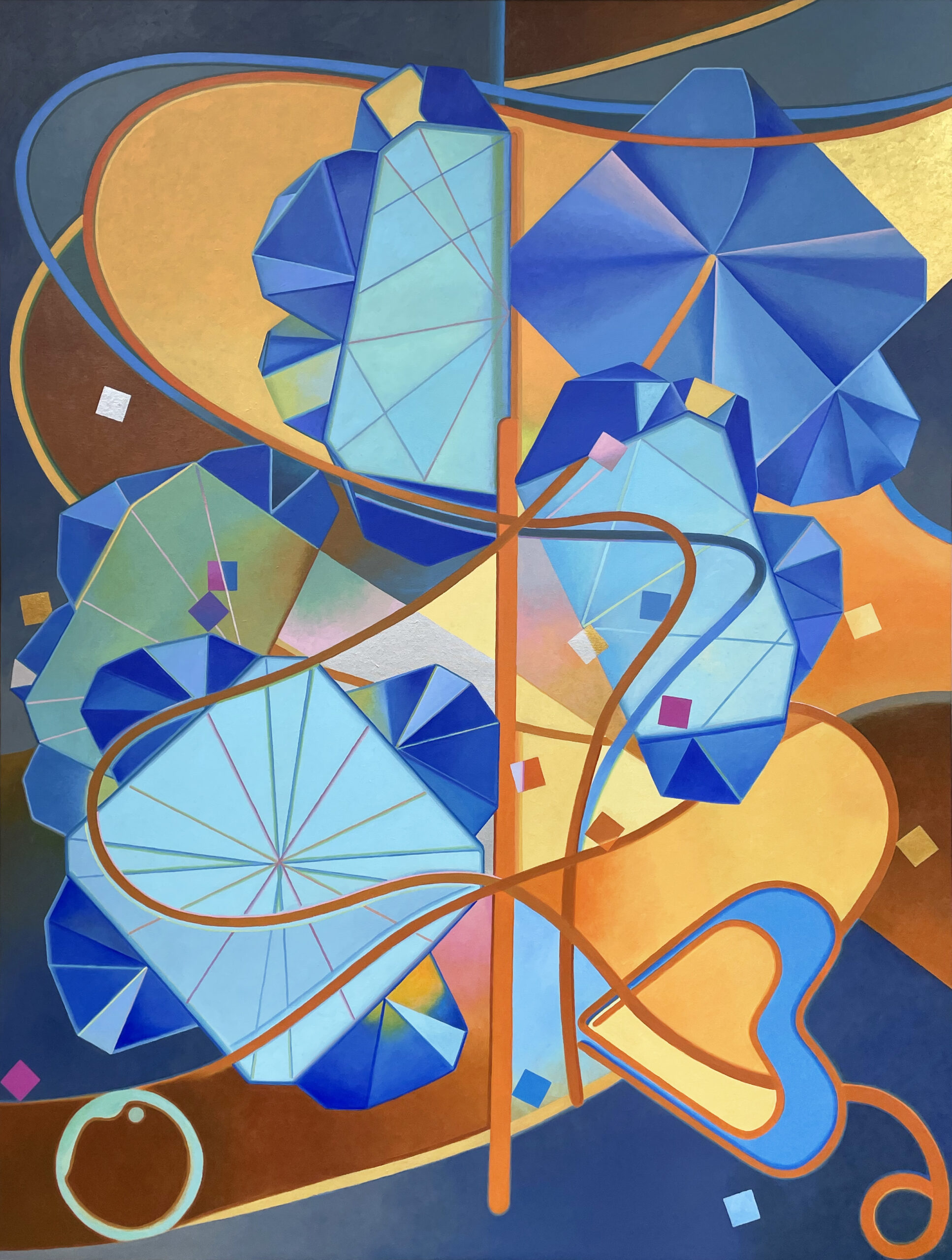
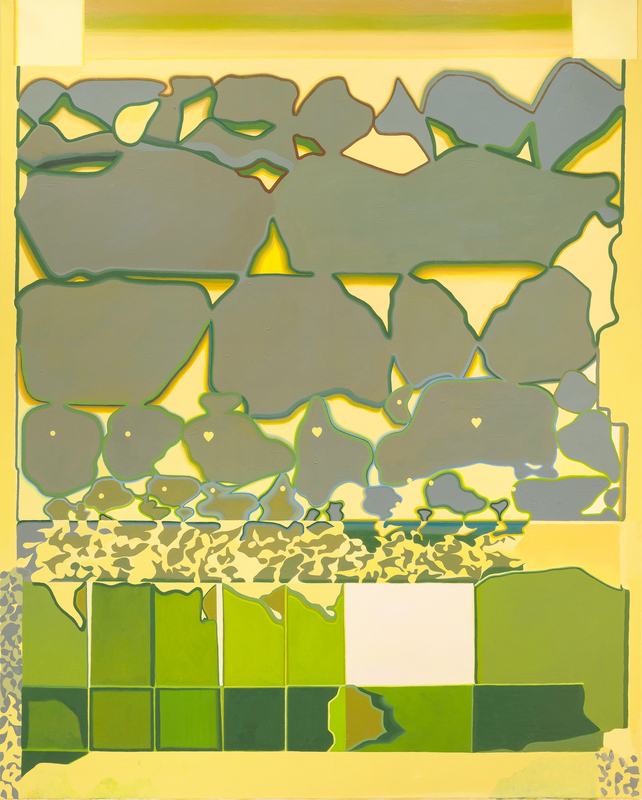
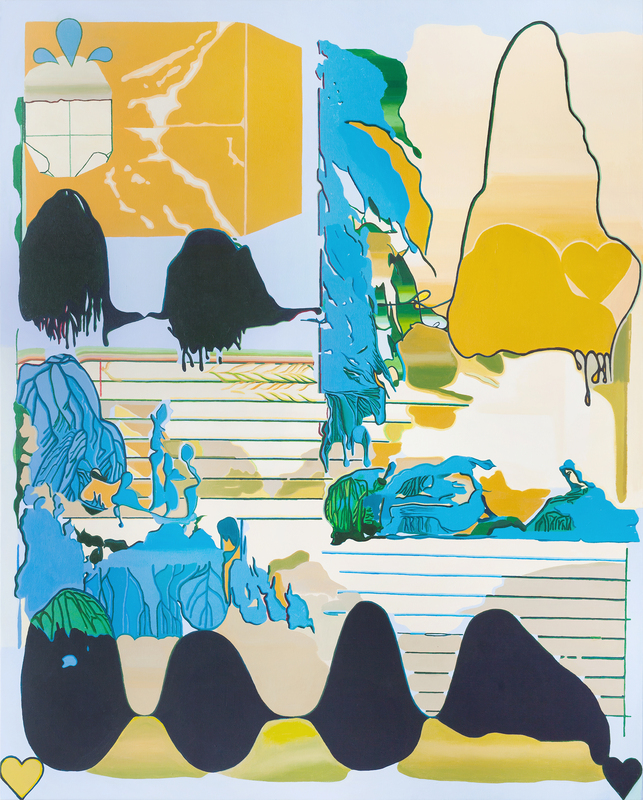
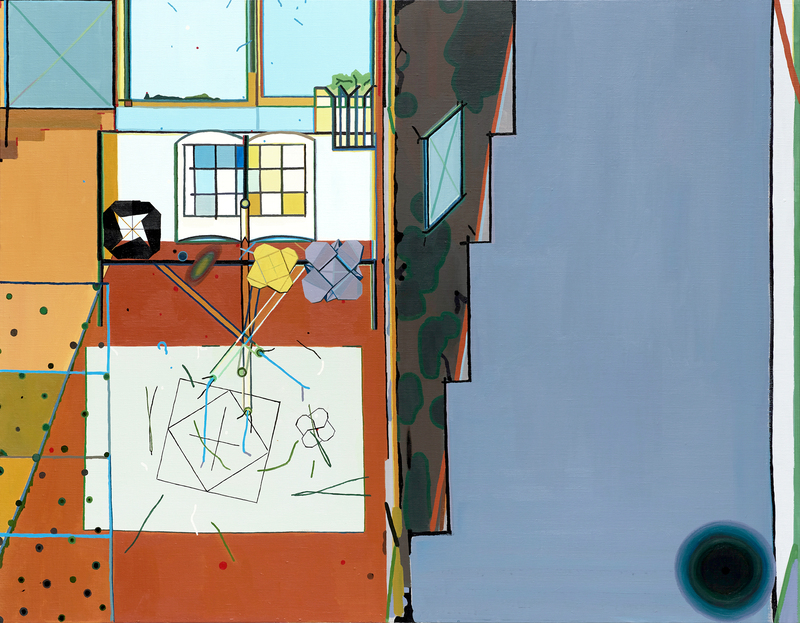
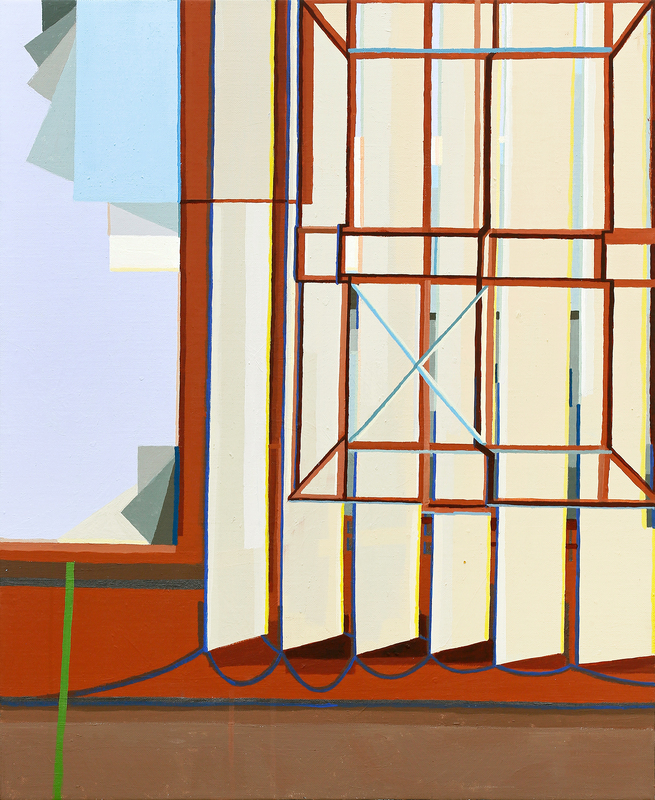
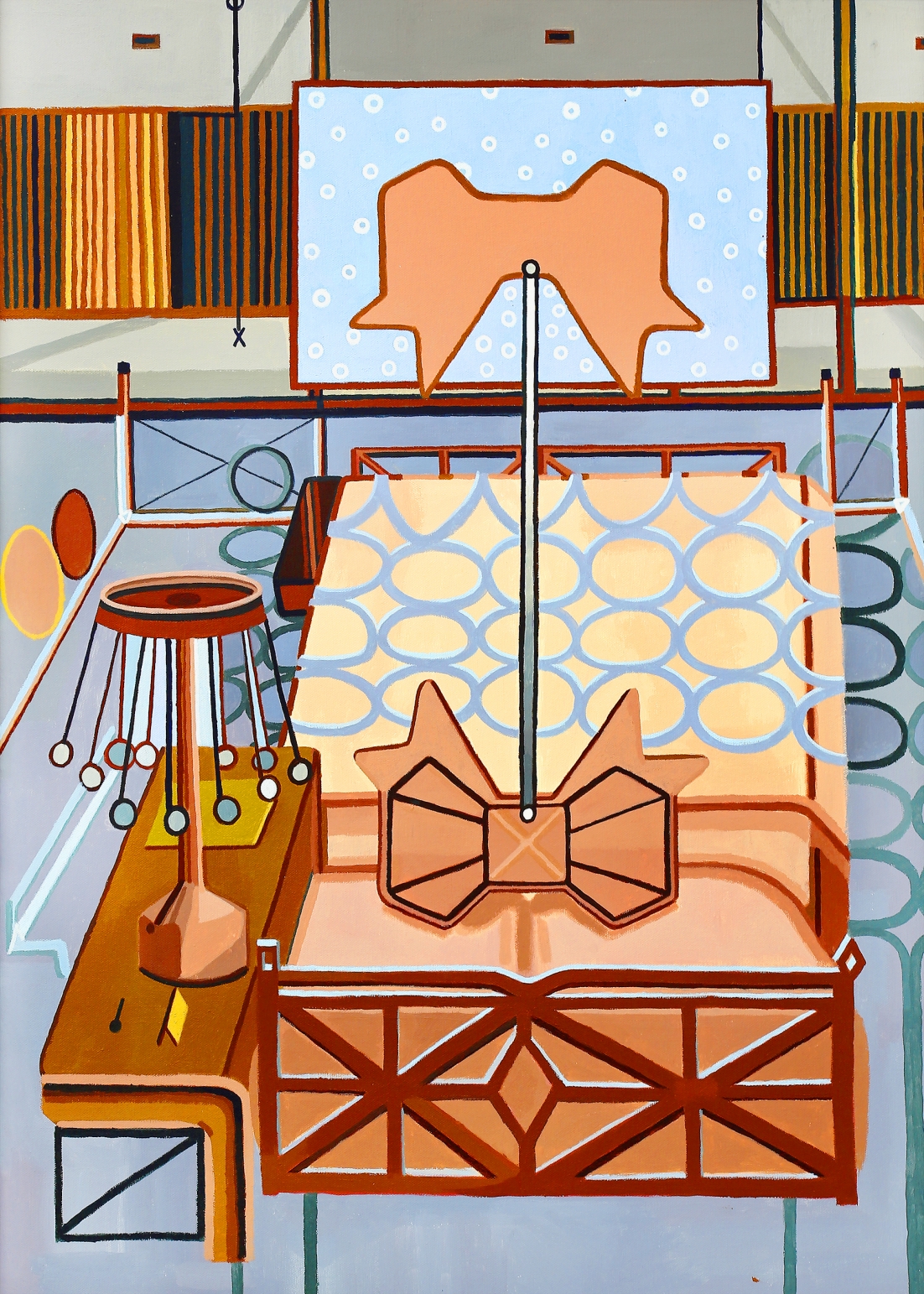
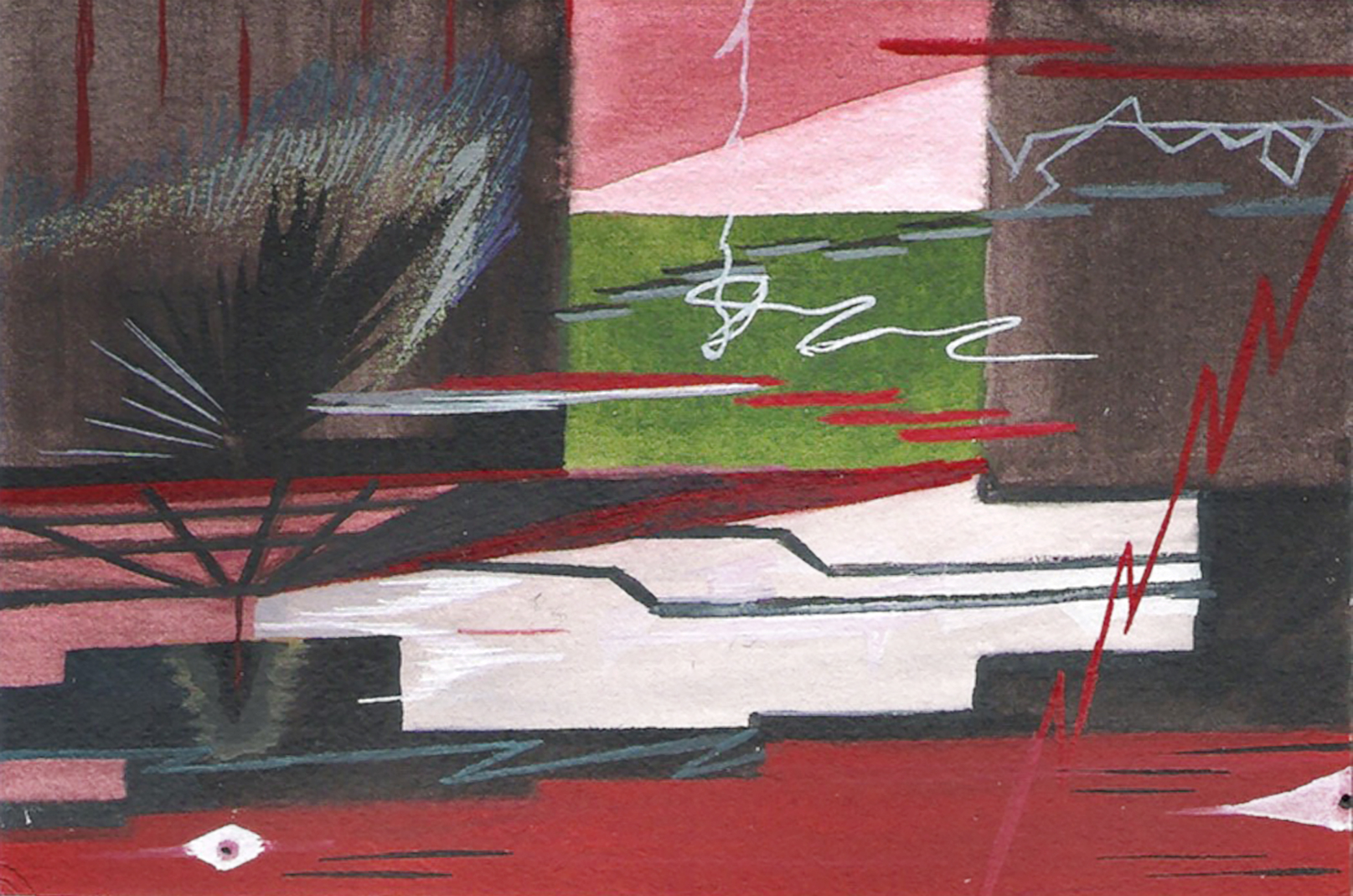
Installation view of 《Dear. Drops》 (Archive Bomm, 2016) ©Park Junghae

The letter you sent arrived on the last day of September. While I was contemplating how to answer, the rain that has been falling nonstop since last night called forth a new season.

In the old days, poets would have spent numerous nights dipping their pens in ink to encourage young artists. While the modern day we are faced today is the era of an anonymous science where the destinies of both graphology and phrenology have dwindled, your letter bearing the traces of you unfolds past memories. People who were developing a paint better suited for perseverance and expression of time were quickly mesmerized by the potential of oil paint, and by coloring the canvas, that perfect material seemed to almost perfectly manifest the alchemist fantasy that the world could be conveyed as it is, no, as is imagined. The bourgeois, gathered in the most bustling city of the world, merely cast side glances at basic science and asserted that colors can be comprehended through the spectrum of light. But even if a few people were to come to a consensus and decide on the rules of painting, how could they have stopped the single-minded passion of a zealous man from the outskirts.

While he was isolated by not only his awkward social skills but also his prophetic desire to mix the mythology of savior into the currents of enlightenment grilling everyone to move forward, he sought to open doors to a new era. And in doing so, he stumbled into opening the door to another side that he had not expected, or not realized. Perhaps I should say it was the sentiment that burst after having retreated from community and endlessly dug into the inner heart of an individual.

As if a reaction against the mostly tragic poverty of life, the overwhelming religious desire paradoxically broke the convention of restraining the use of paint, and under the protection of subjective sentiment, made me overflow. Yes! I have the temperament of sneaking out of the point where the raindrop and ink’s acceleration of gravity stop, uncontrollably scattering to dampen pants and soiling paper. When I first trickled down the canvas paving curvy paths, albeit still held fast by the hair by the artist, people started craving me. Among them were two men who wet their pants. Their faces were expressionless. The man who had urinated with a stench foul enough to embarrass the other man who was heroically immersed in throwing around paint as if dancing, finally let go of his grip on my neck.


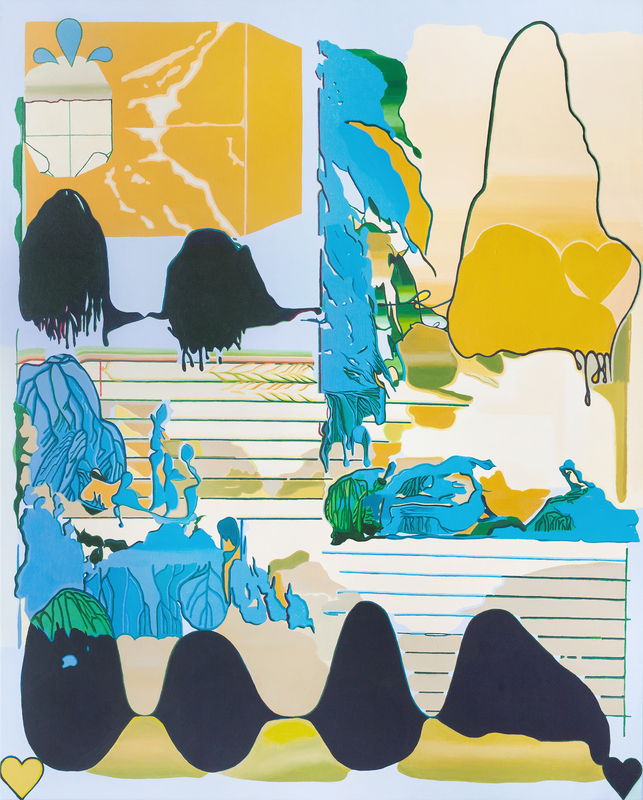
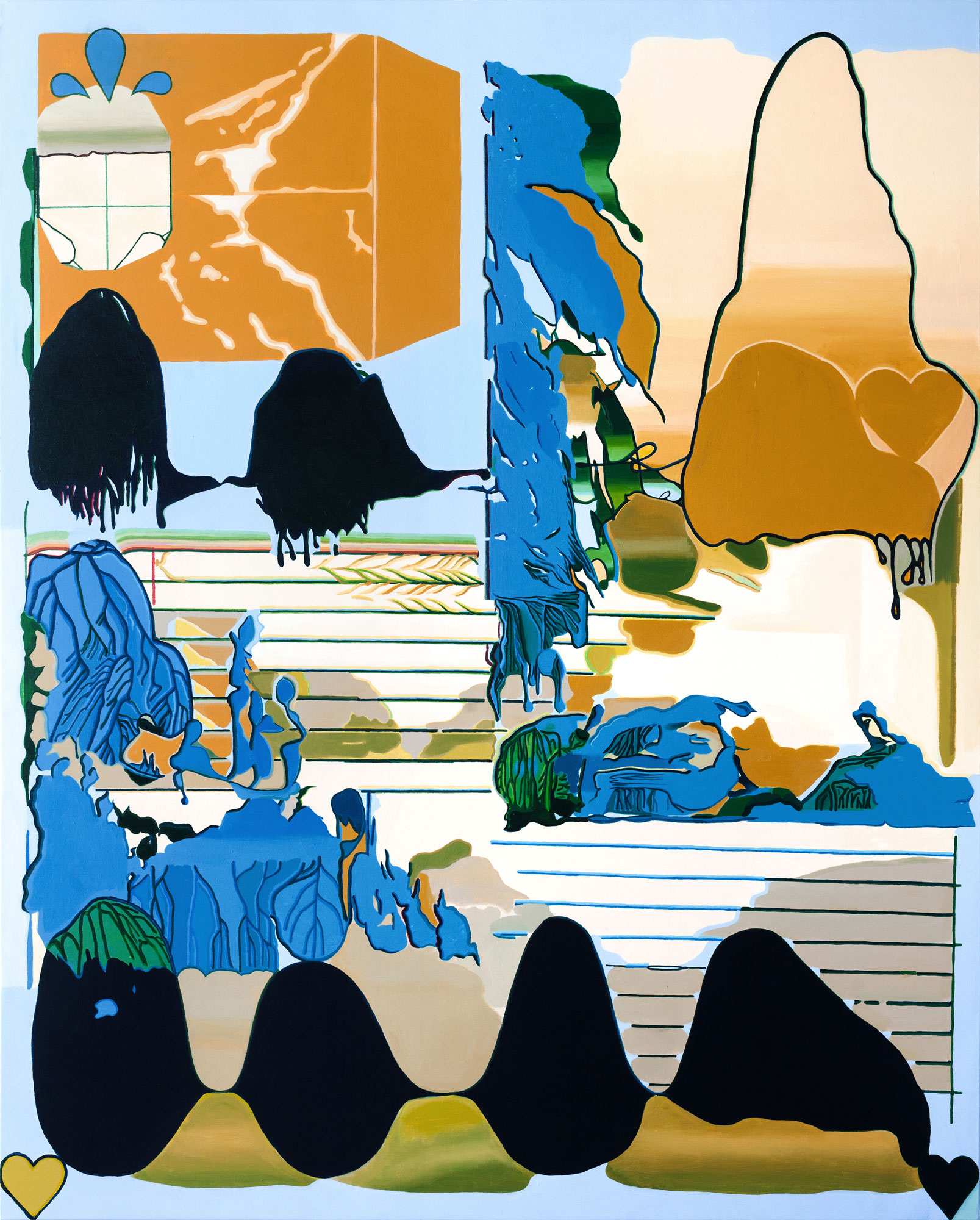
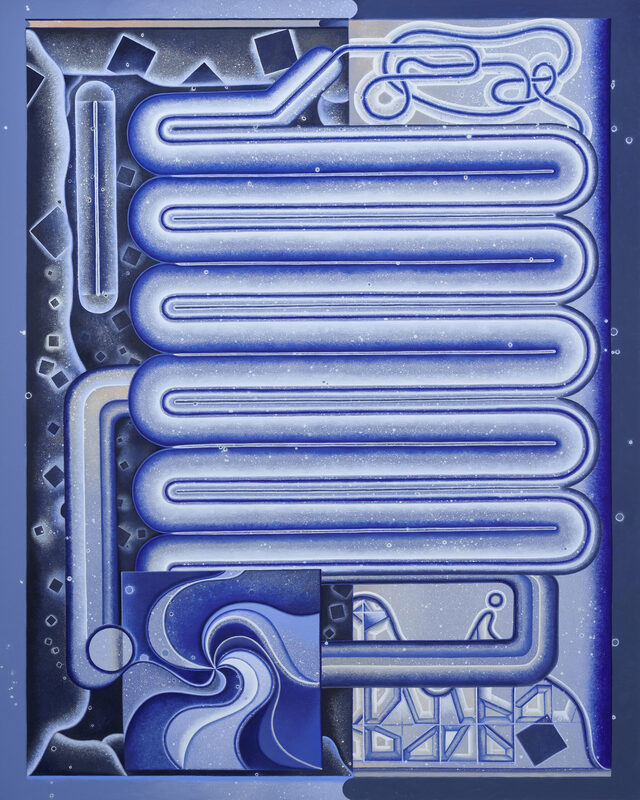
Park Junghae, Dear. Drops, 2016, Acrylic on linen(mounted on wood panel), 162.2x130.3cm ©Park Junghae

Now people have all realized that paint, whether urine or pigment, is not only something one pours as one wishes, but something that also permeates on its own. It is time to break free of the convention of reading painting as a means of investigating the unconsciousness of the painter or a liberal and anti-illusionist gesture against tradition. For a long time in painting, it was not encouraged to think about the time that water takes to puddle and be absorbed into the surface. Perhaps it was because the ones holding me in their hands thought they could perfectly control my body to their will.

Time would have, at best, pathetically passed and survived while working the abacus in their clever minds and senselessly beating hearts. Compared to that, my being is almost god-like. I prove the history of life to people who calculate the history of the universe through photos of traces left on grounds too far for them to reach. It reminds me of a painter who would calmly observe and paint the waving surface of water as his lover peacefully swam inside the house swimming pool in a place that is warm all year round.

The painter sought a linear description of the changing water that could not be captured at one glance. Perhaps you, a fan of hot tubs in the sauna, would have pondered over ways to paint the water inside a tub. If it is about the transparent water itself and not the reflection on the water, it could not be a task of representation. Many boundaries will be blurred, while coincidence and intention will be one of such pairs. You, who sent me a letter, would understand. That the insincere attitude of raising a question and not seeking to find the answer is in fact the way to be most faithful to me.

In asking that short question, however, in speaking those words that could be blurted out in one breath, you do spend a lot of time, sometimes investing a whole day, speaking slowly in an unfaltering tone. We do not know if people will be patient enough, but at least I hope that my time will have its chance to pass and that they will watch the afterimages and each sink not into their own thoughts, but deep underwater – into the surface as the depth of painting.

Could they?

References