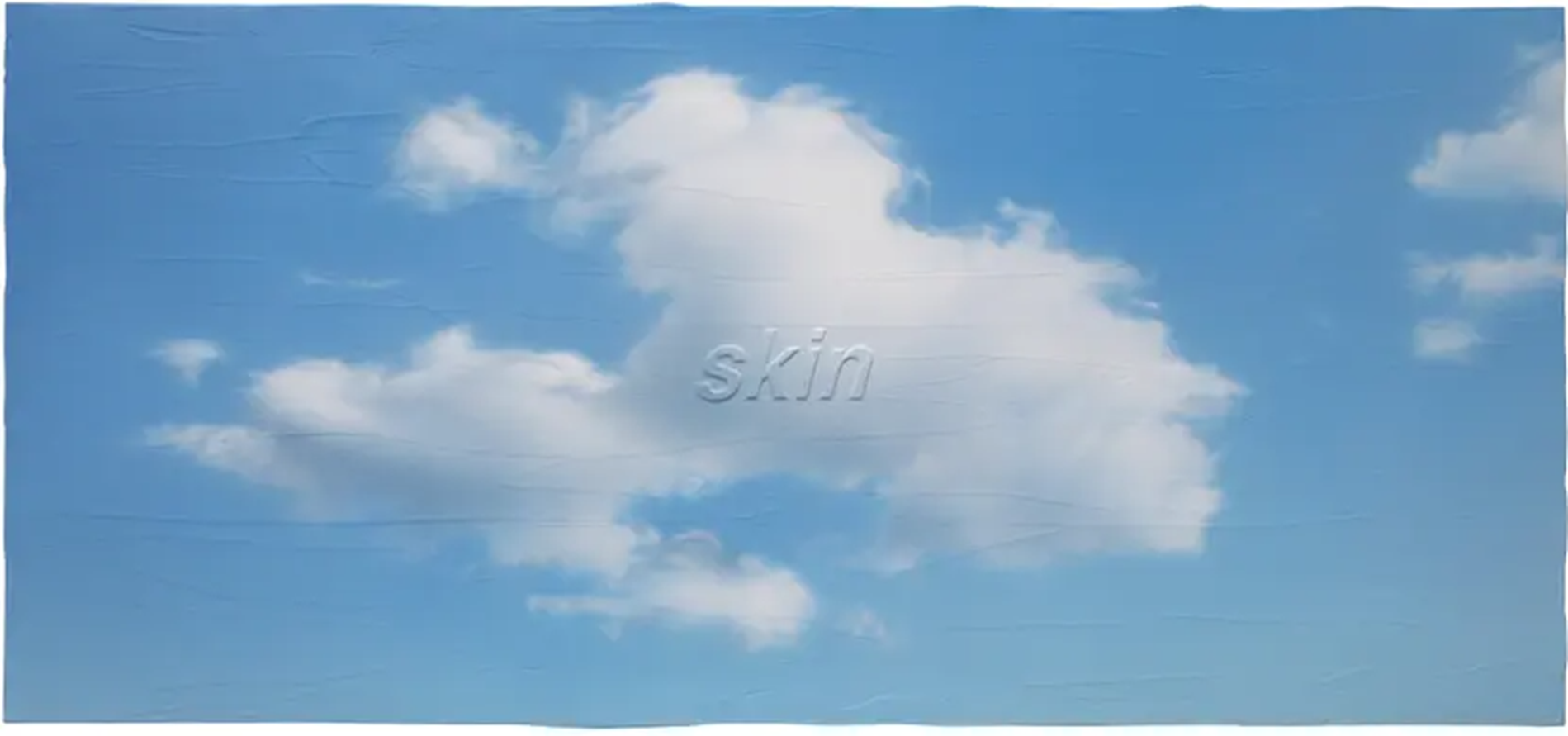
Let’s
start with the experience of looking at the sky through a window. A cleanly
polished windowpane occupies its space within a grid-like frame. That space,
while finite according to the dimensions of its confined frame, uses its
transparency to bring the infinite time and space of the sky into the room. The
movement of the atmosphere, appearing before our eyes through the window, is
being replicated by the scattered light wavelengths, adjusting the window's
brightness.
The sky that undulates beyond the frame enters our view as a scene
anchored, solidified for a fleeting moment, like a painting within a frame. The
thickness of the window represents the thickness of the landscape, and the size
of the window substitutes for the field of view. Now, let’s consider the window
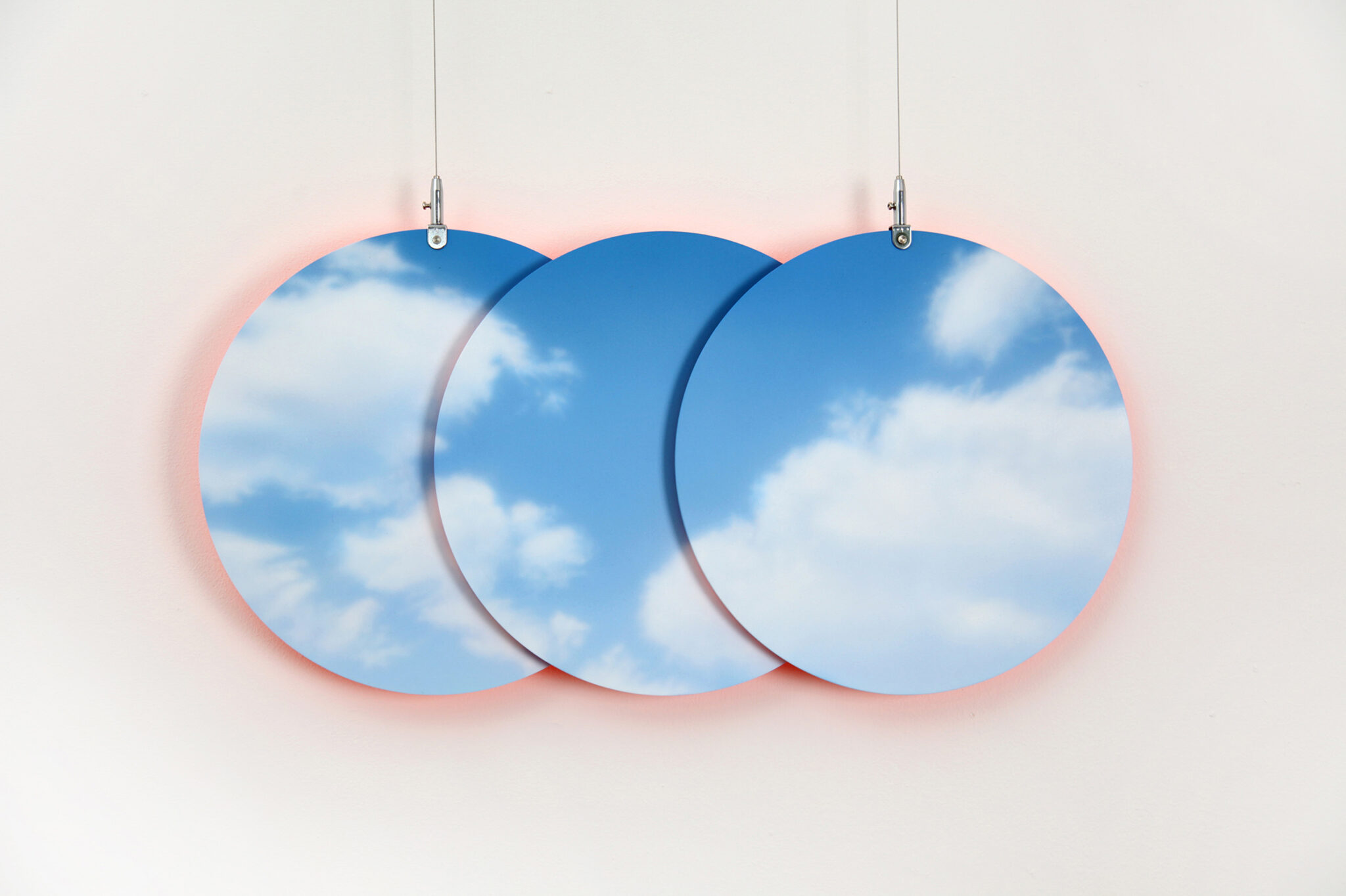
between the viewer and the viewed as a thin film, a layer, and imagine
creating and overlapping multiple layers, or folding and rolling up one end.
It’s like adding a semi-opaque double window on top of the first, or slightly
opening the window to let the air circulate between inside and out.
Suddenly, a
subtle crack appears in the illusion of time and the sense of space that had
seemed to be frozen. The direction of our gaze, which had collided with the
smooth, flat surface of the glass, now falls into an empty void like a cliff,
evoking a sense of déjà vu for a world of a different kind that we haven't seen
in a while. The sky, whose unfathomable depth and infinite air particles had
condensed into the smooth texture of the windowpane, escapes through the slight
crack, moving away from our sight. Conversely, the cold air, substituting for
the tangible sensation of the real world, approaches our skin, awakening the
observer’s dreamy consciousness.
“An
image doesn't have a solid anchor to drop, and we could say it's something we
create in our minds as a fantasy. Because they enjoy the transformation
happening before their eyes, active viewers respond to the artist’s
suggestions.”
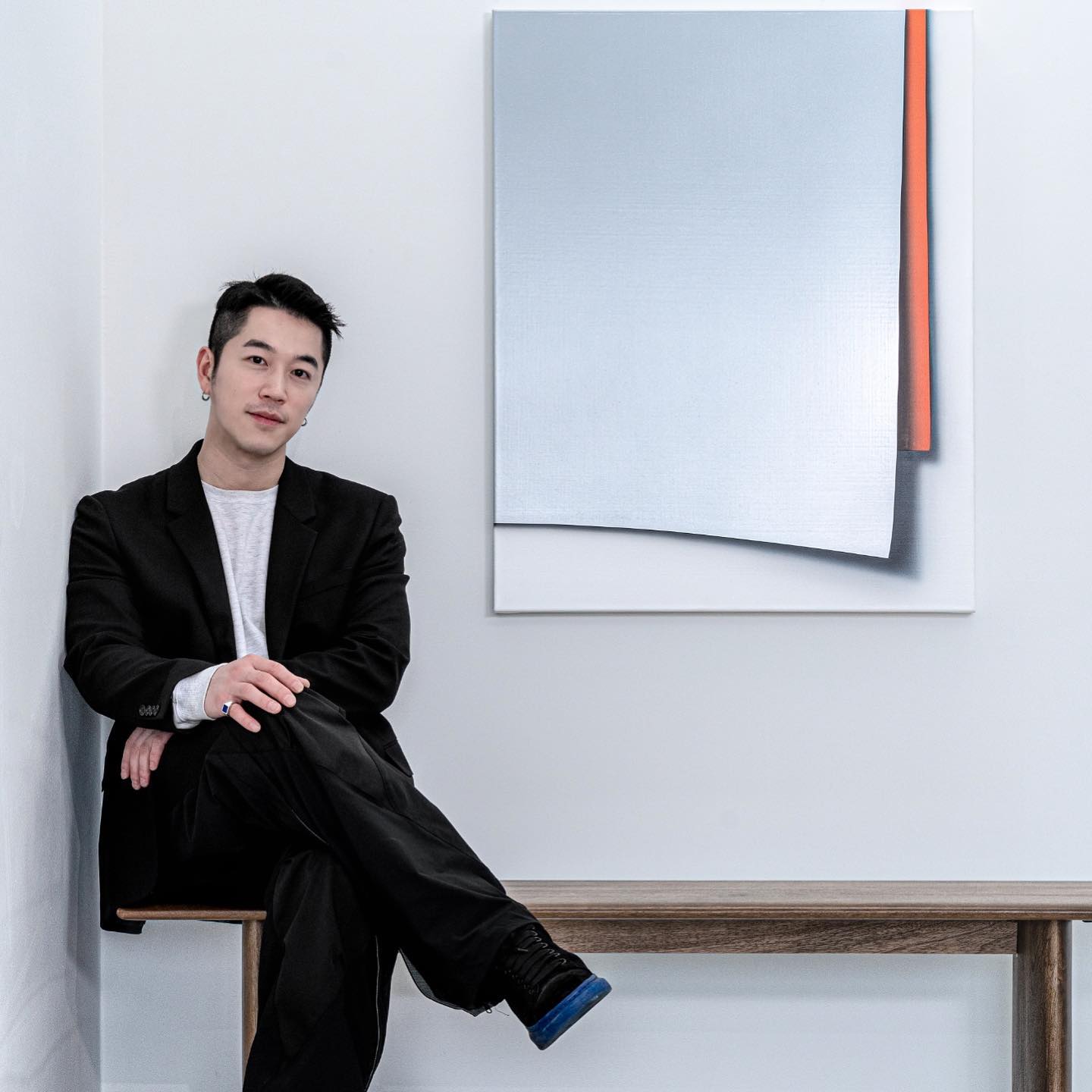
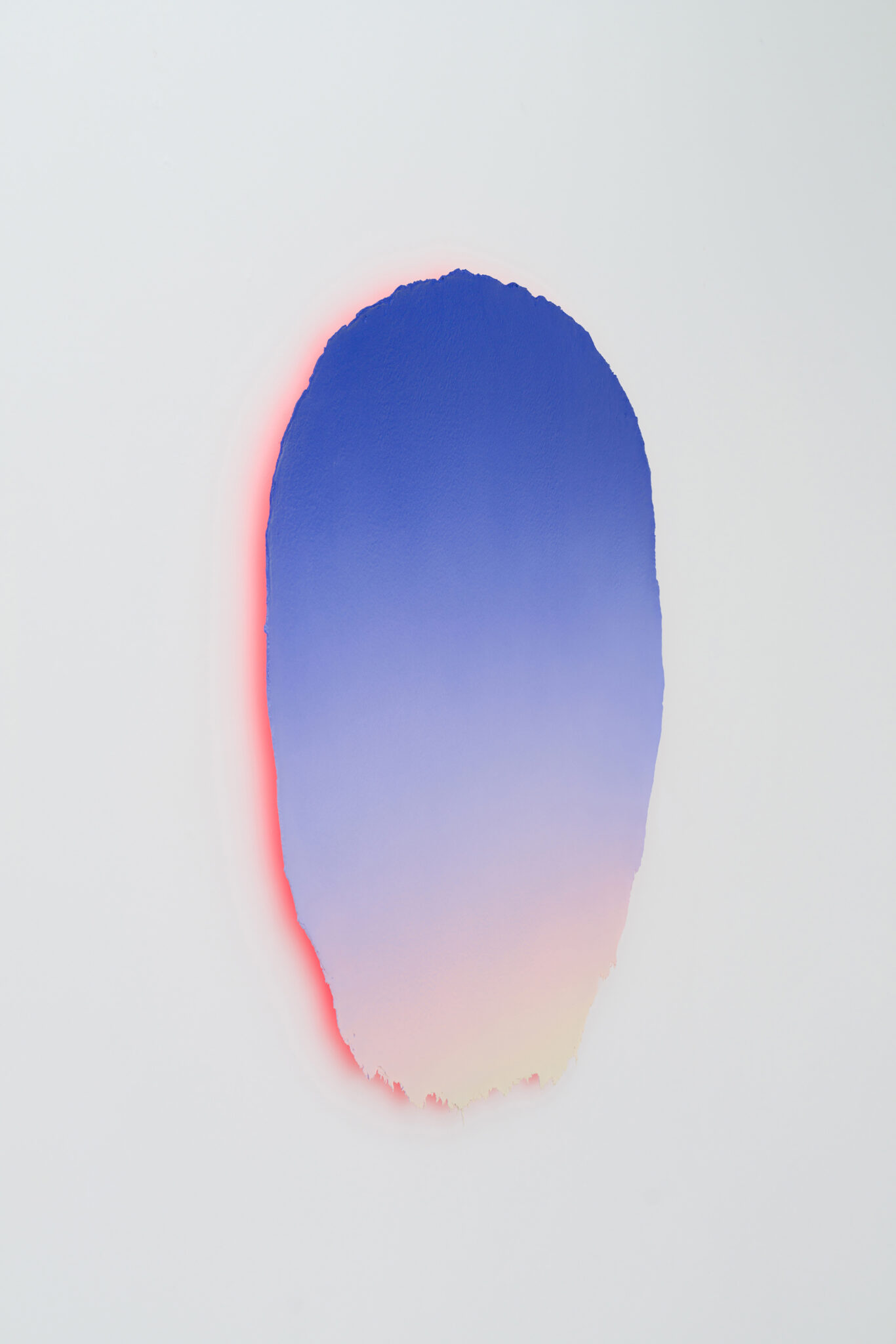
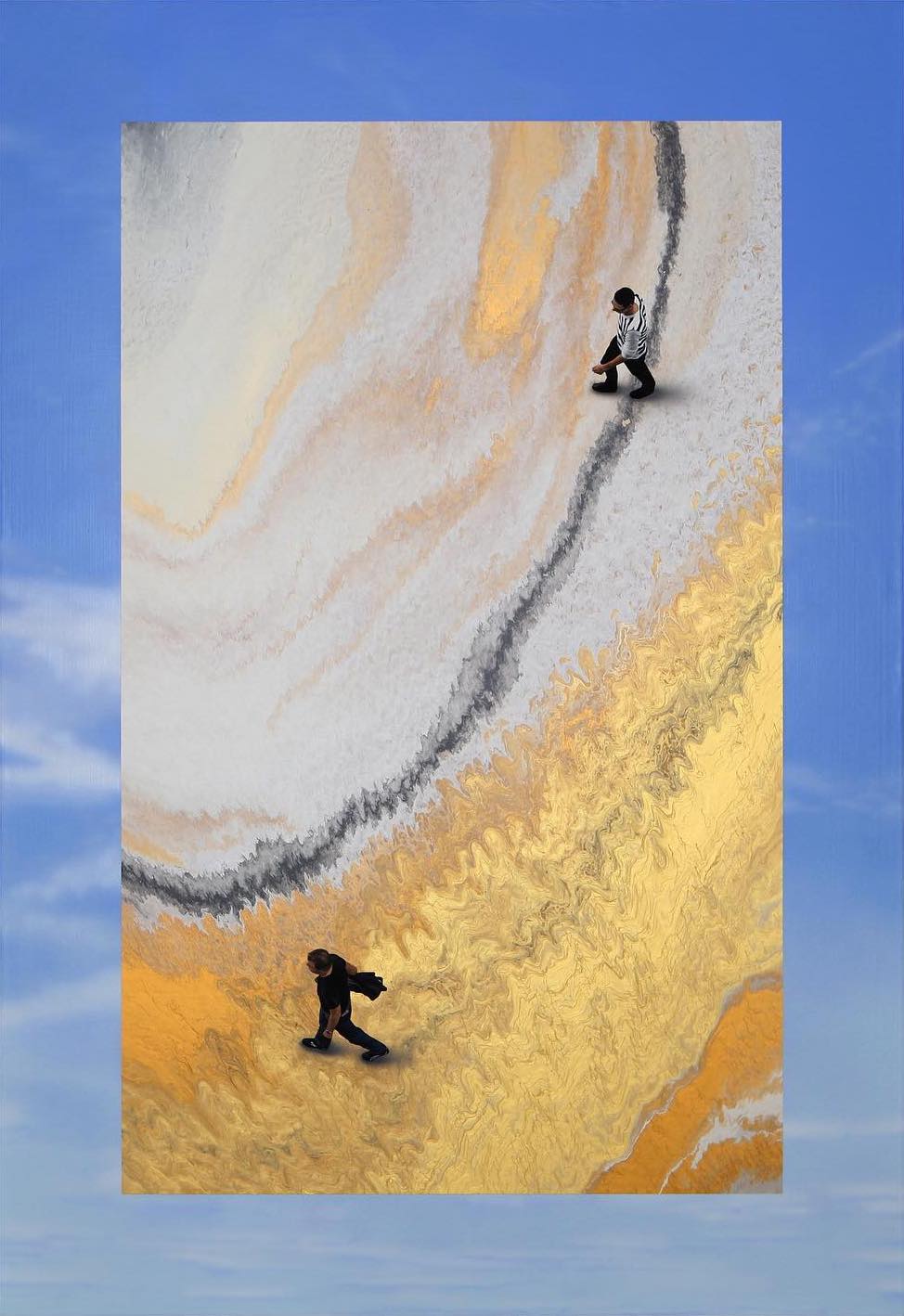
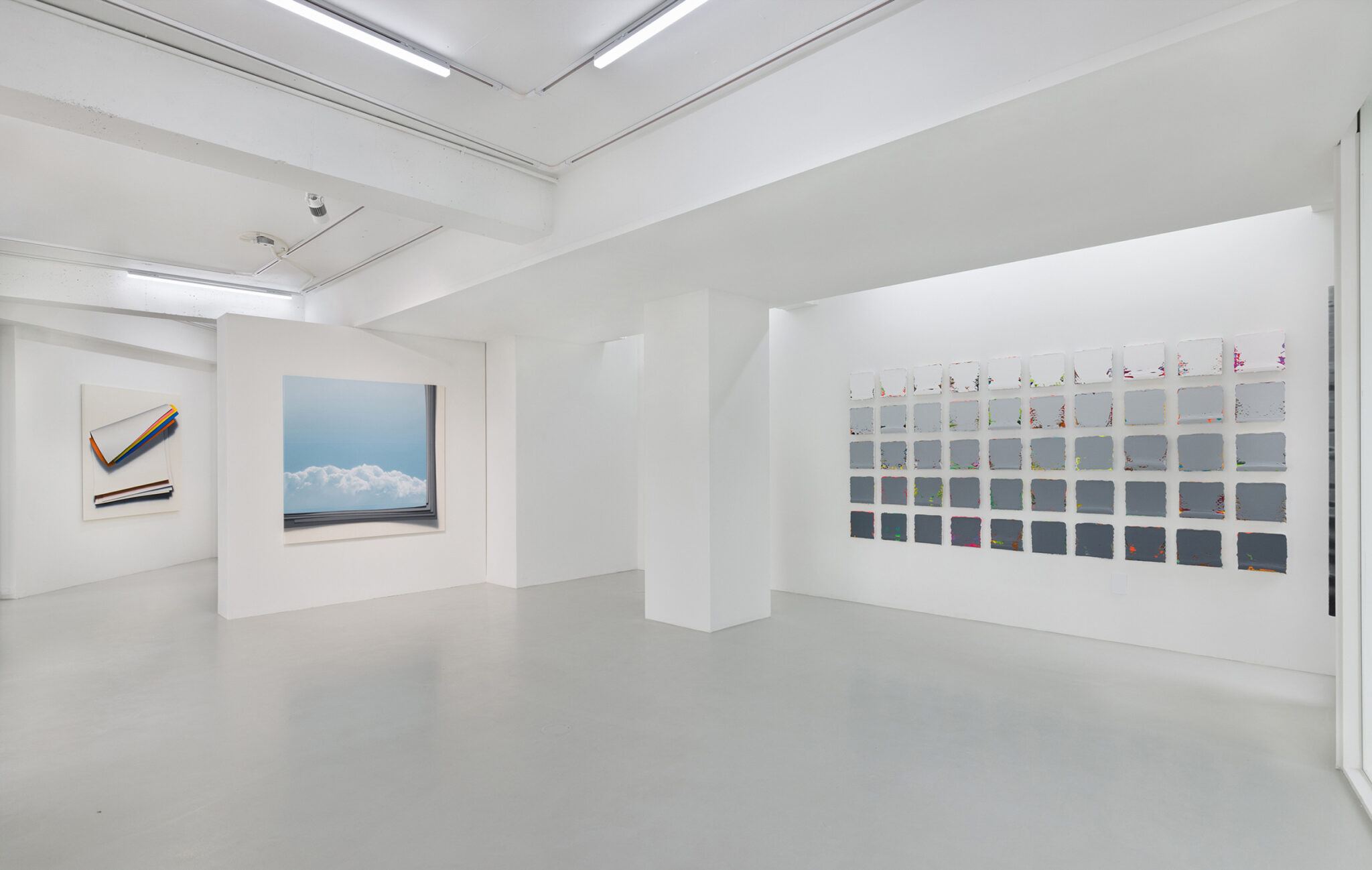
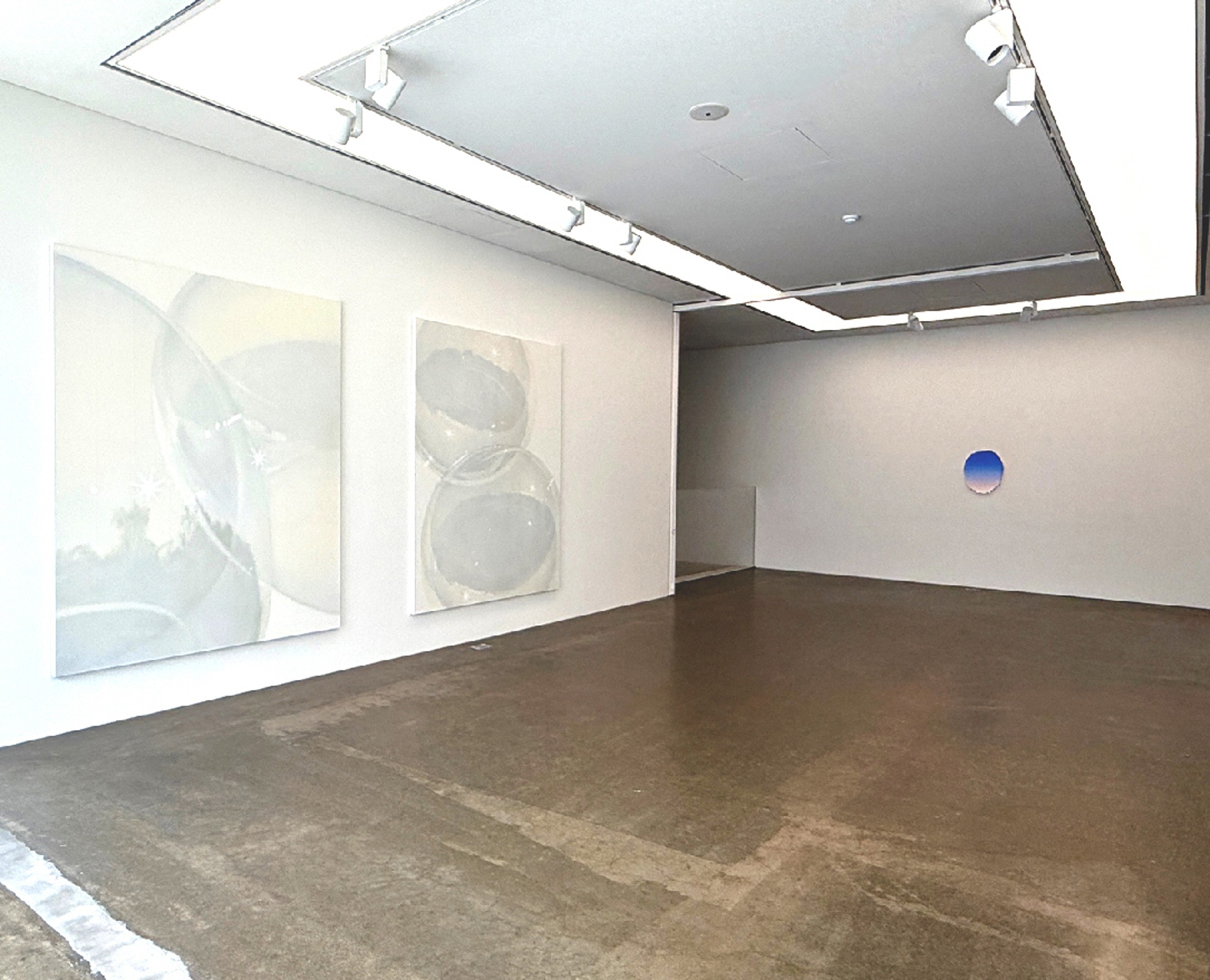
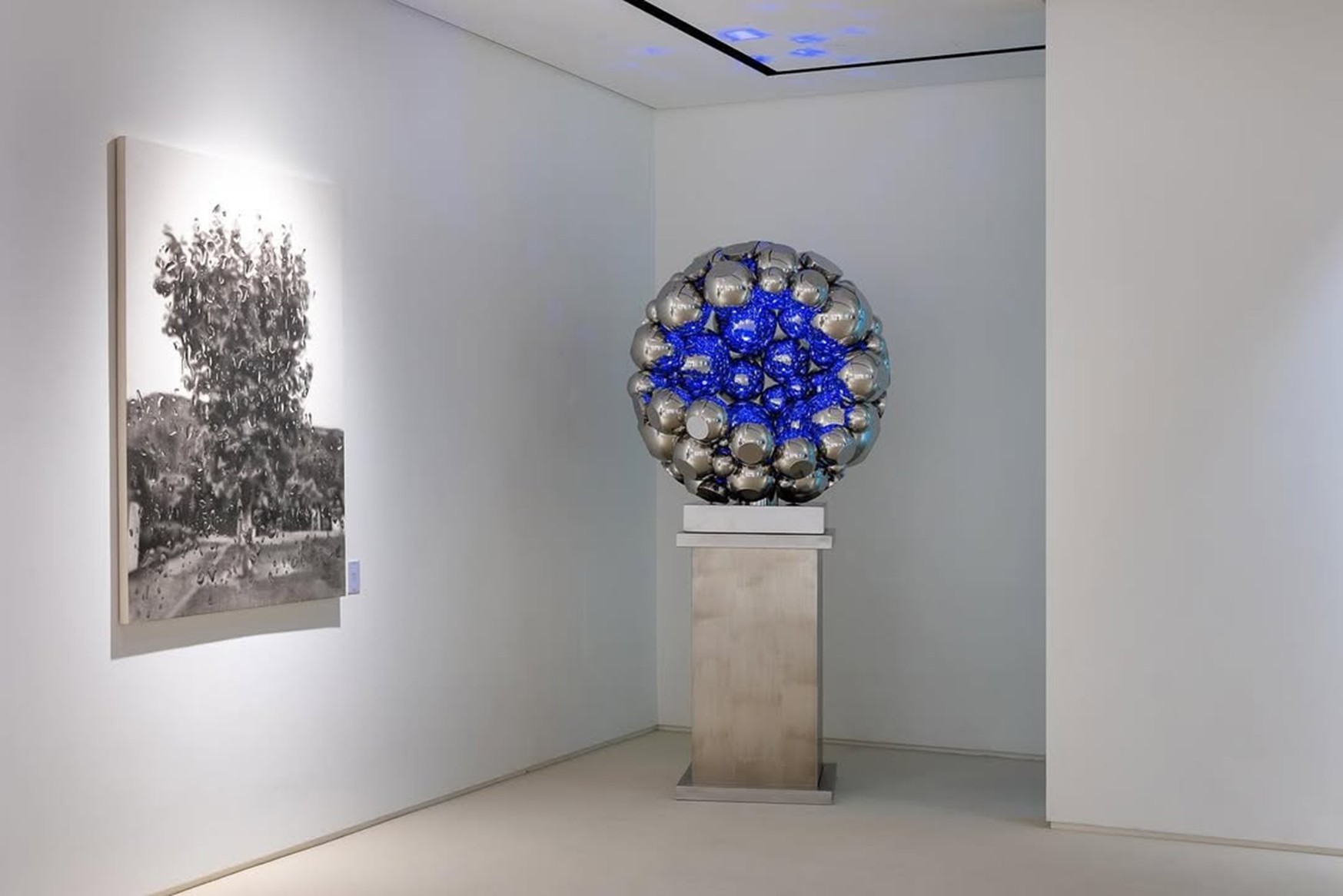
In 《Flowing Layers》, the second exhibition
planned by Pipe Gallery to discover and support promising artists, and a solo
exhibition by Seong Joon Hong, a painter who has explored the representational
and material properties of the medium for many years, I contemplate the movement
of a landscape that appears as a manifestation before our eyes and then flees
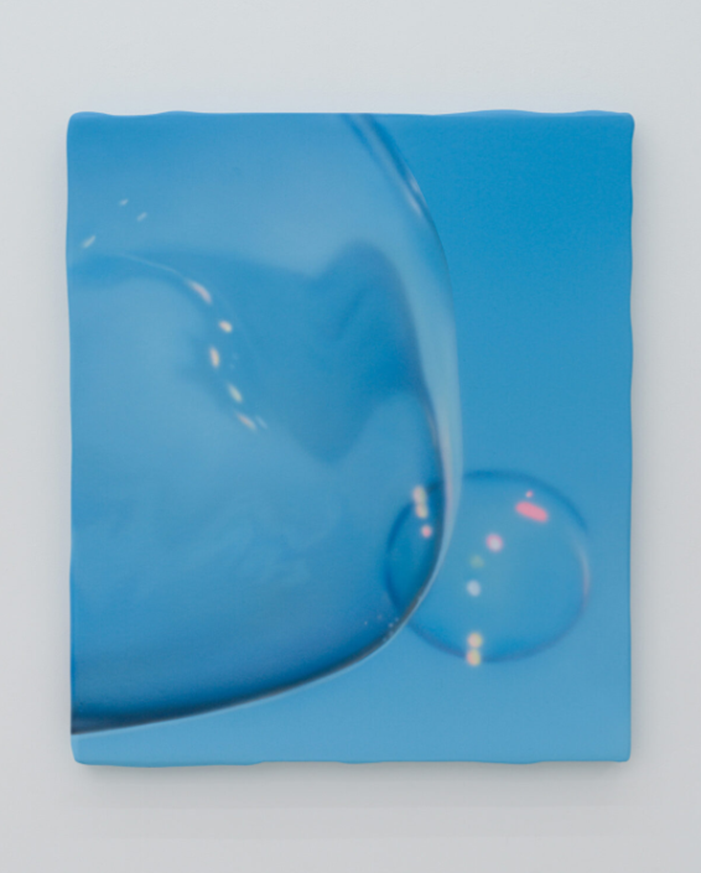
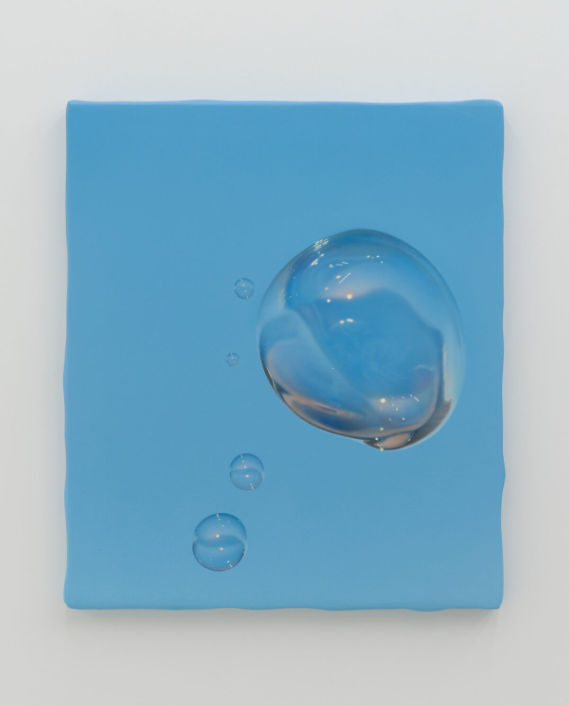
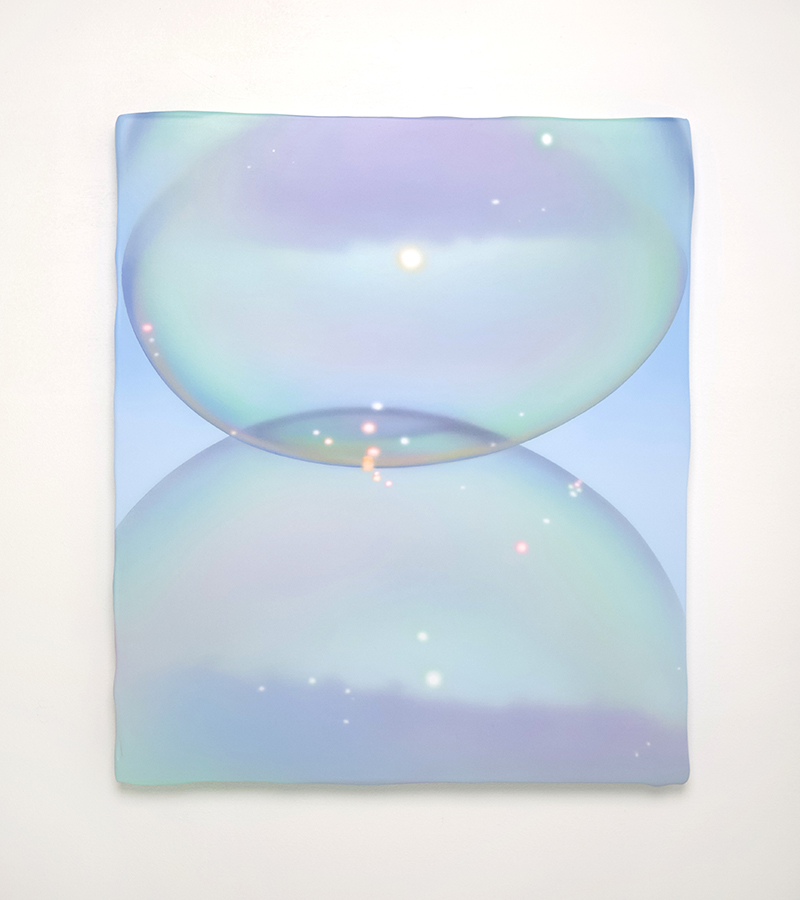
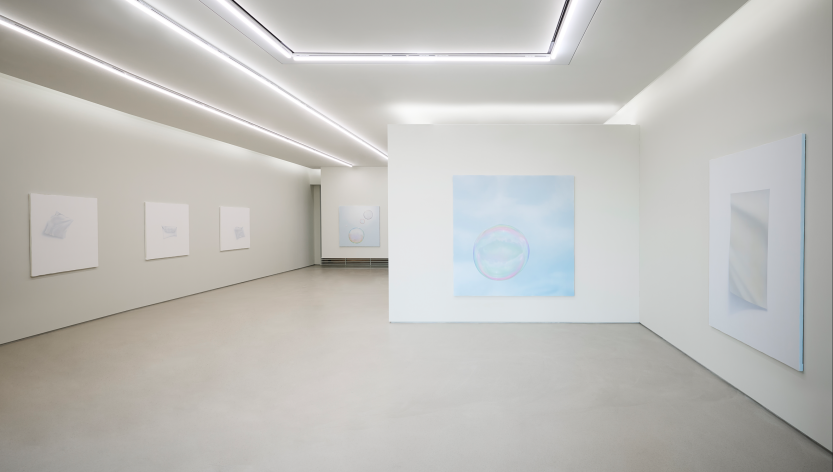
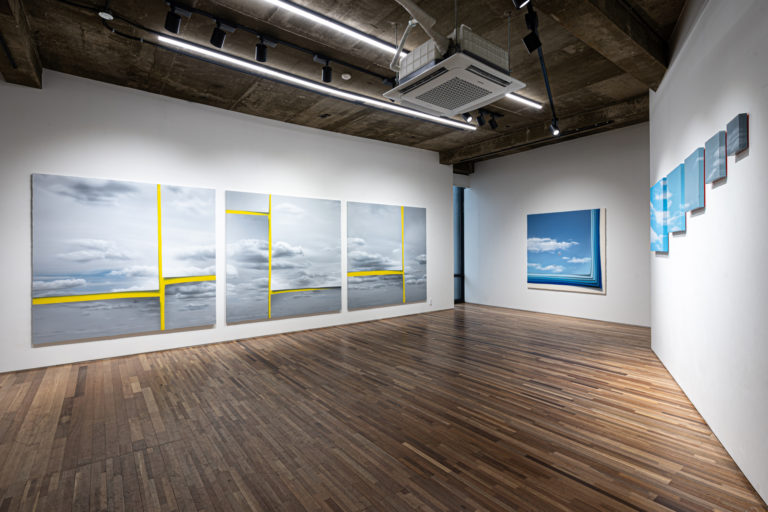
far away into a cosmic dimension. We cannot leave out the clouds and the sky,
or the waves and the sea, that the artist frequently depicts in his paintings.
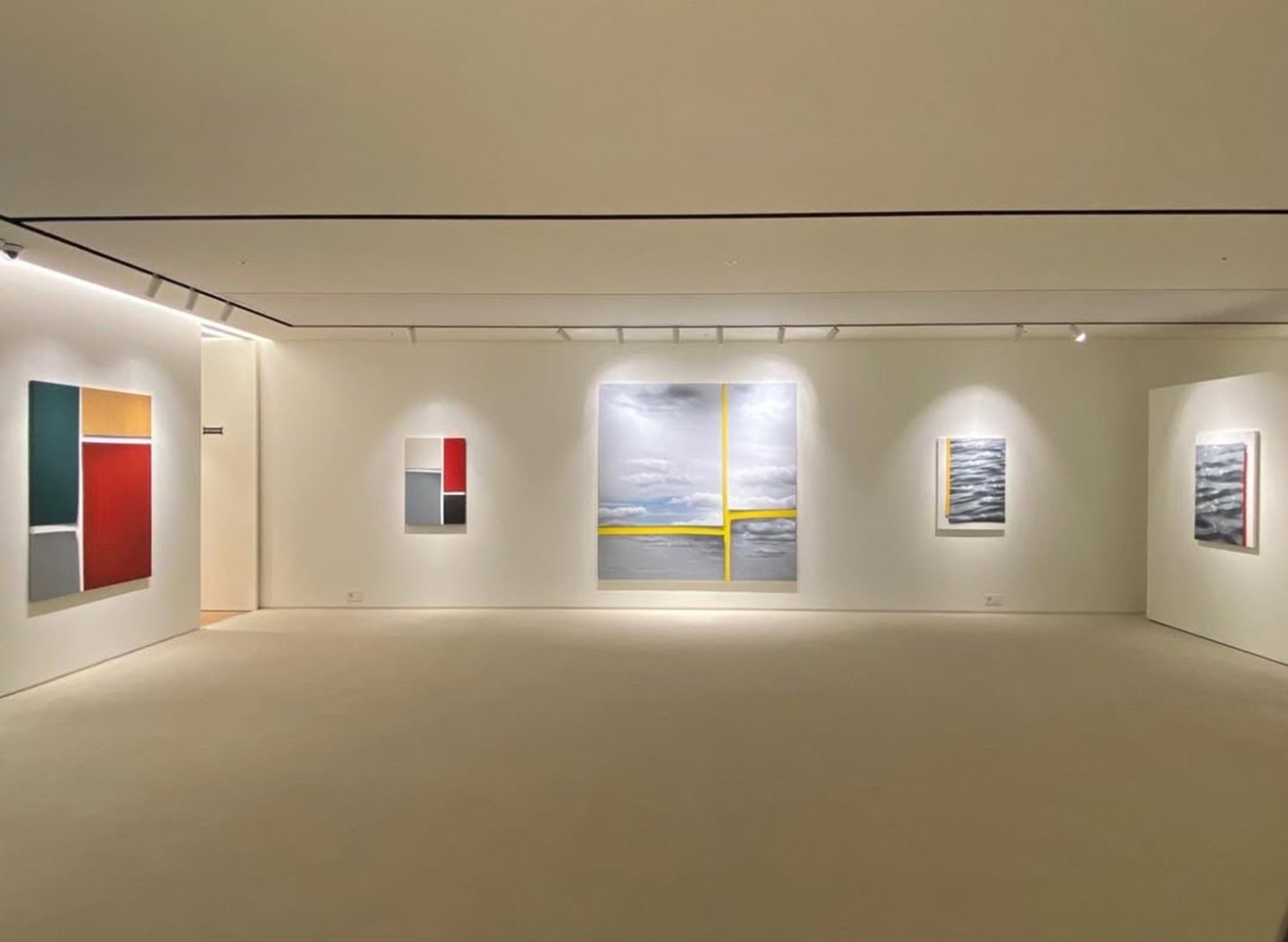
In his work, these elements appear as landscapes confined within a grid,
one of the subjects that modernist painting has dealt with for a long time.
They are a kind of schema that induces projection and symbolic images. These
images are both a specific referent for description and an object that
maximizes the sense of distance, a kind of color field that the artist treats
abstractly, and a natural object contrasted with the artificial canvas ground.
Just as the grid has negated all narrative and mimesis, advocating for the
purpose and autonomy of art itself, Seong Joon Hong also creates a grid in his
series of paintings titled ‘Study Layers’ and reiterates his belief
that “a painting should be seen as a painting itself.” However, it is precisely
this natural landscape that becomes a device to deconstruct the grid.
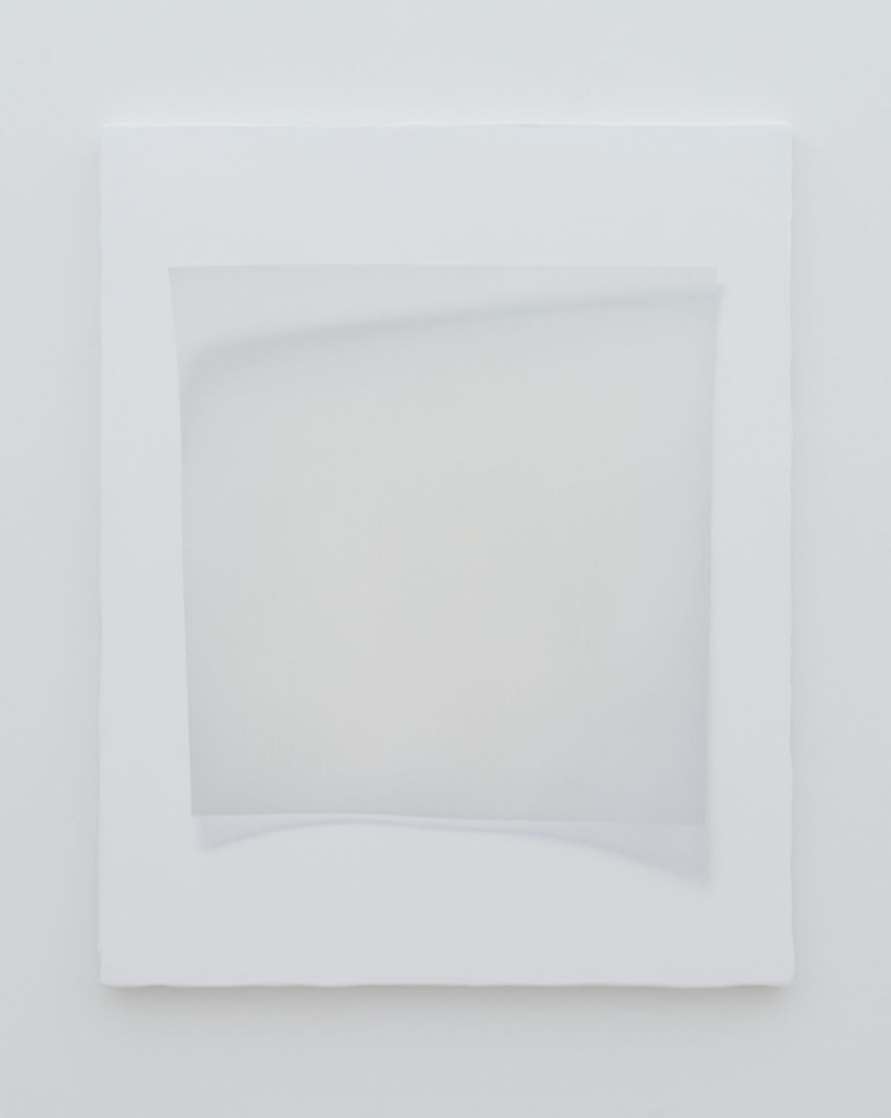
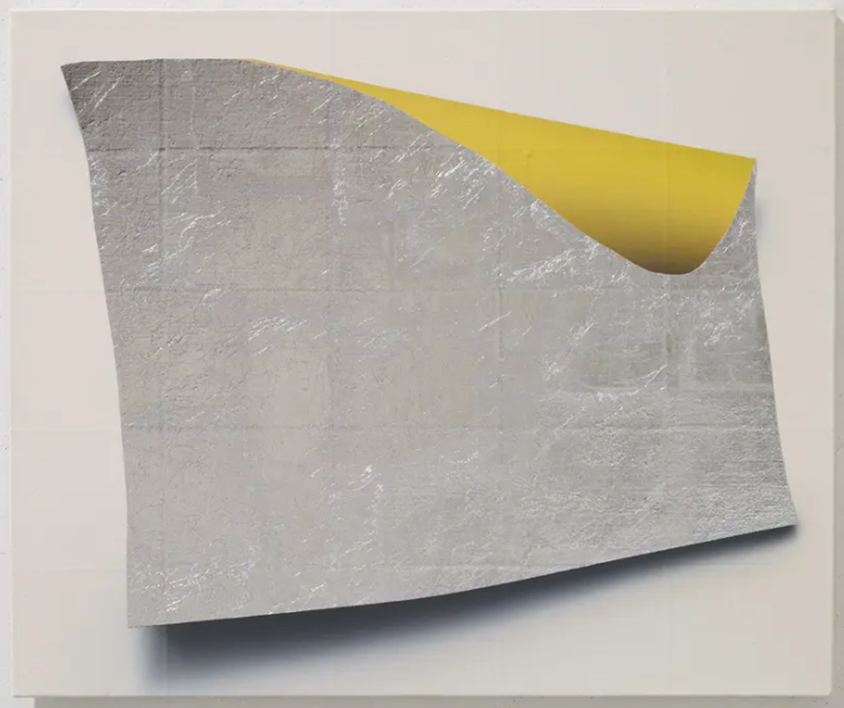
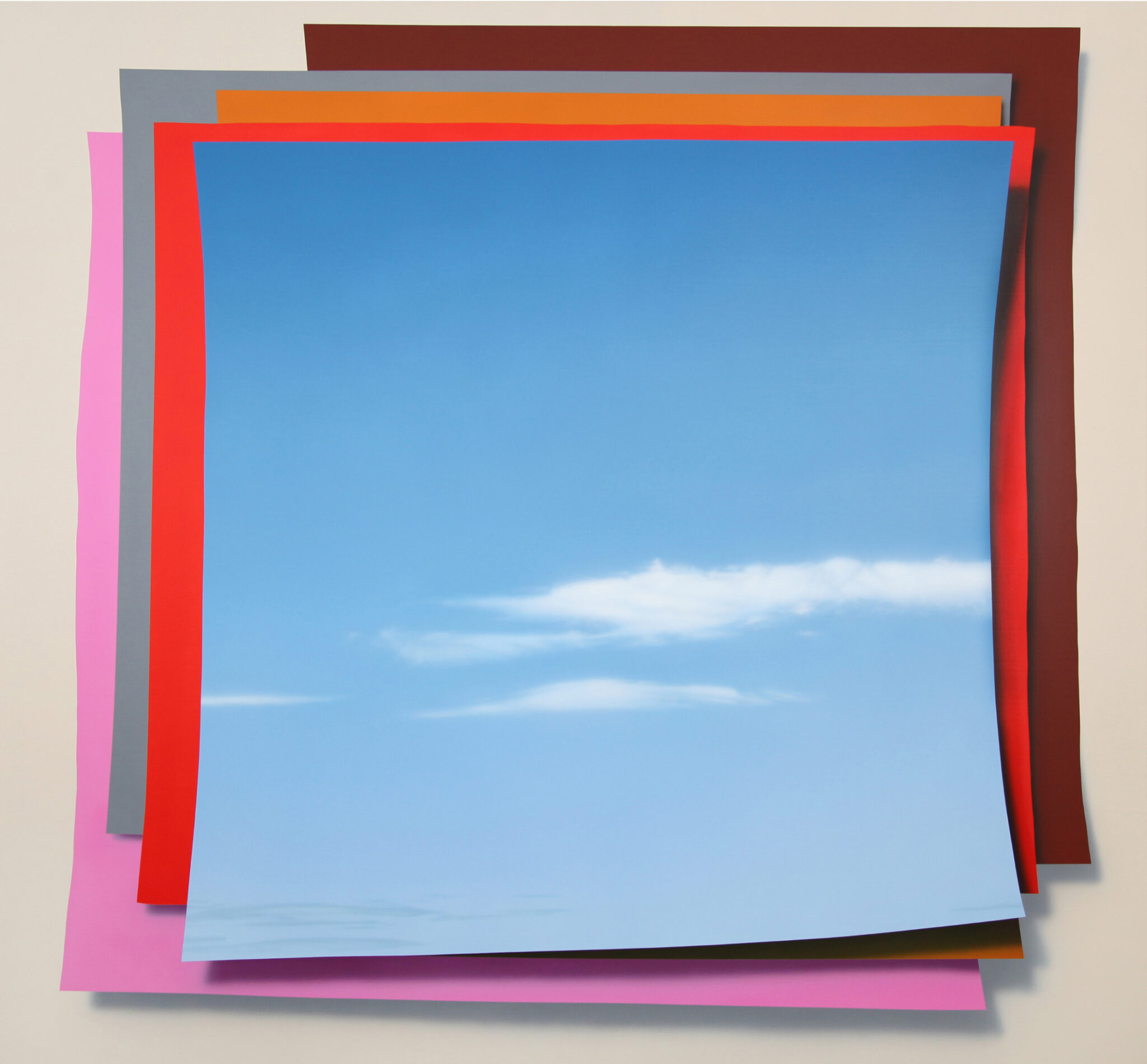
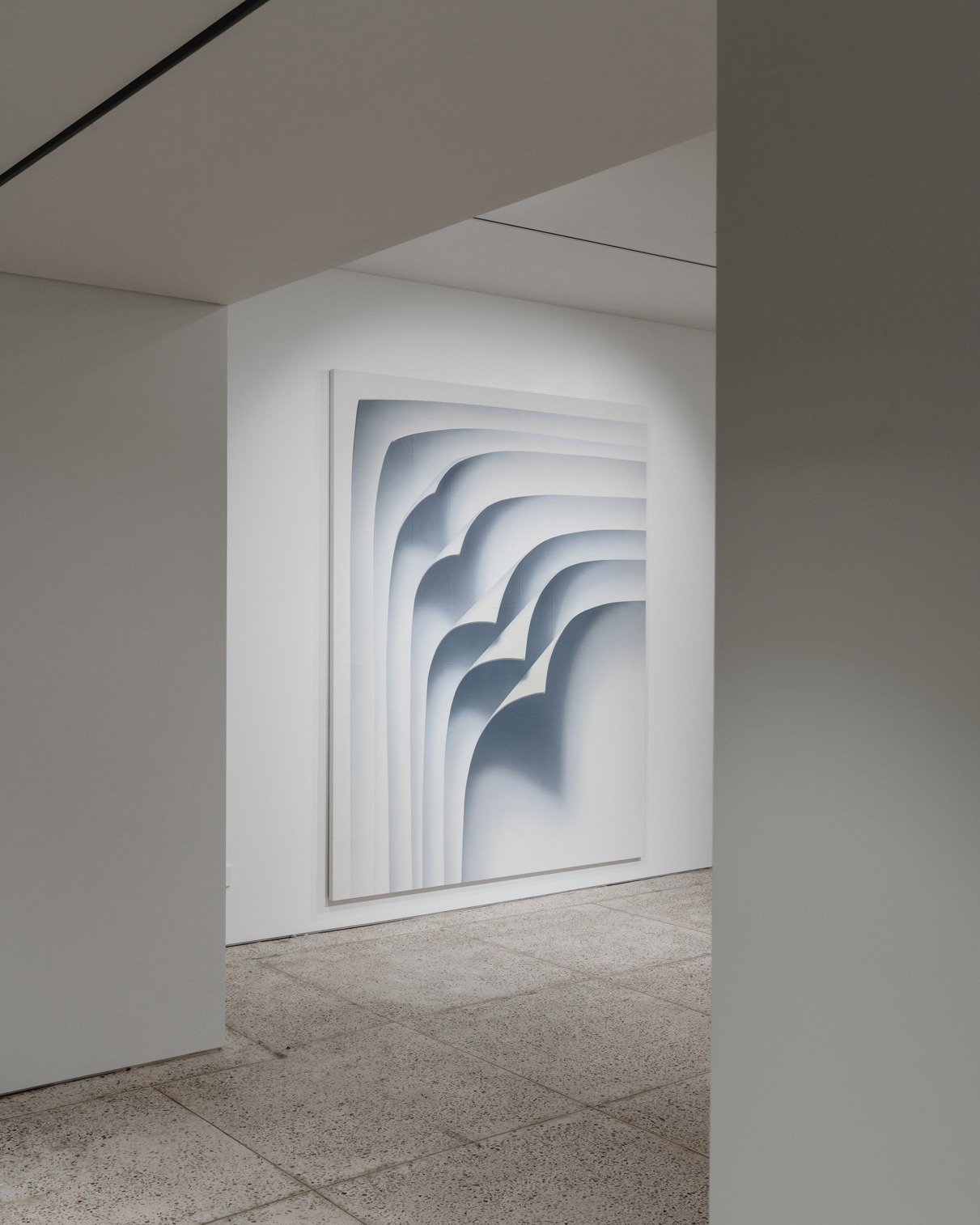
The
artist creates a geometric square structure within the canvas, and when it is
revealed that these overlapped squares are in fact cut pieces of canvas fabric,
the subject of the painting crosses over to the metaphysical world of reality
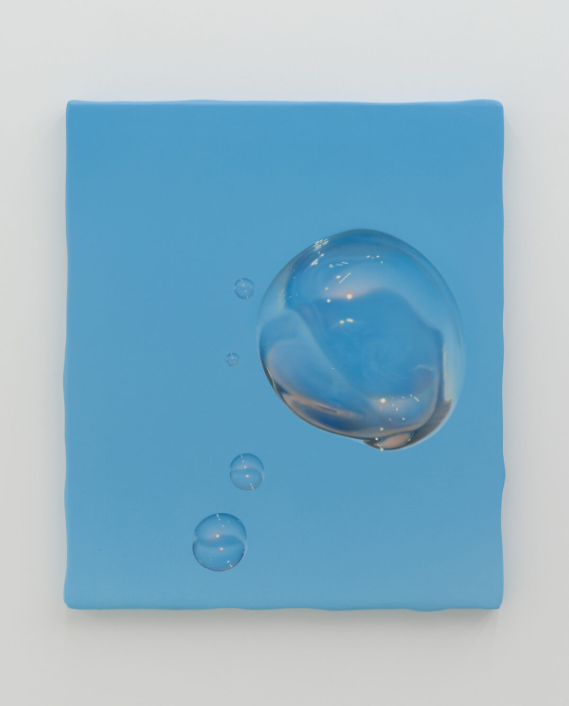
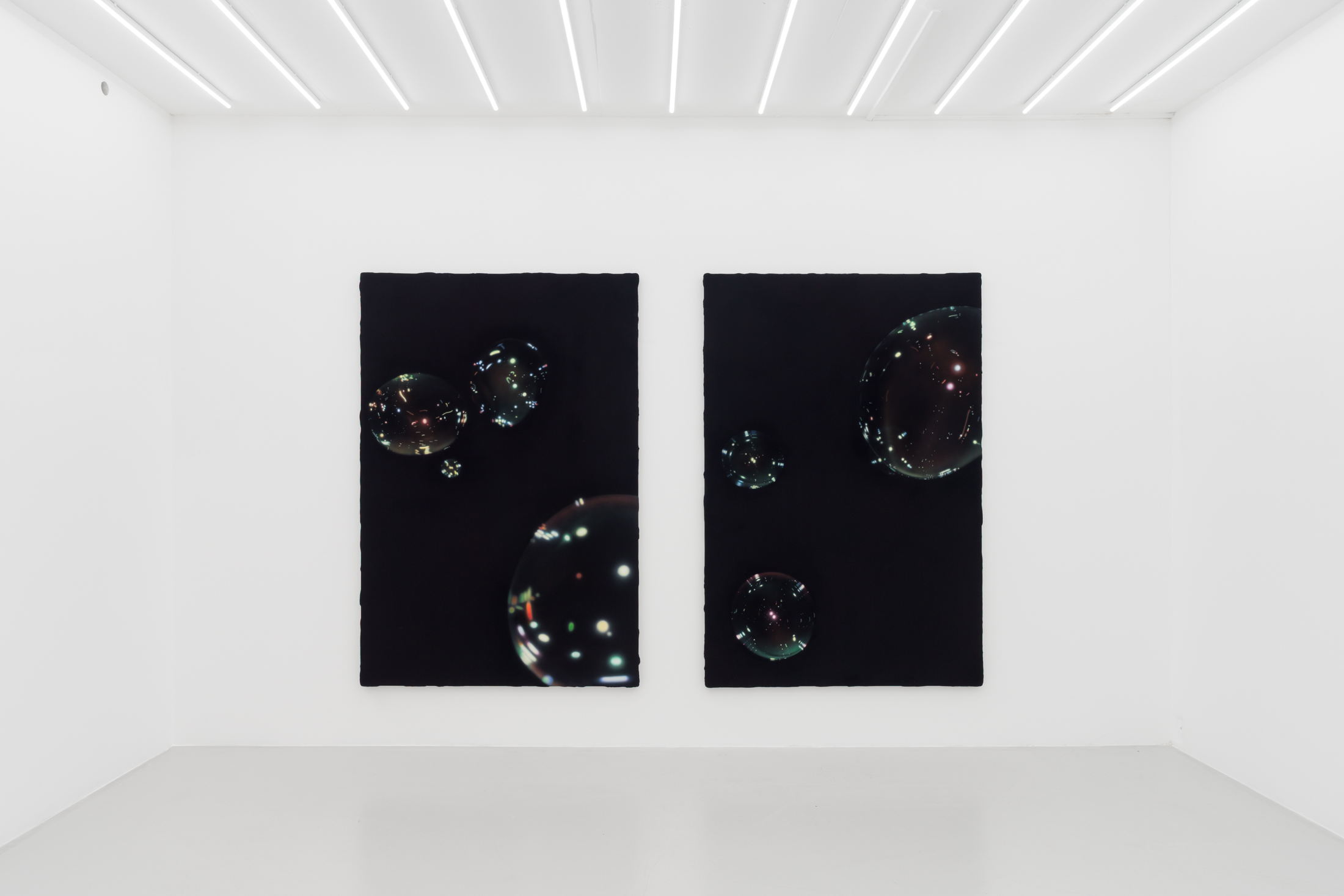
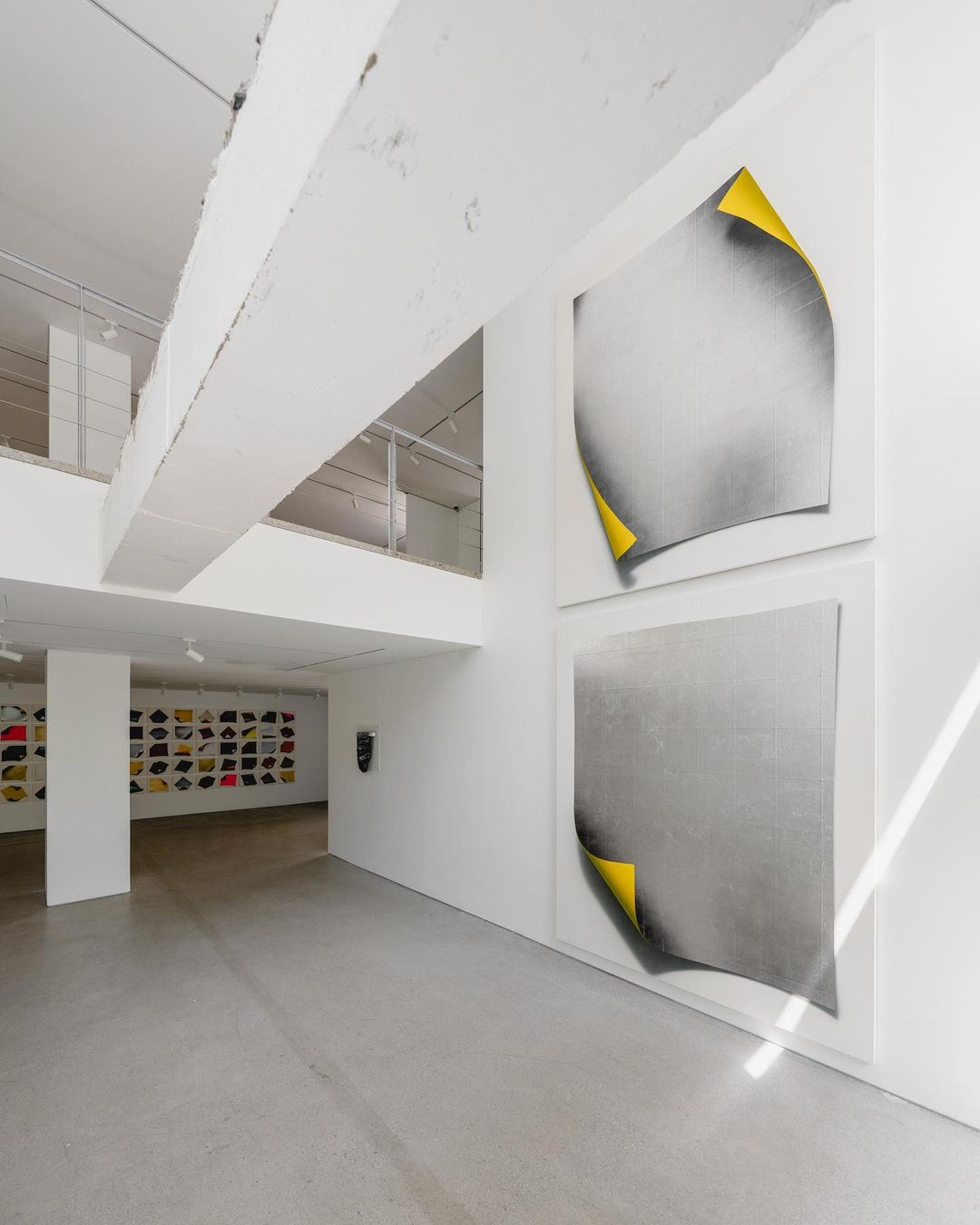
and everyday life. On top of the thin, layered fabric pieces casting shadows
below, a landscape of the sky or sea is reproduced as an all-over
painting, pushing the screen far back and once again overturning the previous
logic. Just as one might suddenly open a window to crack the visuality of the
landscape after looking at the sky through it, Seong Joon Hong fills his canvas
with square shapes and then bends or curls their corners to reproduce their three-dimensionality
and immediacy. Autonomy, which liberates the medium from precise and scientific
verification and rational commentary, and rejects any kind of ism, is hinted at
between the accumulated layers, like strata on a flat surface.
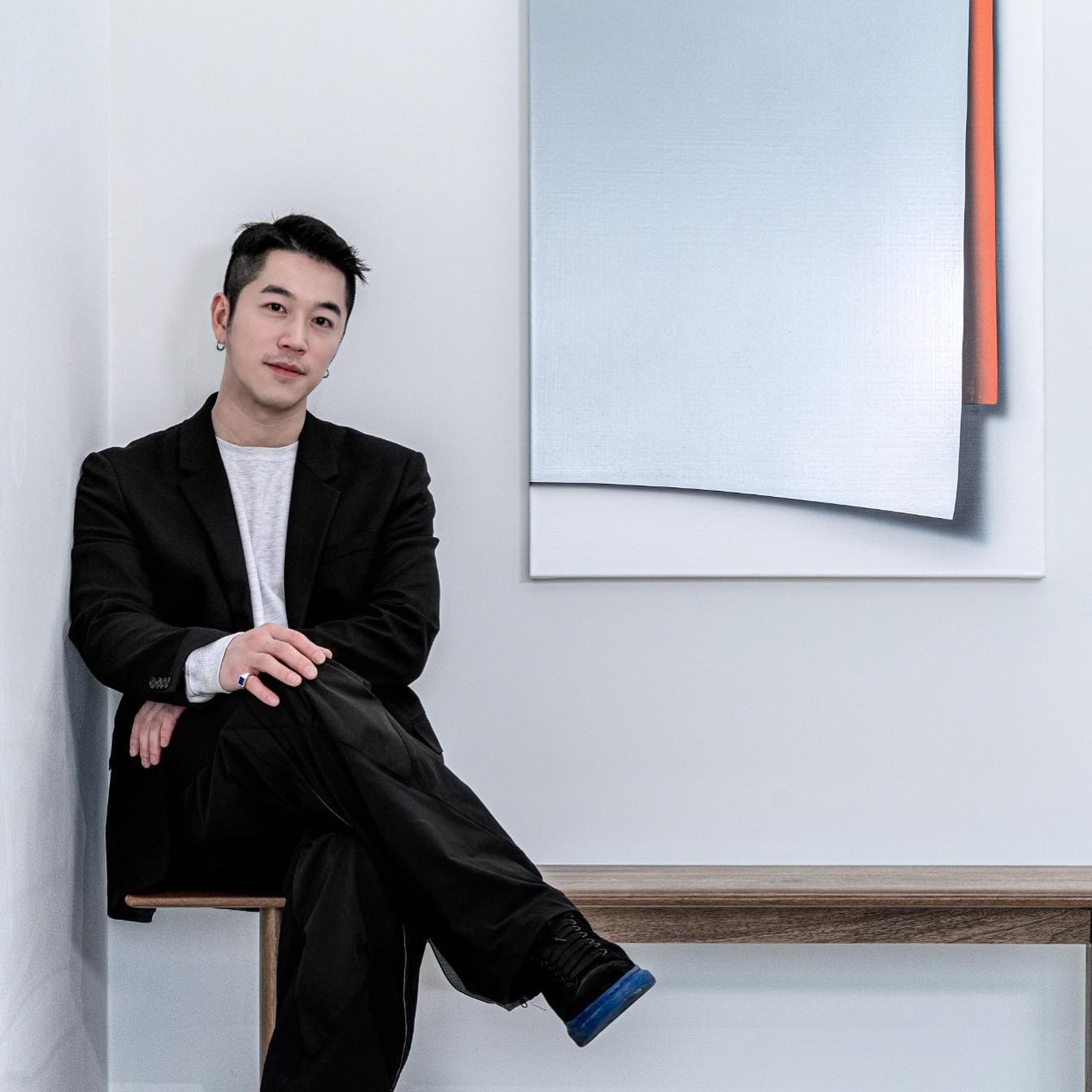
Seong
Joon Hong uses pieces of canvas fabric, painted directly with pigments like a
monochrome color field painting, as the support for his post-medium painting.
In his studio, these supports are stacked with a sense of volume, like a thick
book made of many sheets of colored paper. The artist's process, in which he
reproduces abstraction as figuration and hybridizes subjects, consistently
maintains an ambivalent tendency to subvert meaning and avoid singular
judgment.
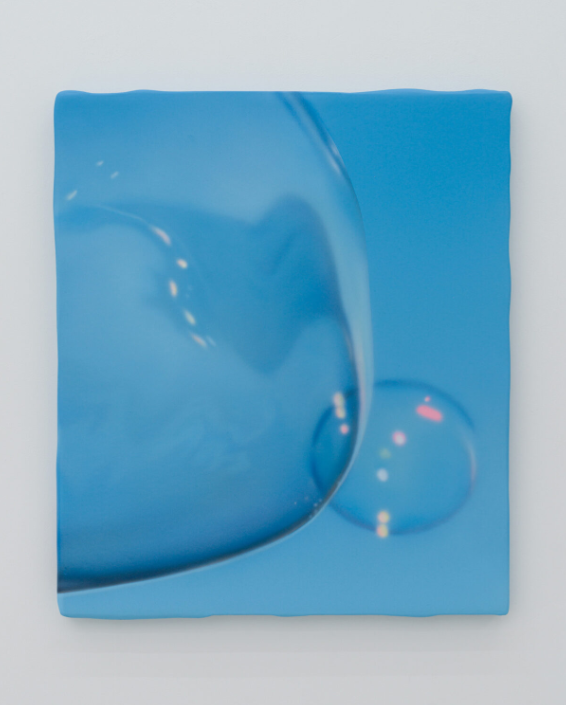
This is also true of his alternating use of intentional brushstrokes
to create stains and traces of brushwork with an airbrush application to create
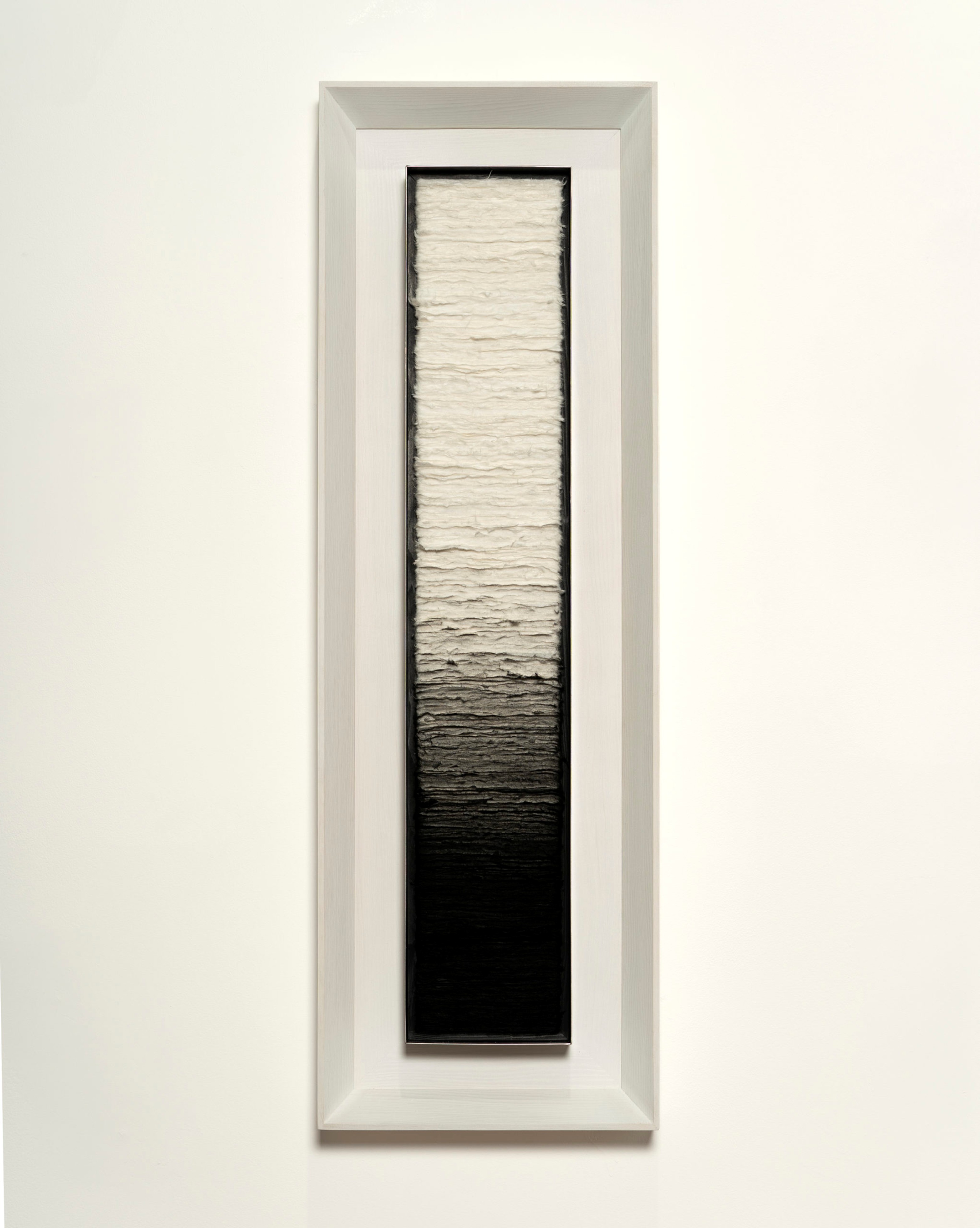
a uniform surface. The sedimentary layers, created by repeatedly applying and
drying thick layers of pigment on the canvas, create tactility and volume on
the color field. The grid effect created by attaching Hanji paper to the canvas
and using the tangents that appear at the vertical and horizontal intersections
of the two papers is also along the same lines. Seong Joon Hong appropriates
the vocabulary of the grid pursued by constructivist painters
like Mondriaan and Malevich, but he presents a grid that is not
meant to emphasize the flatness of the medium.
Instead, he uses the subtle
protruding surfaces created by the Hanji paper actually laid on the canvas.
This type of grid appears to be a strategic part of a broader practice,
layering the physical properties of the medium, the illusion of painting, and
reality and fiction to thicken the layers of meaning in the work, rather than a
push toward the metaphysical and religious worlds inherent in Western modernist
painting. The conceptual narrative of the work, consolidated into multi-layered
layers, interlinks and hybridizes elements of binary opposition, cross-editing
the background and center and participating in the vocabulary of contemporary
art.
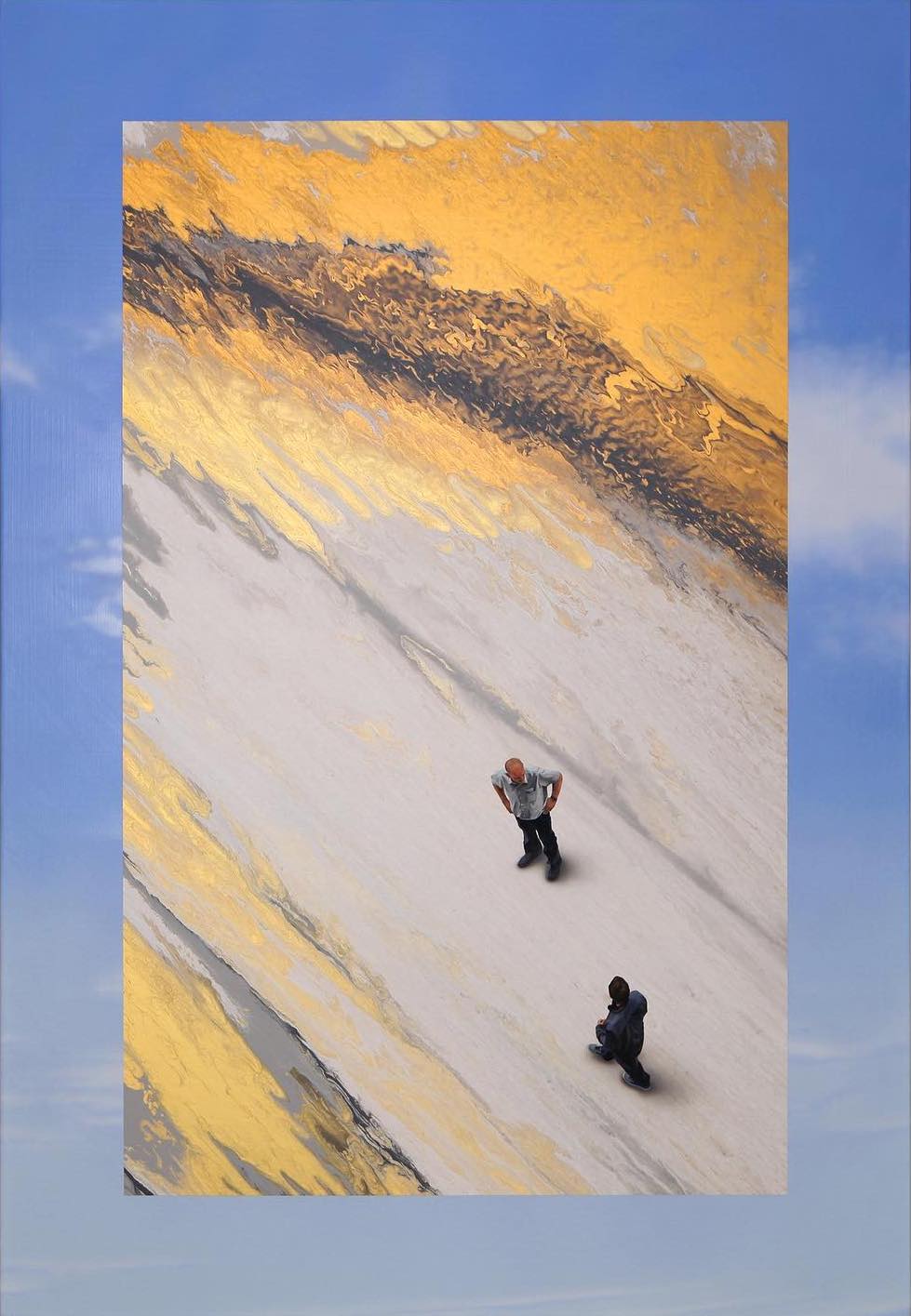
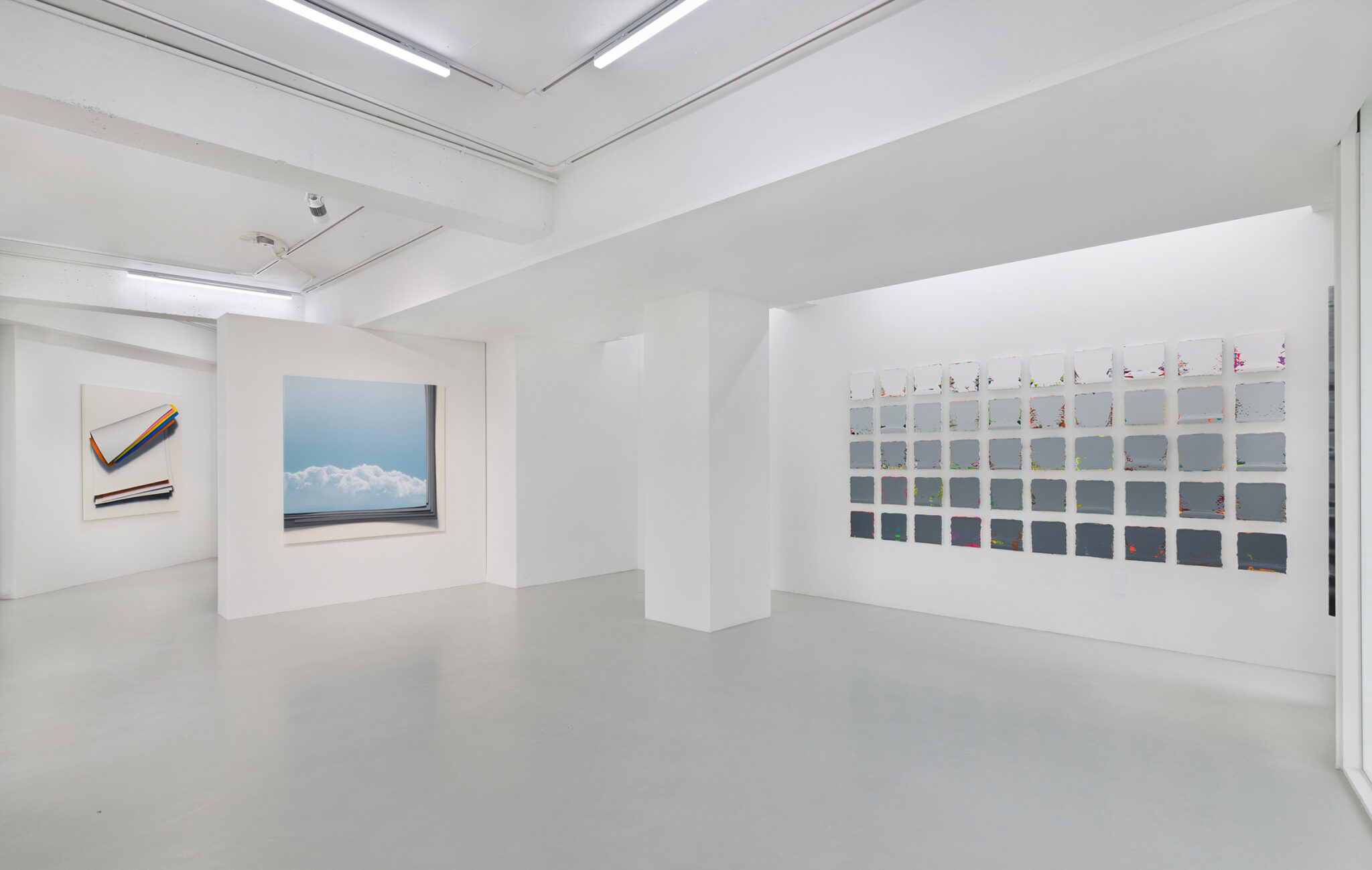
The
fact that the grid corresponds to digital pixel units and represents
contemporary visual and material culture is particularly highlighted in Seong
Joon Hong's ‘IMG Drive’ series. Hong has written in his artist's note
that this work explores "the image as (visual) data that a painting comes
to have." The landscape and painting photos he takes in his daily life
with a smartphone or digital camera are collected in a pile of files in a
drive, and after being displayed on a PC monitor screen, they are selected as a
subject for reproduction to fill the canvas, which has been divided into
pixels. The common grammar of post-production, which maintains a mutually
beneficial relationship with digital and is transformed and re-edited, is the
medium that turns what we see into a monument and the frame, or square, that
has long been likened to a window.
It begins as the frame of a screen, the
outline of a canvas, the grid of a flat painting, or a part of pixel art, and
repeatedly expands into its surroundings—as Seong Joon Hong has done—to record
a landscape that has been penetrated by a voyeuristic gaze, or to obstruct its
transparency with a single color, or to add tactile qualities by repeatedly
filling it with material. Seong Joon Hong adds to this by bending and
distorting shapes or blurring the corners, adding a squared idea to these
variations. This is related to the survival rate of painting, which art once
perceived as a crisis. It breathes in sync with the timelessness of new media
and is developing into an an artistic attitude and methodology of performance
that seeks to solidify the position of visual art with a new variable support
system.
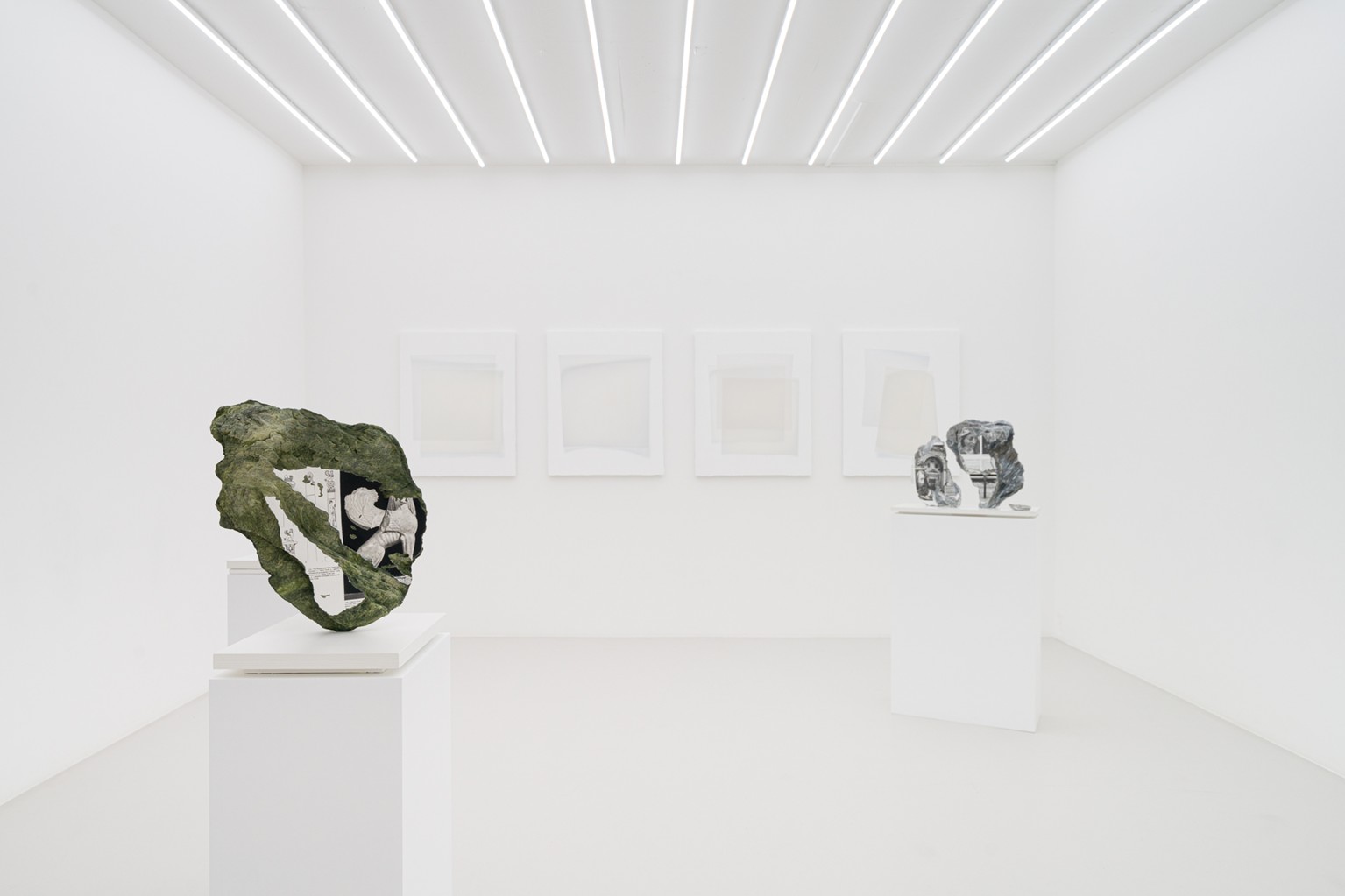
Just
as it is not a mechanical painting with a plastic aesthetic or a settled
performance theory of an artist, Seong Joon Hong's painting will not induce a
single way of appreciation based on the categorical imperative to “see it as it
is.” This is because the grids and layers, to which paradox, contradiction, and
hybridized visual language have been added, are expanding as a work in progress
and protruding beyond the canvas. The artist's directions, such as his attempts
at a sculptural practice of painting and peeling, stacking, touching, and
carving pigments, and the cross-media and cross-disciplinary collaborations
with other genres like design, ceramics, and musical theater, are therefore
natural. This kind of art, and whether to actively participate in the artist's
suggestions, depends on the will and autonomy of the viewer. It is a matter of
deciding whether to continue expanding the story of images that began with the
experience of looking at the sky through a window.