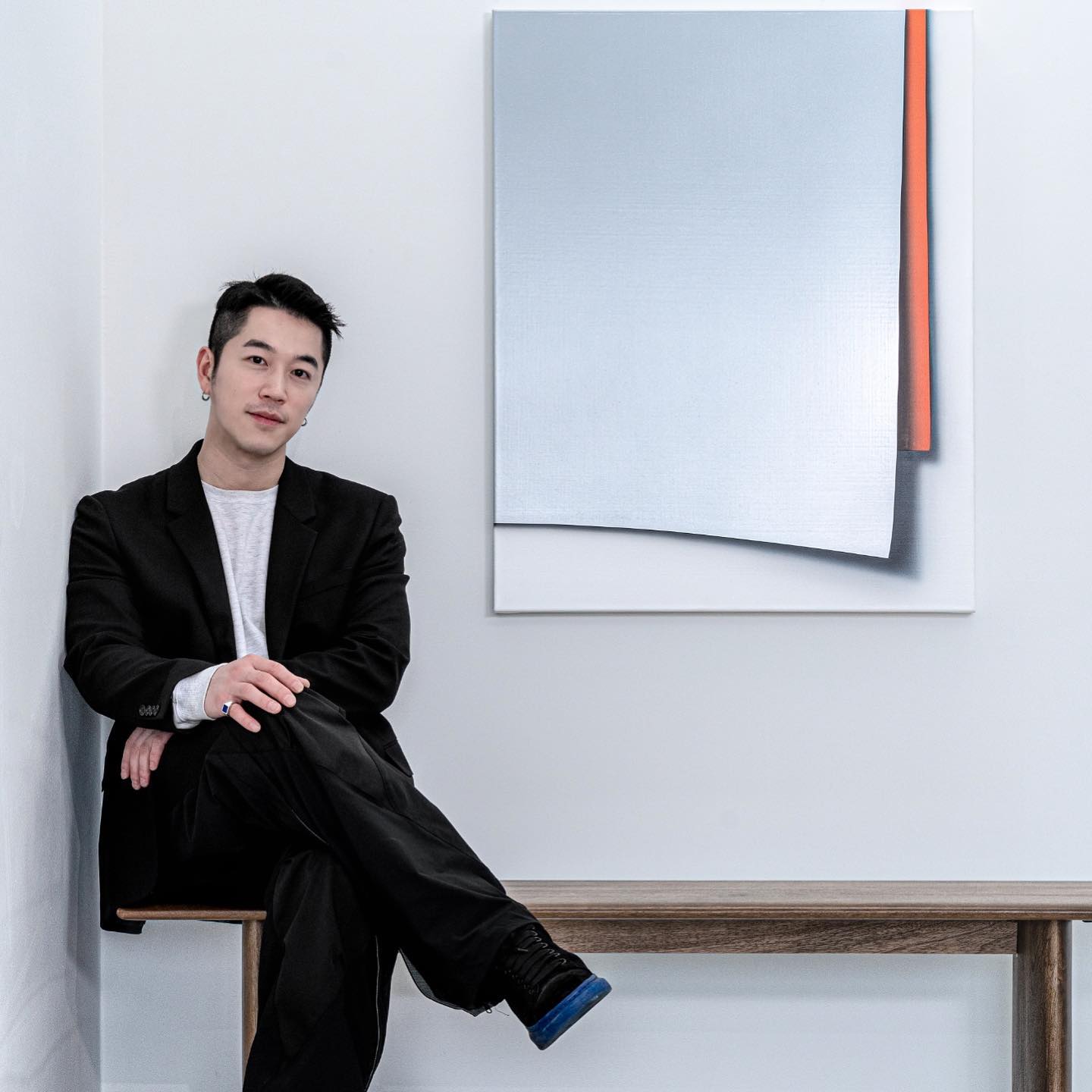
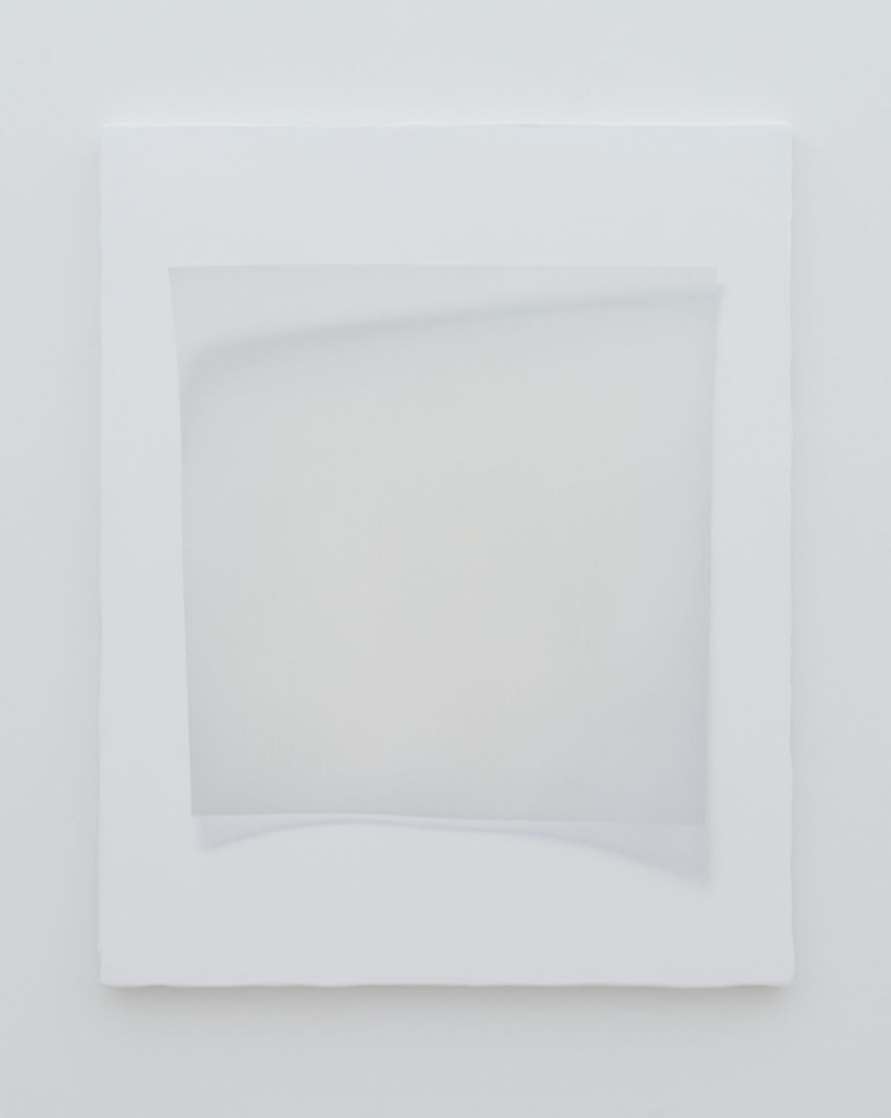
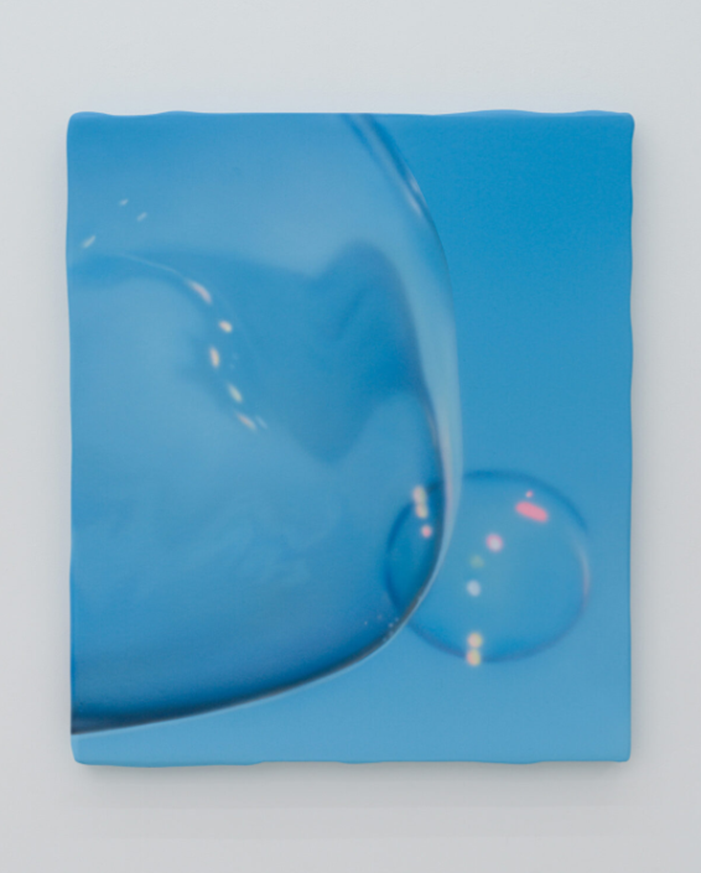
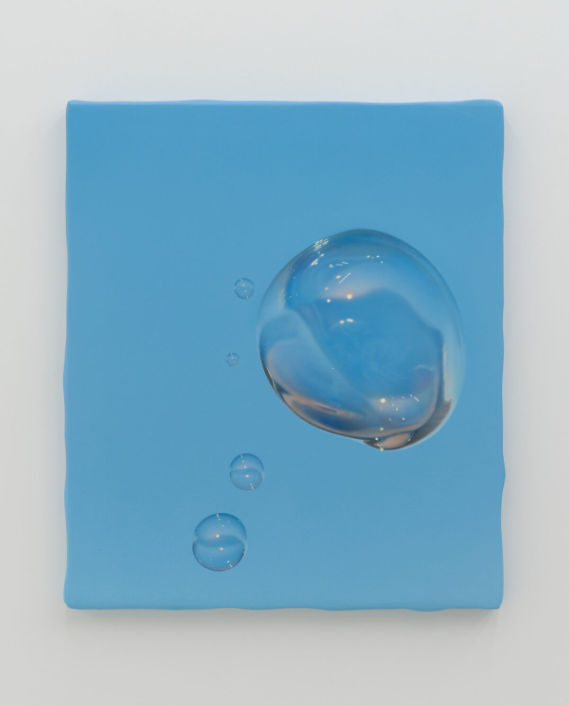
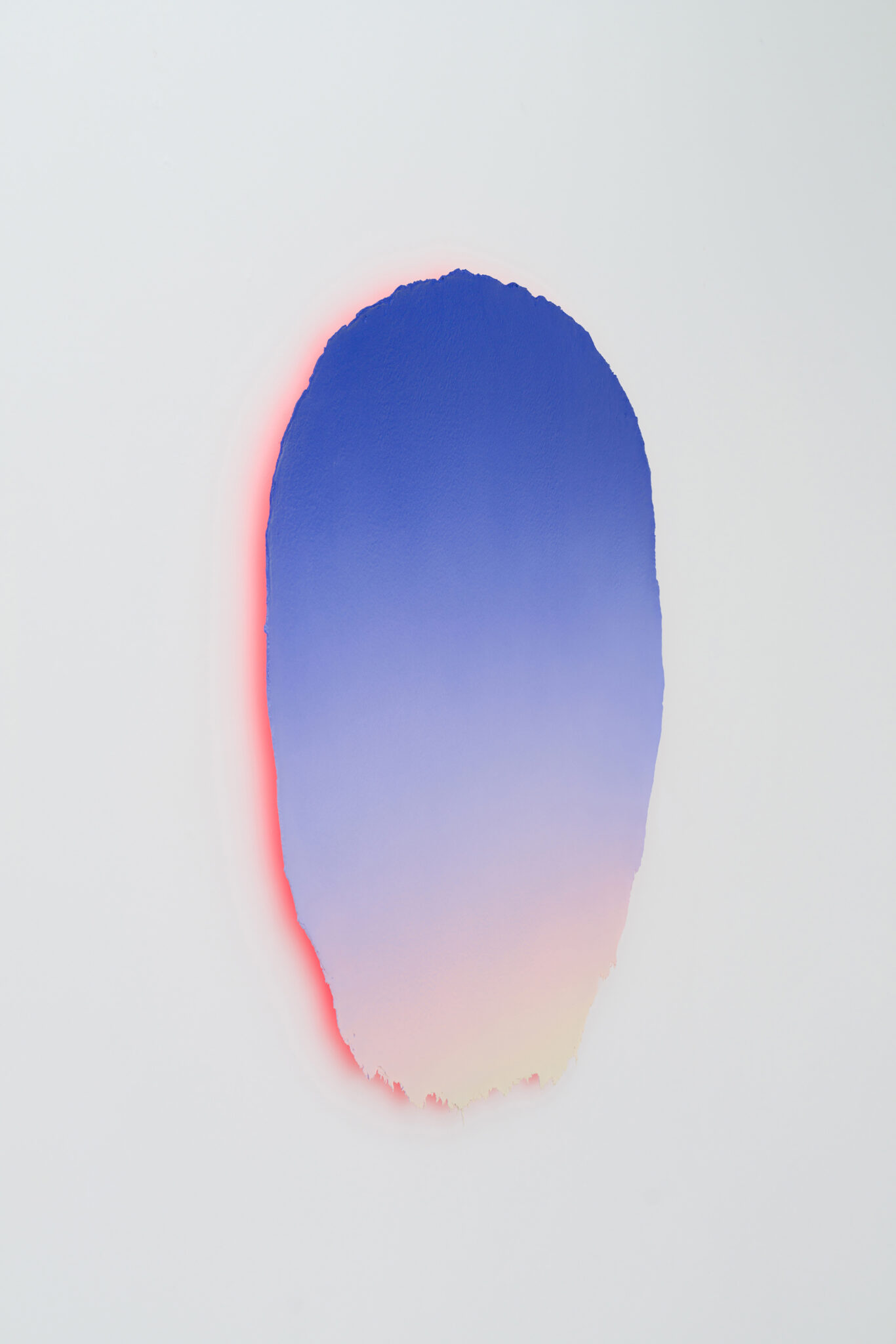
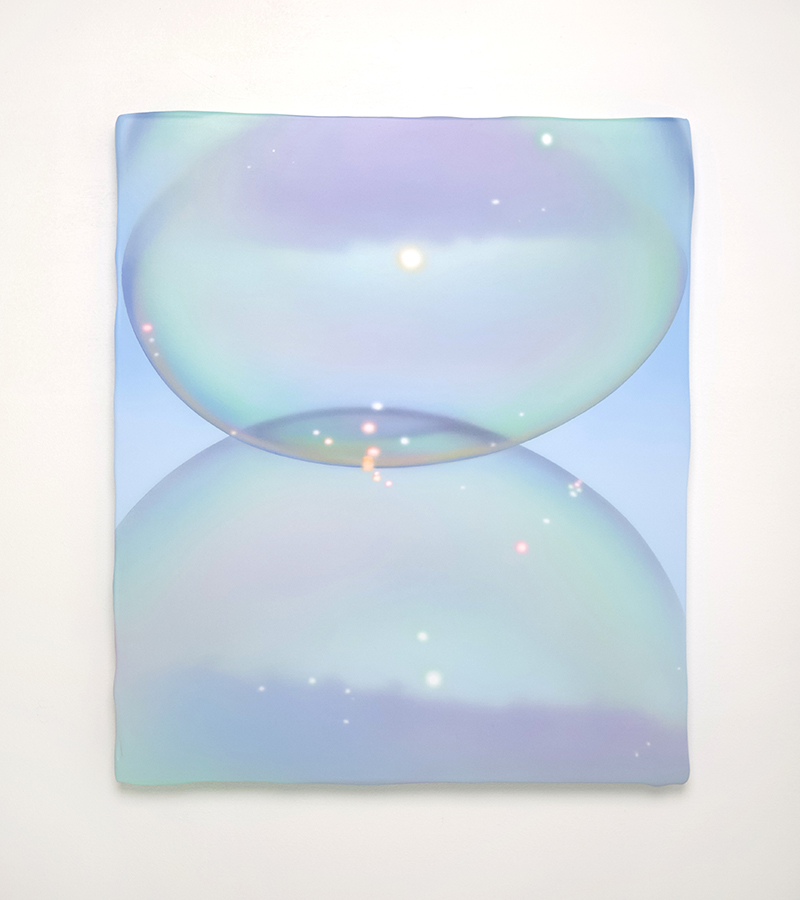
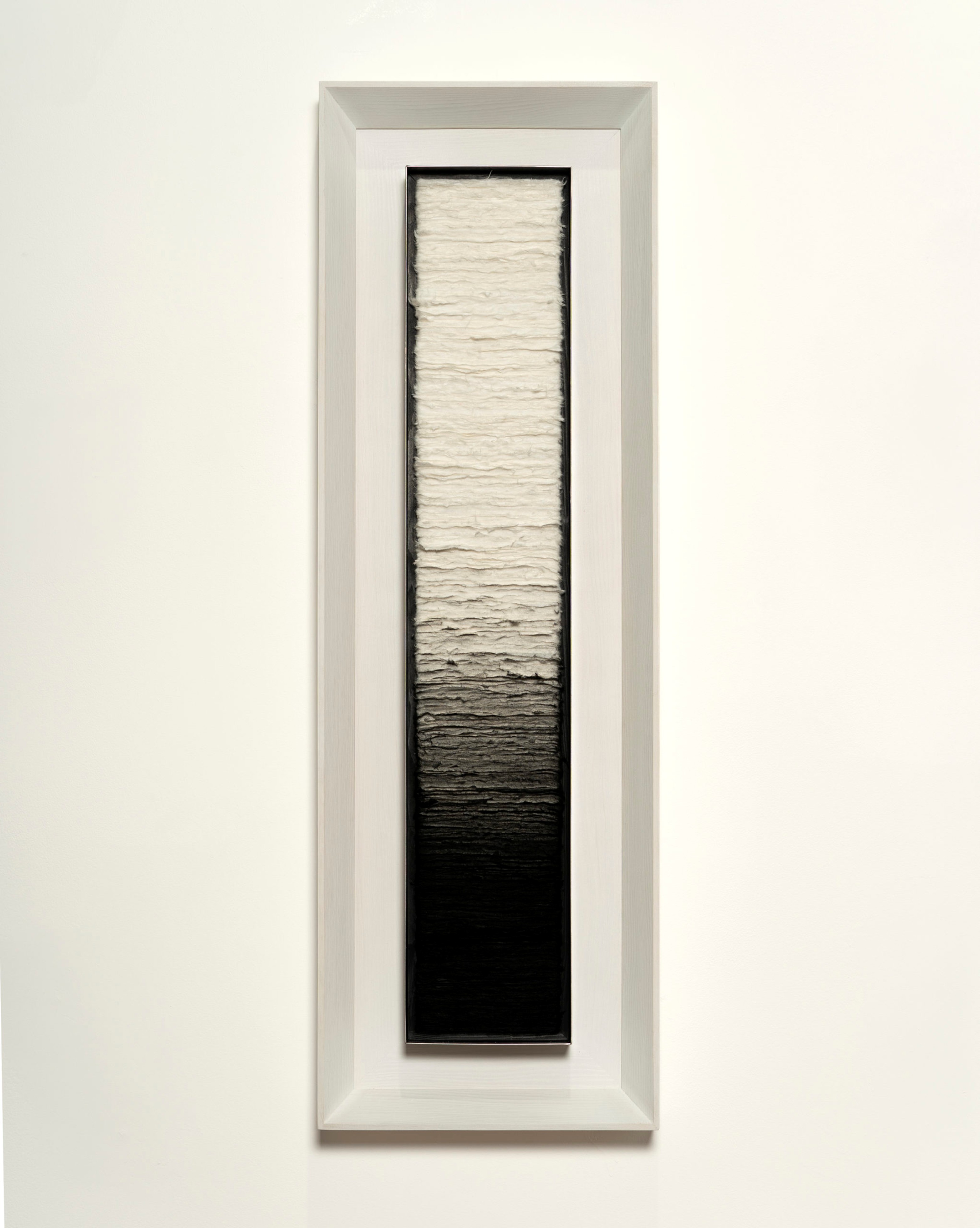
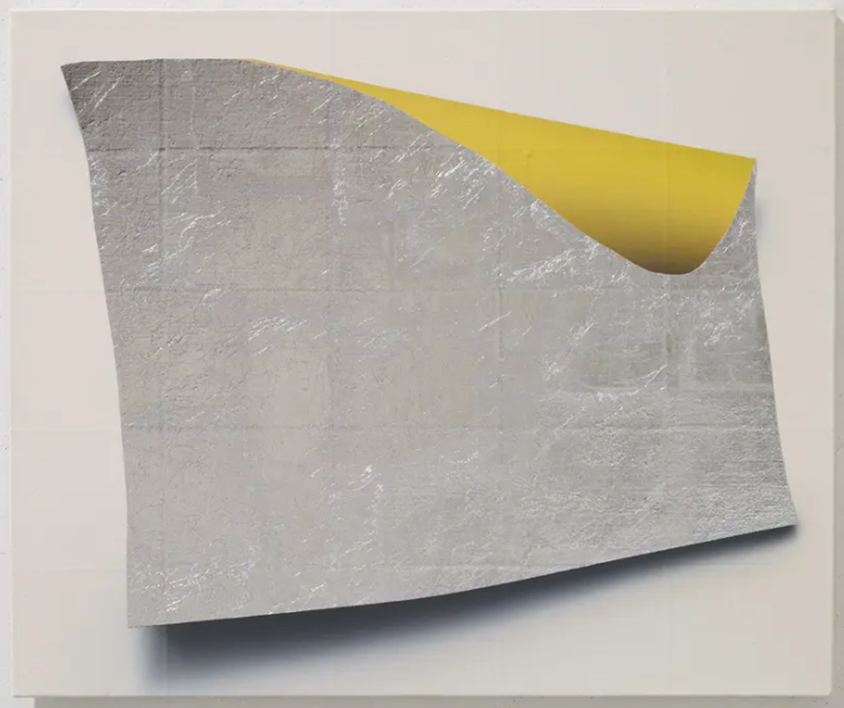
At
its core, Seong Joon Hong’s creative direction—long prepared through
observation of the most basic painterly essence of “paint on canvas,” as well
as the exhibition site composed of artworks, space, and viewers, and the
intervention of these elements into the work—has unfolded at his own
independent pace and rhythm, rather than tracking the tastes and trends of the
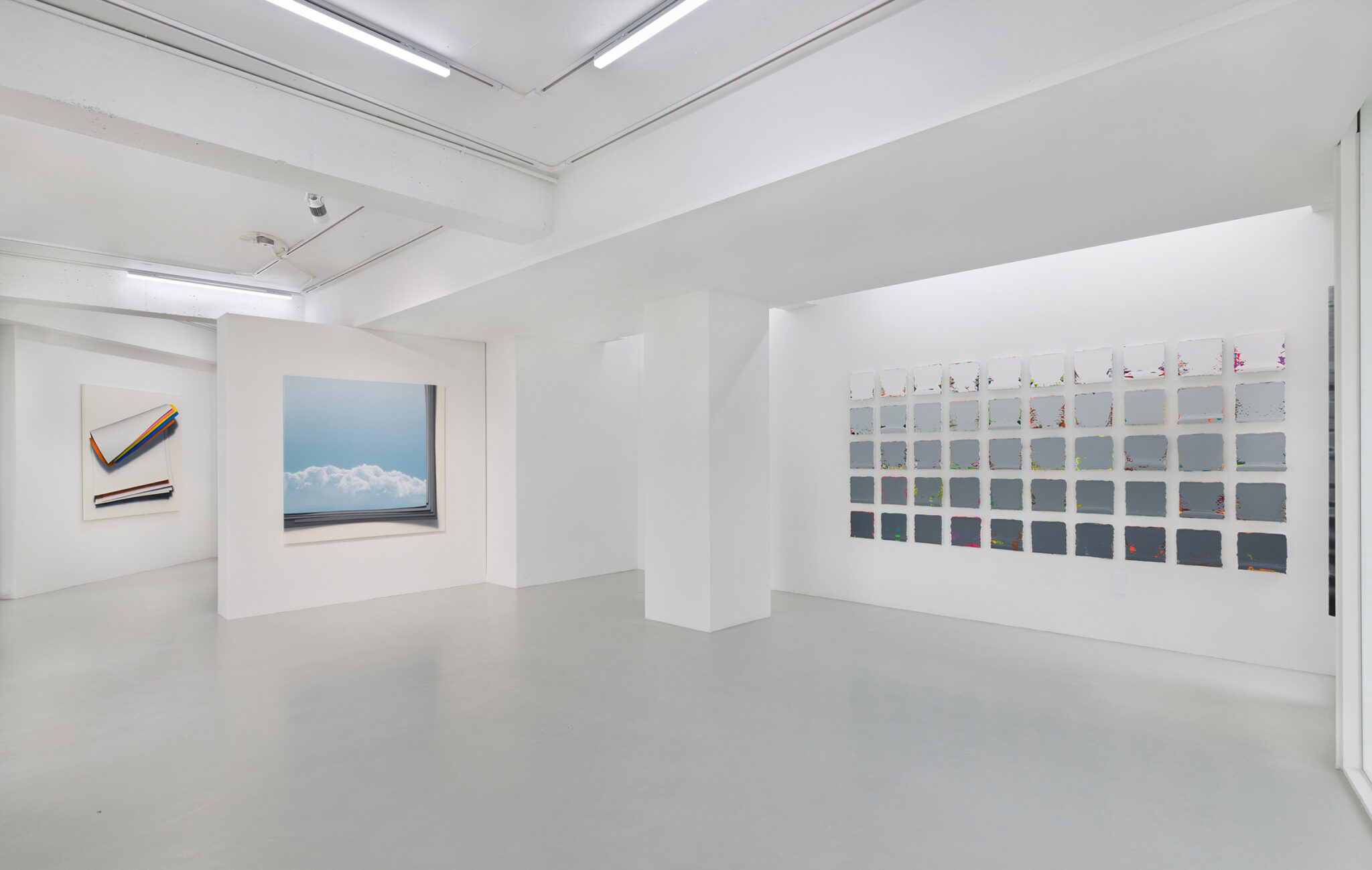
times. Through series that took the act of viewing exhibitions itself as a
critical subject, and treated the scene of representation as a concrete object,
he articulated layered structures of “exhibitions within exhibitions” and
“works within works.” In doing so, he demonstrated an intelligence that allows
multilayered perspectives surrounding artworks to mutually penetrate both
inside and outside of painting.
This
exploration of changing media conditions alongside unchanging ambivalent
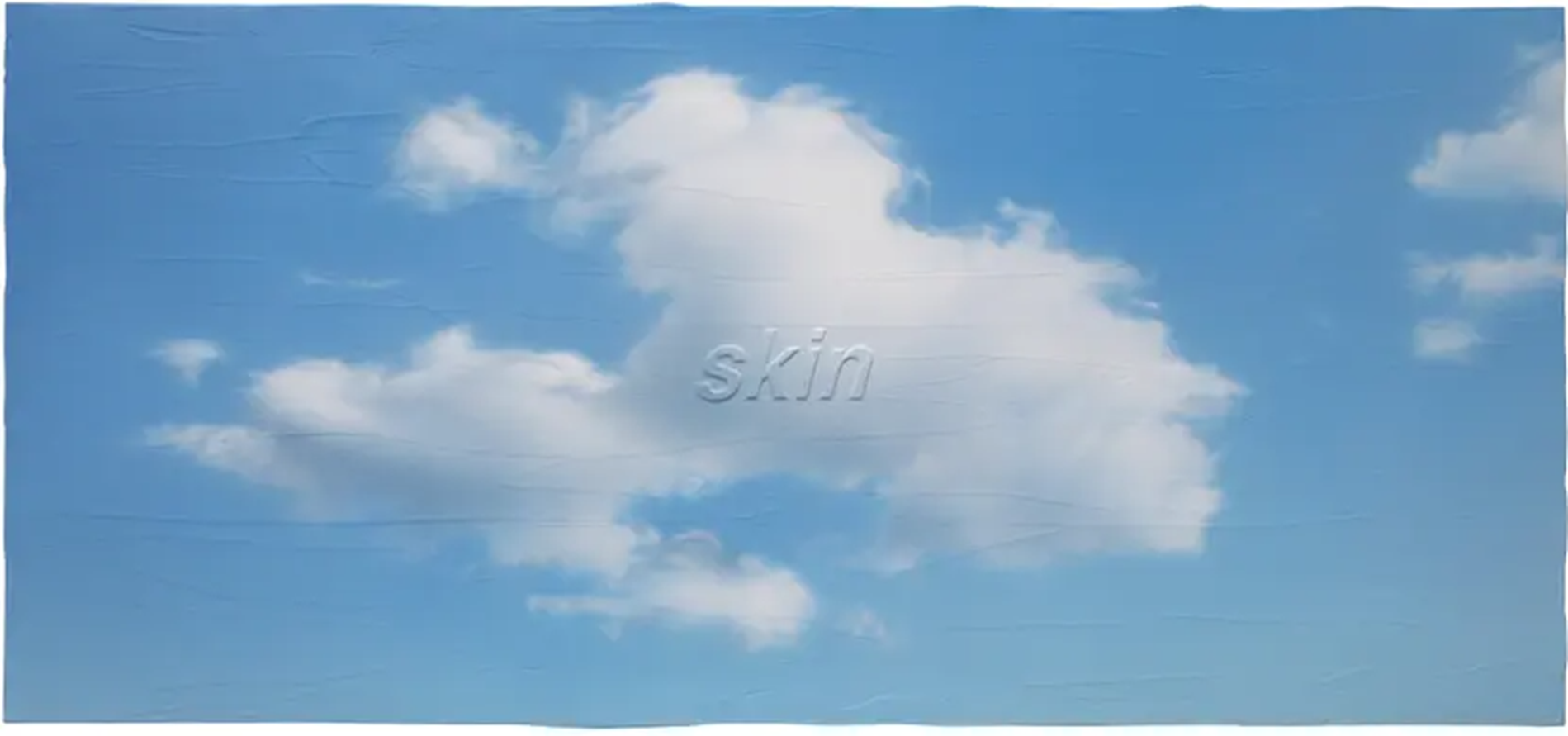
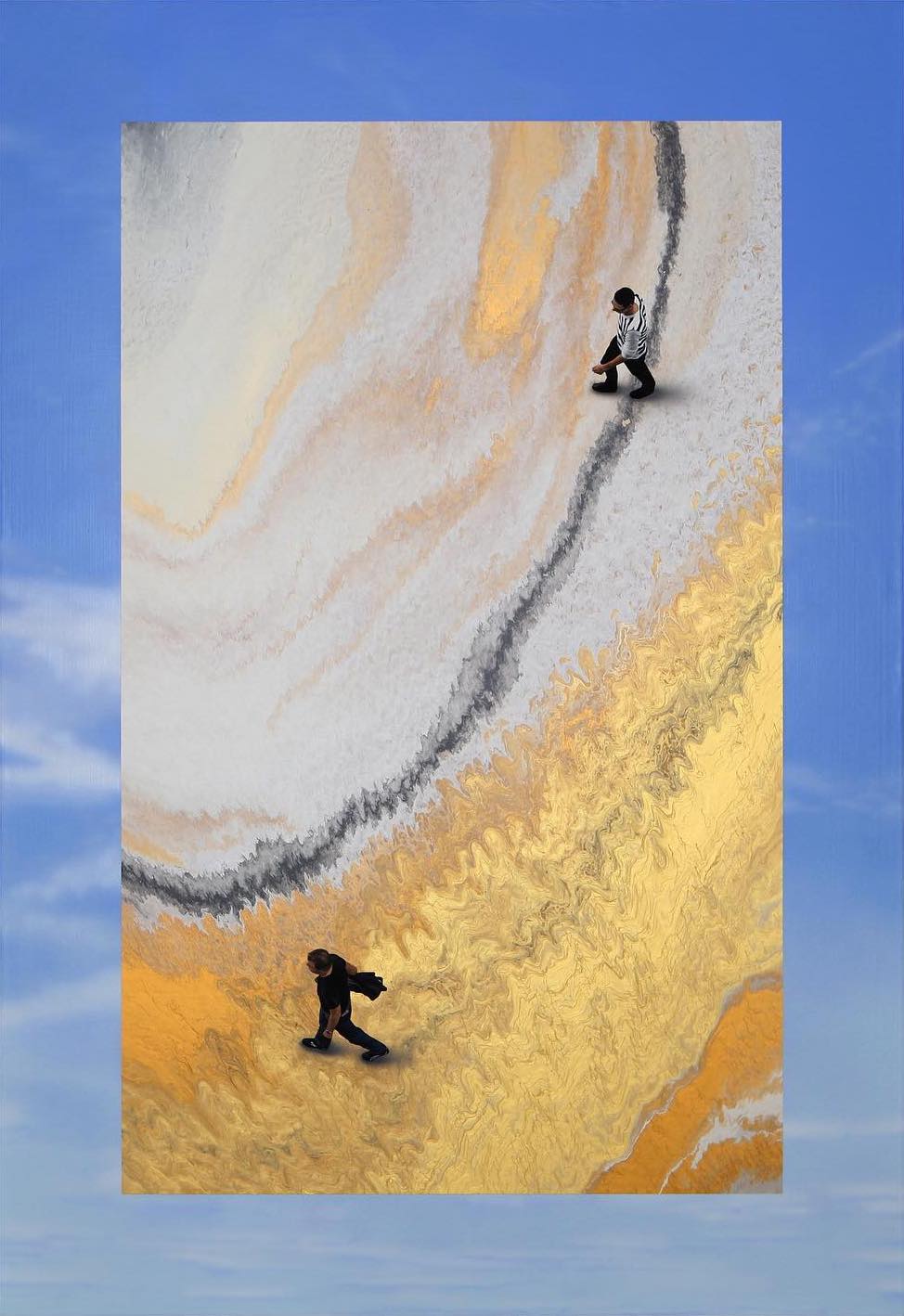
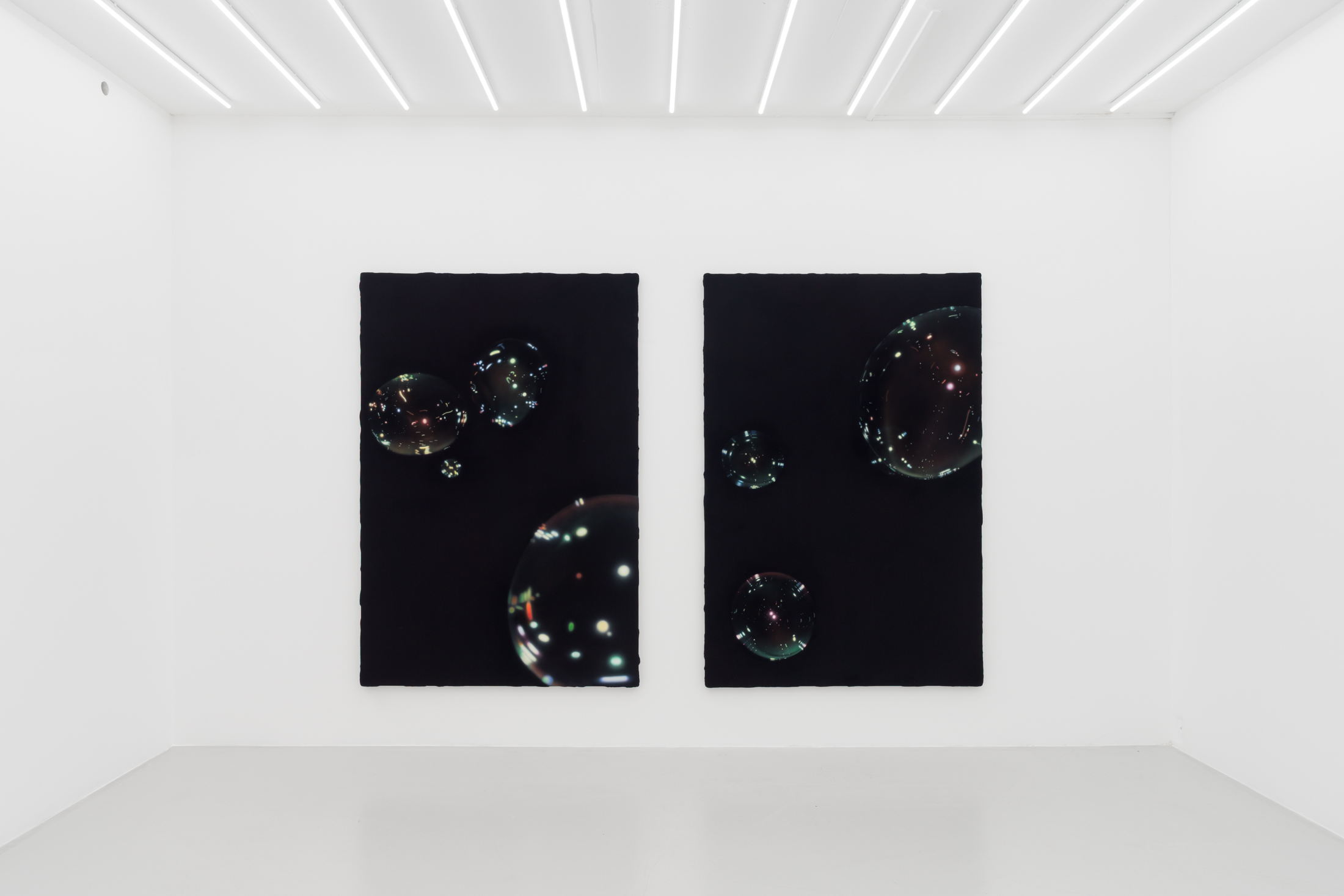
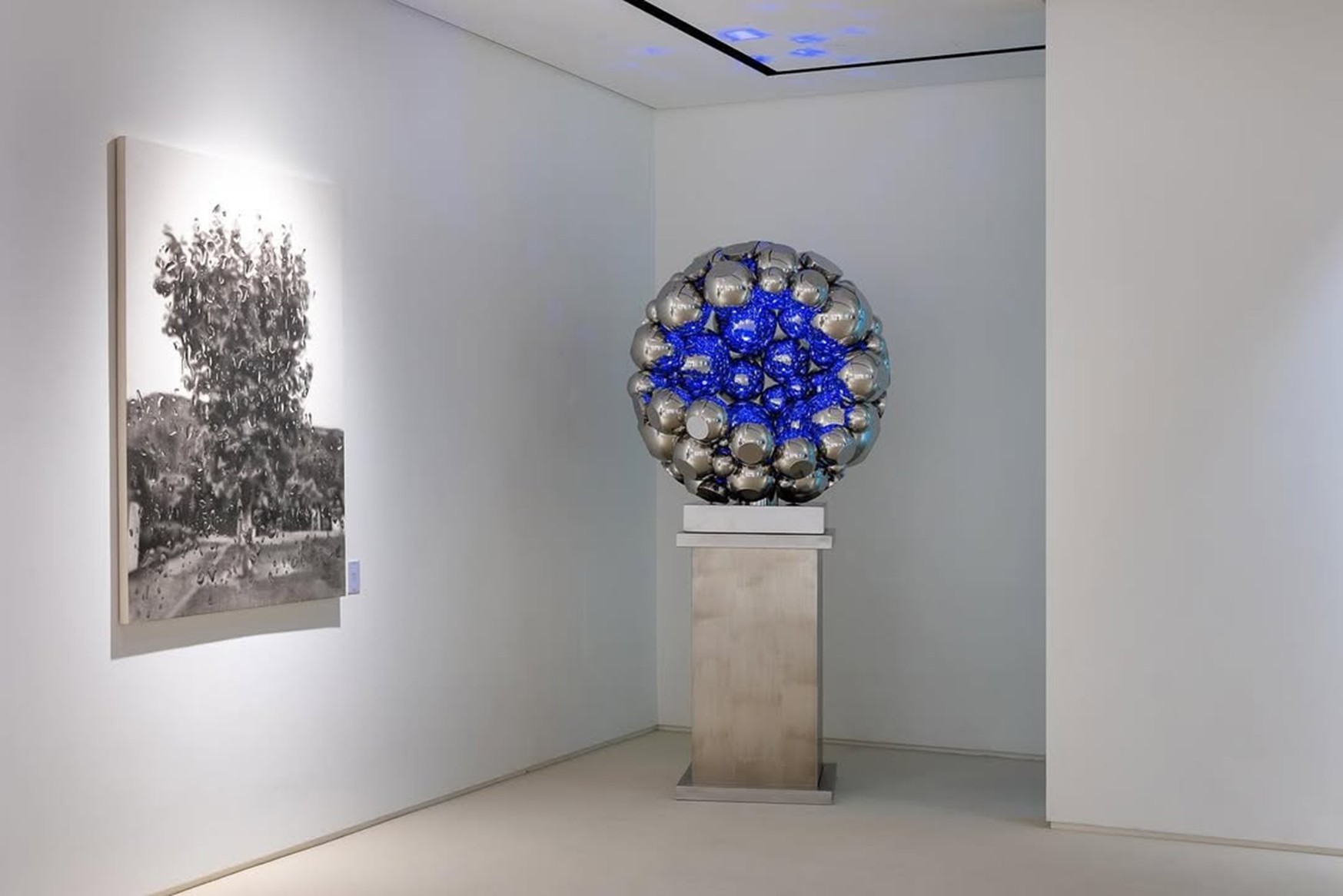
properties also extended into another series, in which digital photographic
images—serving as preliminary data for painting—were actively juxtaposed on
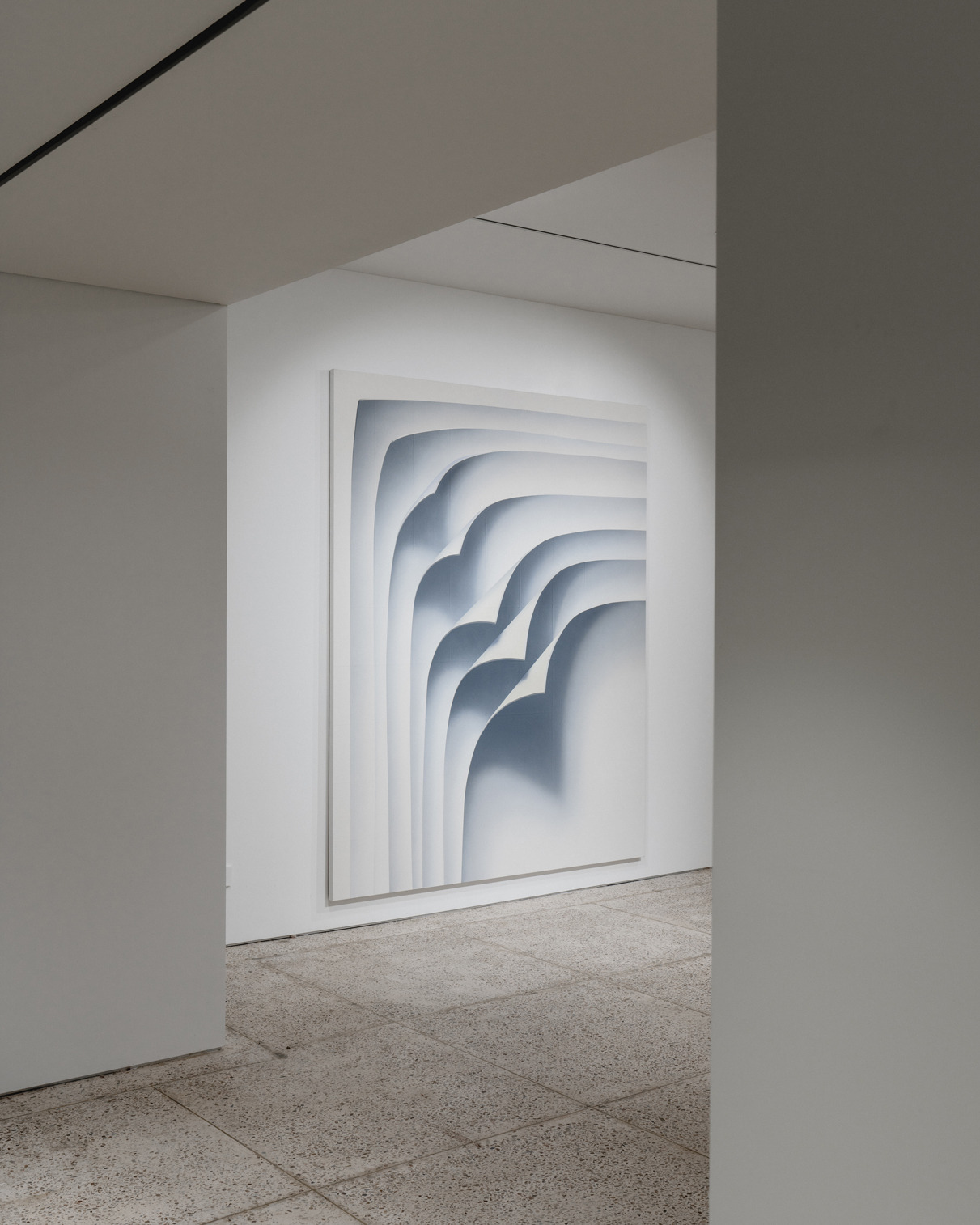
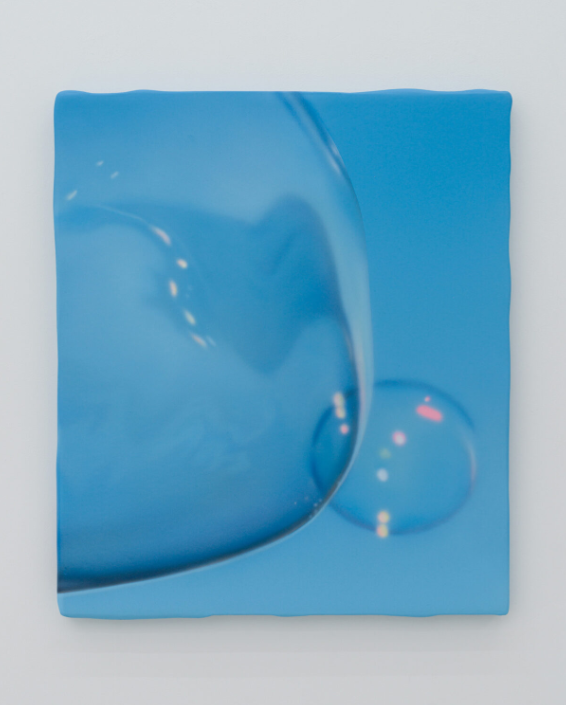
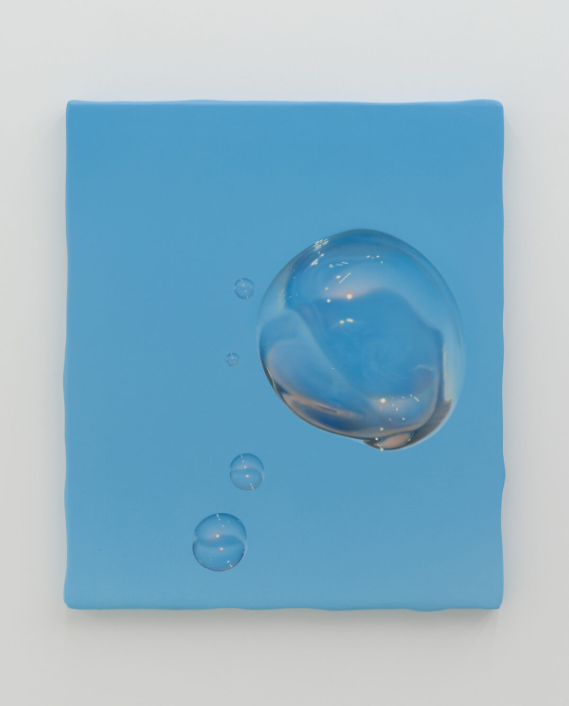
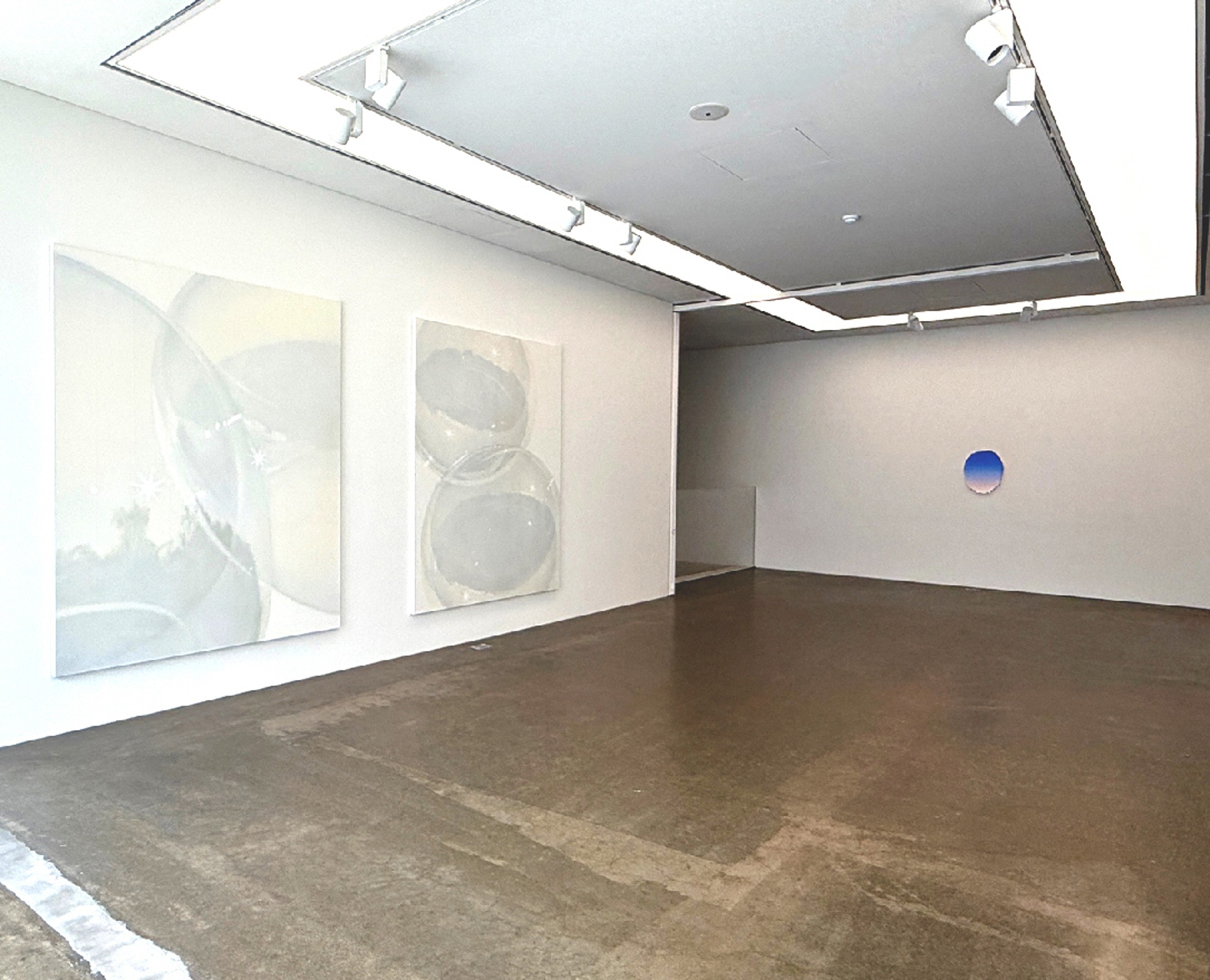
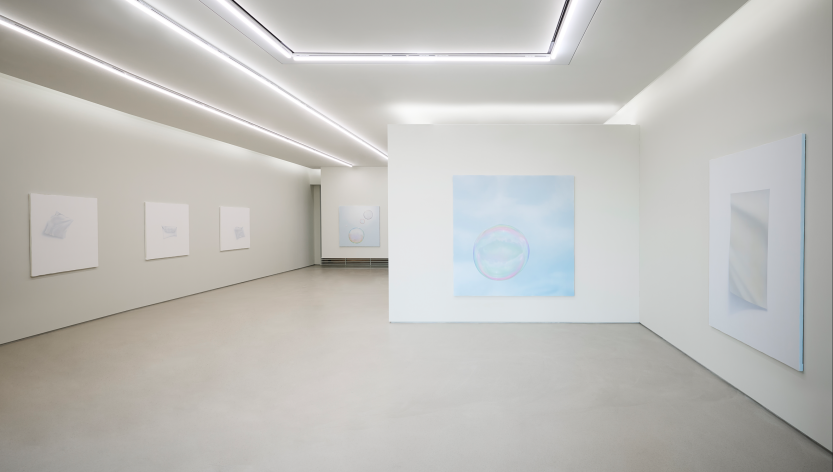
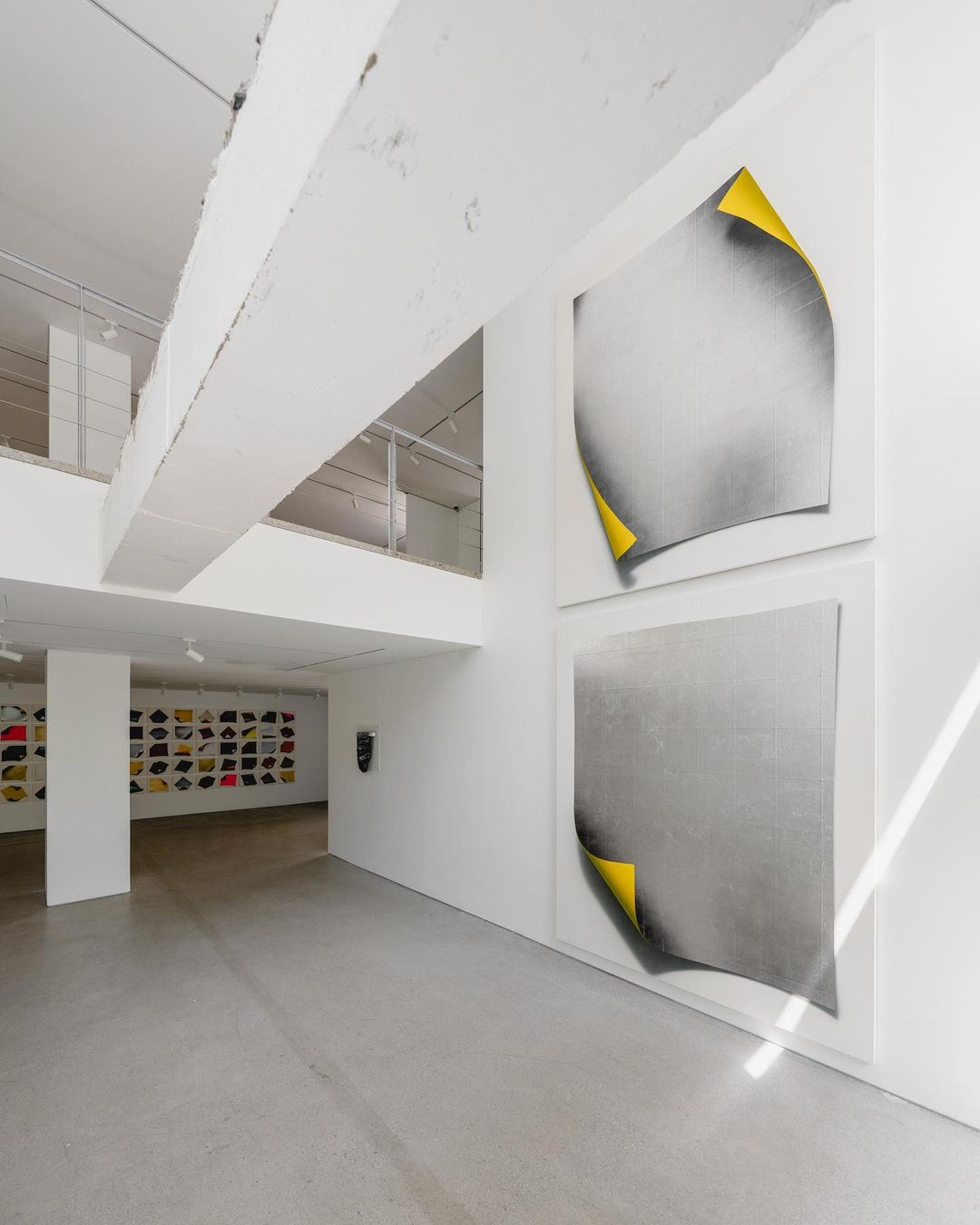
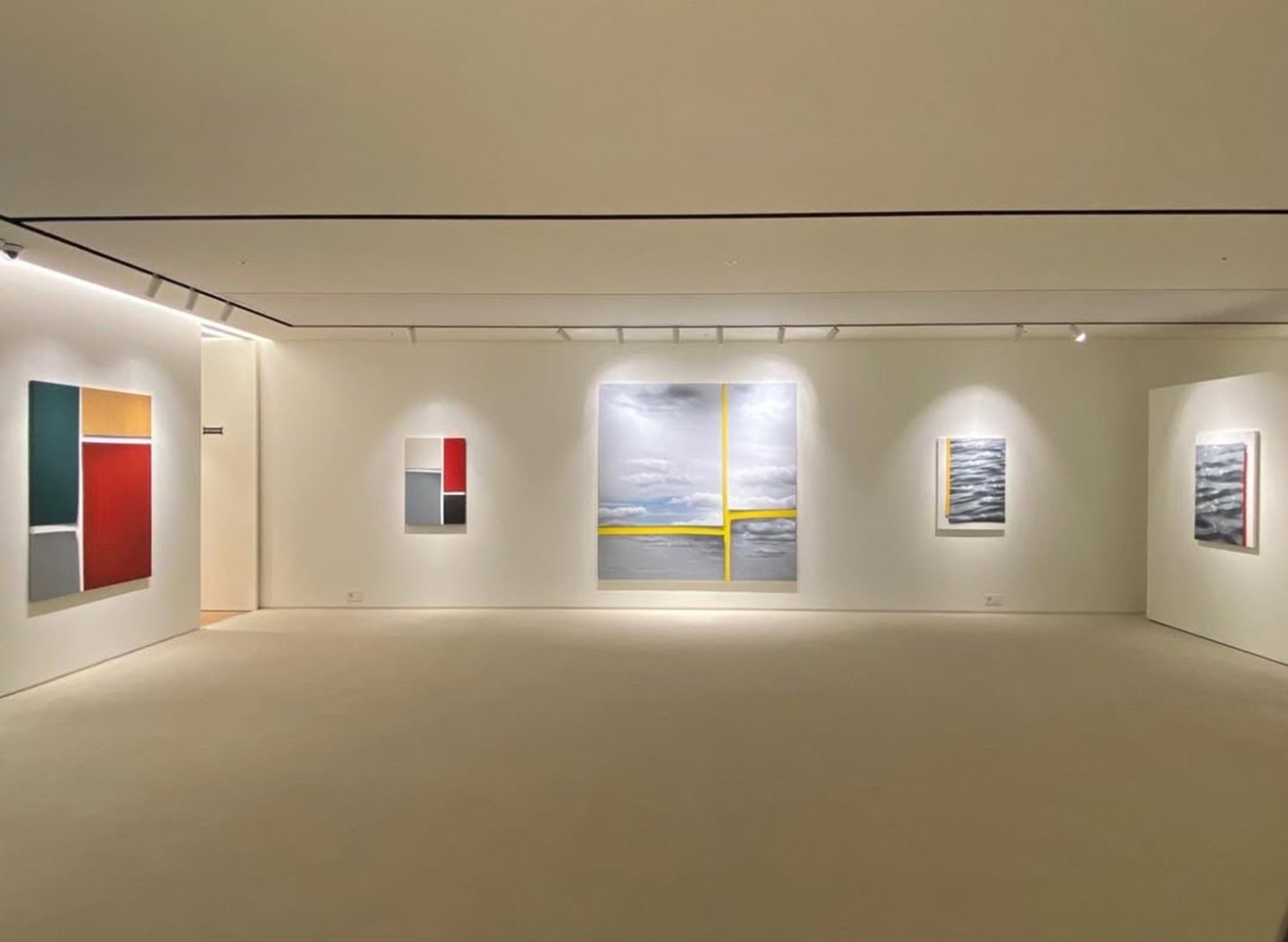
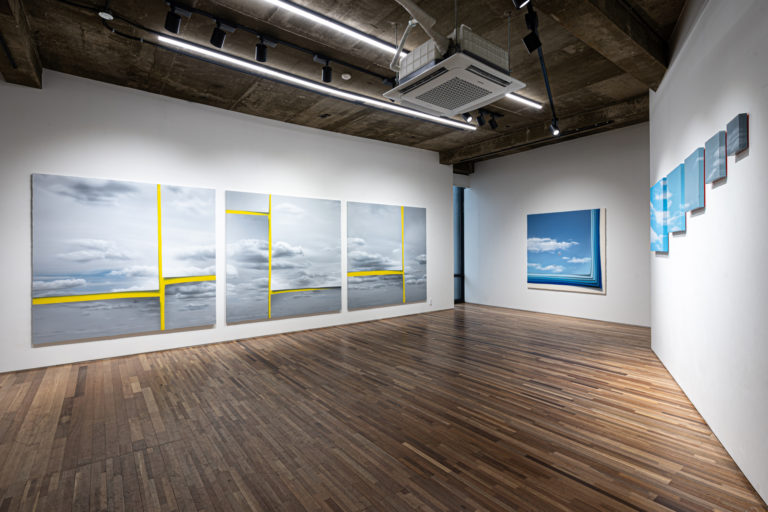
flat surfaces. Since 2020, the emphasis on illusion related to painterly layers
and depth on the plane marks a stylistic departure from earlier works.
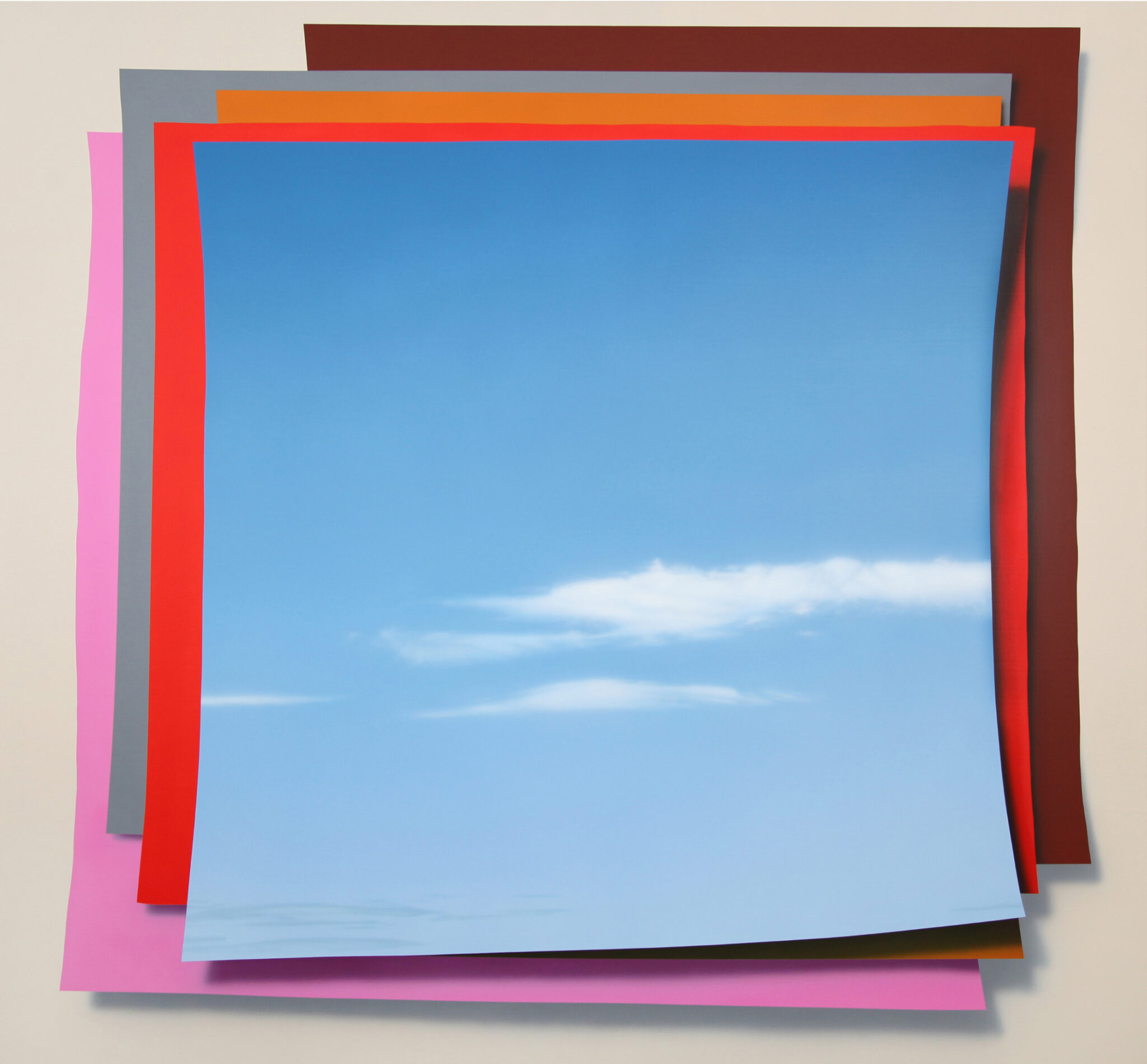
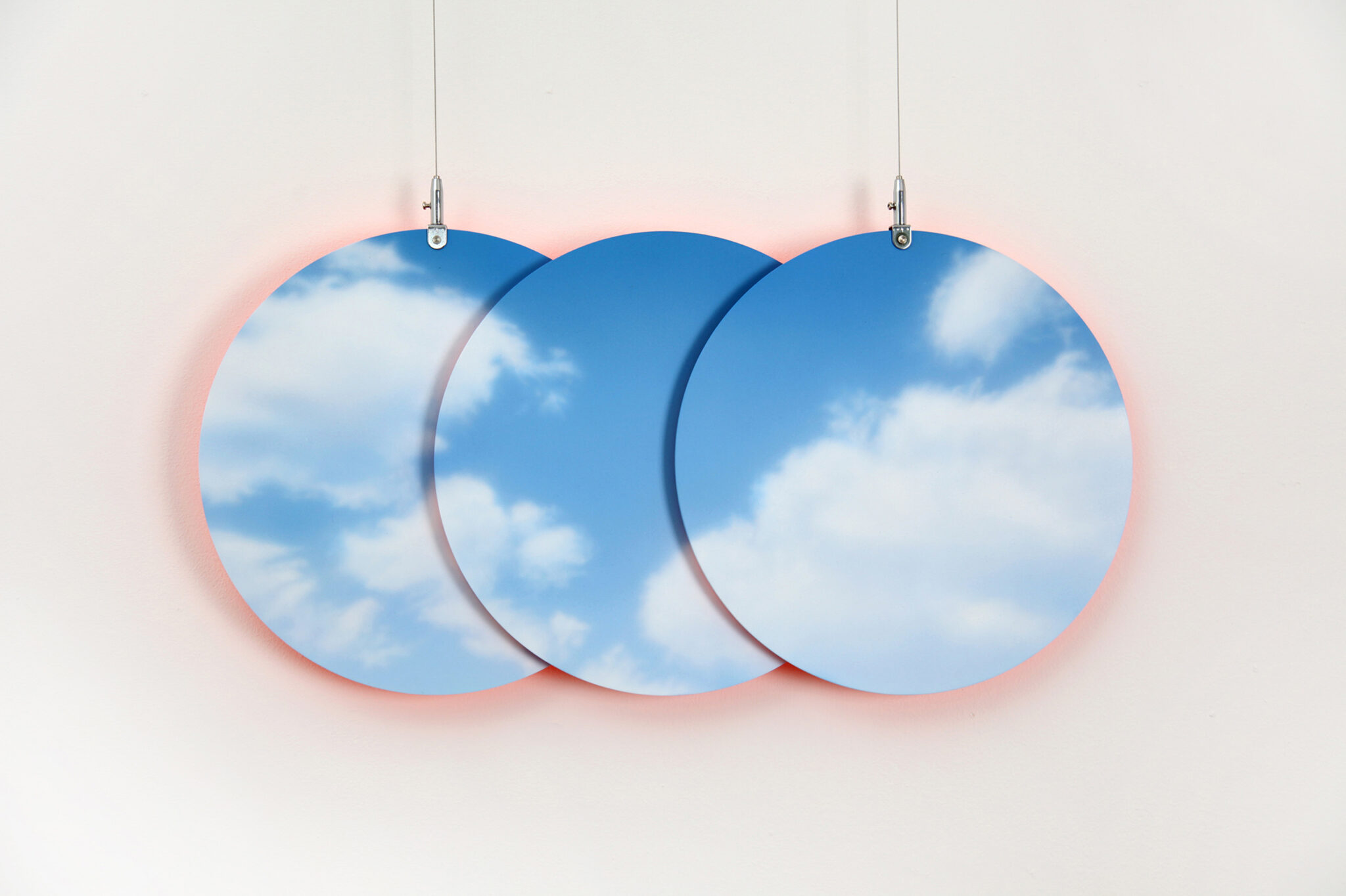
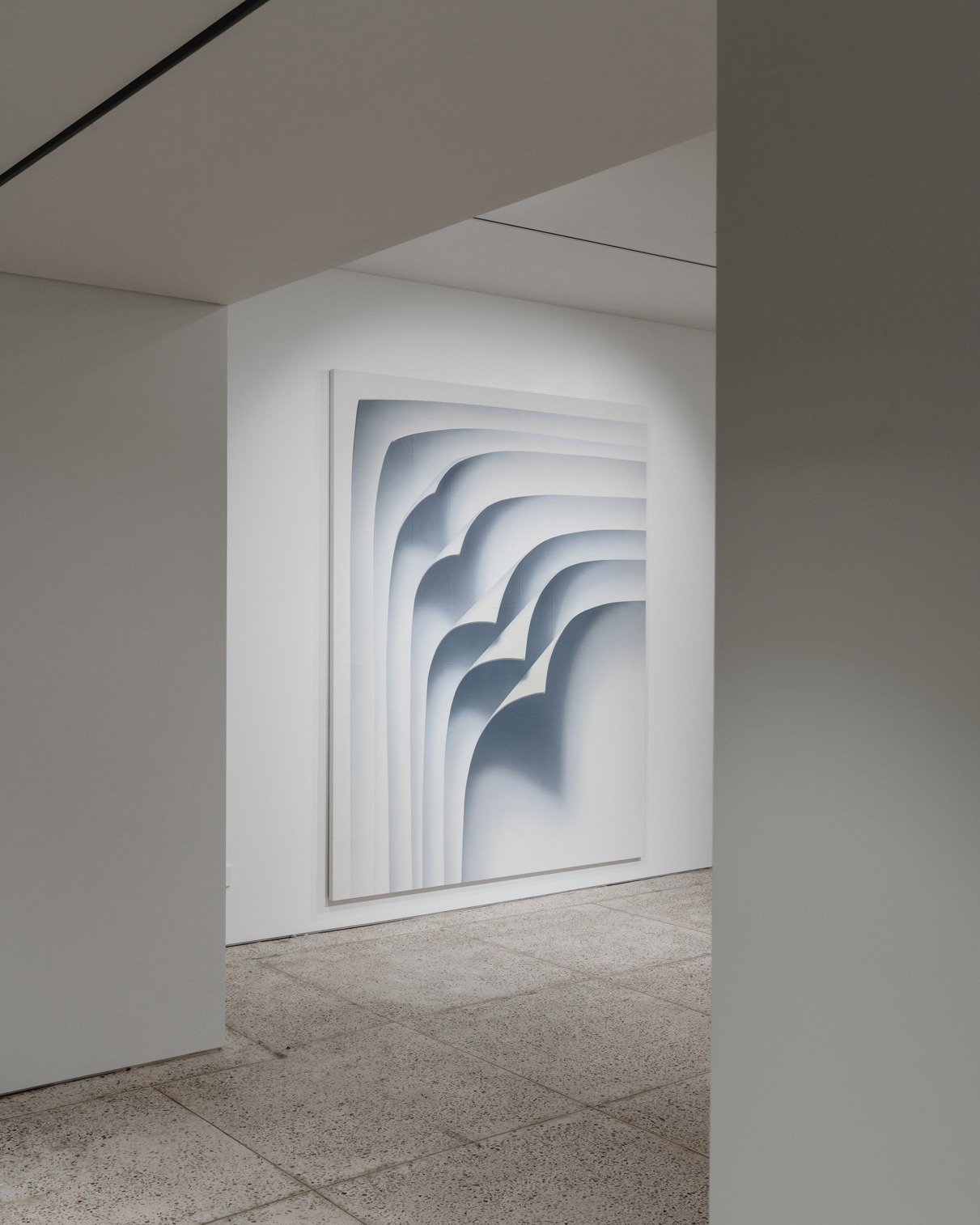
The
results—reproducing planes upon planes, or emphasizing boundaries between them
through muted shadows—may leave room for viewers with little time to consider
the work’s trajectory to reduce it to a facet of abstract experimentation. What
must be discerned within is the artist’s own syntax: a kind of medium-specific
humor enacted through the materiality and representational properties of the
painting materials he engages with daily.
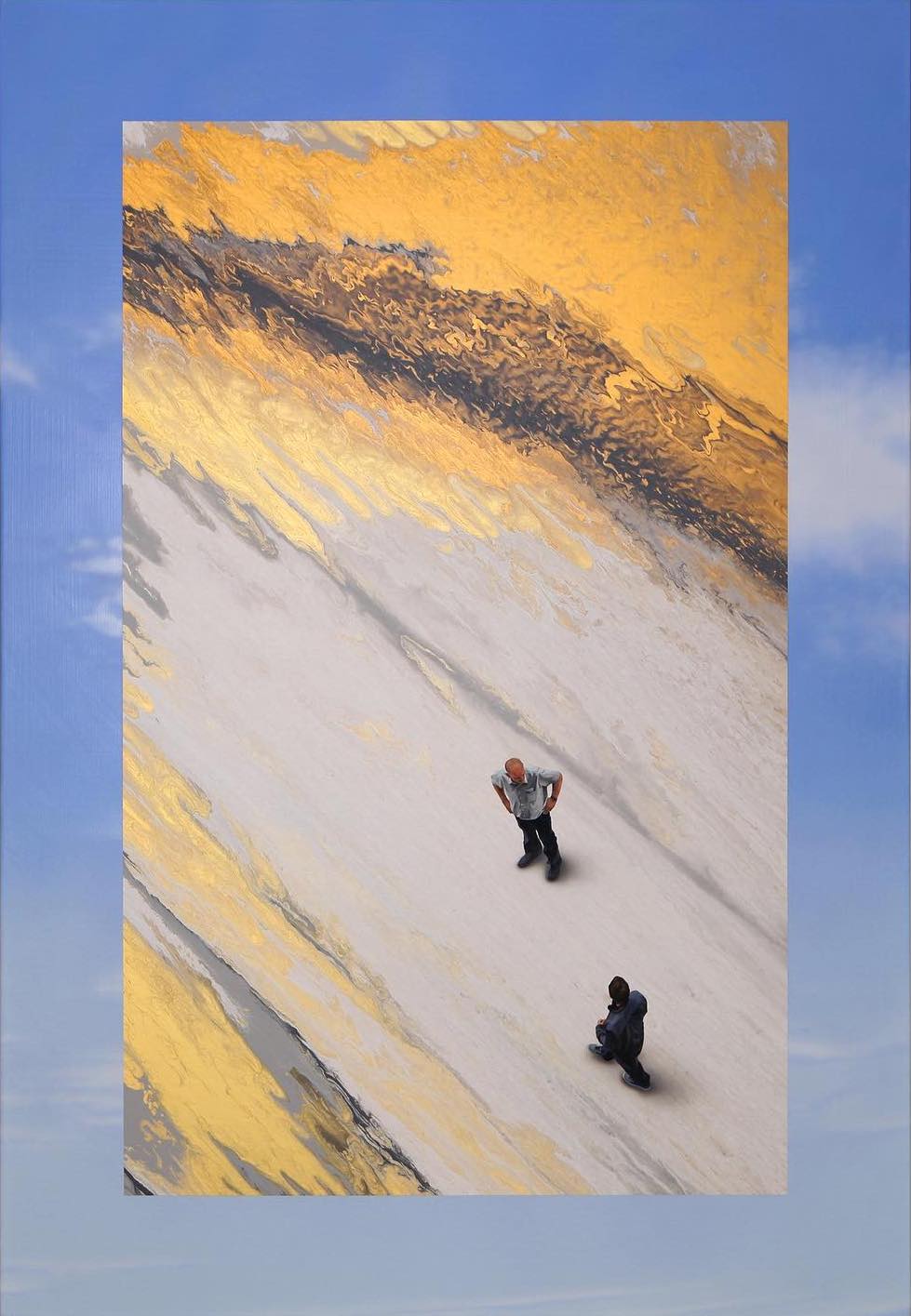
By
mobilizing realistic techniques to continuously confuse binary
oppositions—support and ground, inside and outside, seeing and being seen,
digital and analog, painting and non-painting—Seong Joon Hong performs a
genuinely painterly wit and an autobiographical account of the medium itself.
From early works to the most recent, while modes and strategies of expression
have shifted, underlying them is a sustained attitude of posing fundamental
questions about painting and continually renewing self-definition. This is
nothing other than a process of crossing visible conditions and invisible
structures of painting, repeatedly drawing closer to and distancing from the
work while orbiting the surface.
Named
《Enfolding the Air》, this
exhibition is expected to become an artistic turning point in which the logic
of work developed over recent years overlaps, and various formal experiments
are richly systematized and reorganized. However, through the recent exhibition
《Flowing Layers》(PIPE Gallery,
2022), the painterly responses and critical commentary to the issues he set for
himself were already established to some extent, and his capacity as a solo
artist—demonstrated through diverse expressive techniques and their effective
application within space—has been proven.
From
this perspective, what deserves particular attention in this exhibition is not
merely visual admiration for newly attempted materials and techniques, nor a
media-technological approach to painting. Rather, as exhibitions accumulate,
the increasingly polished narratives, design sensibilities, and craft-based
execution of materials can at times obscure the specific relational aspects
between artist and work. Having passed through a period of intensively
designing multilayered structures both inside and outside the surface and
opening new passages through them, I wish to focus instead on examining the
artist’s perceptual register—formed through phenomenological experience of the
work’s physical presence—as the artist’s body and the work actively interpenetrate.
As
the word “layer,” which had served as a central keyword in recent years,
disappears from the exhibition title, it feels as though the driving force of
the exhibition has shifted from the artist as designer of layers to the work
itself. Indeed, the layers constituting the work are no longer limited to the
physical structure of the surface or the illusion of images rendered in paint,
but expand into a kind of “field,” broadly infiltrating the frontal plane of
the work, the surrounding space, and the body and mind of the viewer.
For
those who must face an exhibition like a riddle, one possible strategy of
thought may be as follows: to treat the exhibition as if it were a
retrospective summoning the artist’s early works, gathering from all directions
fragments of thought on how Seong Joon Hong’s doubts and convictions regarding
his painting and the art of the world accumulated, scattered, detoured,
intersected, and eventually transitioned into the present work.
Using the
beautiful planes before one’s eyes as clues, one might examine the subtle
wrinkles and dispersed, coagulated traces running through them, and attempt to
return to a supple time before anything hardened into fixity. To view the
exhibition with the attitude of restoring countless layers of creation oxidized
in air and submerged in time resembles the work of a geologist retracing deep
dynamics through the fractured surface of soil.
If
one can associate today’s dazzling visual art with the somewhat austere
rhetoric of “geology,” it may be because the scientific inquiry into the
dynamics between material formation and strata allows us to project the
intermittent perceptual shifts and dynamic research that have occurred
throughout the long history of painting. In a capitalist society, artworks are
categorized as commodities whose value is measured and exchanged in monetary
terms.
Yet they are also fetish objects imprinted with the artist’s entire
thought and corporeality, and enigmatic black boxes that reveal their interior
only when the viewer’s aesthetic desire and curiosity are projected onto them.
The dynamic principle by which accumulation flattens and removal deepens may
not be suited solely to explaining geology. It may just as well describe the
artist’s present condition, the hidden side of the work, and the energy of the
exhibition itself.