
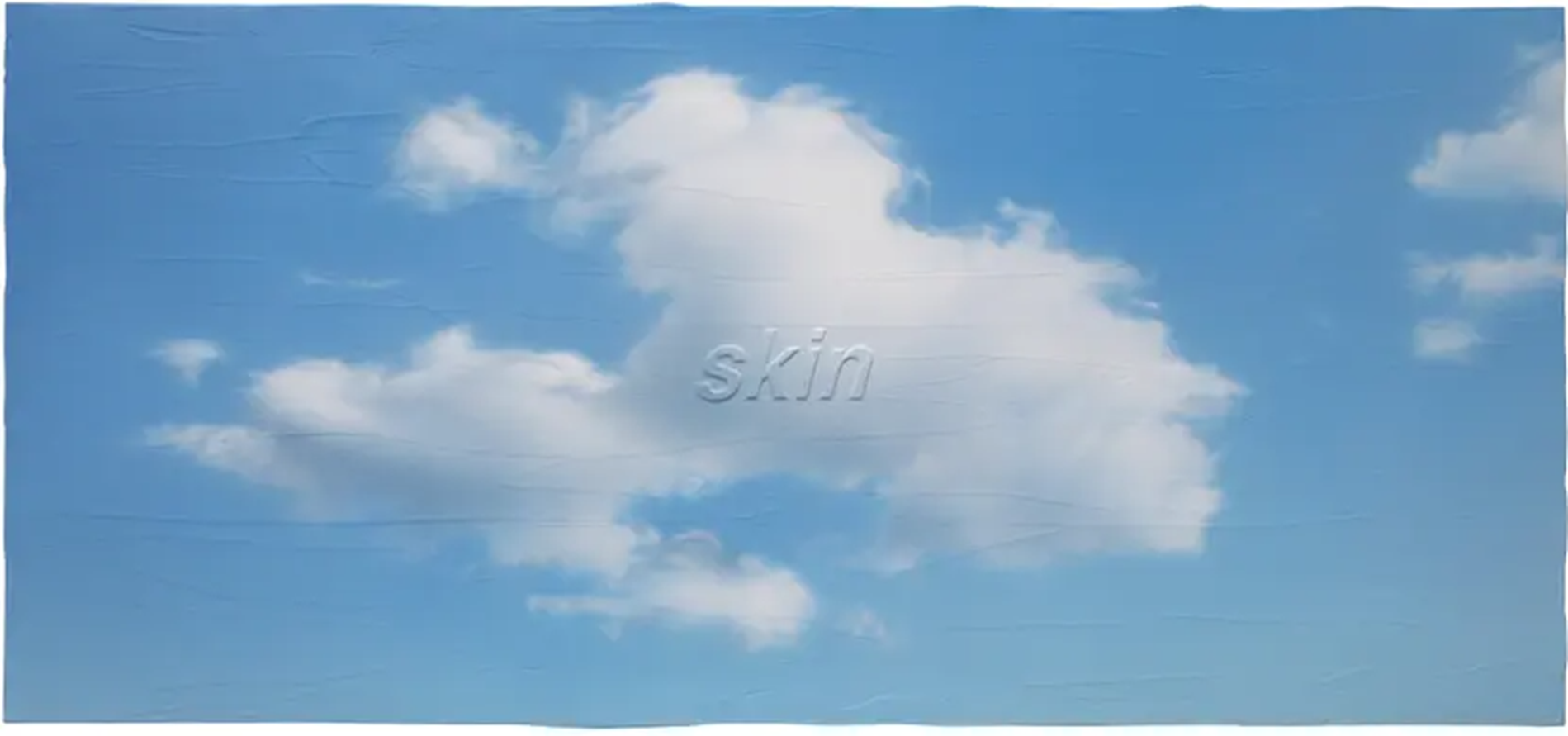
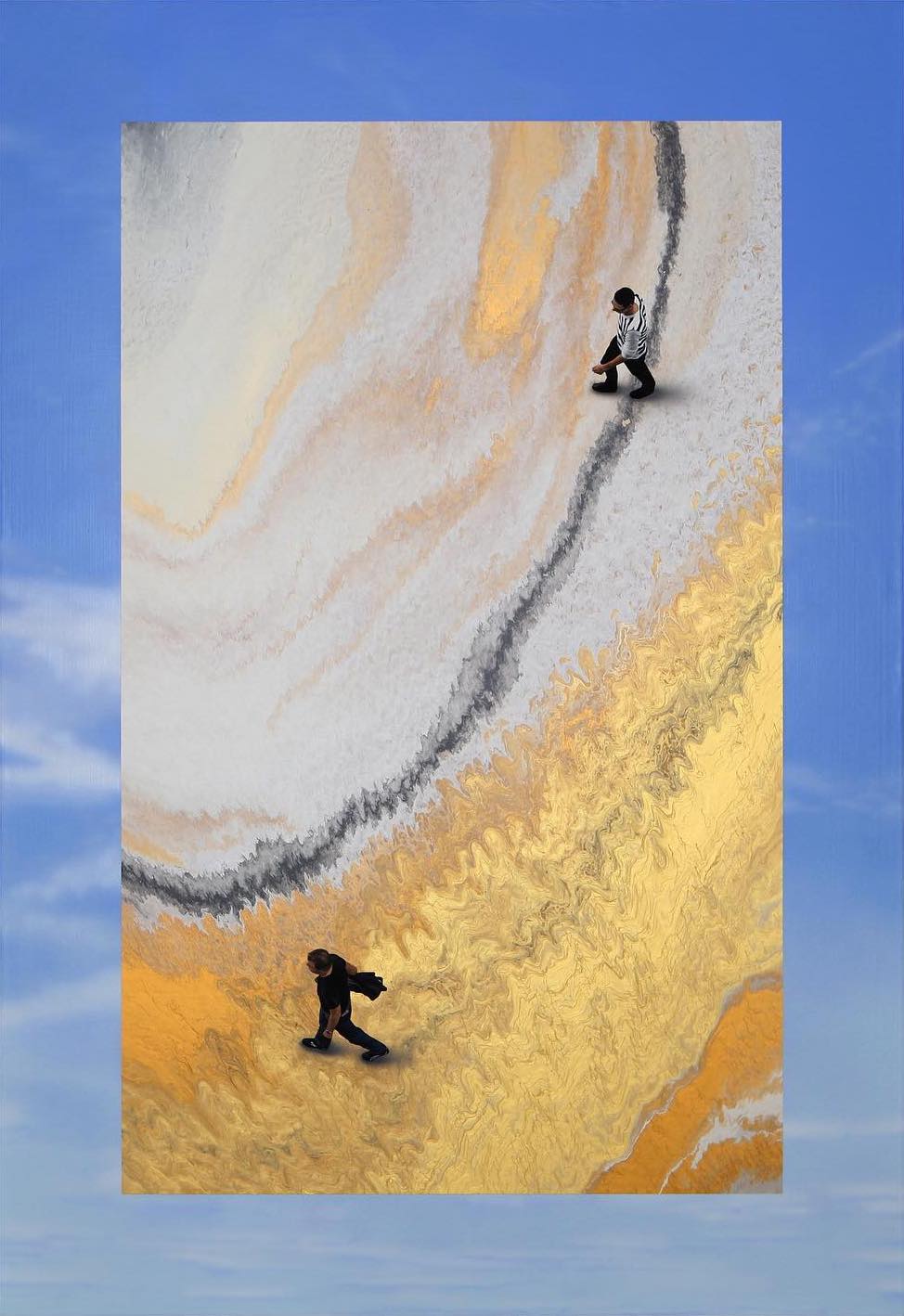
Seong Joon Hong (b. 1987) has pursued a sustained inquiry into the layers of painting—its overlapping strata—and the fundamental questions they raise. Through a process of building up multiple layers, the artist engages with the essential structure of painting itself, while also internalizing these strata as sedimentations of memory and time, or evoking synesthetic illusions that merge sight and touch. In doing so, Hong reveals the expansive possibilities inherent in the medium of painting.


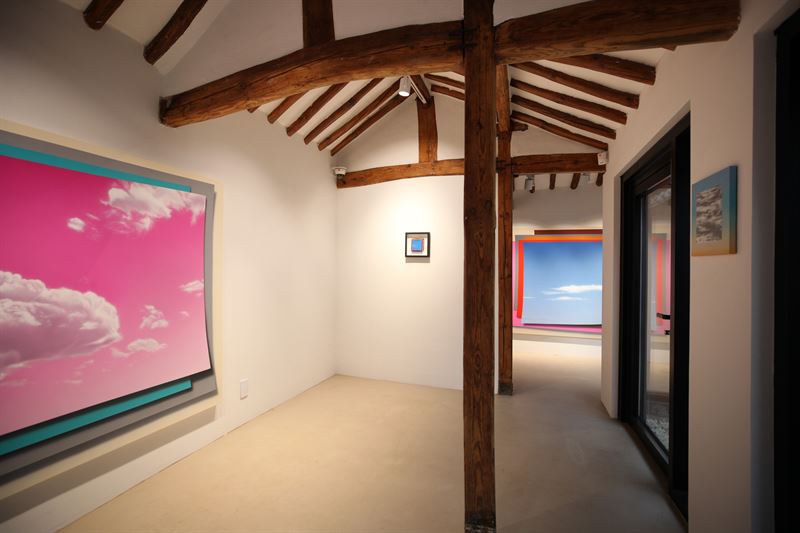
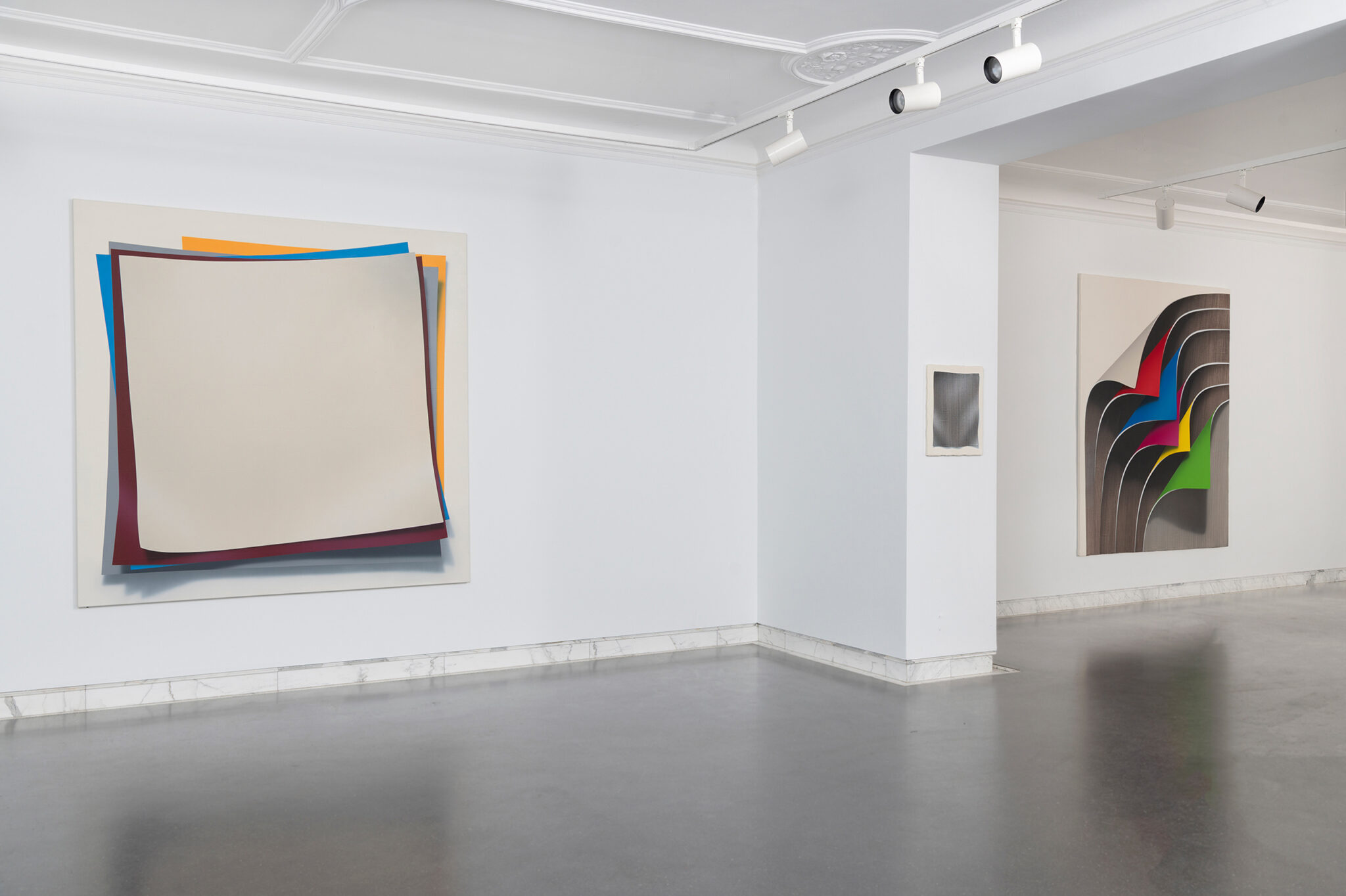
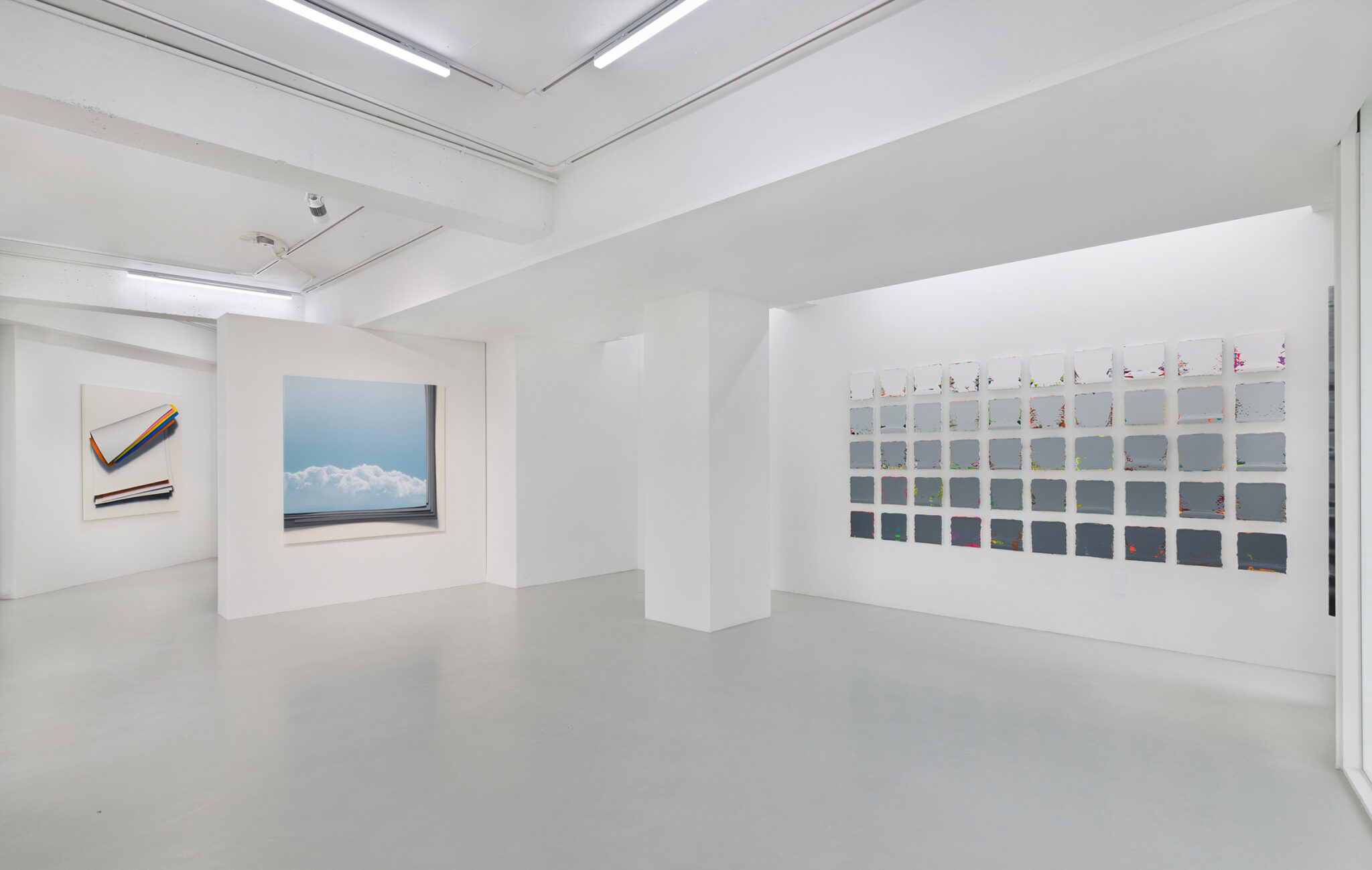
Installation view of 《Code against Frame》 (Laheen Gallery, 2019) ©Laheen Gallery

In his early work, Seong Joon Hong brought photographic images of the digital age into the framework of painting, articulating reflections on the meaning of screen-based imagery and its contexts.
 
As an example, in his first solo exhibition 《Life between line》 (2014), Hong reinterpreted space using images collected through a camera, attempting to expand the significance of painting. From around 2018 onward, he further developed these explorations, beginning to foreground questions about the relationship between the act of seeing and the subject who sees.


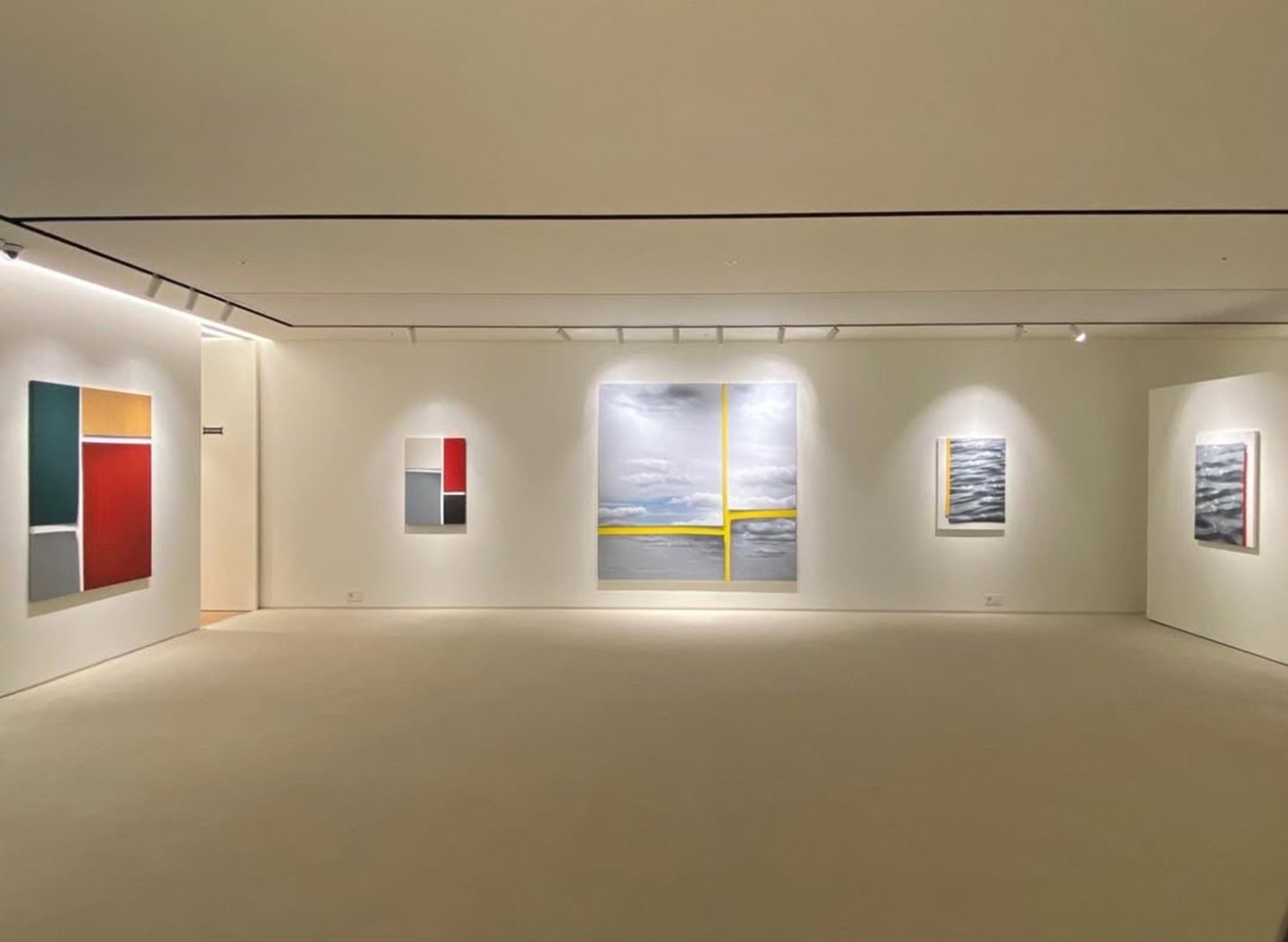
Installation view of 《Code against Frame》 (Laheen Gallery, 2019) ©Laheen Gallery

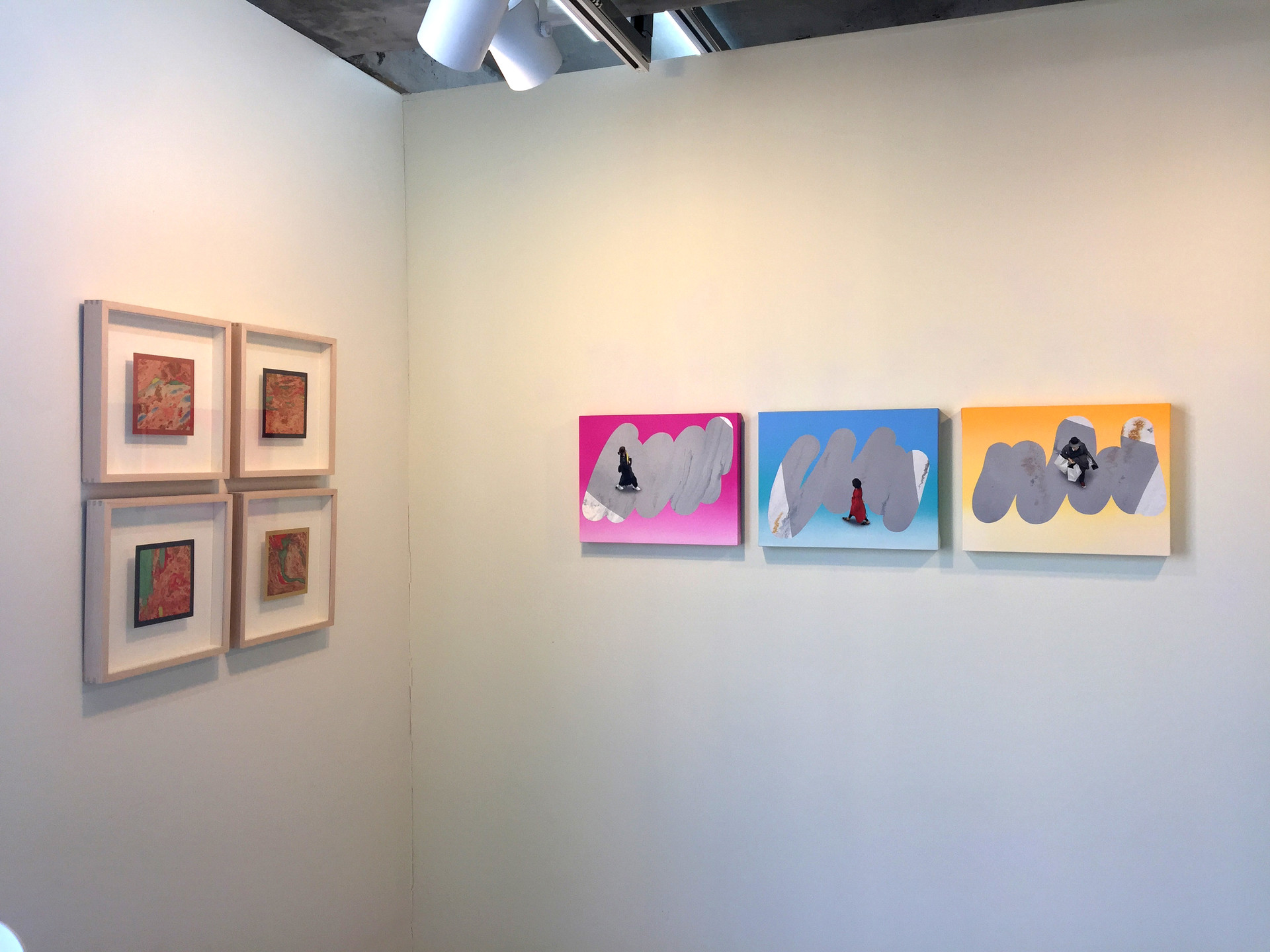
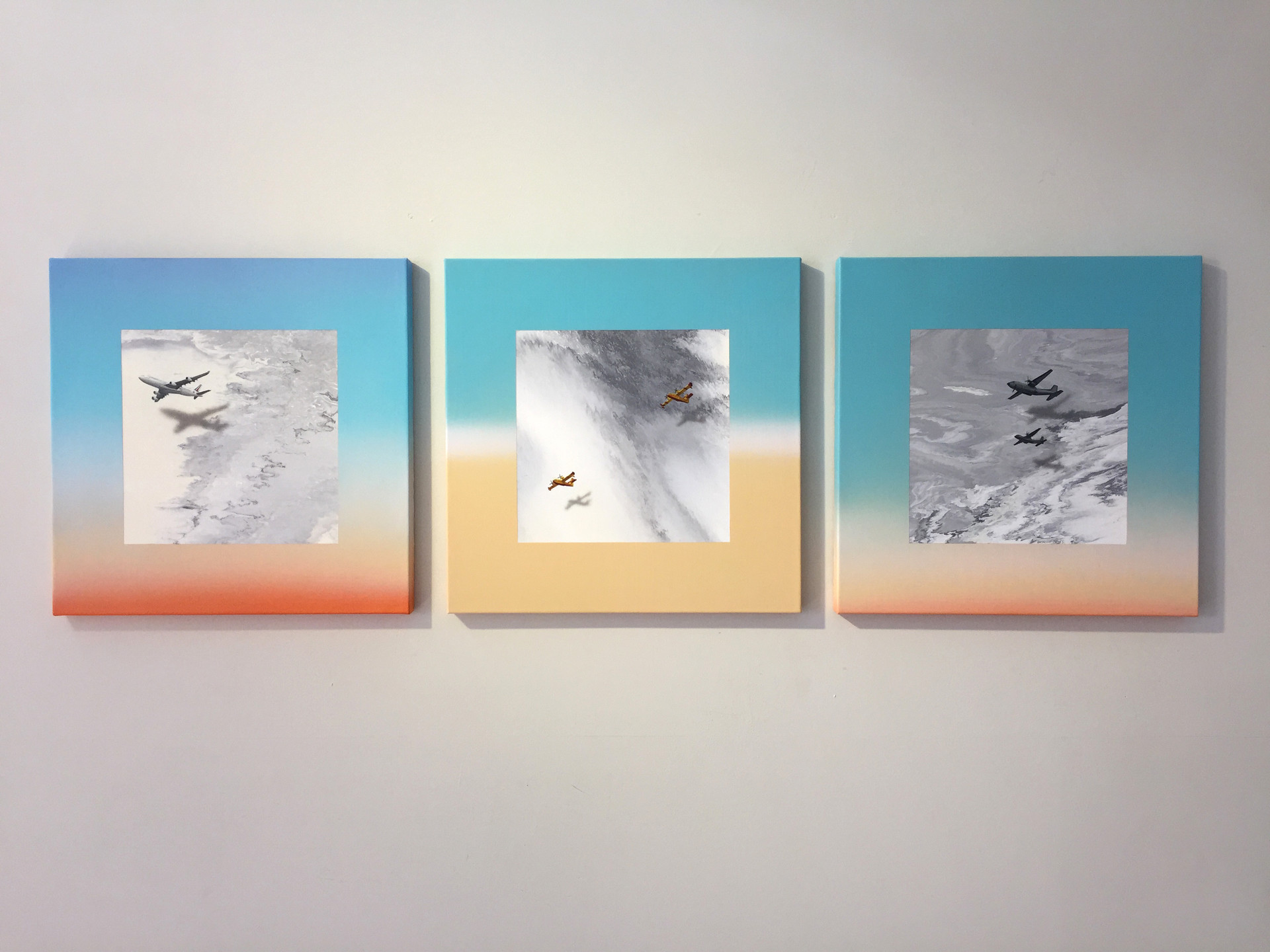
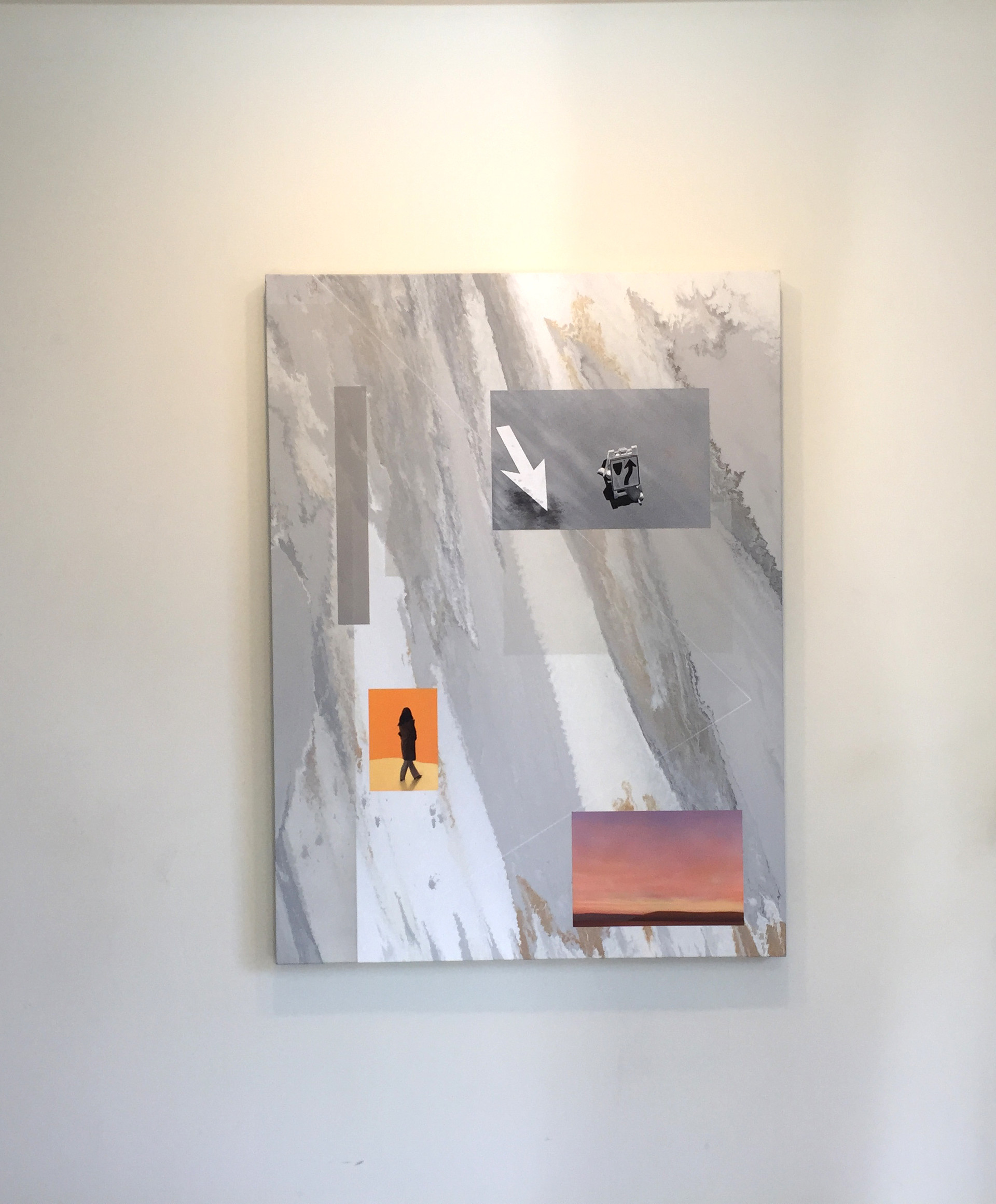
The solo exhibition 《Code against Frame》 (2019), held at Laheen Gallery, began with skepticism toward the act of “seeing” and challenges the concept of painting through painting itself. Hong posits the canvas—one of the core elements of painting—as a kind of “window” or “frame,” and inserts another frame within the canvas-as-frame.
 
This structural approach stems from the assumption that the act of seeing may be intuitively acquired through the harmony of surface forms and colors, rather than through deeper cognition.

Installation view of 《Code against Frame》 (Laheen Gallery, 2019) ©Laheen Gallery

Seong Joon Hong’s paintings guide the viewer’s gaze through their smooth canvases—frames that function almost like camouflage. In place of the artist’s personal signatures, such as visible brushstrokes or pronounced materiality, the surfaces are overlaid with skins that resemble other objects.
 
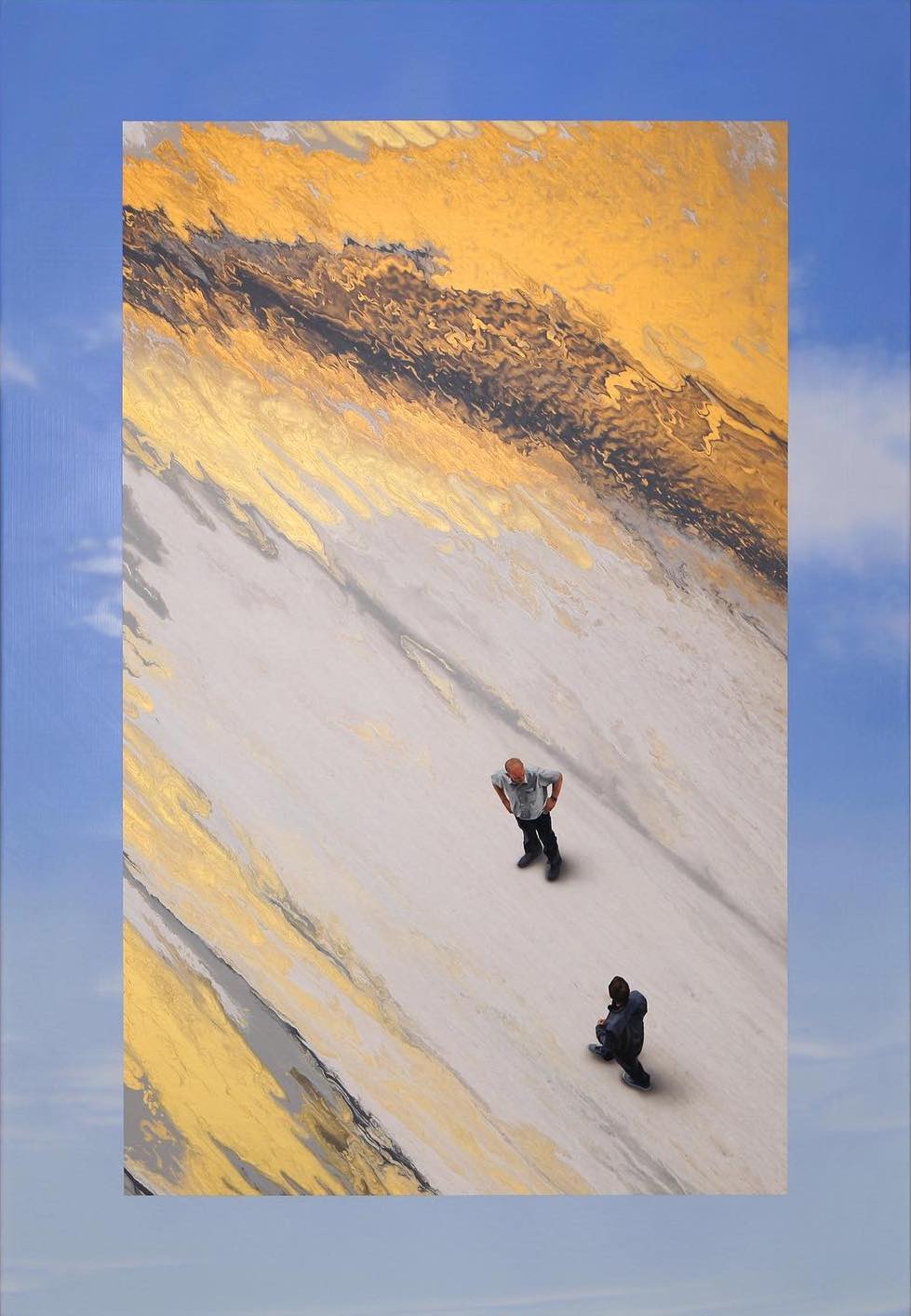
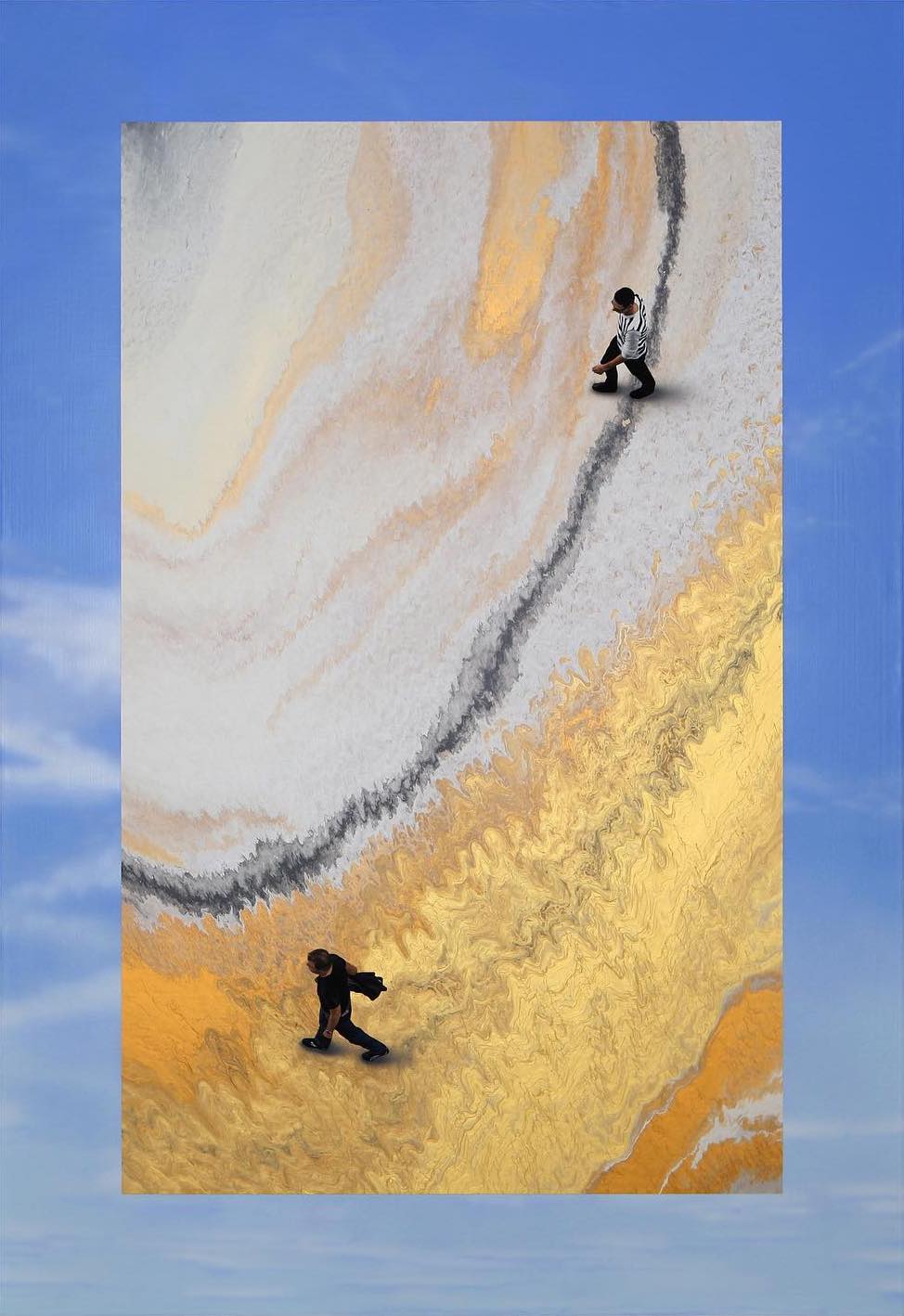
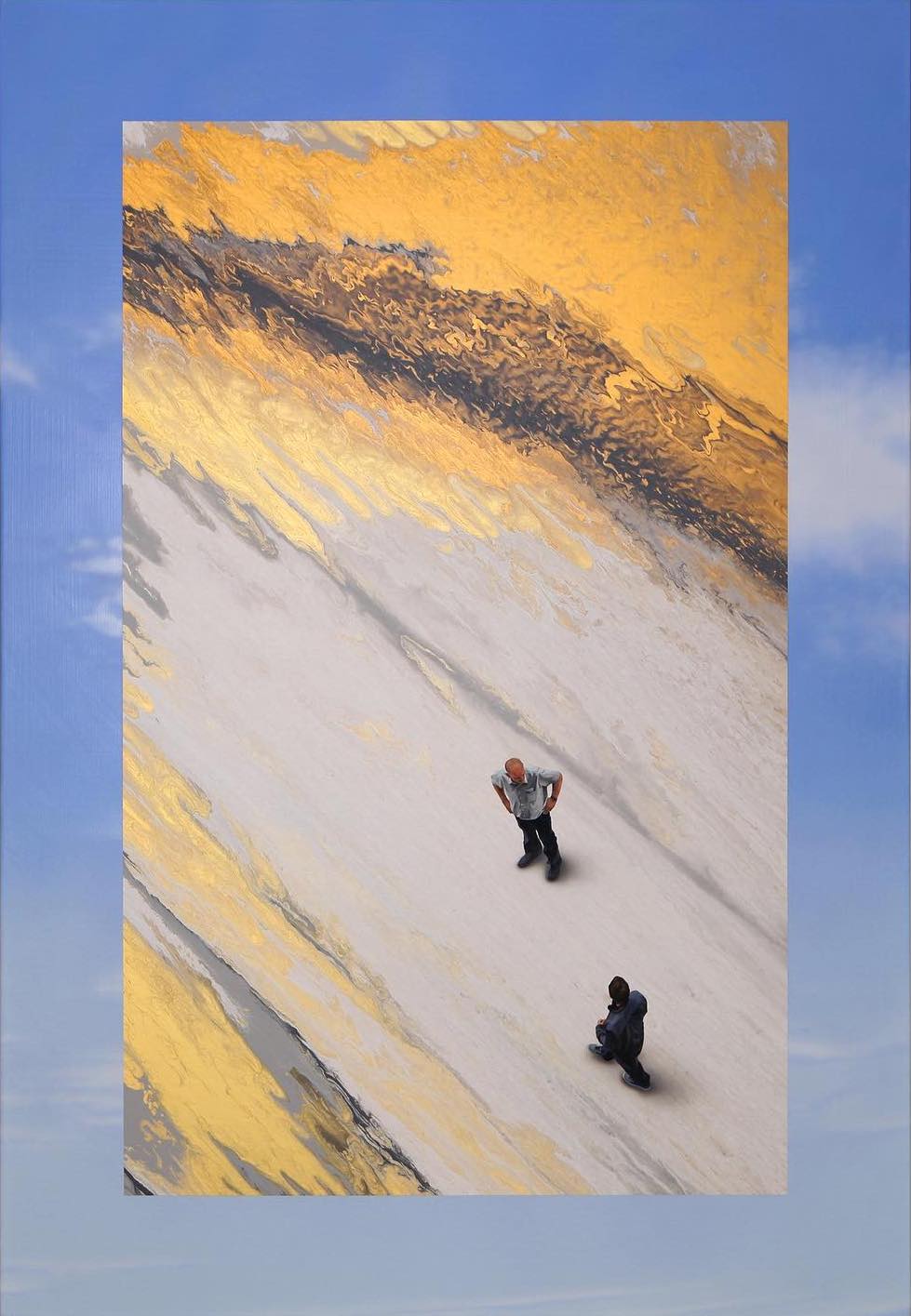
The canvas surfaces, which appear marble-like, are created by applying acrylic paint of a carefully controlled consistency in a single motion using a marbling technique, then tilting and shaking the canvas before the paint dries. In addition, the artist applies gel-based acrylic paint onto glass plates, allows it to dry, and peels it off like a skin, collecting these layers as the surfaces of the canvas/frame.

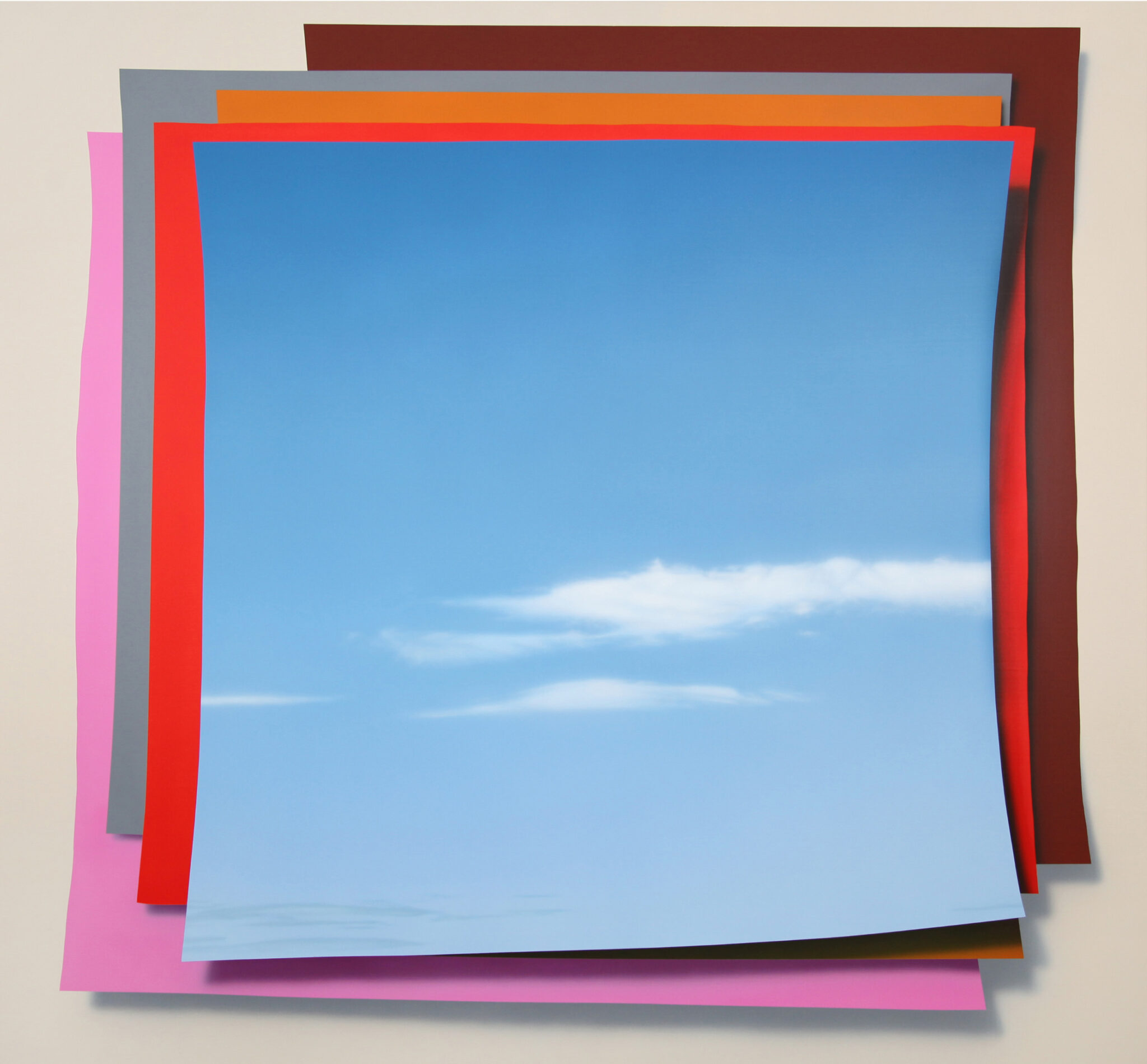
Seong Joon Hong, 1505, 2019, Oil and acrylic on canvas, 116.7x80.3cm ©Seong Joon Hong

The artist then establishes additional frames within the canvas/frame to select and paint images, which are themselves composed of photographs he has taken. Accumulated over roughly a decade, his personal “IMG” archive forms a collection of intuitive images that have captured his gaze, interests, memories, and sensibilities.
 
These images, imbued with the artist’s subjective identity, are once again selected and summoned into the pictorial frame of painting, where they lose their original temporality and spatiality. At this stage, the criteria for selection lie solely in visual conditions intrinsic to painting, such as color and form.


Seong Joon Hong, 1501, 2019, Oil and acrylic on canvas, 116.7x80.3cm ©Seong Joon Hong

The “IMG” archive, which begins from a subjective and private viewpoint, is thus objectively categorized and transformed into referential elements. Ultimately, it is reconstructed as a surface element of the pictorial frame of painting, and once exhibited as a work, it becomes a public image that generates new contexts.
 
In this way, Seong Joon Hong has focused on layering surfaces within the picture plane as both an exploration of the materiality of painting and an experiment in contemporary visual perception, attending to the act of producing new contexts.


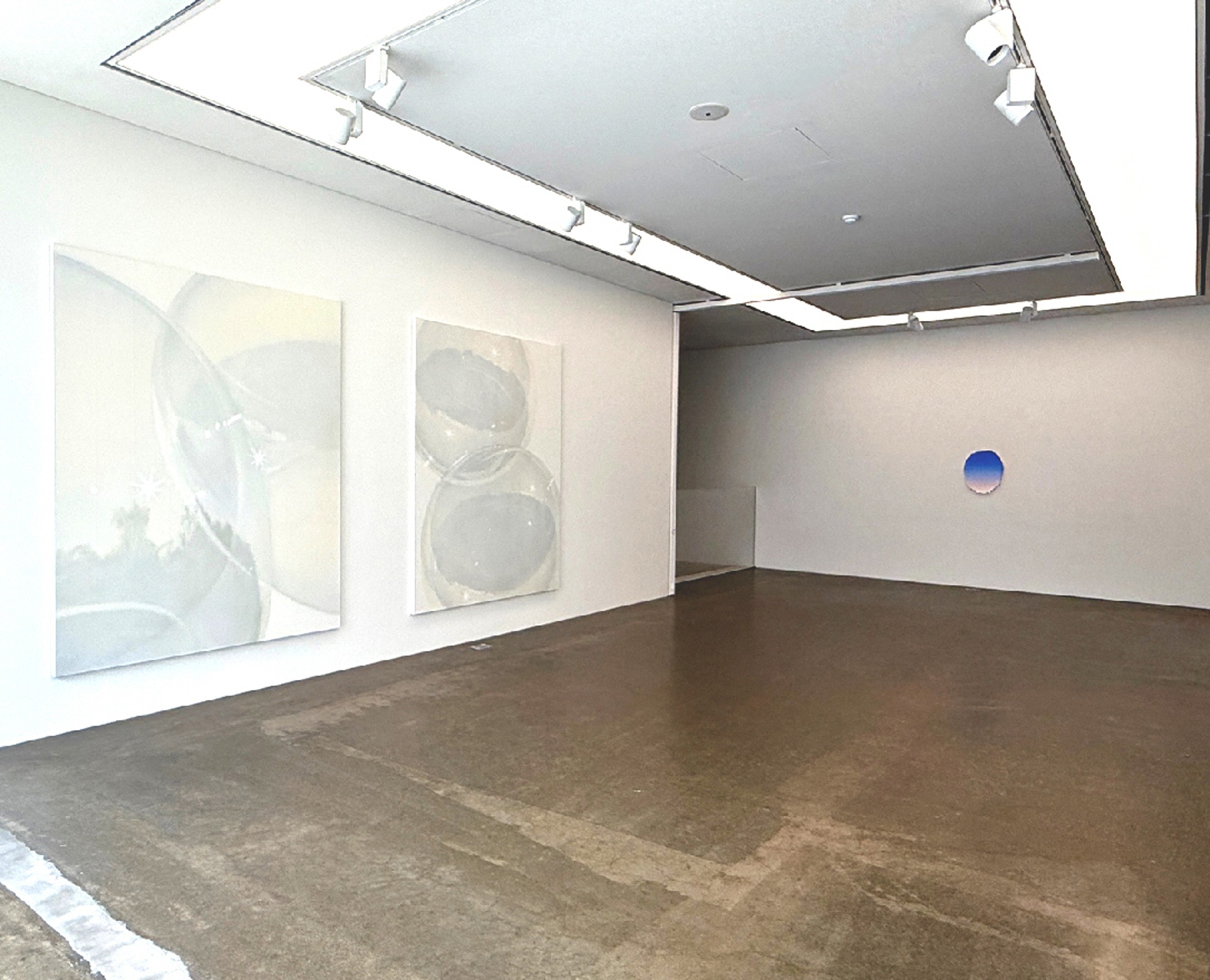
Installation view of 《Layers》 (Hakgojae I Design Project Space, 2020) ©Hakgojae Gallery

Furthermore, in the solo exhibition 《Layers》 (2020) at Hakgojae I Design Project Space, Hong explored the layered structure of painting to depict the sky and the sea—subjects that are inherently difficult to witness in their entirety. Framed within rectangular confines, these portraits of vast nature appear strangely unfamiliar. Composed of countless layers of air and water, the natural landscape is condensed on his canvas into thin skins of paint.


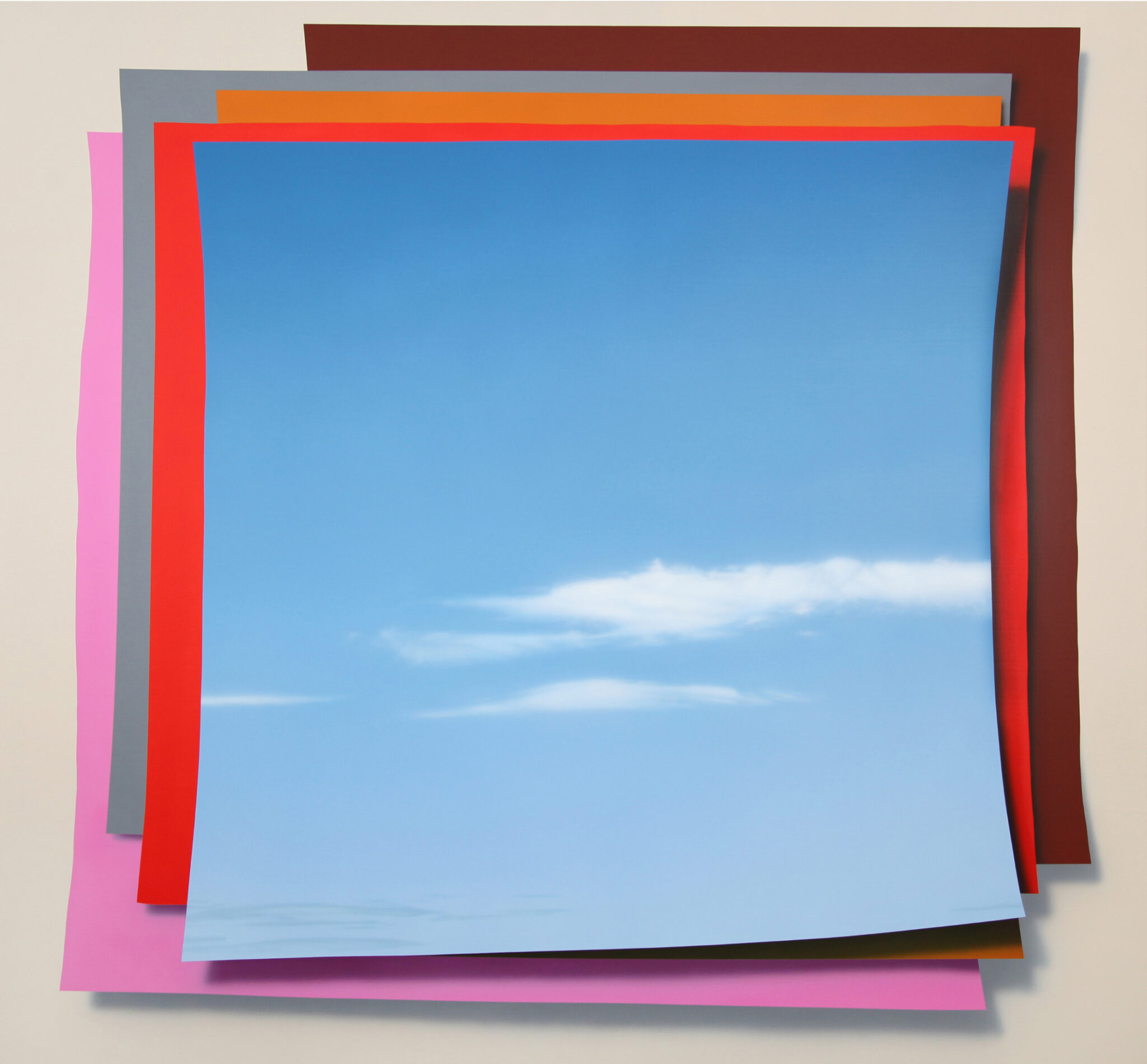
Seong Joon Hong, Study layers 01, 2020, Acrylic on canvas, 162.2x150cm ©Seong Joon Hong

Seong Joon Hong uses the camera and the brush as his tools to once again fix fleeting impressions that flow like air and water. In this process, the original subject is continuously distorted, and into every emptied gap the emotions of the present seep in.
 
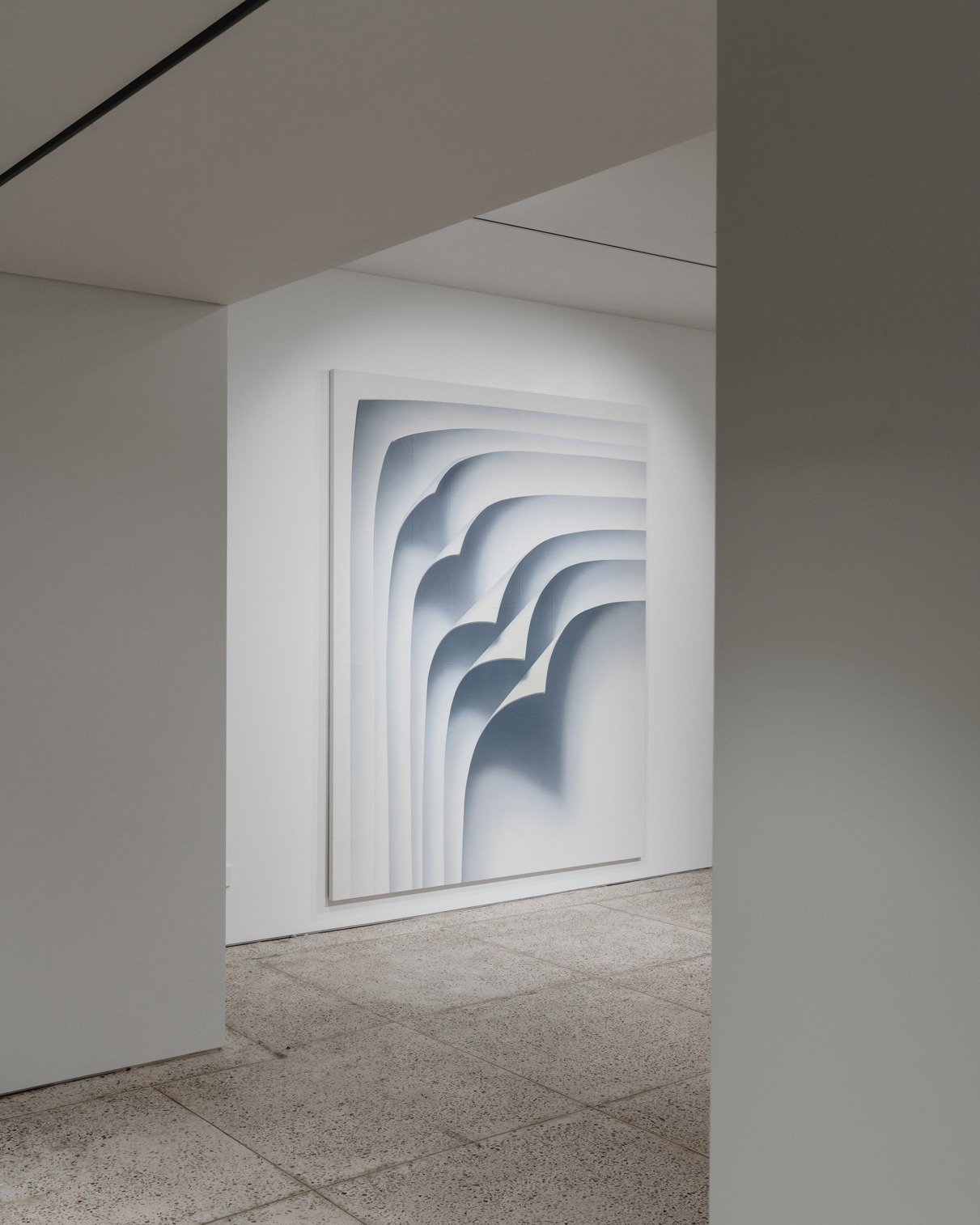
Among the works presented in the exhibition, the ‘Study Layers’ (2020) series visualizes the process of selecting subject matter. Hong arranges scenes sequentially according to the clarity of memory and stacks restrained color planes beneath luminous backgrounds. As a result, shallow yet distinct strata emerge on the surface of his paintings—layers that are, in essence, layers of memory itself.


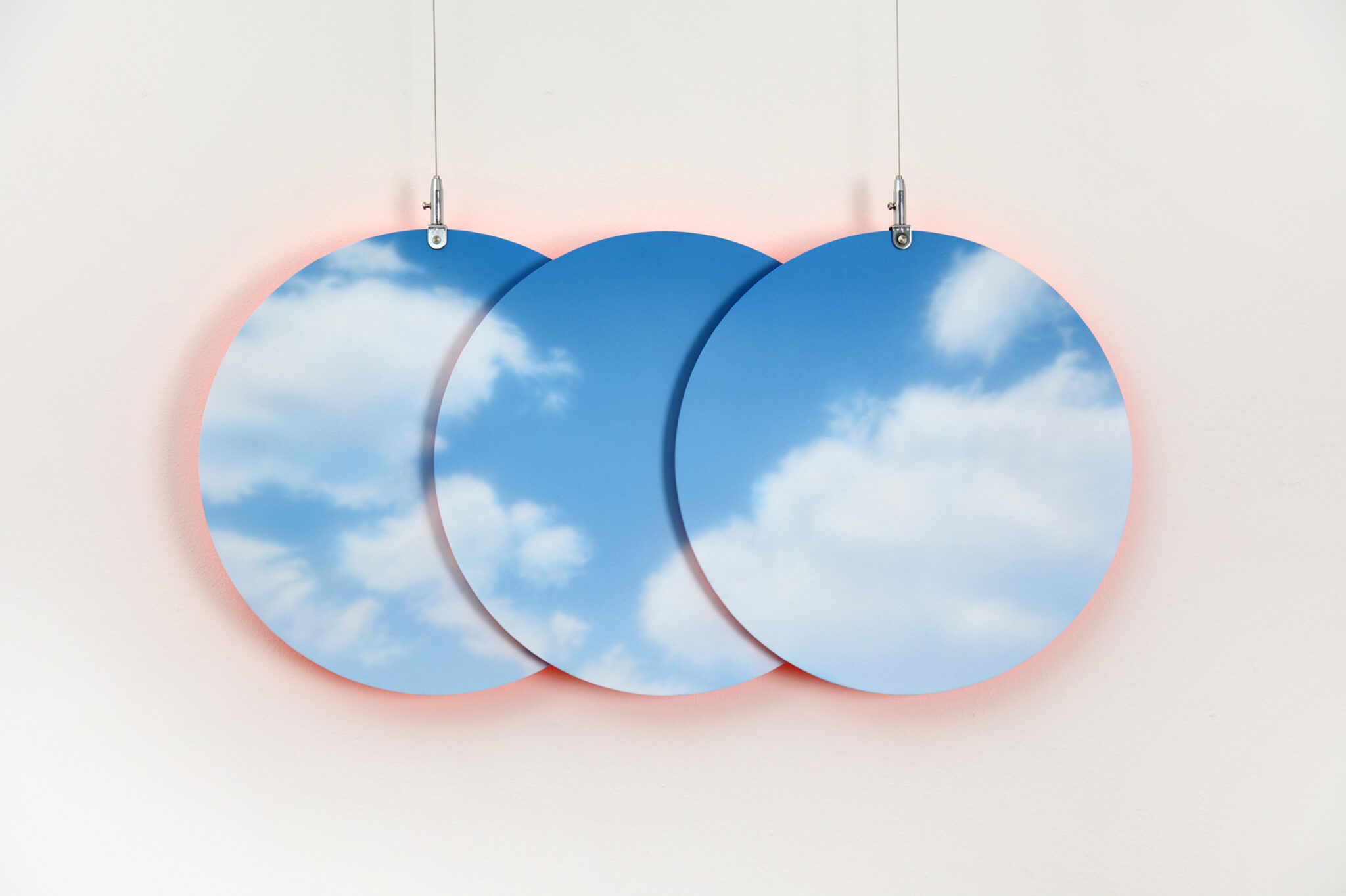
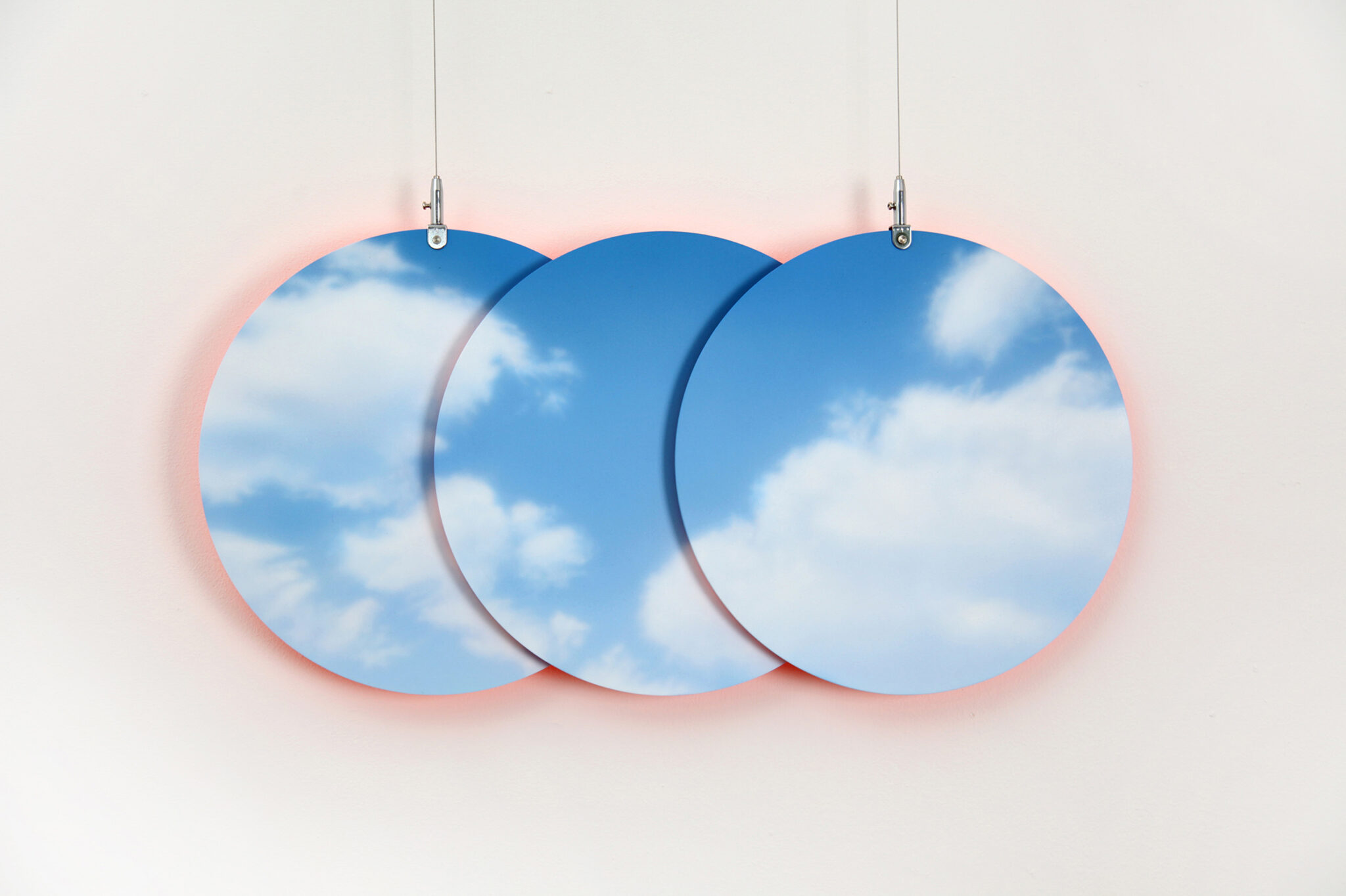
Seong Joon Hong, Study 6413, 2020, Acrylic paint on acrylic, 60x30cm ©Seong Joon Hong

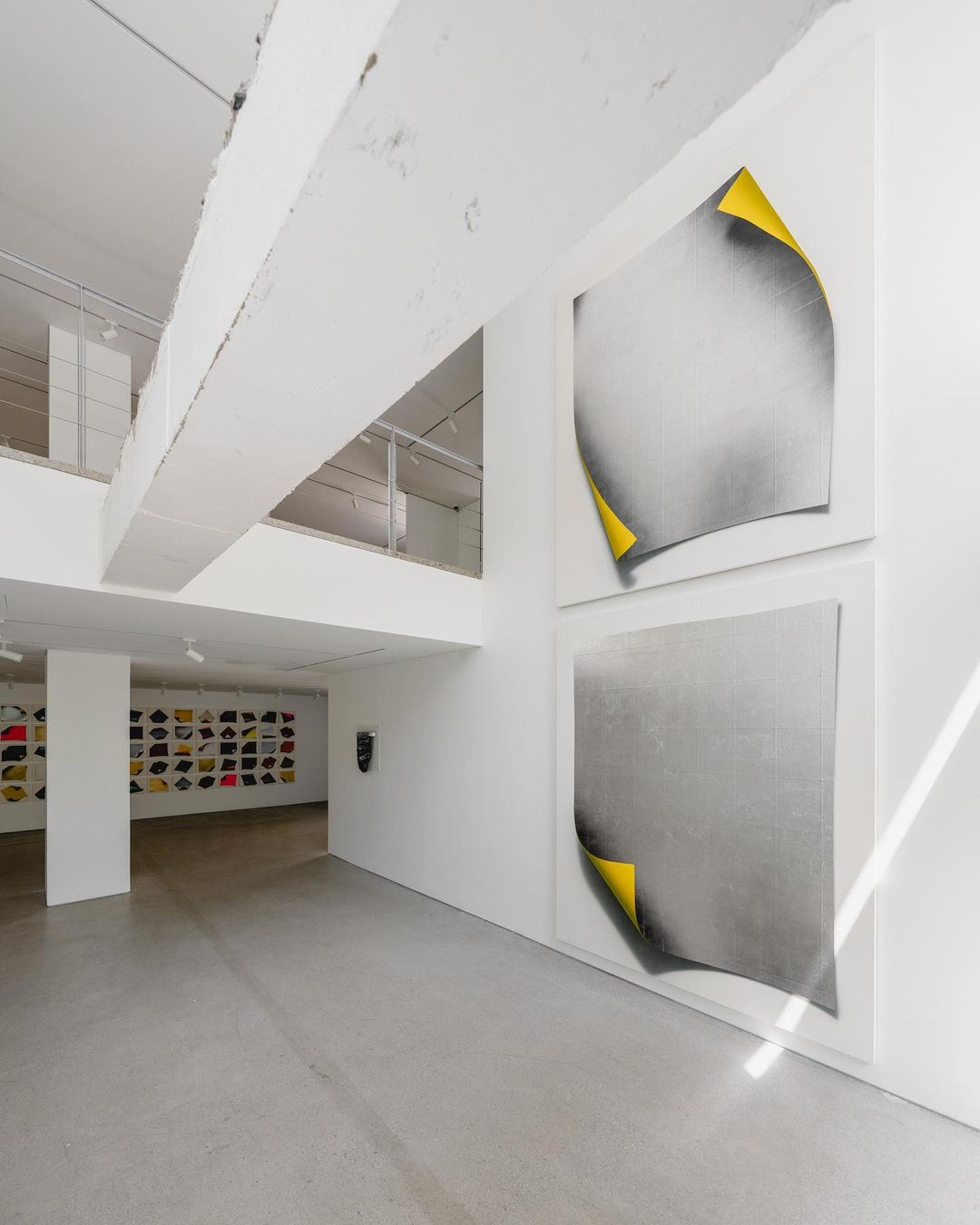
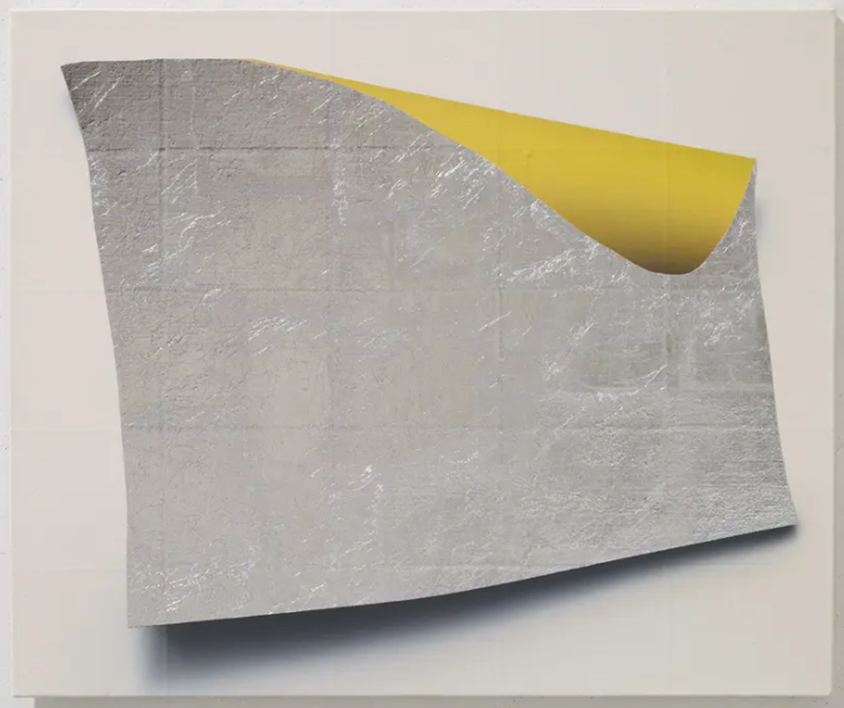
The airbrushed painting series reveals an extremely smooth surface, appearing almost like a flat plane devoid of volume. At the same time, the meticulously rendered, photograph-like landscape imagery is paired with curled paper edges and the shadows they cast, generating a sense of depth and dimensionality.
 
In contrast, the object series created by building up thick layers of paint amplifies the stratified structure of painting, as if modeling its geological layers. For instance, Study 6413 (2020) presents a hybrid of two-dimensional and three-dimensional forms. Shaped after a telescopic field of view, the work symbolically expresses the layering of vision through the assemblage of circular acrylic boards.


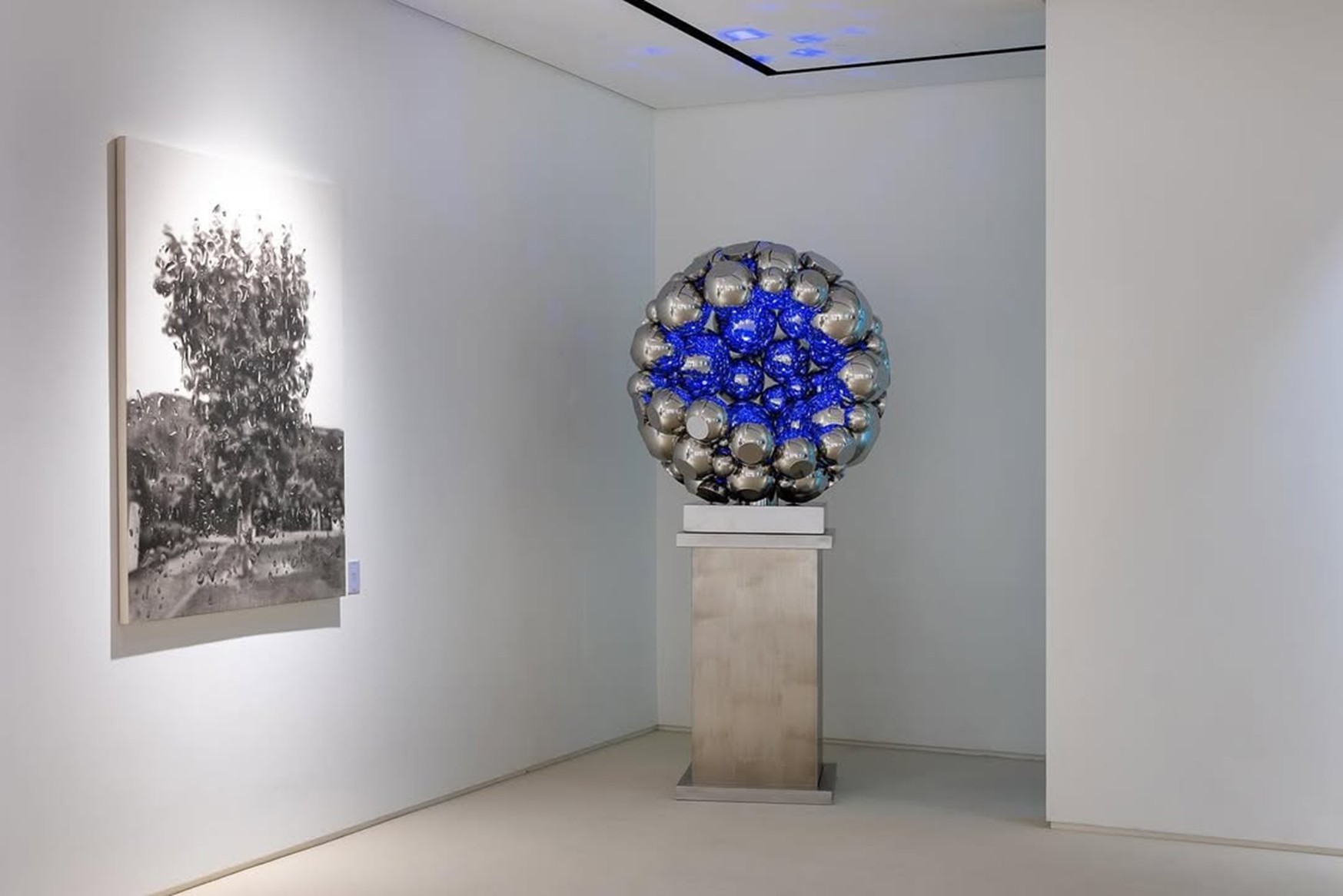
Installation view of 《Flowing layers》 (Pipe Gallery, 2022) ©Pipe Gallery

In this way, Seong Joon Hong’s practice moves fluidly between two-dimensional and three-dimensional forms. What is particularly striking is that he applies opposing methodologies when working in each mode.
 
For example, when developing flat works, rather than searching for images that correspond to specific keywords, the artist first fabricates various three-dimensional structures. He then conceives the work in a direction suited to the picture plane through photographic techniques. Conversely, in his three-dimensional works, Hong begins by sketching abstract images drifting in his mind as if drafting diagrams in a notebook, and reflects on whether the form and material align with the message the work intends to convey.


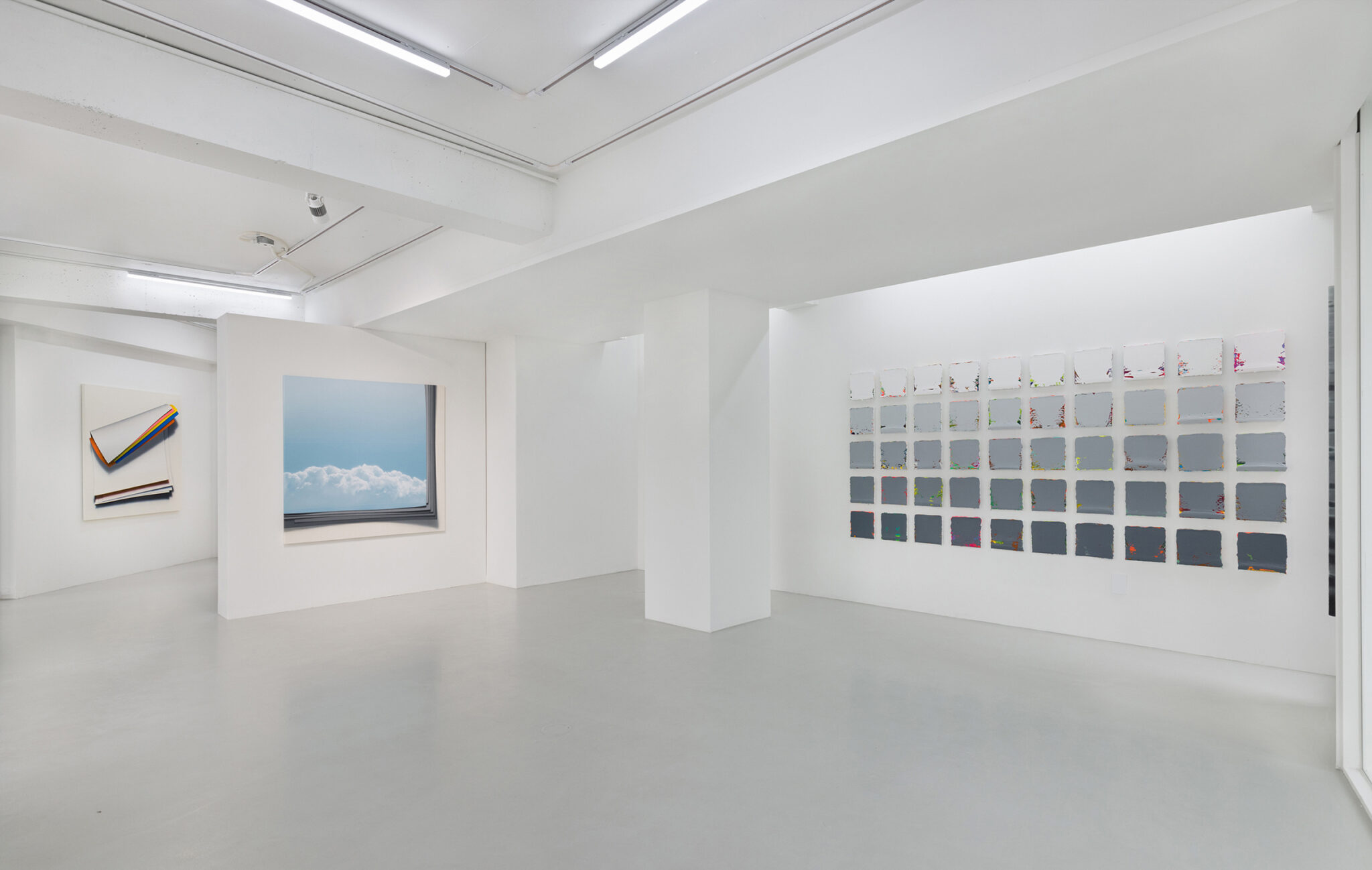
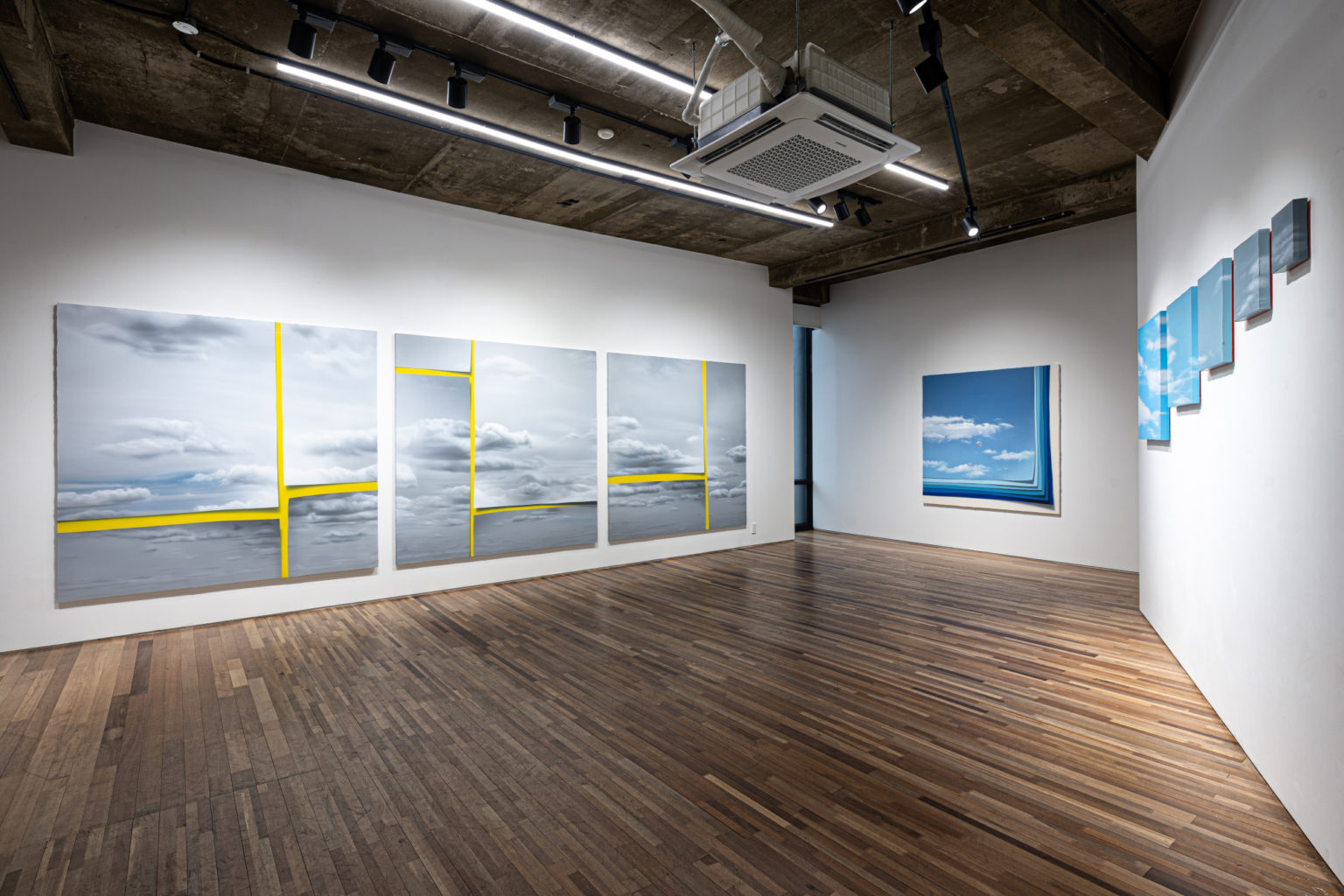
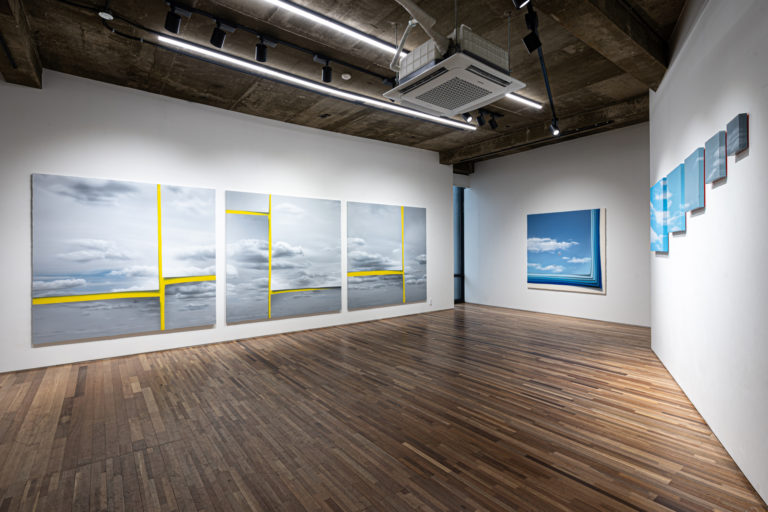
Installation view of 《Gazing Between Layers》 (Gallery BHAK, 2022) ©Gallery BHAK

And in his 2022 solo exhibition 《Gazing Between Layers》 at Gallery BHAK, Seong Joon Hong articulated his contemplation of temporality as it can be sensed between accumulated layers.
 
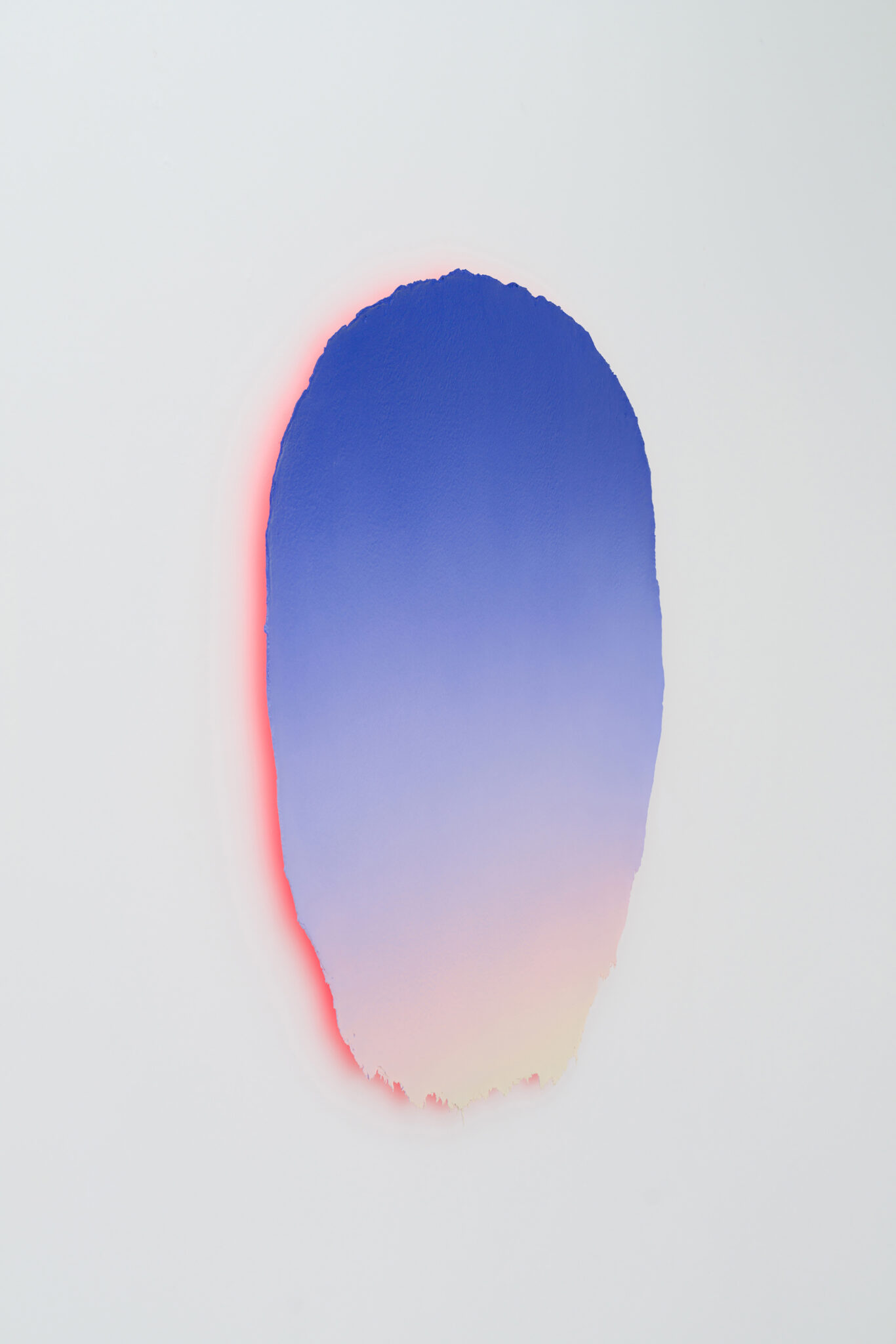
Pigment sprayed onto the surface with an airbrush without friction against the canvas; combinations of hanji paper and fabric overlaid on the canvas; traces of paint that have seeped beyond the canvas and solidified; and the neon glow cast onto the wall by fluorescent paint applied to the back of the canvas—all these diverse materials and tools are mobilized to build up layers.
 
The surfaces of these layers come together to form a sense of time akin to that of stratified geological sediment.


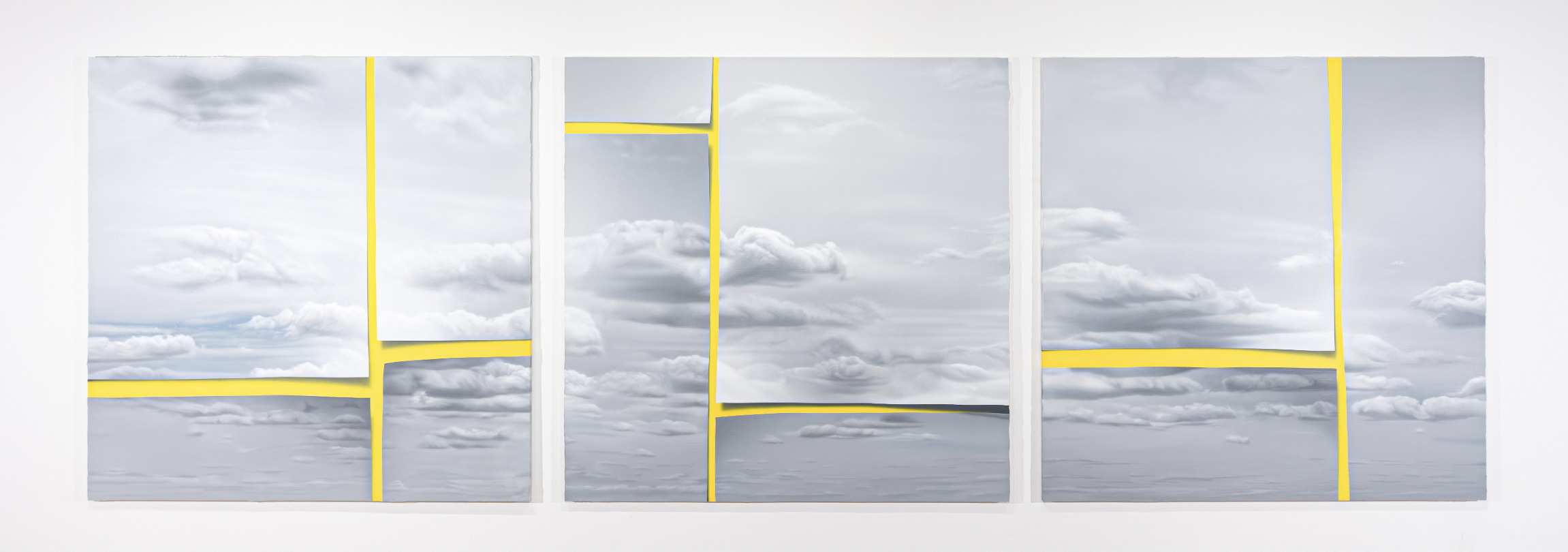
Seong Joon Hong, Study layers 40, 41, 42, 2022, Acrylic on canvas, 201x603cm ©Gallery BHAK

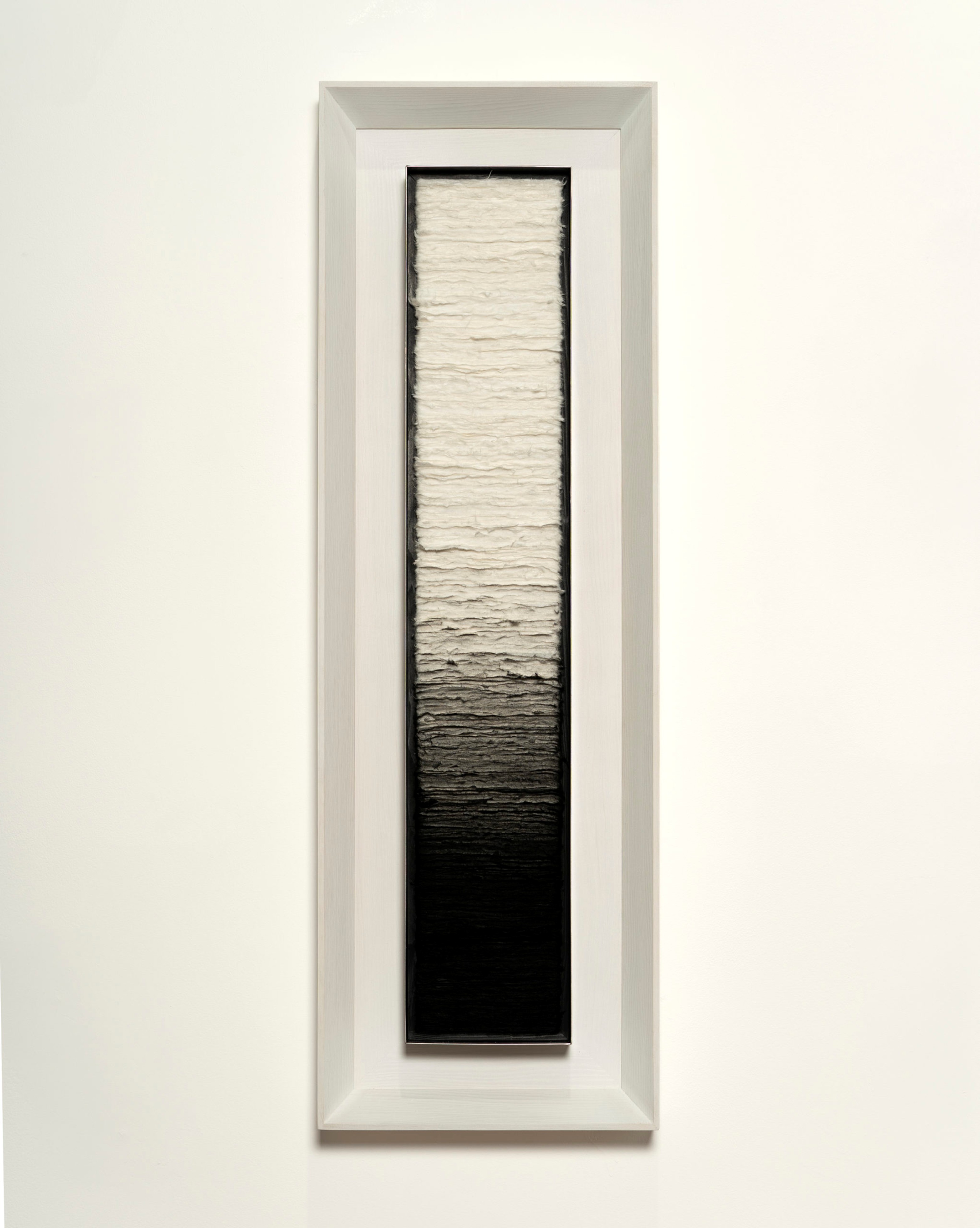
These concerns are clearly articulated in the black-and-white drawings Study Layers 40, 41, 42, which evoke the sensation of recalling the past; in the installation Condensed Layer (Wave_1), where layers of gradated hanji paper are stacked to reveal the condensed energy of accumulated layers; and in Layers of the Air 6-1, 2, 3, 4, 5, 6, in which forms become progressively larger and brighter according to varying degrees and distances of time.
 
Here, the form of time flowing between layers—though invisible to the eye—conveys subtle yet powerful energies that permeate and expand both within and beyond the artworks.


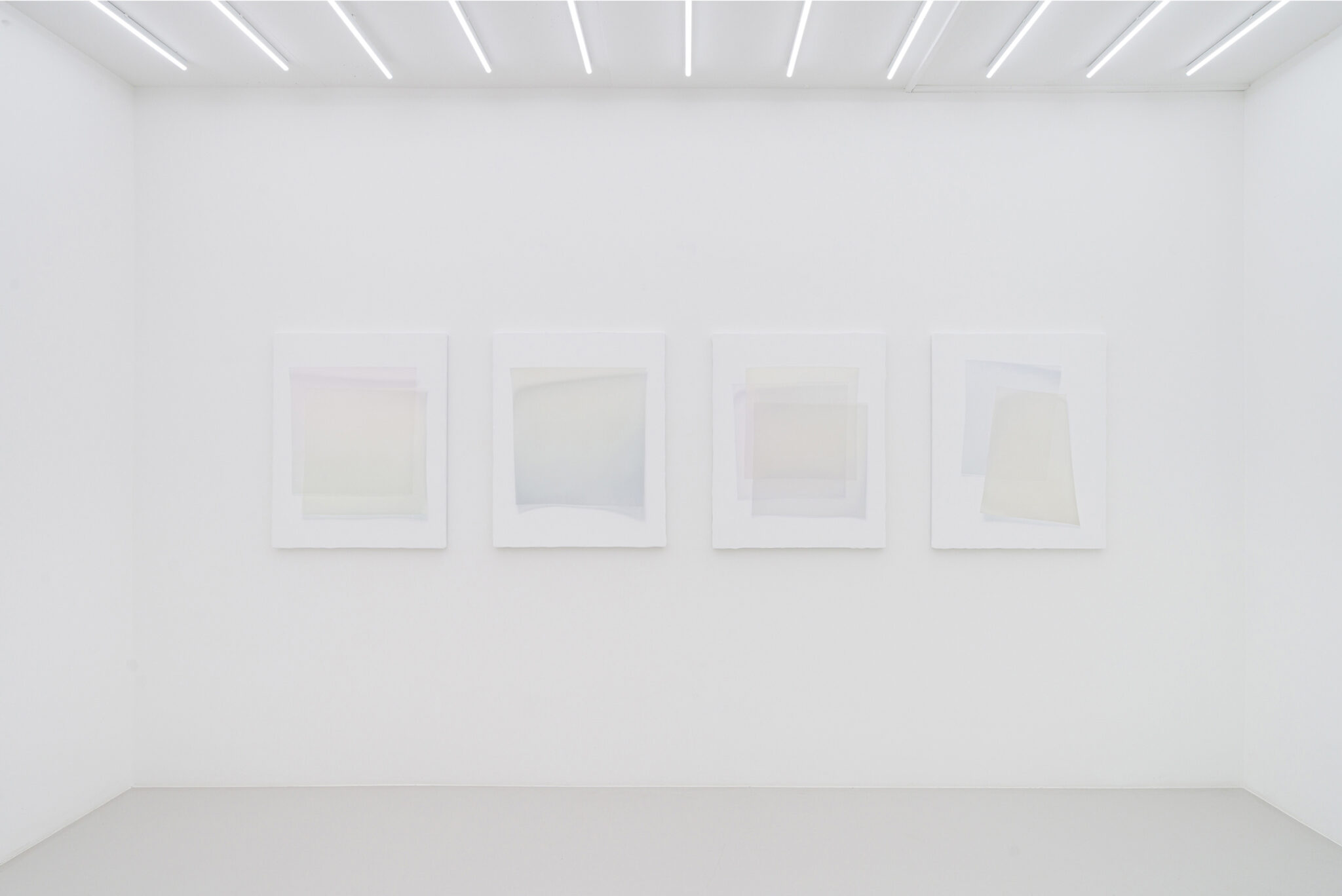
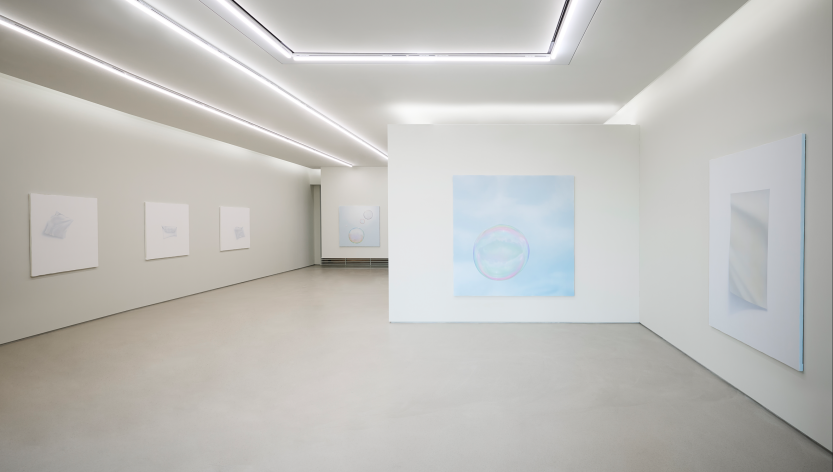
Installation view of 《Flip Over》 (ThisWeekendRoom, 2024) ©ThisWeekendRoom

In the course of developing the ‘Study Layers’ series, Hong has continuously experimented with illusionistic effects and senses of temporality generated by layers built up through a wide range of materials and tools. This line of inquiry advanced a step further in the two-person exhibition 《Flip Over》, held at ThisWeekendRoom in 2024, under the keyword “light and transparent layers.”
 
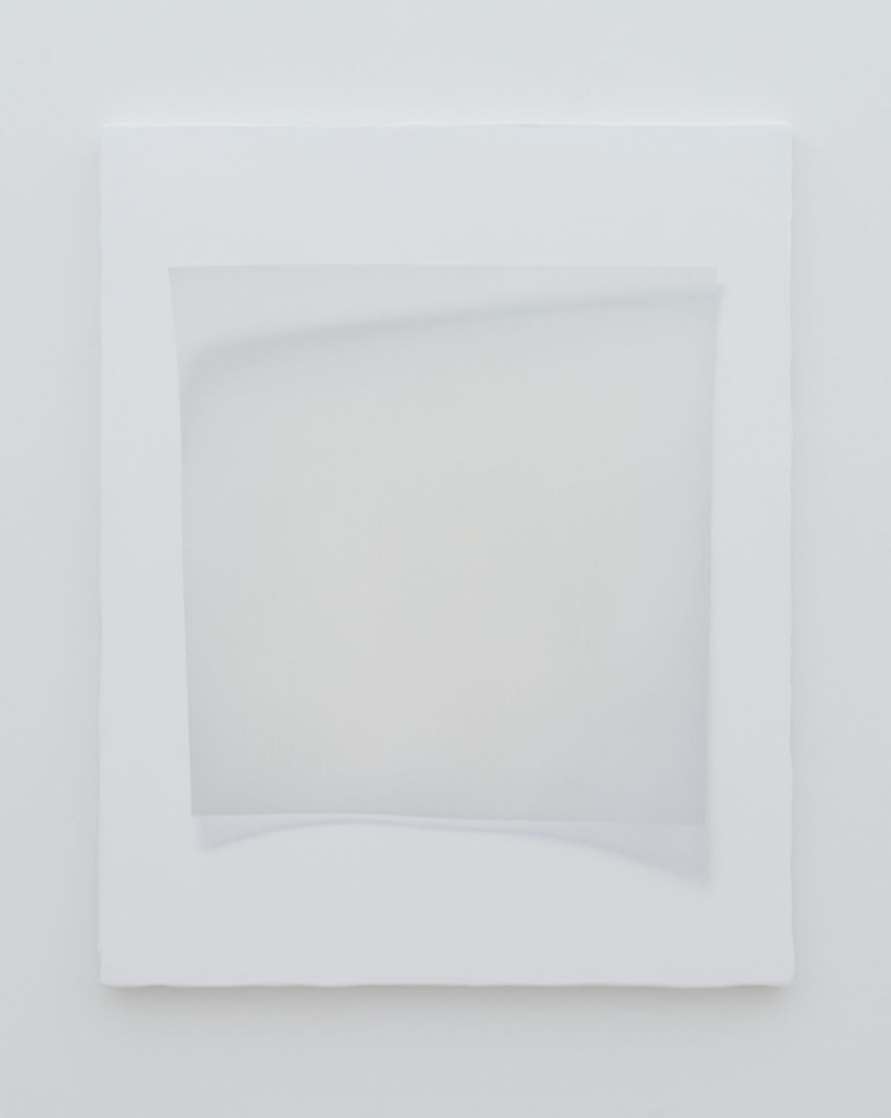
In 《Flip Over》, the ‘Study Layers’ works differed from earlier iterations in that color and imagery largely disappeared, leaving behind silhouettes of layers marked only by faint shadows and transparency. Within the picture plane, subtle chromatic shifts—changing according to the angle at which light meets the surface—create yet another form of illusion.


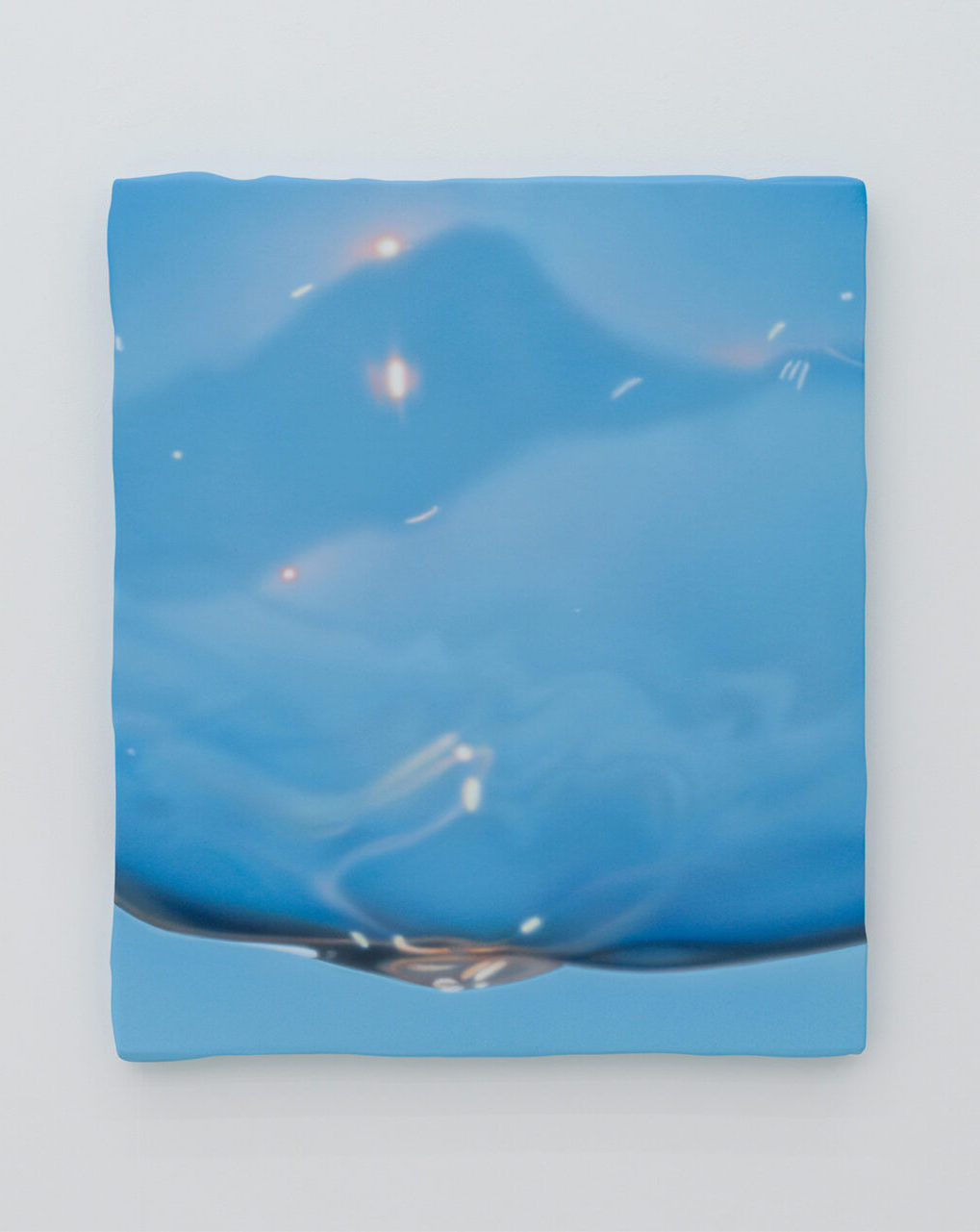
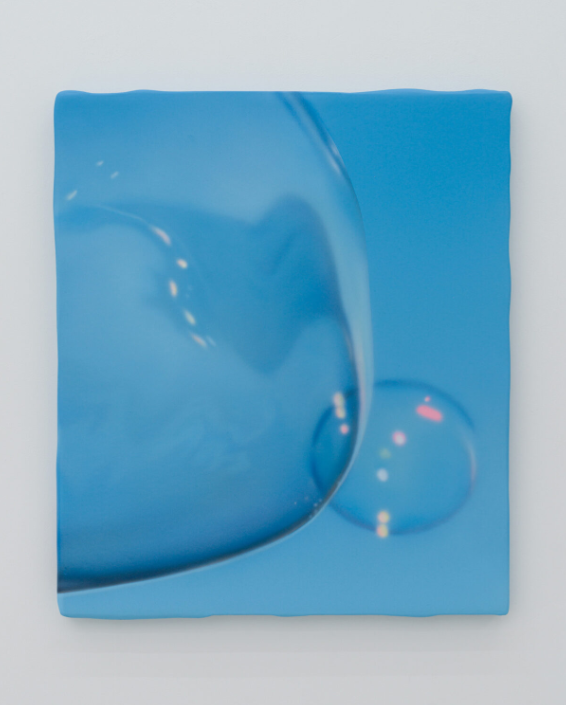
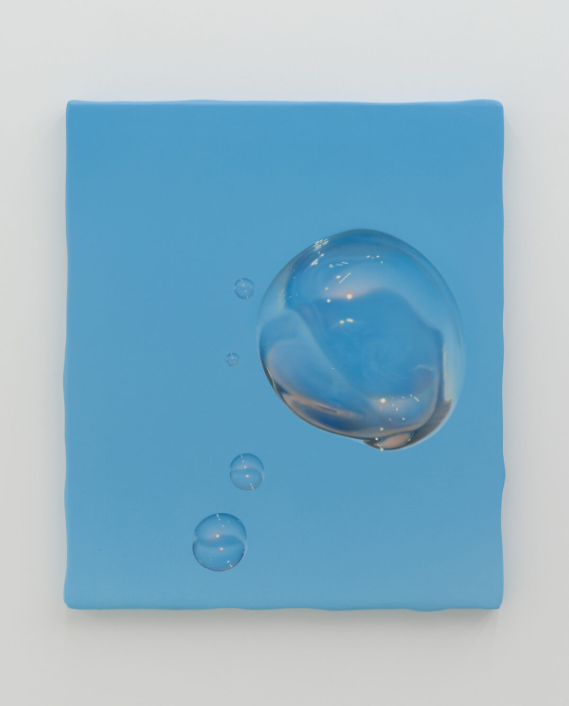
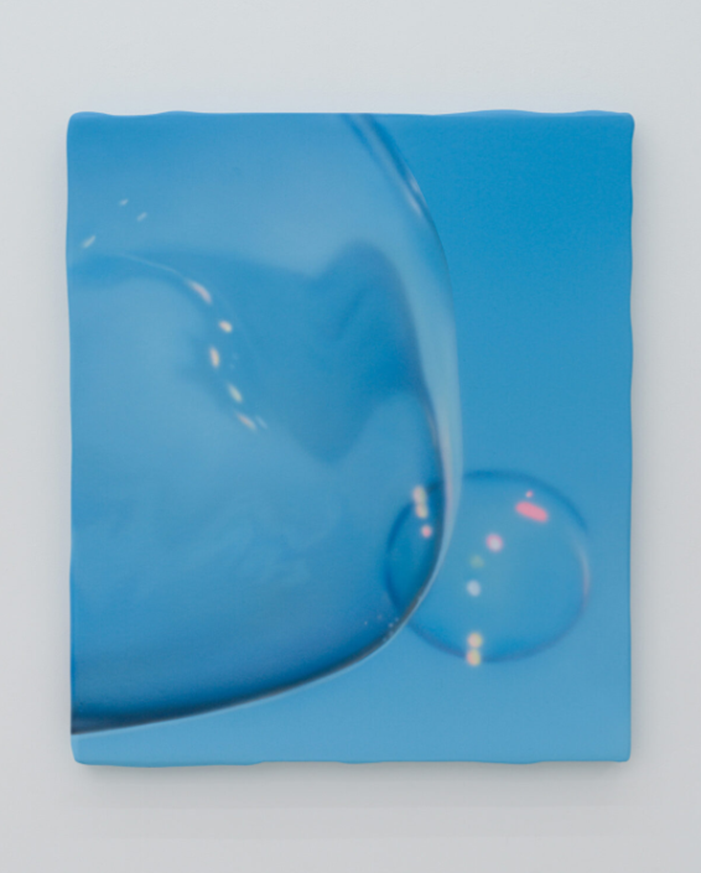
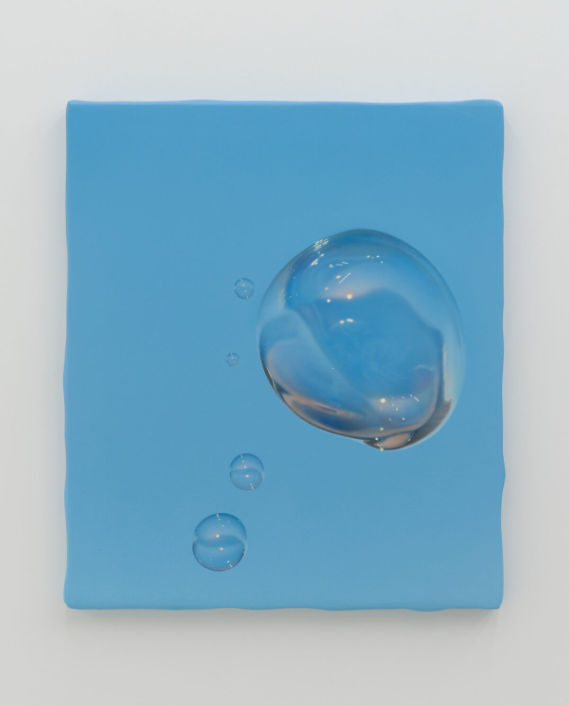
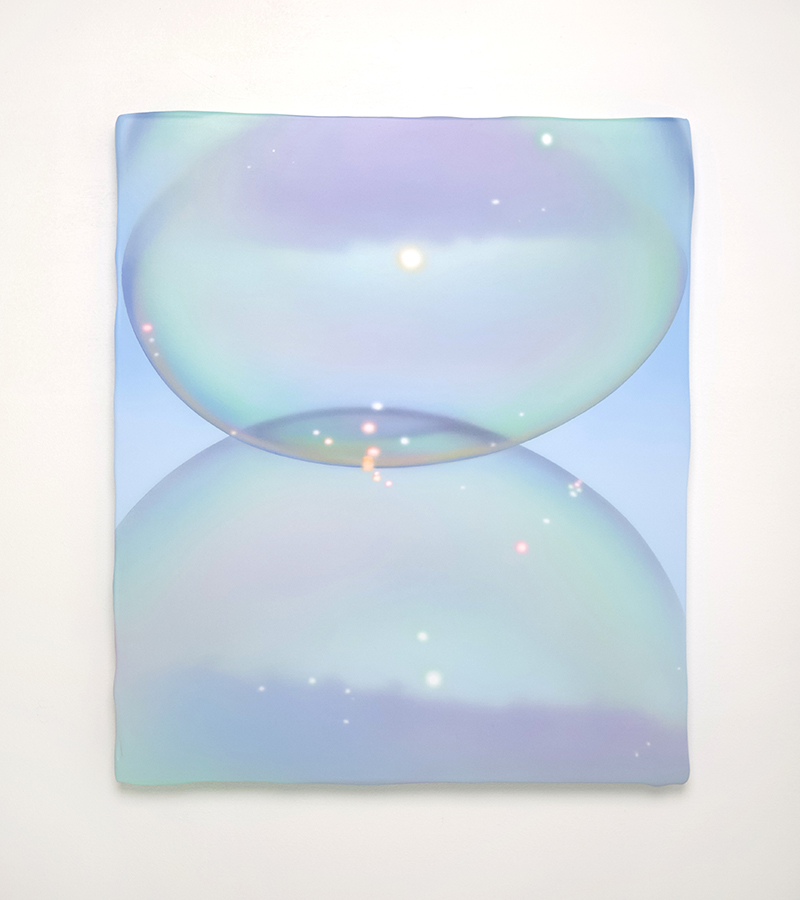
Seong Joon Hong, Layers of the air 21, 2024, Acrylic on canvas, 53x45.5cm ©ThisWeekendRoom

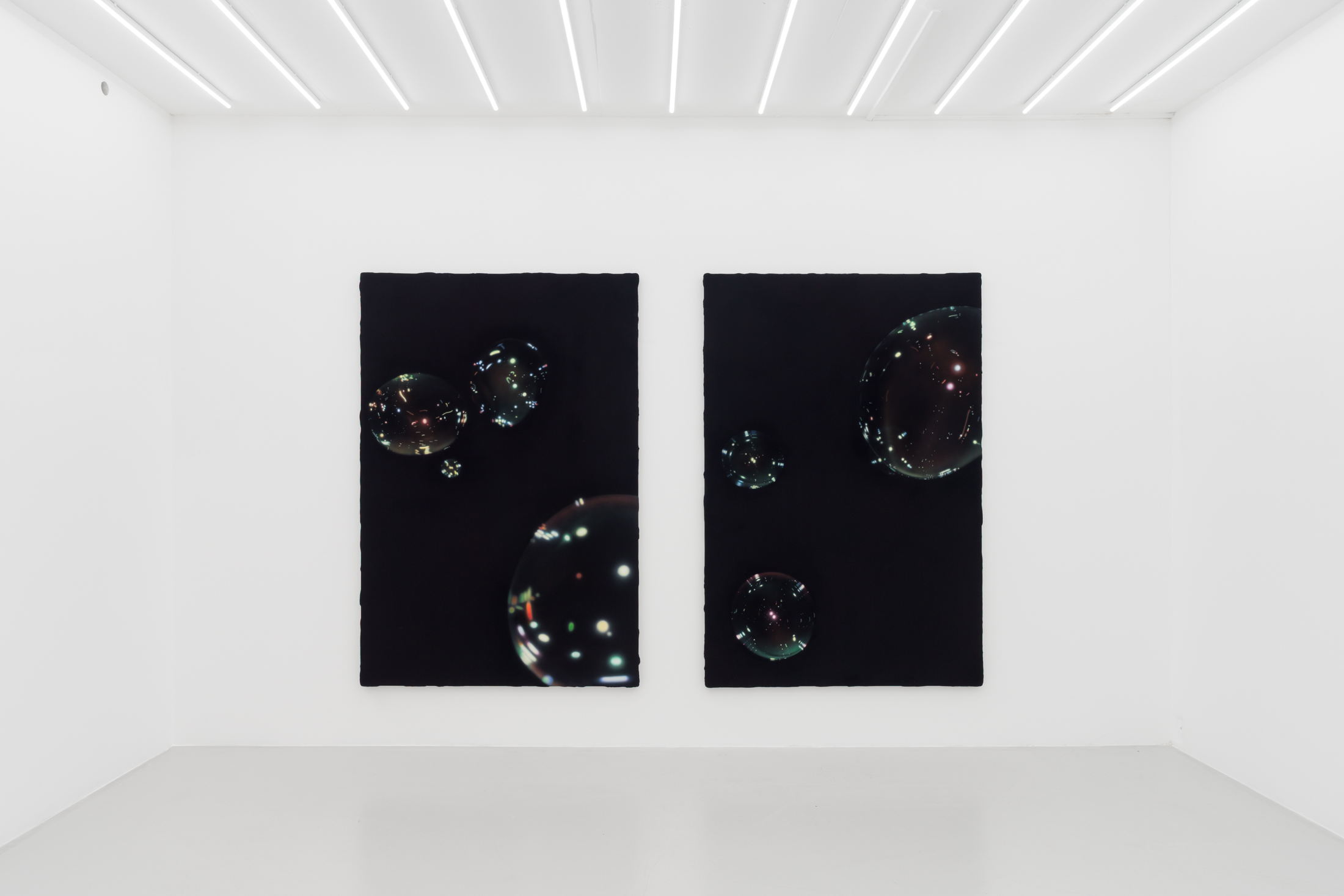
Alongside this, the ‘Layers of the Air’ (2024) series visualizes sensations of transparency and lightness through images of soap bubbles. While soap bubbles had appeared intermittently in earlier works from the ‘Study Layers’ series—previously depicted in their entirety within the pictorial space—in this series the focus shifts to the forms within the bubbles themselves. As a result, their transparent qualities are rendered with even greater emphasis.


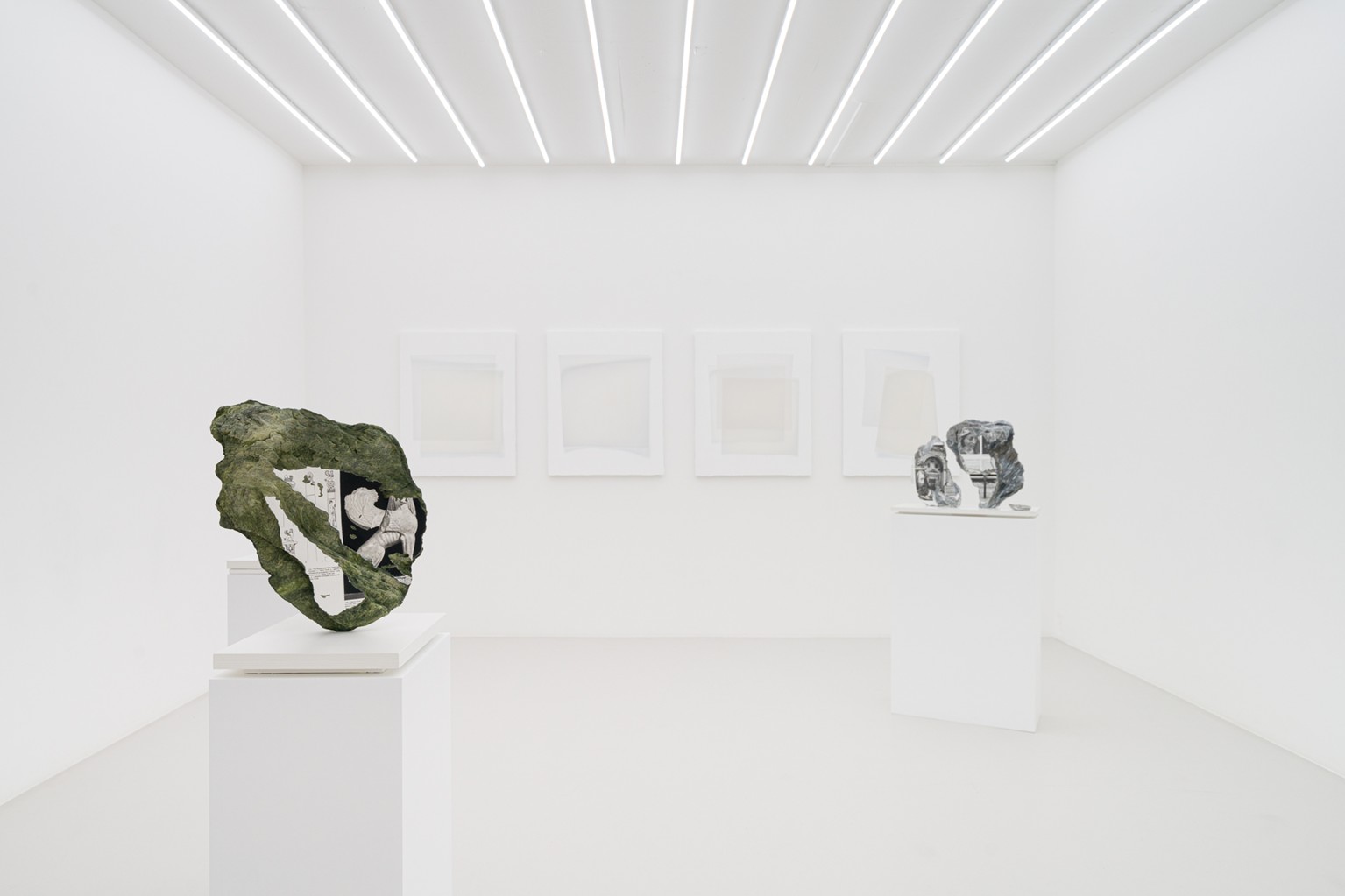
Installation view of 《Study Layers》 (68project, 2024) ©Seong Joon Hong

In this way, Seong Joon Hong has continued to experiment with the notion of the “layer” in painting at the boundary between two and three dimensions, constructing new relational frameworks between visual representation and embodied experience. Through this process, the artist poses questions about how the essence of painting—long developed around the opposing conditions of flatness and illusion—might be understood and redefined today.

 “I believe the unique appeal of painting lies in the combination of materialities that seem impossible to realize on a flat surface, and in its infinite potential to evoke the three-dimensional world.”    (Seong Joon Hong, interview with Marie Claire Korea) 


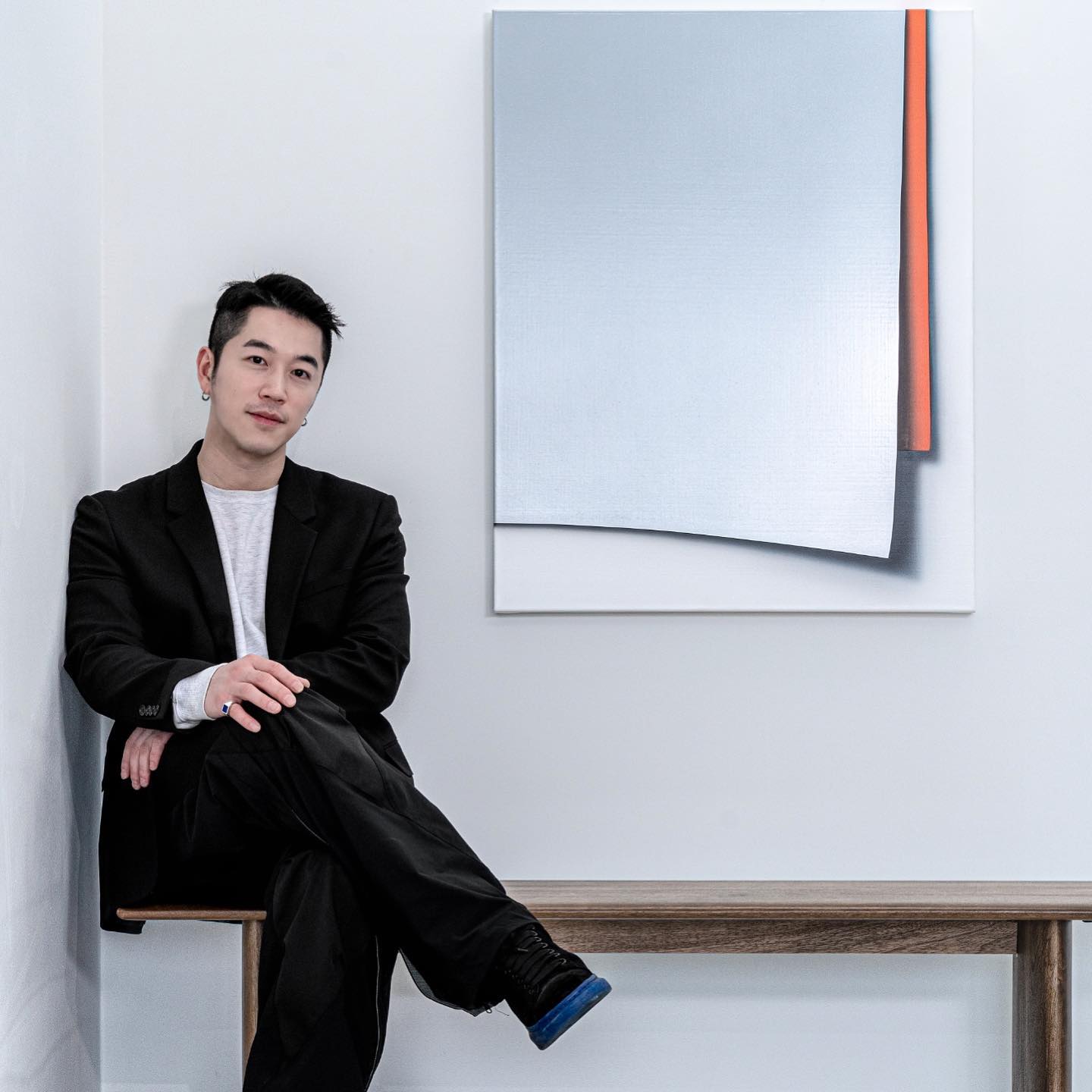
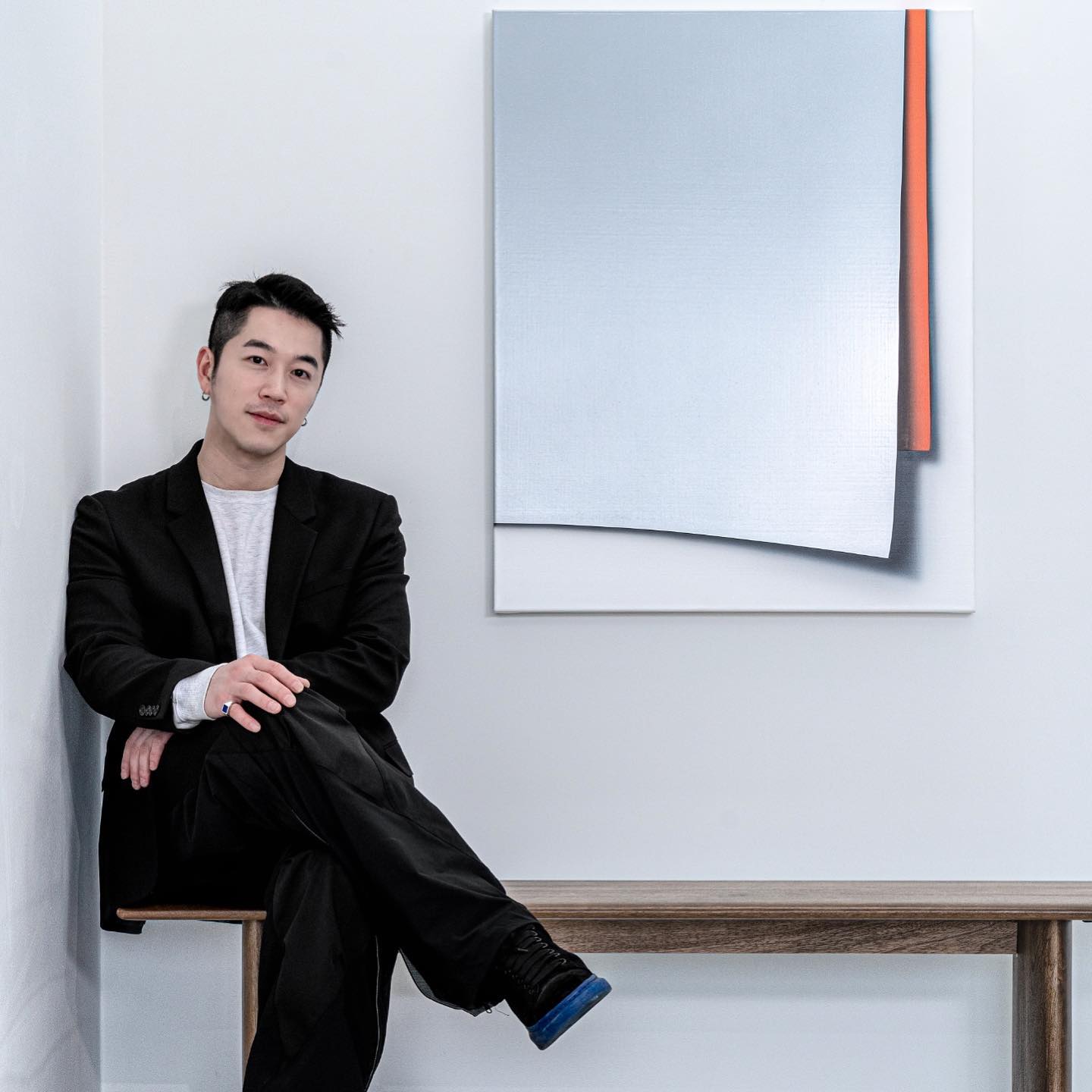
Artist Seong Joon Hong ©Seong Joon Hong Photo: Hongbin Kim

Seong Joon Hong majored in Painting at Hongik University, where he also completed his graduate studies. His solo exhibitions include 《Study Layers》 (68projects, organized by KORNFELD, Berlin, 2024), 《ENFOLDING THE AIR》 (Prompt Project, Seoul, 2023), 《Flowing Layers》 (Pipe Gallery, Seoul, 2022), 《Gazing Between Layers》 (Gallery BHAK, Seoul, 2022), and 《Layers》 (Hakgojae I Design Project Space, Seoul, 2020).
 
He has also participated in numerous group exhibitions, including 《All makes sense》 (ARTSIDE Gallery, Seoul, 2025), 《APRICITY》 (Frieze No.9 Cork Street, London, 2024), 《Flip Over》 (ThisWeekendRoom, Seoul, 2024), 《Instead of Result, a Process》 (M5 Gallery, Tokyo, 2023), and 《Veil of Thought》 (Ilwoo Space, Seoul, 2022).
 
In 2023, Hong was a resident artist at 68projects in Berlin. His works are held in the collections of the PARKSEOBO FOUNDATION and Art Space Hohwa.
References