The
sensory possibilities triggered by such entities that exist as blanks (or
margins, or ghostly forms) continue into her subsequent works. In Cusp (2021–),
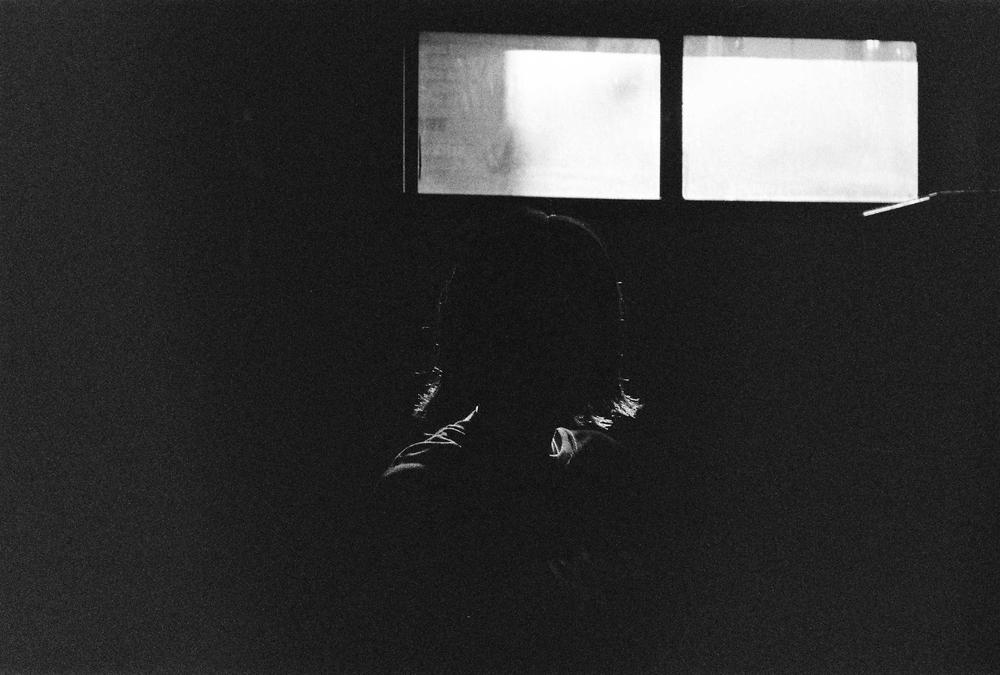
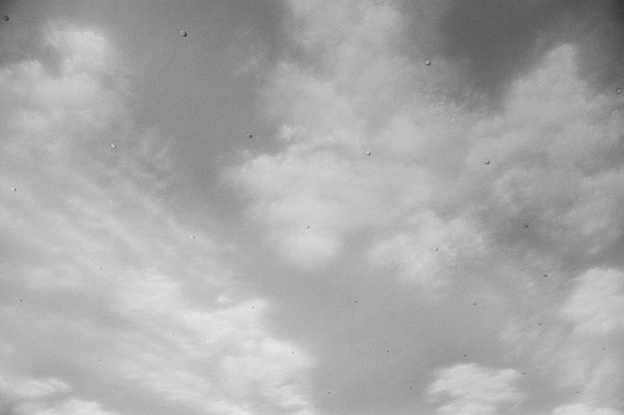
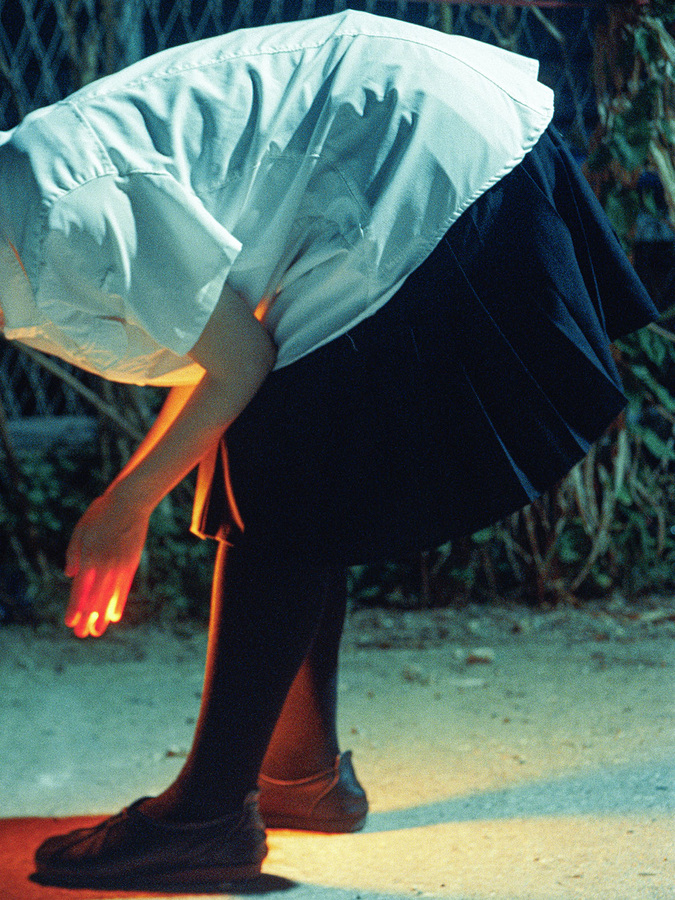
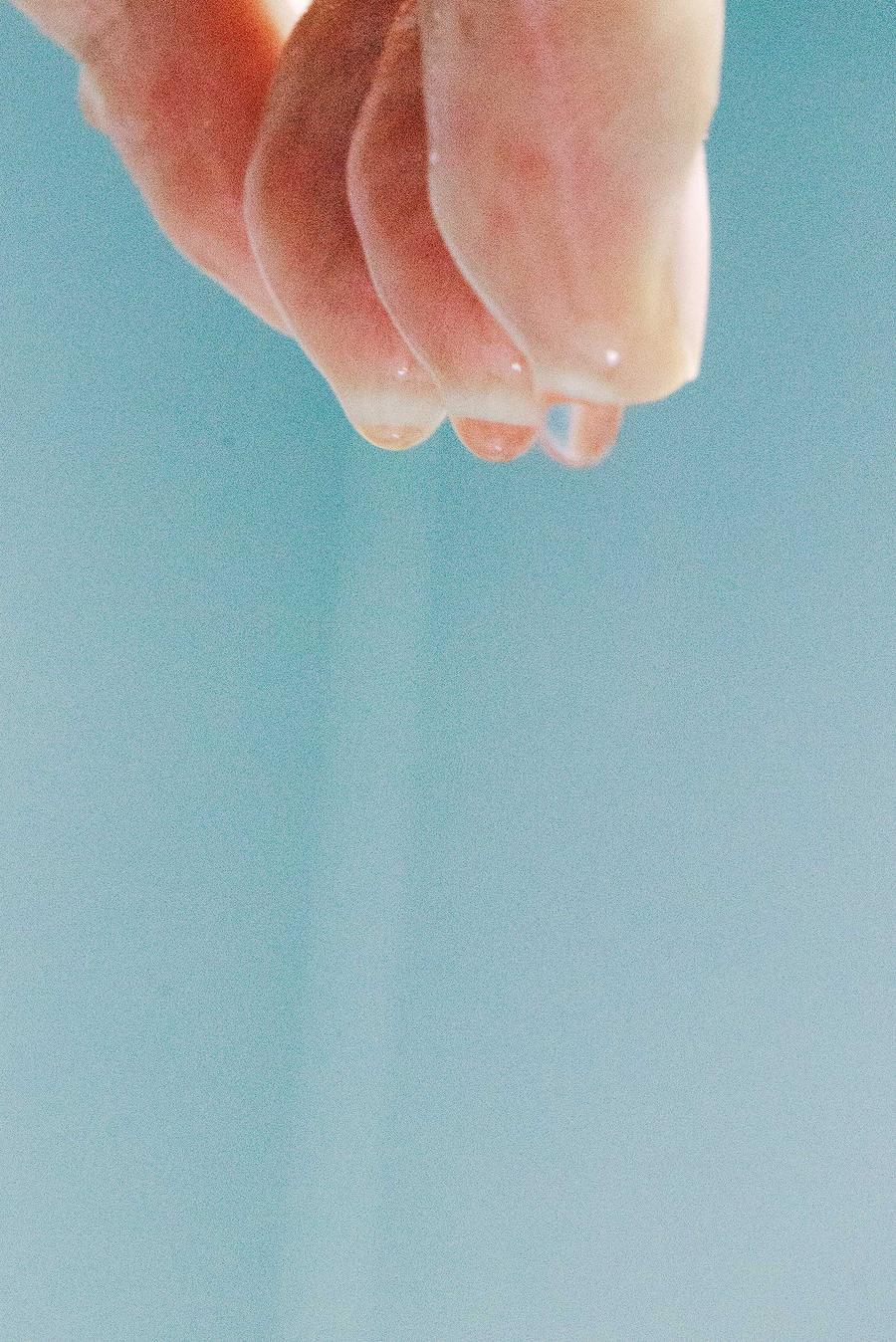
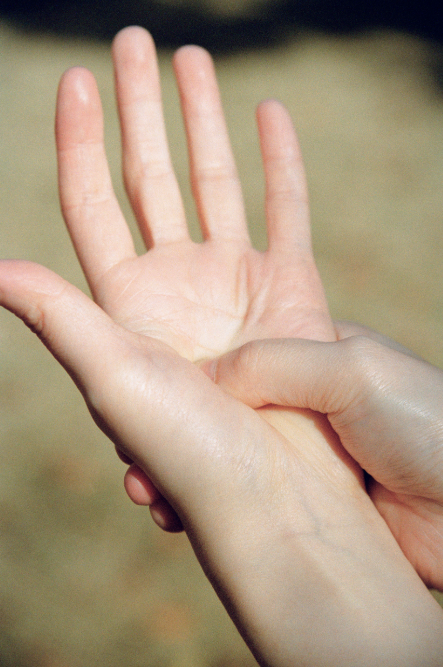
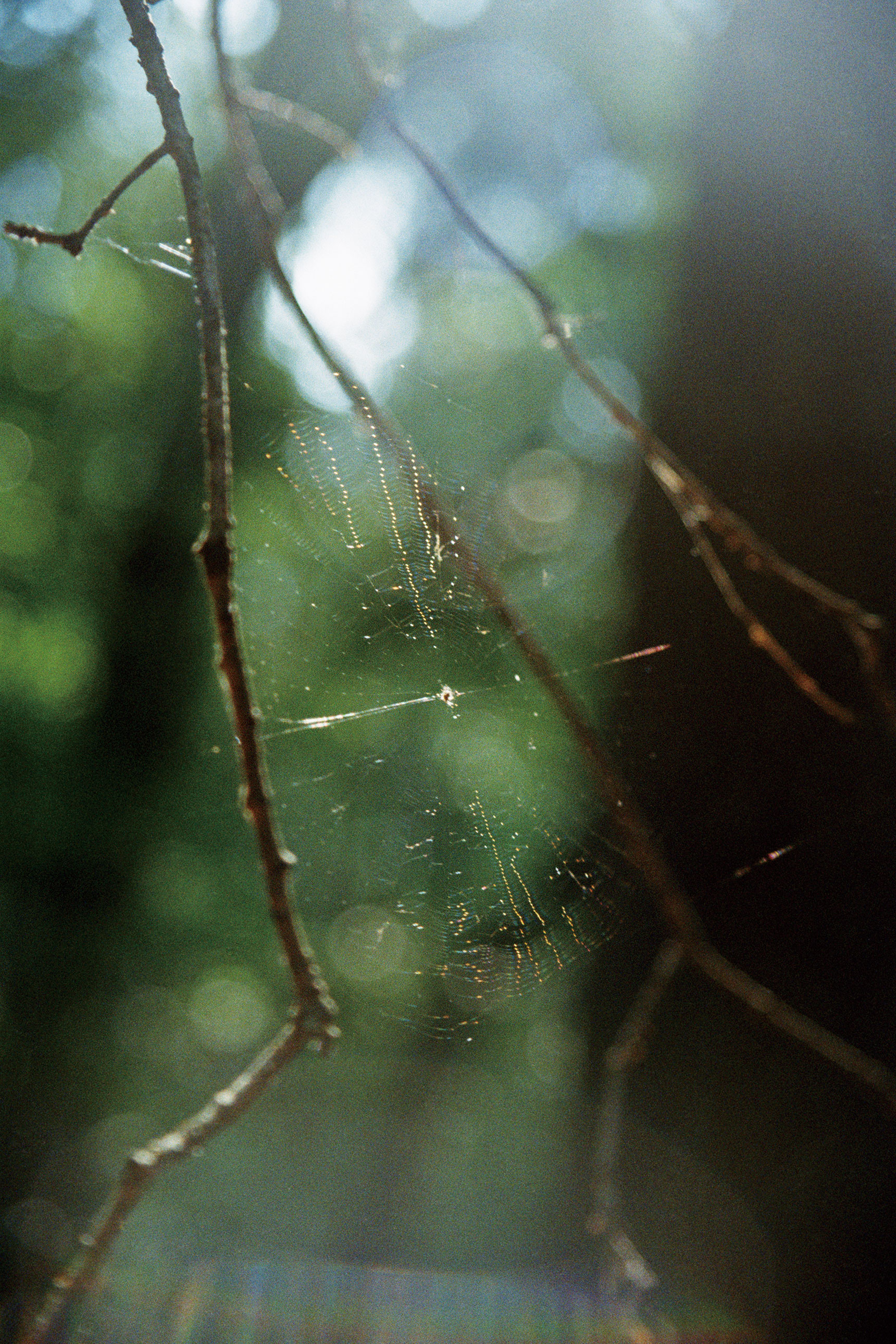
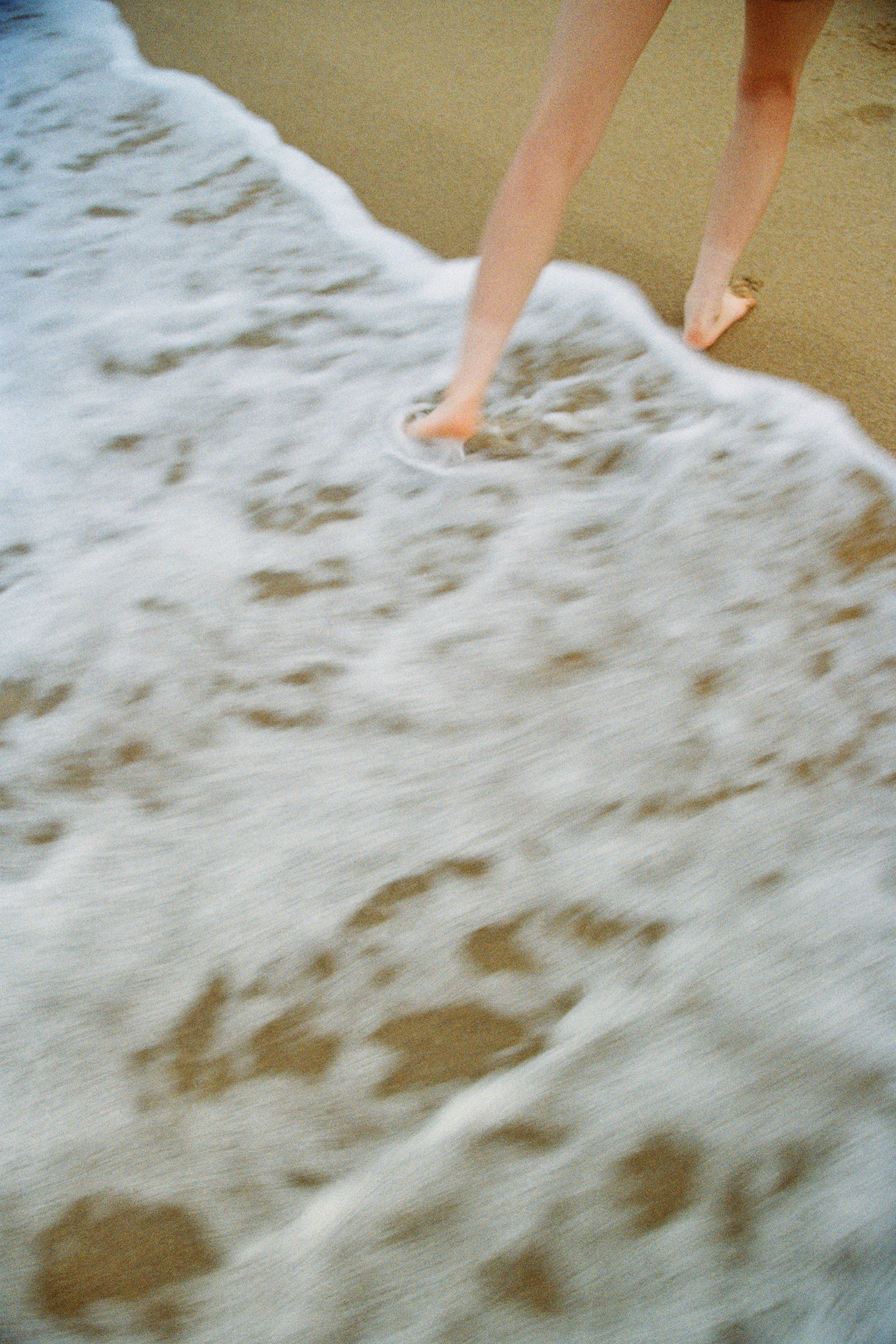
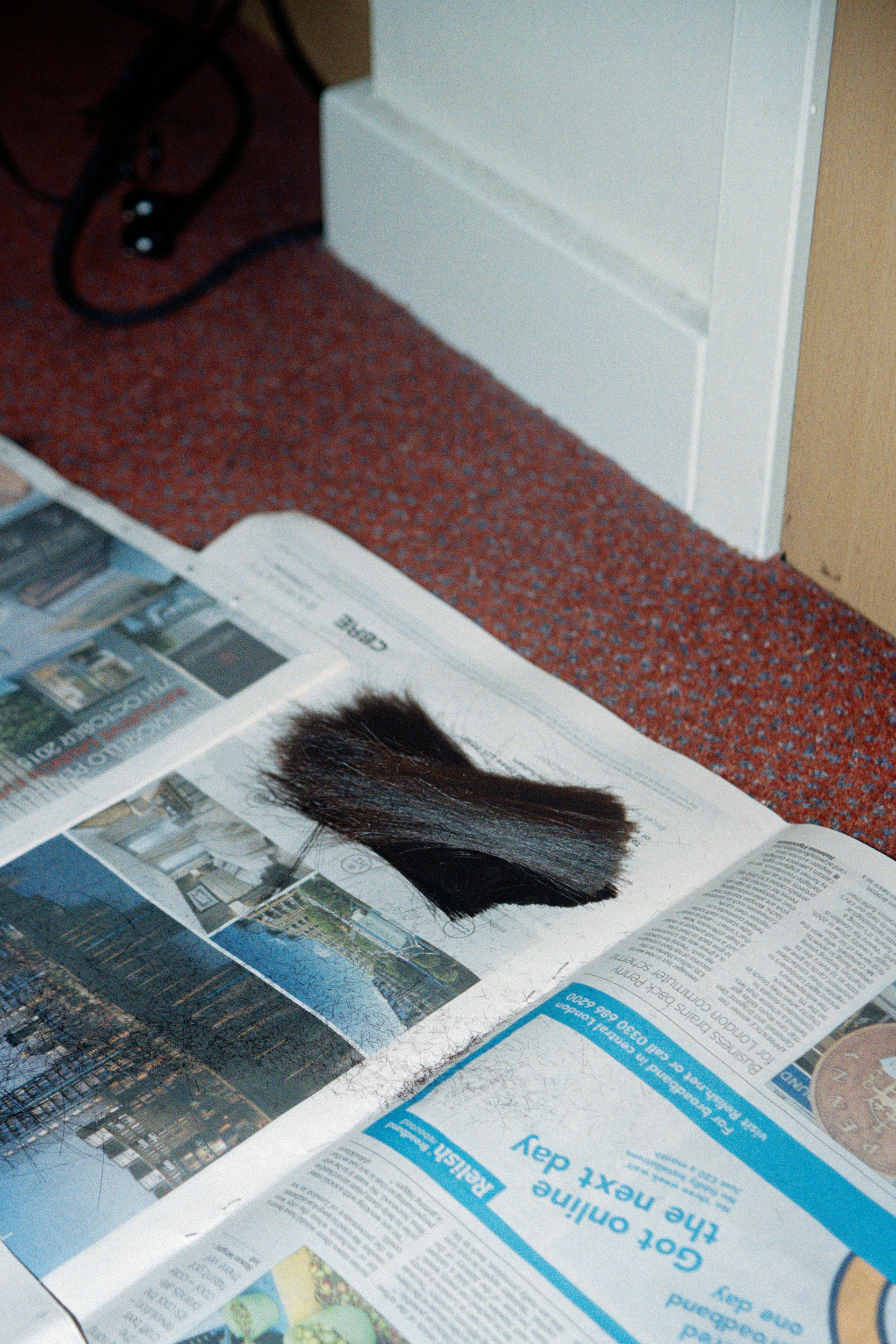
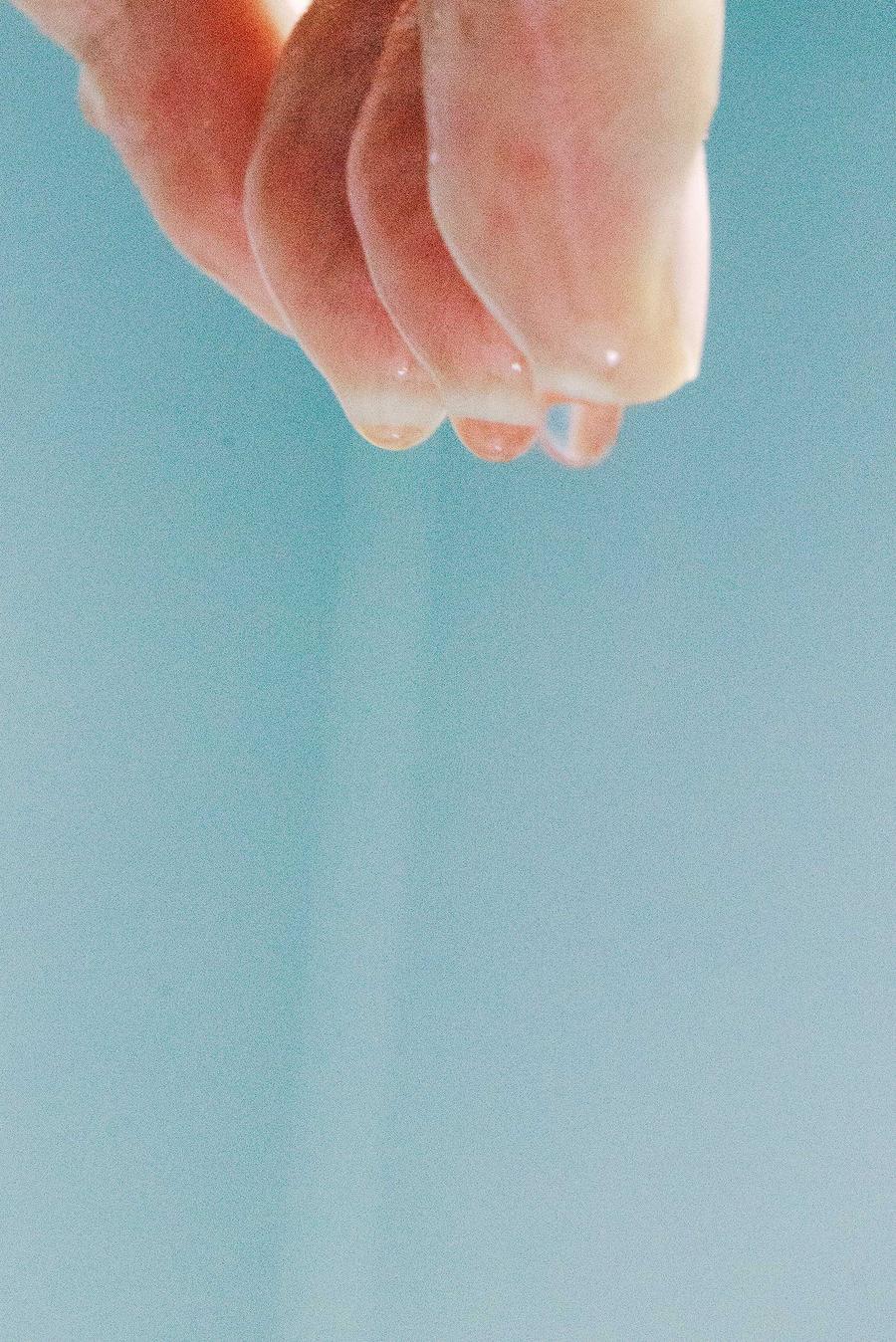
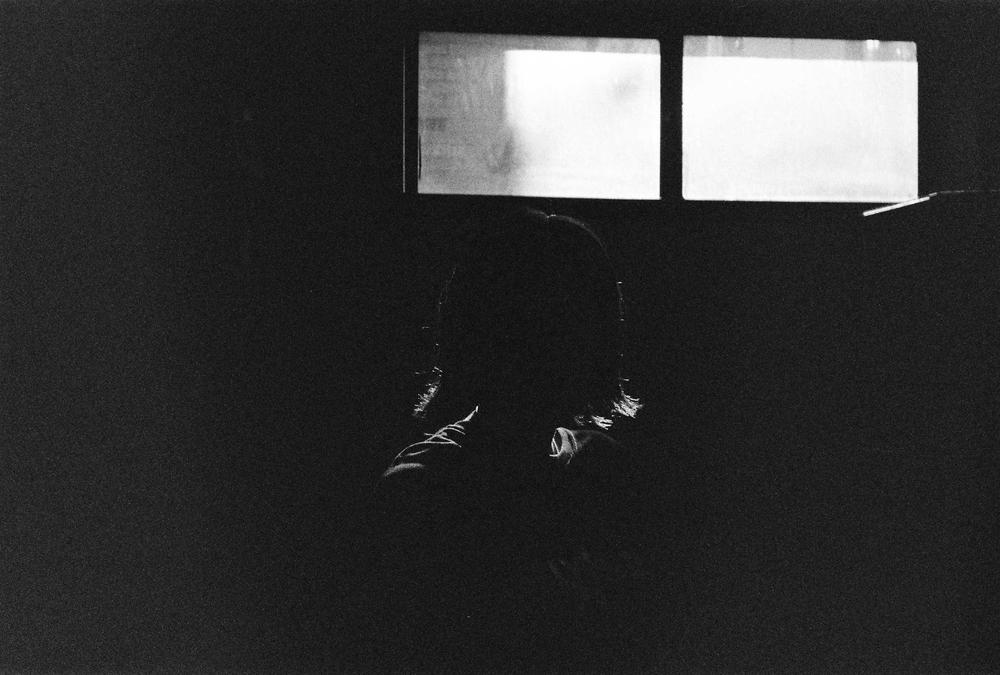
Kim photographs using an automatic film camera and expired film. What begins
casually, without clear purpose, yields accidental results. Film that has
reached the end of its lifespan loses its capacity to record subjects clearly,
and the photographed objects appear erased in the developed images—as though
they never existed. Encountering unrecordable photographs can be understood as
confirming the possibility of sensation activated not by seeing beyond
visibility, but by not seeing—despite having witnessed something that cannot be
rendered in language.
This emerges from the malfunction of photography as a
recording medium, unfolding misaligned folds of time and space produced by
friction and collision among things that once existed materially. Being unable
to locate what one saw in the present—in the developed photograph—forces doubt
upon habitual perception. Kim’s photographic images no longer guarantee the
facts once asserted by phenomena. While contemporary visuality, grounded in
trust in the truthful appearance of images, incessantly updates the present,
her photographs animate the present differently—by recalling memory, a function
once borne by the past.
Such
lingering, re-emergent sensations are further intensified through variations in
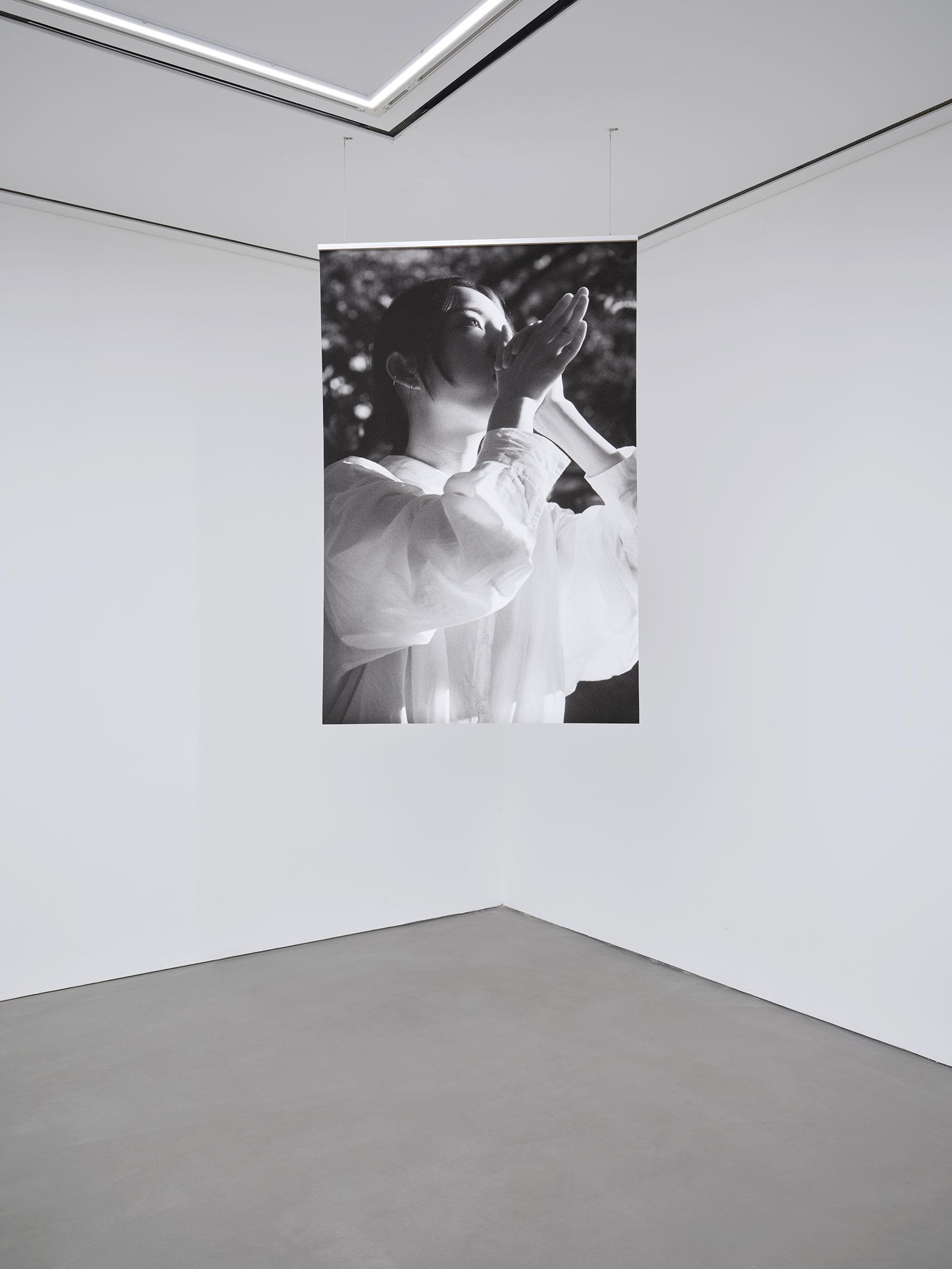
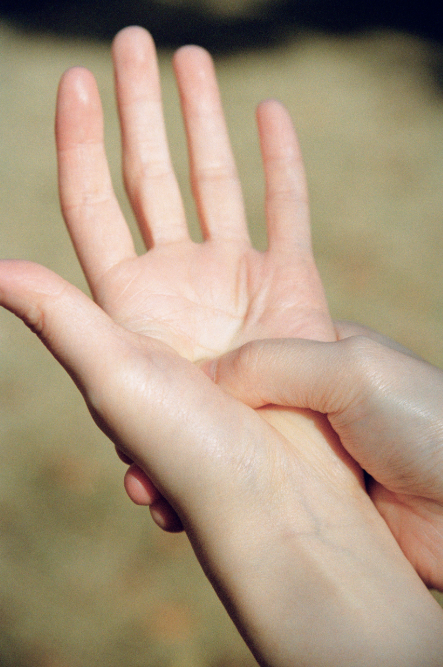
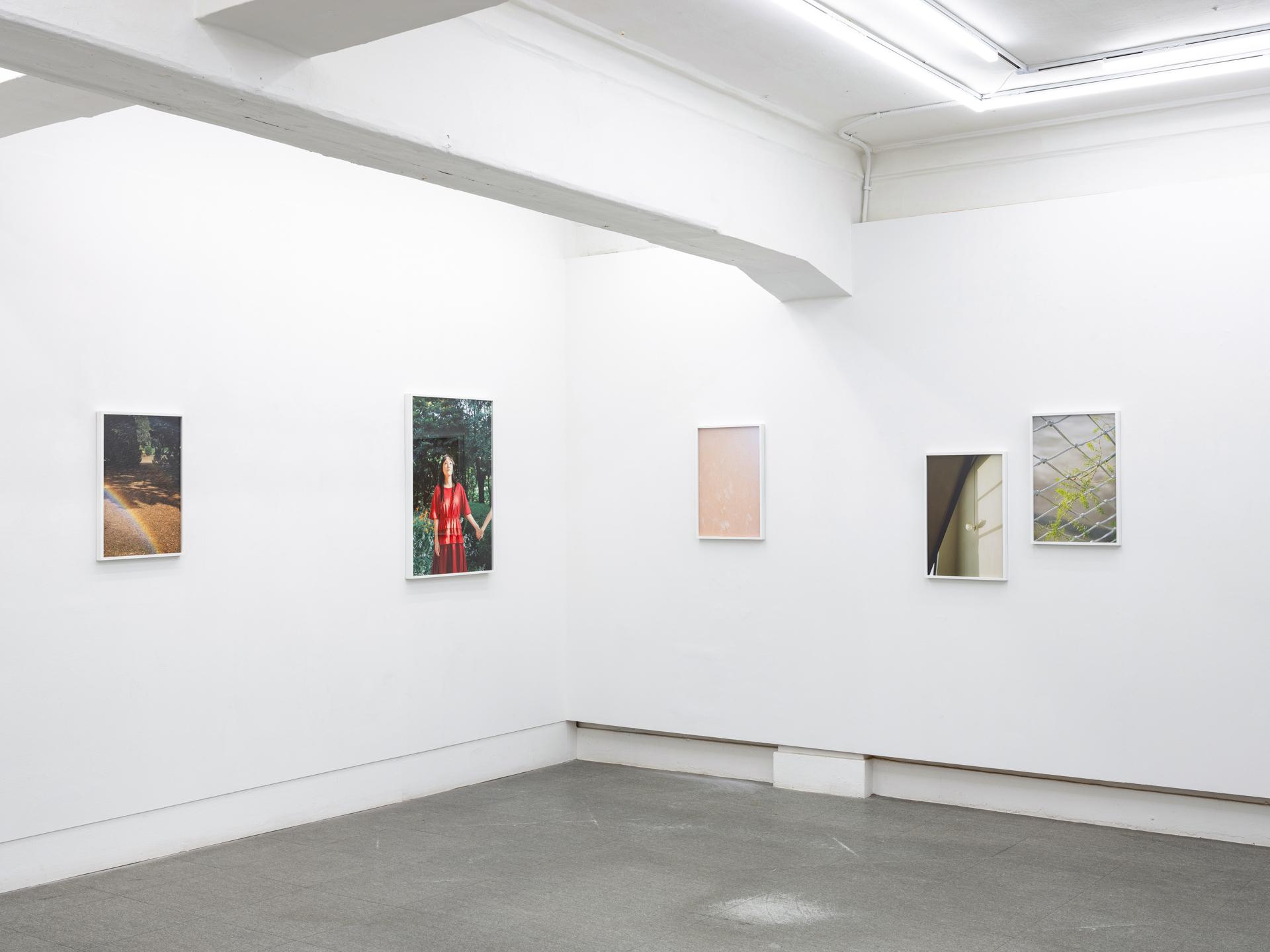
the physical conditions surrounding photographic images. At times, Kim prints
her photographs not on conventional paper that transparently and clearly
supports the image, but on rough hanji paper, deliberately lowering resolution
while amplifying the sensory qualities inherent in the subject. This choice of
material, much like when a material’s intrinsic physicality becomes a formal
logic and a language in itself, multiplies the density of affect conveyed by
each image.
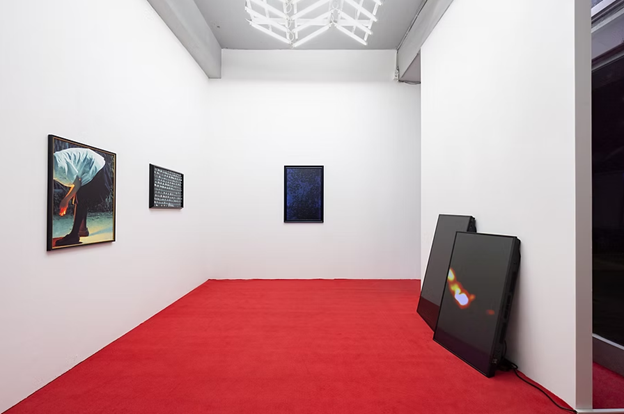
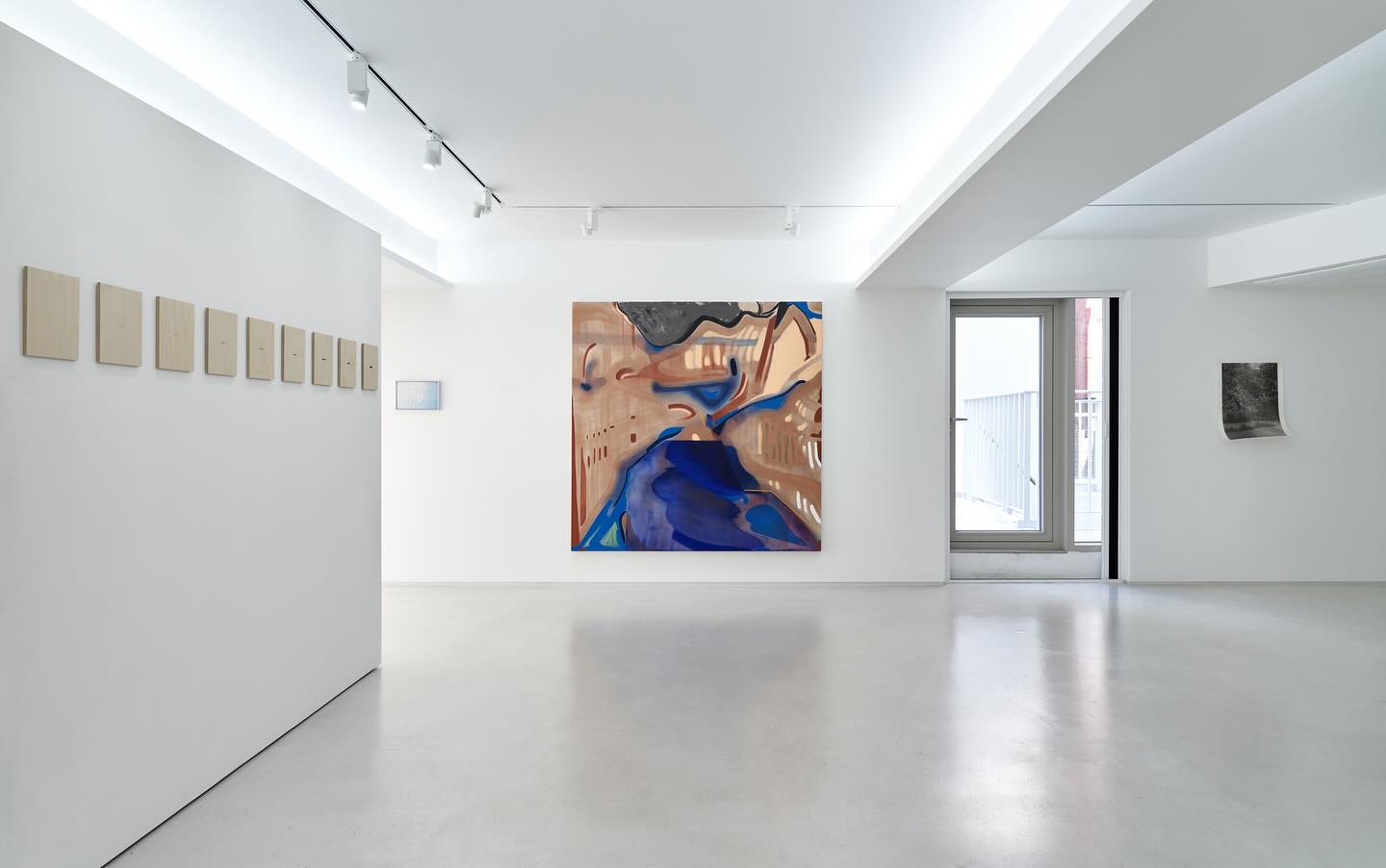
Beyond this, variations in photographic scale, the presence or
absence of frames, the selection of frame colors that respond to images,
arrangements that alter height and spacing, and display methods responsive to
the physical conditions of exhibition spaces all further fragment and expand
sensory layers.
In this sense, Kim’s work is compositional rather than bound to
a single objectified entity. As viewers piece together these fragmented sensory
shards, they may approach the essence of the subject. This resembles the
principle of metonymy: through association, adjacency, and transference,
sensory pathways toward the subject diversify, offering a clarity that exceeds
the limits of meaning attainable through visual and linguistic definition
alone.
If
the factual information provided by images belongs inside language, and what
cannot be captured by language lies outside it—in the realm of sensation—then
Yuja Kim’s photography walks both inside and outside language, offering
multiple, polyphonic pathways toward its subjects. While artworks often anchor
their meanings alongside text, the relationship between image and language in
Kim’s work remains relatively loose. Thus, her gaze moves both within the world
bound by explicit linguistic systems and outward beyond it, allowing the images
she captures to acquire multilayered afterimages.
Just as Henri Cartier-Bresson
once remarked that people, places, and events are best understood through
elegant forms of light and shadow, Kim’s photographs approach the truth of
phenomena without supplementary explanation. The scenes she captures are
sentences awaiting narrative, and at their core are words. To reach them, the
artist listens attentively and gazes patiently—until the moment when words that
once stood still begin to illuminate their surroundings as living sentences,
and eventually, as narrative. In this way, Kim deeply observes herself and her
relationships with the life around her, listens closely to the emotions and
sensations she experiences in specific situations, environments, and
encounters, and—through photographic vision—provokes imagination by mobilizing
new senses distanced from sight.
Looking
back, photographic images were records of fact. The belief that
photographs accurately point to something is no more than an illusion. No
visual language—and no image it presents—can be fully confined by language.
Visual language accommodates what lies outside textual language, within the
realm of sensation, and through constant linkage and slippage between image and
language, it both expands and converges horizons of meaning. We tend to believe
that the surface form of an object reflected by light will be captured in
photography as clearly as its linguistic description.
Yet Kim’s work situates
such clarity of appearance within a deliberate ambiguity. Her photographs do
not belong to surface-level facts; instead, she presents images captured through
the photographic medium as if they were single words within a sentence,
continually shifting, renewing, and expanding beneath context. The artist
suggests that the flatness of photography possesses the power to direct our
attention toward other senses. It is precisely at this point that we become
curious about the sentences she constructs from compressed images—and the
narratives that may follow.
Notes
1.
As cameras became more portable, photography shifted from a ritualized act to a
reflexive gesture of everyday life.
2.
Yuja Kim, artist’s note for Frankie.
3.
Yuja Kim, artist’s note for Breath.