More
than a decade ago, something happened during my time in the military. A
corporal who had had his leave cancelled was clicking away at a computer in the
on-base PC café. Curious, I looked to see what he was doing—he was navigating
to his home using Daum Road View. His response was astonishing. “Doing this
makes me feel like I’ve gone home.” While I could (internally mocking him)
understand the idea of enjoying a virtual vacation, I also felt a strange
unease. The scene he was looking at belonged to the past—at least several
months old, perhaps even years. What, exactly, was he seeing?
With
the advent of the so-called metaverse era, the virtual and the real have begun
to overlap. Yet this overlap is not synchronized solely in real time. Realities
from years ago migrate into virtual space, forming overwhelming simulacra, and
these virtual images become chaotically entangled with the present. The overlap
of the virtual and the real inevitably produces an overlap between past and
present as well. A technology in which datafied pasts are eternally mixed with
the present—this is the true nature of the metaverse that no one talks about.
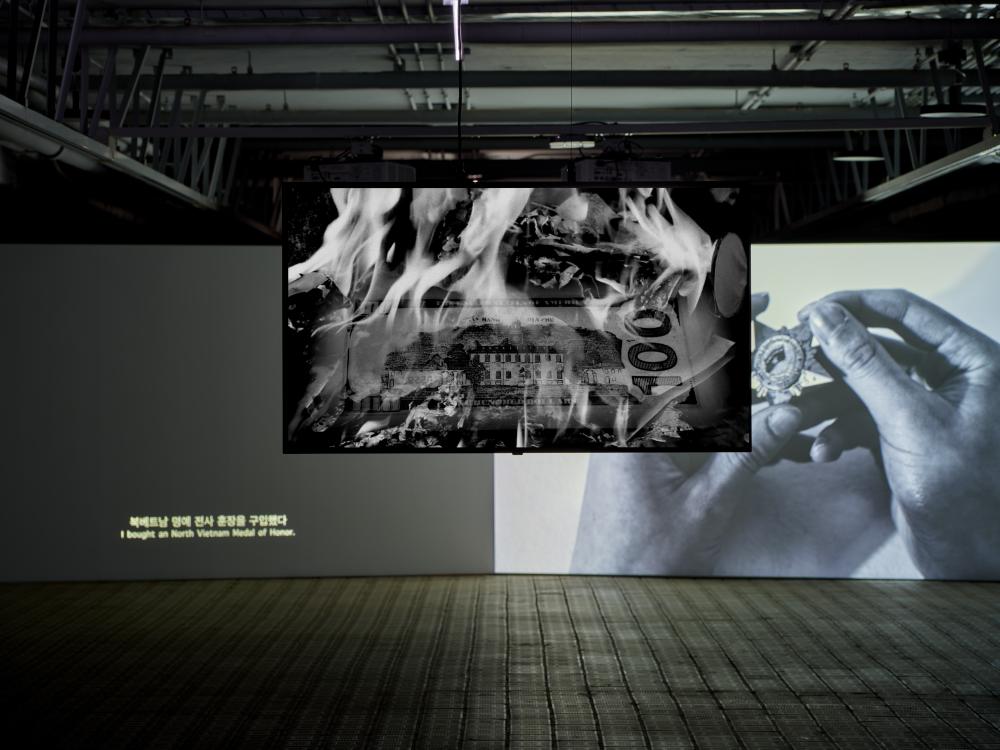
Yeoreum
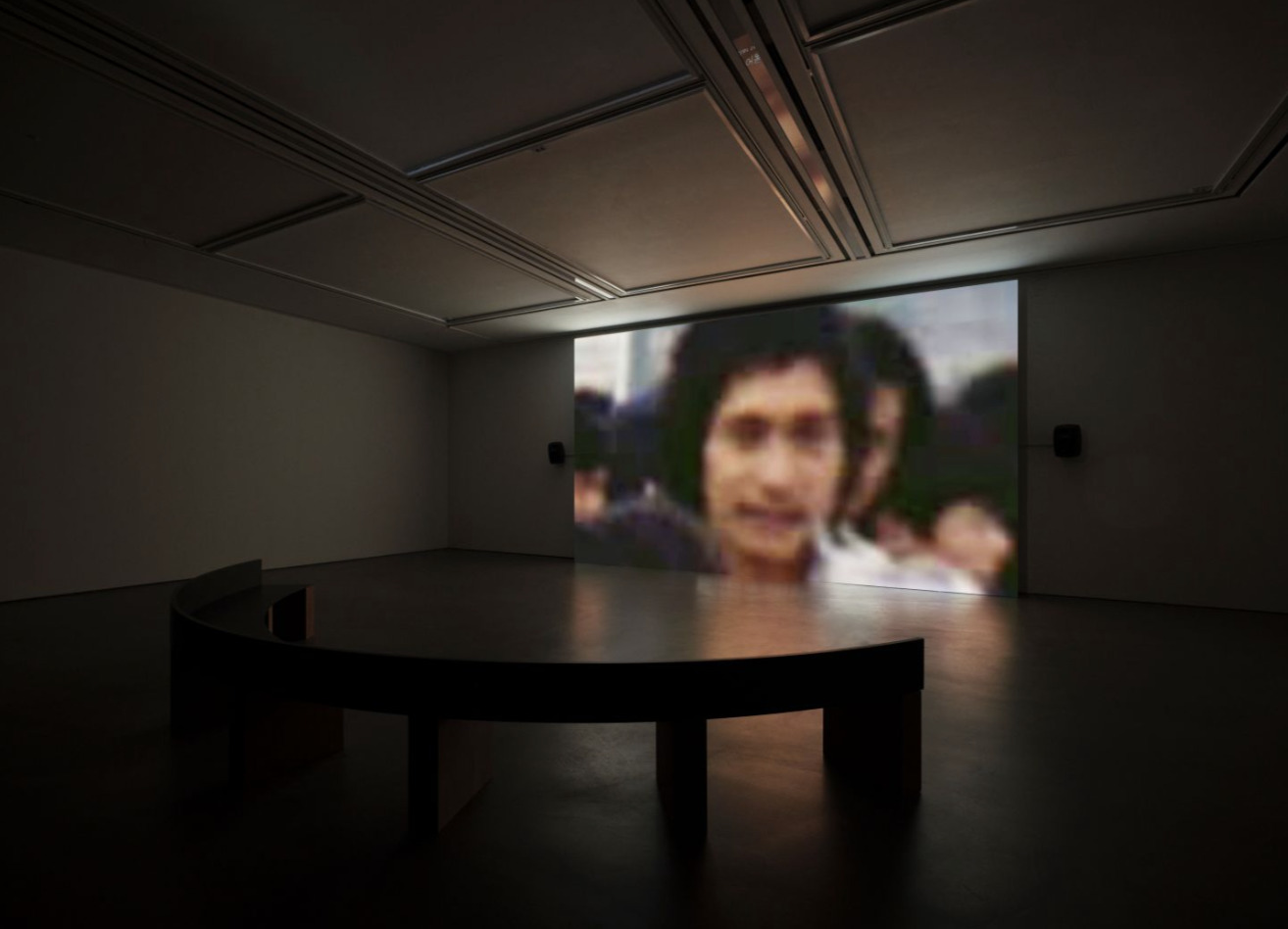
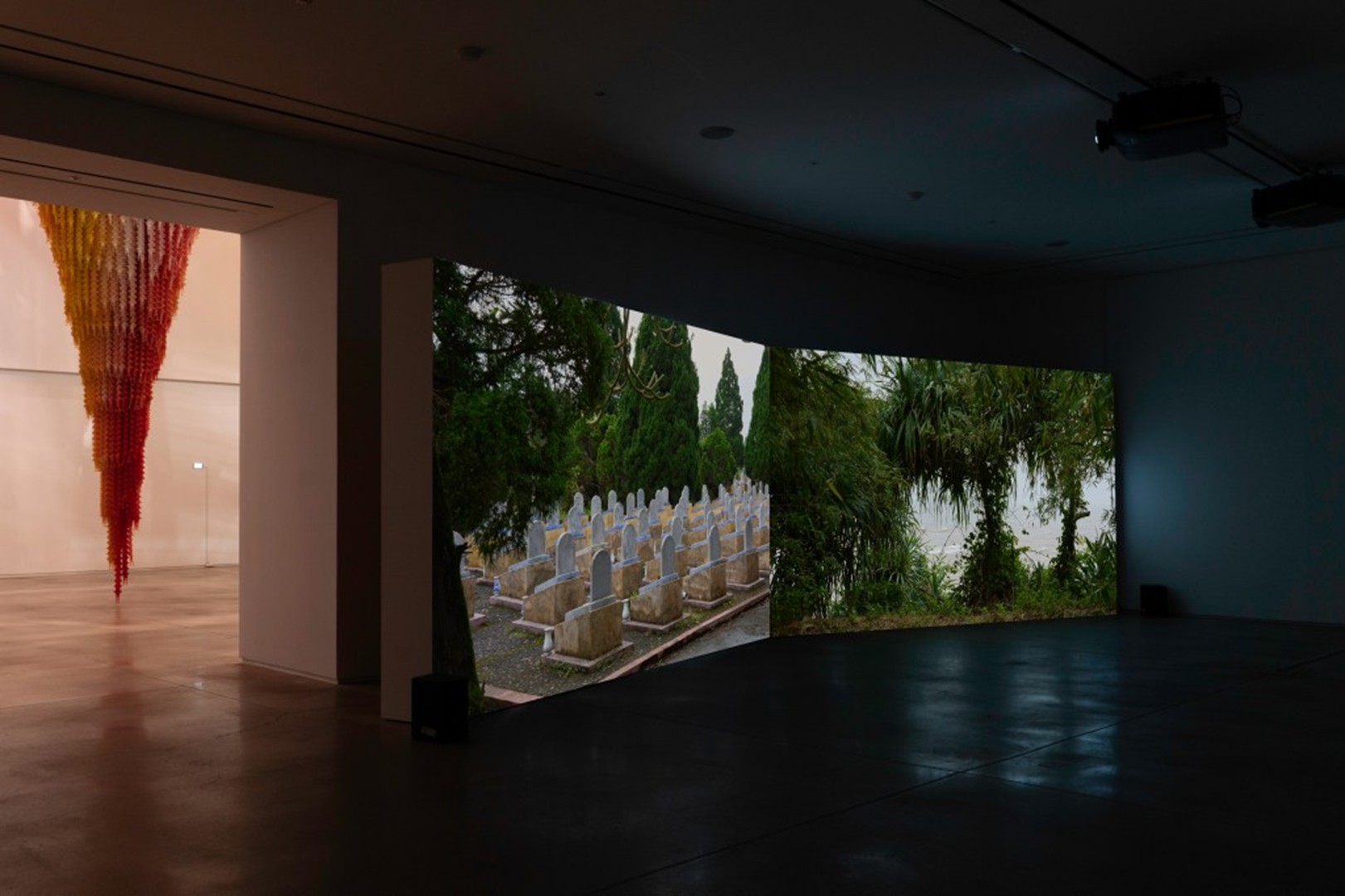
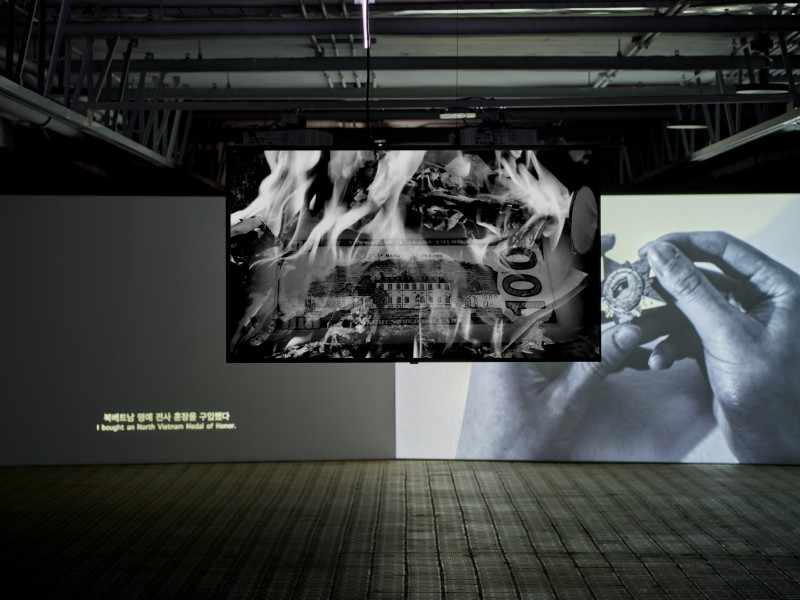
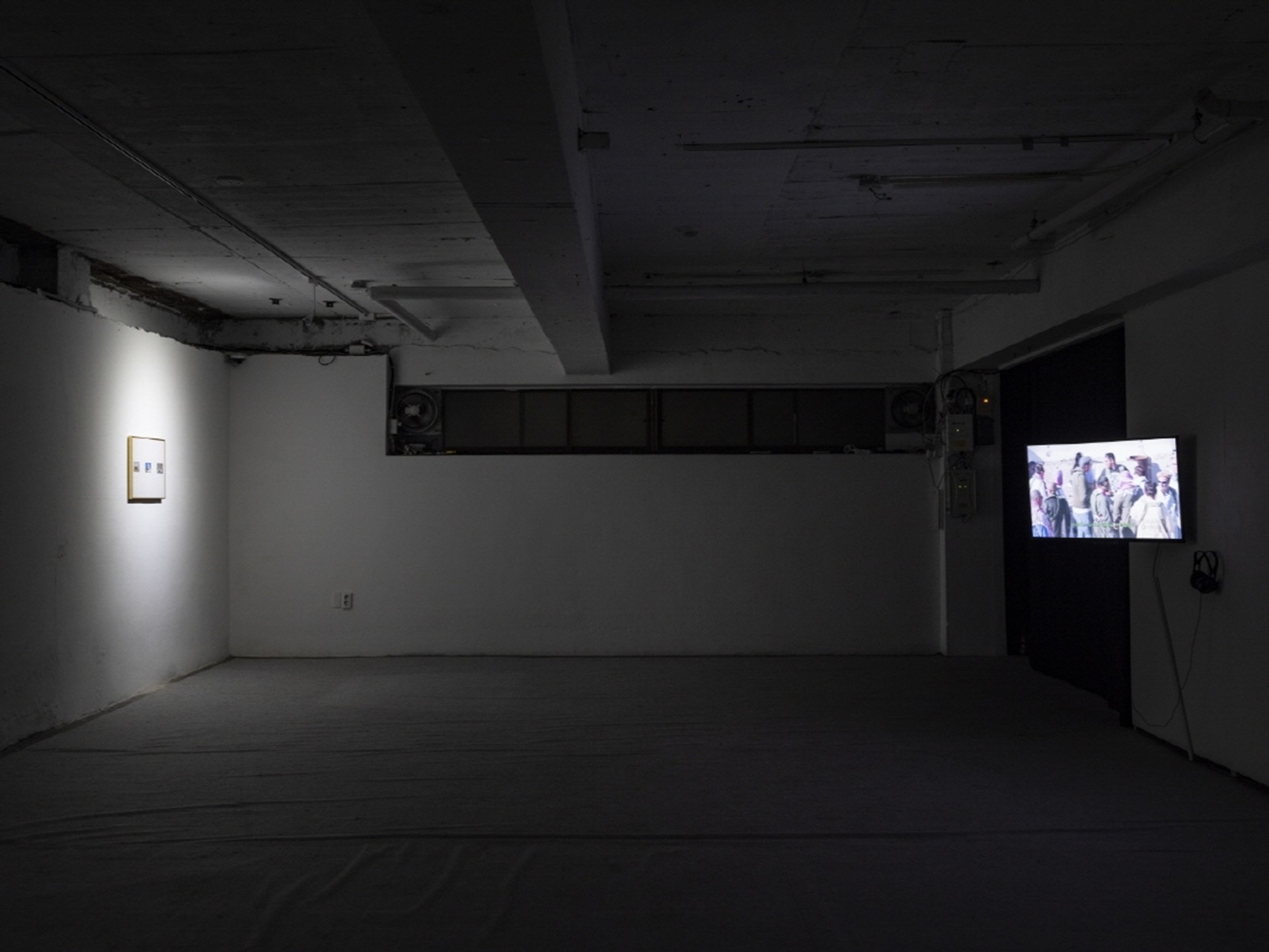
Jeong’s short films and visual art works Graeae: A Stationed Idea (2020)
and The Long Hole (2021) unravel stories of
unidentified spaces and figures encountered within this process of overlap. The
first work, Graeae, begins from a first-person
perspective in which the narrator and the artist coincide. The three sisters
Dino, Enyo, and Pemphredo are known as the Graeae, beings who share a single
eye. Taking turns, they hold three different visions within that one eye. Among
them, Enyo—the goddess of war—secretly takes the eye away from her sisters, and
the narrator declares that she will tell Enyo’s story. Although the narrative
centers on the war-mongering Enyo, the perspectives of the other two sisters
overlap throughout the work.
The
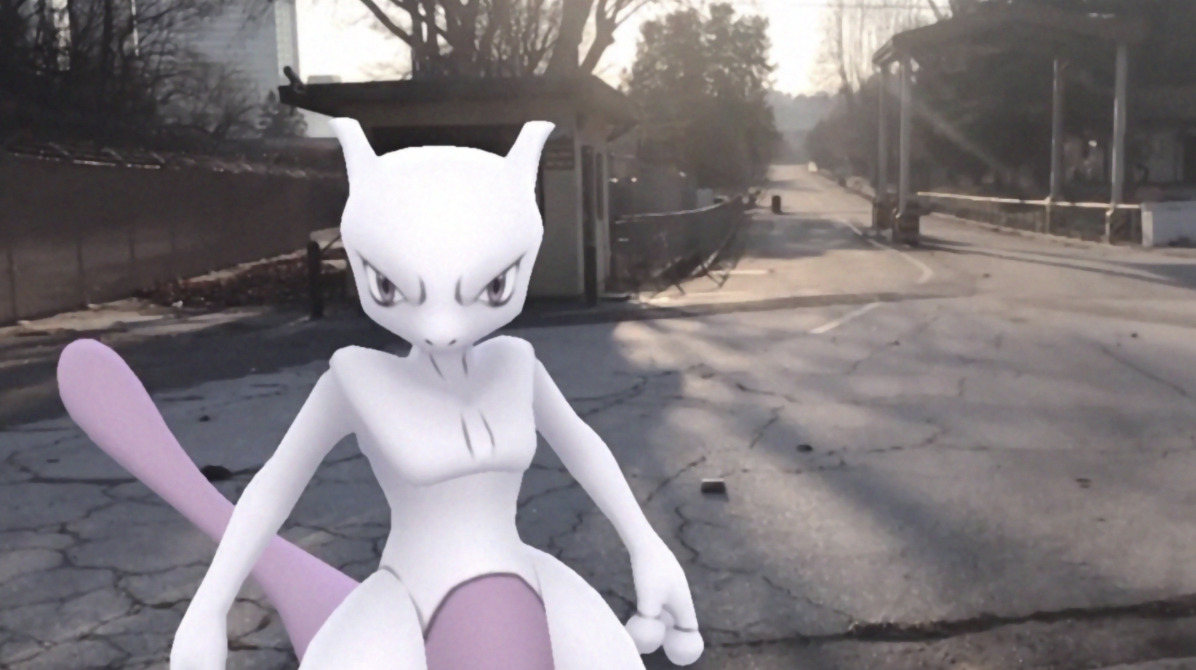
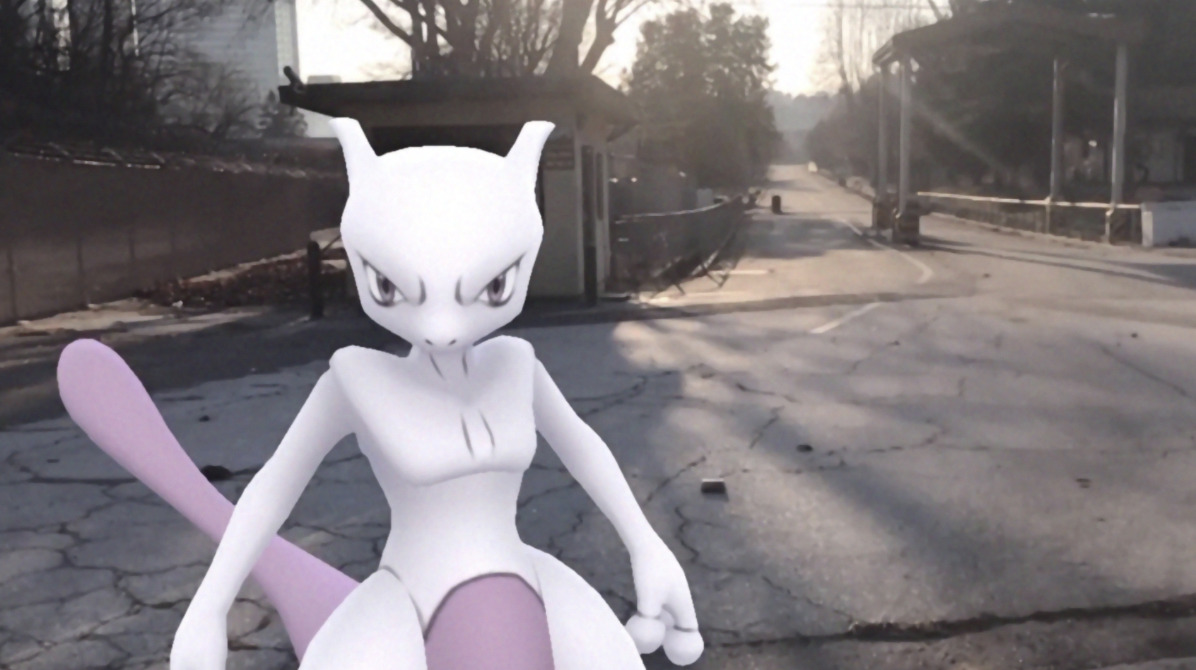
artist plays the augmented-reality game Pokémon GO. Pokémon GO is a game that
overlays game space onto real space using GPS data, allowing players to
encounter, battle, and capture monsters at specific points while walking
through the city. Spaces where players duel one another are called “gyms.”
These gyms are typically designated at sites with historical significance or
places where people gather, such as churches, and are often selected through
players’ requests.
As
the narrator heads toward a nearby gym, she stops in front of a U.S. military
base. Within the game, this area is clearly marked by more than ten gyms, yet
in reality it is a place that one cannot easily enter without prior
authorization. It is here that the artist’s investigation begins. Why does this
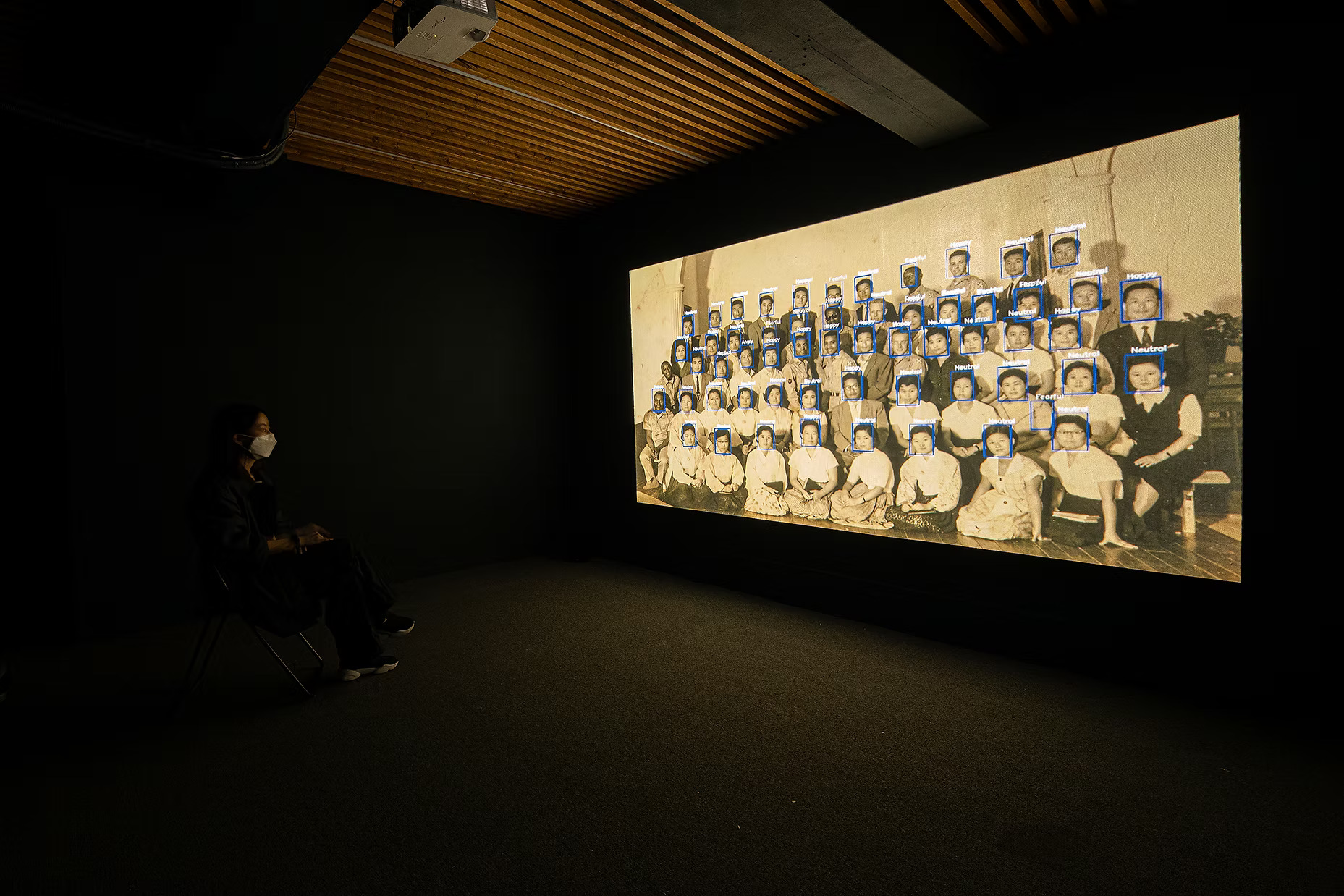
area exist, and who were the people who once lived inside it? By hacking
Pokémon GO’s GPS system, the narrator virtually infiltrates the U.S. military
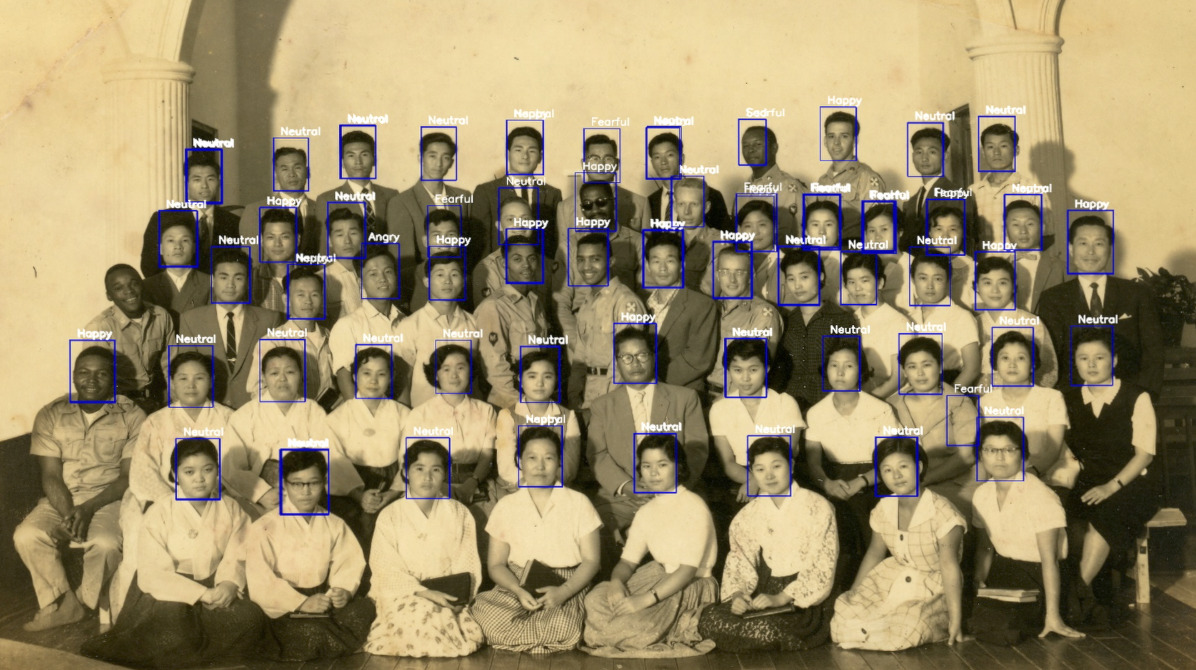
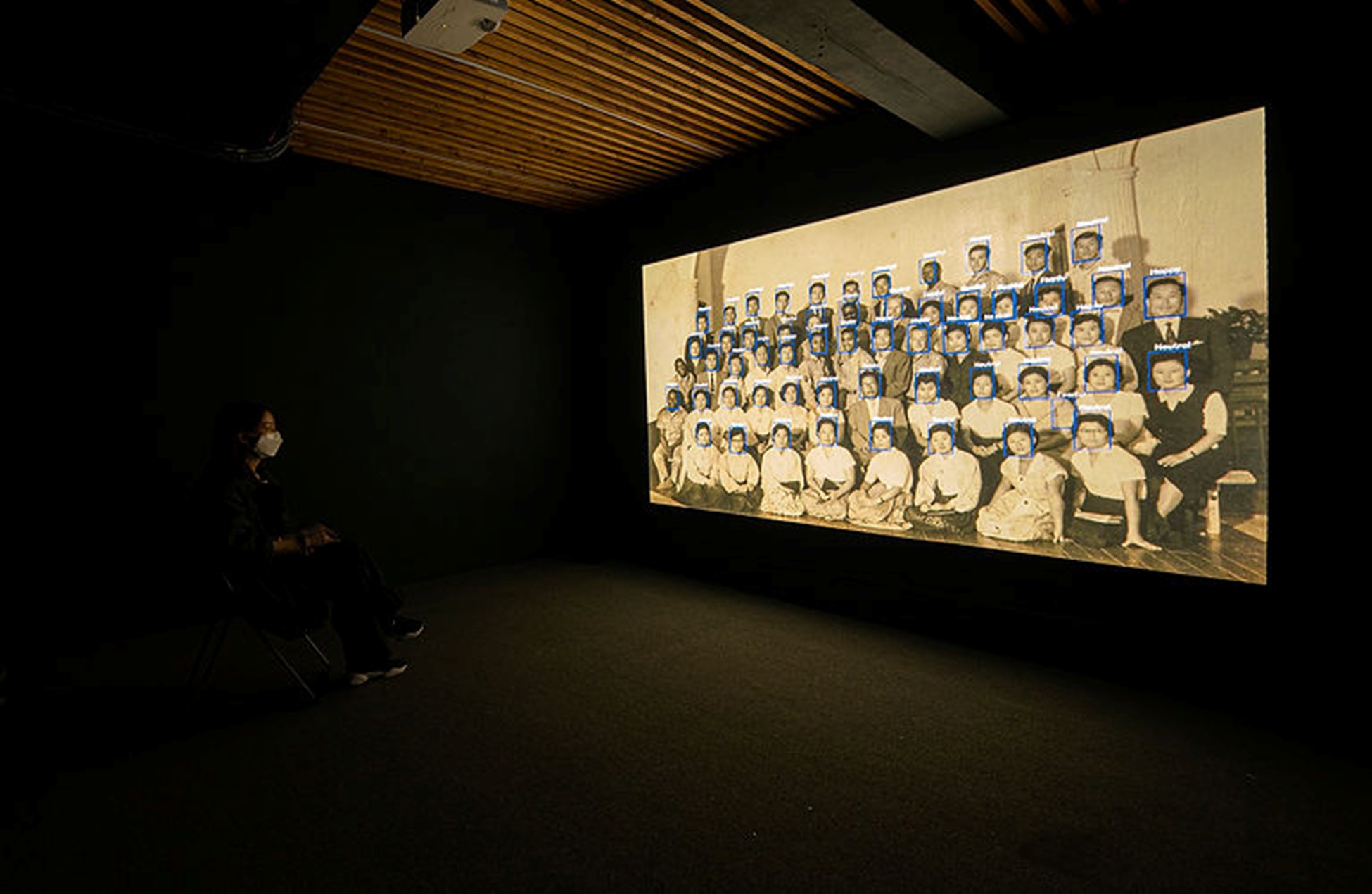
base. She then traces images and fragments of information scattered across the
internet, gradually assembling a single story. This is a distinctive aspect of
Yeoreum Jeong’s practice: by relying solely on fragments of the past dispersed
throughout networks, she deliberately creates gaps and fills them with fiction.
In doing so, she speculatively overcomes the limitations inherent in
collage-based found-footage filmmaking.
The
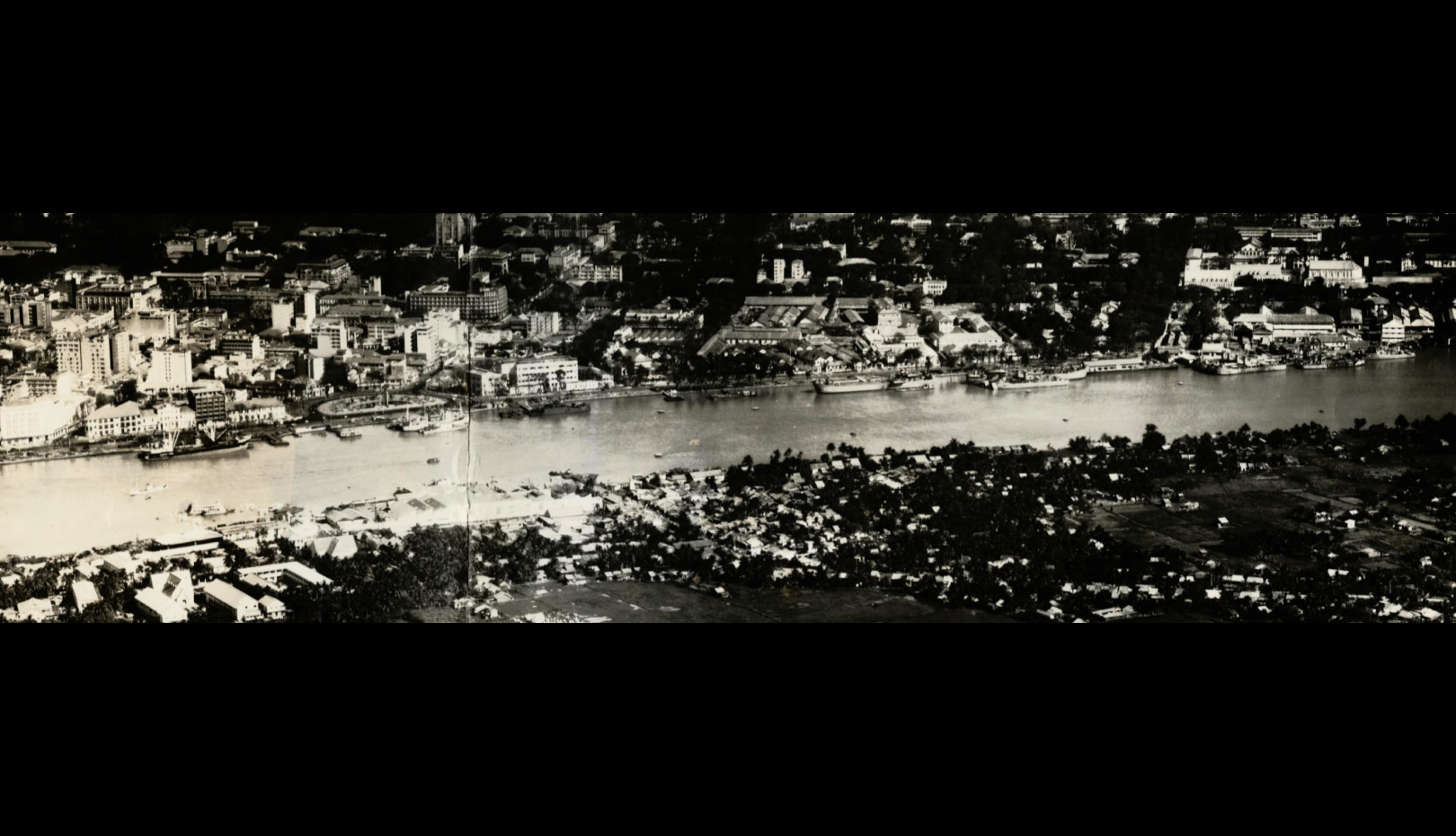
narrator discovers that the former Yongsan U.S. military base site had been
closed to civilians for an astonishing 114 years—from the period when the
Japanese military began full-scale occupation following the Russo-Japanese War
in 1904, through the subsequent U.S. military presence. On Google Maps, the
site appears merely as a patch of green—an enigmatic space that exists but
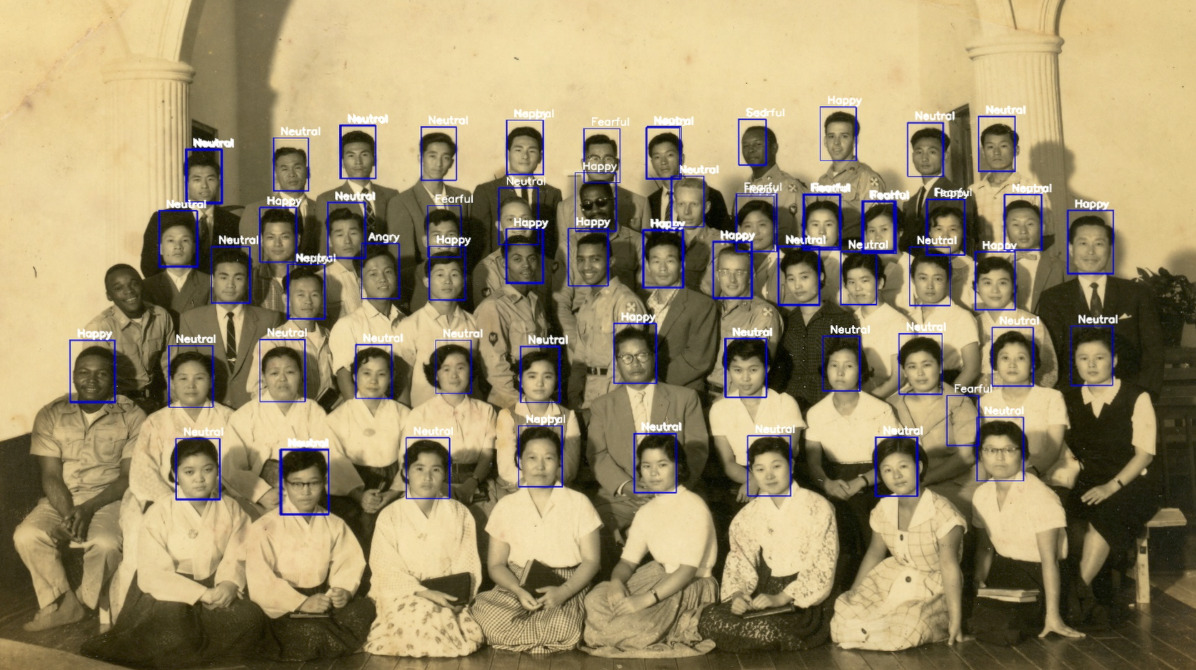
cannot be accessed. Beyond this, the narrator traces the lives of U.S. soldiers
inside the base. Homesickness is classified as a military disorder, and to
prevent it, the interiors and architectural designs of the base are
meticulously Americanized. Cafeterias are installed more vividly than in the
mainland United States, and the buildings along the streets are kept low.
Within the base, soldiers reenact the glorious American life of their childhood
memories.
Between
a Pokémon captured in front of a military base, land that remained inaccessible
for 114 years, and U.S. soldiers living on Hollywood-like sets, which
experience is more virtual? Yeoreum Jeong inverts Jean Baudrillard’s
proposition that “Disneyland exists to conceal the fact that the real country,
all of real America, is Disneyland.” Instead, she suggests: “Pokémon GO exists
to reveal the real colony—Korea—and to expose the idea of the U.S. military.”
Here, the artist’s strategy of weaponizing game algorithms stands out. Equipped
with an augmented-reality gaze and internet-based archival exploration, history
begins to appear with greater clarity.
In this sense, virtual reality is not a
system that produces something fictitious; rather, it is a technology that
summons what had been latent in reality—things that certainly existed but had
remained unseen due to deliberate forgetting. For Yeoreum Jeong, the virtual is
not a copy or imitation, but another name for the potential. She is a medium
who summons these potential ghosts. Rather than a clear division between
virtual and real, the condition for ghostly emergence lies in the way data from
past realities becomes virtualized on one hand, and overlaps with the here and
now on the other.
“Records
disappear in reality, but remain in the virtual world.”
—from Graeae: A Stationed Idea (2020)
The
film initially resembles a documentary depicting a gamer’s historical
investigation, but gradually shifts into a mystery genre that traces the ideas
and conspiracies of the U.S. military as a war machine. The film’s dreamlike
and eerie background music functions as a device facilitating this shift in
mode. At the same time, the work takes on the quality of a philosophical essay,
as it reflects on and doubts the artist’s own vision and visual experience.
Wandering through online and offline spaces like a flâneur, extracting the
sublime from kitsch, Yeoreum Jeong’s working method evokes the imagination
that, had Walter Benjamin’s Arcades Project reached 21st-century
Korea, it might have taken precisely this form.