Exhibitions
《2018 ICT Project A.I.MAGINE》, 2018.05.16 – 2018.06.06, City Data Science Laboratory
May 16, 2018
City Data Science Laboratory
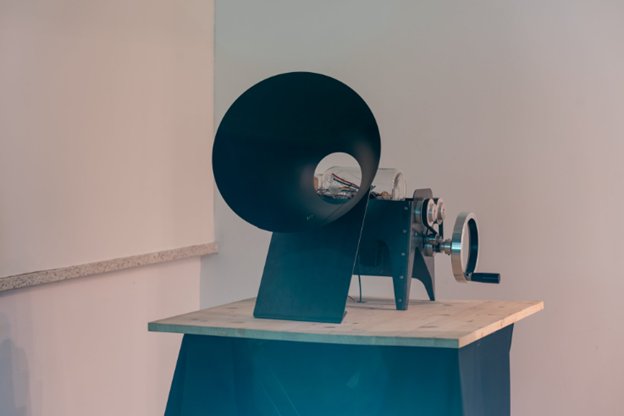
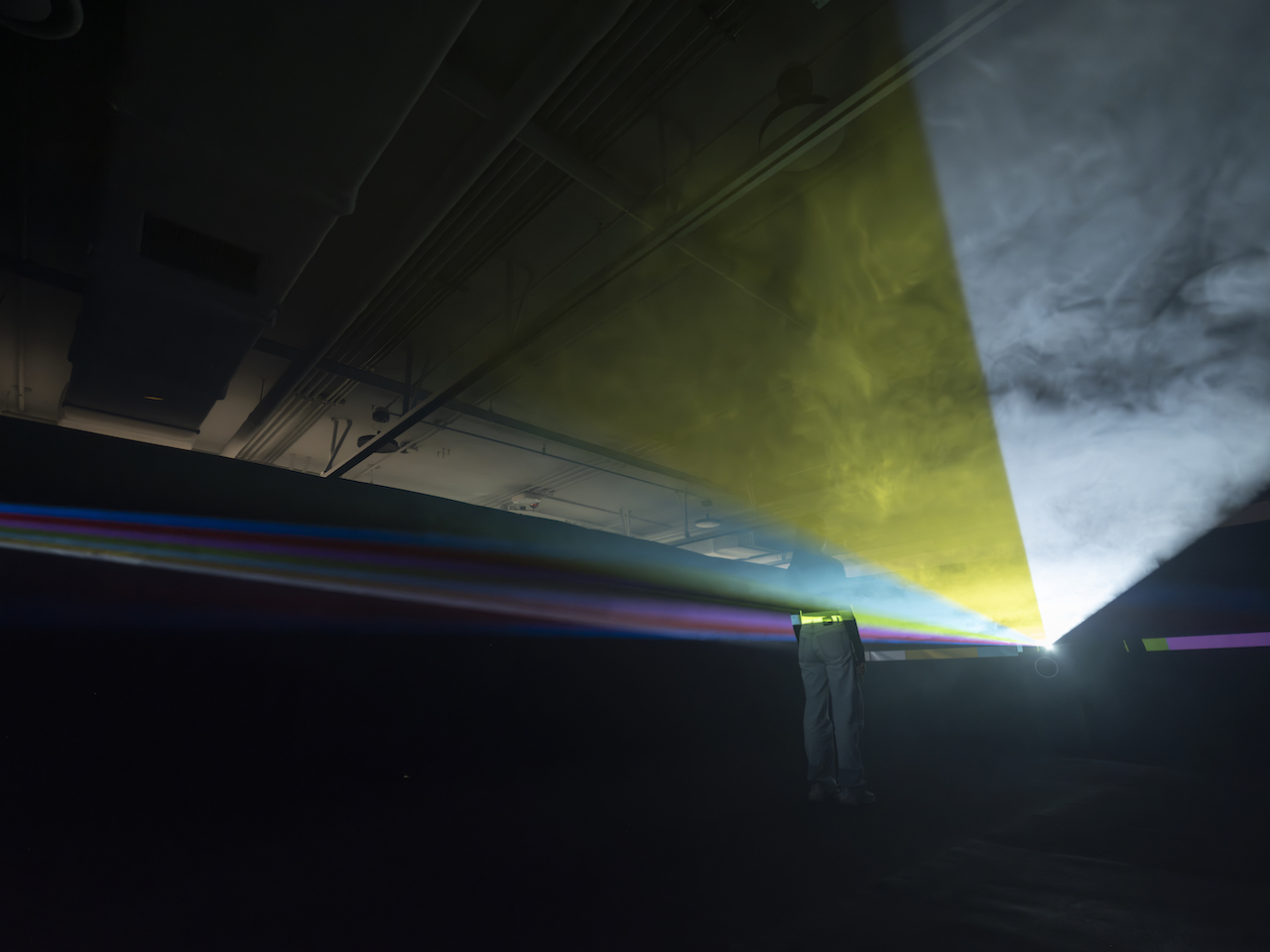
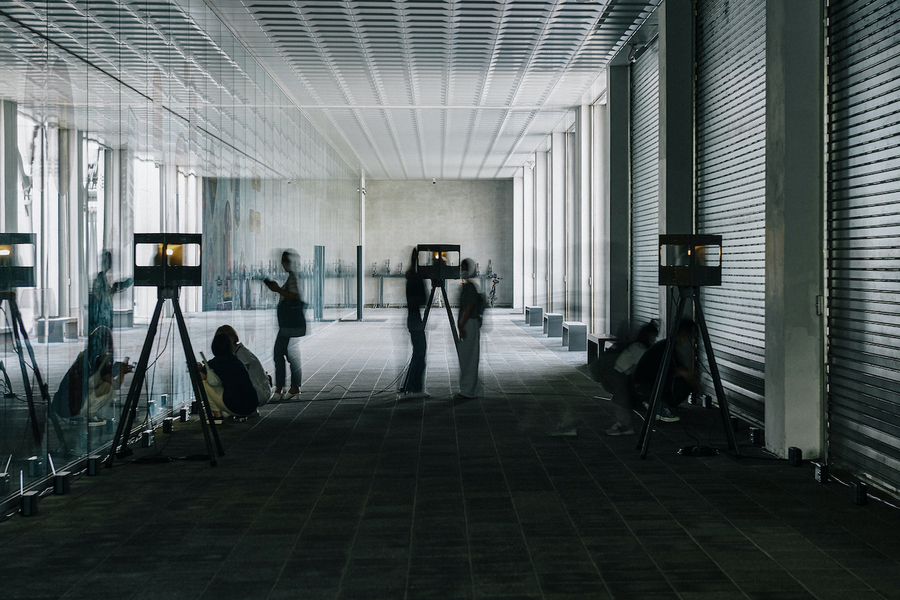
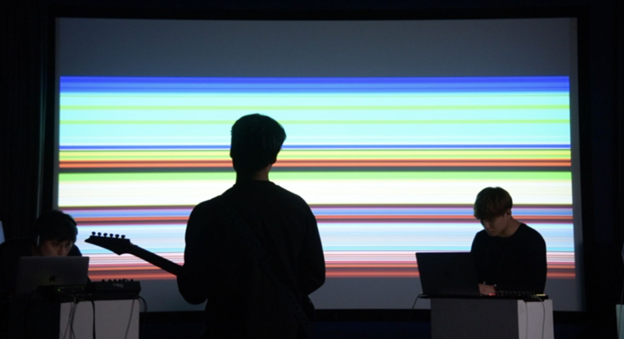
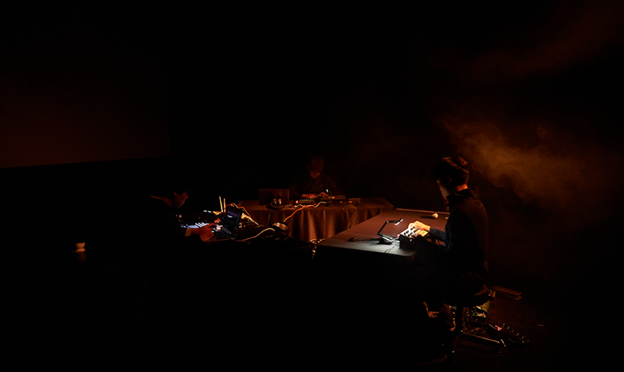
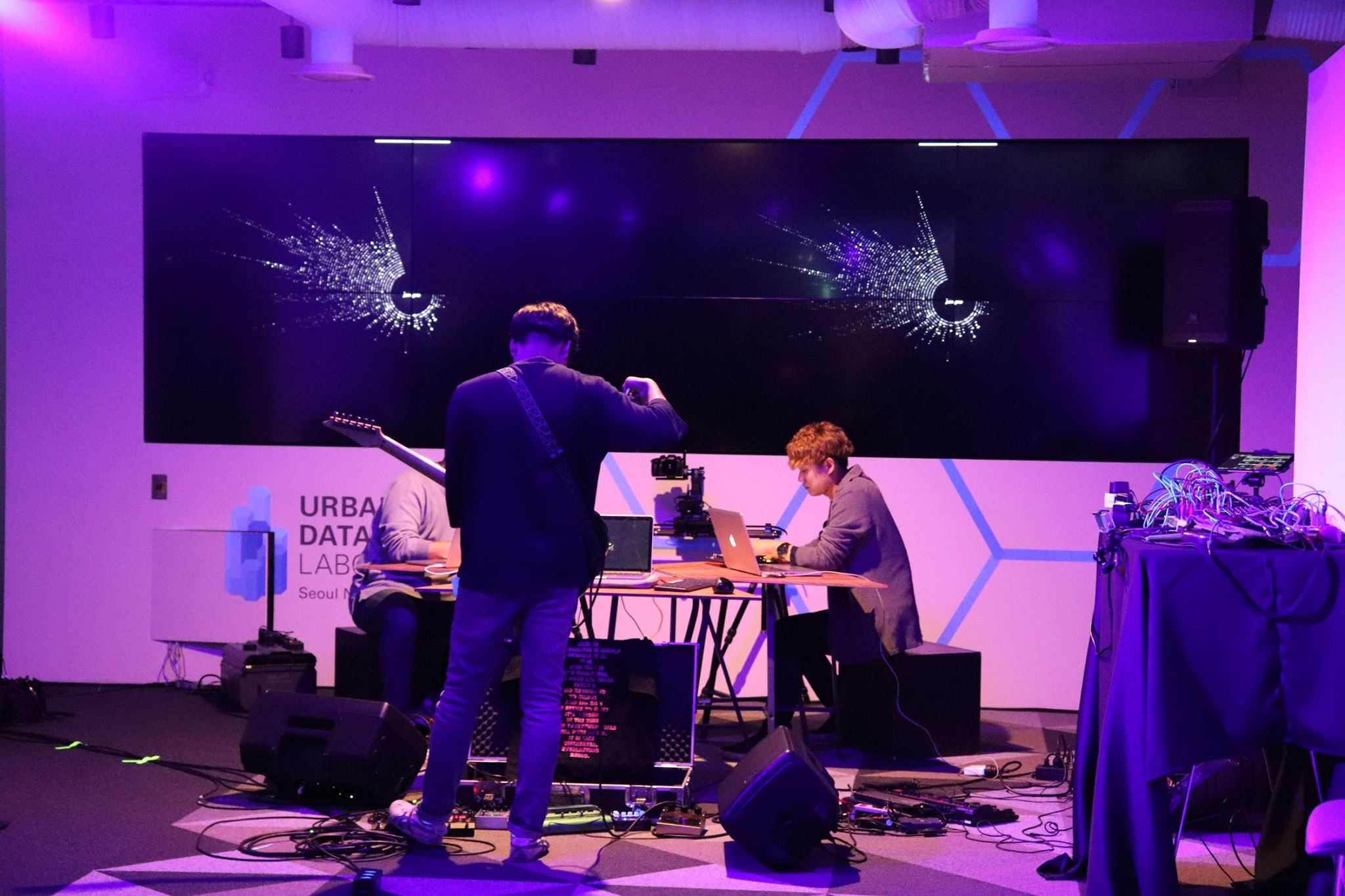
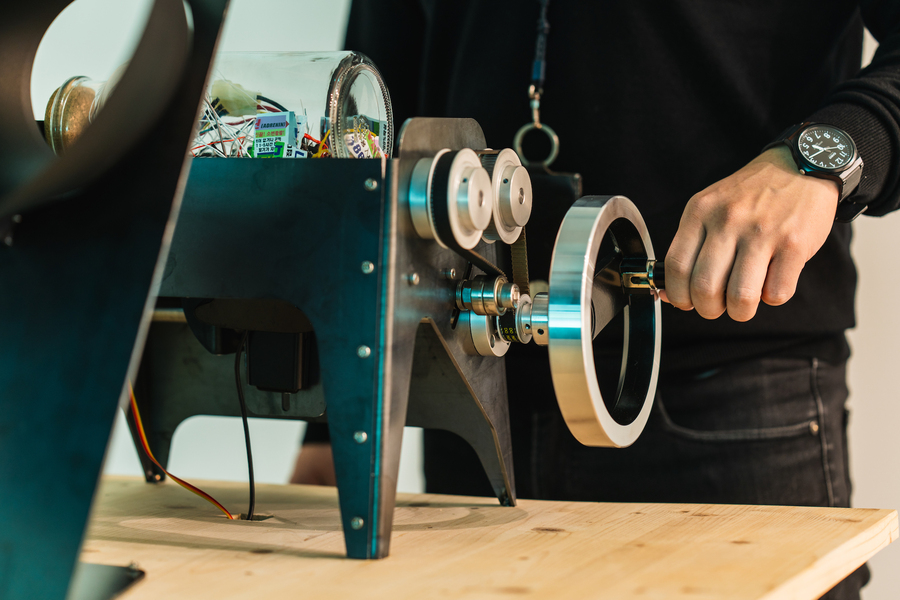
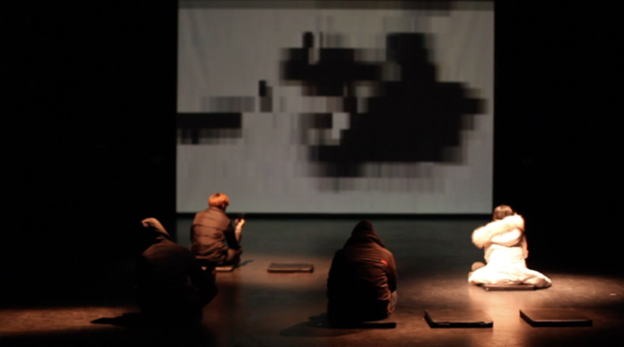
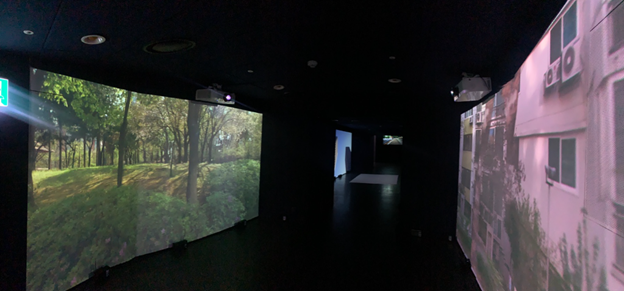
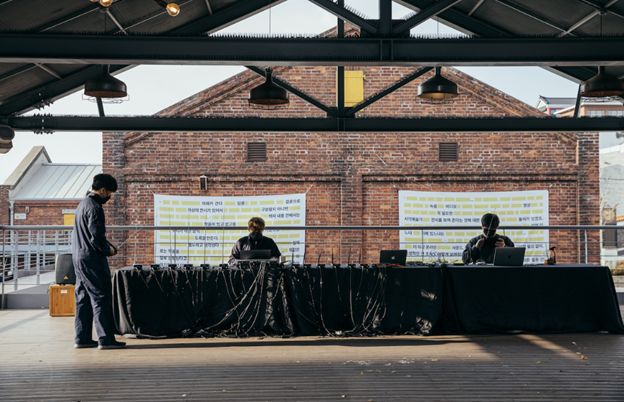
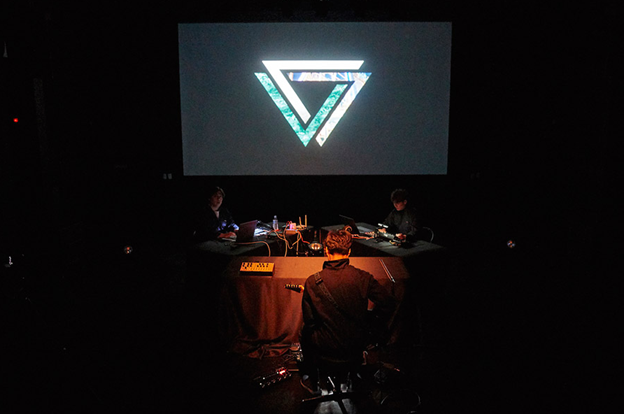
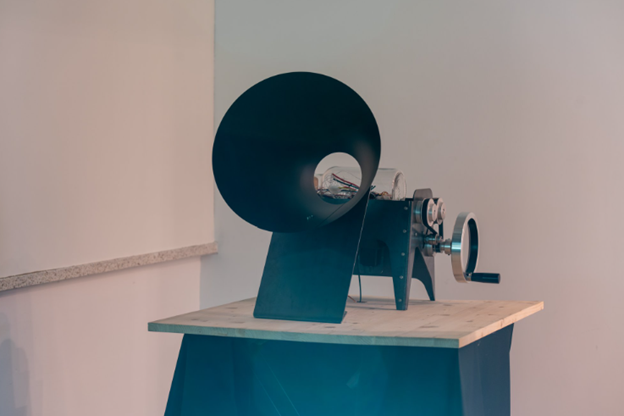
Installation view of 《2018 ICT Project A.I.MAGINE》 © A.I. MAGINE
Project
The City
Data Science Laboratory presented 《2018 ICT Project A.I.MAGINE》 in order to
examine the rapidly evolving relationship between artificial intelligence
technologies and human beings from a multilayered perspective.
Aiming to
become a “global data science research hub for solving urban problems,” the
City Data Science Laboratory is supported by the Seoul Metropolitan Government,
operated by the Big Data Research Institute of Seoul National University,
and located within the Gaepo Digital Innovation Park.
《2018 ICT Project A.I.MAGINE》 is a project
that seeks to shed new light on artificial intelligence through
interdisciplinary approaches and collaboration among diverse participants,
spanning IT, visual arts and performance, and music. The project consists of an
open call for artists, workshops and mentoring programs, as well as exhibition
and performance programs.
The
‘A.I.MAGINE’ project presented by the City Data Science Laboratory has two
primary educational objectives. First, it aims to provide participants selected
through an open call with education on collaboration between ICT technologies
and the arts, while offering opportunities to explore ideas that may develop
into convergent cultural industries.
Second, by offering the results of public
workshops led by participating professors and mentors, as well as exhibitions
and performances by selected participants, free of charge to the general
public, the project seeks to cultivate citizens’ creative sensibilities while
simultaneously fostering interest in Fourth Industrial Revolution technologies
and enhancing public understanding of future technologies.
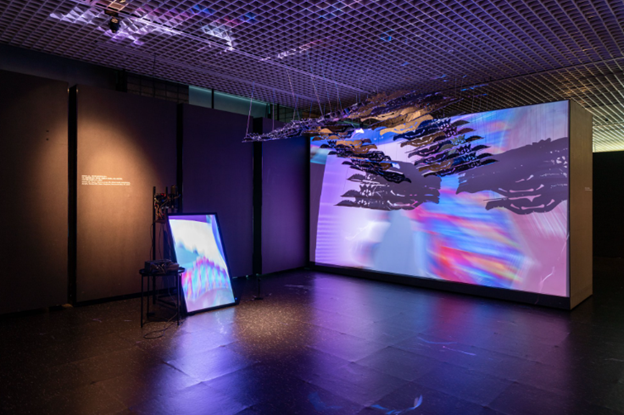
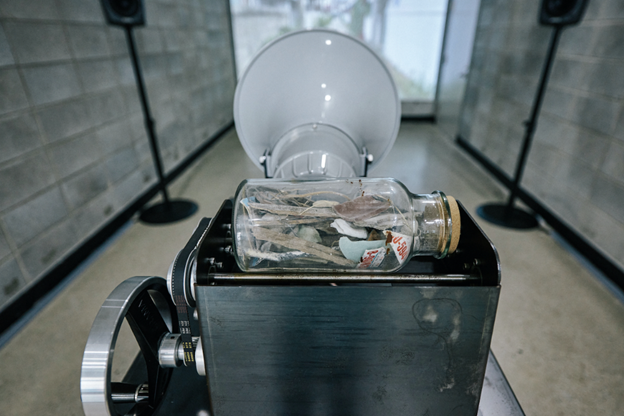
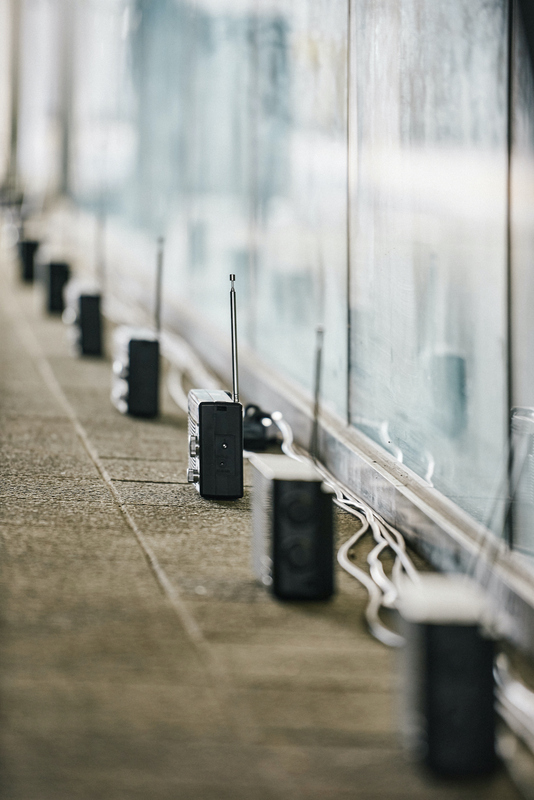
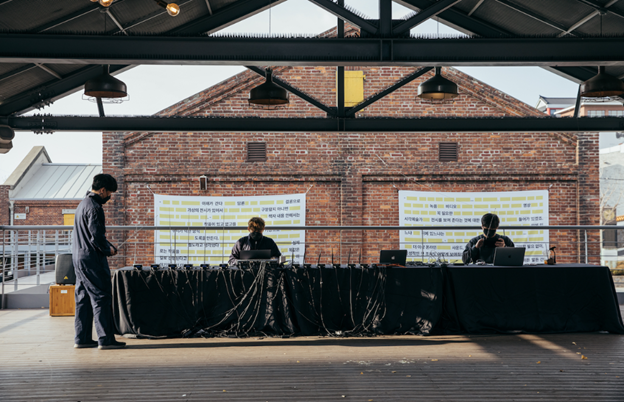
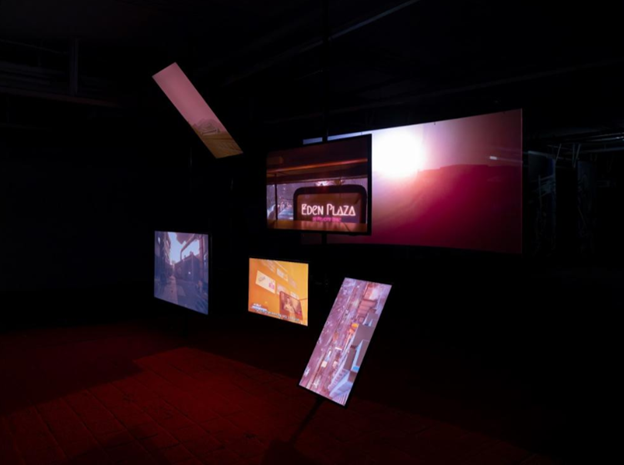
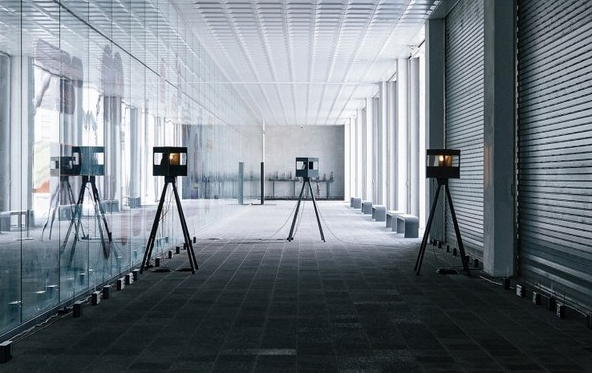
Installation view of 《2018 ICT Project A.I.MAGINE》 © A.I. MAGINE
Project
Workshops
and mentoring were conducted over a three-month period from June to August by
Professor Jonghwa Park (Seoul National University), Professor Kyogu Lee (Seoul
National University), Professor Unseung Yeo (Ewha Womans University), Professor
Gunhee Kim (Seoul National University), artist Yeondoo Jung, artist Hyunwoo
Bang, and composer Inhyun Kim. Participants were recruited through an open
call, and additional public workshops open to citizens were also planned. The
outcomes of the project were presented later in the year in the form of
exhibitions and performances.
Curator
Inyoung Yeo, who led the project, stated that research into artificial
intelligence and the repercussions of its development inevitably raise
questions about human existence. She emphasized the need to move beyond a
binary opposition between humans and machines and instead examine multilayered
elements, underscoring the importance of discourse grounded in
interdisciplinary approaches and critical perspectives.
The open
call for participants was open until June 6. Anyone interested in convergent
cultural and artistic practices related to artificial intelligence—including
visual artists, performers, sound artists, IT researchers and developers, and
collectives—who could participate in workshops, produce works, and present
outcomes was eligible to apply. Selected participants were to be organized into
three to five teams, each of which would receive support in the form of
funding, education and mentoring, as well as access to spaces and facilities,
depending on the scale of the proposed outcomes and consultation.
This
project was realized in collaboration with Art Center Nabi,
the Goethe-Institut Korea, Space One—an art space based in Haebangchon—and
the Ewha Institute for Art & Science Convergence.