I
spent a long time considering from whose position I should view these
photographs. I chose to view them from the perspective of the artist’s
mother—the position most familiar to me. The perspective of someone who either
took the photograph or was photographed, who has never handled professional
cameras, but has only taken pictures with disposable film cameras or widely
accessible digital devices such as smartphones. This is perhaps the only way I
can freely approach my relationship to photography.
From
this experience, I attempt a degree of conceptualization and theorization. I
would call this “photography without records.” These photographs do not arise
as outcomes, but emerge from the photographer’s consciousness, reflecting upon
the act of photographing itself. Let us examine the latter first.
Photography
is activated within various classificatory systems depending on purpose and
method: identity (amateur, professional, technician), subject (portrait,
landscape, object), genre (journalistic, artistic, commercial), and so on.
Perhaps it is more accurate to say that classification systems arise according
to each purpose and method. Among these, photography as a professional art form
uniquely records, reflects upon, teaches, and bequeaths the act of
photographing itself. This feedback loop—where photography influences
photography—allowed the medium to be recognized as a modern art genre.
Conversely,
consider photographs whose actions are defined by purposes other than
photography: leaving evidence (in court), commemorating events (weddings),
representing oneself culturally (selfies). These practices become subjects of
sociology or anthropology, not photographic discourse. Photography ends there
as something other than photography. The reverse—non-photography becoming
photography—is rarely observed, simply because we lack the institutional
motivation to observe it. But what if the reverse is already happening? What
would occur if we chose to observe it?
Long
before photography as we know it emerged in 1839, “cameras without film”
developed in various forms. The camera lucida, for example, used a prism lens
to overlay the image of an object onto a drawing surface, primarily for
painting. One might even describe it as a “hand-exposed photograph.”
Sensitization—literally sensing light—did not rely on chemicals, but on manual
skill.
Even photographic printing itself began as an attempt to eliminate
drawing—what might be called “photography without drawing.” Contemporary
artistic photography continues this trajectory with practices of “photography
without shooting.” Photography’s concepts and practices have continually been
redefined by altering their conditions and functions, whether intentionally or
forcibly.
What,
then, of “photography without records”? I consider this not through recent
academic theory, but through the images filling my smartphone album. Just as
memory is triggered by particular forms of recording, records derive meaning
only when remembered. I think of artists who have published books curated from
hundreds of thousands of smartphone images. Yet I know I will never revisit
most of my photos. If they were deleted, I would feel little more than vague
regret. The reaction after Cyworld’s collapse was similar—people had forgotten
not only the images themselves, but even the fact that such images once
existed.
These
photographs existed only in the moment of capture. They resemble underlining
passages in a book one never plans to reread. The underline is not useless—it
extends the moment as a moment. Naive realists who tell people busy
photographing meals, performances, or landscapes to “just look” misunderstand
what is happening. Photographing is an act of arranging visibility and
exposure, sometimes of waiting for events to persist, and ultimately of seeing.
Perhaps we saw for the first time through that small screen.
What
do we choose when we photograph? This question recalls ancient debates on
memory. The fear that reliance on written records erodes the will to remember
dates back to antiquity. The digitization and automation of record-keeping
render such fears more legitimate. Data preservation and memory may thus be
fundamentally different matters. Perhaps “photography without records”
completes itself not through preservation, but through disappearance.
From
this point, I leap from experience into theoretical imagination. How does art
photography respond to “photography without records” emerging in mass
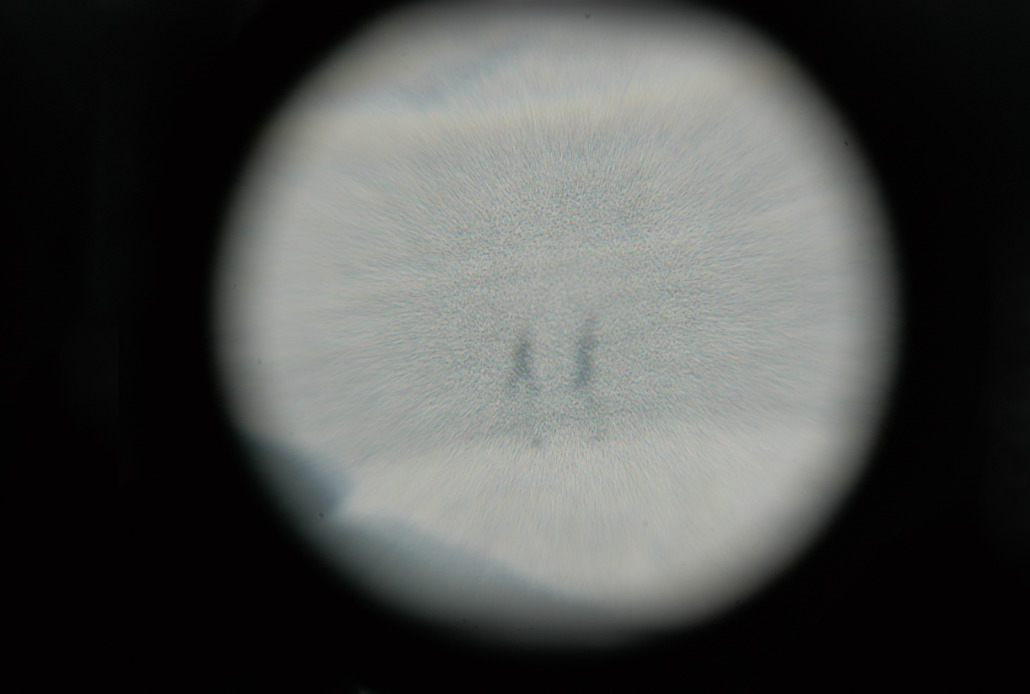
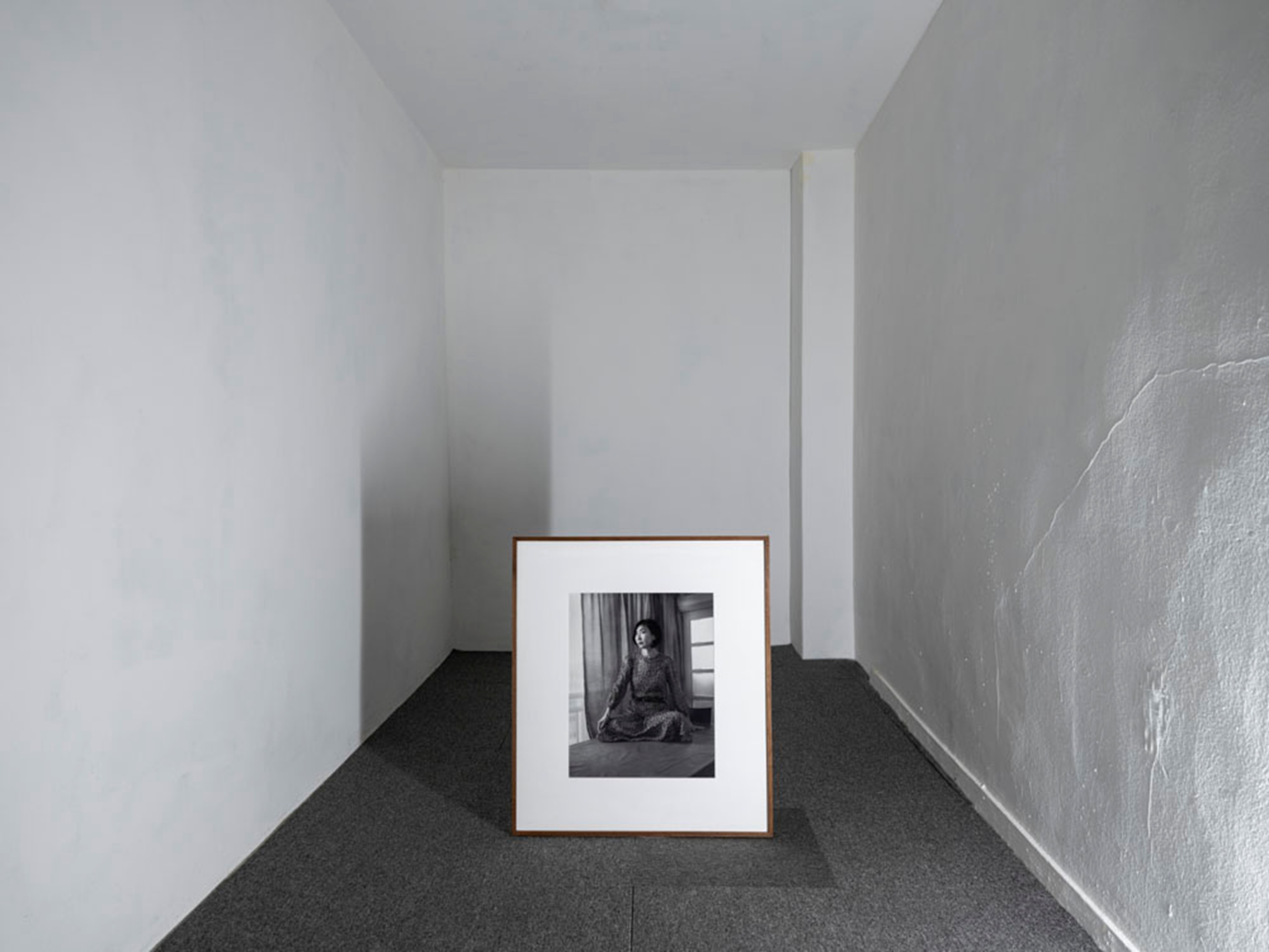
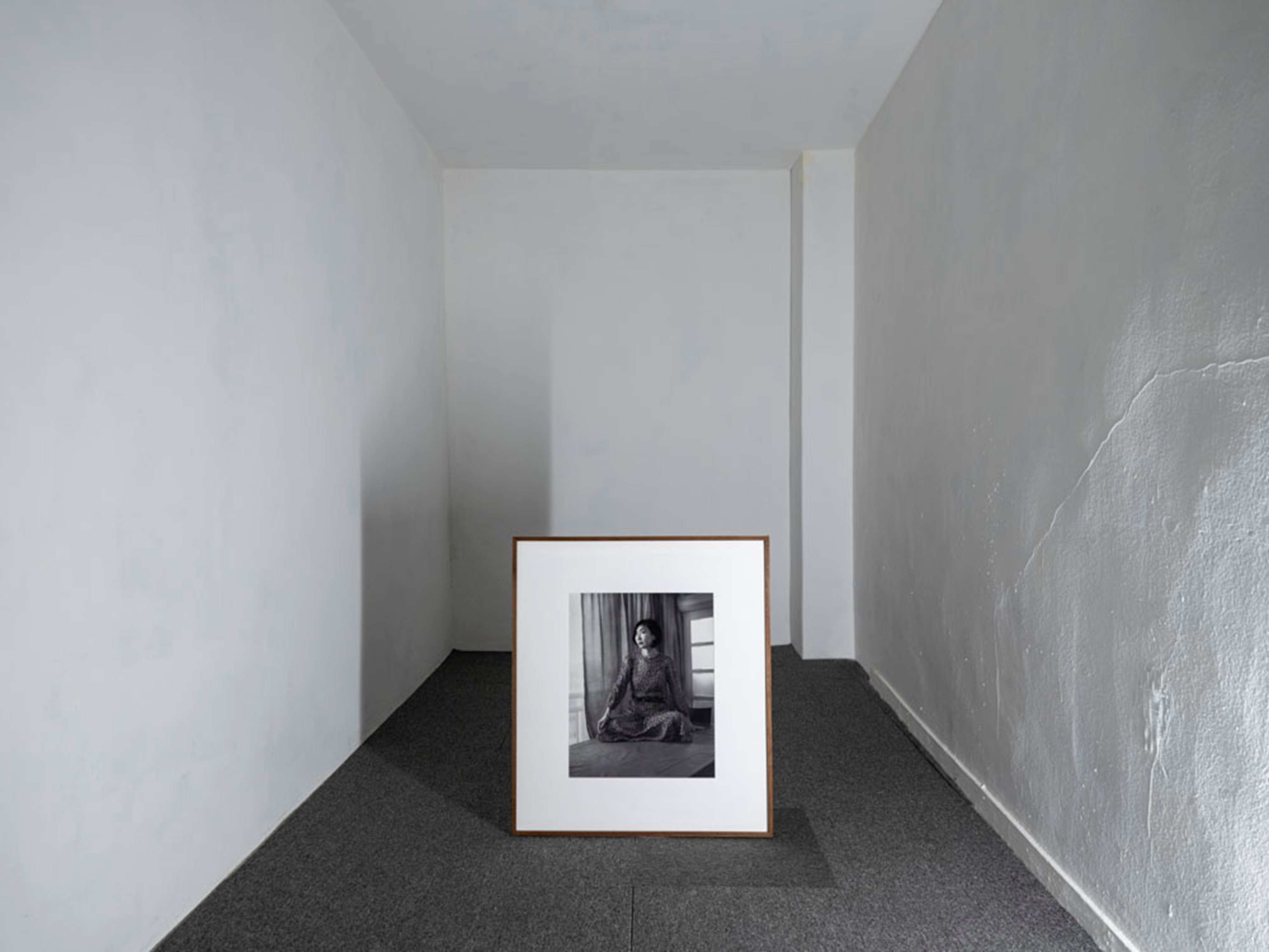
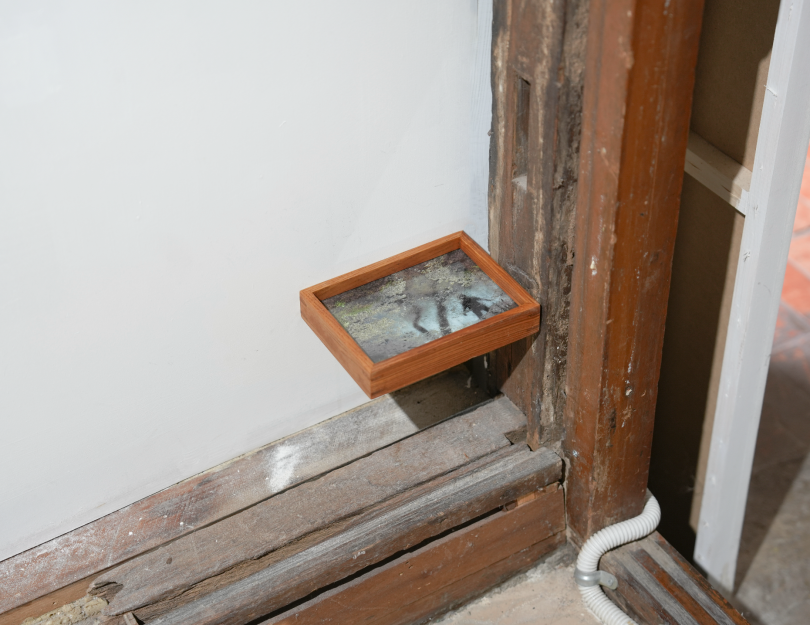
photography? Sangha Khym prints photographs on thermal paper; dots spread,
colors collapse into black and white. She adjusts the degree of degradation,
sometimes rubbing the image by hand. Images that once pointed to specific
individuals and memories are released from private ownership. Any everyday
photograph produces the same visual outcome, making the form itself more
significant than the content. This work operates as a device.
But
is replacing individuality with another form not simply another automated
system—similar to criticisms often leveled at non-art photography? Can we take
pleasure in such transformations? The anonymous hand rubbing the image, the
mythic threat of intervention from outside the image, becomes more explicit. We
never demanded the return of memory or record. Faced with this intervention,
what do we see?
As
gestures of transformation approach threat, unexpected images emerge. As
photographs are cut, heated, and copied, as erasure approaches physical
deletion, the image transforms and begins to recover its specificity. Nearing
nothingness—but never reaching it—the internal elements of the image call to
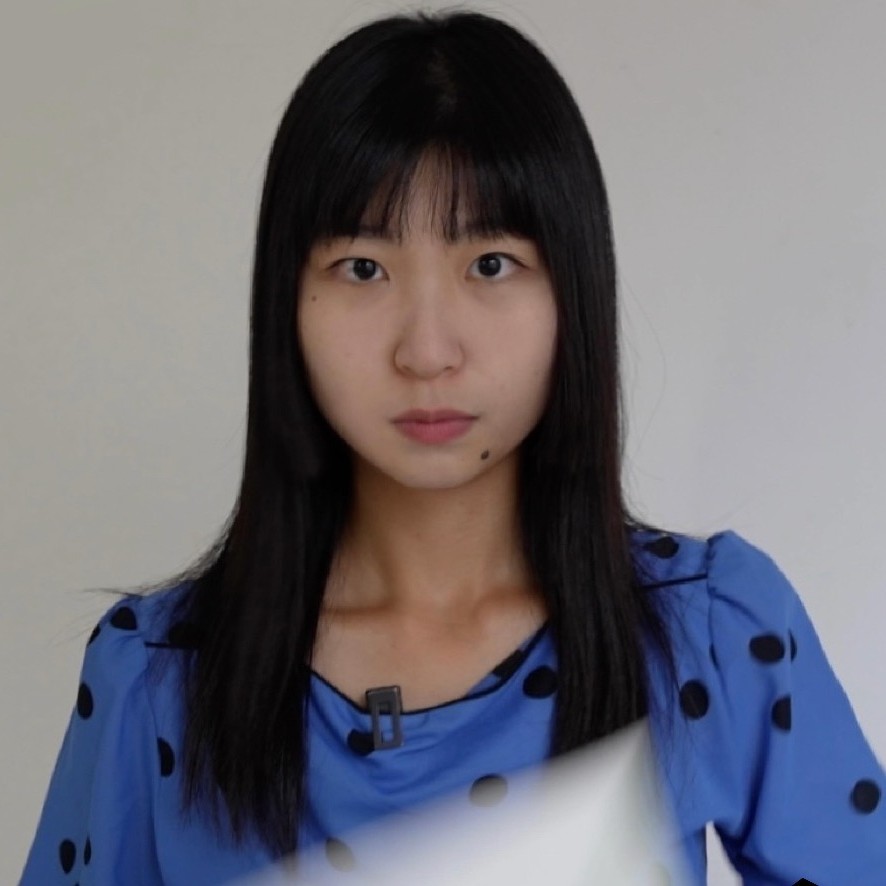
one another. The image even calls forth the mother’s photograph: the polka-dot
dress overlaps with digitally degraded halftone dots. We may now call the
mother’s eyes large dots. That abstract patterns can be read as acts of calling
is almost magical.
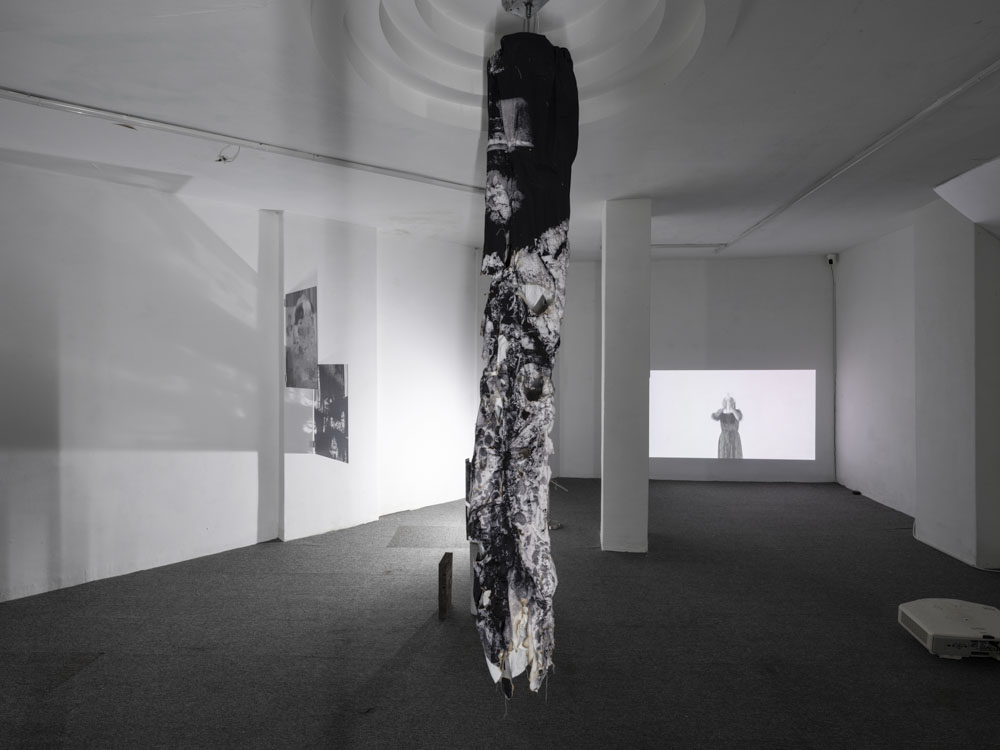
Bae
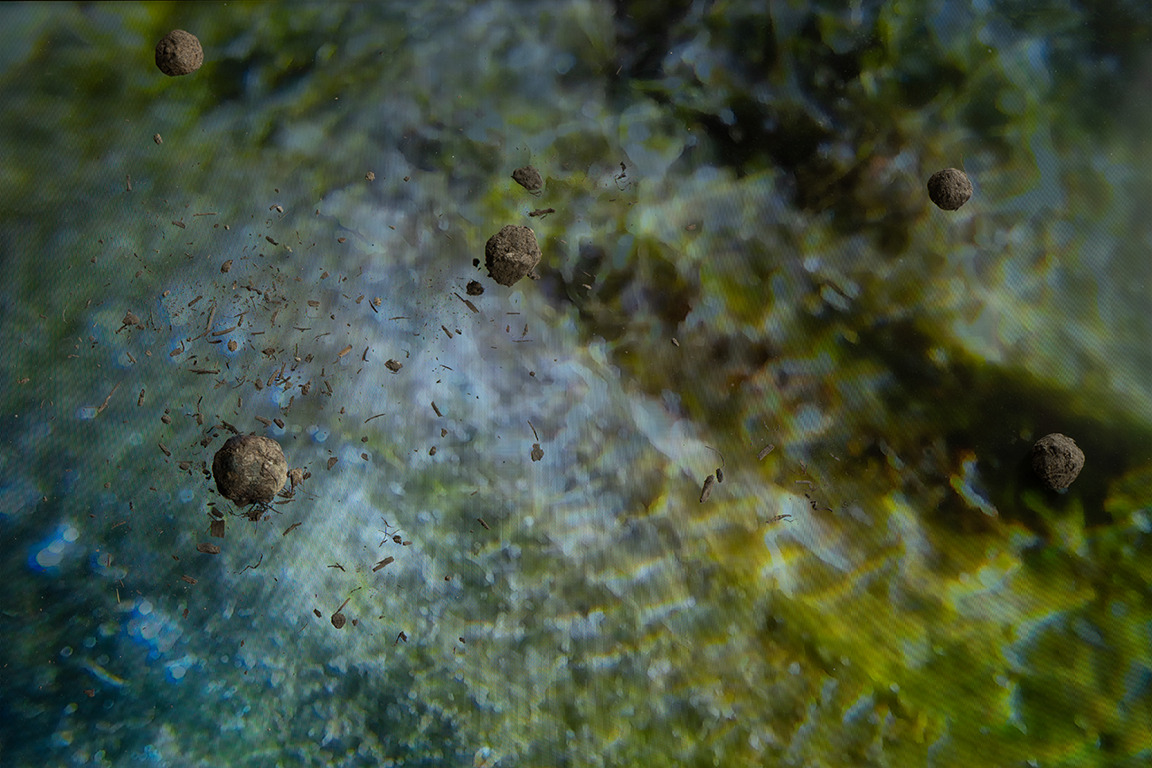
Ja-eun projects such calling into the future, where the absence of an addressee
demands a new body. She describes photographing objects that melt, lose form
and function, or merge into a single body—spaces that resemble her thinking.
When accidents circulate through me and are reproduced by my actions, spaces
“resembling” them reproduce accidents and circulate as photographs. We move
from reality’s logic to photography’s own operational logic.
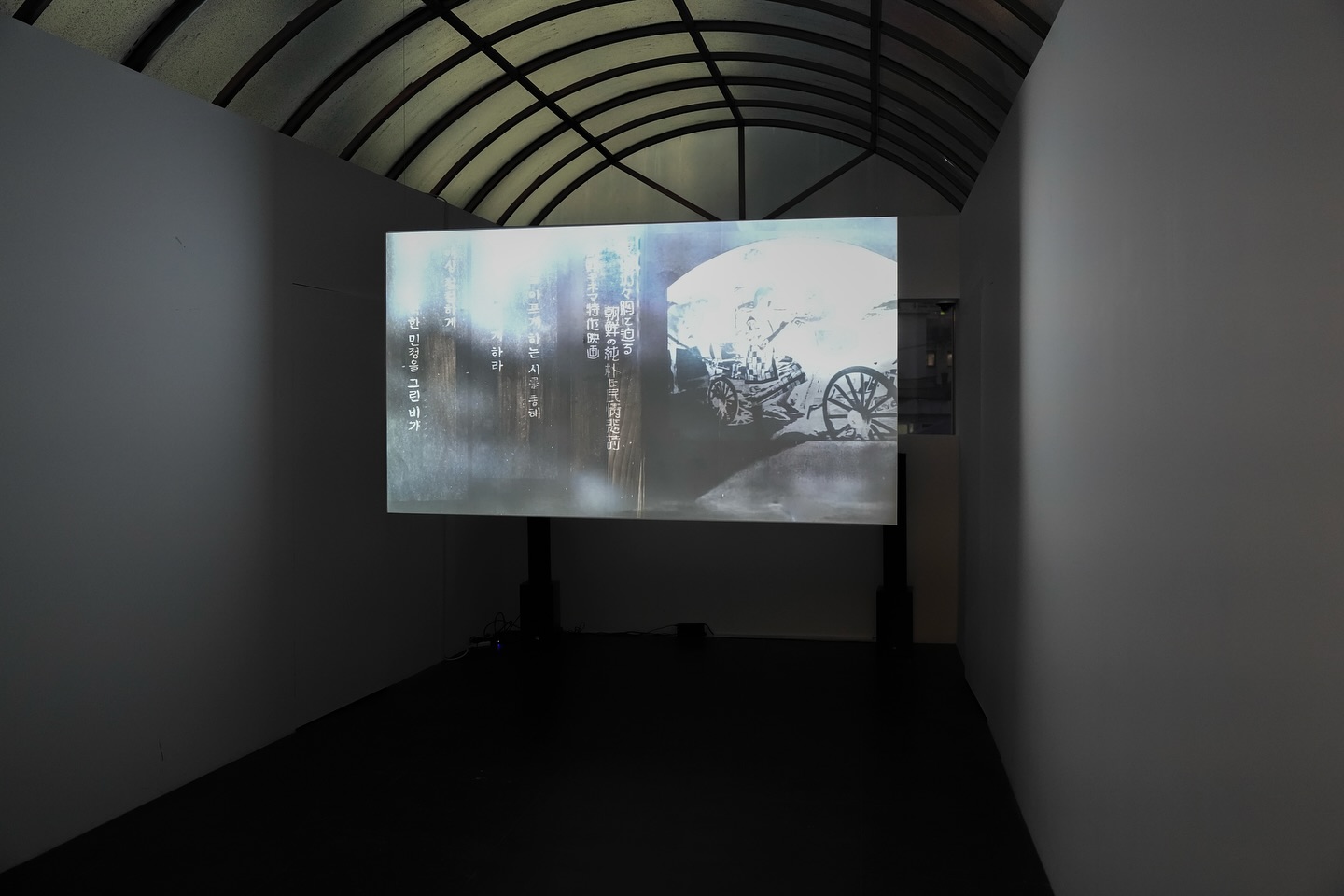
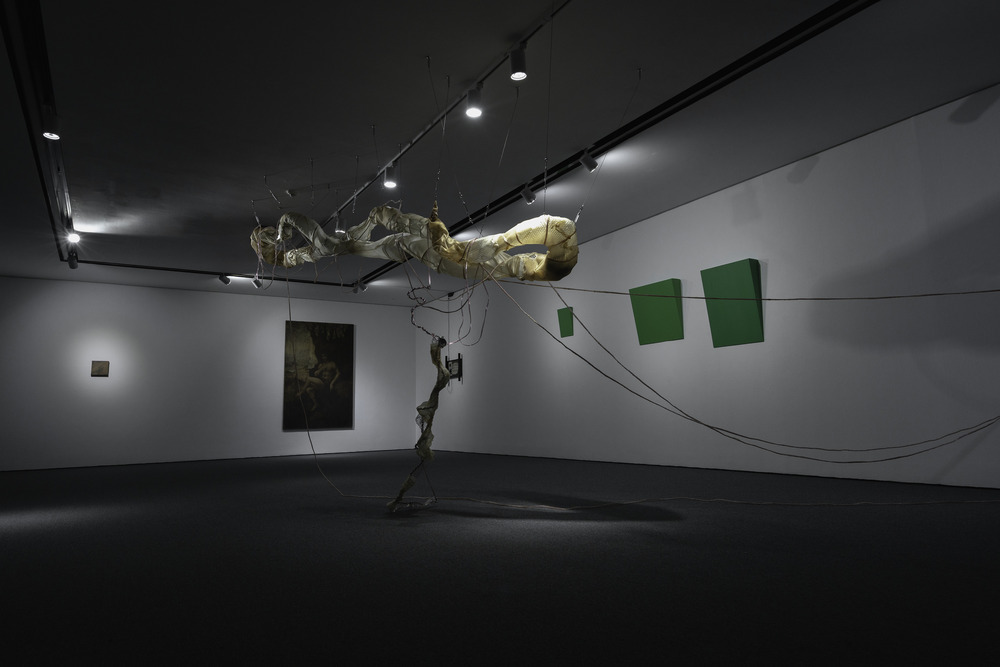
Yet
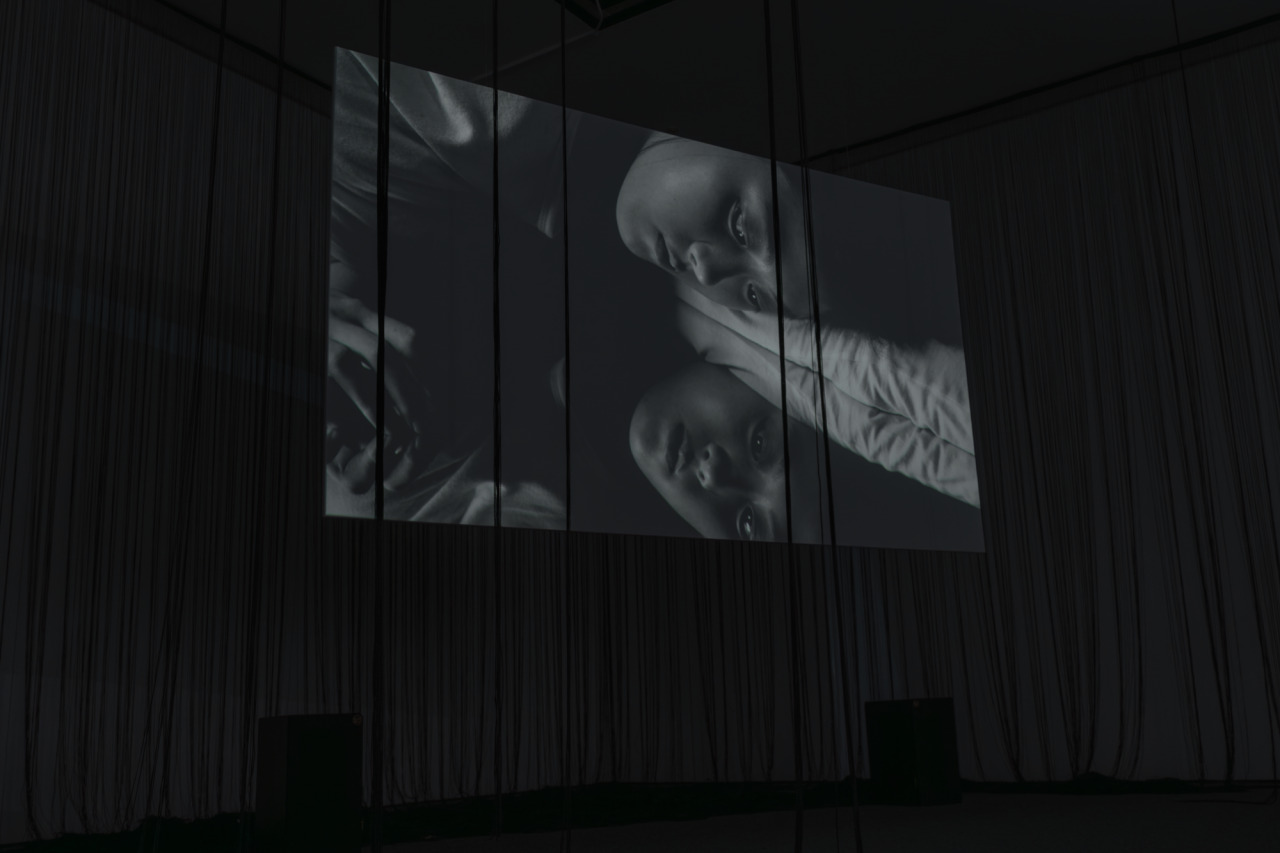
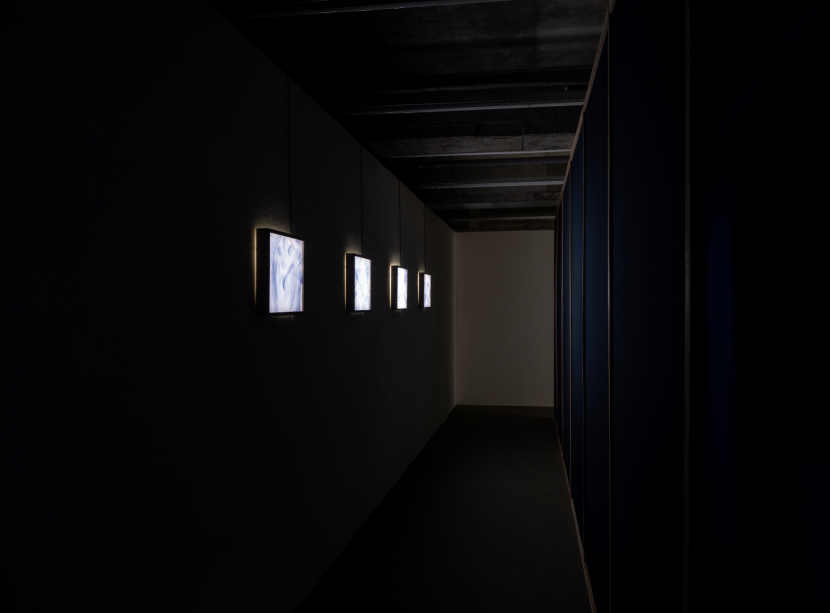
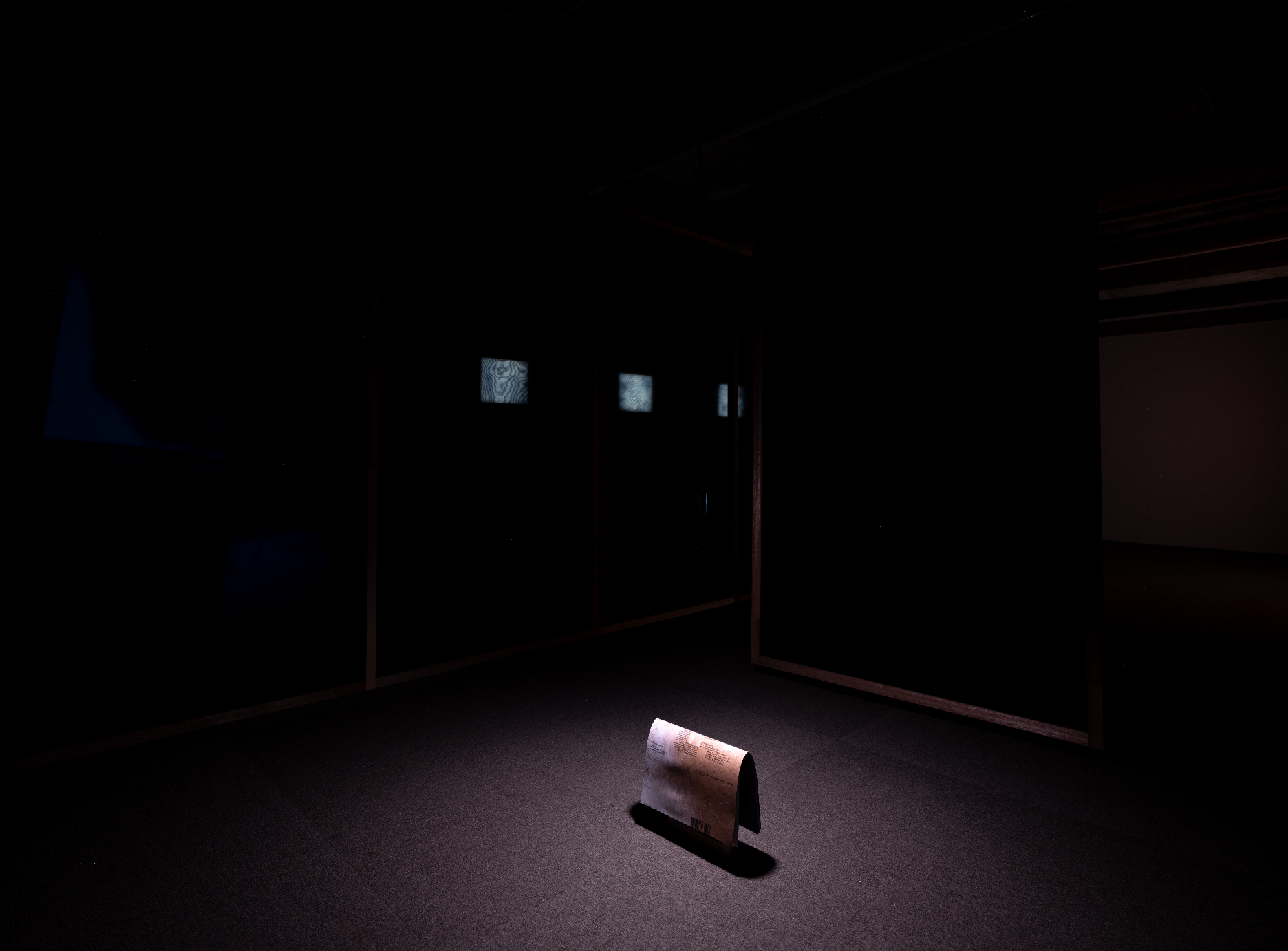
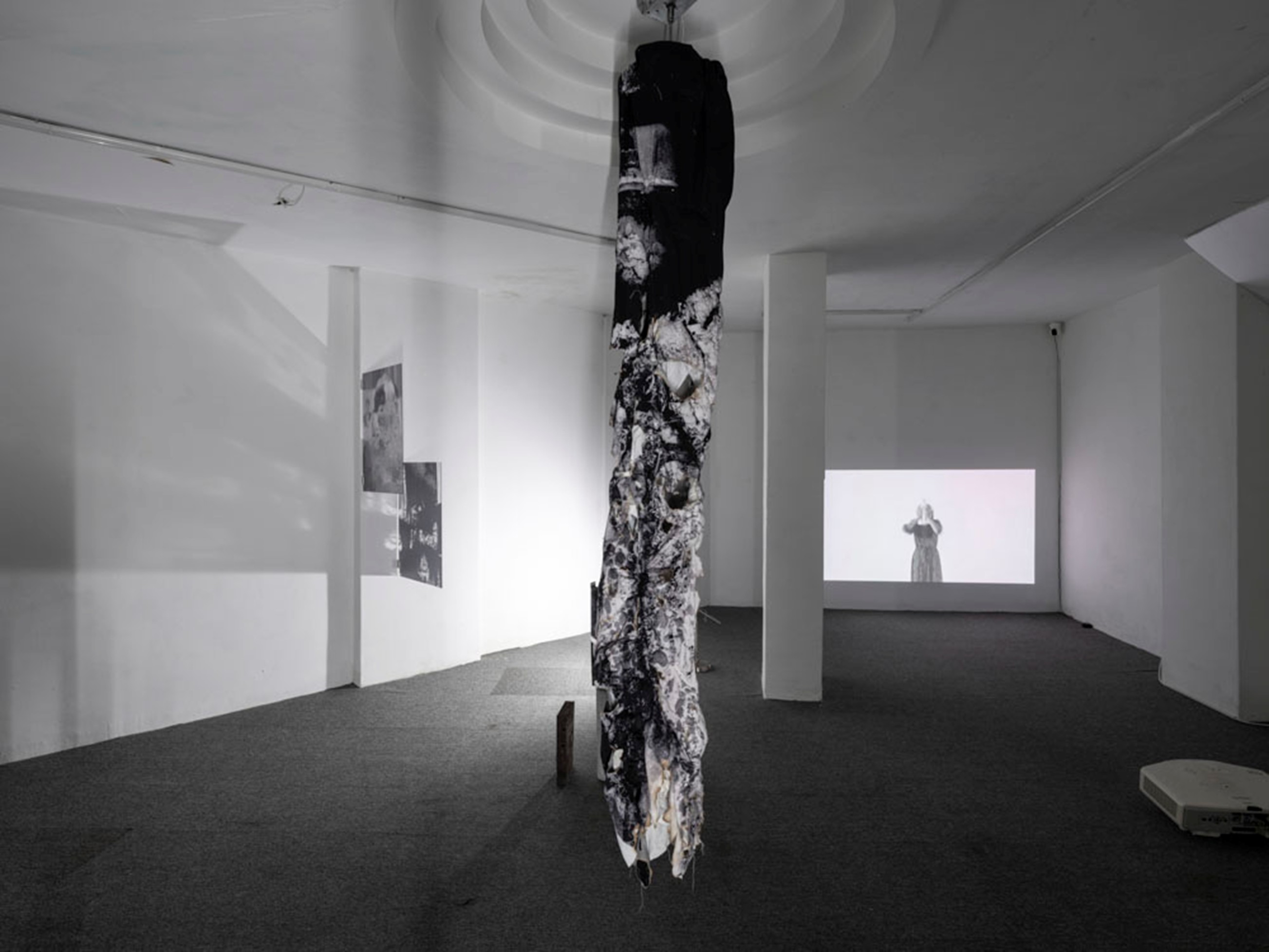
Bae Ja-eun interrupts the passage from circulation to appreciation. She burns,
melts, and attaches images. The transformed image does not demand
interpretation of its result, but of the act of transformation itself. The
image loses its reason to remain flat, migrating onto videotape and textile
surfaces. The original event becomes a state of things.
The
desire to make “my mother’s memory my own” became a key for interpreting Khym’s
images. Bae Ja-eun describes her own work as repeatedly excavating memories
left in the form of trauma. How should we read such a statement, which seems to
depict self-harm? Trauma cannot be directly extracted; the image must first be
burned. Burning here does not function as deletion—it lends the image the body
of something else. Within an approach that must simultaneously hold the
opposing goals of erasure and remembrance, photographs lend their bodies to
memories we cannot see, but must somehow confront.
Even
this borrowed body is destined to disappear. Earlier, I claimed that
“photography without records” had emerged in mass photography. Rather than
observing it, I asked what would happen if we allowed ourselves to be observed
by it. When hierarchies between domains are replaced by relations of influence,
this is the response sent back by professional photography.