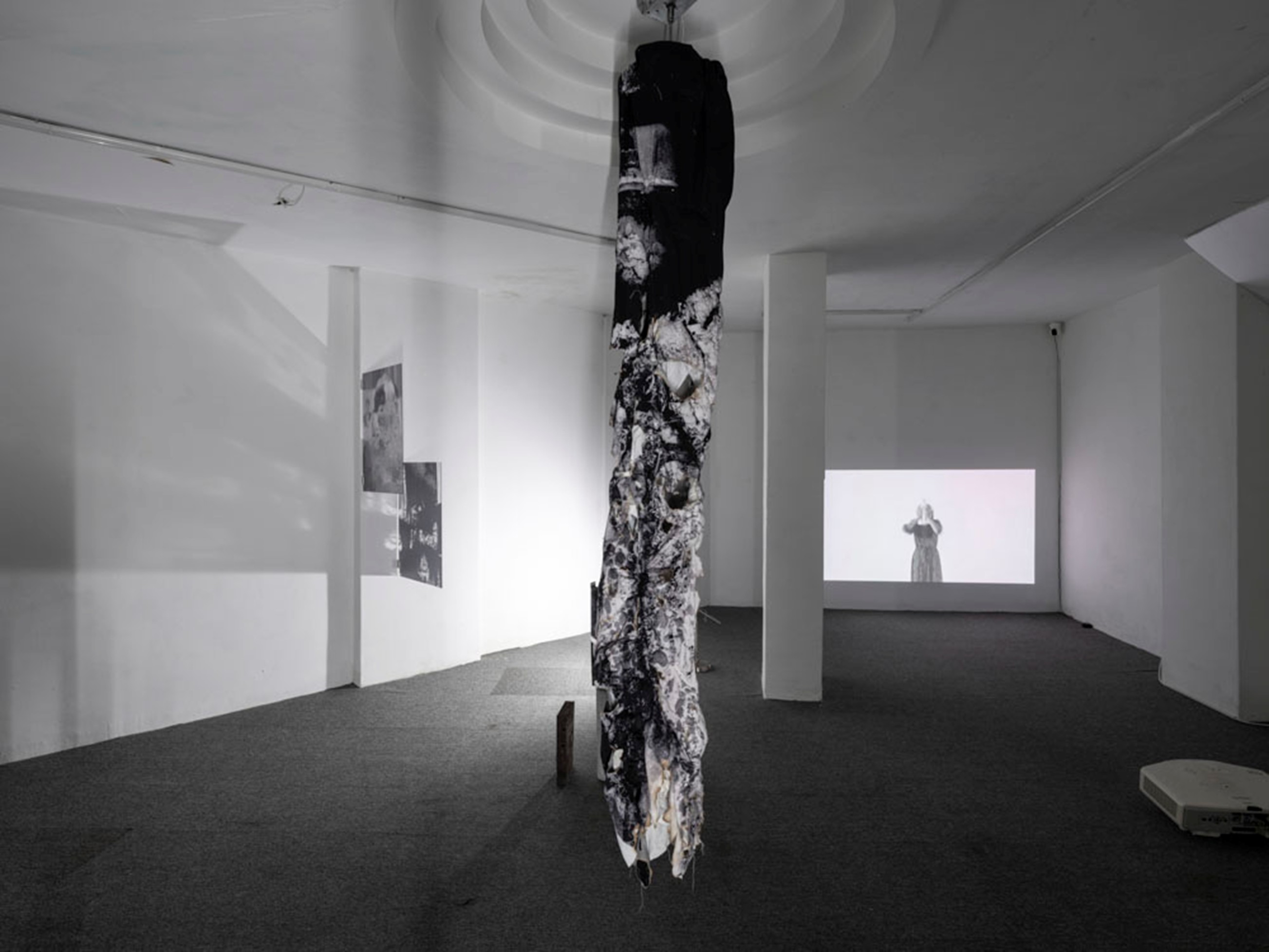
The
conversation between two people begins as a book is opened. “Is this your
grandfather?” A hand turning the pages stops and points to a photograph. “Yes.”
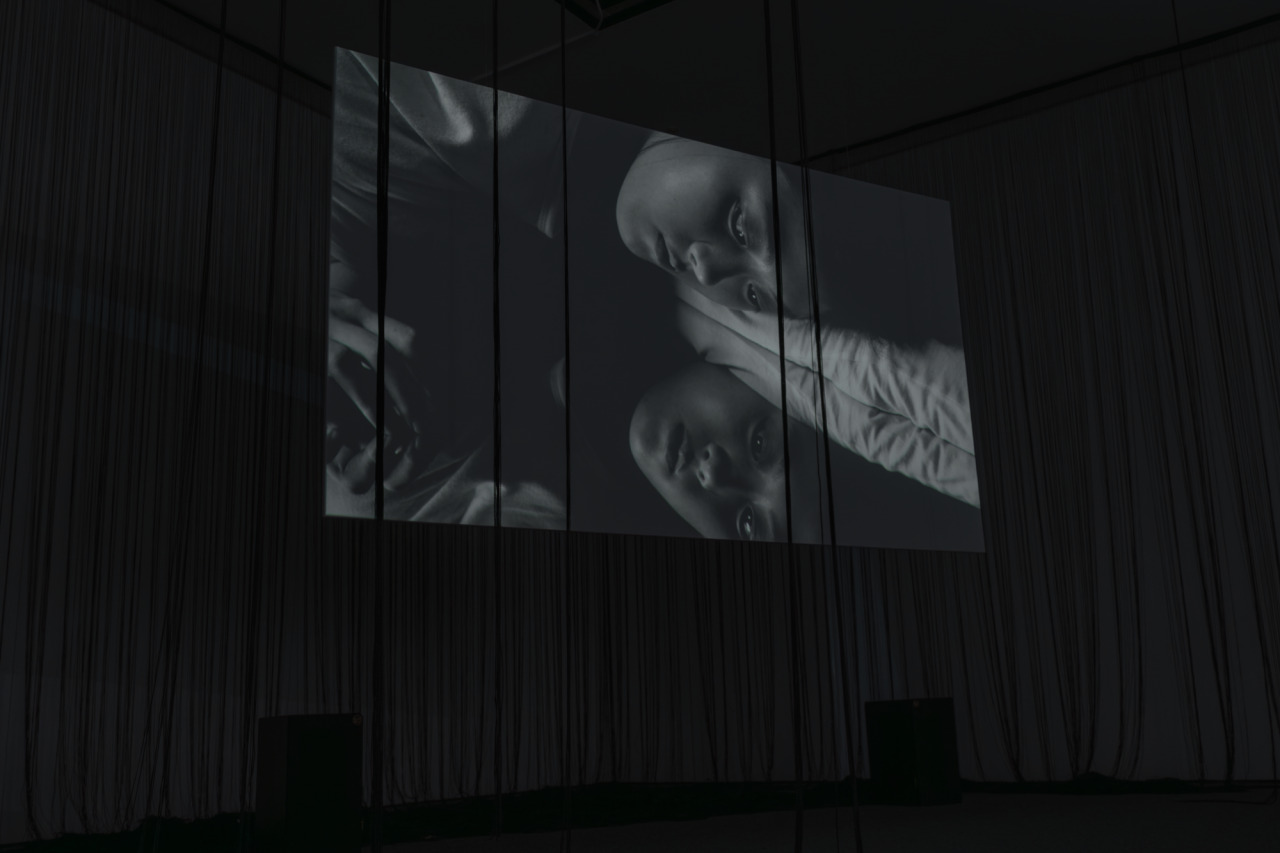
The questions continue. “Where was it taken? When was it taken?” Sangha Khym’s
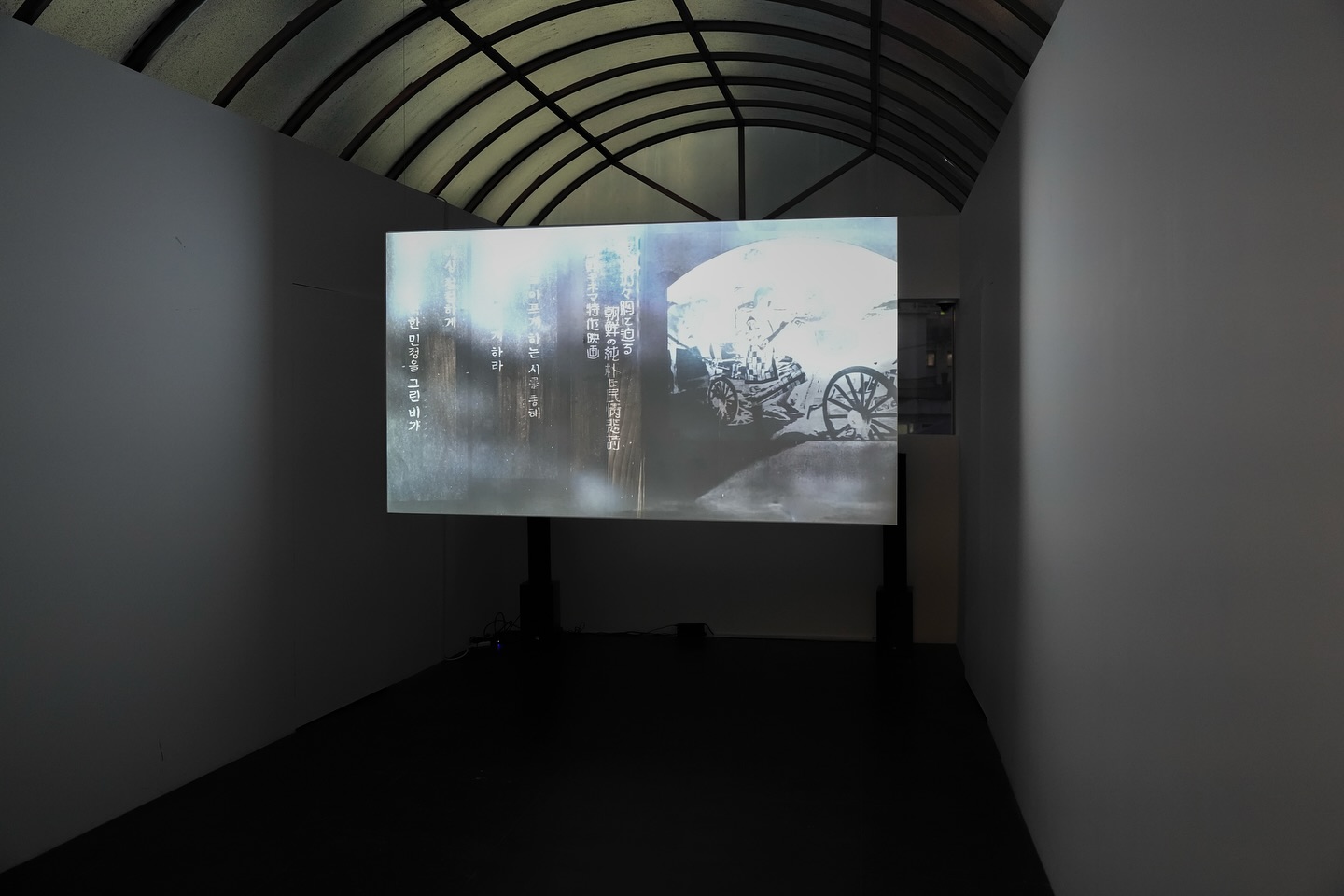
video work gather(2024) begins this way. Questions
about a subject, place, and time recorded in or through a photograph emerge
only when the image appears as a clear figure. Otherwise, most questions
inevitably remain abstract—What is this? What was photographed? As I watched a
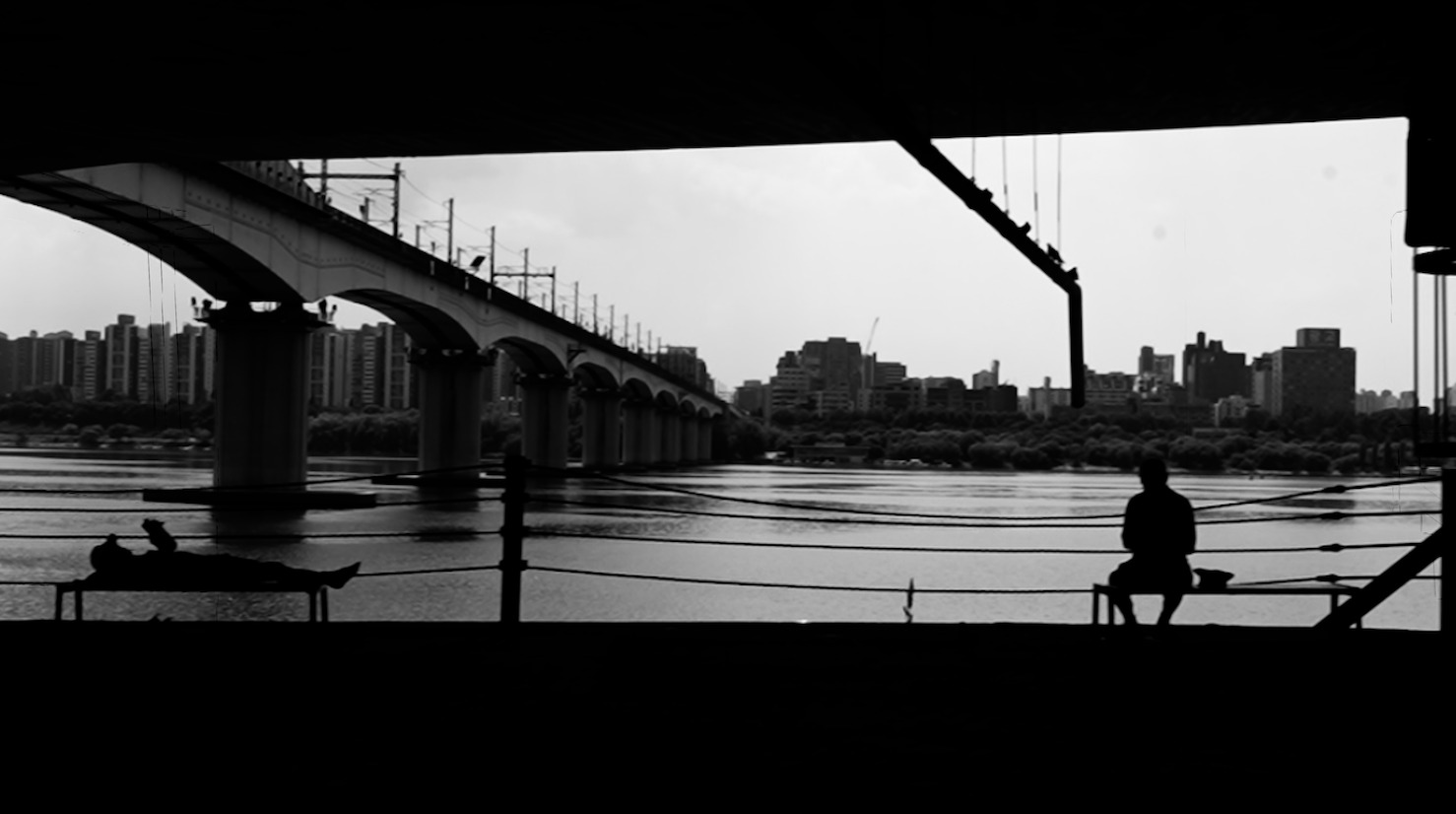
scene that begins with such concrete questions, a memory surfaced: a summer day
when I took a Han River cruise.
Once
aboard, it seemed that people were not particularly interested in the scenery.
Since the boat did not head out to sea, the ride was short, and there was
little that could truly be called a spectacle—perhaps this was only natural. I
looked at the scenery while exchanging conversation with Sangha Khym, who had
invited me. “That’s the National Assembly building, right?” “Is this Yanghwa
Bridge? Oh, it’s Mapo Bridge.” “That must be Bamseom.” Bamseom—at the time, I
did not yet know that this island would later become the central subject of
Khym’s solo exhibition. The experience of talking about visible objects, and my
memory of that experience, recalled the opening of gather(2024).
Khym’s
memory of Bamseom is as follows: “When I was young, there was no island in the
river, and then one day it appeared. There was no island. Then it appeared
small, and suddenly it was just there. Is that even possible?”¹ Seeing Bamseom
from the boat, I felt the same strangeness she described. Had I been the one
asking, I might have said, “What is that?” And if someone had asked me, “Is
that an island?” I might have answered ambiguously, “Well, maybe it’s an
island.”
The island carried such an uncanny presence that it was difficult to
pose concrete questions. On reflection, asking when an island came into being
or where it is located seems odd—an island does not usually appear and
disappear, nor does it move. Yet confronted with this strange presence before
my eyes, I could understand why the artist wondered when, where, and even how
Bamseom appeared. It was unmistakably there, and yet unclear.
Compared
to the album photograph shown in the opening scene and the clearly visible
figure within it, the island is far less definite. Still, just as the artist
begins a story with a single photograph, might even the most precise record be
subject to the same questions—at least when it is tied to memory?
Our
gaze toward Bamseom wavers between clarity and vagueness. When looking at this
island—blasted in 1968 and yet still remaining—whether glimpsed in passing from
a boat, lived on by former residents, seen only in photographs, or encountered
in person, the questions must be posed together, collectively. On the day Khym
and I took the cruise, people were looking at the 63 Building and the National
Assembly. These landmarks were far easier to recognize and far more visually
legible than Bamseom. Bamseom appeared simply as a mass of forest. Something
was clearly there, yet difficult to define.
It
had rained heavily the day before, and there was a chance the cruise might be
canceled. Thanks to the successful departure, we were able to see the island
that remains. Had the water level risen enough to obscure it, I likely would
not have given the island a second thought. In sedimented pasts—where record
and memory are mixed like muddy water—what lies beneath is easily overlooked
from the speed and position of a passing cruise ship. Whether record or memory,
everything that remains here is both clear and ambiguous. Bamseom prompts
questions about what this is—what kind of object it is—and what kind of
background, what kind of memory, it holds.
As
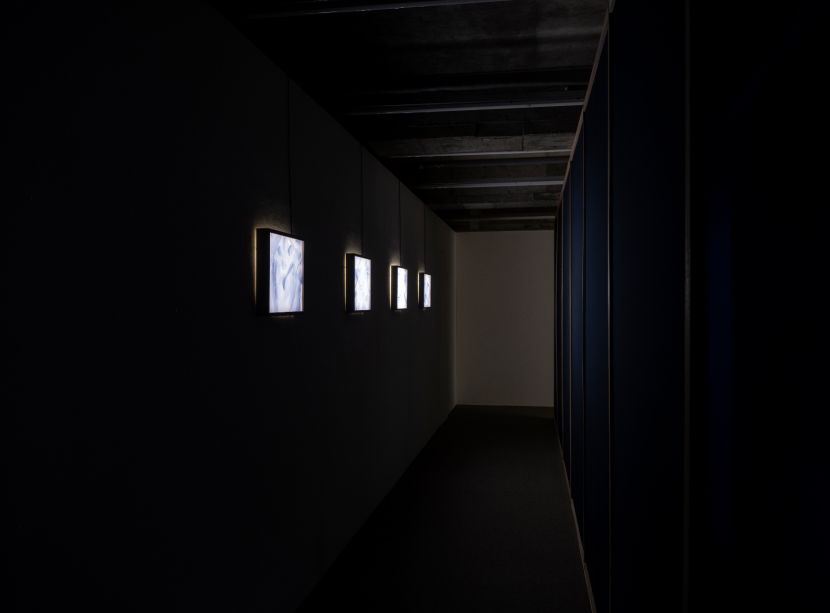
I continued through the exhibition, the title 《Blurry Dreams》 resonated in an oddly fitting
way. Memory is often likened to dreams, but is there anything as vivid as a
dream? If dreams are places where narratives are vividly shaped by concrete
experiences and thoughts, then what is a “blurry” dream? Perhaps it is something
that has been eroded or worn away from what once existed—and yet still remains.
Bamseom, as seen through Khym’s gaze, and the stories surrounding it, seem like
such a mass: a condensation of memory, record, and experience. It is there, and
yet it compels us to ask what it is—indeed, it leaves us no choice but to ask.
This
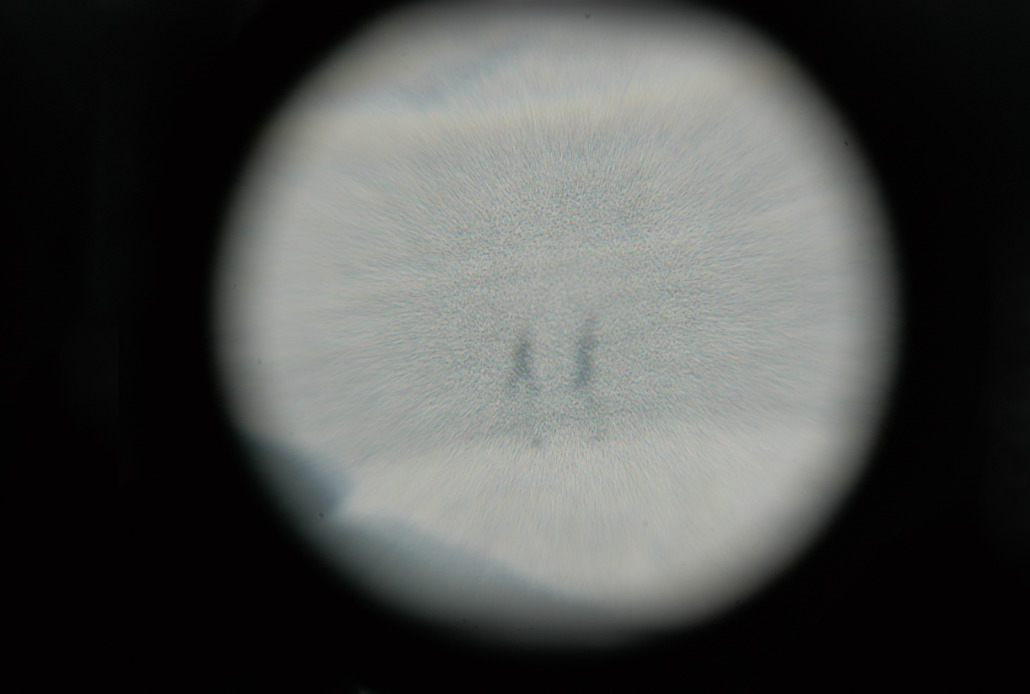
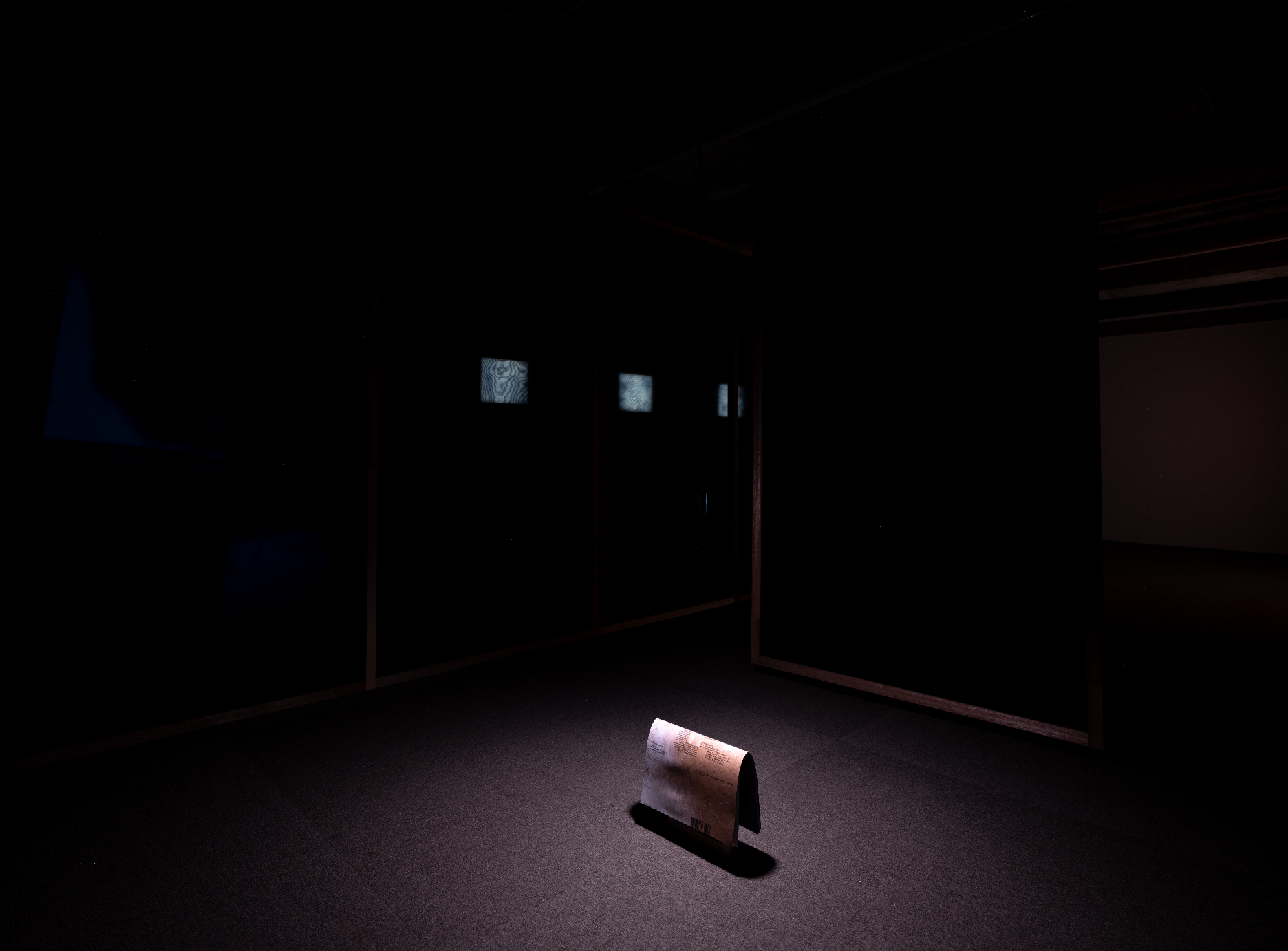
notion of a “mass” brought back my experience of opening the book Missing
Link(2024), presented in the exhibition. On the first page is a
photograph of an elderly man seen from behind, looking out a window through a
camera. When the gaze of a person looking outward forms a visual field through
a device, memory and record become inseparable from the experience of seeing
itself. As the pages turn, the image enlarges, gradually concentrating on the
head.
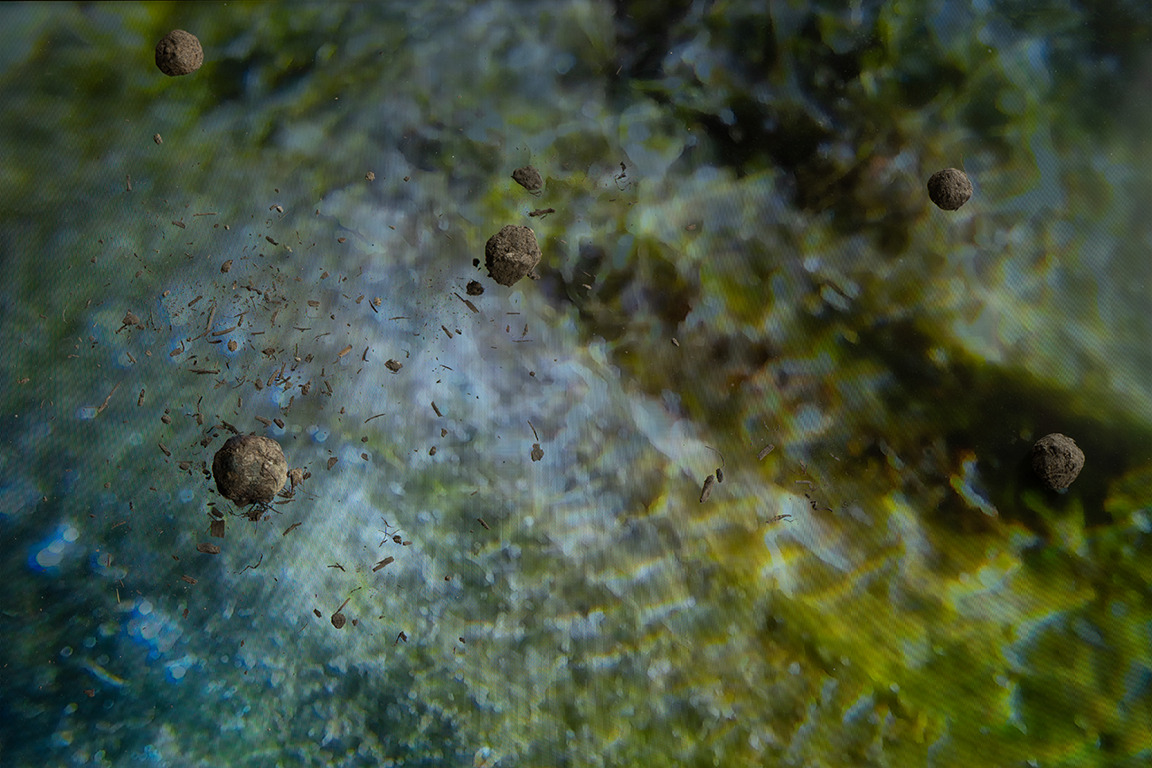
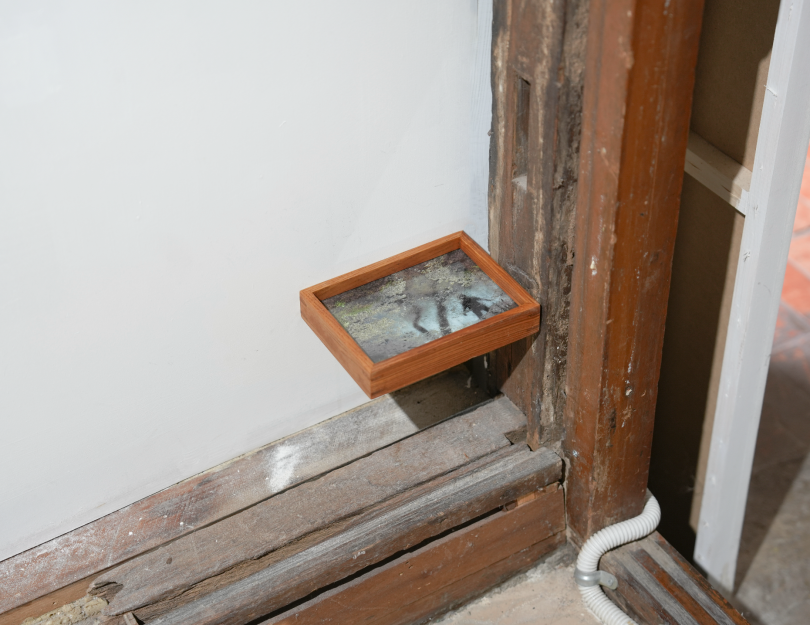
Then a mass appears. While this mass is likely a photograph of the “mud
balls” Khym has worked with since 2022, to me it resembled a head. The
experience of directing one’s gaze outward returns inward, molded into memory—a
record that can both coalesce and disperse. The head, as something that is not
clearly defined yet undeniably present, becomes a mass, resembling Bamseom.
If
memory and record are sediment, whether they surface or not depends on the
point of view—both visual and temporal—though in truth they move vertically,
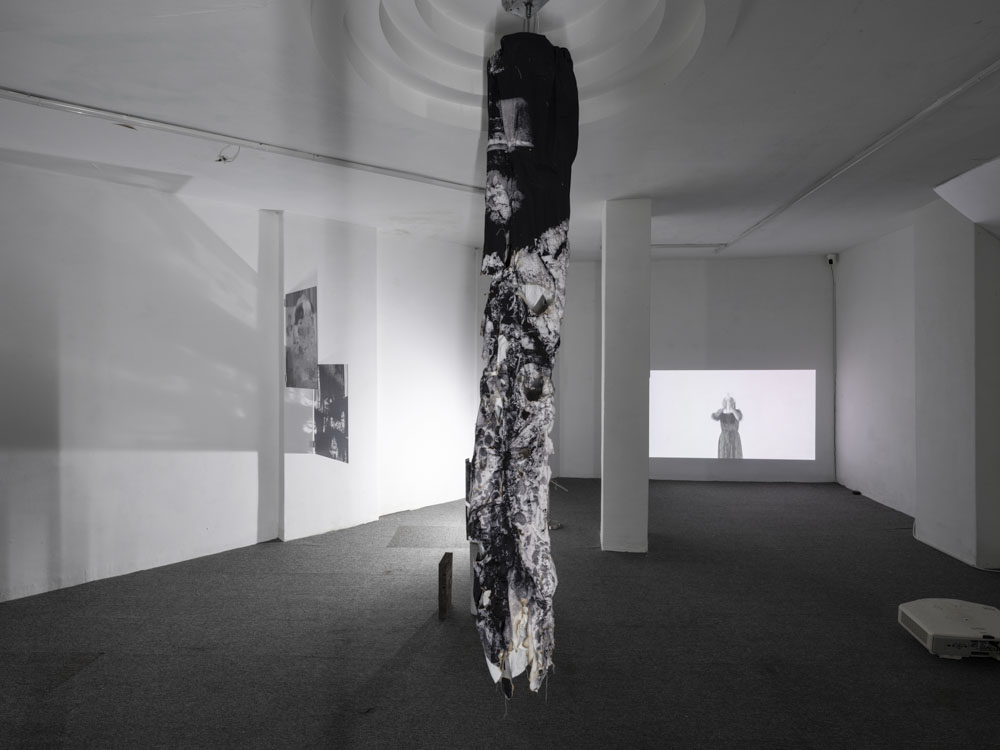
rising and sinking. In gather, there is a scene showing
a bedsheet. Nothing appears on the sheet as people converse around a
photograph, and when the sheet is lifted to reveal what lies beneath, there is
still nothing. Has the island disappeared? Or has it not yet appeared? The sound
of flowing water continues. When we ask the person before us about what appears
in a photograph, the answer is grounded in memory. Bamseom’s identity emerges
as a condensation of ambiguity, mixed between the testimonies of former
residents, Khym’s memories, and the scenes recorded through her work.
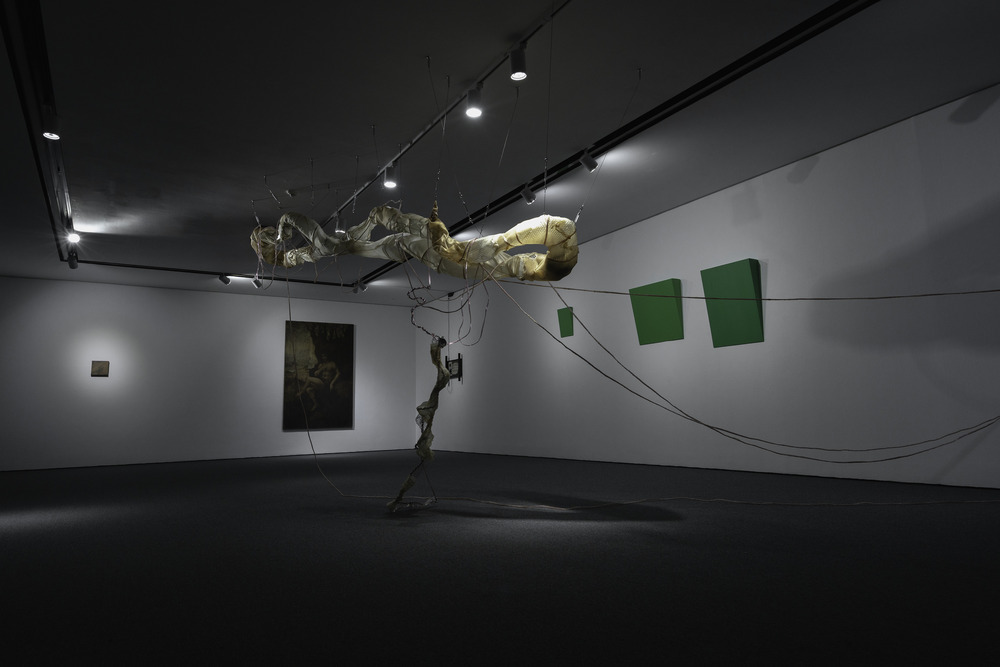
The
visual field formed in the exhibition space—divided by walls yet directing the
gaze beyond—takes shape in my own memory, much like the first page of Missing
Link. The reason the video scenes and photographic outcomes appear in
abstract forms is precisely because this is how Bamseom appeared to Khym. More
than that, it is an attempt to show that this is a definite mass containing
memory, record, and experience.
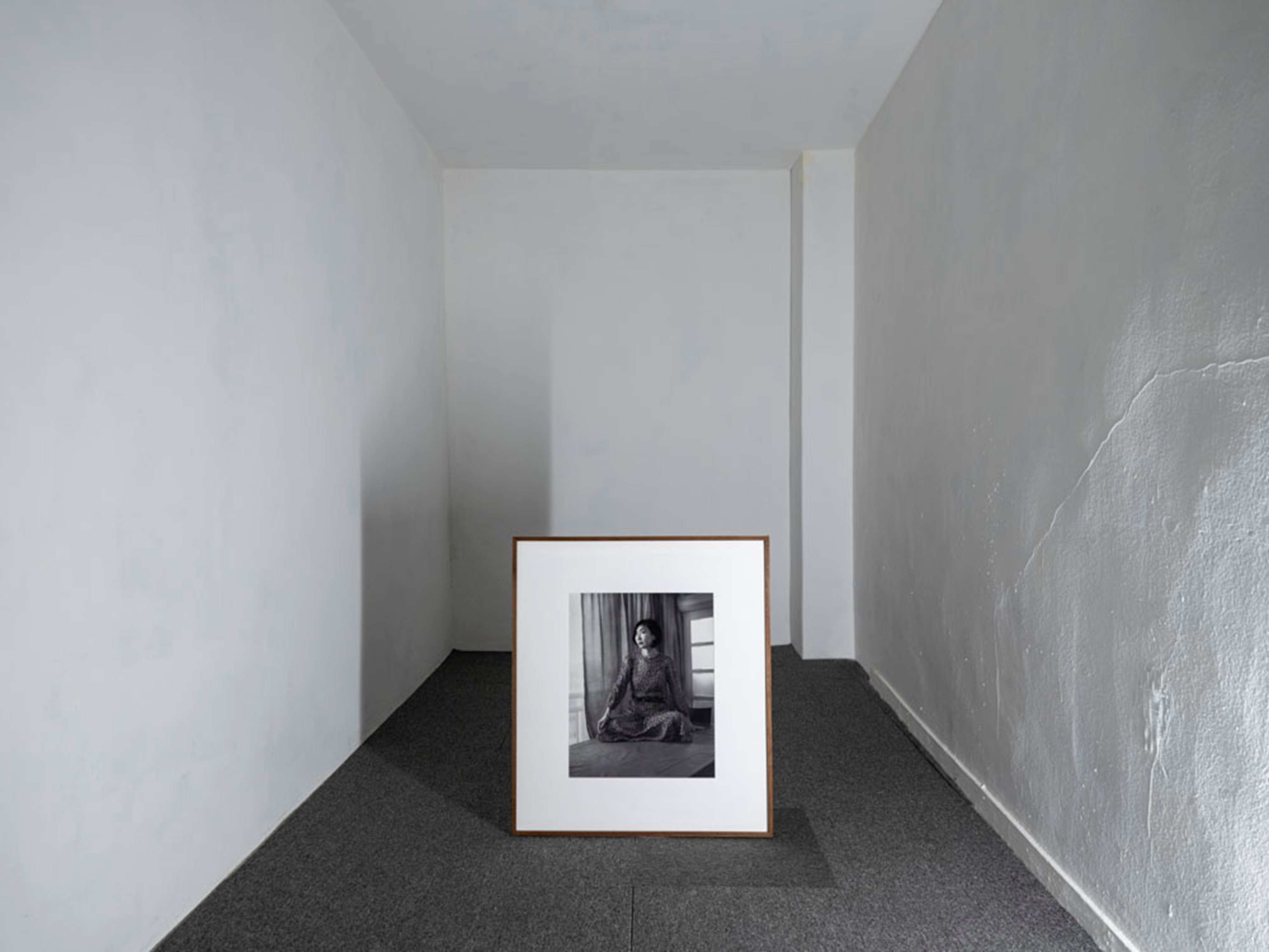
Her
gaze toward the island is directed toward the past. The images flowing from a
photograph Khym took of a former resident holding a camera—river and
memory—remain in the mind through the apparatus. Though outwardly unremarkable,
both Bamseom and the head are sites that remember and record the past. Like an
image that enters the video frame and remains still, like a camera obscura–like
exhibition space divided by walls yet allowing light to enter, images come
inside and linger—only to scatter again.
Even
if it appears abstract, there is something here akin to a “blurry
dream”—something worn down or refined. It is the residue of experienced pasts,
emerging from a gaze that horizontally connects memory, record, and experience.
It is not vivid, but it is unmistakably present.