The
human body is one of the immutable elements that define human existence.
Without the body, no thoughts, cultural productions, or human activities. In
this respect, the body is a medium, and the role it plays is also a fundamental
interest of technology-science. Eunhee Lee's work mainly explores issues
related to the interactions between the body, machines, technology, and the
systems they trigger, grounded in everyday experiences. She seeks to establish
connections between the bodily image in moving image art, which is based on
technological foundations, and the essence of the medium.
A
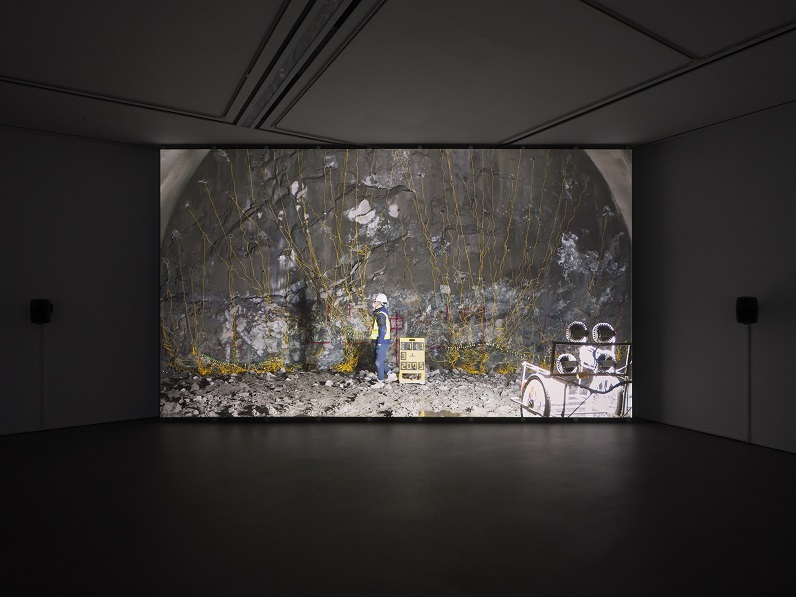
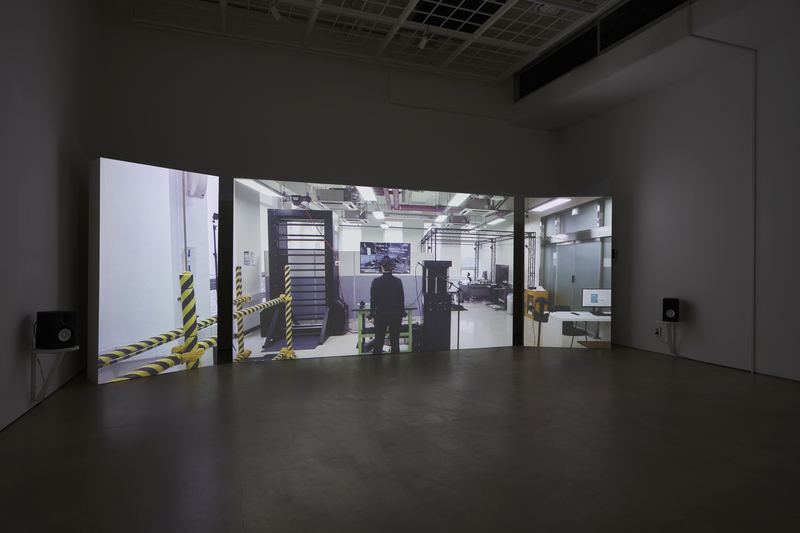
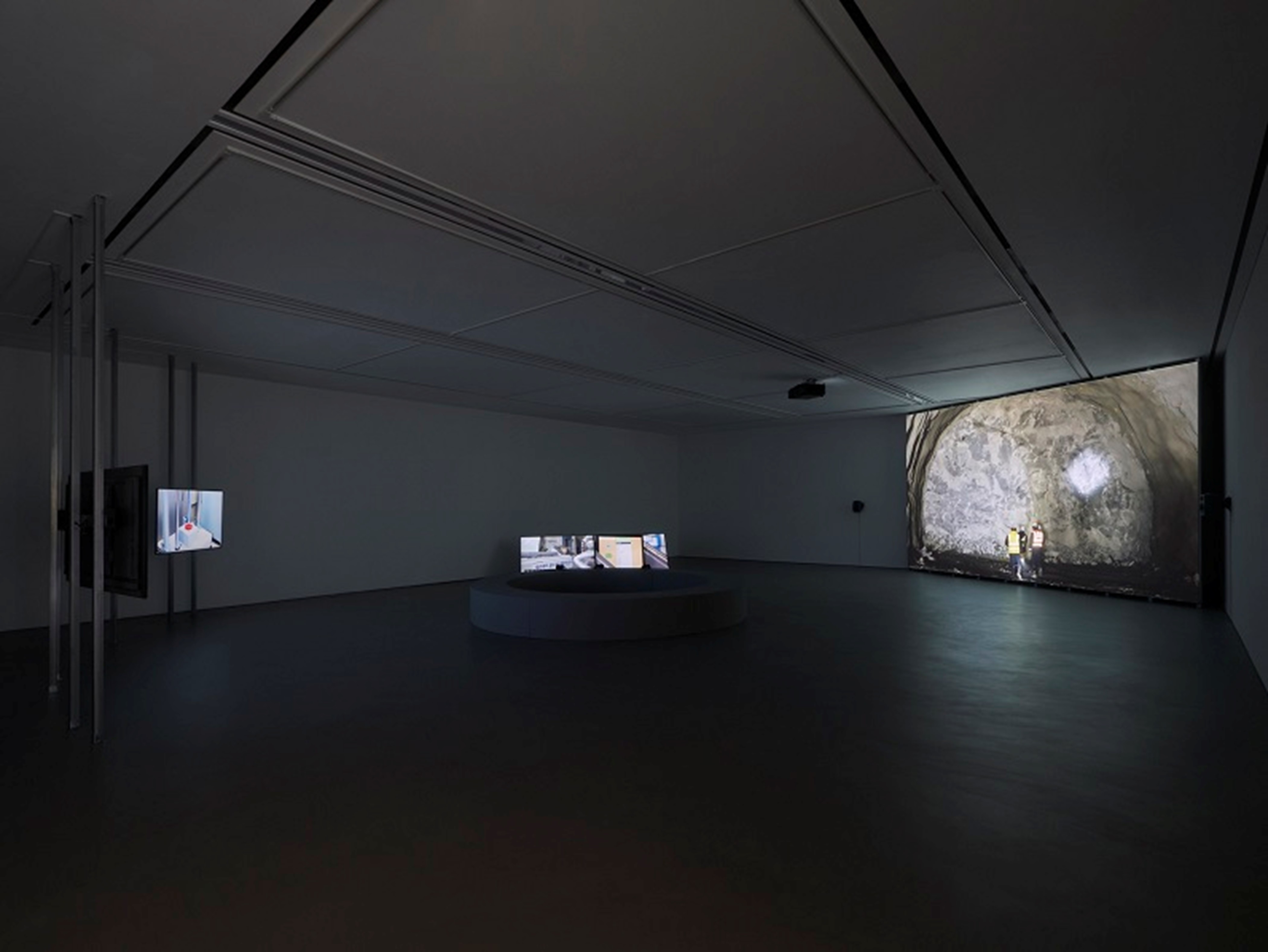
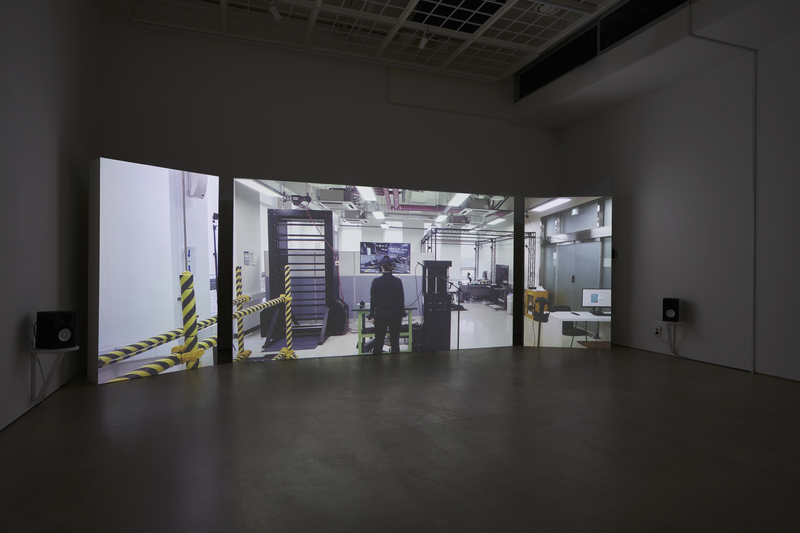
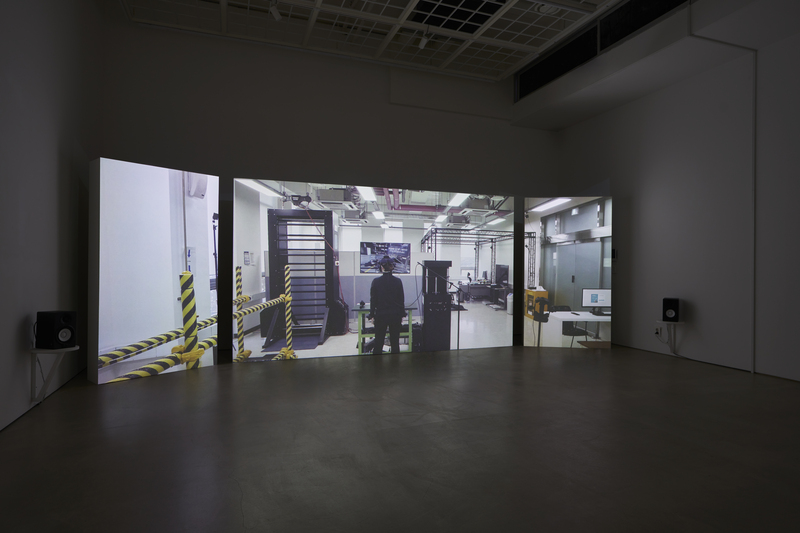
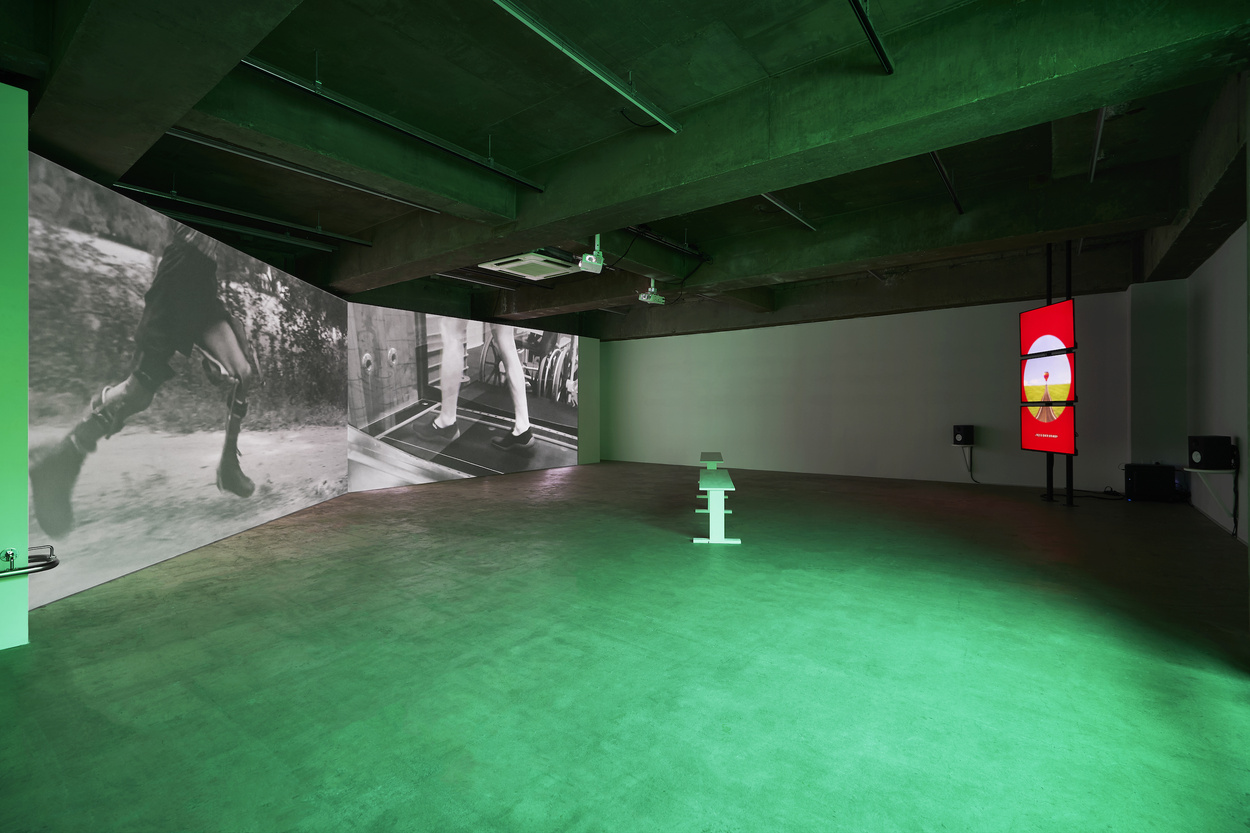
few premises of walking with two legs (2021), which will be screened
for the first time in this NEMAF Film Festival, is a two-channel piece centers
around the act of "walking," comparing and exploring the conventional
walking of able-bodied individuals with the walking of disabled bodies. Among
her other works, Stance phase, Swing phase(2021), AHANDINACAP
(2020), and LONGING (2020) critically examine the question
of whether certain states of the body can be categorized as normal or abnormal,
centering on how bodies perform when running or walking.
The experience of
watching a long rehabilitation treatment for a family member's disease in
dealing with both disabled and able-bodied bodies, while also examining the
impact of medical technology's evolution on the state of tension in the body.
Whatever the basic attitude a physically abnormal person perceives about his or
her body, they will possess sensations that an able-bodied person may never
experience. This manifests itself in Eunhee Lee's work as a tension between the
body as an object and the body as an agent. The treatment techniques
continuously presented in her work increase the intensity of this tension.
Another
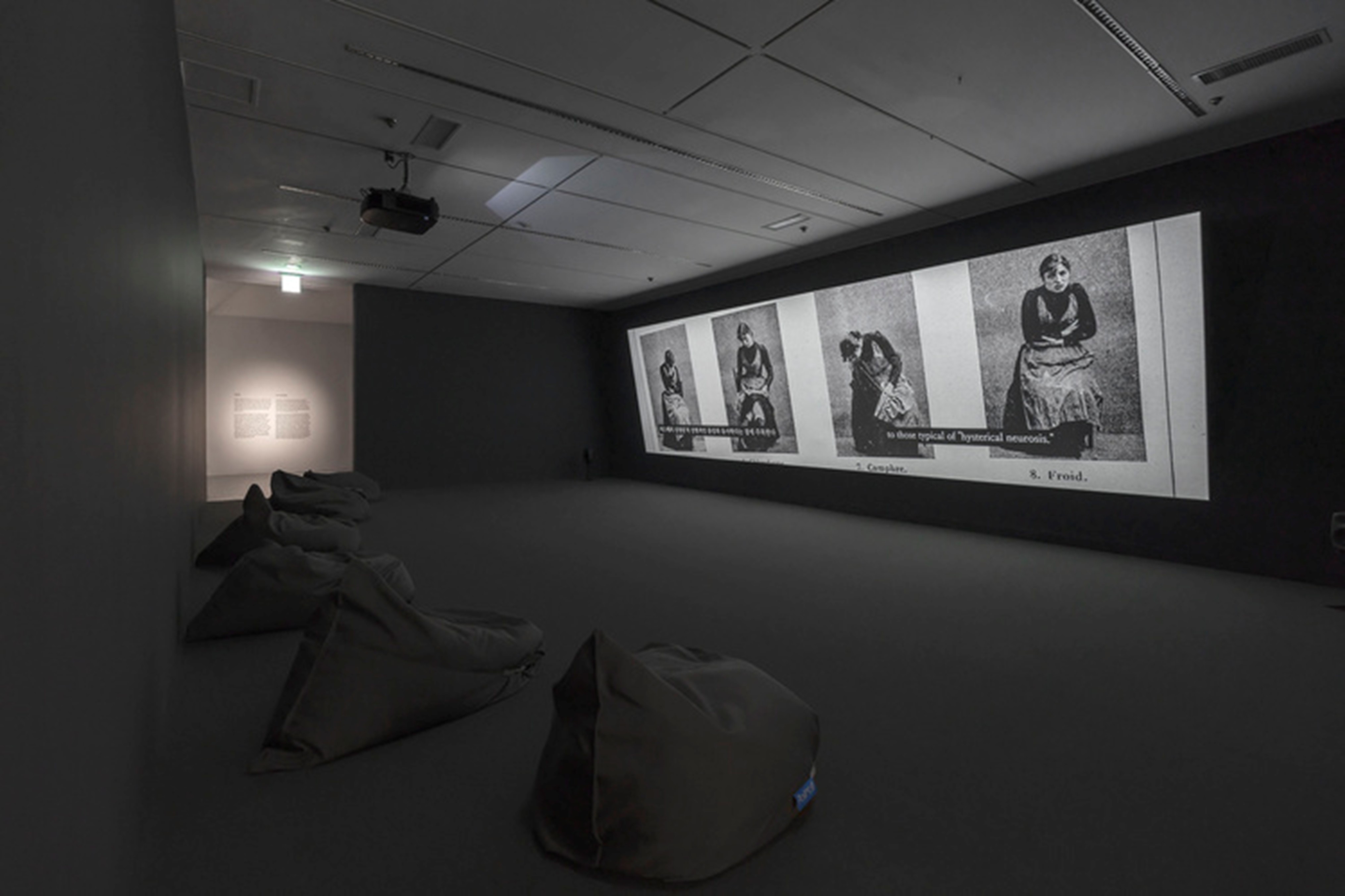
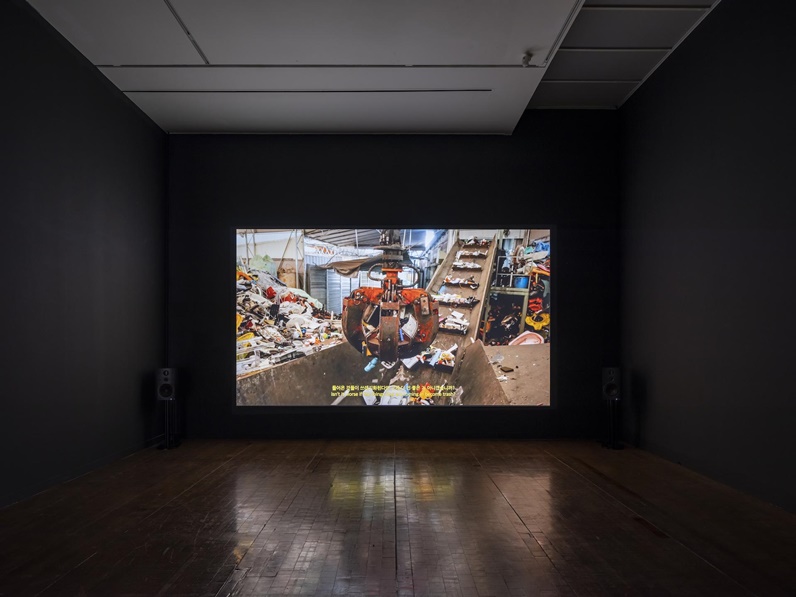
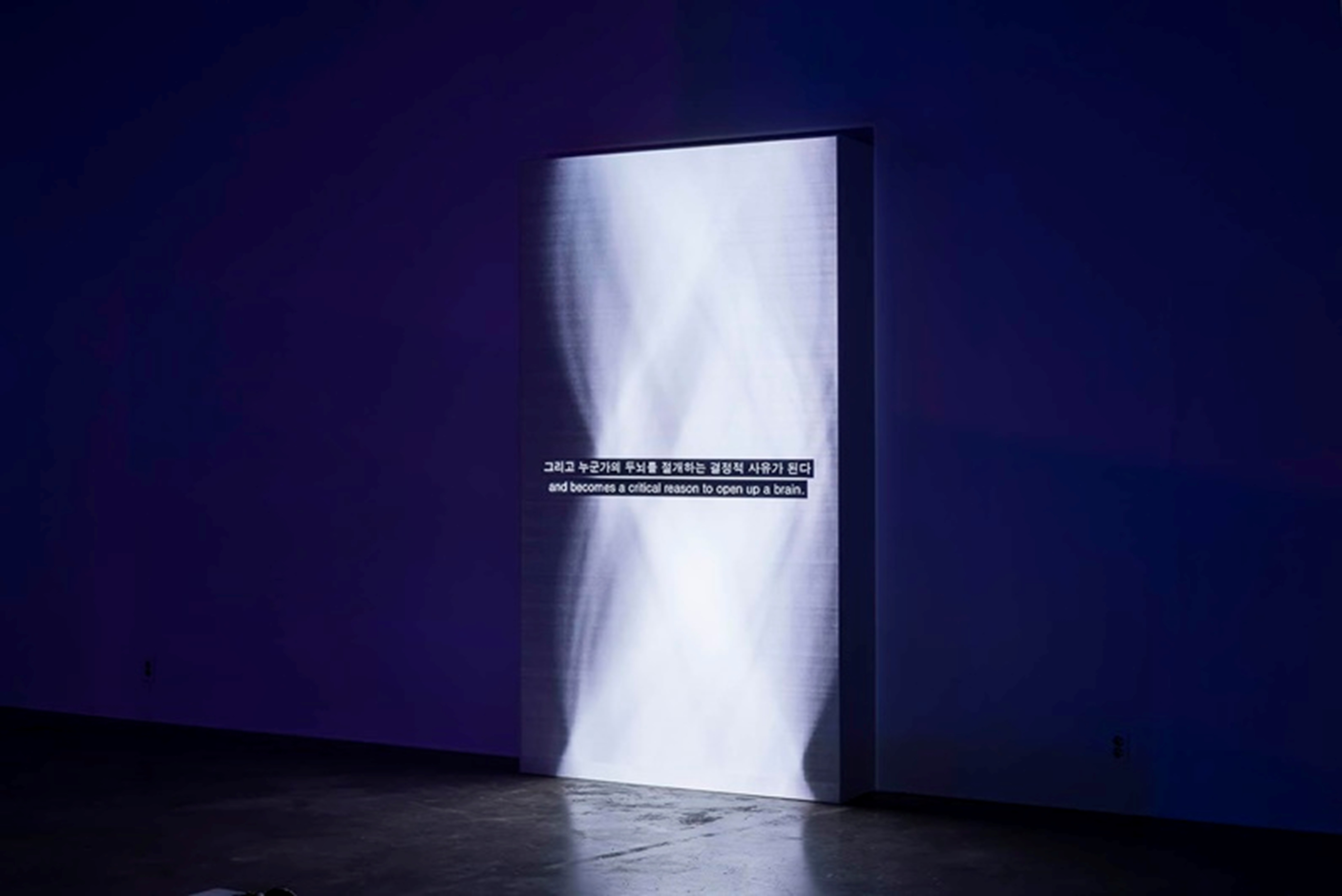
film, Blood Can Be Very Bad (2018), is a video essay that
interweaves a family member's battle with cancer with questions about
technological media and the body-image reproduced by medical technology. The
English phrase "Blood Can Be Very Bad" is an ideogram referring to
the procedure of swiftly diagnosing a patient's brain through computerized
tomography (CT) scan. In the West, since the 16th century, various methods have
been developed to dissect and study the body in order to treat symptoms or
diseases.
The continuous development of the current medical imaging technology
has improved access to the inside of the body, revealing the inside of the body
in a more comprehensive way, and drawing attention to the body as a visible
object. The artist proposes a reexamination of these images in the context of
the relationship between the body and data, while also confronting medical
technology as a source that produces decisive images for someone's life and
death rather than purely for therapeutic purposes.
It faithfully serves its
purpose as an objectified body image, and the image ratio of the work is also
presented after being converted into a vertical ratio in accordance with the
structure of the body. The video images of the body and the technological
devices or equipment assisting the body that Lee Eun-hee deals with appear to
maintain a certain distance and seem to grasp and observe certain factual
relationships (specific states).
However, more fundamentally, she looks at
human enhancement aimed at the expansion or augmentation of the body, and
interest in science and technology for human reconstruction in relation to
real-world society. The exploration of the mechanism of alcohol is linked with
the exploration of the normality and abnormality of the body in other works.
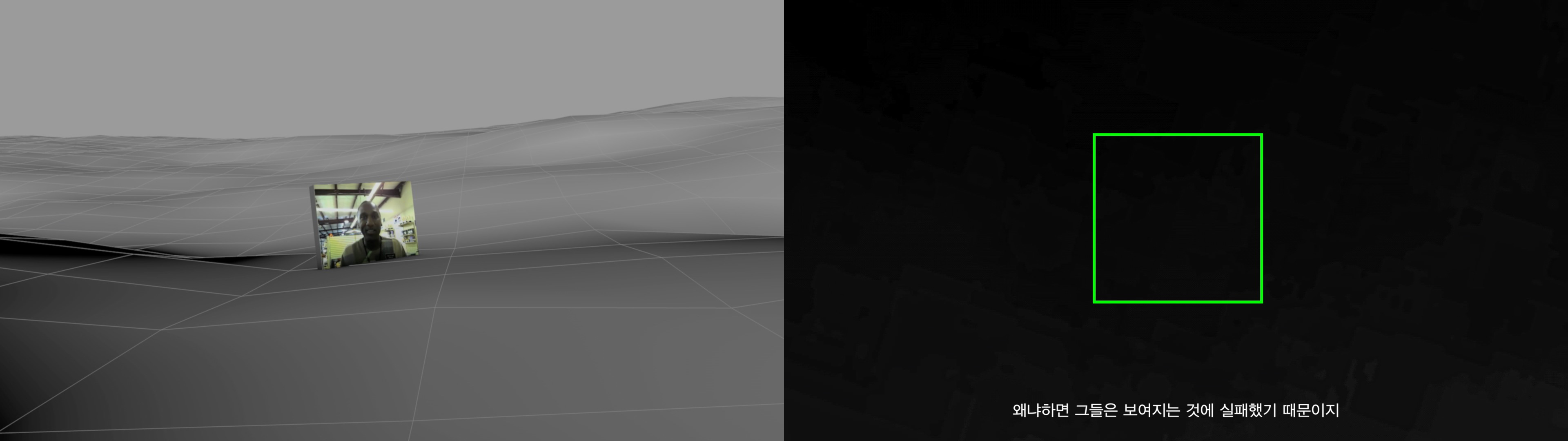
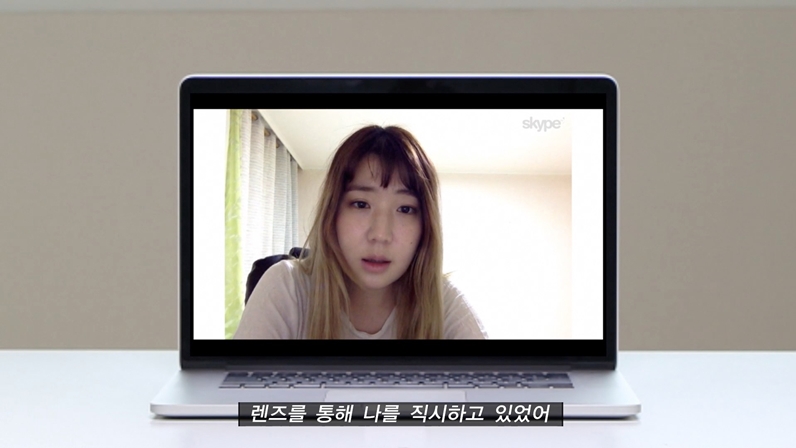
The
two-channel film, which will be screening Contrasts of Yours(2017),
exposes the problem of body (face) images that digital technology recognizes,
does not recognize, or misrecognizes through several real-life examples,
discussing the abnormality of digital technology. The artist exposes the
problem of technical mechanisms that do not recognize specific races by showing
examples actual cases. Here, technology is depicted as a surveillance system
that observes humans and a record-keeping system within the circulation of
digital information, where humans are also evaluated and classified solely as
images.
It reveals the structural issues of technology as an incomplete system.
In the video, several examples are shown, such as Hewlett Packard laptops'
cameras being unable to recognize black individuals, New Zealand's national
information system rejecting uploaded photo images for passport issuance
because it fails to classify them as humans, and facial recognition systems
mistaking innocent civilians' faces for criminals, as seen in real bank robbery
incidents. These examples highlight the real-world issues of face recognition
technology and video surveillance errors.
Despite these technical flaws or
errors, the topological situation of technology used as digital information in
reality has real-world consequences which in some cases leads to the
destruction of an individual's life. The intervention of technology in human
reality, rendering humans powerless, results from the flawed exchange between
human as the agent of technology and technology itself, causing a confusion of hierarchies.
This requires a comprehensive understanding of the humanization process of
post-human perspectivism. In fact, historically not all embodied human beings
have been recognized as human beings.
It inevitably brings to mind the question
of how humans, who have been repeatedly dehumanized, have dealt with their
humanity or how they have redefined their given status as humans. Perhaps
post-human analysis is to experience the interest of different focuses through
subjectivity that has been excluded from a centralized point of view. This is
also related to the resistance, acceptance, and resetting of other outsiders to
the exclusionary limitations of human status.
An image, in its essence, evokes
perceptions of similarity to other entities, thereby eliciting a simulated
response towards the indicated subject or object. The technical errors revealed
in reveal the loss of causal or indexical connection with reality. Images have
always been closely associated with our bodies, but digitized images expose another
layer of the world that we perceive to always be there.
The study of images
that cross media types starts from the real world of concrete shapes and
representations that appear in various types of media. Additionally, it entails
a cyclical process that rapidly traverses the mental experiences of media
producers and consumers, ultimately reverting to their physical existence
within the tangible environment.
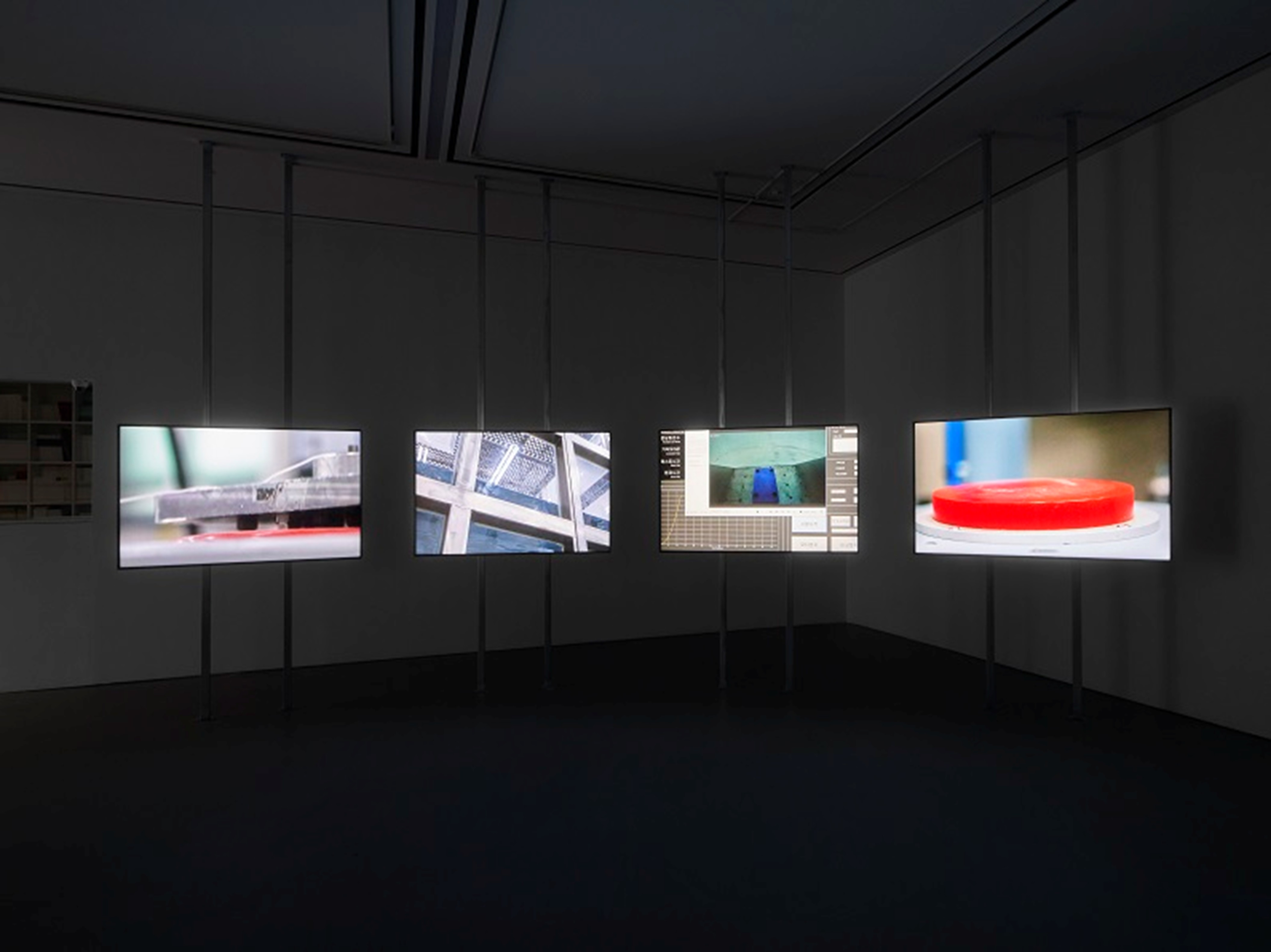
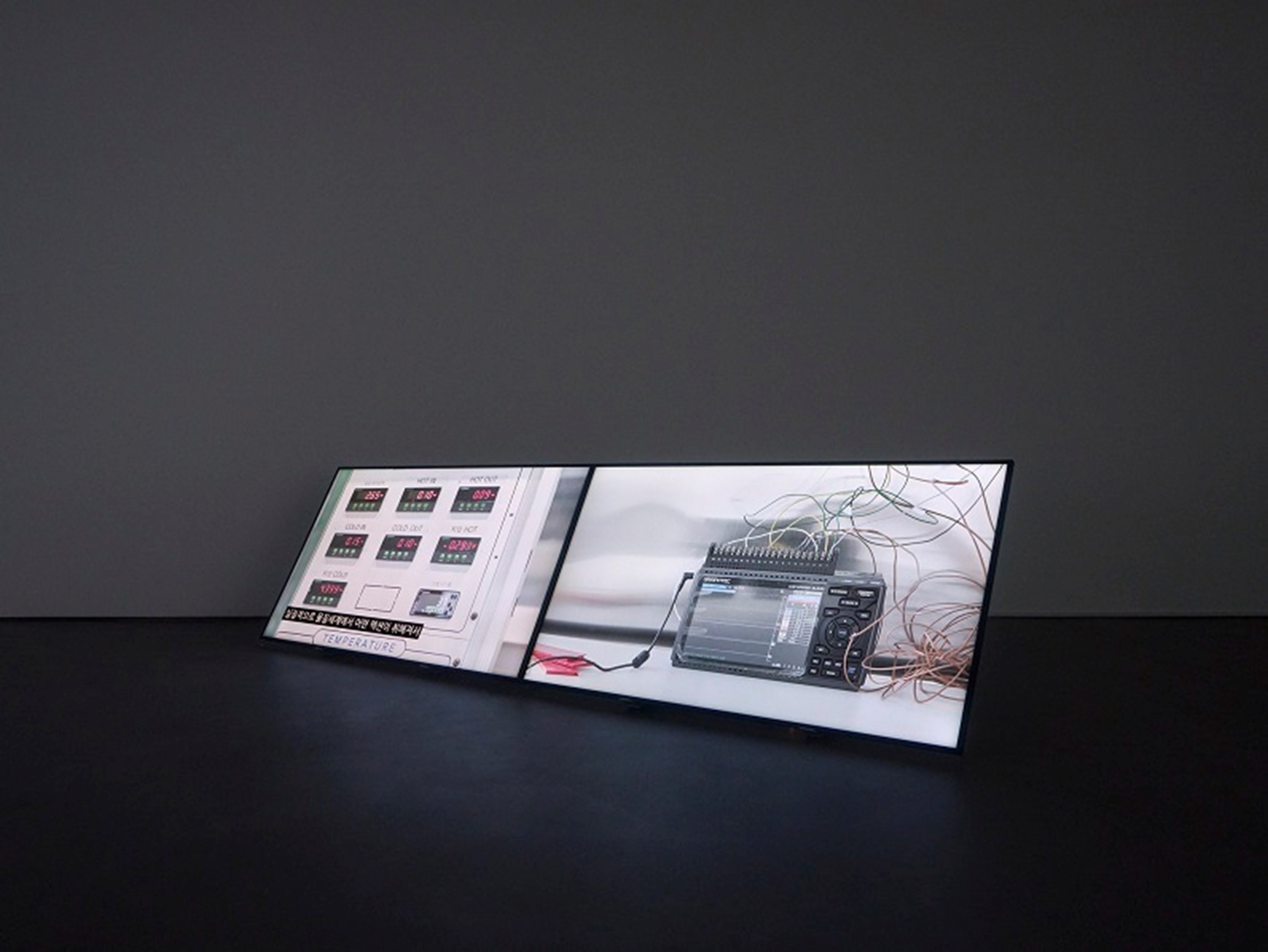
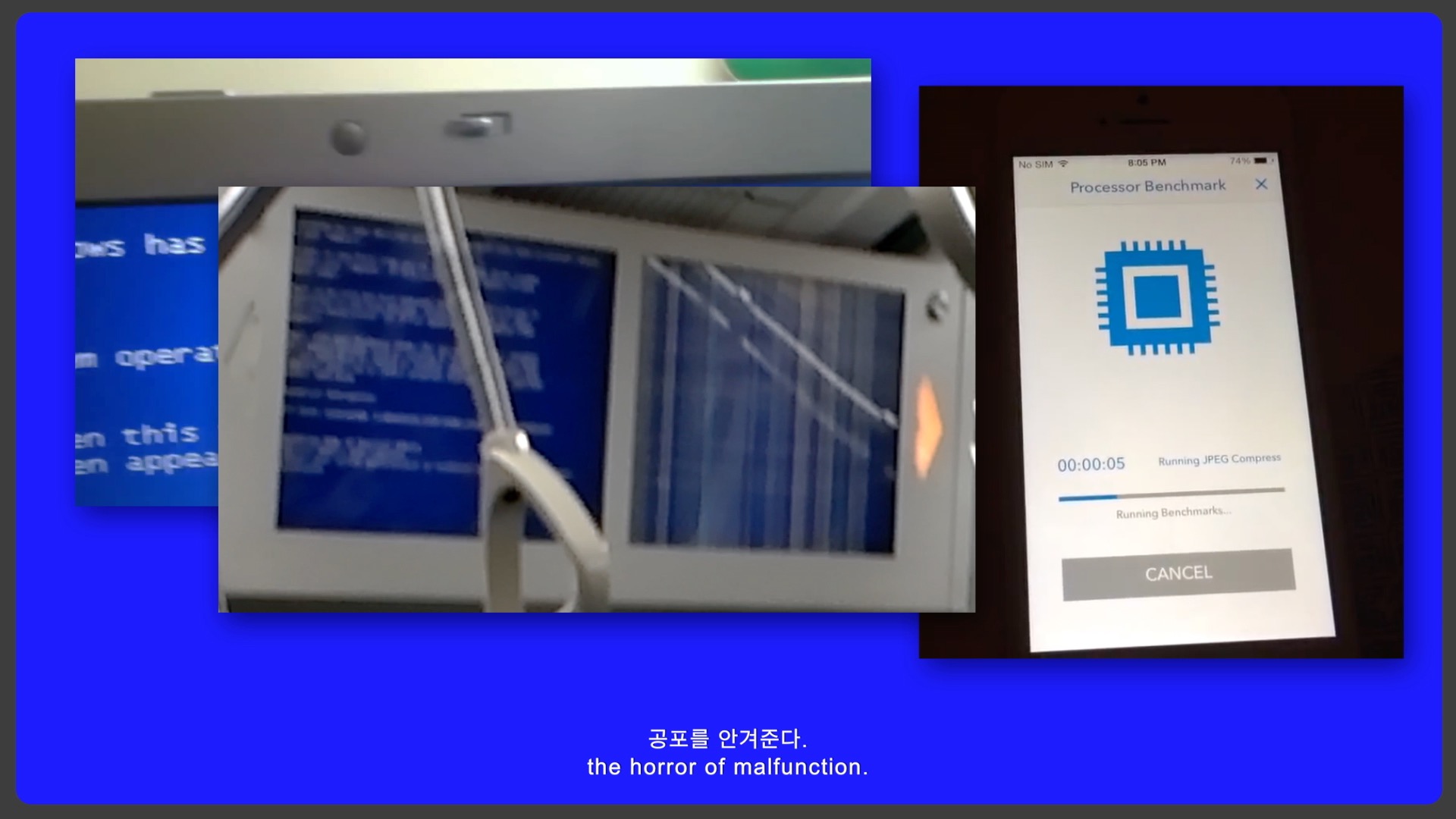
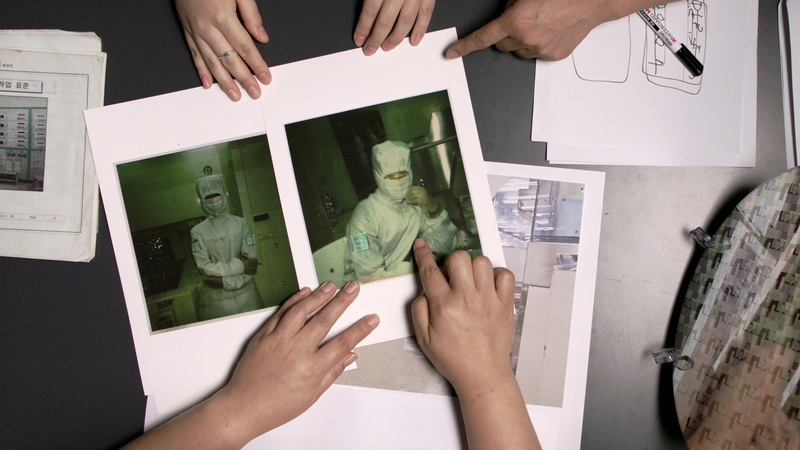
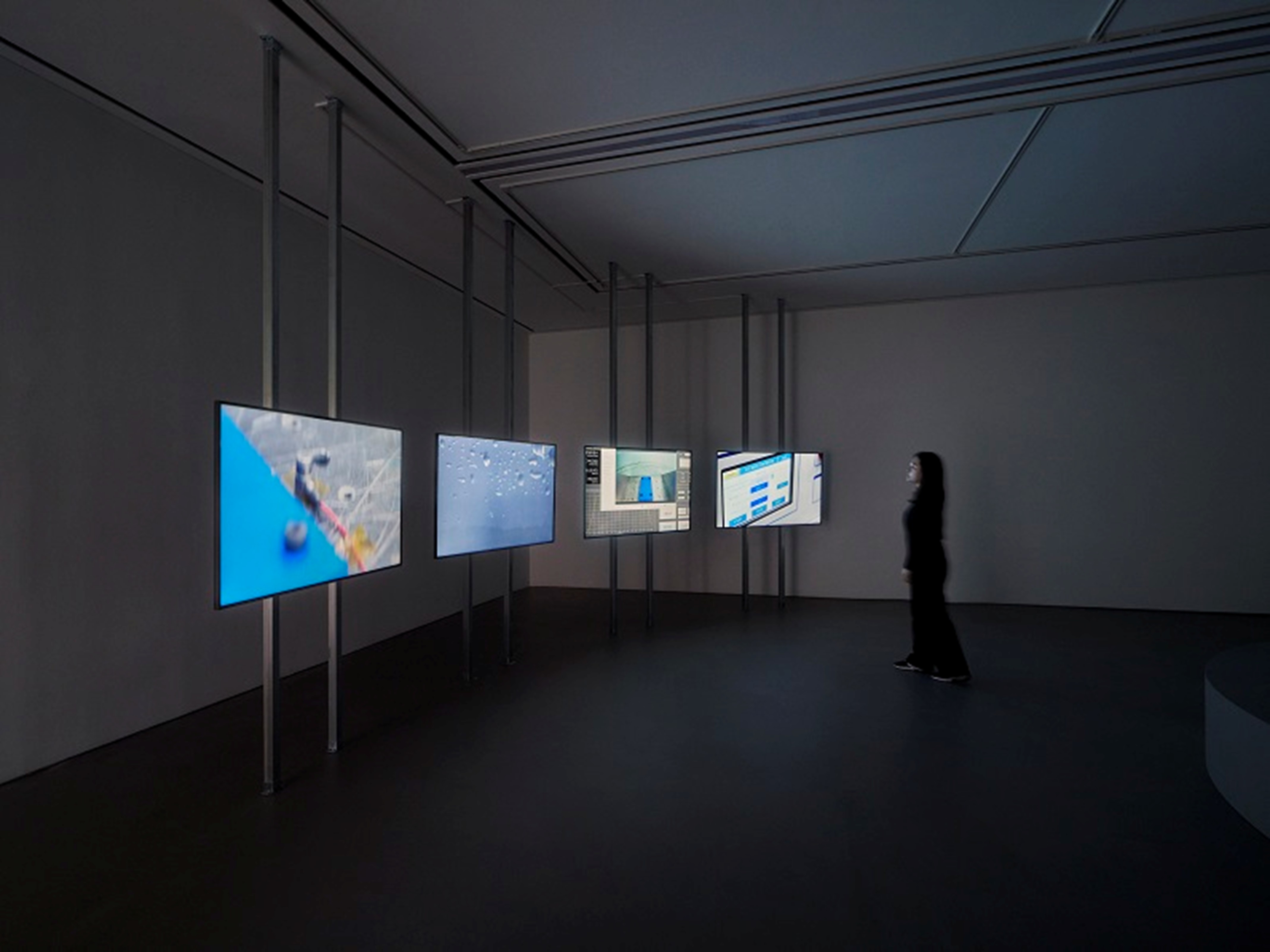
HOT/STUCK/DEAD(2022),
which will be screened last, can be seen as an attempt to connect our body with
the body of the physical screen in this cycle process. The video shows the
process of finding the physical origin of the LED screen, but the artist
focuses on the human hand that produces it. In other words, the human labor
force for production, rather than focusing on the screen itself as a
technological medium that displays images.
Moreover, it examines pixels and
technological particles much like peering into the cells that constitute the
body of the screen. The physical body of the screen has a finite temporal chain
similar to the human body. As an industrial product, it connects the body of
the screen with the human hand that produces it. In the video, it is expressed
in various textures through a combination of images such as interview videos
and computer graphics.
The surface of the screen crosses between materiality
and immateriality, which constitute the original body of the screen, and is visualized
from a source called ‘liquid crystal’, which has life and is nestled inside the
device. The question arises as to how closely we seek to bridge the gap between
the moment of imitation or reproduction on the screen and our desire to become
part of the liquid crystal itself. This blurs the boundaries between the
subject and the object, where we become what we see, and the image becomes a
shared entity that enters us and can become a part of our existence (Being).
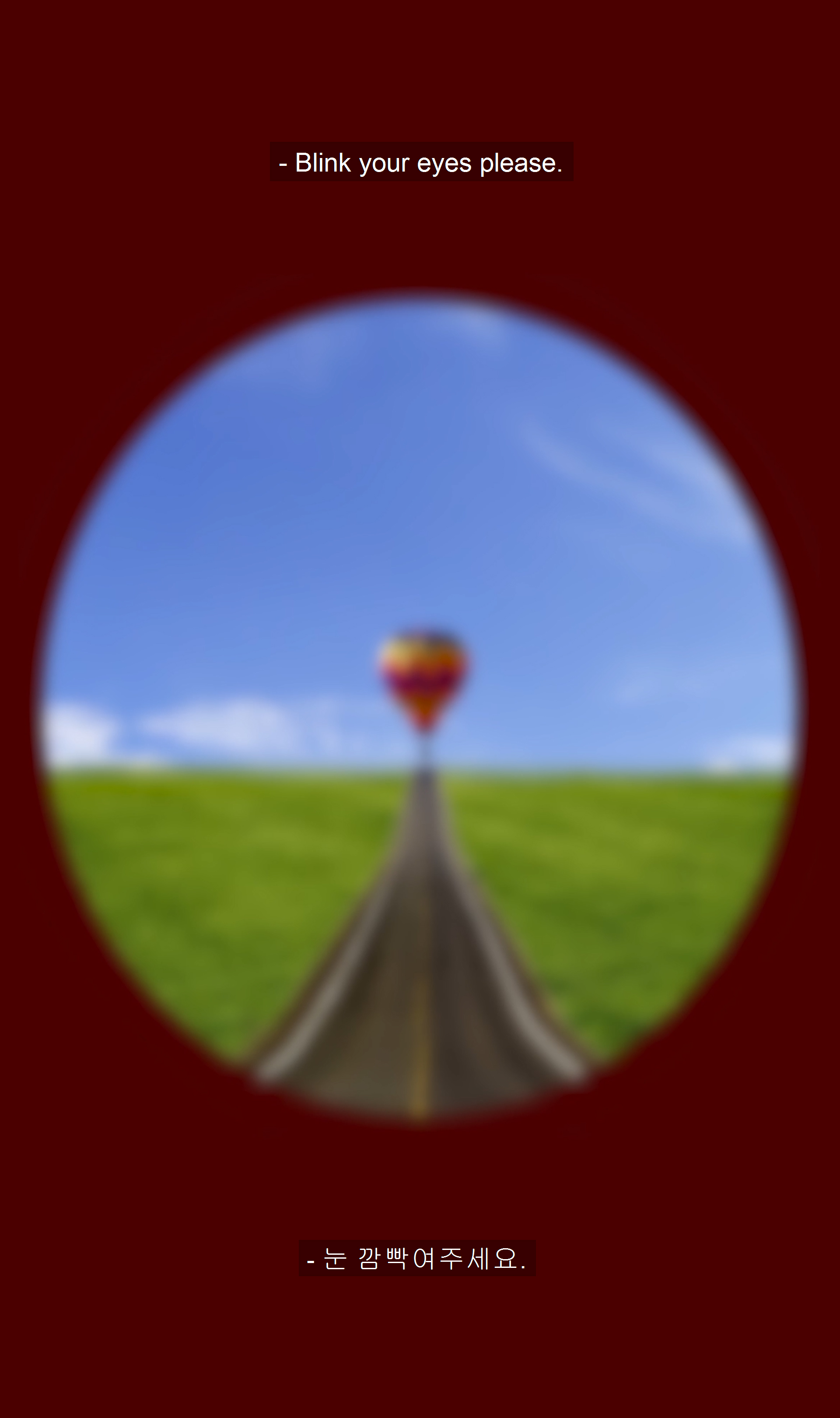
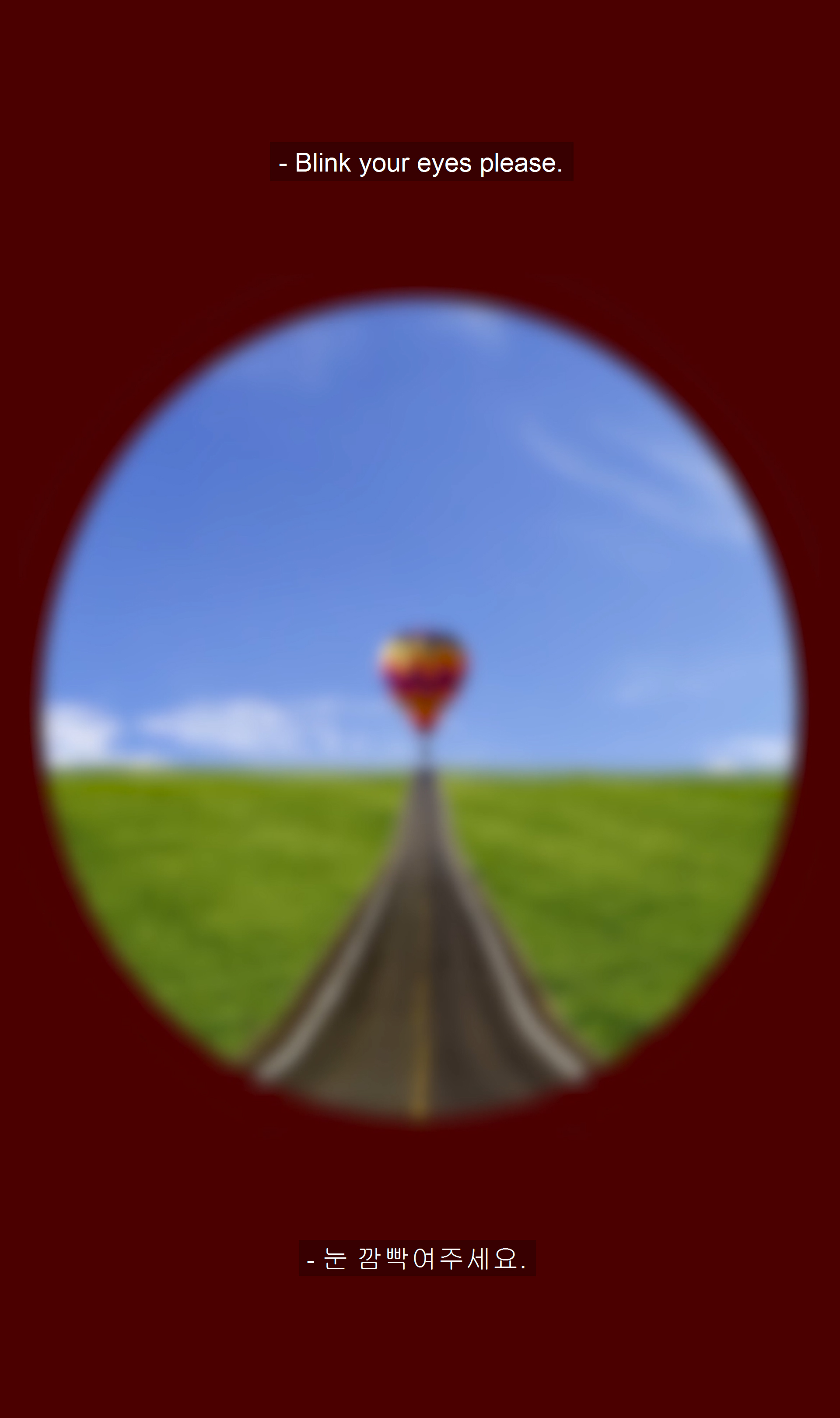
In
The Flat Blue Sky(2016), the artist asks, "What exists
just below the surface of that blue screen?" and the hand that enters the
screen disappears beneath the blue surface as it is recalled in HOT/STUCK/DEAD.
In the closing scene of HOT/STUCK/DEAD, when someone's hand
appears to peel off the shattered surface of the liquid crystal, we come to
realize the prominent influence and closeness of what is right in front of us
in the cycle of producing and consuming technological images. At the same time,
we acknowledge that it remains an intangible illusion, existing as a ghostly
entity that we can never truly touch.
Eventually,
technology-mediated images, unlike the human body, can transcend their own
physicality (the screen) and reappear before us, even if they seem to
disappear. They possess an immortal body, constantly shifting and never truly
dying.