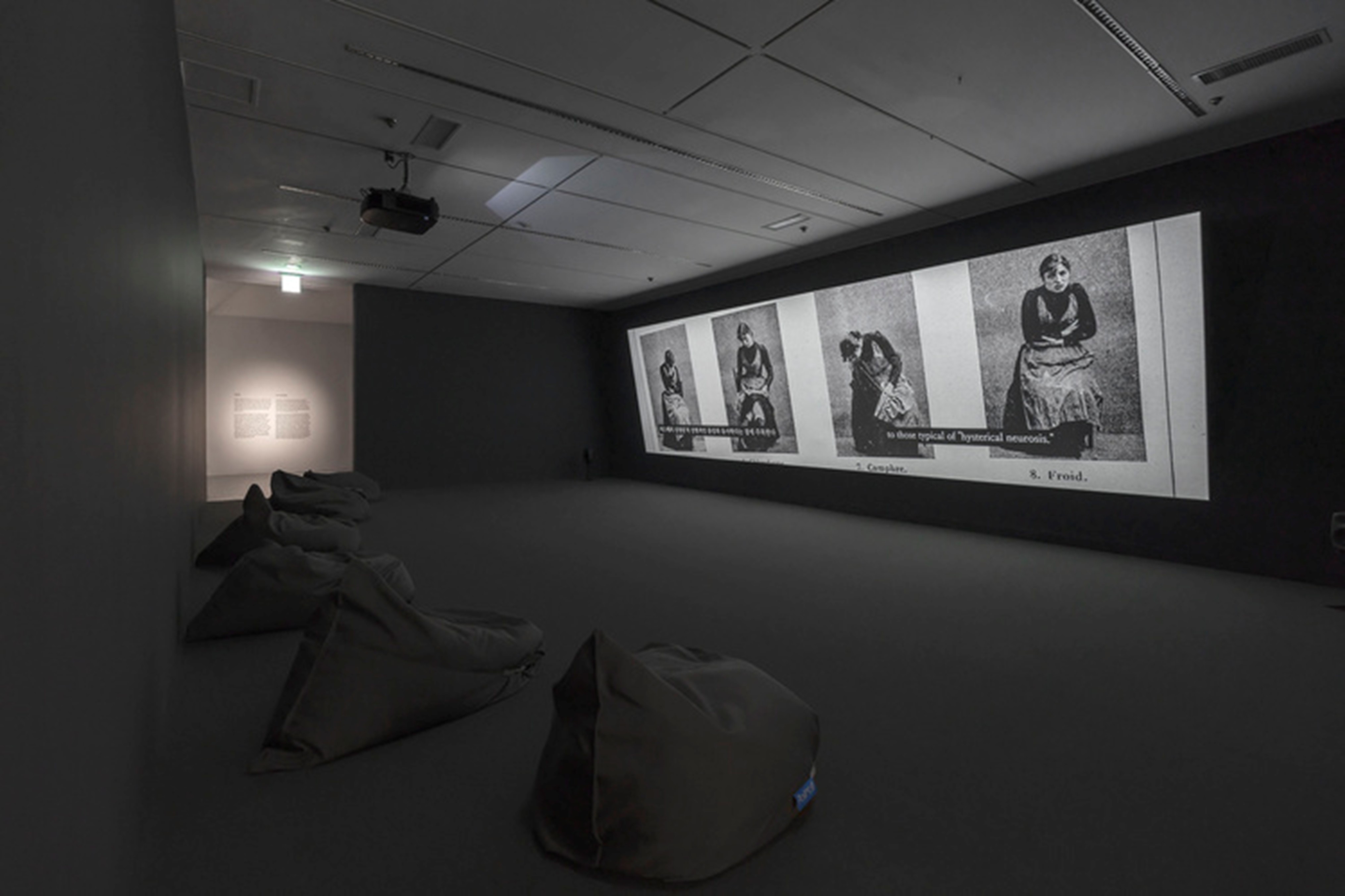
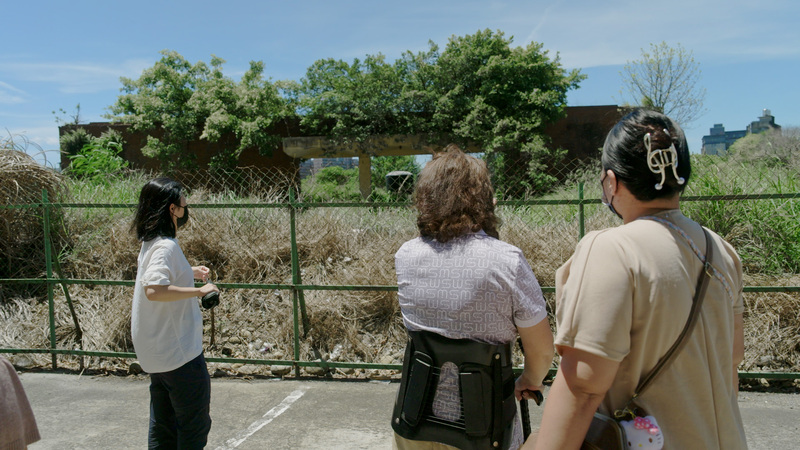
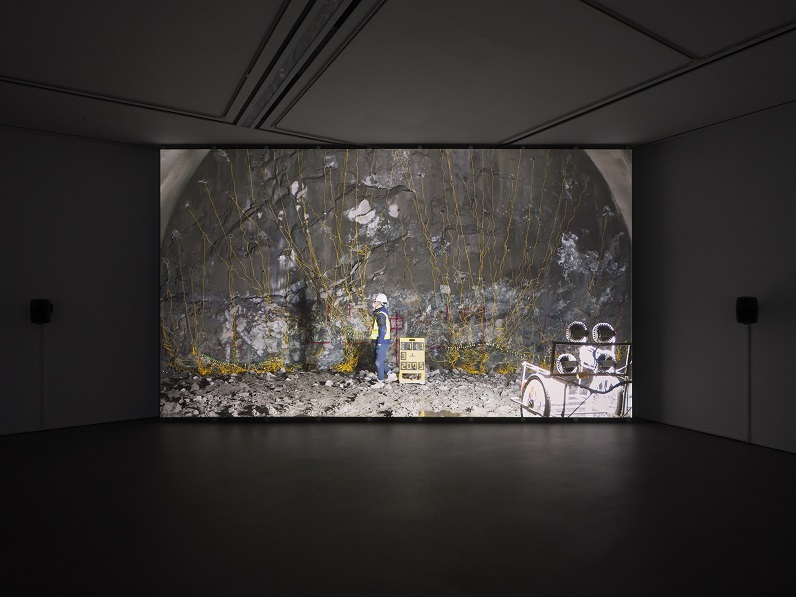
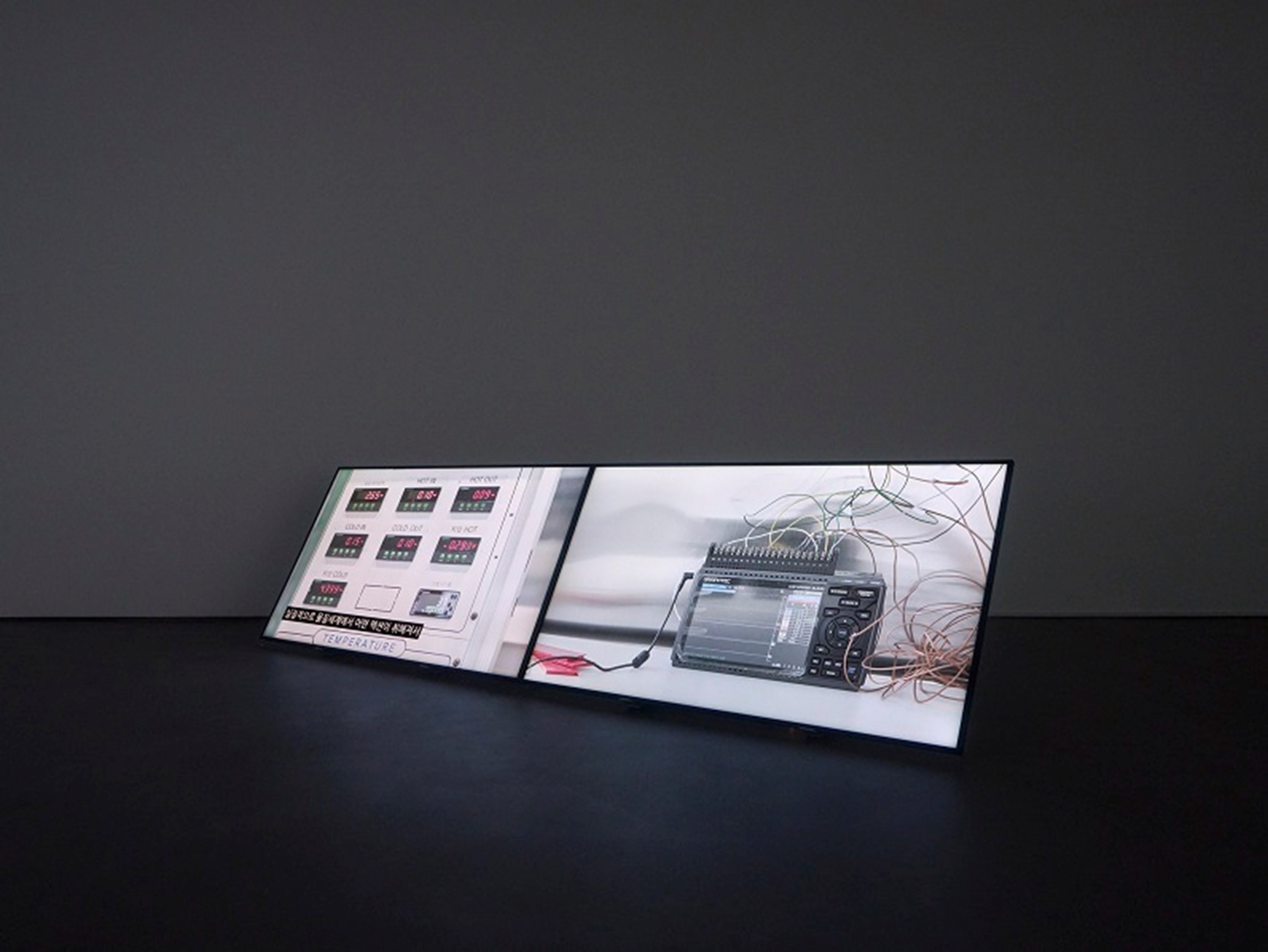
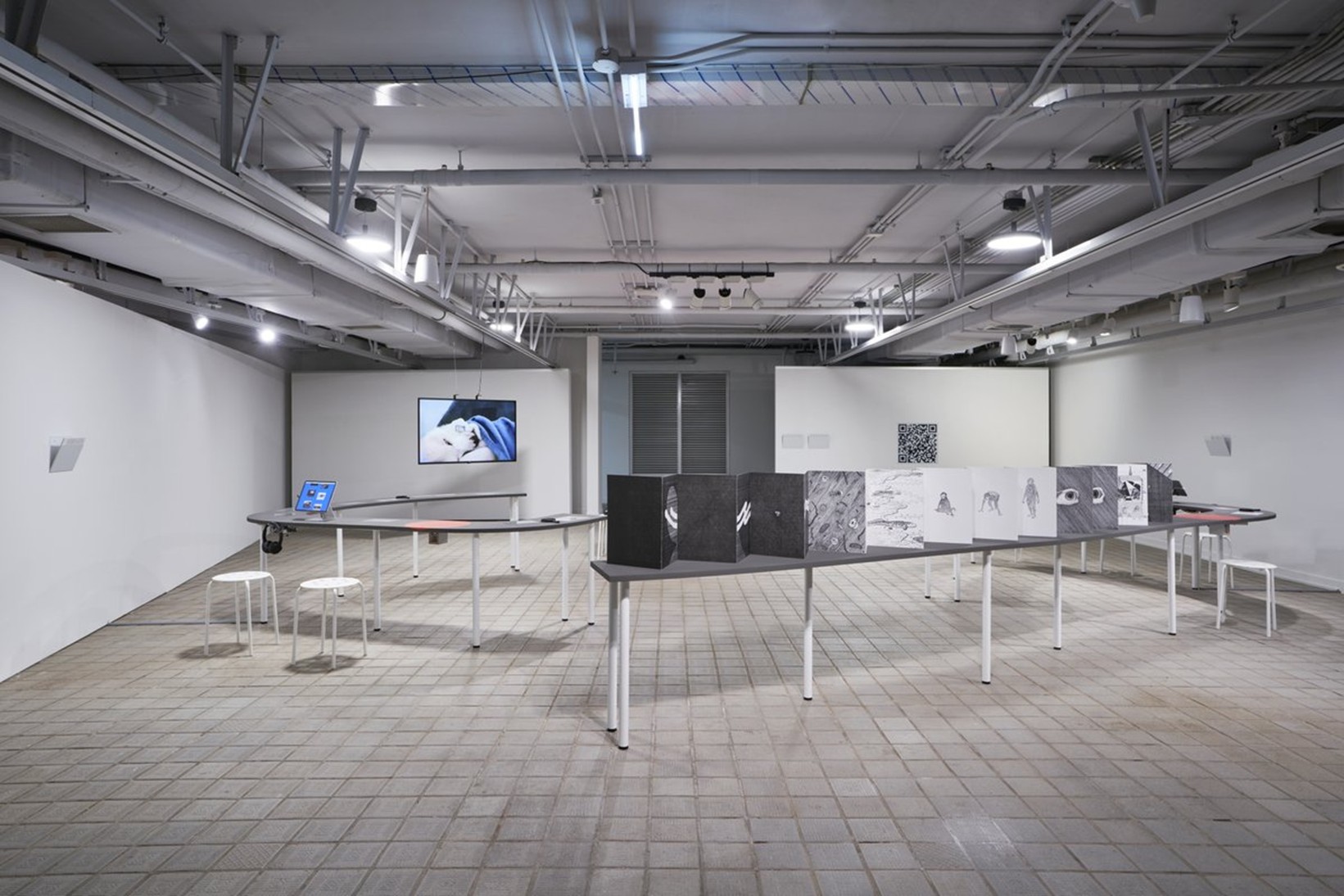
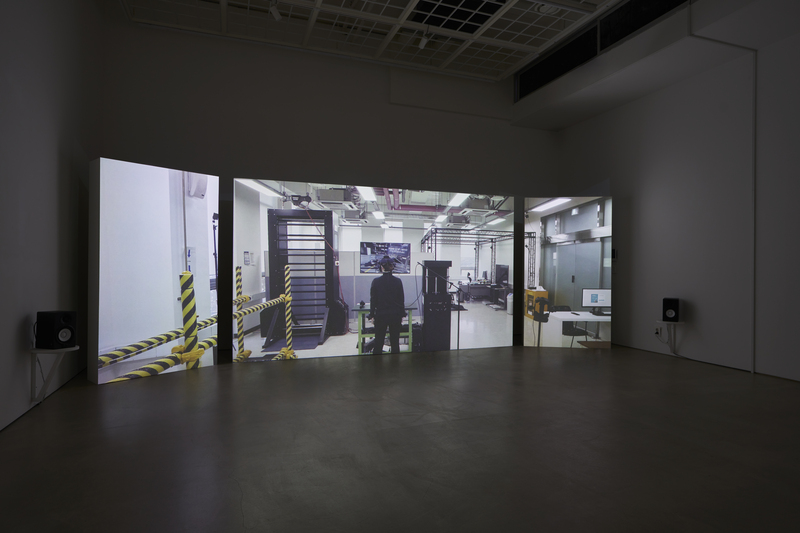
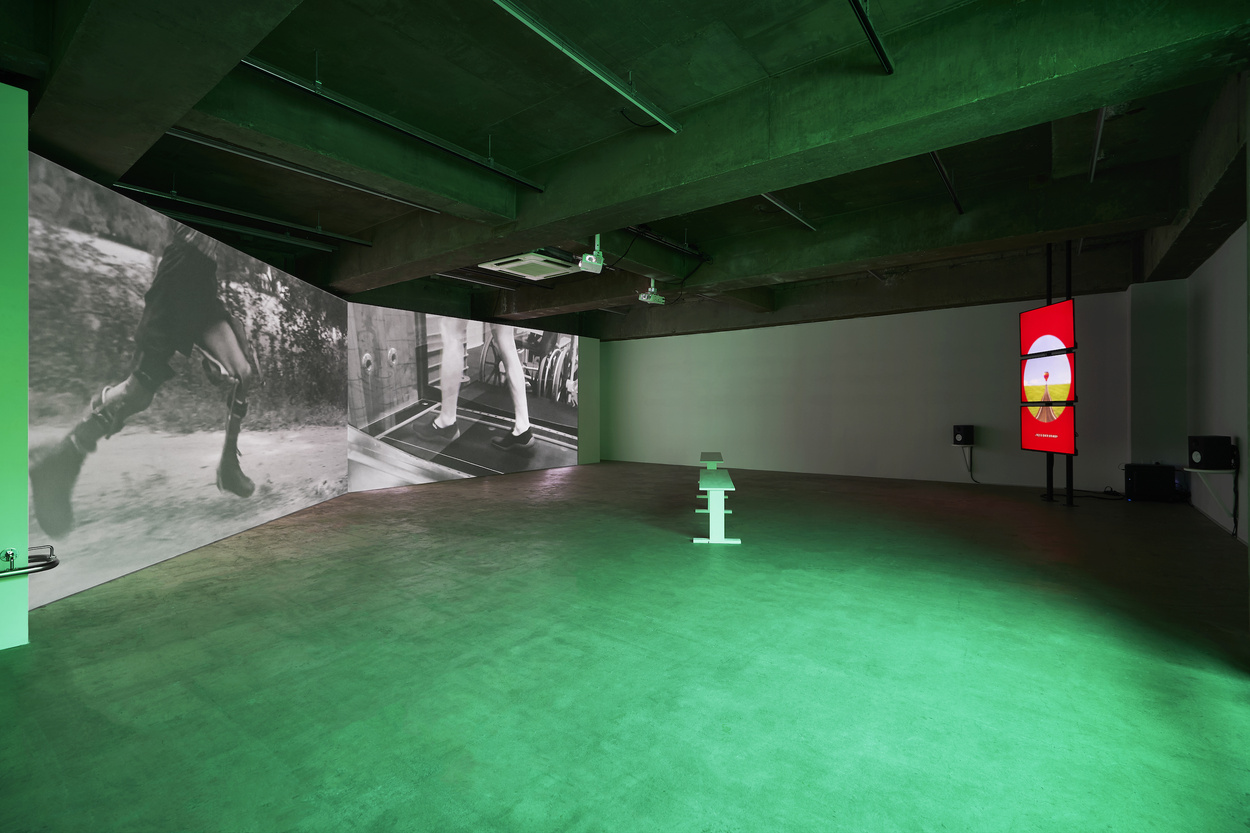
On
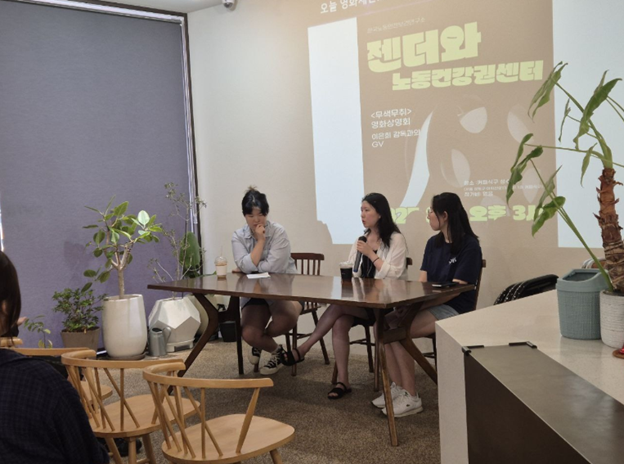
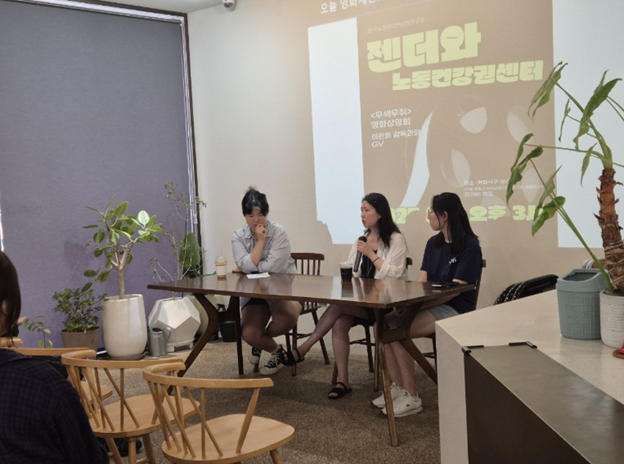
August 9, the Gender and Labor Health Rights Center of the Korea Institute of
Labor Safety and Health (hereafter, the Gender Center) screened director Eunhee
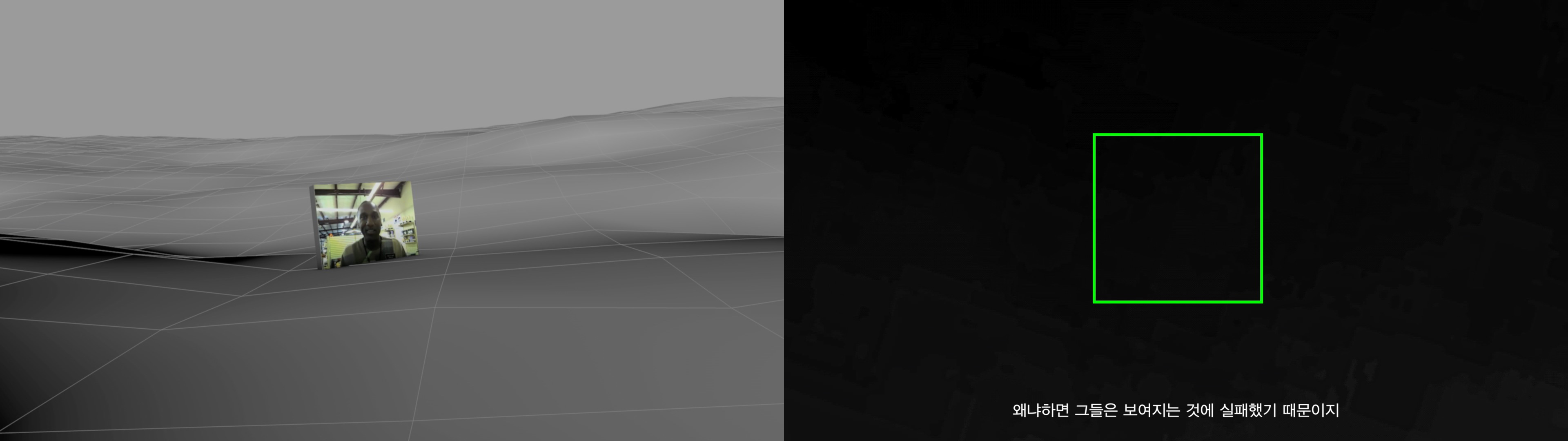
Lee’s films Machines Don’t Die (2022) and Colorless
and Odorless (2024), followed by a GV session. This is a
reflection on that event.
Do Not Film the Workers
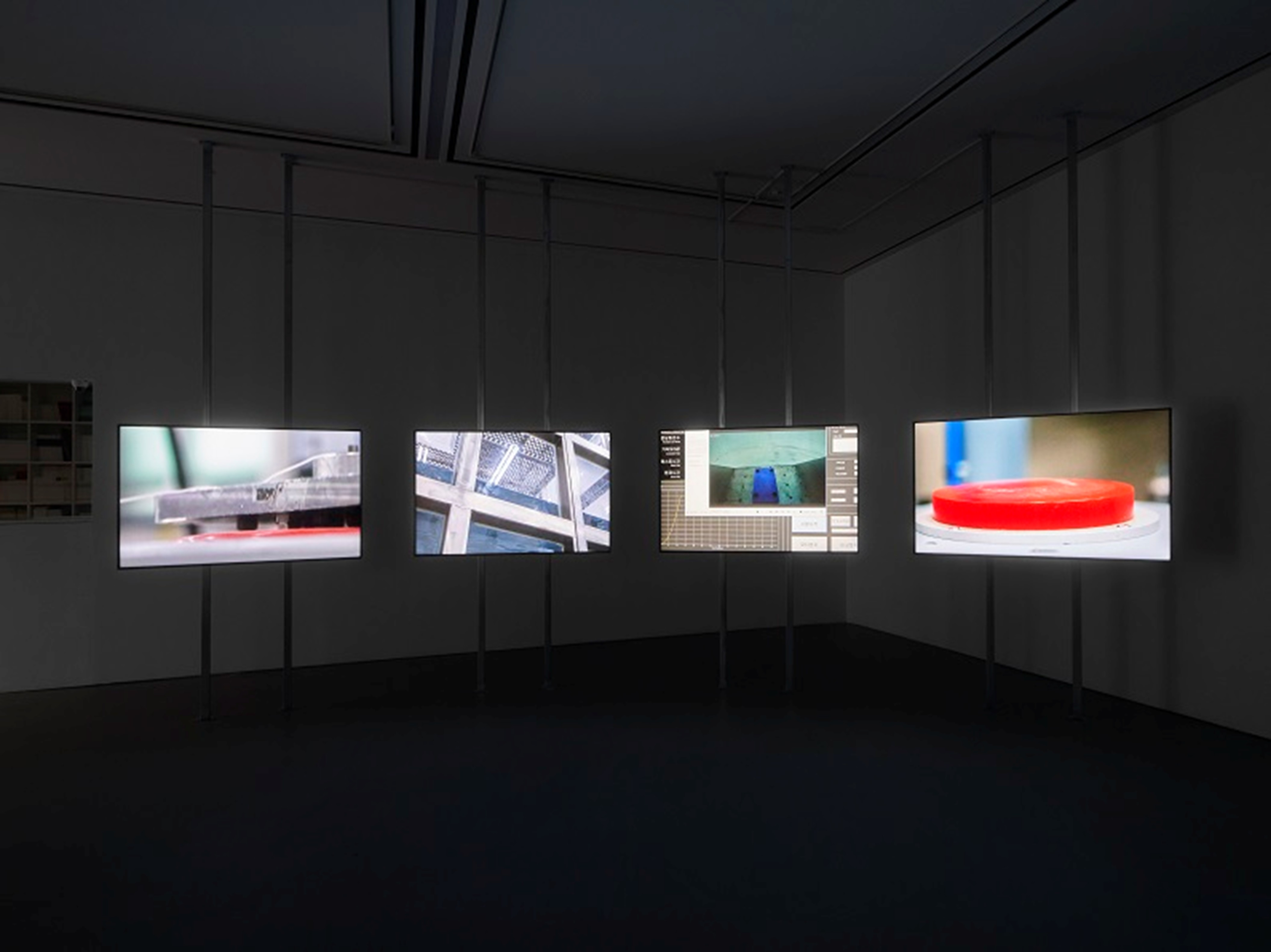
Machines
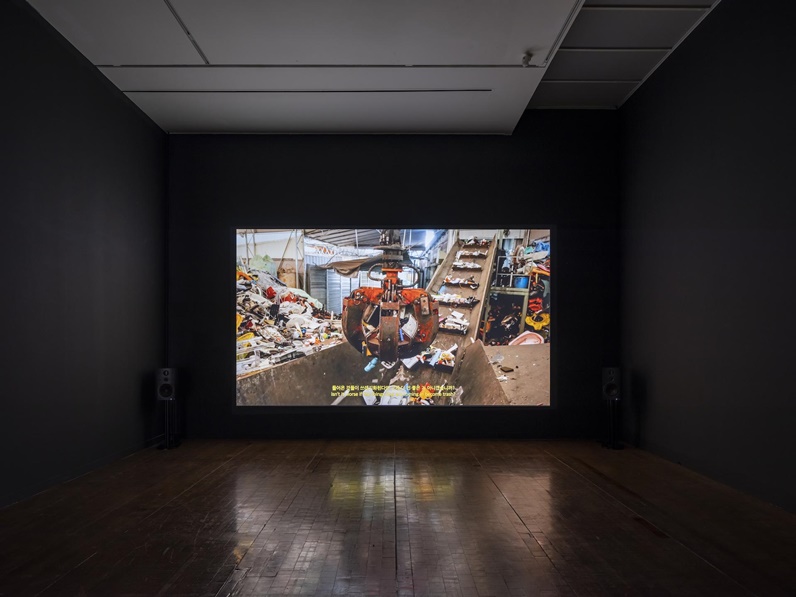
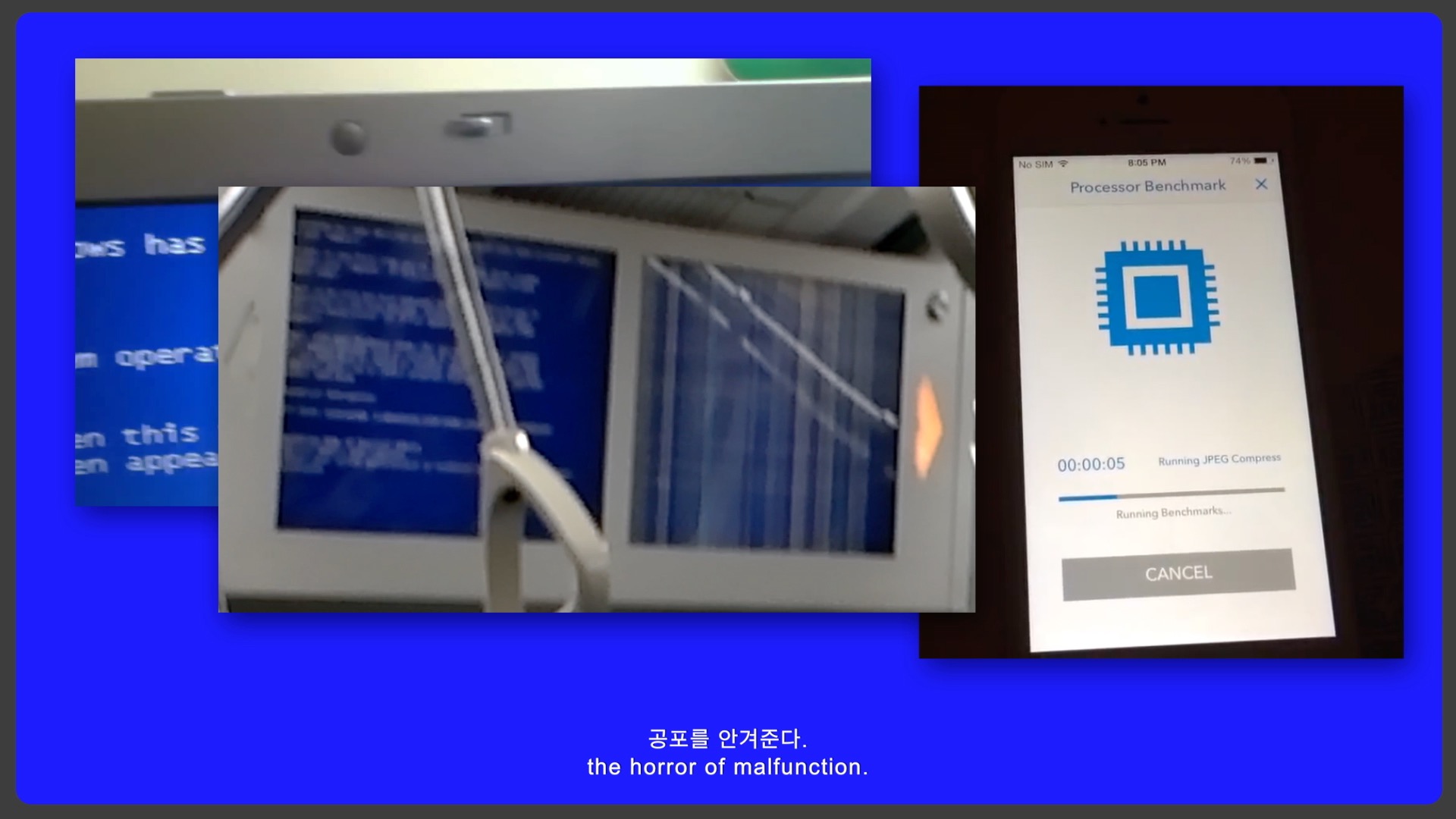
Don’t Die shows the process by which electronic components that
have outlived their usefulness are recycled through the waste-processing
industry. Mobile phones with shattered LCD screens, outdated
computers—electronic devices once familiar to us—are crushed into pieces in
recycling plants, where necessary elements such as gold are extracted.
Here,
the concept of the “urban mine” appears: just as glittering minerals are mined
from the earth, essential elements are extracted from electronic devices
discarded as urban waste. The narrator speaks proudly of “zero waste,” yet the
film presents visual evidence that waste and wastewater still remain in the
recycling industry, making “zero waste” an unachievable ideal.
Director
Eunhee Lee has said that she was initially interested in physical machines and
materiality. However, she also recounted that when filming waste-processing
plants, including during the production of Machines Don’t Die,
there was a recurring instruction directed at her: “Do not film the workers.”
When she shared this remark during the GV session, an audible sigh spread among
the audience.
In
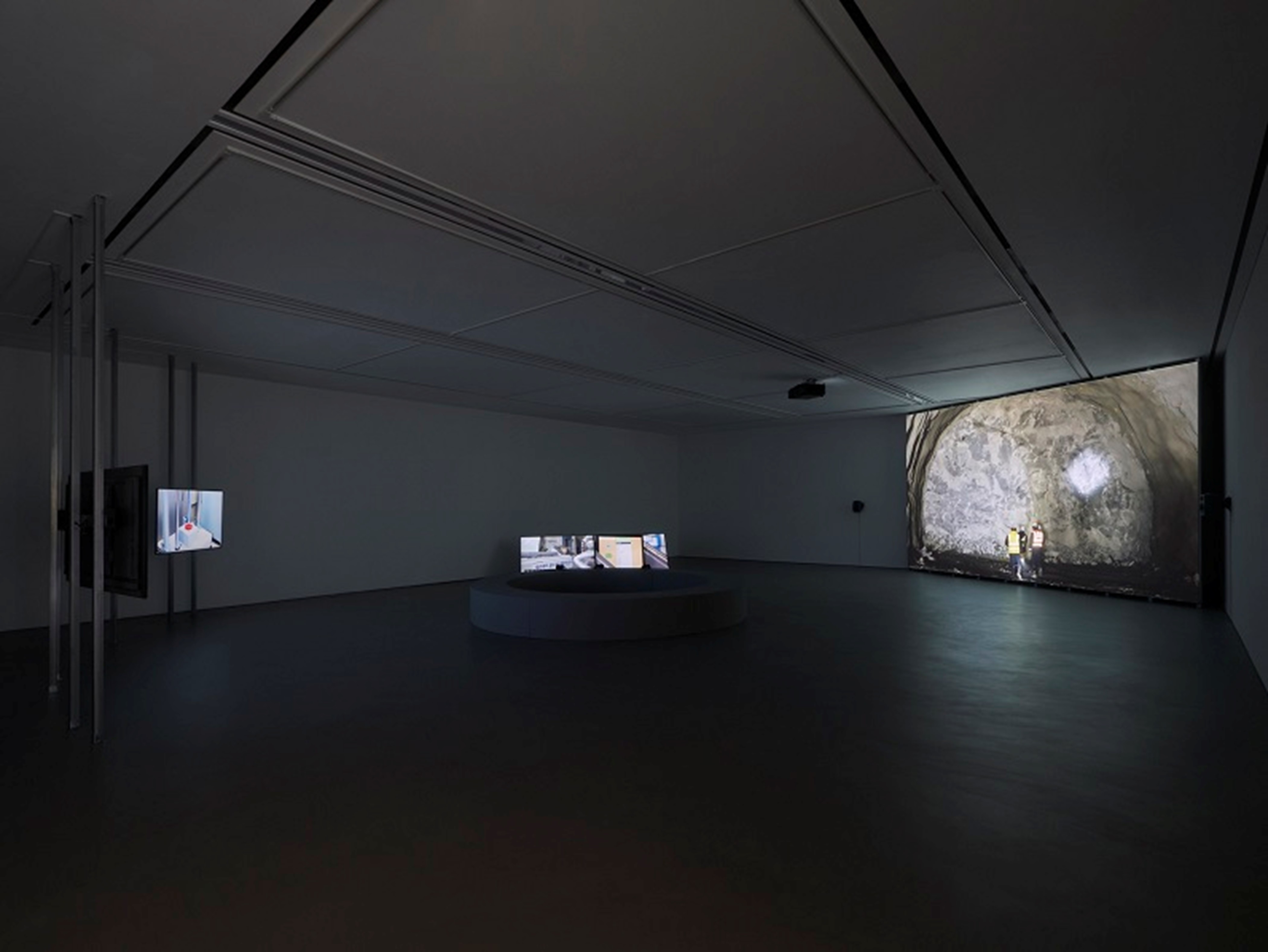
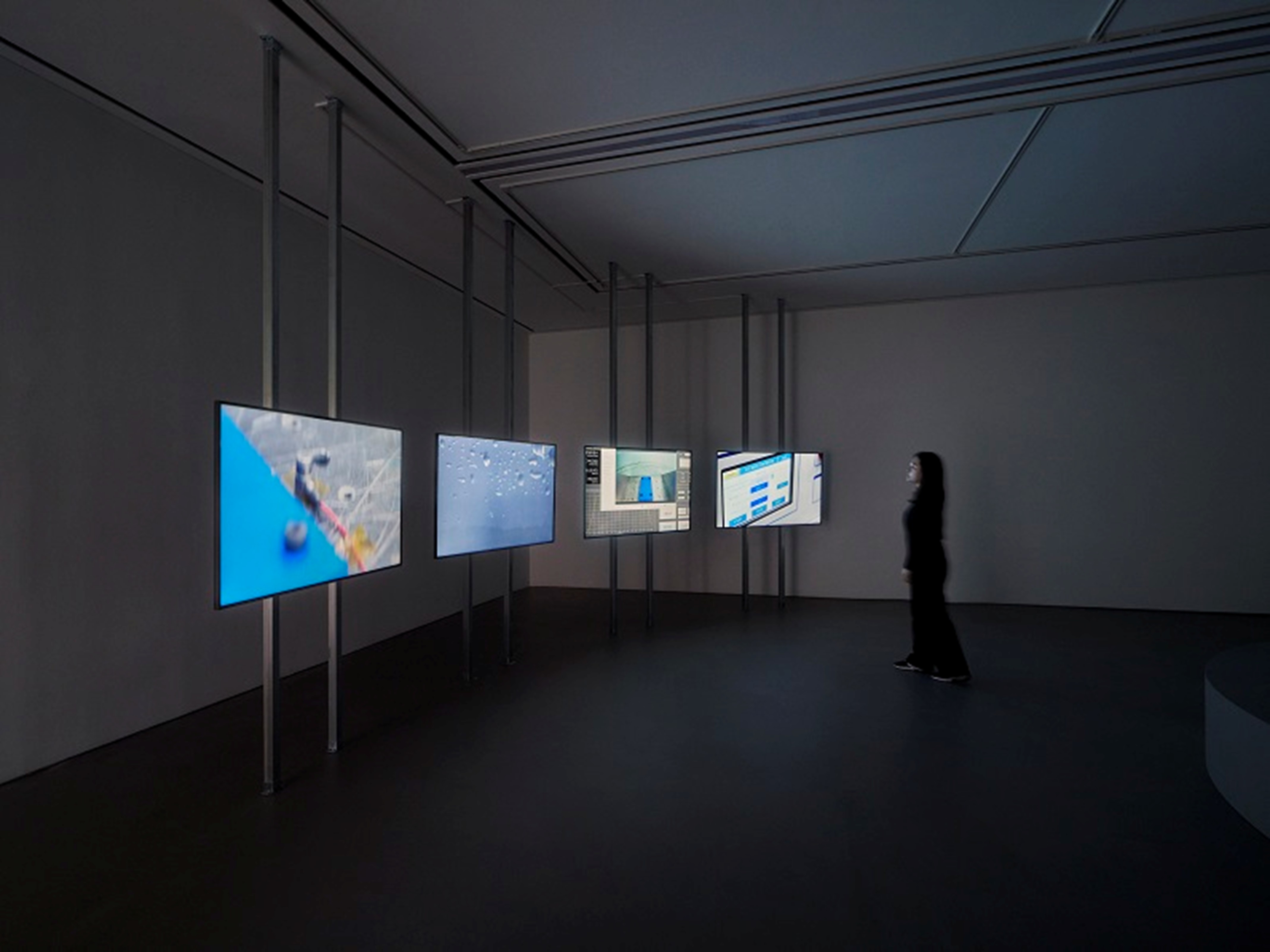
the footage of waste-processing factories in Machines Don’t Die,
workers barely appear. The near absence of working bodies feels strangely
natural, reflecting how we fail to sense labor at all when we encounter
products. This is not a phenomenon unique to Machines Don’t Die,
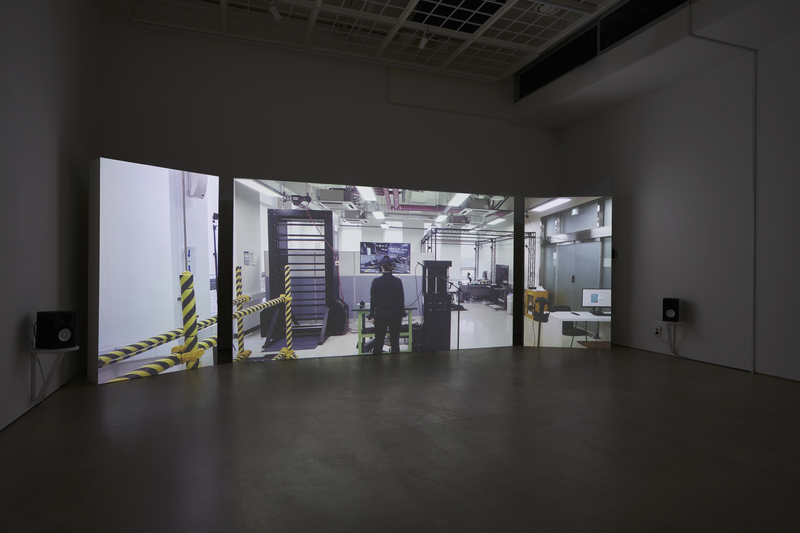
but when filming factories, Lee explained that if people had to appear on
screen, they were required to wear full protective gear that they would not
normally wear, in order to obtain permission for filming (the safety warning
signs shown in the film are strikingly clean, creating a sense of incongruity).
Lee said that the people she encountered while filming these sites remained as
a kind of moral debt to her. This ethical concern regarding stories of people
continues in her more recent works, Colorless and Odorless and Seomseomoksu (2025),
which address labor and industrial accidents in the electronics industry
through the voices of workers who are also victims and activists.
Smells That Do Not Carry Across
Machines
Don’t Die features aqua regia (a mixture of nitric and
hydrochloric acids) that dissolves “everything.” This substance, which
dissolves anything it touches, is extremely dangerous, yet the acrid smell that
instinctively makes one recoil, and the sensory awareness of accident risk,
cannot be transmitted beyond the TV or cinema screen.
Both Machines
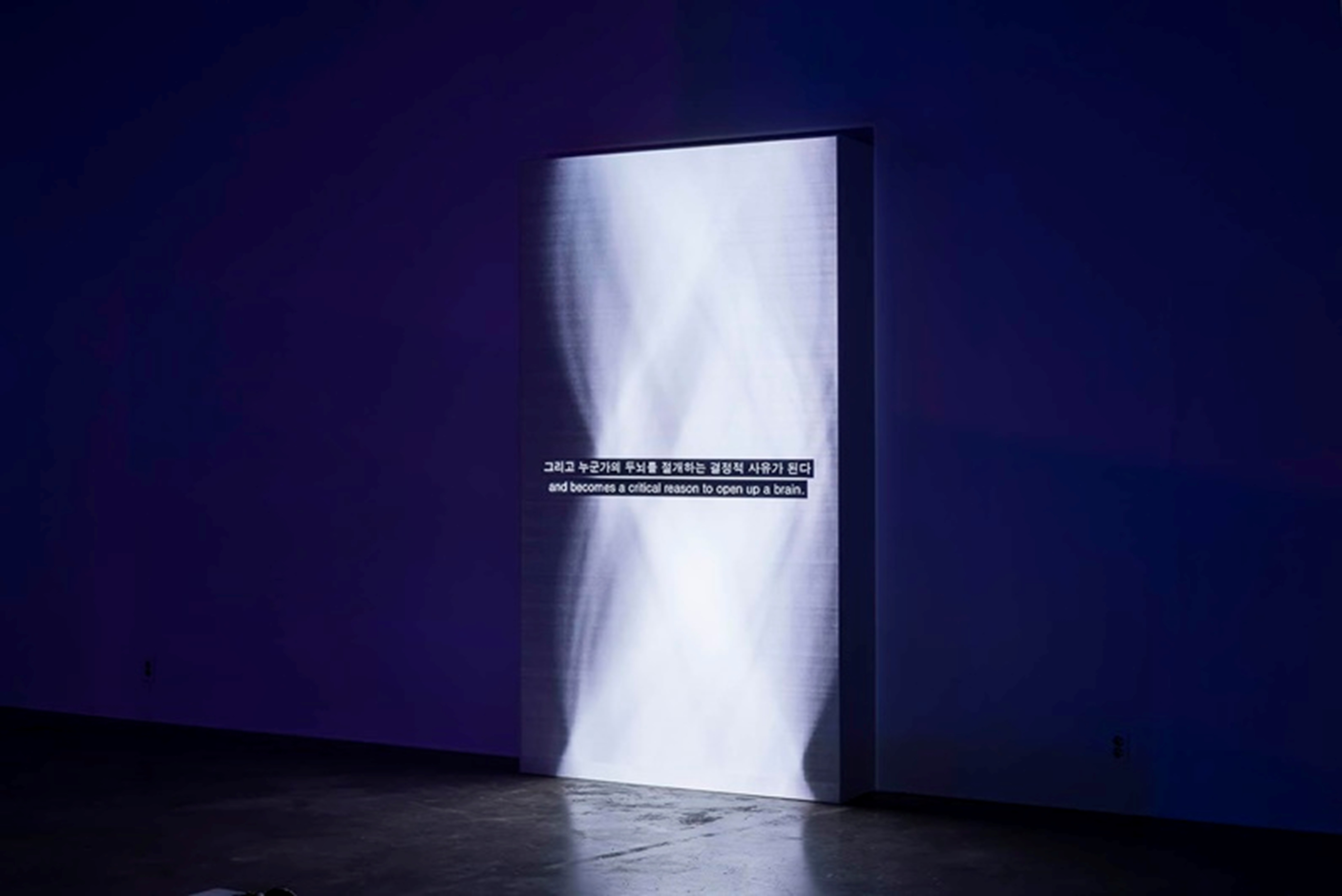
Don’t Die and Colorless and Odorless bear
traces of reflection on the limits of what visual media can convey. Some
sensations are perceived through the skin or nose before they can be explained
in words. Film is a medium limited to sight and sound. To approach the
transmission of these other senses, the films intermix distorted images,
altered colors, and visuals that feel vaguely nauseating.
Colorless
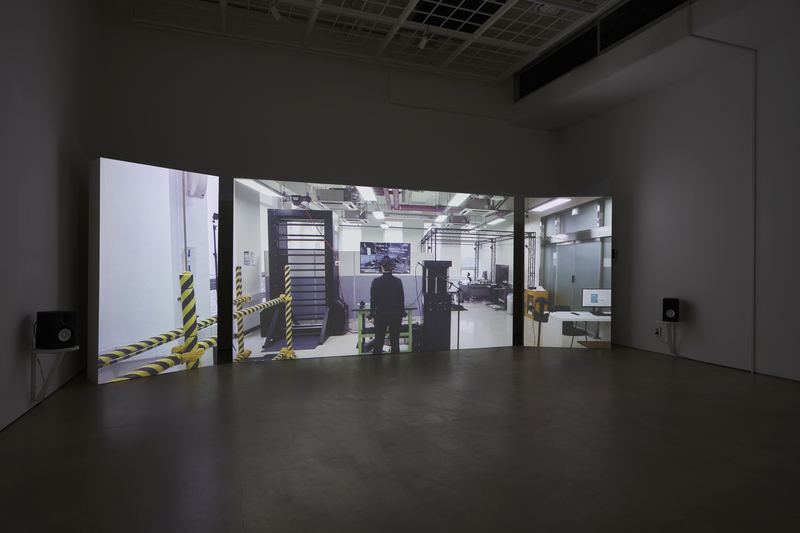
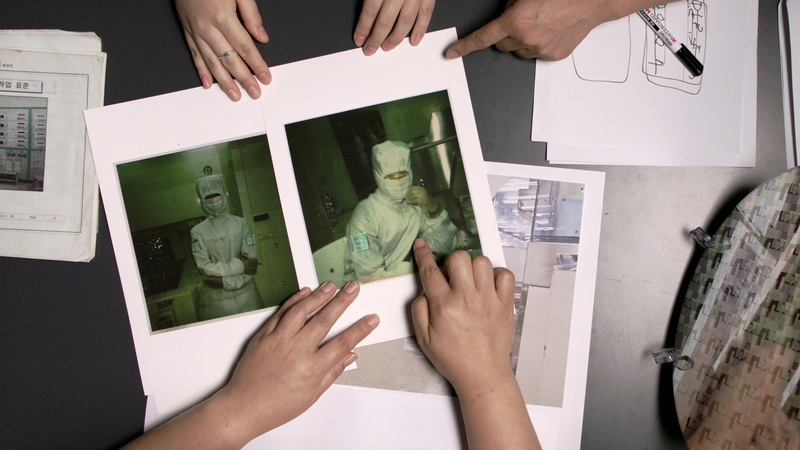
and Odorless opens with a handwritten “clean note” (a work log
notebook specialized for contamination prevention) bearing the name Hwang Yumi.
From beginning to end, the film follows records of “people.” Early in the film,
a worker who had worked in a semiconductor cleanroom recalls being fascinated
by wearing “the protective suits seen on TV,” but then states that inside the
process there was a “pervasive chemical smell” that television never showed.
Television
conveys only sight and sound, amplifying some sensations while discarding
others. The image of a pristine cleanroom and the corporate pride of Samsung
are excessively conveyed through media. Sensations that do not translate into
money or profit are discarded. Environments where adequate costs for safety
were not paid, and production lines that had already produced many cancer
patients in the West before relocating to Asia, were nowhere to be seen. Those
traces were instead etched into workers’ bodies and memories, their lives, and
their families.
Industrial and Environmental Disasters, and the Electronic Devices
in My Hands
These
stories could have been mine, or my family’s, or those of the region where I
live. RCA, cited as an example in the film, was a major American electronics
and telecommunications company. After struggles over severe environmental
pollution in the United States during the 1960s, it relocated its factories to
Taiwan in the 1970s.
At the Taiwanese RCA plant, not only were workers exposed
to toxic substances, but dormitories and groundwater around the factory were
also contaminated. More than 1,000 workers developed various forms of cancer.
Rather than reciting statistics, the film conveys the voices of survivors who
became activists: dreaming of a particular person for two consecutive nights
meant that person would die soon; the constant fear of discovering one had
cancer.
The
electronics industry knows no borders. In addition to RCA, the film includes
testimonies from workers who supplied companies such as Apple and ASUS.
Countless forms of labor went into transforming raw materials into these
products. The labor and pride of women workers in the electronics industry,
along with severe menstrual pain, miscarriages, and impacts on children’s
health. If, every time we bought these products, we had to fully bear and sense
the memories of industrial and environmental disasters, would they still sell
as they do now? The film insists on recalling the sensations and memories
erased by capital and by structures that trivialize the ill health of women
workers.
Even If Seen Less, As My Own Story
In Colorless
and Odorless, activist Kwon Young-eun of SHARPS (Supporters for the
Health and Rights of People in the Semiconductor Industry) reflects on what
kinds of experiences draw public attention. She notes that people have tended
to respond more to cases involving greater pain and longer suffering. Yet she
hopes these stories will be understood not as someone else’s suffering, but as
“my own story”—shared by all of us who use electronic devices, as neighbors and
implicated individuals—even if that means they are seen less, at least for now.
Jung
Hyang-suk, a former Samsung worker diagnosed with a rare disease and now a
SHARPS activist, recalls how she used her salary to enjoy “eating good food
with her child,” traveling, and how she “liked” those aspects of her working
life. These are sensations everyone shares, yet certain workplaces impose far
greater risks on workers without informing them. All of our lives are indebted,
in part, to hidden risks and illnesses. I take into myself that shared
wish—that while working diligently, neither my life, nor my family’s, nor my
children’s lives be damaged by unseen dangers.