The
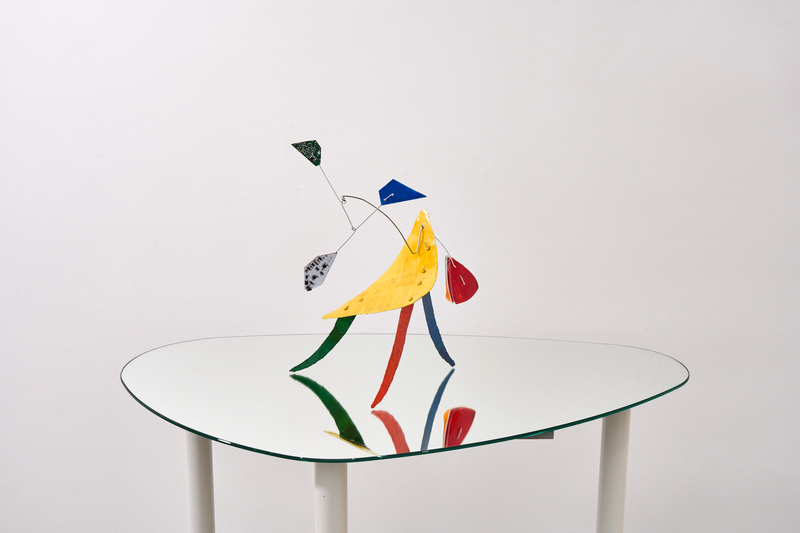
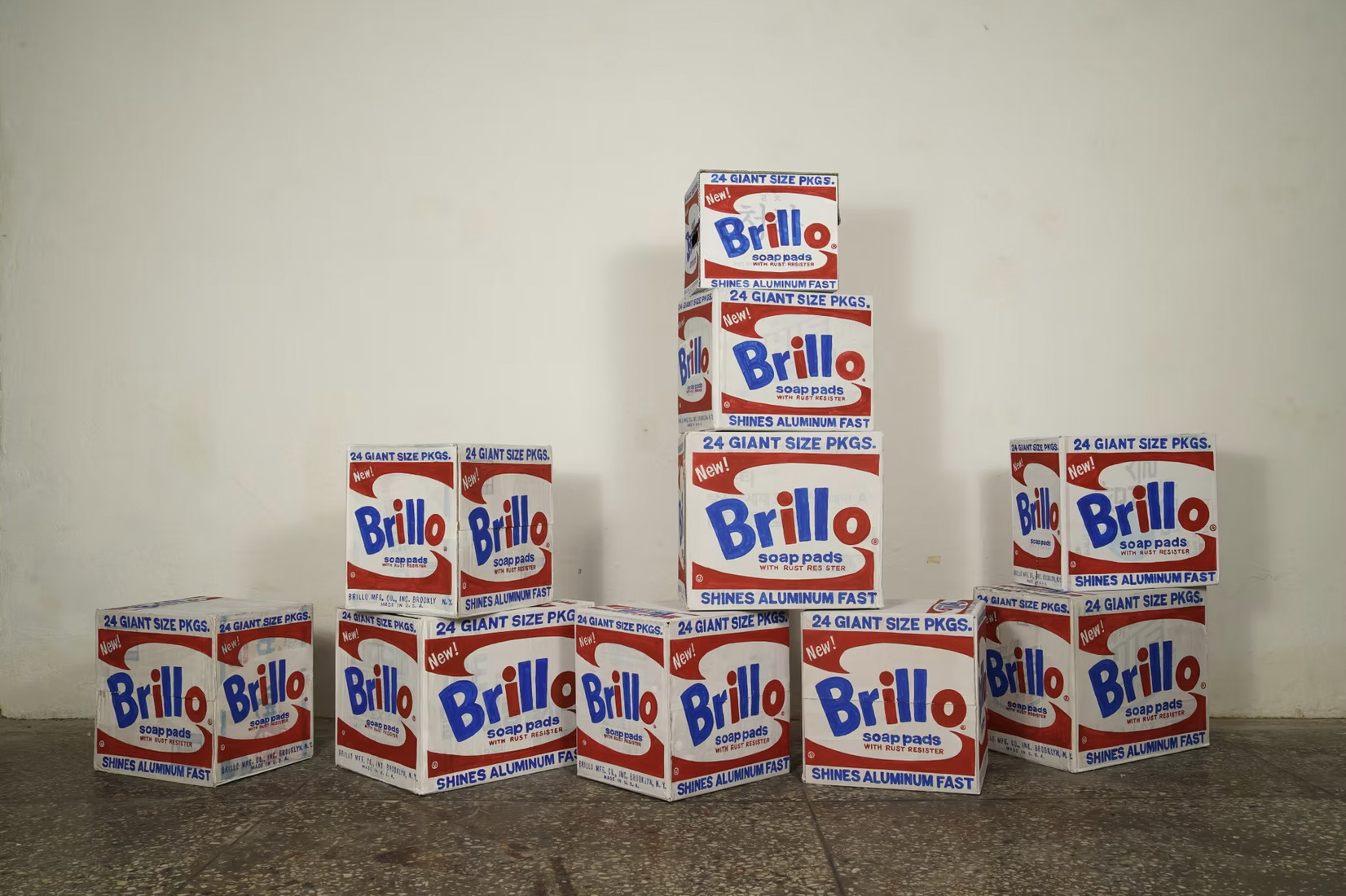
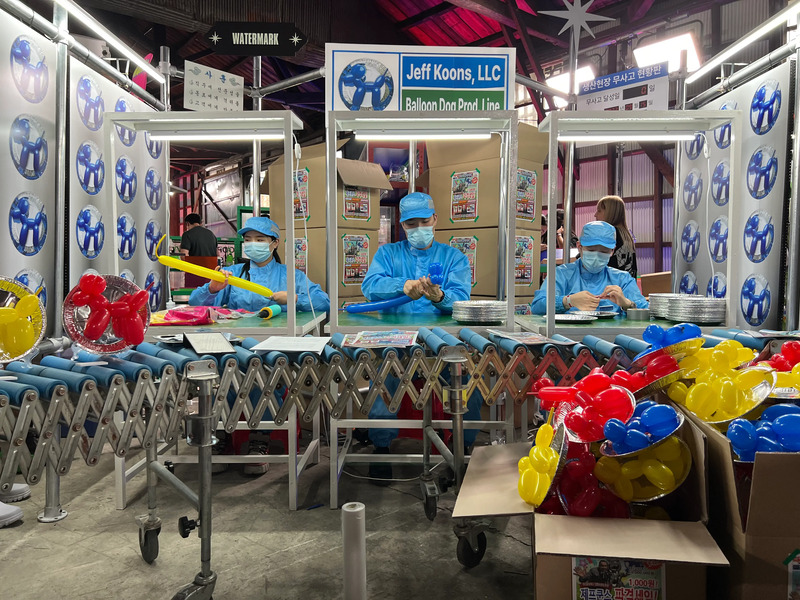
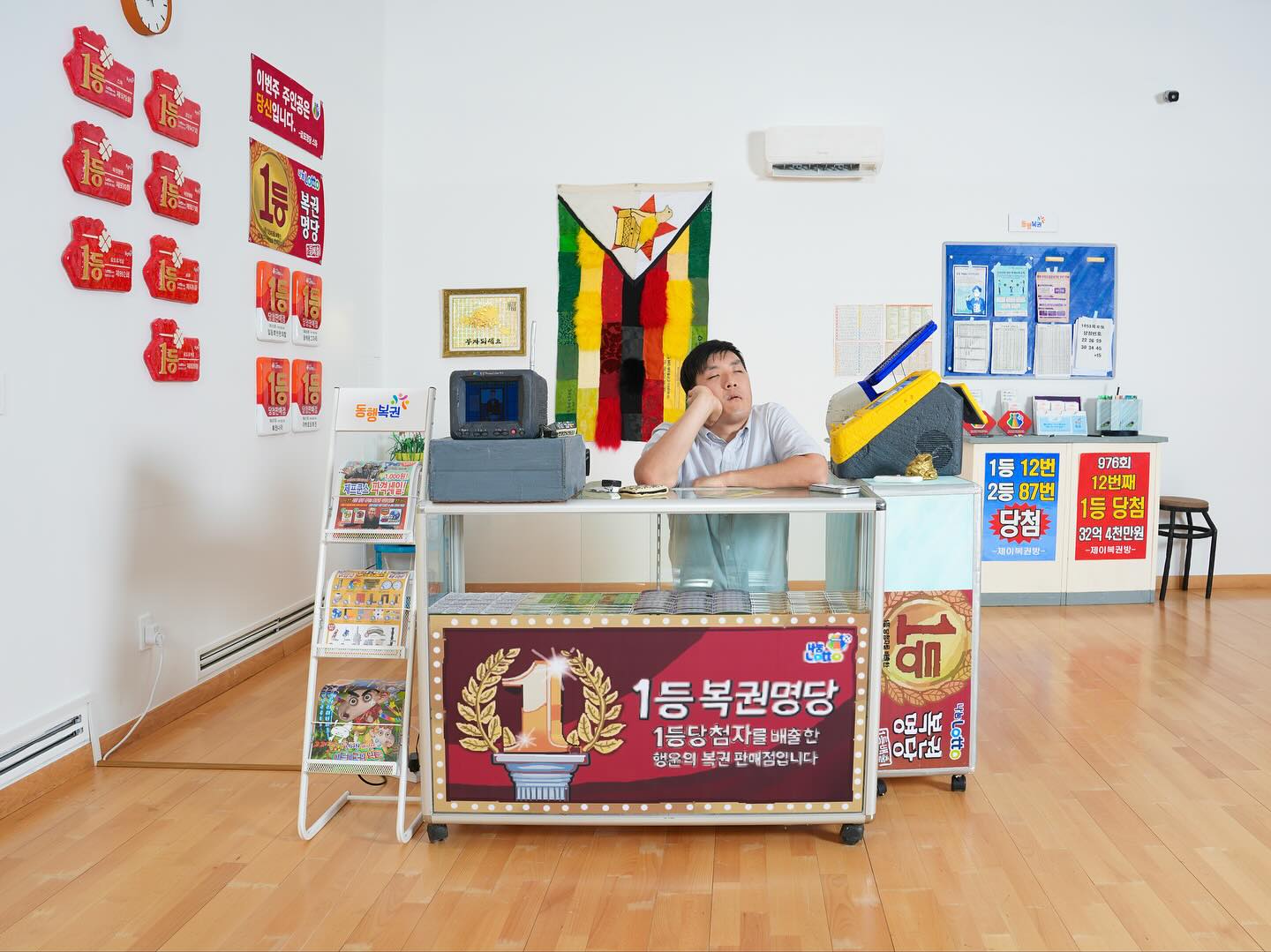
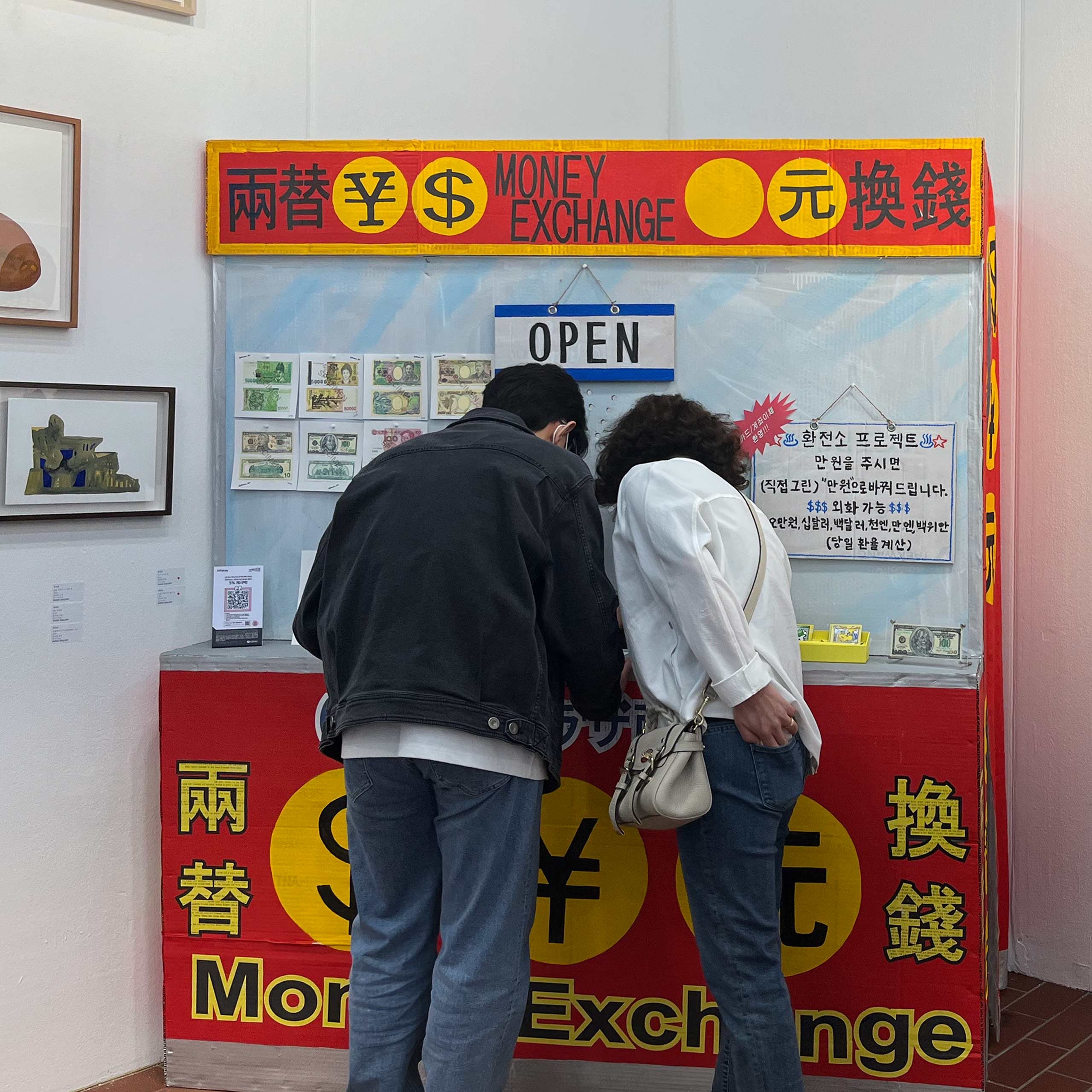
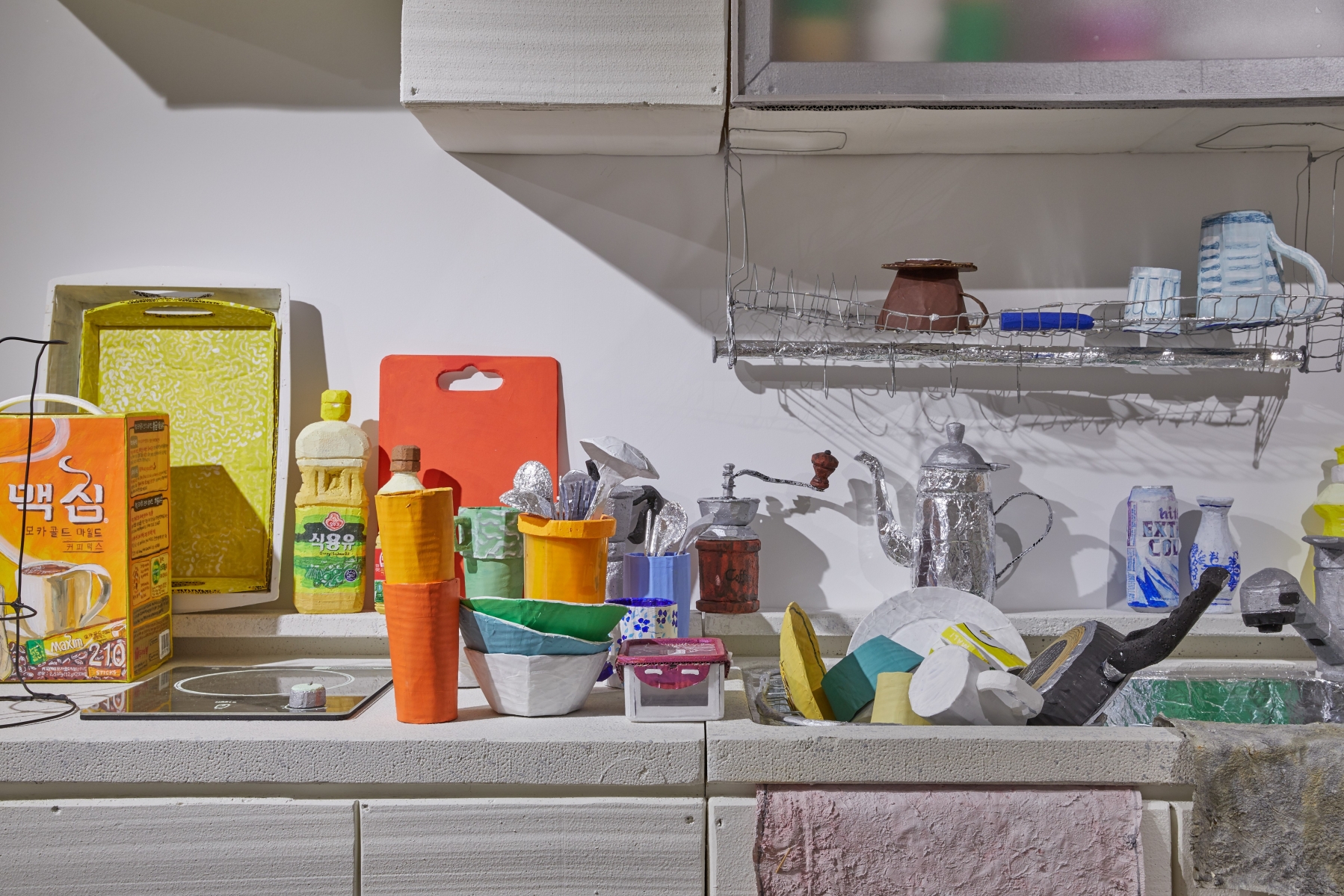
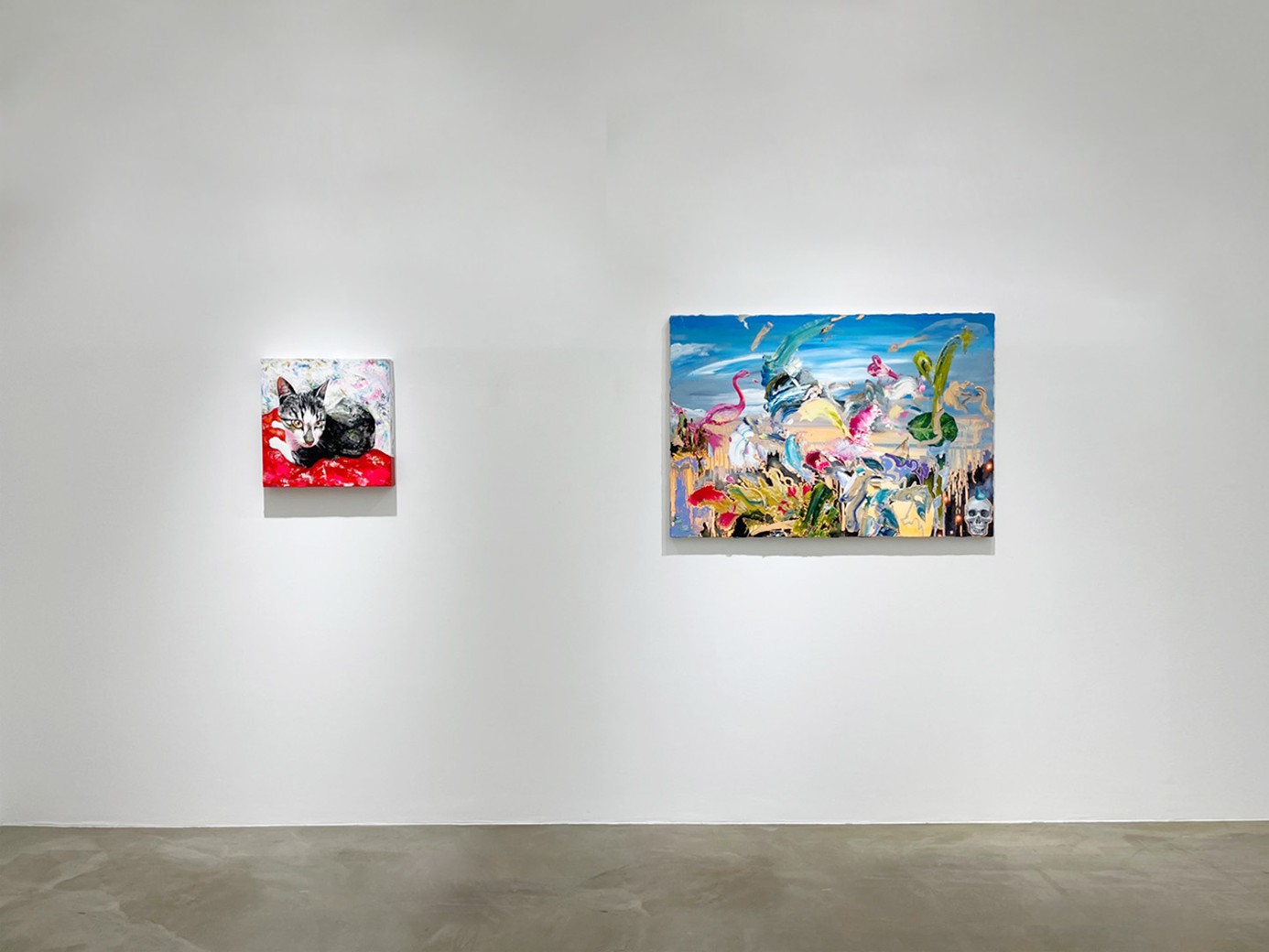
artist Cha Youngseok (b. 1976, South Korea), who reinterprets the object
of universal reality in a unique formative language, has built a complex world
of works through sophisticated and detailed work methods using everyday objects
as pictorial objects. The artist notes that objects in everyday life are not
only the result of individual tastes and choices, but also still life and
scenery containing the contemporary society. His work, located somewhere on the
border of a real but non-existent still life or landscape, visualizes humans,
objects, and the landscape of life and collects social phenomena or personal
needs projected into it. In addition, objects existing in the world and objects
in the artist's personal memory appear on his screen, projecting the changing
times according to daily life and the situation of the times. As such, the
artist Cha Youngseok has reinterpreted his keen observation and dense
exploration of objects in a unique formative language, thereby establishing his
own firm world of work.
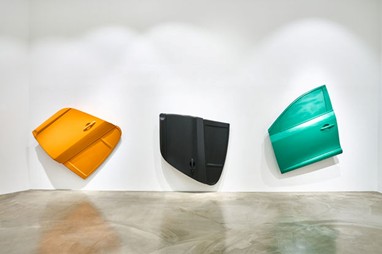
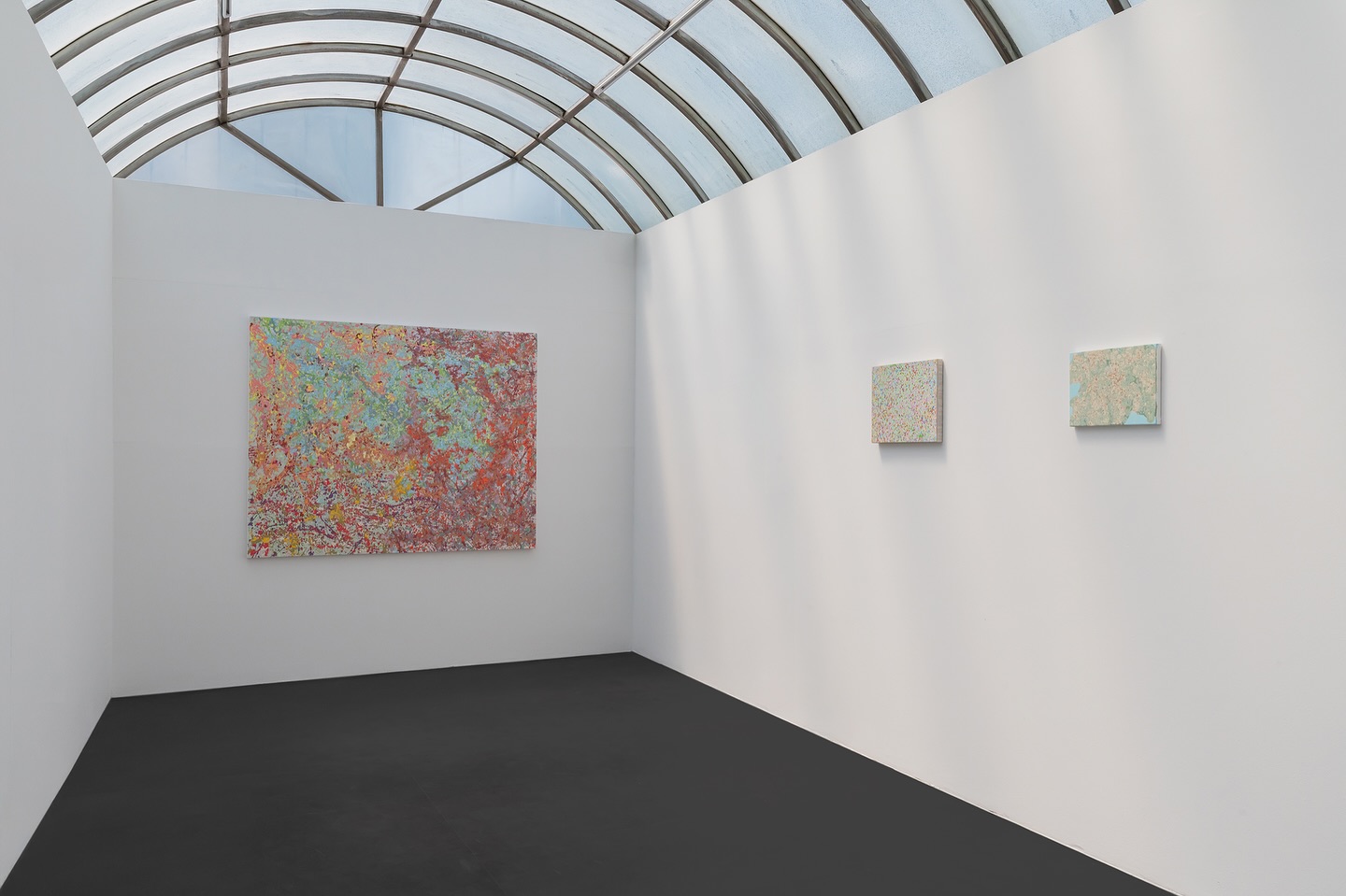
Lee
Sejun (b. 1984, South Korea) has continued to explore and experiment with
interest in the world surrounding us across the boundary between flat and
installation art. His work, which evokes another dimension of landscape by
connecting and combining standardized canvases, transcends the limits of matter
and expresses an infinite space with no beginning or end. This method of work
has naturally become the artist's original formative language, and the screen
has the variable characteristics that has repeatedly changed formatively
reveals the artist's willingness to "picture everything in the
world." His work creates a balance between the unconscious and the
existing world, while at the same time revealing his inability to intuitively
understand the huge universe at a glance. Lee Sejun's landscape, which
encompasses the boundaries between the surreal world and the reality, evokes a
mysterious sense and fascinates the audience.
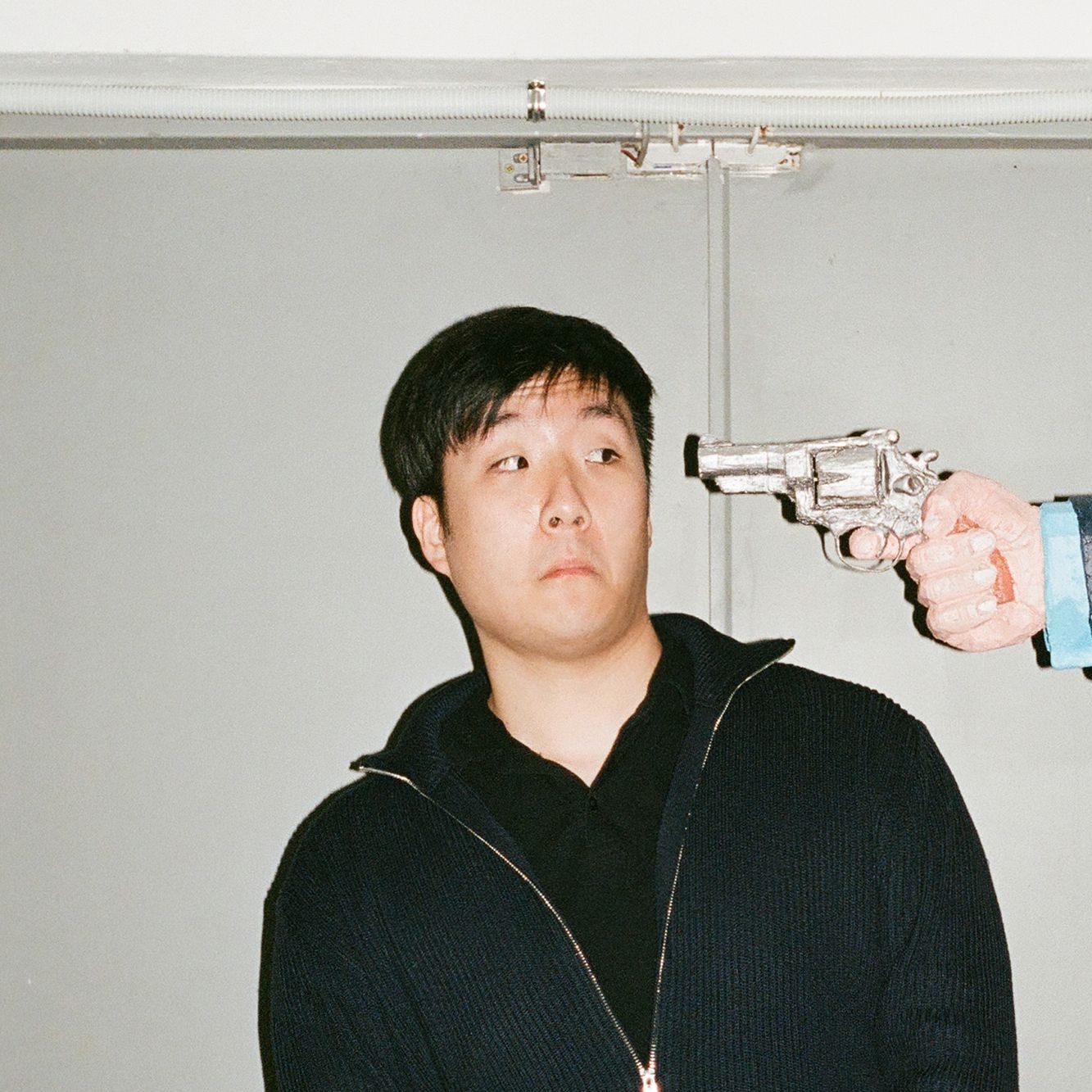
Dahoon
Nam (b. 1995, Canada), who develops all-round work activities across genres
such as media art, installation art, and flat work, has sought cognitive
disturbance through cloning work and asked fundamental questions about art. His
work, which explored how the concept of "cognition" can be a question
by dismantling the existential values and meanings of the object, provides an
opportunity for viewers to look at the object from a new perspective. Through
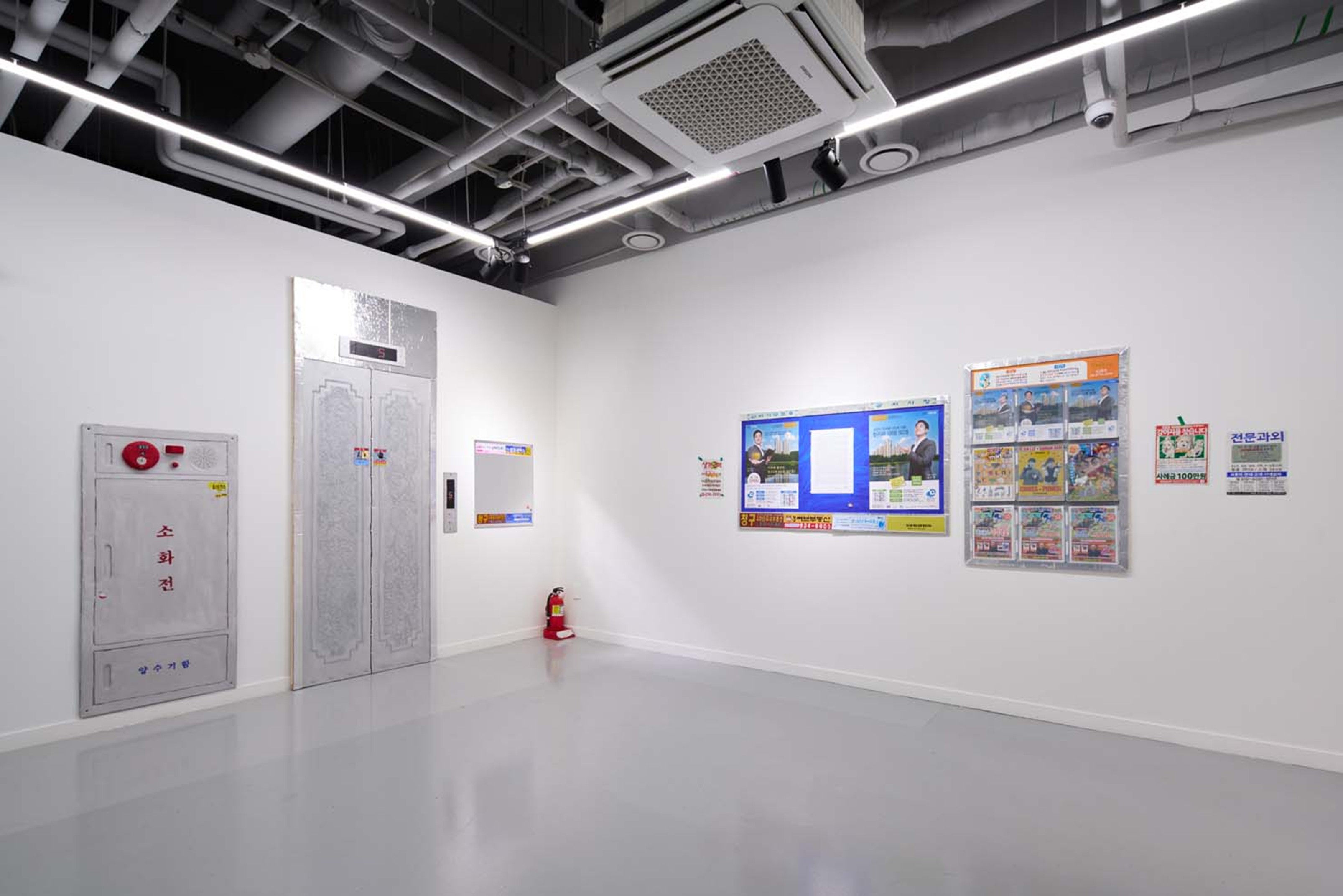
this exhibition, the artist presents a new work, ‘basketball series’ which is
based on intangible object materials such as emotions and experiences extracted
from the artist's personal memories beyond physical space and objects. His new
work, which is real and sometimes non-real, attempts a synesthetic approach
beyond a visual perception. For Dahoon Nam, who approaches the essence of art
through a unique perspective and approach, the work is defined as extended
artistic acts stemming from the artist's own artistic thinking, not producing
any object materialized in a limited area.