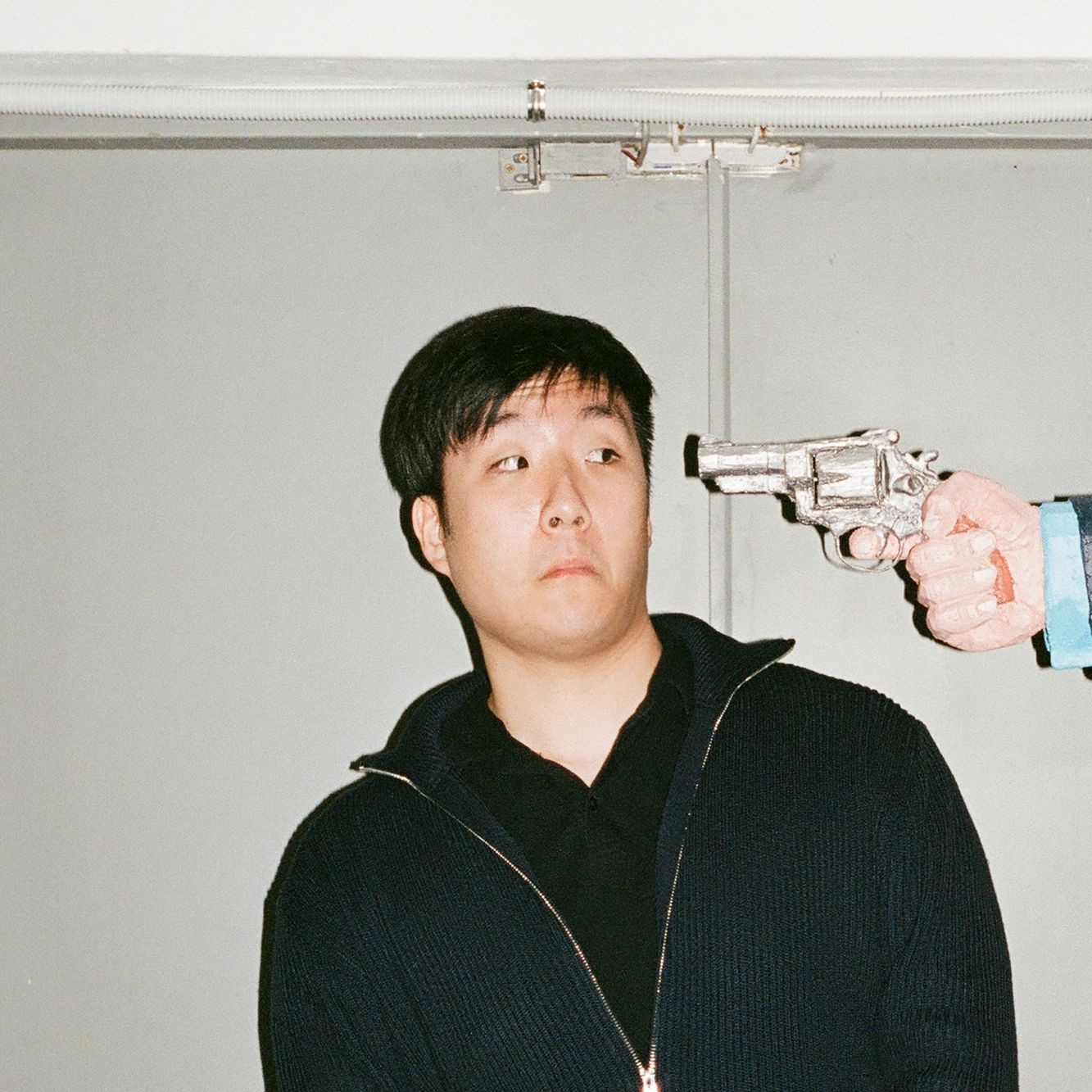
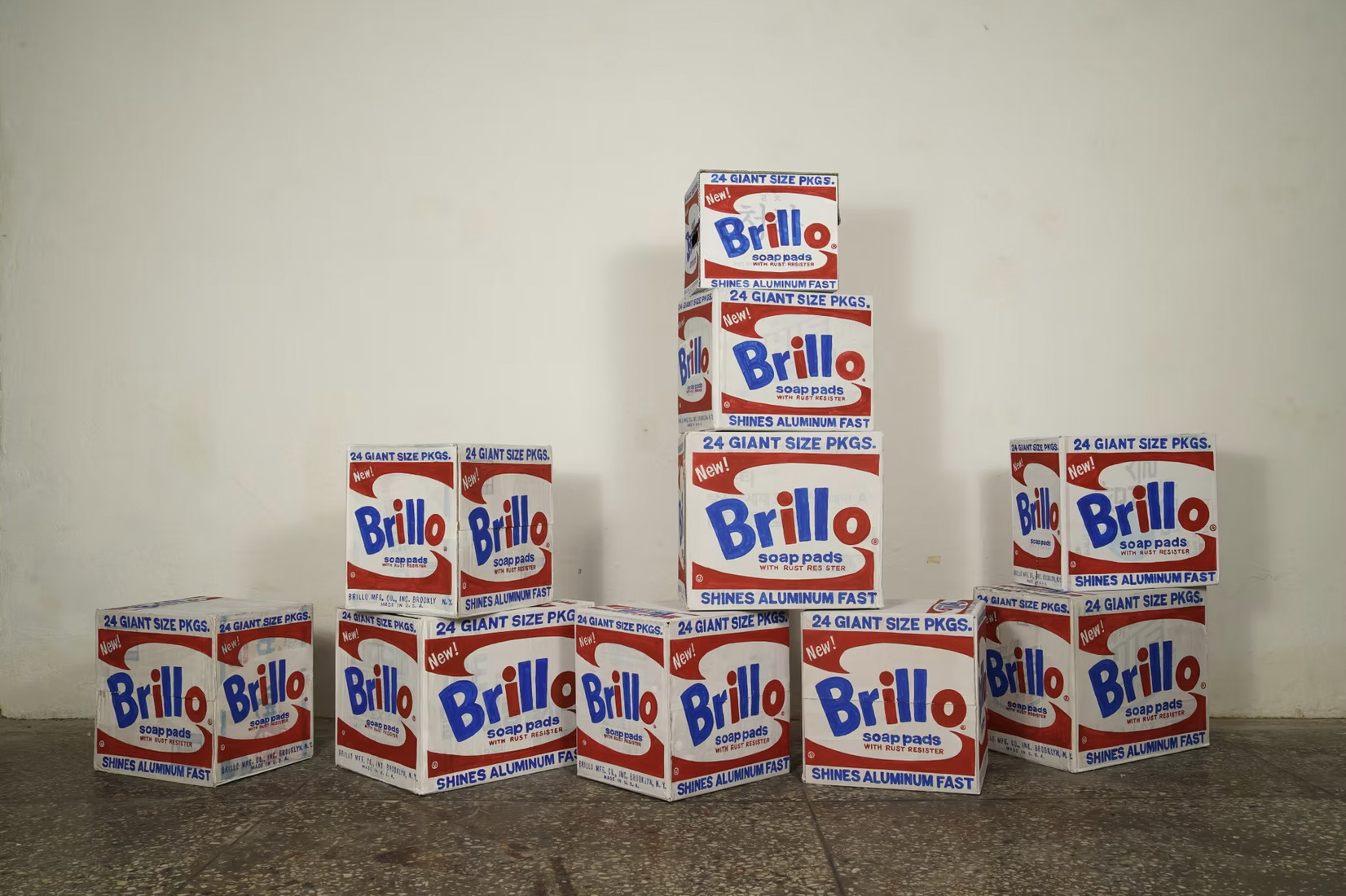
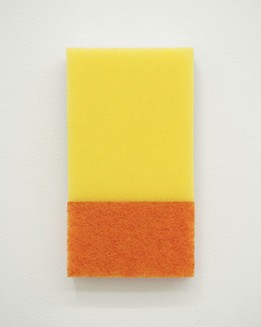
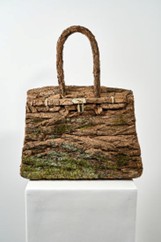
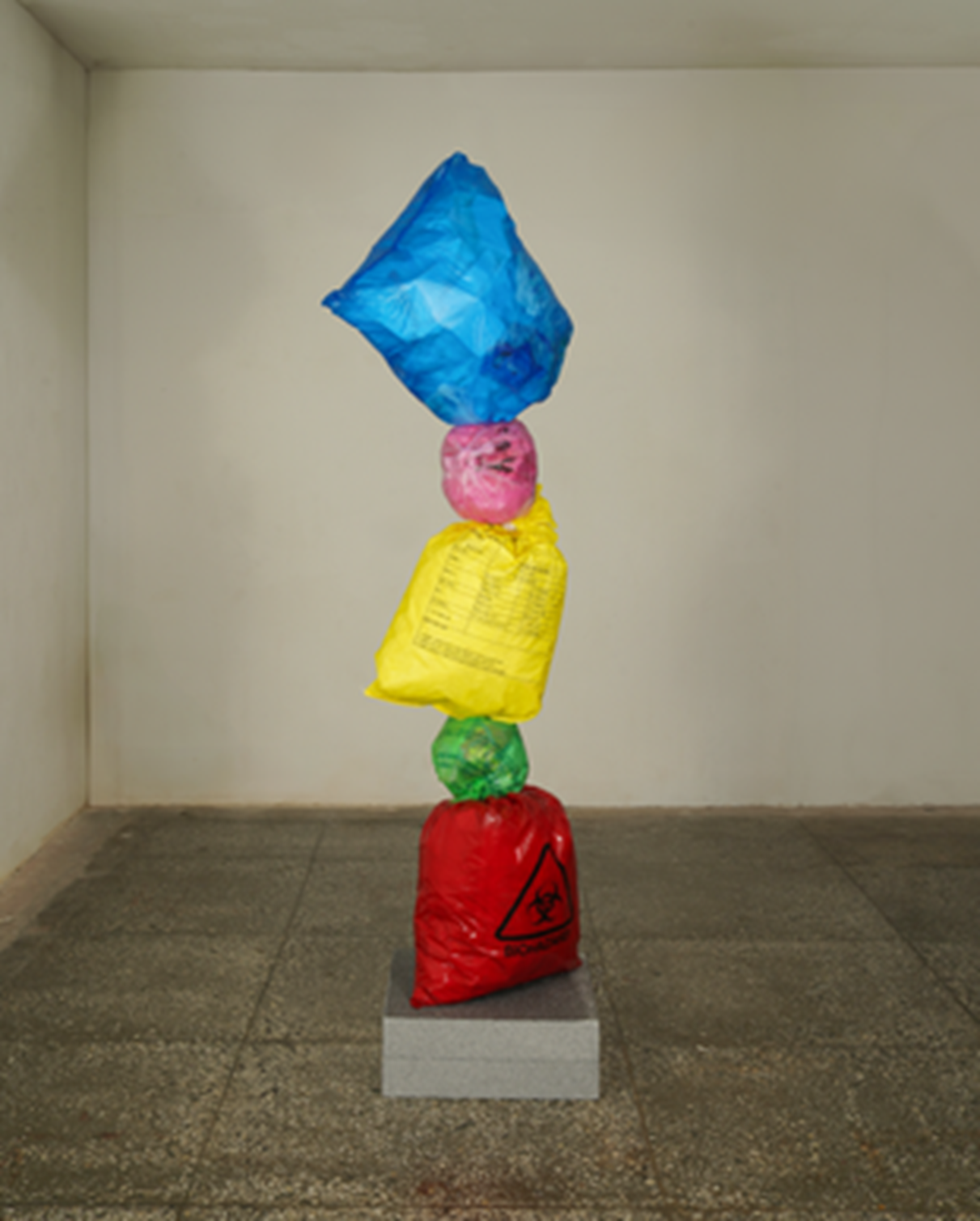
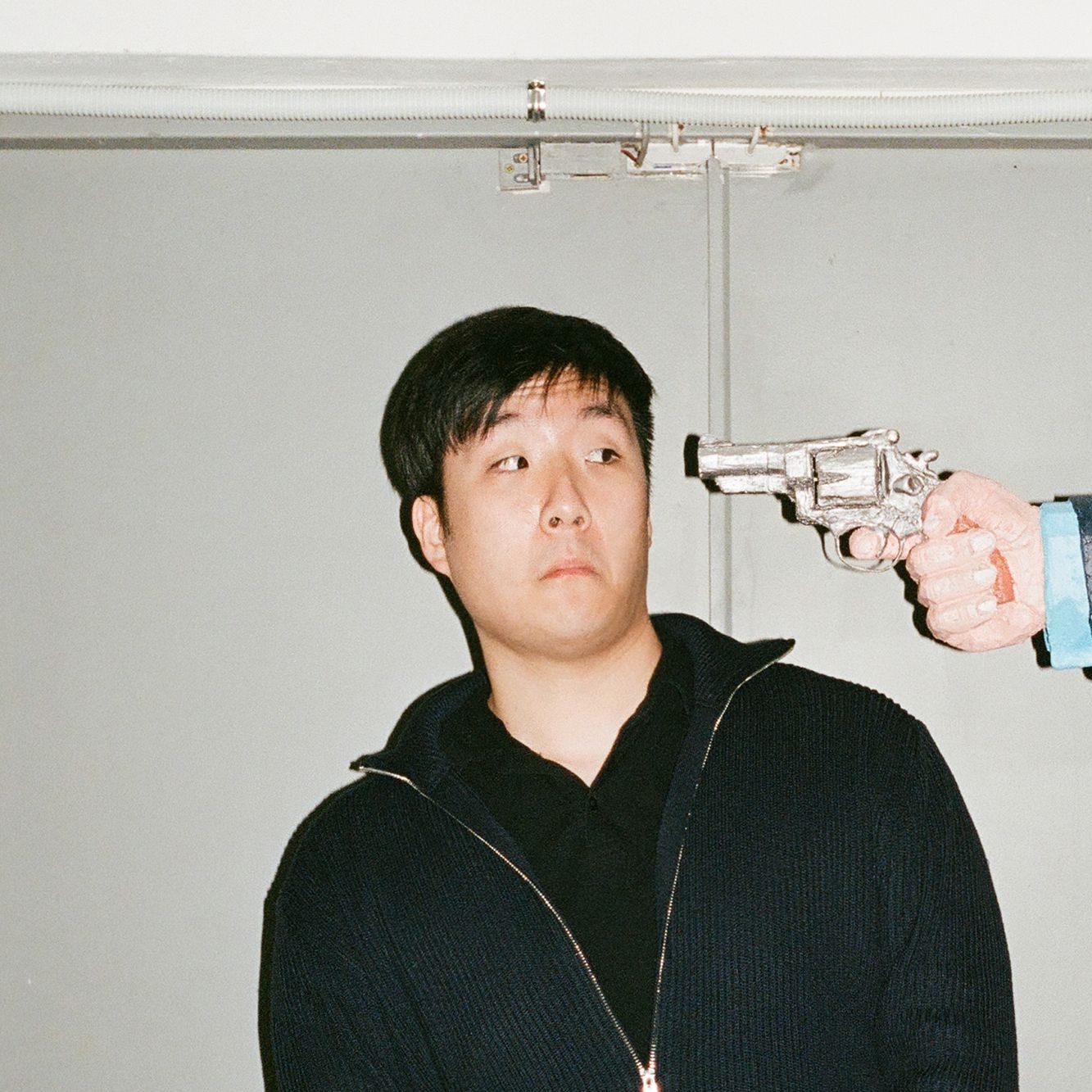
Dahoon Nam studied Art History at the University of Toronto. He currently lives and works in Seoul.

In our contemporary era, we are witnessing
rapid and multifaceted transformations in daily life due to the unprecedented
development of artificial intelligence and digital technologies. The
increasingly advanced digital ecosystem driven by AI offers tremendous
possibilities and convenience. At the same time, the fragile nature of the
human condition—struggling to keep pace with such radical change—is becoming
more apparent.
As technological progress continues to shorten the very
processes and rhythms that once shaped human experience, genuine connection
among individuals is gradually diminishing, narrowing the gap between
individuals and the immediacy of the world around them. These shifts have
ushered in a rise in personal anxiety and a sense of depression, fueled by
global capitalism, precarious labor, social isolation, and the disintegration
of relationships. This reality forces us to confront fundamental questions
about human existence.
This contemporary state of human life is
closely linked to the idea of “Liquid Modernity”, a term coined by Polish
sociologist and philosopher Zygmunt Bauman. Bauman described modern society as
being in a state of constant flux, where order, dignity, and stability are
dismantled, and everything remains in perpetual transition. His insights into
themes such as alienation, identity, consumerism, and morality reflect the
unstable conditions faced by individuals today.
According to Bauman, while
modern life offers convenience and freedom, it also demands that individuals
continuously reshape themselves—leading not to stable identity formation, but
to repeated, temporary adaptation. This situation results in existential and
psychological unease and pressure. In 2025, we find ourselves deeply embedded
in this current. The sweet allure of technological advancement has undeniably
improved aspects of life, yet it has also brought us face to face with a
paradoxical reality—one that challenges the uniqueness and intrinsic value of
human existence.
The exhibition 《Tactics for an Era》 explores the shadows cast by our
contemporary moment. It presents the ways in which each artist perceives and
interprets the radically transformed world —the “Umgebung”, or physical and
objective environment—reimagined through their unique perception into their own
“Umwelt”, which refers to the subjective world each individual constructs
through sensory and cognitive experience.
Featuring five artists, the
exhibition sheds light on the human essence—rich sensory experiences and
layered emotions—expressed through diverse and immersive artistic languages. It
highlights how contemporary art seeks to reclaim the value and meaning of
"human-ness," and invites viewers to engage with the messages it
conveys.

Artists today are no passive observers or
mere questioners of reality. Instead, they act as tactical
subjects—interpreting the structures of the present through their unique
perspectives, shaping their own existence, and even making statements within
the social sphere. This role aligns with the notion of tactics as
discussed by Michel de Certeau in The Practice of Everyday Life. De
Certeau framed tactics as small, creative acts that individuals undertake
within the constraints of structural systems. These tactics operate not within
self-owned spaces but within others’ domains, relying on spontaneity and
adaptability. In such conditions, from resistance creativity is born.
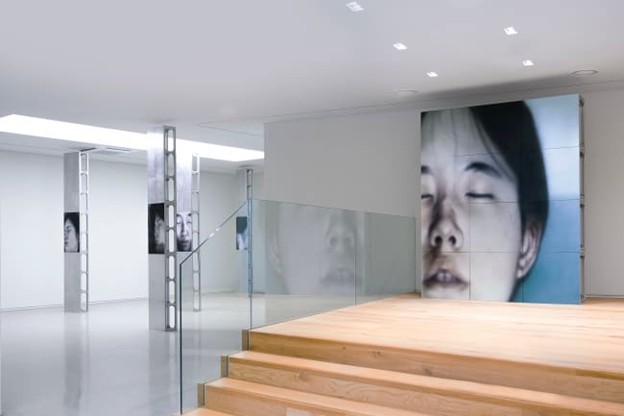
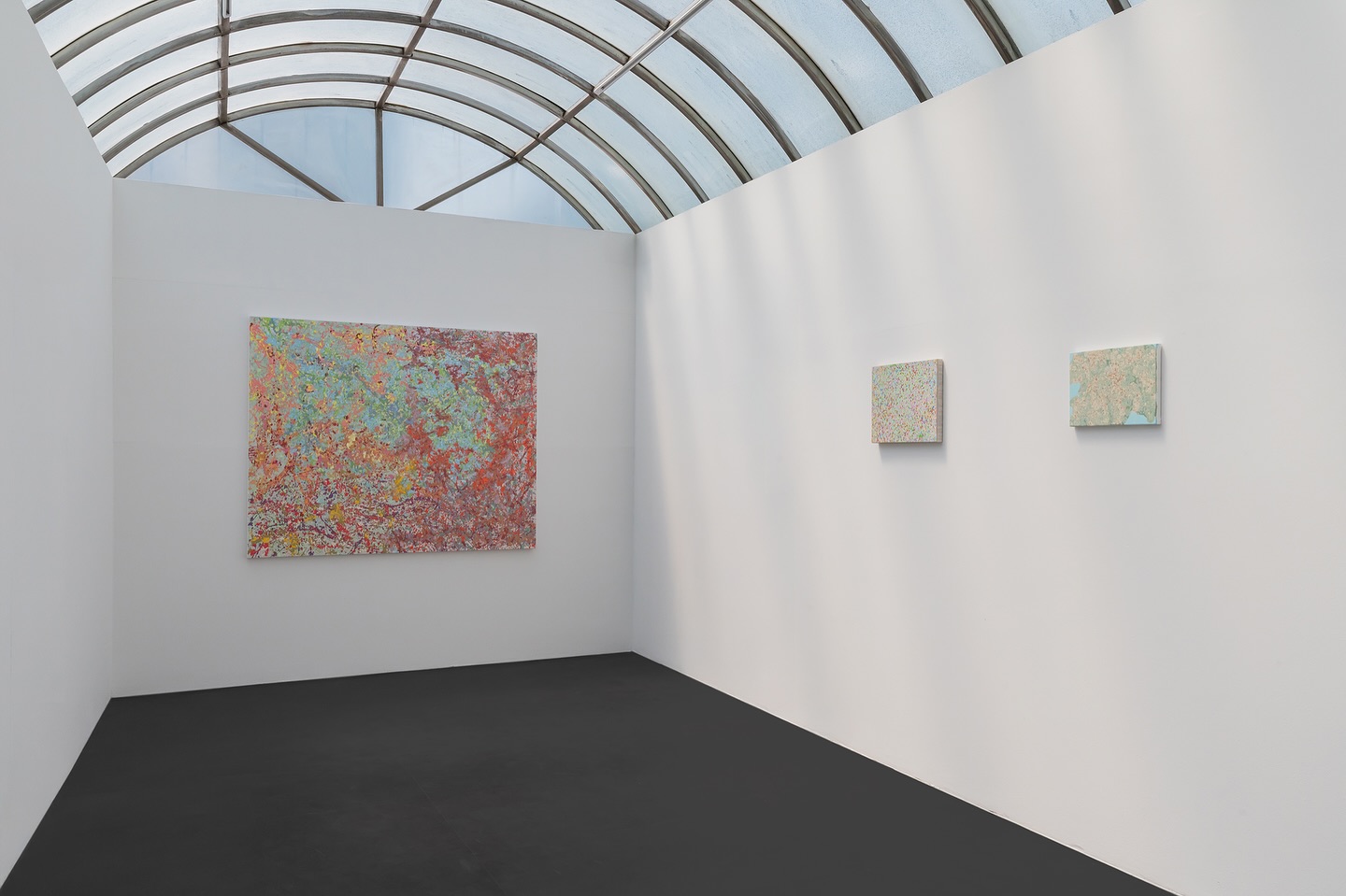
Kim Myungchan appropriates the
most industrial and mechanical of painting tools—the airbrush—to evoke the
inhumanity of modern production, yet overlays it with delicate hand tremors and
traces of body warmth. Through repetition, subtle flaws, and vibrations, he
creates painterly tactics that introduce a touch of human warmth and fracture
into an otherwise smooth industrial system.
Ahyeon Ryu designs mechanical sculptural
installations activated by the viewer’s physical engagement. This tactile
interaction transforms the viewer from a passive participant into an active
agent, evoking a sense of bodily resistance against the capitalist system. It
repositions laboring bodies as central to artistic experience.
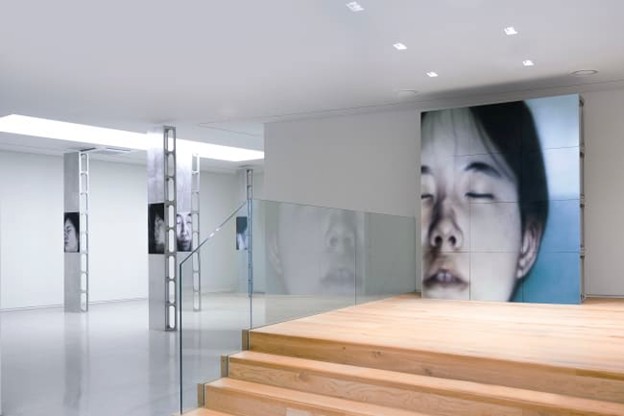
Yohan Hán, on the other hand, counters the
fragmented and disjointed modes of communication of our time by exploring the
body’s movement, sensation, and sonic resonance. His work aims to restore a
primal mode of communication that precedes language—creating new forms of
resistance and exchange in a world dominated by technology and media.
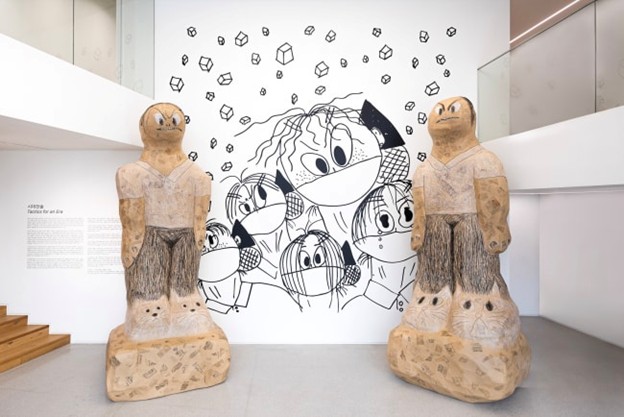
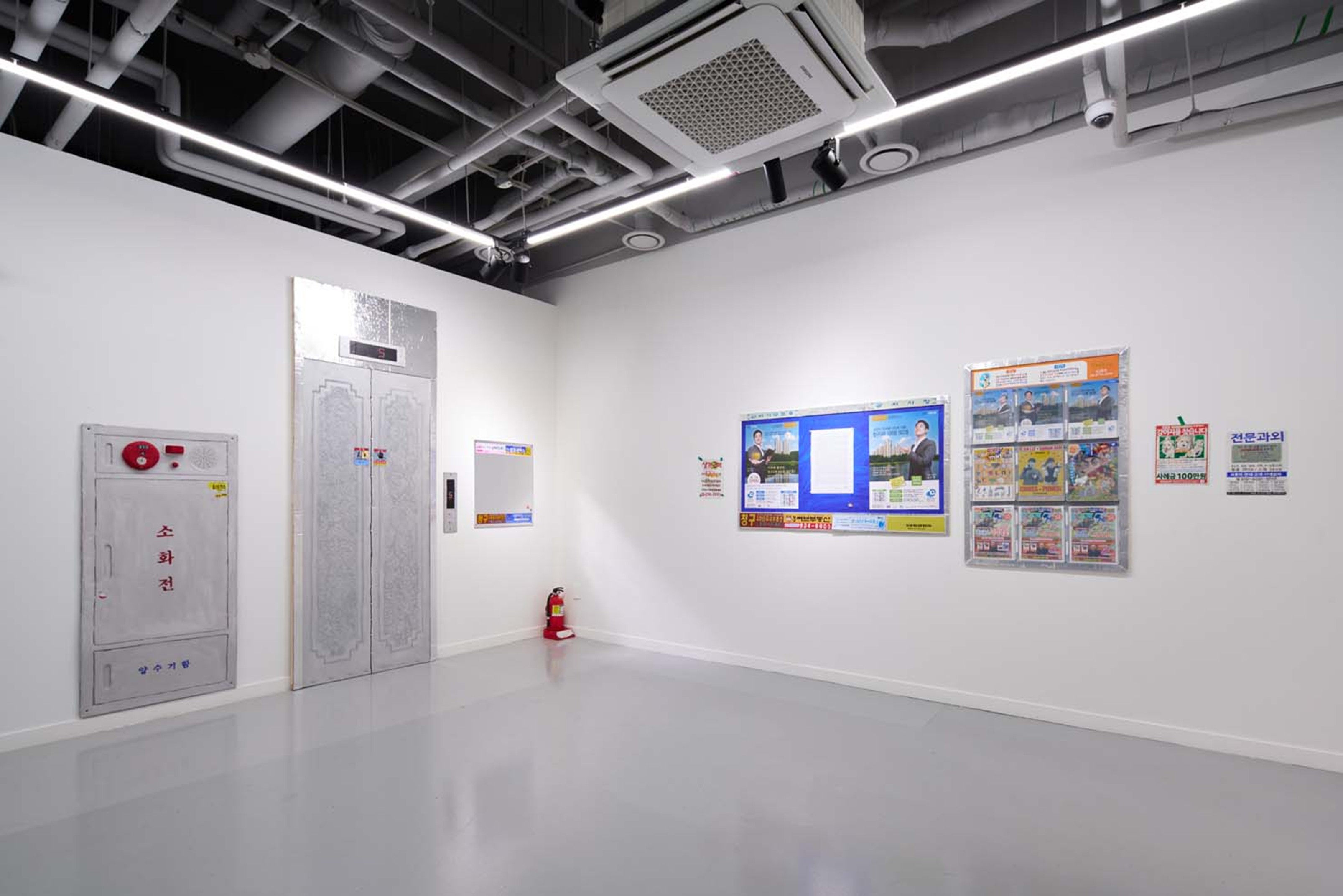
Shin Min sensitively captures the
structures of inequality and oppression embedded in everyday life. Her
sculptural works embody the rage and alienation of marginalized groups, such as
low-wage workers and women, giving form to the politics of emotion through
seemingly mundane yet deeply resonant expressions of collective frustration.
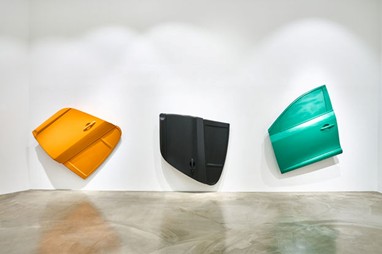
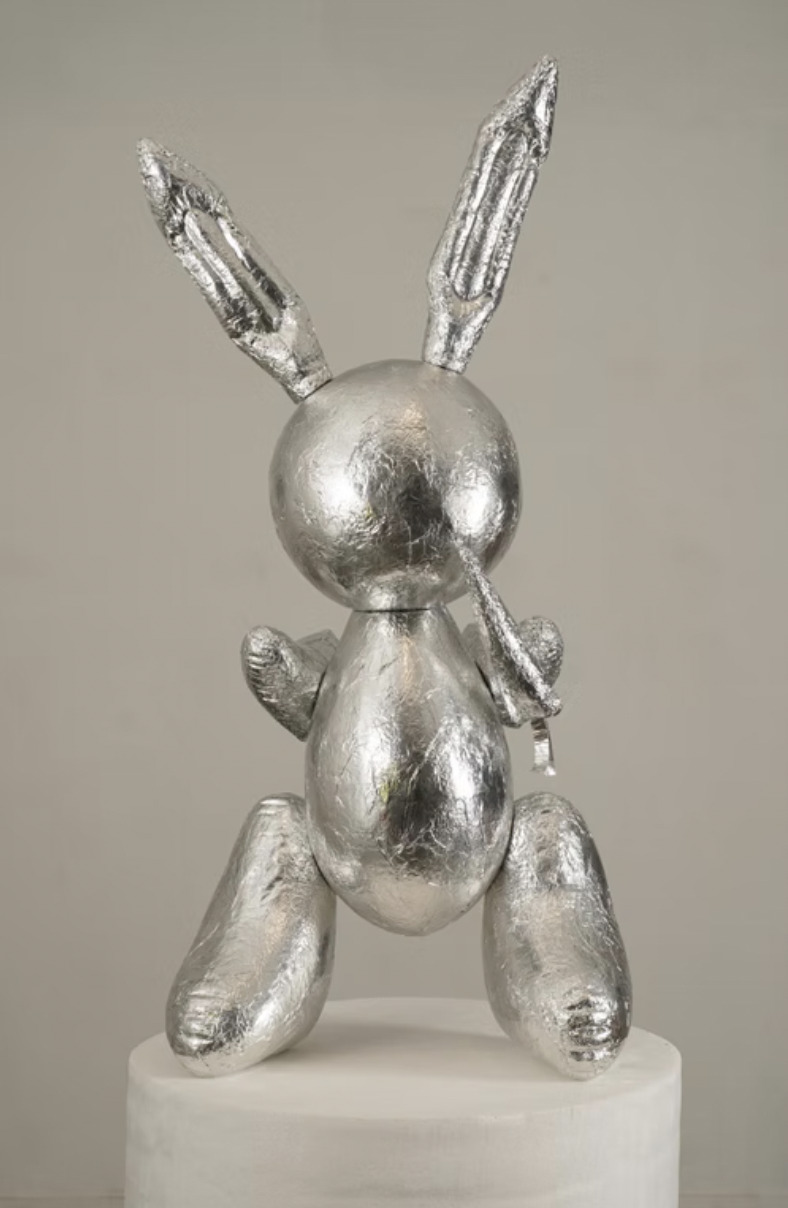
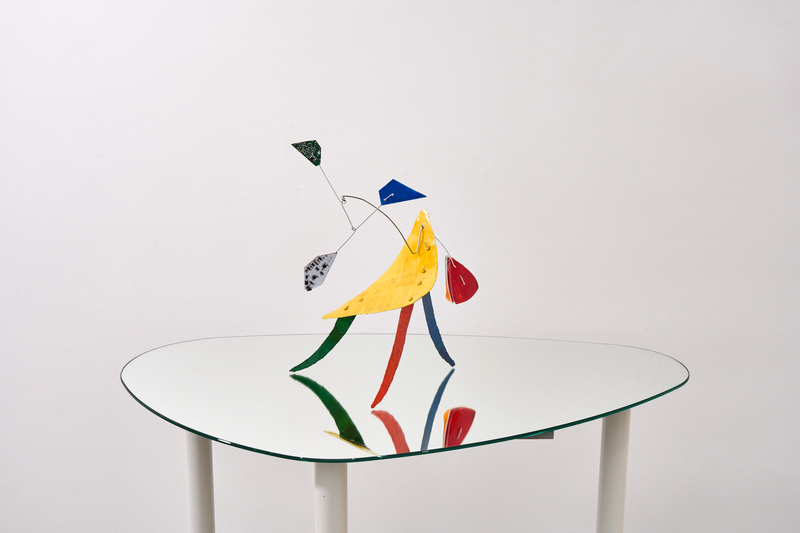
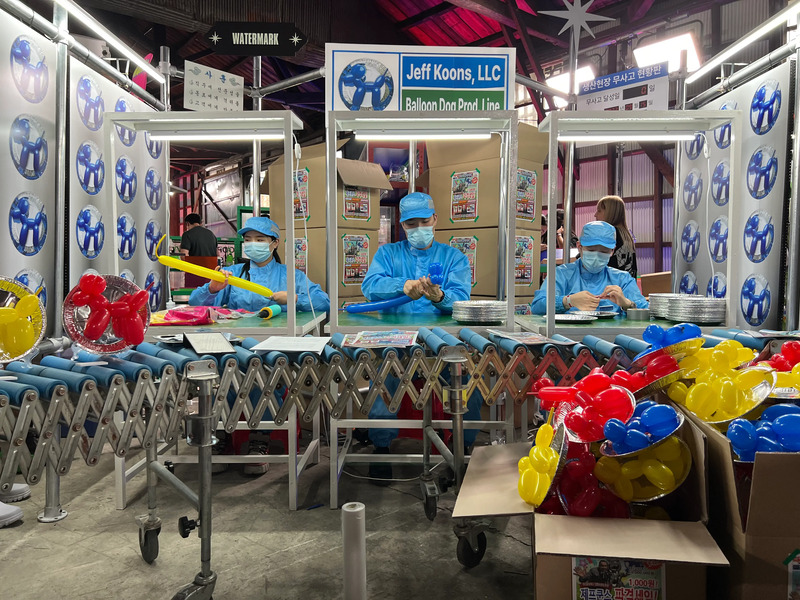
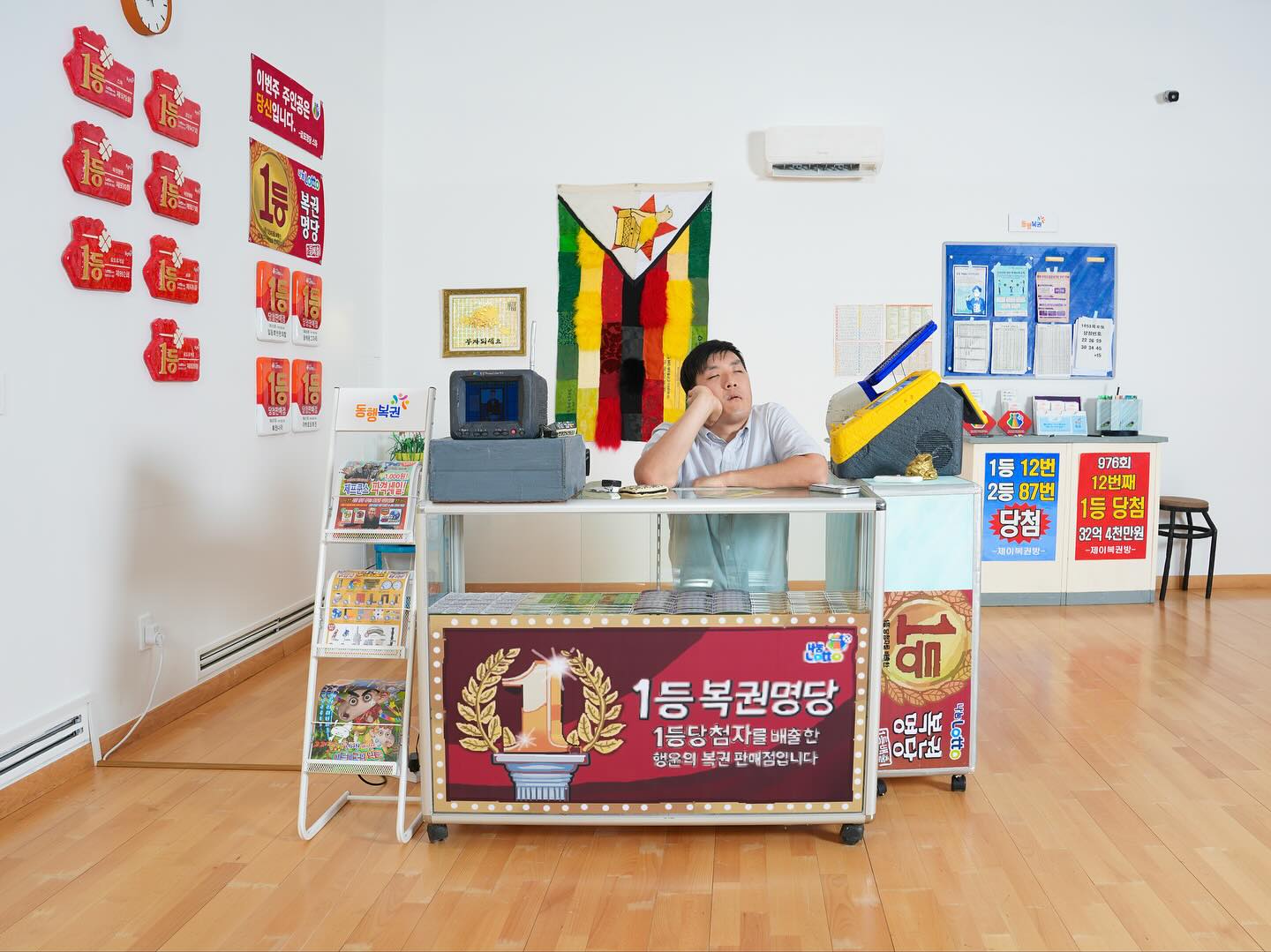
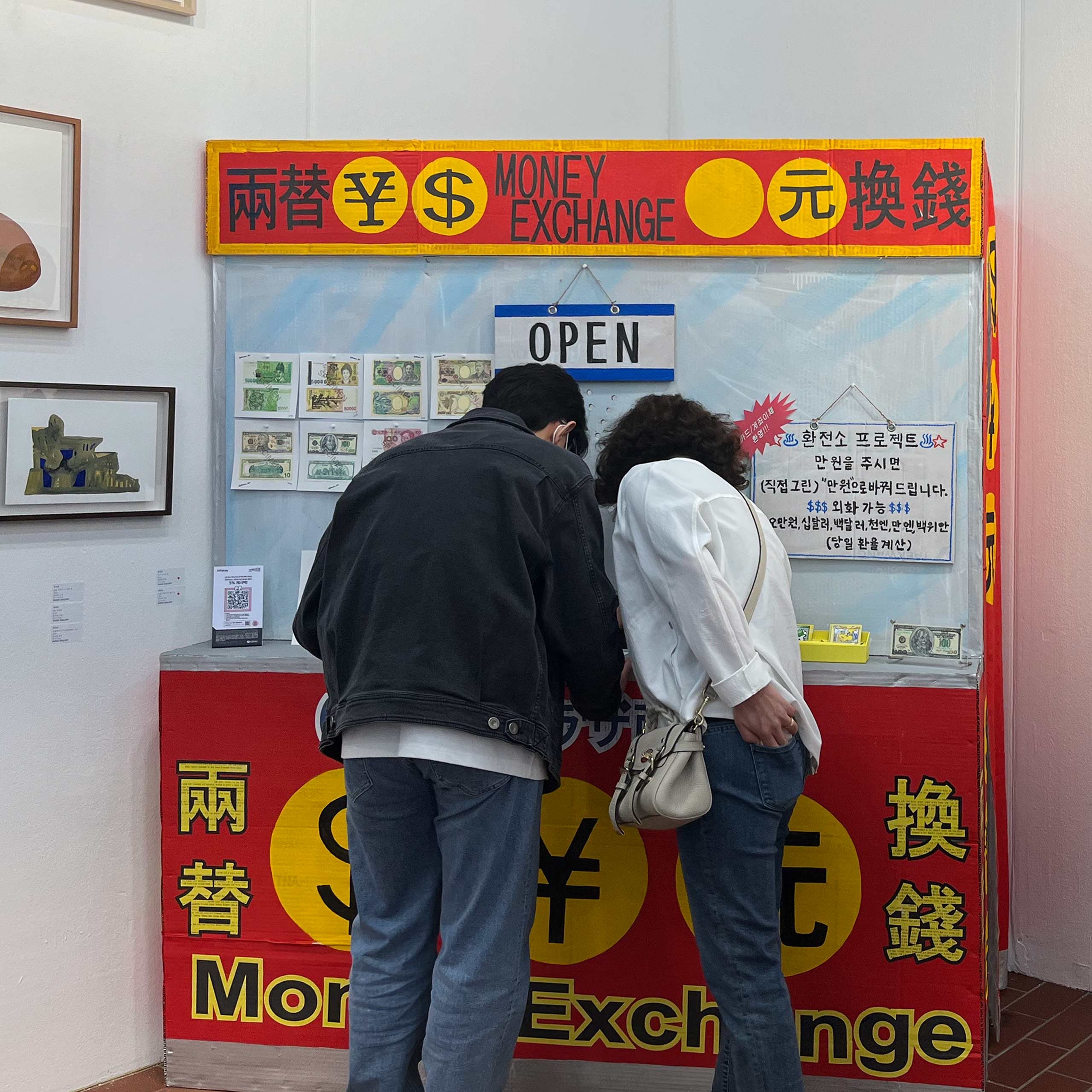
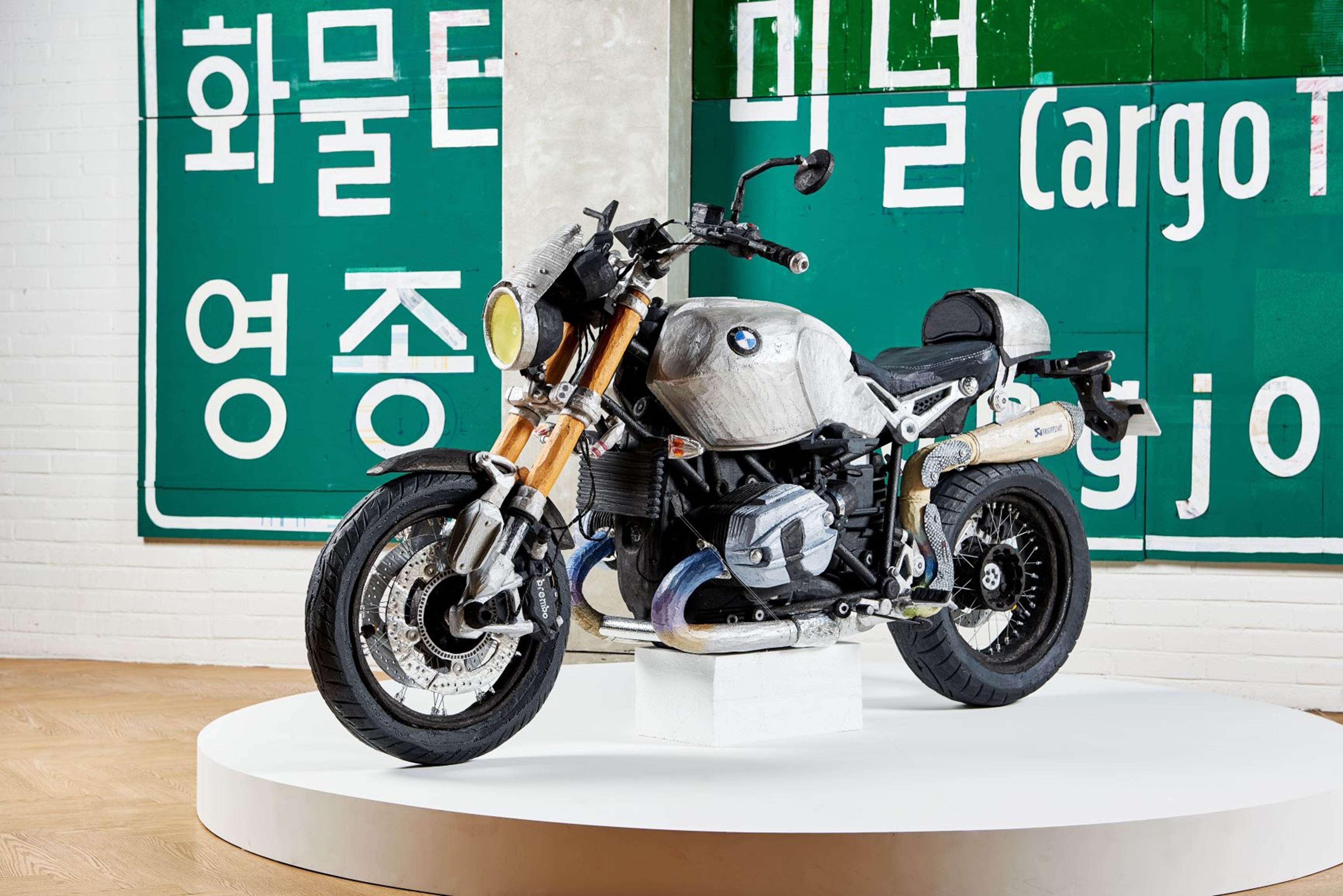
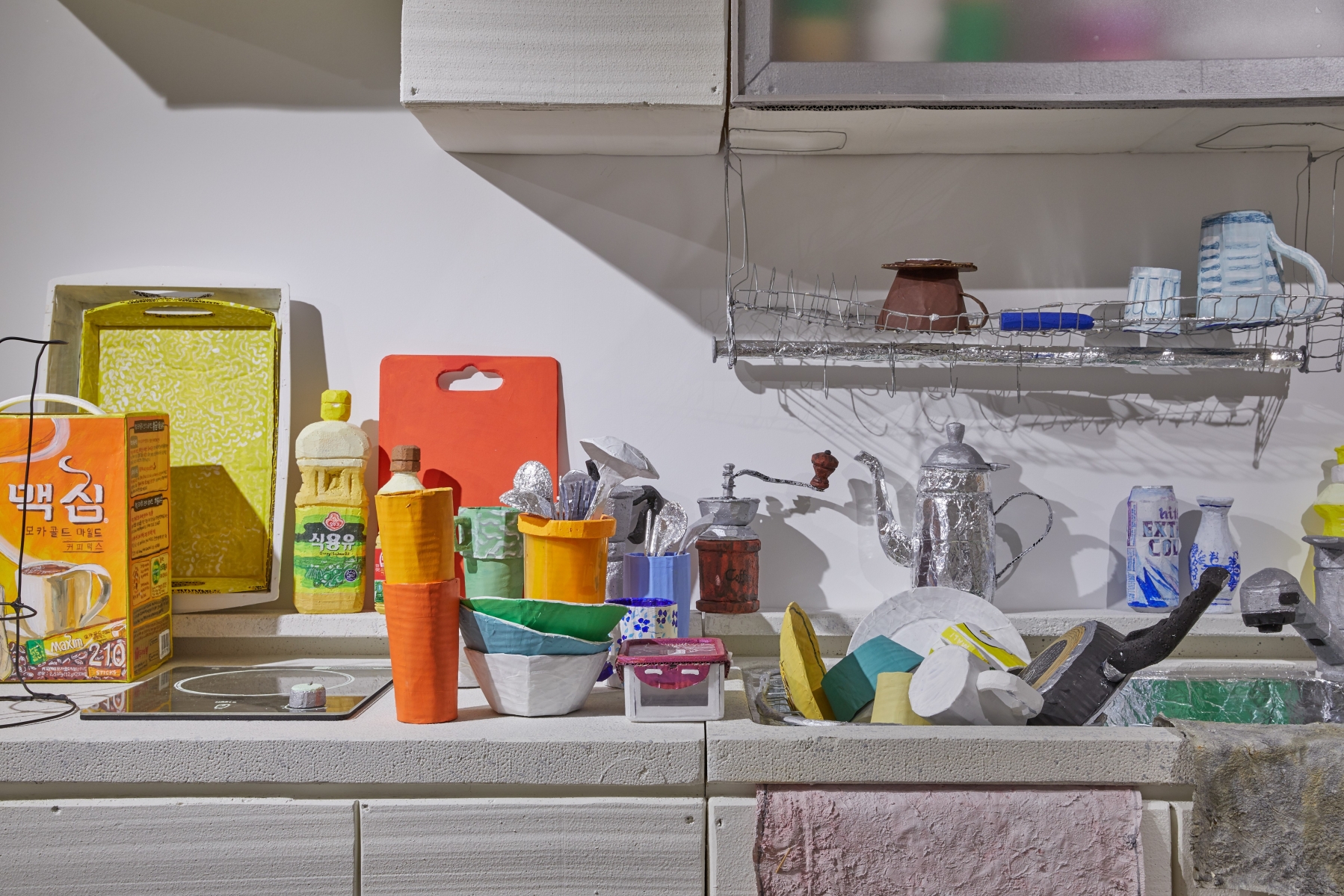
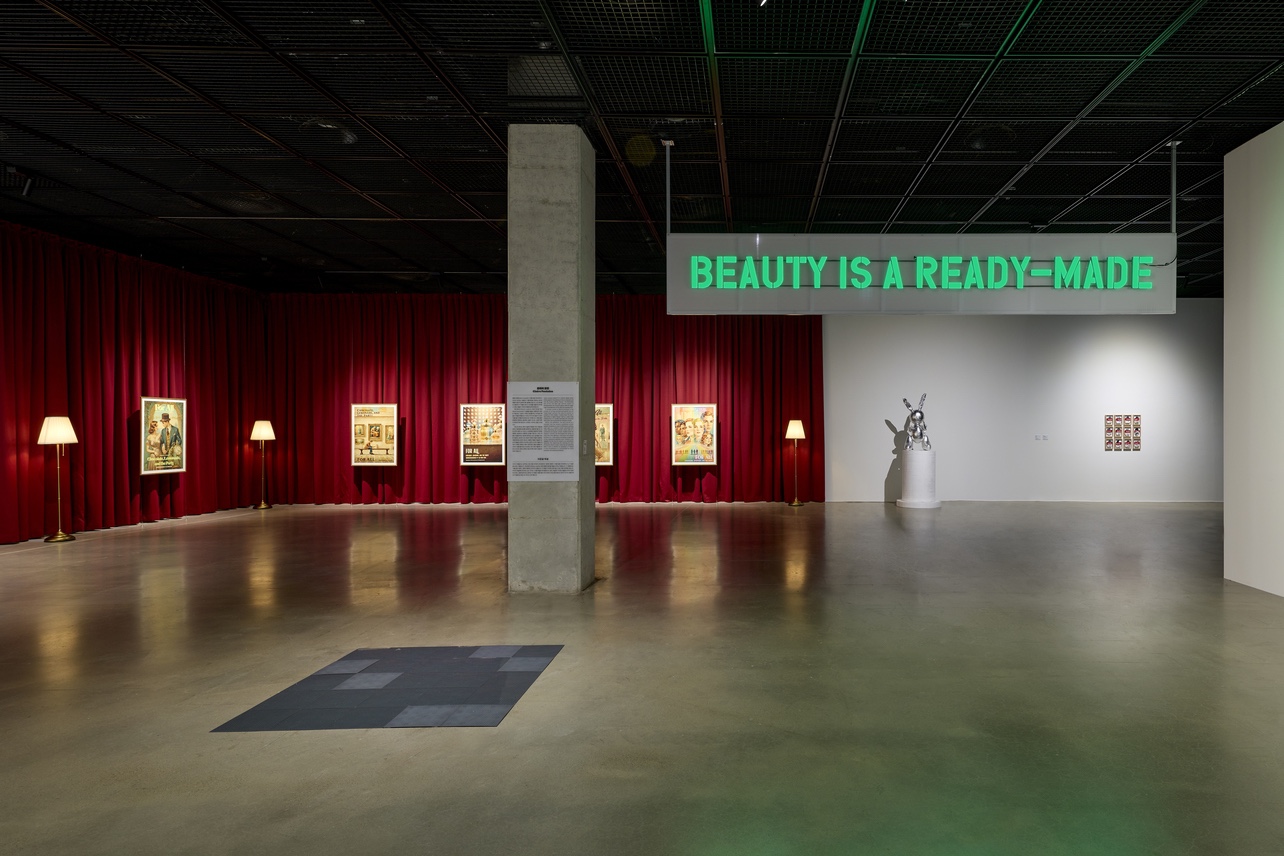
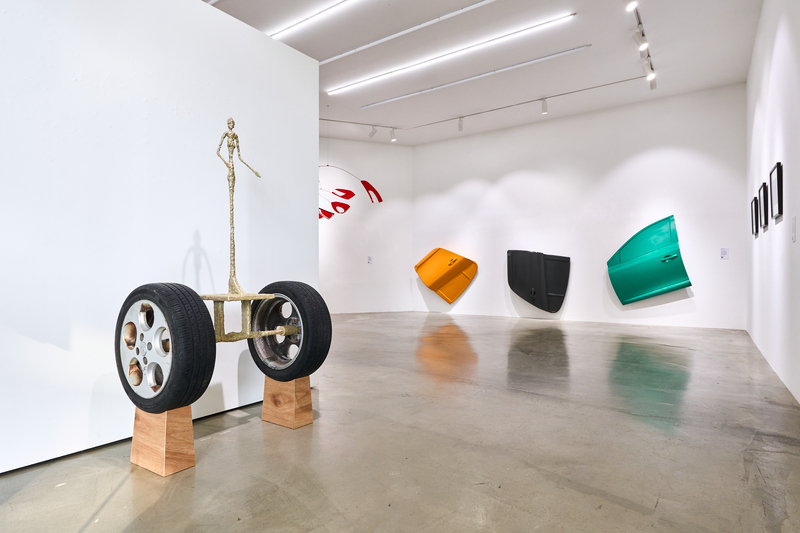
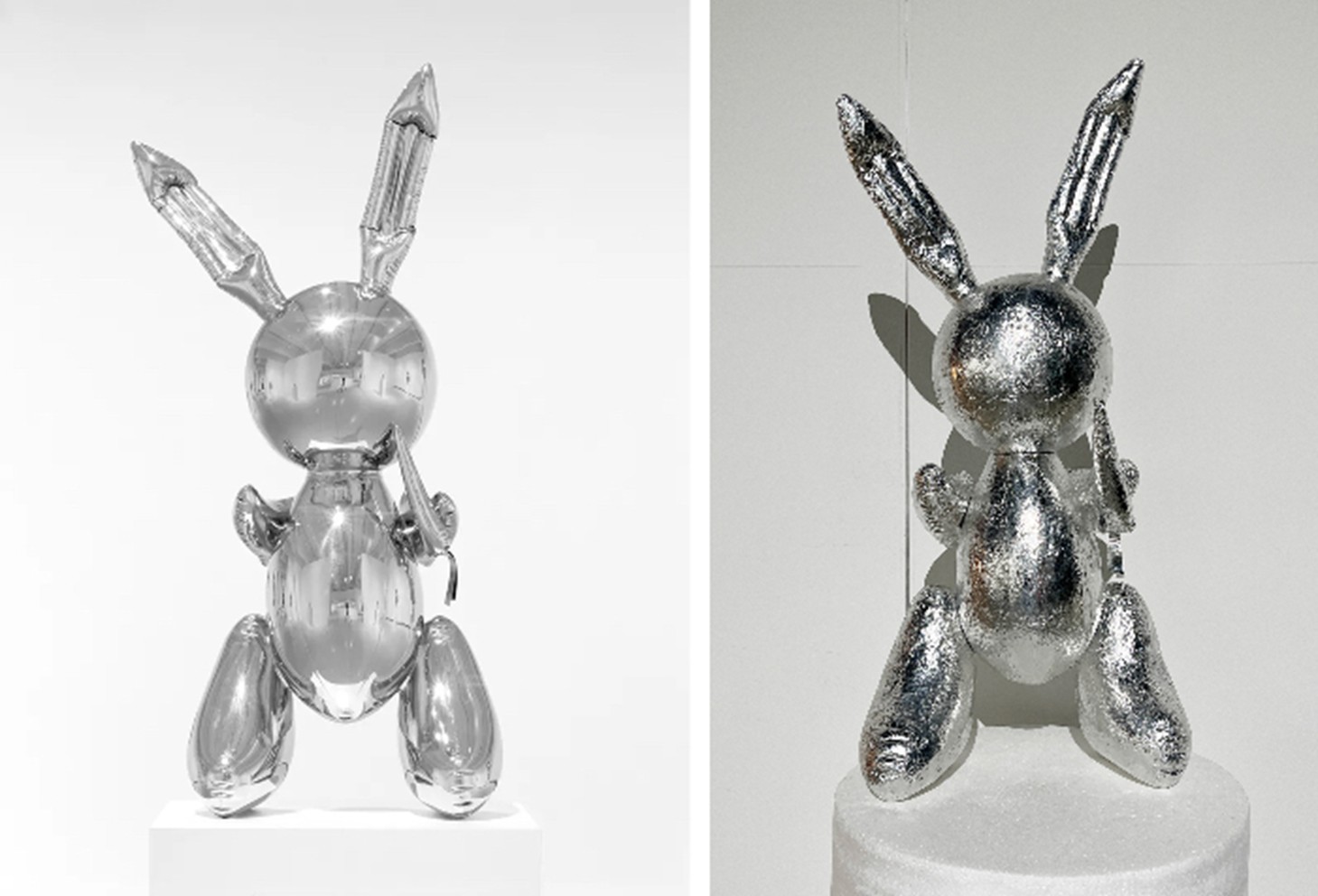
Dahoon Nam offers sharp yet humorous critiques of how art is consumed and
traded within capitalist value systems. Through sculpture and performance, he
challenges the obsession with “reputation” and “resale value,” questioning the
essence of art itself. His works provoke laughter, but within that levity lies
a piercing insight that lingers long after.
《Tactics for an Era》 poses the question: “How can art dact today?”
In the midst of complex contemporary crises, the exhibition explores how a new
generation of artists engages with life and expression. Their practices—ranging
across form, performance, narrative, and technology—serve as survival
strategies navigating between adaptation and resistance in a chaotic world.
This exhibition illuminates the artists’ quiet yet powerful strategies,
reflecting on how art captures both the intimate details of our lives and the
broader realities of our era.
"To each age its art, to art its
freedom".
This declaration by the Vienna Secession
resonates more deeply than ever today. Art not only reflects its time but holds
the power to reimagine it. 《Tactics
for an Era》 invites us to contemplate
that very potential.