
Kwon Hyun Bhin (b. 1991) is an artist who has developed a practice of discovering the sculptural potential of seemingly unremarkable landscapes encountered in nature through prolonged observation. Beginning with close attention to natural scenes that are taken for granted in everyday life, her work can be understood as a documentation of sustained looking—an accumulation of time spent gazing, contemplating, and remaining with what might otherwise pass unnoticed.


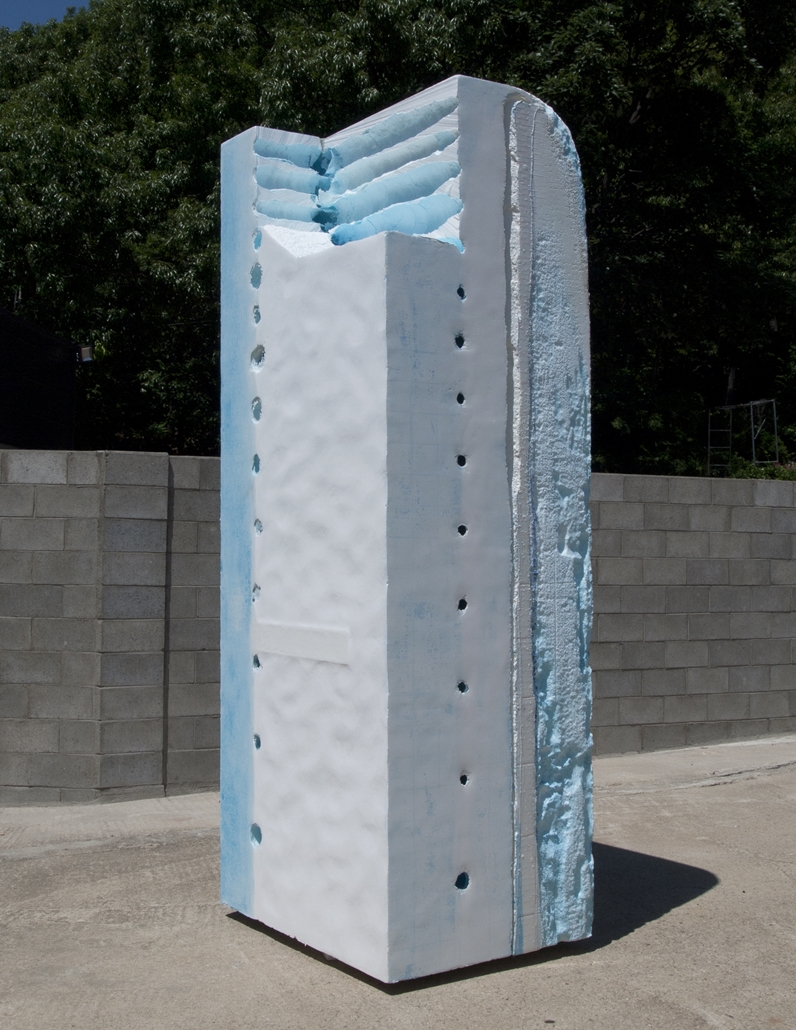
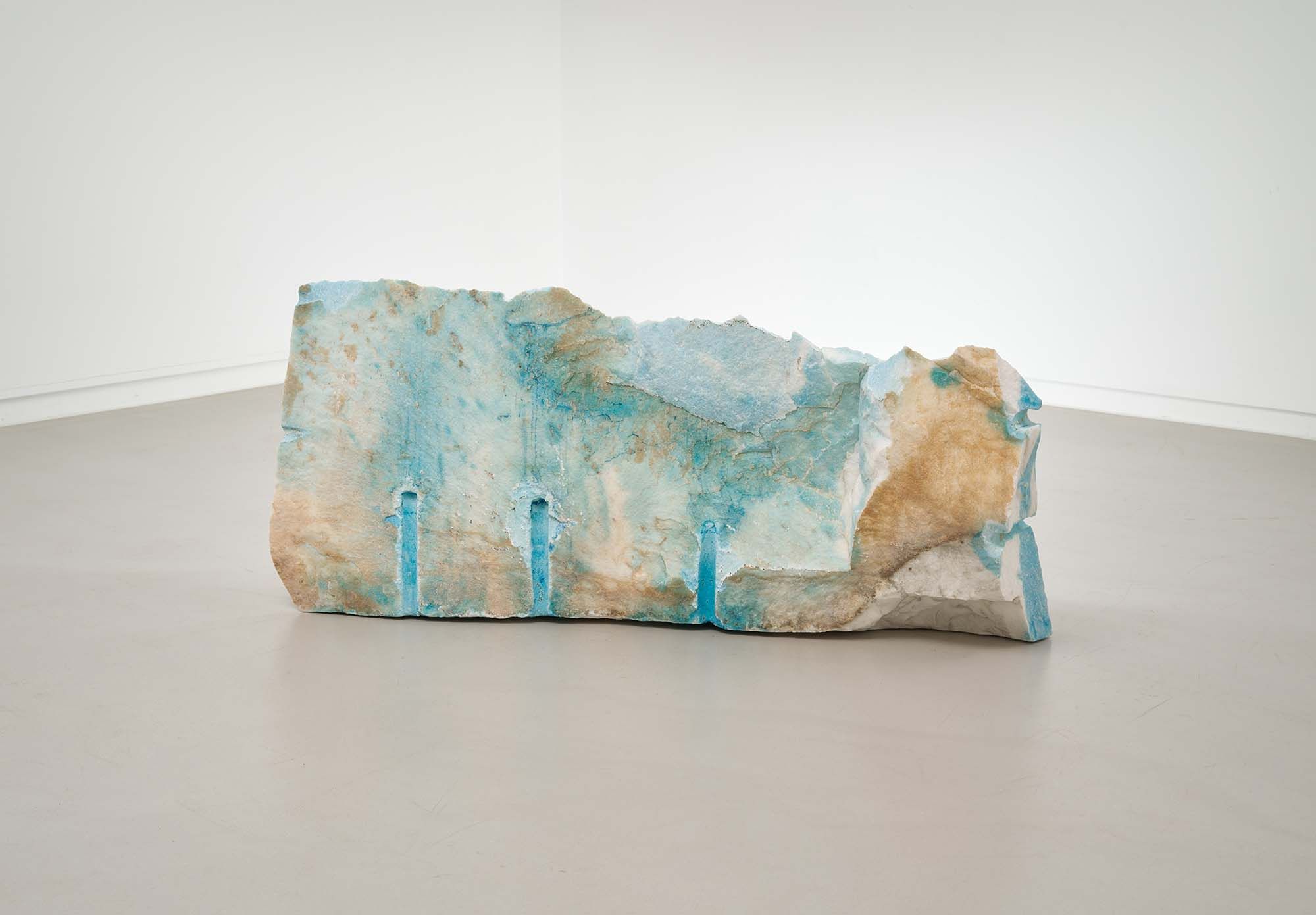
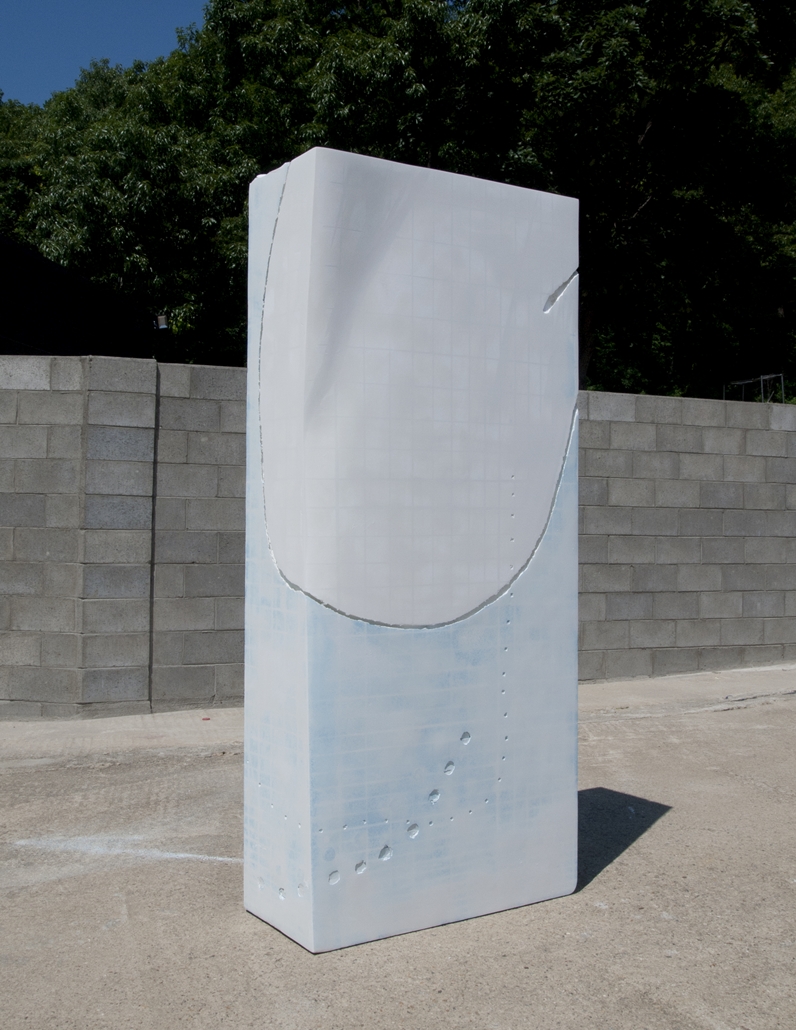
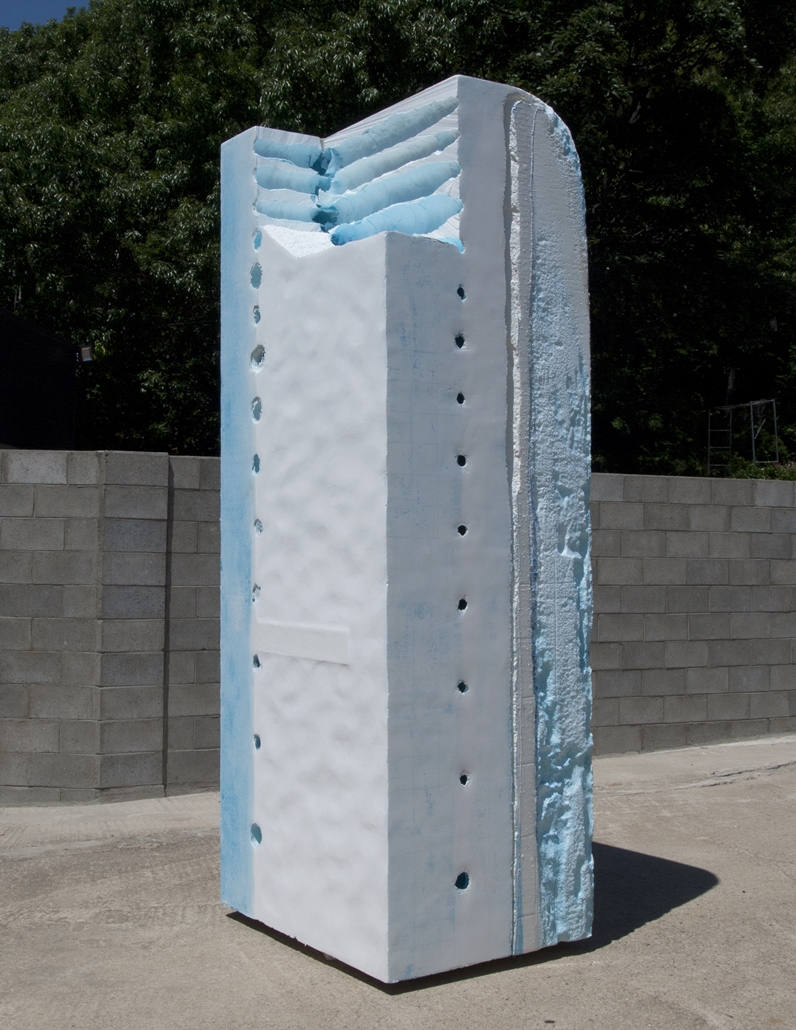
Kwon Hyun Bhin, Vertex of Fountain, sky and others (1), 2018, Styrofoam, resin, hand coat, pigment and oil color, 90×120×316cm ©DOOSAN Art Center

Kwon Hyun Bhin continues her practice by sensing both the infinite possibilities and inherent limitations revealed through ever-changing natural landscapes. As she gradually narrows the distance between herself and the materials she works with, her process unfolds as an ongoing negotiation with matter.
 
The materials she primarily uses—artificial substances such as Styrofoam, alongside natural materials like stone—bear the traces of a process that seeks to approach an imagined state. These materials ultimately function as indicators of time and attitude, revealing the duration of engagement between the artist and her subject, as well as her sustained commitment to the act of making.


Installation view of 《In a Comfy World》 (Rainbowcube, 2018) ©Rainbowcube

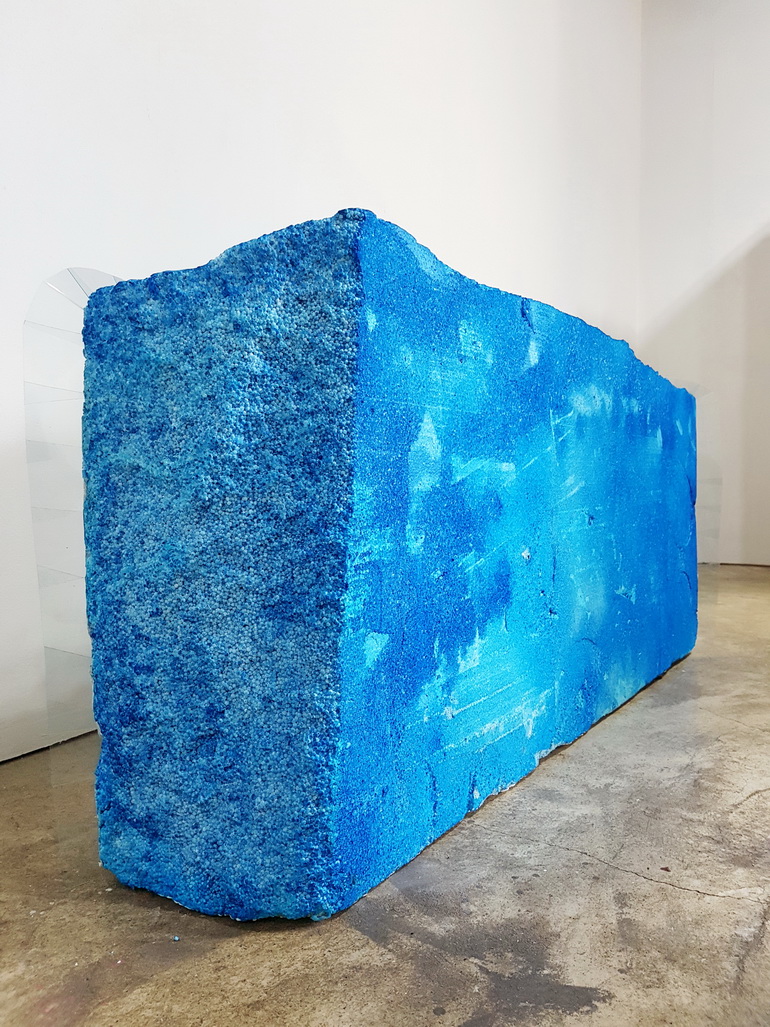
For example, the ‘Cumulus humilis-fractus’ series presented in her first solo exhibition 《In a Comfy World》 (Rainbowcube, 2018) renders clouds—constantly shifting, gathering, and dispersing—into various sculptural masses. The works take on peculiar forms shaped by an interplay between chance and intention.
 
These chosen cloud-like forms can be understood as the material outcome of fleeting moments in which the artist’s gaze intersects with the ever-changing shapes of clouds, translated into sculptural technique.

Installation view of 《In a Comfy World》 (Rainbowcube, 2018) ©Rainbowcube

Among them, the enclosed rectangular form conceptually expresses the limitation imposed on the cloud’s inherent quality of “freedom” by time and the constraints of the human body.
 
The artist considers that human perception is bound by both a “comfortable visual scale” and a limit to what an individual body can physically control. Accordingly, she restricts the scale of her works to a range between approximately the size of a face and the maximum height and width one can reach while standing with arms fully outstretched.
 
By accepting the bodily limitations that prevent a viewer from grasping every part of an object at once, she seeks to minimize distortion when translating the sensations and information of the moment of encounter into sculptural form.

Installation view of 《In a Comfy World》 (Rainbowcube, 2018) ©Rainbowcube

Forms that intertwine deliberately shaped elements with those produced by chance continue to appear in her later works. These unintended aspects can be understood as traces of an ongoing process in which the artist persistently questions and experiments with the possibilities and limitations of materials, as she translates fleeting impressions and sensations of her subjects into perceptible forms.


Installation view of 《Ongoing Track》 (MO-NO-HA, 2020) ©MO-NO-HA

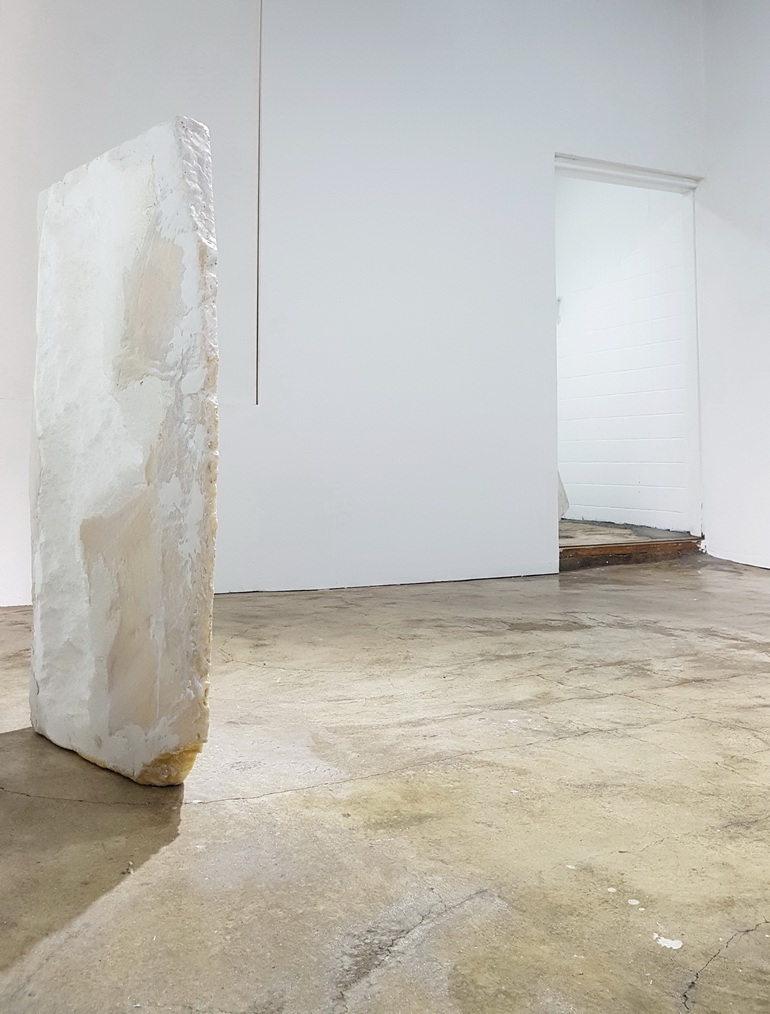
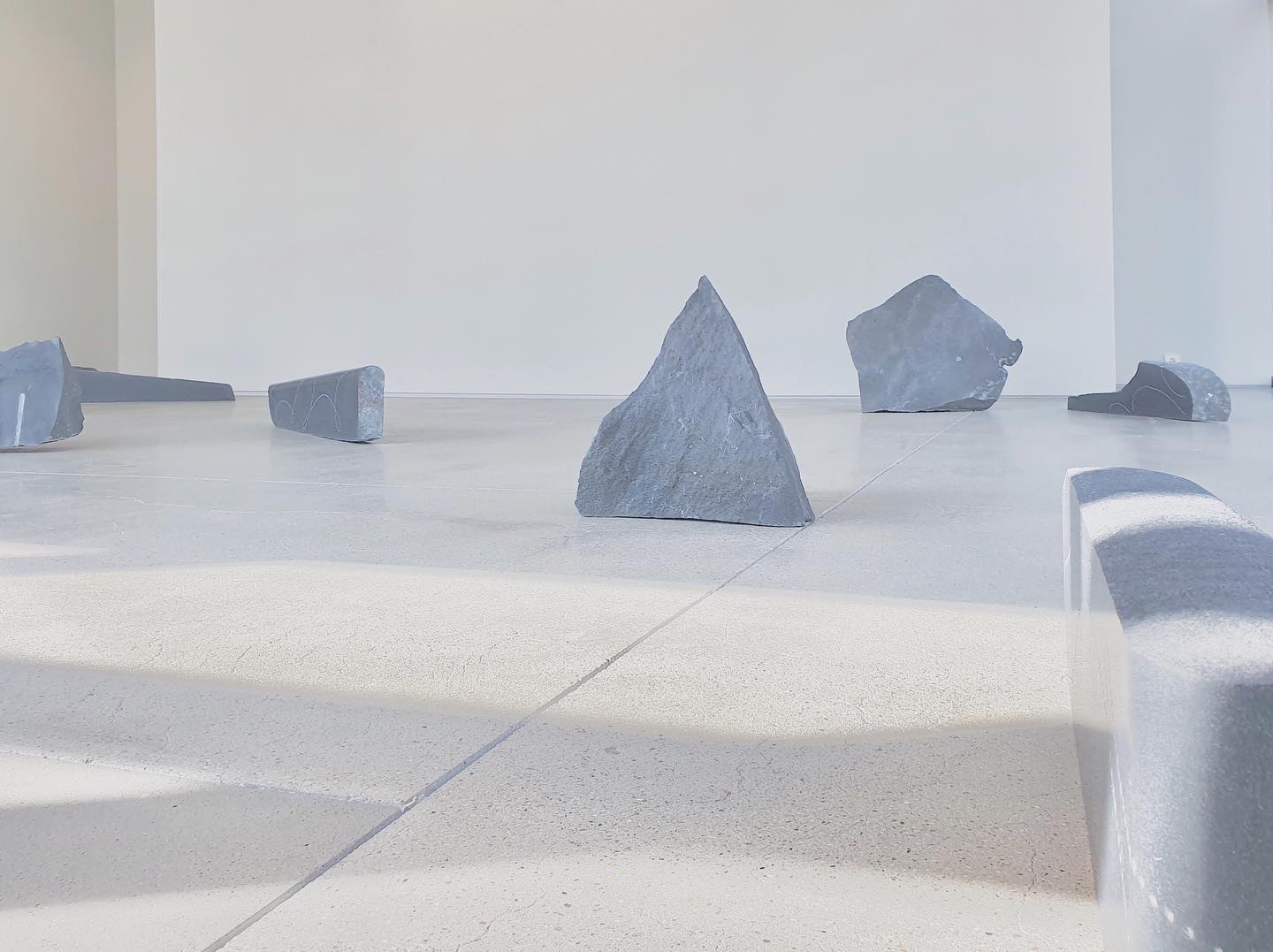
The solo exhibition 《Ongoing Track》 (MO-NO-HA, 2020) offered insight into Kwon’s sculptural approach and her attitude toward materials. The exhibition stemmed from her interest in regarding particulate materials such as Styrofoam and stone as virtual spaces, and from her ongoing contemplation of the sculptural actions that can take place both inside and outside a mass.


Installation view of 《Ongoing Track》 (MO-NO-HA, 2020) ©MO-NO-HA

Through stone—a material that inherently embodies temporality—the artist reflects simultaneously on the distant past and the far future. Positioned within this sense of time, she continues her practice by imagining stones that have not yet been sculpted.
 
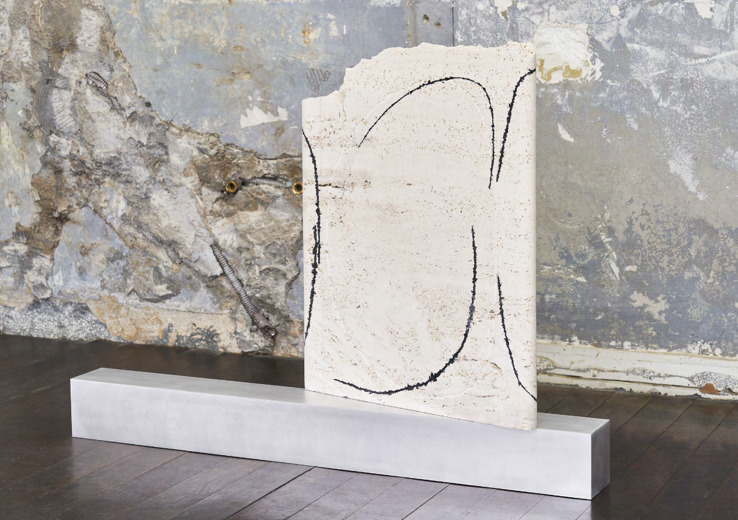
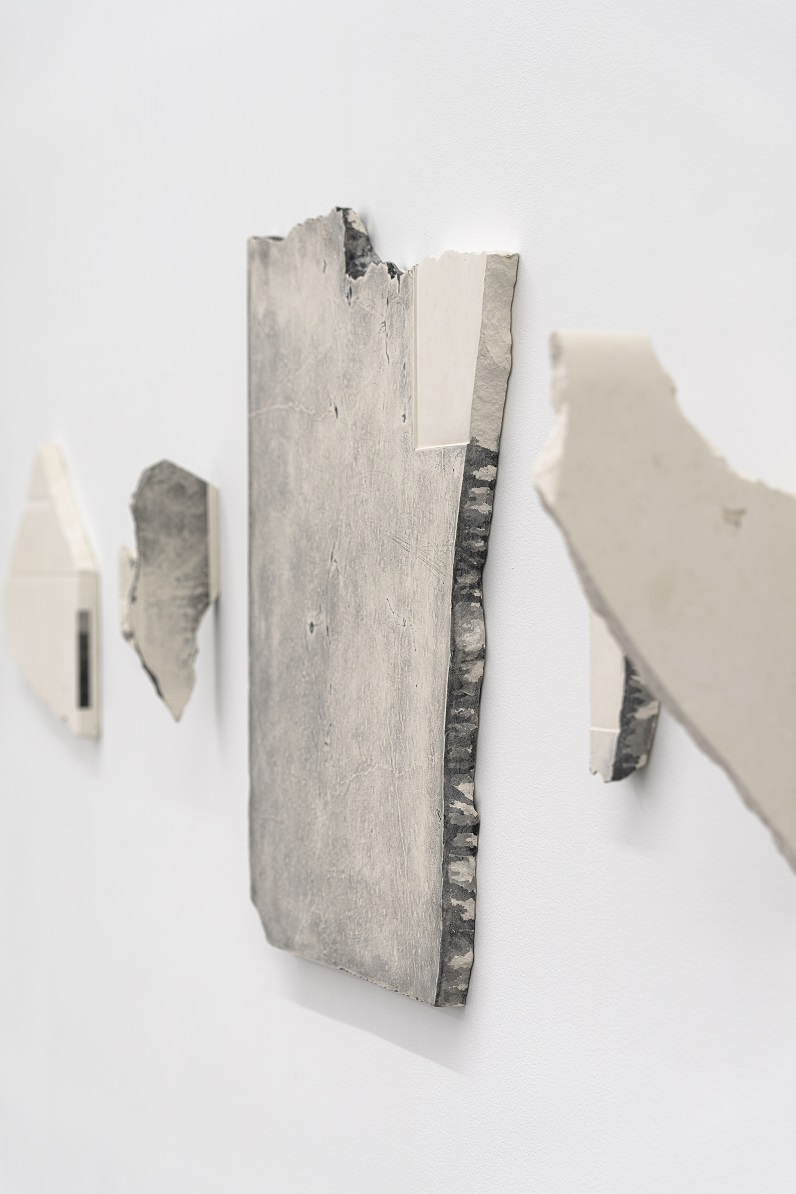
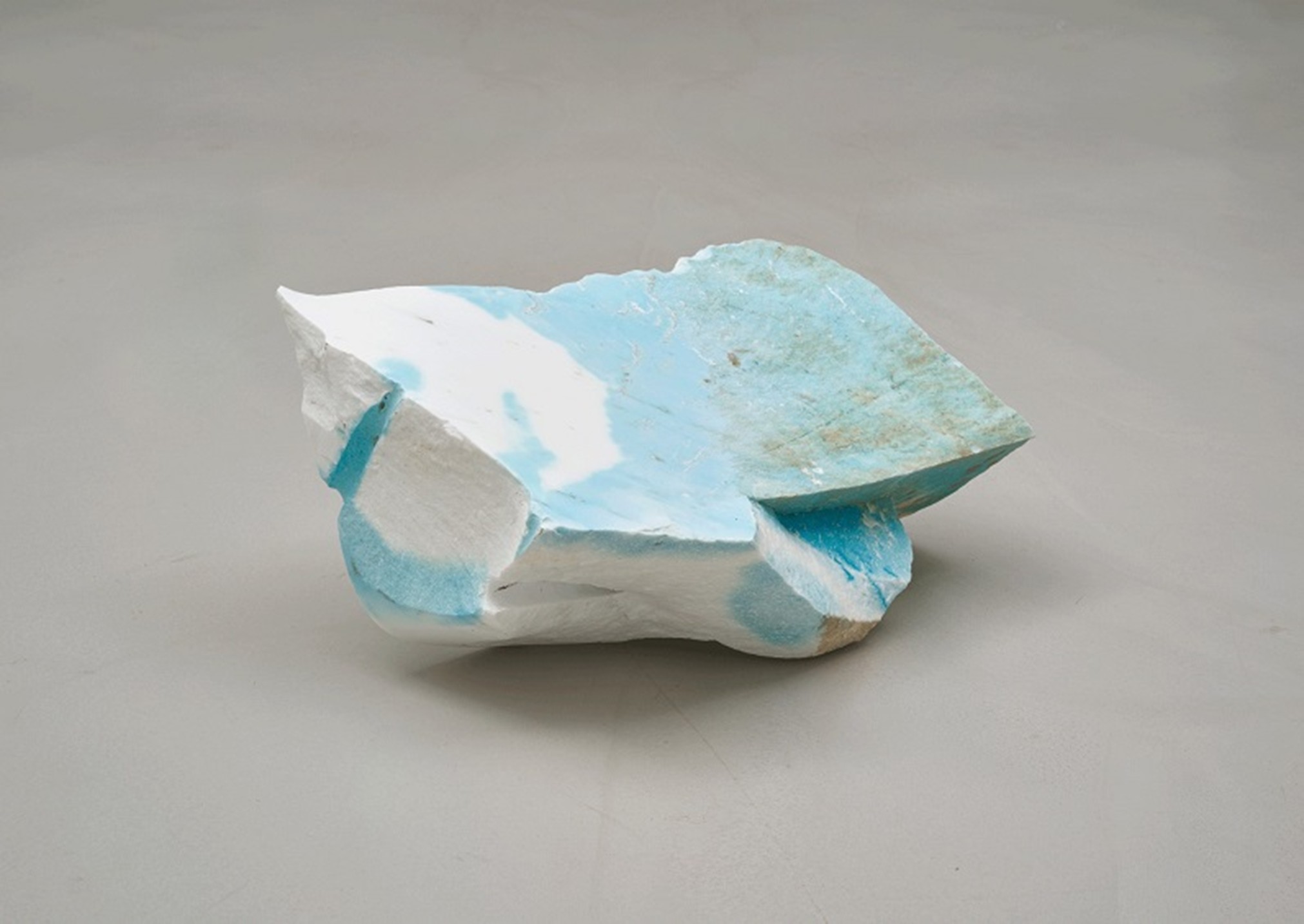
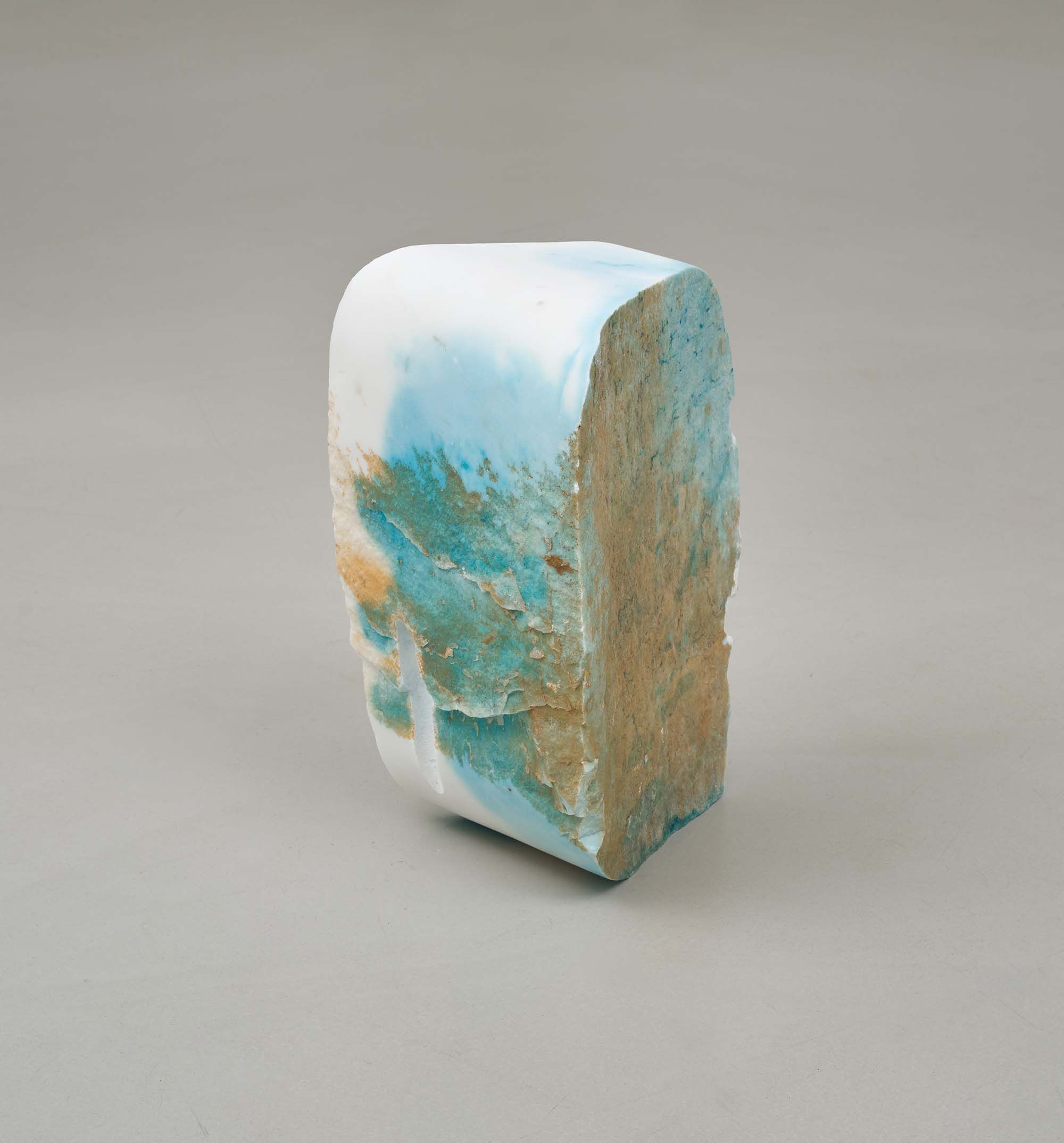
The resulting stone forms appear at once as masses and slabs, with curved surfaces that resist a single definition. Their surfaces bear traces of chisels in the form of dots and lines, while other areas reveal the stone’s inner colors exposed through the polishing of its originally rough exterior.


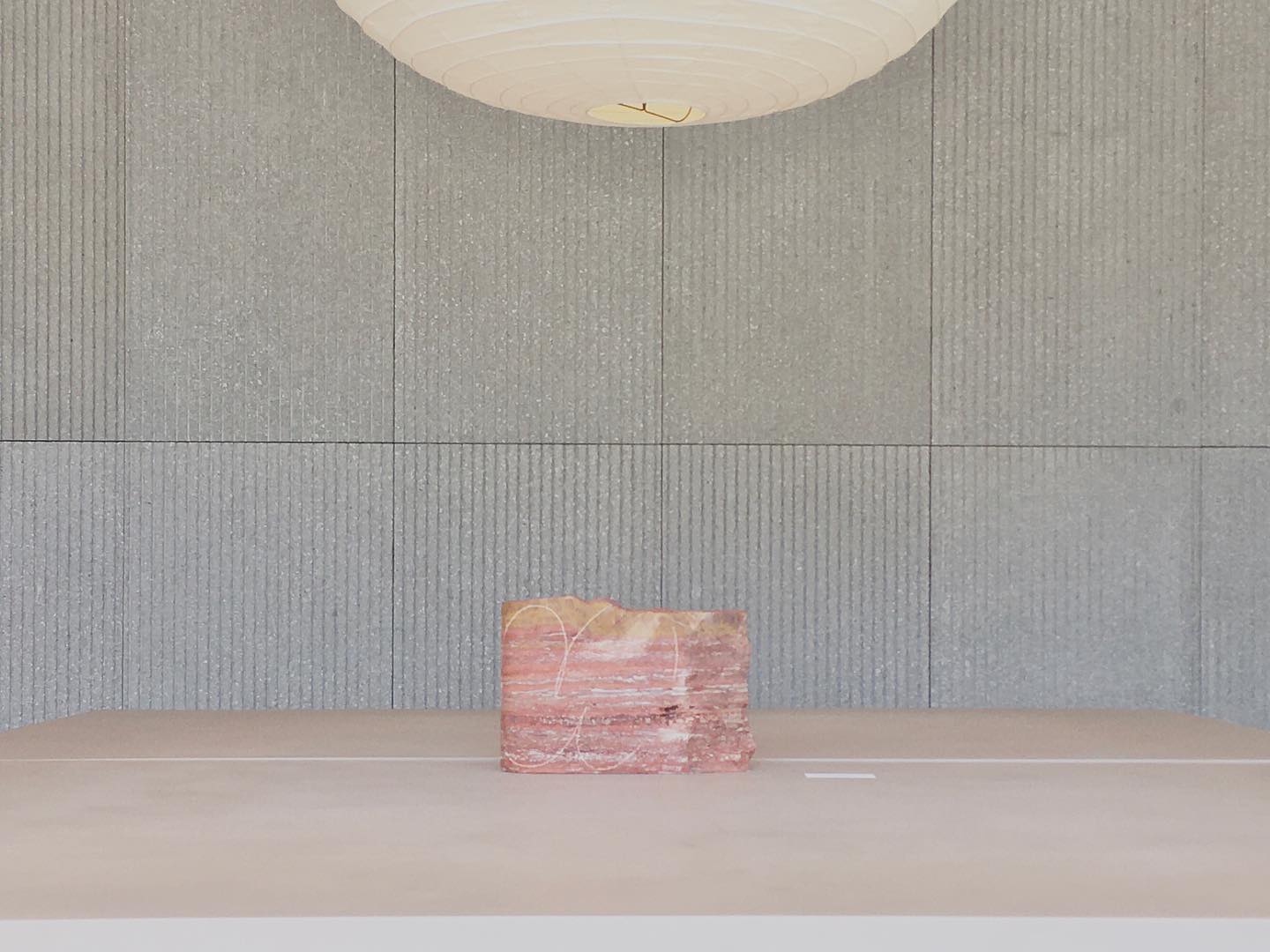
Kwon Hyun Bhin, Every-one and Light, 2020, Trevertine and ink, 44x60x4cm (aluminum stand 90x10x10cm) ©KICHE

These traces emerged through the process of discovering the latent possibilities of stone as a material. For instance, the artist observed that the moment the stone’s interior color is revealed through polishing, it becomes a new surface—one that generates an imagined planar space.
 
Moreover, the stone sculptures presented as masses or slabs are not fixed into any definitive form; rather, they are articulated as open states that can always begin anew. In this way, they embody the potential force inherent in both the material and the act of sculpture itself.


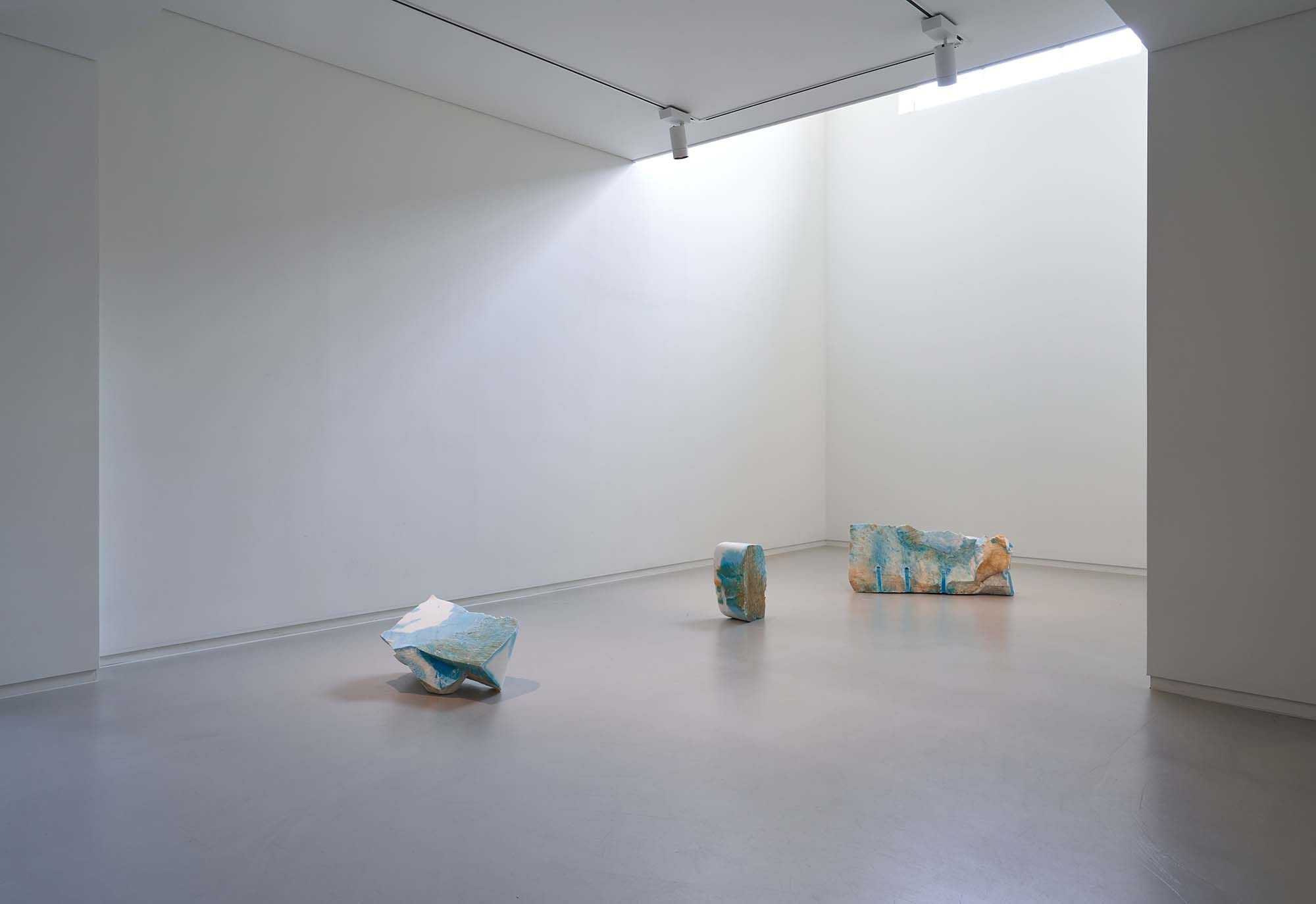
Installation view of 《HOURGLASS》 (KICHE, 2021-2022) ©KICHE

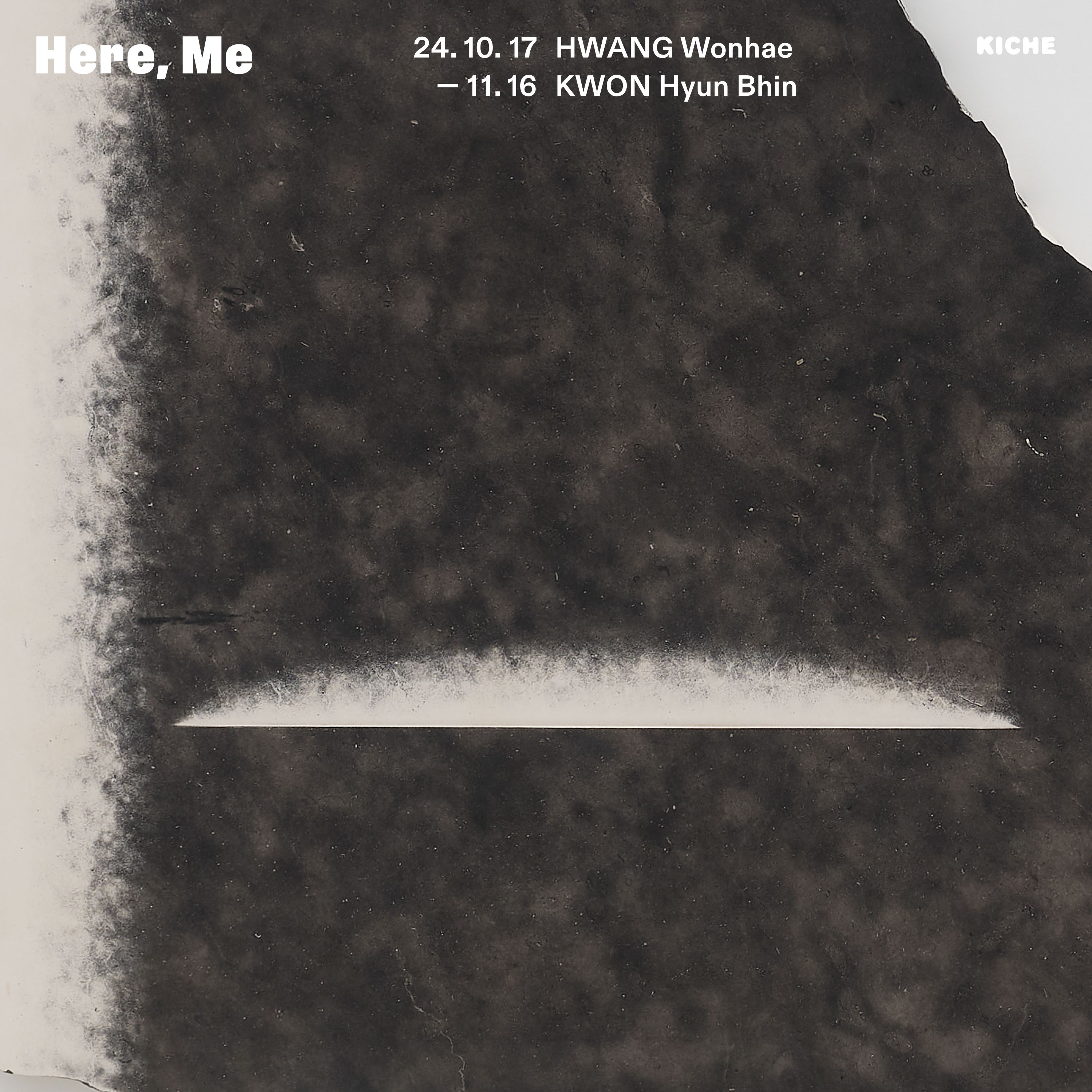
Meanwhile, 《HOURGLASS》, a solo exhibition held at KICHE in 2021, presented the artist’s sculptural imagination of ever-changing subjects—such as clouds or water contained in a cup—materialized in stone.
 
The exhibition title refers to an hourglass, a device that renders invisible time visible through the quiet descent of sand from top to bottom. In this sense, the title metaphorically encapsulates the artist’s attitude toward time—both the time spent working and the manner in which she engages with her materials and practice.


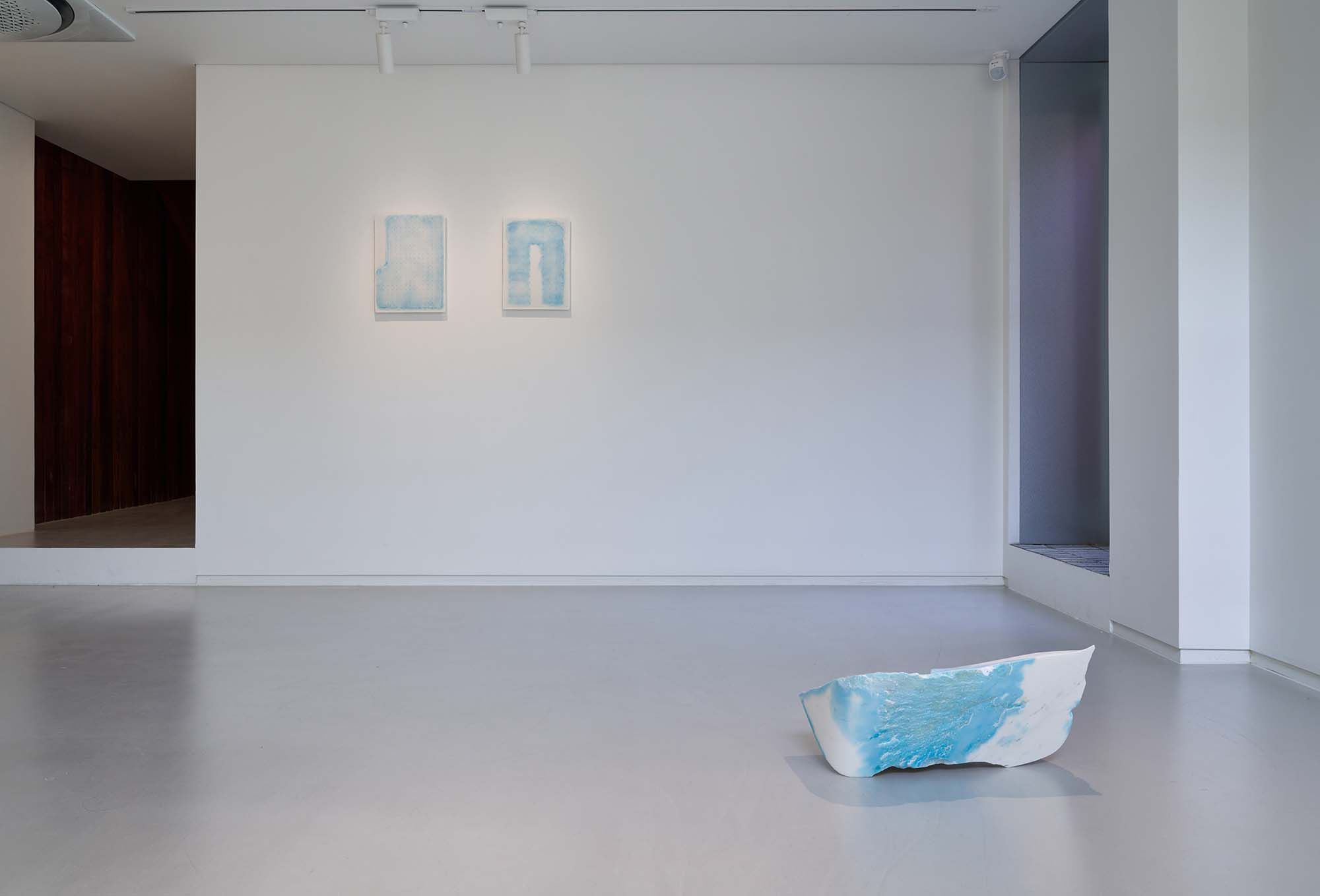
Installation view of 《HOURGLASS》 (KICHE, 2021-2022) ©KICHE

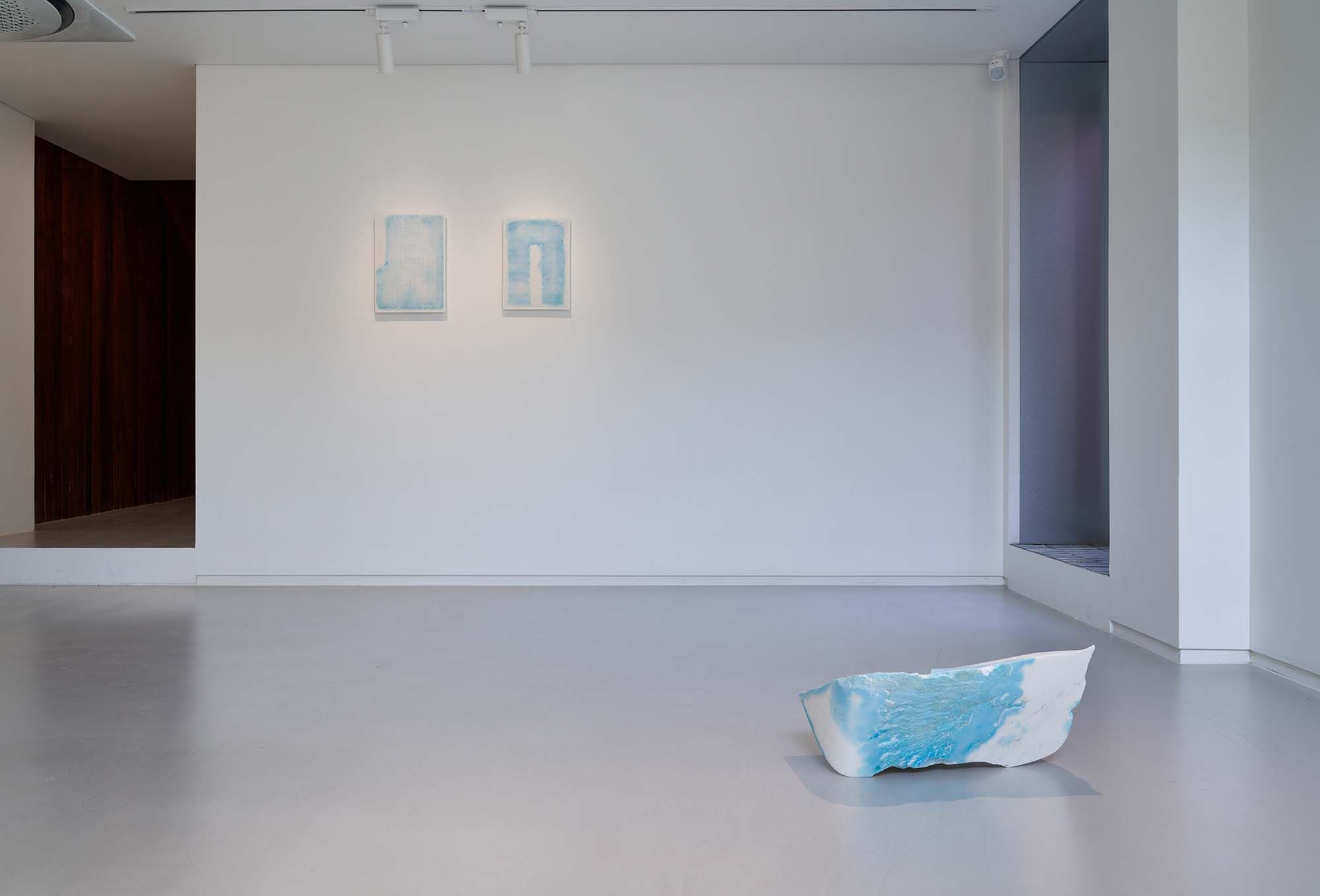
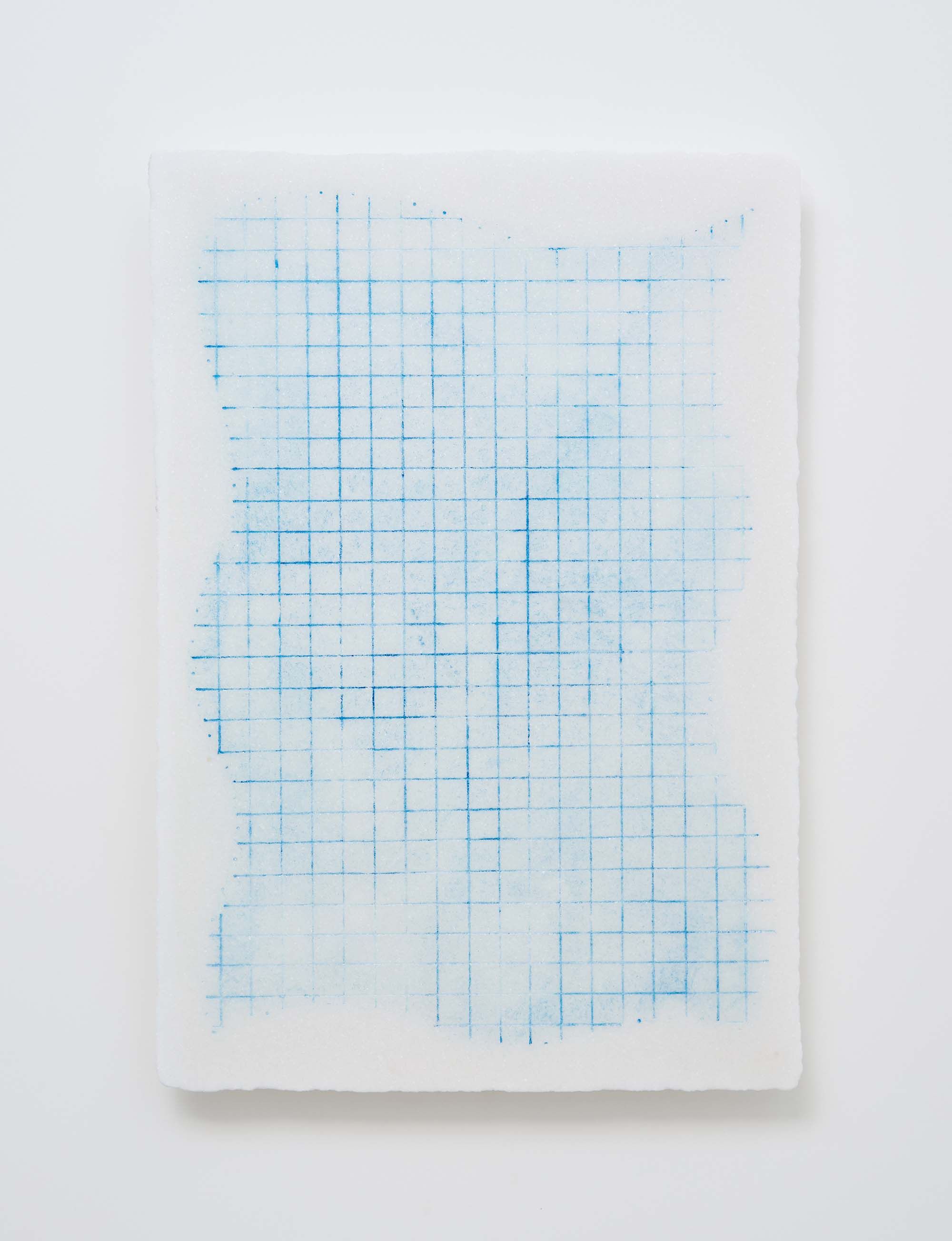
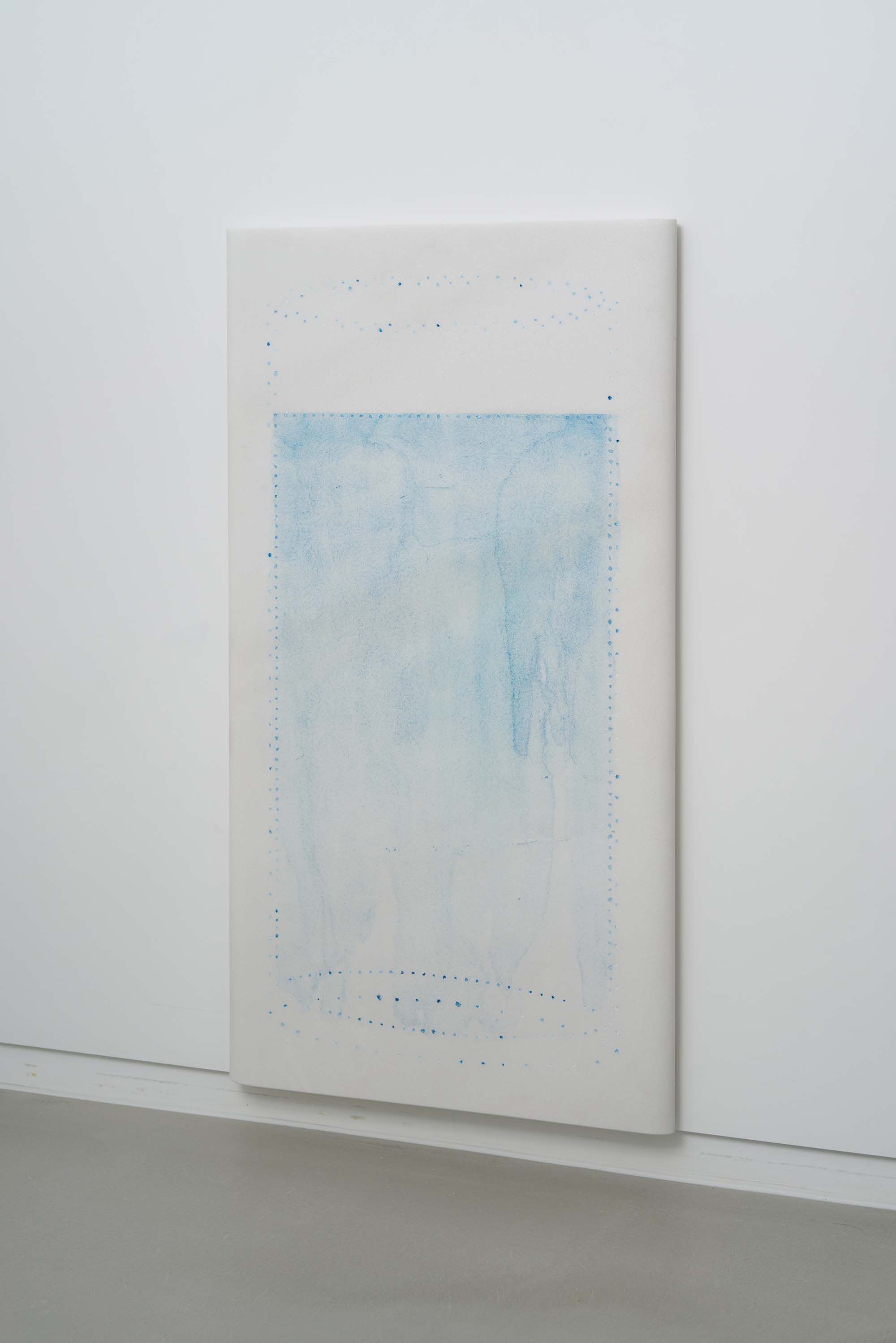
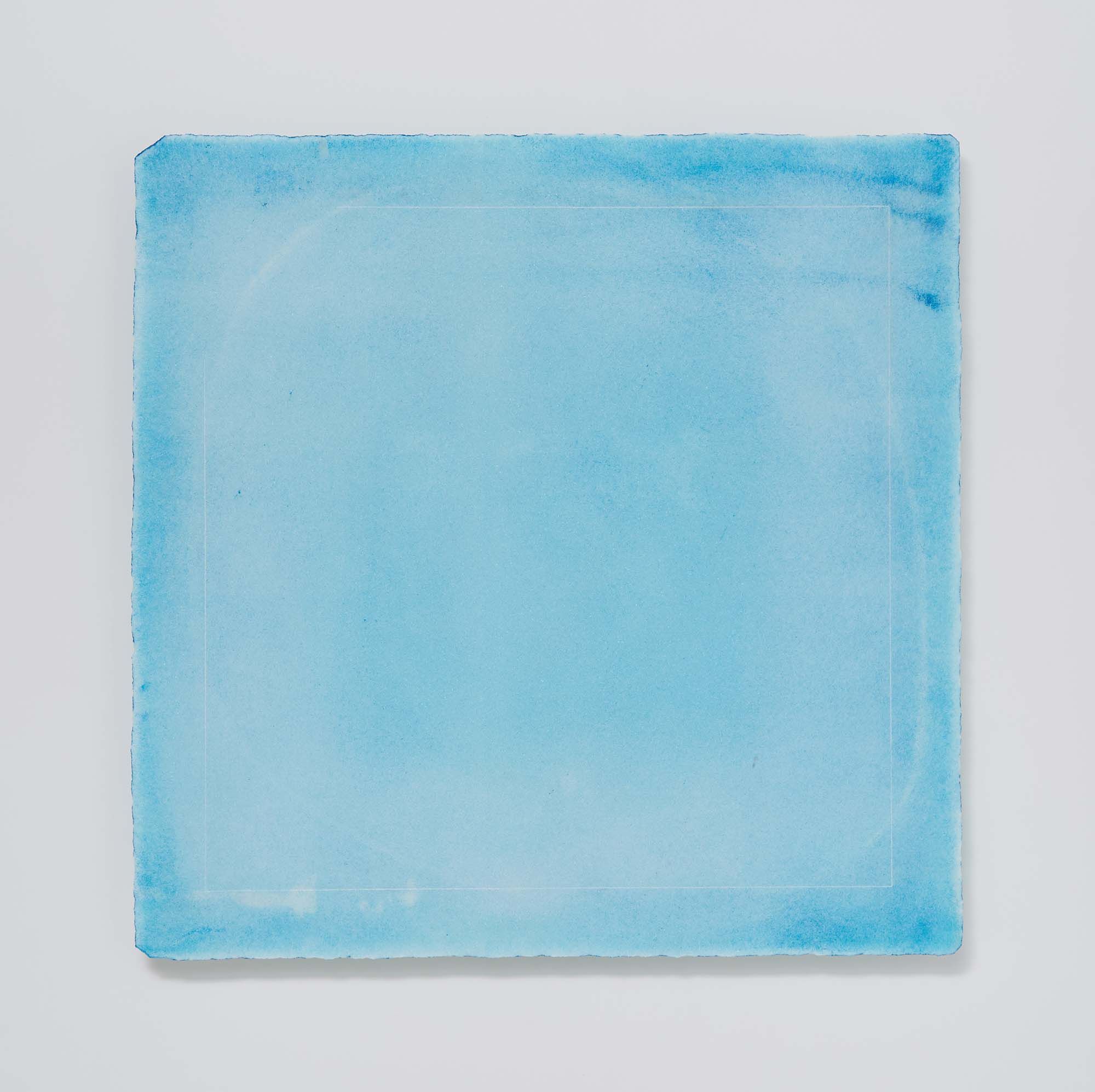
Like time made visible as sand within an hourglass, stones fallen from the ground and clouds fallen from the sky were rendered in the marble sculpture series ‘Cumulus humilis–fractus’. Likewise, the phenomenon in which droplets form on the outer surface of a glass filled with ice water—appearing as if they have moved from the inside to the outside—was expressed in the marble slab works ‘Ice-water-cup and air’ (2021) and the ‘Humming Facades’ series (2021).


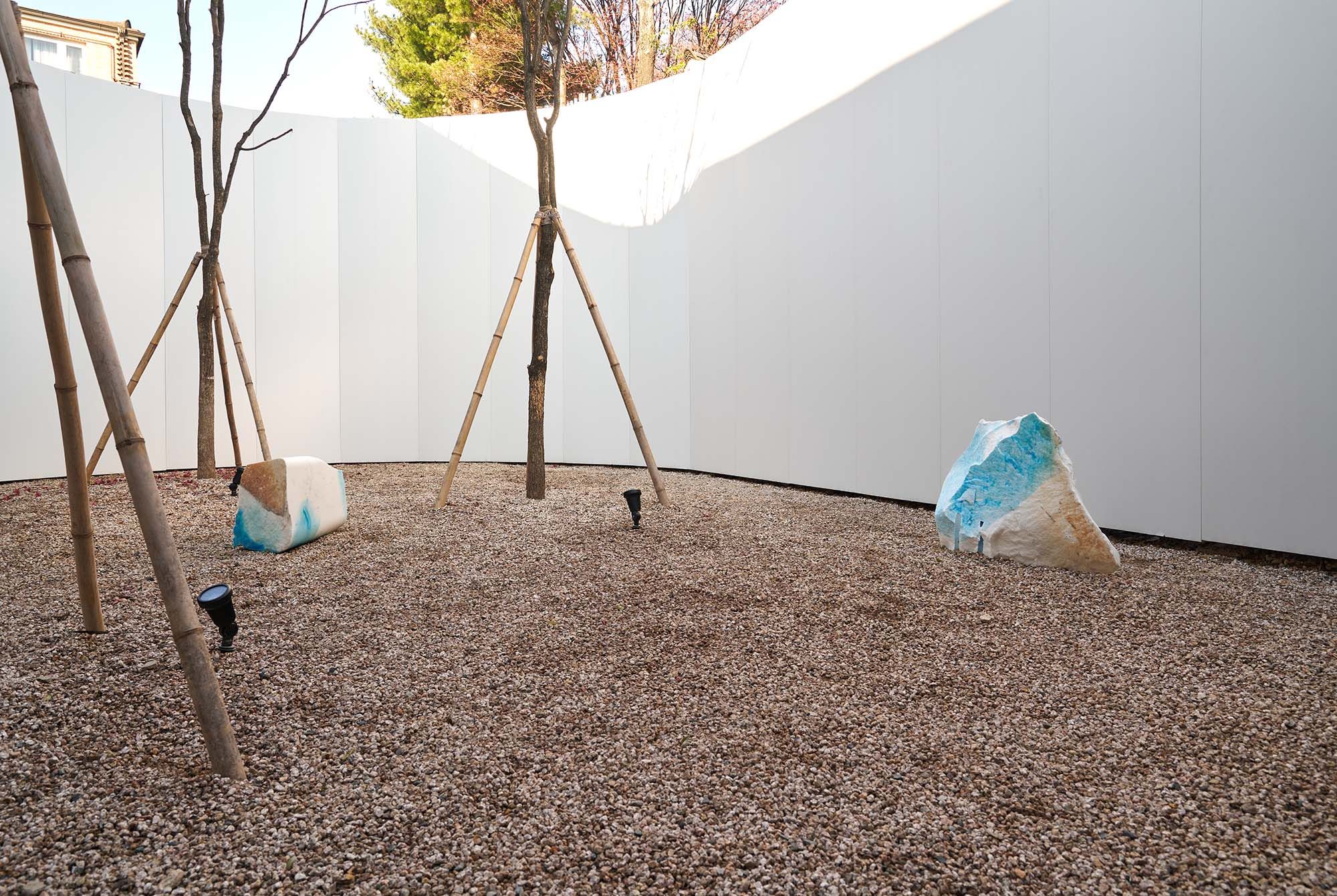
Installation view of 《HOURGLASS》 (KICHE, 2021-2022) ©KICHE

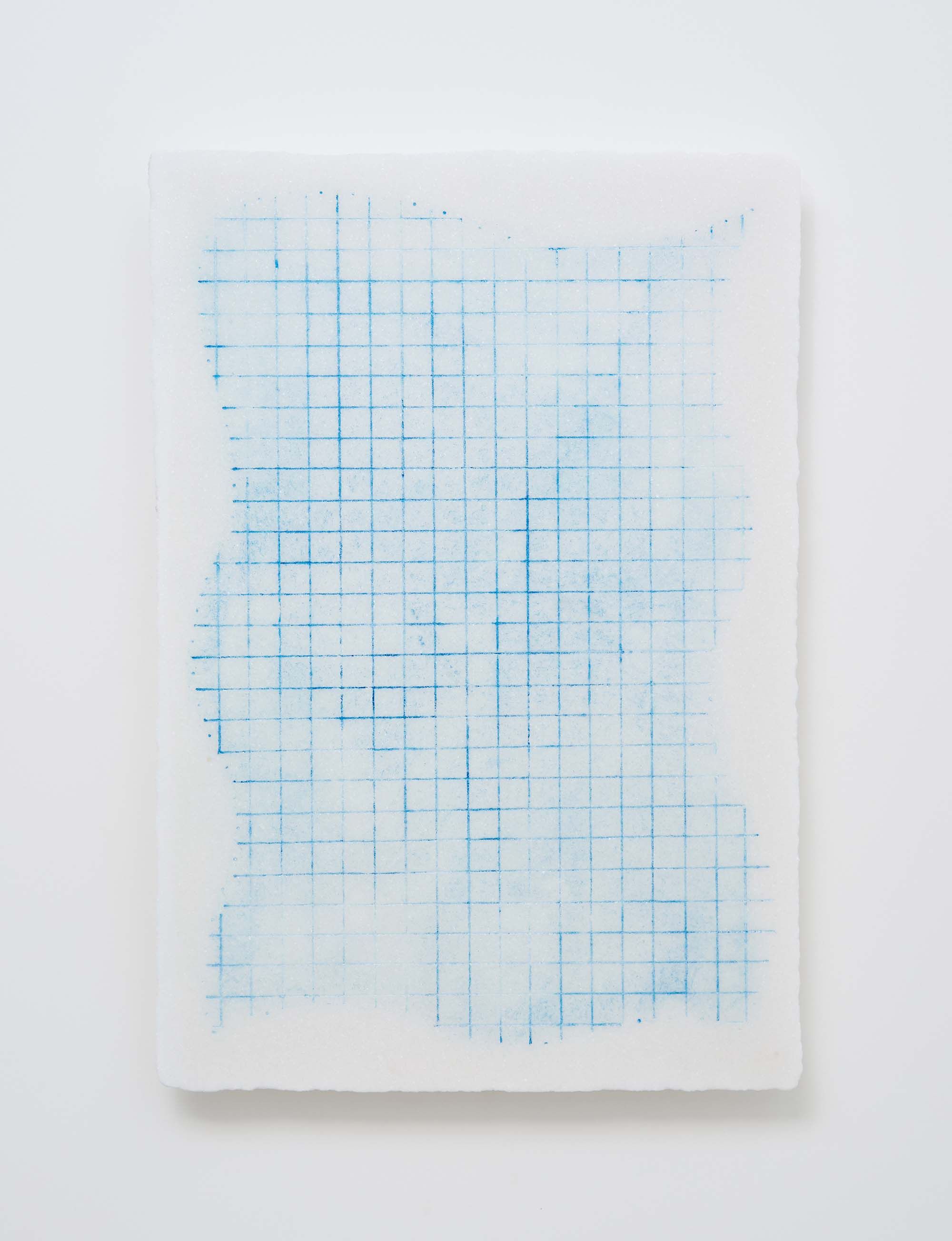
The series presented in the exhibition can be traced back to Water Relief (2019), in which blue watercolor pigments were applied to white marble so that the pigment seeped into the stone, as if the stone itself were being carved and chipped away.
 
In 2019, the artist had primarily produced sculptures by carving or chiseling marks such as holes and lines into the surfaces of dark stones like black granite or sandstone. With Water Relief, however, she began to contemplate how to explore and relate to the material of white marble.
 
Rather than physically breaking the stone with a chisel, she imagined a softened, liquefied form of carving in which pigment permeates the stone. This approach reveals the artist’s attitude of resisting the fixation of an object’s properties, instead seeking to understand material as something mutable and open to transformation.


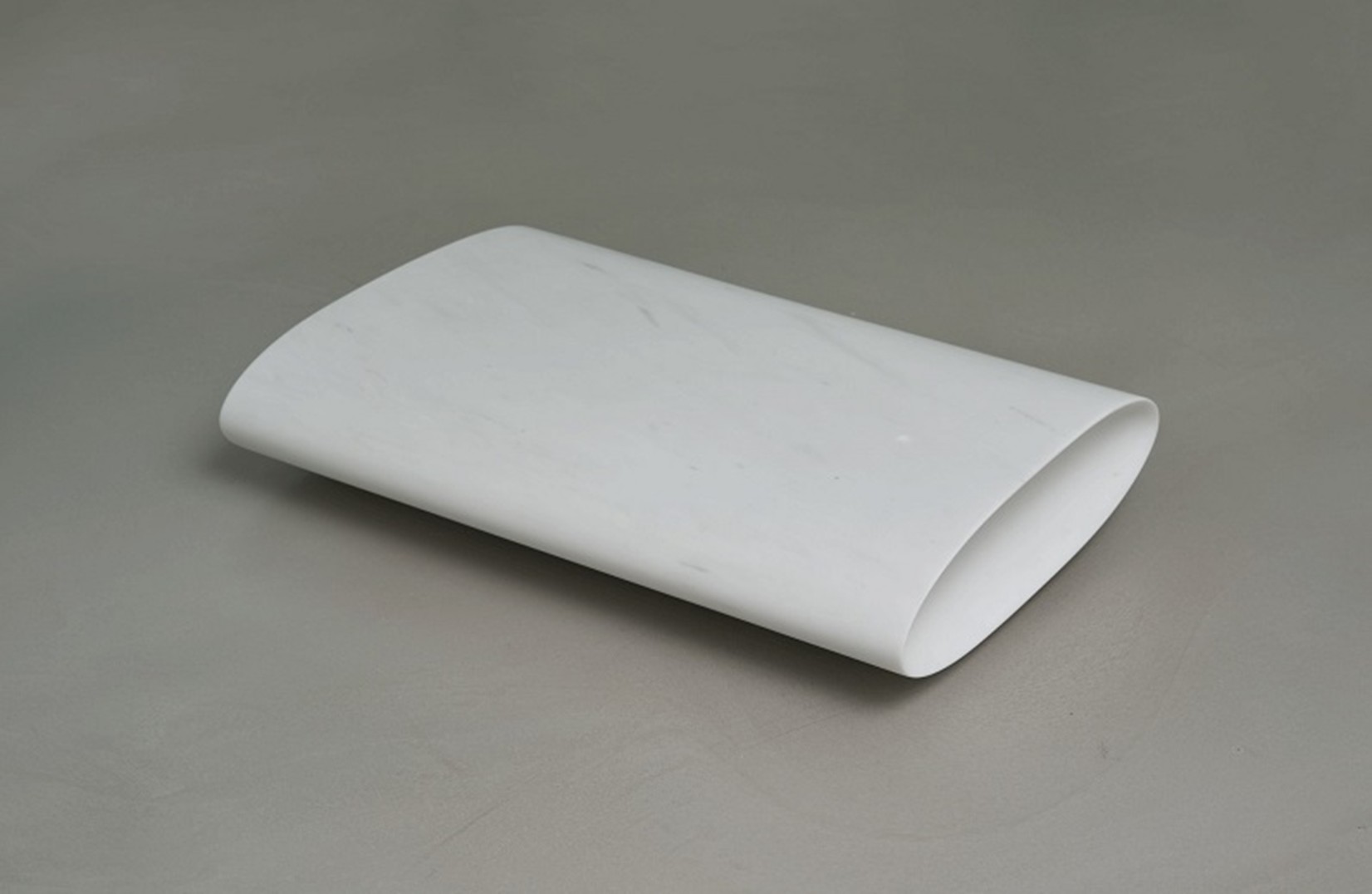
Kwon Hyun Bhin, Cumulus humilis-fractus, 2021, statuario, ink, 42x93x11.5cm ©KICHE

And approximately three years later, through the exhibition 《HOURGLASS》, the artist formally presented a series of sculptures that use white marble as their primary material—a substance that is neutral in character and relatively receptive to external, heterogeneous elements, allowing the artist’s intervention to take place more fluidly.
 
The marble sculptures from the ‘Cumulus humilis-fractus’ series were scattered across the gallery floor, taking the form of fragmentary clouds that appeared to have broken off from a larger mass. Now grounded and no longer able to dissipate, these cloud-like forms come to hold both earth and sky at once.
 
In addition to these sculptural clouds placed on the floor, the series ‘Ice–water–cup and air’ (2021) and ‘Humming Facades’ (2021), made using flat slabs of white marble, appear to adopt the format of the plane. Yet they extend beyond flatness, encompassing the space on the other side of the stone.


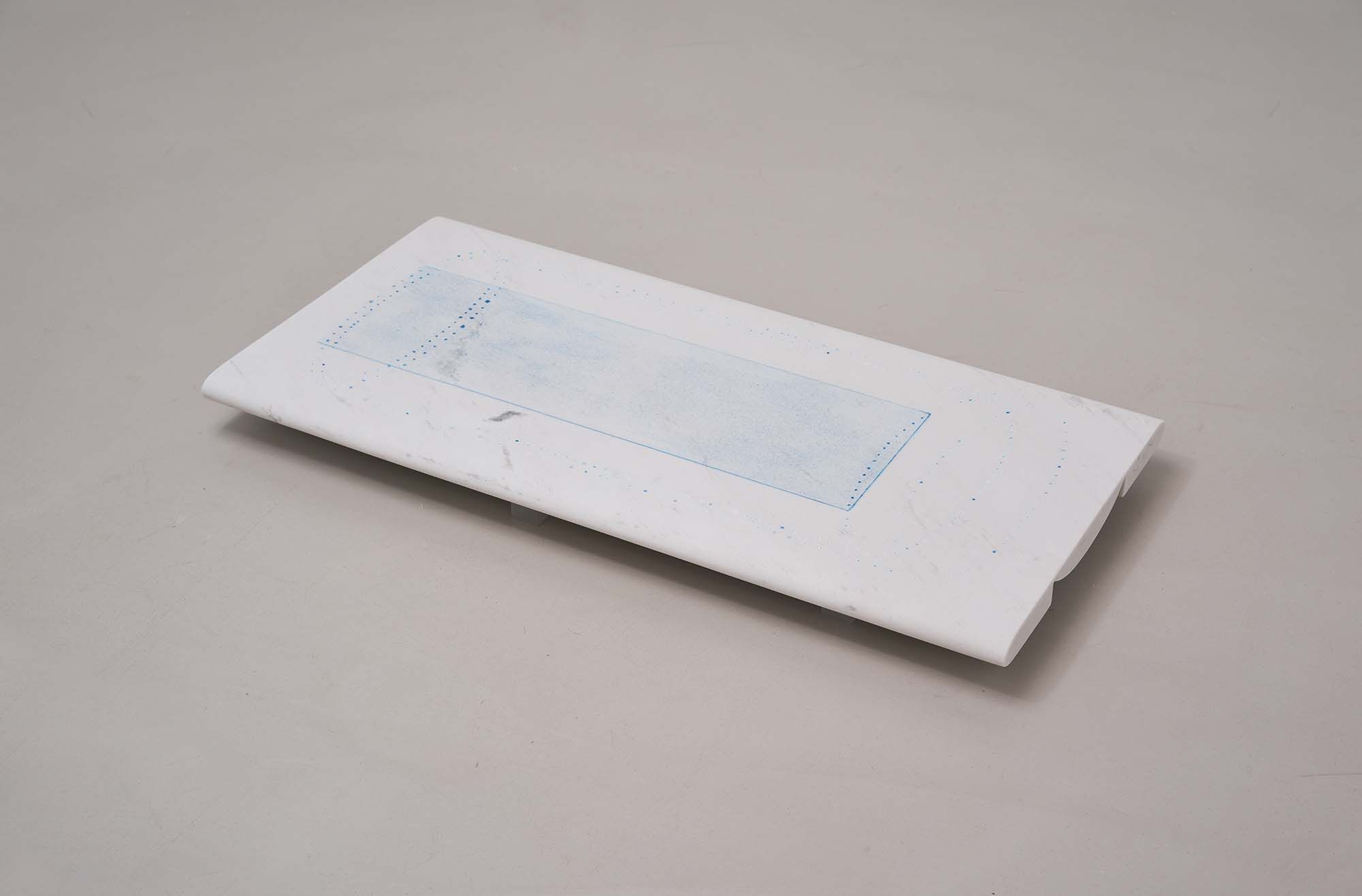
Kwon Hyun Bhin, Ice-water-cup and air, 2021, Marble, ink, 80x41x3cm ©KICHE

In the ‘Ice–water–cup and air’ series, the artist considered the process by which ice inside a cup melts into water as resembling the way clouds disperse across the sky. With this in mind, she repeatedly carved dots, drew lines, applied color, and erased it on marble slabs.
 
The resulting images do not resemble the fixed form of any specific object; rather, they are traces of contemplation on entities that cannot be stabilized, and at the same time, records of sculptural gestures through which the artist sought to draw the materiality of stone closer to herself.


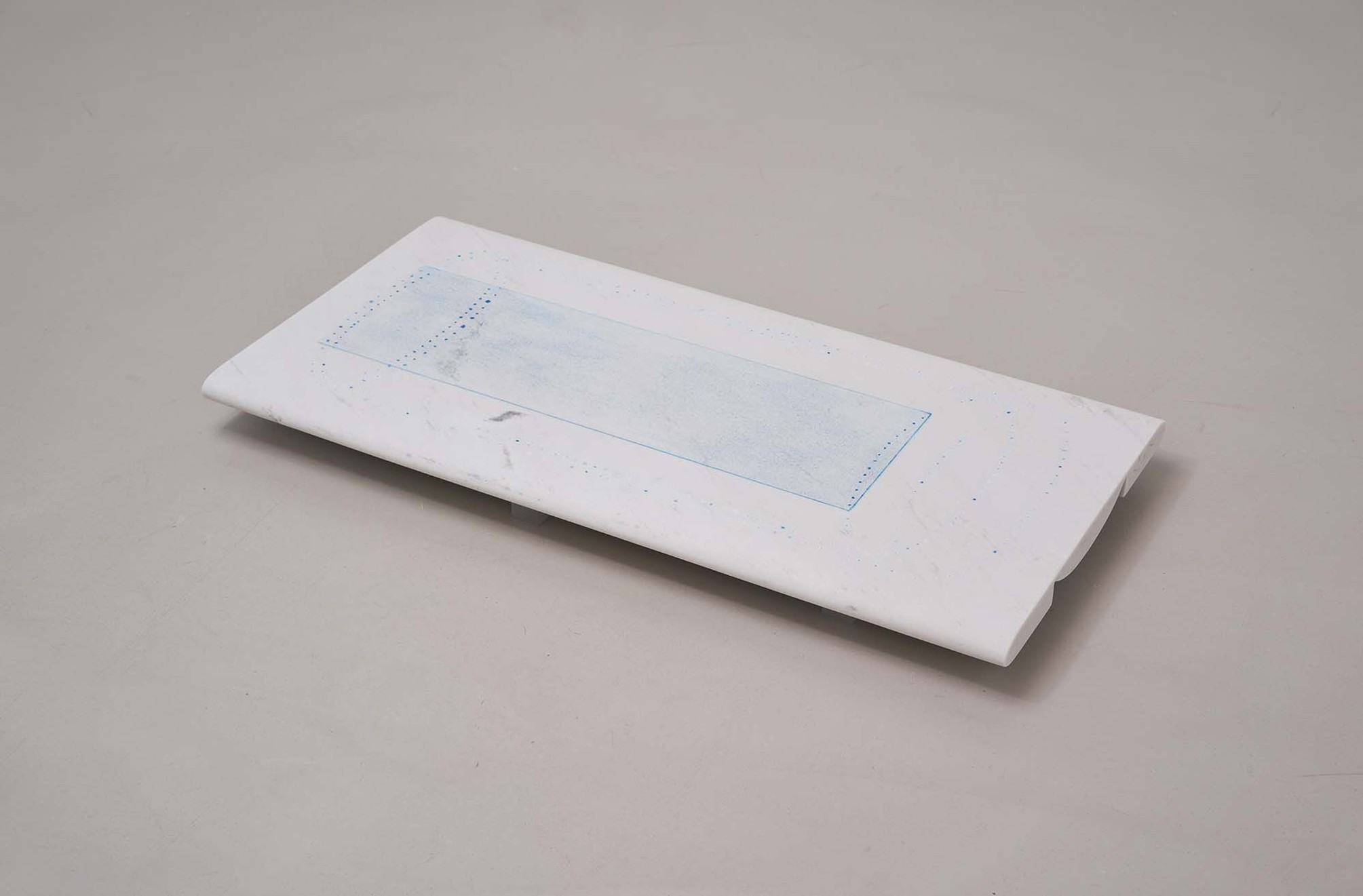
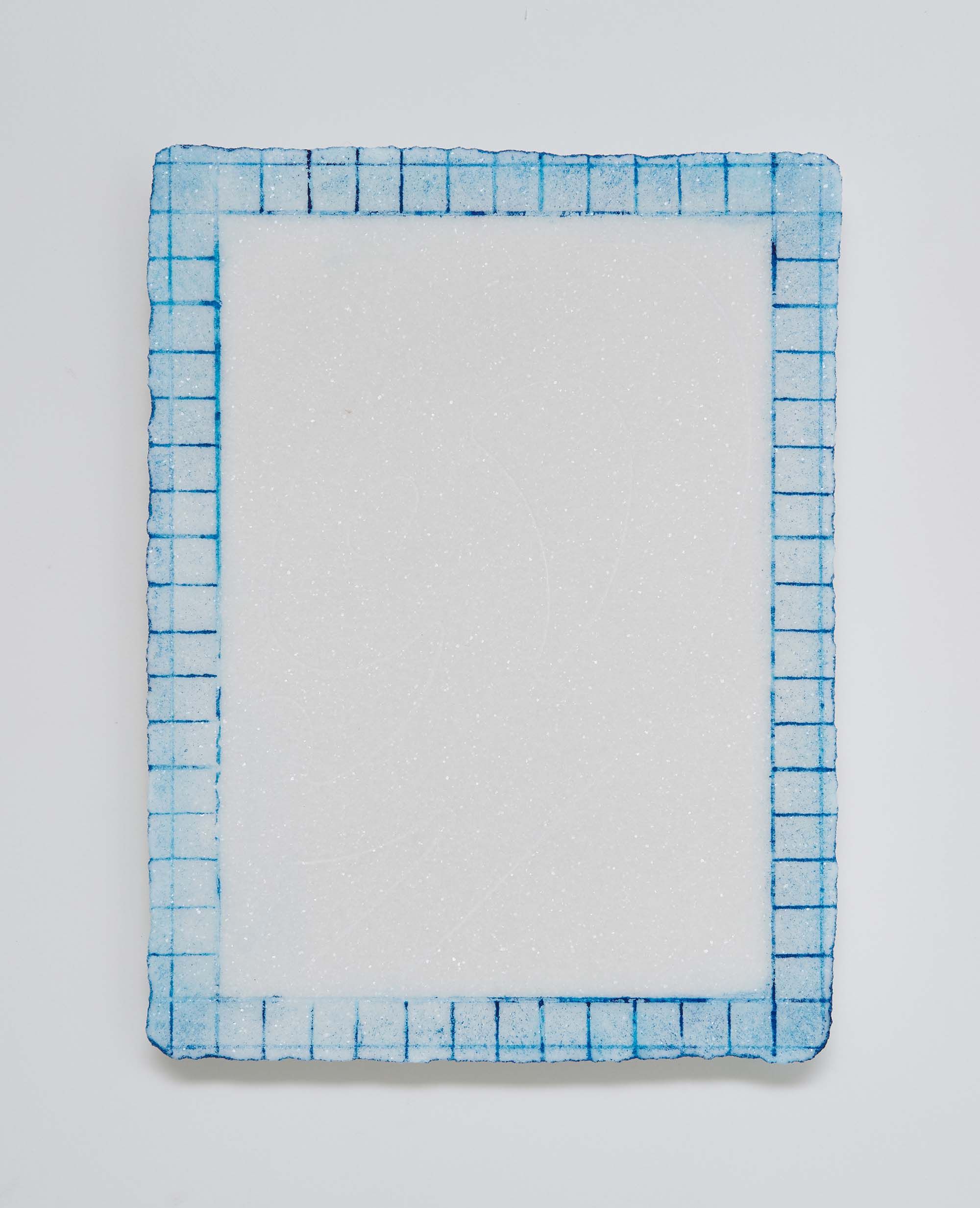
Kwon Hyun Bhin, Humming Facades, 2021, Marble, ink, 30x21x2cm ©KICHE

Although the sculptures take the form of flat marble slabs, they retain the minimum structure of a cuboid, moving back and forth across the boundary between plane and volume. This approach continues in ‘Humming Facades,’ where the works gradually begin to move away from metaphors such as clouds, water, and ice.
 
In these works, the surface of the stone is ground increasingly thinner, and dots, lines, and color begin to register as traces of the sculptural act itself. As a result, the artist’s domain within the stone steadily expands. To inscribe her presence more deeply, she tirelessly ground the marble to the point just before its edges would crumble, repeatedly applying and erasing blue ink.


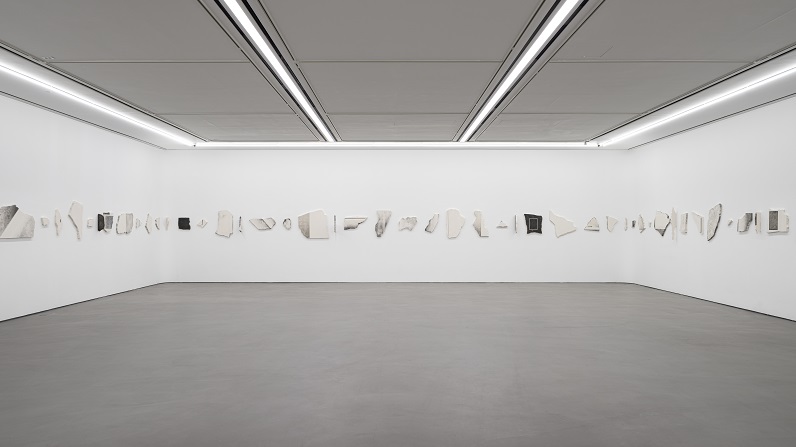
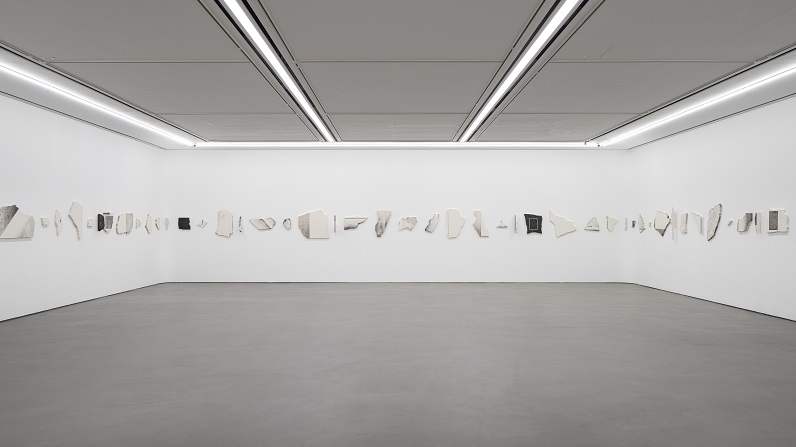
Installation view of 《We Go》 (DOOSAN Gallery, 2024) ©DOOSAN Art Center

Furthermore, in her solo exhibition 《We Go》 (2024) at DOOSAN Gallery, Kwon Hyun Bhin sought to experiment, through the format of an exhibition, with various kinds of motion imagined from the latent time and scenes embedded within objects that appear already complete.
 
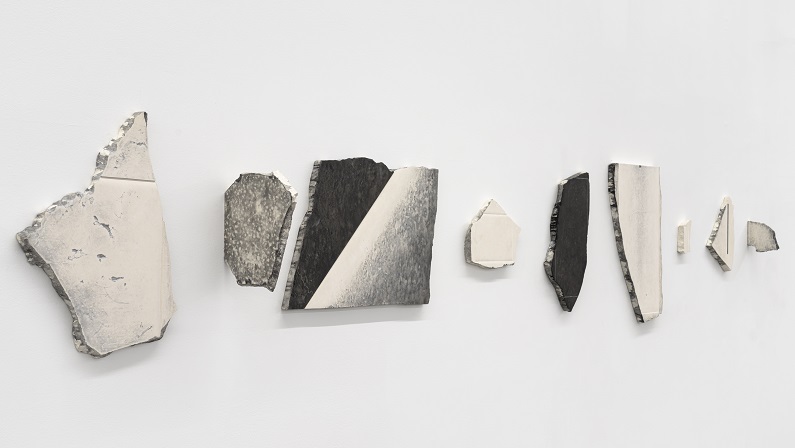
Comprising approximately ninety new sculptures, the exhibition was made up of fragments broken off from a larger whole. The procession of wall-hanging pieces is, therefore, like a blueprint that lays out the numerous facets of a whole—the original sculpture or span of time.


Installation view of 《We Go》 (DOOSAN Gallery, 2024) ©DOOSAN Art Center

The sculptures of Kwon Hyun Bin, created by gauging the time condensed within stone and intervening in the interior of its temporal history with her own time, enter yet another flow of movement through the act of viewing within the exhibition space.
 
In this exhibition, the task of the viewer is to reassemble these pieces and trace back their previous forms and times. To stitch these times together, the viewer must stand in the center of the space and piece the surrounding sculptures into a connected narrative or step closer to the sculptures and search for hints of an unfinished story.
 
When the movement of the artist and the movement of the viewer interact, the “sculptural experience” at that moment, is when scattered subjects fall into line and separate spacetimes come into contact.


Installation view of 《We Go》 (DOOSAN Gallery, 2024) ©DOOSAN Art Center

In this way, Kwon Hyun Bhin explores the time and sensations condensed within materials such as stone, visualizing through sculpture the ways in which matter and humans come to recognize one another in the world through sculptural acts of breaking and permeation. Embracing nature, her works continue to flow even after the artist’s hand has withdrawn, sustained within an expanded relationship with viewers.

 “Rocks were here in the far past and will be in the distant future. I imagine rocks unsculptured in between the times. (…) Rocks, by simply standing still, seem to shake, creating many possibilities and marks.”    (Kwon Hyun Bhin, Artist’s Note)


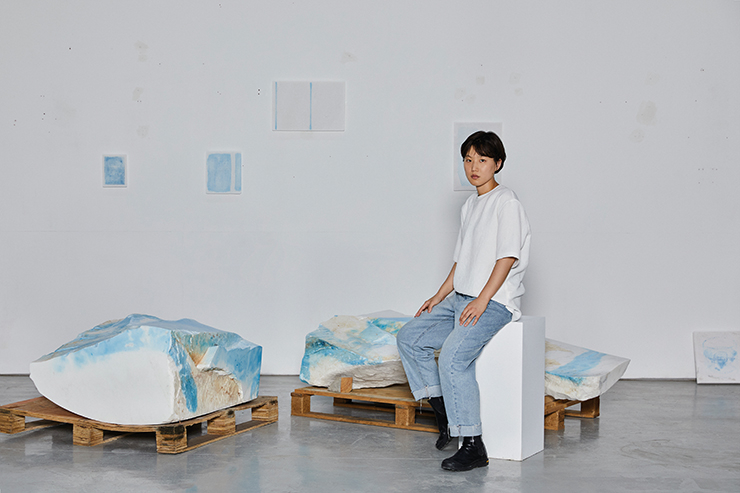
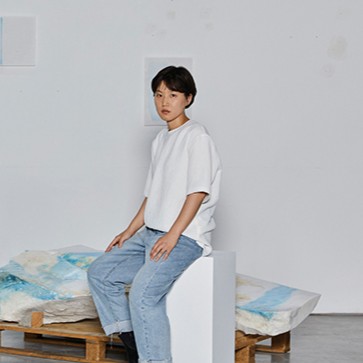
Artist Kwon Hyun Bhin ©Harper’s BAZAAR

Kwon Hyun Bhin graduated from Seoul National University with a BFA and MFA in Sculpture. Her solo exhibitions include 《We Go》 (DOOSAN Gallery, Seoul, 2024), 《HOURGLASS》 (KICHE, Seoul, 2021-2022), 《Ongoing Track》 (MO-NO-HA, Seoul, 2020), 《PIECE》 (A-LOUNGE, Seoul, 2019), and more.
 
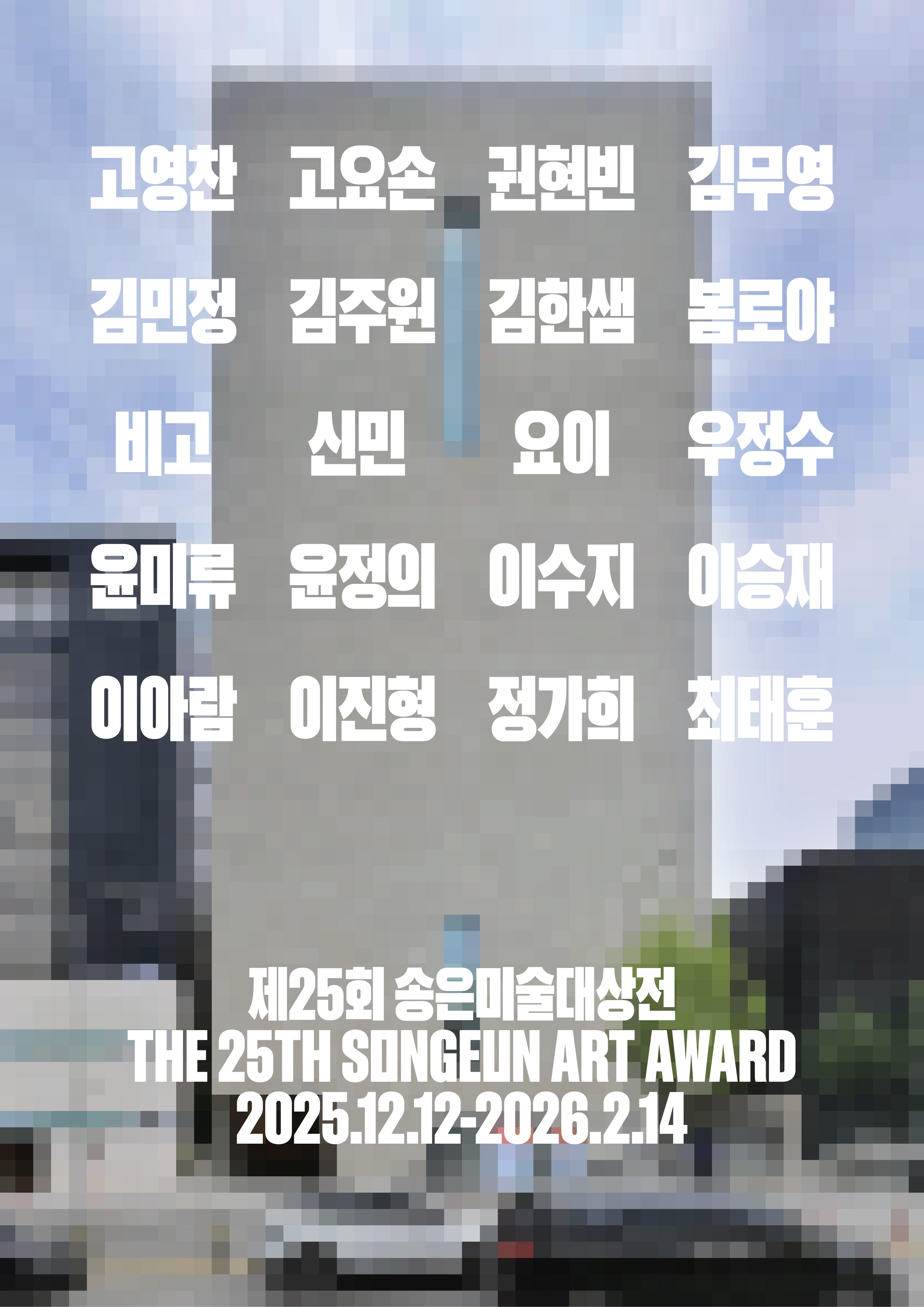
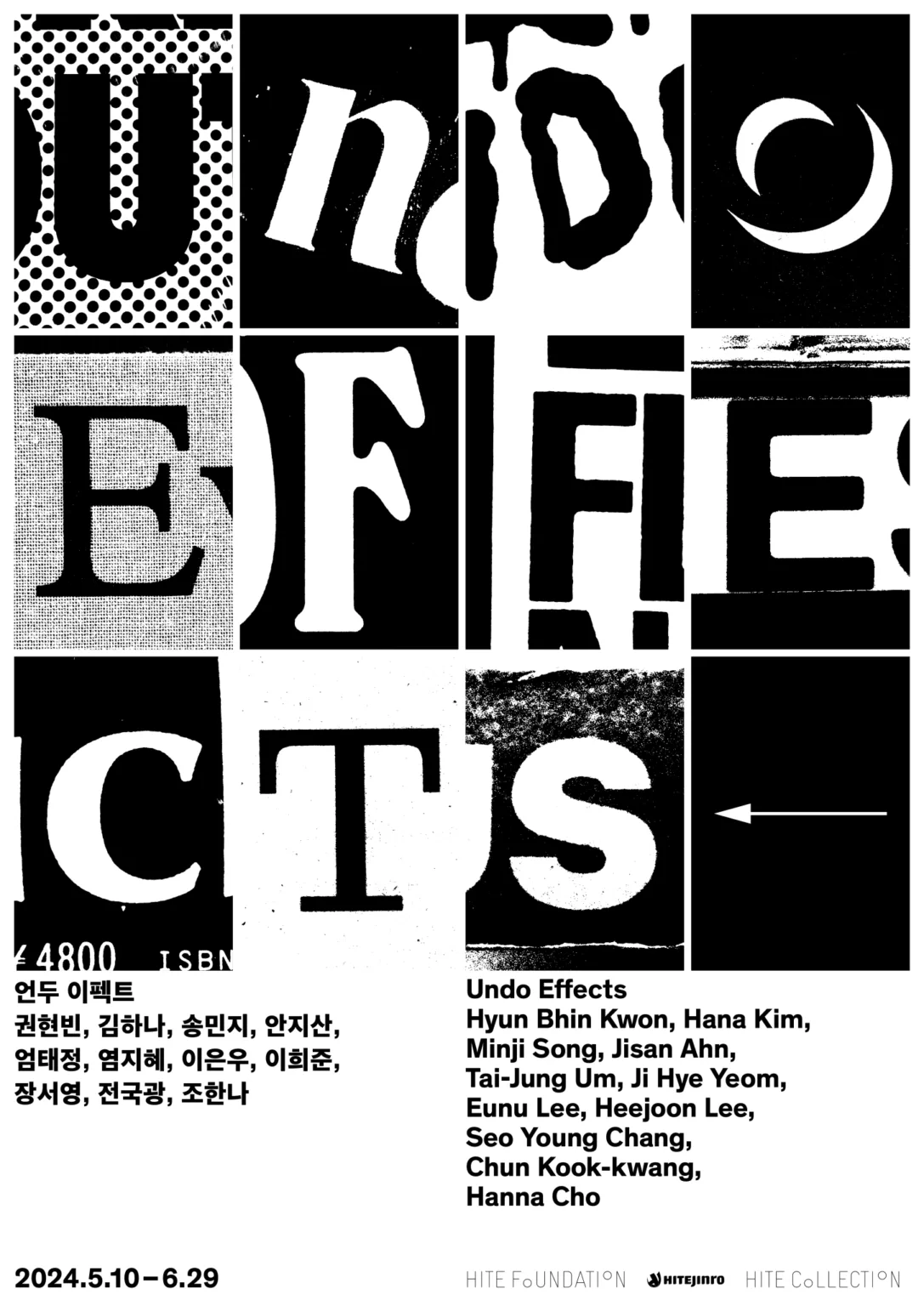
Kwon has also participated in numerous group exhibitions, including 《The 25th SONGEUN Art Award Exhibition》 (SONGEUN, Seoul, 2025), the 7th Changwon Sculpture Biennale 《silent apple》 (Changwon, 2024), 《Vanishing, Emerging》 (Gyeonggi Museum of Modern Art, Ansan, 2024), 《Undo Effects》 (HITE Collection, Seoul, 2024), 《Project16》 (WESS, Seoul, 2022), 《Dwindles to a Point and Vanishes》 (Art Sonje Center, Seoul, 2021), and 《DOOSAN Art Lab 2019: Part 1》 (DOOSAN Gallery, Seoul, 2019).

References