Lee
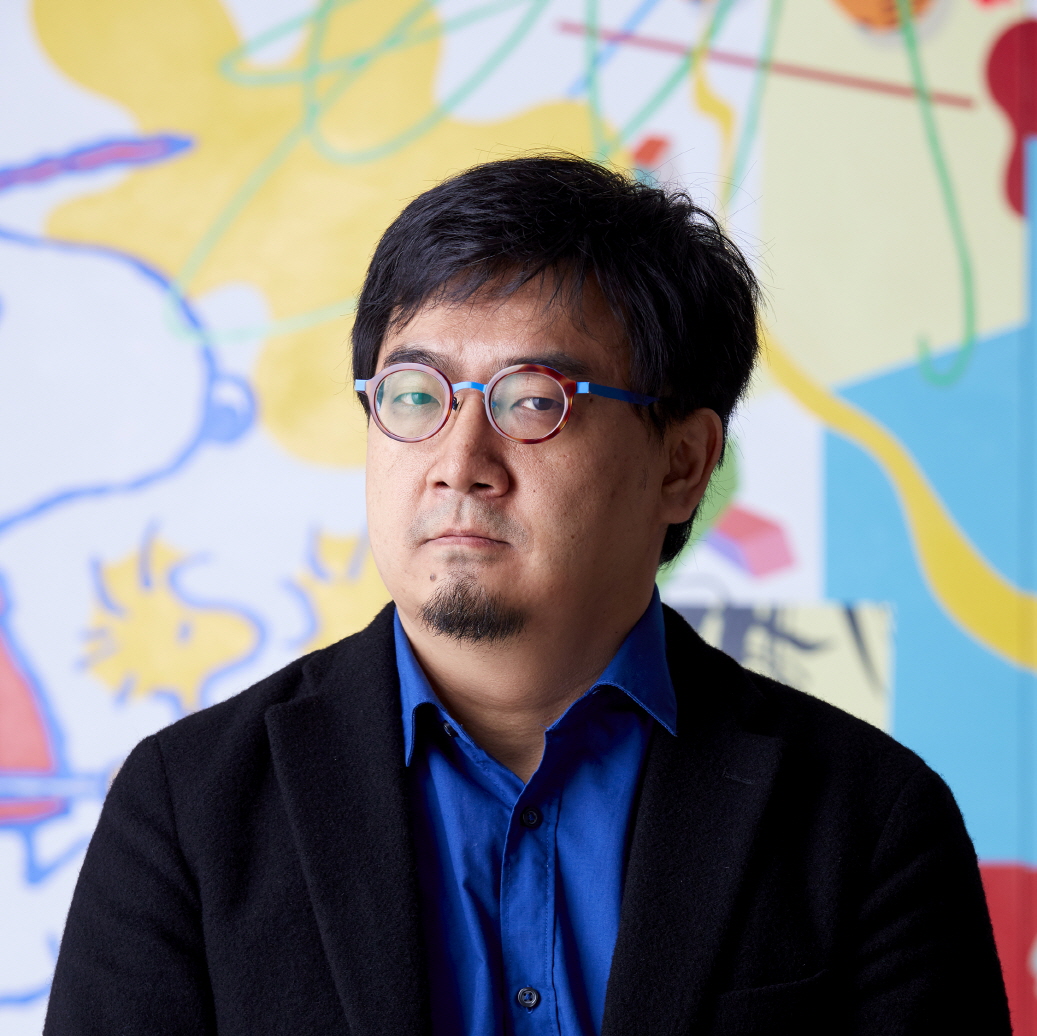
Donggi’s solo exhibition will be held at Songwon Art Center from September 25
to October 31, 2013. This exhibition is part of a sponsored program by
Faber-Castell Korea, grounded in the company’s philosophy of engaging with
genuine art beyond the development, production, and sale of art materials.
The
encounter between Lee Donggi, a representative figure of Korean Pop Art, and
Faber-Castell, a global writing instrument company, goes beyond simple
exhibition sponsorship. It can be understood not merely as a meeting between
producer and consumer, but as a convergence of art and art—an embodiment of
progressive corporate spirit through artistic collaboration.
Through this
exhibition, Lee Donggi seeks to reexamine the historical and social
significance of his work and to provide an opportunity to renew perspectives on
Korean Pop Art. Following the boom of the early to mid-2000s, as the art market
came to occupy a central position in the Korean art scene, the attention
received by Korean Pop Art functioned as a double-edged sword.
On the one hand,
its accessible and popular characteristics attracted considerable interest in
the market; on the other, these same qualities led to the relative neglect of
the deeper meanings embedded behind its seemingly commercial imagery. In some
cases, Pop Art was even regarded merely as a tool to satisfy commercial
demands.
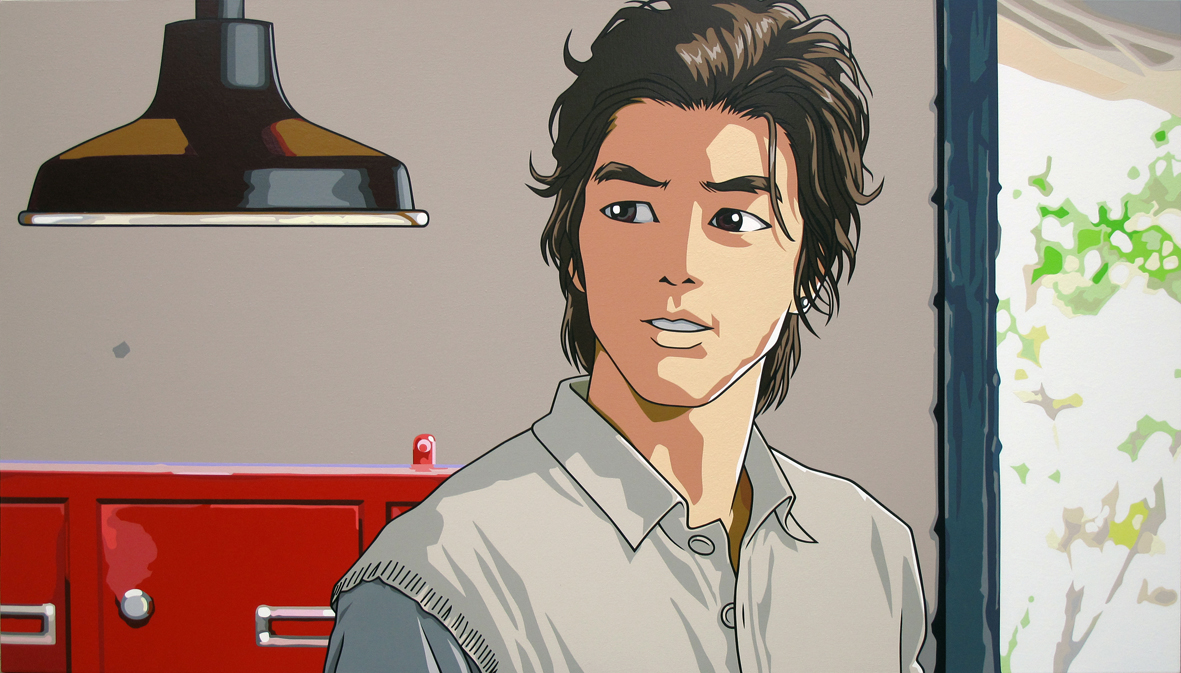
However, the body of work by Lee Donggi, which this exhibition
highlights, calls for a broader discourse that exceeds such narrow
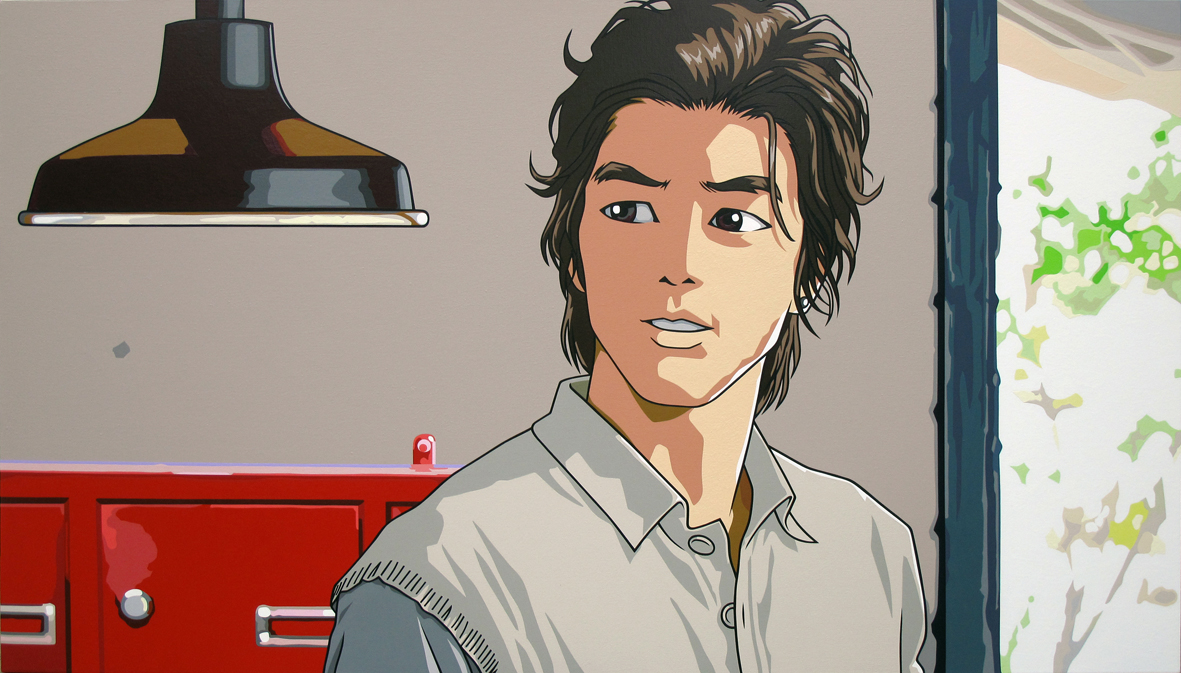
interpretations. His Pop Art also operates as a symbolic representation of
striking scenes within contemporary Korean society.
Historically,
Pop Art has held significance not as a familiar form or art commodity, but as a
subject of controversy. Andy Warhol, a key figure of American Pop Art, is
credited with dismantling the boundaries between low culture and high art by
appropriating images from popular culture. What is important is that such
influence and controversy could not have emerged from a form leaning
exclusively toward one side. Pop Art is compelling precisely because of its
duality—it retains the distinct characteristics of both fine art and popular
culture while merging the two.
This is equally evident in Japanese Pop Art,
such as the work of Takashi Murakami, who introduced uniquely Japanese
subcultural elements like otaku culture into the realm of art. While Warhol’s Marilyn
Monroe reflected a star of its time, Murakami’s figures differ in that they
embody the private desires of unspecified individuals; yet both generate
intriguing debates precisely because their identities resist clear
categorization. Likewise, Lee Donggi’s work draws out similarly meaningful
dynamics within the specific context of Korean society.
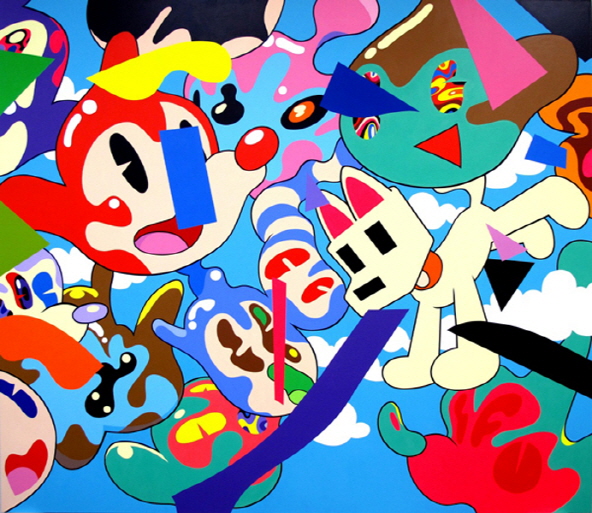
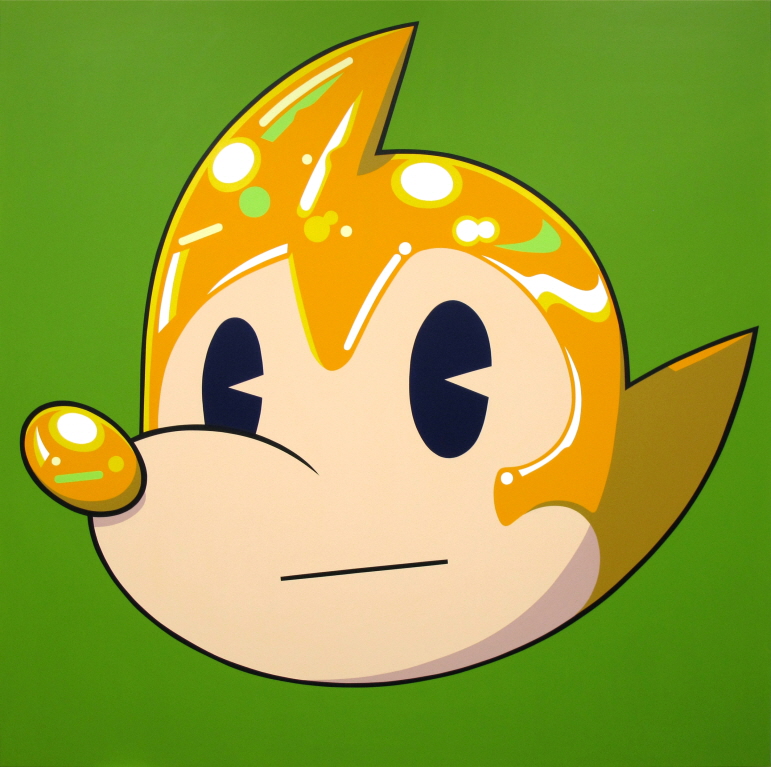
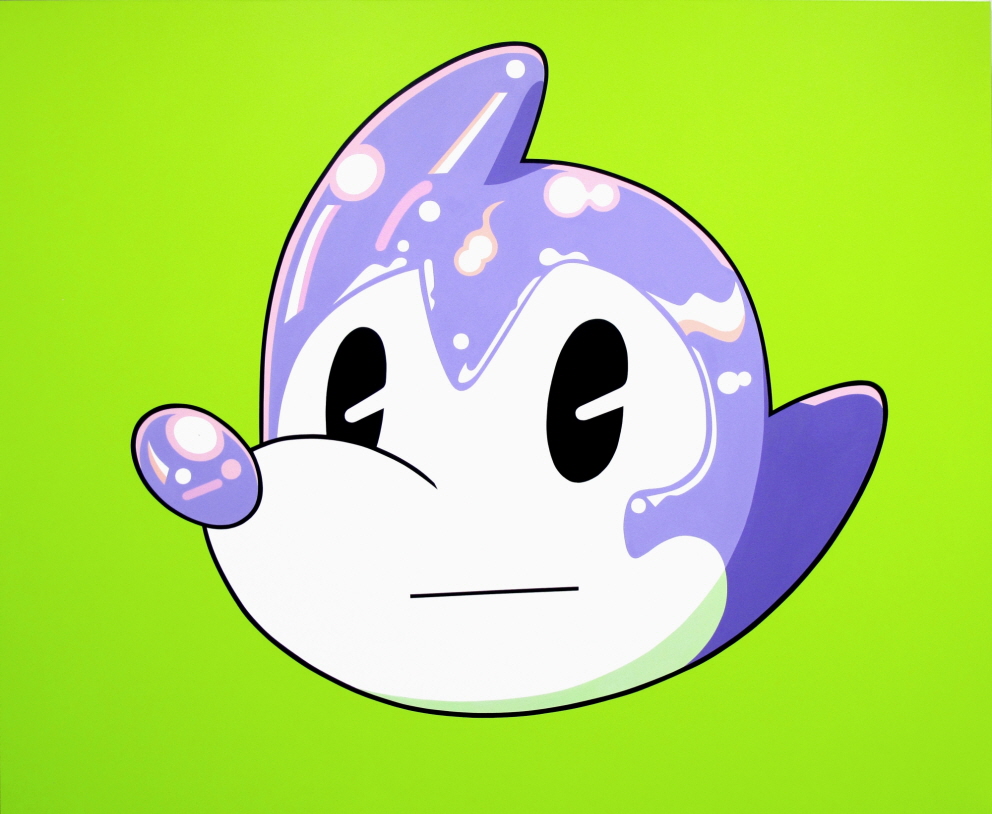
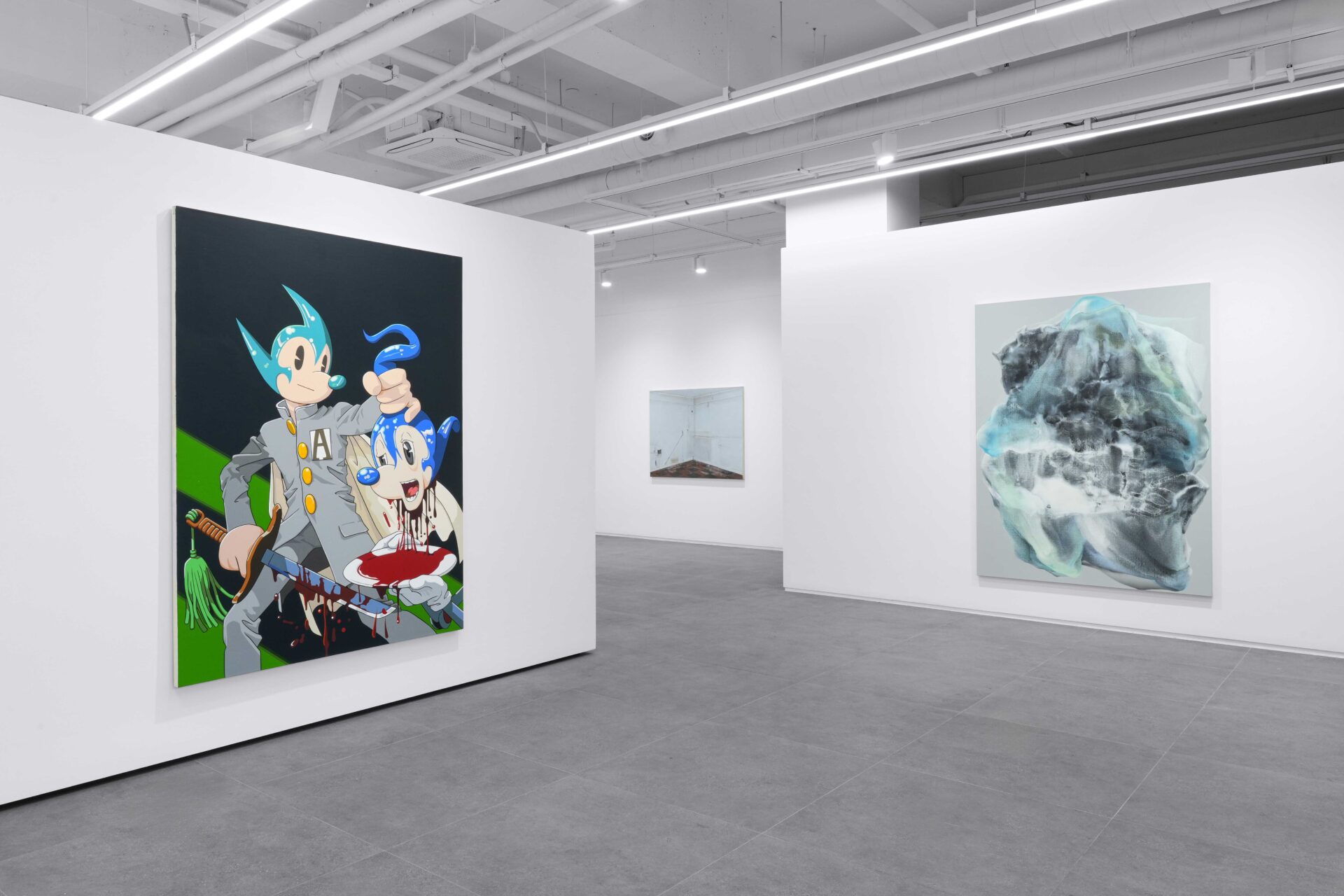
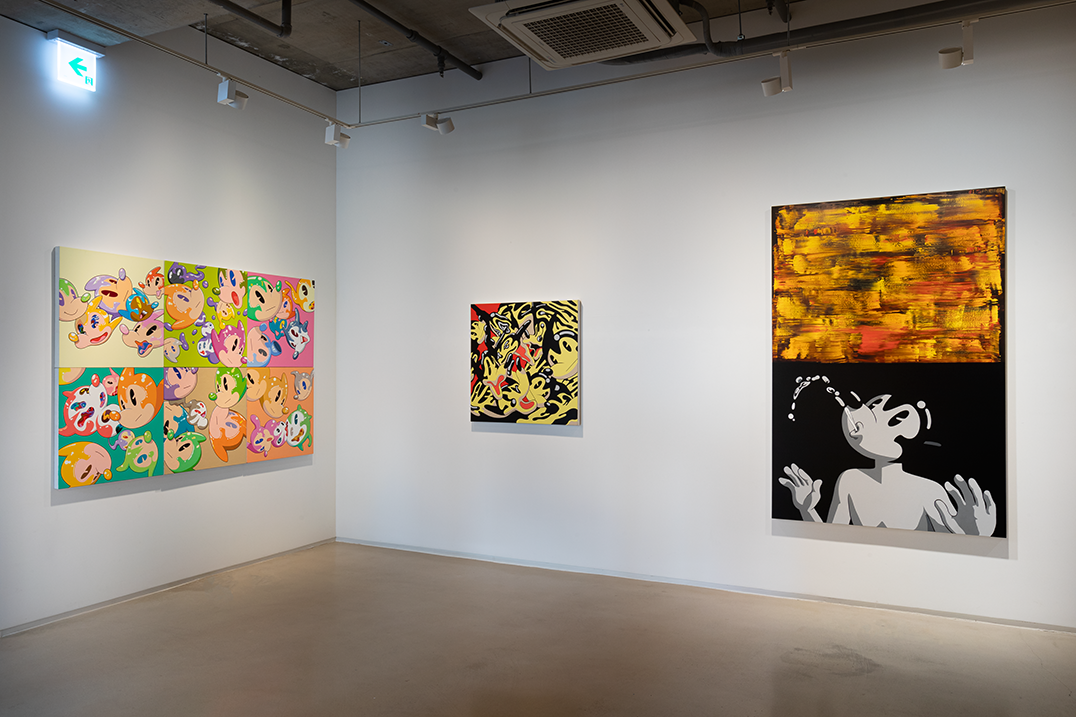
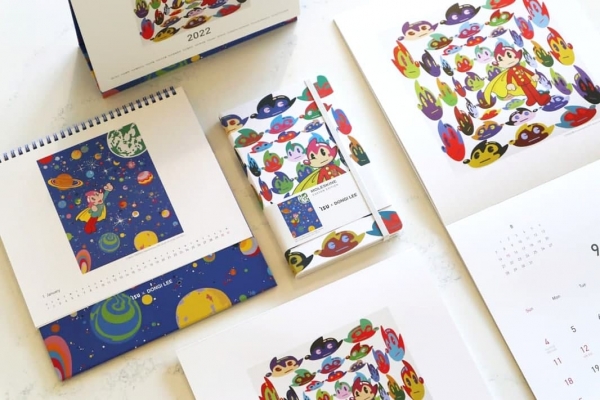
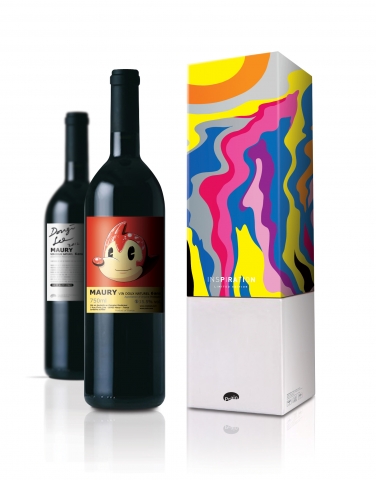
Just as
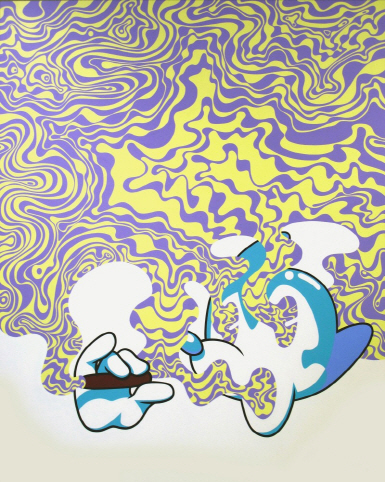
the Atomaus character—emblematic of his Pop Art—combines Astro Boy and Mickey
Mouse, the “pop” in Lee Donggi’s work reflects influences from American and
Japanese culture. At the same time, however, the settings and scenes in which
such characters appear are distinctly Korean. Here, we begin to perceive the
grounds upon which Korean Pop Art may establish its own unique position,
differentiated from its Western or Japanese counterparts.
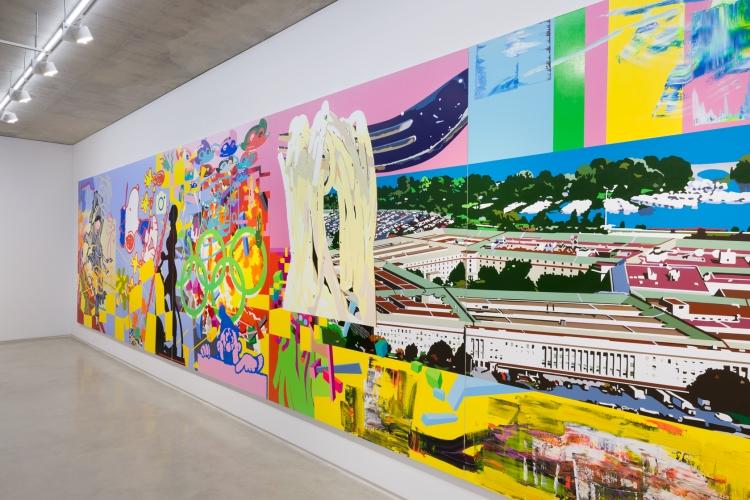
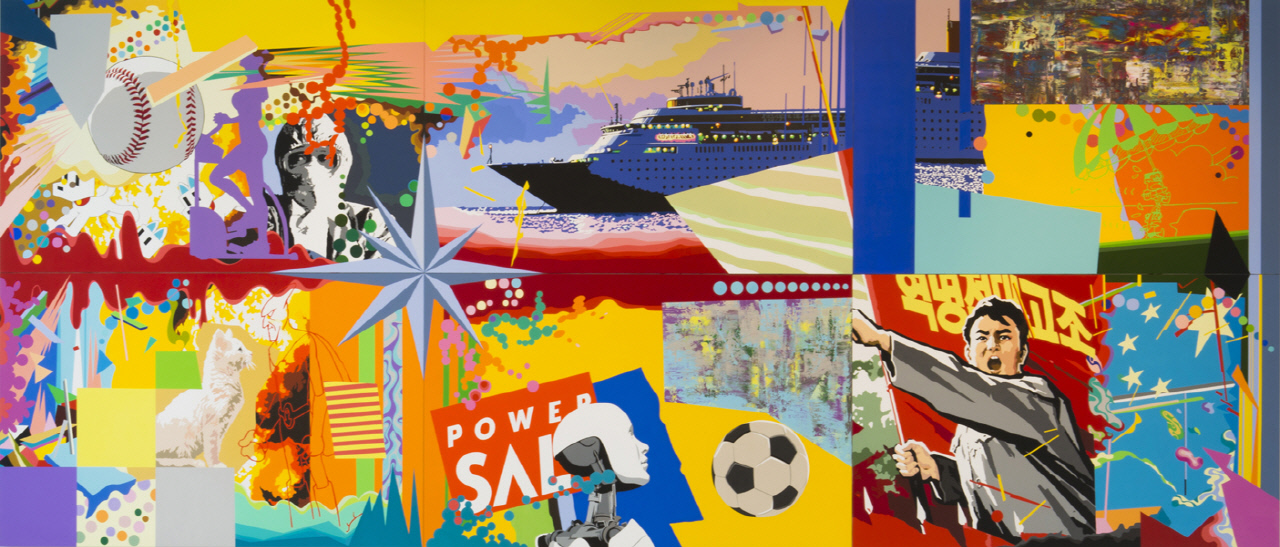
Lee Donggi engages
not only with the fusion of art and pop culture, but also with numerous other
dualities shaped by socio-cultural conditions. A defining characteristic of his
work is the intensity with which these tensions are conveyed—so much so that
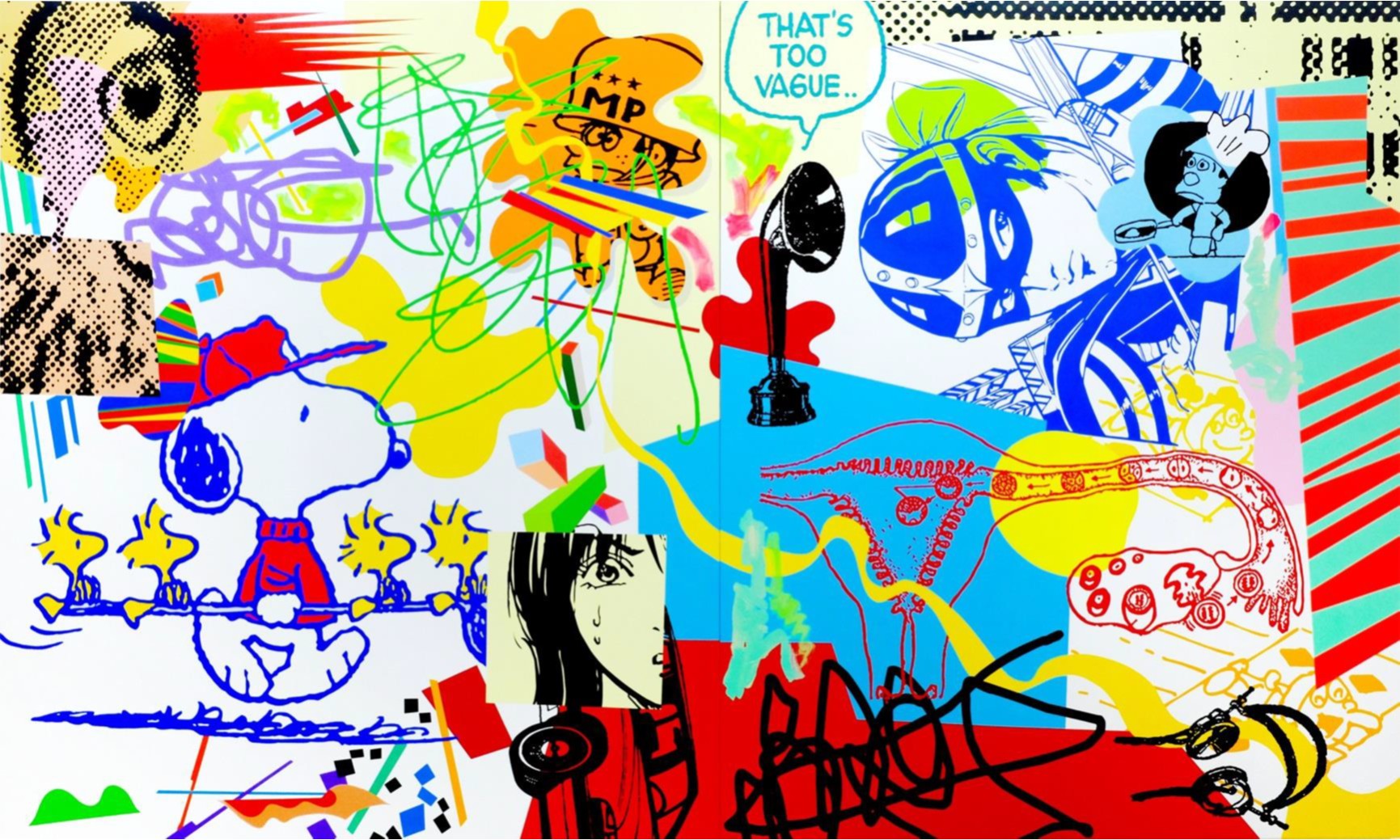
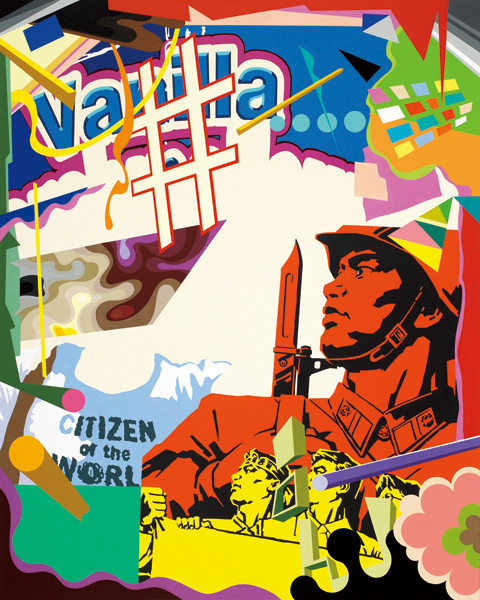
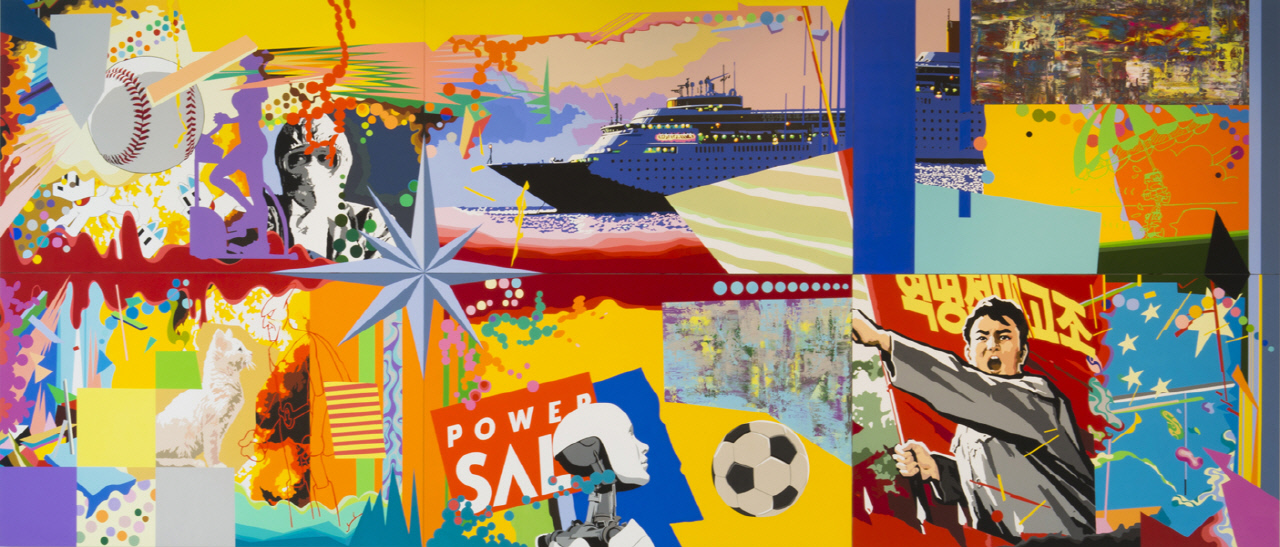
they can be felt even without explicit social discourse. Elements of differing
origins coexist; cheerful, cartoon-like imagery is interwoven with references
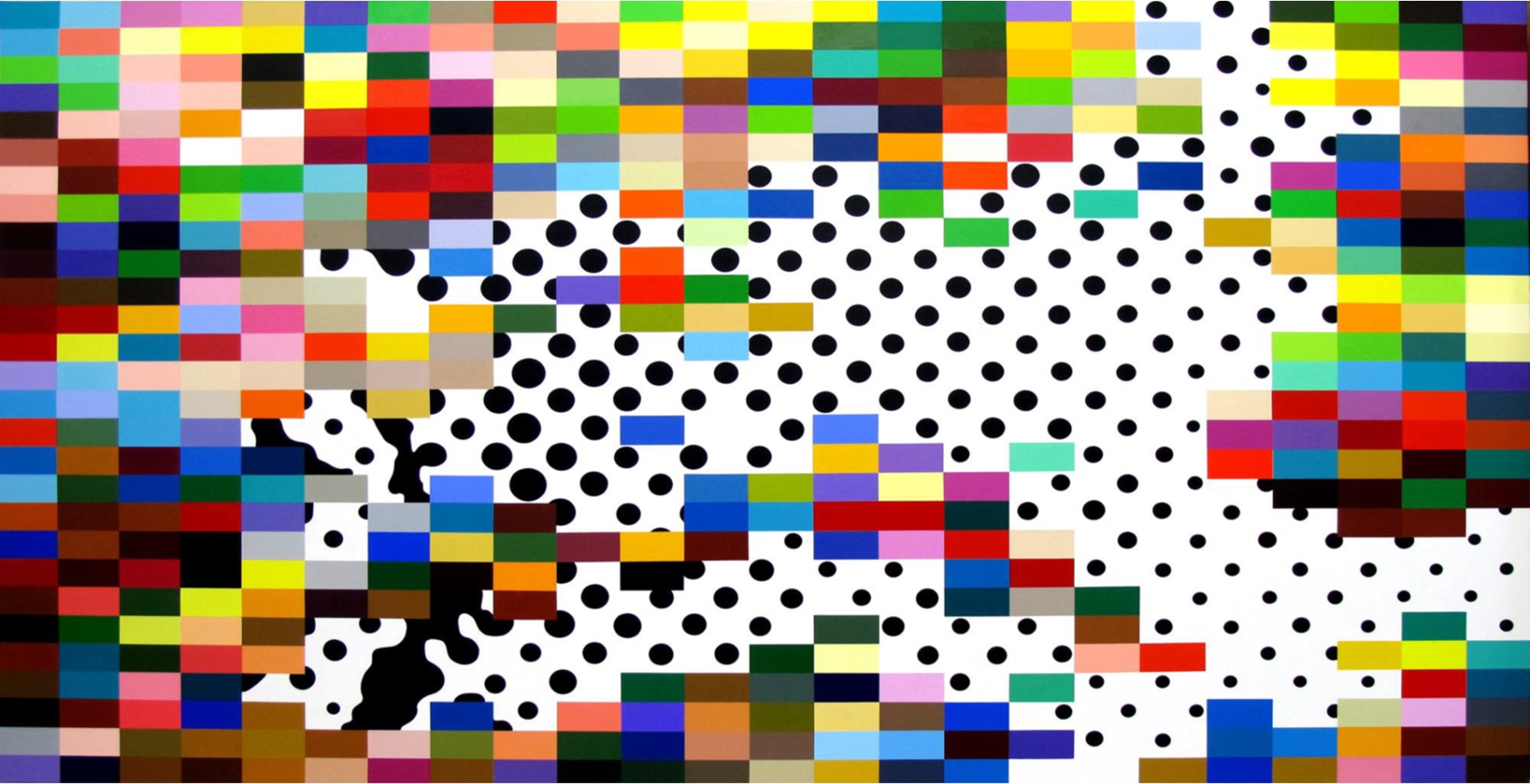
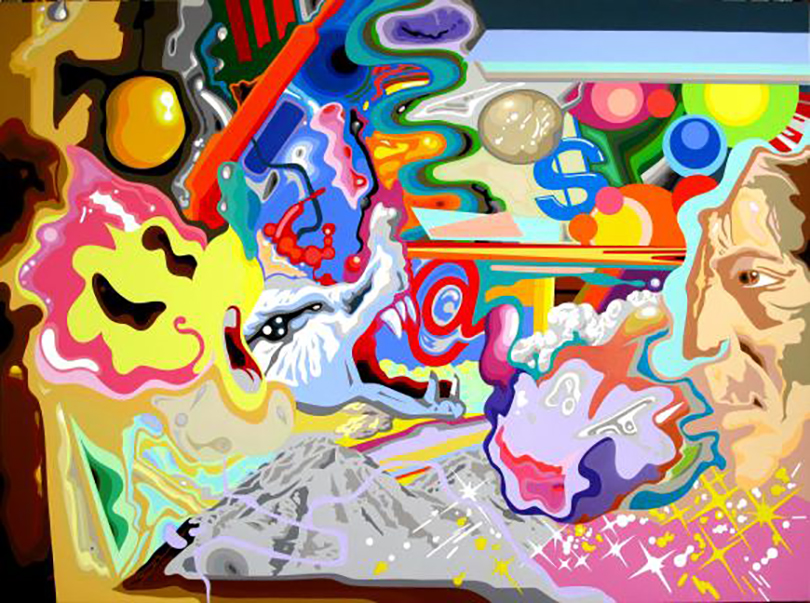
to modernization or the history of division; clean Pop Art paintings are
juxtaposed with unstable, fragmented abstract forms.
Meanwhile, Atomaus, the
artist’s recurring hero, subtly embodies obsessive self-replication and an
underlying association with mortality. These striking contrasts in Lee Donggi’s
work do not stem merely from a moral imperative to expose social
contradictions. Rather, they are better understood as reflecting an
internalization of the distinctive conditions of Korean society—such as sharply
defined ideological conflicts between left and right.
In this context, the
exhibition 《Don’t Look Back in Anger》 proposes a new perspective through which Lee Donggi, as a Korean Pop
artist, can be rediscovered beyond the narrow framework of the art market.