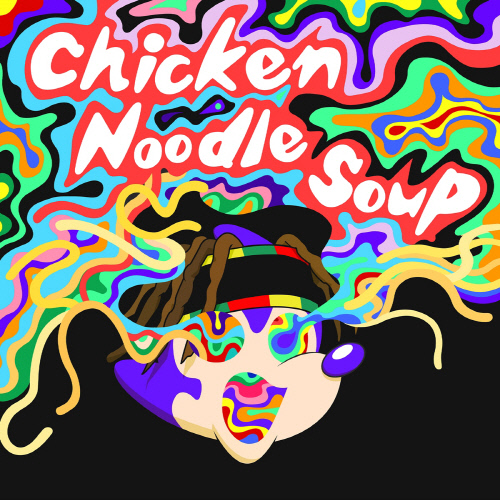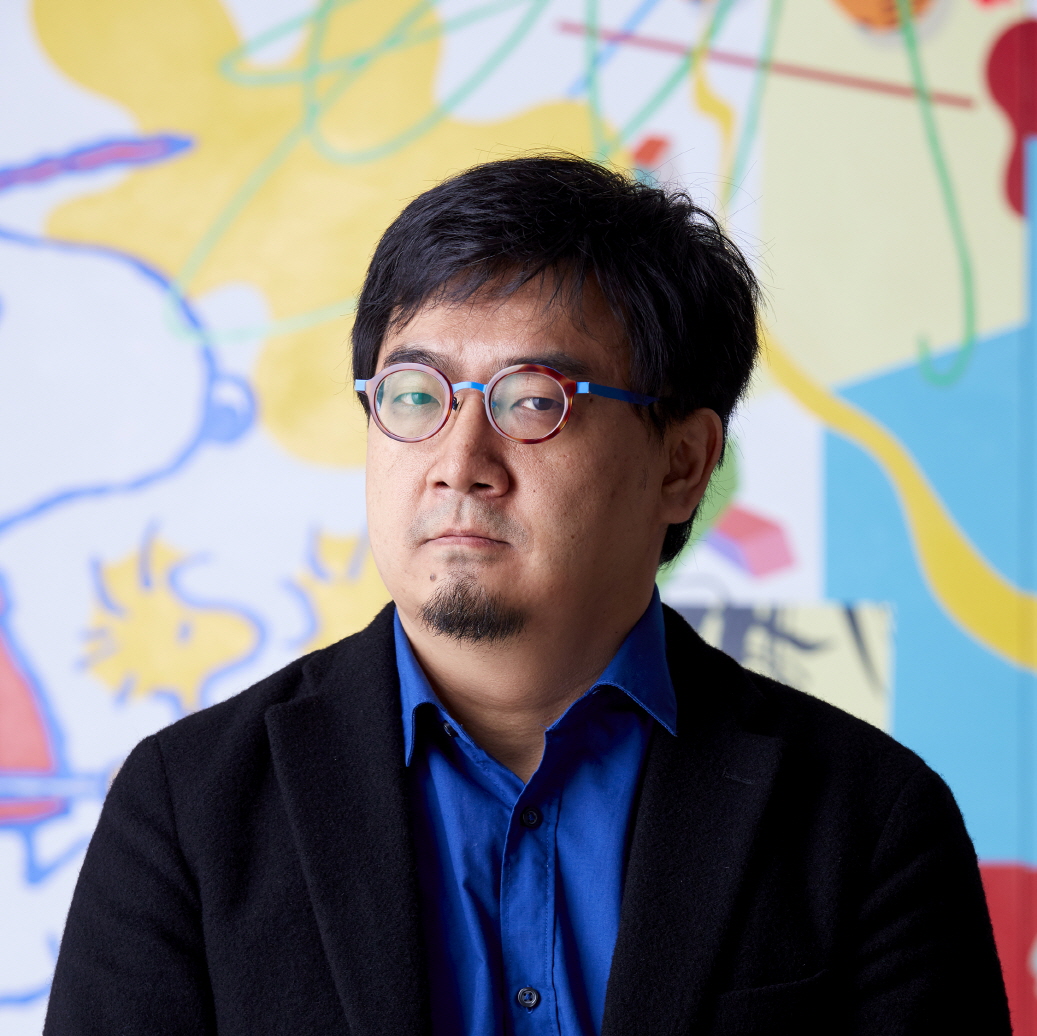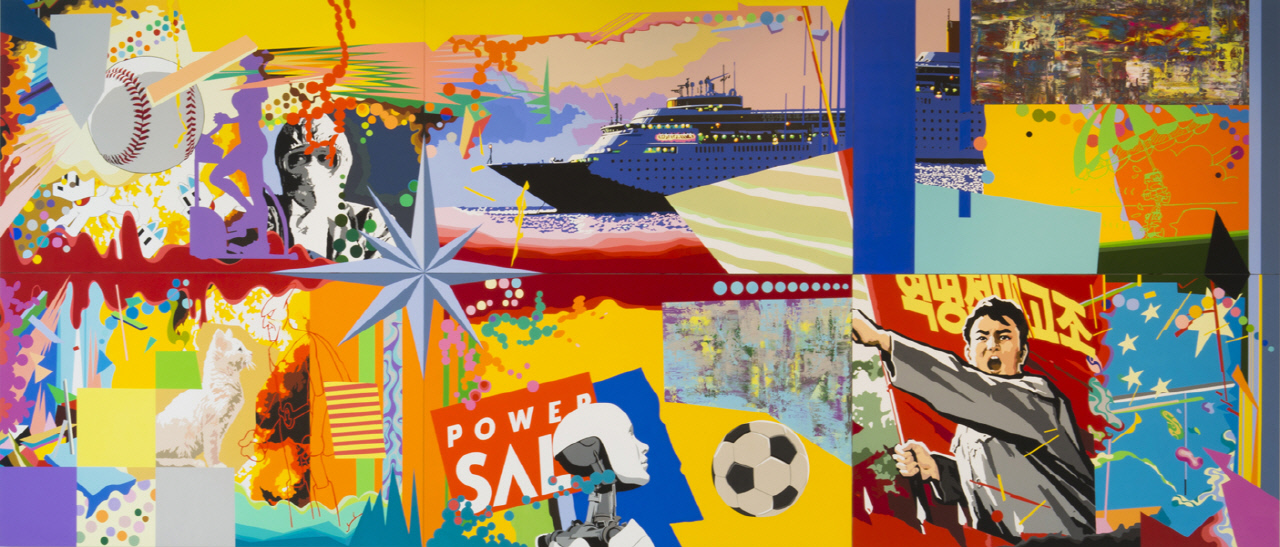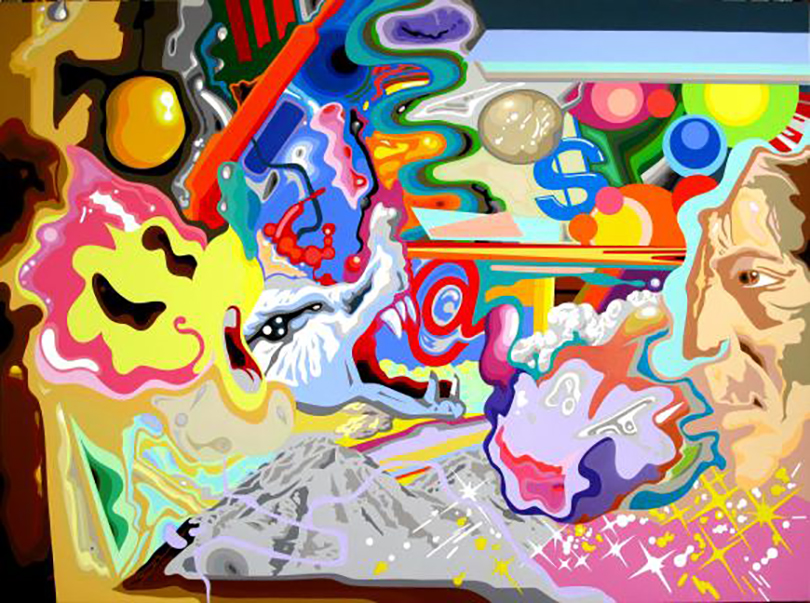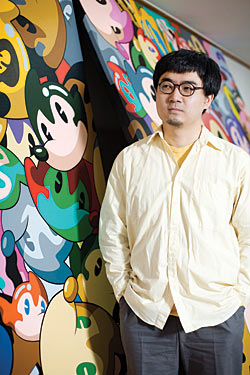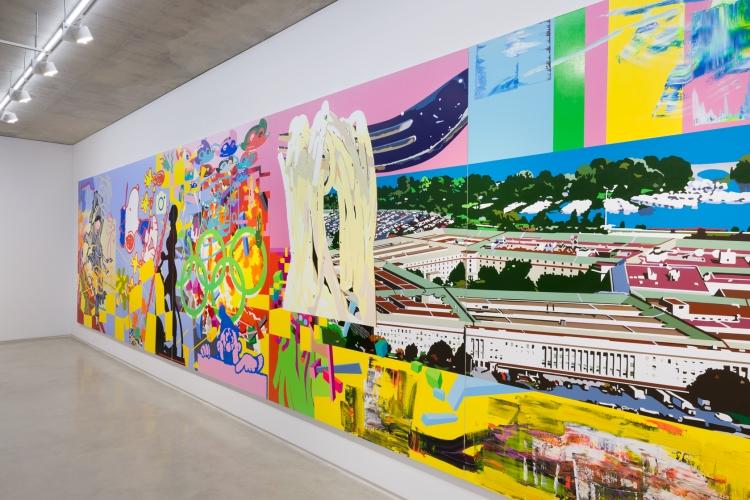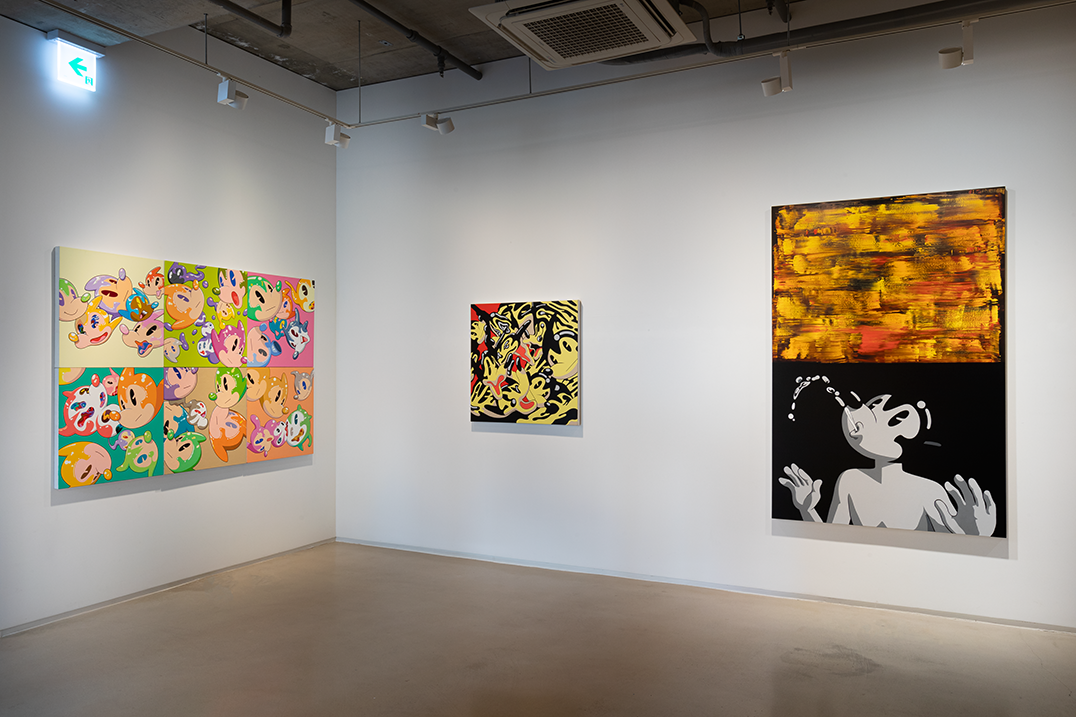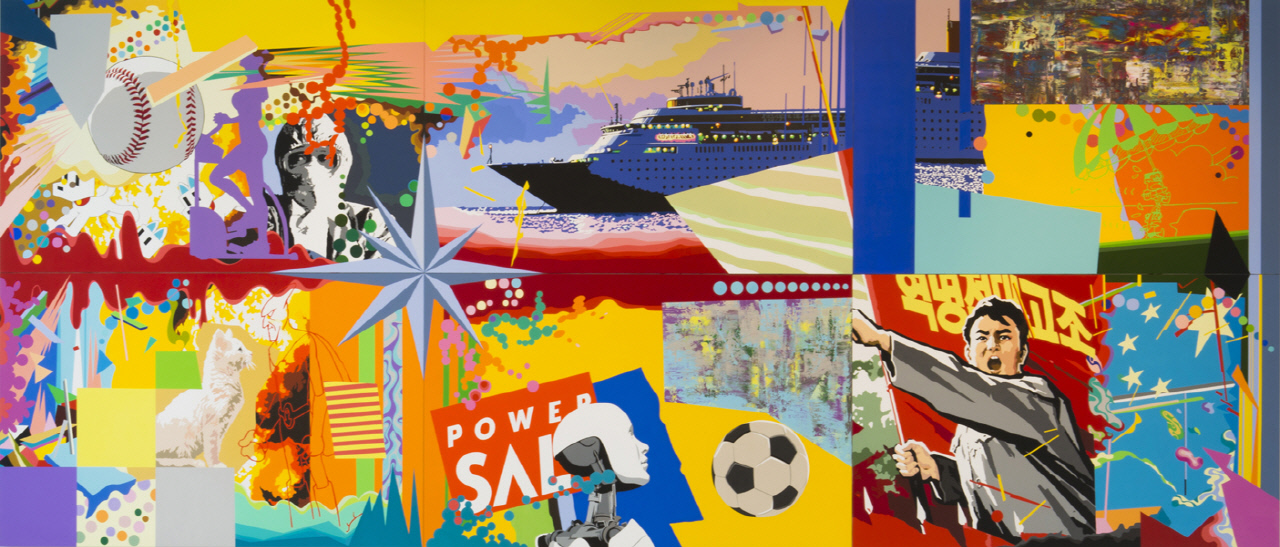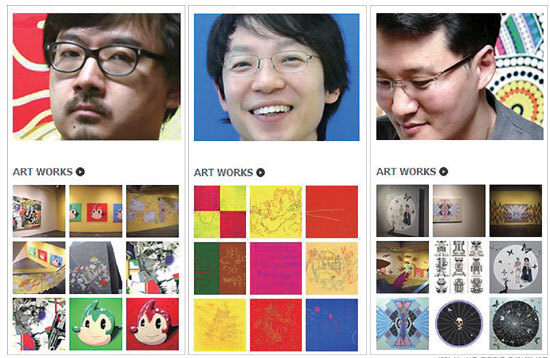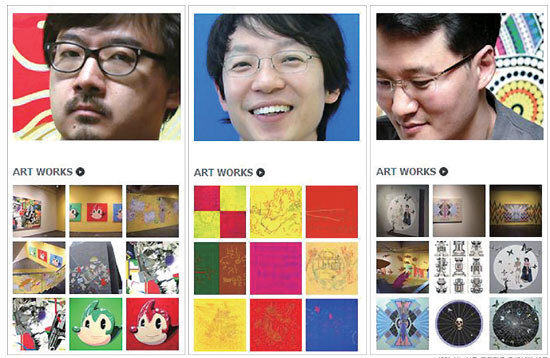

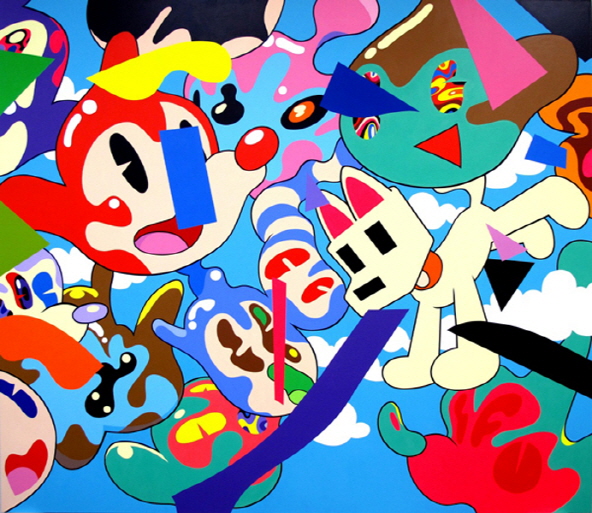
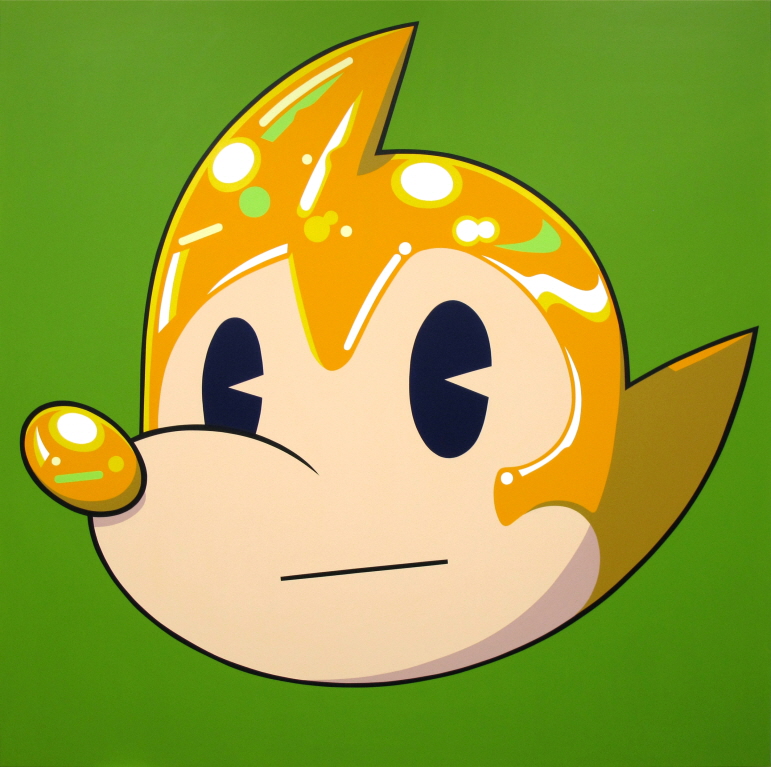

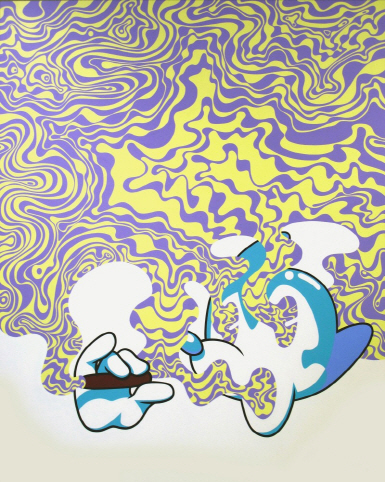
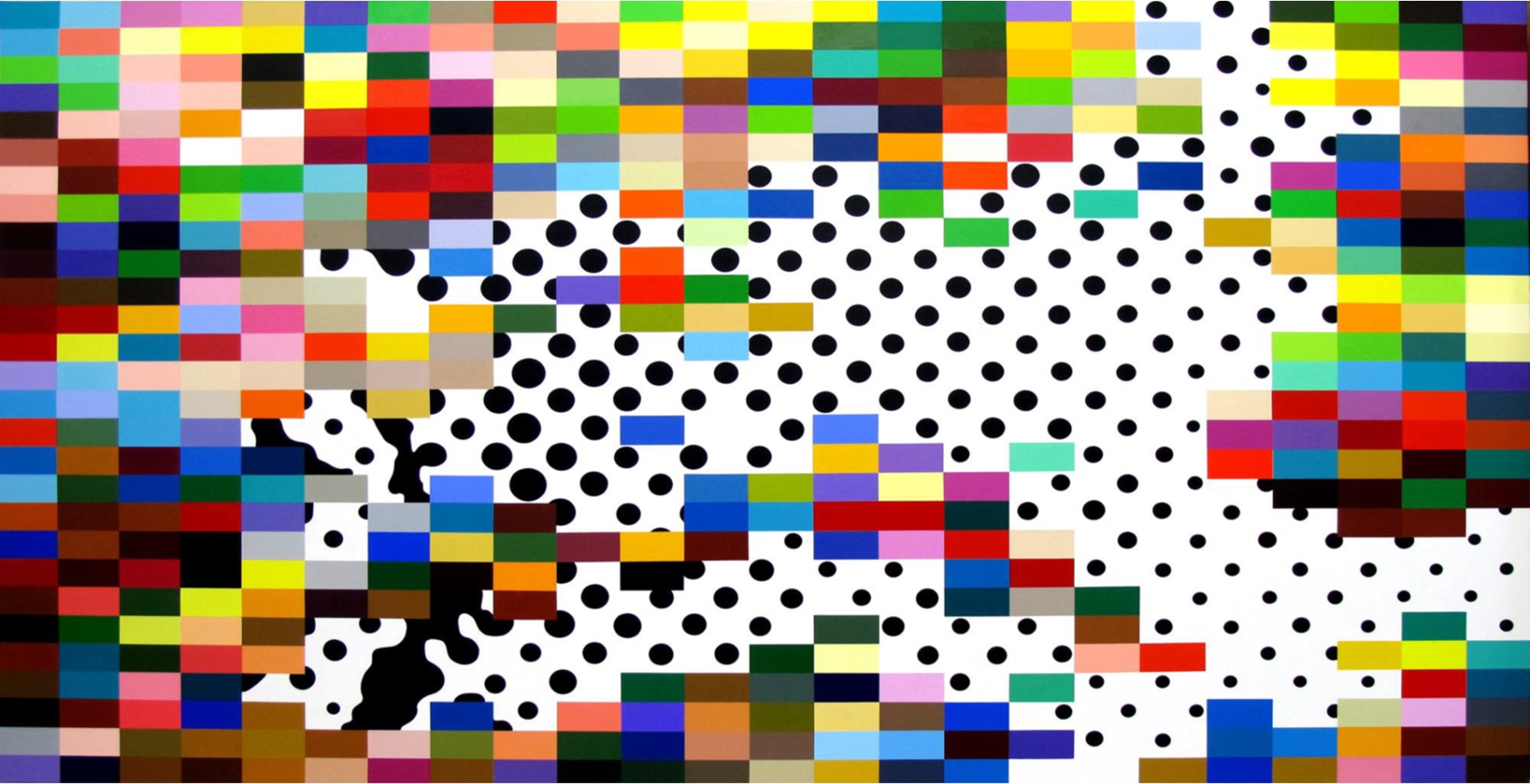
Main page of the ‘Henkel Inno ART Project’ website featuring Lee Donggi, Yoo Seungho, and Hong Kyoungtack © Henkel Inno ART Project

Moving Beyond Fixed Modes of Patronage… Aiming for “Cultural Collaboration” Between Corporations and Art
 
Is the path of an artist one of cold and hunger? Even today, somewhere, artists who have chosen art over financial security continue to paint hope on canvas, dreaming of becoming the next Andy Warhol or Lee Ufan.
 
In recent years, more companies have stepped forward to support such struggling artists. However, as most programs focus on emerging artists, those caught between young and senior generations—the so-called “sandwich generation” of artists—have often been overlooked.
 
Recognizing this situation in the art world, a project has emerged that draws attention by supporting mid-career artists in their late 40s.
 
It is 《Henkel Inno ART Project 2011》, a collaboration between the global consumer goods company Henkel, the Korea Mecenat Association, and the Alternative Art Space Loop.

 
◆ Why Focus on the “Sandwich Generation”?
 
The Henkel Inno ART Project was organized as part of the Korea Mecenat Association’s “Business Meets Arts” initiative, with Henkel partnering with alternative space Loop. Unlike most corporate programs that support either emerging or established artists, Henkel chose to support artists in their late 40s through this initiative.
 
Henkel explained its rationale, stating, “Mid-career artists lack sufficient institutional support within the domestic art scene, limiting their growth. There is an urgent need for international and systematic promotion to help these already experimentally proven artists take the next step forward.”


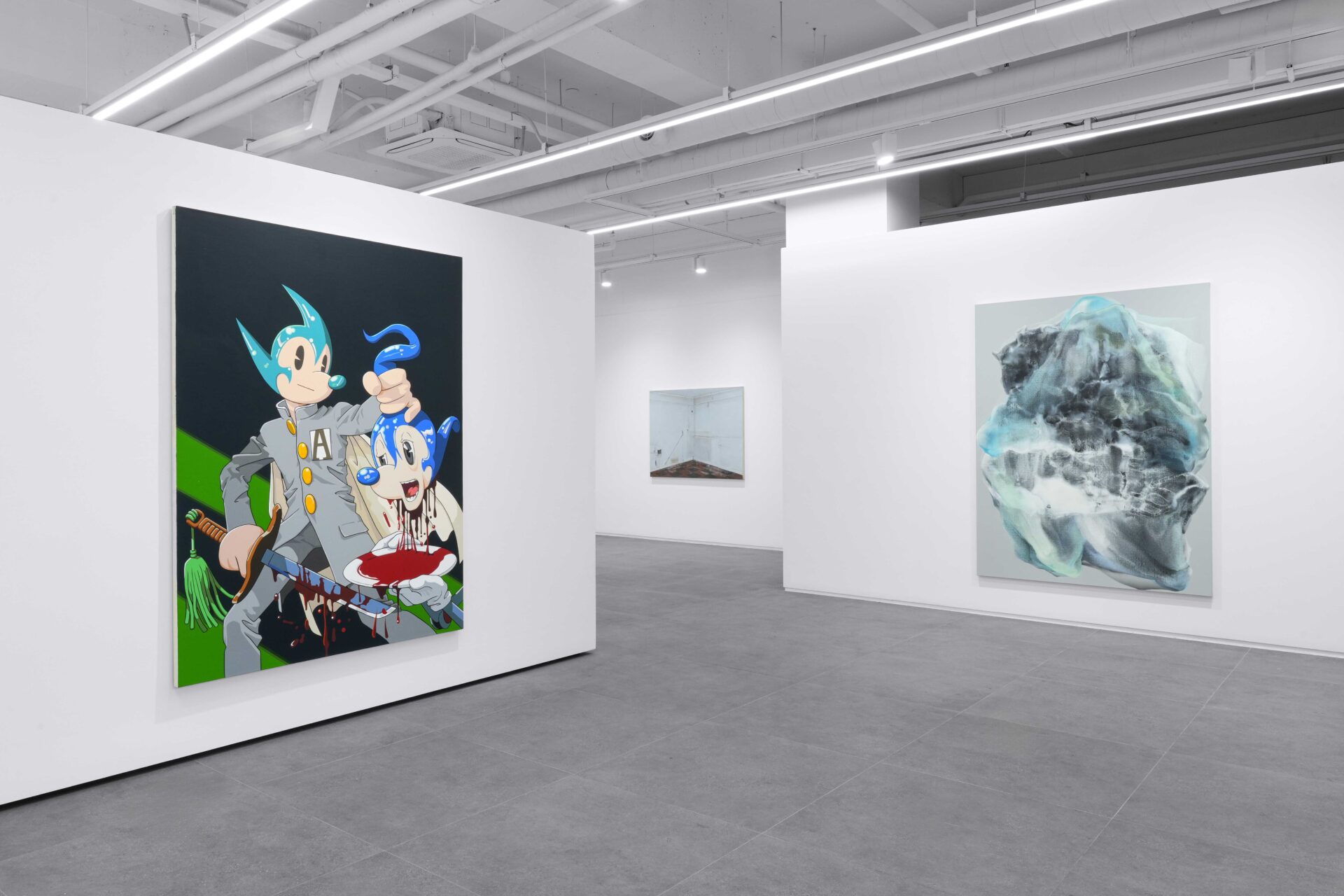
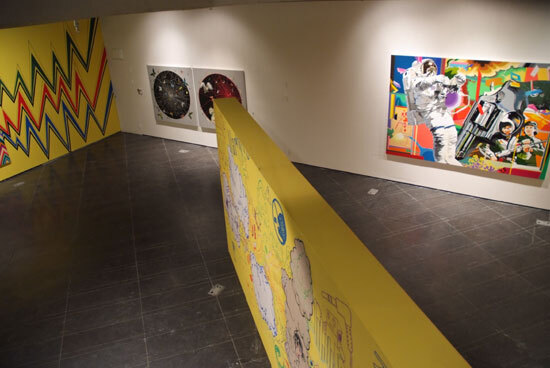
Installation view of 《Henkel Inno ART Project 2011》 © Korea Mecenat Association

◆ Three Artists of the Henkel Inno ART Project
 
The Henkel Inno ART Project, which proposes a different model of support, began with its inaugural exhibition held over two months starting in March at Alternative Space Loop.
 
The three artists selected for the first project were Lee Donggi, Yoo Seungho, and Hong Kyungtaek—representative mid-career artists who have been among the most active figures in the Korean art scene over the past decade.
 
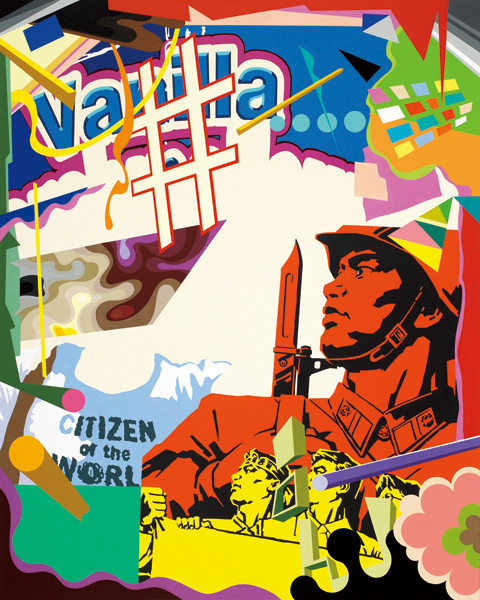
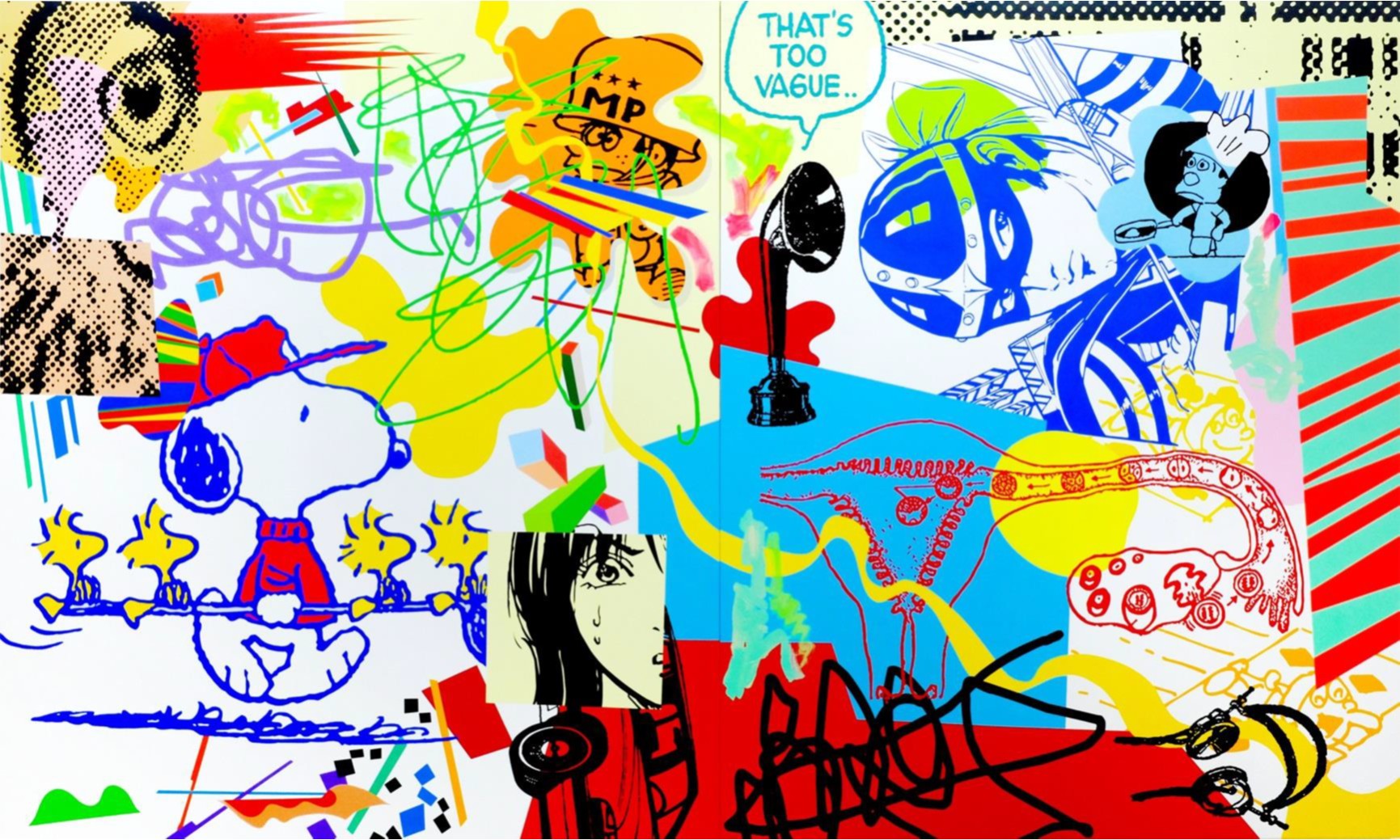
Lee Donggi is known as a pop artist for his character ‘Atomaus,’ a hybrid of Astro Boy and Mickey Mouse. The second artist, Yoo Seungho, creates paintings by repeatedly inscribing minute text across the surface of the canvas. The third artist, Hong Kyungtaek, produces paintings filled with intricate narratives embedded within patterned surfaces.
 
Henkel noted that although these artists have gained high public recognition through their active careers, critical evaluation of their work has been relatively limited. The company expressed hope that this exhibition would provide an opportunity to reassess their work from new perspectives and reestablish its aesthetic value.
 
Through this project, the three artists will attempt to move beyond their previous working methods and explore new approaches. Henkel emphasized that, regardless of the outcome, the act of breaking away from established frameworks and pursuing change itself holds significant meaning.

 
◆ What Henkel Envisions for “Henkel Inno ART”


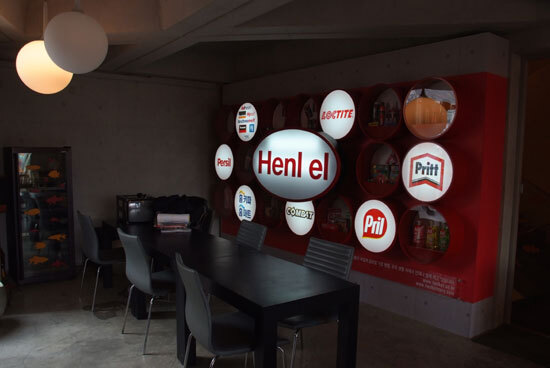
Installation view of 《Henkel Inno ART Project 2011》 © Korea Mecenat Association

Through this program, which represents a new challenge, Henkel envisions a particular outcome: fostering the transformation and growth of selected artists, while presenting a model of creative collaboration between corporations and art institutions.
 
Kim Nayeon, Assistant Manager of Corporate Communications at Henkel, stated, “In this era of a ‘dream society,’ where cultural strength leads to economic strength, there are many projects that bring corporations and art together. However, most have failed to resolve the imbalance that arises when business professionals prefer popular art while artists pursue experimental practices.”
 
Accordingly, the Henkel Inno ART Project aims to bridge this gap by encouraging a shared ground between accessibility and experimentation, ultimately establishing a model for creative collaboration between industry and the art world.
 
Starting this year, Henkel plans to select and support three artists annually, present a two-month exhibition, and publish a portfolio-style catalogue to document and preserve the history of 21st-century Korean contemporary art. In addition, the project will encourage ongoing dialogue and development through online exhibitions and community-building initiatives.
 
Furthermore, Henkel’s international network is expected to support Korean artists’ expansion into Europe. The company stated, “We aim to develop into a multidimensional international project by promoting overseas exhibitions, seminars, and exchanges.”
 
It is hoped that the Henkel Inno ART Project will serve as a catalyst for a new artistic movement led by this “sandwich generation” of artists.

References