





Solo Exhibitions (Brief)
Hur
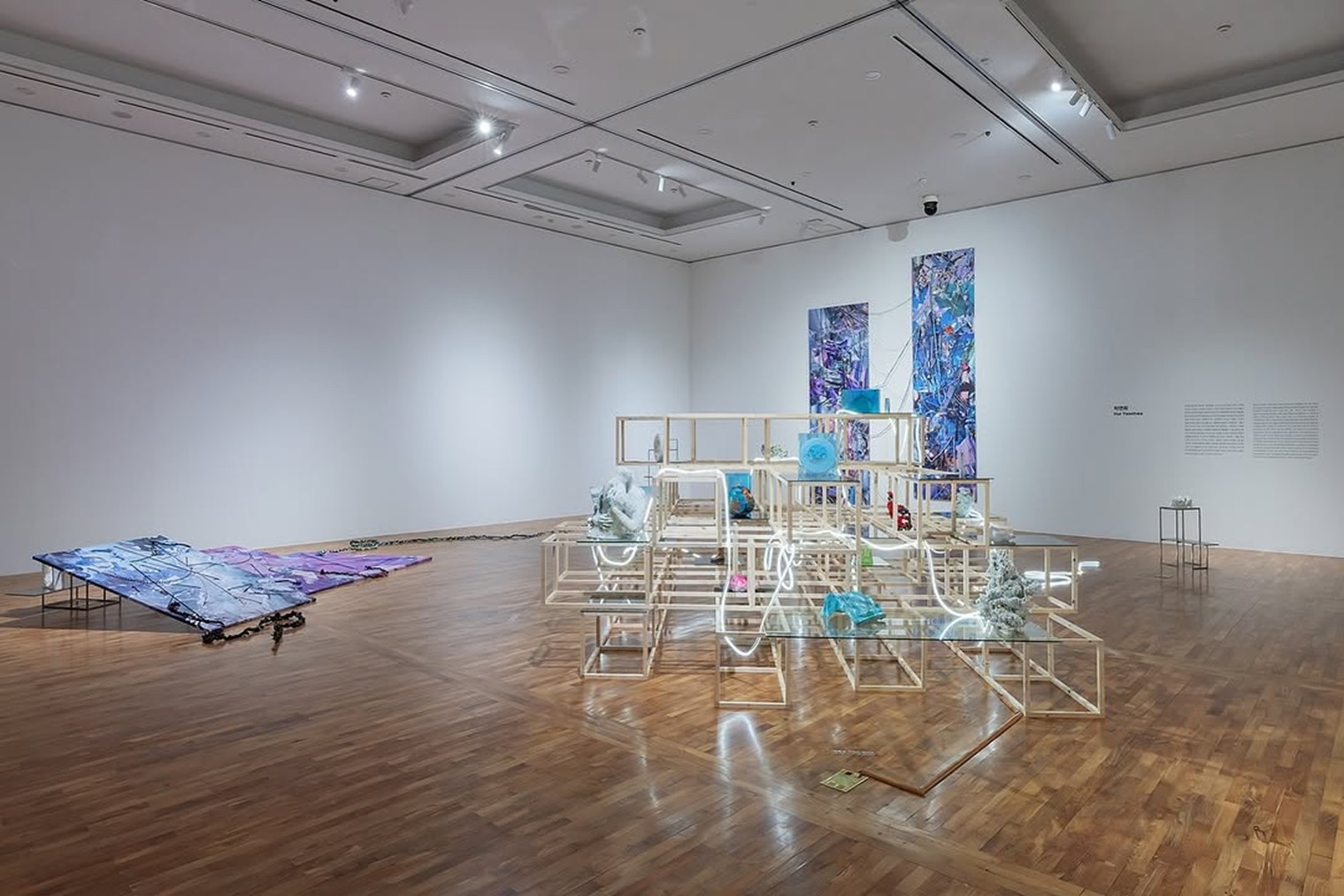
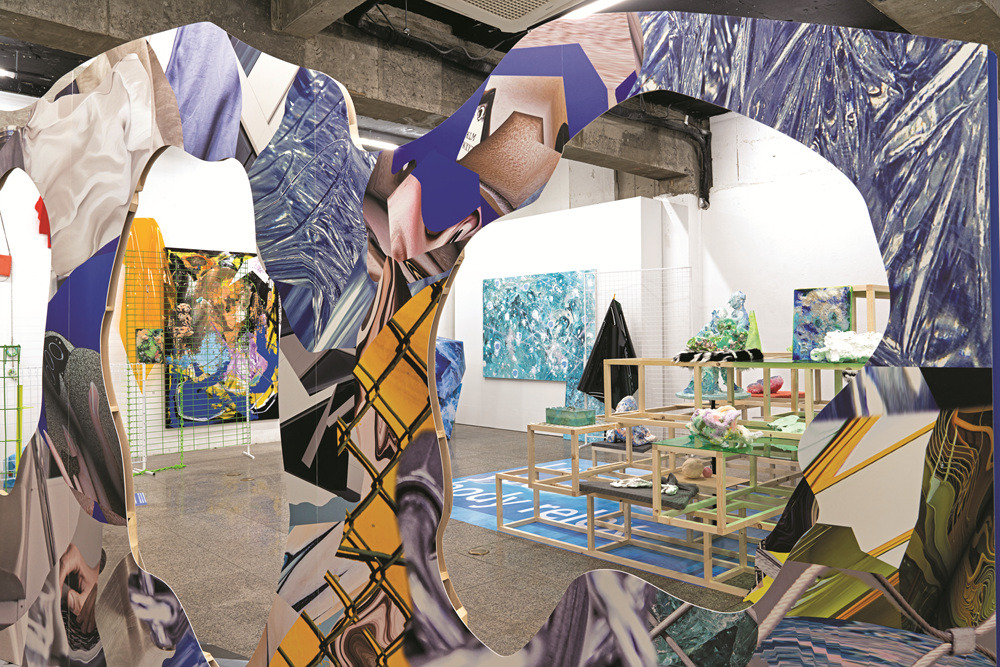
has held solo exhibitions including 《The Skin of
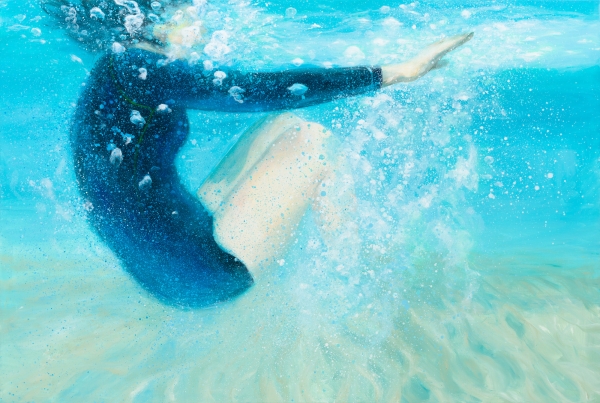
Waves》 (Bucheon Art Bunker B39, Bucheon, 2025), 《Blue Lung》 (GalleryMEME, Seoul, 2024), 《Swimming Time》 (Gallery Minjeong, Seoul,
2022), 《Floating people》 (Post
Territory Ujeongguk, Seoul, 2021), and 《Summer Squeeze》 (Exhibition Space, Seoul, 2020).
Group Exhibitions (Brief)
Hur
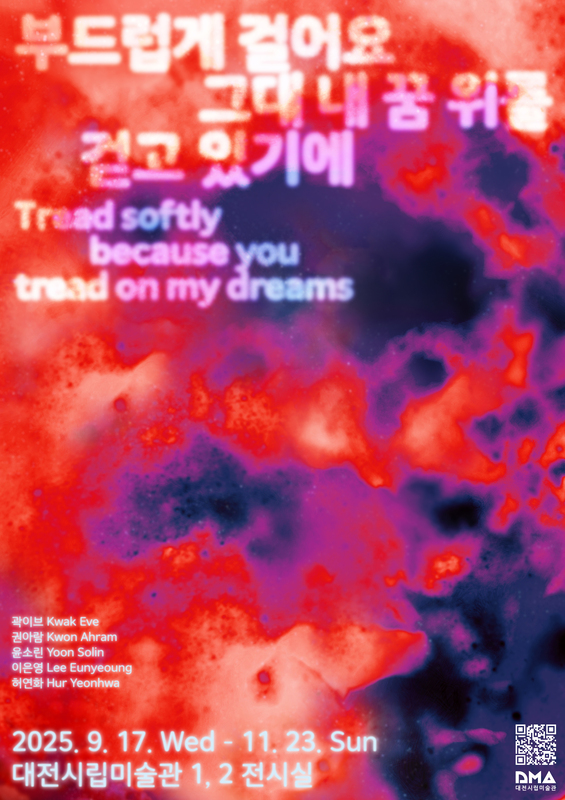
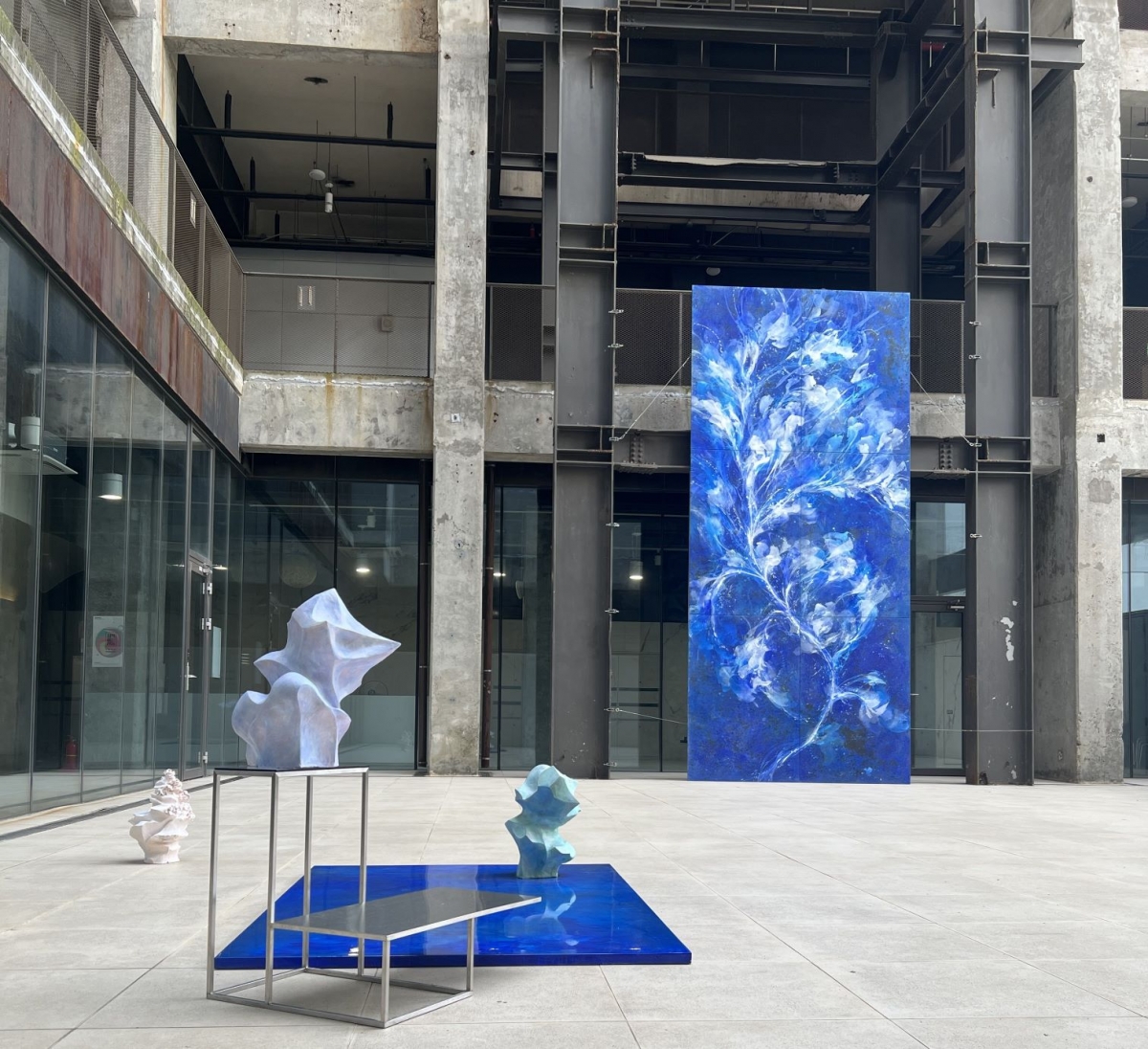
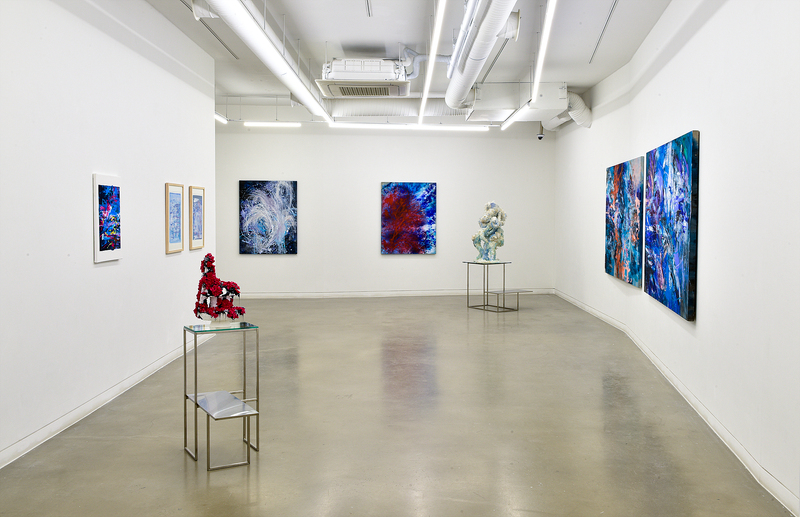
has also participated in numerous group exhibitions, including 《Tread softly because you tread on my dreams》
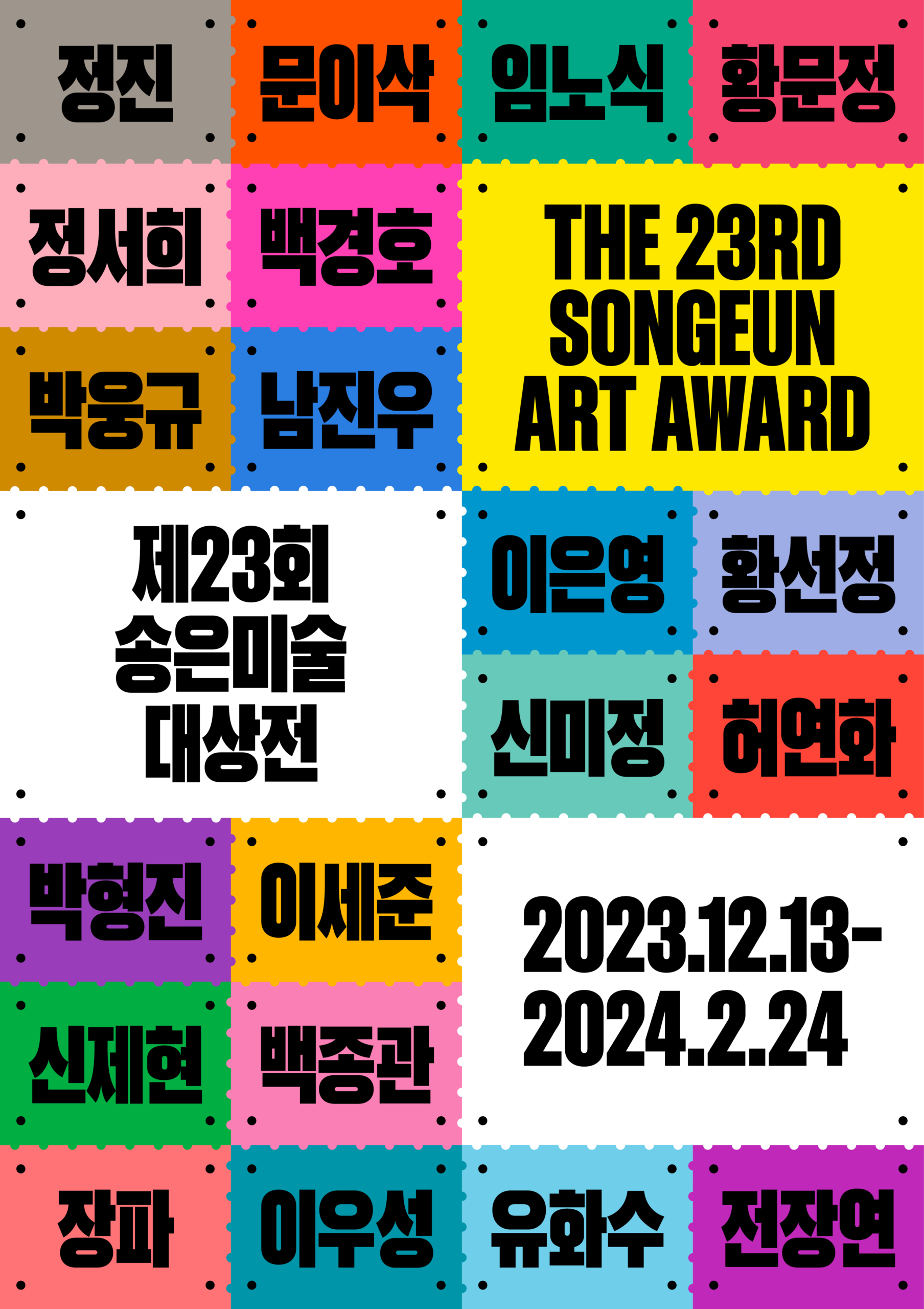
(Daejeon Museum of Art, Daejeon, 2025), 《Ecocycle》 (KORNFELD Galerie Berlin, 68projects, Berlin, 2025), 《The 23rd SONGEUN Art Award Exhibition》
(SONGEUN, Seoul, 2023), 《The Other Face of Material》 (Seojeong Art, Seoul, 2023), 《inter-face》 (Perigee Gallery, Seoul, 2022), and 《No
Space, Just a Place. Eterotopia》 (Daelim Museum, Seoul,
2020), among others.
Residencies
(Selected)
Hur also participated in the residency
program Deer Hunt at Art Forum Rhee (Bucheon, 2018).
Collections
(Selected)
Hur
Yeonhwa’s works are held in the collections of the Yangpyeong Art Museum and
the Museum Department of Seoul City Hall.