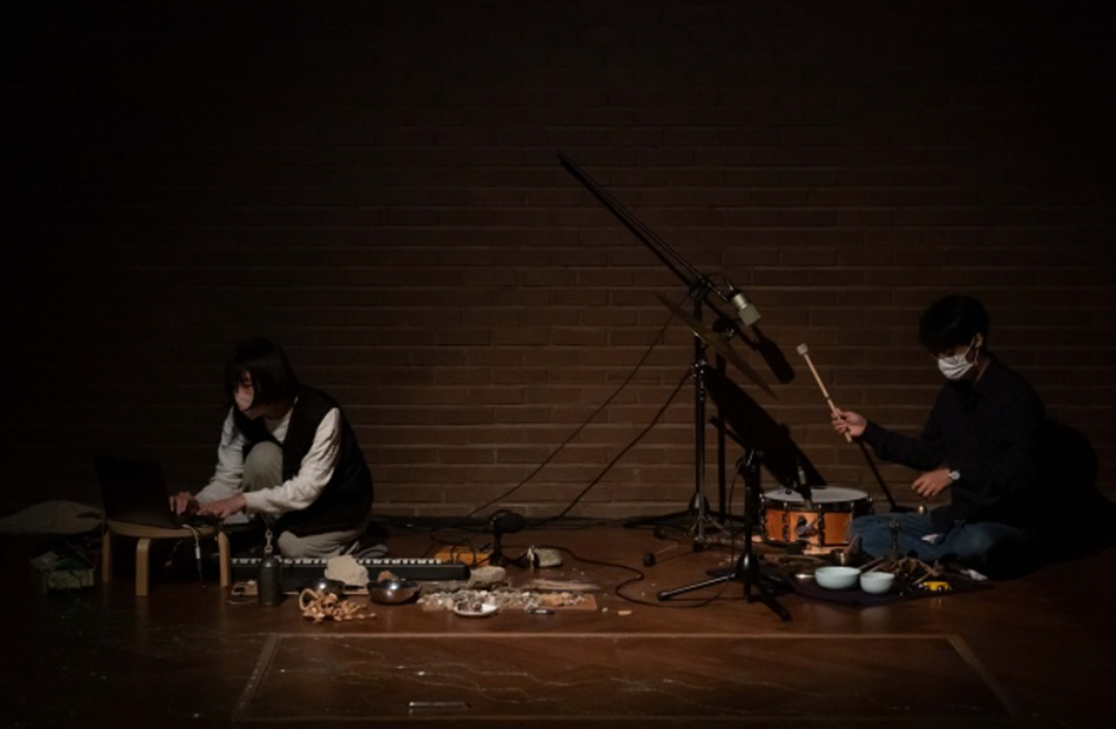
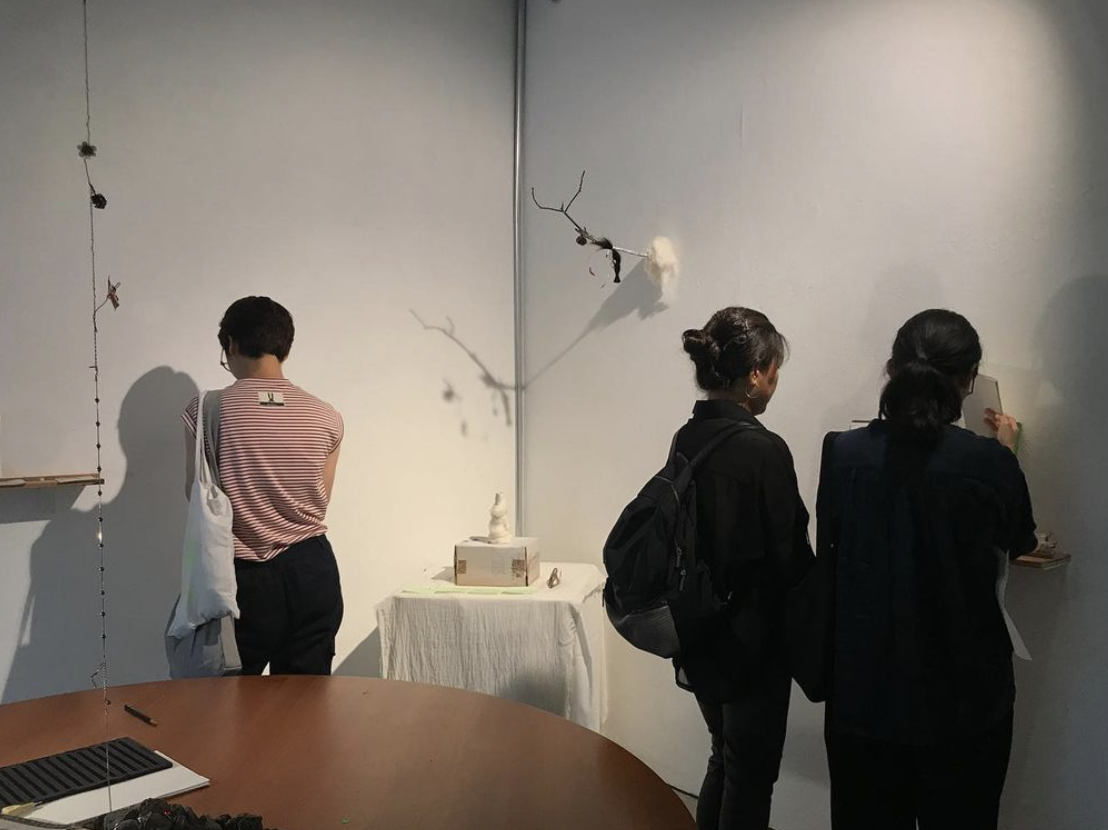
A
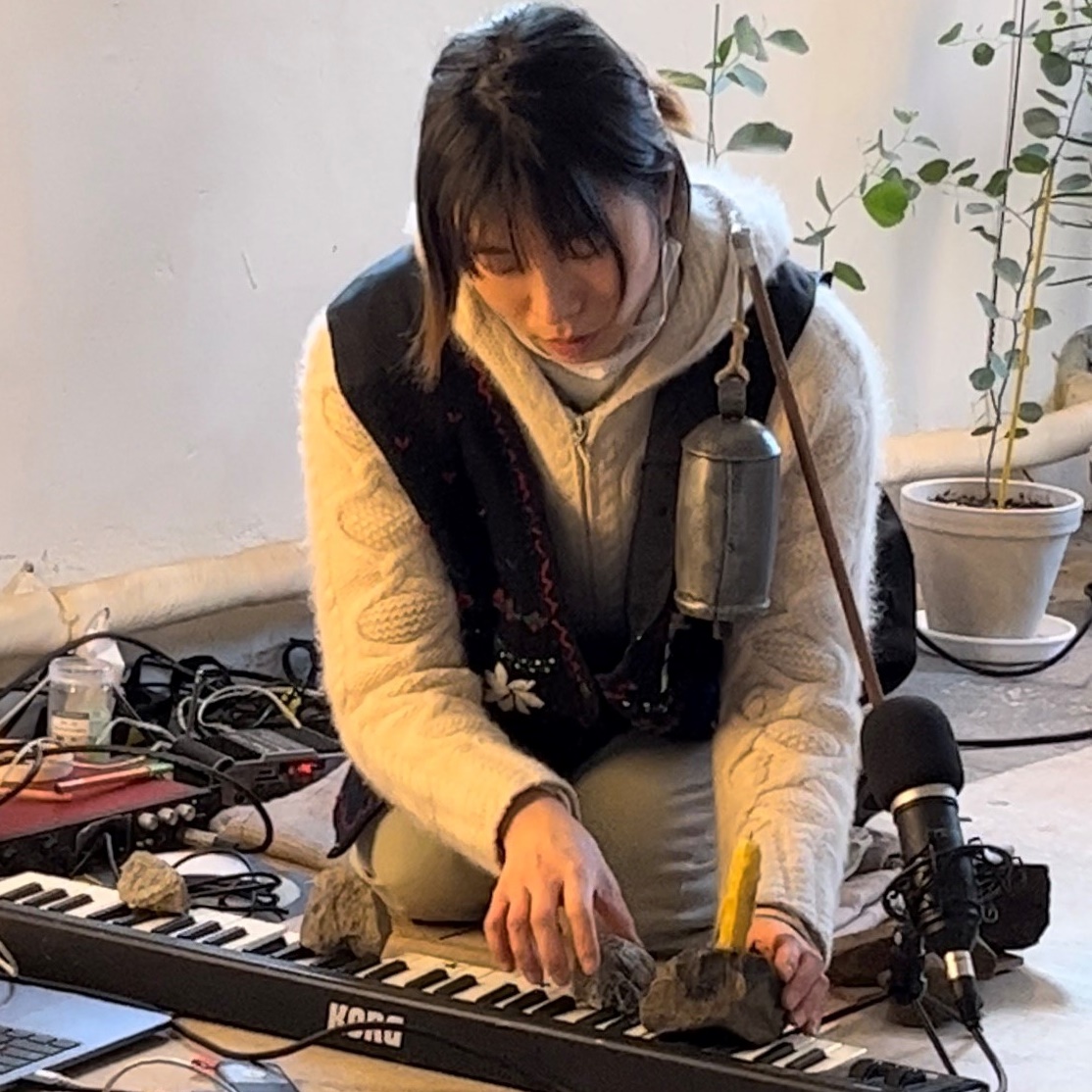
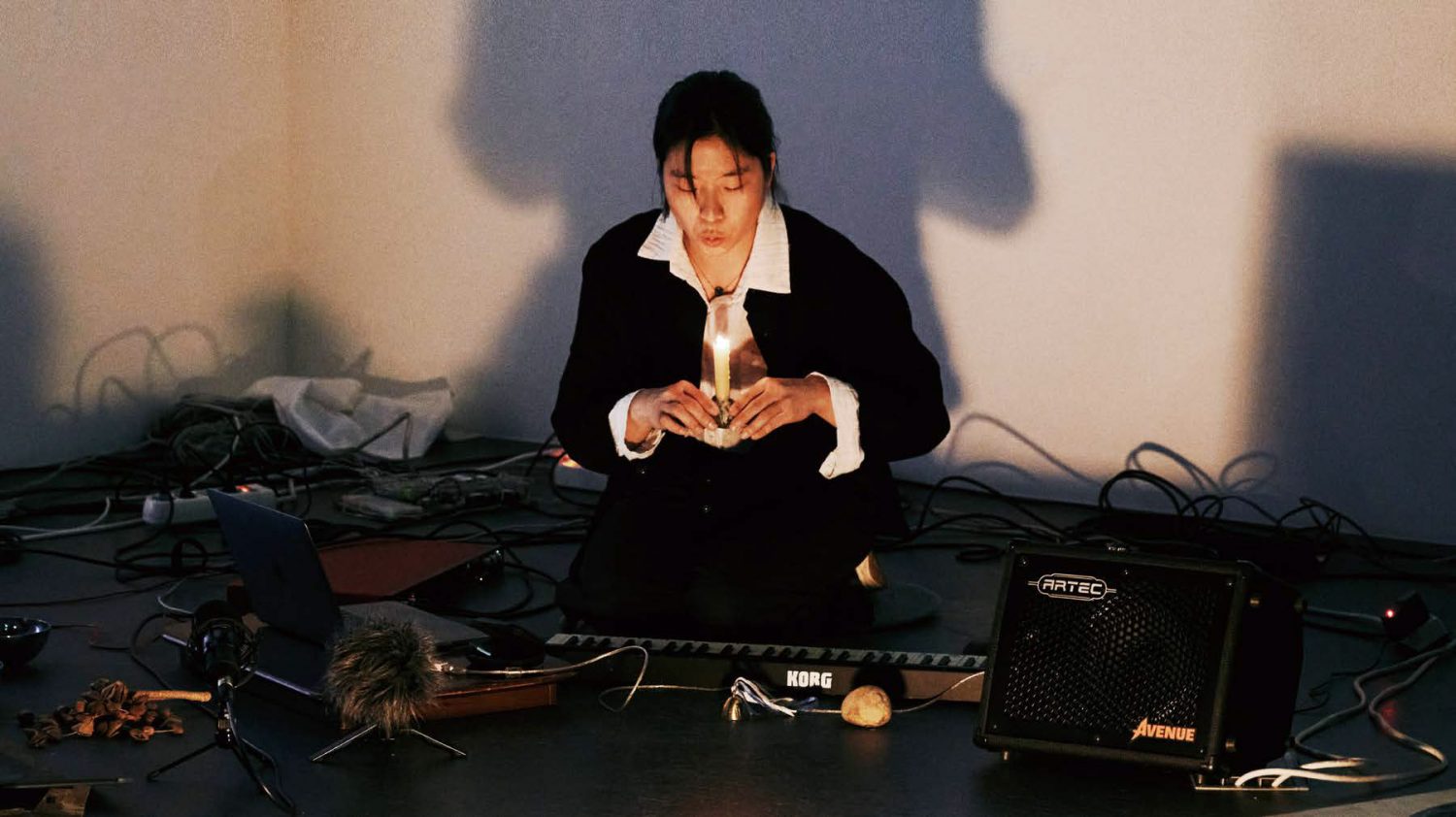
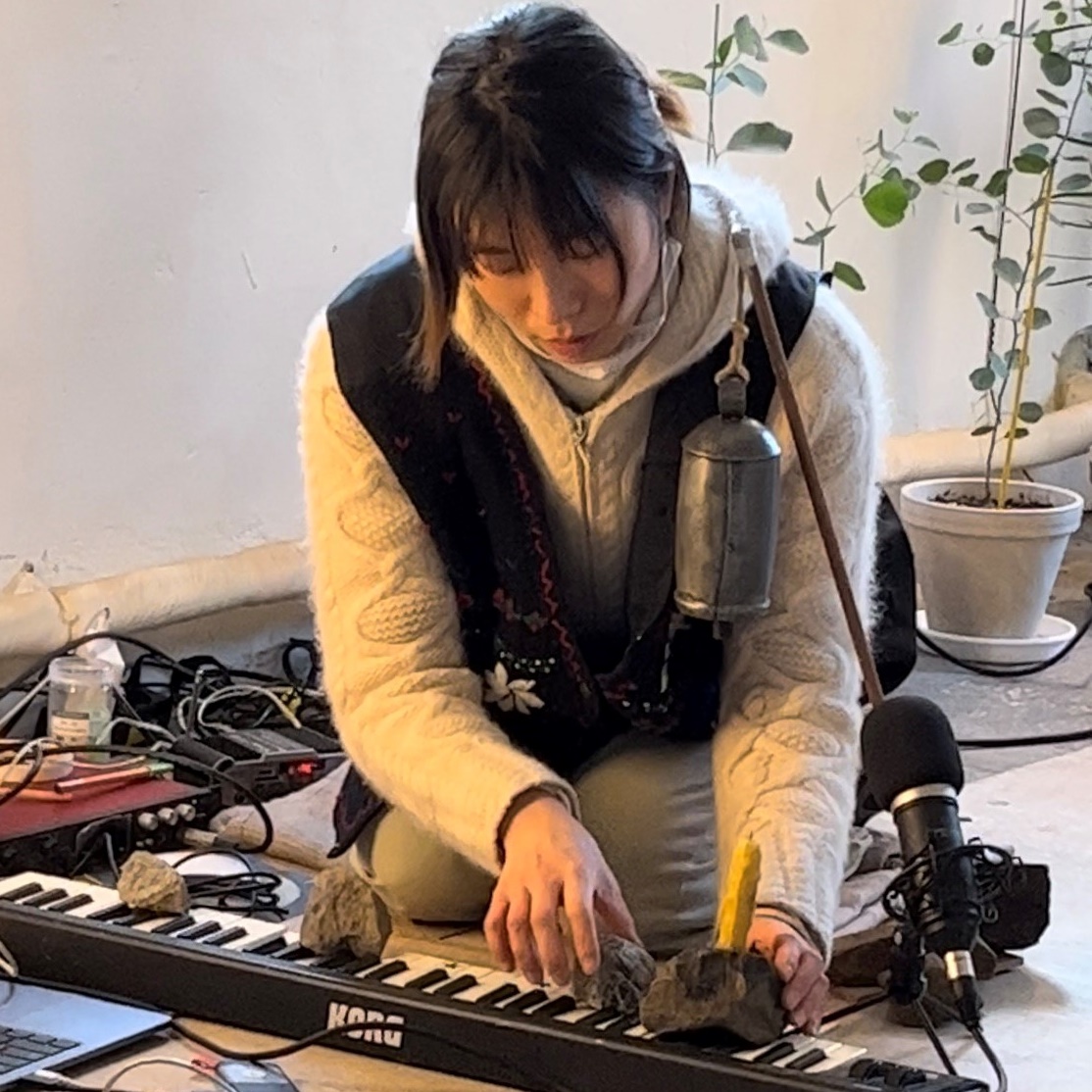
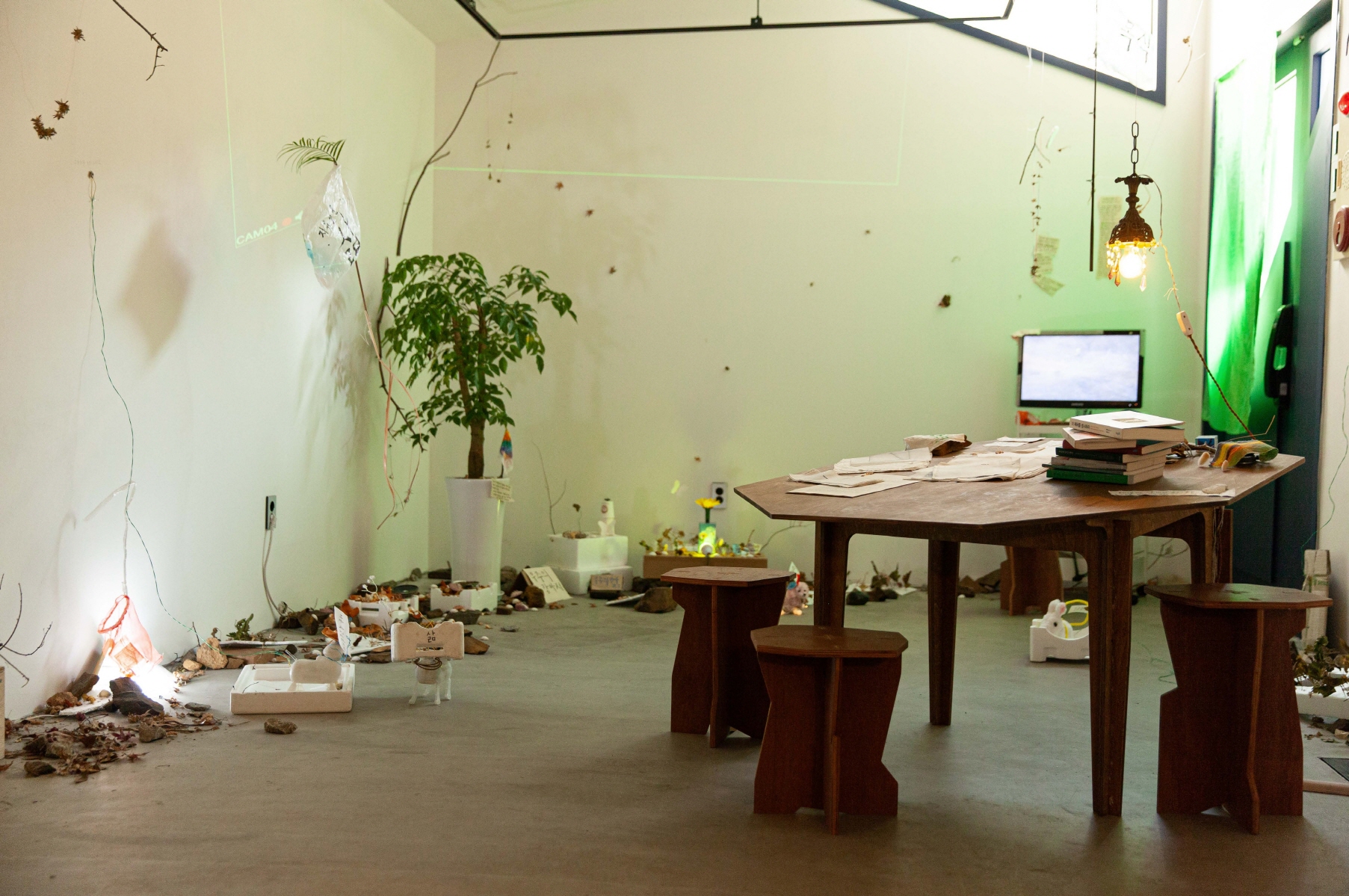
dim space. Someone is sitting in front of a keyboard placed on the floor.
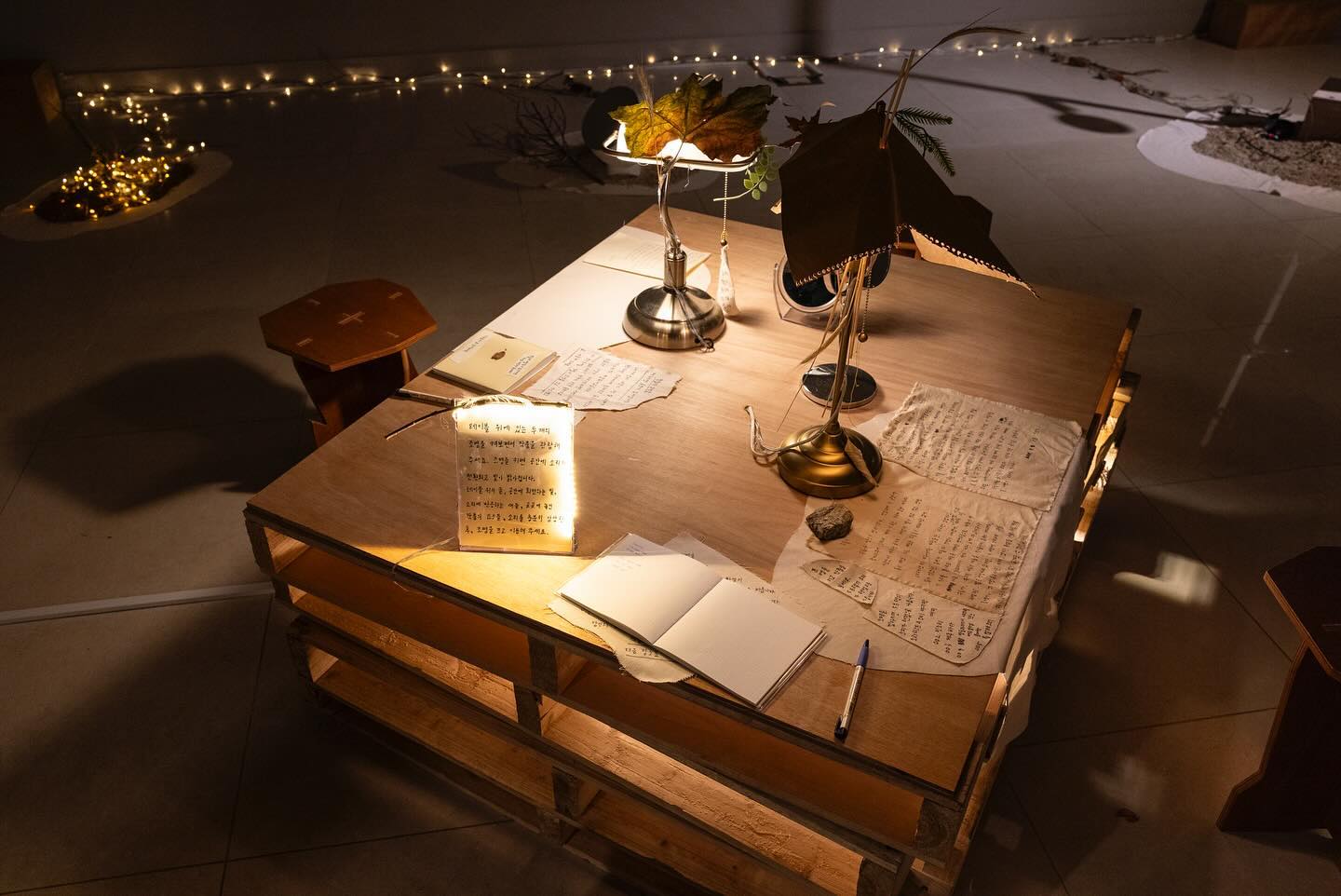
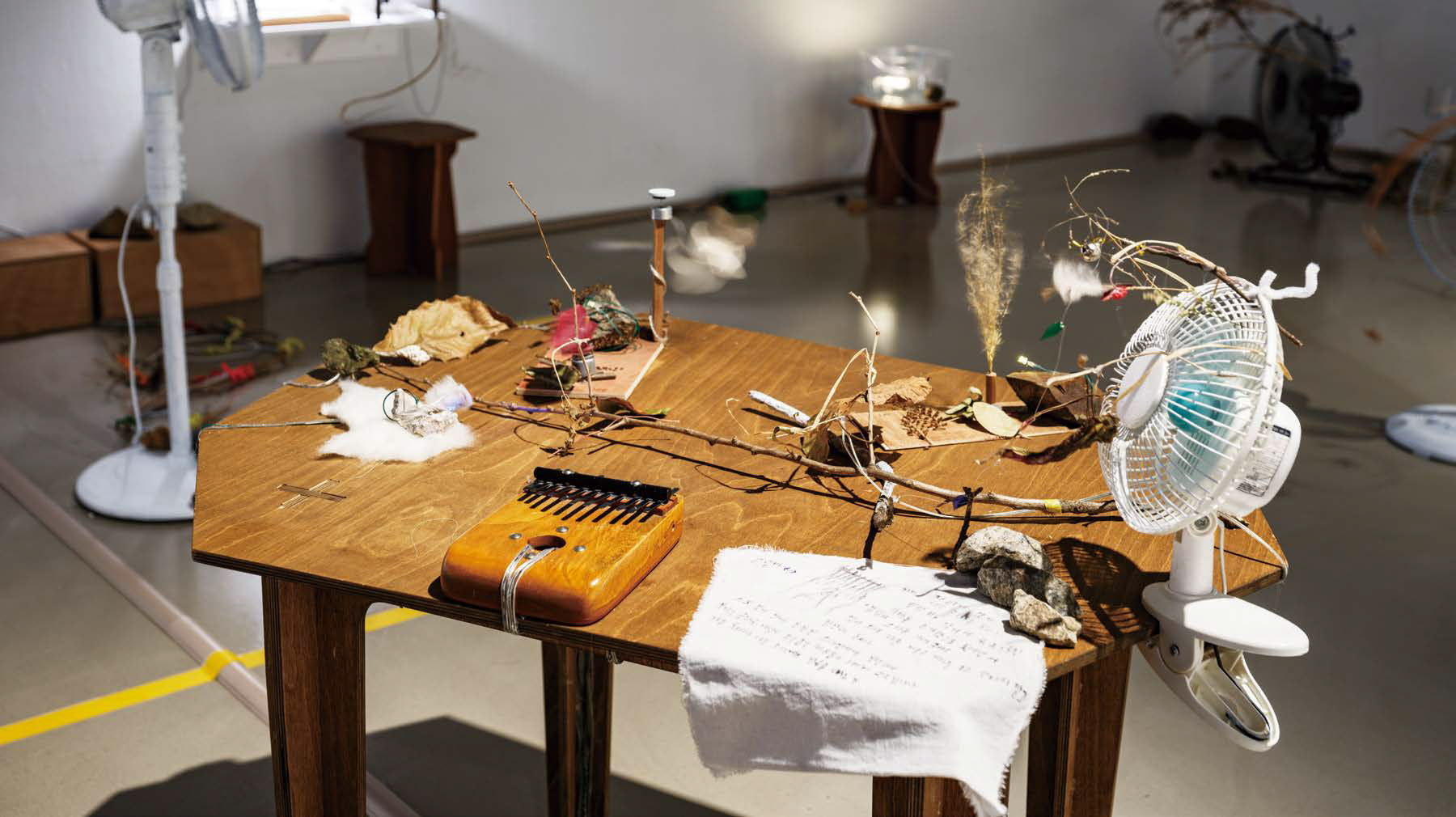
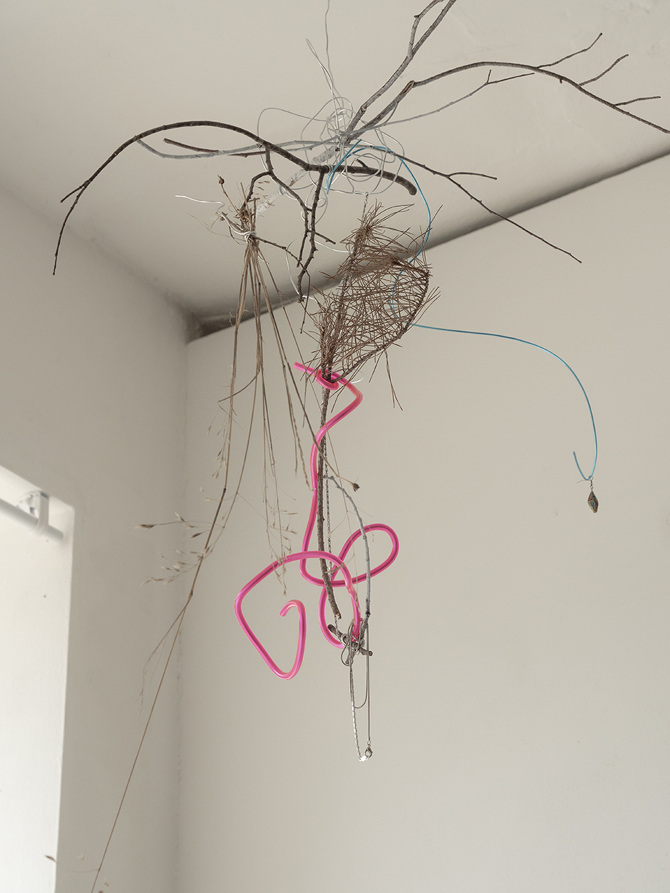
Around them are branches, blades of grass, an electric fan, a water tank, small
stones, and exotic instruments such as a singing bowl and kalimba. Before a
small gathering of spectators, the performer quietly lights a candle, signaling
the start of the performance, and places a small stone—holding the memory of
the place—on a key. As the stone presses the key with its own weight, a sound
emerges.
Around it, everyday fragments without functional purpose overlap with
instruments, generating new resonances one by one. Depending on the carefully
pressed keys, the sound of birds, the clash of wind chimes, the noise of
traffic, the rustling of branches in the wind, and the soft flow of a stream
fill the space, vibrating the air together with the electronic tones of a
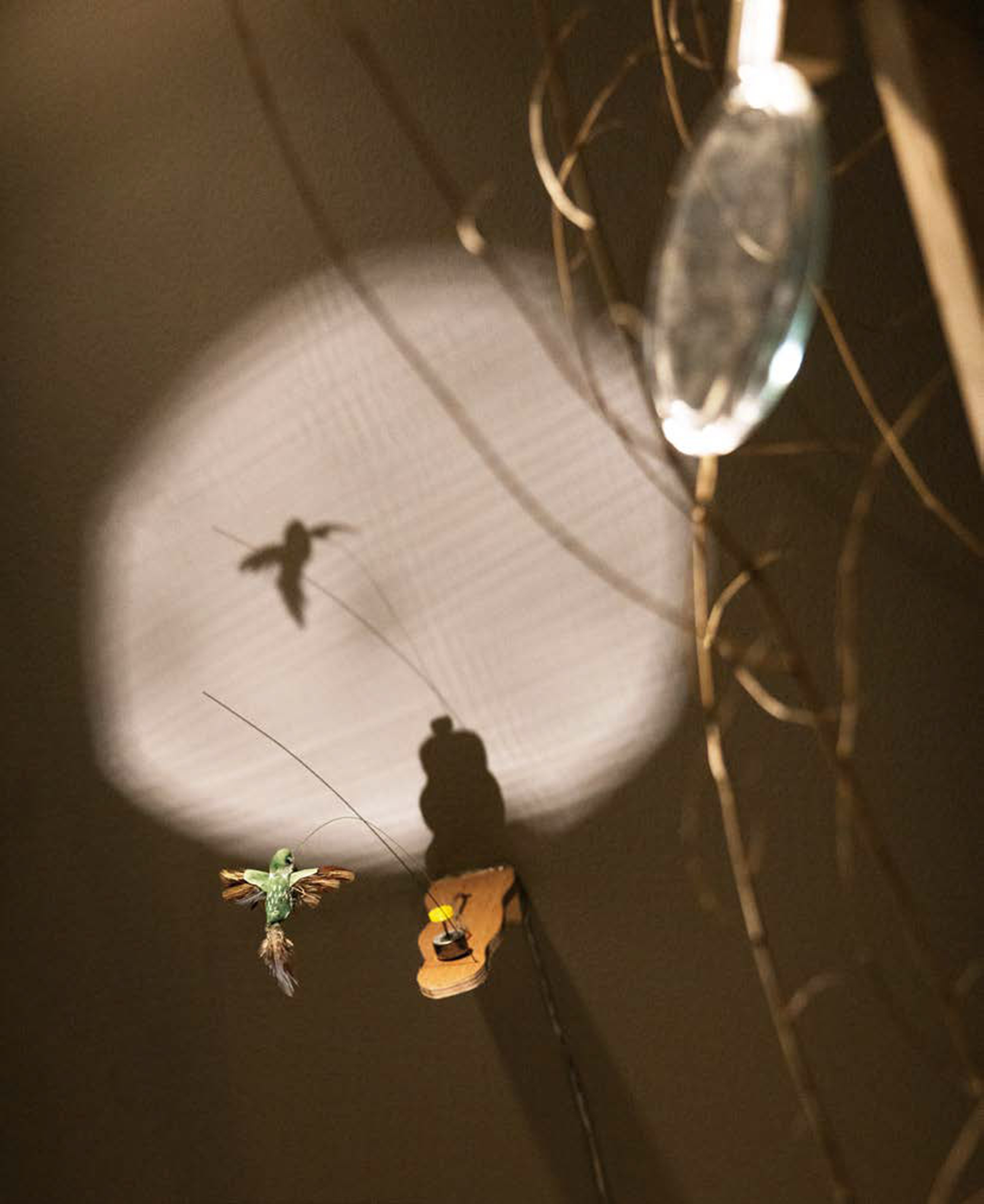
synthesizer. The fan turns, and a butterfly model—with a small light and motor
attached—makes the air stir.
These
sounds were collected during her journeys following sites of conflict, or from
places where she met Rohingya refugees, as well as from moments of solidarity
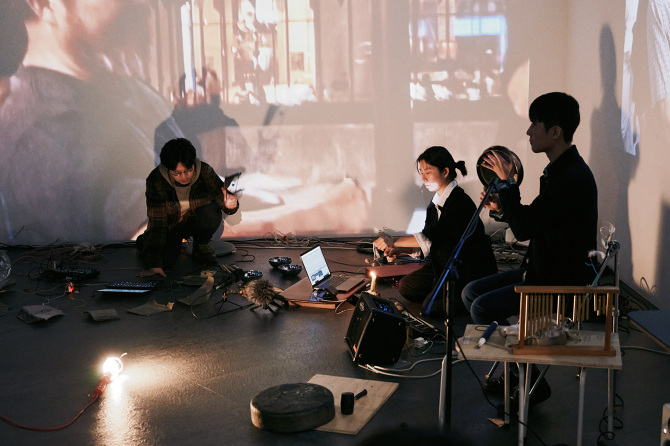
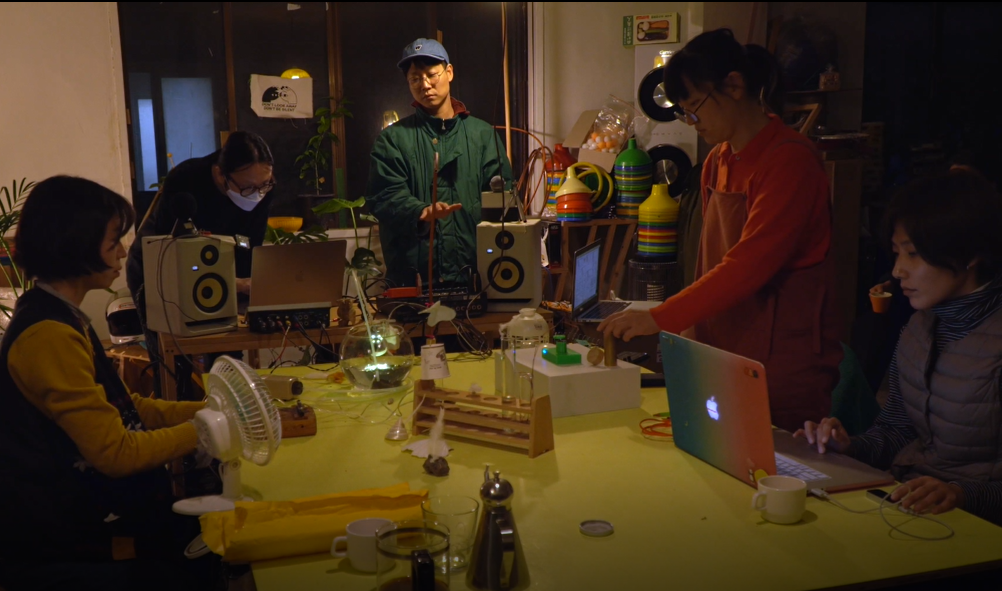
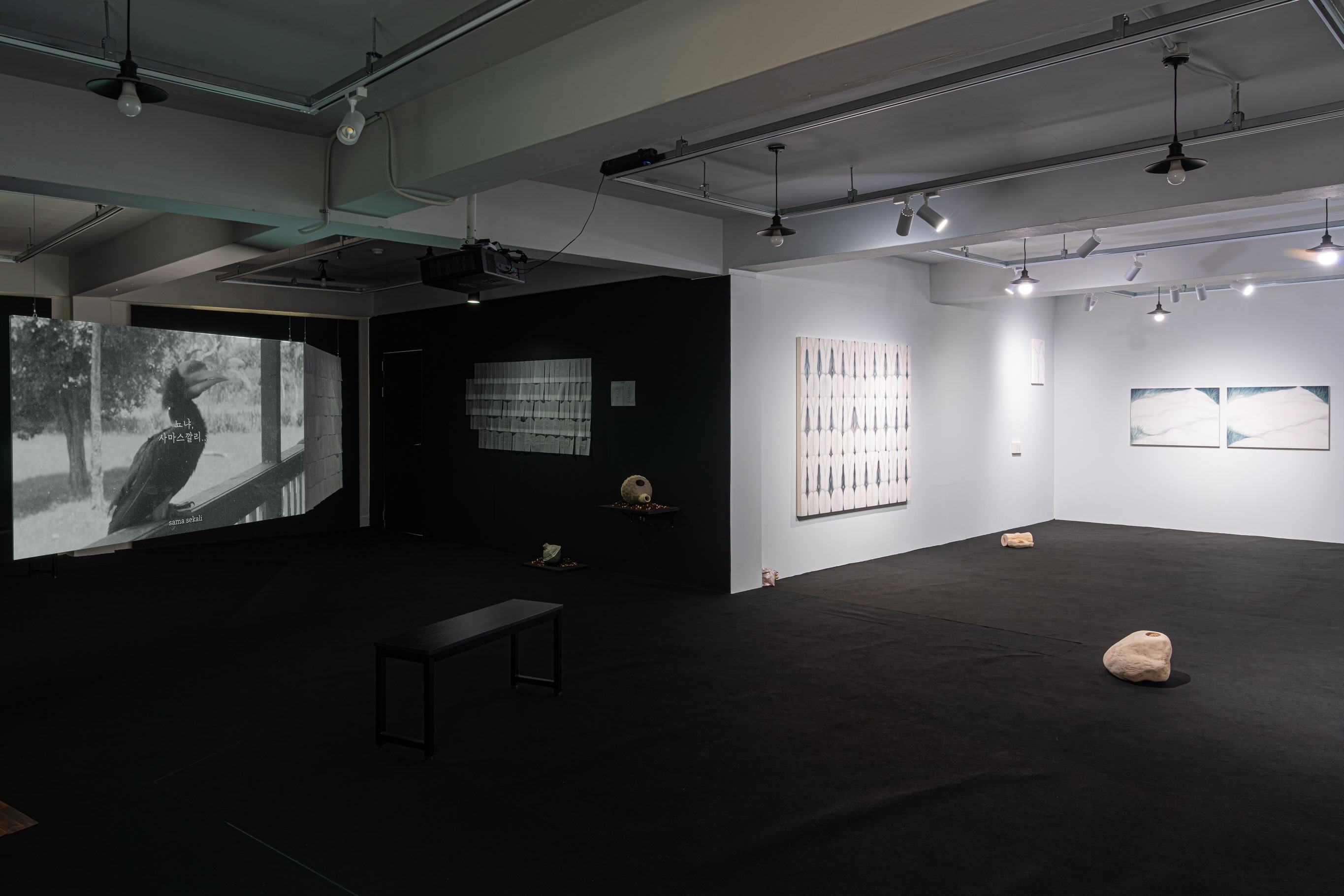
shared with colleagues. From the performance Stone, Light, Wave at
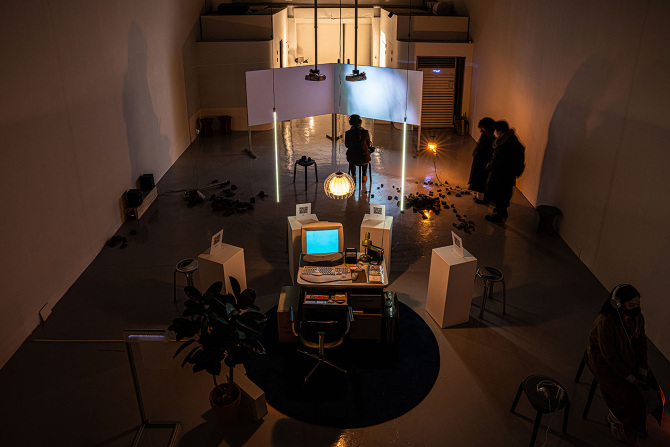
Art Space Boan in 2021 to the opening and closing performances at 《We Are the Sea》, an exhibition commemorating
the 10th anniversary of the Sewol Ferry disaster at Gyeonggi Museum of Art in
2024, each variation in collaborators and composition has always amplified the
energy of what is considered “minor.” The audience resonates with a moment that
no one can clearly define — one that belongs to their own lived experiences.
With small lights, air, breaths, and the subtle vibrations they create.
The Power of Small Things: Light, Shadow, Stones, Movement
Oro
Minkyung has consistently explored ways of seeing the world and of protecting
herself and her companions within it. At the heart of her work are “small
things”: light, shadow, air, and sound — essential for our existence, yet
easily forgotten in their influence and power.
Right
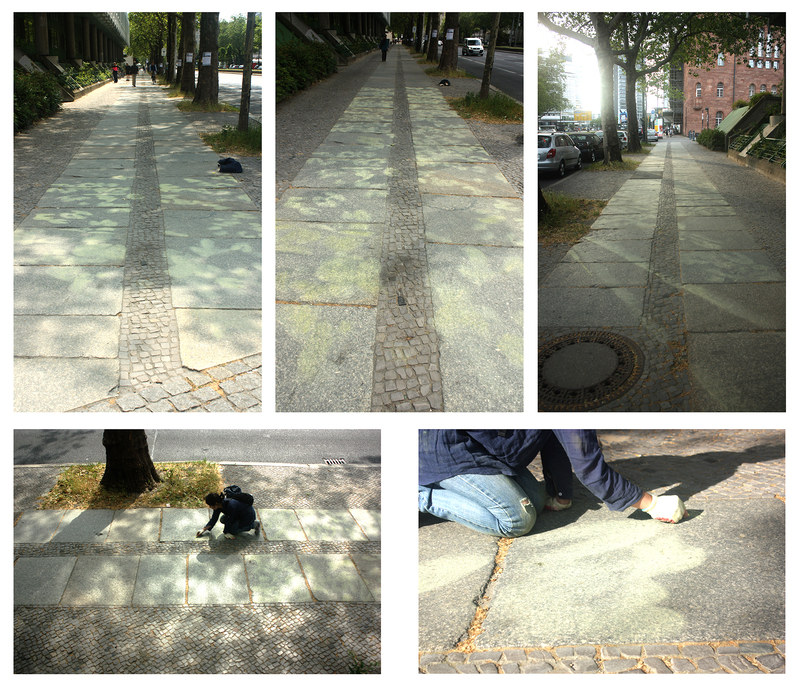
after graduating, she presented Hold on (2010),
following the shape of light along roads and filling it in with chalk, tracing
changes of light and shadow. The light naturally disappeared over time, yet the
remaining marks revealed the inherent strength in the act of capturing a
fleeting moment.
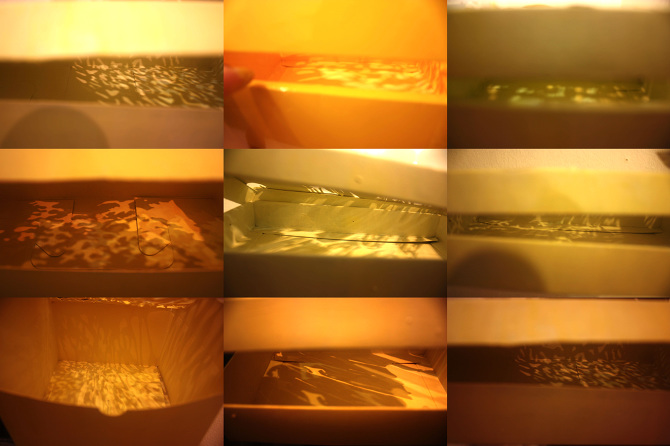
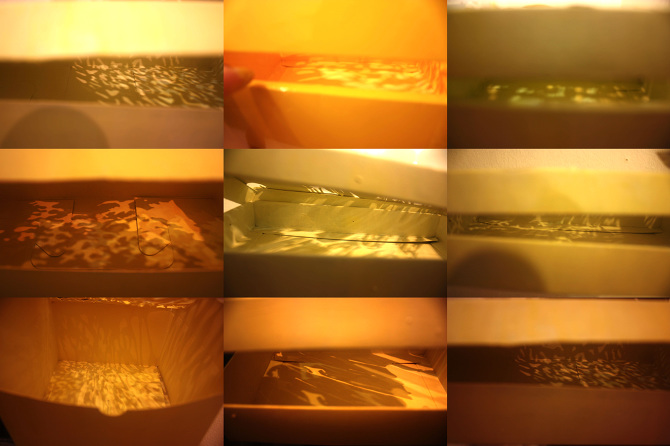
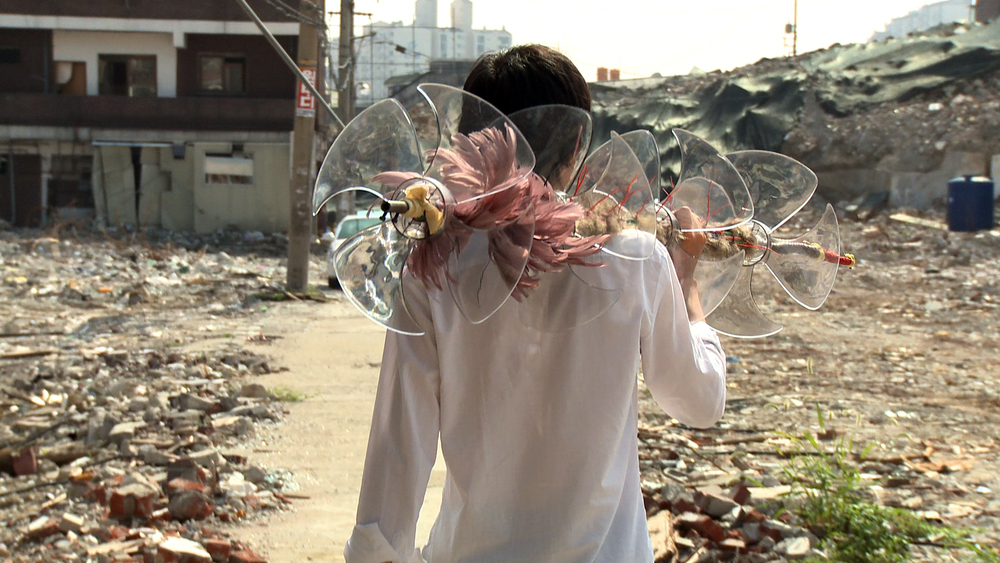
In Put the Moment into (2010), created in the
Ahyeon-dong redevelopment area, she sought a way to remember disappearing
spaces. She enclosed the landscapes reflected through the outer walls and windows
of buildings slated for demolition into a box. Small holes were made where the
light touched, and the light flowing through those tiny gaps made the images of
the landscape appear — like a shadow play inside the box. These works laid the
foundation for her practice: breathing life into things that vanish, and
prompting us to look at them again.
With
time, her interest shifted from “recording a fixed form” to “capturing the
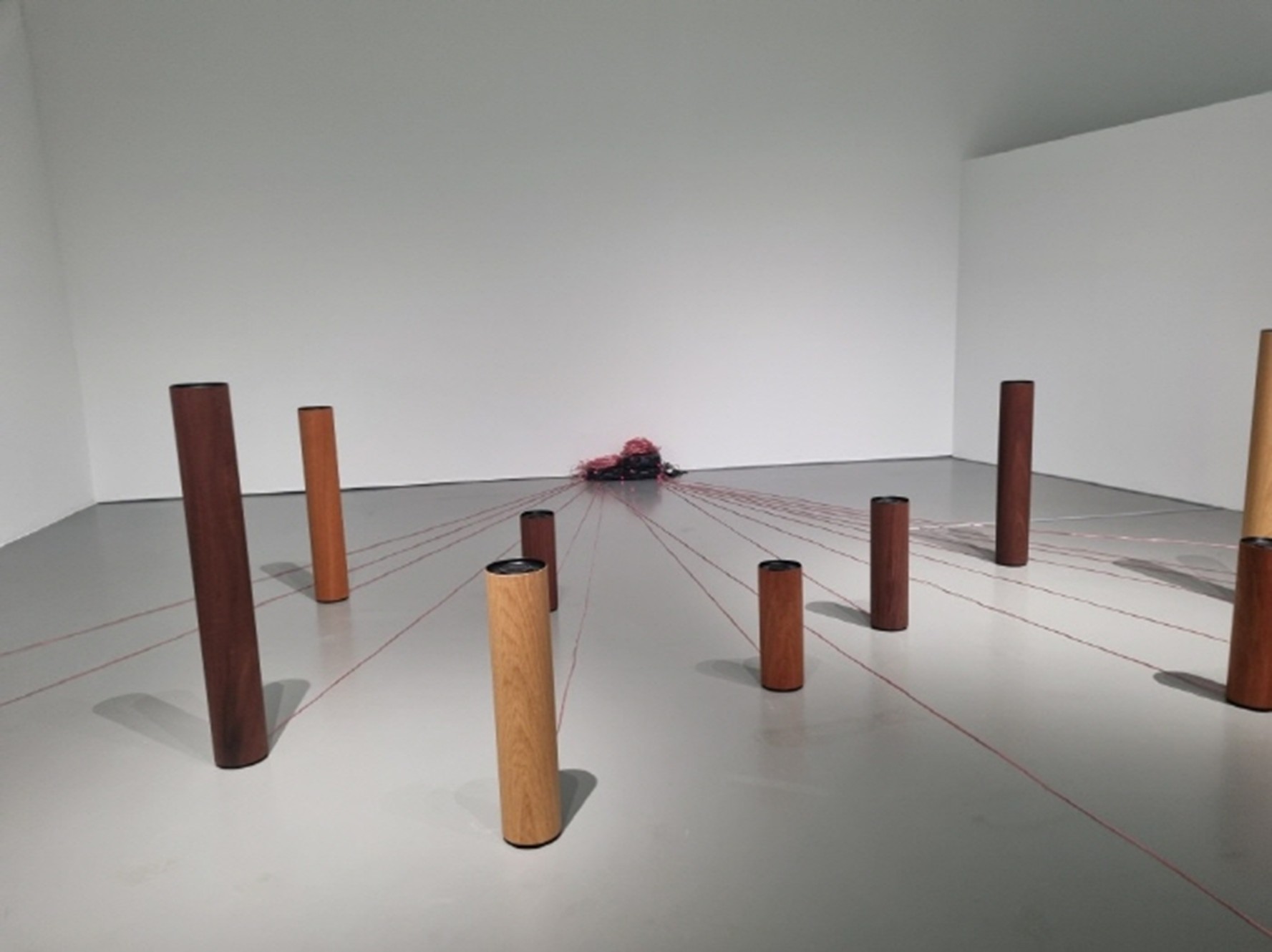
transformation itself.” In Each Heart, Listening (2010,
Busan Open Space Bae), she transformed the ticking motion of a clock hand into
sound, allowing us to sensorially perceive the subtle vibrations overlooked in
everyday life. The work prefigures her later spatial and sonic sensibilities.