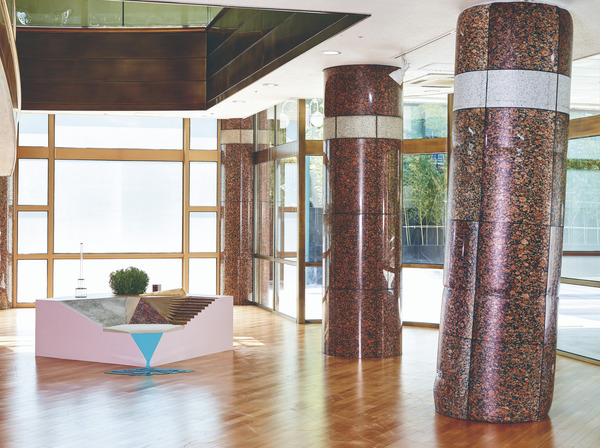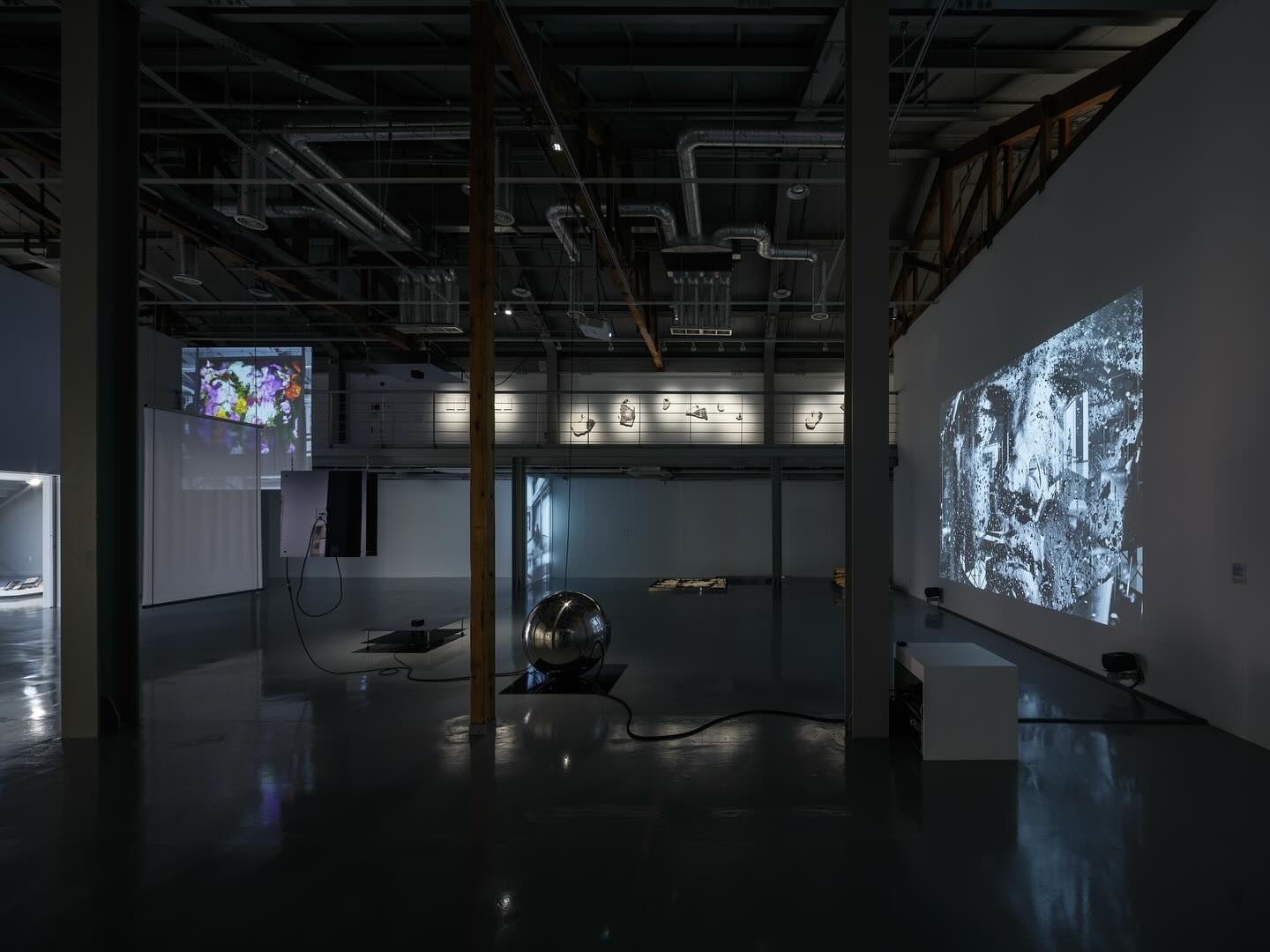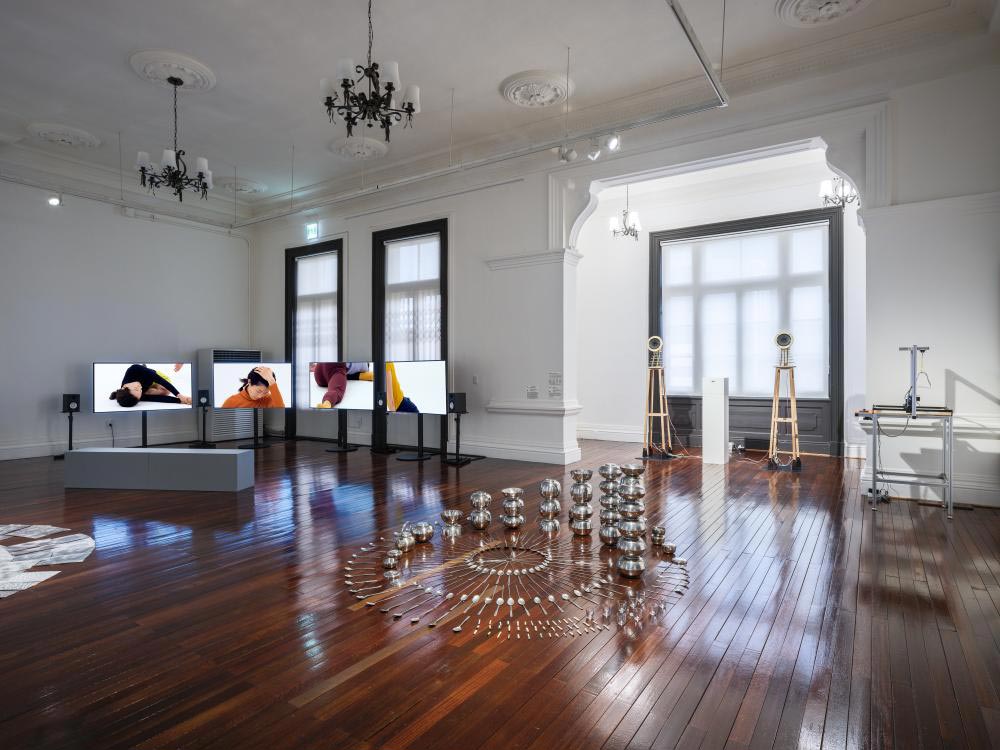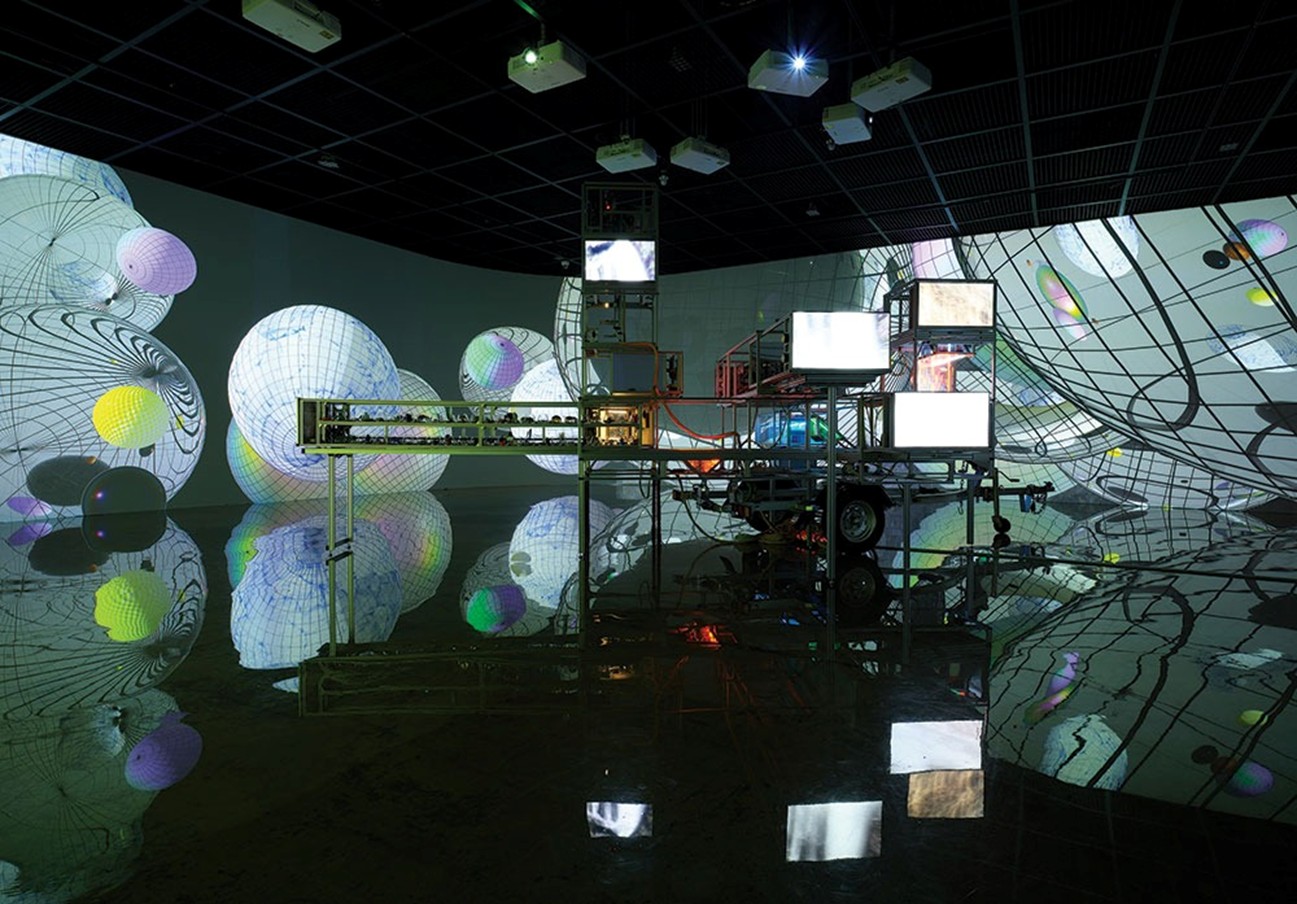

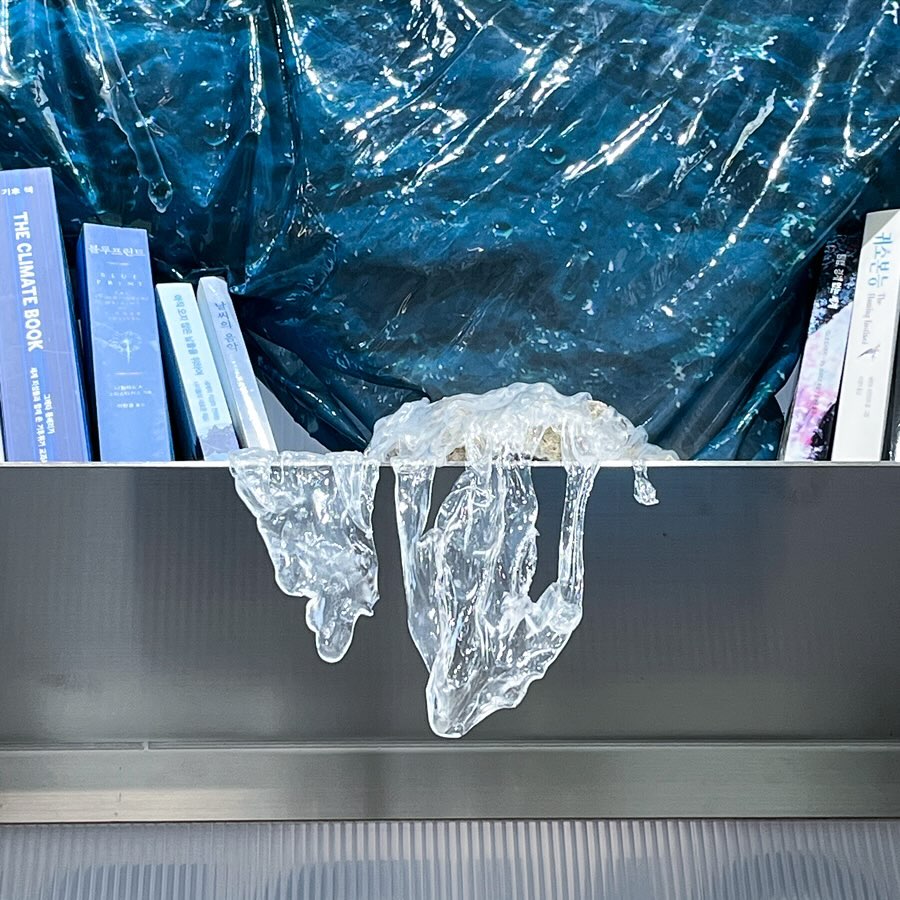
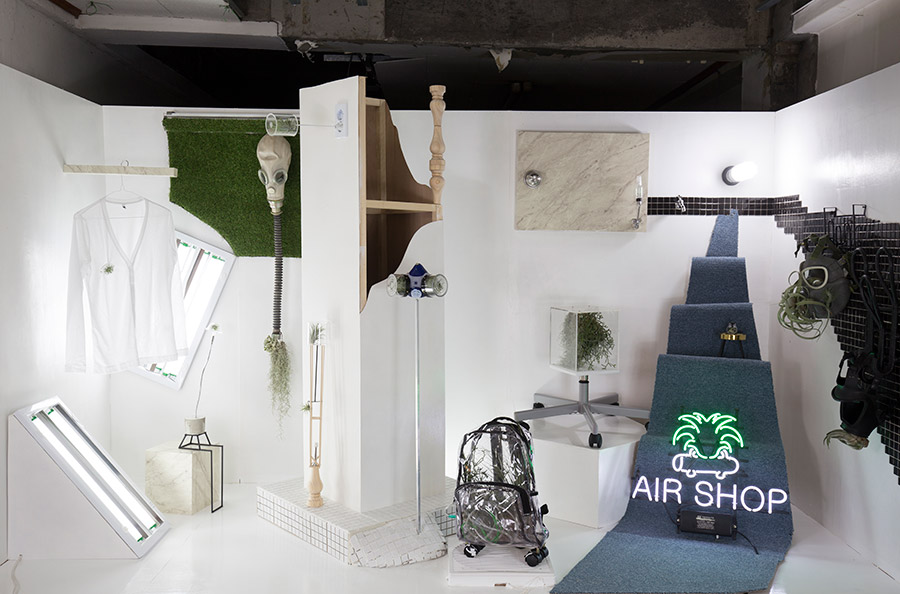
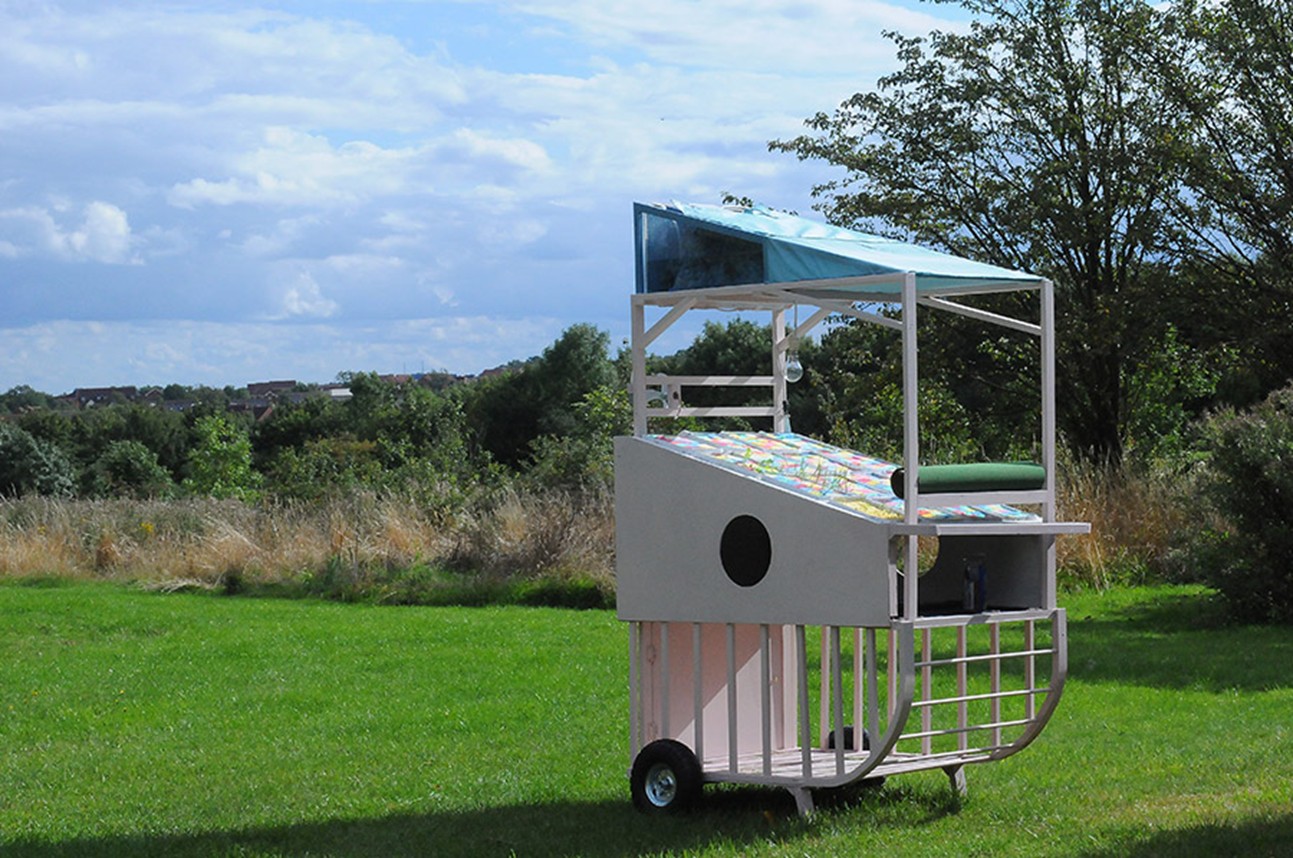
Installation view of 《Non-Affection for the City》 (SONGEUN Art Cube, 2018) ©SONGEUN

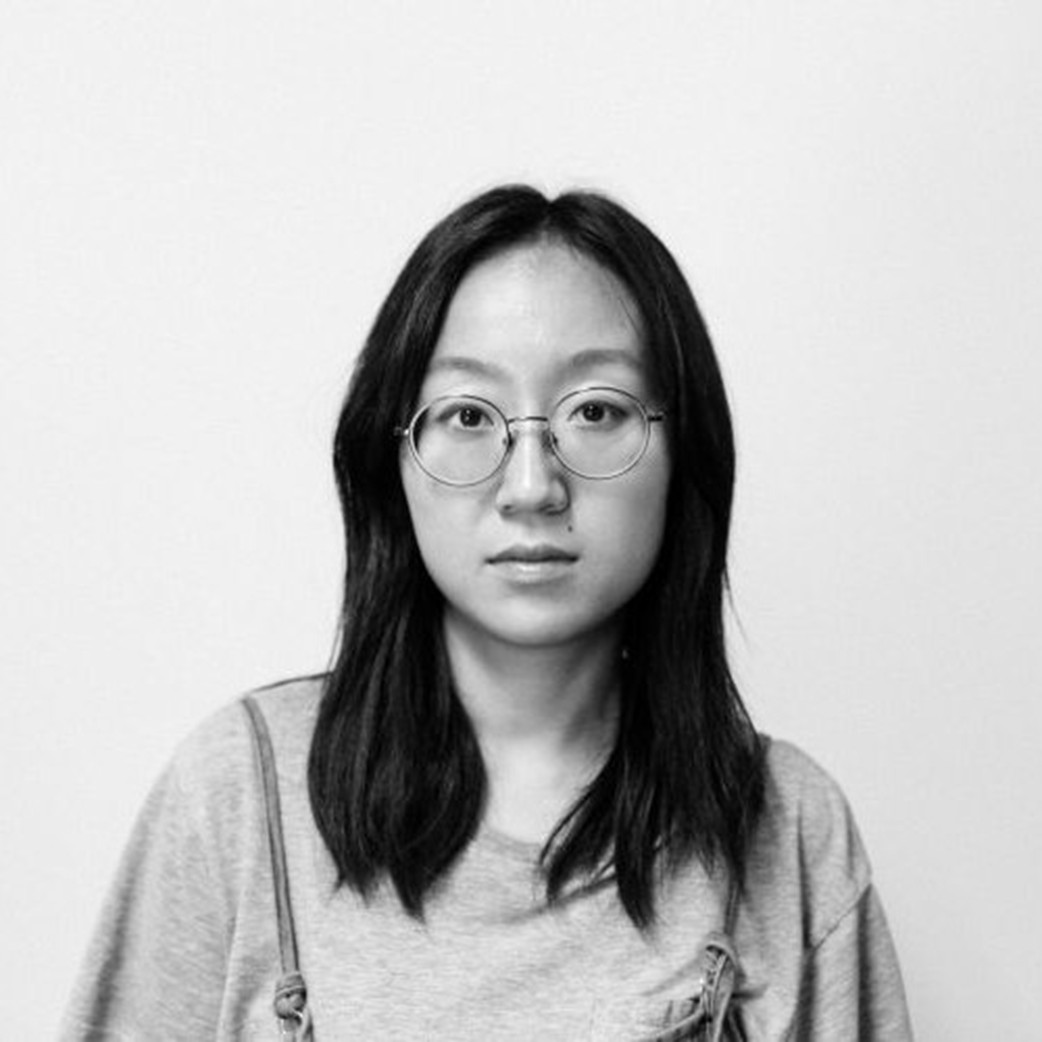
Fascinated by the relationship among multi-layered elements constituting a city, Moonjung Hwang has explored the everyday phenomenon of our lives through the artist’s lens of unique subtleness. Her observations on cities are generally related with fauna and flora, structures and specific sites, often placed in between the relationship with humans. Hwang attempts to capture the unique characteristics of the elements of a city, while expanding them and suggesting solutions to address the problems arising in the middle, ultimately translating these into independent instrument or equipment or site-specific installations.

During the Airborne Artist Residency in the U.K., Hwang observed the lives and the surroundings of the local people and various organisms that inhabit regional places and presented a wide range of works related thereof. She exhibited Happy Fetch (2015), a playground equipment based on the structure of a slingshot and crane to assist the lives of the elderly people who go for a walk with their pets. Squirrel Stairs (2015) was created to allow free access to only small animals like squirrels living in parks, with a focus on common creatures living in specific sites. Both artworks were directly installed in the local sites.

In her most recent exhibition held at an apartment planned for redevelopment entitled 《A Way to Close Transparency and to Open Darkness》 (Gangnam Apartment, Seoul, 2018), Hwang exhibited Value of Future, Top Premium! (2018), in a trick art style, a wall of an empty house displaying a perspective image of an apartment to be newly built after the demolition of the Gangnam Apartment.

Through the two different visual objets – a virtual image of a perspective and a trick art regarded as a complete image only at a specific angle of view- Hwang brought out a commonality called “fiction”. Moreover, by drawing the image of the tomorrow yet to be created, based on the angle of view of today, the artist tried to represent an ecosystem of a city going under a repetitive cycle of creation, expansion and extinction.

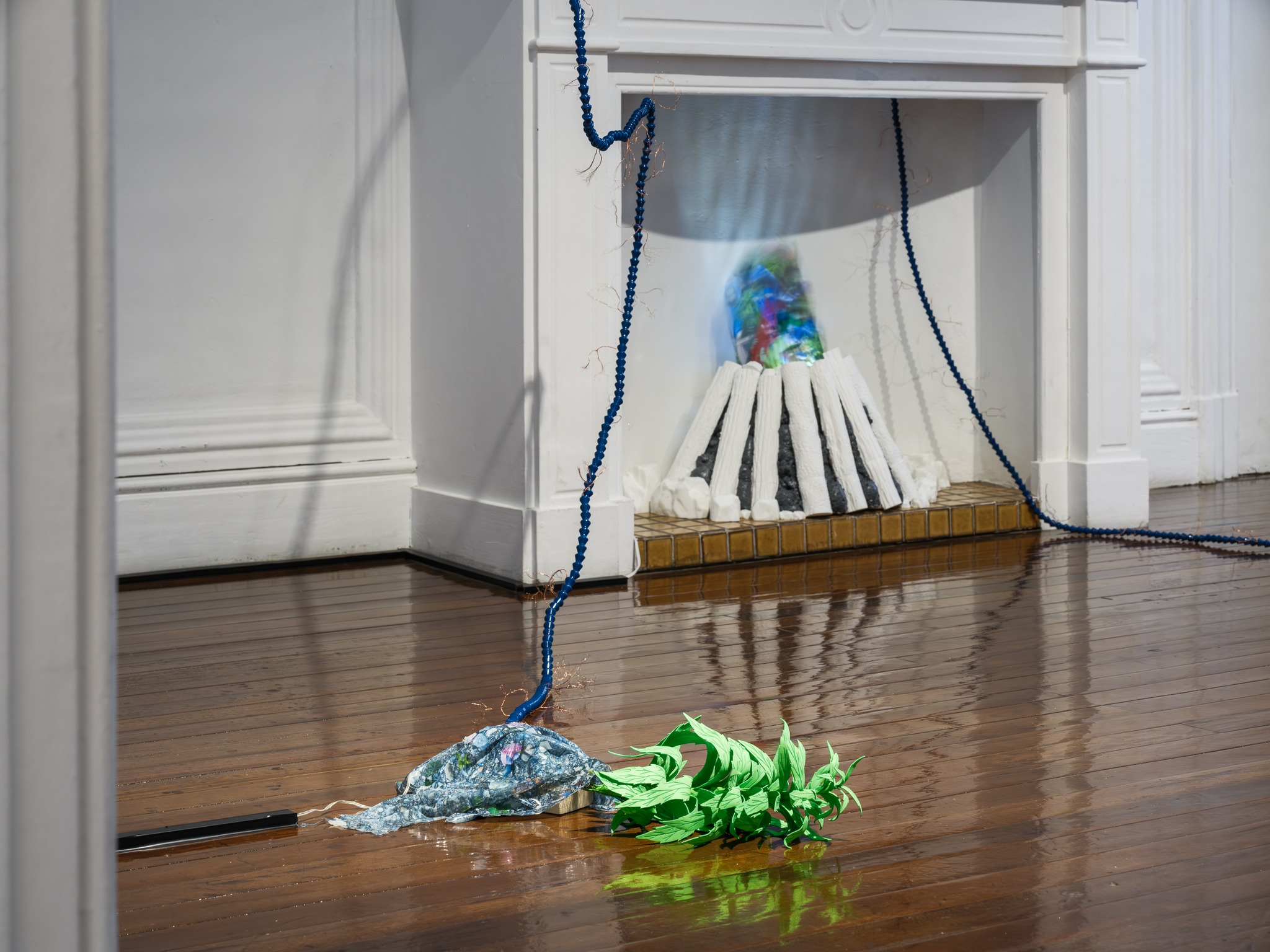
Installation view of 《Non-Affection for the City》 (SONGEUN Art Cube, 2018) ©SONGEUN

This exhibition 《Non-Affection for the City》 distinguishes itself from Hwang’s other previous works in that the artist preserves her unique style while embodying the narration unfolding in an urban ecosystem, not in a separate instrument or equipment, but in an exhibition space. Firstly, at the exhibition entrance is displayed Non-Affection for the City_Track (2018), a video work with ordinary clothes going around and around, stuck in a revolving door, and the repetitive turns of clothes remind us of modern day people who repeatedly and mechanically commute to work every day.

When looking inside the exhibition hall through a crack created by the side walls slightly ripped apart, many different forms are found on covering most of the exhibition space. Glass often used for building facades, boxwood trees often found in apartment complexes, small streams flowing in many parts of the city, as well as the street lights are printed on fabrics used for banners and installed in 1:1 scale. Red bricks spread all over one side of a wall and apartment lying obliquely on a spot furthest to the wall are all created air filled structures.

The “balloons” repeat expansion and contraction according to the conditions of the inherent air is comparable to how each and every element in an urban ecosystem interacts with one another while undergoing the cycle of creation and extinction. In physical terms, the artist’s distinctive sense of analog modes of expression and keen observations of the cityscape come to the forefront.

The last part of the narration developed by Hwang is headed towards the Samtan Building itself where SongEun ArtCube is housed. Non-Affection for the City_Sampling (2018) is a site-specific work, having extracted and put together the construction materials constituting of the Samtan Building. When viewed from above, the work looks like the same plane as the floor, but from the sides, it appears as if the floor has soared up to expose its inside, such as the solid woods of the exhibition floor, granite stones attached to the wall, the glasses of a window and the brass of the handrails as well as lighting-purpose boxwood trees.

All of these elements constitute the building, and yet these seemingly hard-to-be-recognized construction materials are turned into artworks whereby the distinctiveness of each and every element is further amplified. A “balloon” in the form of the Samtan Building’s pillar stands tall in between the actual pillars next to the Non-Affection for the City_Sampling (2018), also serving as an important element to bring visibility to how an urban ecosystem goes through a cycle of creations and extinctions, via contraction and expansion.

Things of the past which have preserved their places for many years will suddenly disappear as new plans arrive. However, the new plans that will replace the old will also be similar to those of before. We have become too acclimatized to such behaviors of a modern city that even when such patterns repeat themselves, we fail to notice the change. In Moonjung Hwang’s 《Non-Affection for the City》, such behaviors continue to calmly and endlessly repeat themselves to renew our understanding of the landscape around us, leaving behind only the traces of affection for a forgotten city.

References