Greem Kim (b. 1993) explores the relationship between the human and the nonhuman, studying perspectives that reflect upon humanity through the modes of existence of nonhuman beings.
 
Grounded in her interest in the biosphere—a realm of life where humans, plants, and minerals coexist and depend on one another without essential distinctions—she visits places where life exists, translating her sensory and cognitive experiences of those environments into painterly analyses on the canvas.


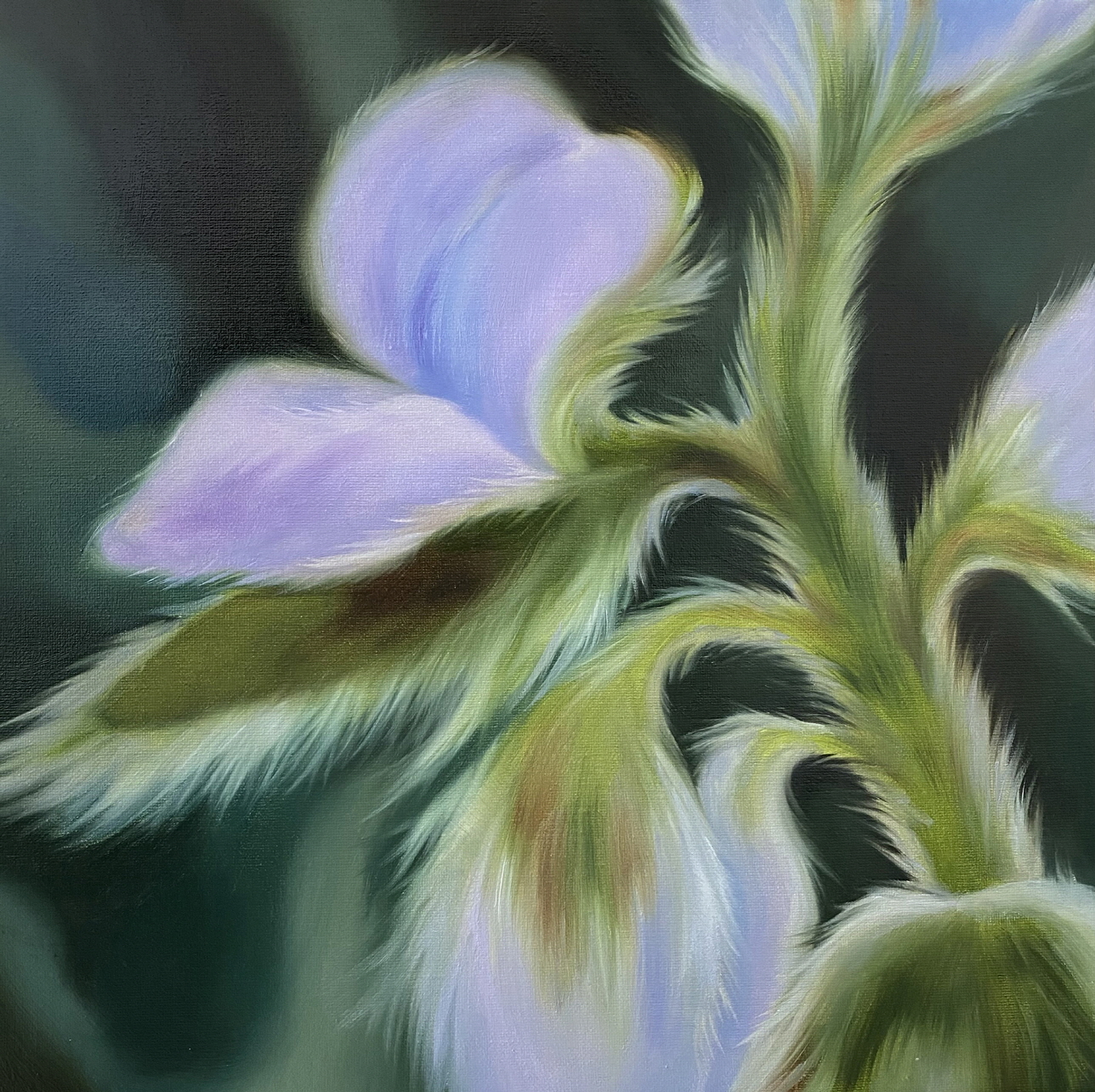
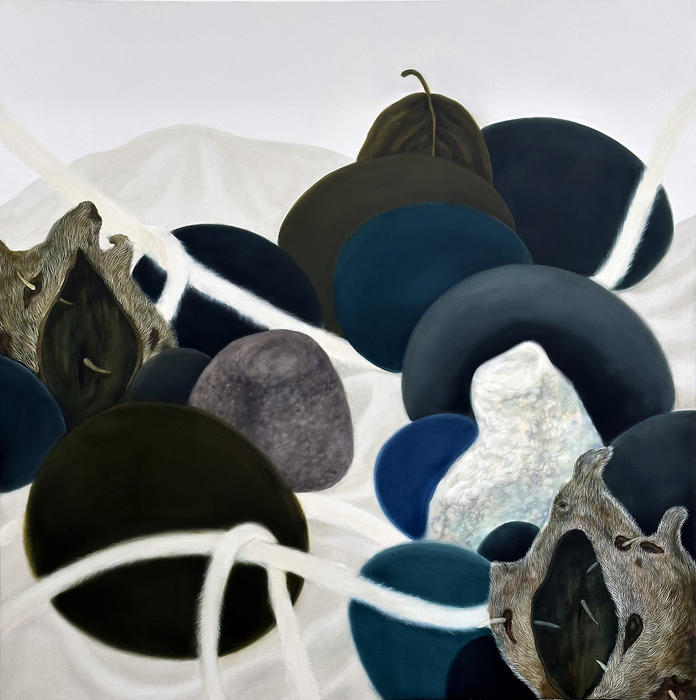
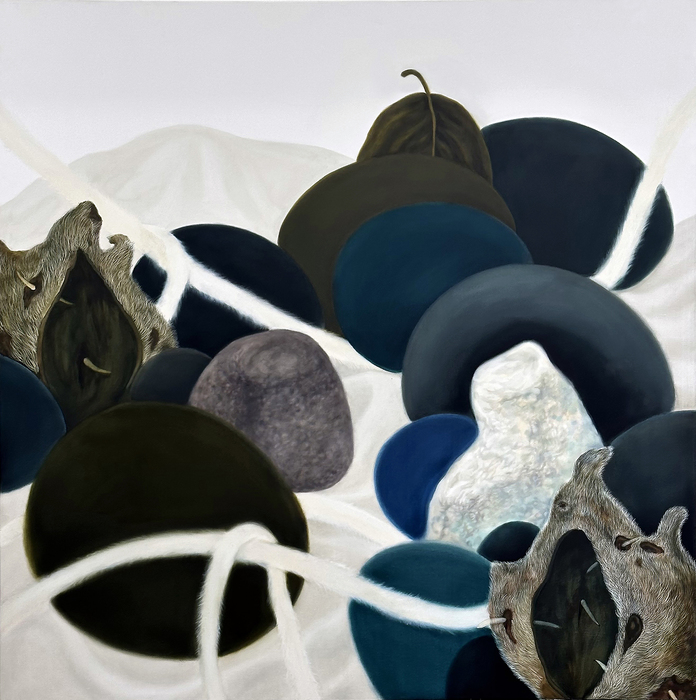
Greem Kim, Lake and Pebbles Sitting on a Rock, 2018, Oil on canvas, 130.3x130.3cm ©Greem Kim

Greem Kim’s work begins with direct observation in places where diverse forms of life exist, such as forests. She then translates the thoughts and insights gained through these moments of observation and experience into the language of painting, presenting them in pictorial form.
 
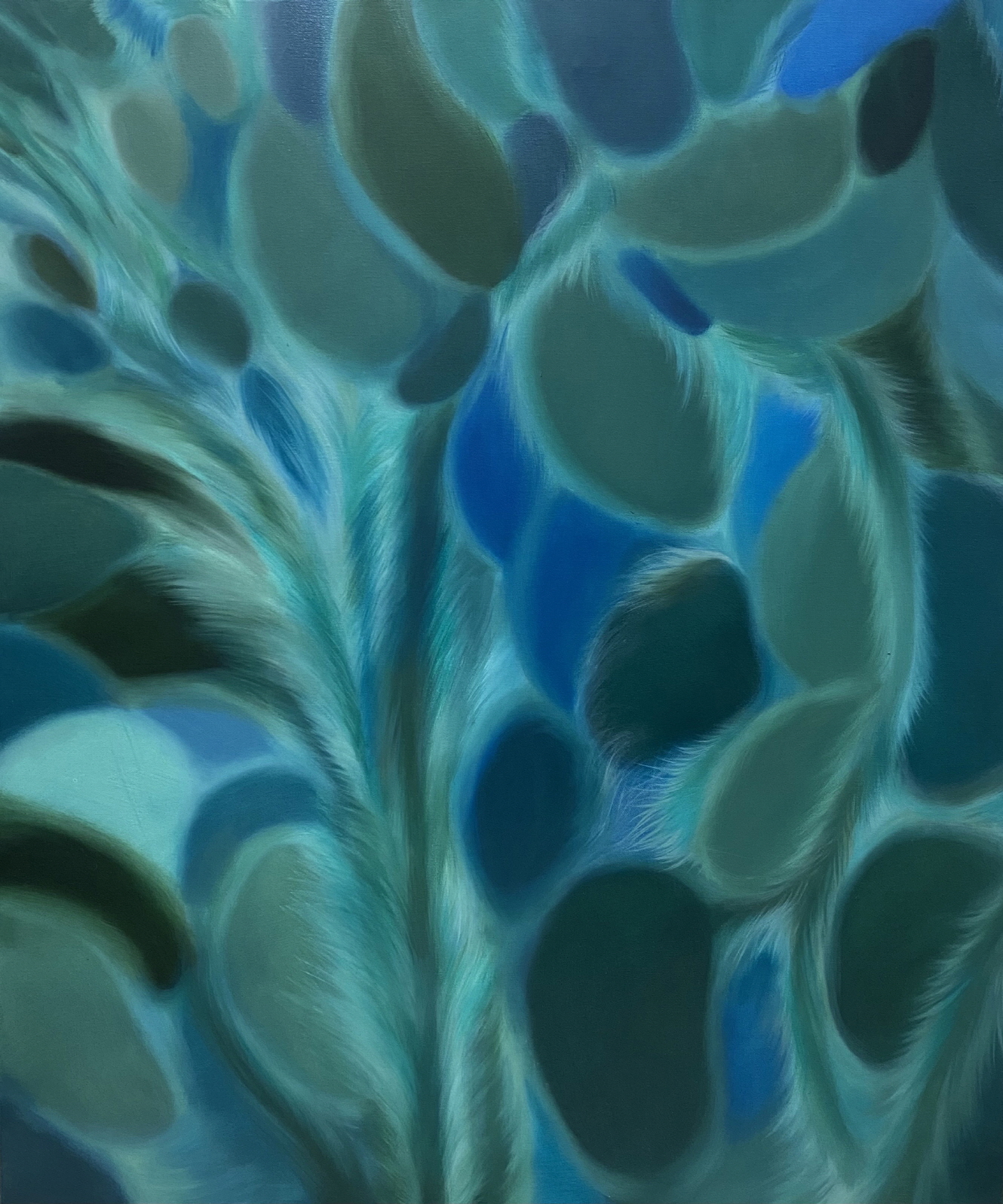
The landscapes in her works depict intimate encounters among humans, animals, plants, and minerals through tactile and immersive surfaces. The sensorial, organic forms within the paintings metaphorically reflect aspects of human existence and life, coming together to form images of new ecosystems.


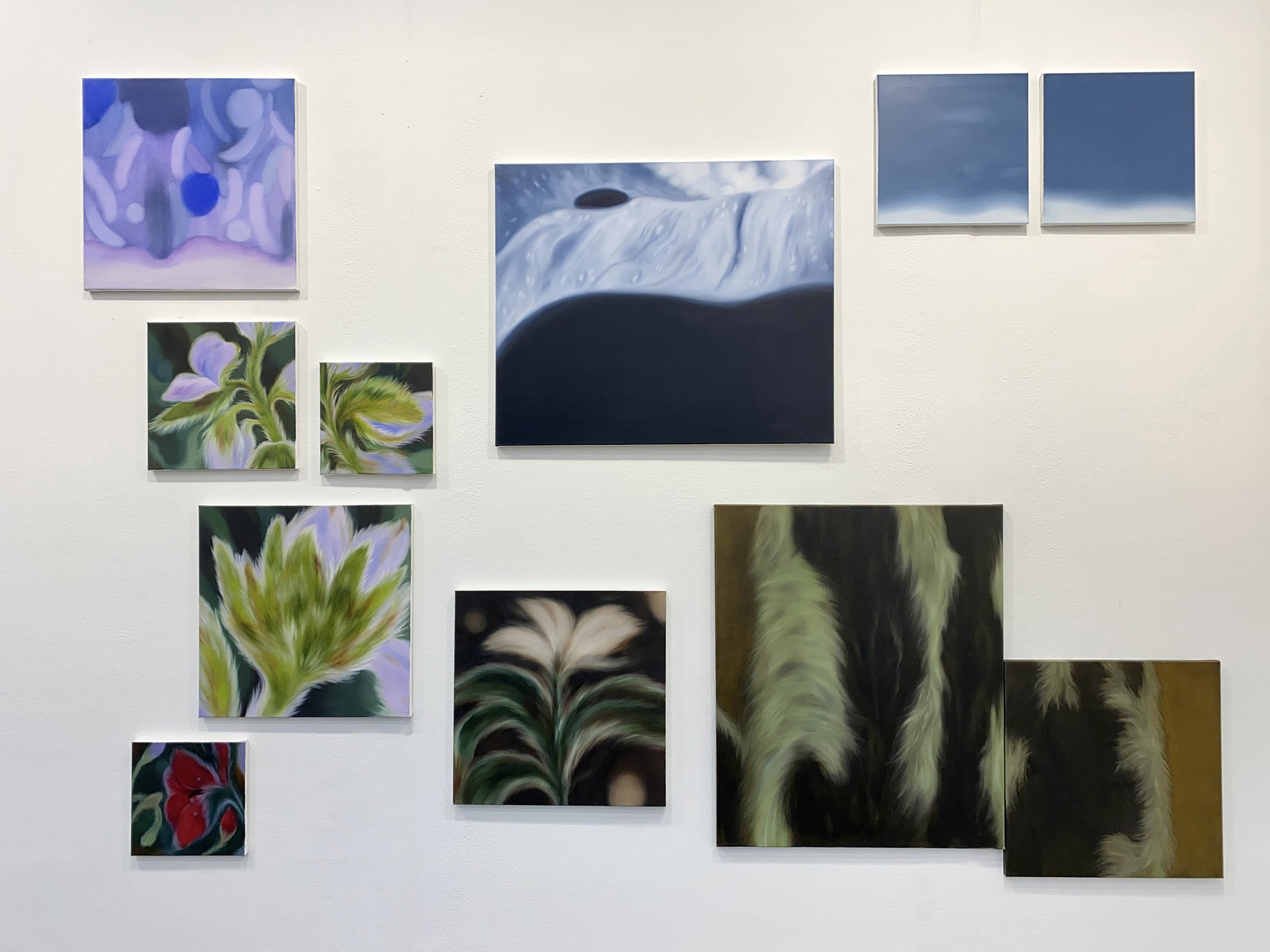
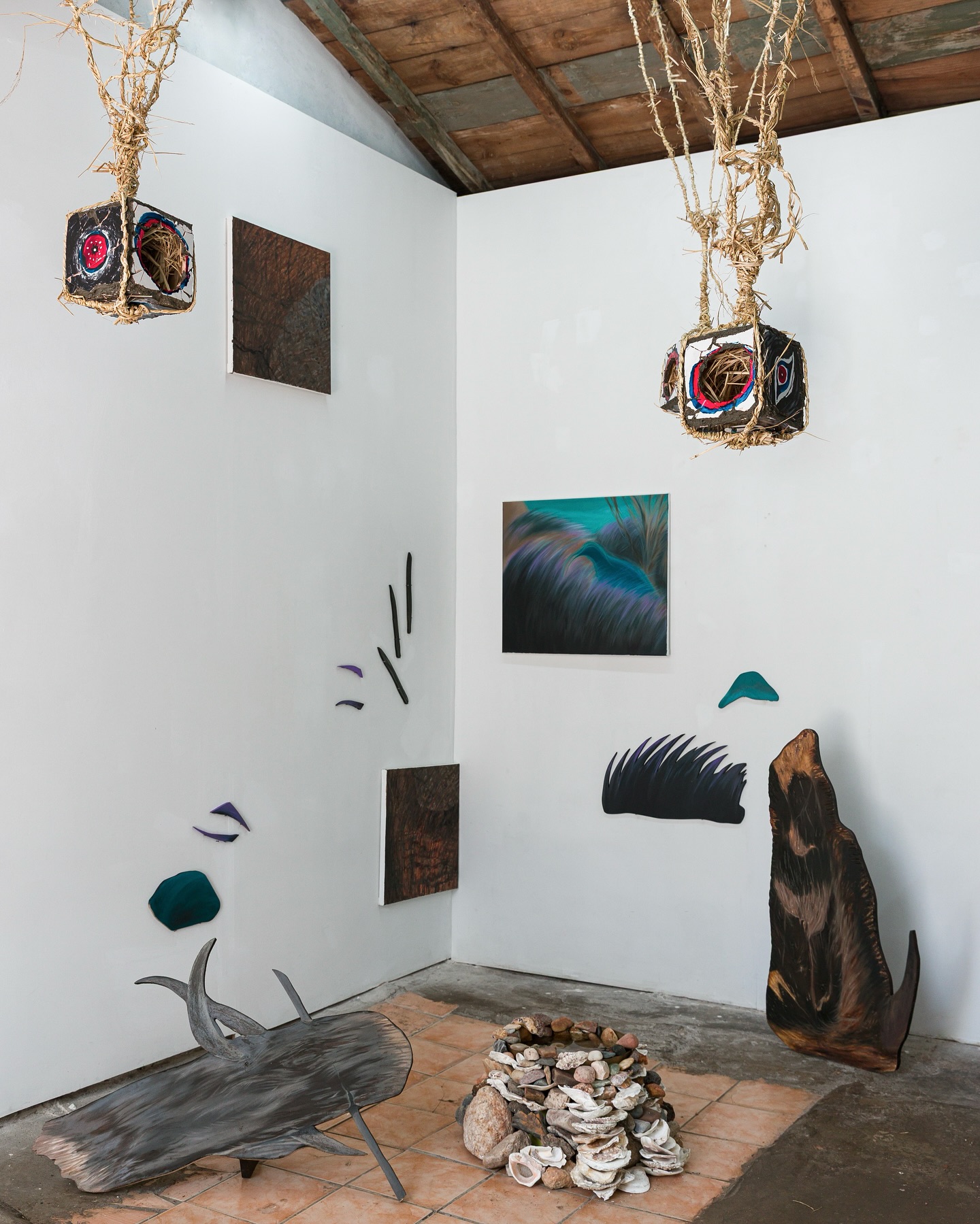
Installation view of 《RHYTHMOSCAPE》 (ARTSPACE SEO:RO, 2022) ©Greem Kim

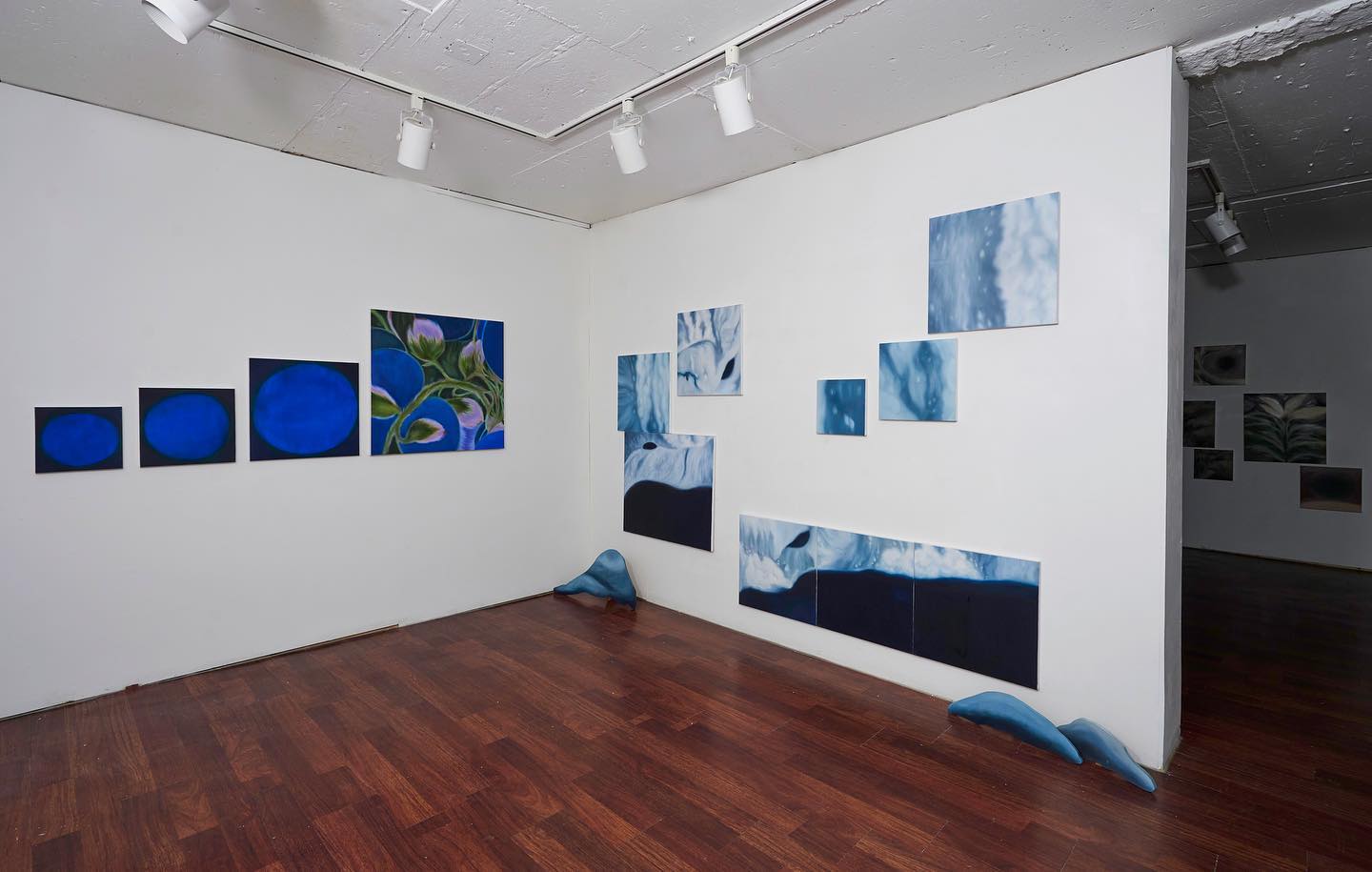
Greem Kim’s first solo exhibition, 《RHYTHMOSCAPE》 (ARTSPACE SEO:RO, 2022), expressed the sensory experiences her body directly underwent during her travels in South America.
 
As she crossed regions where altitude and air density changed dramatically, the artist experienced how the body reacts and senses differently according to environmental conditions. In those moments, the landscape seemed to permeate and imprint itself upon her tense and relaxed body.
 
In this state—where landscape and body, the visible and the perceptible, become indistinguishable—Kim explored the materials and properties inherent in nature under the extreme conditions of a transforming environment.

Greem Kim, RHYTHMOSCAPE, 2021-2022, Oil on canvas, Dimensions variable ©Greem Kim

The substances perceived in this way become materials that resonate with bodily sensation and remain in memory through synesthetic experience. In Greem Kim’s landscapes—unfolding in rhythm with the body’s breath—the distinctions between the living and the nonliving dissolve, giving rise to images that move toward coexistence.


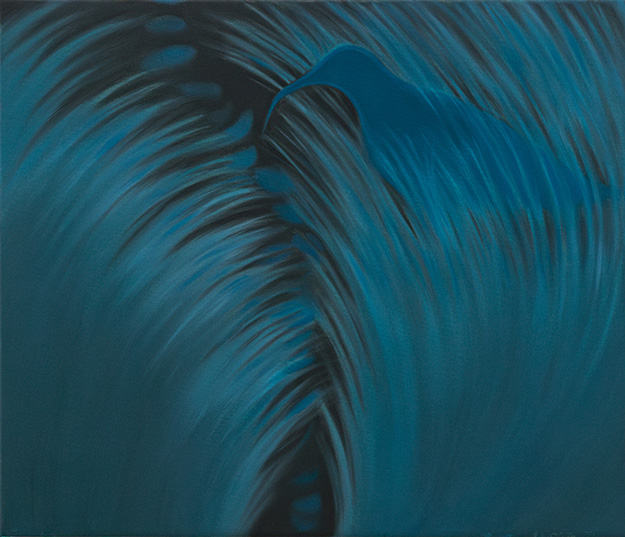
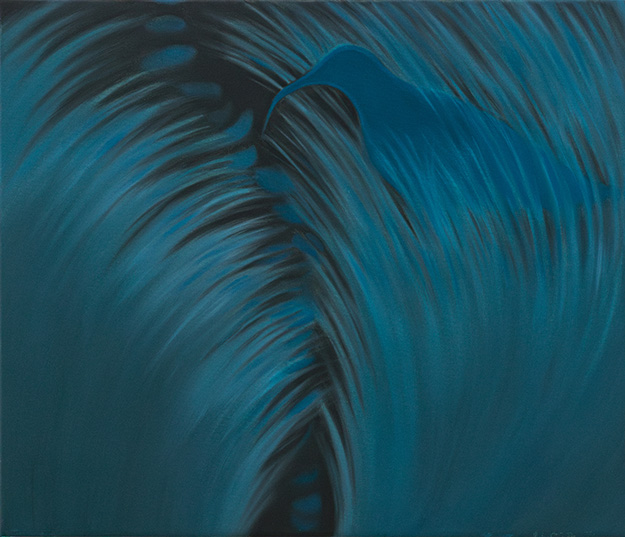
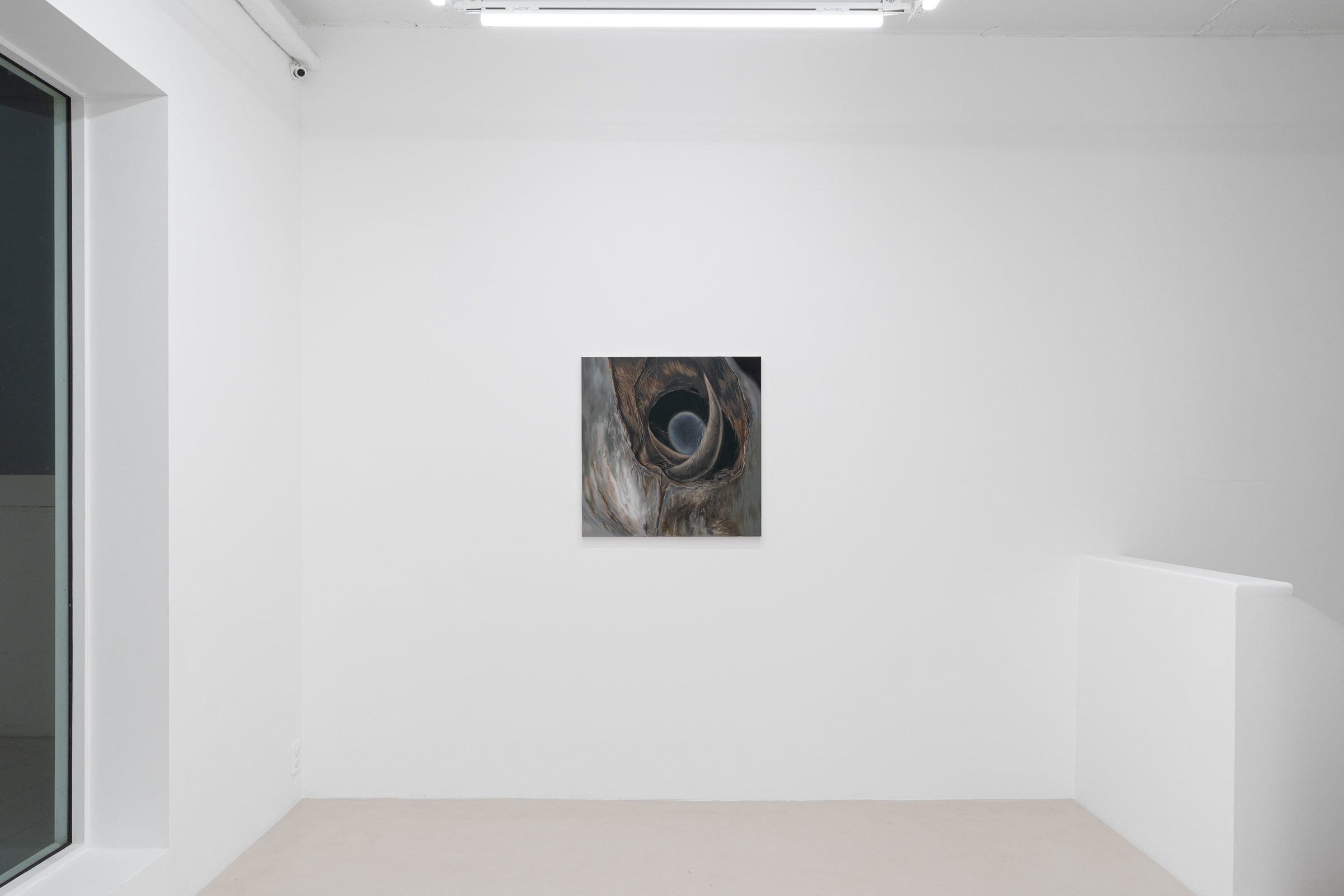
Greem Kim, The Edge of Life, 2023, Oil on canvas, 72.7x72.7cm ©Greem Kim

In this way, coexistence and circulation in nature are expanded or metaphorically transformed in Greem Kim’s paintings through the bodily experience of nature. Thus, her works encompass not only the landscape itself but also the sensations of the body and the emotions that flow through and arise from within it.


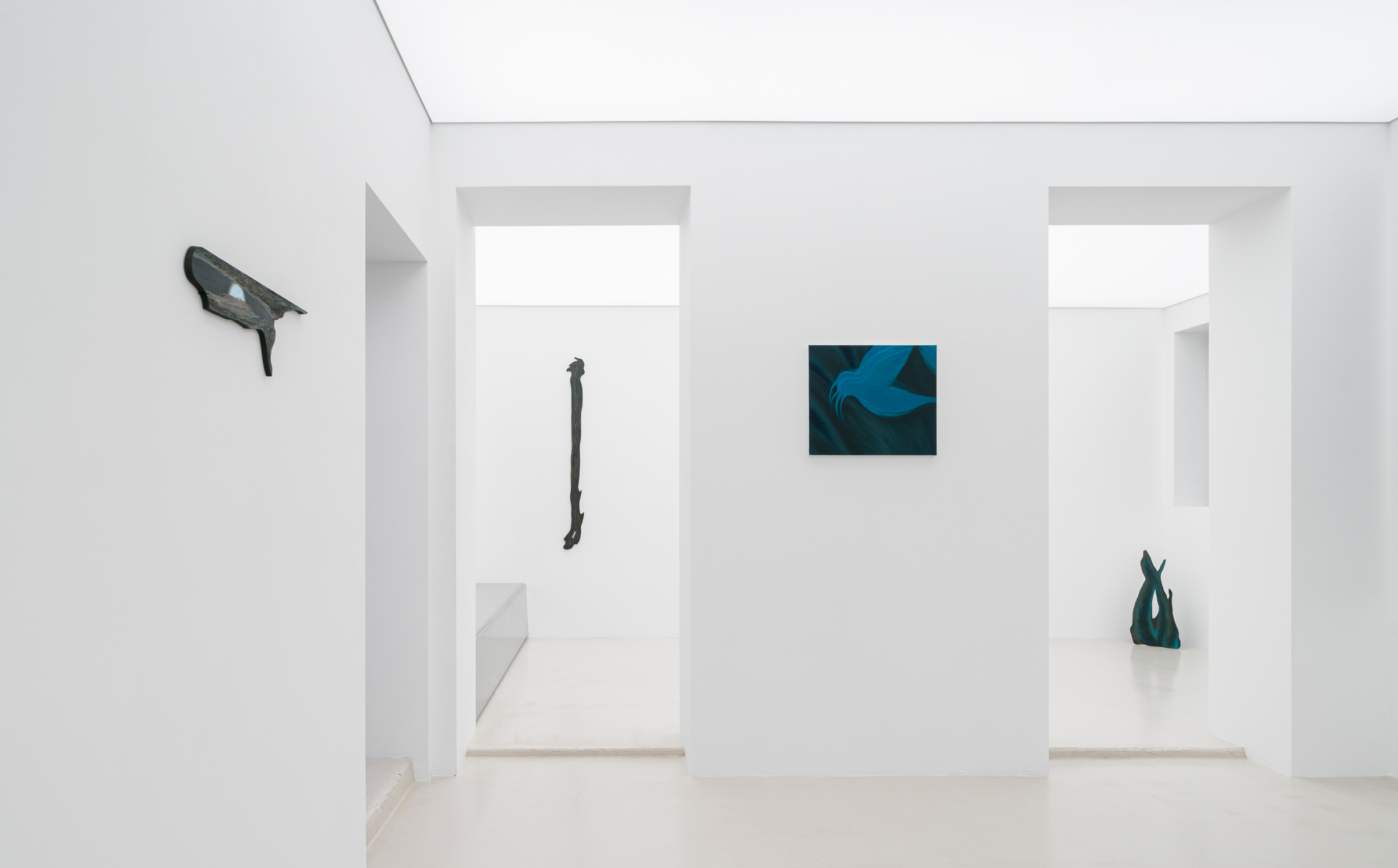
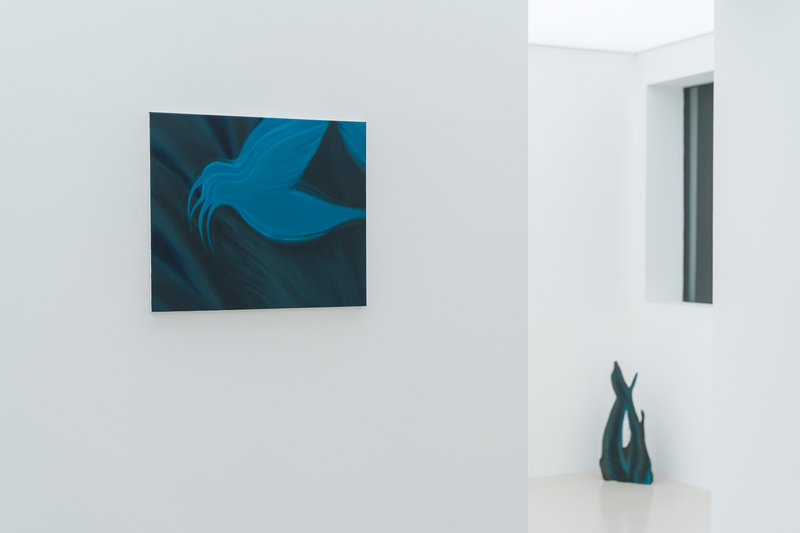
Installation view of 《Nesting on a Blue Night》 (Sueno339, 2025) ©Sueno339

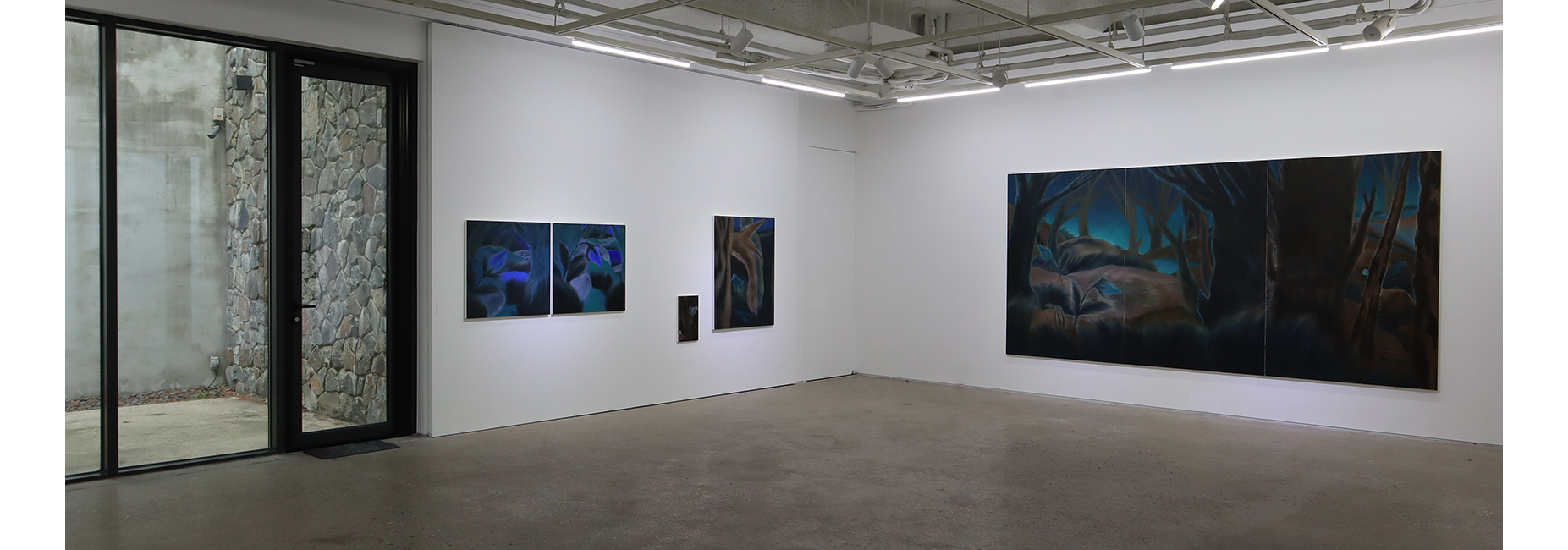
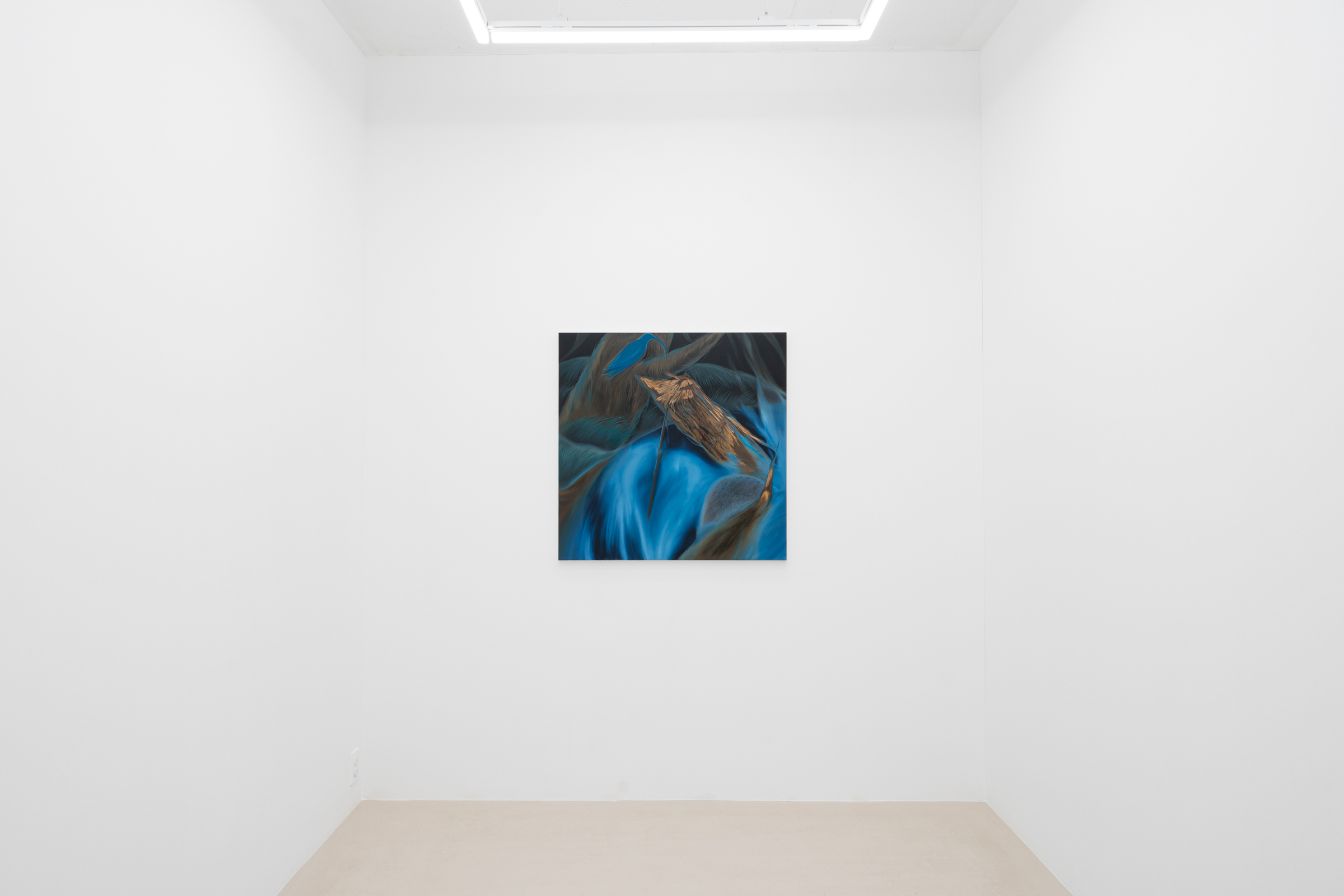
Greem Kim’s second solo exhibition, 《Nesting on a Blue Night》 (Sueno339, 2025), originated from her observation of a bird building its nest while she was studying the life of the forest. The artist captured on canvases of various sizes the ceaseless fluttering of a blue satin bowerbird constructing its nest deep within the dark forest, tirelessly working day and night.


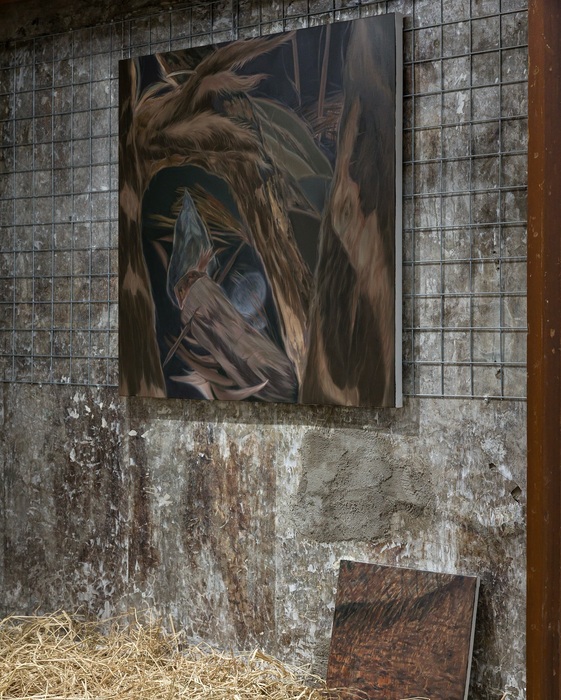
Greem Kim, Peeking into the Nest, 2025, Oil on canvas, 53x45.5m ©Greem Kim

Watching the bowerbird diligently transport materials and build its nest in harmony with its surroundings, Kim recognized in its persistence and intensity a reflection of human life.
 
In particular, she was reminded of young people striving each day to secure their own independent living spaces. The bowerbird’s nest-building—a natural act within the order of life—thus mirrors a similar struggle unfolding within the human world.


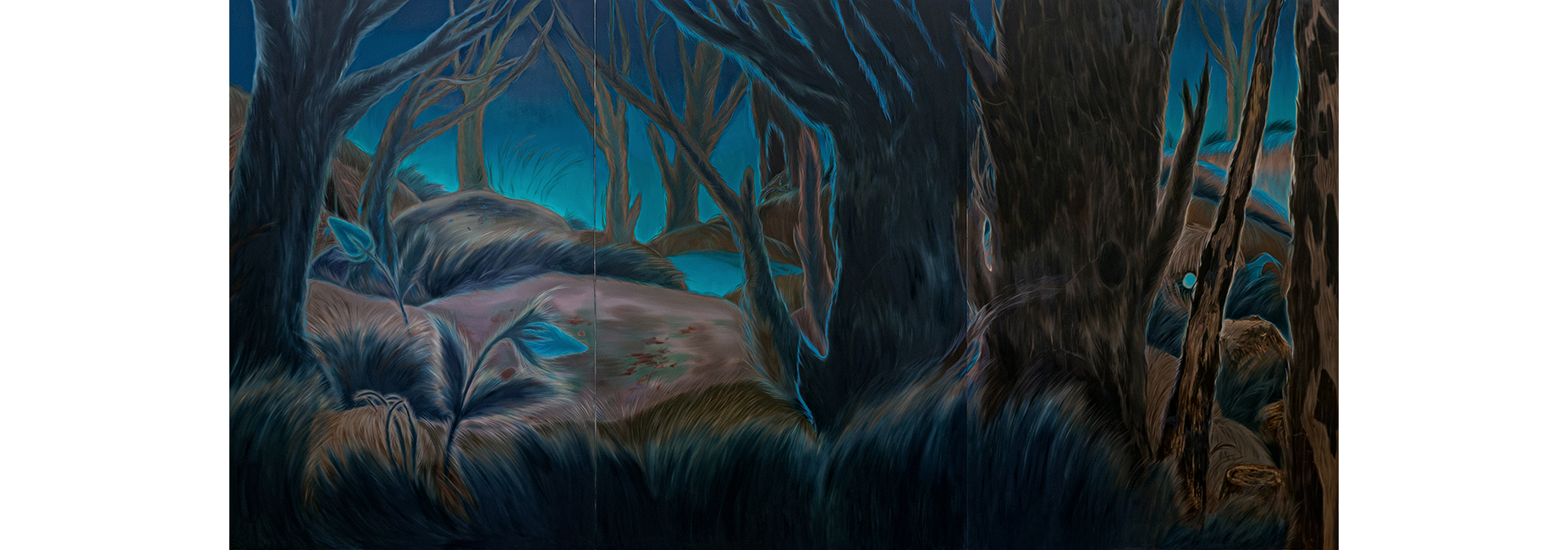
Greem Kim, Nesting on a Blue Night, 2024-2025, Oil on canvas, 193.9x390.9m ©Greem Kim

When one looks closely into the blue darkness of Kim’s forest scenes, one can discover eggs, dead trees, bone fragments, and sprouting leaves—symbols of birth, growth, coexistence, competition, and death existing all at once. The bowerbird, building its nest and sustaining life within its given environment, becomes a mirror for humanity—reflecting the perseverance of those who continue to live fiercely, even amid the darkness.


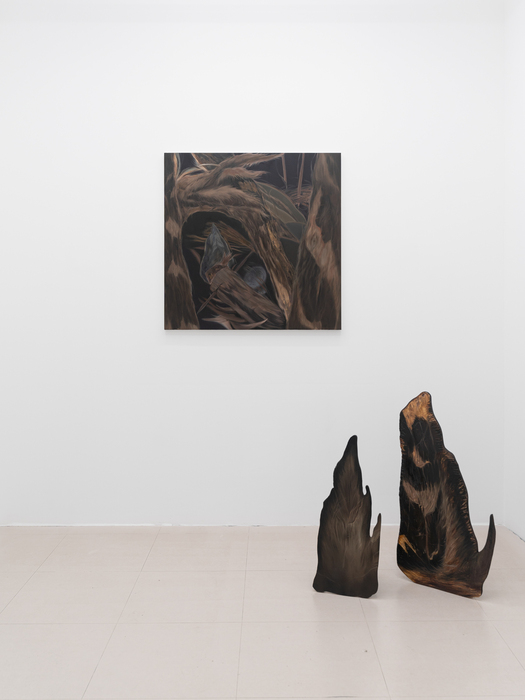
Installation view of 《The Mountain’s Abode》 (CHAMBER, 2025) ©Greem Kim

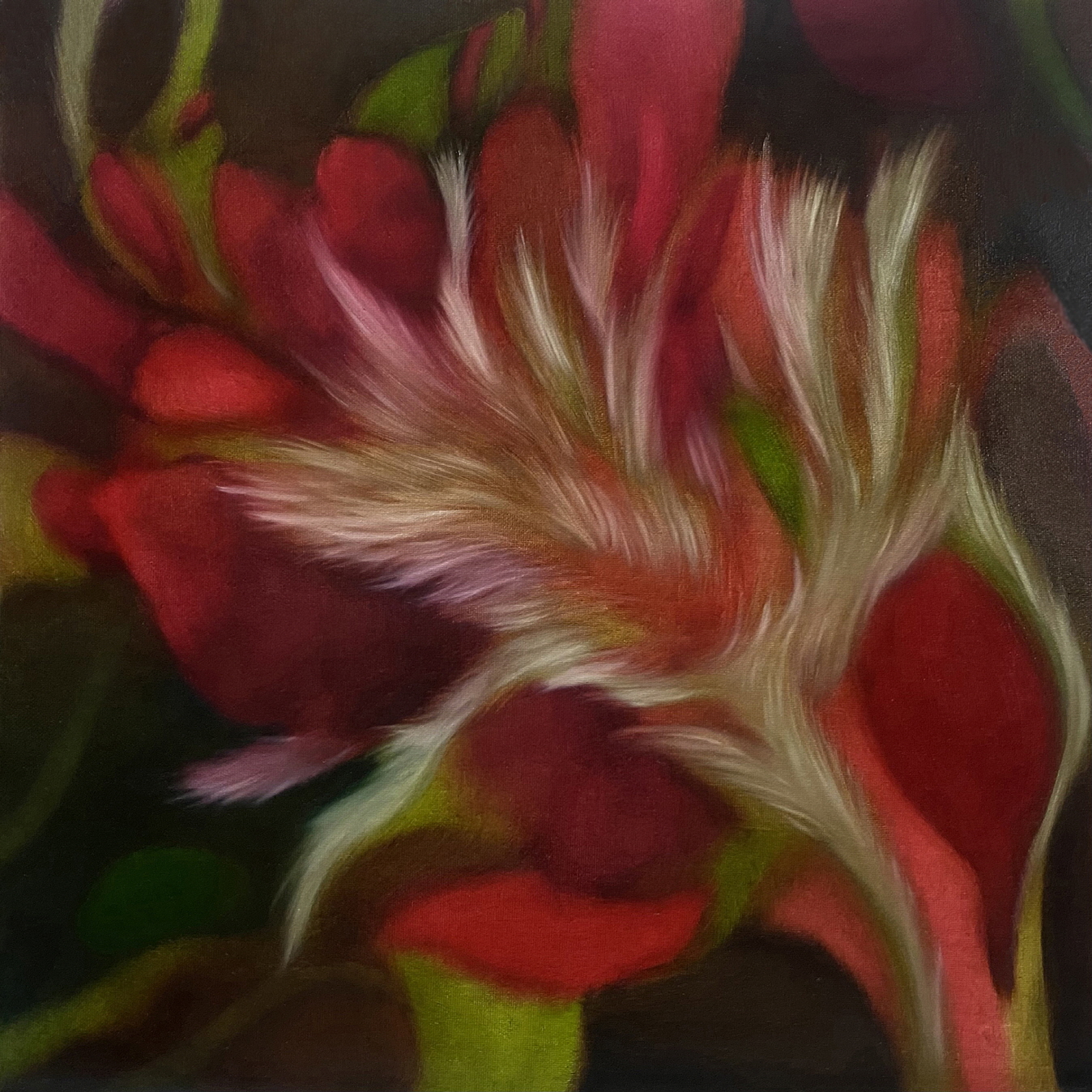
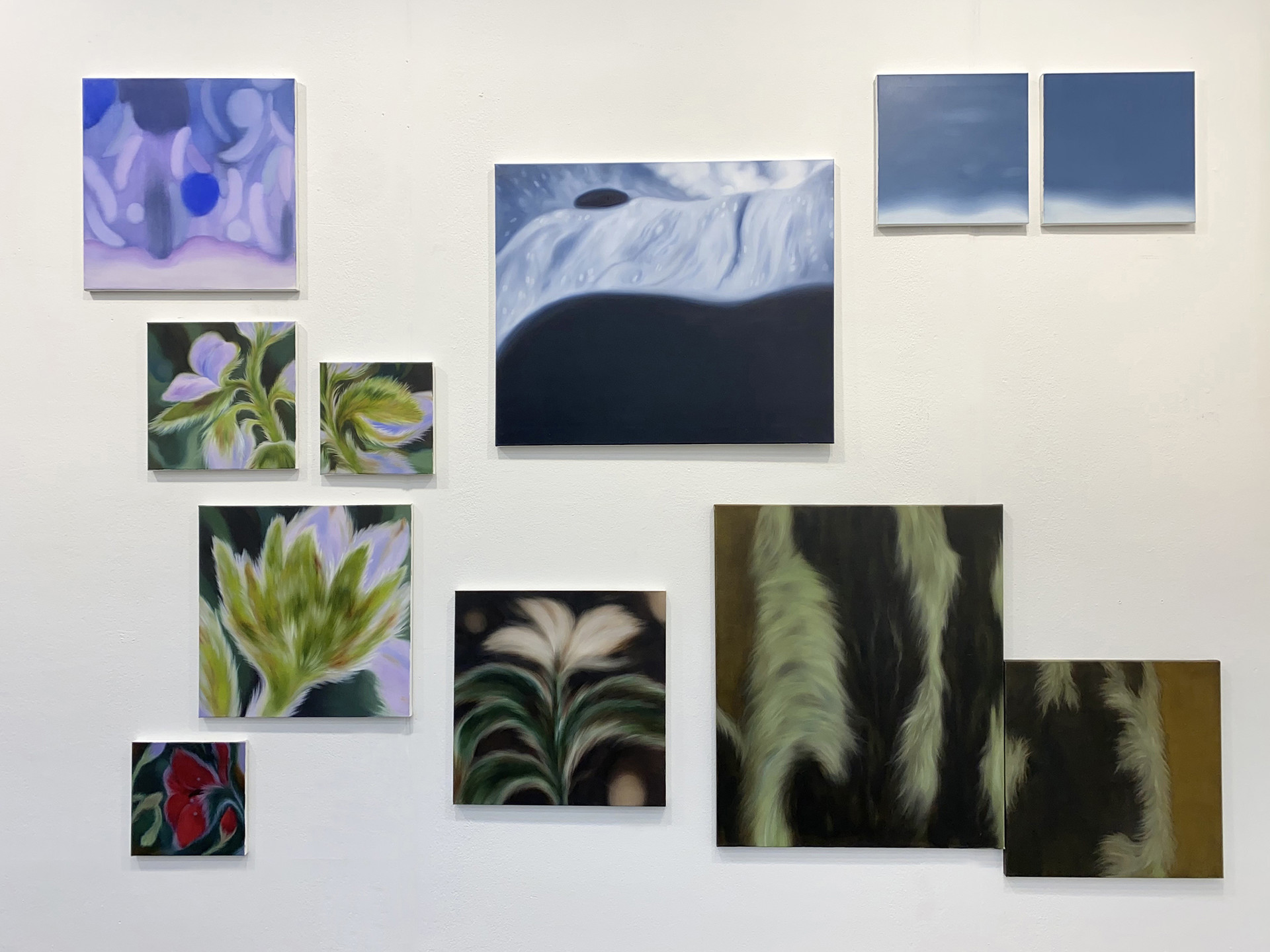
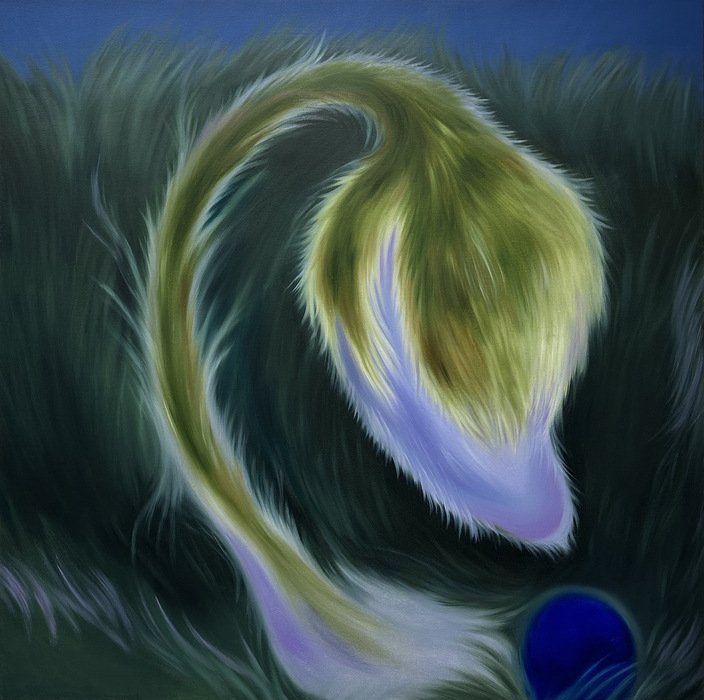
In addition, Greem Kim has long been attentive to the fur and fibers that envelop struggling living beings. For instance, the fine hairs covering the surfaces of alpine plants have, in her paintings, transformed into nests built from countless interwoven strands.
 
By depicting nests covered in tactile, delicate textures, she draws viewers into a visual illusion that extends beyond the pictorial surface, while also inviting reflection on the natural order of life—seeing the nest as a dwelling layered with the accumulated time and actions of living.


Installation view of 《The Mountain’s Abode》 (CHAMBER, 2025) ©Greem Kim

Furthermore, in the two-person exhibition 《The Mountain’s Abode》 (CHAMBER, 2025), Kim expanded the interpretation of the nest—as both an outer shell that embraces and protects life, and a space that holds an inner light capable of easing the tensions of living.
 
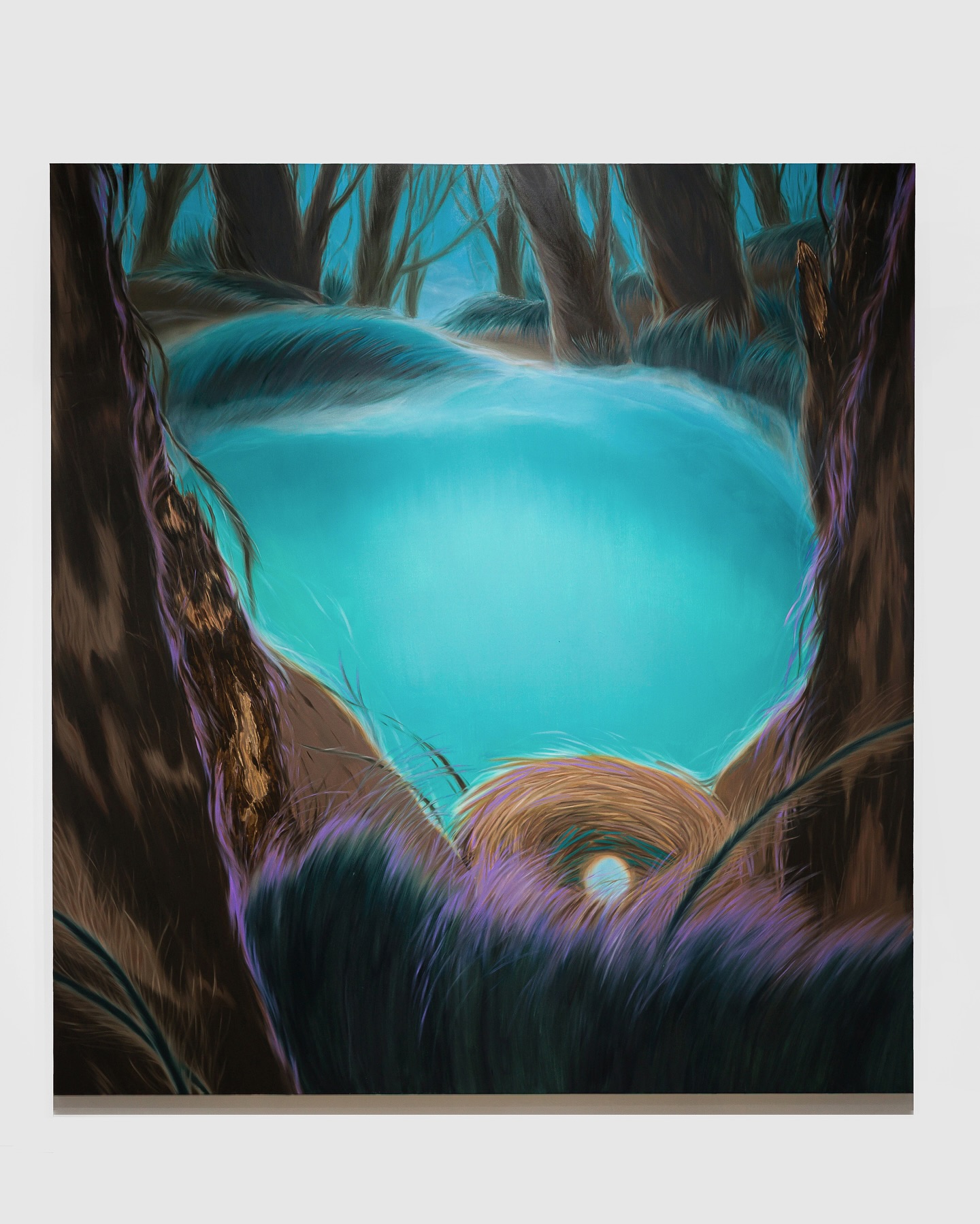
The nest, composed of dense, intertwining lines, overlaps with tree trunks, intersecting branches, and jagged stones to form the pictorial surface. Within this structure, the layers of fur-like texture and brushstrokes intersect and accumulate, gradually thickening to create protective strata around the nest.


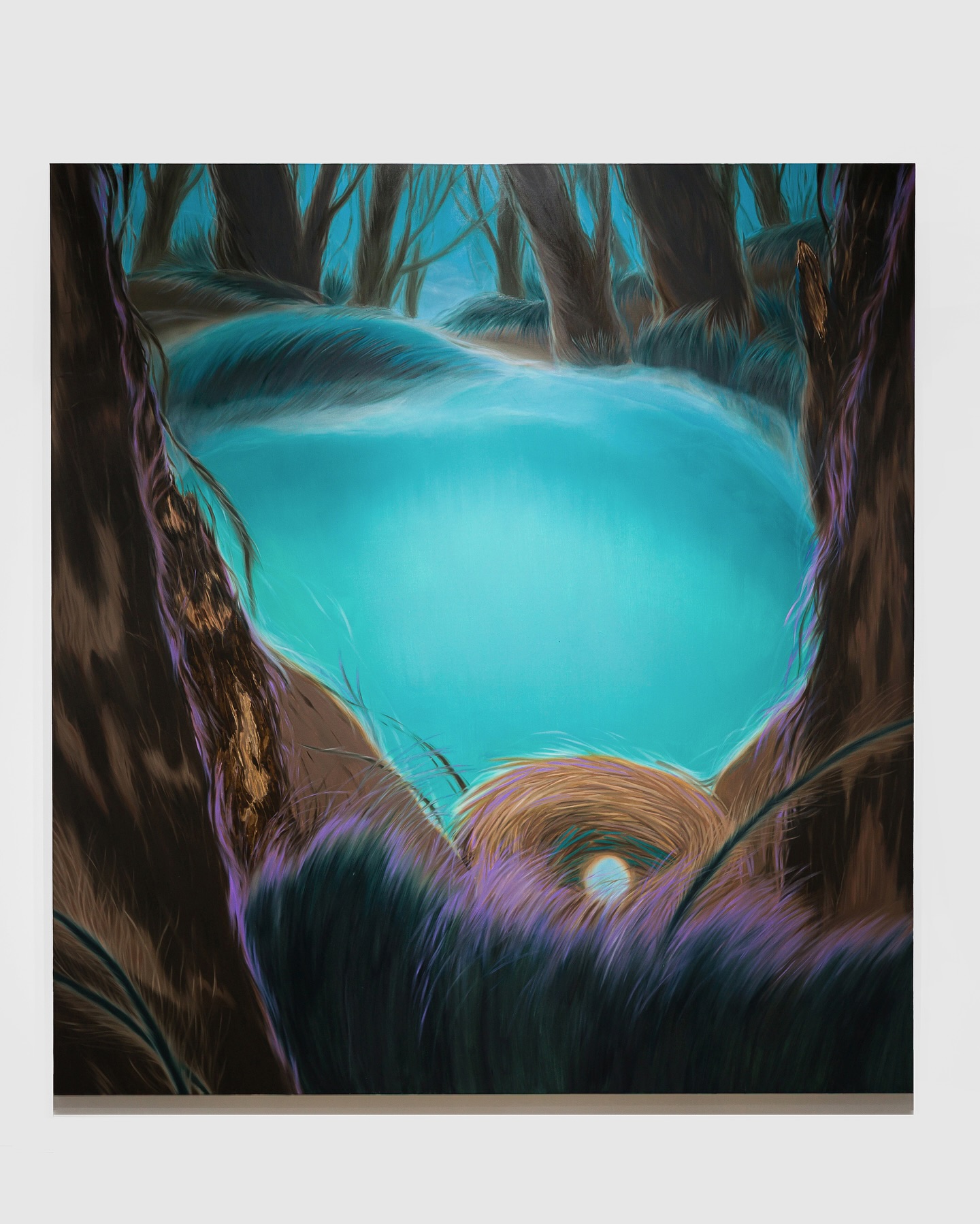
Greem Kim, The Mountain’s Abode, 2025, Oil on canvas, 165x150m ©Greem Kim

At the center of The Mountain’s Abode (2025), a clear and radiant blue lake is enveloped by thick, violet-hued textures. This lake symbolizes the artist’s renewed sense of descent experienced through her relationship with nature, presenting a space that serves as a refuge where intensely striving living beings can pause and find rest.


Installation view of 《BENEATH BRANCHES》 (WWNN, 2025) ©WWNN

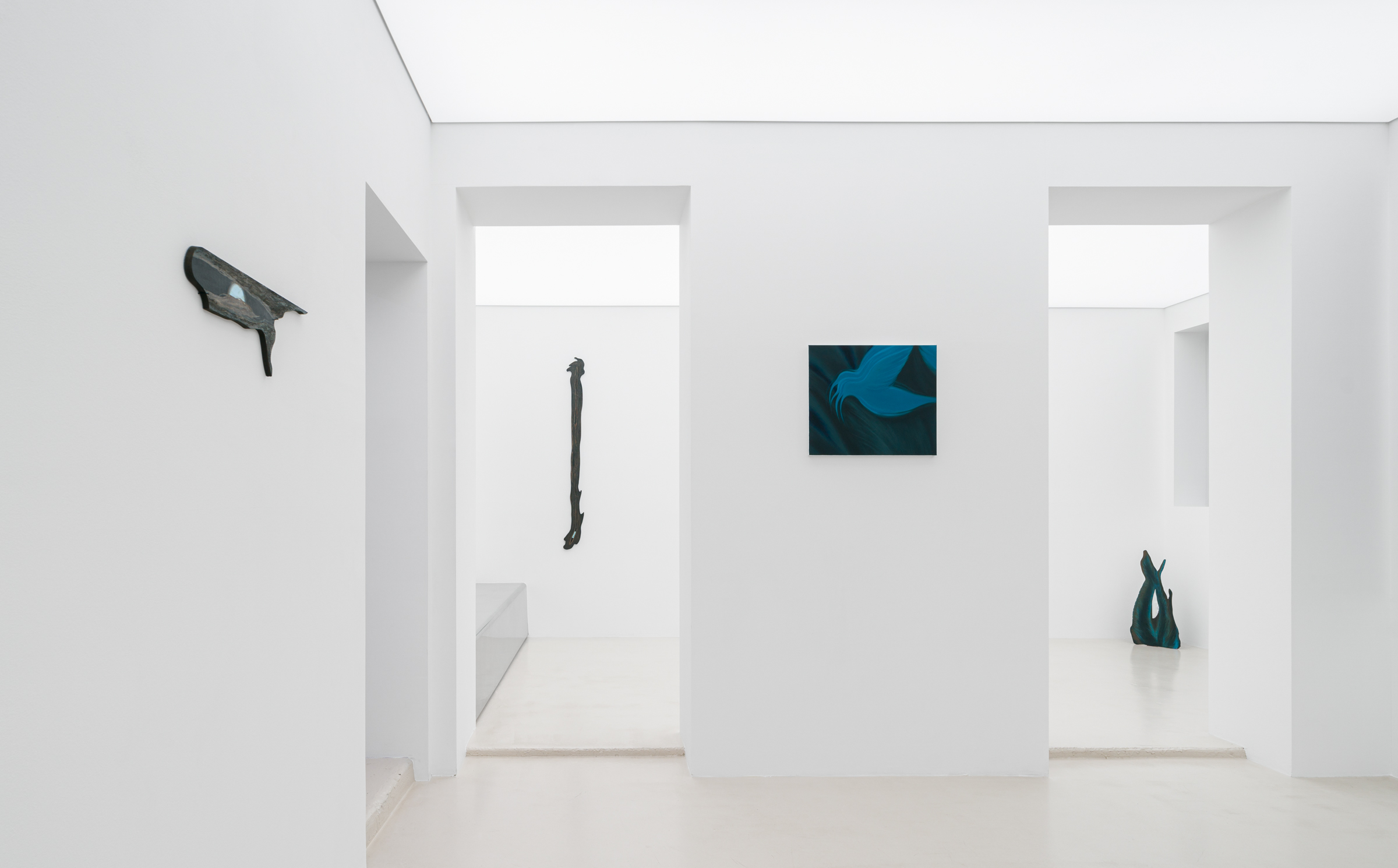
In her 2025 solo exhibition 《BENEATH BRANCHES》 held at WWNN, Greem Kim captured on canvas the deepest sensations encountered while wandering through dark forests—the primordial source of life and the undifferentiated state of all living beings—manifested as enigmatic blue light and abstract volumetric forms.
 
Within these works, flexible lines lurking in the forest landscape, the fractures in perception they mediate, awareness of a decentered subject, the bodily rhythms hovering at the edges of reality, and the opposition or connection among these entities together construct a nonlinear world that envelops the viewer.


Installation view of 《BENEATH BRANCHES》 (WWNN, 2025) ©WWNN

Whereas her previous works captured nests encountered in vast natural landscapes such as high-altitude regions, in this exhibition Greem Kim focuses on nests she discovered during daily walks on the local hillside.
 
The direct impetus for observing her neighborhood’s hillscape stems from an experience of closely observing the natural surroundings of Tongyeong, where her grandmother lived, during a particular season—an encounter that shifted her attention from unfamiliar landscapes in distant places to the immediate environment nearby.


Installation view of 《BENEATH BRANCHES》 (WWNN, 2025) ©WWNN

The experience of time and space surrounding her grandmother’s death, and the emotions and sensations it triggered, appear to have prompted a reconsideration of what it means to depict a landscape, marking a significant shift in Kim’s artistic practice.
 
She witnessed a deep, deathlike black darkness in the lifeless forests of Tongyeong and became aware of the sense of regeneration embedded within it. Observing all living beings intertwined within the forest’s darkness, the artist translated the resulting sensations and reflections on re-perceiving the world into the repetitive act of painting.


Installation view of 《BENEATH BRANCHES》 (WWNN, 2025) ©WWNN

In this process, the canvas traverses extreme contrasts: the macroscopic (the forest) and the microscopic (the nest), the living (birds) and the dead (branches), darkness (brown) and light (blue). Through the unreal coexistence of these elements, Greem Kim depicts nonlinear relationships in which the dichotomous roles of subject and object are erased, and entities are closely intertwined.
 
Art critic Soyeon Ahn notes in the exhibition preface that Kim’s forests carry memories of the body, particularly the maternal body. Her forests evoke “the womb as a primordial, isolated space encompassing life and death, where inside and outside are continuously connected, darkness and light coexist, and the boundaries of vision and touch are merged.”


Installation view of 《BENEATH BRANCHES》 (WWNN, 2025) ©WWNN

In this way, Greem Kim goes beyond merely observing her subjects, merging the complex emotions, sensations, and reflections she experiences—both visually and tactilely—into the act of painting. The landscapes in her work, which blend figurative scenery with abstract bodily sensations, emphasize the organic relationship between humans and nature through tactile and immersive surfaces.
 
Accordingly, the sensations she embodies while depicting encounters among animals, plants, and minerals at a micro level are transformed—not into distinctions between objects, but into experiences drawn toward the situations and affective flows shared with those entities. The rhythm created by the forms of living beings drifting across the canvas disperses over the surface, guiding viewers into a virtual ecosystem of the painted world.

 “I explore the relationship between the human and the non-human, investigating ways of re-examining human existence through the life strategies of non-human entities.”     (Greem Kim, ARKO DAY Interview, 2025)


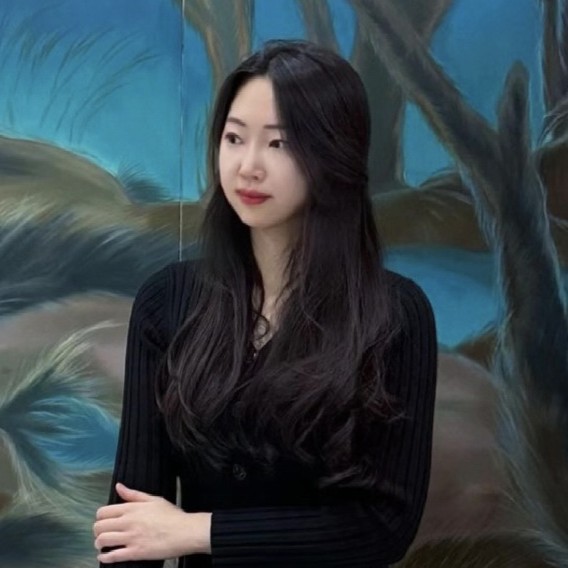
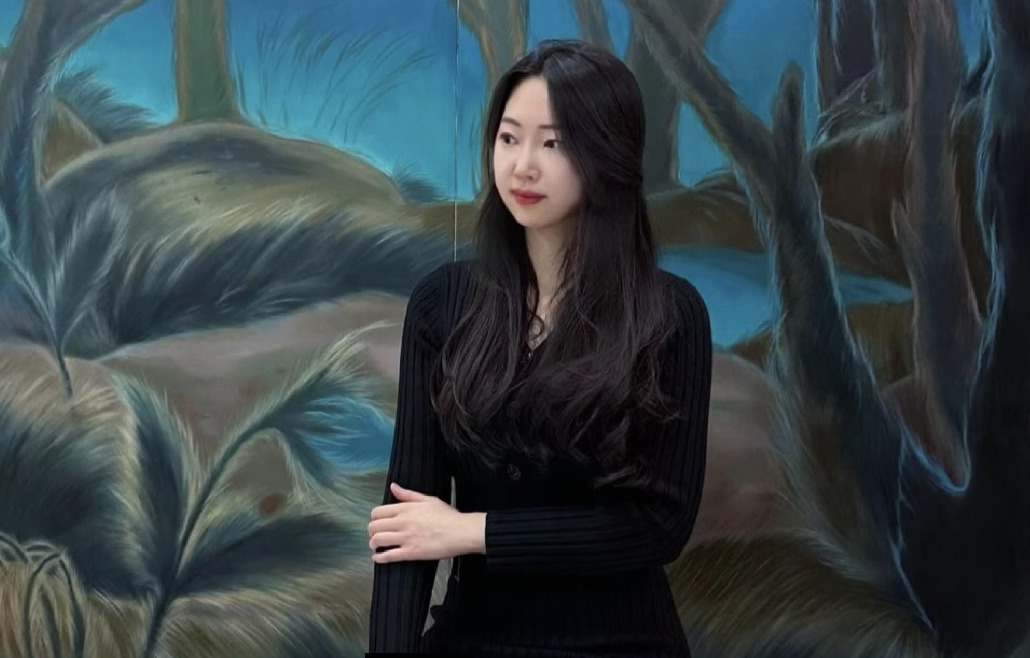
Artist Greem Kim ©Arts Council Korea

Greem Kim graduated with a BFA in Western Painting from Ewha Womans University and completed her MFA at the same institution. Her solo exhibitions include 《BENEATH BRANCHES》 (WWNN, Seoul, 2025), 《Nesting on a Blue Night》 (Sueno339, Seoul, 2025), and 《RHYTHMOSCAPE》 (ARTSPACE SEO:RO, Seoul, 2022).

 
She has also participated in numerous group exhibitions, including 《The Mountain’s Abode》 (CHAMBER, Seoul, 2025), 《Plan-t: Peeking into the Nest》 (Space Mirage, Seoul, 2024), 《Artificial Garden》 (VODA Gallery, Seoul, 2024), 《Visible and Invisible》 (Gallery Playlist, Busan, 2023), 《Personal, Poetic》 (Gallery In, Seoul, 2022), 《Dispersed Echo》 (Space Pado, Seoul, 2022), and 《About Indiscernibility》 (Dohing art, Seoul, 2018).

References