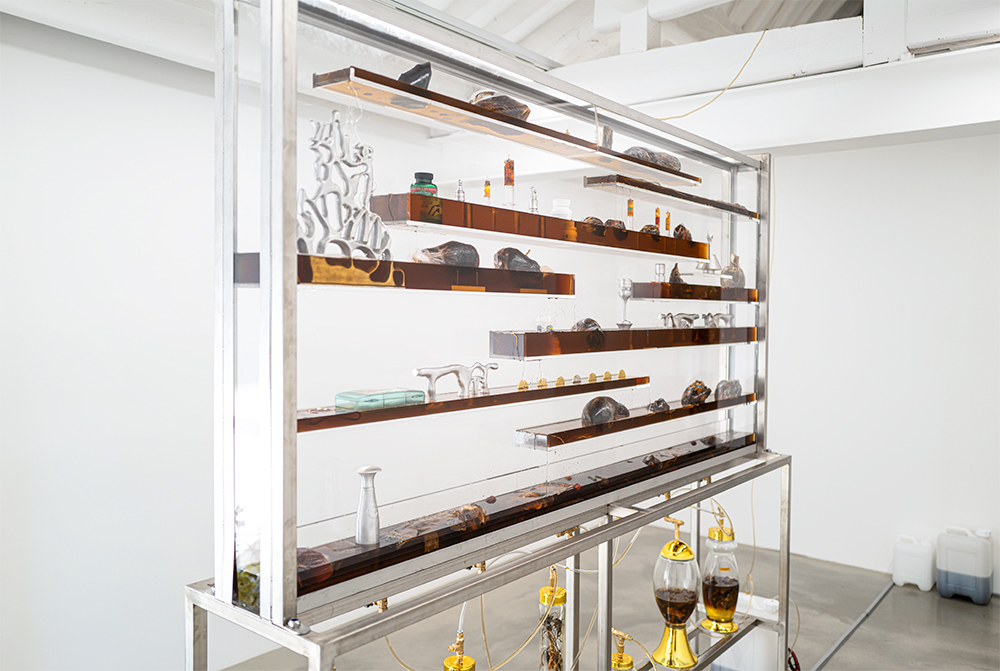
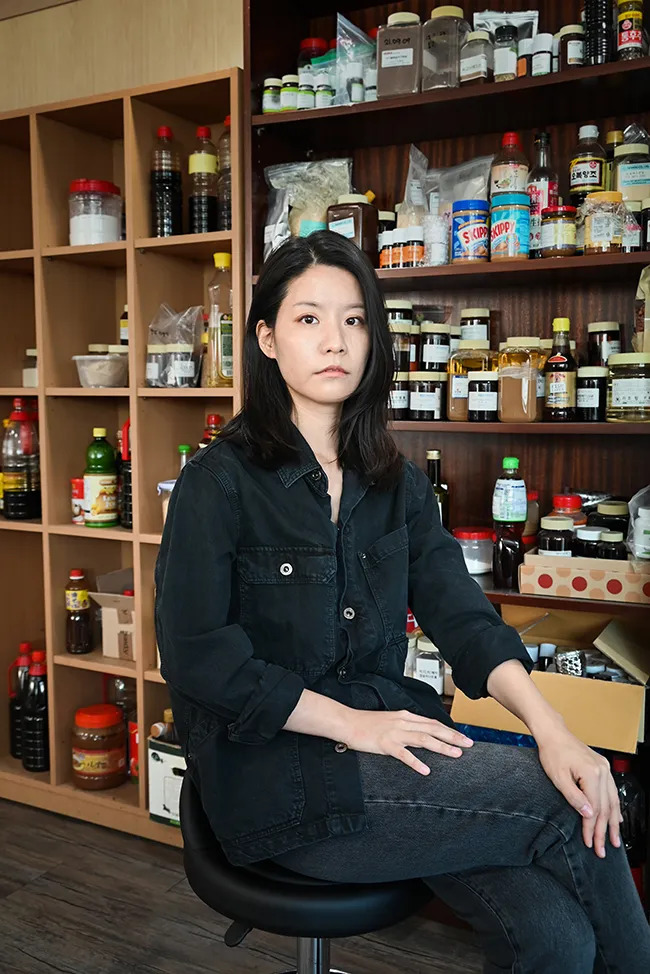
Haena Yoo (b. 1990) has presented performative installation works that bring together material and immaterial elements such as found materials, video, sound, food, fermentation, and smell into a single functioning system. Through this, she has explored the roots of anxiety and desire that emerge within consumer capitalist society, while examining the ambivalent emotions she experiences as both a consumer and a contemporary individual.


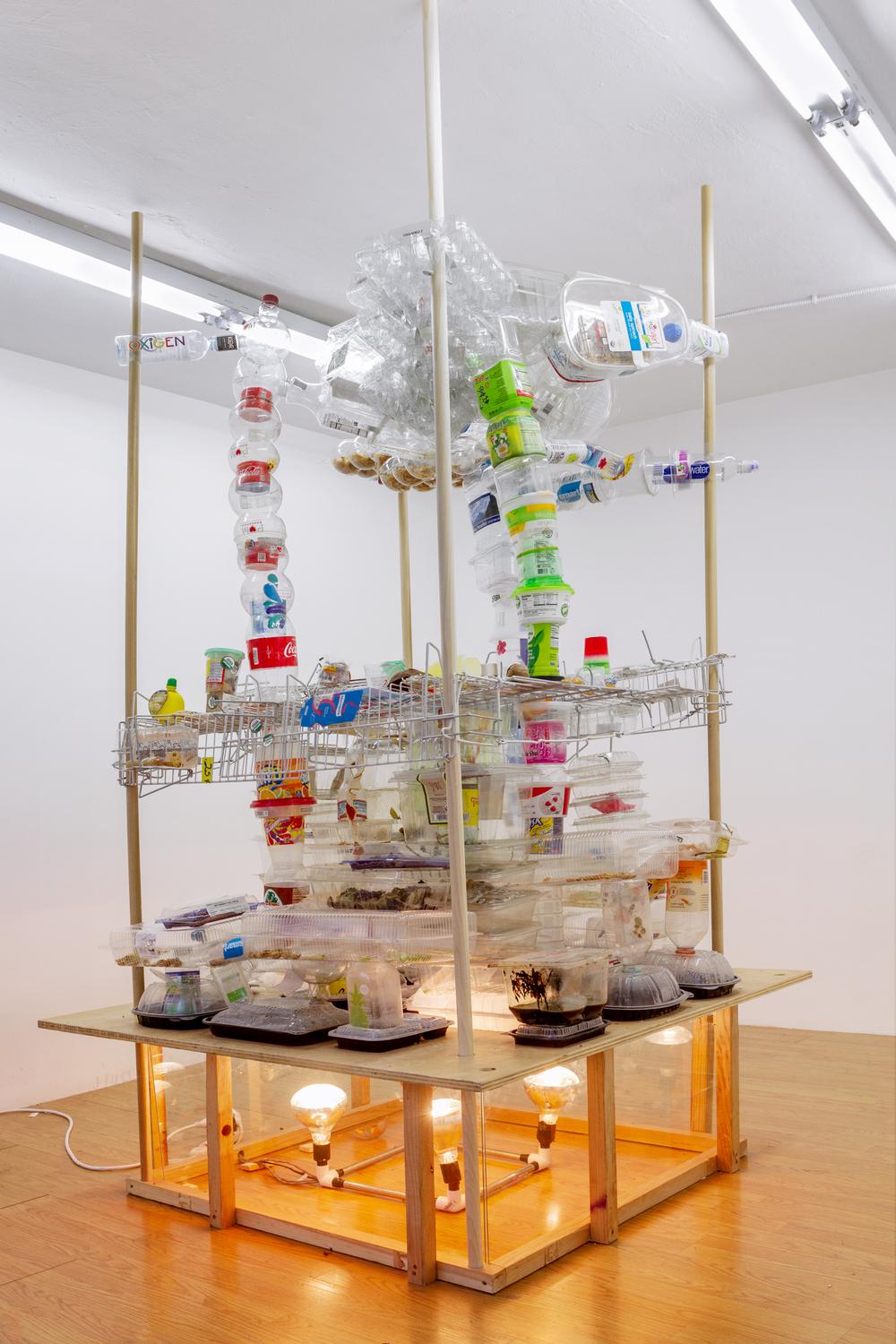
Haena Yoo, Maintain Disgust, 2018, Mixed media, Dimensions variable, Collaborated with Sterling Wells, Installation view of 《Maintain Disgust》 (AWHRHWAR, 2018) ©Haena Yoo

Haena Yoo brings widely circulated and consumed everyday products into her work, using them as materials to address cultural, political, and social phenomena that arise across shifting times and spaces. For instance, in her 2018 work Maintain Disgust, she uses discarded disposable containers and cultivated materials to present a critical perspective on theories of globalization.
 
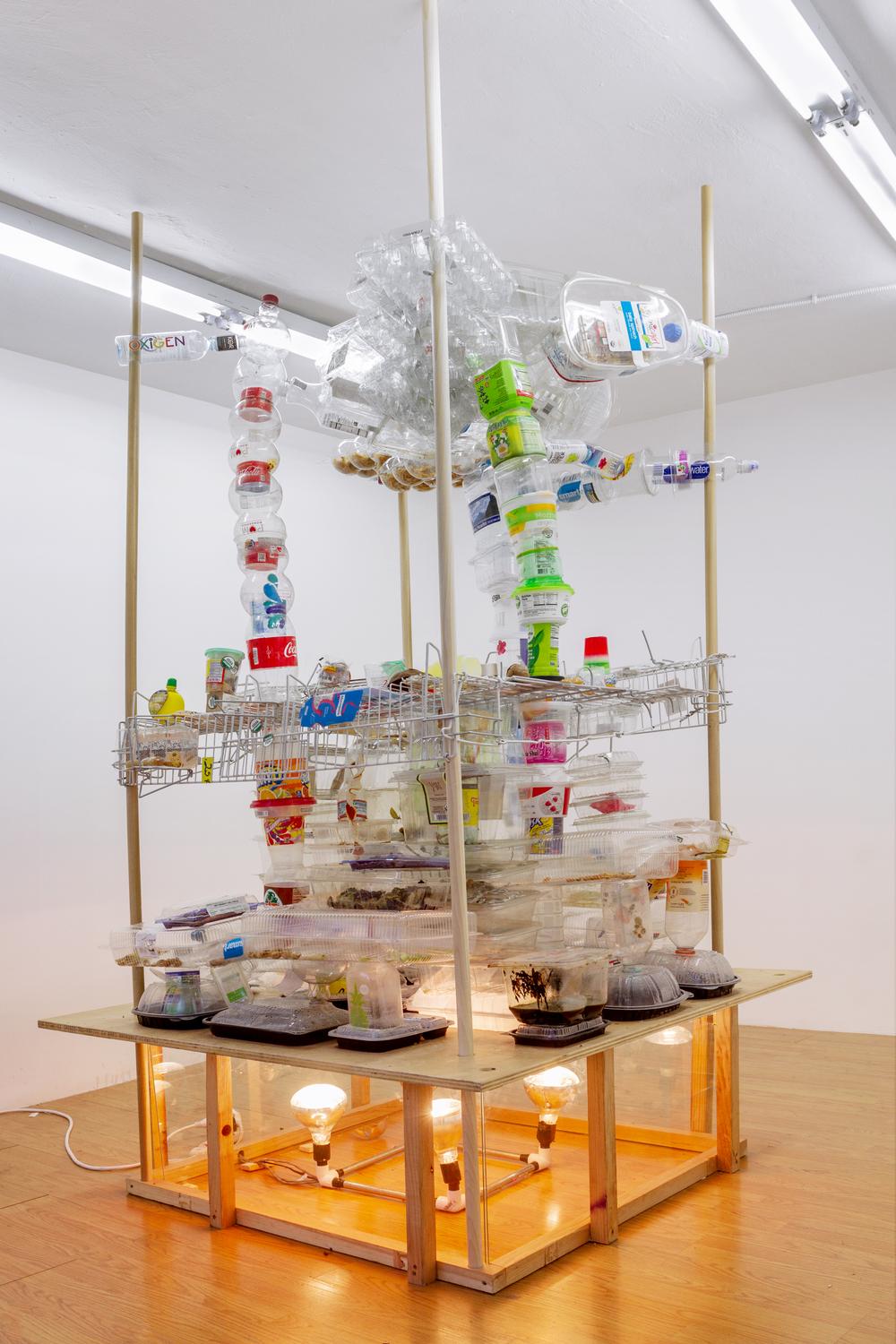
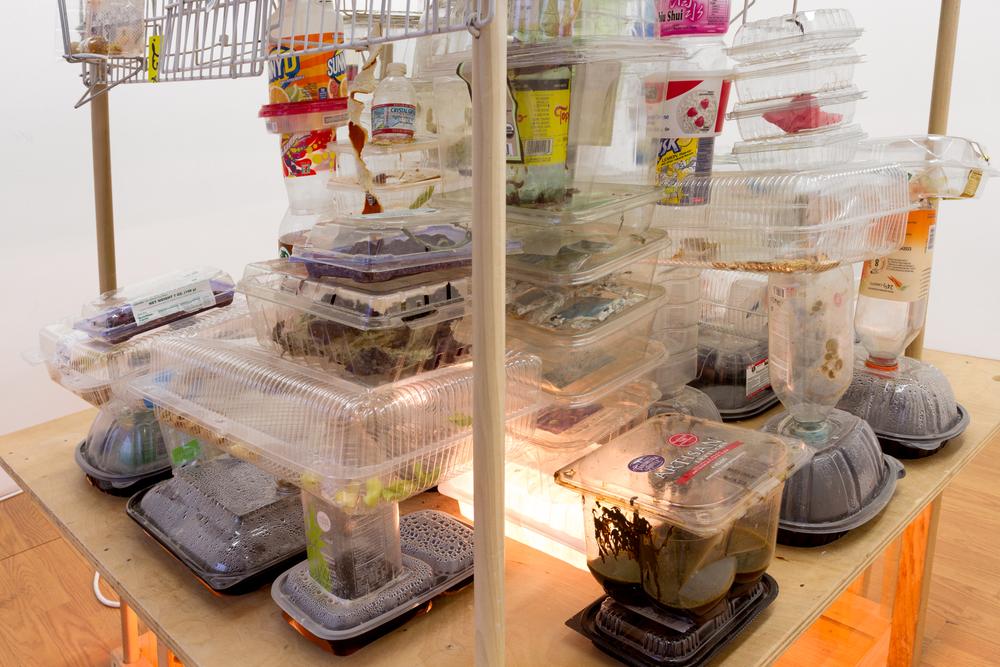
In this work, Yoo encloses the cultivated materials inside plastic disposable containers—symbols of consumerism—creating a sculptural installation that restricts the natural flow of circulation. The stagnation of life within the single frame of plastic prompts reflection on the nature of “containment” itself.


Haena Yoo, Maintain Disgust, 2018, Mixed media, Dimensions variable, Collaborated with Sterling Wells, Installation view of 《Maintain Disgust》 (AWHRHWAR, 2018) ©Haena Yoo

Through this, the artist reflects on the cultural and capitalist phenomenon of globalization, in which the cross-border movement of goods and materials is encouraged, while the movement of people is restricted under strict conditions. In addition, she explores the difference between “containment” and “maintenance,” asking where the exits truly are in a system that offers many points of entry but few paths for free movement or departure.

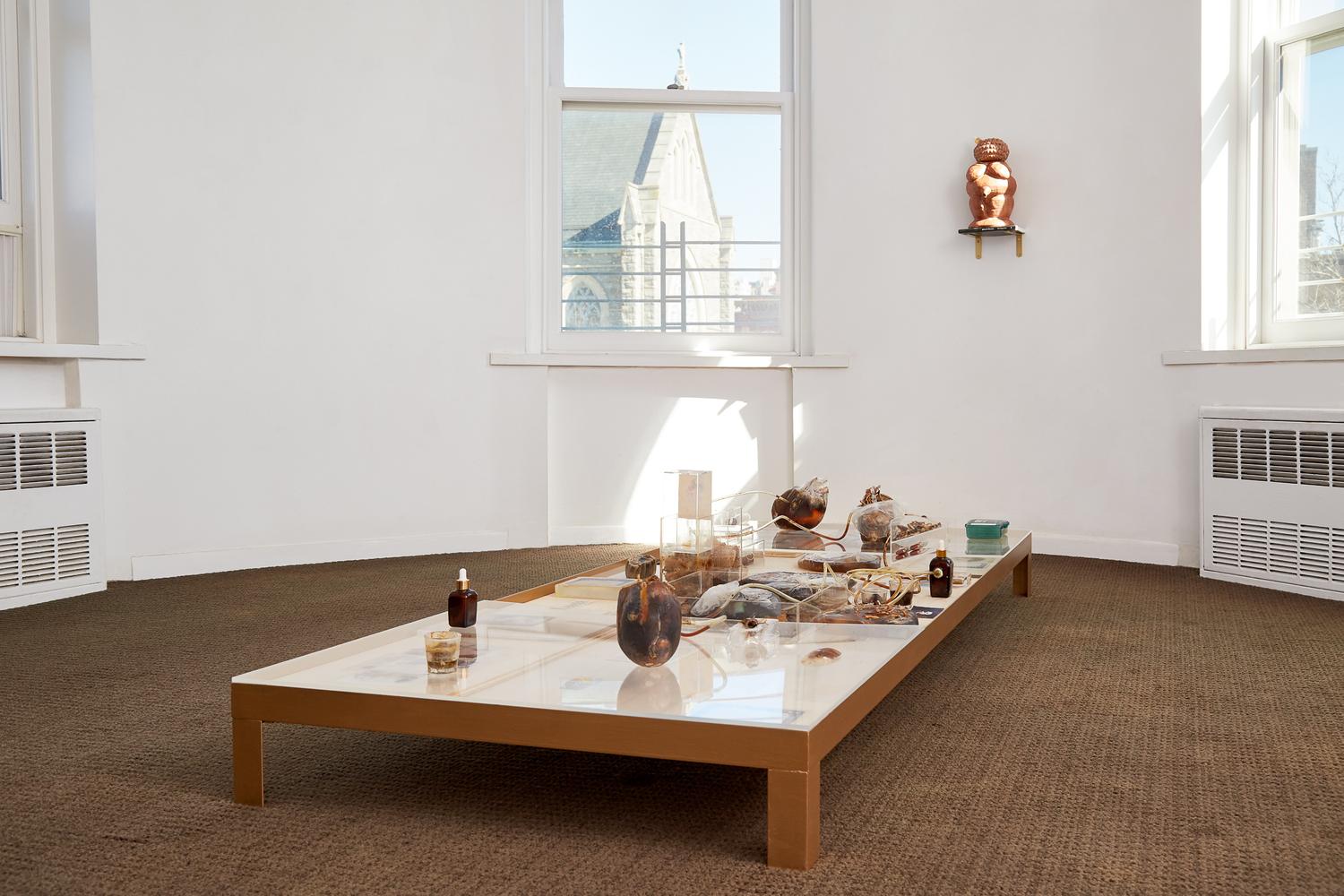
Haena Yoo, The Birth of Venus, 2019, Mixed media, Dimensions variable ©Haena Yoo

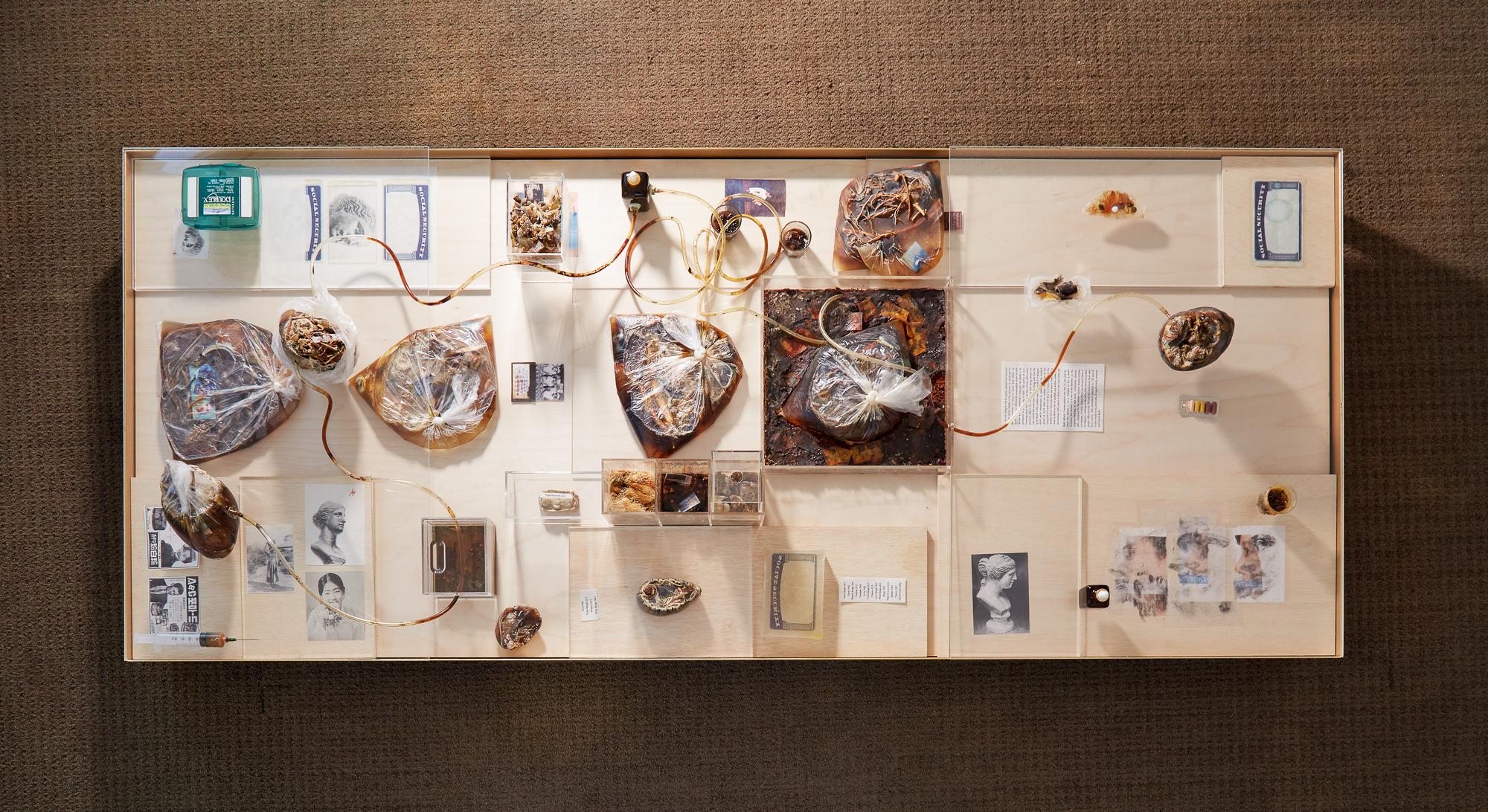
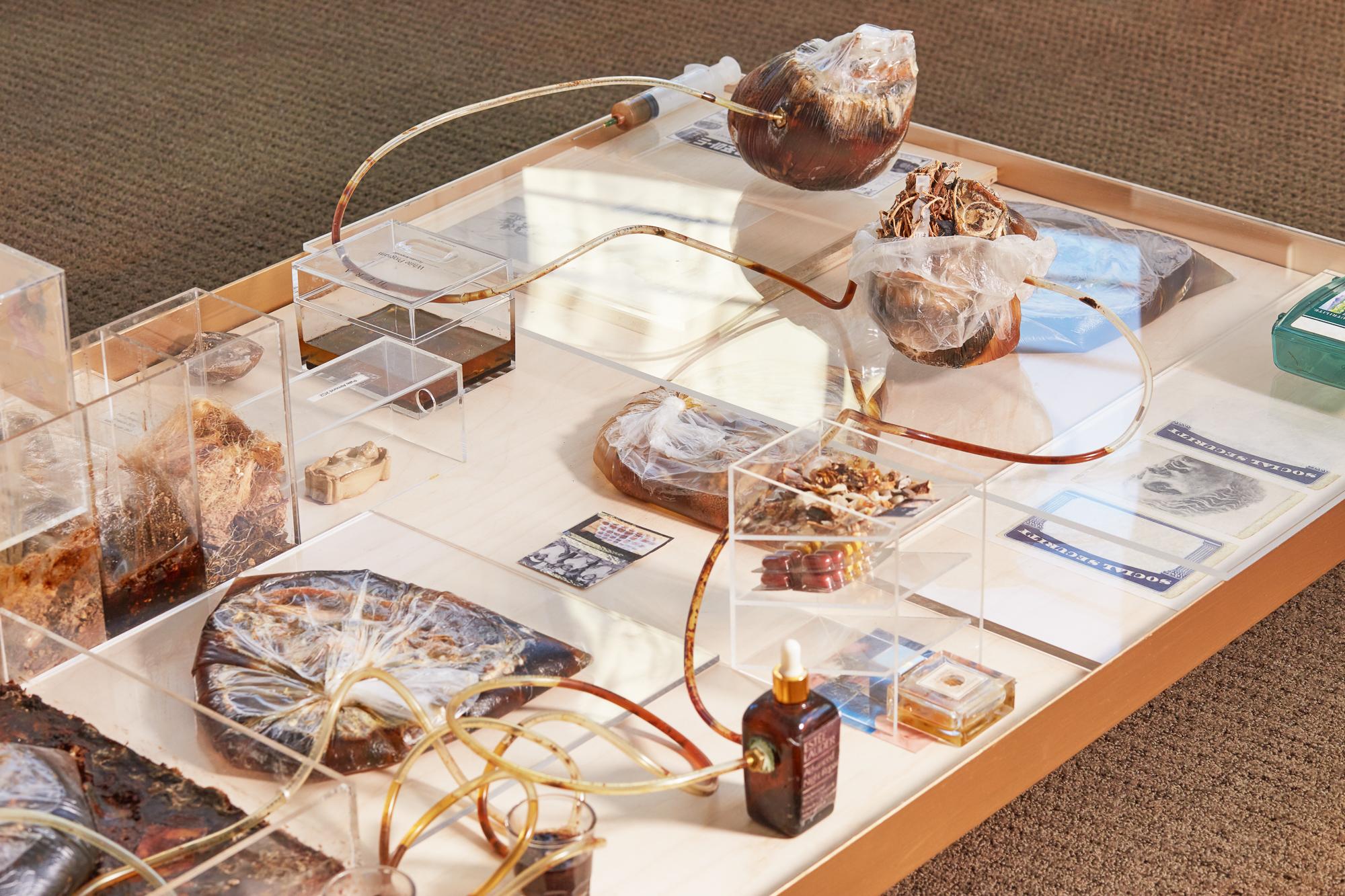
Meanwhile, the installation The Birth of Venus, first presented in 2019, reflects Yoo’s contemplation of the body as she witnessed her mother’s struggle with cancer. Observing her mother place trust in a wide range of Eastern and Western treatments in hopes of regaining her health, the artist was prompted to reexamine the social conditions and systems surrounding illness and aging.

Haena Yoo, The Birth of Venus, 2019, Mixed media, Dimensions variable ©Haena Yoo

In accordance with the laws of nature, the human body ages and moves toward death. Yet in today’s capitalist society, illness and aging are reframed as personal failures and absorbed into profit-driven systems, where various “cures” are commodified as solutions capable of managing uncontrollable biological processes. This phenomenon ultimately cultivates in people a desire for suspension—a wish to halt or delay the inevitable passage of time.


Haena Yoo, The Birth of Venus, 2019, Mixed media, Dimensions variable ©Haena Yoo

Based on this line of thought, The Birth of Venus weaves together contemporary products that promise bodily health and beauty— plastic sculptural casings of powders, herbal tinctures, pills, oils, crystal wax, exfoliating masks, fake eyelashes, perfume samples— among photographs and texts from Susan Sontag’s Illness As Metaphor (1978) and Chantal Akerman’s My Mother Laughs (2013), creating a visual record of the material landscape of our time.
 
This work invites us to reconsider not only the commodification of health and illness—now packaged under the name of “wellness”—but also the finite nature of human existence itself.


Installation view of 《The Oriental Sauce Factory》 (Gallery Shilla, 2022) ©Gallery Shilla

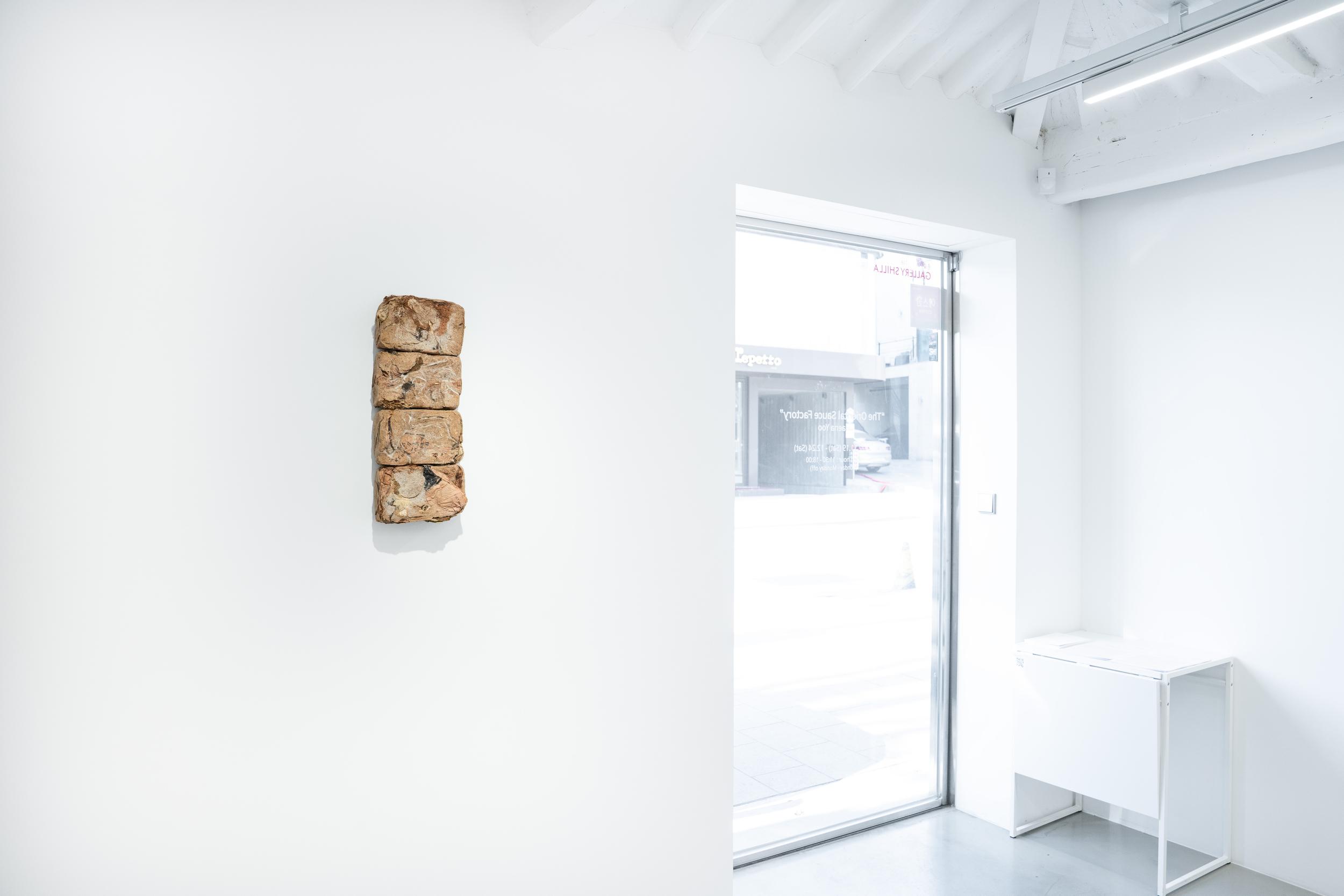
In 2022, Haena Yoo’s first solo exhibition in Korea, 《The Oriental Sauce Factory》, held at Gallery Shilla, used “smell” as its primary immaterial material to explore structures of “otherness” and the “late-capitalist mechanism.”
 
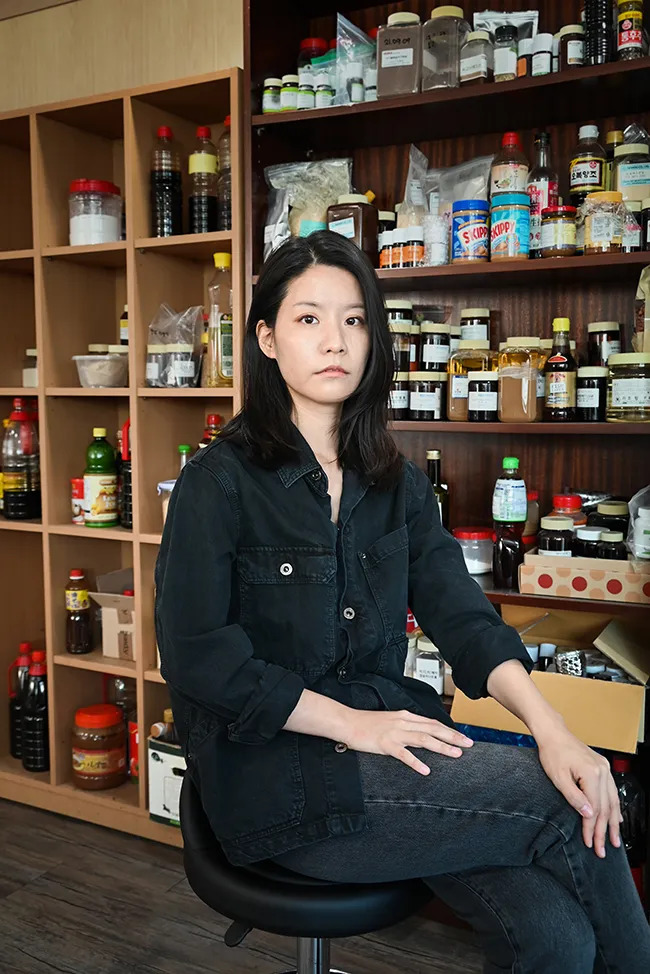
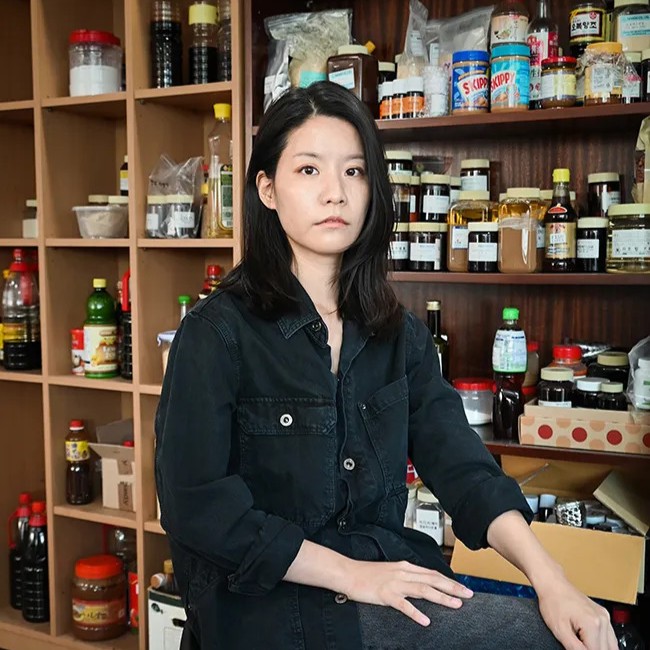
Inspired by observing the production process at her father’s soy sauce factory in Eumseong, Chungcheongbuk-do, the artist came to understand smell as a powerful medium capable of transforming a given space into what feels like “a whole other world.” Through the installation works in 《The Oriental Sauce Factory》, Yoo sought to give form to this experience and to invite viewers directly into that sensory encounter.


Installation view of 《The Oriental Sauce Factory》 (Gallery Shilla, 2022) ©Haena Yoo

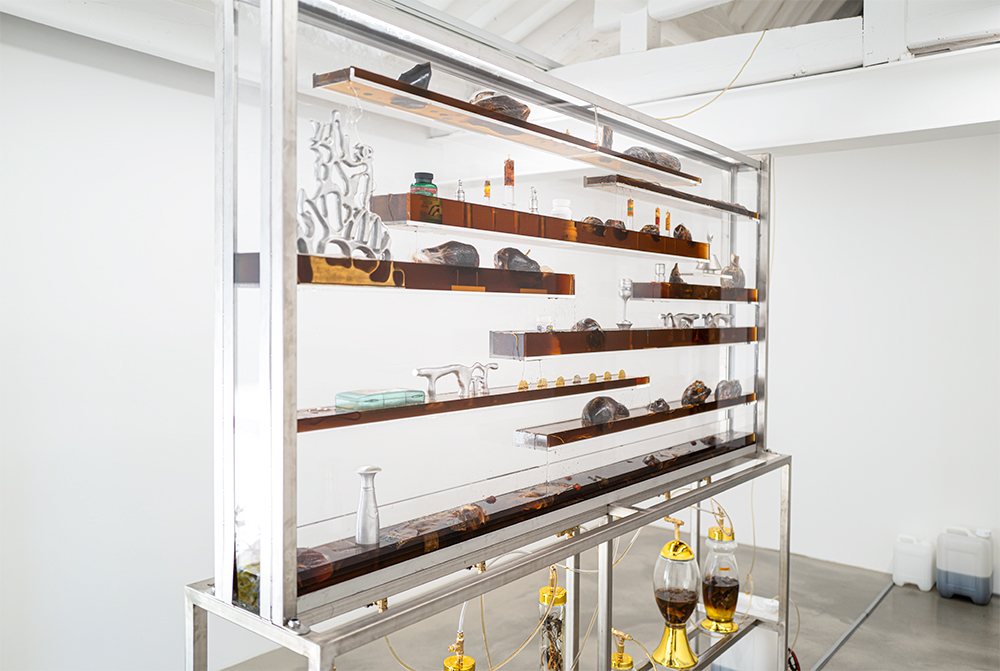
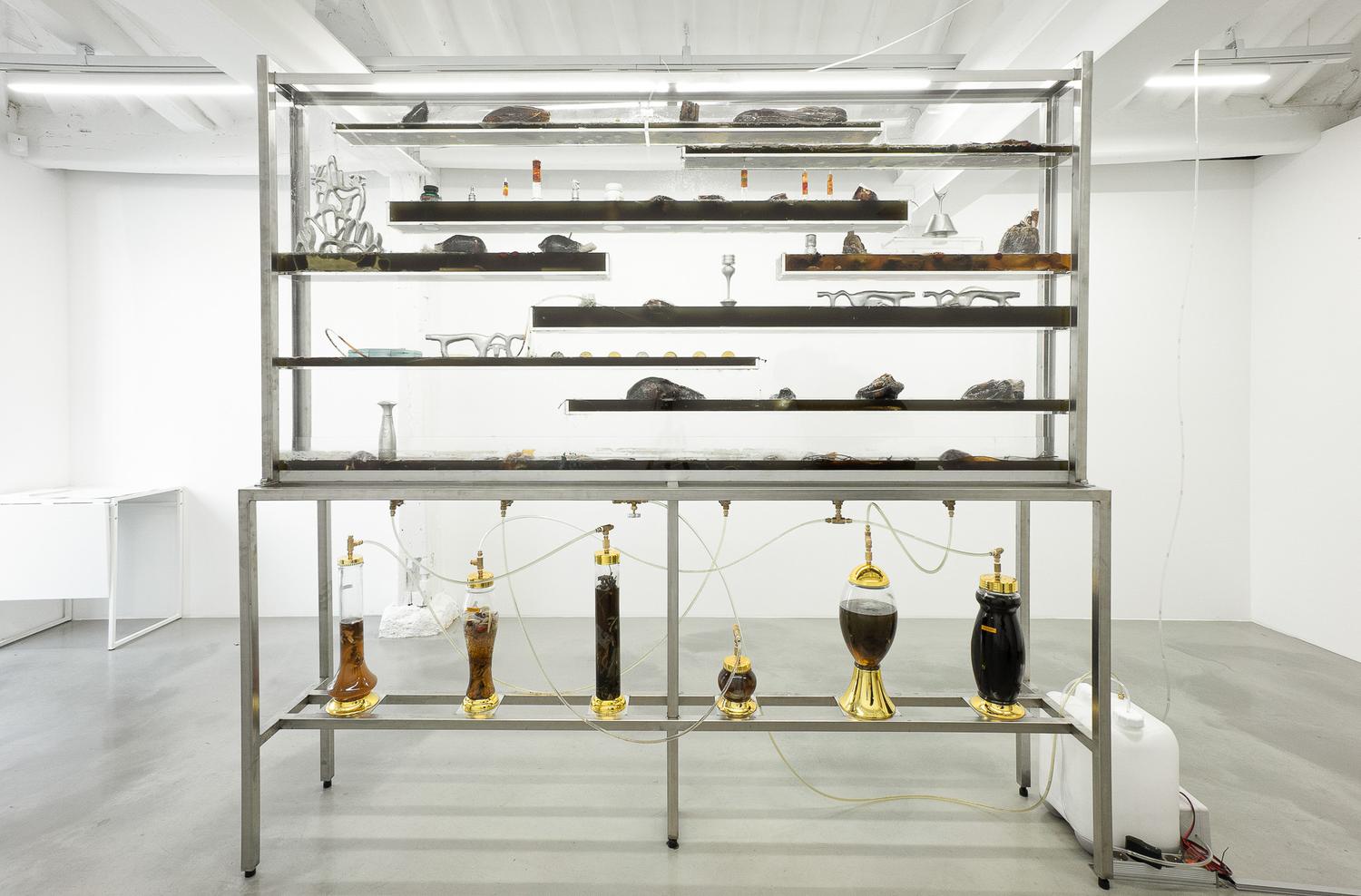
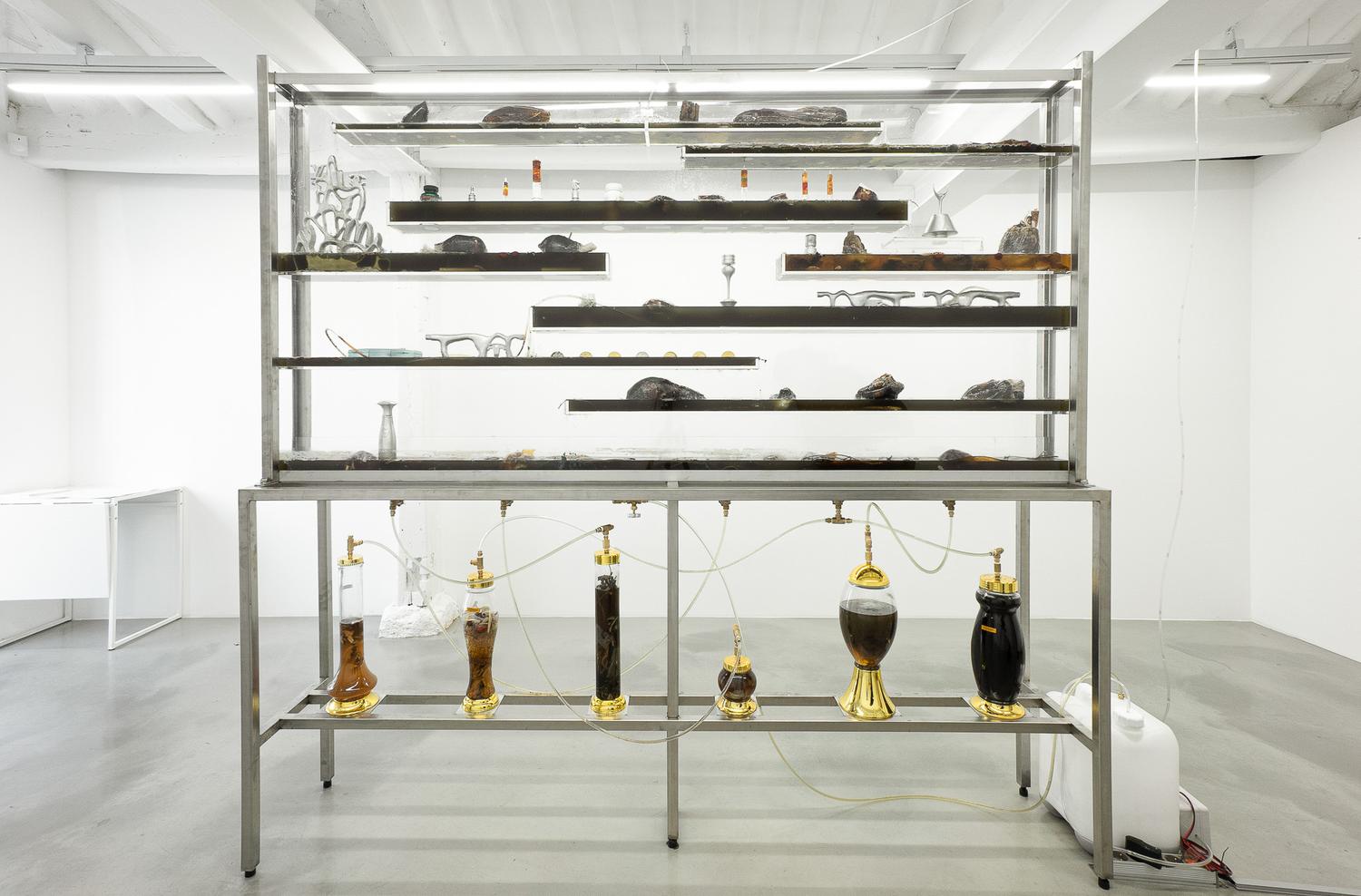
To realize this process, the artist recreated in the exhibition space a factory operating system she calls a “liquid filtration system.” The sauce, a savory, dark, olfactory Other undergoes consumption, extraction, and exploitation within the operations of 《The Oriental Sauce Factory》. Yoo’s system of objects depict the tensions of existing amidst emerging strategies of control and surveillance.


Installation view of 《The Oriental Sauce Factory》 (Gallery Shilla, 2022) ©Haena Yoo

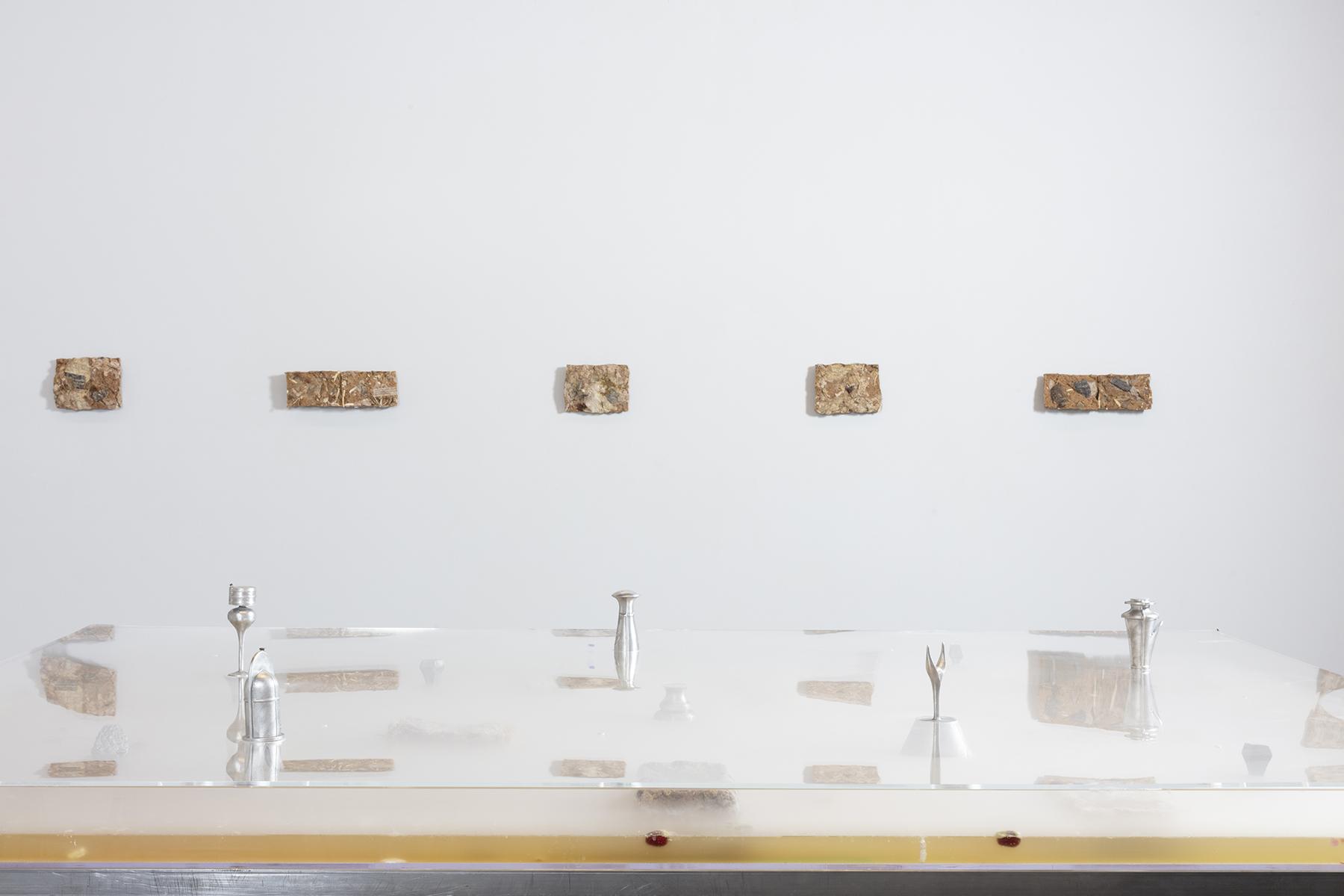
The sauce is first introduced in its preliminary form of Meju (Dictee) (2022). Shredded rice paper passages from Theresa Hak Kyung Cha’s Dictee are combined with herbal remedies and soybeans to create hand-formed bricks, with living koji mold Aspergillus oryzae propagating. Making meju is a feminine-coded form of domestic labor, which requires hand-shaping in order to encourage the growth of the koji mold.
 
Dictee is the story of the suffering of several women: the Korean revolutionary Yu Guan Soon, Joan of Arc, Demeter and Persephone, Cha's mother Hyung Soon Huo (a Korean born in Manchuria to first-generation Korean exiles), and Cha herself––their stories infused into the base of the sauce itself.


Haena Yoo, Injection Machine: Tu m’, 2022, Mixed media, Dimensions variable ©Haena Yoo

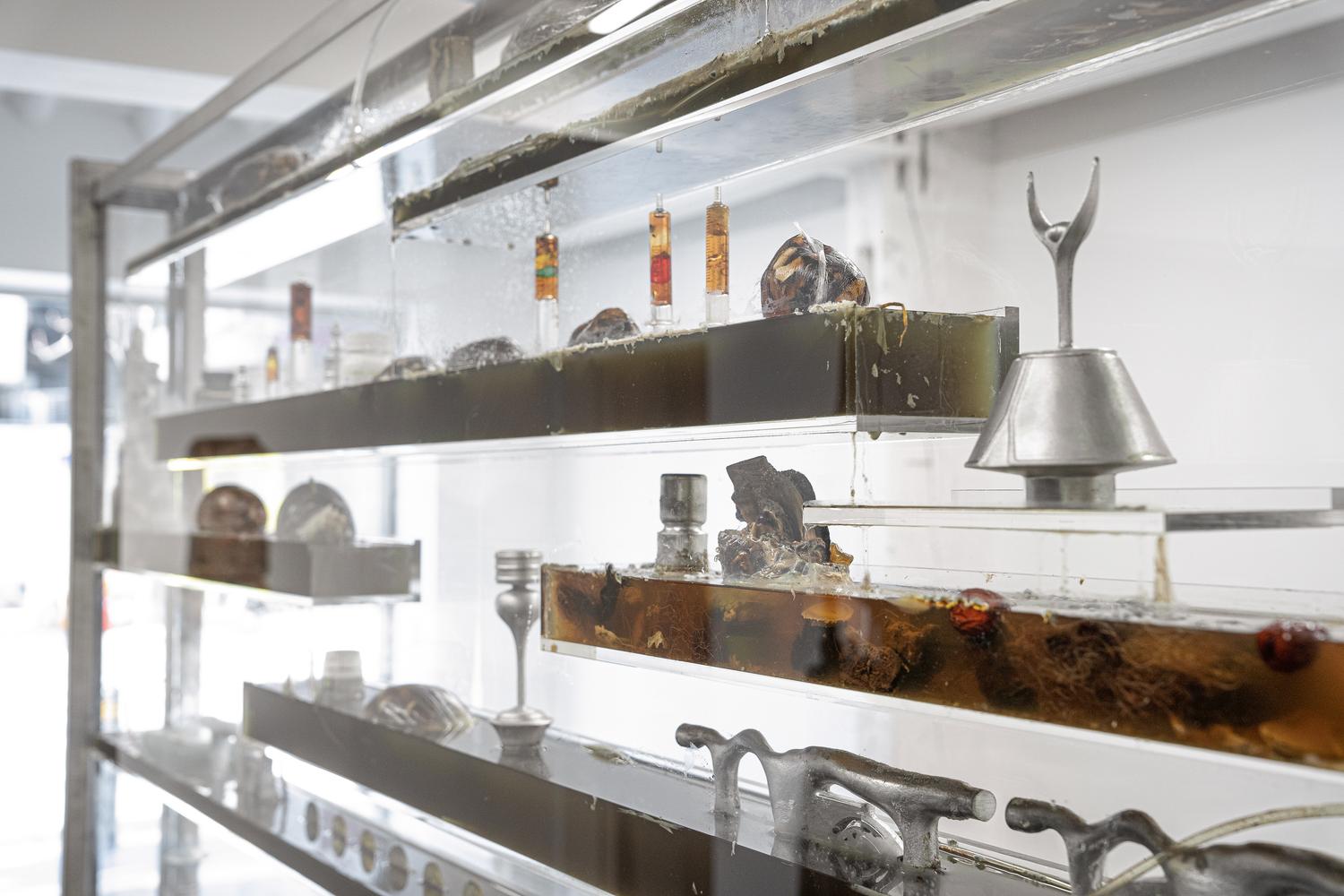
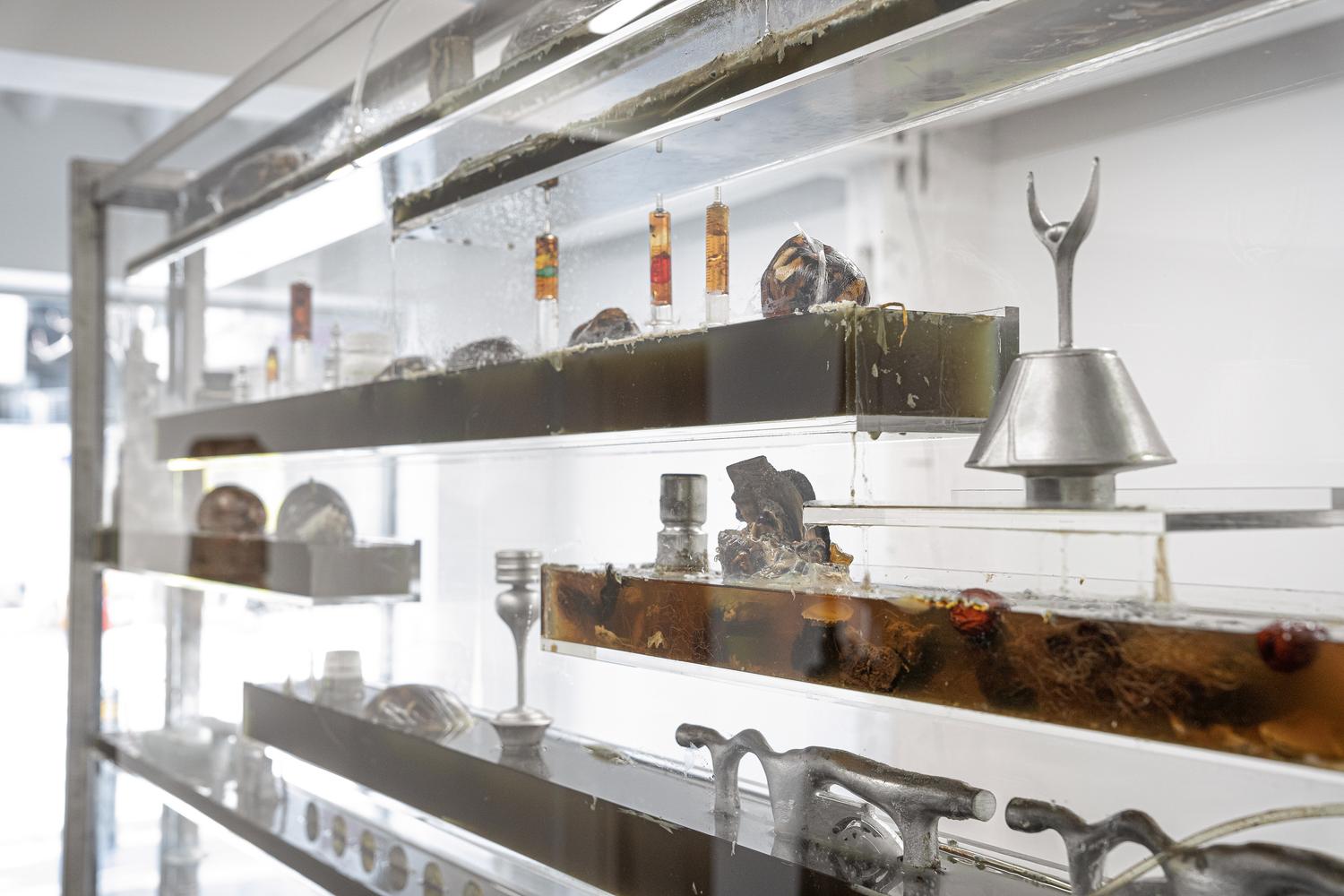
While the centerpiece of the exhibition, the Injection machine: Tu m’ (2022), provides the following step in the operation: a filtration station. The mixture of meju, saltwater, jujube, oregano oil, elderberry, magnesium oxide, and over-the-counter American drugs trickles through a narrow plexiglass structure––part-waterfall, part-maze.
 
The structure governs the sauce while also bifurcating the space. The brewing sauce finds its way through submerged obstacles such as wax sculptures connected with medical tubes, syringes, Cha’s words, medicine bottles, cast aluminum cryptocurrency, lottery tickets, and the logos of multinational corporations.


Installation view of 《The Oriental Sauce Factory》 (Gallery Shilla, 2022) ©Haena Yoo

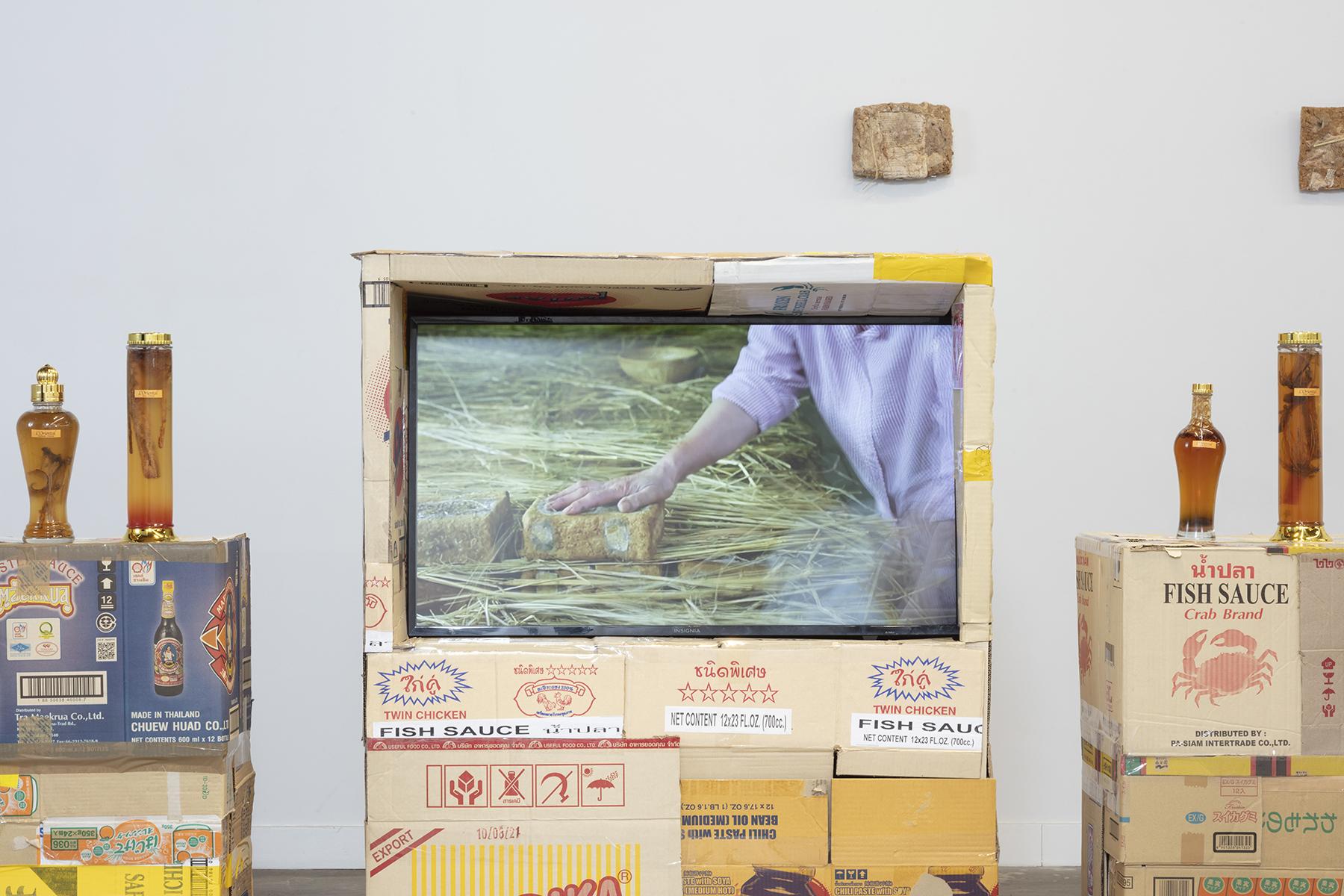
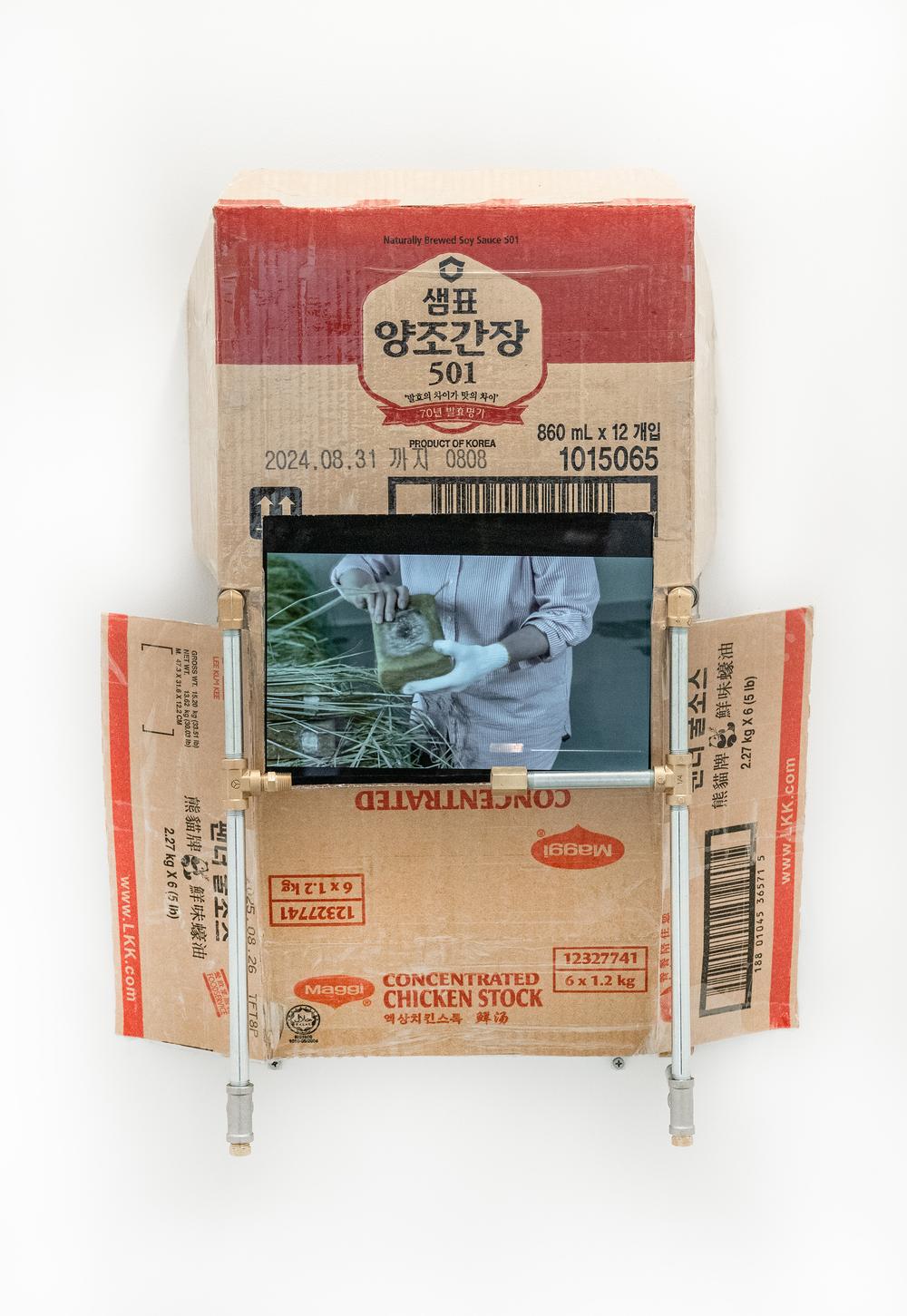
In the lone video work, Checkmate, installed toward the back of the gallery on top of grocery store cardboard boxes, an AI-generated voice narrates the benefits of bai hua, an oolong tea renamed “Oriental Beauty” by Queen Elizabeth II.
 
Meanwhile, bottles of soy sauce are being filled on screen facilitated by the laboring Korean women at Yoo’s father’s sauce factory. As the bottles pass through the bottling and packaging stations in Checkmate and at the Injection machine: Tu m’, the complexity of the sauce’s origins become diluted and reduced by branding and Orientalism.
 
Yoo’s allegorical factory exposes the ruinous violence of the marketplace on a contained scale. Still, odor, and its tendency to intensify with time, suffuses the exhibition.


Haena Yoo, Injection Machine: Tu m’, 2022, Mixed media, Dimensions variable ©Haena Yoo

As the sauce continues to cultivate, and even corrode objects within the vitrine, its earthy essence seeps through its containers regardless of efforts to contain it. Attempts to quell the sauce’s otherized pungency and maintaining docility are met by an effluvium resistance––one that arcs towards a living entropy.
 
The binary structure of a mechanized manufacturing system and the spontaneous process of fermentation seem to compete along the boundary of interdependence, generating collisions between desire and control. Ultimately, the artist expands and materializes this sense of unpredictability through smell, sound, and the growth of bacteria.


Haena Yoo, L’Oriental (Series), 2023, Mixed media, Dimensions variable ©Haena Yoo

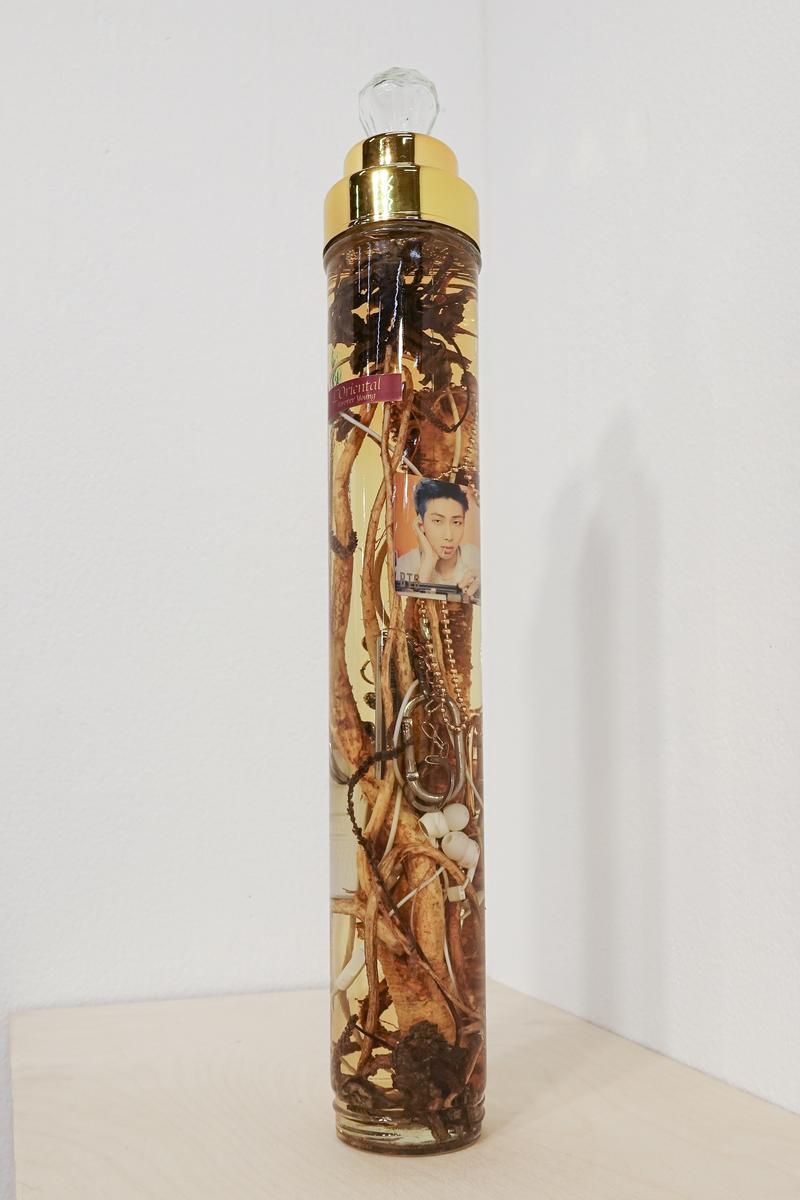
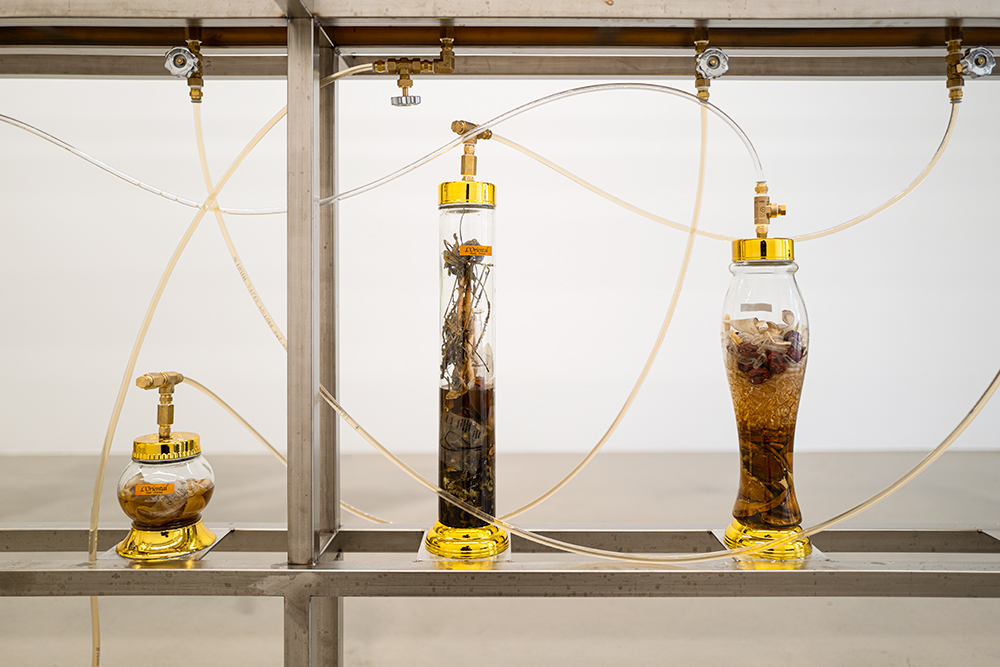
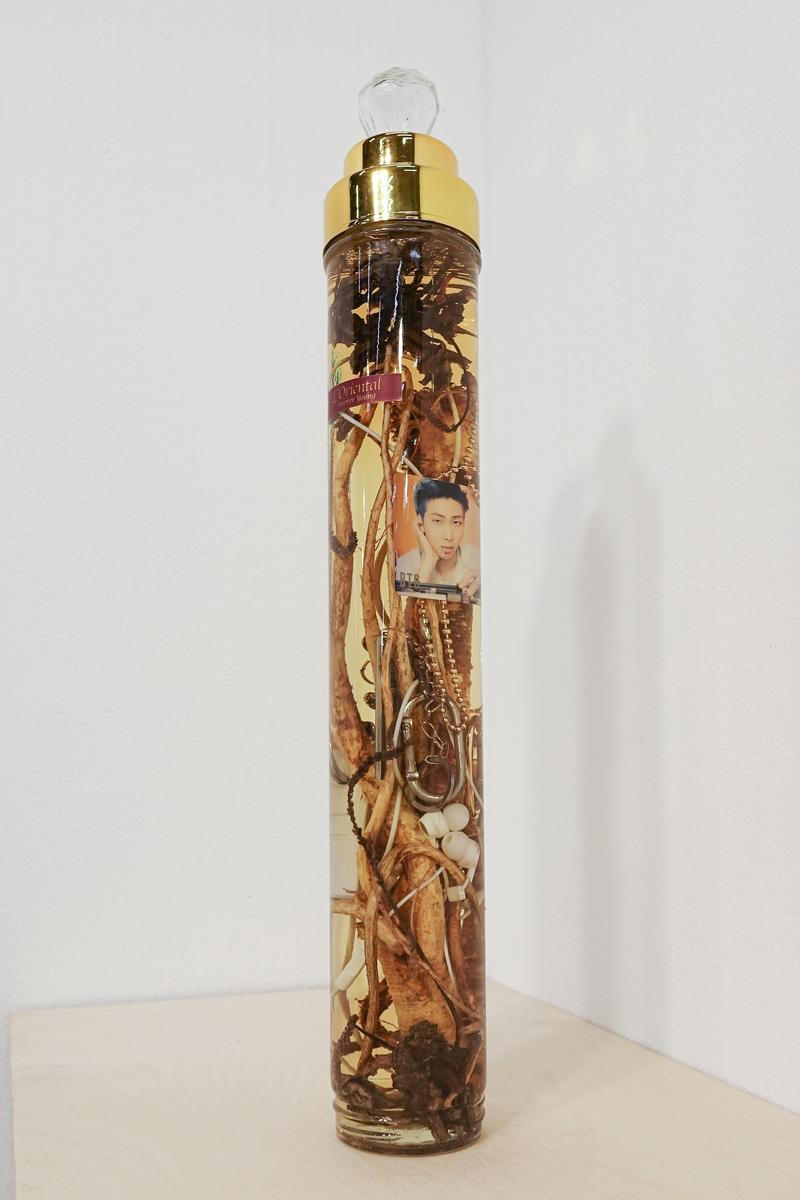
In her subsequent ‘L’Oriental’ series (2023), Yoo visualized a line of bottles inspired by the kinds of products that might be imagined when the word “Oriental” becomes a label for commodification—salad dressings, perfumes, soaps, teas, and more.
 
In this body of work, the artist notably created a type of infused liquor by placing symbolic “totems” of desire—objects that contemporary East Asian individuals possess or aspire to possess—into alcohol-filled bottles, aging them together with medicinal herbs such as bullocho, traditionally associated with longevity.
 
The desires of contemporary Asians—particularly within Korea’s rapidly developed capitalist and consumerist culture—are condensed inside these bottles, undergoing yet another passage of transformation over time.


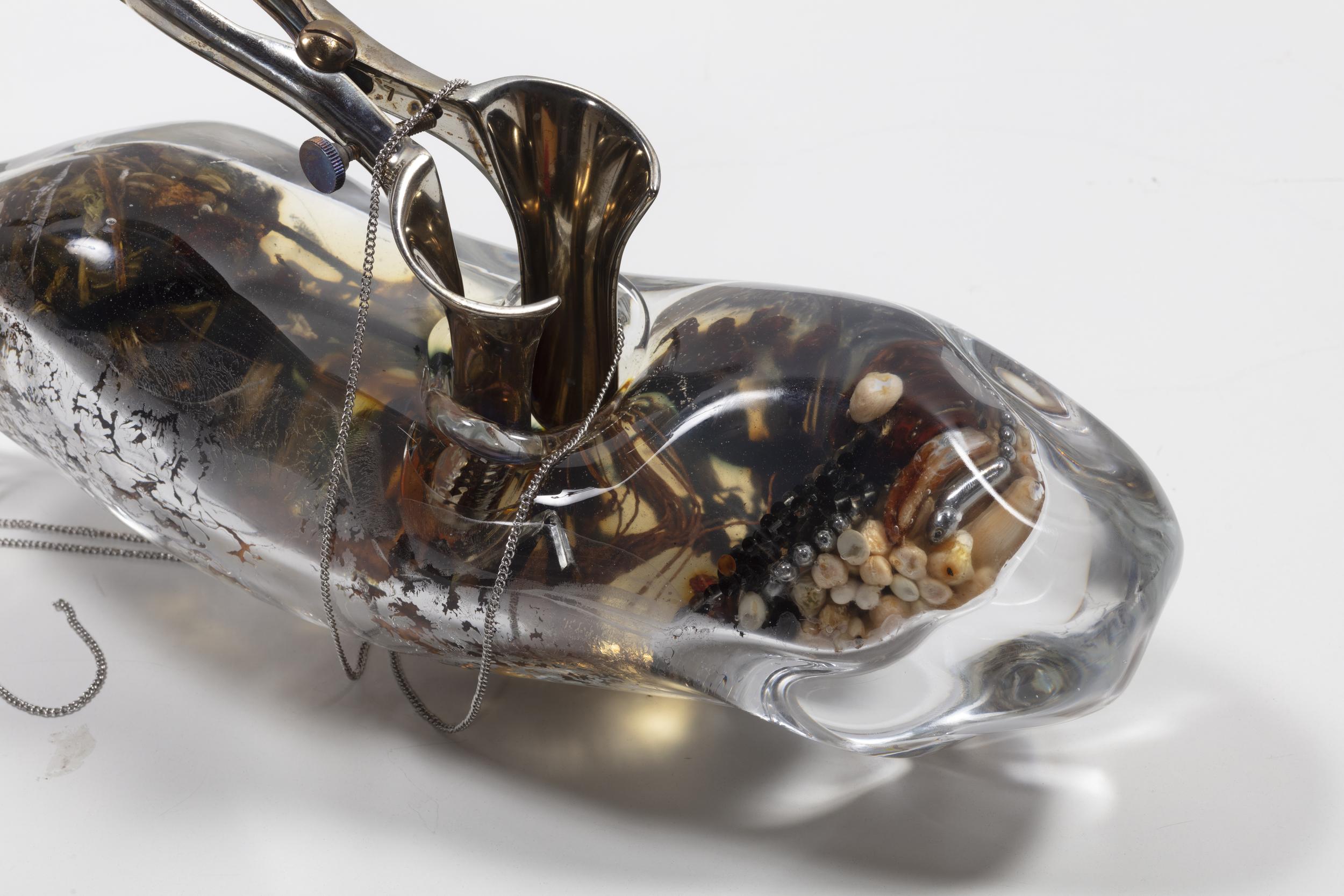
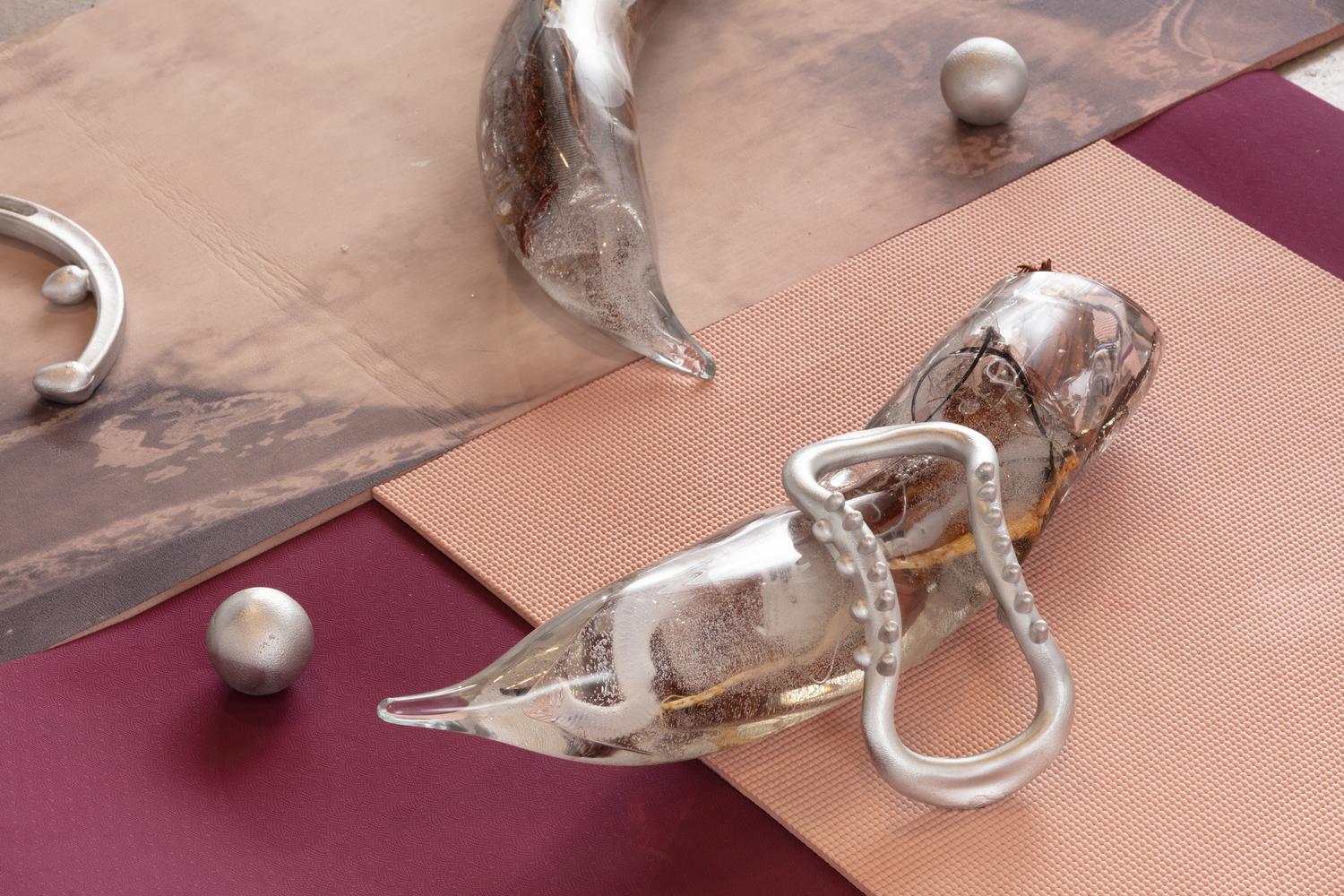
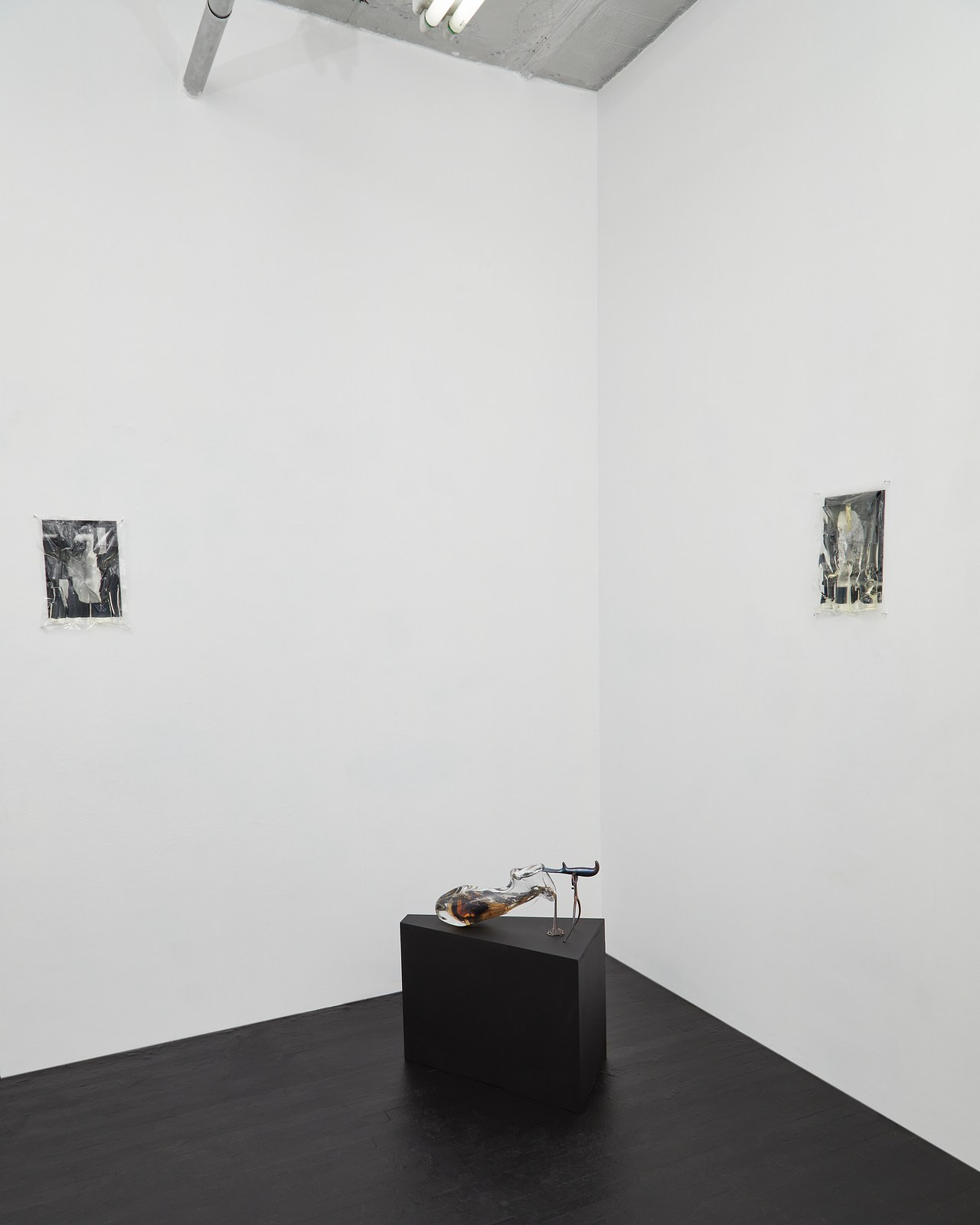
Haena Yoo, I Was Placebo (3), 2024, Blown glass, speculum, wax, chain, charm, gold-plated ginseng, bead, pill, string, 20.3x61x17.8cm ©Haena Yoo

Haena Yoo’s work, which traps substances known to be beneficial to the body—such as turkey tail mushrooms and hwanggi (a medicinal root)—as well as luxury items like accessories, between the forces of preservation and decay, has recently evolved from being confined in infused liquor bottles to being fixed within forms made from blown glass spheres.
 
For example, the ‘I Was Placebo’ (2024) series takes the form of various organic materials and objects stored inside glass containers with organic curves, while medical instruments make contact with the surfaces of these containers. Medical scissors, tweezers, and similar tools appear as if handling a body in a surgical setting—fixing, piercing, or cutting the glass pieces.
 
These works raise questions about the meaning of “safety” and “trust” within a system shaped by the contemporary desire for a “perfect” body and the fears accompanying it, the historical development of medical technologies that support this desire, and the capitalization of survival that has emerged alongside them.


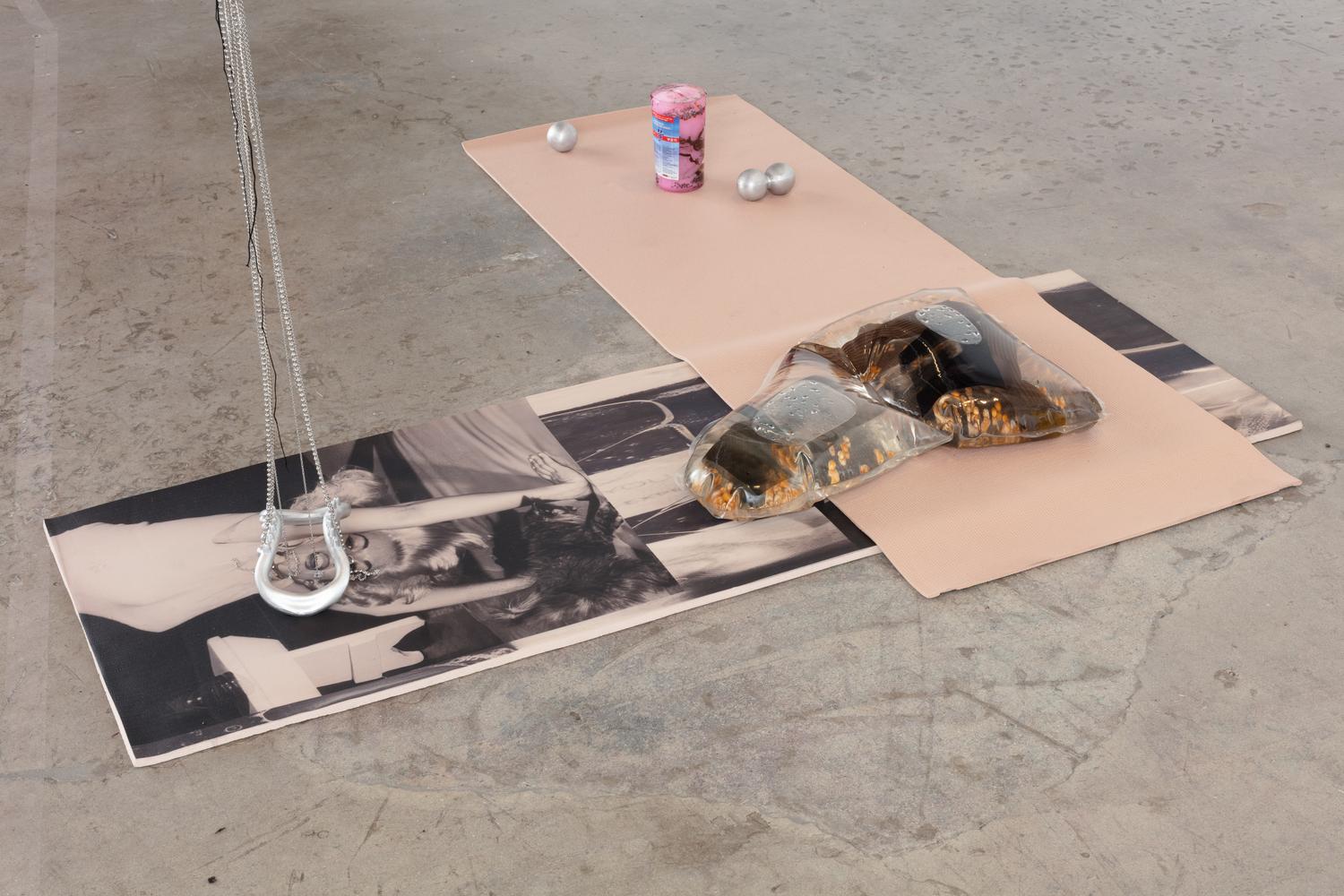
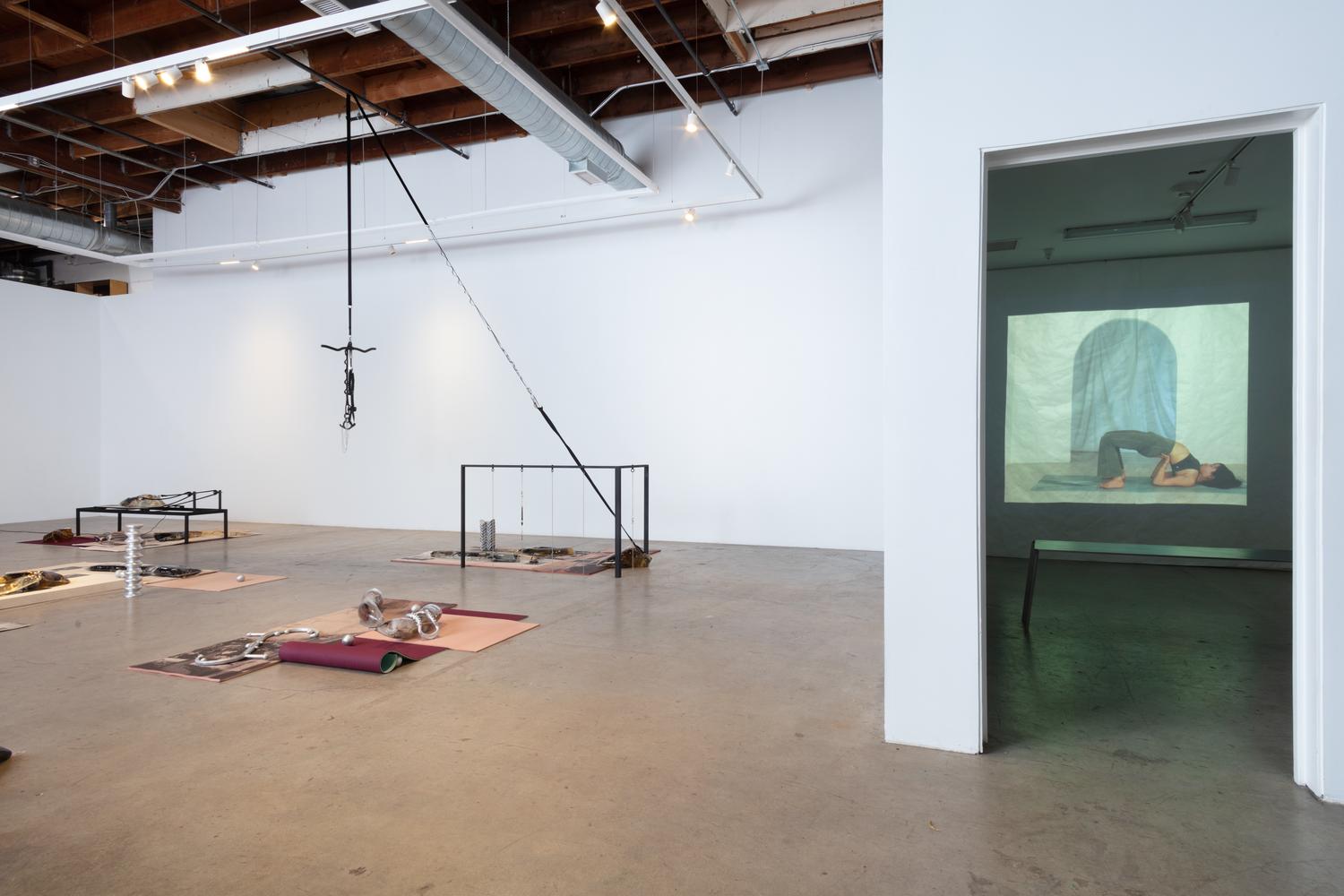
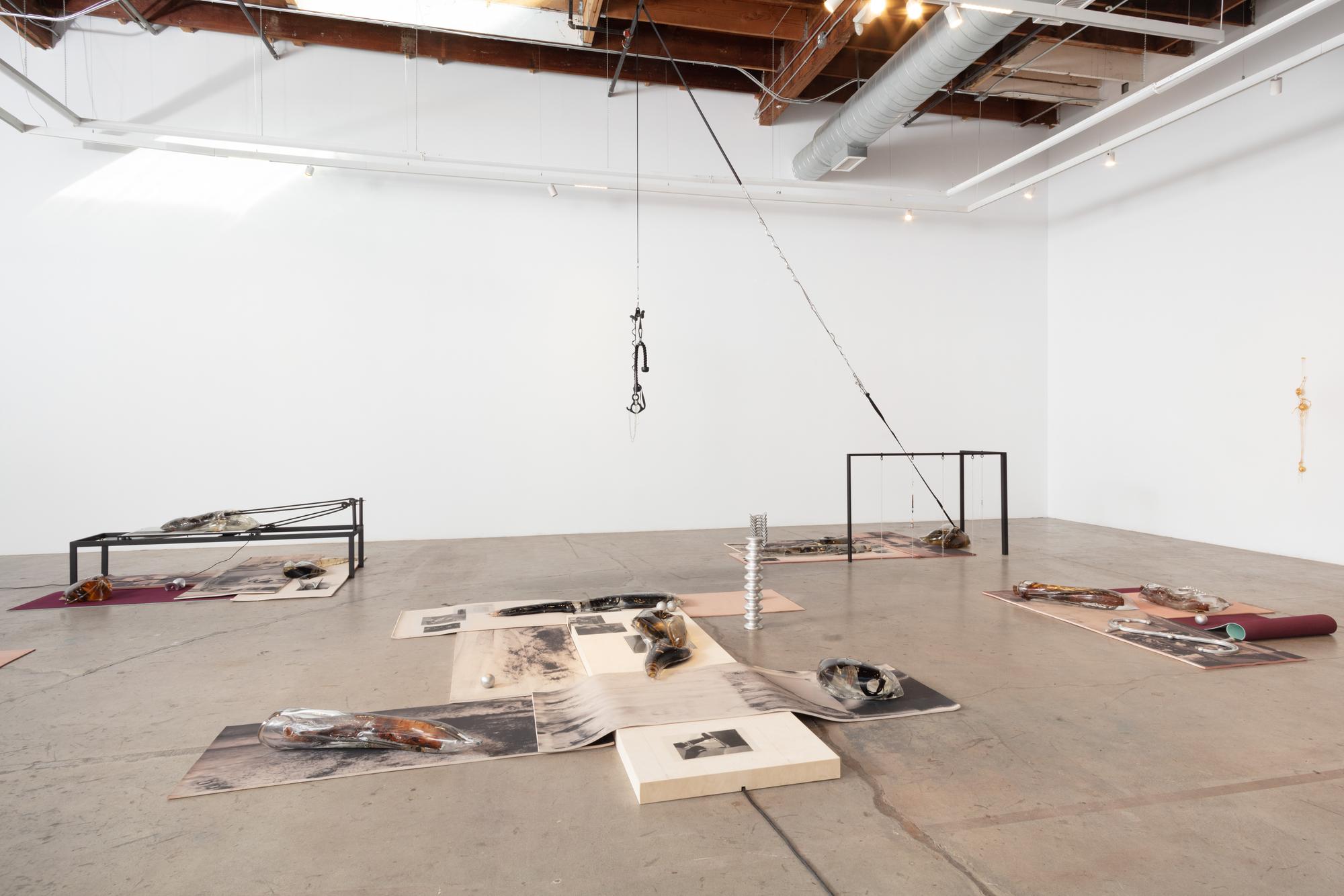
Installation view of 《Self Love Club》 (Murmurs, 2024) ©Haena Yoo

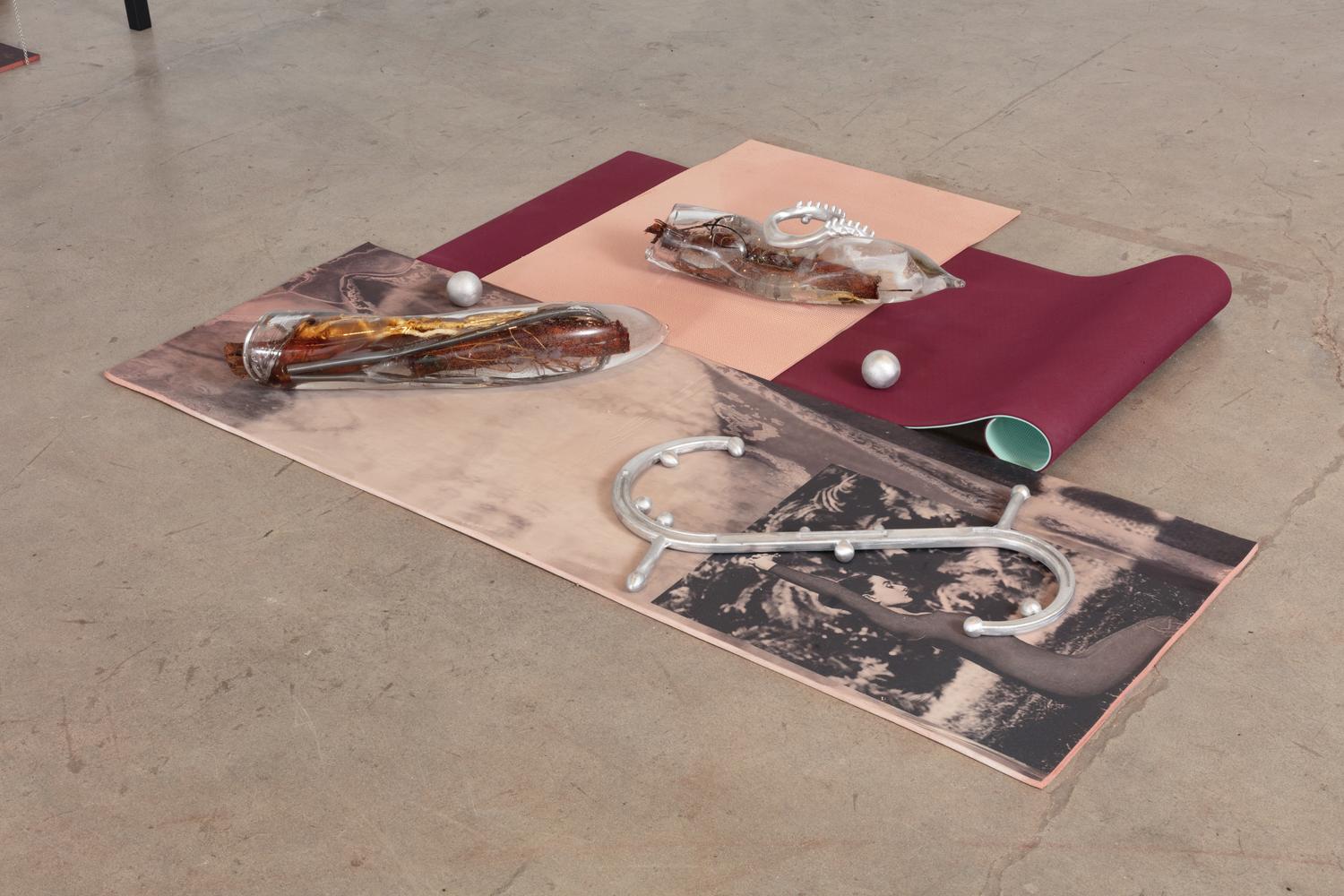
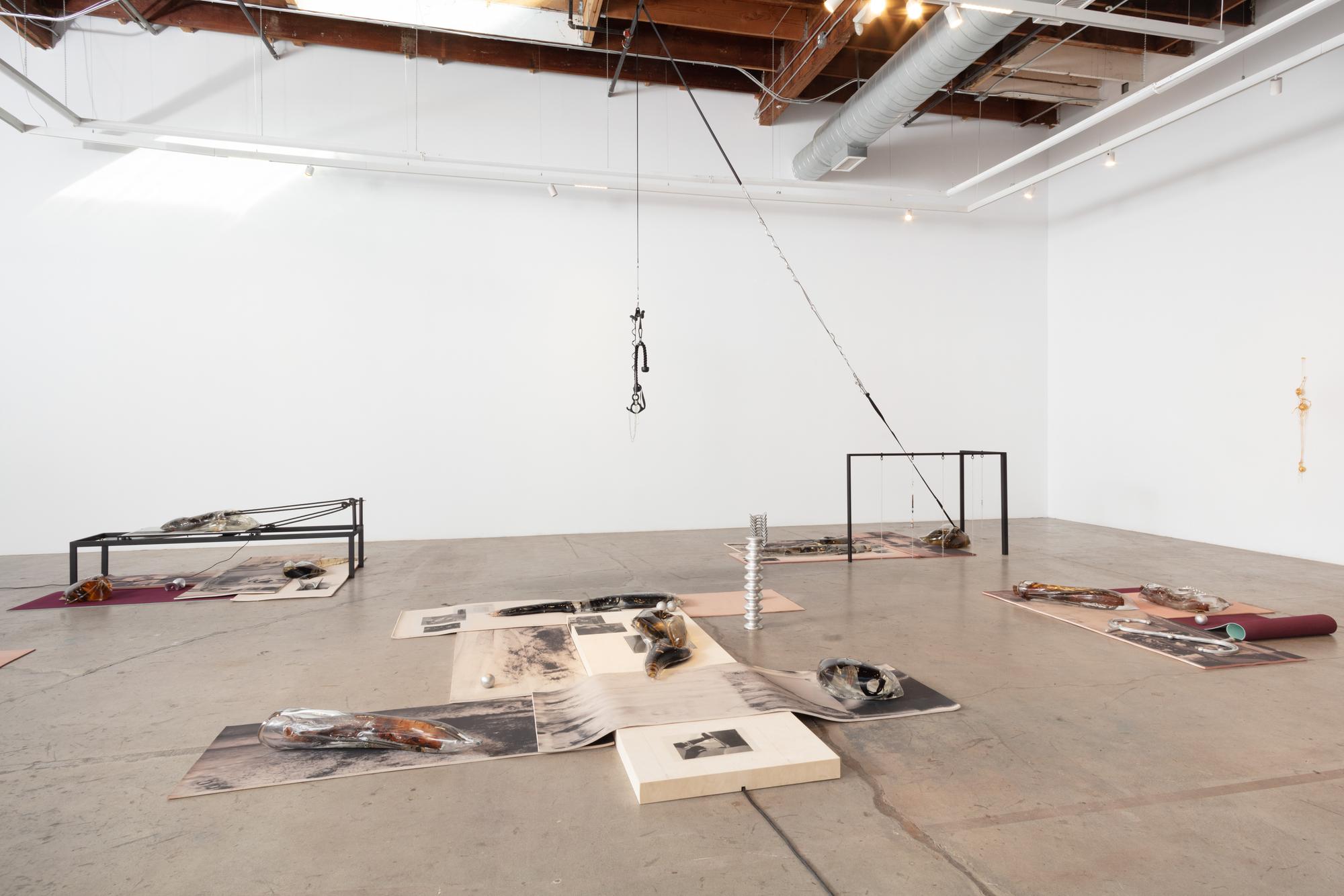
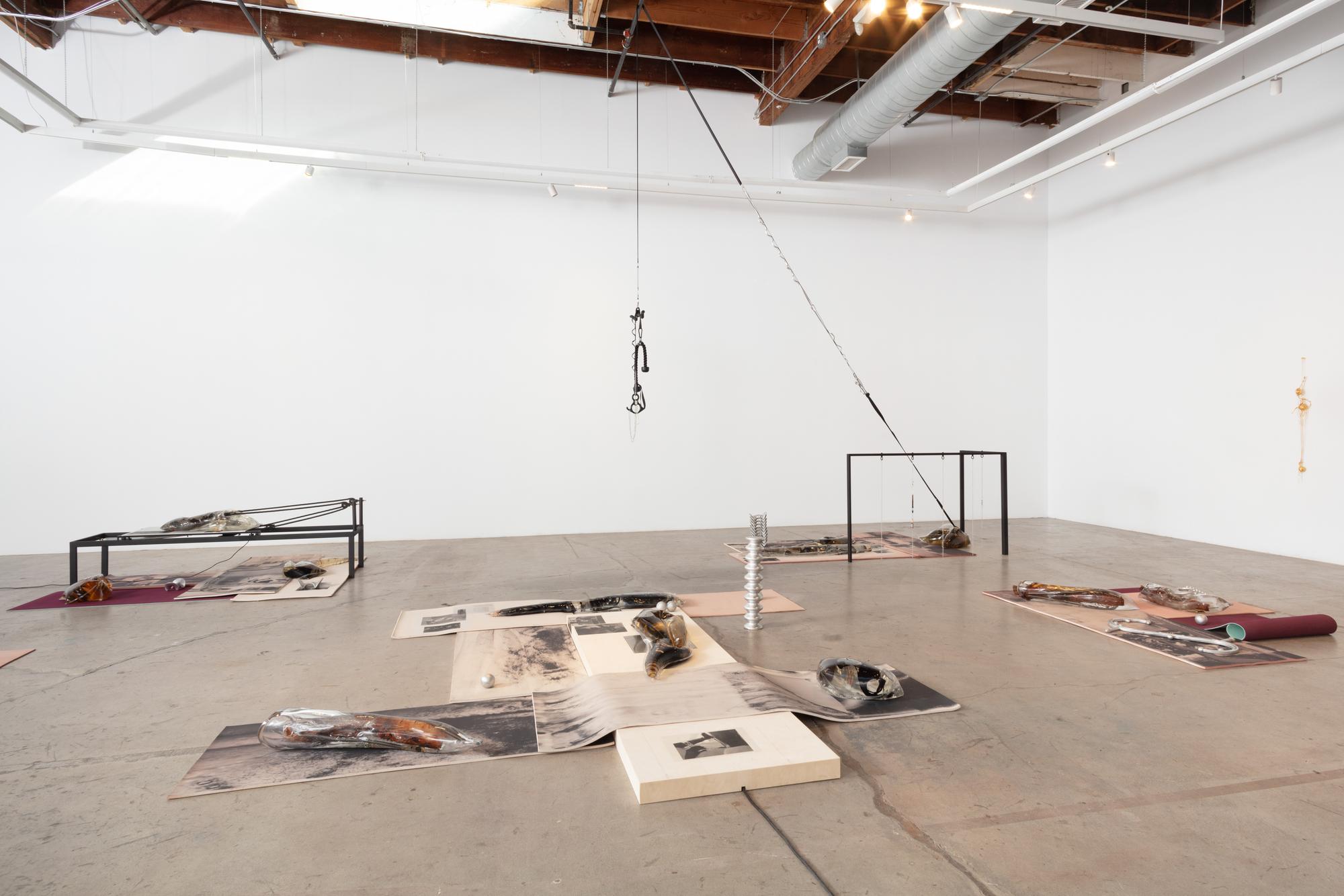
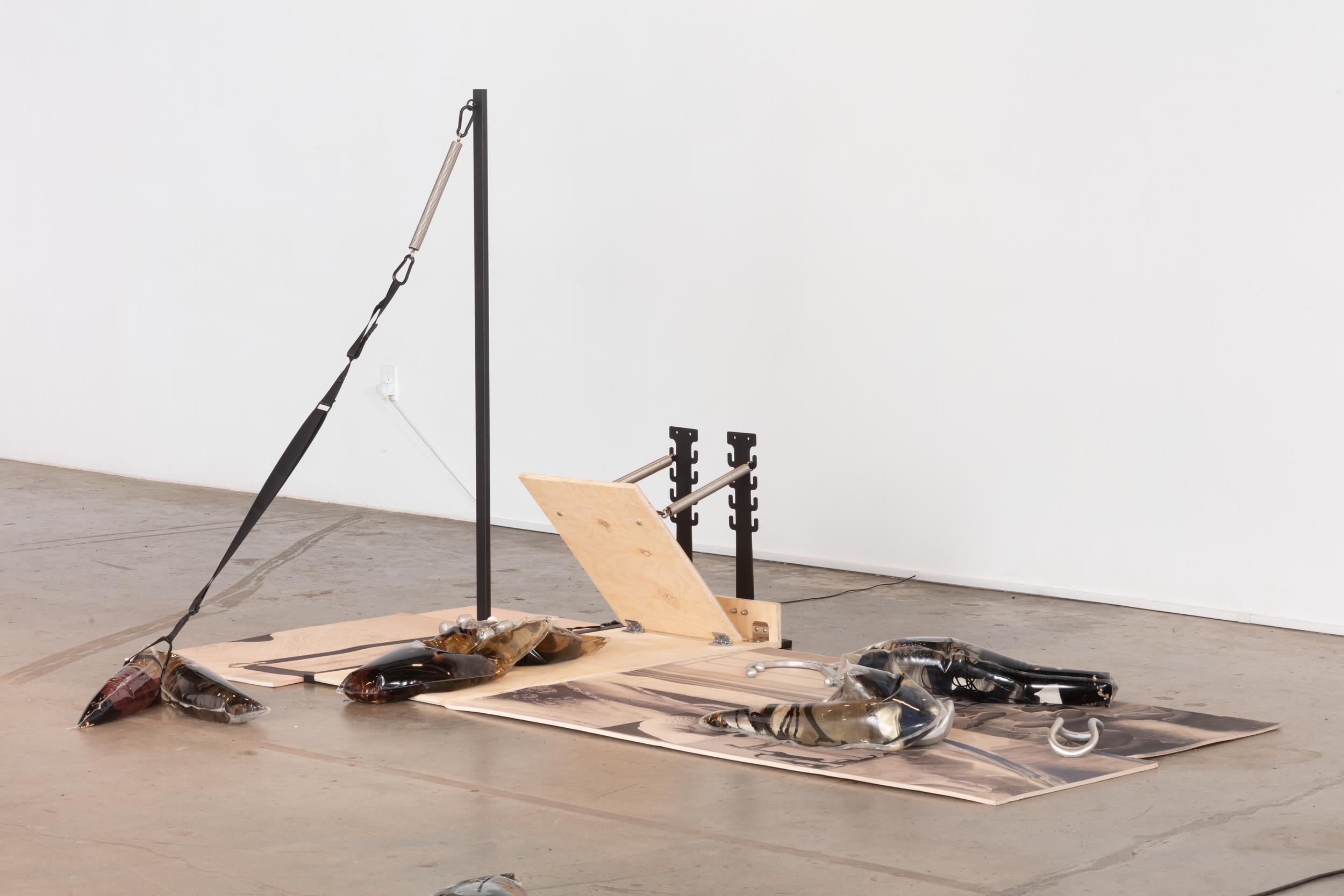
Meanwhile, in her 2024 solo exhibition 《Self Love Club》 at Murmurs in Los Angeles, Haena Yoo focused on the self-care industry and culture, including practices such as yoga and Pilates. The artist paid particular attention to how yoga—rooted in traditional concepts connecting body and mind and built over a long historical trajectory—has had its philosophy fragmented and commodified following Britain’s colonial rule over India.


Installation view of 《Self Love Club》 (Murmurs, 2024) ©Haena Yoo

Following colonial rule, yoga was brought to the West, where it gradually underwent distorted transformations. Yoga’s functional effects on health and beauty along with a fetish for orientalism popularized it—especially among women—and led to the rapid expansion of secondary industries such as nutritional and beauty supplements.
 
This has given rise to the exploitation of traditional knowledge, resources, and labor, such as the cultivation of herbs and medicinal plants, as well as excessive intervention into the environment. Today, palm oil, the source of glycerin, which is the base of most cosmetics, is produced by sweat labor. The popularity of tropical fruits as beauty foods generates mass carbon emissions from trade and many wild plant species such as maca, which once only grew in the Andean region of Peru, have been developed into cultivated varieties, disrupting ecological cycles.
 
Like these GMO4 crops, today’s yoga has been crossbred with Pilates—which originated in the early 1920s from opposing Western perspectives—and other exercises to create a new realm of industry.


Installation view of 《Self Love Club》 (Murmurs, 2024) ©Haena Yoo

The extreme individualism formed under colonial rule and the development of neoliberalism repeatedly—and voluntarily—turn the individual’s body and mind into a colony of capital, plunging them into isolation and self-doubt within severed relationships. The artist points out that, in this context, we do not occupy the position of the subject.
 
The self-love industry, which courts approval through the recovery of the self and “loving oneself,” ultimately defines the self that dreams of existing outside capitalist society as an object of healing, serving as a means to return it to the cycle of labor. The artist thus unfolds a landscape of distorted emotions and bodies that consume the altered history through the self-love industry, which wins over our hearts.


Installation view of 《Self Love Club》 (Murmurs, 2024) ©Haena Yoo

In this way, Haena Yoo has questioned the power and sustainability of systems and disciplines that promise hope to consumers while simultaneously exercising control. Through various media experiments that traverse the material and immaterial, she presents the contradictions and realities underlying these systems on a synesthetic level, allowing viewers to experience and reconsider them.

 ”I want to convey systemic/socio-structural failure through my work. I want to take such failures as a given reality and reflect them.”  (Haena Yoo, from the interview with Art in America) 


Artist Haena Yoo Contemporary Art Review Los Angeles

Haena Yoo holds a BFA in Fiber Arts from Ewha Womans University and an MFA from ArtCenter College of Design. Recent solo exhibitions include 《Self Love Club》 (Murmurs, Los Angeles, USA, 2024), 《Severance》 (Bibeaukrueger, New York, USA, 2023), 《The Oriental Sauce Factory》 (Gallery Shinra, Seoul, 2022), and 《The Birth of Venus》 (P. Bibeau, Brooklyn, USA, 2021).
 
She has also participated in numerous group exhibitions, including 《Æterna Flux》 (Le Cyclop de Jean Tinguely, Milly-la-Forêt, France, 2025), 《Body Counts》 (Torrance Art Museum, Torrance, USA, 2025), 《Artificial Elegance》 (White Noise, Seoul, 2025), 《Pigment Compound》 (P21, Seoul, 2025), 《Porsche SCOPES》 (Layer20, Seoul, 2023), and 《I’ve Gone To Look For America》 (Murmurs, Los Angeles, USA, 2023).
 
In 2024, Yoo was named one of Art in America’s “New Talent” artists. She currently works between Seoul and Los Angeles.

References