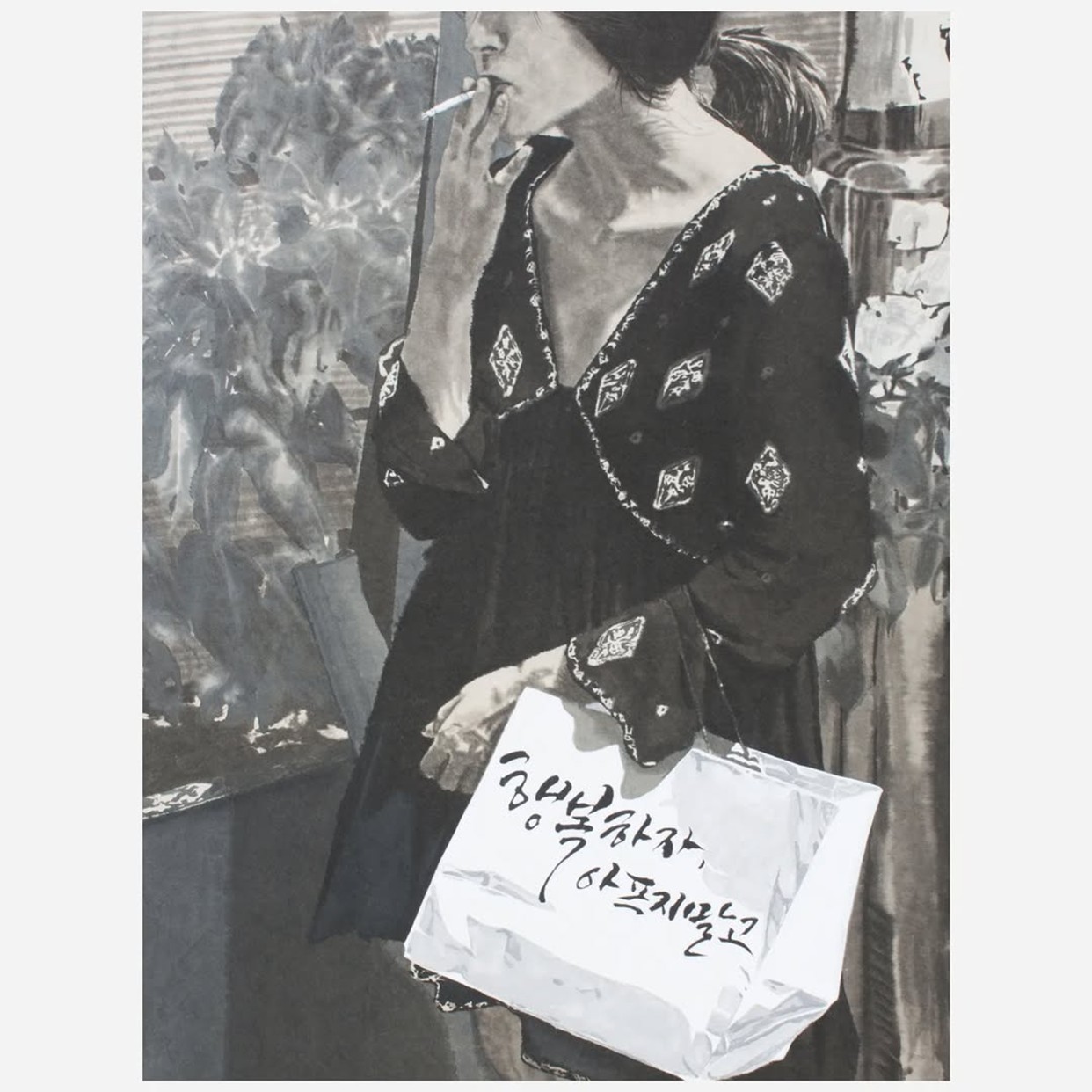
Hwang Kyumin (b. 1994) has been developing his practice based on an interest in traditional East Asian painting. He poses a fundamental question about what can be defined as East Asian painting and experiments with creating his own system of painting by referencing principles and elements from its various roots that he finds personally meaningful.

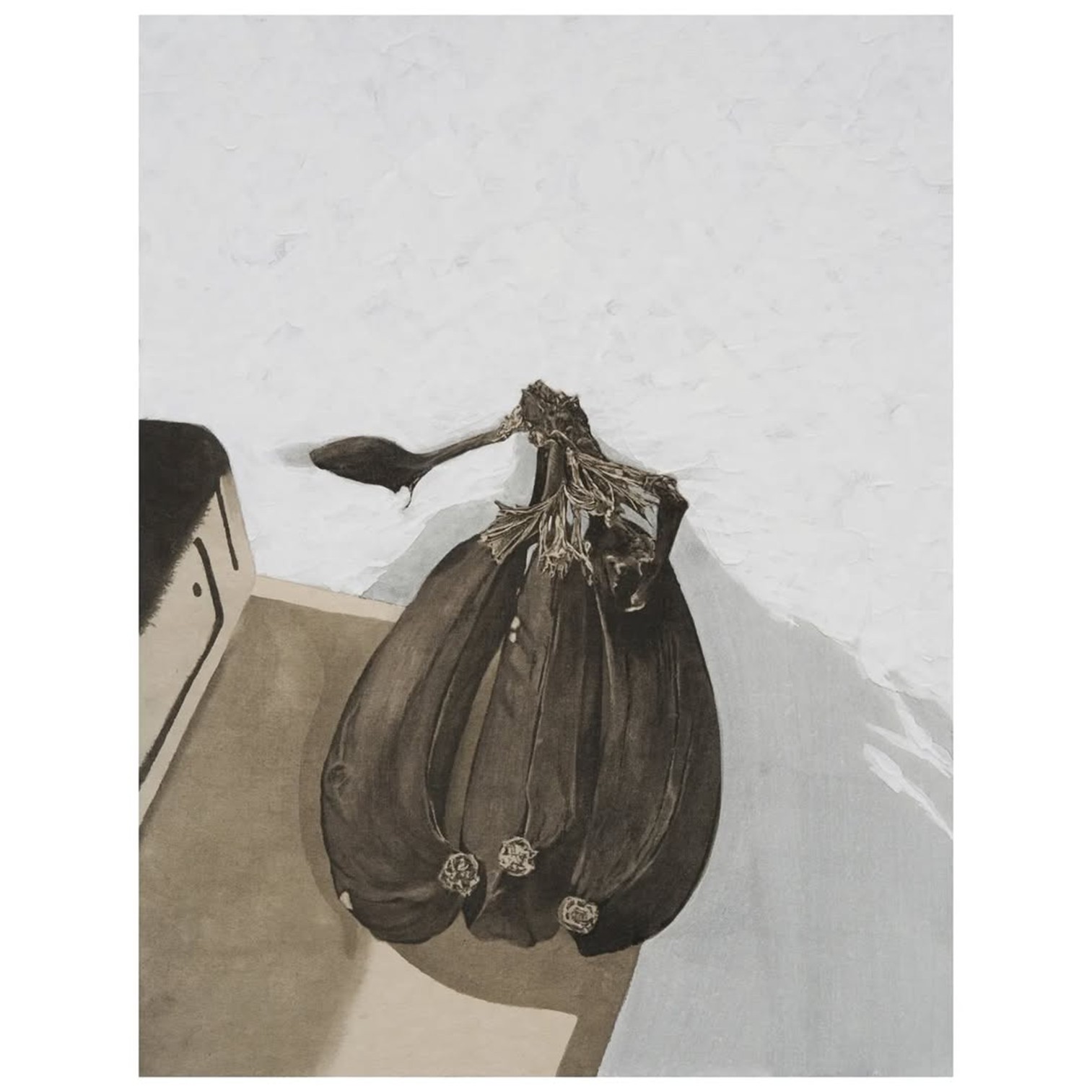
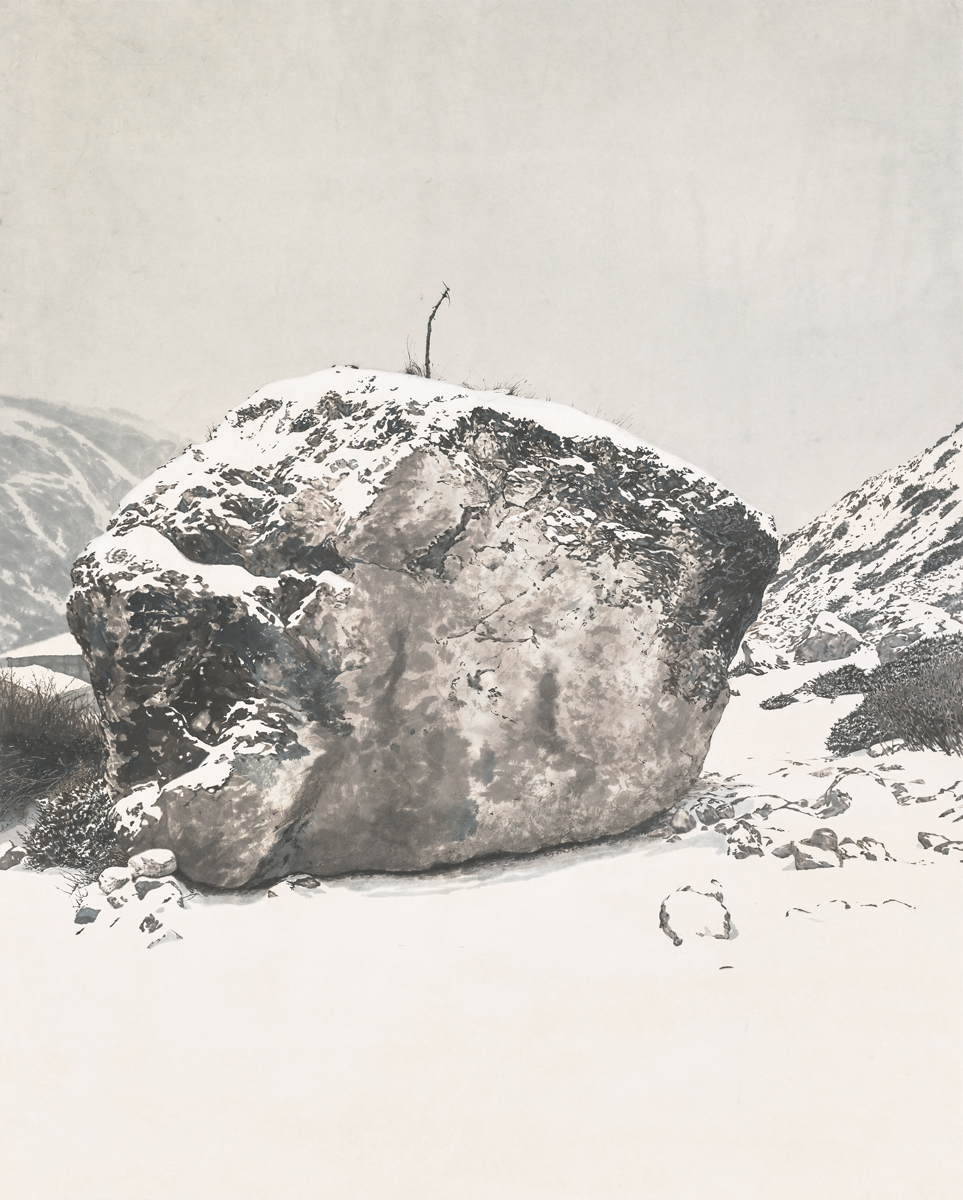
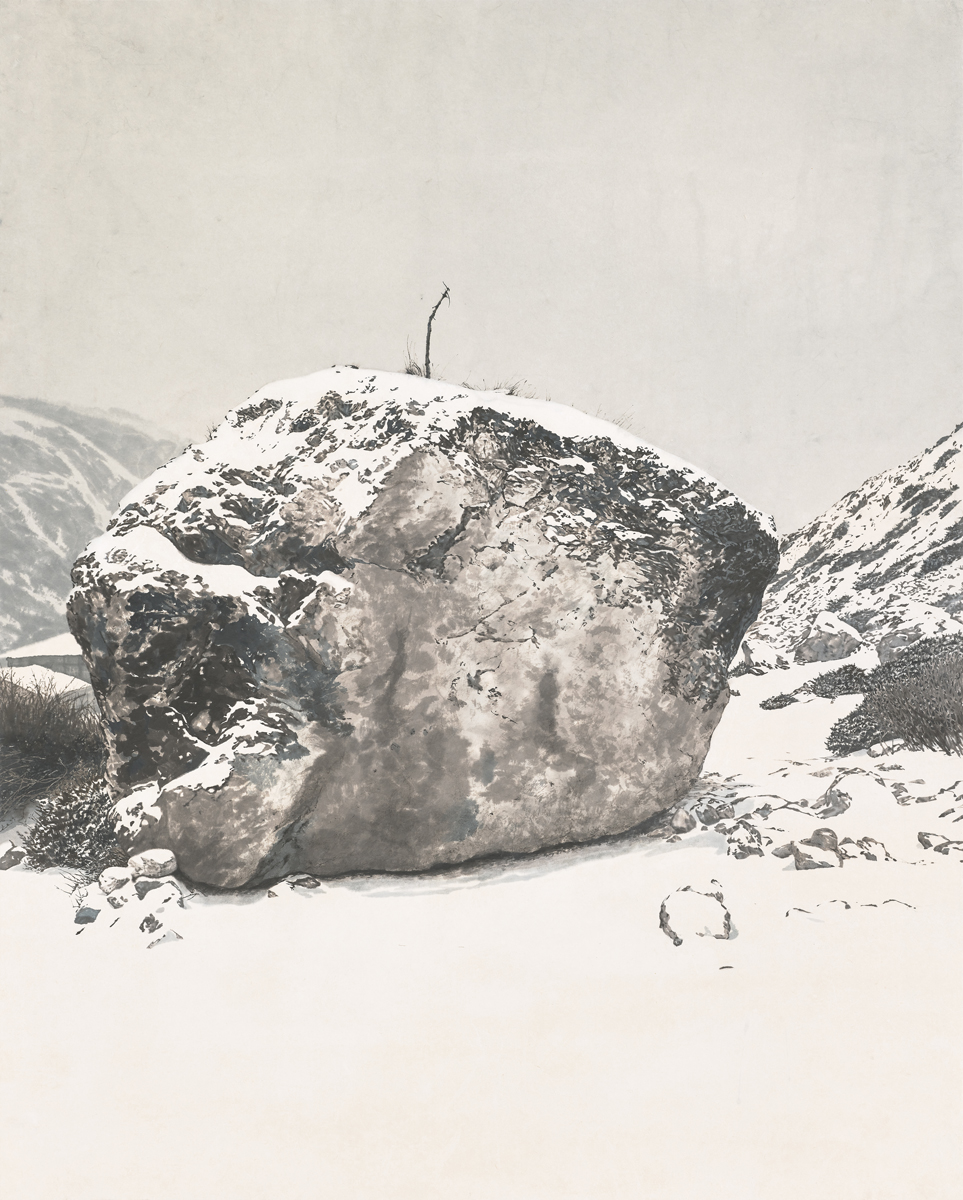
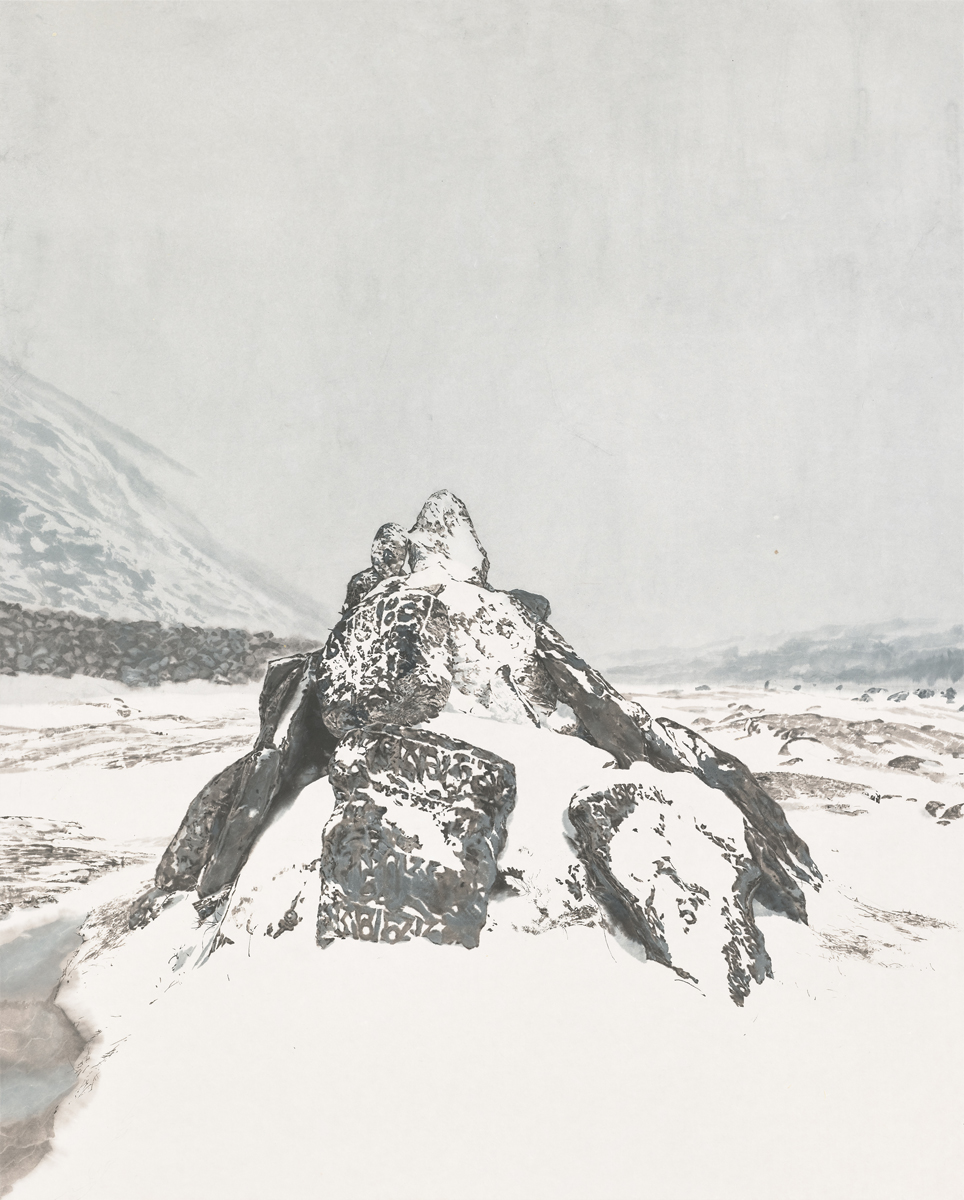
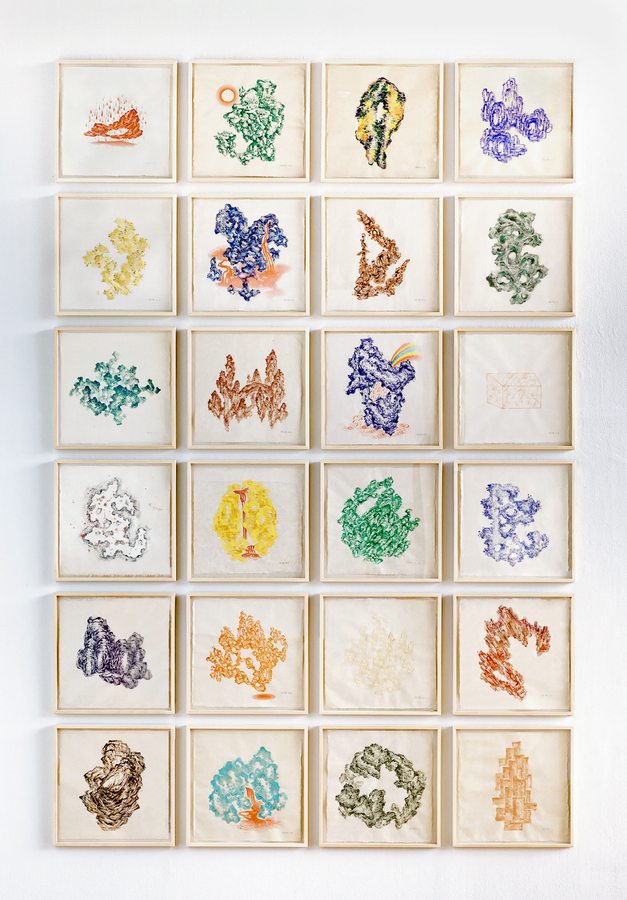
Hwang Kyumin, Beyond the Stone, 2019, Ink and color on hanji paper, 162.2x130.3cm ©Hwang Kyumin

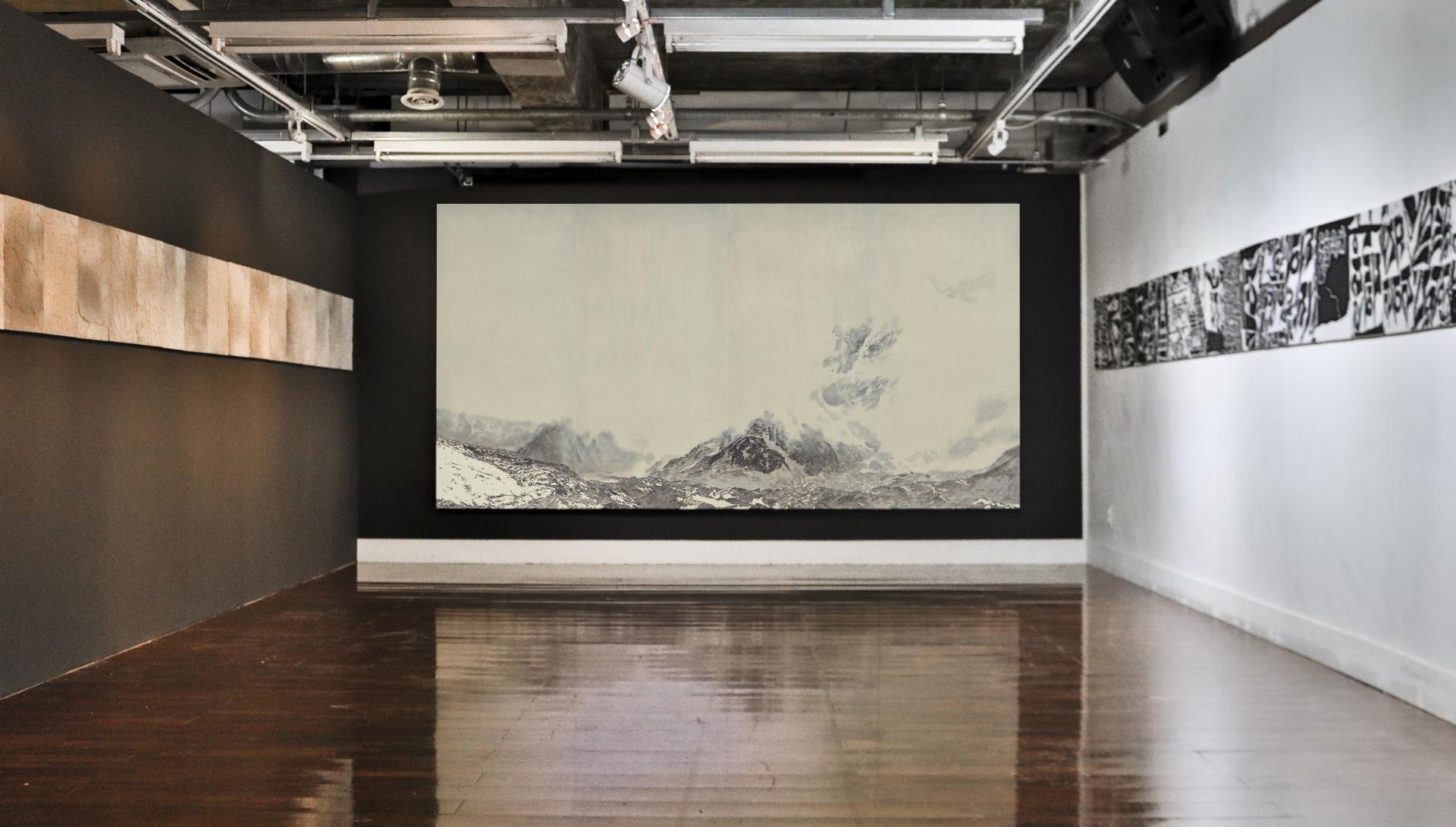
Hwang Kyumin’s early works involved reconstructing specific places, situations, and the emotions or narratives triggered by those experiences within the exhibition space. For instance, in his first solo exhibition 《Muh Emdap Inam Mo》 (Seoul Art Space Seogyo, 2019), the artist translated the natural scenery, emotions, and reflections he encountered during his travels in the Himalayas into visual imagery.
 
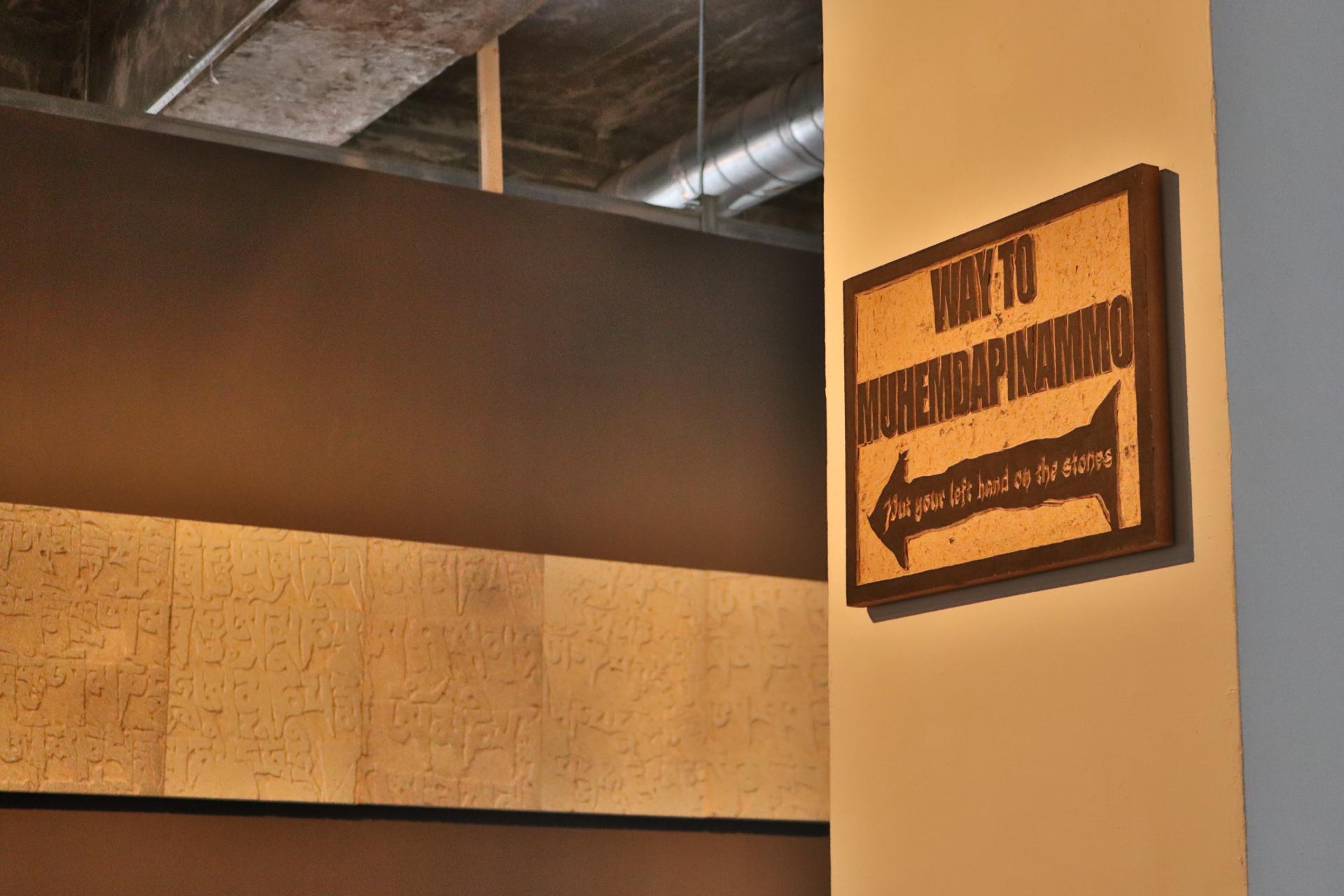
Comprising paintings, relief sculptures, and prints, the exhibition was arranged as a sensory experience through which the artist shared what he had felt along the mountain paths with the audience. At the entrance stood a sign reading “Put your left hand on the stones,” beside which a row of stone monuments engraved with letters was installed.


Installation view of 《Muh Emdap Inam Mo》 (Seoul Art Space Seogyo, 2019) ©Hwang Kyumin

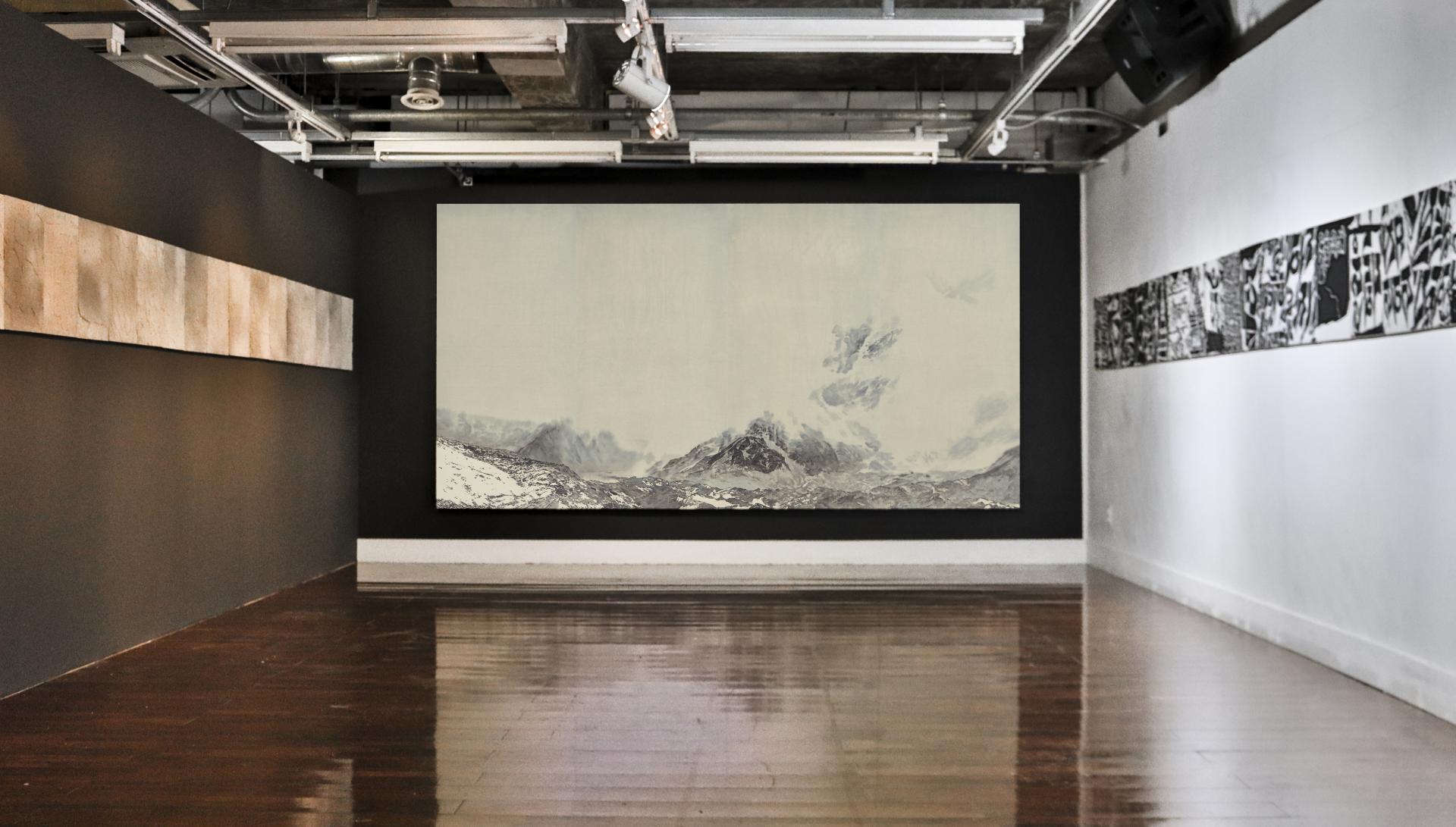
Hwang recreated the stone monuments he had personally seen and touched, inviting viewers to place their hands upon them and enter a contemplative state of their own thoughts and emotions about the future. As visitors touched the stones and turned the corner, they encountered a painting of mist and several prints — the printing plates for which were the very relief sculptures the viewers had just touched.
 
Through this arrangement, the artist explained that he hoped “to strip away the illusion of time that emerges from identical designs and the misty landscapes between them, allowing people to stand in their own present moment.”

Installation view of 《Muh Emdap Inam Mo》 (Seoul Art Space Seogyo, 2019) ©Hwang Kyumin

The countless stones Hwang encountered along the mountain paths of Nepal were regarded as sacred by the locals. They believed that one should walk to the left when passing these stones and that touching the carved inscriptions while reciting a mantra would bring good fortune for the day.
 
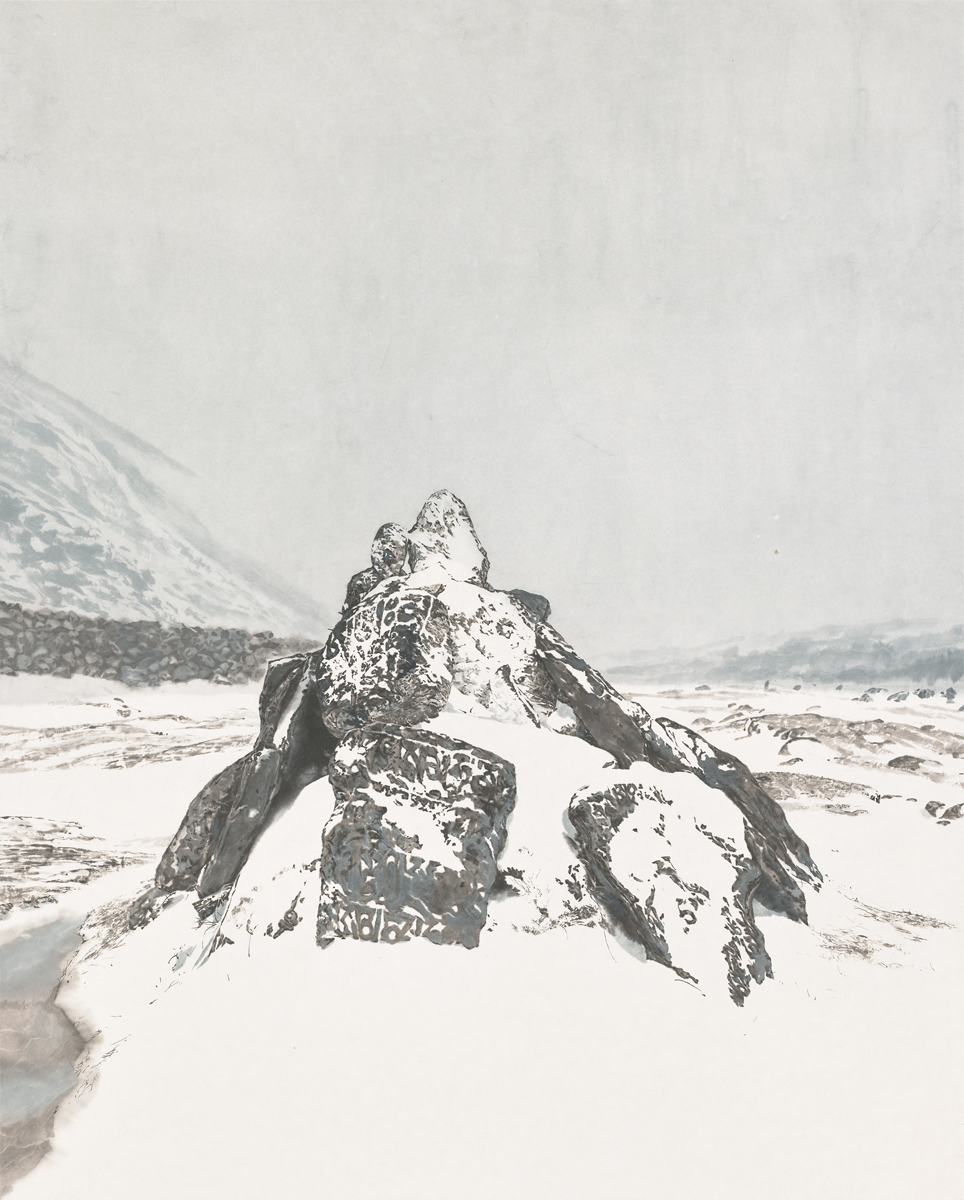
The inscriptions had been written by Tibetan monks, and although the Himalayan people could not fully understand their meanings, they touched them daily, seeking stability for the future. Observing those who entrusted their futures to unreadable texts, Hwang reflected on the relationship between the past, the present, and the unknowable future.

Hwang Kyumin, Beyond the Stone 2, 2019, Ink and color on hanji paper, 162.2x130.3cm ©Hwang Kyumin

By bringing the Himalayan people’s chants—an expression of their devotion to tomorrow despite the uncertainty of what lies ahead—into the exhibition space, the artist invited viewers to contemplate both the time in which we stand and the hazy, indeterminate moments that follow, like the mist within his paintings.


Installation view of 《Penetrating Stone》 (KSD Gallery, 2020) ©Hwang Kyumin

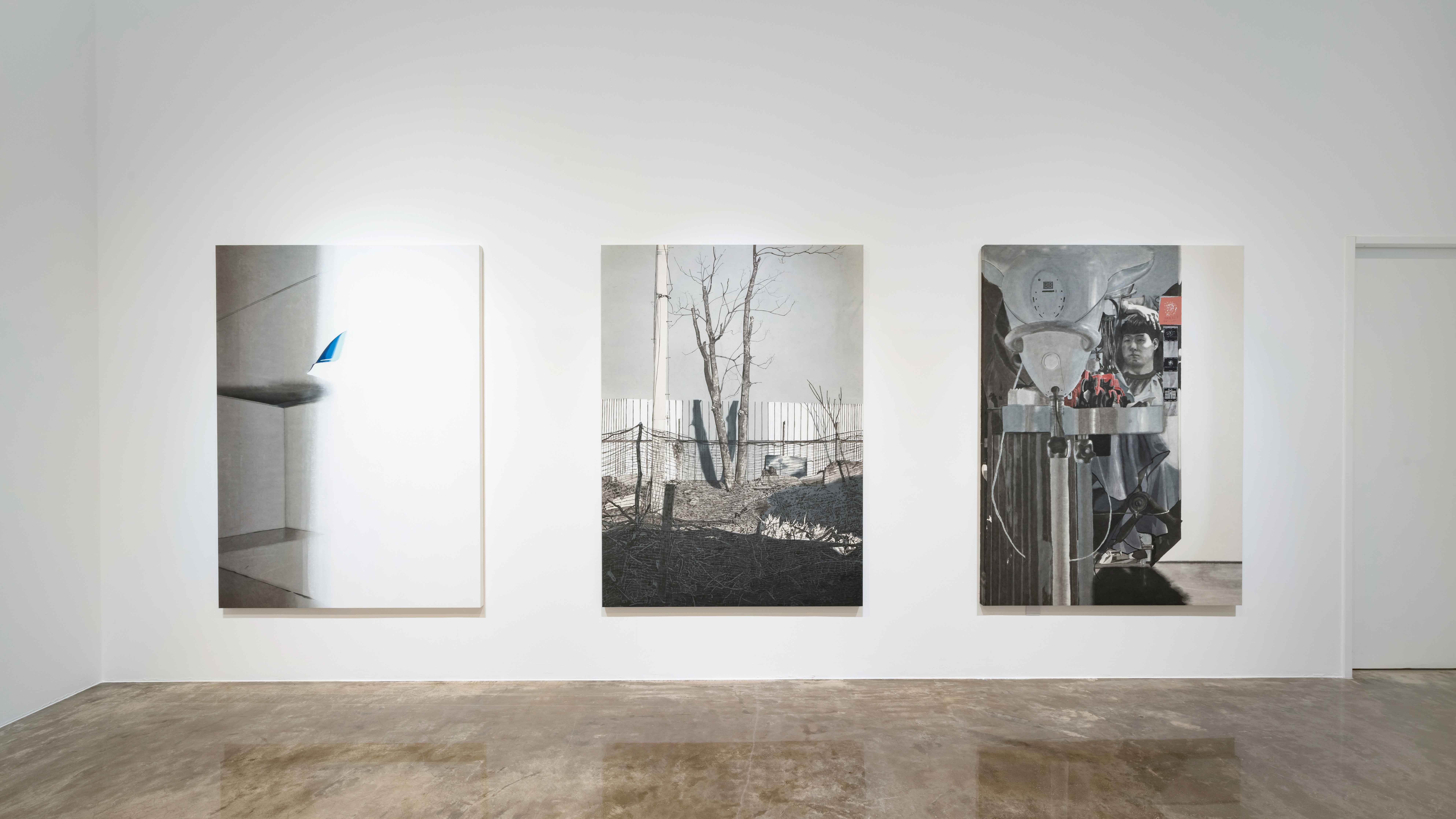
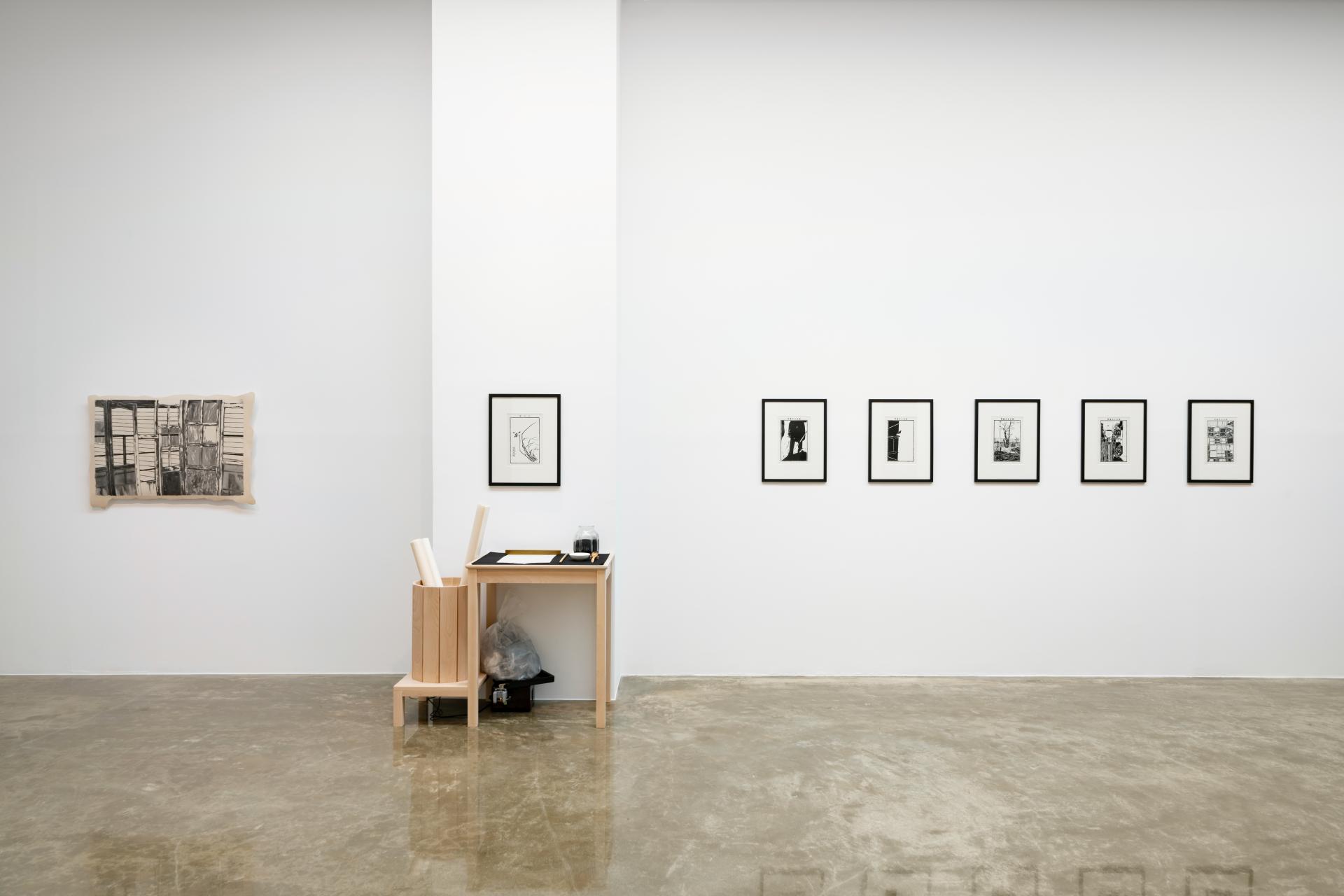
The following year, Hwang Kyumin’s solo exhibition 《Penetrating Stone》 at KSD Gallery also stemmed from his everyday experiences. Hwang documented scenes encountered in daily life through photographs, later translating them into his works. The exhibition sought to highlight his painterly exploration and philosophical reflection on these collected moments.
 
The exhibition title, 《Penetrating Stone》, originates from the confession of Chusa Kim Jeong-hui, who once said, “Ten inkstones were worn through, and a thousand brushes were ground down (磨穿十硏 禿盡千毫).” However, rather than celebrating the phrase’s conventional association with diligence and perseverance, Hwang used it ironically to critique the blind adherence to established value systems.

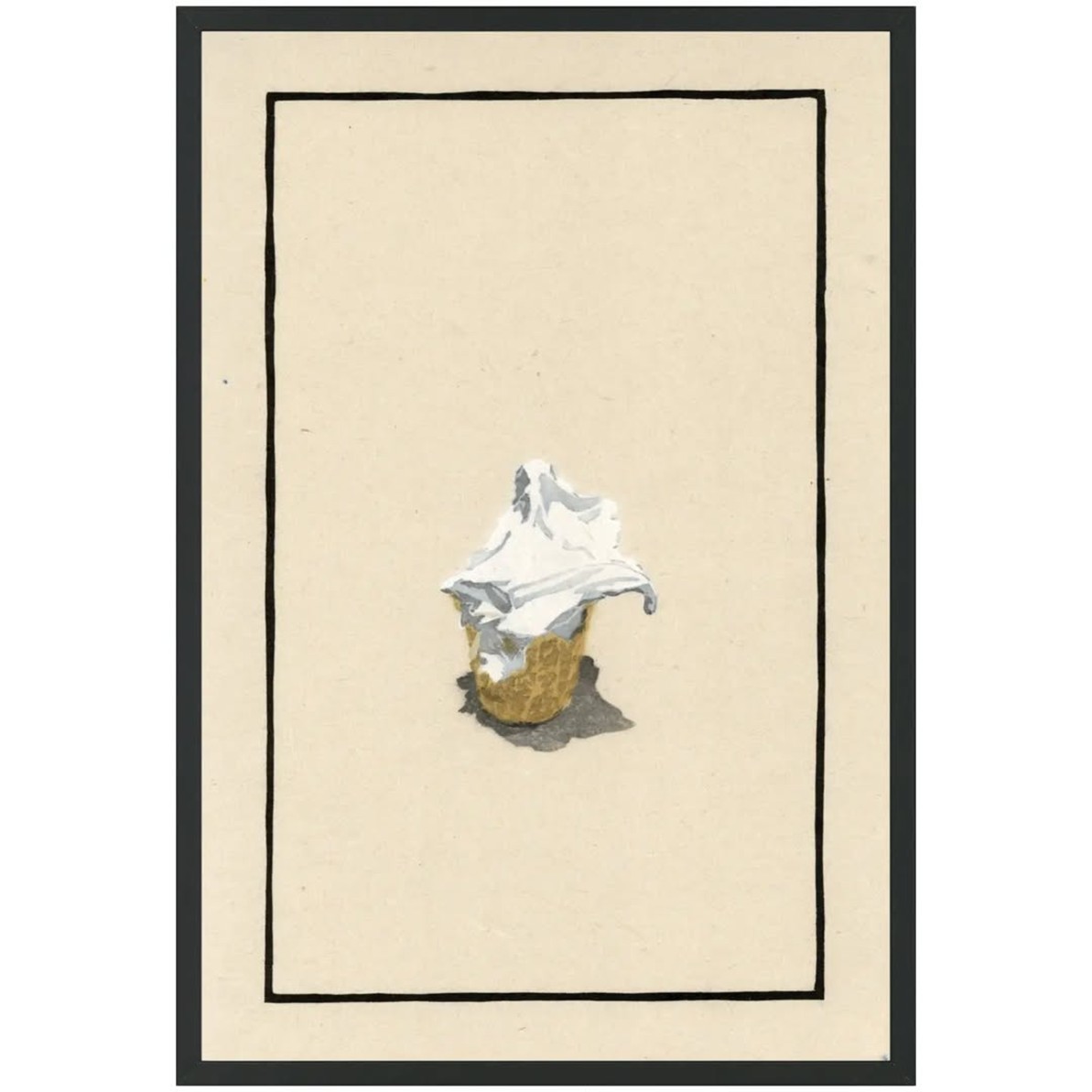
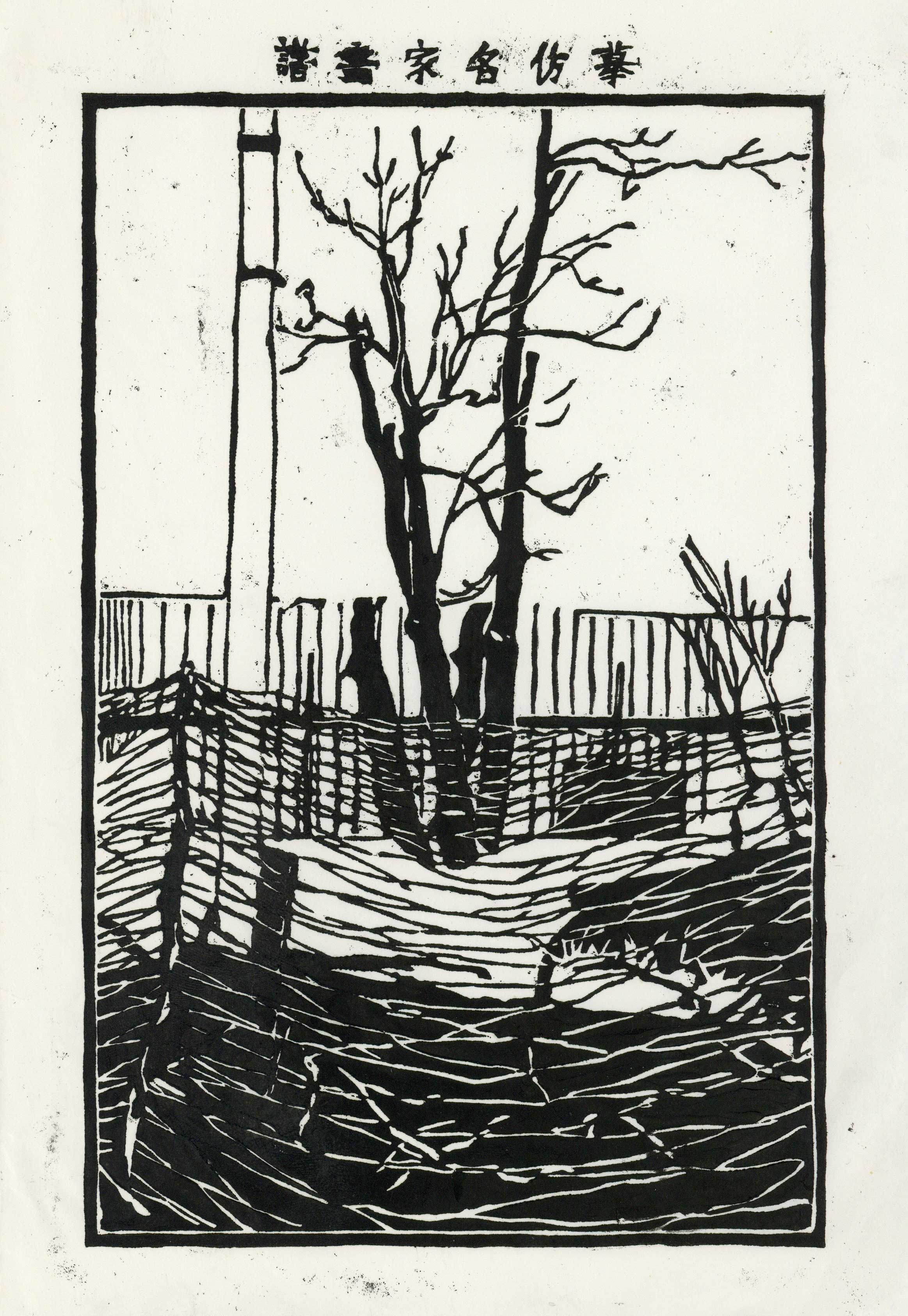
Hwang Kyumin, 摹倣名家畵譜 - Boundaries, 2020, Oil-based print on paper, 30x20cm ©Hwang Kyumin

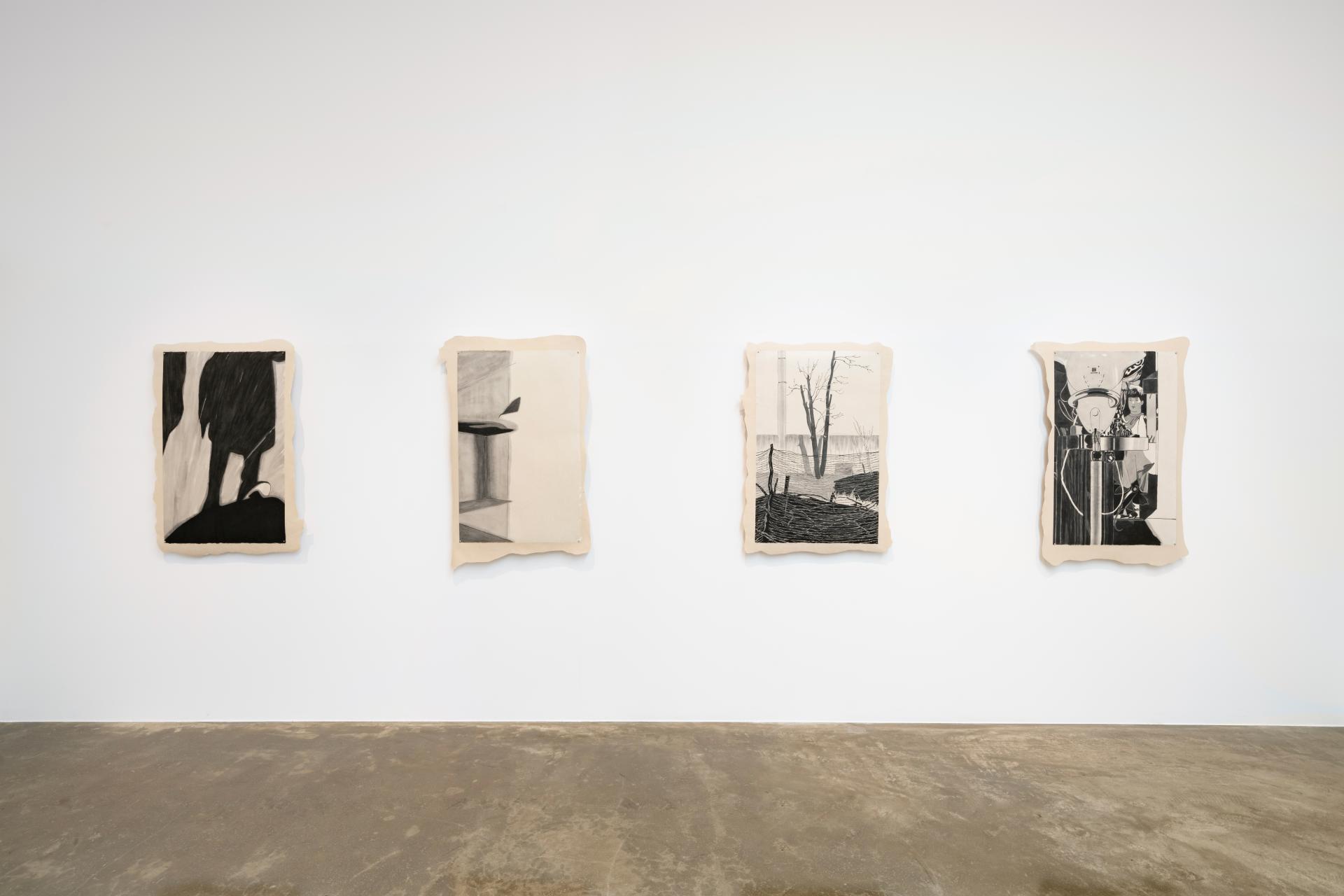
In the same vein, Hwang Kyumin’s ‘Penetrating Stone’ series embodies the artist’s autobiographical reflections within the academic system of East Asian painting, using the allegory of “replication.” The ‘Penetrating Stone’ series can be divided into three types of records. The first stage involved translating photographs—images of everyday life collected from himself and those around him—into ink paintings.
 
In this process, Hwang gathered photographs that evoked particular stories or captured incidental forms, seeking a balance between the “photographic” and the “painterly” through the medium of ink.

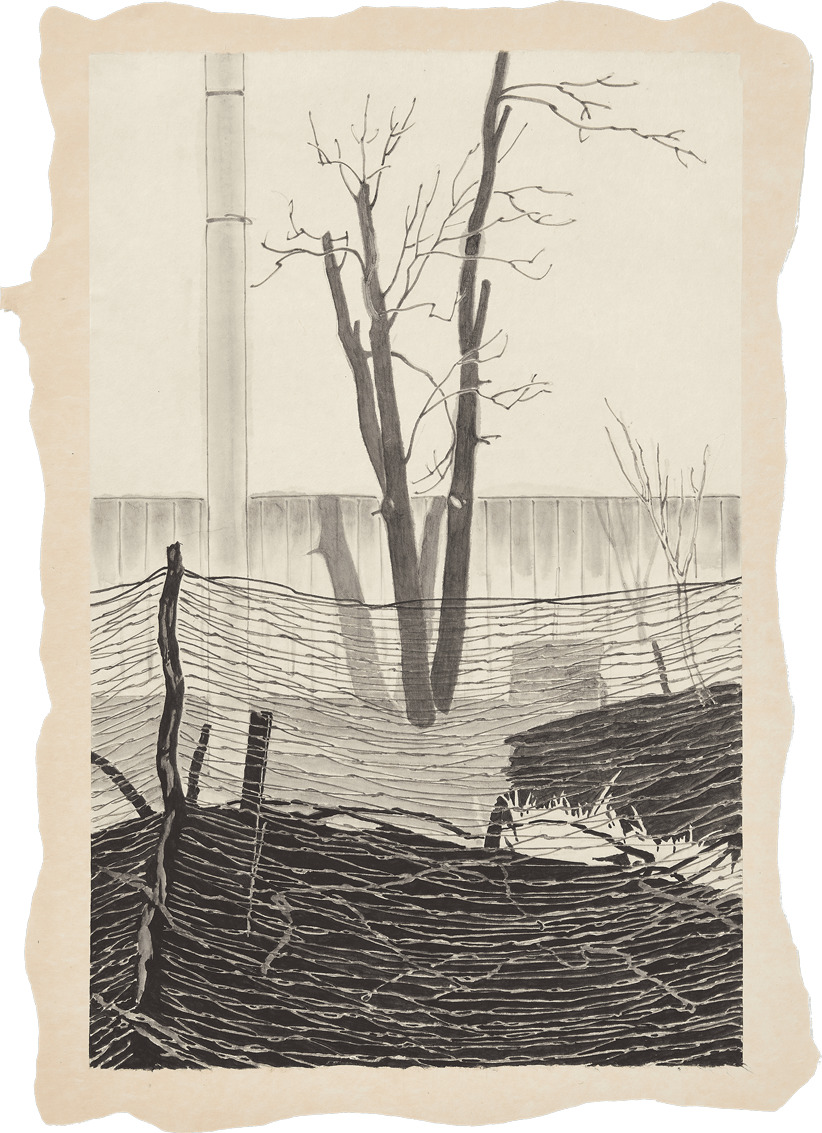
Hwang Kyumin, Boundaries_print, 2020, Ink powder on hanji paper, 89.5x57cm ©Hwang Kyumin

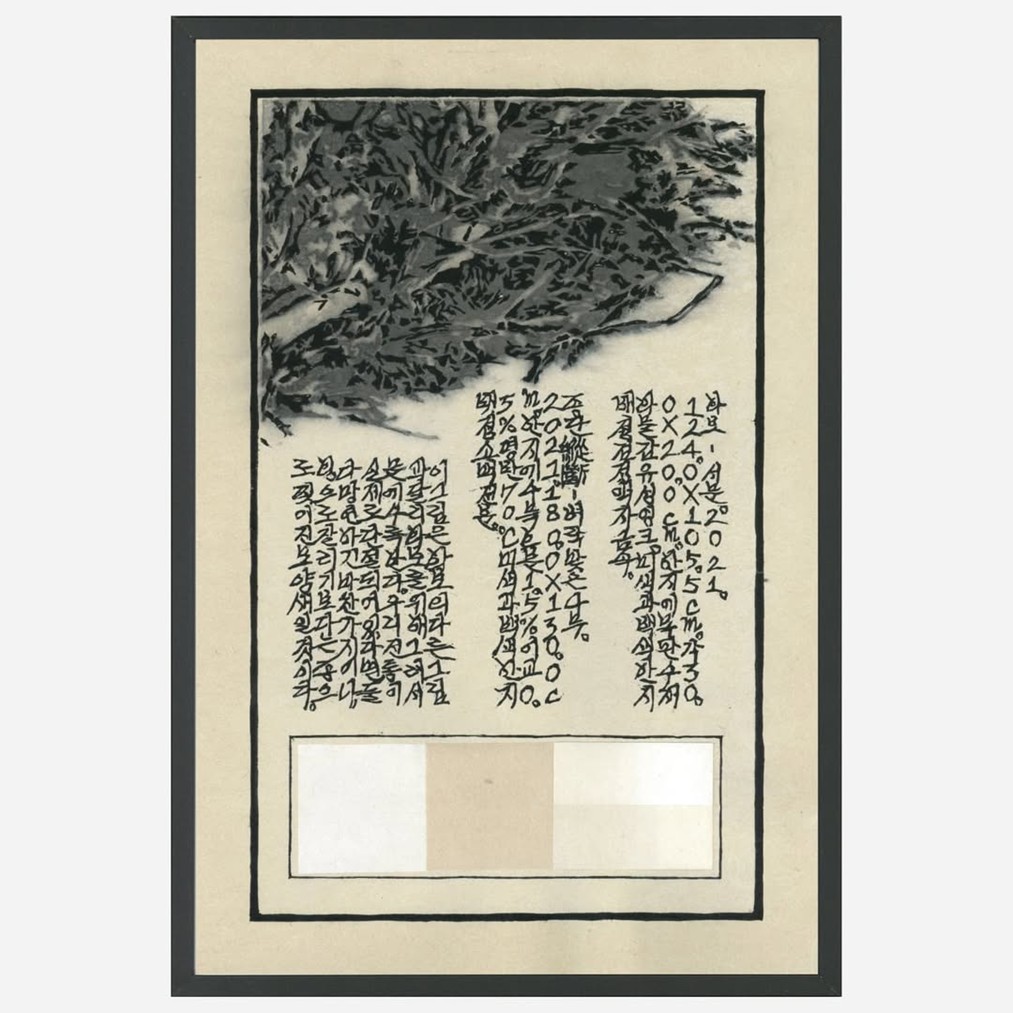
In his second series of works, Hwang Kyumin referenced the format of the Manual of the Mustard Seed Garden (芥子園畵譜), a Qing dynasty painting manual regarded as a prototype of East Asian painting, to create a series of woodblock prints. The painting manuals (hwabo, 畵譜), which had a significant influence on modern and contemporary Korean painting education, not only contained various motifs of traditional painting but also served as textbooks for the middle class, who could not afford to purchase original works, as they clearly documented the lineages of master painters.
 
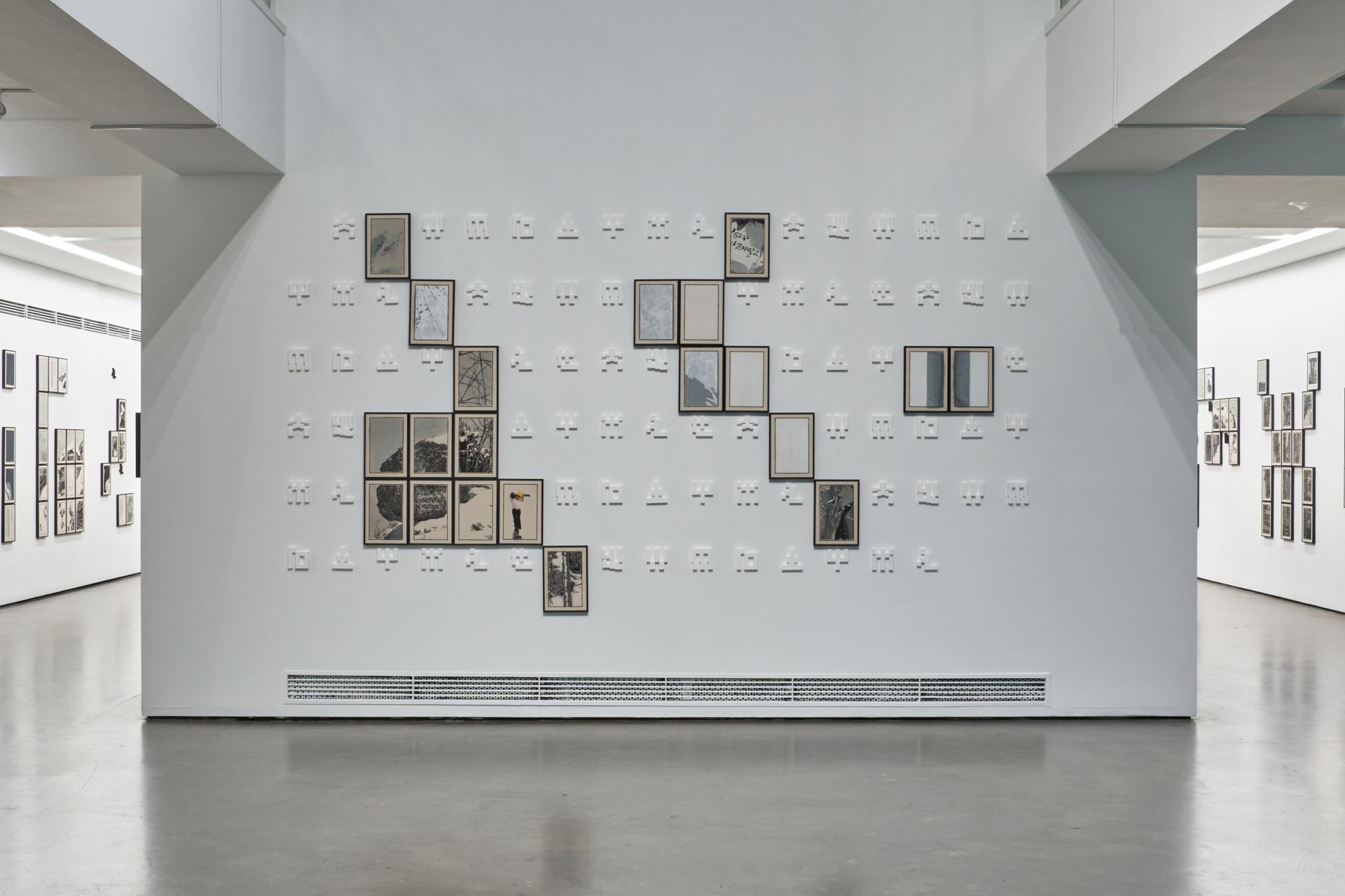
Each composition in this second body of work is about one-twentieth the size of those from the first series, with imagery, borders, and subtitles arranged concentrically from the center outward—recalling the formal structure of traditional painting manuals he referenced. By reconstructing contemporary events through the visual format of a painting manual published some 400 years ago, the artist allows a fictional narrative to emerge within that temporal gap.

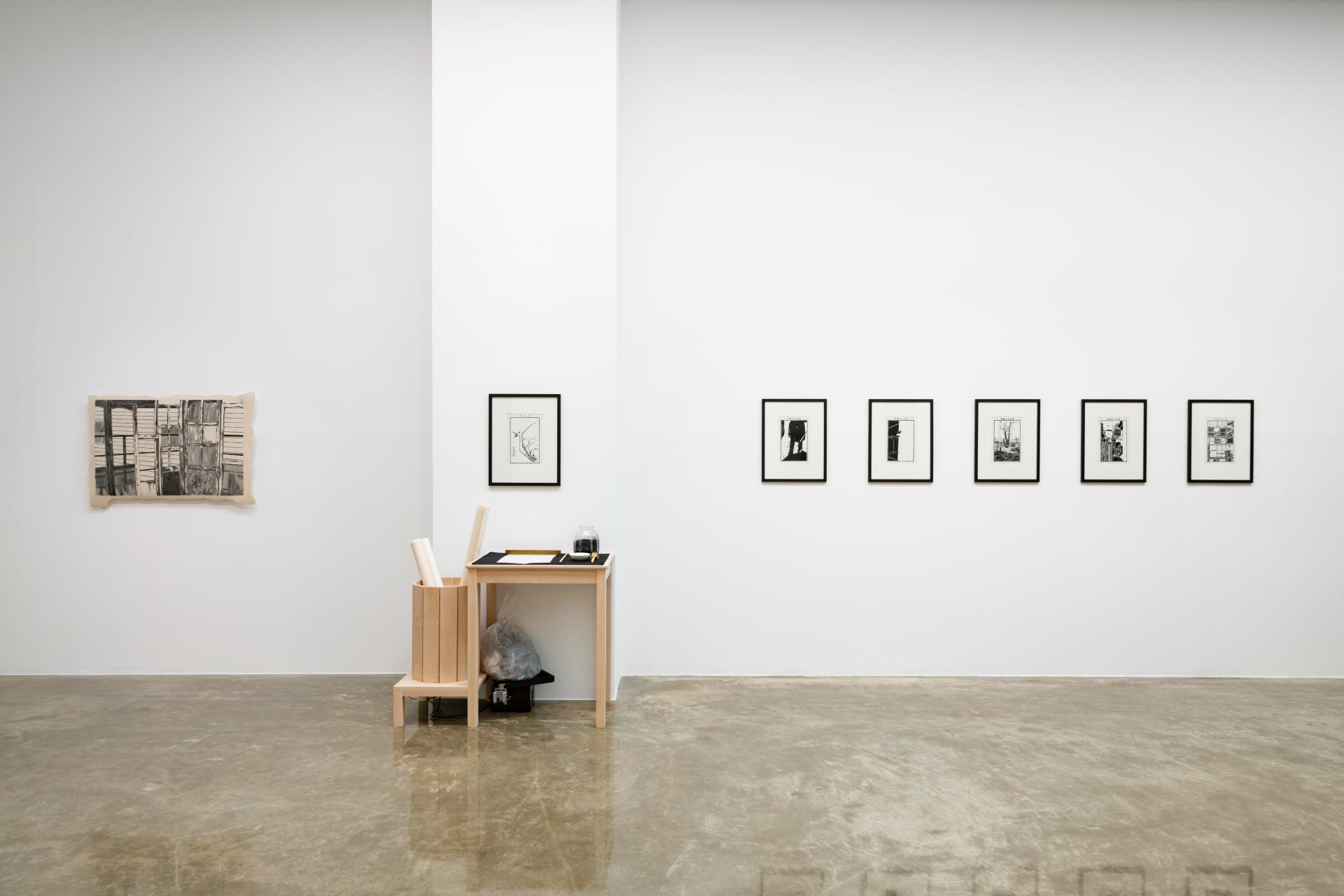
Installation view of 《Penetrating Stone》 (KSD Gallery, 2020) ©Hwang Kyumin

The approach of the second series, which elevates the first series to the stature of a classical work, continues into the third series. Just as the second series of ‘Penetrating Stone’ appropriated traditional painting manuals, all three processes reflect on the history of imitating East Asian painting. However, rather than merely following traditional forms, Hwang Kyumin borrows the operative principles of past conventions to create his works, thereby constructing a new system that is contemporarily reinterpreted.

 
In the third series, the artist uses ink powder made with a special machine he devised, using it to reference only the second series in order to replicate the first series. This machine grinds the ink, which has been solidified with animal glue on perforated iron plates, directly into powder.

Installation view of 《Penetrating Stone》 (KSD Gallery, 2020) ©Hwang Kyumin

Instead of the traditional practice of manually grinding ink on an inkstone, the ink particles collected through the machine differ not only in size from the conventional method but also embody a deliberate distancing from past conventions, creating a critical stance toward a specific artistic tradition.
 
In this way, each work in the three-part ‘Penetrating Stone’ series, while presupposing the forms of old painting manuals as a reference, departs from simply replicating the Manual of the Mustard Seed Garden. Instead, they become a “continuum of paintings” connected to the lived reality of Hwang Kyumin as an individual, diverging from the historical lineage.

Hwang Kyumin, Installation view of 《Korean Traditional Painting in Alter-age》 (Ilmin Museum of Art, 2022) ©Hwang Kyumin

Starting with his 2020 solo exhibition, Hwang Kyumin began using the format of hwabo (painting manuals) to reframe narratives about referencing the past. Through this process, he independently devised a system that metaphorically represents the East Asian painting world, into which he inserts contemporary works.
 
An important device in this experiment is the introduction of a fictional character, “Mr. Hwang (b. 1874).” Within the system, the framework is that this imagined art enthusiast, who has spent many years appreciating paintings, can study original works through the hwabo. Individual sheets from the hwabo are then treated as “units”—dots, strokes, and so on—through which entirely new paintings are created.


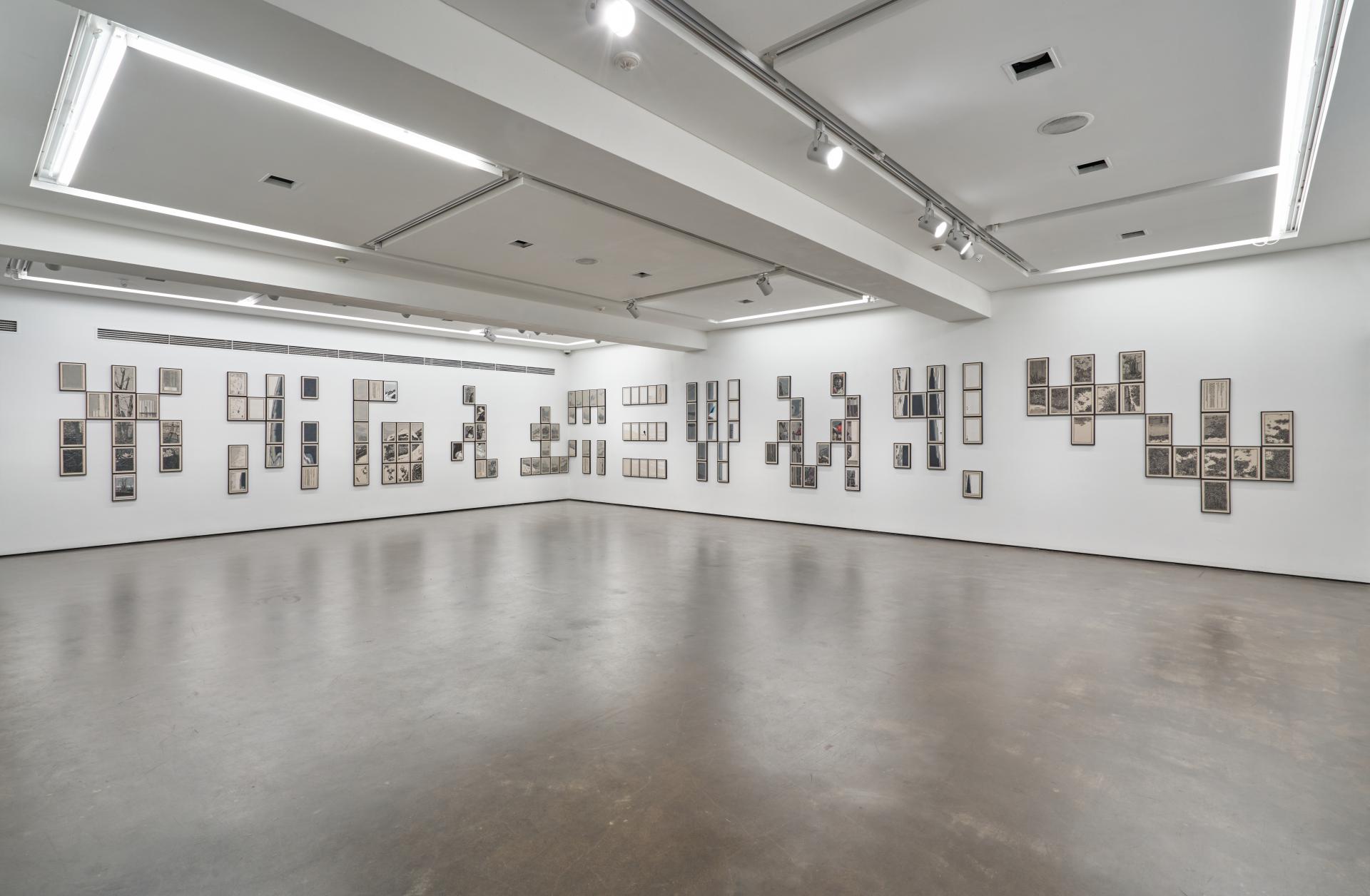
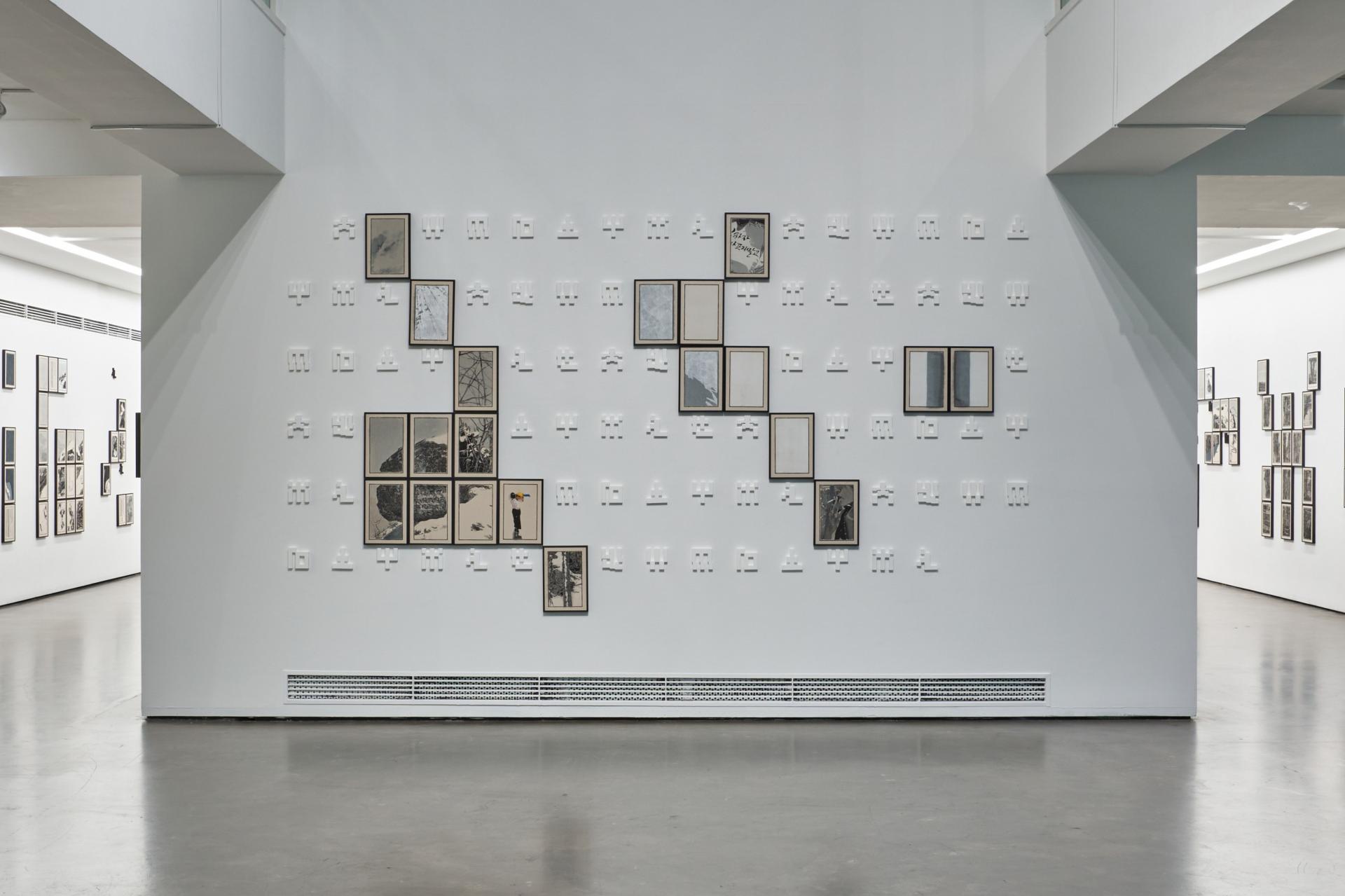
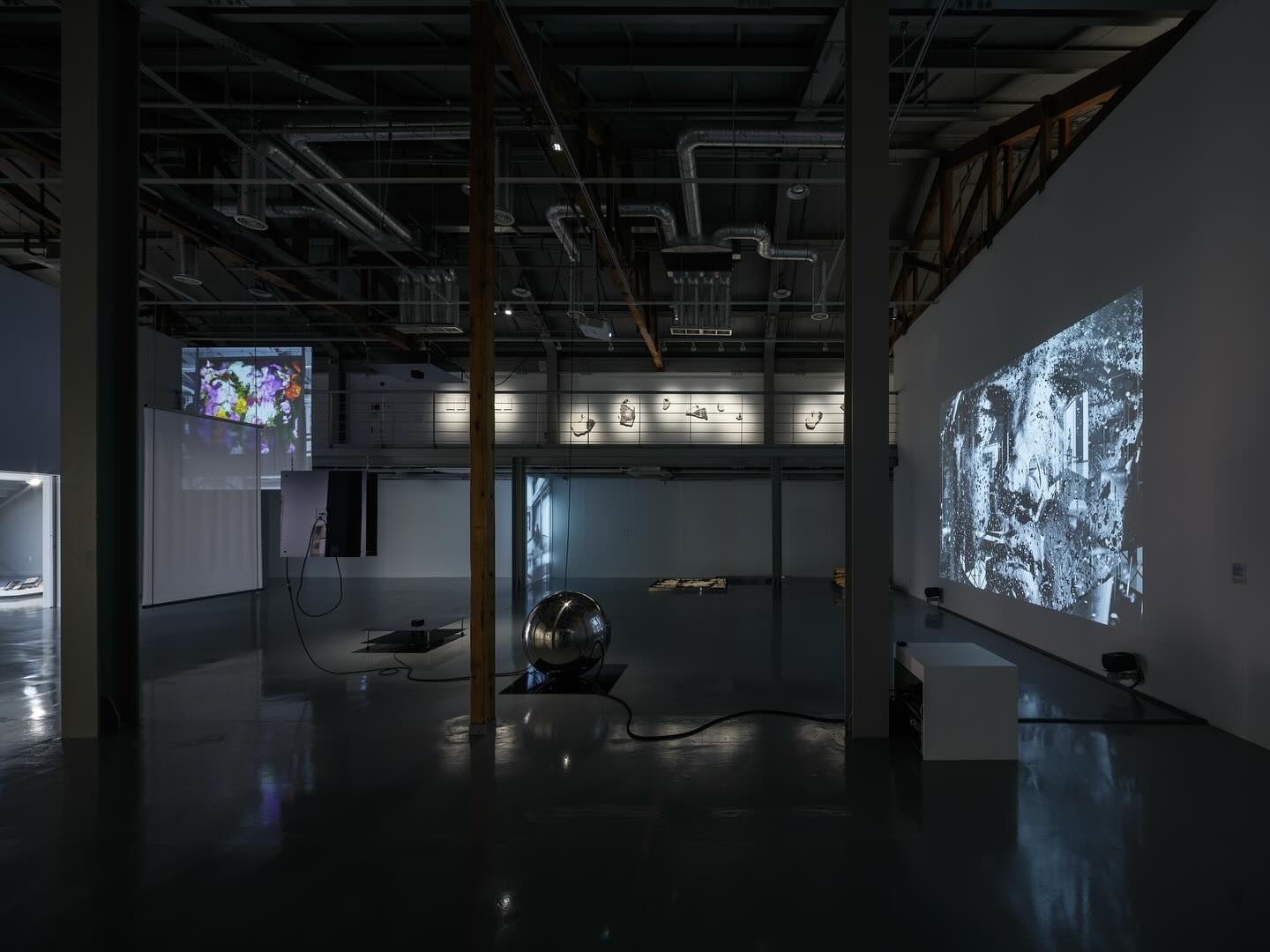
Installation view of 《Hwang’s Manual of Eternal Classics》 (OCI Museum of Art, 2022) ©OCI Museum of Art

In 2022, continuing along this trajectory, Hwang Kyumin’s solo exhibition 《Hwang’s Manual of Eternal Classics》 was framed around the fictional premise that Mr. Hwang, moved by contemporary Korean traditional painting through the artist, began compiling the “Hwang’s Manual.” The ‘Hwang’s Manual’ series was created with reference to various traditional manuals, including the Manual of the Mustard Seed Garden (芥子園畵譜).
 
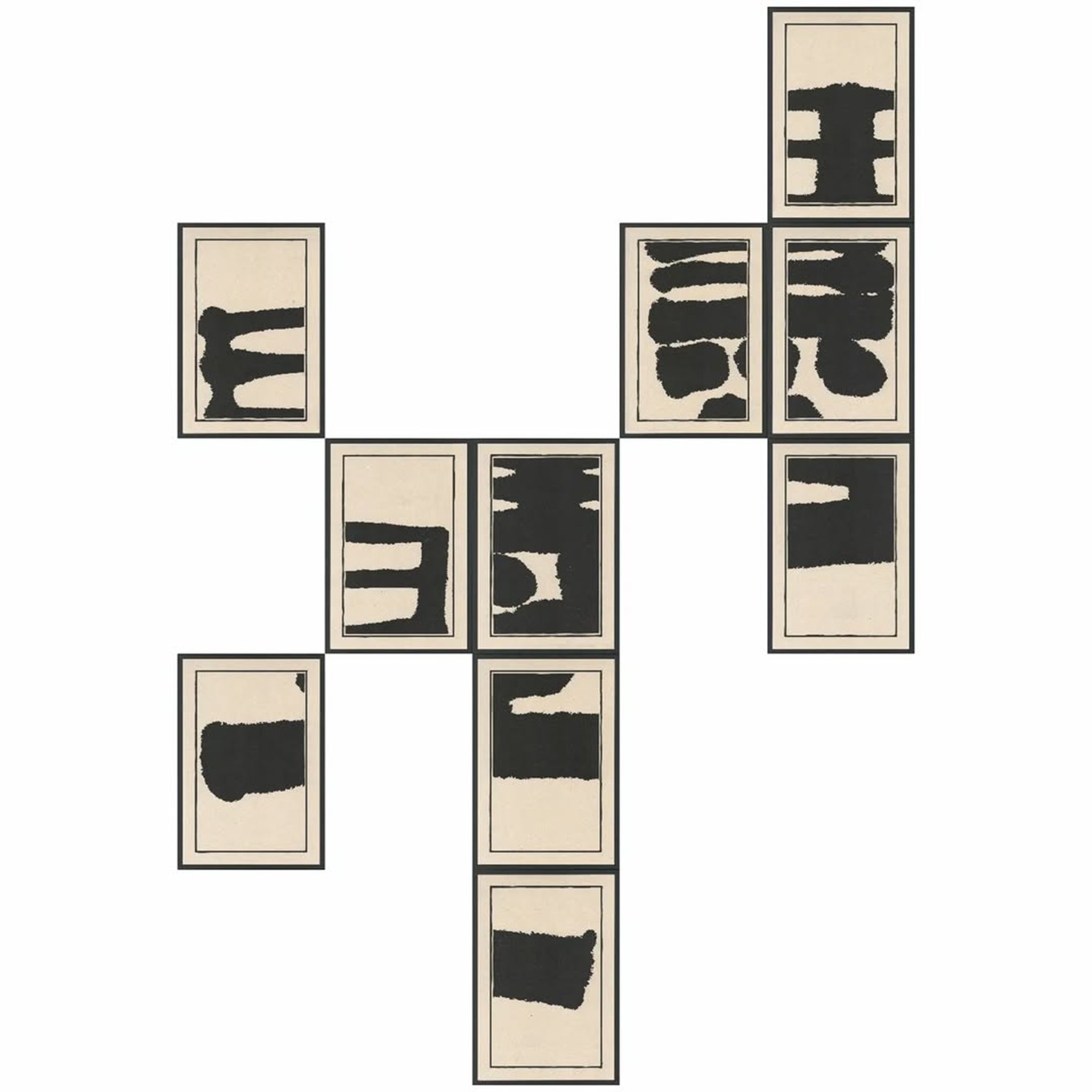
Unlike premodern painting manuals, however, the Hwang’s Manual organizes its contents according to different painting subjects. The table of contents is divided into ten categories: Heaven (天), Water (水), Fire (火), Rain (雨), Stone (石), Earth (土), Grass (艸), Tree (木), Human (人), and Calligraphy & Painting (書畵). This structure reflects nine elements of nature and one human-made artifact, tracing a historical progression from the formation of the earth to the settling of humans, and finally to the creation of writing and painting.


Installation view of 《Hwang’s Manual of Eternal Classics》 (OCI Museum of Art, 2022) ©OCI Museum of Art

The manual also contained paintings depicting scenes of situations, places, and emotions that Hwang Kyumin had personally experienced.
 
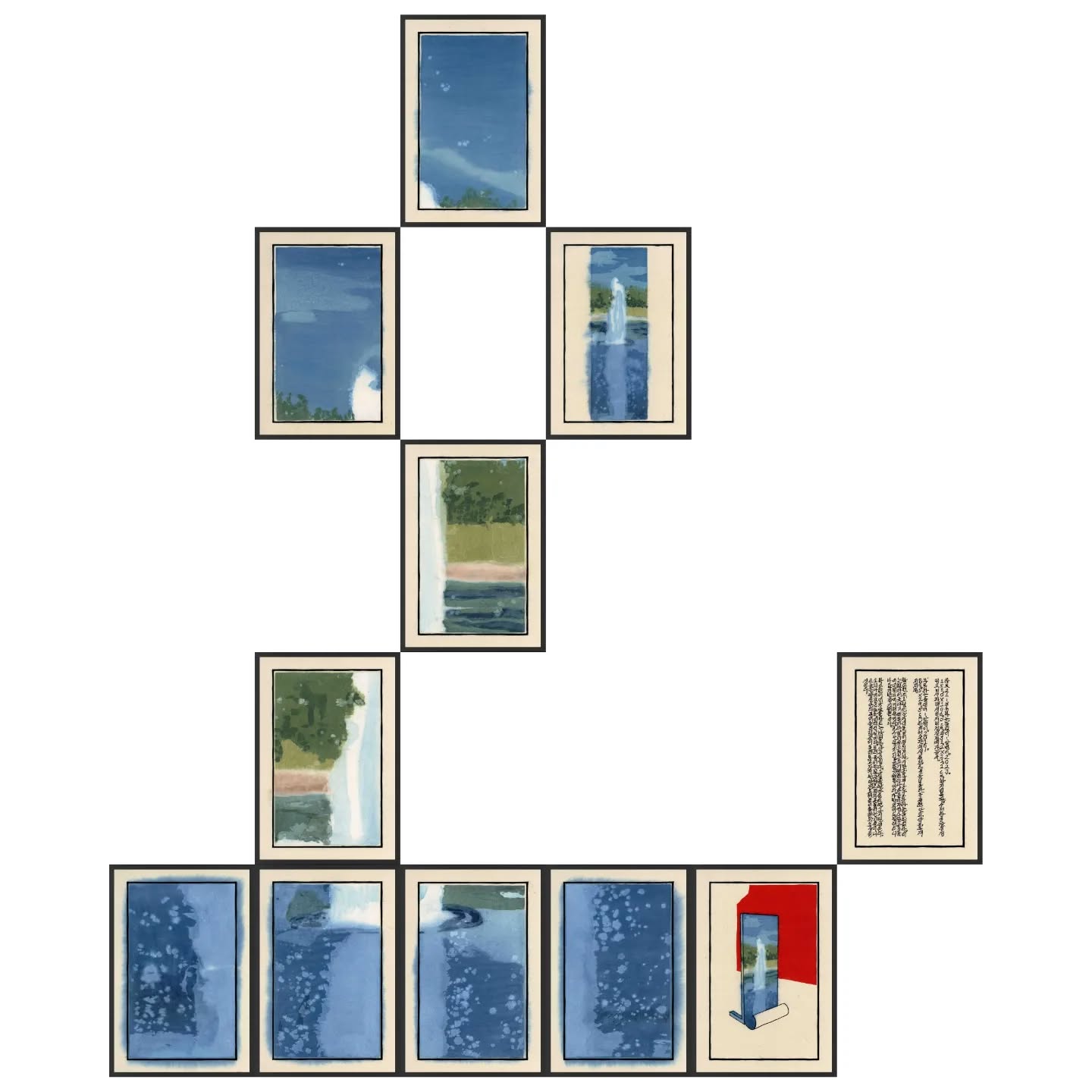
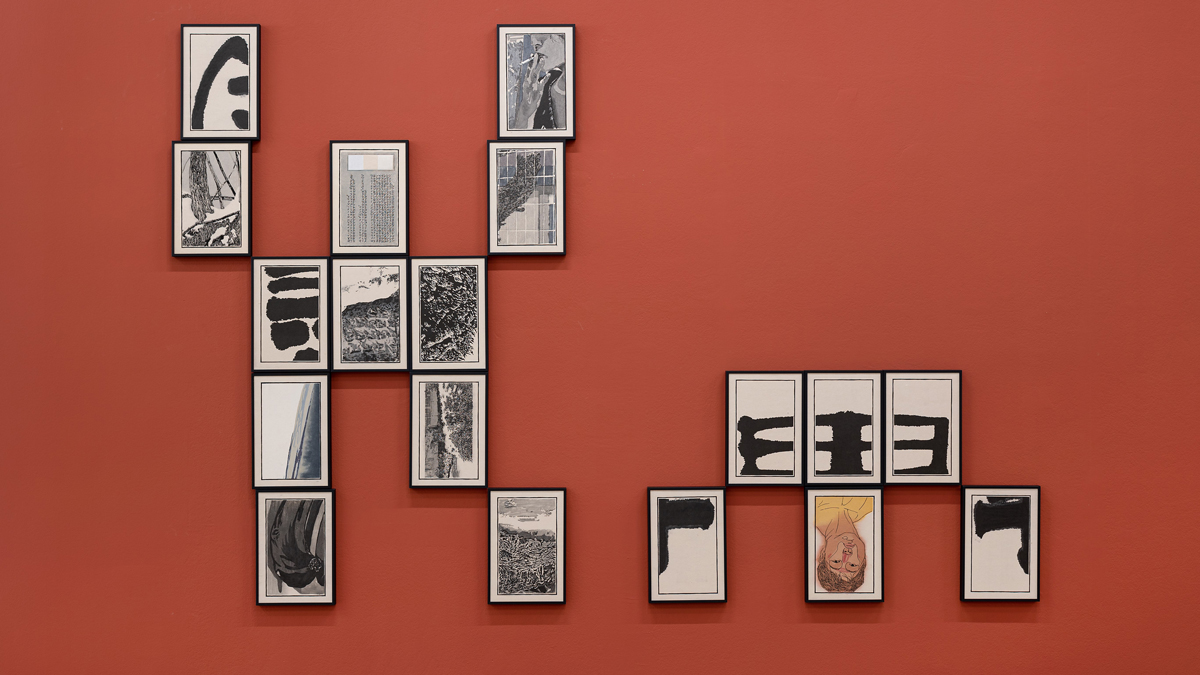
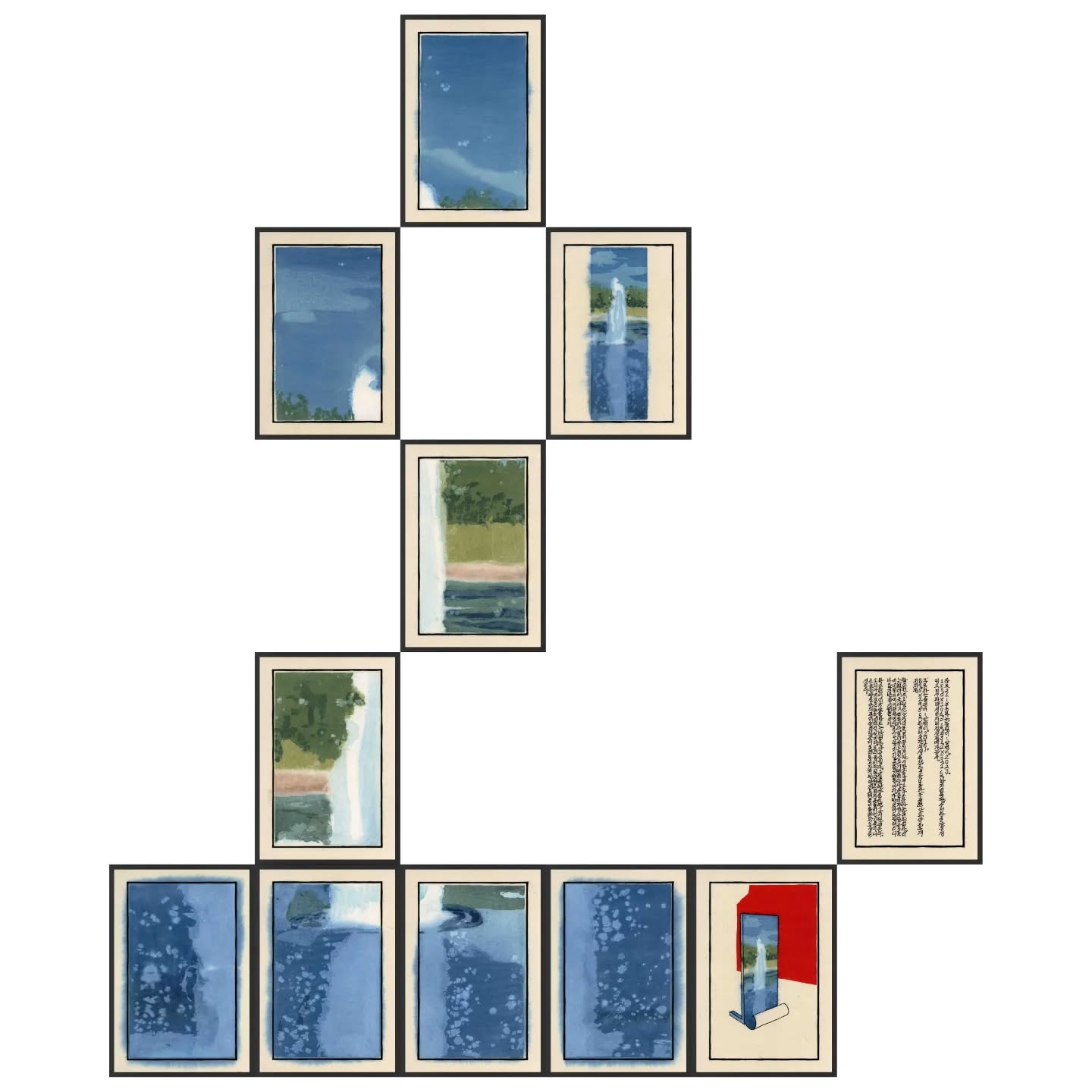
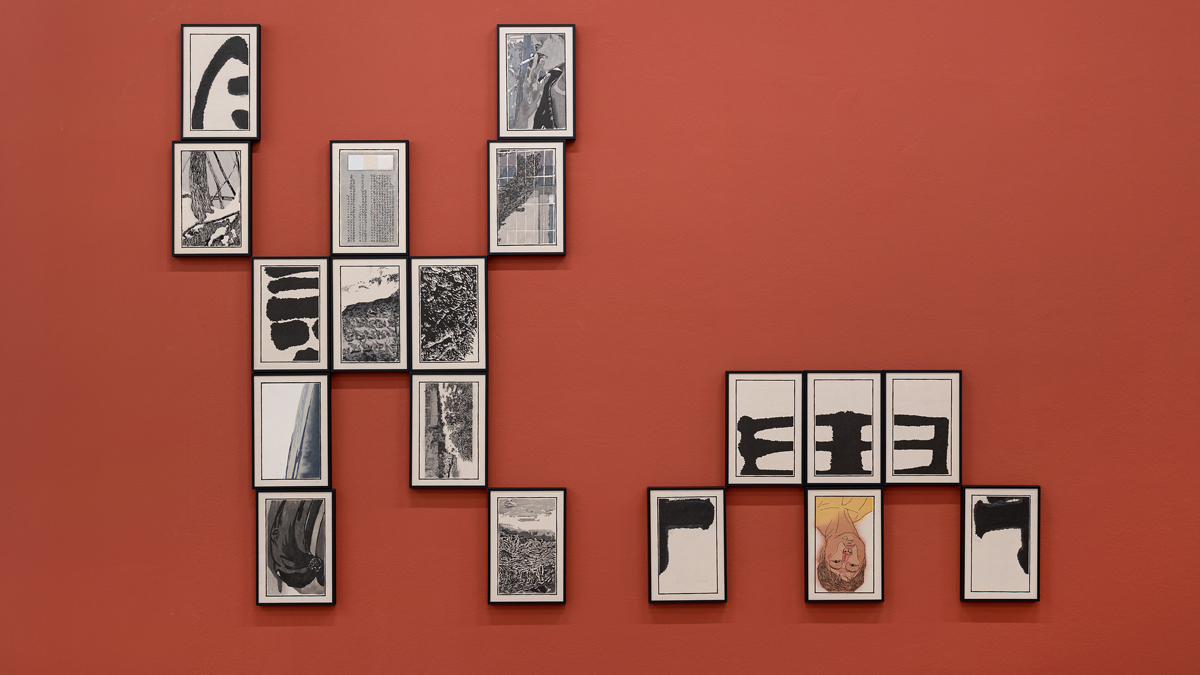
Furthermore, he arranged the individual sheets of the manual according to the structure of the table of contents, assembling them to reveal their meaning as a whole. Each painting was divided into six to ten sections, allowing viewers to perceive both the entirety and its details. In addition, useful information for studying the works—such as the year of creation, size, medium, and technique—was included, along with brief notes on the narrative of the painting or the artist’s personal reflections.


Hwang Kyumin, Manual 21–Floating fountain–Kernel (화보21-부유하는 물덩이-알맹이), 2023, Woodblock print, watercolor, and oil-based ink on hanji, mounted on beige and white hanji, black frame, metal, 156.0×106.0cm (each 31.2×21.2cm) ©Hwang Kyumin

Building on his earlier practice of embedding his own works within a newly devised system that reinterpreted the format of traditional manuals, Hwang Kyumin began to explore ways to modify the basic design of the manual by incorporating works by other artists who used calligraphy and painting media.
 
This ongoing journey with the manual continued to revolve around the fictional figure of Mr. Hwang. After his encounter with Park Sohyun during 《Traces of Water》 (Hanwon Museum of Art, Seoul, 2023), where the desire to create was sparked, he met Kim Seunggyu and held an exhibition (《Prayer without Faith》, Gallery Yoshinaga, Tokyo, 2023). By the time he met Jean Song in 2024, the criteria for including works in the manual had become more concretely defined.


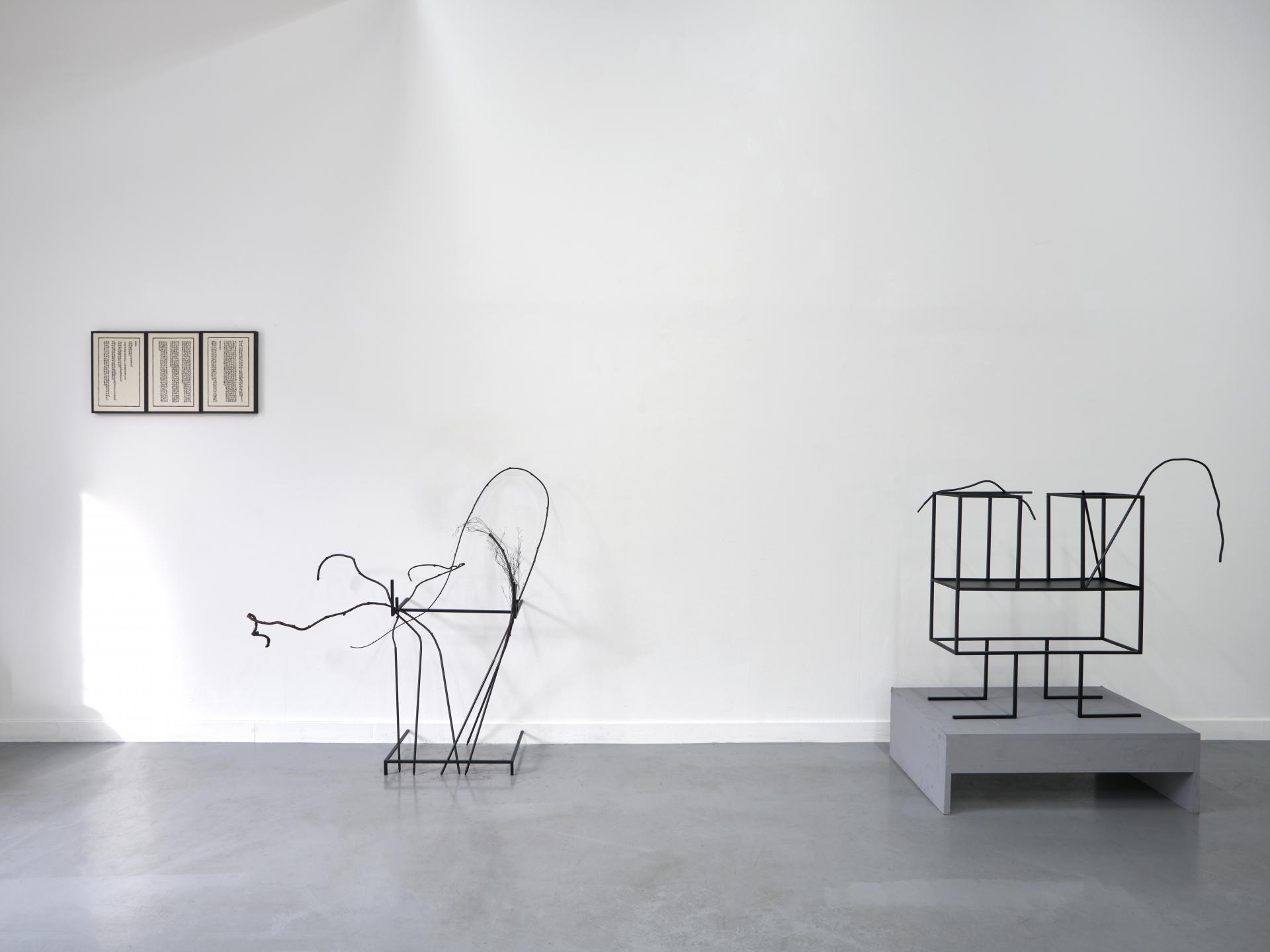
Installation view of 《Hwang's Manual of Song's Work - Throwing Arrows》 (Incheon Art Platform, 2024) © Incheon Art Platform

In 2024, the two-person exhibition 《Hwang’s Manual of Song’s Work – Throwing Arrows》 at Incheon Art Platform presented the ‘Hwang’s Manual’ created after Mr. Hwang encountered the works of contemporary calligraphy and painting artist Jean Song for the fourth time.
 
Song works primarily with ink-based painting while also experimenting with installation and objects. Recently, she has focused on observing events or situations that exist in cognitive blind spots of everyday life, as well as specific humans, animals, or plants that are easily overlooked or marginalized. She collects these unnoticed phenomena and presents them through her visual language.


Installation view of 《Hwang's Manual of Song's Work - Throwing Arrows》 (Incheon Art Platform, 2024) © Incheon Art Platform

One day, while out procuring fine liquor, Mr. Hwang came across Jean Song’s plant installation and the accompanying participatory program The Flower Arrangement by the Shepherd (of existence) (2023). Observing the process, he imagined Song extracting her paintings from the paper to share with people and decided to include this in the manual.
 
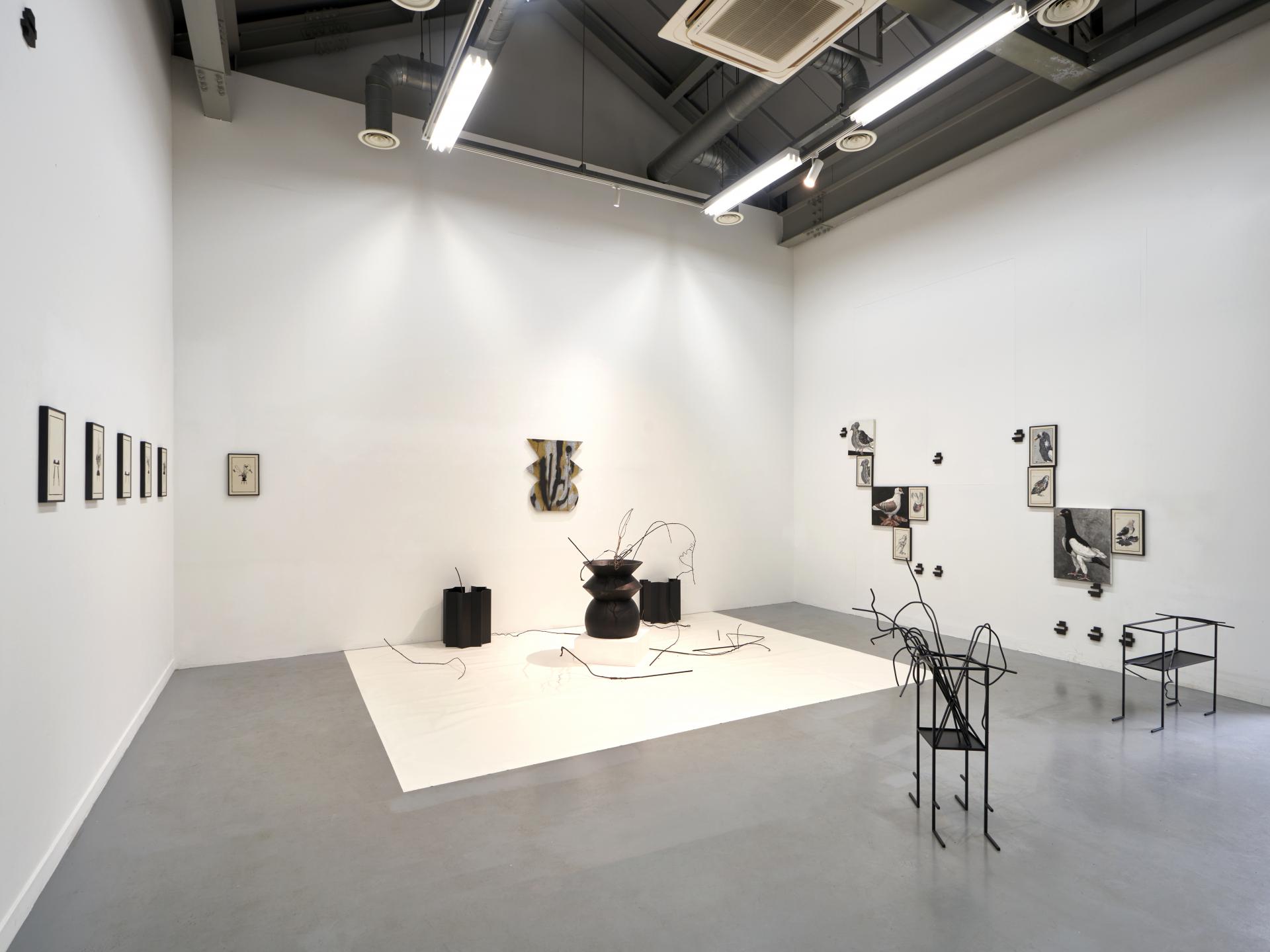
Later, he also saw Hybrid Dove (2023), composed of various species of pigeons, and their habitat Dovarium (2023), which he considered as paintings that reflect diverse human conditions within society and are shared in a similar way.


Installation view of 《Hwang's Manual of Song's Work - Throwing Arrows》 (Incheon Art Platform, 2024) ©Incheon Art Platform

《Hwang's Manual of Song's Work – Throwing Arrows》 presented both “extracted paintings” and “combined paintings.” For example, the Tuho playground displayed in the exhibition was a manual created by Mr. Hwang as his interpretation of The Flower Arrangement by the Shepherd. Just as Jean Song shared Korean-style flower arrangements with visitors, Mr. Hwang provided visitors the opportunity to “draw” in the space through the Tuho game.
 
Hwang's Manual of Song's Work – Hybrid Hybrid Dove (2023) took Song’s already combined Hybrid Dove and input it into the ‘Hwang’s Manual’ rearrangement system to create a more complex hybrid entity. Visitors could aim arrows and observe the mixed doves, reflecting on forgotten paintings and overlooked beings.
 
In this way, Hwang Kyumin moves beyond merely following traditional East Asian painting techniques or philosophies. By inputting his own work as well as works by contemporary artists into a system built on historical formats, he demonstrates that the long-standing traditions of East Asian painting can retain relevance and value in the present.

 “I created a system as a metaphor for East Asian painting and input contemporary works into it. The fictional figure Mr. Hwang (b. 1874) produces a ‘manual’ to learn the original works, and the manual’s sheets are used as ‘units’—dots, strokes, etc.—to create new paintings. Through this system, I wanted to clearly map the connection from traditional painting to East Asian painting to contemporary traditional painting, and to view contemporary works through the eyes of the painting enthusiast, Mr. Hwang.”   (Hwang Kyumin, artist’s note)


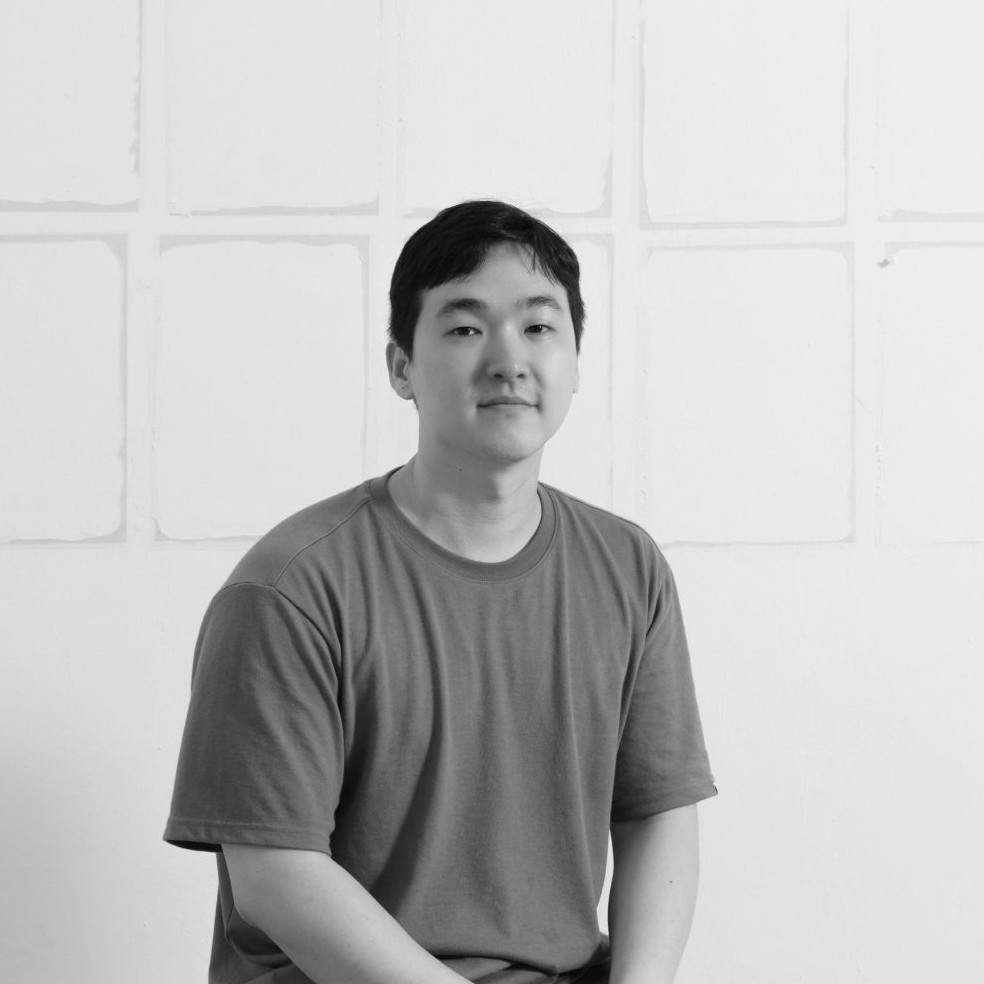
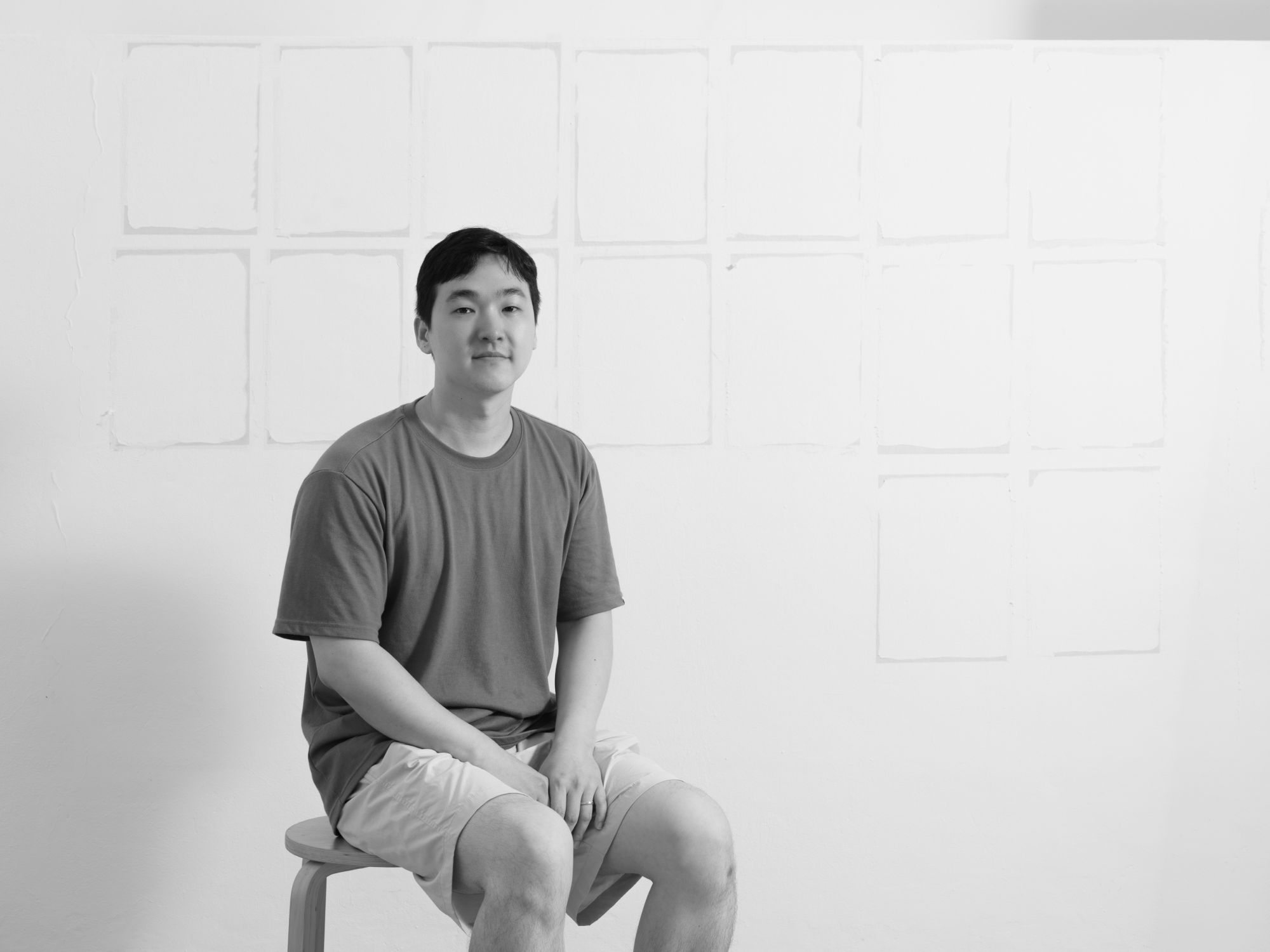
Artist Hwang Kyumin ©Incheon Art Platform

Hwang Kyumin received his BFA in Oriental Painting from Hongik University and his MFA in Oriental Painting from Seoul National University Graduate School of Arts. His solo exhibitions include 《Hwang’s Manual of Eternal Classics》 (OCI Museum, Seoul, 2022), 《Penetrating Stone》 (KSD Gallery, Seoul, 2020), and 《Muh Emdap Inam Mo》 (Seoul Art Space Seogyo, Seoul, 2019).
 
He has also participated in numerous group exhibitions, including 《Ah! East Asian Painting: Eternal Paradise》 (Art Center White Block, Paju, 2025), 《Marks of Identity》 (Gallery Jinseon, Seoul, 2024), 《The Act of Collaboration》 (Incheon Art Platform, Incheon, 2024), 《Hwang’s Manual of Song’s Work – Throwing Arrows》 (Incheon Art Platform, Incheon, 2024), 《Prayer without Faith》 (Gallery Yoshinaga, Tokyo, 2023), and 《Korean Traditional Painting in Alter-age》 (Ilmin Museum of Art, Seoul, 2022).
 
Hwang was selected as a resident artist at the MMCA Residency Goyang (2024) and Incheon Art Platform (2023). His works are held in collections including OCI Museum, MMCA Art Bank, and Yangju Chang Ucchin Museum of Art.

References