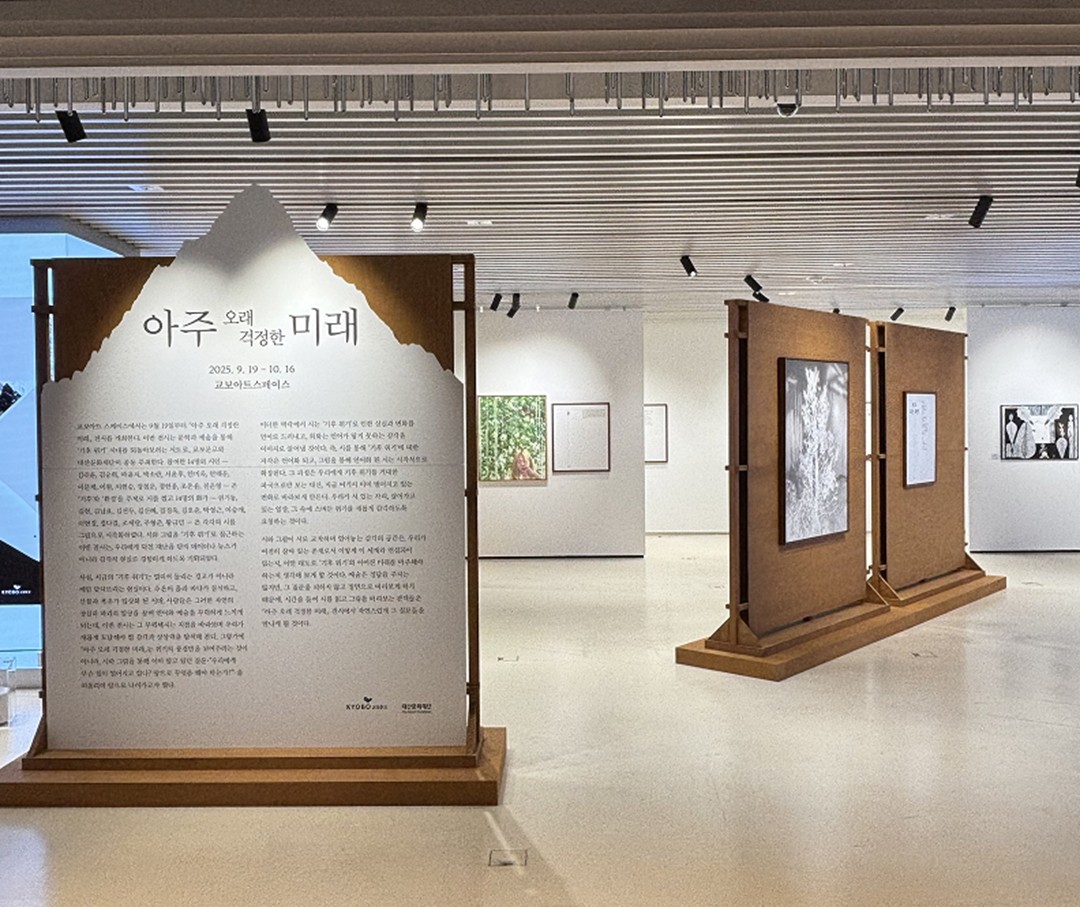
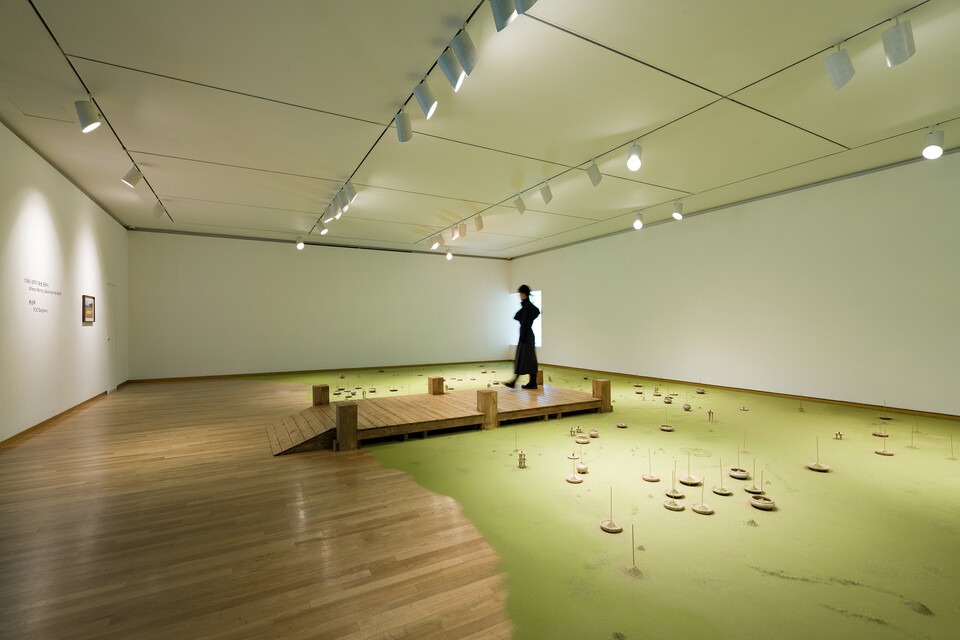
Kyobo Art Space presents the
exhibition 《A Very Long Worrying Future》 from September 19. Co-hosted by Kyobo Book Centre and the Daesan
Foundation, the exhibition is an attempt to revisit the age of the “climate
crisis” through literature and art.
Fourteen poets (Kim Riyoon, Kim Seungil, Ma
Kyungdeok, Park Soran, Seo Yunhoo, Ahn Miok, Ahn Taewoon, Lee Moonjae, Lee Won,
Lee Hyunseung, Jang Cheolmoon, Jung Kkeutbyeol, Jung Ji-yoon, and Ha Jaeyeon)
and eleven visual artists (Kim Hongju, Kim Yoonseob, Kim Jungwook, Kim Jin, Kim
Hyeonggon, Geon Seokgyu, Kim Shinil, Kim Junkwon, Park Myunggeun, Lee Seunghye,
Lim Seonjong, Jung Minkyoung, Jung Seyong, Joo Hyeongjoon, Hong Jungpyo, and
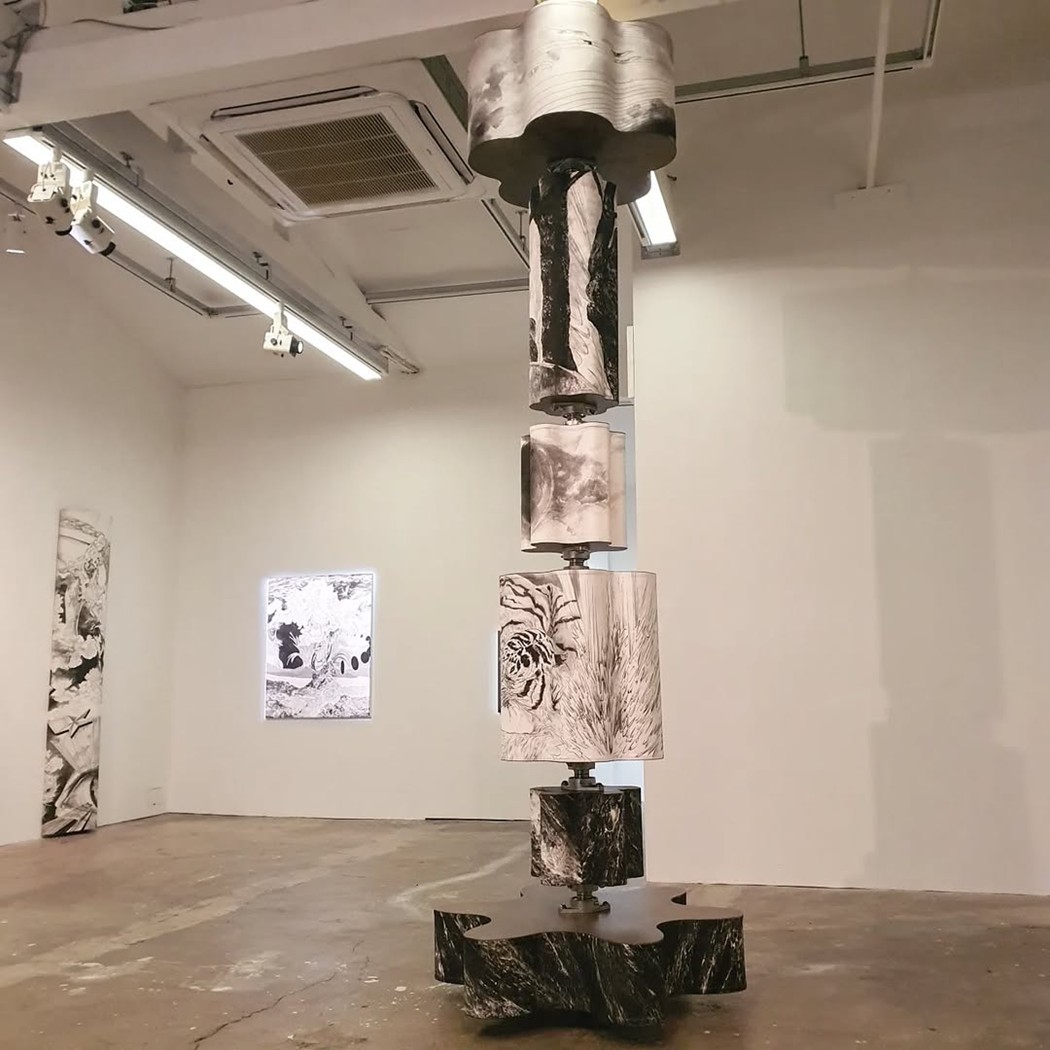
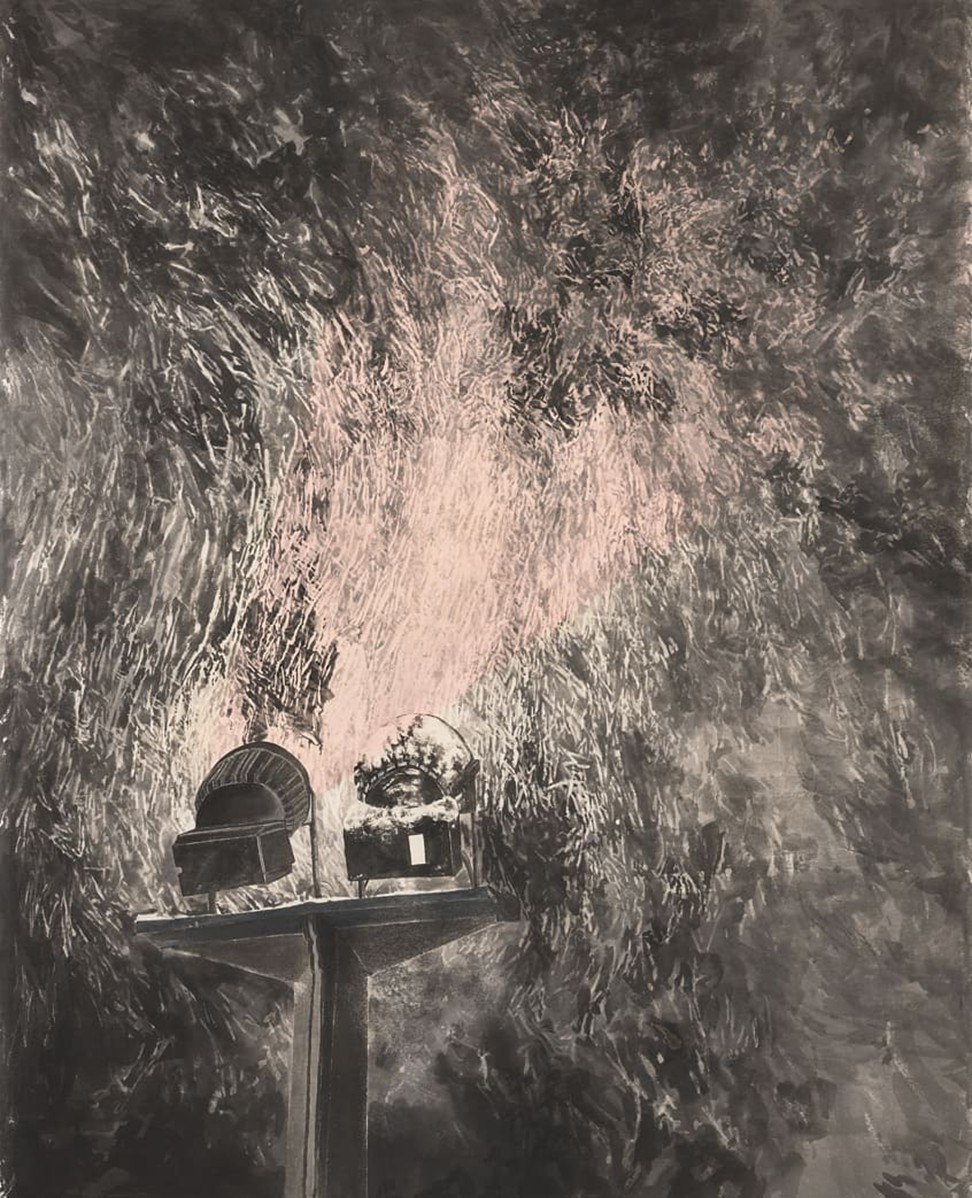
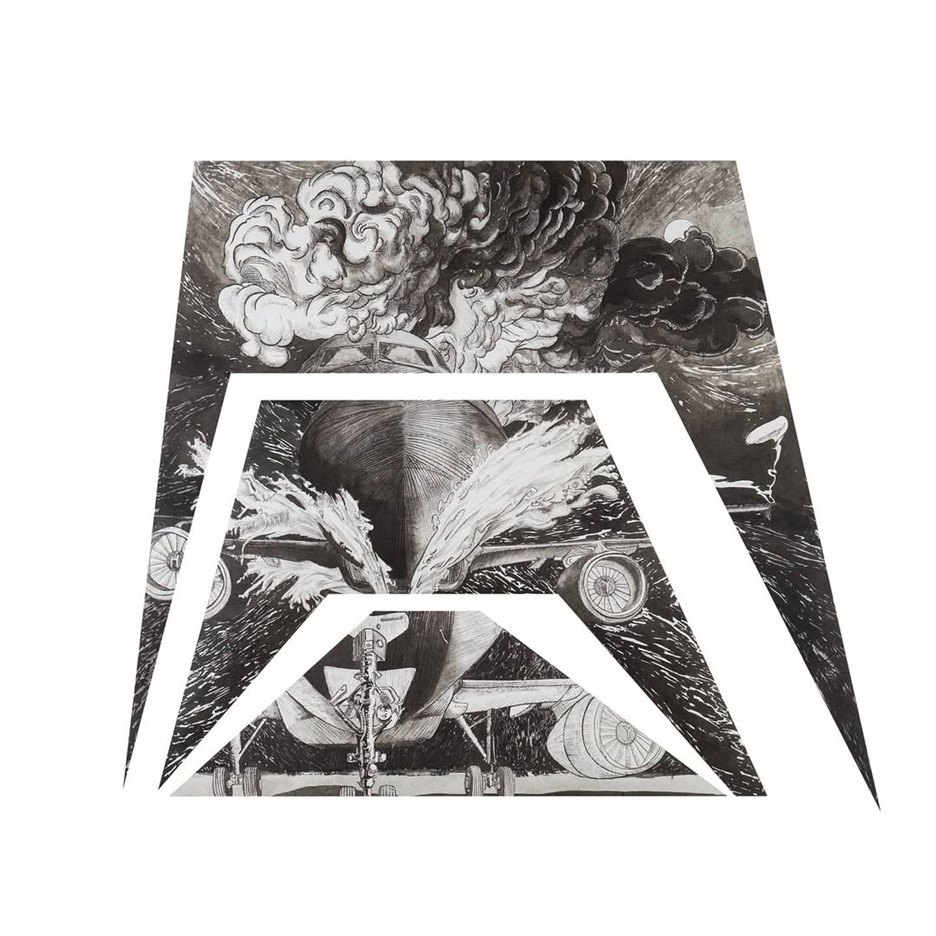
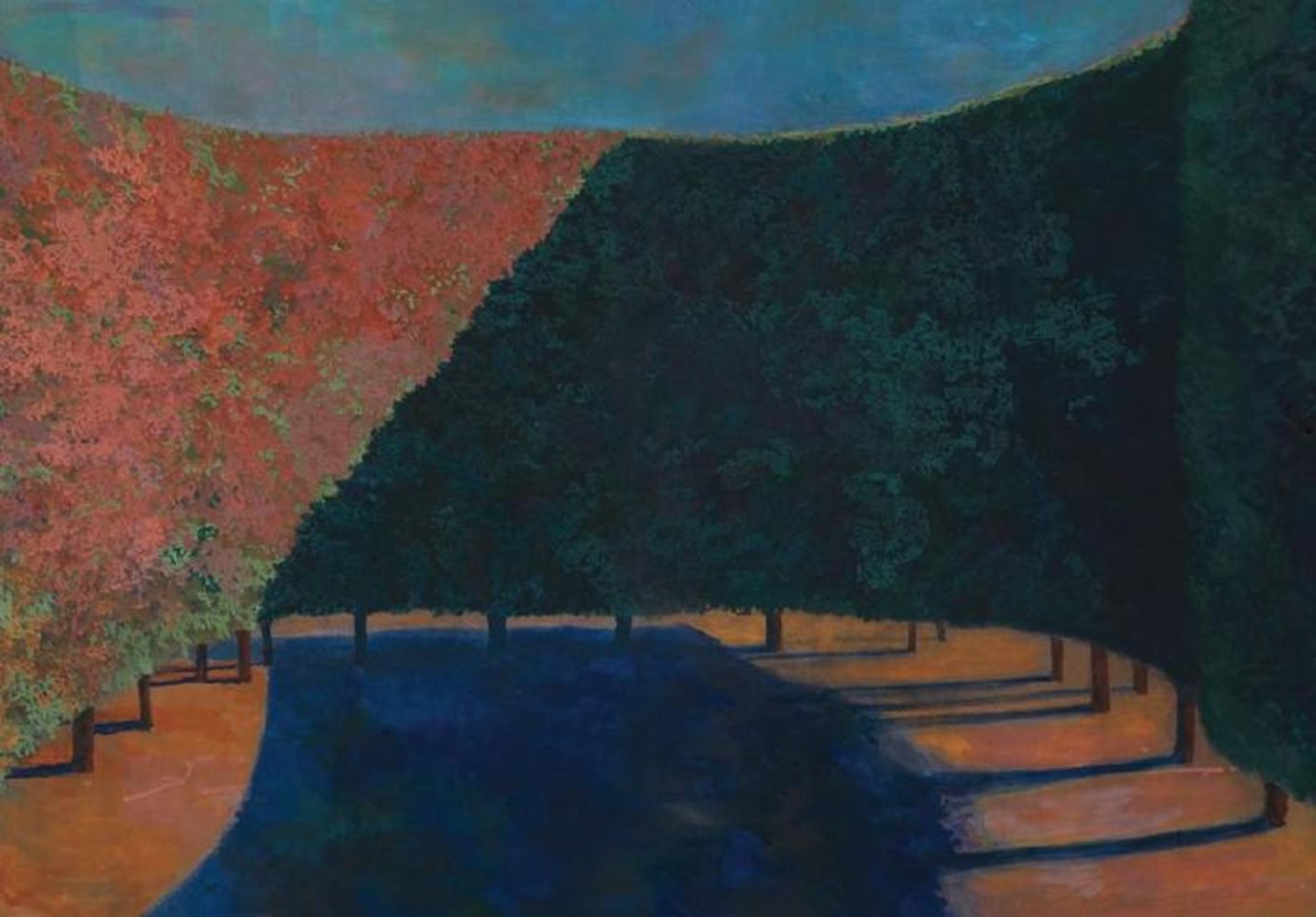
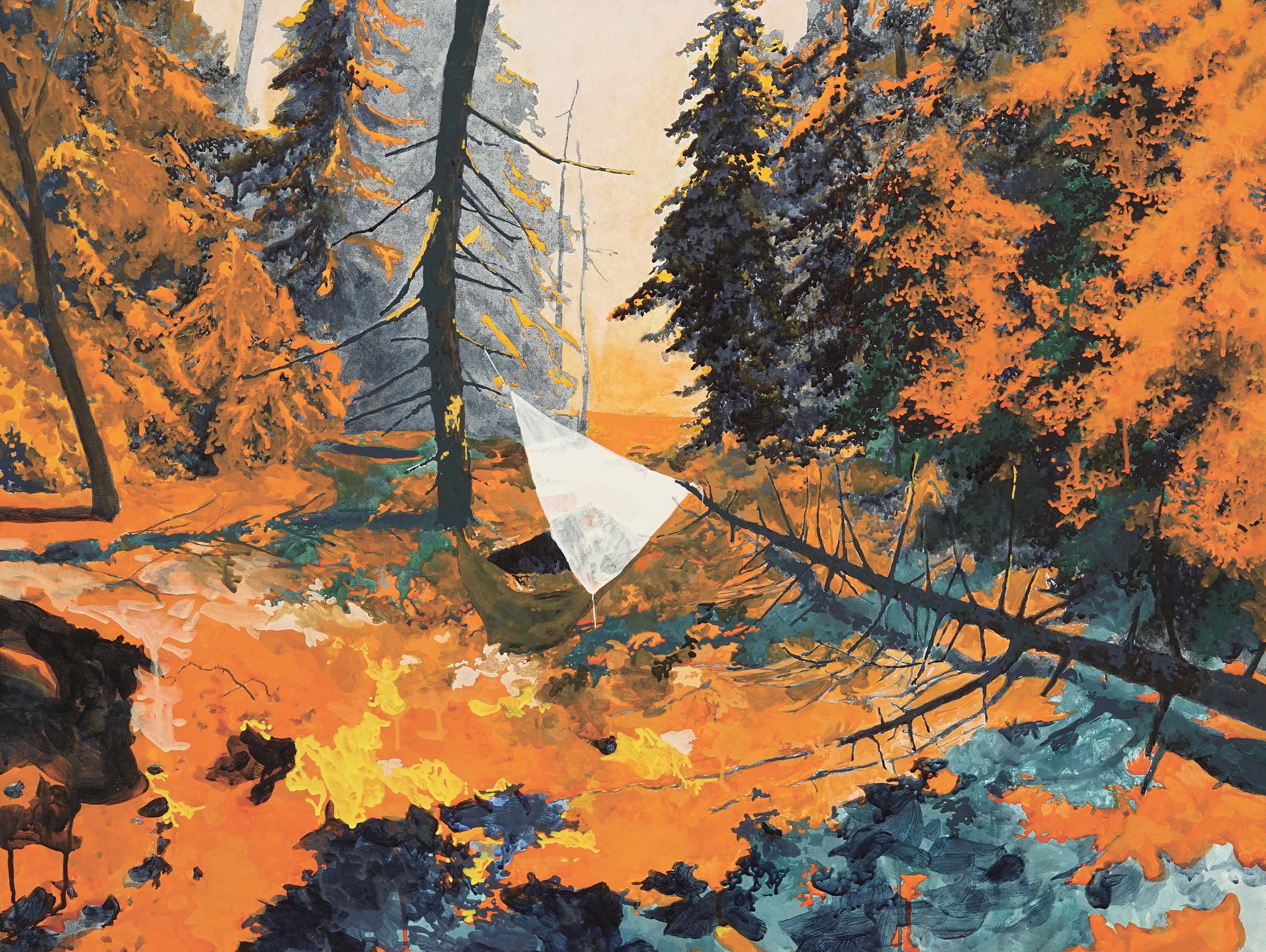
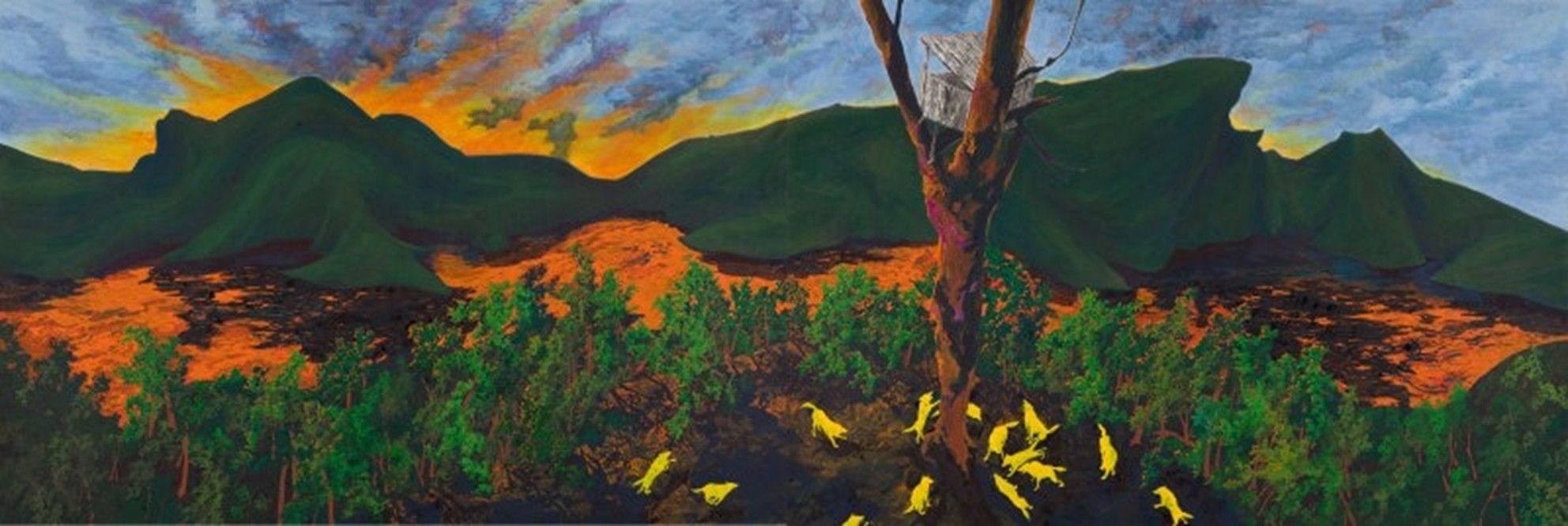
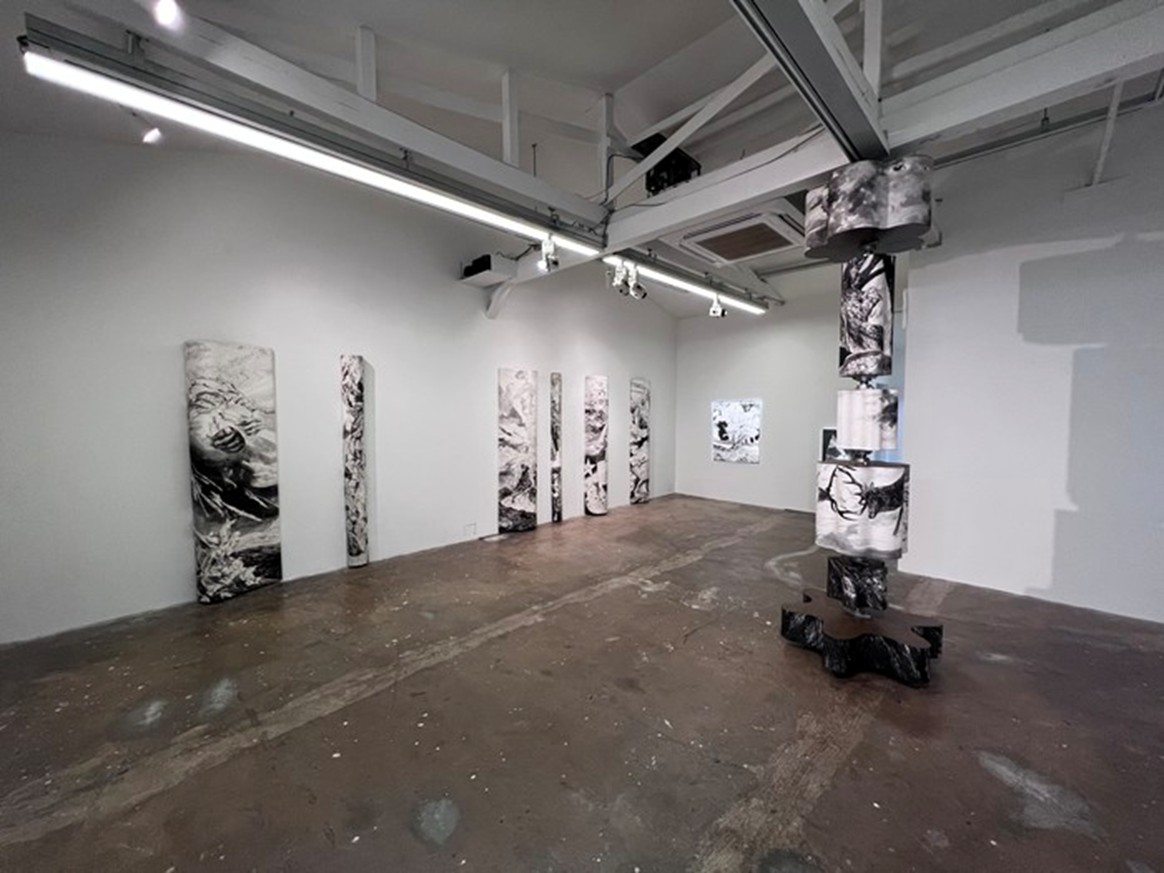
Hwang Dayeon) present works that either translate poetry into painting or
reinterpret the poetic imagery through painting.
The exhibition is designed to
allow viewers to experience the disaster confronting humanity not merely as
data or news, but as a tangible sensory reality.
In truth, today’s “climate
crisis” is no longer a distant warning—it is a daily encounter. Rising sea
temperatures suffocate oceans, and wildfires and torrential rains have become
routine. Living amidst the loss and destruction of nature, people increasingly
sense the impotence of language and art. This exhibition seeks to overcome that
paralysis by exploring new sensibilities and imaginative capacities. Thus, 《A Very Long Worrying Future》 does not simply
depict the landscape of crisis—it prompts reflection on questions that have
always existed beyond it: “What is happening to us? What must we do next?”
Within this framework, poetry
articulates the ecological transformations caused by the climate crisis through
language, while painting translates those scenes of crisis into sensory form.
Poetry expresses the subtle signs of collapse that data cannot capture, and
painting visualizes the sensory language born from poetry. Moving between these
two media, the works reject a fatalistic view of catastrophe and instead trace
emergent forms of renewal.
We stand amid the crisis itself,
yet within it poetry invites us to sense differently, and painting renders that
awareness visible. The space opened through their intersection—between text and
image—is one where we continue to live, think, feel, and perceive change.
Though there is no clear answer to the question, “How shall we live with the
climate crisis?”, art becomes another mirror—one that both faces disaster and
reflects the possibility of a future. In 《A Very Long Worrying Future》, literature and
art meet these questions naturally, in shared contemplation.