Chang
Younghae’s work conducts a “material experiment of the body” through diverse
media — video, performance, installation, and film. Her early performances
translate bodily movements into language, reading, broadcasting, or music,
transforming repetition, exhaustion, and interpretive failure into staged dramas.
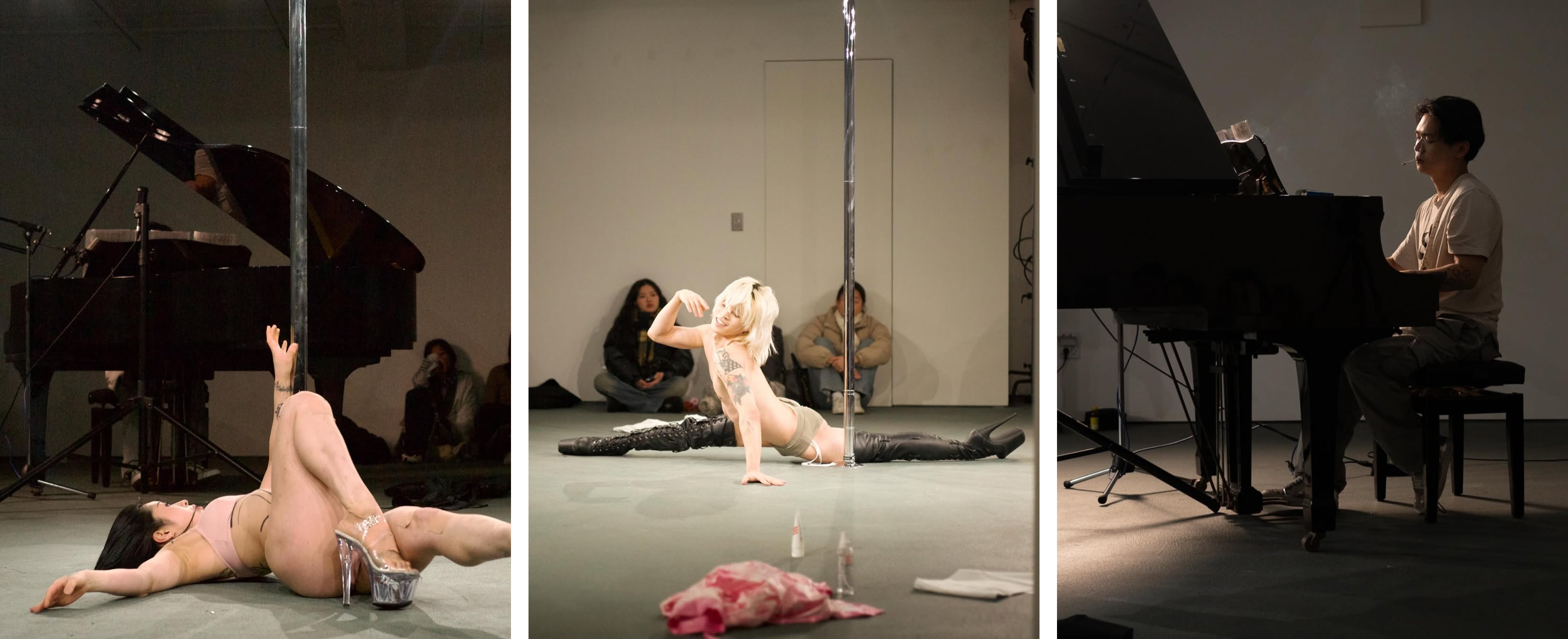
In 《???? climb, fronthook, angel, invert, daphne, figure head, scorpion,
fall, gemini, princess, chopstick》, the performer’s actions are simultaneously narrated in text,
creating a live disjunction between words and gestures; audiences experience
this dissonance physically.
It
visually demonstrates what the artist describes as “the different physicality
the body acquires when passing through image or text.”
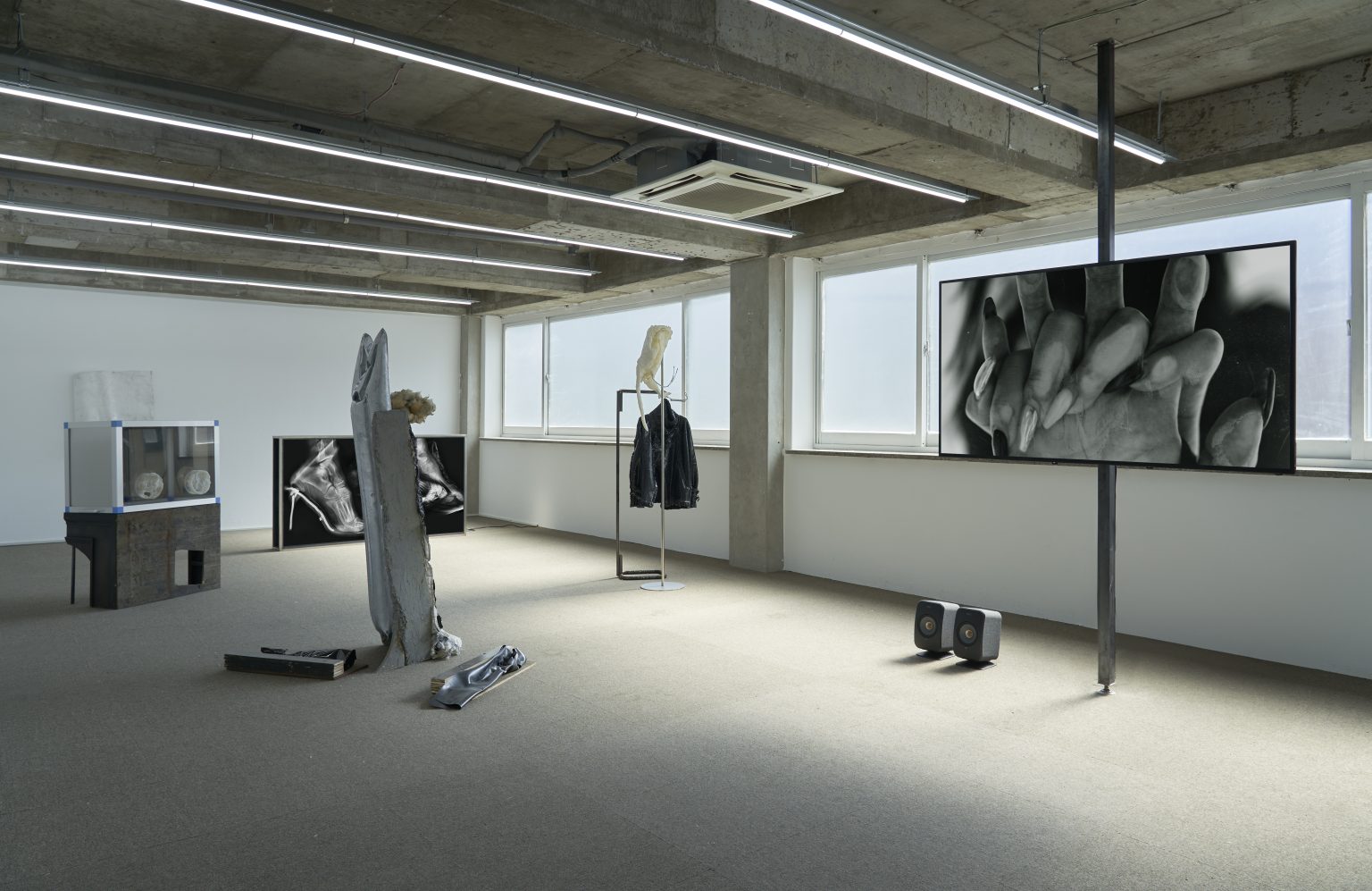
She later
turned to the mechanical apparatuses that mediate bodily imagery — the camera,
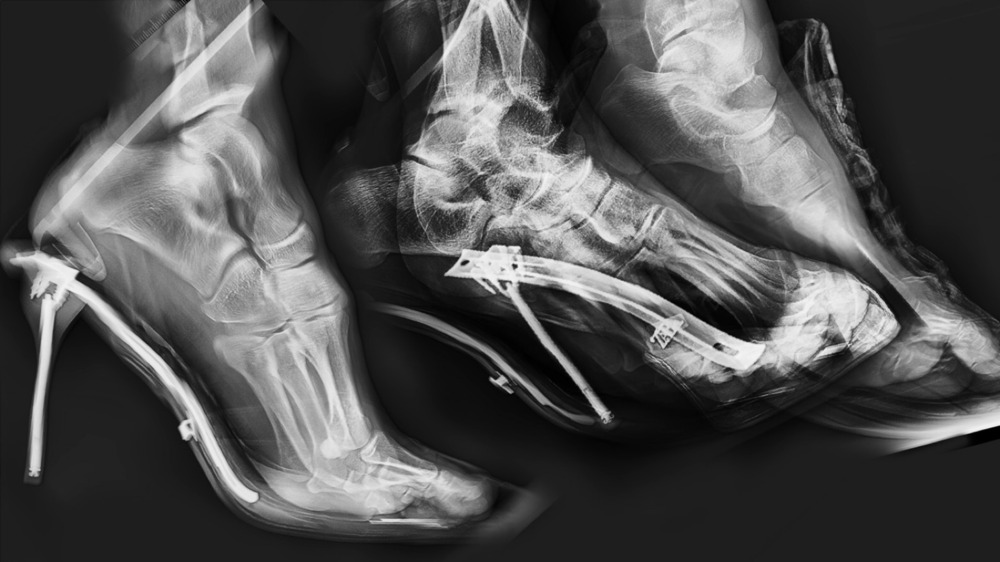
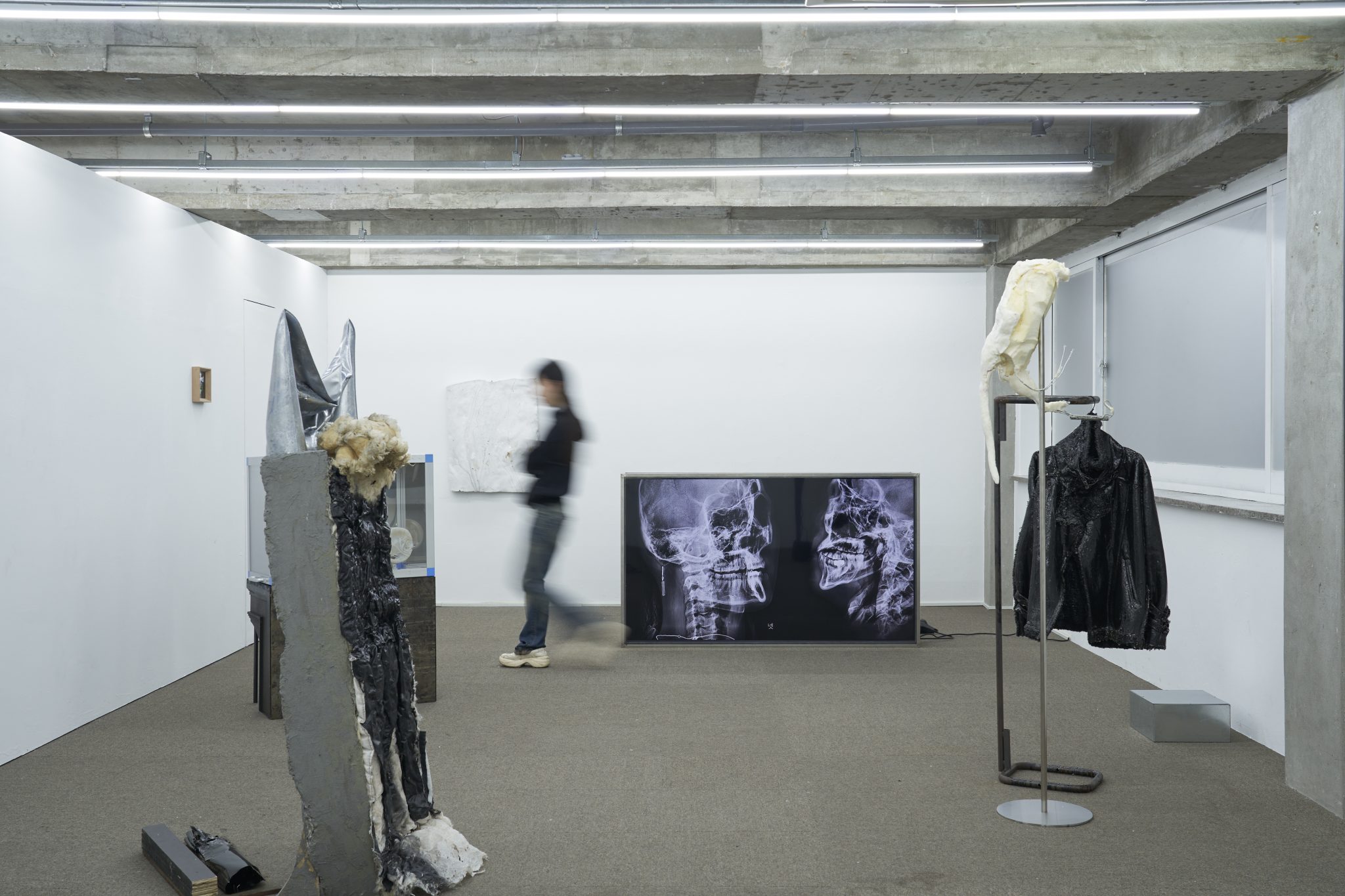
X-ray, and medical equipment. In 《Glove box》, these devices are re-positioned
not as recording tools but as structures of control. Videos and objects in the
space interweave perspectives of dissection, resuscitation, and observation,
constructing a sensation in which the body can no longer remain a part of “me.”
Particularly in Ray, desire is overlaid with X-ray images,
dissolving the boundary between inside and outside, life and the inanimate.
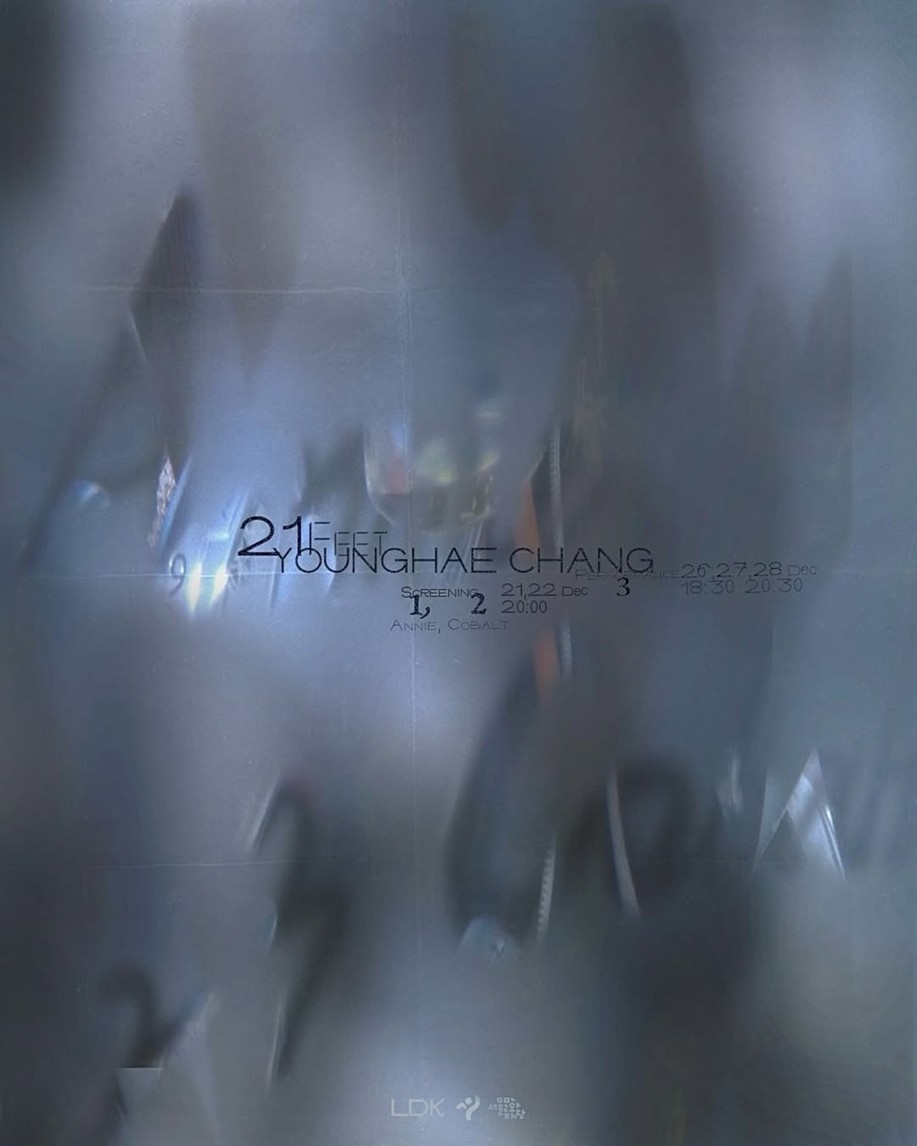
In
3 and 《21feet》, the artist manipulates spatiotemporal perception to produce
sensory confusion. Artificial lighting that recreates daylight within
nighttime, or time-delayed cues such as scent, compose an “uncertain
temporality” where reality and fiction overlap.
This approach converts the structural violence of reality into invisible
sensory domains — light, smell, and distance.
In her
2025 works annie, cobalt and blur, blur
from the Doosan Art Center exhibition, Chang heightens the density of her
visual language, using AI-based visual grammar to expose how “average
perfection” distorts human emotion.
Through this, she points to the violence inherent in technological
represenations of the body itself.