

Sunjeong Hwang (b. 1989) is a contemporary artist and new media composer who explores the organic interconnections between humans, nature, and technology. Grounded in multidisciplinary research and artistic experiments that expand perception and cognition, her practice synthesizes poetry, manifestos, AI, generative coding, data systems, and temporal structures.
 
Through this approach, she creates distinctive transmedia formats, presenting multisensory environments, video works, installations, performances, audiovisual projects, and sound pieces.


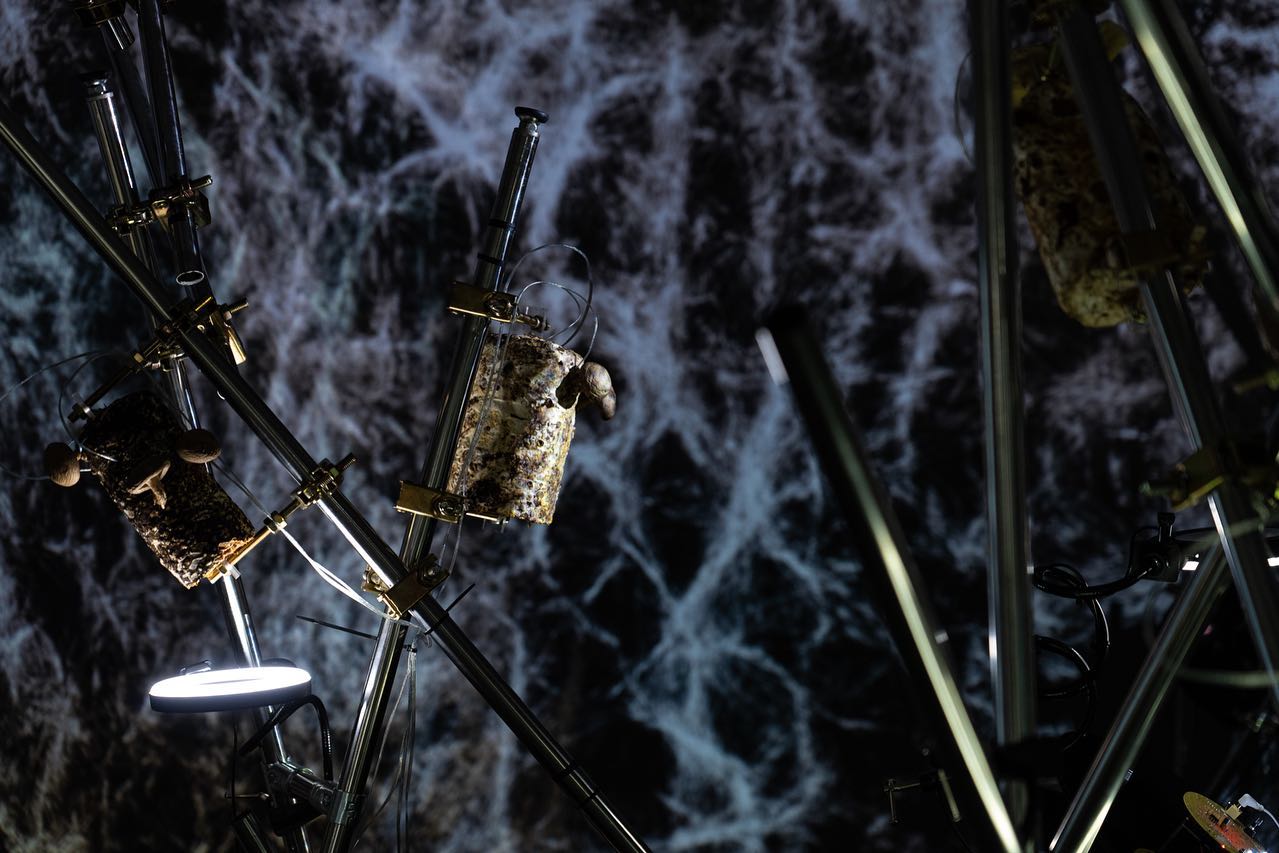
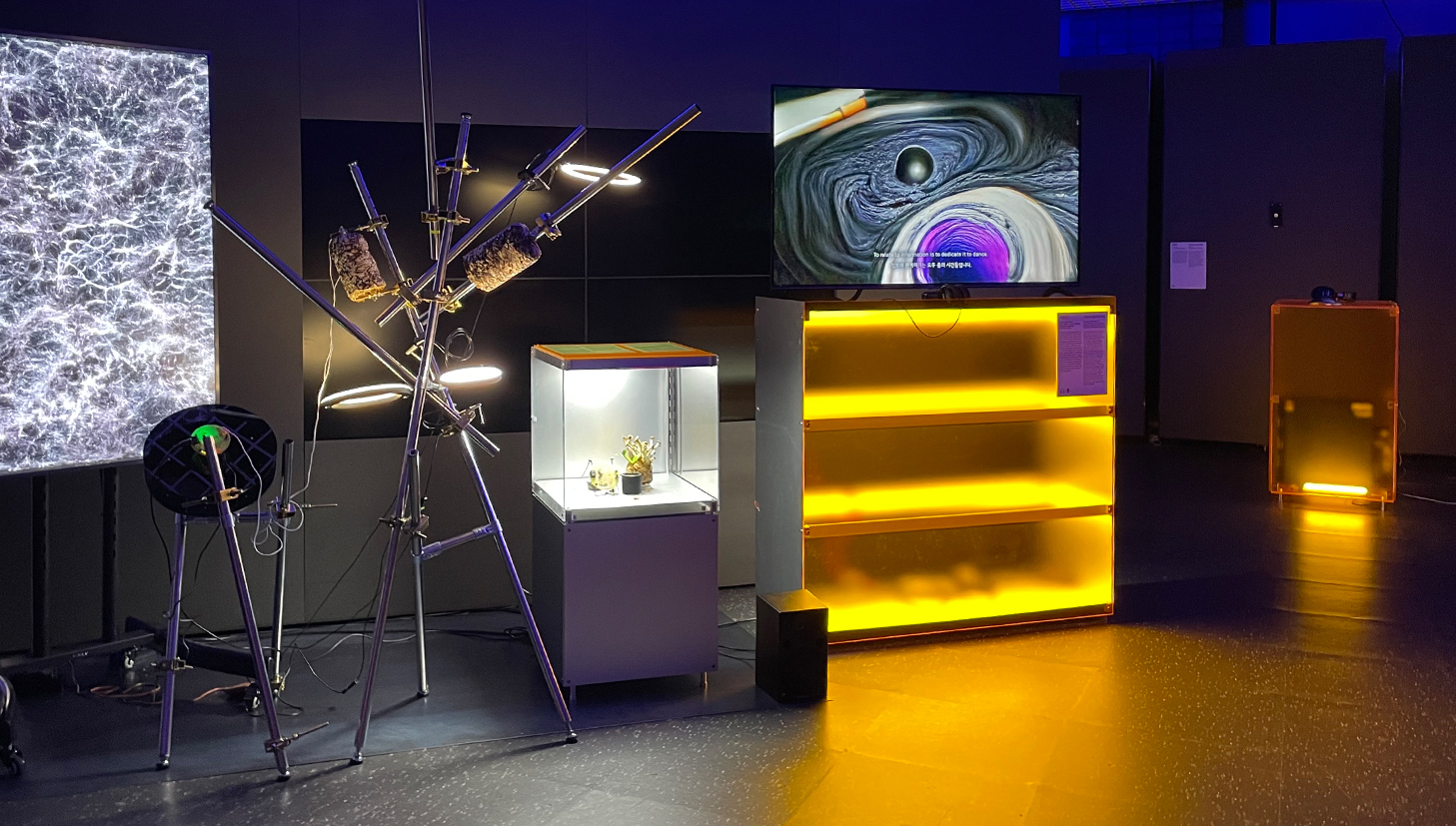
Sunjeong Hwang, Tanhamu Project, 2021, Mixed media, Dimensions variable, Installation view of 《Migration to a New Earth Planet》 (Asia Culture Center, 2021) ©ACC

Sunjeong Hwang explores organic symbiosis and relationality with non-human-centered ecosystems, creating moments in which such networks can be encountered, felt, and reflected upon. To this end, her practice involves constructing a “Post Hyper Human Map,” a conceptual framework that imagines worlds of impersonal communication and interfaces that extend the senses of future humanity.
 
Since 2021, Hwang has been developing the ‘Tanhamu Project,’ a long-term inquiry into the cycles and network systems of fungi, as well as the symbiotic relationships within the “wood wide web,” in which plants communicate signals through fungal connections in their root systems.


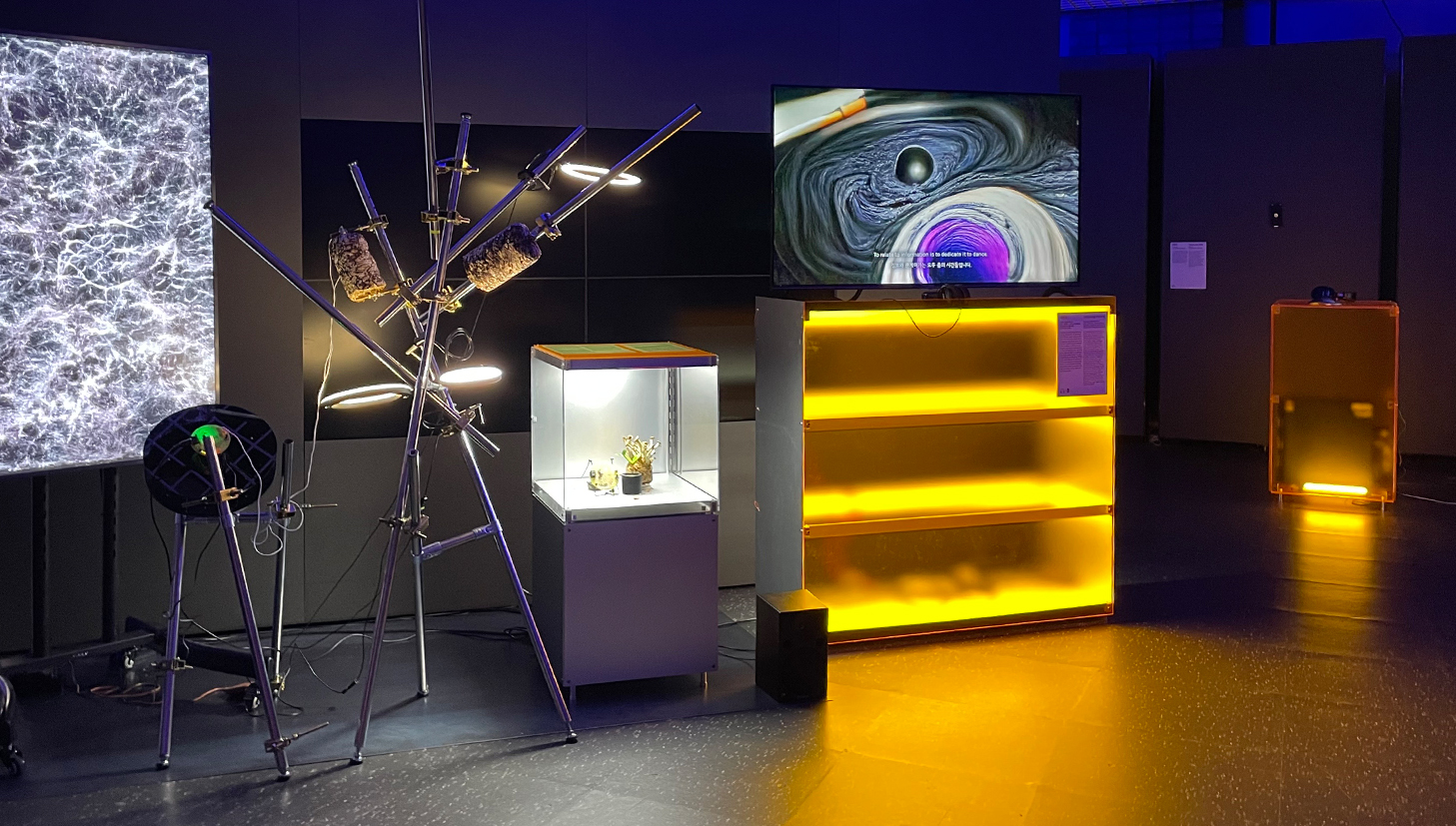
Sunjeong Hwang, Highway Fungi : Tanhamu, 2021-2022, Mixed media, plants, fabrication interface, Arduino, monitor display, and real-time audio–visual, Dimensions variable ©Sunjeong Hwang

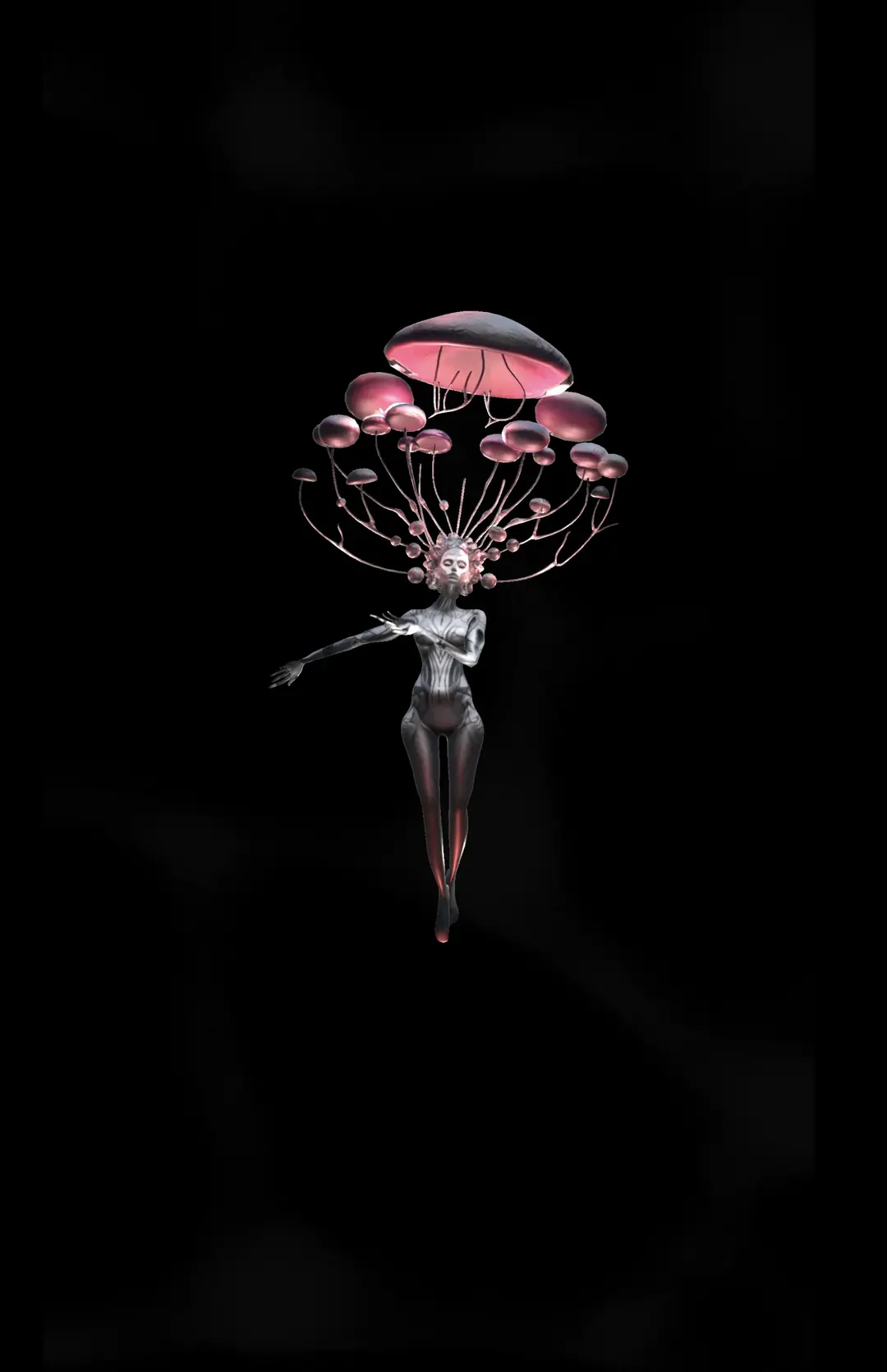
The name ‘Tanhamu’ combines ‘Tanhā,’ an ancient Sanskrit word referring to bodily or mental desire, with the Chinese character ‘舞 (to dance)’. It signifies a near-future species—an organic synthesis of humans and subterranean mycelium—that embodies a “dance of symbiosis.” Through this project, Sunjeong Hwang explores communication across species, connections through difference, and transformative modes of relation, sketching a journey toward new forms of coexistence essential for humanity’s survival amid planetary change.
 
In 2021, as part of the group exhibition 《Migration to a New Earth Planet》 at the Asia Culture Center, Hwang installed artificial “mushrooms” as a method of intervening in plant communication. These mushroom-like machines collected data on temperature, humidity, carbon dioxide, and pressure from within potted soil, translating these fluctuations into audiovisual outputs.


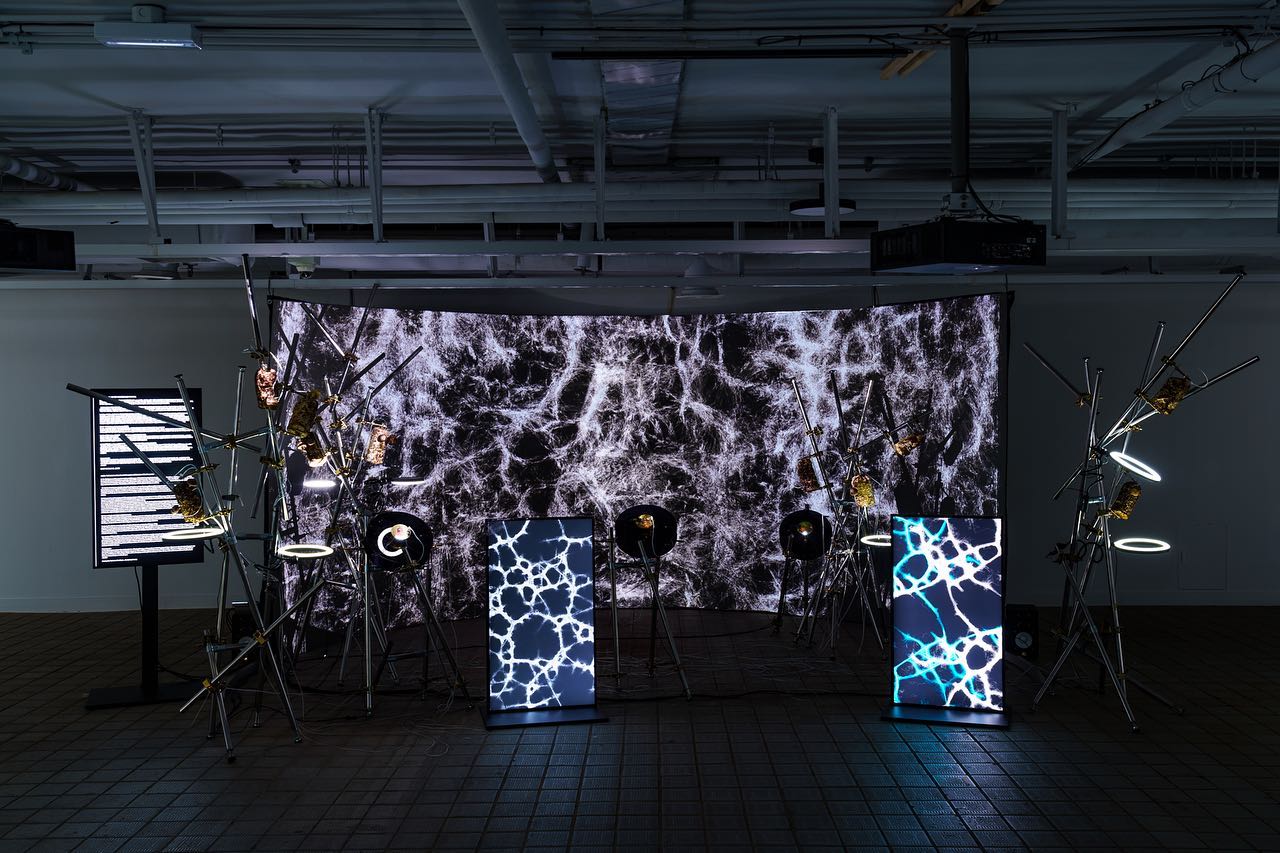
Sunjeong Hwang, Tanhamu: Tanhamutronica, 2022, Mixed media, customed PCB interface, plants, fungi, real-time audio-visual, Dimensions variable ©Art Center Nabi

Tanhamu: Tanhamutronica (2022), presented at Art Center Nabi, connects with plants and fungi through custom-designed PCB boards, attempting forms of non-human and impersonal communication. Underlying this work is a speculative narrative about the future of humanity.
 
According to this narrative, in the year 2058, during the New Pliocene, humankind merges with fungal mycelium through horizontal gene transfer, giving rise to the hybrid species Tanhamu. As this new species evolves, it gradually acquires fungal modes of sensing, developing the ability to engage in the Earth’s metabolism and to perceive its vital flows. Symbiotically entangled with mycelium at both the sensory and genomic levels, the Tanhamu species adapts to even the most extreme planetary conditions, ensuring the continuation of biodiversity.


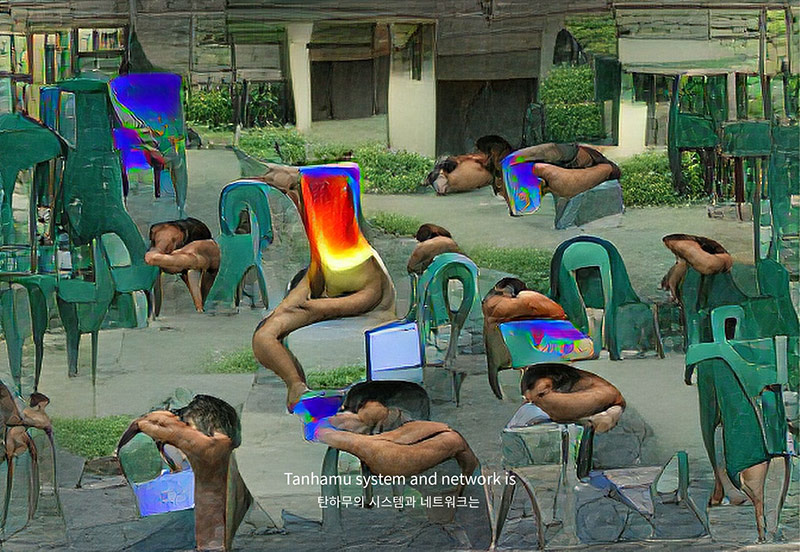
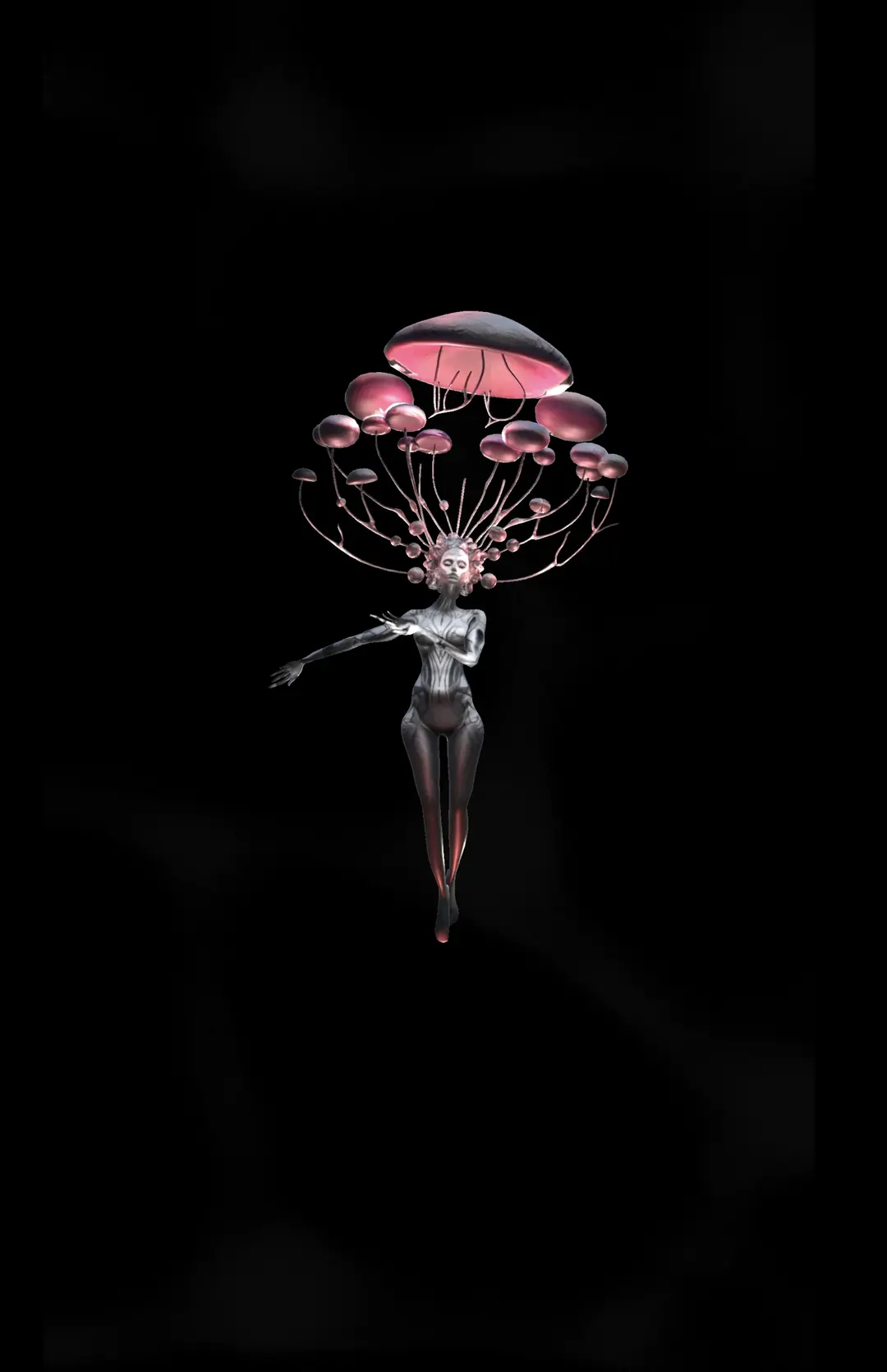
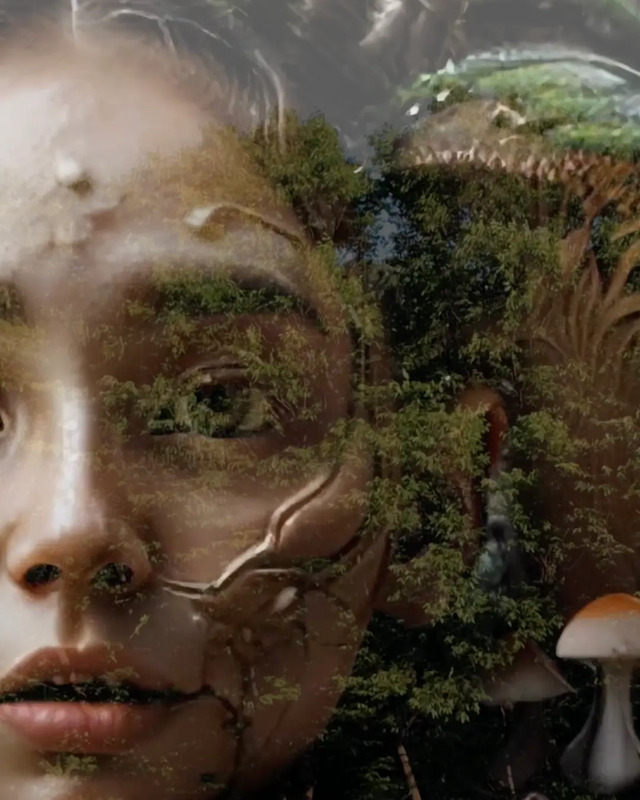
Sunjeong Hwang, Tanhamu_the times of dancings, 2022, 4K video, color, sound, 13 min ©ARKO Art Center

Furthermore, Tanhamu Tempo (2022) stages a dialogue between the Tanhamu species, fungal mycelium, and an artificial intelligence that aspires to become their symbiotic partner. In this work, the AI reflects on the future of humanity’s natural hybridization, questioning how it might intervene within the human–mycelium network and engage in a horizontal mode of coexistence.
 
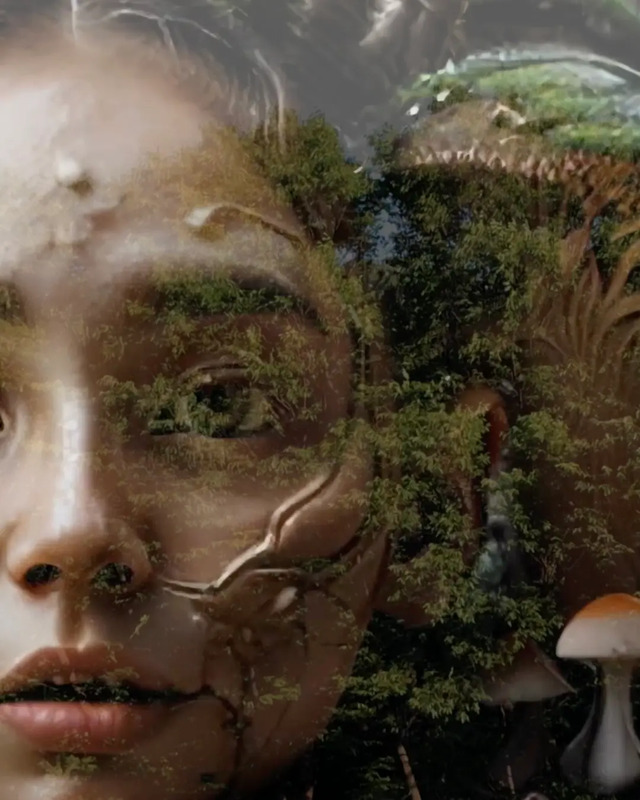
The third installment of the Tanhamu Project, Tanhamu_the times of dancings (2022), employs generative neural networks to reveal the points at which human movement and perception interlace with the non-human. By displacing anthropocentric thinking and reducing impersonal communication to the form of dance, this video work expands the subterranean mycelial system above ground, exposing the interrelations among non-human entities, objects, and humans.

Sunjeong Hwang, Highway Fungi : Tanhamu, 2021-2022, Mixed media, plants, fabrication interface, Arduino, monitor display, and real-time audio–visual, Dimensions variable ©Sunjeong Hwang

In this sense, Tanhamu functions both as a natural–artificial organ that extends the mycelial system above ground and as a hybrid species in conjunction with humanity. Within this speculative world of Tanhamu, where the interfaces and sensory capacities of future humans are expanded, mycelial networks, artificial intelligence, and neural networks form organic relations and converge into a single network.


Sunjeong Hwang, Close to the Weaving Web: Om; Prelude, 2023, Single-channel video, 7min 55sec. ©LAAF

The following year, Hwang presented the video work Close to the Weaving Web: Om; Prelude (2023), an audiovisual prologue that foreshadows a sense of symbiosis within the imagined ecology of the Tanhamu world.
 
Set against a future shaped by climate change, the work explores the possibilities of a new network interlacing humans, nature, and artificial neural systems. Here, Hwang envisions plant networks, AI neural circuits, and human brain synapses as a single woven structure, visualizing how these entities interconnect and expand sensory experience.

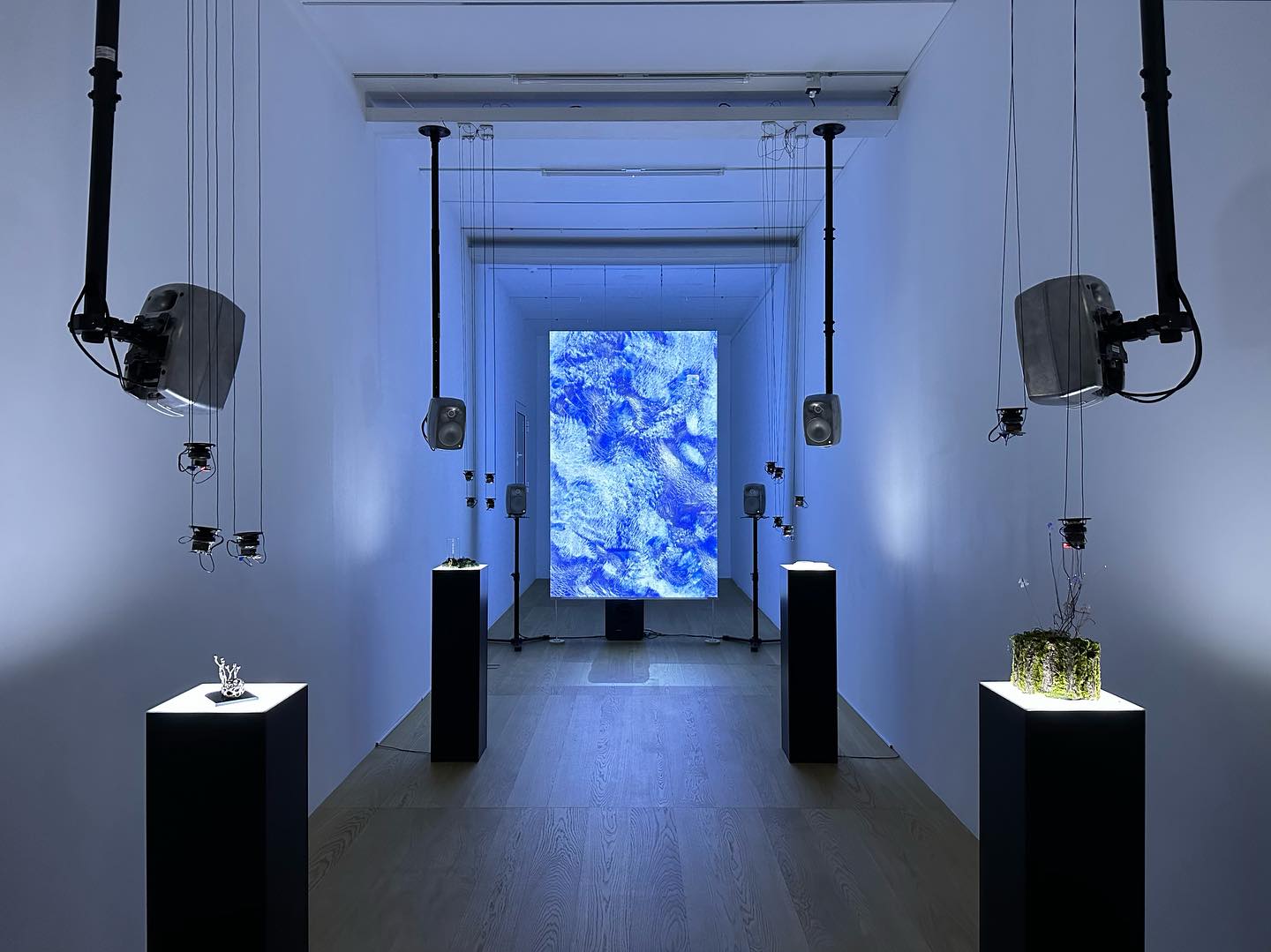
Sunjeong Hwang, The Recipe of Earth, Body and Sounds: Synaptic Odyssey, 2023, Multi channel sound, object, projection mapping, single channel video, installation, environment, 700x270x370cm ©SONGEUN Art and Cultural Foundation

Continuing her exploration, Hwang presented The Recipe of Earth, Body and Sounds: Synaptic Odyssey (2023) at 《The 23rd SONGEUN Art Award Exhibition》, offering a layered spatiotemporal environment as a metaphor for cyclical, hybrid practices that investigate the interactions between contemporary technology and nature.
 
In this work, the artist explores the healing “recipes” provided by plants and fungi, in contrast to mechanical systems, and proposes an organic network of relationships between humans, technology, and nature through the act of ingestion.


Sunjeong Hwang, The Recipe of Earth, Body and Sounds: Synaptic Odyssey, 2023, Multi channel sound, object, projection mapping, single channel video, installation, environment, 700x270x370cm ©SONGEUN Art and Cultural Foundation

The work’s multichannel environment and the artist’s guidance toward a performative “recipe” evoke the organic systems of fungi, the accumulated body of nature, and temporal processes, inviting the exploration of unknown sensory experiences.
 
Diverse technological materials weave and ferment the recipe, while the human body becomes a shamanic agent and a multisensory interface. This engagement with unfamiliar sensory experiences and the performative recipe embodies a desire to liberate perception from the accelerated pace of contemporary life amid a changing climate.


Sunjeong Hwang, Minuit Heya: Sensotalic Helix Movement 000, 2024, 2-channel video, Arduino, speakers, upcycled plastic, LEDs, and mixed media, 110x110x220cm ©LAAF

In Minuit Heya: Sensotalic Helix Movement 000 (2024), the artist draws inspiration from traditional practices such as shamanic gestures, rain-invoking rituals, and work songs, using them as motifs to reveal the temporality and sensory qualities embedded in materials like plastic and lichens through the rhythms of the body.
 
The dance, structured through repetition and intersection, evokes a metabolic sensibility—an experiential sense of symbiosis and circulation—reminding the audience of the cycles connecting humans and nonhumans, life and matter.


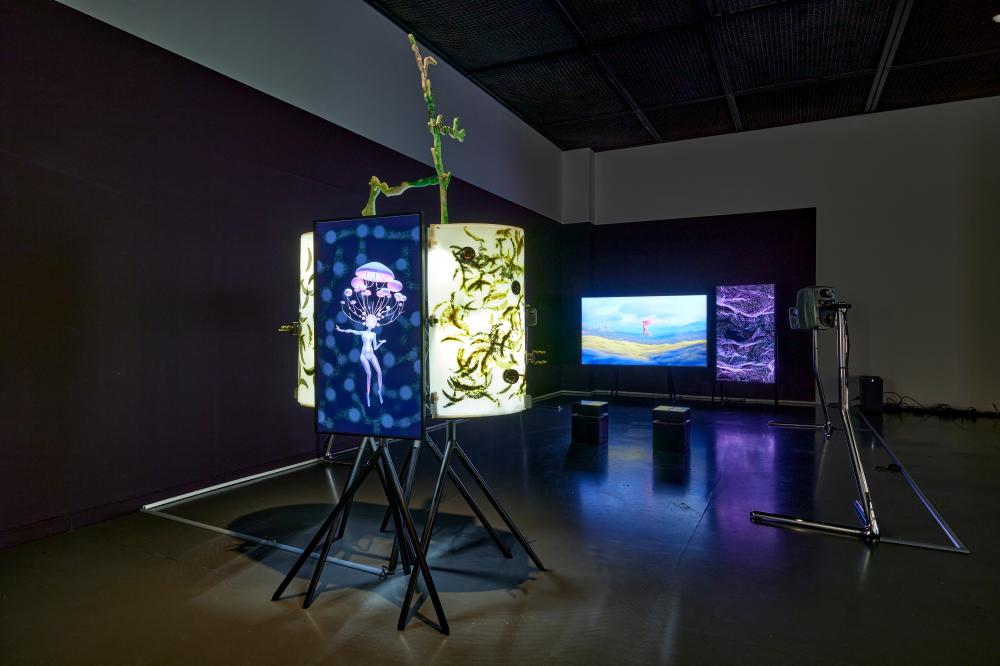
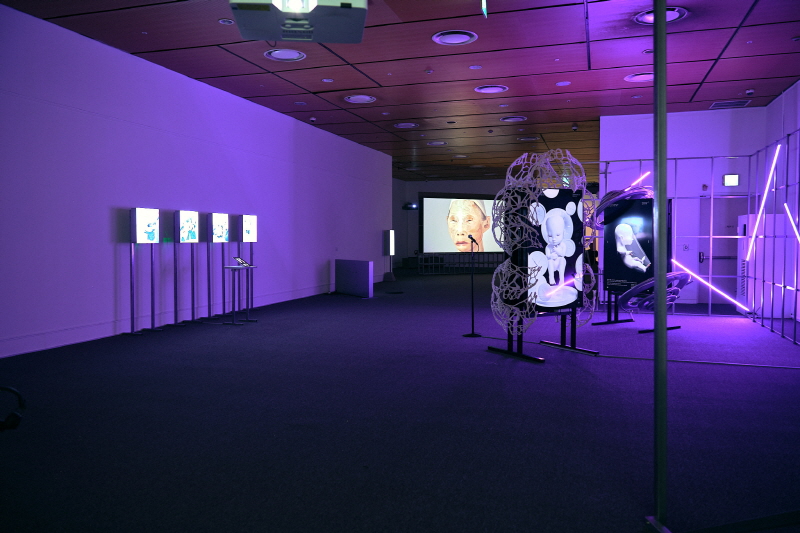
Installation view of 《At the End of the World Split Endlessly》 (Seoul Museum of Art, 2024) ©SeMA

Telluric Memories: Warm Woven Clicks, and Entangled Radiant (2024), presented in the group exhibition 《At the End of the World Split Endlessly》 (2024) at the Seoul Museum of Art, explores how the integrated complex of human and non-human, nature and technology, can inspire the liberation of the senses and the renewal of memory in the world of Tanhamu.
 
Telluric Memories: Warm Woven Clicks, and Entangled Radiant is a combination of sound installation, choreography, digital shaman, and poetry that evokes the warm sensations that resonate in the world of Tanhamu through a sensory journey of encounters with the common senses and anomalies that connect humans and non-humans. It shows a new ecosystem of symbiosis through sensitization and interaction between humans and non-humans, and the sharing of embedded memories and energy.

Installation view of 《Sonic Planet – Hertz and Dough》 (Buk-Seoul Museum of Art, 2025) ©SeMA

In addition to these research-based projects, Sunjeong Hwang also works as part of the media art duo organic Operators (oOps.50656) and runs the Hertz and Dough sound research lab, focusing on biosphere listening and spatial sound.
 
Currently on view at the Buk-Seoul Museum of Art, 《Sonic Planet – Hertz and Dough》 presents new works by Hertz and Dough (Sunjeong Hwang, Gyuchul Moon, Gwangmin Hong) that explore ways of understanding the world through sound. The exhibition highlights their ongoing research into the act of listening itself, demonstrating how sound can be a medium for creating narrative and sensory experience.


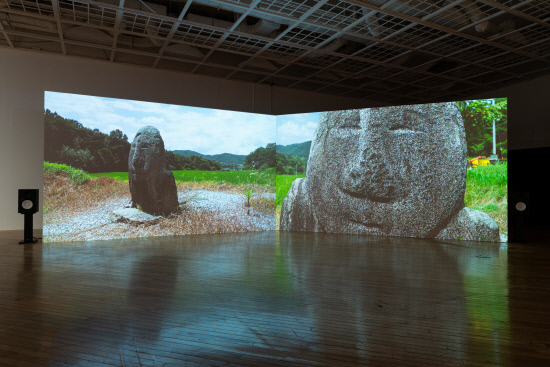
Installation view of 《Sonic Planet – Hertz and Dough》 (Buk-Seoul Museum of Art, 2025) ©SeMA

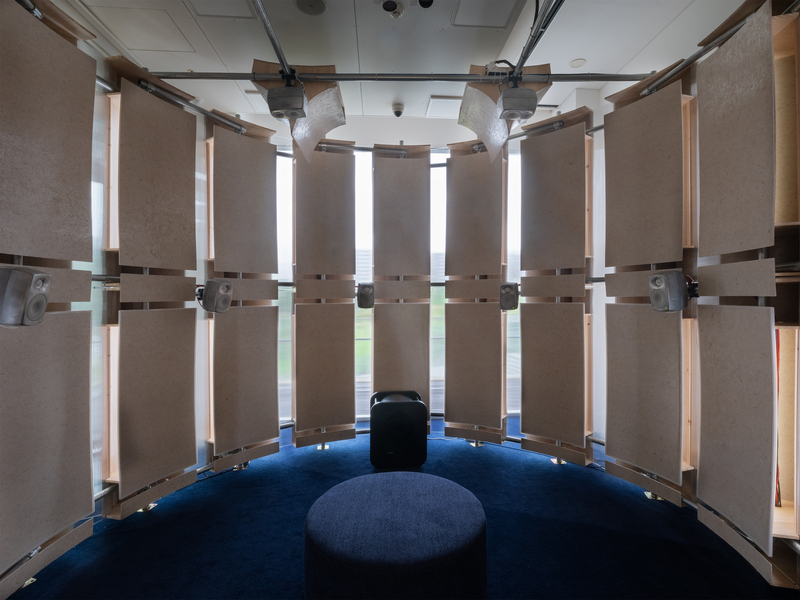
In the world of sound where technology and ecology, humans and nonhumans, and space and environment intersect, Hertz and Dough have continually posed questions about what and how we hear and understand. In this exhibition, they present Audinua 12 and Auditory Strata, works that serve both as the outcomes of their research and as experimental proposals for complex listening structures.
 
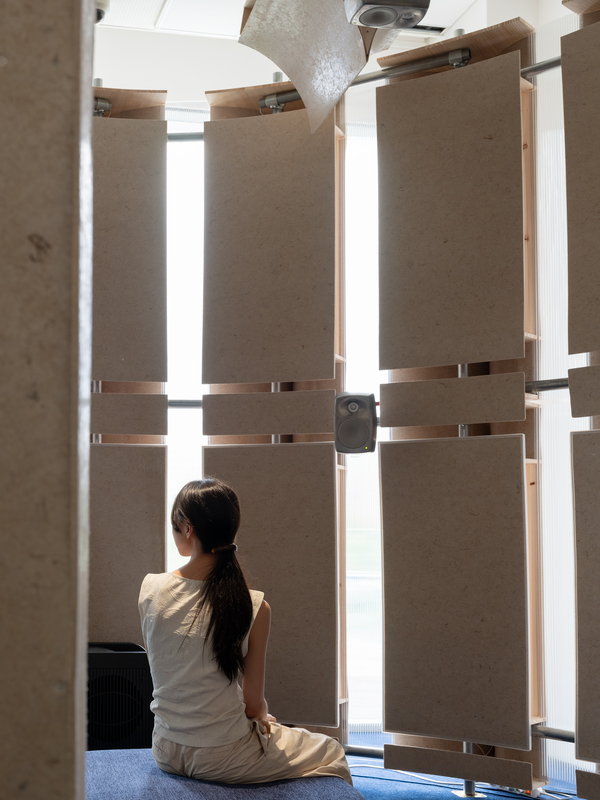
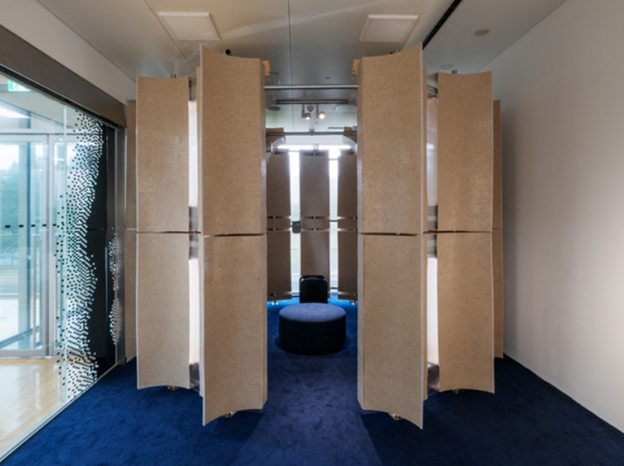
In Audinua 12, visitors encounter an 7.4.1 channel site-specific sound system that makes audible the Earth’s numerous voices. Here, guided along the pathways shaped by the group, visitors come to sense not only the act of listening but also the embodied perception of shifting times, rhythms, and networks of relation. Within the organic movements of non-linear sound flowing along curvilinear trajectories, the rhythms of nature, community, and city are experienced as if within a vast auditory ecology.


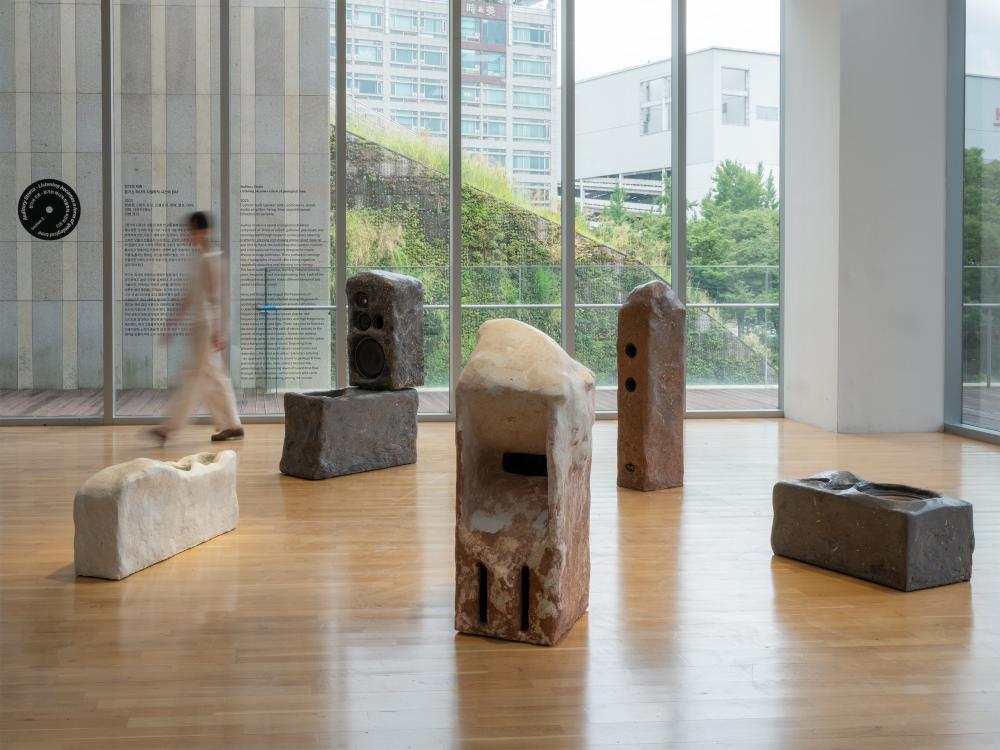
Installation view of 《Sonic Planet – Hertz and Dough》 (Buk-Seoul Museum of Art, 2025) ©SeMA

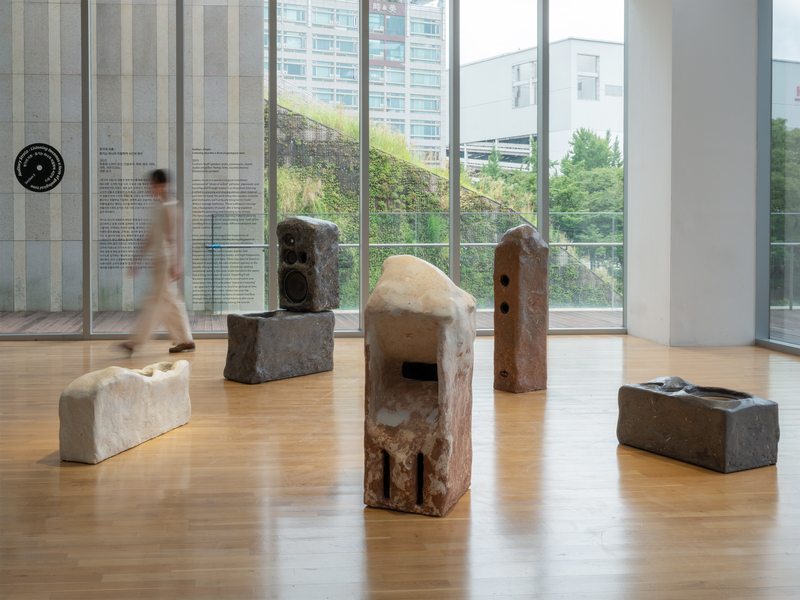
In contrast, Auditory Strata invites a more active pursuit and observation of sound. Each sound, collected, processed, and reconfigured during the research, travels through the pathways of speaker modules and enclosures, layering into multiple strata of auditory experience. This is not simply the hearing of sound but the hearing of time―a convergence where past and present sensibilities meet.
 
In this way, Sunjeong Hwang has explored the points of connection between humans, nature, and technology in various ways, considering how these connections can be proposed on a sensory level and how the sense of symbiosis can be shared. Her work expands into an ecosystem that moves like a living weave, allowing us to experience and imagine the entanglement of beings within the world—beyond anthropocentric thinking—through futuristic interfaces, sensory networks, and environmental systems.

 "Urban life is only concerned with vertically stacking things, like accumulating money. But if we spread horizontally, like mycelium, couldn’t we also coexist while forming spirals or circles? And in the future, as humans merge with machines, cyborgs will emerge—so artificial intelligence will also play an important role in this symbiosis."    (Sunjeong Hwang, in an interview with Seoul Foundation for Arts and Culture)


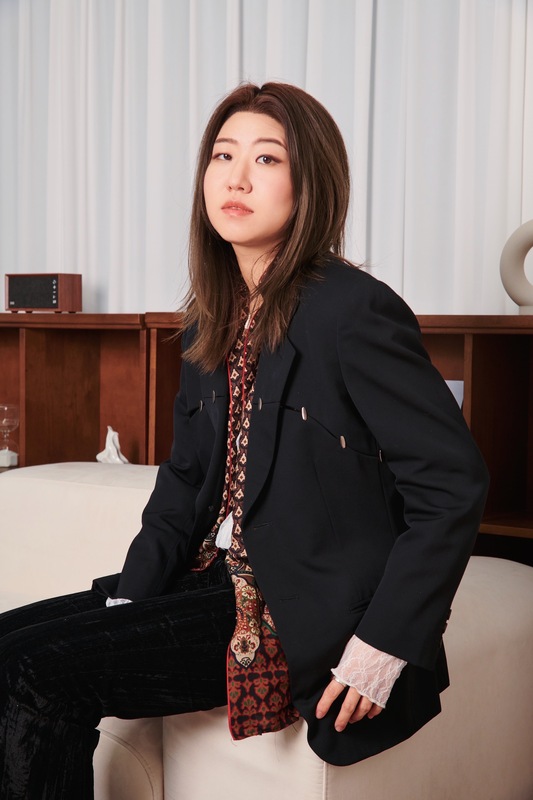
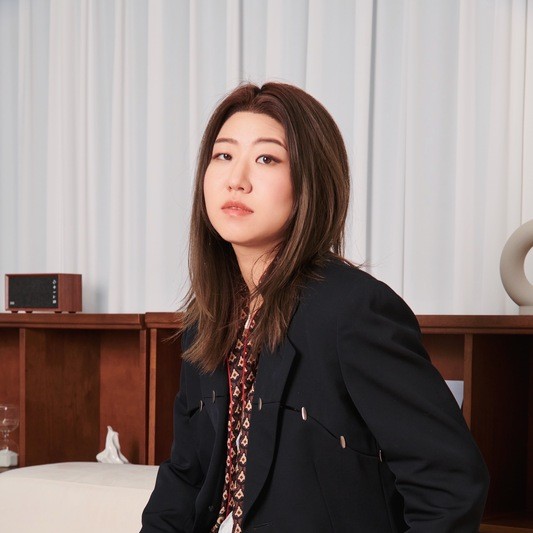
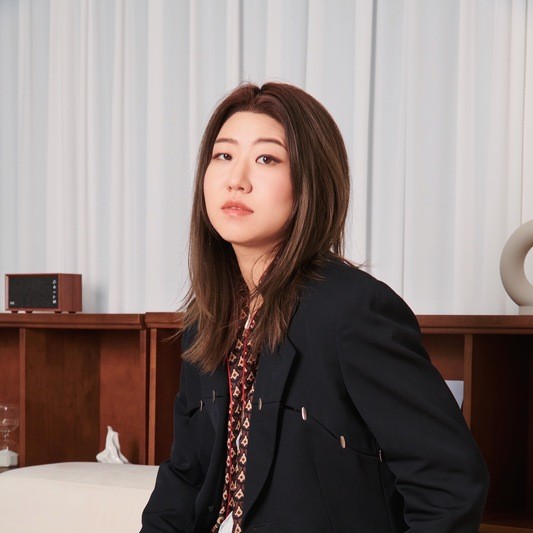
Artist Sunjeong Hwang ©Sunjeong Hwang

Sunjeong Hwang explores the evolving relationships between post-humanism, emergent technologies, and ecological systems, and is currently based in Berlin and Seoul. Her solo exhibitions include 《Sonic Planet – Hertz and Dough》(Buk-Seoul Museum of Art, Seoul, 2025), 《Mycelium Movements》 (IHAM Gallery, Paris, 2023), and 《Formation of Kinship 〈Tanhamu〉》 (Space illi, Seoul, 2022).
 
She has also participated in numerous group exhibitions, including 《Dreaming of Terrapolis》 (Gyeongnam Art Museum, Changwon, 2025), 《Layered Medium: We are in Open Circuits》 (Manarat Al Saadiyat, Abu Dhabi, UAE, 2025), 《When Spider Spin Dusk》(Coreana Museum of Art, Seoul, 2025), Taipei Digital Art Festival 《Chimera Island 鎧美拉之島》 (Taiwan Contemporary Culture Lab, Taipei, 2024), and 《At the End of the World Split Endlessly》 (Seoul Museum of Art, Seoul, 2024).
 
In 2023, Hwang was selected as a finalist for the 23rd SONGEUN Art Award and awarded at ISEA 2023, the 28th International Symposium on Electronic/Emerging Art, and FUTURE TENSE 2023 in Hong Kong. Hwang continues to engage in large-scale productions and interdisciplinary collaborations with choreographers, scientists, and technology researchers, and is a 2025 Transmediale Resident.

References