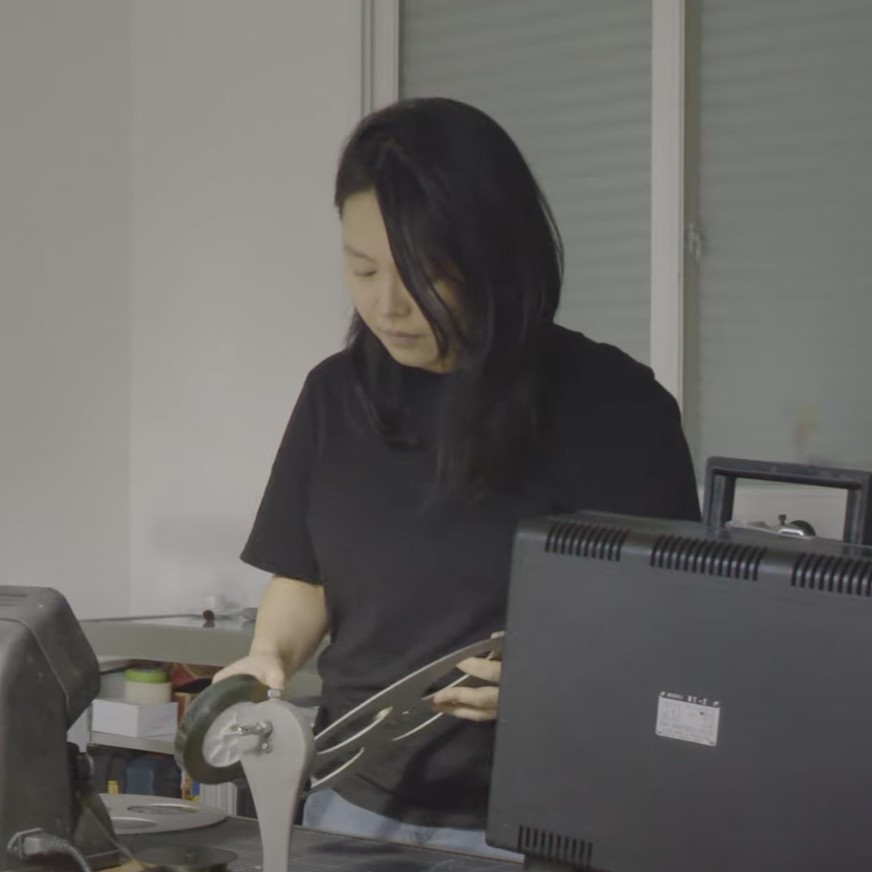
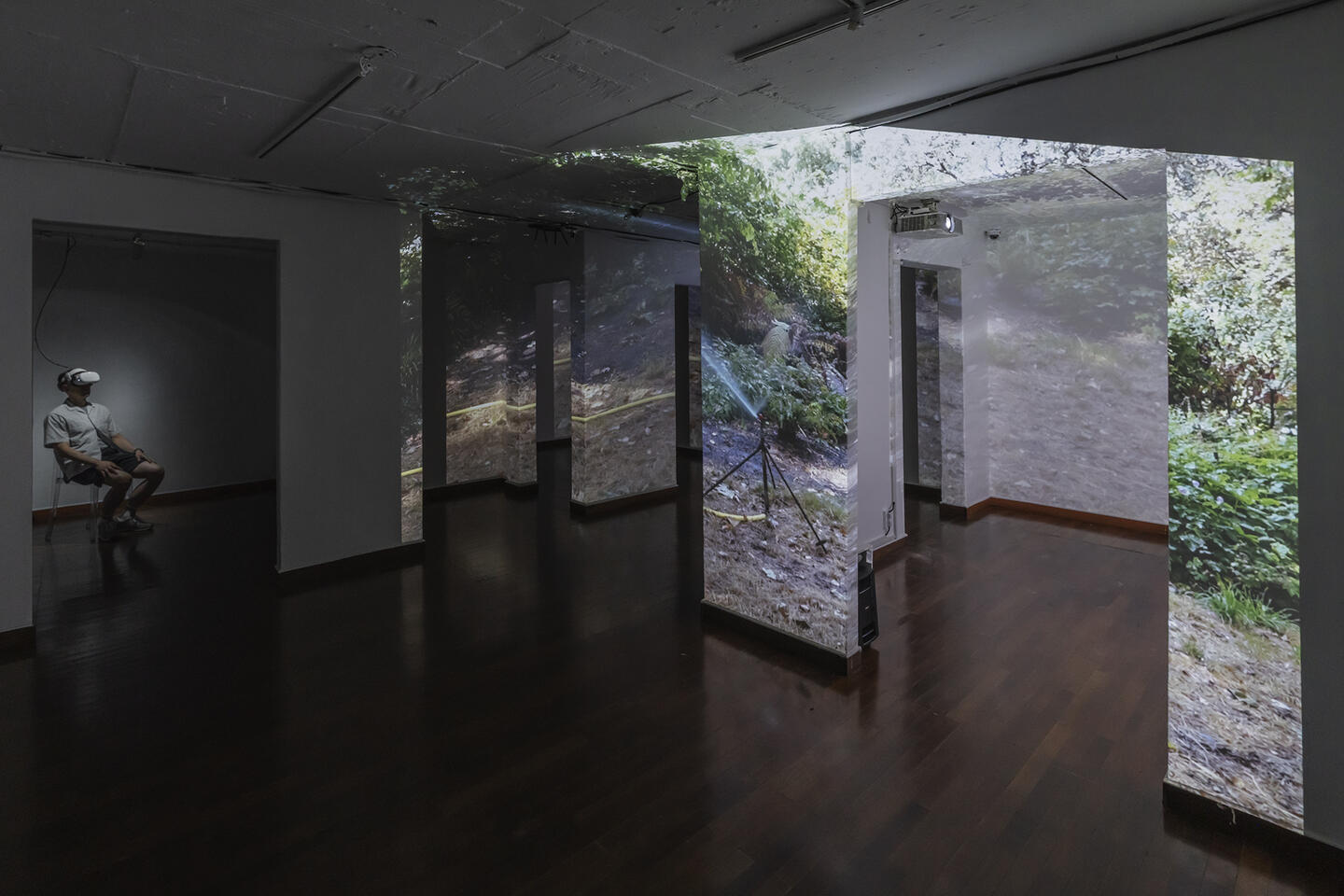
After seeing Uri Han’s solo exhibition 《Thread and Re-winder》, the afterimages that linger in my mind bring the gallery’s works
back all at once. It is a curious sensation. The videos were short—10, 5, and
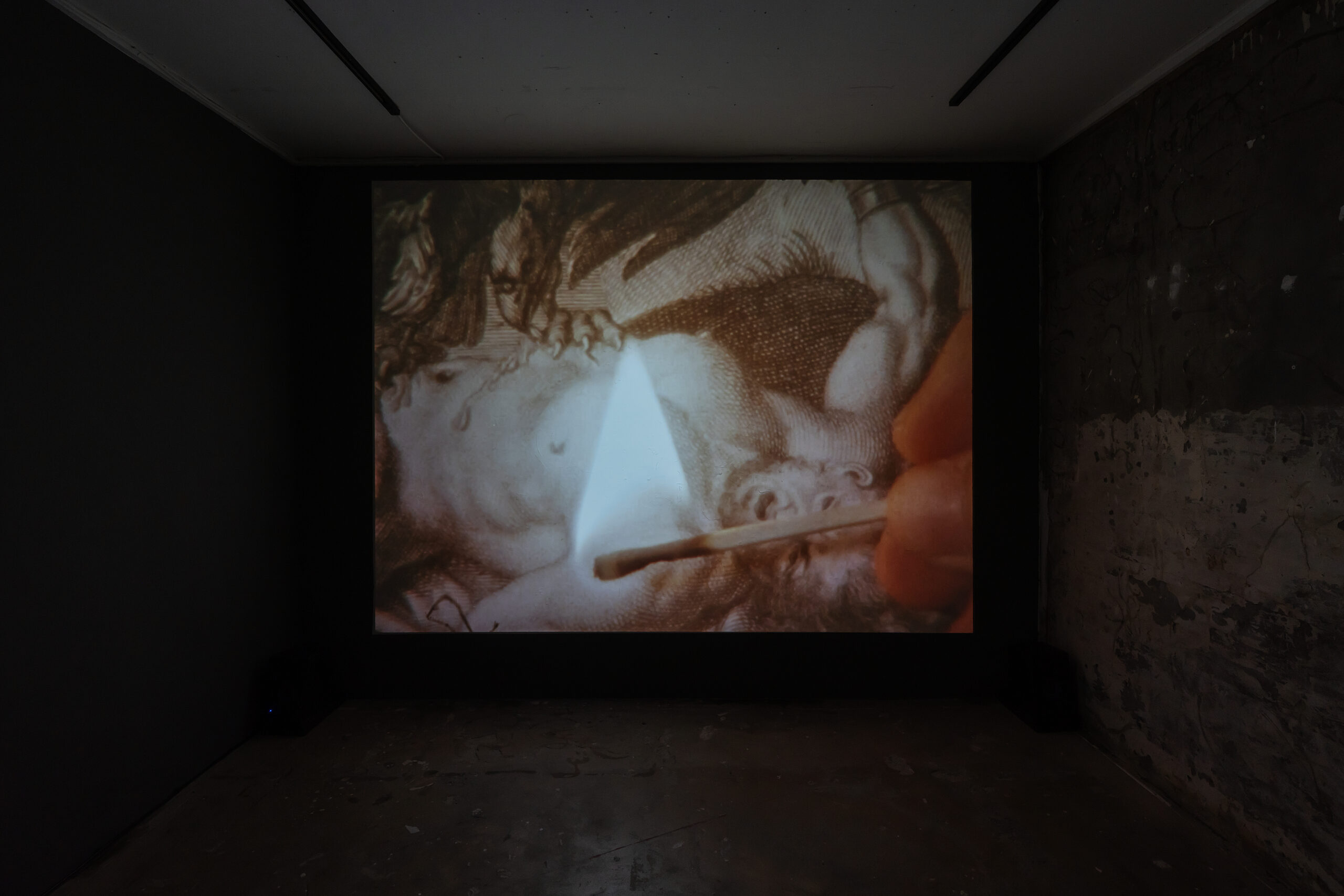
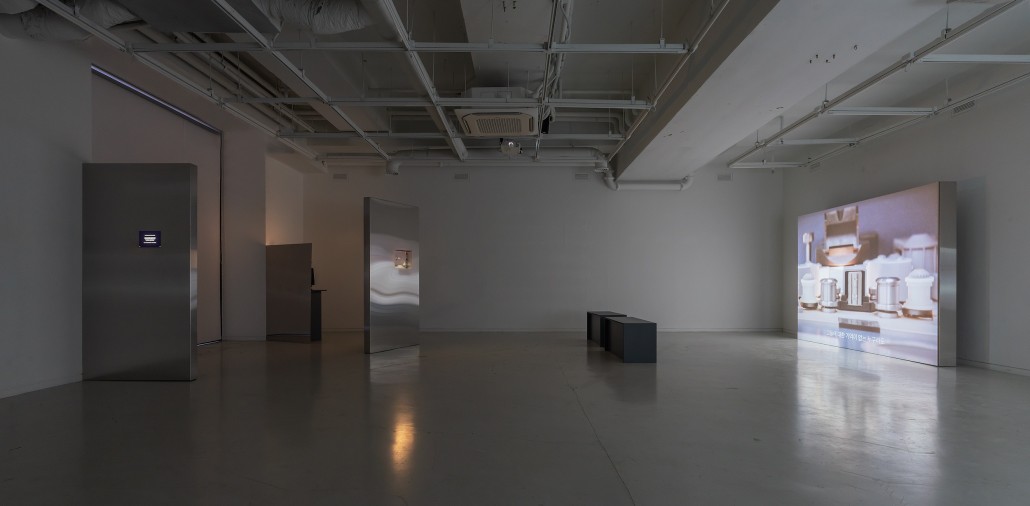
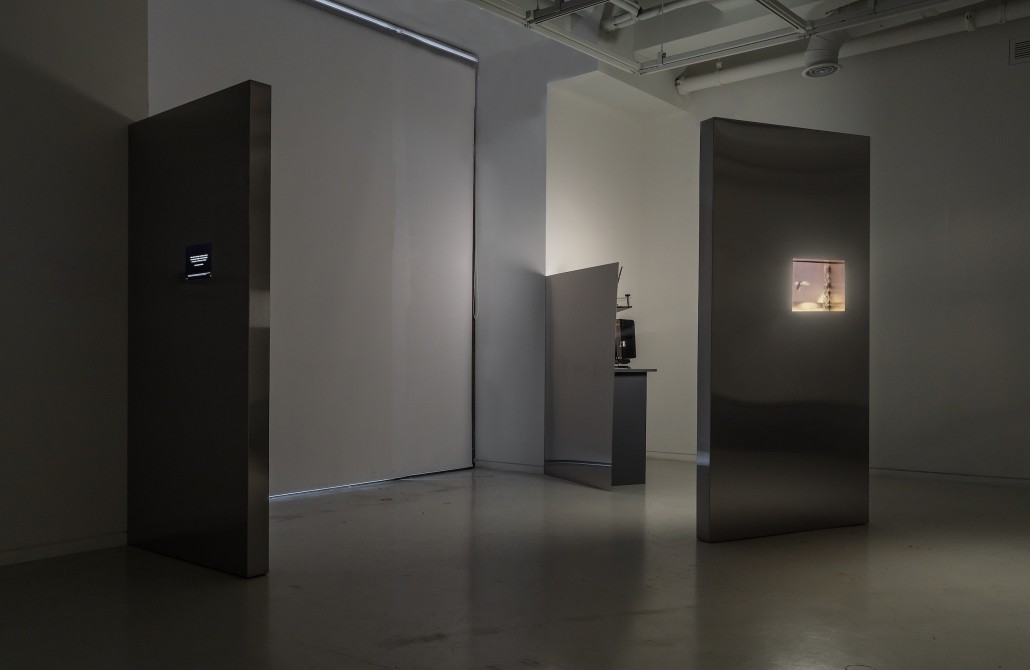
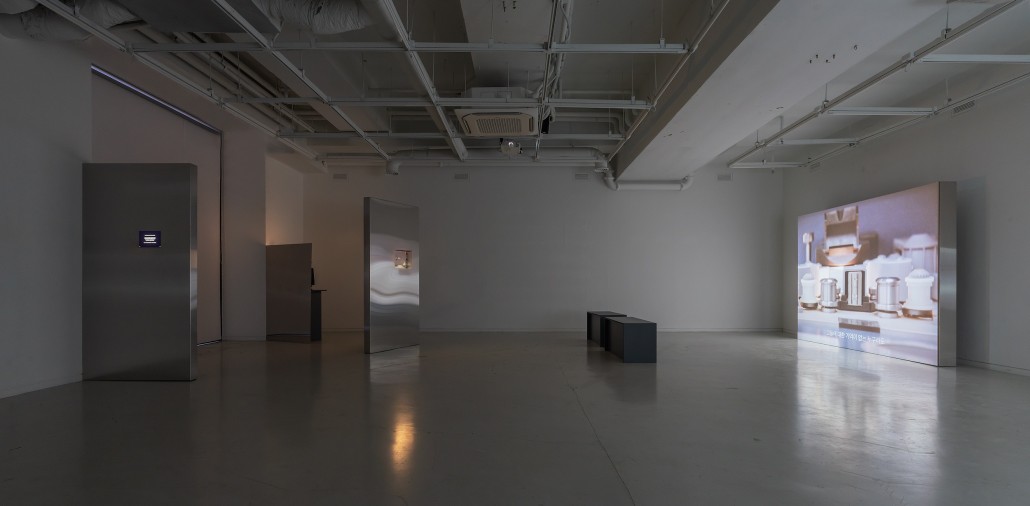
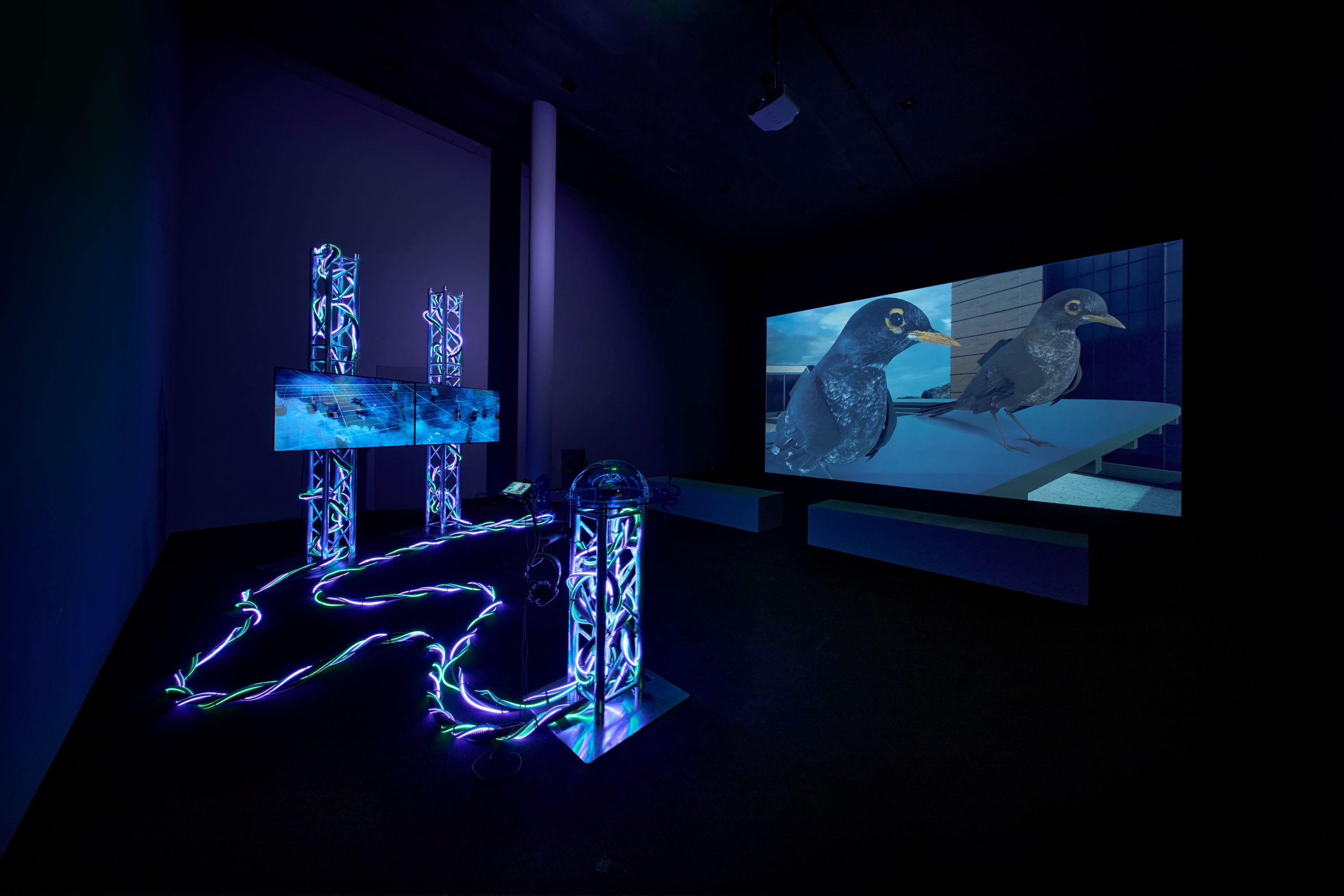
about 3 minutes—ideal lengths for focused viewing. In the dim gallery, two
projectors faced the walls, and from behind a metal partition the light from an
old film projector slowly leaked out. The first two works were Transparent
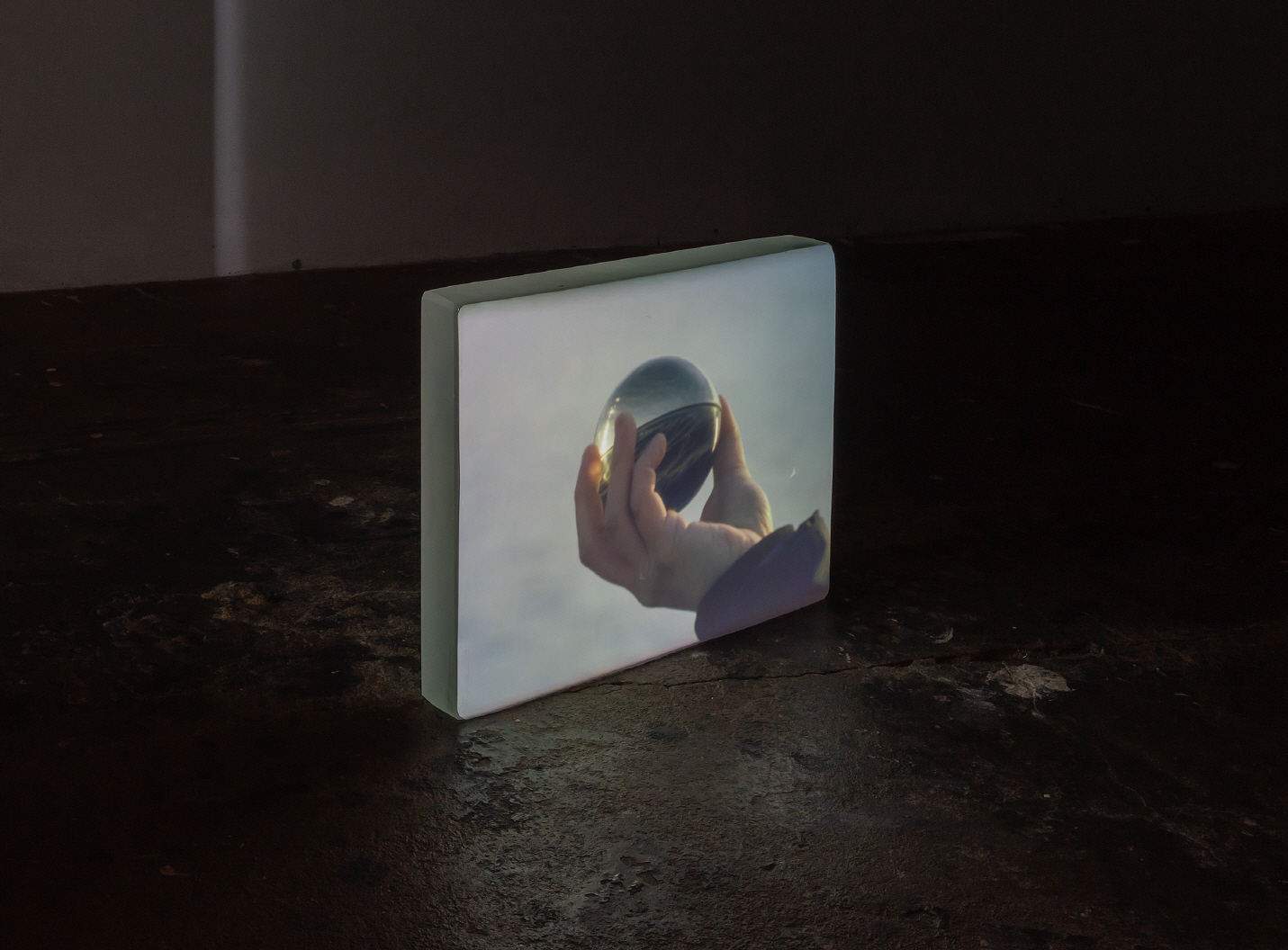
Sensation (2022) and Thin and Deep (2022);
the work screened on the projector was Bertinker (2022).
In the exhibition space, the projector and the film projector did not so much
separate film and digital exhibition as connect them through the flow of time
that generates images. Drawn by this light, viewers lingered before the screen,
wandered the space, slowly disappeared, and reappeared.
This text seeks to hold
on to the memory of the exhibition that remains with me and to consider the
relationship between image and time that Uri Han explores.
Among these, two works rest on narrative
structure. Transparent Sensation uses lyrical
images and sound to imbue the space with synesthetic imagery. Borrowing the
form of a fable, the video tells the story of three friends who remember the
children of a village enchanted away by a pied piper. One friend cannot see,
another cannot hear, and the third can see and hear but cannot move. Though
clumsy in layering things together, the three add each other’s eyes, ears, and
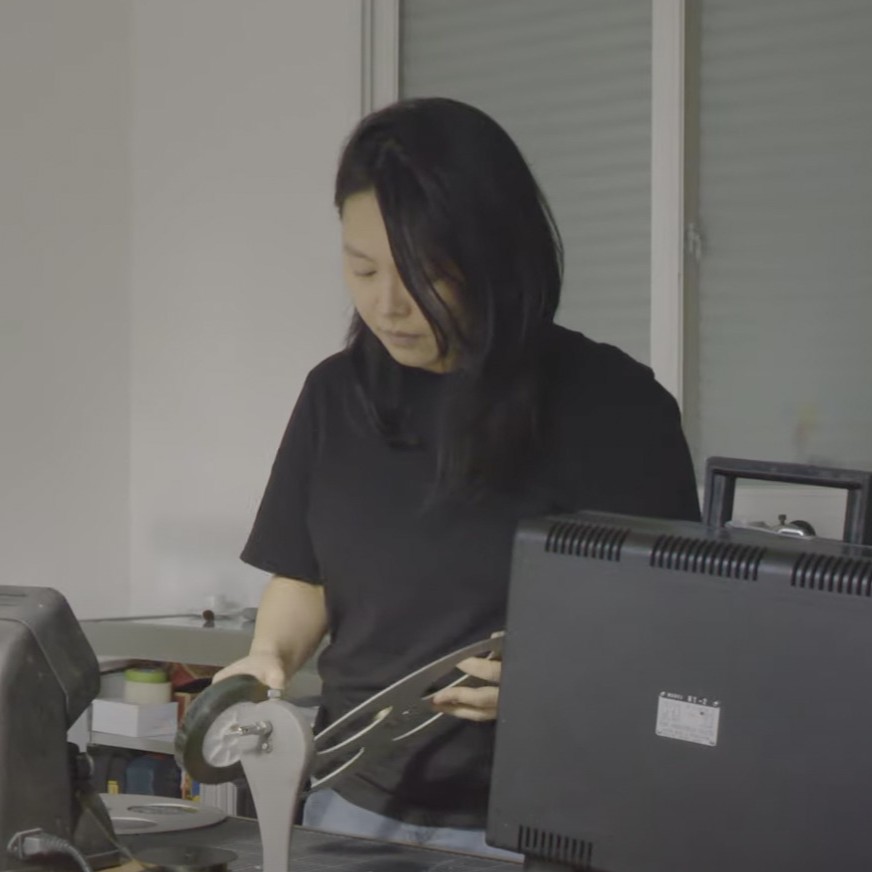
hands to build an analog device that reanimates images. This device becomes a
machine for remembering those who have disappeared, recalling the door of the
film archive and the moment of rewinding film to summon images.
The journey of
memory, which leads disappearance further into the past, proceeds through Bertinker,
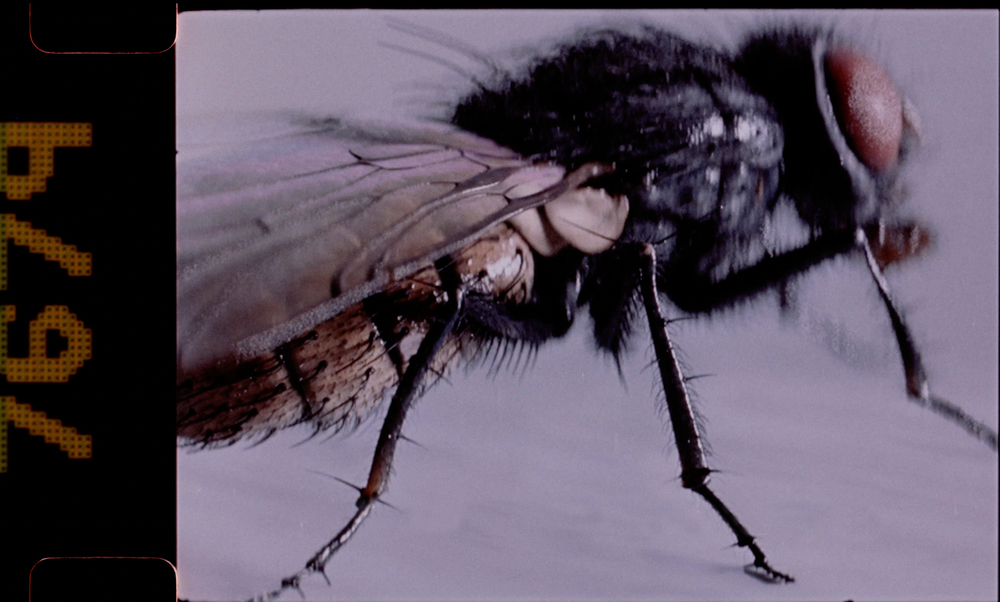
screened on a film projector. Beginning with “once upon a time,” the work draws
inspiration from the Fly—the only insect constellation—and resurrects, through
3D animation, the tale of Bertinker, who bound places and things with thread to
create time. As humans, bewitched by Bertinker’s power, capture it
indiscriminately, temporal misalignments grow, and the story expresses a
present wish to summon Bertinker once more. In its final moments, stream-like,
multicolored drawings on film gesture toward an unfinished imagination of
time’s trajectory.
By contrast, Thin and Deep differs
somewhat in its mode of unfolding. Here, the narrative scaffolding that
undergirds the other works falls away, and a sequence of images on the screen
takes center stage. Film itself appears as a thing—a mediator that links the
materiality of analog film with the sleek immateriality of the digital era.
Treating film as a frame that fills the screen, the video shows a wavering
landscape through perforations in the stock, then turns to images of projector
parts rendered as virtual sensations drifting through the digital world.
The
non-permanent life of objects, fated to be dismantled and decomposed over time,
gradually regains its missing pieces through the hands and collective knowledge
of those who care. The images adrift move among the material sensations of
projector, film, and smartphone; the world of separated materialities, implied
by both image and object, stretches along the timelines of those worlds. This
composition brings into contact the aesthetic structures of recent, crisp,
ghost-free video and, in contrast, the film image of the past.