In
recent years, the keyword “science and technology” has been especially hot in
the art world. Although the field has steadily discussed science and technology
since the 21st century, the online era—accelerated by COVID-19—has sped up
those discourses as well. And many artists do not simply embrace the current
situation in which cutting-edge technologies roll in like waves. It is perhaps
an attempt to self-correct our structures of consciousness that fall behind as
technology advances rapidly.
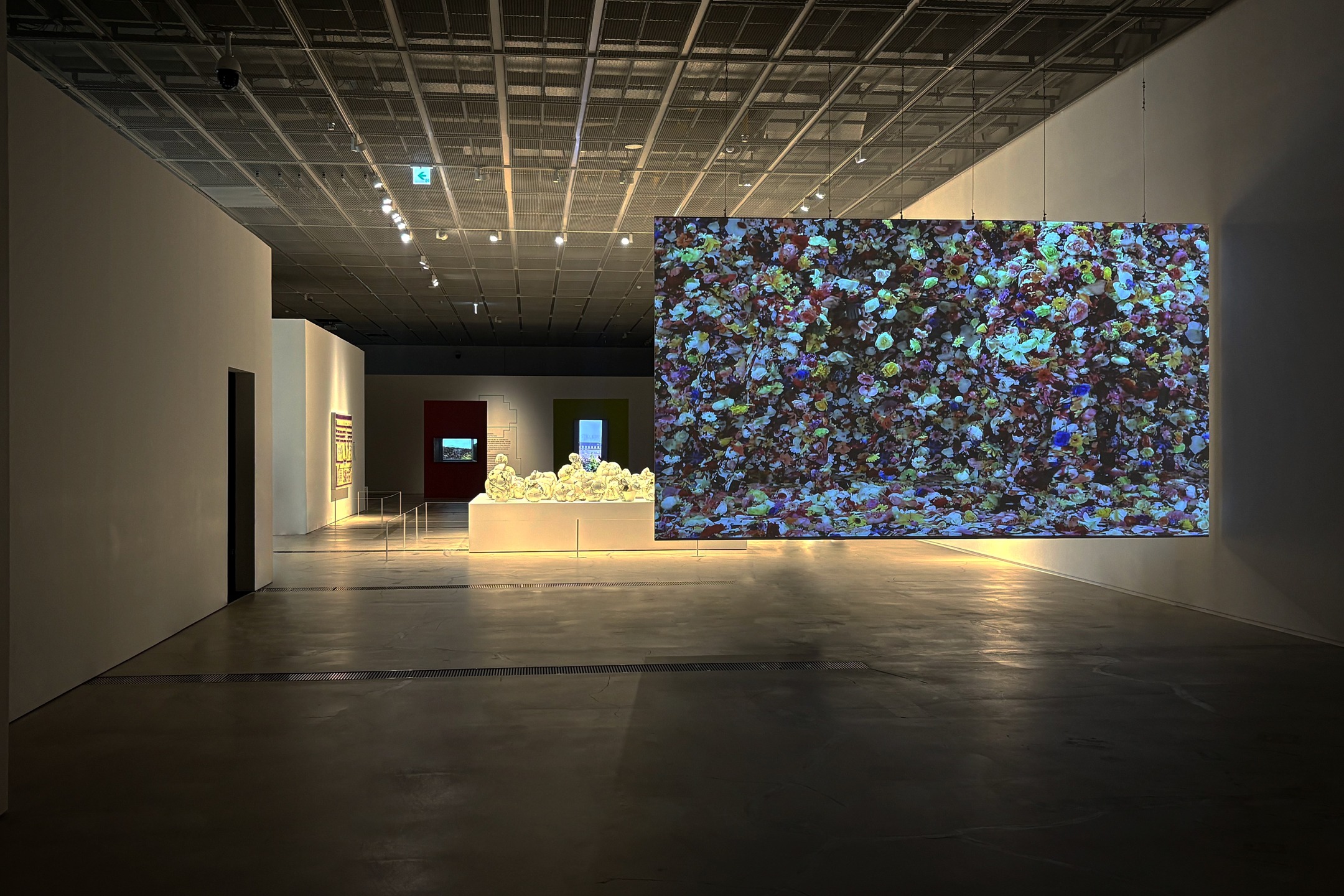
《Virtual Station》, currently on view at
Haenghwatang—a former public bath reborn as a multi-arts cultural
space—likewise focuses on the changes brought about by technological
development. Curated by Artistic Director Kim Sung-hee, the project features
Kim Jiseon, Kim Nahee, Rimini Protokoll & Thomas Melle, Helen Knowles, The
Blucky Production, Tiffany Lee, Seo Hyunseok, Yoon Taewoong, Lee Ungchul, Kim
Boyong, and Song Min Jung. Promoted as part of Arts Council Korea’s public-art
program, it runs through March 21.
Before
touring the exhibition rooms, let’s skim the preface:
“The
concepts that have become key topics in today’s art and critical thought—body,
time, space, city, community—were born in modernity. And with the rapid
development of technology, they undergo radical transformations. The ecological
system of thought and relations in which the subject had settled is destroyed,
and new networks of information replace the body and desire. The sense of time
and space is fragmented and exchanged for flattened information. Information is
capital. What can art do in the public sphere that has sunk beneath the
velocity of capital?
If
art has any role in the public sphere, perhaps it is to open a public plaza in
which such discussions can unfold vigorously, presenting diverse artists’
perspectives and agendas so as to offer starting points for seeing the world
more sharply and critically.
《Virtual Station》 looks
at technology from atop the ruins of modernity. It watches for seeds of new
sensibility behind the trajectories and textures of change set in motion by
technology, and behind myths that are no longer valid.”
—
Preface to 《Virtual Station》
In
short, 《Virtual Station》
revisits the influence of information technology cast over various critical
concepts born in modernity, and, through art, seeks to provide an occasion to
closely observe social phenomena with a sharp gaze. The project appears in
diverse forms—video works, performances, sharing sessions, VR, and more—but
here I introduce three video works that can be viewed regularly at
Haenghwatang.
In
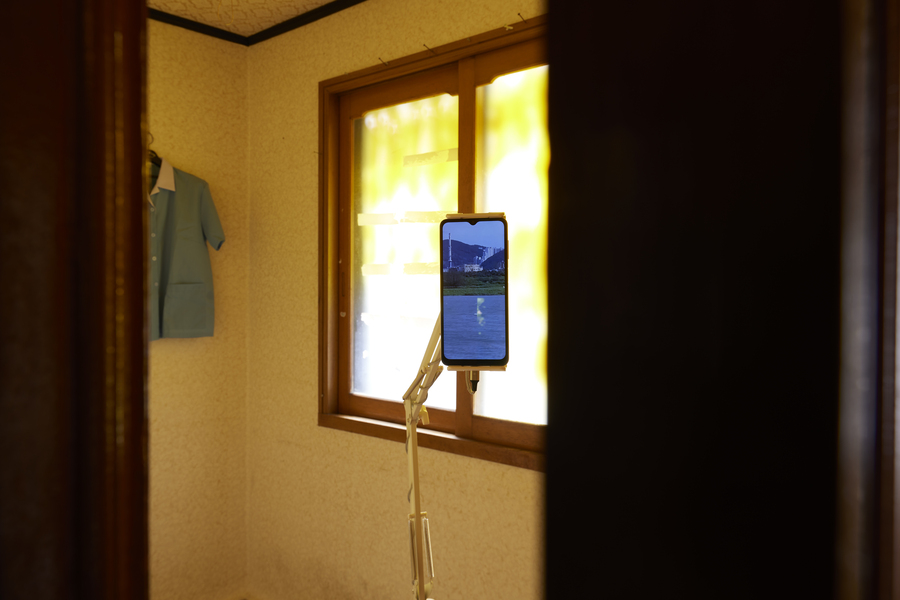
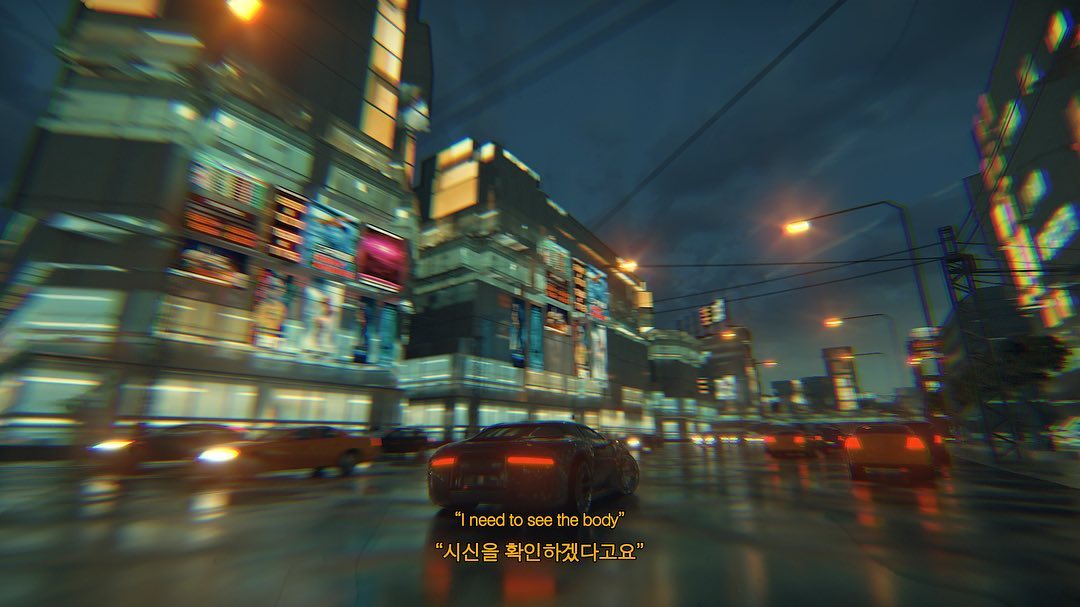
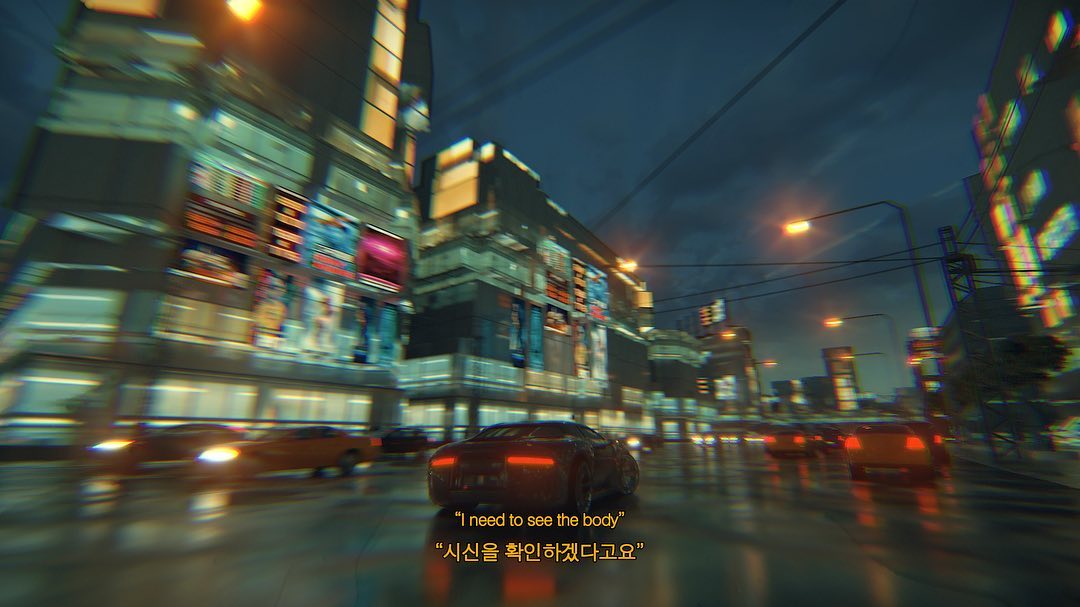
“Oil Storage,” Song Min Jung’s Wild Seed is
presented. Its protagonist is a man named Kim Ki-cheol, deprived of his body
and drifting like a ghost through the world. He is found on an island in China,
his fingers severed by a cutter. The police officer who informs his daughter of
the news is so indifferent—avoiding the repatriation of the body because it
would be cumbersome or snapping that it isn’t a voice-phishing scam—that his
attitude scarcely resembles that of someone delivering a death notice to the
bereaved.
As
the story proceeds to trace his death in tandem with the contents of a memo the
man left behind, voices of various nationalities appear. A Chinese woman who
worked with him says only that he was “a man who smelled like fish.” She
remarks that what the living say about the dead becomes ever more embellished
in the absence of the person concerned—as if it were a novel. And she adds that
if information about Kim Ki-cheol were to affect her own safety, she would make
no statement at all.
We
then hear the voice of a customer-service representative explaining how to
handle the information left on the deceased’s social-media account. For an
additional fee, she says, Kim’s account can be converted to a memorial account
to preserve its data. The daughter replies that she will think about it and
call back. But when the representative phones again after some time, she states
that, for unknown reasons, the data has been lost and cannot be restored. In
the end, Kim Ki-cheol’s information is deleted.
In
other words, Kim Ki-cheol is a figure whose body has been taken by information
manipulation. In this world he is neither wholly dead nor alive. The only means
by which he could be remembered—information—has been completely erased online,
and those who had relationships with him in life refuse to testify about him.
This chain of events makes us feel viscerally the threat that information can
pose. Although the work takes the form of a “thriller drama,” its essential
meaning differs little from our reality.
For
the sake of convenience, we hand our information over to others with ease. But
convenience always requires risk. We live in a world where a public-certificate
number and a password can prove my existence on the internet; if that
information falls into someone else’s hands, anyone can impersonate me. In this
way, we live in an era where a small minority who monopolize information power
can control our daily lives at will. In an age when intangible information
proves who we are more effectively than physical substance, can we look at the
development of information technology in a purely positive light?
(…)
Today,
as immaterial data comes to govern our everyday lives, the entity facing the
greatest crisis may be our bodies. As online communication replaces physical
communion, our synesthesia will either grow dull or, conversely,
hypersensitive. At this threshold, contemporary artists sharpen their own
senses to respond, prompting viewers to be keenly responsive to the current
situation.