‘Hanaco’ is an anonymous character who is ‘not
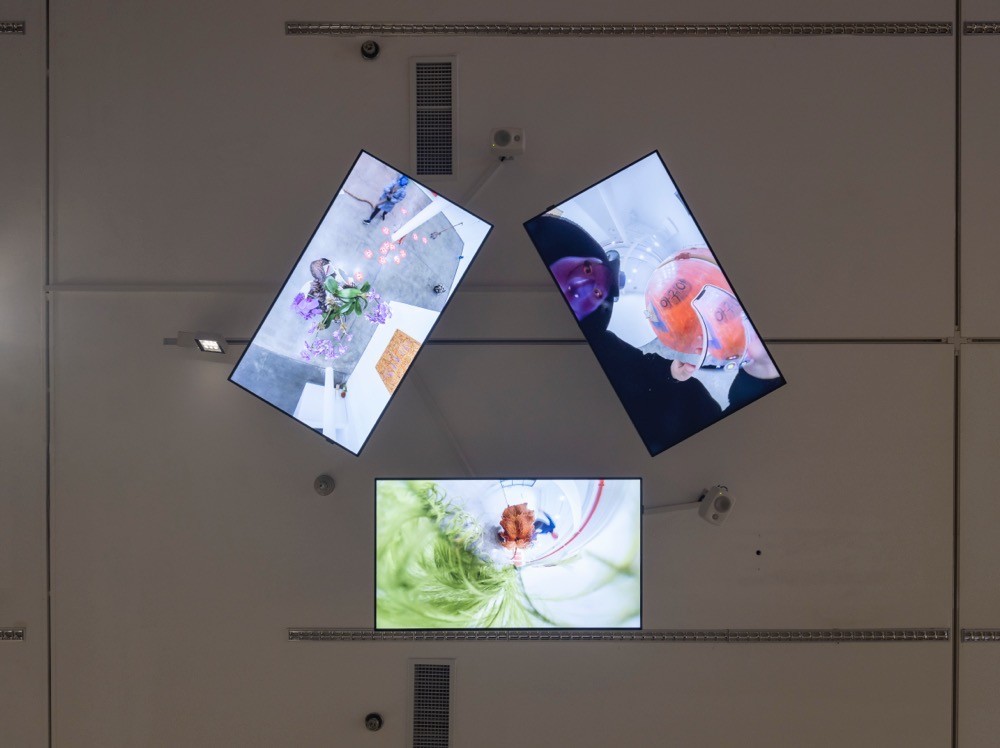
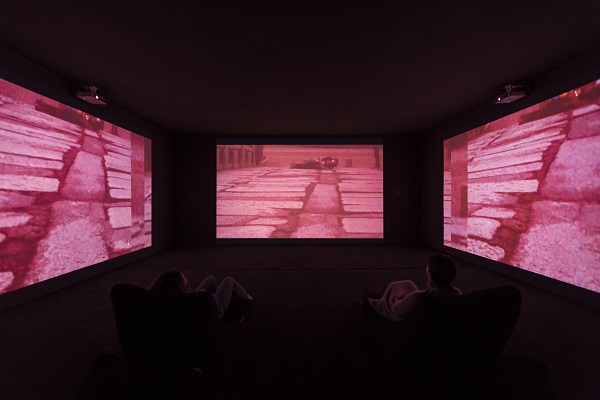
called by the real name’ and has appeared in Yun Choi’s works since 2015. In Hanaco and Mr. Kimchi etc. Playback
(2016–), a single playlist which holds together various
videos, a character, possibly Hanaco, keeps crossing over time and space as
well as acting recklessly and beyond comprehension.
For instance, Hanaco
refuses to stand straight; instead she crawls, turns round and round while
taking pictures, disorienting the point of the compass, exposes things that are
better hidden, flings herself on the floor, and calls out to wall. The artist explains this behavior as “an act to somehow reverse the physical rigidity of maps.” The comment seems to indicate the will and confidence of the artist in carrying with the challenge even when the fixed ideas and firm norms likened to maps
would not break from her reckless attempts.
Hanaco and Mr. Kimchi etc. Playback
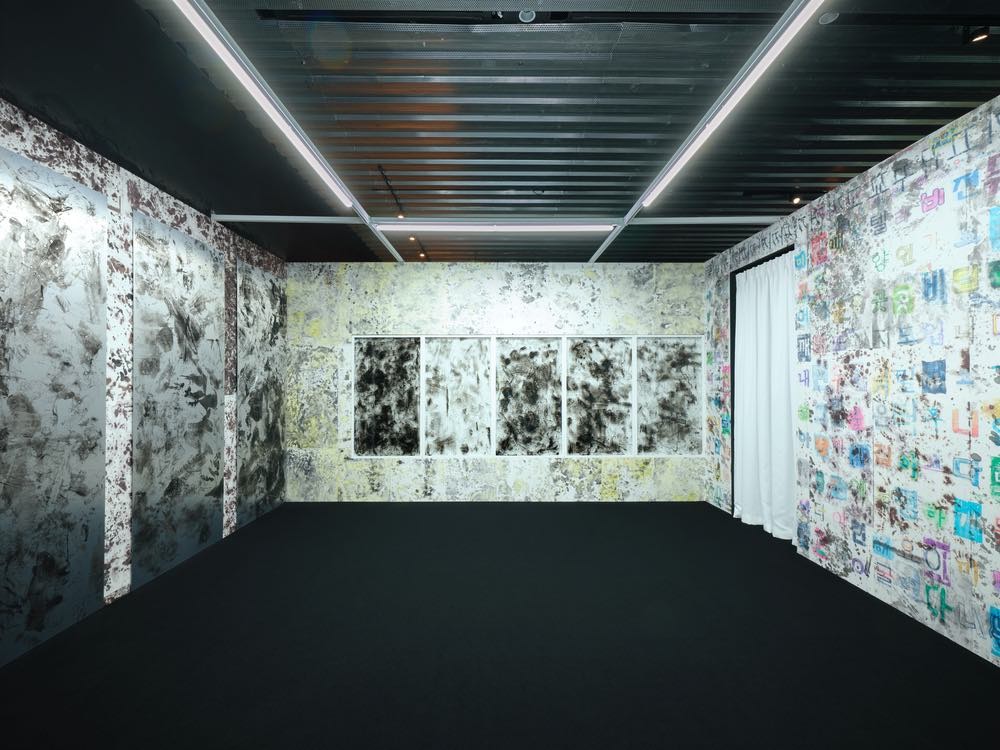
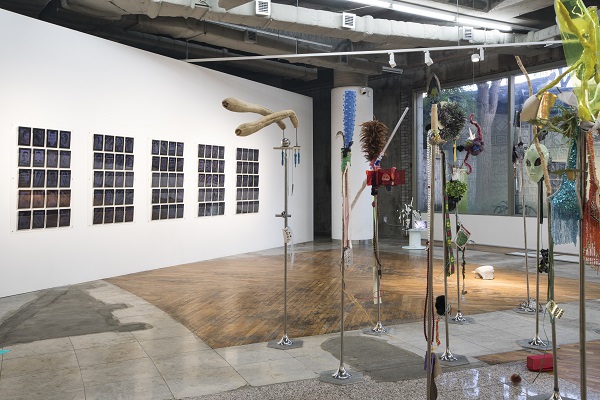
comes out to the gallery space and appears as being divided and converted into
countless Hanacos and tools. ‘Hanaco,’ a faceless body from the video, is
realized in various images of the reality from the encounter with ‘Yunyunchoi’ in the gallery space. The
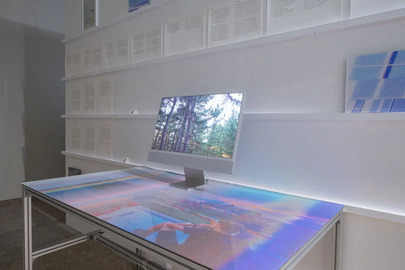
objects from the video are laid out under the title of Performance
Tool and Media Cache (2017); the existing Hanaco 50
(2015) is amplified into 100 characters each with 100
printed sheets displayed on the wall. They are pointing to one another within a
state where it’s possible to access to the scene, like
Hanaco from the video, by following the voices echoing in the gallery space. Yun
Choi does not stop there but adds several elements in the gallery space.
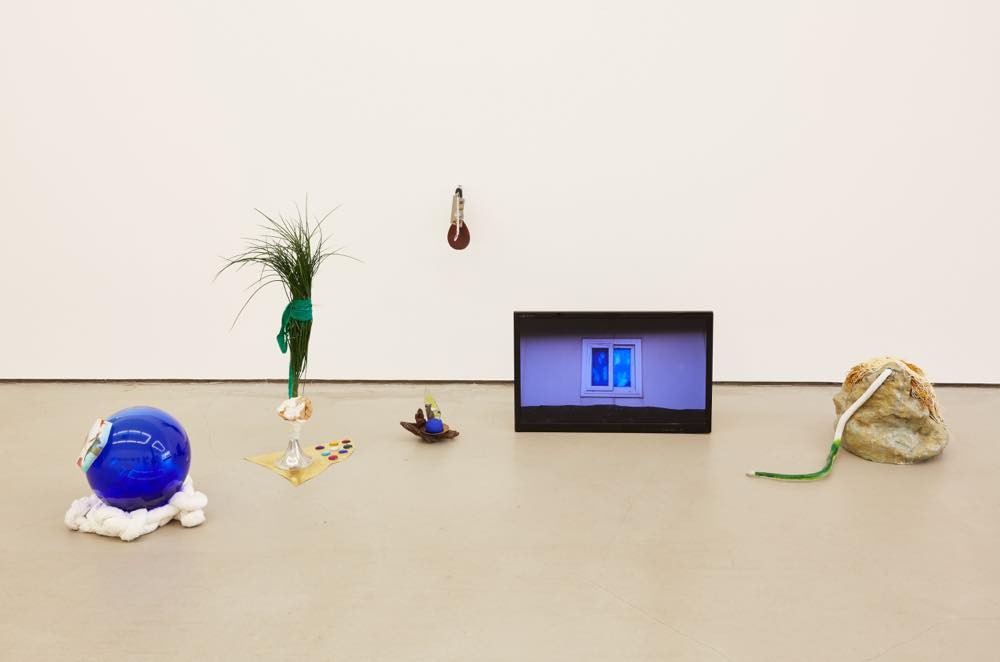
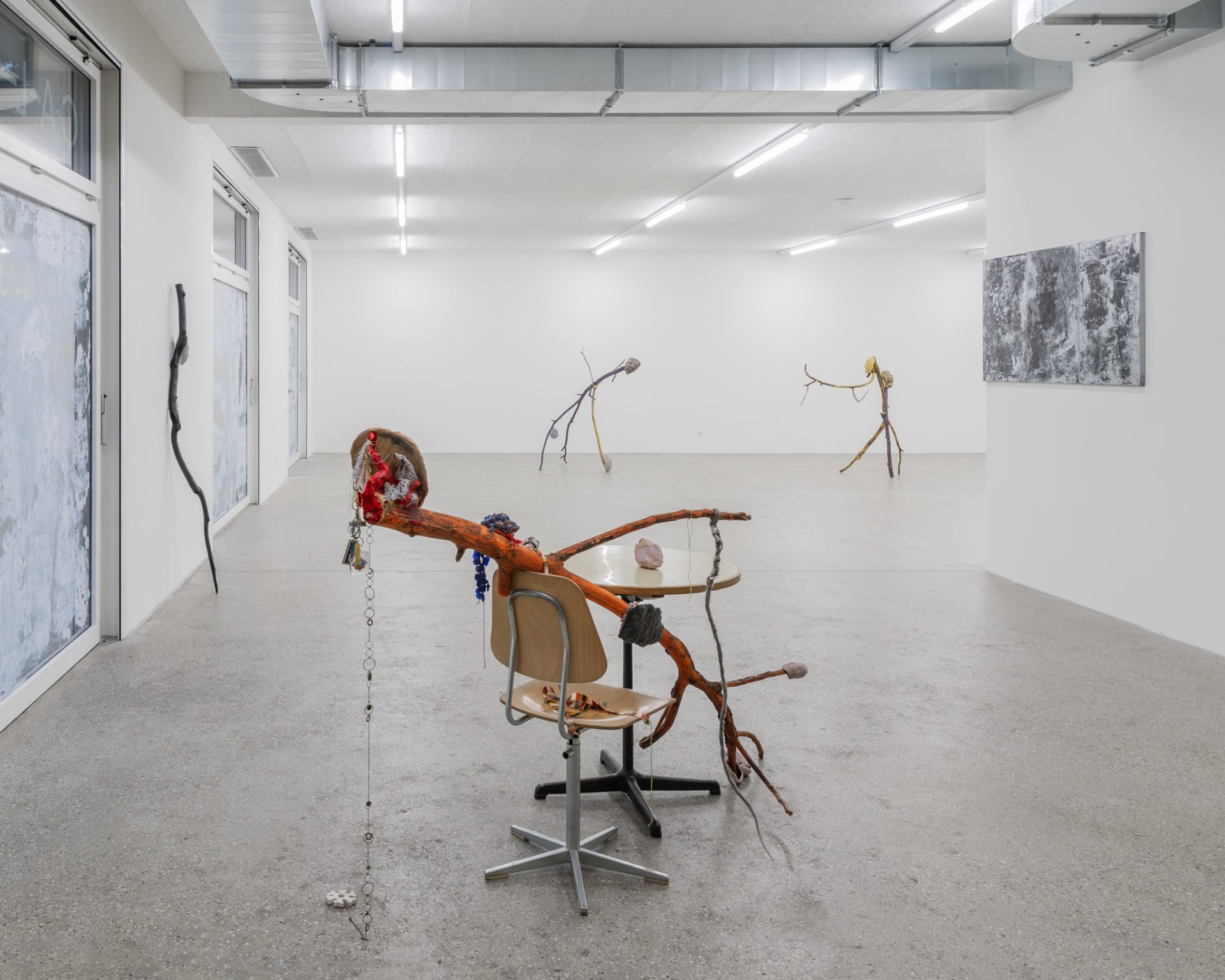
Shoddy objects that never made it to the
scenes of Hanaco and Mr. Kimchi etc. Playback such as a Pikachu doll and food
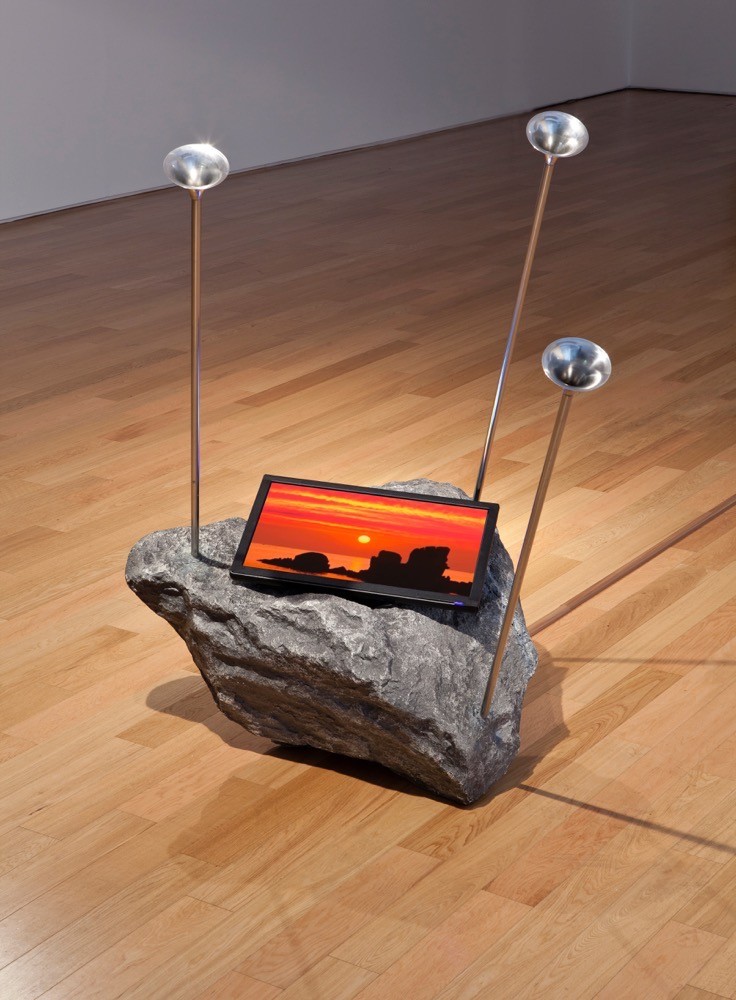
models are transformed and arranged here and there as the ‘media cache’ of the show. Around them cache of the cache that is left behind as
residue of data despite countless attempts of elimination, like cache files sticks and functions as the insignificant
decoration of SS series (2009–2017)
that mimics online videos.
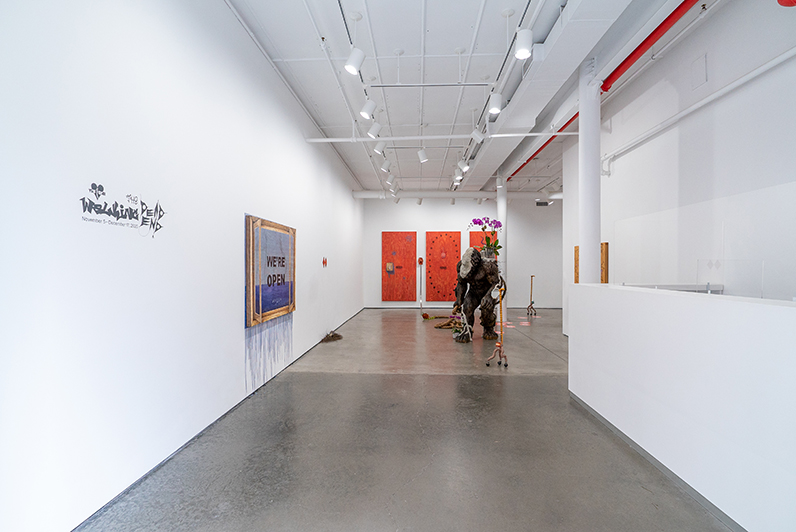
Likewise, a greeting robot that awakes a vague déjà-vu—hi-bot (2017)—is standing by the
entrance to promote the speed of communication. Window Picture Frame
(2017) and Sunflower Wallpaper (2017), as images of complete
products often used as interior accessories, are attached on the walls. These
elements across over the walls as repeatedly attached and detached to one
another. And they are linked to the scenes beyond the glass window of the
gallery, toward the streets crowded with people wearing modernized hanbok, and
another scenes.
As ‘Hanaco,’ ‘Yunyunchoi,’ and ‘Yun Choi’ do
not blend in together yet connect with one another somehow, the elements
scattered on the exhibition floor jump between the
landscapes again and again in an attempt to bridge them. In the end, the artist
as a mediator interveins among several substitutes, ‘Hanaco,’
‘Yunyunchoi,’ and ‘Yun Choi’, and yells out unrefined, multiple or anonymous voices. But why is she doing this? When
it comes to ‘Hanaco,’ it is one
of the most common Japanese names.
But it could also be a nickname from an
impressive ‘one (hana)’ ‘nose
(co)’ from the face, or a name from the colonial era.
The name of the many (multiple) becomes that of the hidden (anonymous), and an
imposed name (fake). ‘Yun Choi’
calls upon ‘Yunyunchoi’ and
with ‘Hanaco,’ presents media
cache and debris that was taken for granted or forgotten. Then are all Hanacos
of the world dead or alive? Countless Hanacos in fragments are endlessly
transforming and tearing up the boundaries of the landscape.